
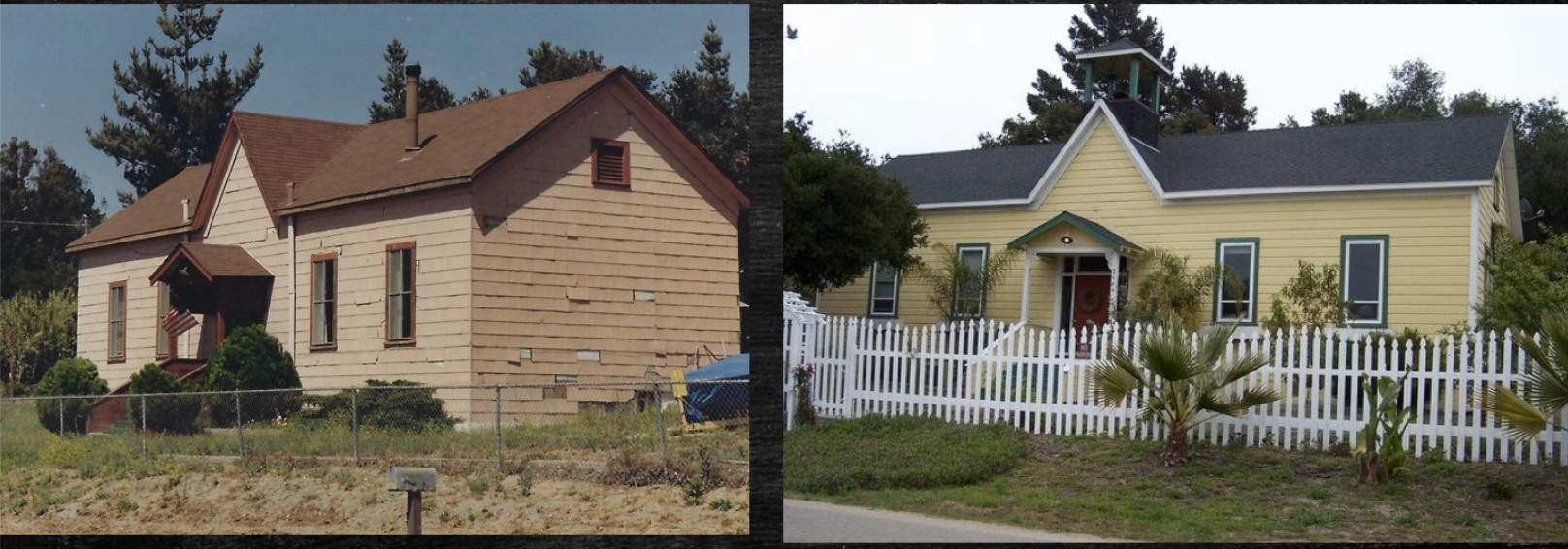
School used to start a little before California Admission Day (that would be Sept. 9, 1850), when I was a little kid at Branch School, but now school lets out around June 8 and seems to resume, goodness sakes, about six weeks later.
But Admission Day is not such a great thing, other than the fact that California gold flushed Salmon Chase’s coffers–Lincoln’s Treasury Secretary, as in “Chase-Manhattan Bank,” who thought himself immensely superior to the president, as did his daughter, Kate, a Washington D.C. beauty. So our gold killed a lot of Confederates. At least one of my ancestors (Douglass, my middle name) among them.

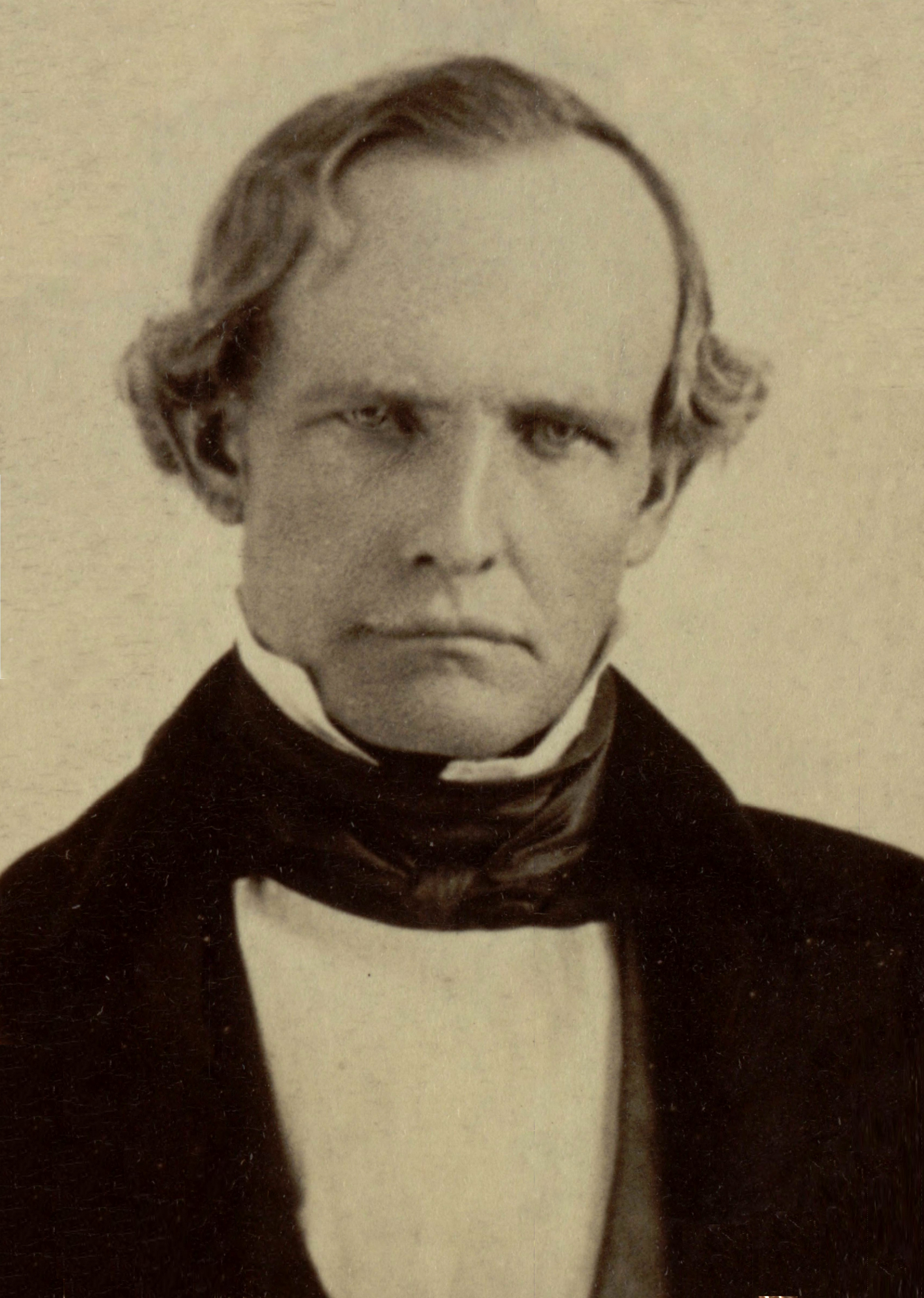
Which leads me to Peter Burnett–in the photograph at the top of this entry–a slave-owning Missouri transplant and our first governor. Burnett’s administration included a pledge to exterminate every Native American in the state.
He didn’t, but he made damn good progress. There were an estimated 20,000 ytt (Northern Chumash) people in California in 1500. By 1900, only 62 identified themselves as such.
In San Jose, the statistics are similar: There were 30,000 Muwekma Ohlone people before Burnett and sixty-two survived him.
Yes, the attrition is in part due to the influx of European/American diseases, like smallpox, measles and syphilis.
But Burnett actively recruited expeditions, some of them doubtless made up of amateur soldiers, lubricated with whiskey, to hunt down Native Californians and kill them.
The constitutional convention at Monterey in 1850 included the passage of a measure for the protection of California Native Americans. They were protected, in the act–and especially minors–by becoming indentured servants to the White folks who deserved California, after all.
The Census reveals that even in our county, Native American children are routinely identified as “servants.”
Our representative to the constitutional convention, young Henry Tefft, luckily left before that law was passed to take up a judgeship in San Luis Obispo County.
He later drowned in San Luis Bay when his ship’s little rowboat capsized.
Mrs. Tefft remarried.
For the YTT people of our county, there was almost no one left to marry. There were only bones, displaced for Chorro Street water mains or ground into fertilizer or dumped into mass graves at the southern edge of town or collected by amateur anthropologists.
Some YTT bones wound up in medical schools in England.
I once wanted, very earnestly, to write about Rosario Cooper of Lopez Canyon, the last speaker of her Chumash dialect and something of a celebrity in anthropology, in linguistics.
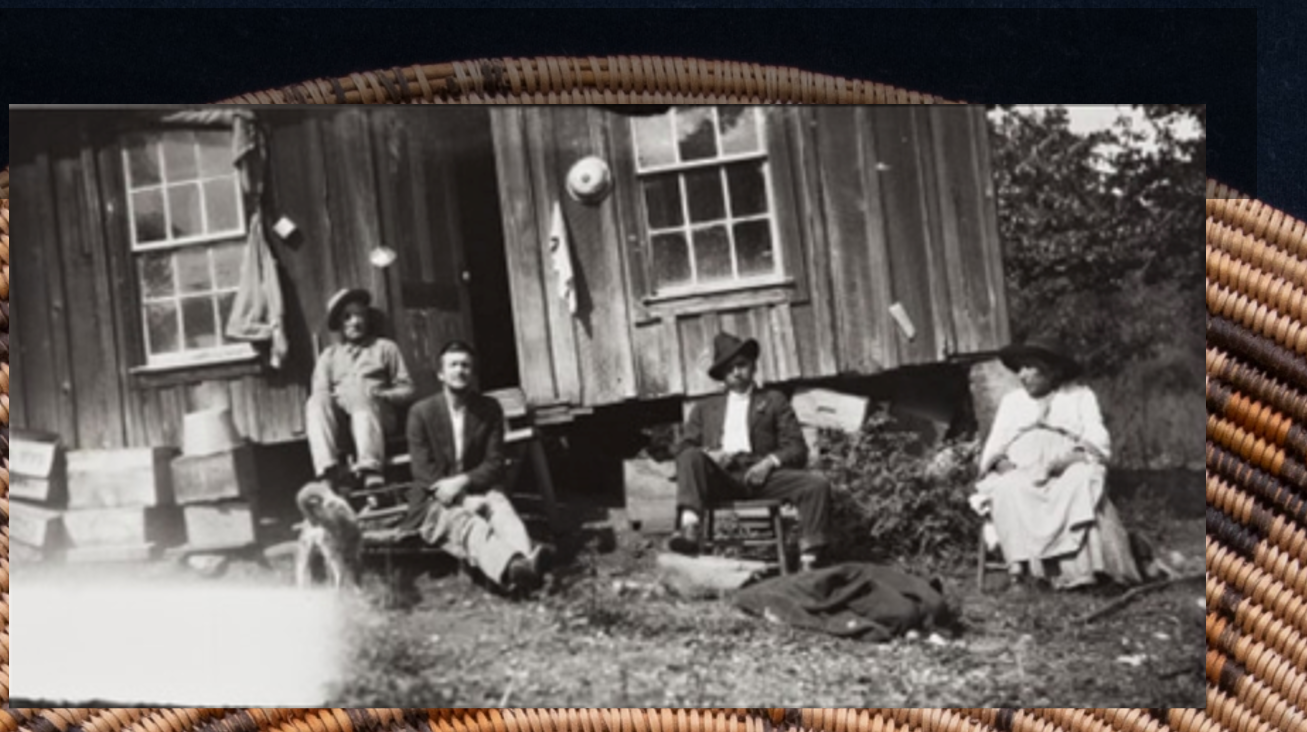
My source, a YTT elder, refused to talk about Rosario. My ancestry, in Leicestershire and in County Wicklow, did me not one bit of good. It took me a long time, but I finally understood her refusal. Her people had been burned too many times by well-meaning White people, almost as dangerous in their way as Gov. Burnett was in his.
But you can still hear Cooper singing, her voice recorded on Edison wax cylinders in 1916, carefully preserved at Cal’s Bancroft Library.
I had the great honor of teaching two extraordinary young women AP European History at AGHS, both of them Cooper’s descendants.
But I didn’t teach them this history. I didn’t know it then. I didn’t want to know it when I finally learned it. It was too painful.
And I’m not so thrilled about Admission Day anymore.
 A Work in Progress