
I voted today and it was painless, almost joyful. This is why.
At Latrobe, Pennsylvania, Arnold Palmer’s hometown, one of the candidates–the one who’s clueless, shameless, and gutless, if only in the moral sense—opened a campaign speech with an extended commentary on the size of Palmer’s manhood.
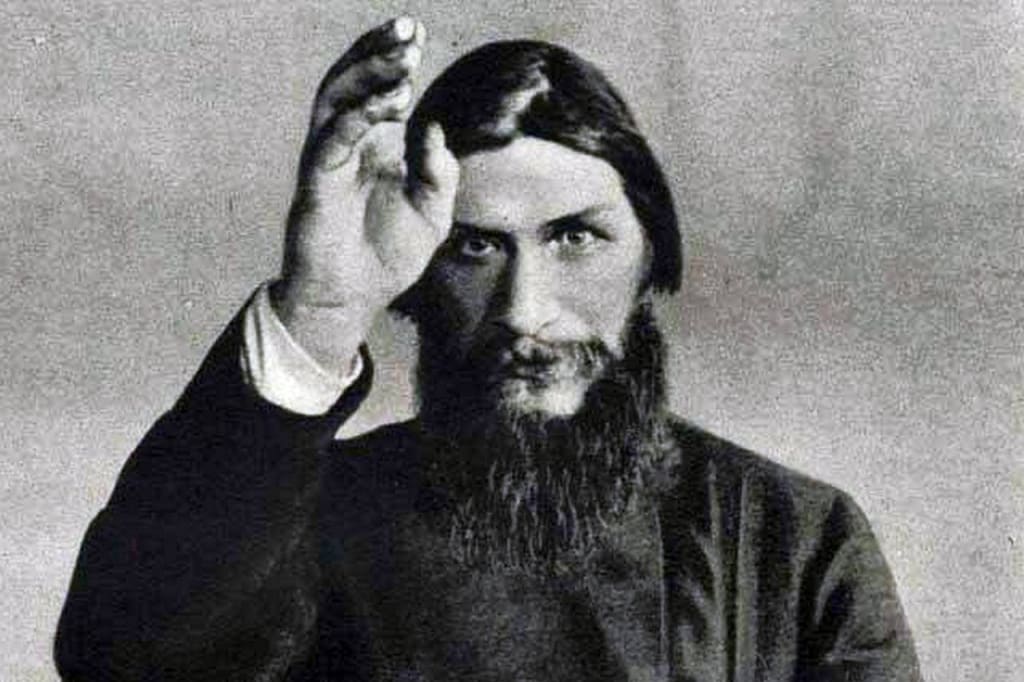
Manhood does not make the man. Rasputin was well-endowed, too. His member, thanks to macabre Russian archivists, is preserved in alcohol. Both the Russians and the candidate appear to be confused about this business of manhood.
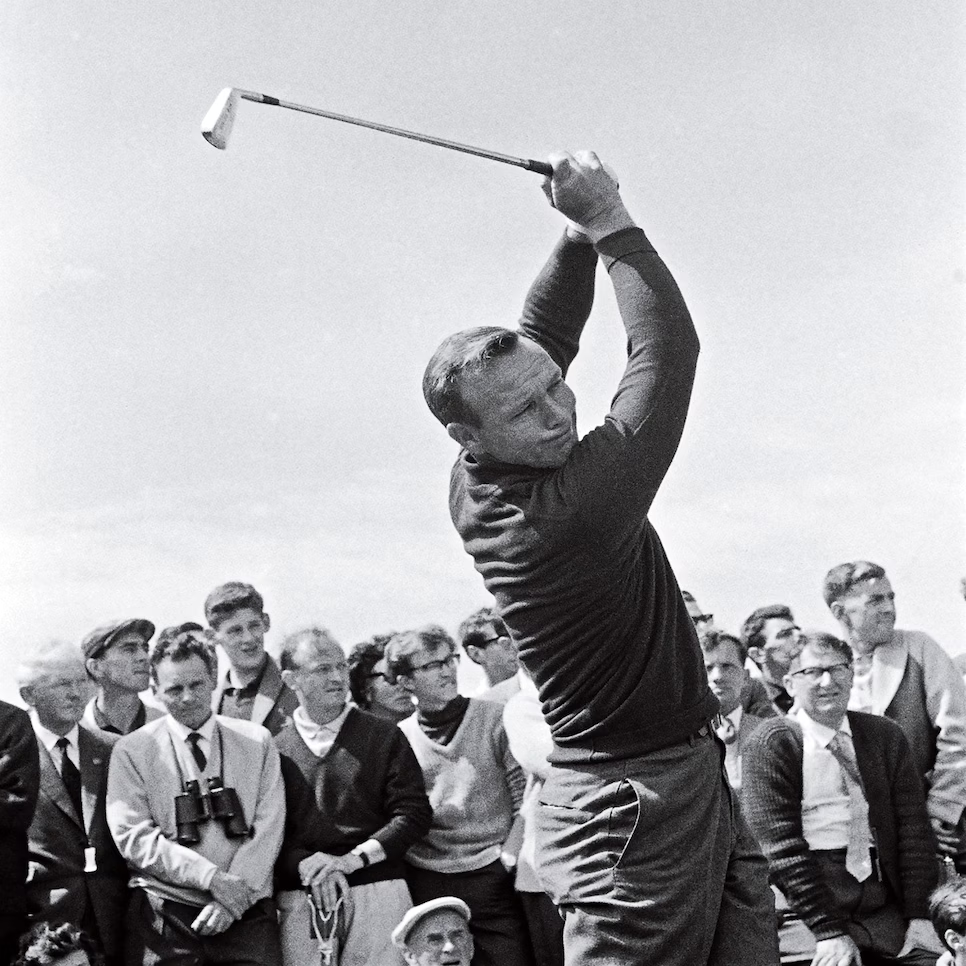
It’s class and grace and courage that makes manhood. Palmer had all of these, all of them somehow embodied in a golf swing so violent that it might’ve summoned tornadoes.
Palmer was a polio-stricken greenskeeper’s son whose talent got him a scholarship at Wake Forest. When he became a pro, it was his personal magnetism and his charm that started peeling away the galleries from other pros. They became “Arnie’s Army.”
He was fearless and often took chances that cost him tournaments and huge prizes.
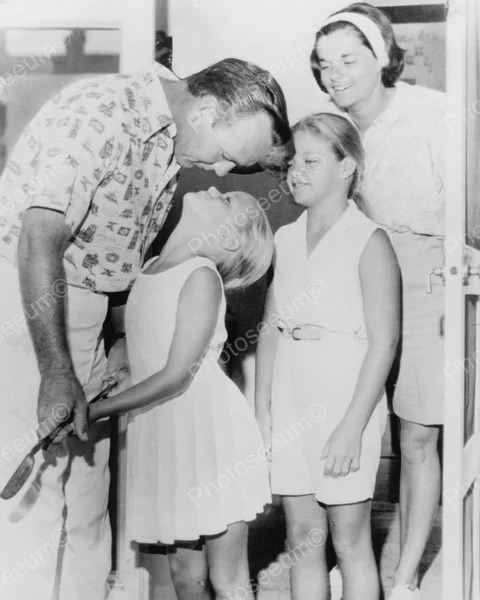
He was as cordial as his swing was violent. The Brits instantly loved him. Palmer loved children, including his own.
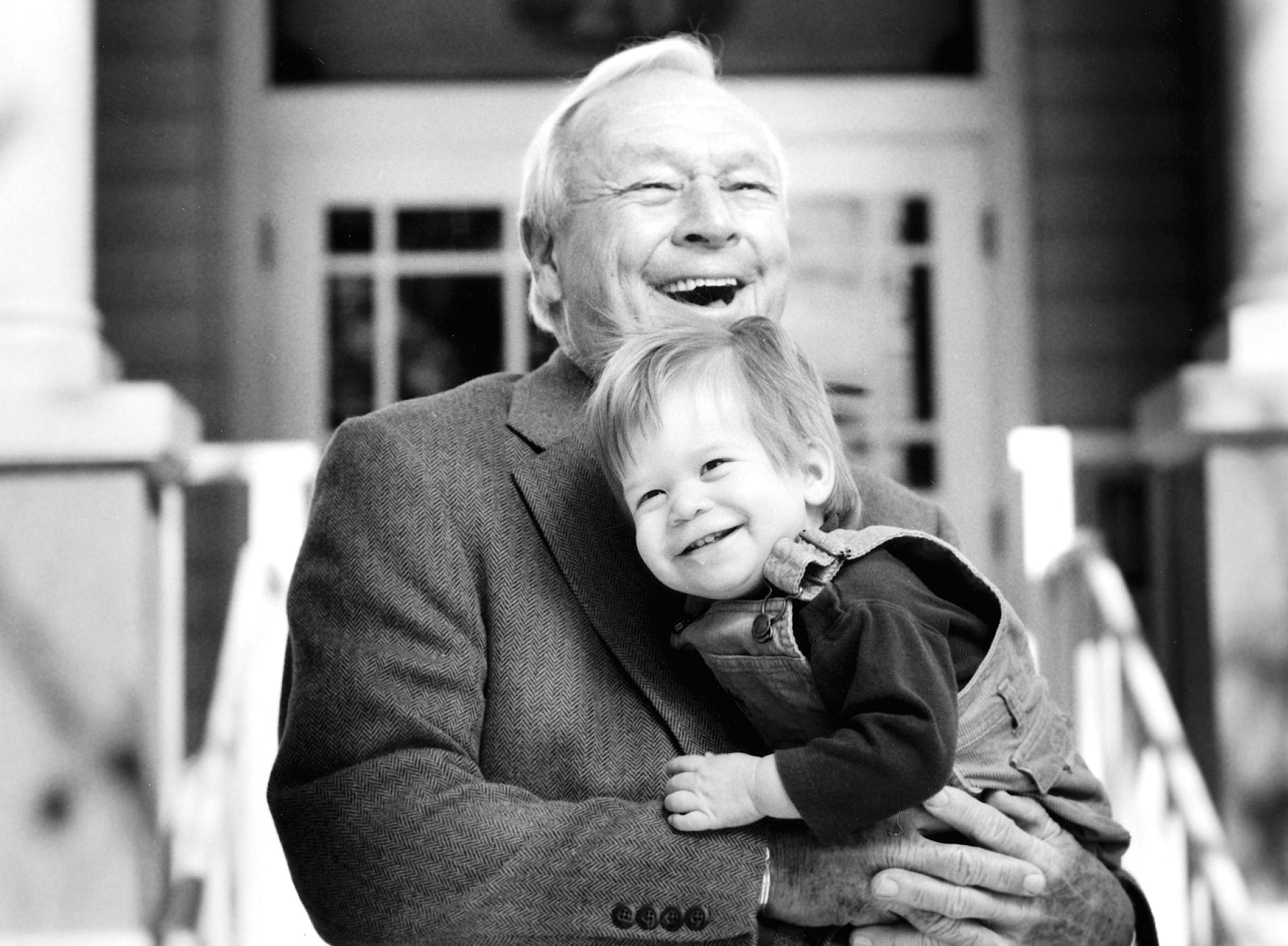
He broke my heart many years ago, when I was fourteen.
In the 1966 U.S. Open at San Francisco’s Olympic Club, Palmer dropped a seven-shot lead on the back nine of the final round, on Sunday. A playoff followed the next day. I stayed home from school to watch it.
I had just learned golf, and I adopted the same knock-kneed putting stance that Palmer used.
But his opponent in the Open playoff could sink a putt placed on Holland’s northern border and sink it in a cup holed just inside Belgium’s.
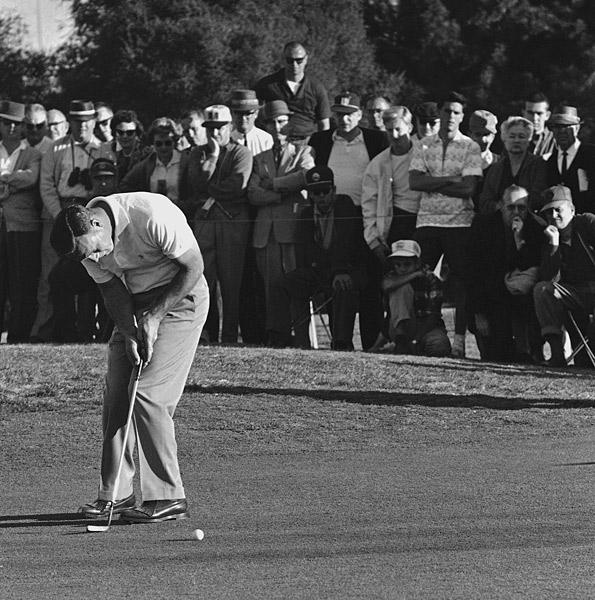
The man who’d tied him, a somewhat pudgy golfer named Billy Casper, a devout Mormon who eschewed beef for buffalo meat, defeated Palmer in the Monday playoff. I stayed home from school on Tuesday, too, all by myself.
Palmer was disconsolate. So was Billy Casper, seen here with his arm around Arnie’s shoulders.
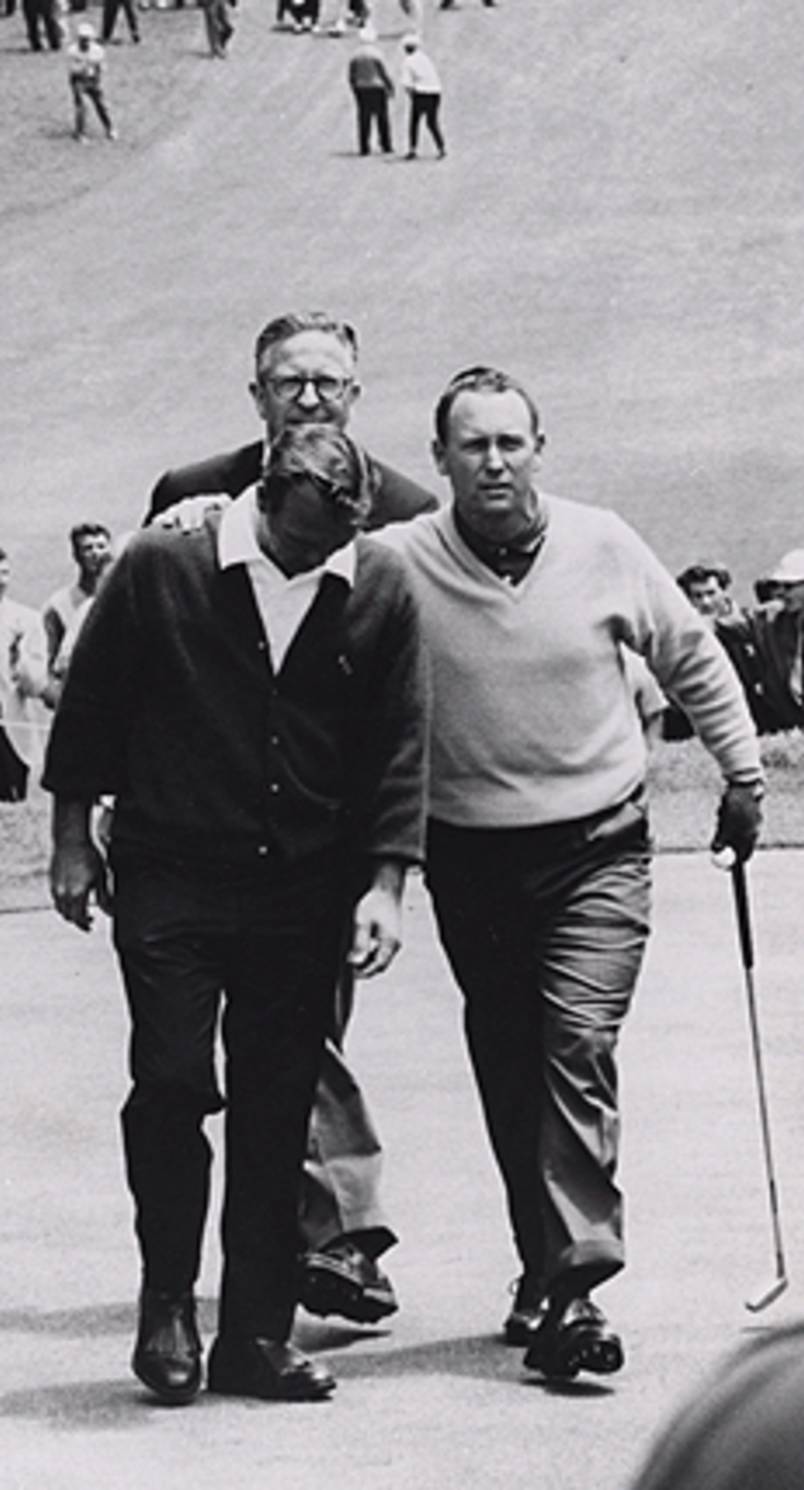
Arnold Palmer meant as much to the classy, sportsmanlike Casper as he did to all of us.
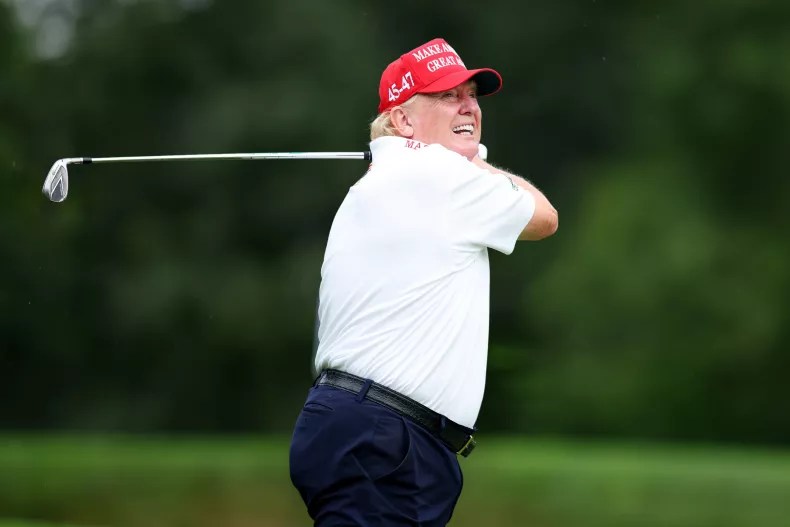
The man who cracked wise about manhood, a subject he knows little about, knows nothing about sportsmanship, either–sportswriter Rick Reilly’s book about his golfing, Commander in Cheat, is more revelatory about Donald J. Trump as anything any political analyst has ever written about him.
He hits drives that disappear into sawgrass and suddenly reappear in front of the green. An opponent’s ball, once visible in the fairway, is found, resembling the yolk of a fried egg, embedded in a fairway sand trap. He drives his golf cart over greens that are manicured with the care of Grace Kelly’s Hollywood stylists, greens that get more love than babies in a preemie ward.
He kicks inconvenient golf balls so regularly that his caddies secretly call him “Pele.”
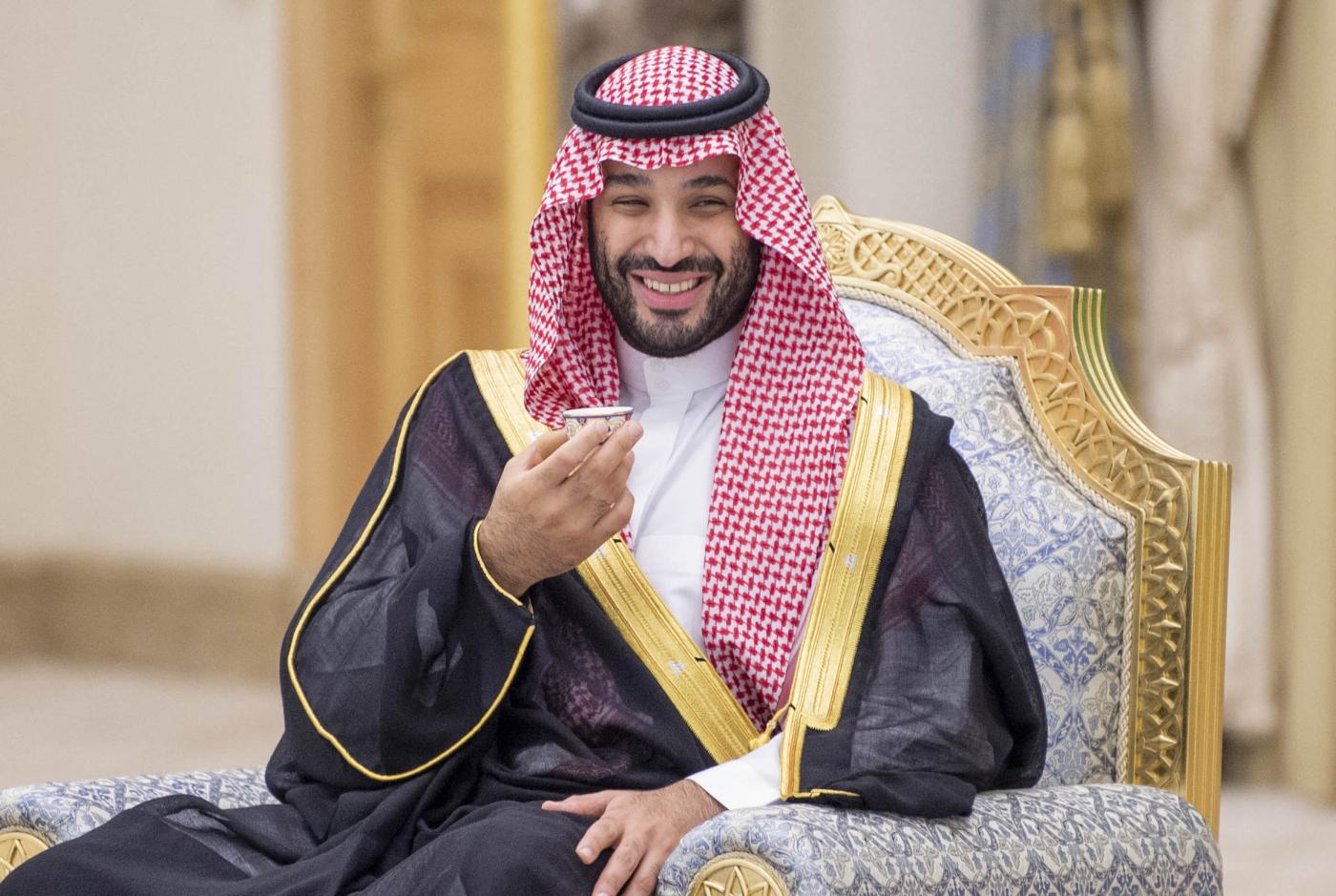
Rory McIlroy will no longer play with him. Golfers like Bryson DeChambeau will, but he plays on the LIV Tour, sponsored by Mohammed bin Salman, who sees the public beheading of women as an invaluable tool for teaching his Saudi subjects proper citizenship.
Stateside, Trump historically has played his first round on courses he’s just bought and then declares himself the club champion. The clubhouse is later doomed to a monstrous portrait of the champion that would embarrass Jay Gatsby.
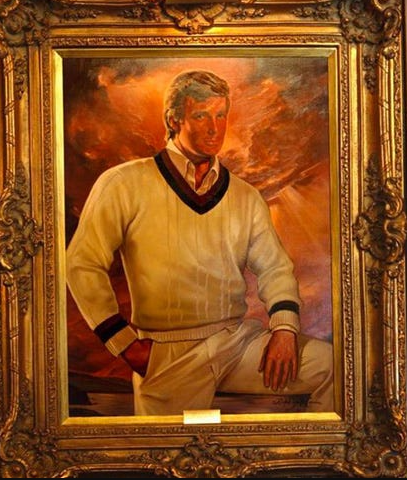
The way the Commander in Cheat plays golf was foretold by Auric Goldfinger—a man who, interestingly, shared the same hair color.
Before he died, Palmer openly expressed his distaste for Trump’s lack of civility, both on and off the course. Arnold Palmer was bewildered by a man who so openly and constantly disgraced himself.
Palmer, only to himself, disgraced himself in his performance at the 1966 Open at Olympic. He lost. He got over it. He accepted defeat.
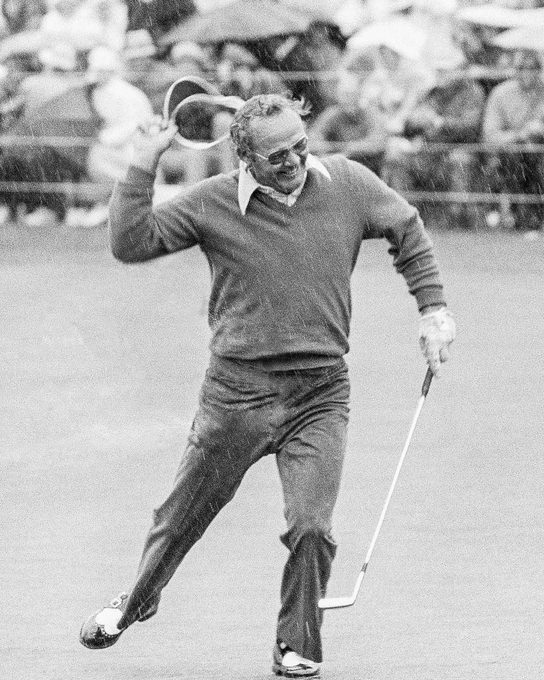
That part of his character—his bedrock authenticity—is what made the jubilation with which he won such a joy to watch. I got over my heartbreak rapidly, too. I loved to watch this man in the same way I loved to watch Sandy Koufax, who refused a starting assignment, on Yom Kippur, in the World Series.
These men were the kind of men I wanted to be someday. The only quality that surpassed their athletic power and grace was their integrity. That is what I wanted more than anything else.
 A Work in Progress
Truth is truth.
LikeLike