

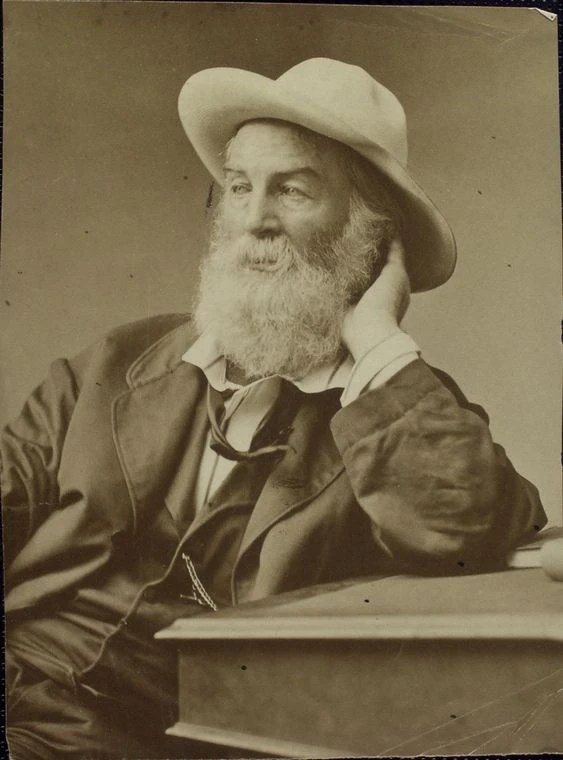
I was all a-melt over a Newfoundland Mom and her puppies (eleven!) I saw on Animal Planet yesterday. When she got stressed out, she went swimming.
Then I found out my friend Erica Mueller had a Newfoundland named Fergus. What an outstanding name! When Fergus needed decompressing, they’d take him to river to swim, upcurrent, until he was finally tired out.
I bet it took Fergus a long time to tire out.
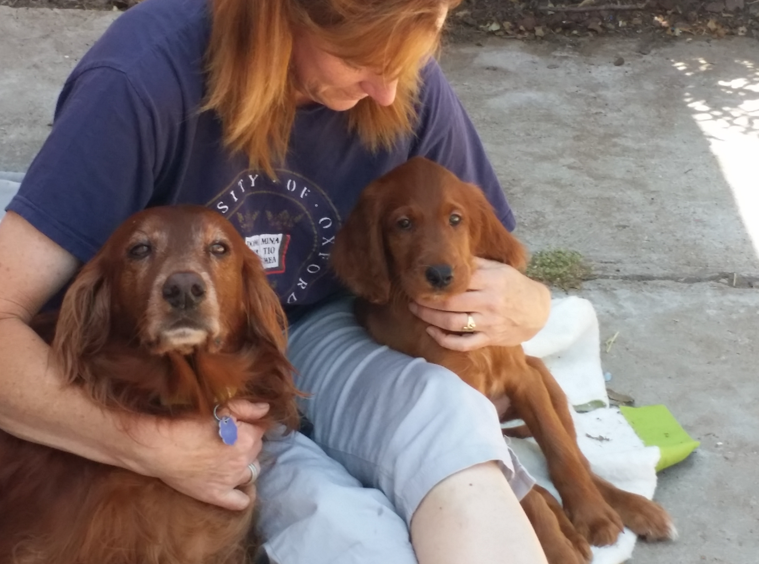
That led me to pondering Irish Setters. They love the water, too—note the difference between Mollie, our first Setter, and Wilson, our first Basset, at Laguna Lake, in the photo below.
Setters are also field dogs. I feel sorry for the grouse in that first photo, but when Elizabeth comes home, Brigid heads for the toy basket and emerges triumphant with a doggie toy in her mouth, just for Mom.


Fergus and Brigid behave the way they do because of their breeding, whatever that means, I guess it’s in their DNA.
But I wonder if part of them is beyond DNA.
Maybe it’s even Jungian, as in Carl Jung, the pioneering psychotherapist and theorist who believed in the “collective unconscious,” a kind of memory pool that all humans share. It goes back, Jung argued, to our ancestral human mother, the woman some physical anthropologists refer to as “Mitochondrial Eve.”
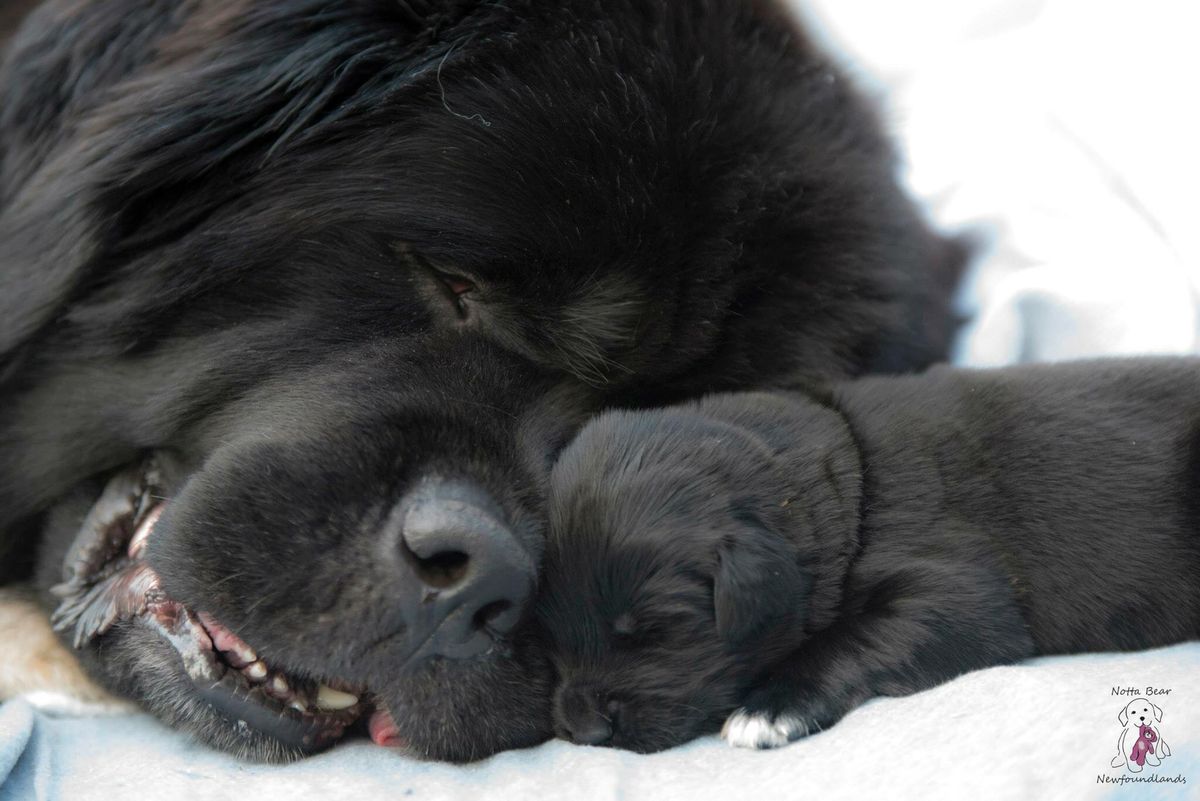
She was African. So, of course, were the women warriors in Black Panther. Damn. I hope I got some of that DNA.
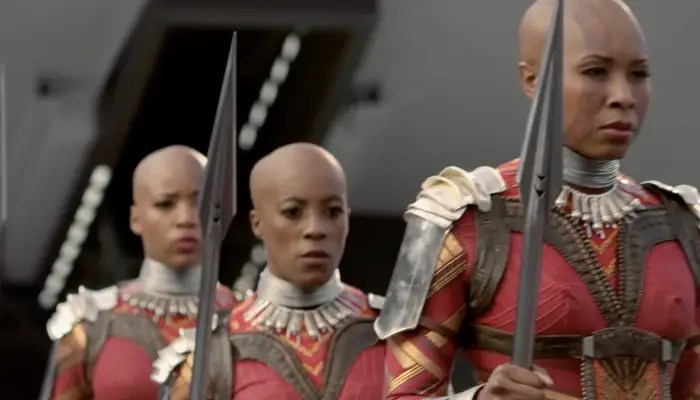
I don’t know that this is true. But one of my heroes (because he looked and sounded like my Grandpa Kelly) is the mythologist Joseph Campbell, who pointed out that there is a version of the Cinderella story in virtually every culture.
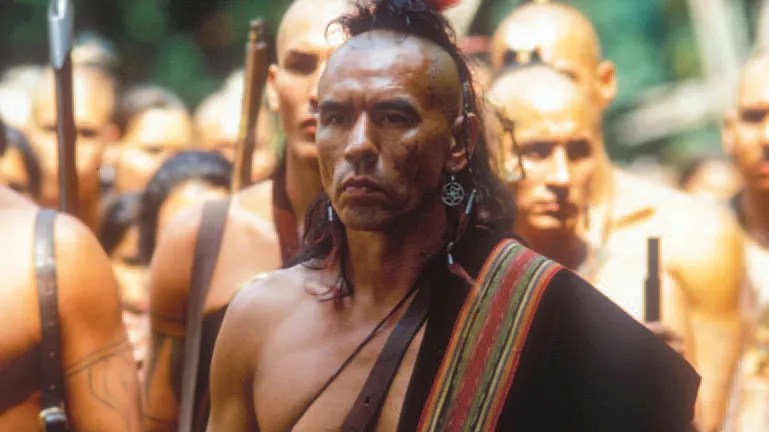
I once watched the actor Wes Studi–Magua in Last of the Mohicans–and this man, who had played such a cruel character in this film, had little children at his feet rapt on the PBS show Reading Rainbow while he read them, so gently, a Native American version of “Cinderella.”
I was rapt, too. So here, Campbell and Studi, are two great storytellers:
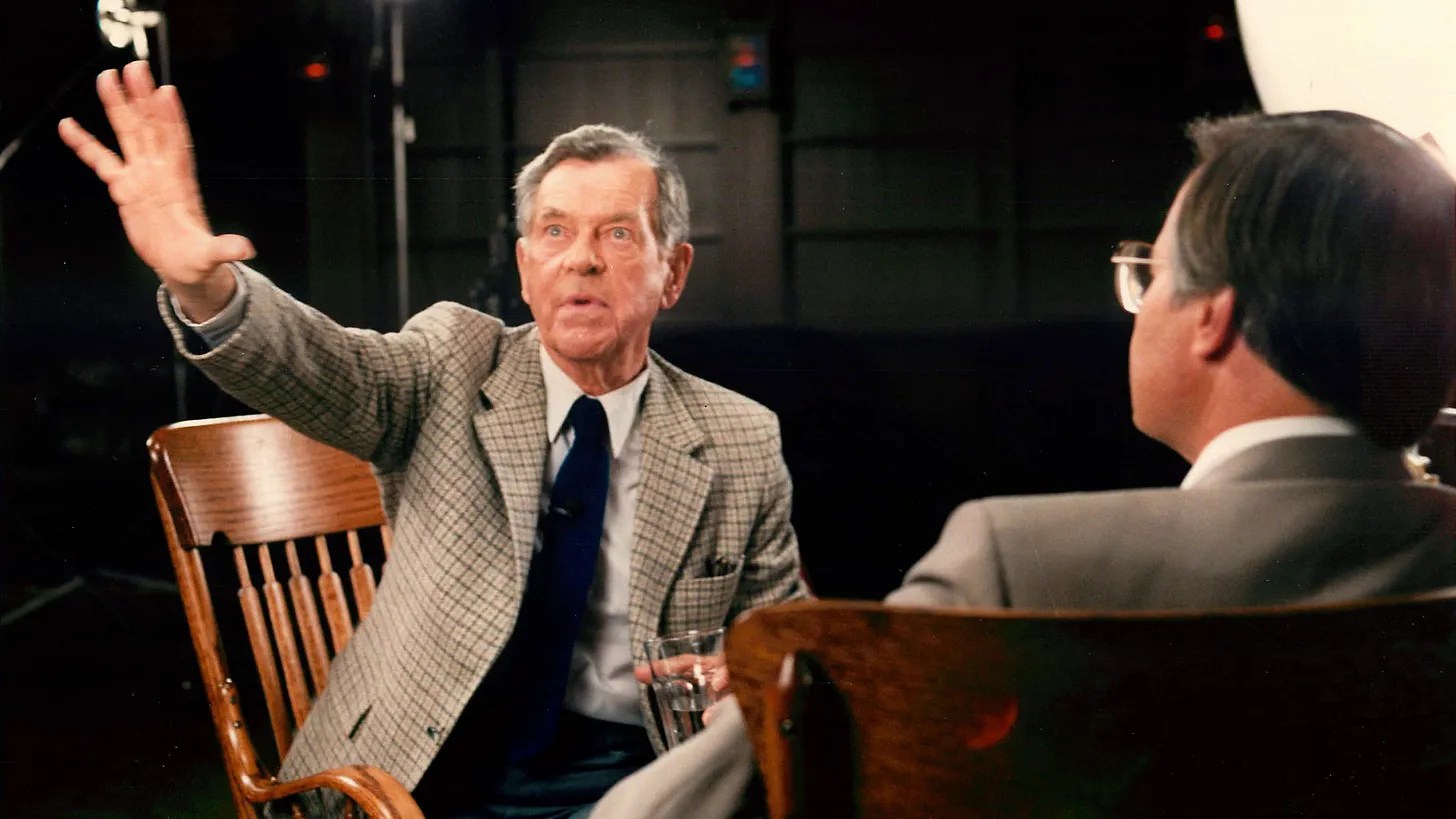
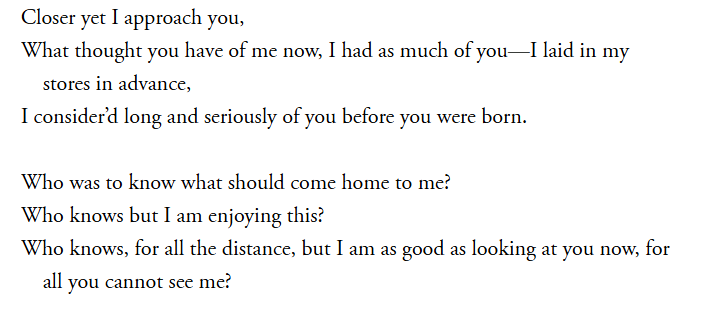
One of my favorite poets, despite his verbosity, a sin I share, is the American Walt Whitman, who believed that all of us, living and dead, are bound together by a kind connection, a kind of spiritual film that presaged Jung, that makes us all brothers and sisters. Midway through his poem “Crossing Brooklyn Ferry,” you suddenly get the intense feeling that the old fart, Whitman, is watching you, just over your shoulder, as you read the poem he wrote in 1856.
He’s got a little smile on his face, Whitman does.
Maybe it was Whitman’s poem that made me love this 1988 film opening, even with the Big Hair, so very much.
When the Twin Towers come into view, they hurt. I cannot see them now, but Nichols’ introduction reminds me that even the vanished Towers are are part of me, too.
Maybe even the sixteenth century is part of me.
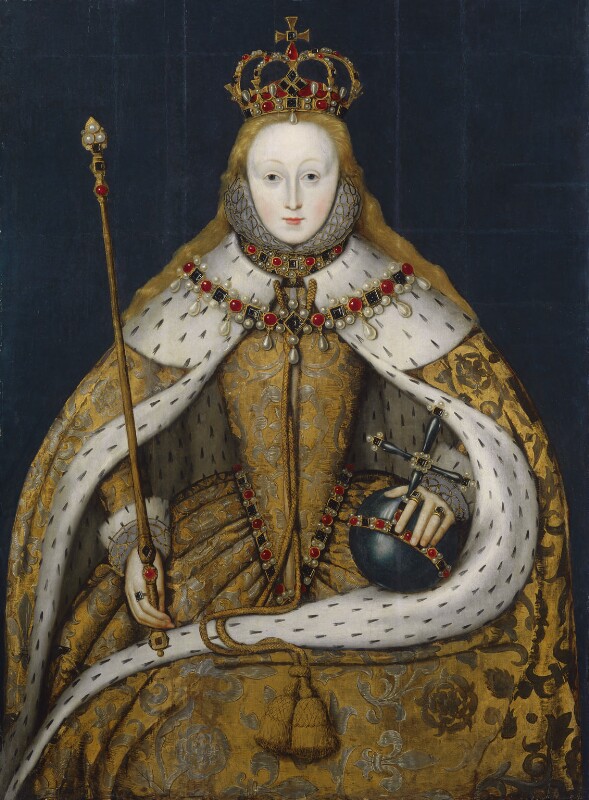
I was watching parts of the two “Elizabeth” films with Cate Blanchett this morning–that’s her coronation portrait below.
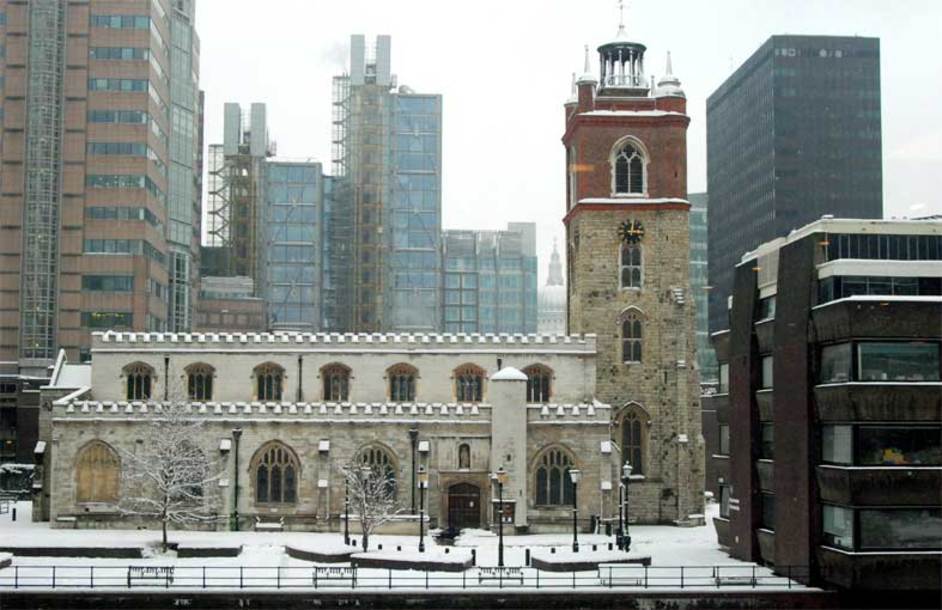
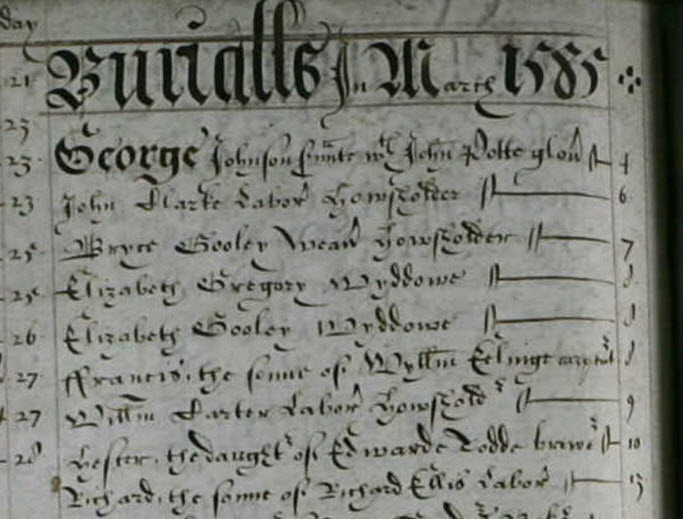
My ninth great-grandmother, Lady Elizabeth Gelsthorpe Gregory, died in the great queen’s reign, three years before the Armada, and is buried beneath the concrete of this little London church.
My Elizabeth says that we Gregorys have very distinctive mannerisms, like the way we tilt our heads just before we have something meaningful to say.
And here comes Brigid with a toy chicken in her mouth.
You have to wonder: Did Lady Elizabeth tilt her head in the same way that my big sister does today?
Did my cousin Roy, killed by Waffen-SS troops on the doorstep of a French church in January 1945, do the same thing?
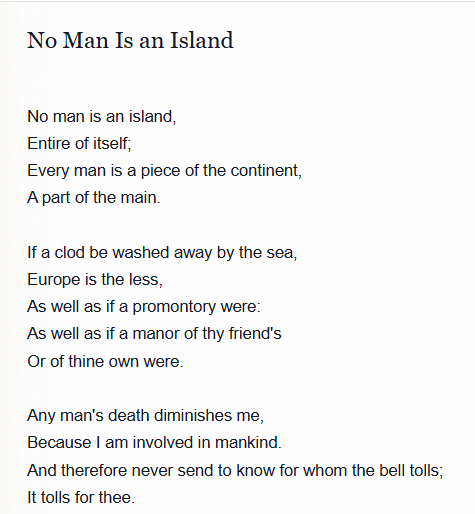
And if Roberta and Roy had that little tic, doesn’t that mean that, even with the intervention of so many years, that all of us are much, much closer to each other than we think we are? Don’t we, all of us, belong to each other? The poet John Donne certainly thought so.
But maybe now that’s the kind of thinking, in my case thanks to dogs, that will get you into trouble.
 A Work in Progress