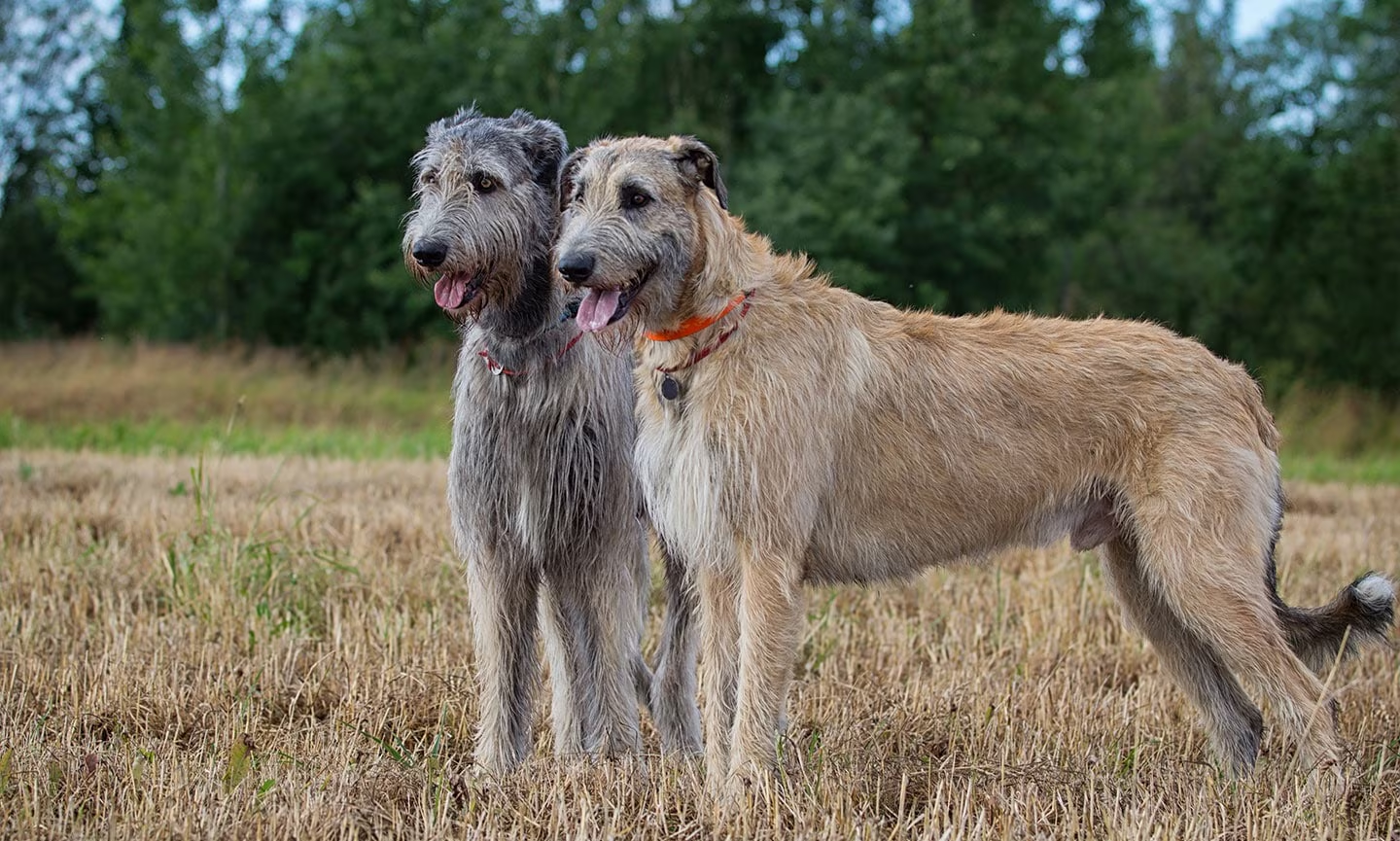
By now all the world knows that I am off-the-charts ADHD, which is small freight for this story. This story is about dogs.
But the way I’ll tell it—God Bless thirty years’ worth of history students who had to suffer this—reflects that ADHD thing. I don’t think or write or speak in a linear fashion. I move laterally. One thing reminds me of another and I’ll go there, then to the next topic (they’re like stepping-stones across a garden pond), and then another until, almost invariably, I’ll come home again. The sigh of relief in my students was visible and audible.
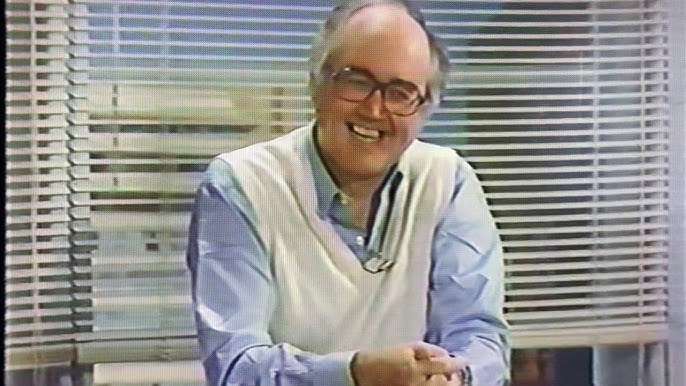
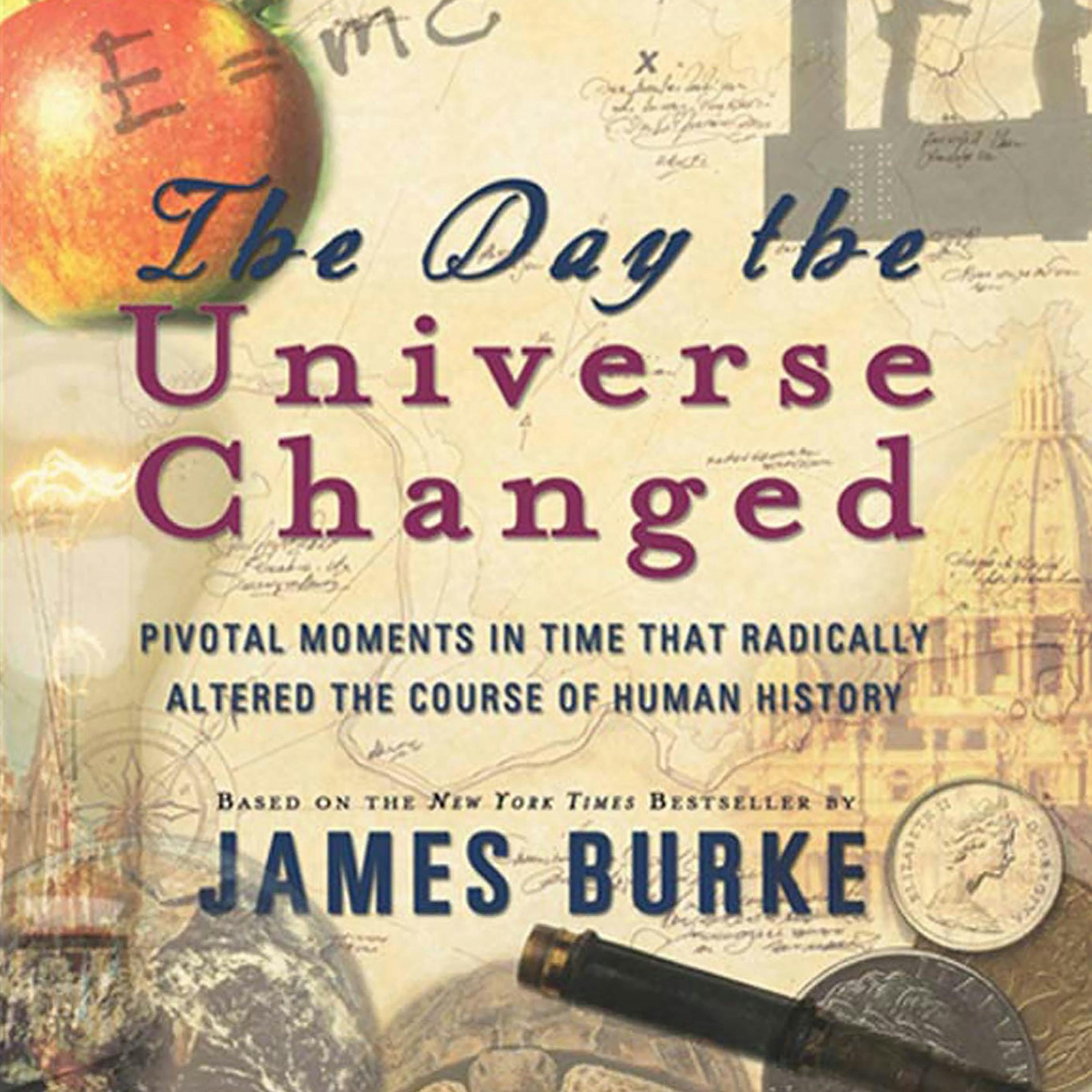
If I had a storytelling mentor, other than Dad and Dan Krieger, to point to, it would be the scientific historian James Burke, who thinks laterally, too, which is one of the great blessings of his 1980s show, The Day the Universe Changed, a staple in my AP European History classes at AGHS.
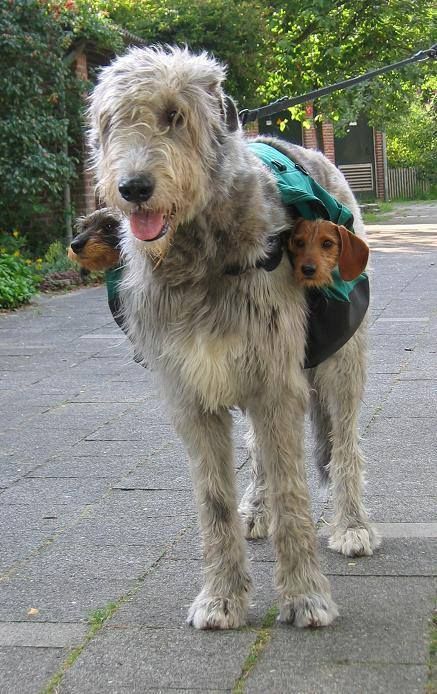
But this isn’t about James Burke. It’s about Irish Wolfhonds. I saw a lady (not this one) walking her Wolfhound across Elm Street, near the park, and I rolled down my car window:

WHAT A GORGEOUS DOG! I opined. Vigorously. Loudly. I had to struggle not to fall out of the car. She blushed and smiled, so I made her happy. I was maybe happier. You don’t see many Irish Wolfhounds (we’ve been Mom and Dad to Mollie and Brigid, two Irish Setters, and to thirty-eight years’ worth, in our marriage, of a parade of much-loved Pound Puppies.)
Now then, you might ask, why get so exercised about Irish Wolfhounds?
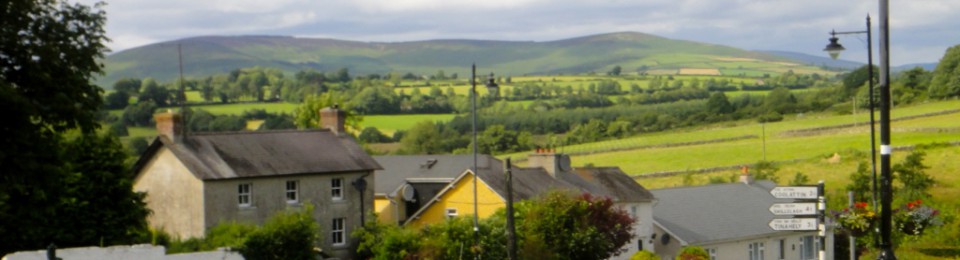
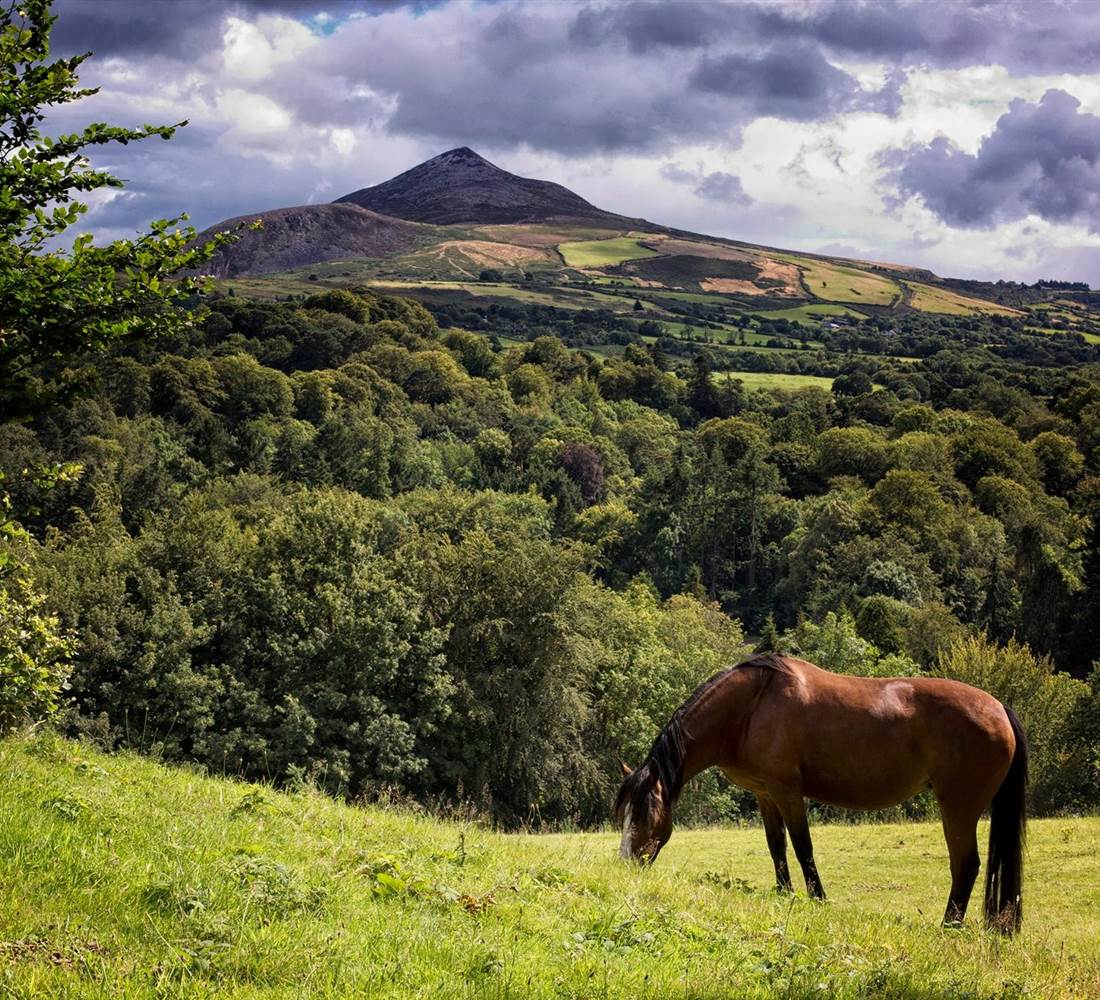
Those of you keeping score at home might remember that I’m about half Irish, and that half comes from County Wicklow, where Mom’s ancestors, Famine refugees, came from. That’s Sugarloaf Mountain in Wicklow, and the requisite horse, Wicklow’s known for them, racers and jumpers and hunters and draught horses and homeless horses who go a-begging, dolphins that leap high above the Irish Sea and rainbow trout the size of Daschshunds.
(Elizabeth and I love Dachshunds, especially the long-haired variety. They look like miniature Irish Setters.)
Mom’s ancestors did not come to America. They were Canadians first. This is my second-great-grandfather’s citizenship oath, sworn just before he took up farming in Minnesota.
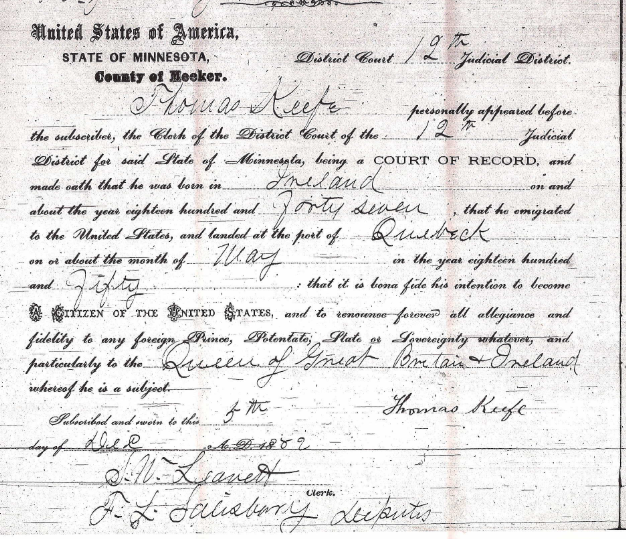
Great-great-grandfather Thomas Keefe, before he came to Minnesota, farmed in Cobourg, Ontario. Well, son of a gun.


Father Francis Duffy came from Cobourg, Canada, too, where he’d taught in colleges and seminaries. My ancestors became Minnesotans; Father Duffy became a New Yorker, which is why his statue overlooks Times Square today. (We saw it when our niece, Emmy, graduated from NYU. Duffy and Emmy: Two great honors.) Pat O’Brien played Duffy in The Fighting 69th, the World War I regiment in which Duffy had served as regimental chaplain. You can’t go wrong with casting Pat O’Brien as an Irish priest, or his costar, James Cagney, as an Irish-American soldier.
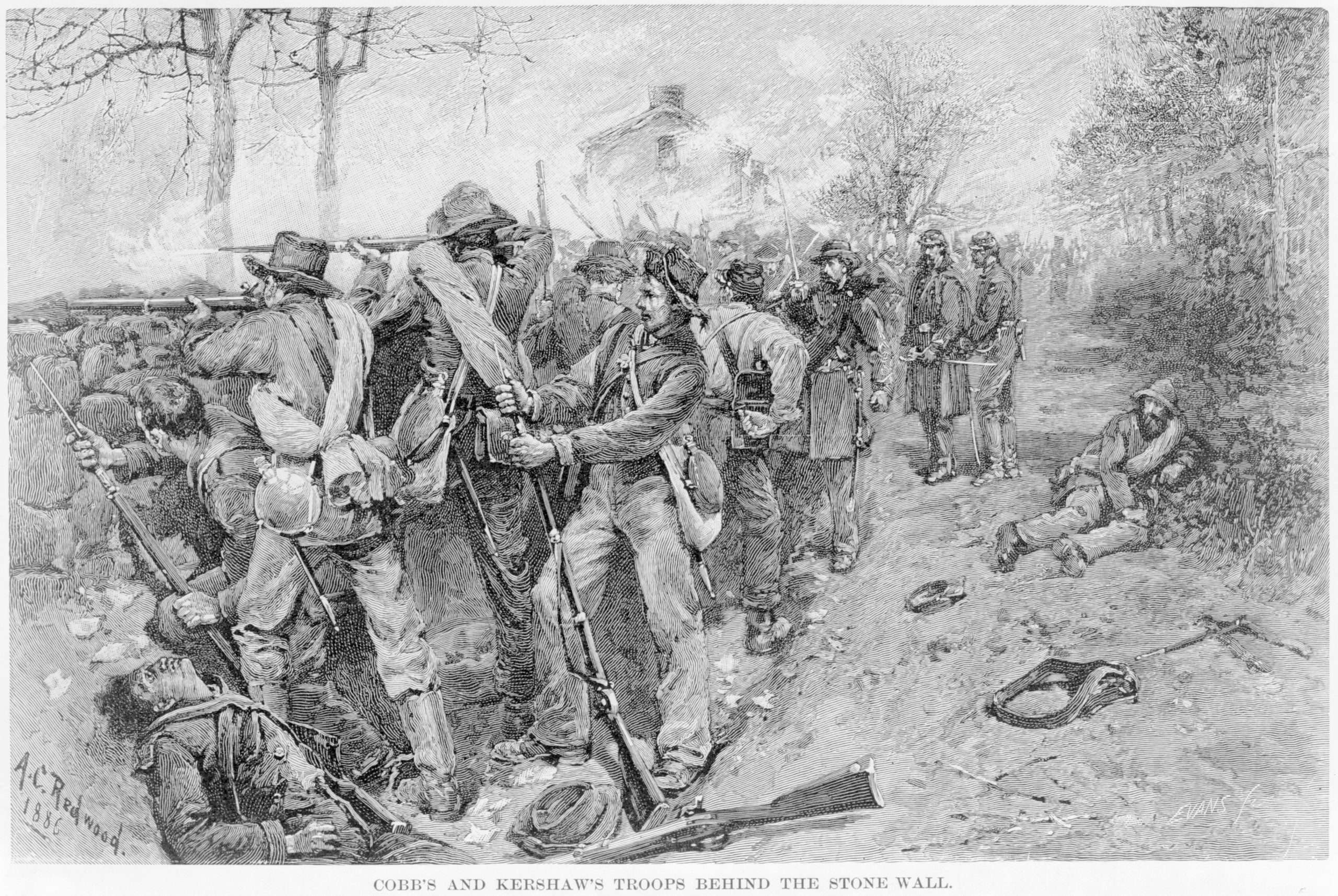
The First World War wasn’t the 69th’s first war. They suffered terribly in the Civil War, especially at the December 1862 Battle of Fredericksburg, where 2/3 of the parent Unit, the Irish Brigade, were killed, wounded or missing. They’d been ordered to assault a stone wall atop a place called Marye’s Heights. Here are two images from different sides of that stone wall, which remains today.

And here is the 69th’s Civil War battle flag. Next to it are the colors of the 24th Georgia. There were so many Irish immigrnts to that part of Georgia that the 24th’s flag includes the Irish harp, as does the 69th New York’s.


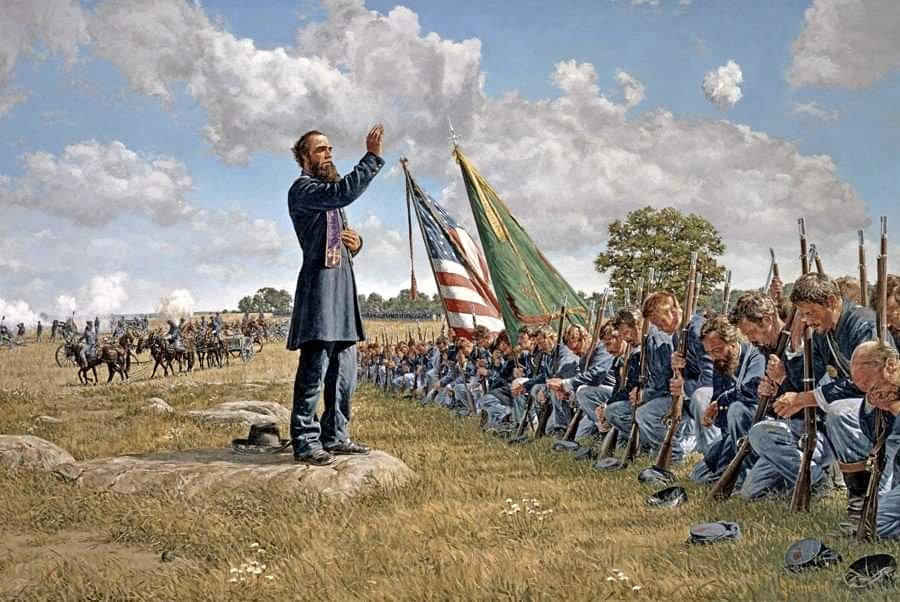
The 69th New York’s war wasn’t close to being over. Eight months later, they and the Irish Brigade were at Gettysburg, where Father William Corby, from the Congregation of the Holy Cross—the order that staffs the University of Notre Dame—granted absolution to the unit before they went into battle. (I suspect that a few Methodists and Episcopalias were kneeling the last rows.)
And here the 69th New York’s memorial at the military park today. Look at its base.
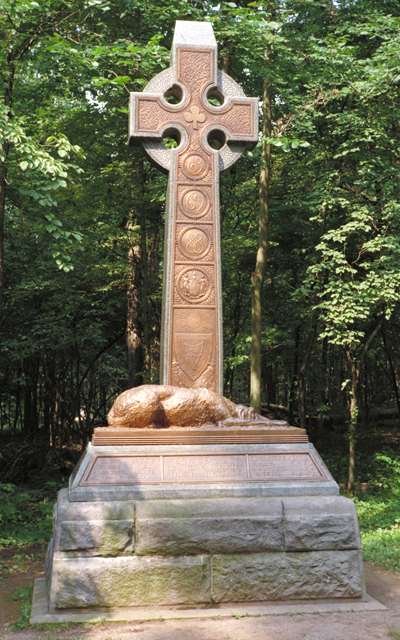
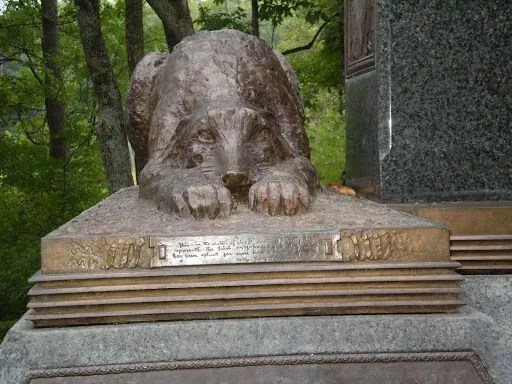
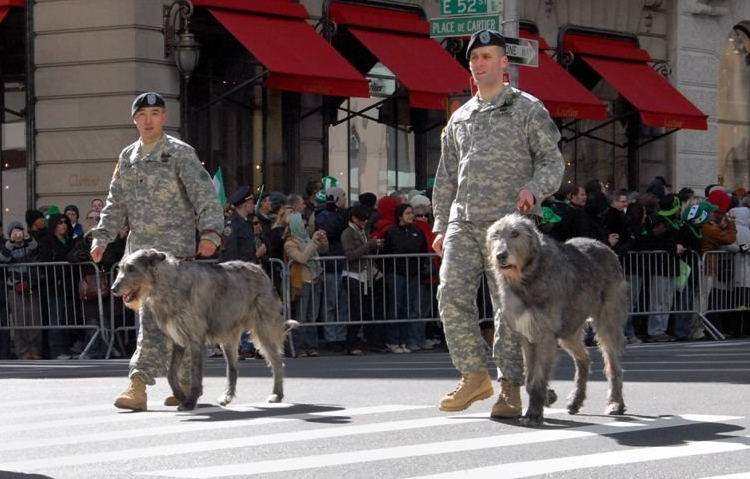
It’s an Irish wolfhound, and so are these, leading the 69th in New York City’s St. Patrick’s Day Parade. It’s a tradition.
Now, to square the circle of my lateral thinking, I need to come back to my starting point. This story began in Arroyo Grande. This is where it ends, at the end of this little video.
 A Work in Progress