
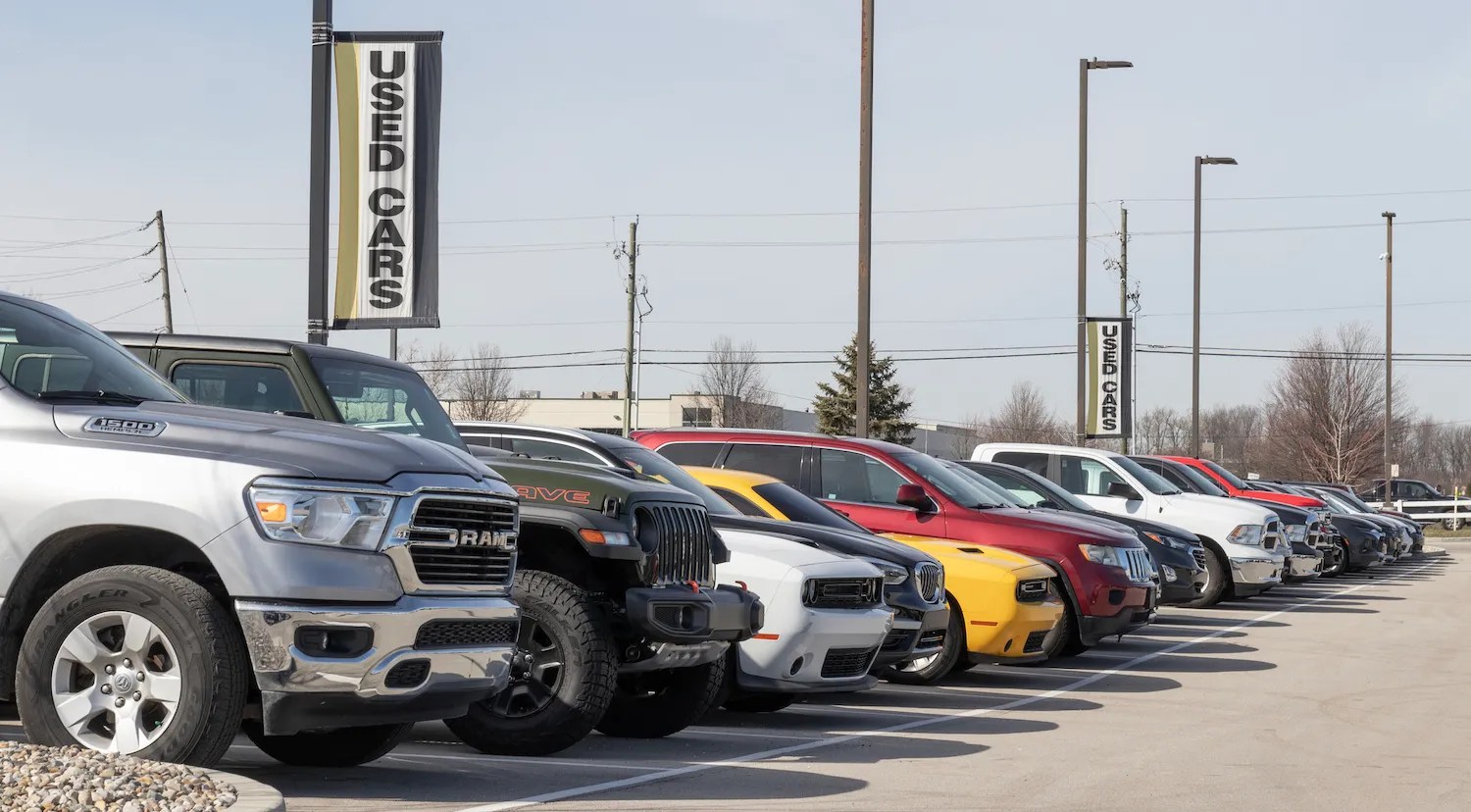
“Used Cars,” Bruce Springsteen, from the album Nebraska (1982)
My little sister’s in the front seat, with an ice cream cone
My ma’s in the backseat sittin’ all alone
As my pa steers her slow out of the lot
For a test drive down Michigan Avenue
Now my ma she fingers her wedding band
And watches the salesman stare at my old man’s hands
He’s tellin’ us all ’bout the break he’d give us
If he could but he just can’t
Well if I could I swear I know just what I’d do
Now mister the day the lottery I win
I ain’t ever gonna ride in no used car again
Now the neighbors come from near and far
As we pull up in our brand new used car
I wish he’d just hit the gas and let out a cry
And tell ’em all they can kiss our asses goodbye
Dad he sweats the same job from mornin’ to morn’
Me I walk home on the same dirty streets where I was born
Up the block I can hear my little sister
In the front seat blowin’ that horn
The sounds echo’in all down Michigan Avenue
Now mister the day my number comes in
I ain’t ever gonna ride in no used car again
That wasn’t my brand-new used car experience, not at all. But Greg driving me down and then me coming home with Hideo Shohei Yamamoto Koufax Mazda turned into a thirteen-hour adventure. Now Hideo (after Hideo Nomo, the great Japanese Dodger pitcher from the 1990s) is parked on our street, all snug and maybe a little pooped. Got him up to 80 on several occasions. about fifteen mph slower than Nomo’s fastball. So here’s Hideo Mazda:
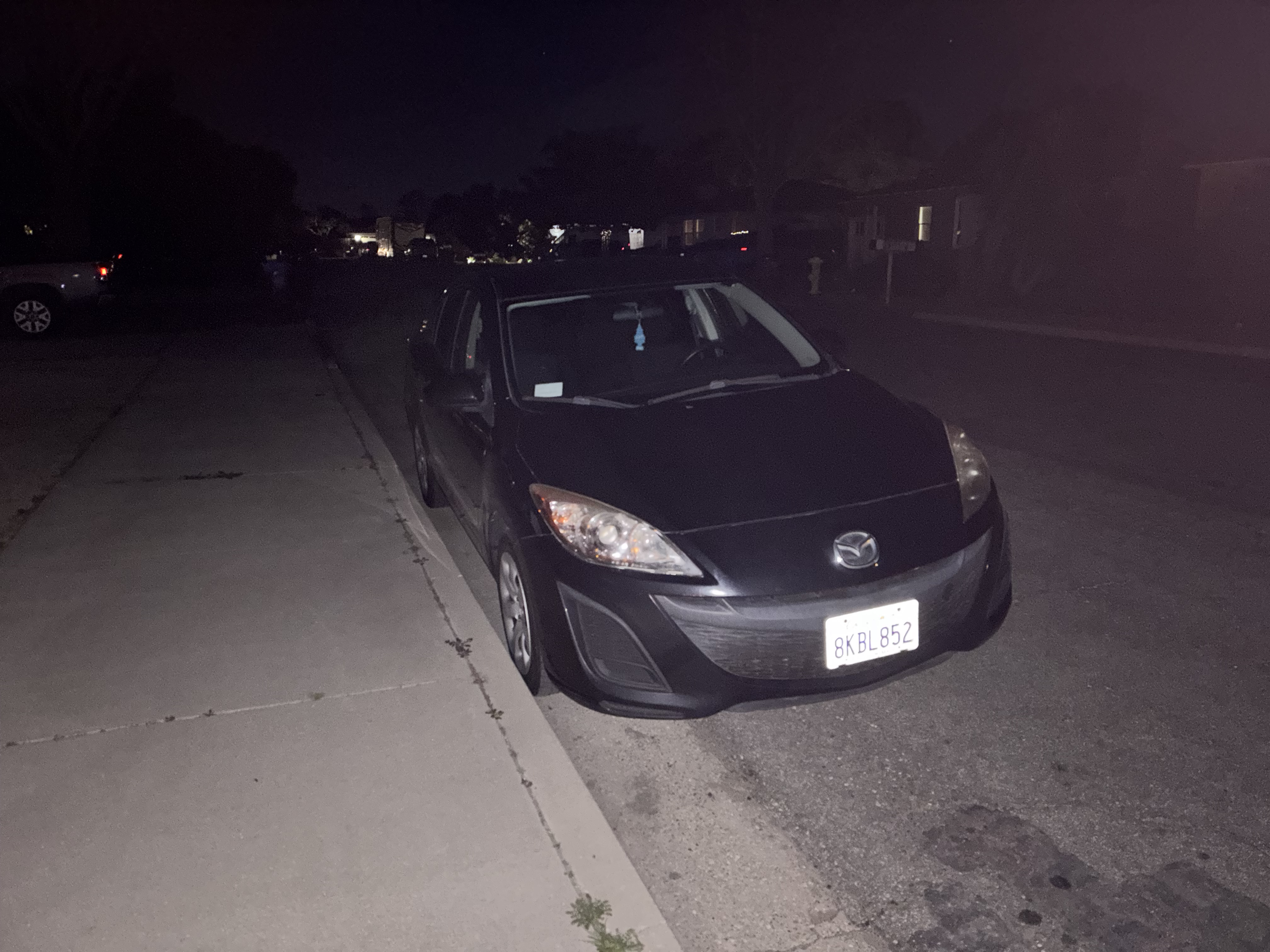
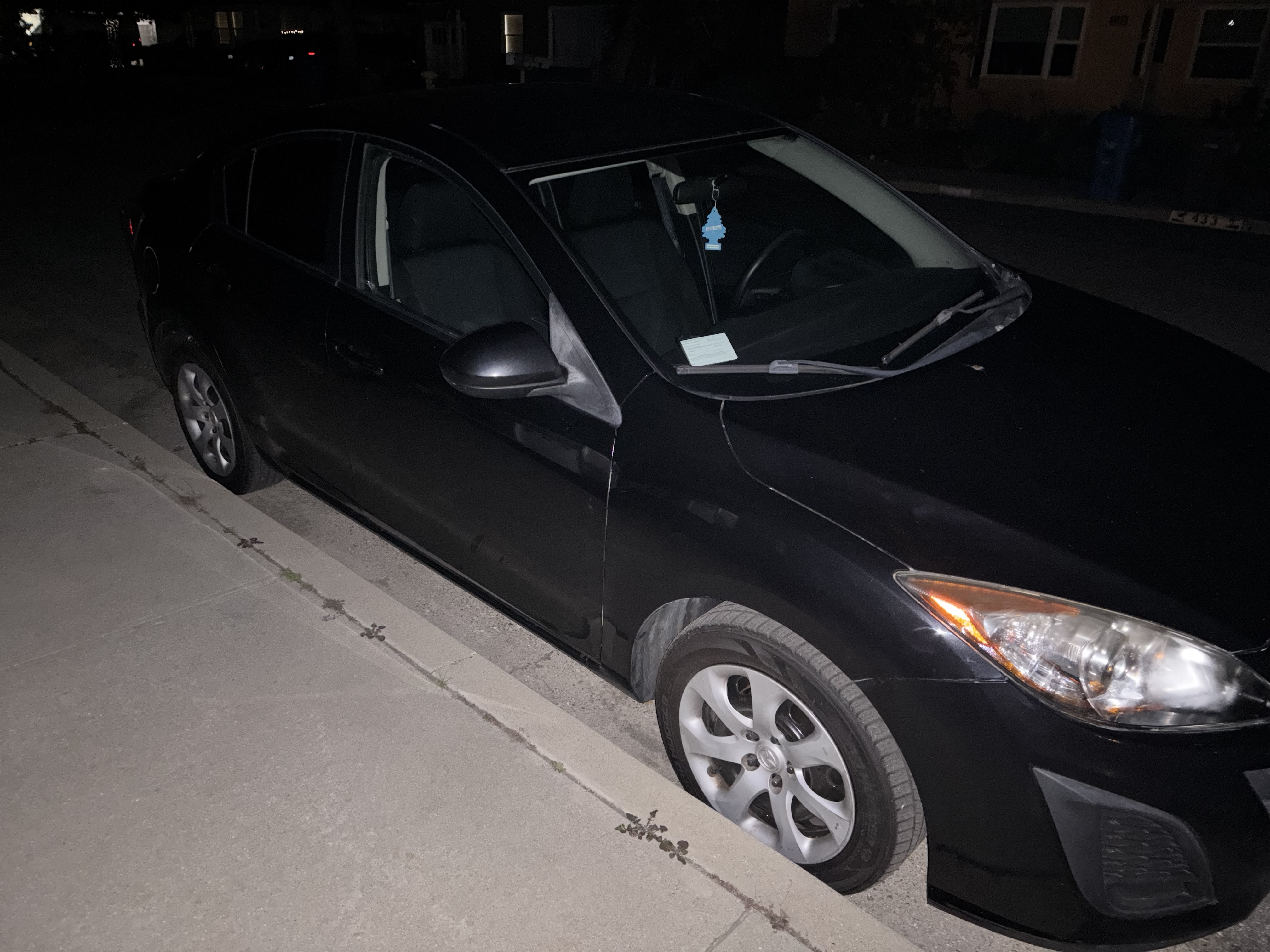
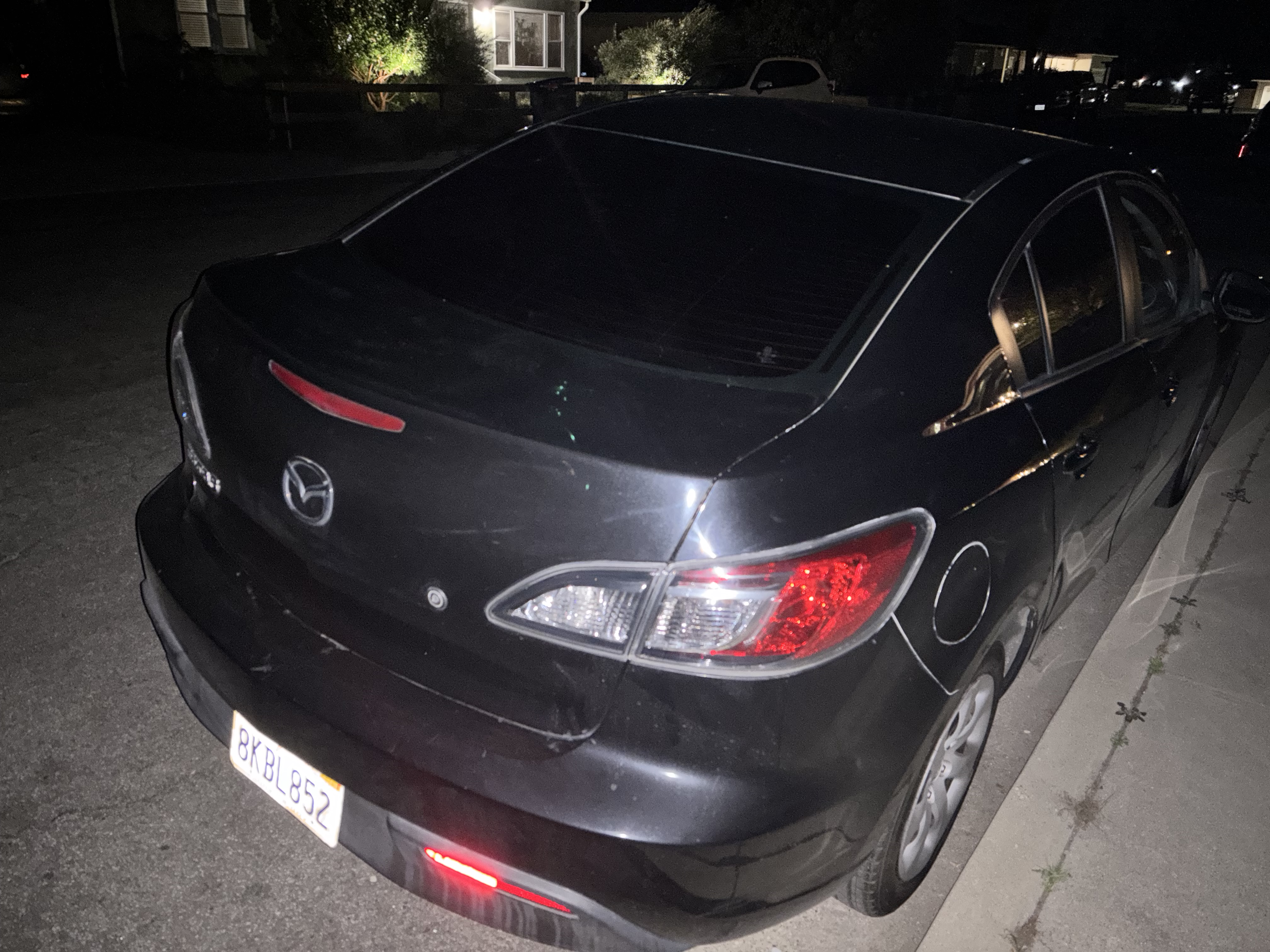
Hideo’s a 2011, so the car still has a CD Player. Luckily, we still have many vintage CD’s, so I can listen to Springsteen and Annie Lennox and Toad the Wet Sprocket all over again. I want Joe Ball or my nephew Ryan to look over the brakes, which seem a little soft. A couple of warning lights go on for no apparent reason. The rear window’s tinted, presumably so the CHP can’t see me smoking crack cocaine as I drive down the freeway with Hip an/or Hop music blasting from the CD player, and that needs to GO. At 73, I have a hard enough time seeing anything.
I discovered something about myself. My friend Greg and my wife Elizabeth grew up in El Lay, and they have no trouble driving—assertively—in traffic down there. I grew up in Arroyo Grande, where you politely stopped while Johnny and Manny Silva parked their Ford F-150 pickups in the middle of Huasna Road. As soon as they realized you were waiting, they pulled aside and just a politely waved you through. Then they waved at you some more. Then they pulled their pickups, cab-to-cab, back into the middle of the road, to resume their conversation.
In El Lay (a term I like), your road hazards are huge scraps of semi-truck tires, boards with sinister emergent tenpenny nails, shards of glass like strands of killer diamonds, all swept neatly into the shoulder alongside the Diamond Lane. Mostly. And there are the occasional wrecks (not any today), stalled cars (several) and roadside arrests (One. CHP had the guy’s hands interlaced behind his neck).
So the sights are nerve-wracking to an Arroyo Grande boy. I left my friend Greg at Arnie’s Restaurant in Lawndale (a 70s throwback, like the Arroyo Grande Sambo’s in my high school days. The food at Arnie’s was marvelous), fumbled my way back to the 405 North, and drove the next twenty-two miles with my shoulders roughly parallel to my ears. My nervousness had contracted my trapezius muscles so much that they were like cannonballs.
Here are a few impressions I gathered from today’s adventure:
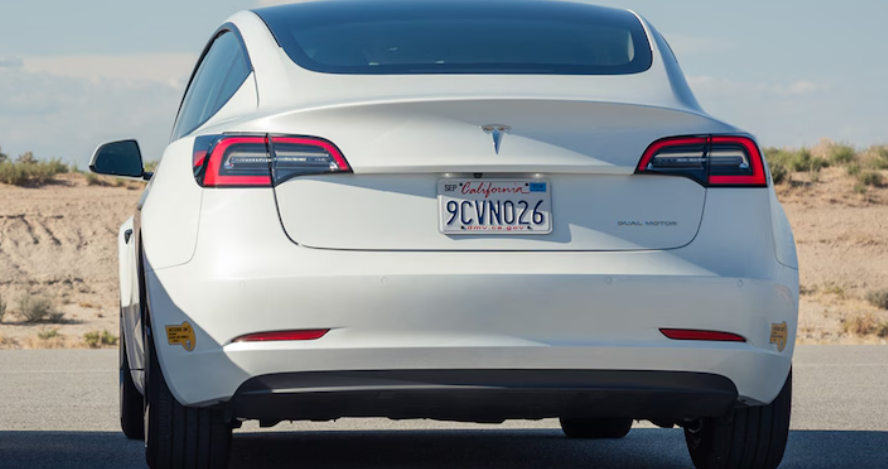
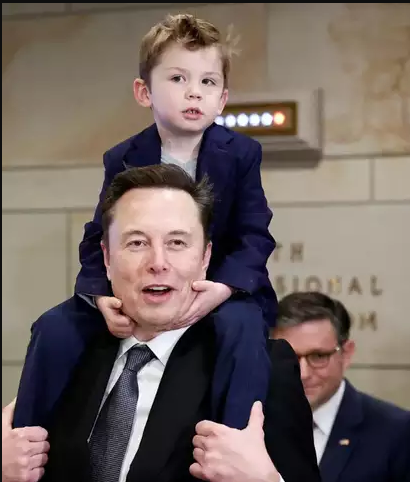
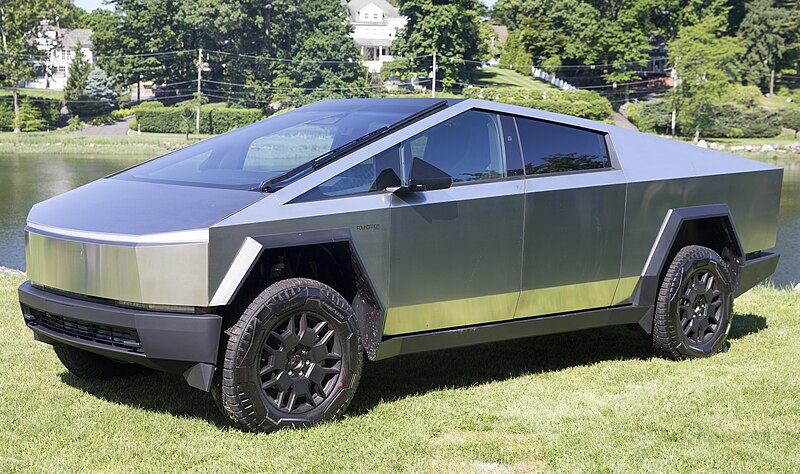
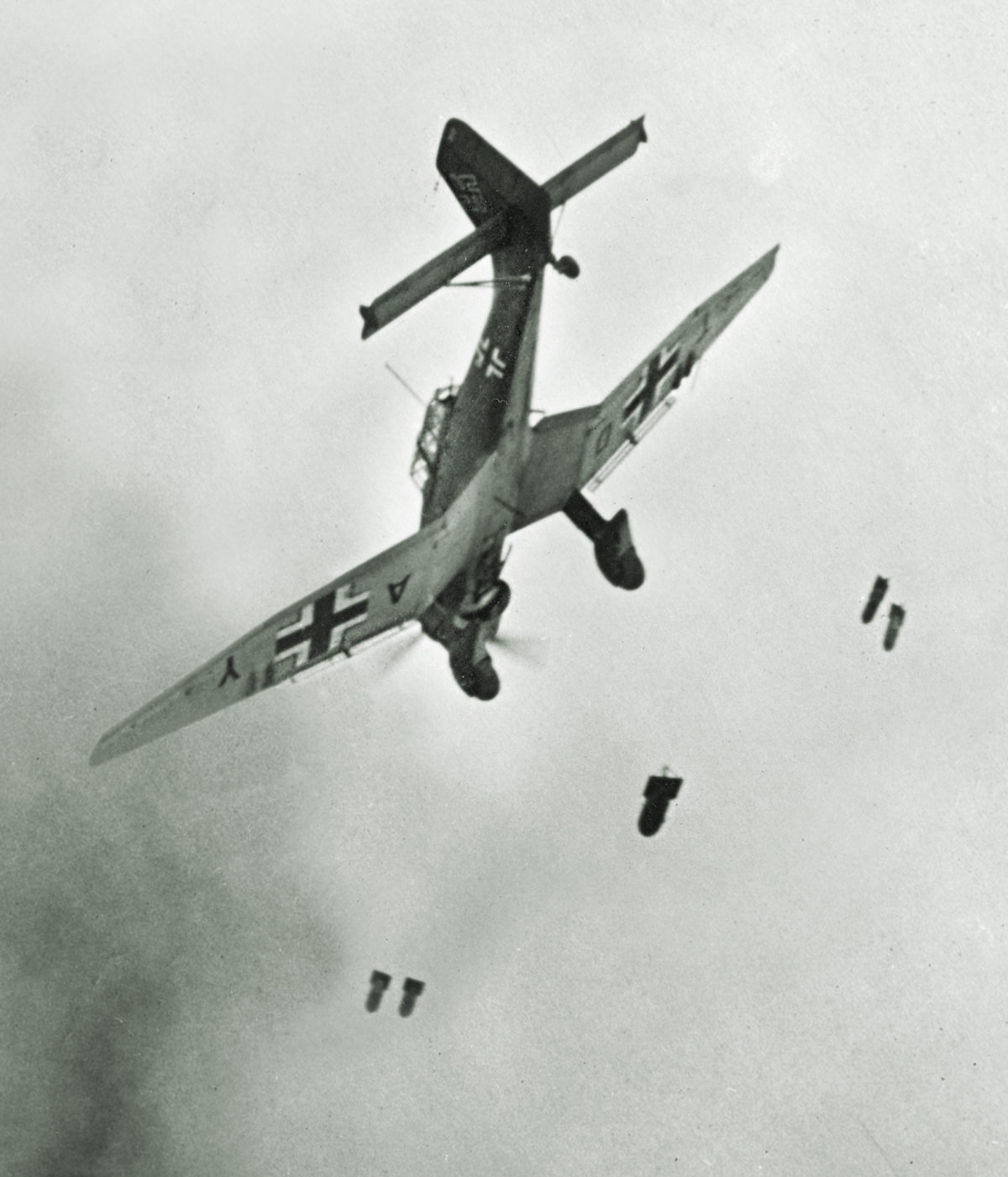
1. I suffered an acute overdose of Teslas. A few of them were driven by people so short that you could barely see them. Maybe one of them was Elon’s son, Li’l X SpaceX Musk. Good news: I saw only one Cybertruck, the automobile industry’s version of the high school wedgie and perhaps the most heinous technological design since the Stuka dive bomber, which I think is what Elon was shooting for. Pun intended.
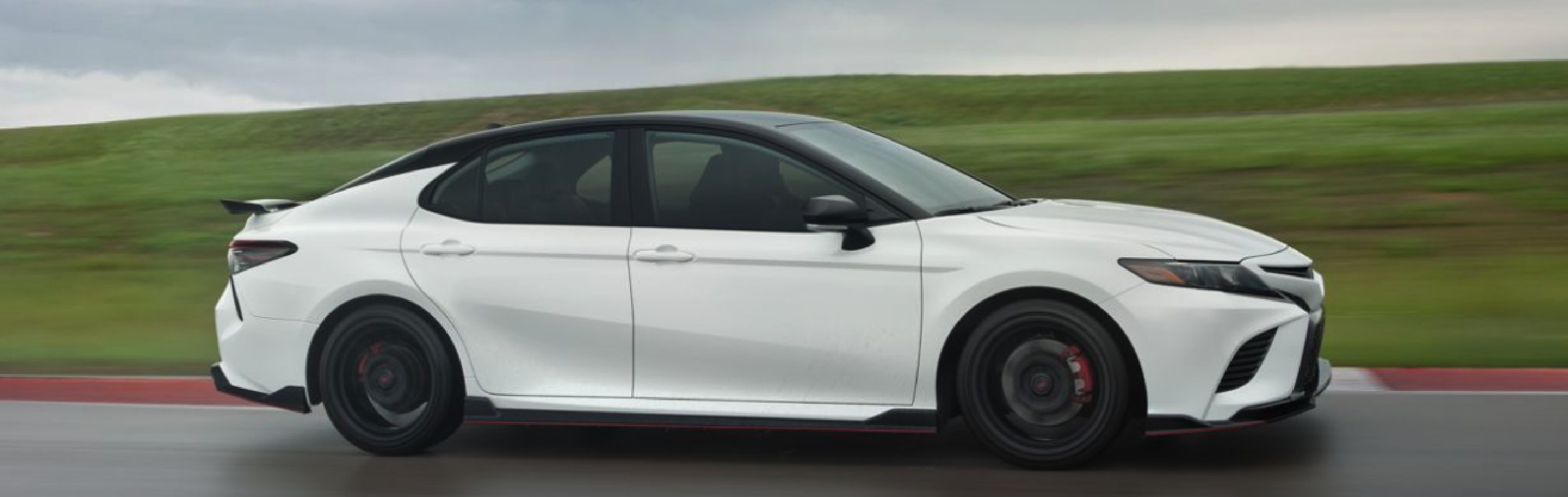
BTW: The new Toyota Camrys are far, far sexier. I saw a lot of them, too. They made me smile despite my envy.
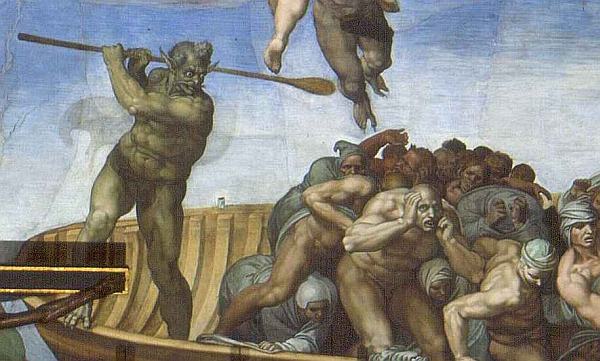
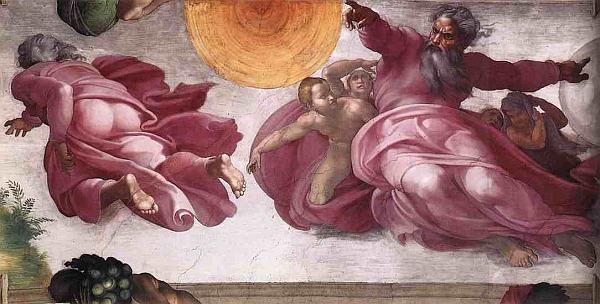
2. So few miles, so much time, and Dante. It took me an hour and fifteen minutes to navigate twenty-two miles of the 405 North (hence the hunched shoulders.) Even then, I was not prepared for the 405/101 interchange. I felt like Sicilian immigrants to Ellis Island being poked and prodded by indifferent immigration policemen mispronouncing my name (“Vito Andolini”), and the Italian reference is a good one, because Dante Alighieri accurately captured the 405 and 101 in Inferno, when he described the innermost rings of Hell. Michelangelo did a darn fine job of depicting that interchange, as well. In another panel, The Lord informs the unlucky motorist, who for some reason has his nekkid buttocks exposed, that he’s taken the wrong exit.
3. There were happy moments. Off-ramps that have names like “Mulholland Drive” and “Sunset Boulevard” bring back many happy Sixties memories—I loved L.A. music (the Doors, Crosby Stills Nash & Young, Joni Mitchell, the Byrds, and—sorry, Dude—the Eagles). Until the music died, as it did in 1969 with the murders on Camino Cielo. Oops. Maybe I need to put Charles Manson in another paragraph.
By the way, speaking of “L.A. Music:”
Another happy moment: when people change lanes, shifting sideways into a space not much wider than a north-south coathanger, they wave their thanks to you, the car behind.
Okay. One lady did.
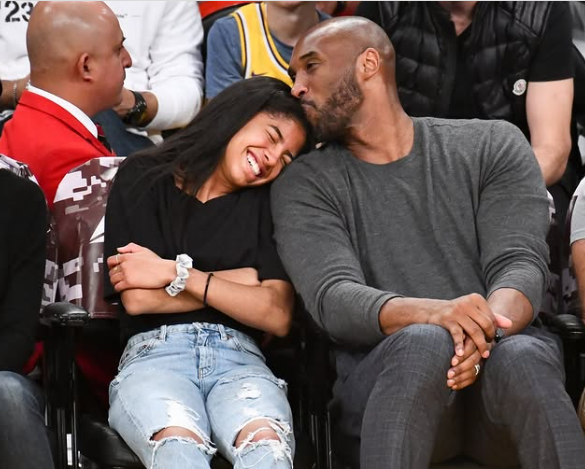
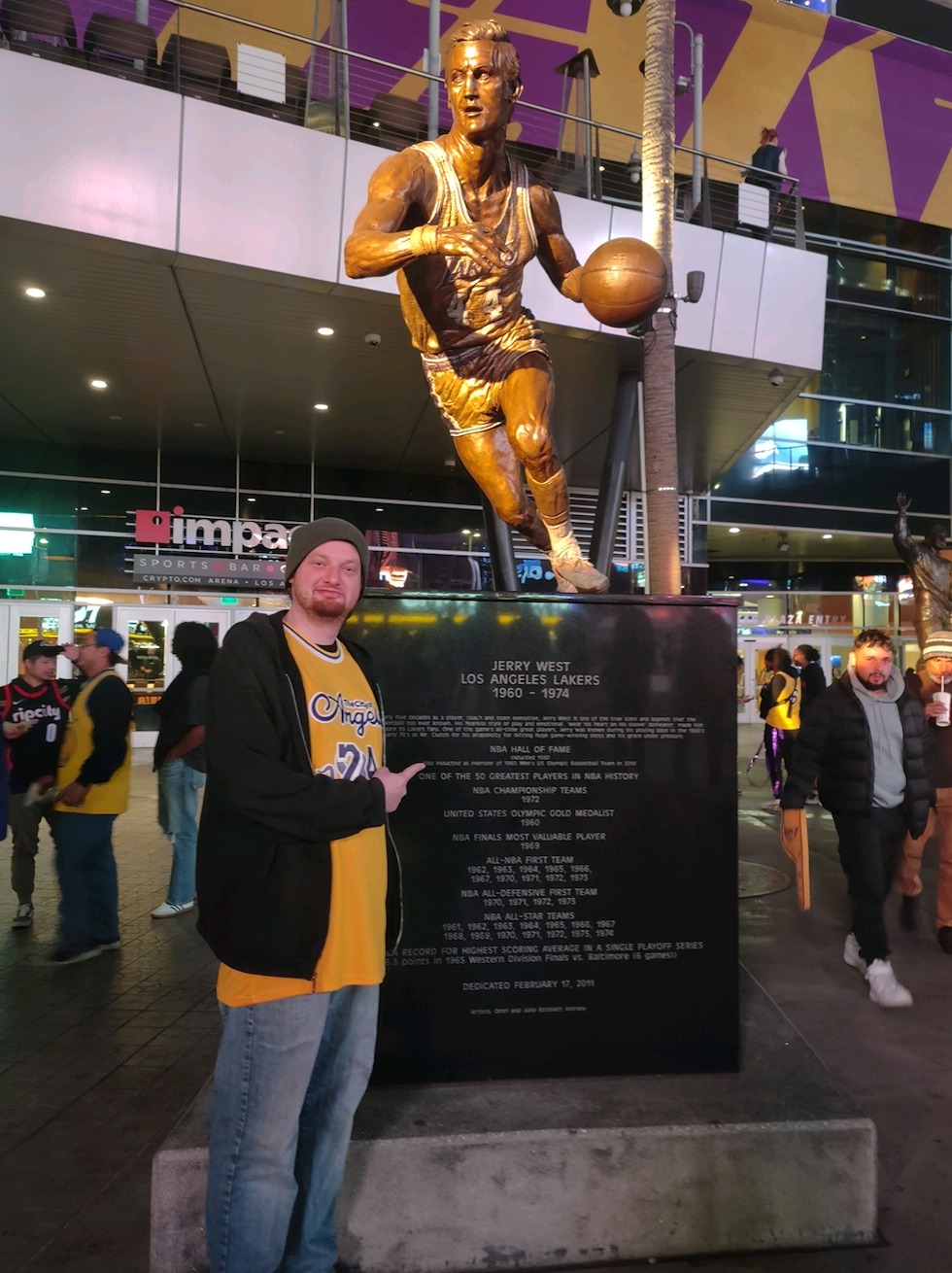
4. Other places were far less happy. The Coast Highway, along Malibu, is still closed except for residents. On the way down, Greg pointed a series of steep hillsides that rise above Camarillo. On one of them, we lost Kobe. We talked for a long time about the Lakers. Greg won a contest and got to ride on the team plane in the Magic years; one of the best birthday gifts I ever gave was to buy Thomas and a friend tickets to a Lakers game in the Lebron era. Chick Hearn, the play-by-play announcer, came up, too (“Couldn’t throw a pea in the ocean,” for cold streaks; “Yo-yoying up and down” for a player dribbling at the top of the key and looking for a pass). Remembering Chick softened losing Kobe. But not enough.
5. Still there—thank you, Lord: The Skirball Center, the Getty Museum, the poignant vastness of the tombstones at the L.A. Veterans’ Cemetery, the Sheraton Universal, and the stunningly tasteless billboards, like the sones for Sweet James’s law firm. So El Lay. And the churchtops: steepled Anglican or Catholic, Byzantine domes, Coptic or Orthodox, loud-speakered mosques, Baptist churches whose presence is advertised in Hangul, in Korean.
The fires are still there, too, alight in our memories. The Coast Highway, along Malibu, is still closed except for residents, because mud and rock flowed down the coast hillsides as ashen as Pompeii. I could not shake images like these from my mind as we entered L.A. from the 101.


But then, the historian in me remembered, hours later, that we Americans are made of strong stuff. The fires reminded me of Randy Newman’s sublime song “Louisiana 1927,” when another disaster met with the threat of presidential indifference.
But my adventure today reminded me of another Randy Newman song. This is a good way to end this little essay. (And I love the Buick.)
I love you, L.A.
 A Work in Progress