FDR was posing for a portrait at Warm Springs, Georgia, his “Southern White House,” in April 1945. The painter was flattering the American president, now beginning a fourth term that his intimates knew he could not survive. The “flattery” consisted of a proximate version of Roosevelt, with his great leonine head, albeit with more gray hair than the man actually possessed. The artist did not attempt to hide the dark circles under his eyes, sure markers of a presidency marked by economic calamity and war.
“I have a terrific headache,” Roosevelt suddenly exclaimed. He was dead the next moment, the victim of a cerebral hemorrhage. They were homely and mundane last words, but presidential speechwriters aren’t constant companions. Lucy Mercer Rutherfurd was FDR’s constant companion. She was the mistress Franklin had ostensibly put aside in 1918, when Eleanor found a packet of love letters between her husband and Lucy, her social secretary.
That day in 1945, Lucy was hustled away from Warm Springs before Eleanor arrived. It was the last indignity Franklin visited on her.
So even the powerful leaves messes behind them. Some die, though, with a brief moment of grace. William McKinley was visiting Buffalo, wearing his lucky red carnation in his lapel. He saw a charming little girl, stopped to unfasten the carnation to give it to her, and was promptly shot.
Fortunately, the “mess” that McKinley left behind was his successor, Theodore Roosevelt, who inherited McKinley’s imperialism but introduced the “Square Deal,” a program aimed at curbing the immense power of monopolies, protecting public health and establishing our system of national parks.
He was also, by the way, a wonderful father, with the possible exception of his imperious eldest daughter, Alice. I think there’s an explanation for that estrangement. Alice’s mother, also named Alice, died two days after giving birth to her in 1884. Roosevelt’s mother died the same day. TR dealt with the trauma by leaving New York and going West to become a cowboy.
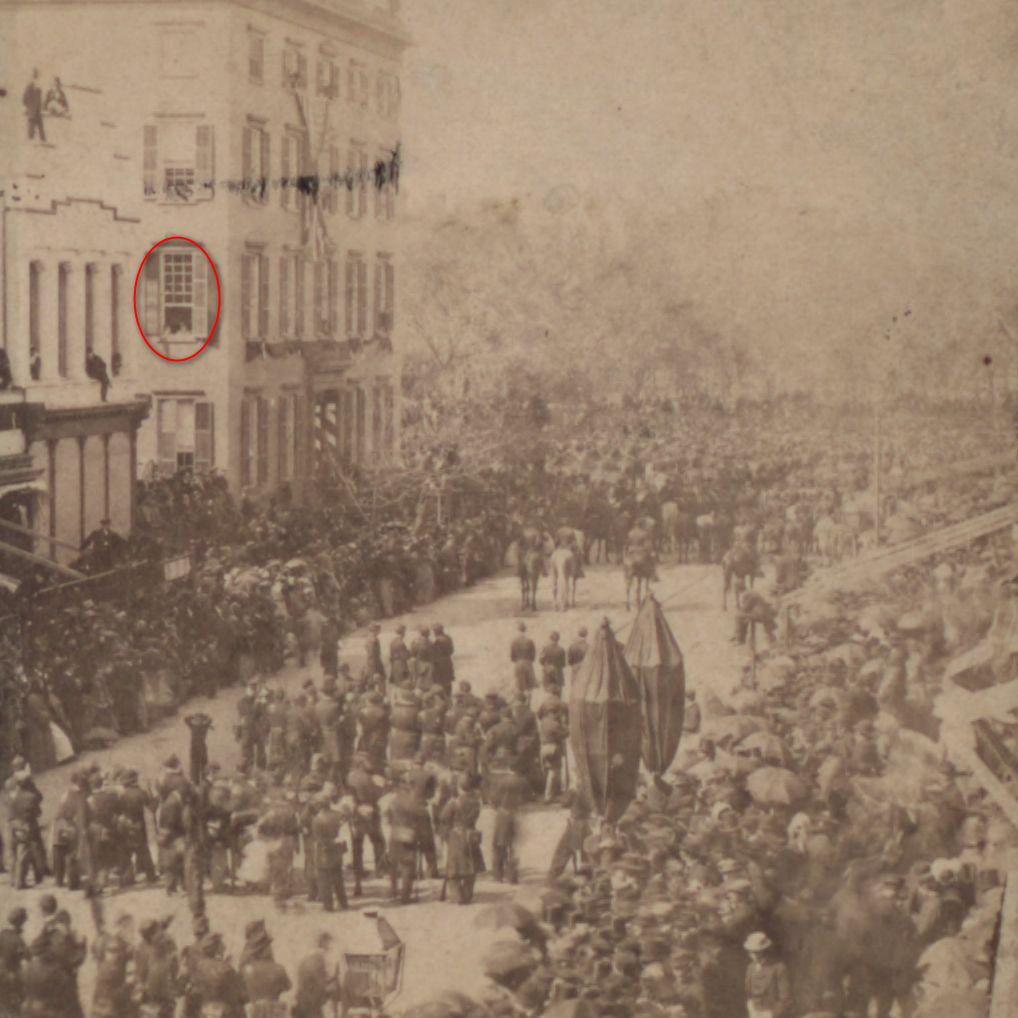
Sometimes the last words that powerful men hear are mundane. At Ford’s Theater on April 14, 1865, Abraham and Mary Lincoln were holding hands like teenagers. “What will Miss Harris (part of a young couple who were their guests) think of us?”
Lincoln, I choose to believe, smiled. “She won’t think anything of it,” he replied. Booth then fired his derringer.
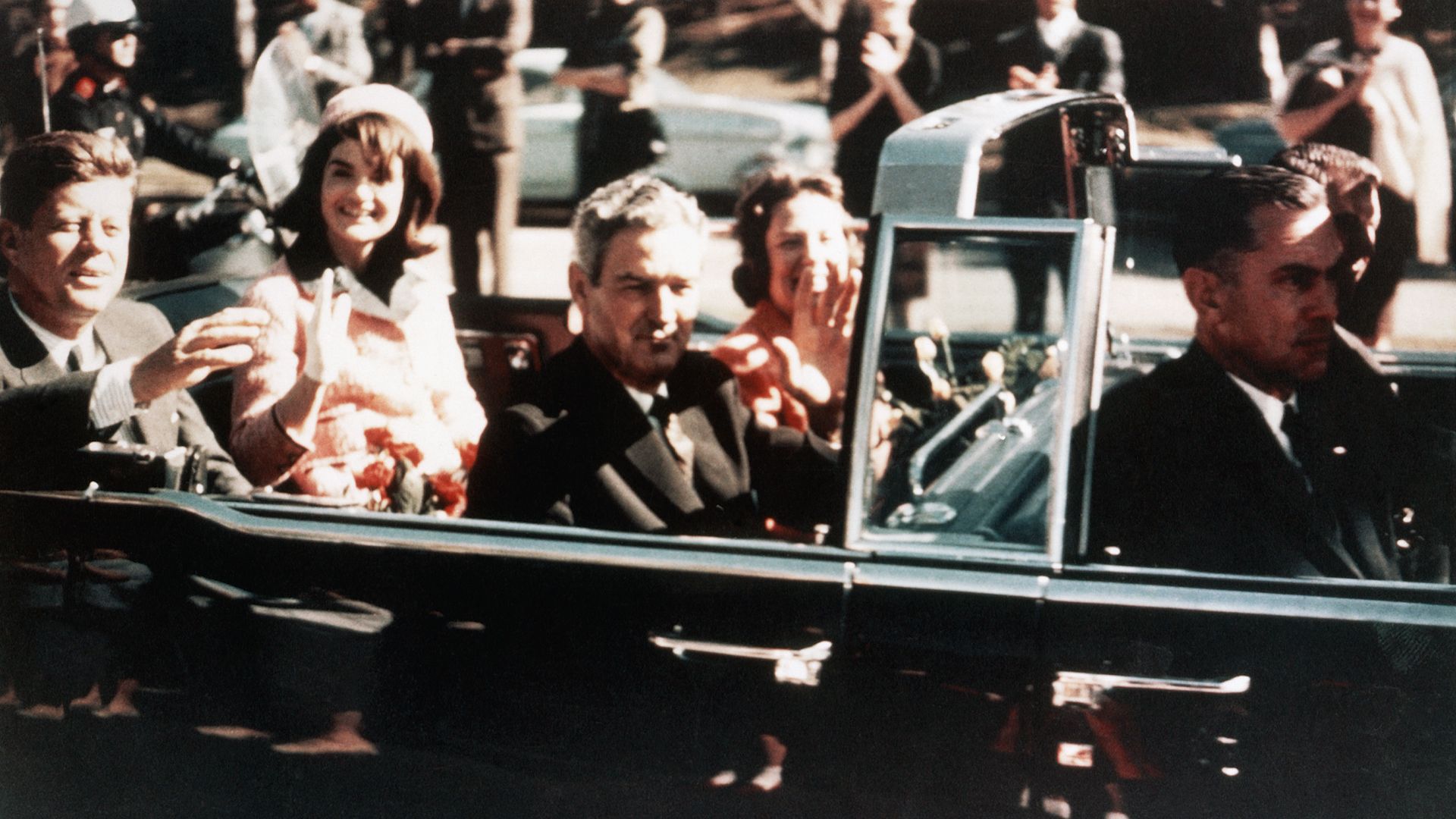
A century later, John F. Kennedy was on a campaign swing in unfriendly territory in Texas. There threats against his life in a state where the right-wing John Birch Society and segregation were powerful institutions. To the Kennedys’ surprise, they got a warm sendoff in Fort Worth and, after landing at Dallas’s Love Field, Texans lined the streets for blocks waving flags, applauding, sometimes screaming “Jackie!”
The governor’s wife, Nellie, turned to Kennedy. She was beaming. They can’t say now that people in Dallas don’t love you, she said.
“No, they sure can’t,” Kennedy replied. What immediately followed was the first horrific image from Abraham Zapruder’s little Kodak film camera: the president’s arms jerked suddenly and violently upward, his elbows splayed, as the first bullet struck him.
Sometimes the powerful are lucky in that they die the way they would want to. The much-maligned Richard III fell in battle at Bosworth Field, overwhelmed by forces commanded by a usurper, Henry Tudor, who became Henry VII. Shakespeare knew which side his scone was buttered on, and he was writing for a Tudor/Stuart audience, so he created, in Richard III, perhaps the most memorable villain in English literature.
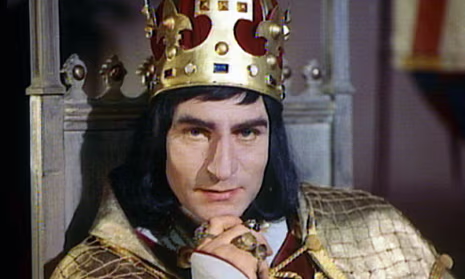
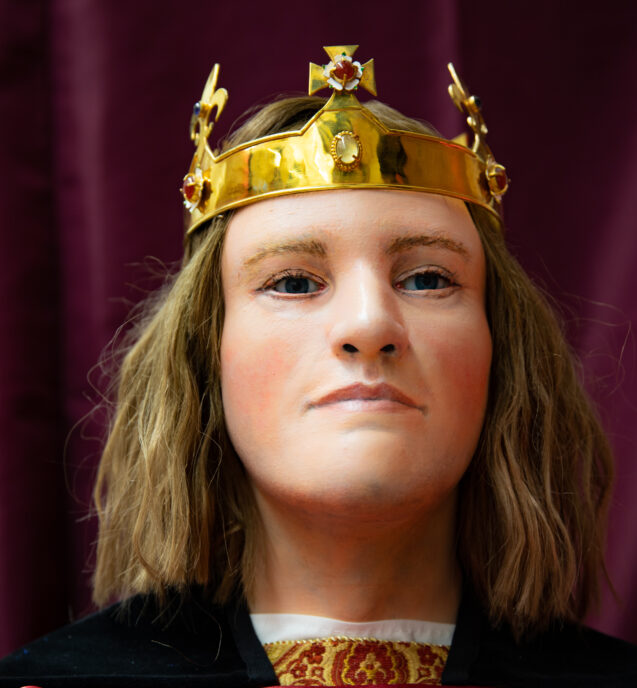
Richard, as the saying goes, was lost to history, except for every stage actor who would’ve killed to play him. (Laurence Olivier’s film version is especially delicious). Then, in 2015, a dogged researcher, Philippa Langley, led scholars to his burial site in Leicester, a city a, out thirty miles away from where the Gregorys came from. He was beneath what the British call a “car park” and what we call a parking lot. Gone since 1485, he was reinterred with honors, but not before forensic pathologists created the sculpture on the right: That is Richard III. They’ve even—somehow—reconstructed his voice, or at least his accent. He would’ve sounded remarkably like a farmer from All Creatures Great and Small.
Despite his restoration, in a way, to the 21st Century, there was a final indignity visited on the king in the 15th. His skeleton revealed a massive puncture wound at the base of his spine. It was postmortem. The Tudor forces, in short, had stabbed the king in the ass.
The point of all this? I love sushi, pasta, chiles rellenos. And dogs. And cats. And, most of all, my family.
Power, I can do without.
 A Work in Progress