
[Edit]
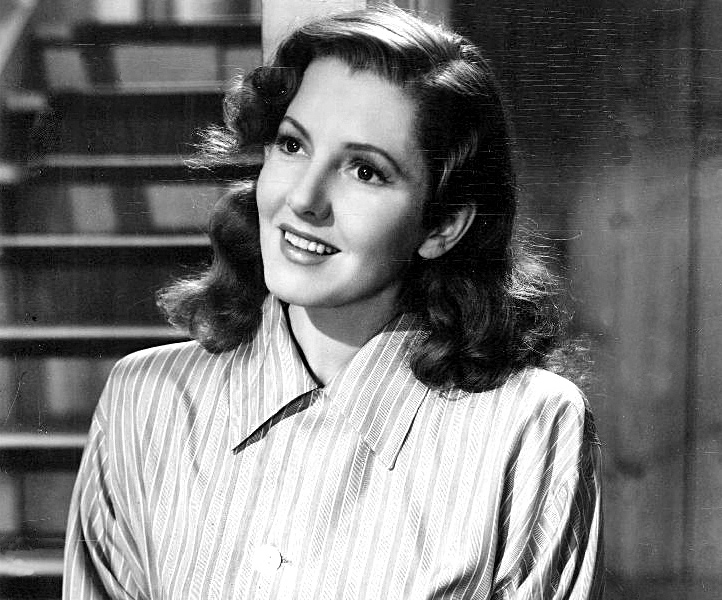
Look at her competition: Myrna Loy. Veronica Lake. Rita Hayworth. Claudette Colbert, Joan Crawford, Lauren Bacall. Even Hedy Lamarr. I never forgave them for the Mamie Eisenhower haircut they gave her for Shane. But of all the beautiful actresses from Hollywood’s Golden Age, Jean Arthur, along with Ginger Rogers, endures with me.
It’s because I am a man, and therefore vain. What Arthur did, in nearly all her films, was to make her leading man better.
She restored James Stewart’s courage in Mr. Smith Goes to Washington (1939). She convinced Stewart, in You Can’t Take It With You (1938), even after his wealthy, snobby and dyspeptic family had met her wildly eccentric family in You Can’t Take It with You, that he made exactly the right choice in falling in love with her. Director Frank Capra made the right choice in casting her.
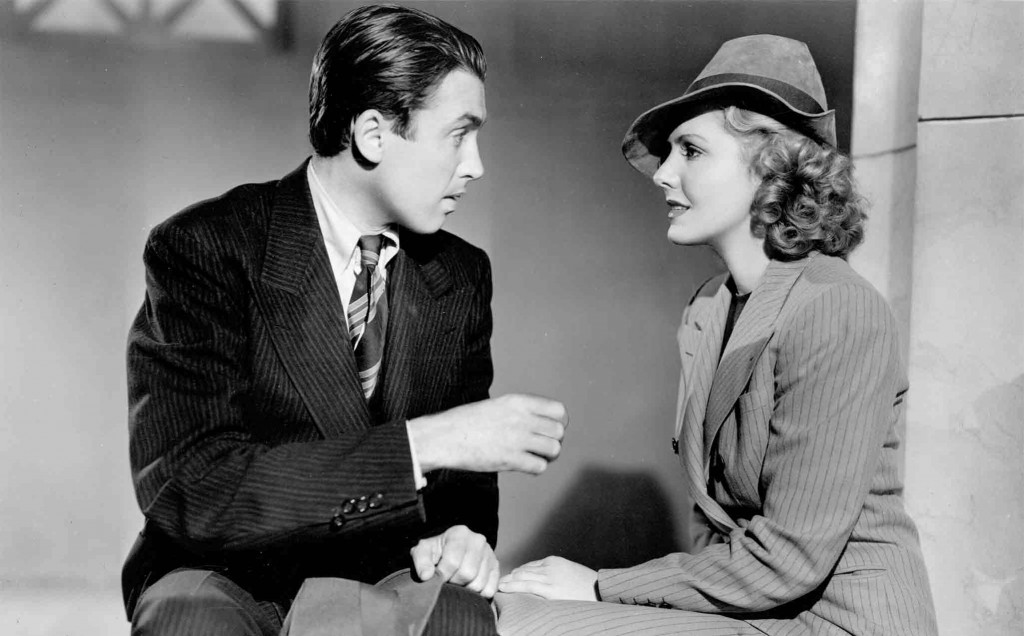

She talked Gary Cooper out of committing suicide in Mr. Deeds Goes to Town (1936).
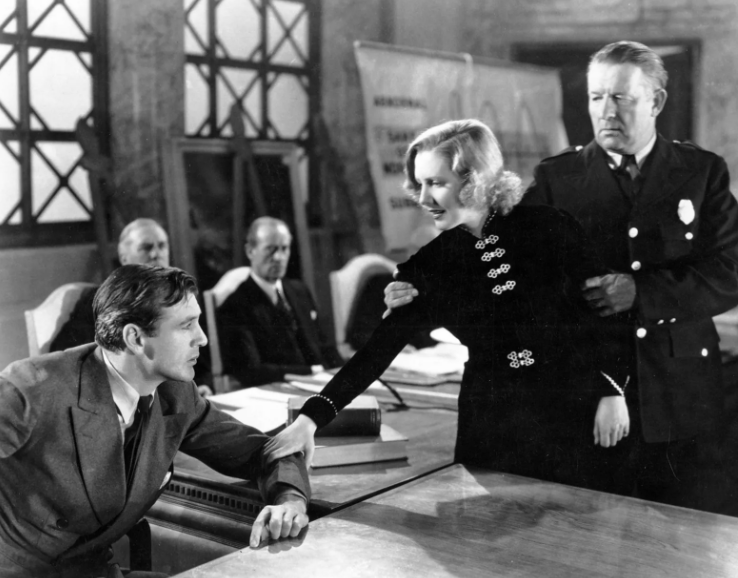
In Only Angels Have Wings (1939), she sticks by Gary Cooper’s reckless Andes mail pilot and tempers—at least at little—his Hemingwayish appetite for self-destruction.
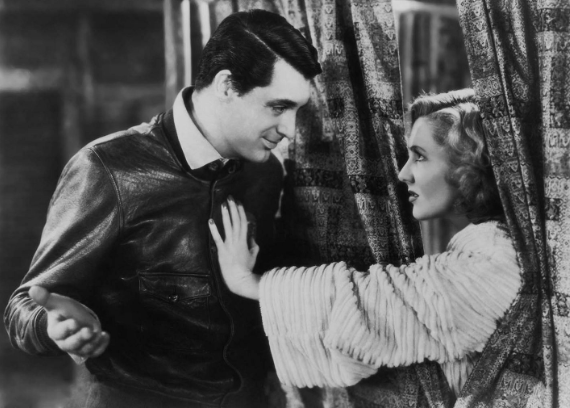
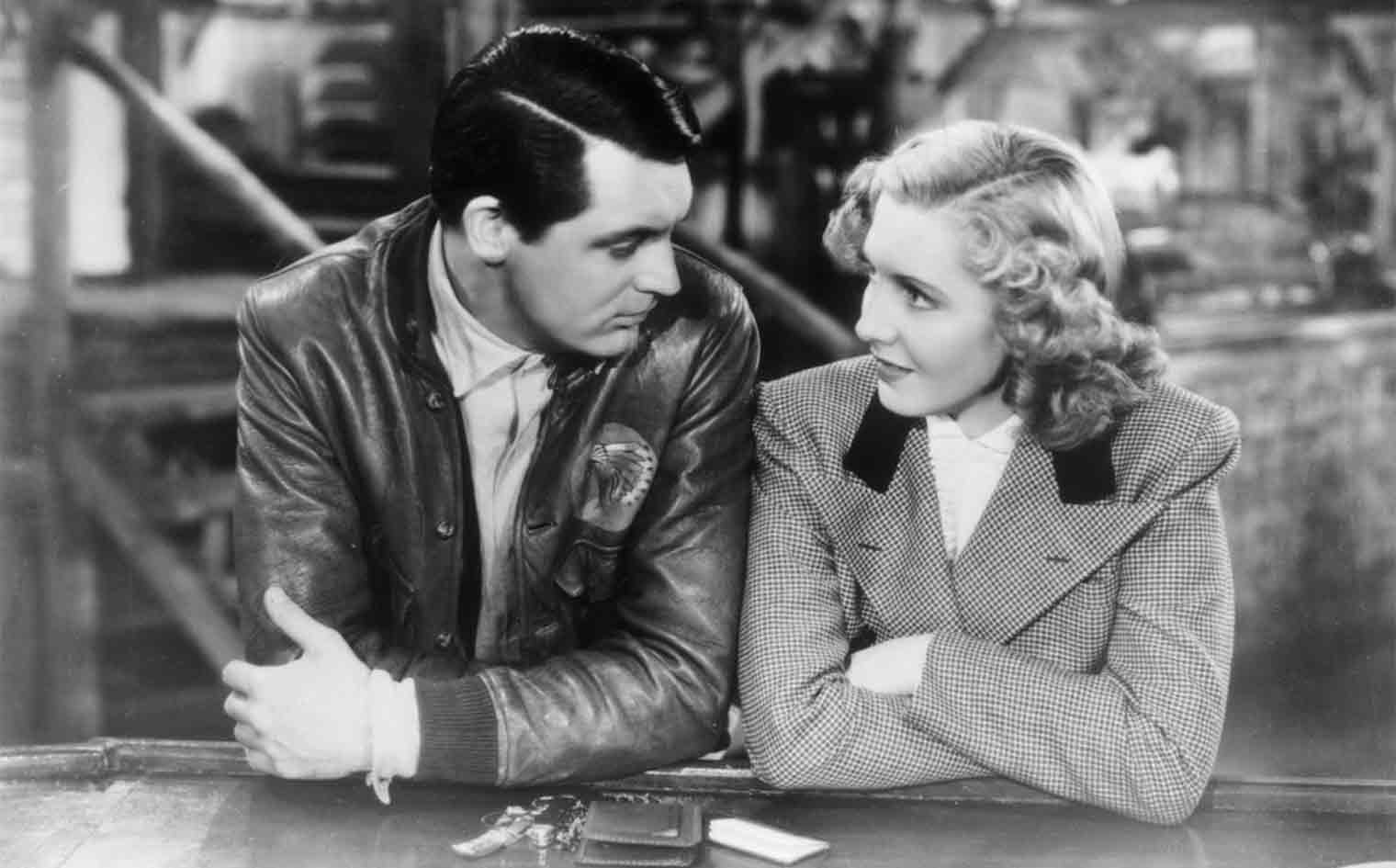
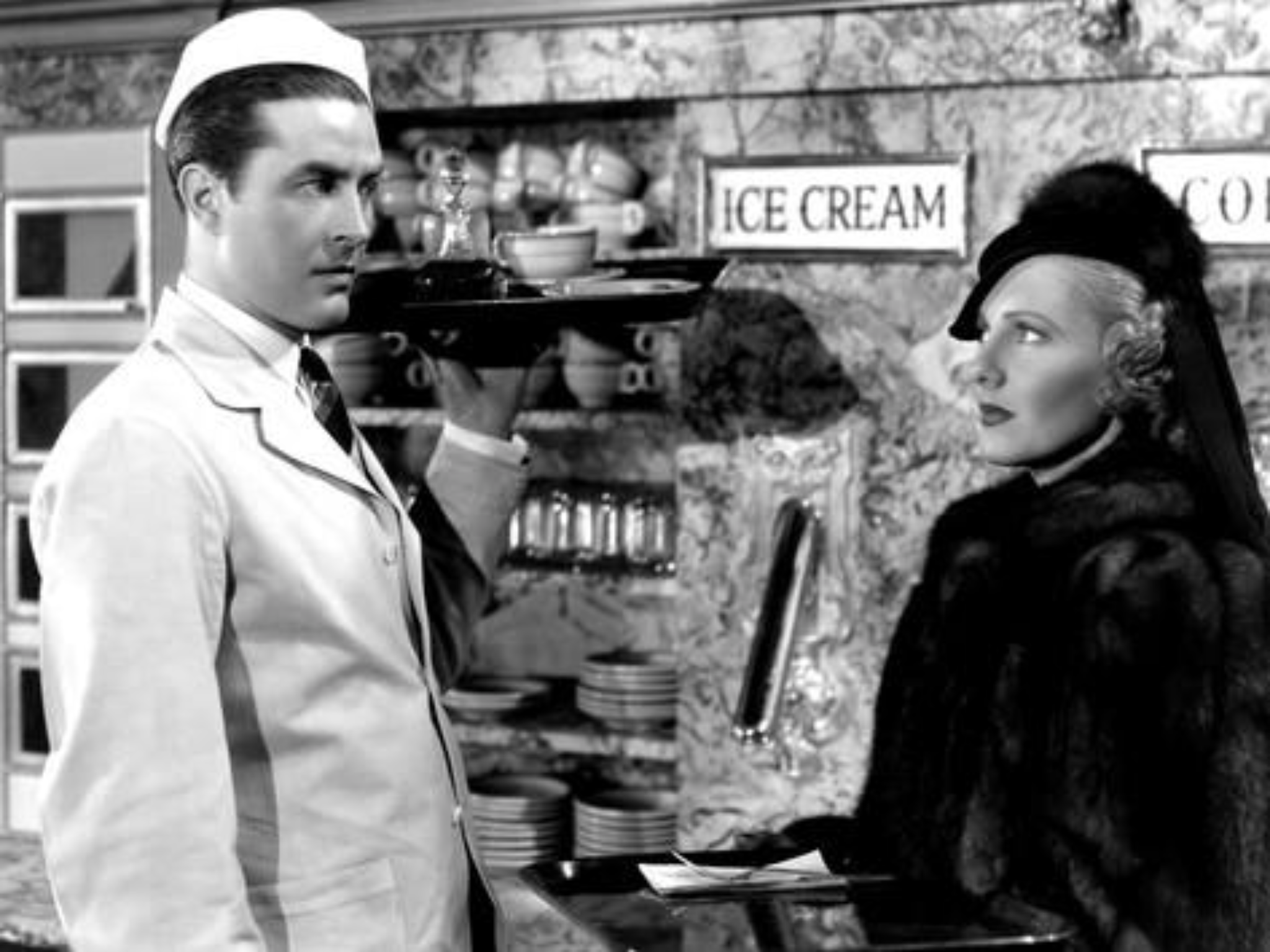
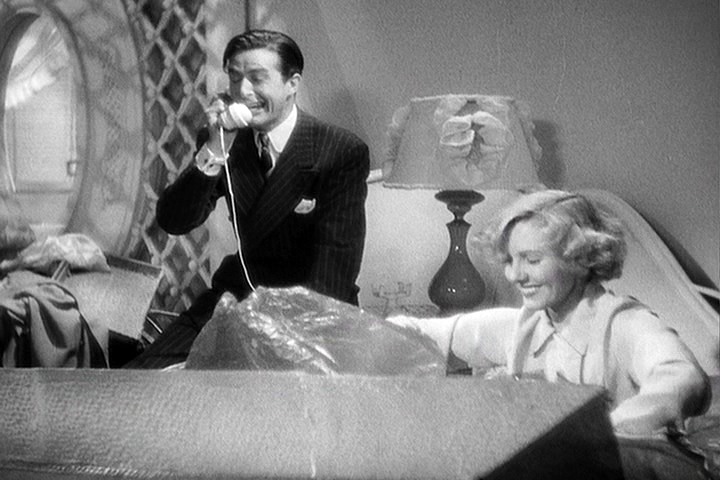
My favorite Jean Arthur film remains Easy Living (1937), with a screenplay by Preston Sturges. Arthur plays a young working-class New York City woman who runs out of money. She has to close her eyes to break her piggy bank. When a fur coat suddenly falls on her from a Manhattan high-rise, everybody assumes she’s rich and New York City lays out the proverbial red carpet. This film once again proves my thesis. Ray Milland is most recognizable to my generation as the cold-hearted father in Love Story (1970), and, a littler earlier, as the man who tried to have his wife, Grace Kelly, murdered in Hitchcock’s Dial M for Murder (1954). He is not funny.
But in Easy Living, ir’s Jean Arthur who reveals how funny Ray Milland could be, first in a wonderful automat scene, where you learn how fast food was served in the 1930s, and later as he, thoroughly confused, begins to fall in love with her. I think it was one of Milland’s best peformances, and I am convinced this because Jean Arthur evoked that performance from him.

If she brought out the best in her male leads, she was never subservient to them. If she fell in love with them, when the film ended, you were sometimes not sure that she’d stay with them.
You wanted to stay with her. She was the tomboy you’d grown up with, caught tadpoles with, watched, awestruck, as she hit the snot out of softball. And then, suddenly, when you were about thirteen, you realized that you were in love with her. (She went to the Prom with someone else.)
The real Jean Arthur was filled with near-constant anxiety, filled with self-doubt, and acting took, for her, immense reservoirs of courage that lay hidden deep inside. Only the singer Carly Simon, I think, has experienced stage fright as severe as Arthur’s was.
Jean retired because those reservoirs were never enough to drown that fear. What she’s left to us, in the fiction of film, is who she really was. Her personal character was marked by courage, by her willingness to confront, over and over, her deepest terrors. These were qualities that became transparent in the characters she played. I hope that somehow, long after her death in Carmel in 1991, that Jean Arthur realizes how admirable she was, both as an actor and as a human being.
 A Work in Progress