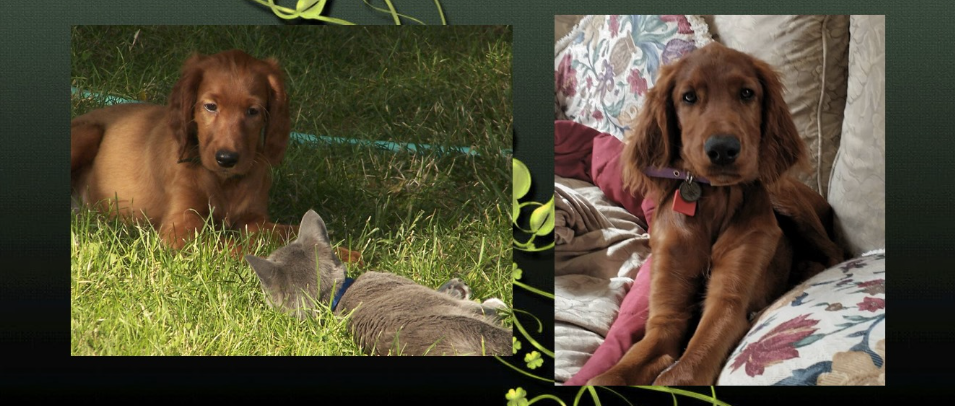
You know how my wife, Elizabeth, and I feel about Irish Setters. Here are our Mollie, with Dallas the cat, and Brigid, when they were puppies.
Well, it turns out that we’re not the only ones. Elizabeth was reading Ruth Paulding’s biography of her schoolteacher mother (more below Clara and her family) and found this passage about Dr. Ed, her father.

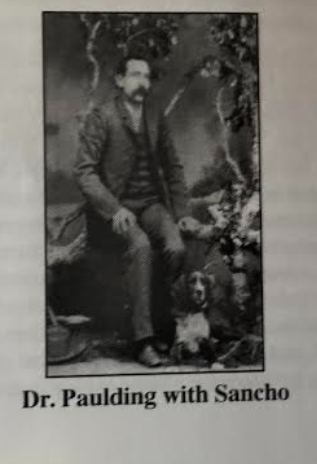
Sancho (pronounced “sanko,” for reasons I don’t know) looks like a Setter mix—maybe even a red and white Setter (the red ones came later), but his behavior can be common among male Setters, who will shift alliances at the slightest hint of treasonous behavior. But, also like Setters, Sancho was very forgiving. And he came to love little Ruth (below). What’s not to love?
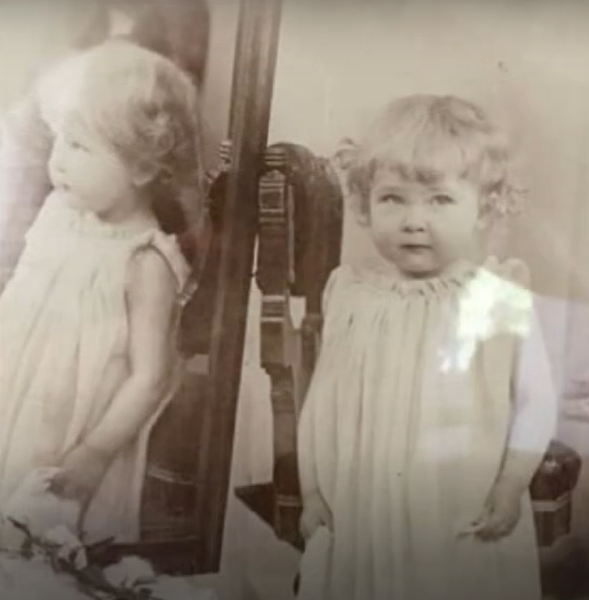
Sancho figures in a story about a schoolteacher–about 35 at the time of Ruth’s birth in 1892–who boarded with the Paulding family.
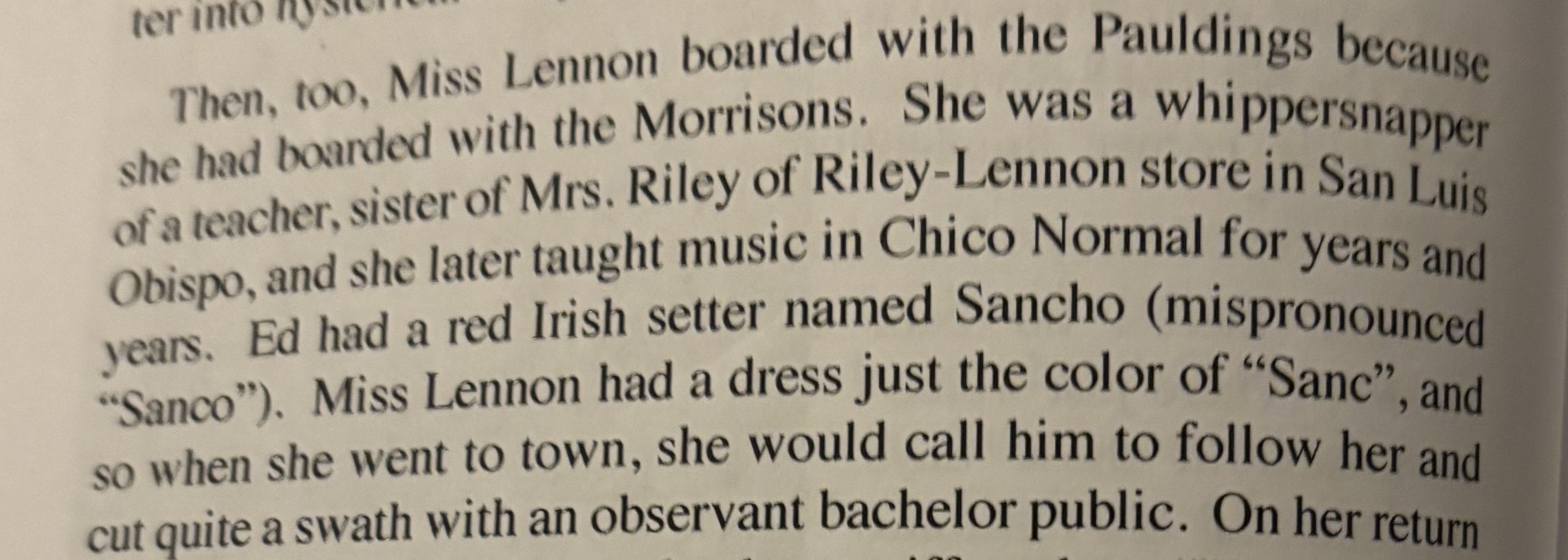
The passage about Miss Lennon’s connection to the Rileys intrigued me. Riley’s Department store was a big part of my boyhood here. Here’s a blog post about the store.
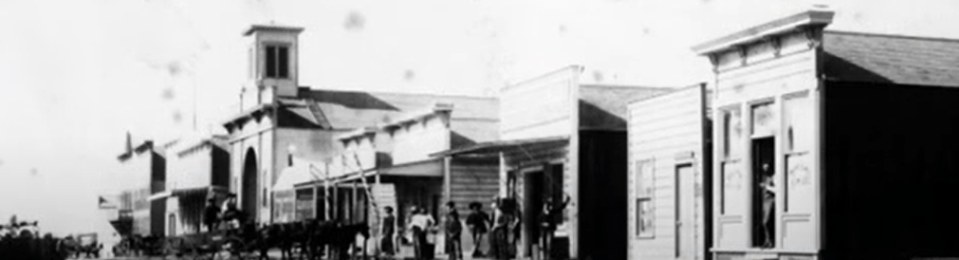
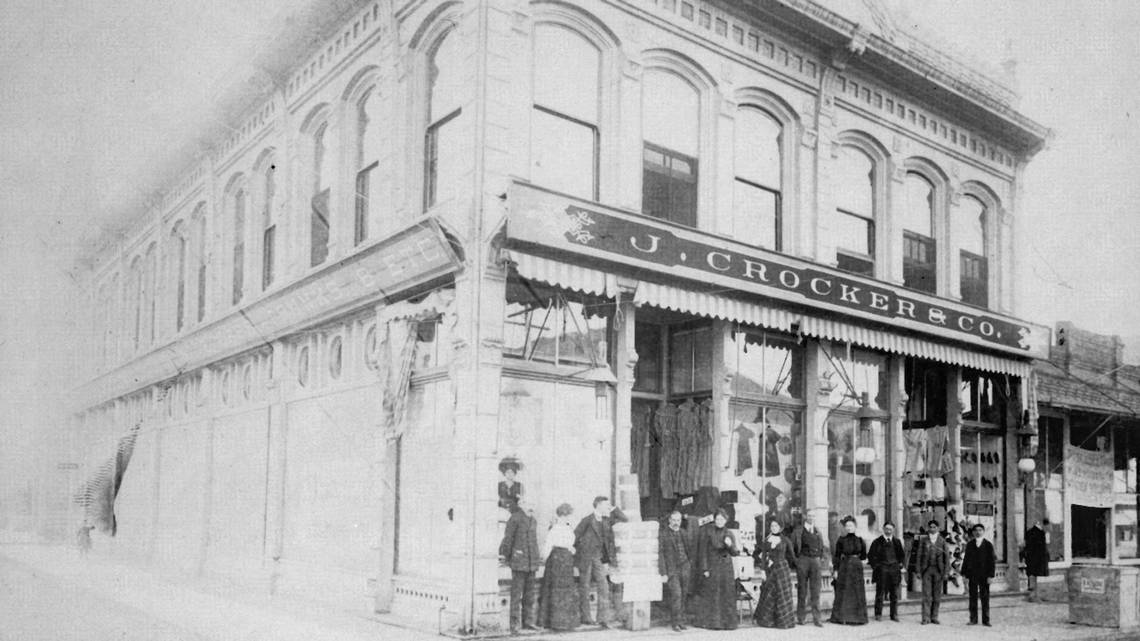
So I snooped around. At about the time Miss Lennon was sashaying with Sancho, this was the Crocker store in San Luis Obispo, at Garden and Higuera; D.J. Riley later owned this store. (This is from “Photos from the Vault,” David Middlecamp’s excellent history column in the San Luis Obispo Tribune.)
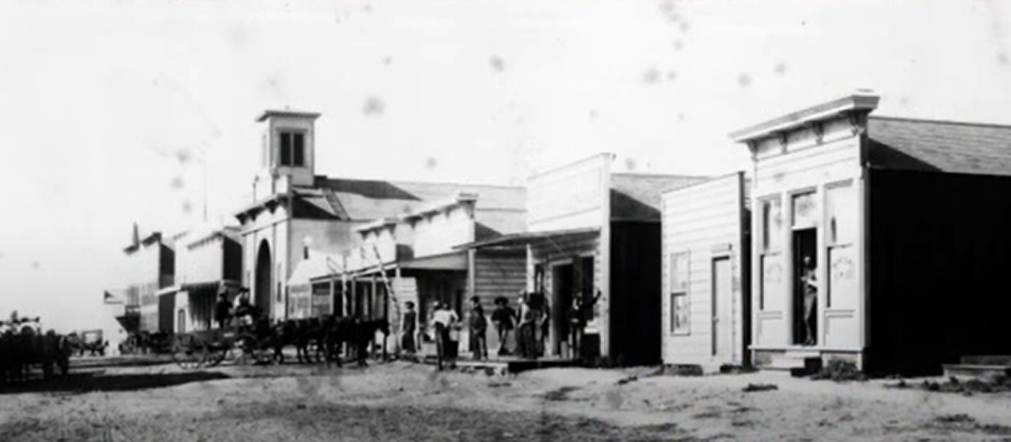
And this is the store, the tall dark building on the right, in a photo of Higuera Street from about 1918.

In 1914, Riley arrived and began casing the joint—San Luis Obispo, that is.

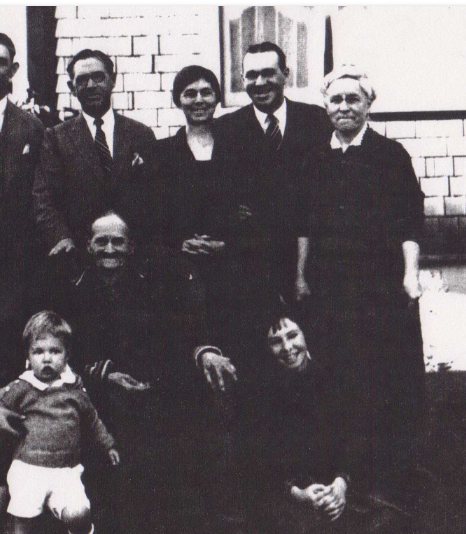
And, despite her russet dress and Sancho, the russet-colored Setter, Miss Lennon remained Miss Lennon until her death in 1953. Here’s her obituary from the Arroyo Grande Herald-Recorder and an image of her family in Gilroy, circa 1930.
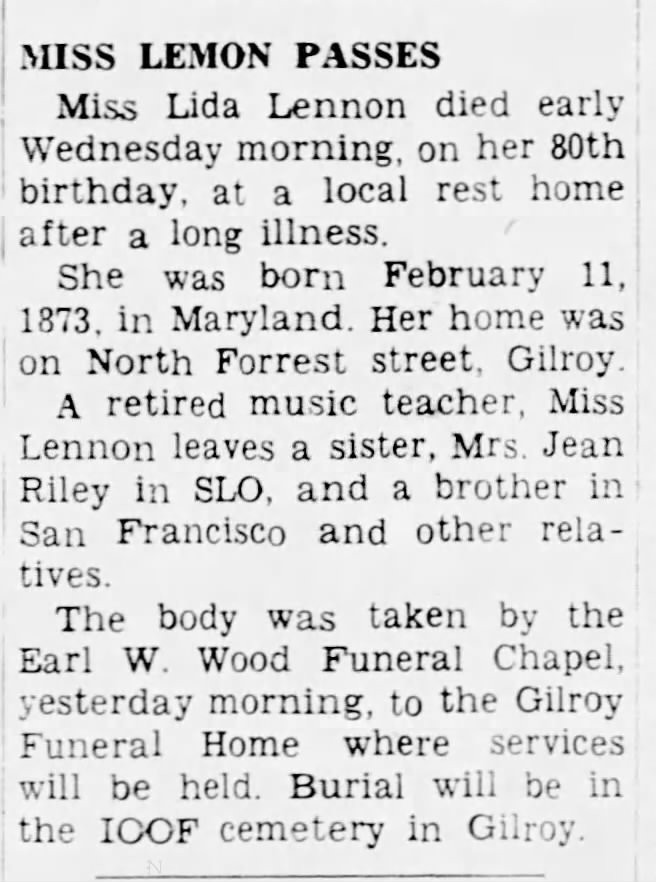
And, sadly, at her death, she was remembered as “Miss Lemon.” It reminded me of a line from Ken Burns’s Civil War, when a Union officer opined that there’s not greater honor than dying for your country and then having your name misspelled in the local paper.
Drat.
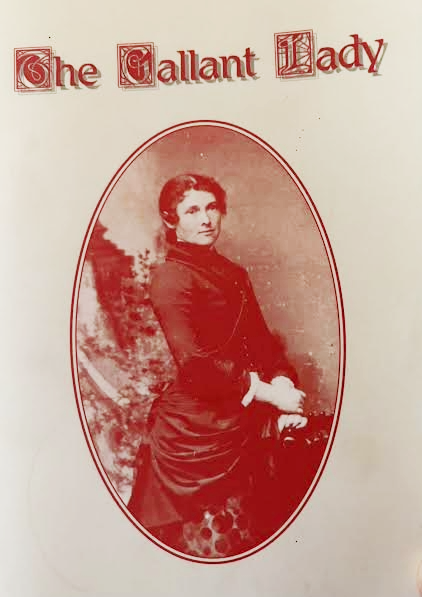
More on Clara Paulding and her family:
 A Work in Progress