
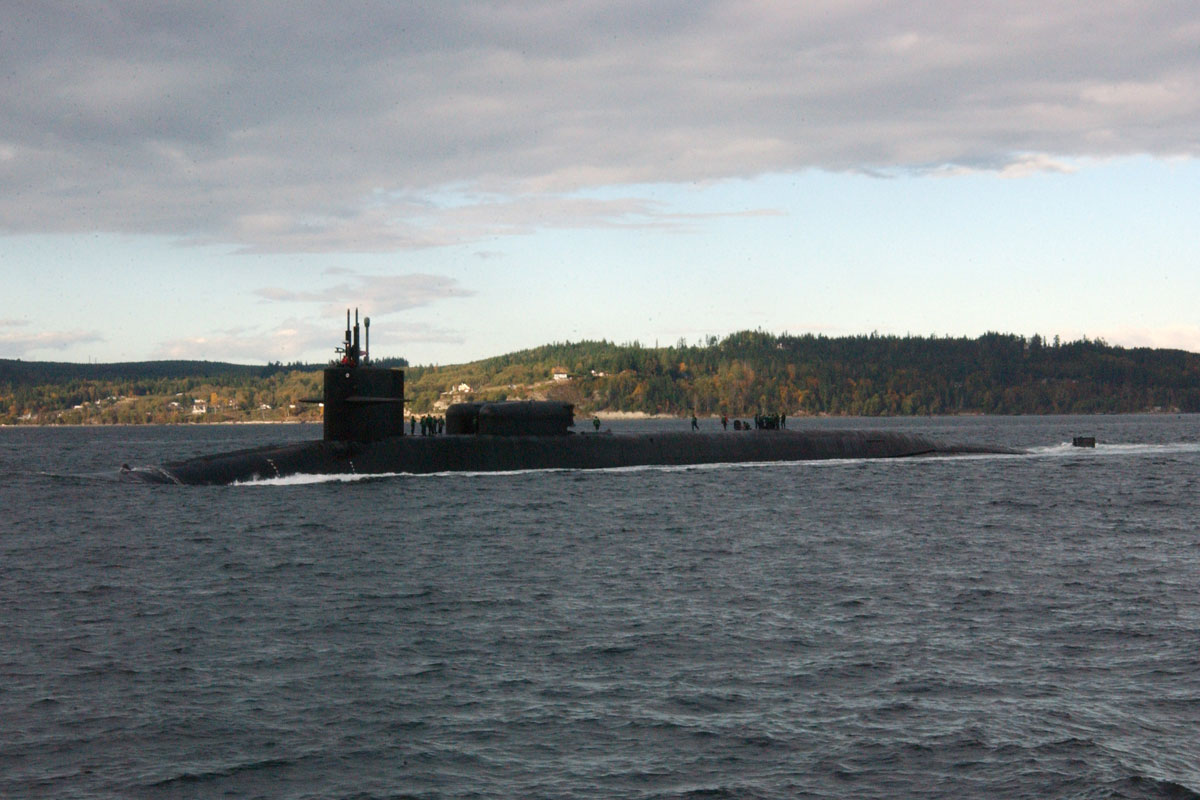
“Based on the highly provocative statements of the Former President of Russia, Dmitry Medvedev … I have ordered two Nuclear Submarines to be positioned in the appropriate regions, just in case these foolish and inflammatory statements are more than just that,” Trump said in Friday’s social media post.
So the president has repositioned two Ohio-class submarines, among our most potent offensive weapons, in response to a taunt from Medvedev, who pointed out that Putin’s Russia still has the destructive power of Brezhnev’s Soviet Union. In the process, announcing the movement of even two American submarines is a major faux pas—Trump is no more judicious in his use of than was Medvedev in his–in that even the vaguest citation of nuclear submarines is never to be disclosed.
Loose lips sink ships.
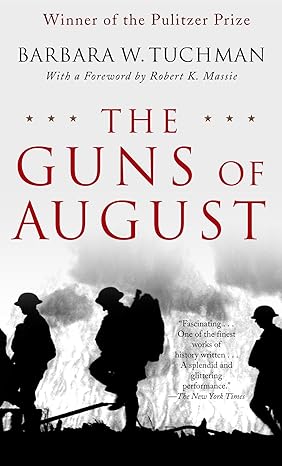
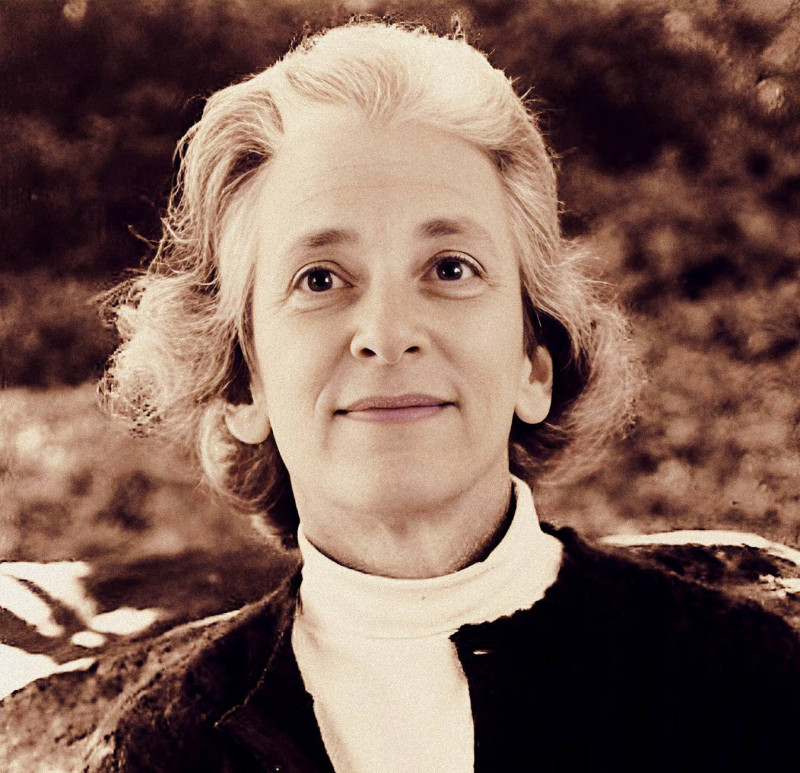
I couldn’t help but think of the contrast between this president’s intellect and that of John F. Kennedy’s. Kennedy was a quick study, not a deep one, but what separates these two so much is the fact that Kennedy read books. True some of them were James Bond novels, but one of them, in 1962, was Barbara Tuchman’s incredible history of the outbreak of World War I, The Guns of August. It’s a history so rich and yet so full of bravado, braggadaccio and deep hatreds that it makes, oddly, for compelling reading. The video below will explain a little more, but Kennedy was reading this book just before the Cuban Missile Crisis, and he averred then, and I paraphrase, that after being confronted with stupidity on such a massive scale, that he was not going to be the man responsible for starting World War III.
So, in October 1962, a historian I would not read for many, many years may, in fact, have helped to save my life.
Donald Trump, of course, does not read. He had to be told which side won the war that Tuchman wrote about. And he always rises to the bait, with his skin as thin as onion paper, as he did with the former premier.
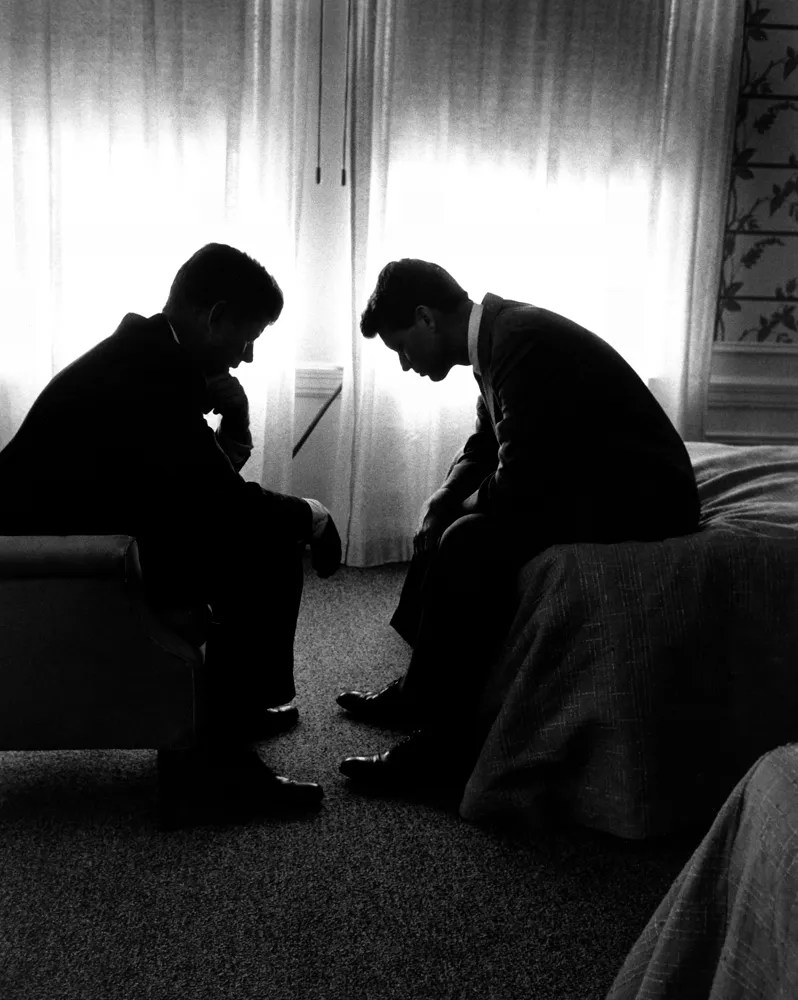
By contrast, it was Robert Kennedy, in October 1962, who did the opposite. Khrushchev, when challenged about the presence of Soviet offensive missiles in Cuba, sent the White House a conciliatory letter. That was followed, and very quickly, by a letter that was threatening and bellicose.
It was Robert Kennedy who suggested replying only to the first letter, ignoring the second one altogether. That response provided a sliver of movement that eventually defused the crisis that threatened all of our lives, including mine, at ten, in the Upper Arroyo Grande Valley of California.
One of the most plaintive anecdotes of the earlier crisis, the one in August 1914, was the bellicose and fiercely-mustachioed Kaiser Wilhelm—he whose personality approaches that of Donald J. Trump— asking his military advisors, plaintively, if the German troop trains now bound for the Franco-Belgian frontier and for Russia couldn’t be called back.
No, sire, he was informed. It is too late for that. In the meantime, on August 2, an itinerant and luckless artist, Homburg in hand, reacted jubilantly to the war news when it arrived in Vienna. Corporal Hitler would be a brave soldier, gassed amid the carnage that followed and demented but calculating after the bloodletting was ended by the fractured peace at Versailles.
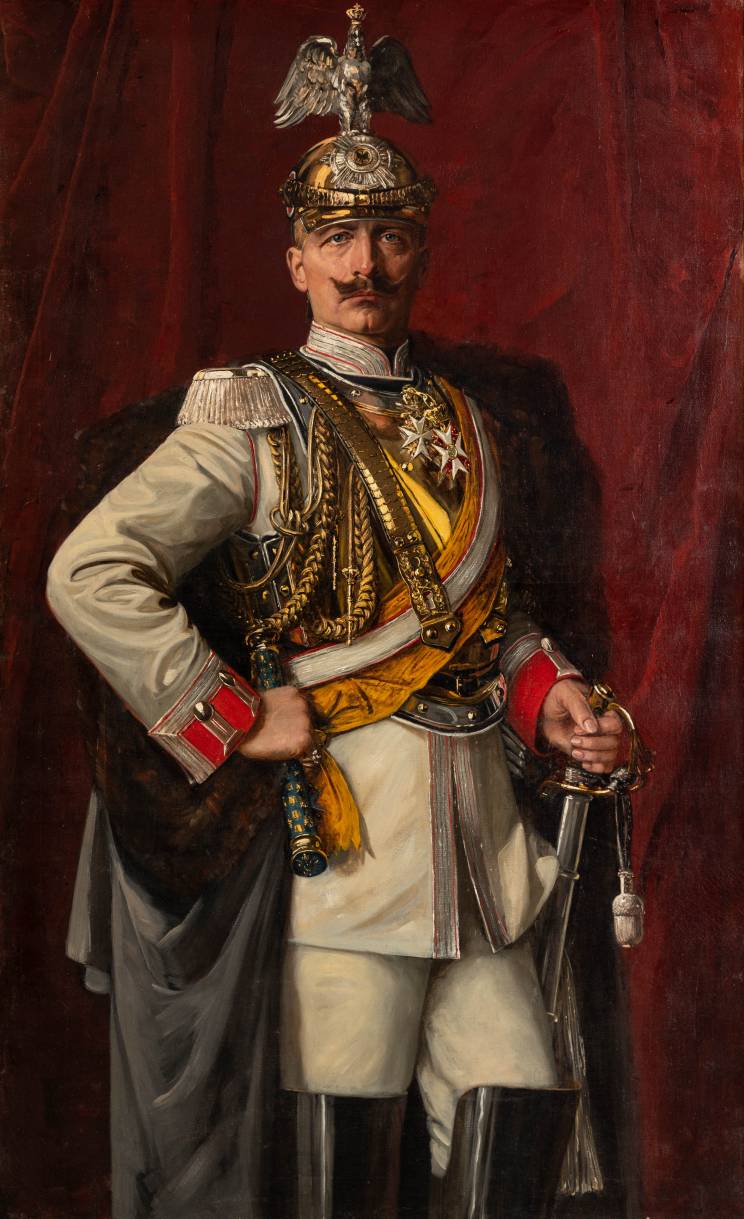
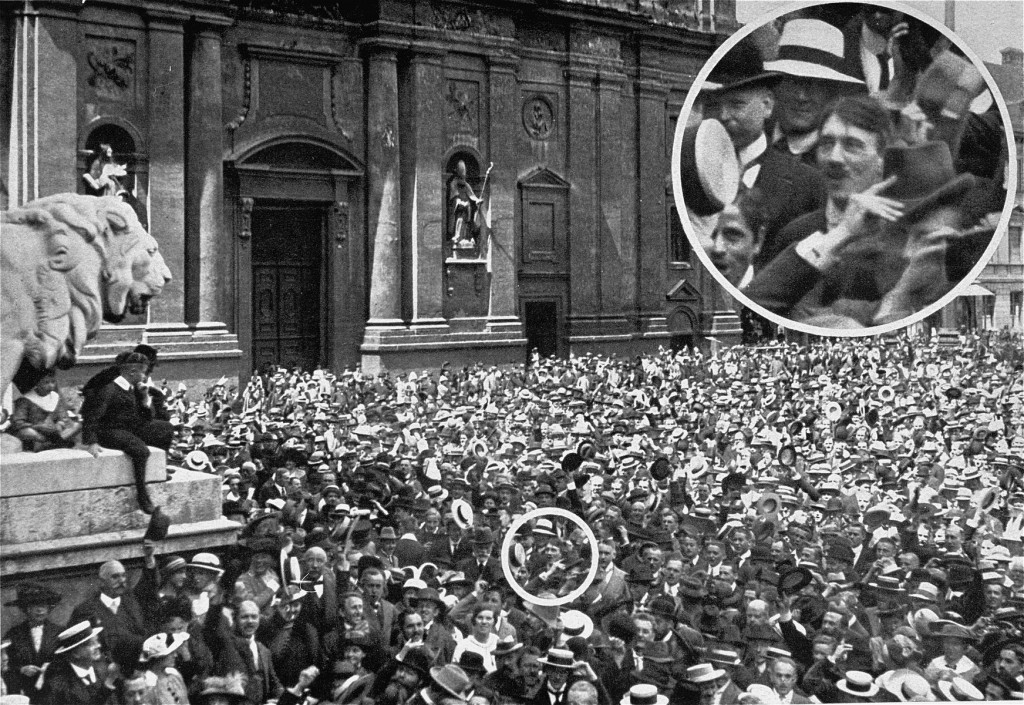
August 1914.
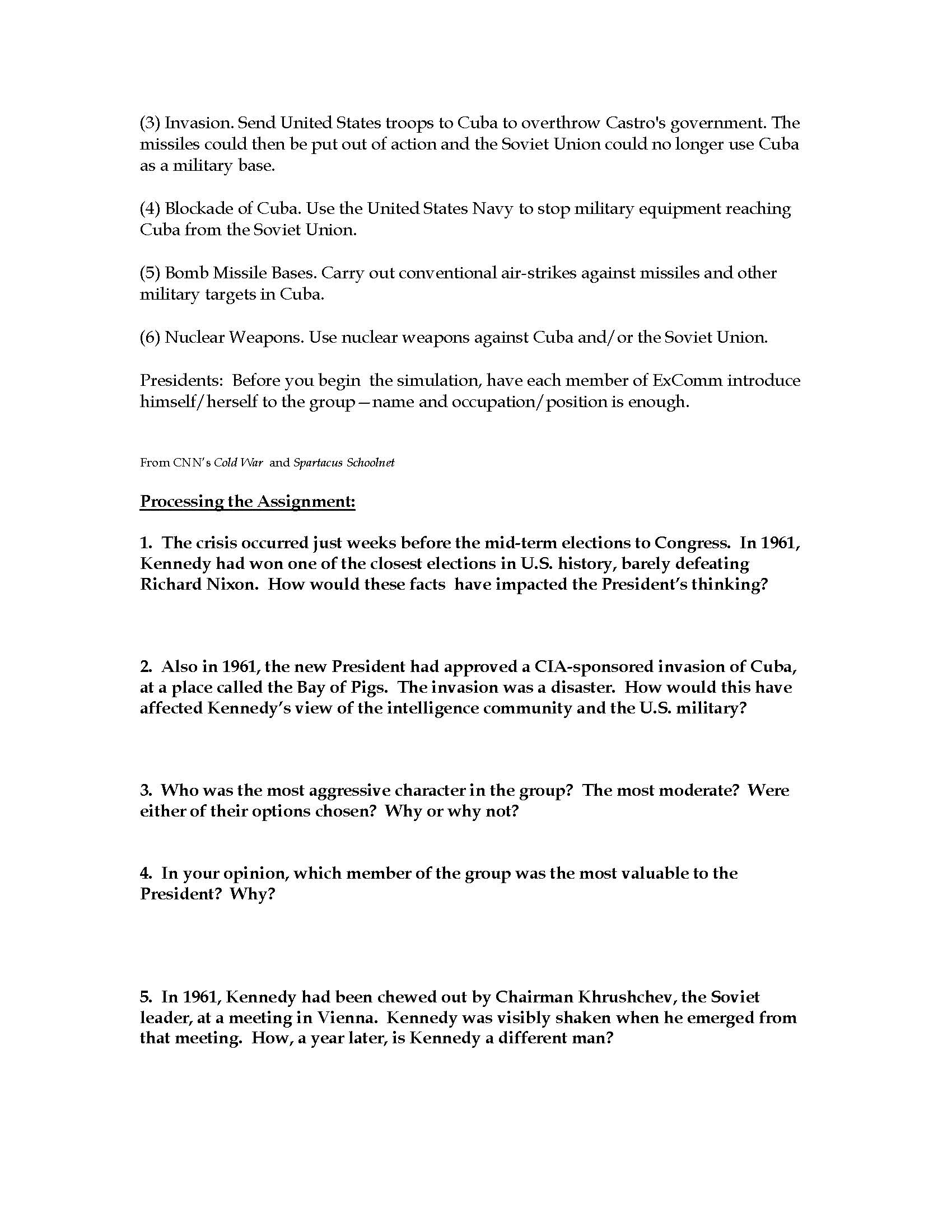
The Missile Crisis made such a deep impression on me that fifty years later, I turned it into a simulation for my AGHS AP European History classes. A preview is below: Each student was assigned a role as a member of EXCOMM, Kennedy’s advisers during the ten-day crisis. The genuine passion, even anger (especially the groups that featured Gen. Curtis “Bombs Away” Lemay) that animated them as they acted out their roles was one of the most satsifying lessons of my teaching career. They understood what the stakes were in October 1962.
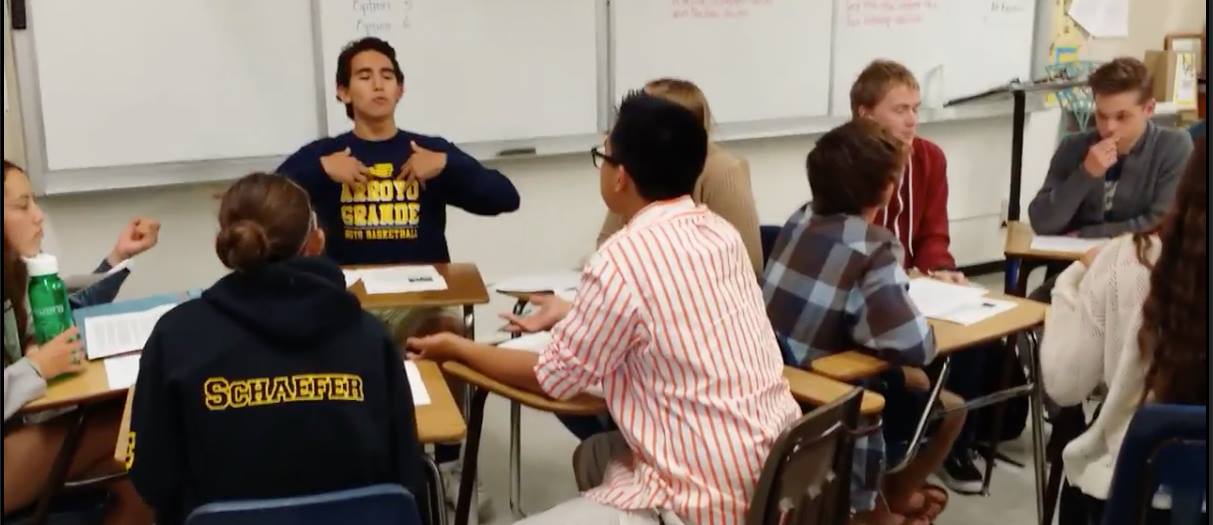
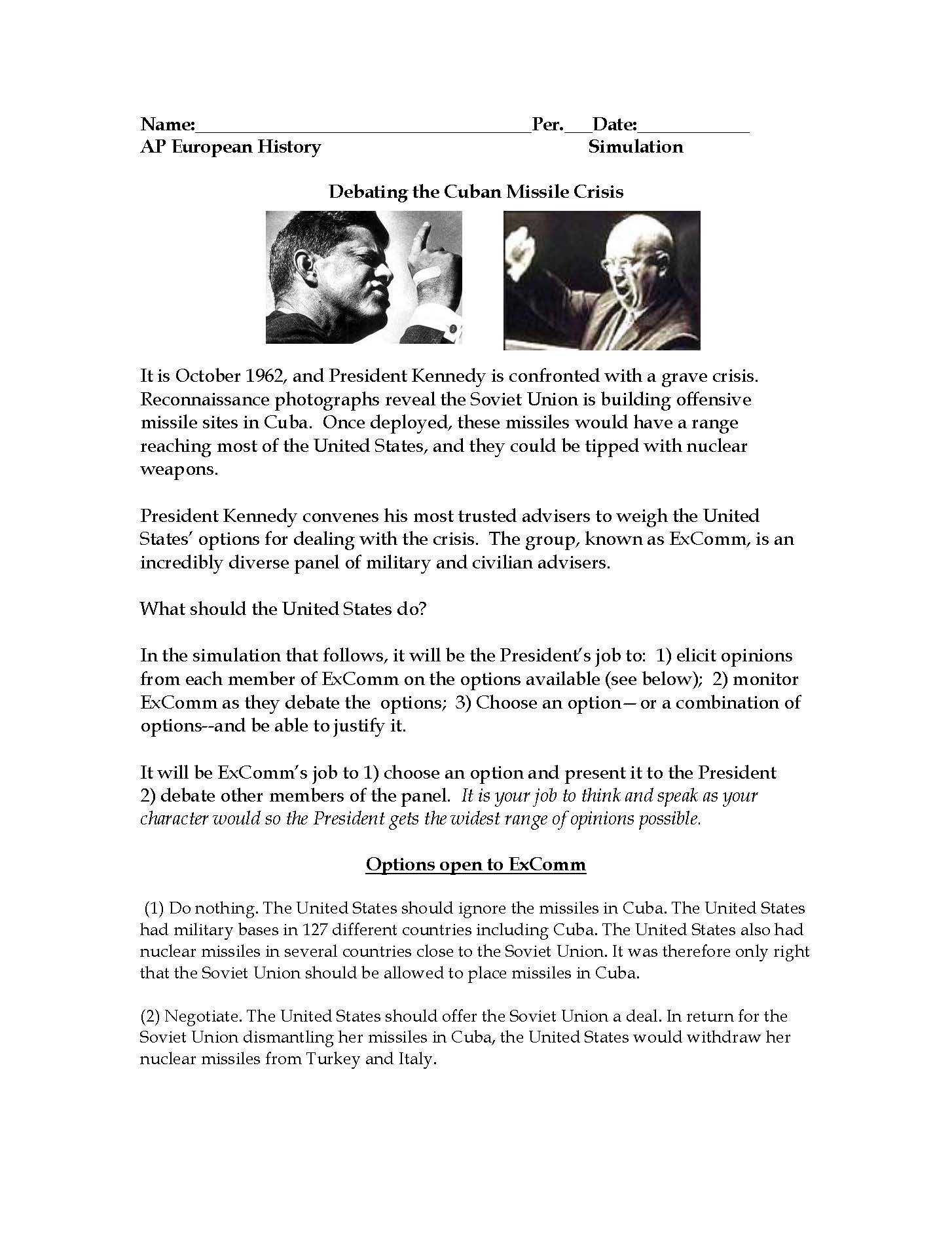
 A Work in Progress