
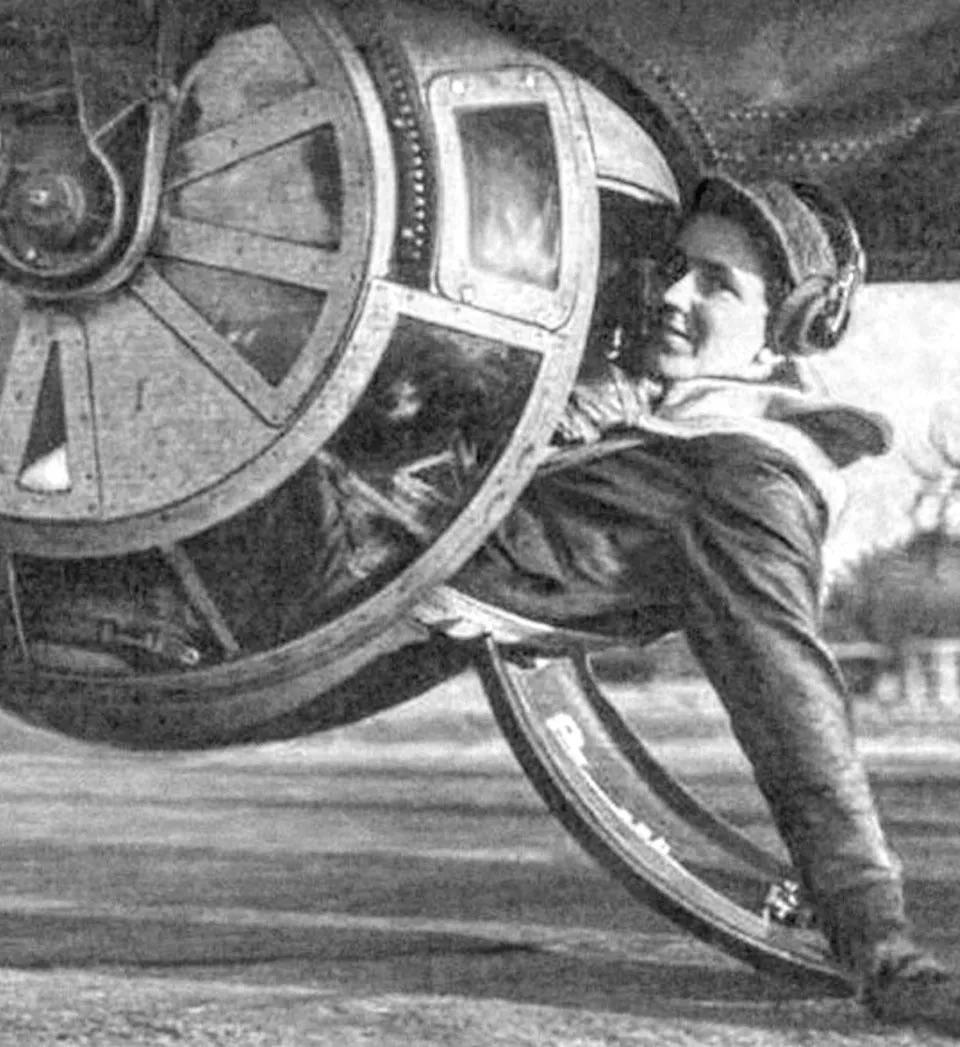
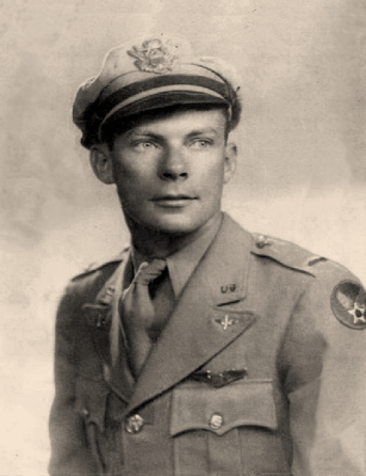
Alan Magee was a ball-turret gunner on a B-17 based at RAF Molesworth in March 1943. A key responsibility of his bomb group, the 360th, and his squadron, the 303rd, was to assault the German U-boat bases along France’s western coast. The U-boats themselves, as long as they were in their pens, were safe; the concrete and steel protection, built by slave labor, was so indestructible that the French Navy used the sub pens for their submarines throughout the Cold War.
In 1943, the U-boats were attacks were devastating, the tonnage sunk so vast that England was in danger of starving. (My father gifted a British family, in 1944, with a bag of California oranges. The mother of the family burst into tears. They hadn’t seen fresh oranges since 1939. That was the work of the U-boats.)
Later, the Halcyon brothers, the Varians, would help to develop the klystron tube, an improvement on radar that, in air attacks, devastated the U-boats once they’d slipped into the slipped from their protection at St. Nazaire or Lorient. I once read a gripping autobiography written by a U-boat captain, appropriately entitled Iron Coffins; by 1944, that’s what they’d become.
So it wasn’t the sub pens themselves that were the targets of Magee’s squadron: it was the yards where torpedoes were gathered after their shipment from German factories to the French coast.
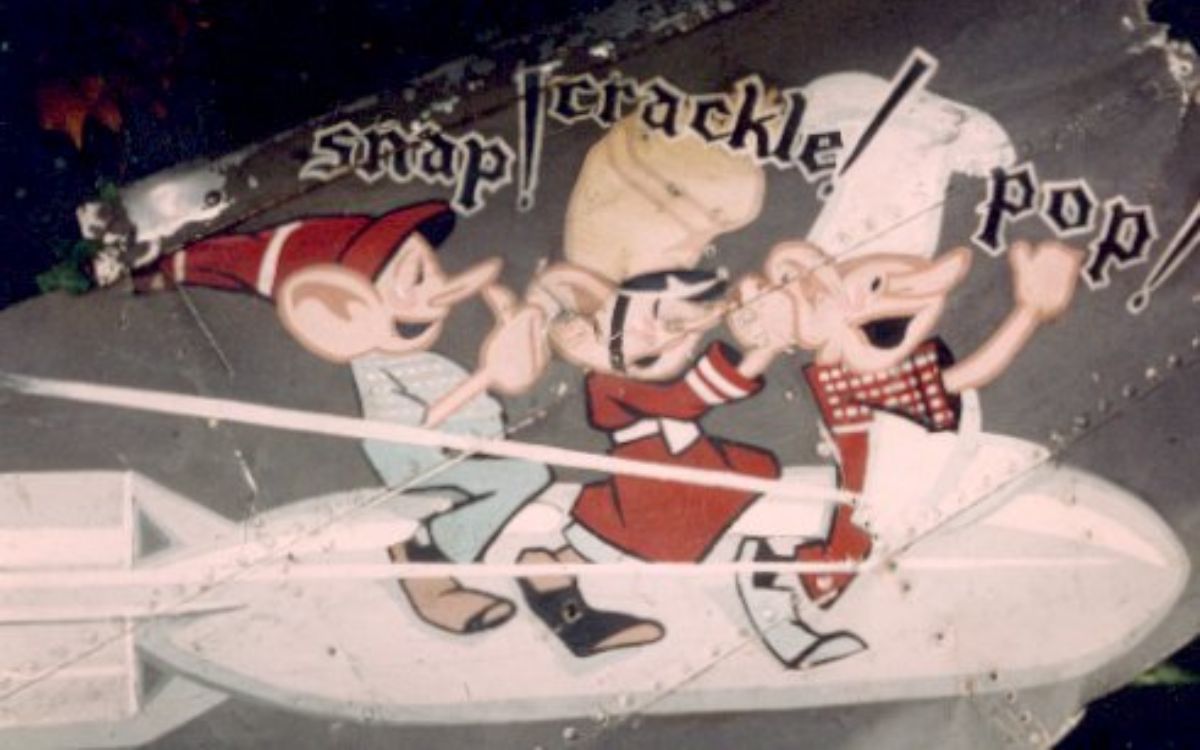
His B-17 was named “Snap! Crackle! Pop!” after the Rice Krispies characters, which made for far less racy nose painting than the generously-bosomed Vargas girl imitations that adorned so many B-17s. (Pilots averaged around twenty-two; some gunners, liars, were fifteen.)
Since Magee was a ball-turret gunner, that meant he was the tiniest of the nine men he flew with. Only a small man could fit in the bubble beneath the B-17. An electrical motor rotated the turret; the exit hatch, however could only be opened from inside the B-17’s fuselage, .
Magee was lucky. When “Snap! Crackle! Pop!” was riddled by German fighters on the St. Nazaire mission, on January 3, 1943, He found his way onto the flight deck, inside the seeming safety of the fuselage.
That’s when the B-17 blew up.
Magee was thrown out by the blast, semiconscious, and began to fall.
He had no parachute.
He had 22,000 feet to fall.
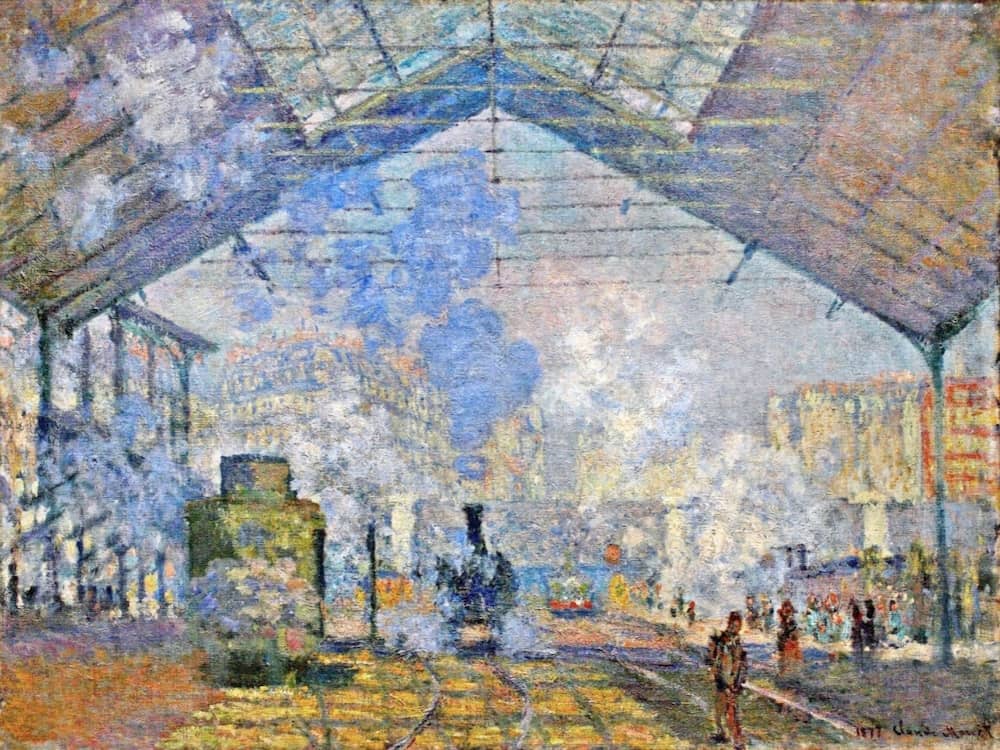
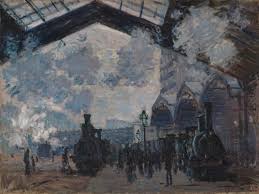
What broke his fall was the steel-and-glass roof of the St. Nazaire train station, made famous in studies by the Impressionist Claude Monet, obsessive, in 1877, about capturing light properly at different times of the day, experiments he could continue with the Rouen Cathedral and along the banks of the Seine.
The train roof broke Magee’s fall, and it broke Magee. One arm was nearly severed. one leg was broken, he suffered massive internal injuries and the surface of his body was peppered by bits of shrapnel. In a story not uncommon for the war in Europe, a German military doctor saved his life. The antiaircraft crew that had shot down another Morro Bay copilot offered him a hot bowl of potato soup once they’d recovered him, about to be shot by an irate German farmer. When he was on his way to a POW camp, he boarded a train with his Luftwaffe guard, who slipped the latches of the briefcase he was carrying, removed its contents, and wordlessly offered Lt. Robert Abbey Dickson a thick slice of sausage atop black bread.
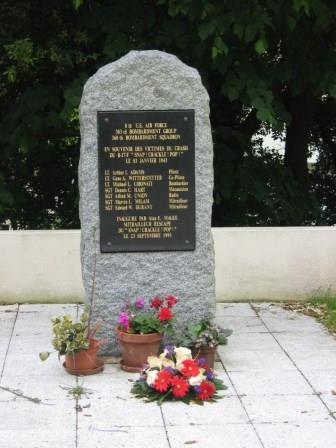
In the 1990s, Alan Magee returned to France for the unveiling of this memorial to the crew of “Snap! Crackle! Pop!”
That might be the end of the story, but of course it isn’t. Weeks later, another member of the 303rd Bomb Squadron was killed returning from a raid on the submarine facilities at Lorient. Clair Abbot Tyler was from Morro Bay. I once lived on Piney Way, the street where he grew up. The best man at his wedding, to a schoolteacher and descendant of the Dana family, was Alex Madonna, for whom my father worked.
Like so many fliers I wrote about in Central Coast Aviators in World War II, Tyler left a little girl behind.

Here is his story.
And one final point, but this one about U-boats. There have been so many fine World War II films, and one of the finest is German, written and directed by Wolfgang Petersen. Das Boot (1981) humbled me in that it separated Germans from Nazis. In this scene, the crew sings a popular British tune from the First World War, mostly to infuriate the boat’s political officer. He got off easily. In The Hunt for Red October, Sean Connery strangled his political officer.
i
 A Work in Progress