
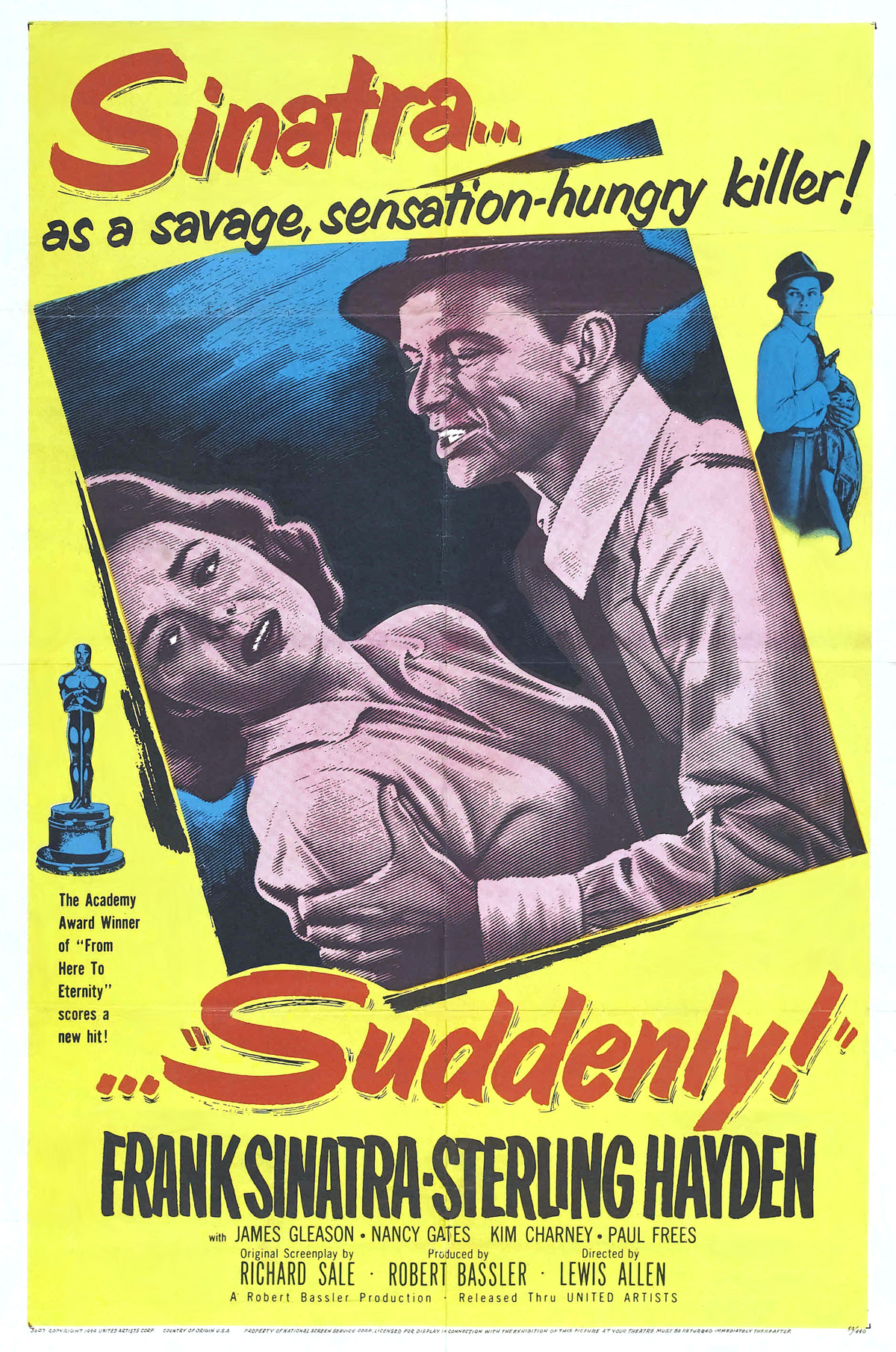
The film Suddenly begins with languid scene-setting shots, a device Woody Allen used in Midnight in Paris, but these, of course are in black and white, and the little California town, called Suddenly (I’d place it somewhere between Pumpkin Center and Avenal) reveals its church, courthouse, supermarket. One of the first kinetic characters we meet is Sterling Hayden, the sheriff. Hayden was 6′ 5″ and so makes his service revolver look like a Mattel Fanner 50. Here’s the film’s trailer:
And here’s the cast:
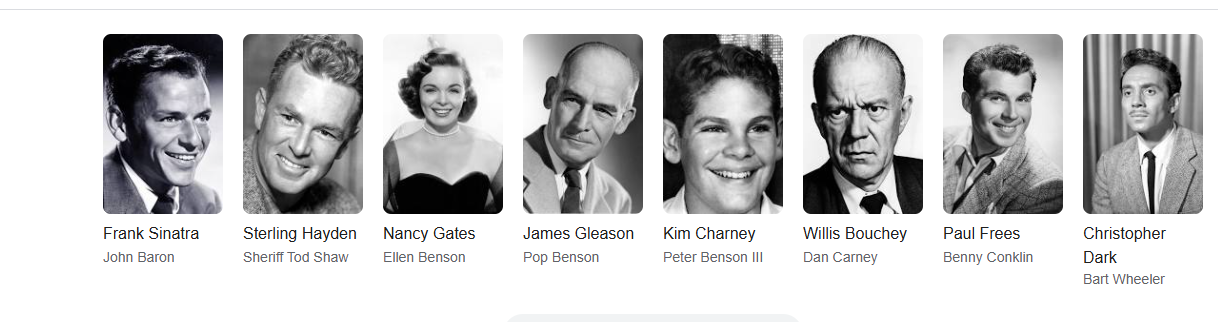
A little boy, eight, called Pidge, for some reason–maybe he poops a lot?–adores Hayden’s Sheriff Tod Shaw. Sheriff Tod Shaw adores little Pidge’s mother, Ellen, a war widow who hates guns and who resists the sheriff’s earnest wooing because she won’t betray her husband’s memory. When Shaw buys Pidge a toy revolver, that’s the final straw. Ellen, furious, reads him several riot acts.
Then things get even more complicated. The President of the United States is to make a train stop at the Suddenly station on his way for a little vacation. An advance team of Secret Service agents arrives and swears the sheriff and everybody else to secrecy.
The secret leaks, because Frank Sinatra arrives in Suddenly with two fellow assassins, neither one the reddest fruit in the Tomato Garden of Film Criminals, and the three take up a sniper’s nest in—wouldn’t you know it?— Ellen’s home, with Pidge and her father-in-law, a retired Secret Service agent. Convenient, no?
Here’s where the film gets eerie, at least for us history majors.
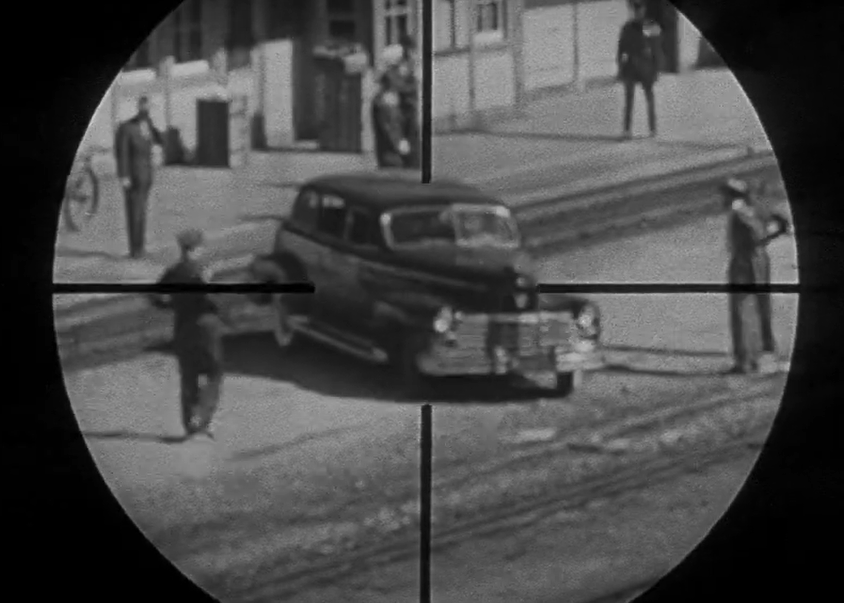
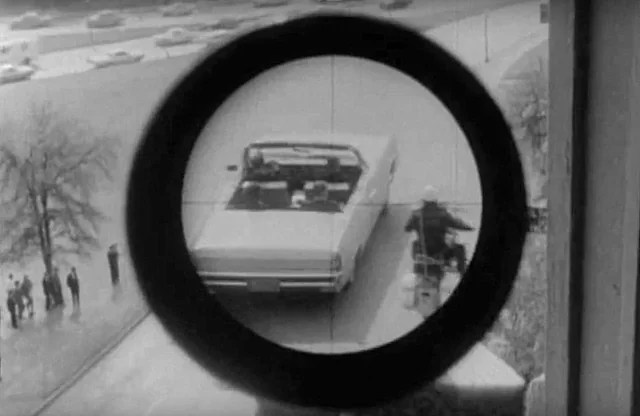
Ellen’s home is about 200 yards away from the train station. That’s the president’s Cadillac limousine awaiting for his arrival in the 1954 film. Lee Harvey Oswald’s sniper’s perch was about 200 feet above President Kennedy’s Lincoln; the fatal shot came at about 265 feet. The second photo is from a Secret Service reconstruction in 1964.
Sinatra, out to kill the president in Suddenly, was, in the real world, a close friend of JFK’s. That ended after the 1960 election, when Attorney General Robert Kennedy began a campaign against organized crime, including mobster Sam Giancana. Giancana and Sinatra were partners in the Cal-Neva Lodge. Giancana and JFK shared a mistress, Judith Campbell Exner. One of the it-will-never-go-to-bed rumors (a term that doesn’t apply to Exner) was that JFK’s murder was a mob hit.
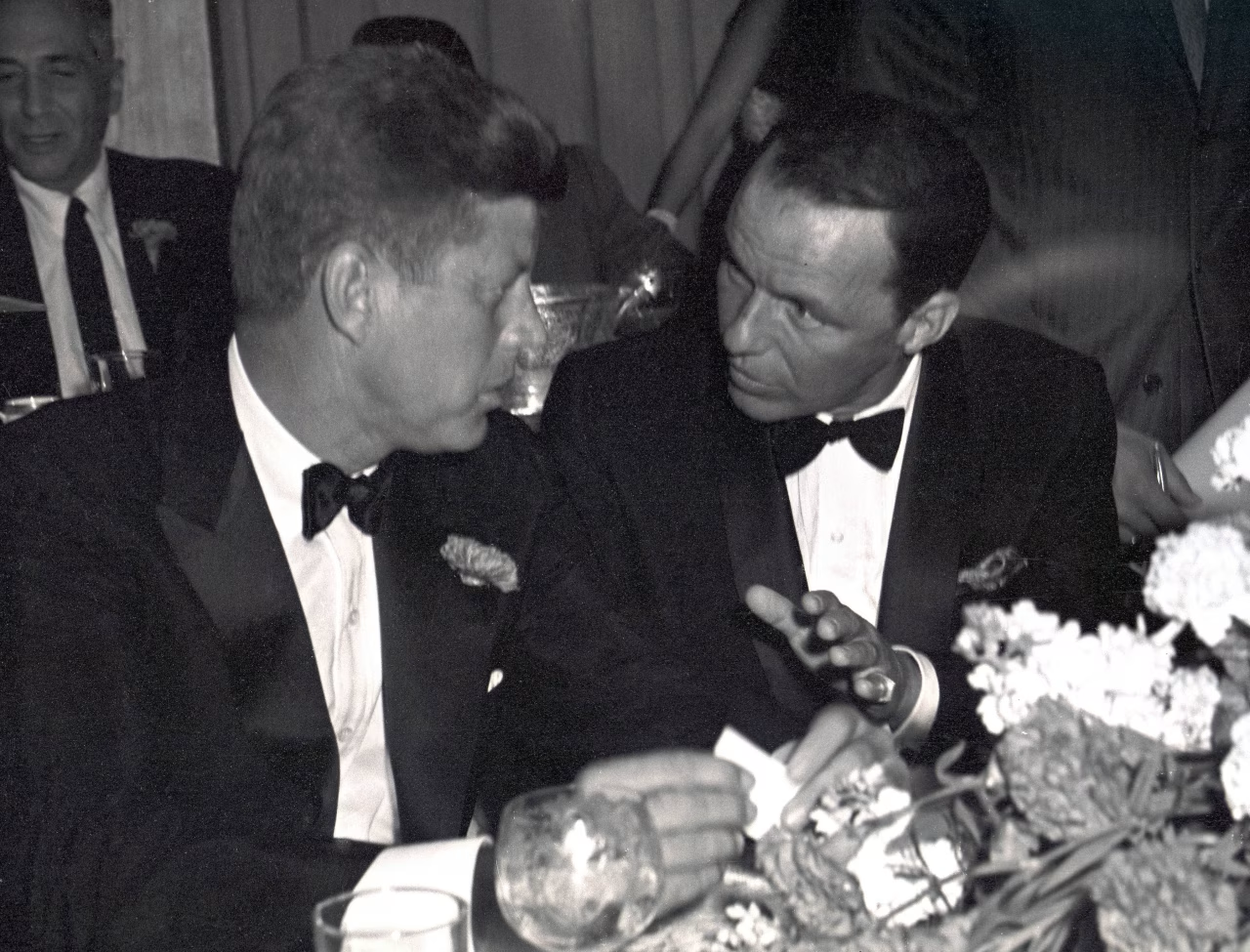
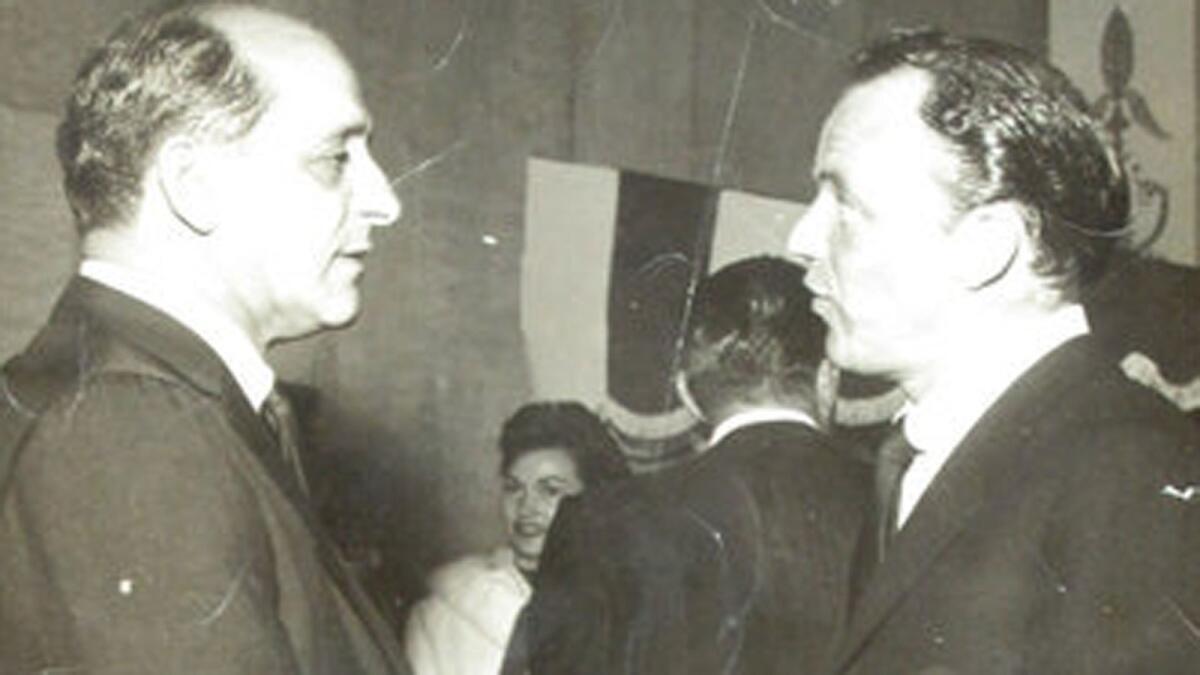

Kennedy and Sinatra; Giancana and Sinatra; Judith Exner
Sterling Hayden was the crooked cop whom Michael Corleone shot dead in mid-veal in The Godfather. Michael’s father, the Don, was a composite, but there were strong resemblances to—wait for it!—Chicago’s Sam Giancana.
Another Godfather connection? The movie poster includes Sinatra’s well-deserved Oscar for his portrayal of Maggio in From Here to Eternity. It was the Corleonie family who got fading singer Johnny Fontane his big “war movie” role, thanks to *shiver!* the bigshot producer waking up with his thoroughbred’s head beneath the sheets.
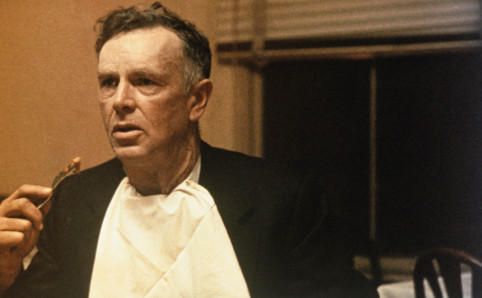
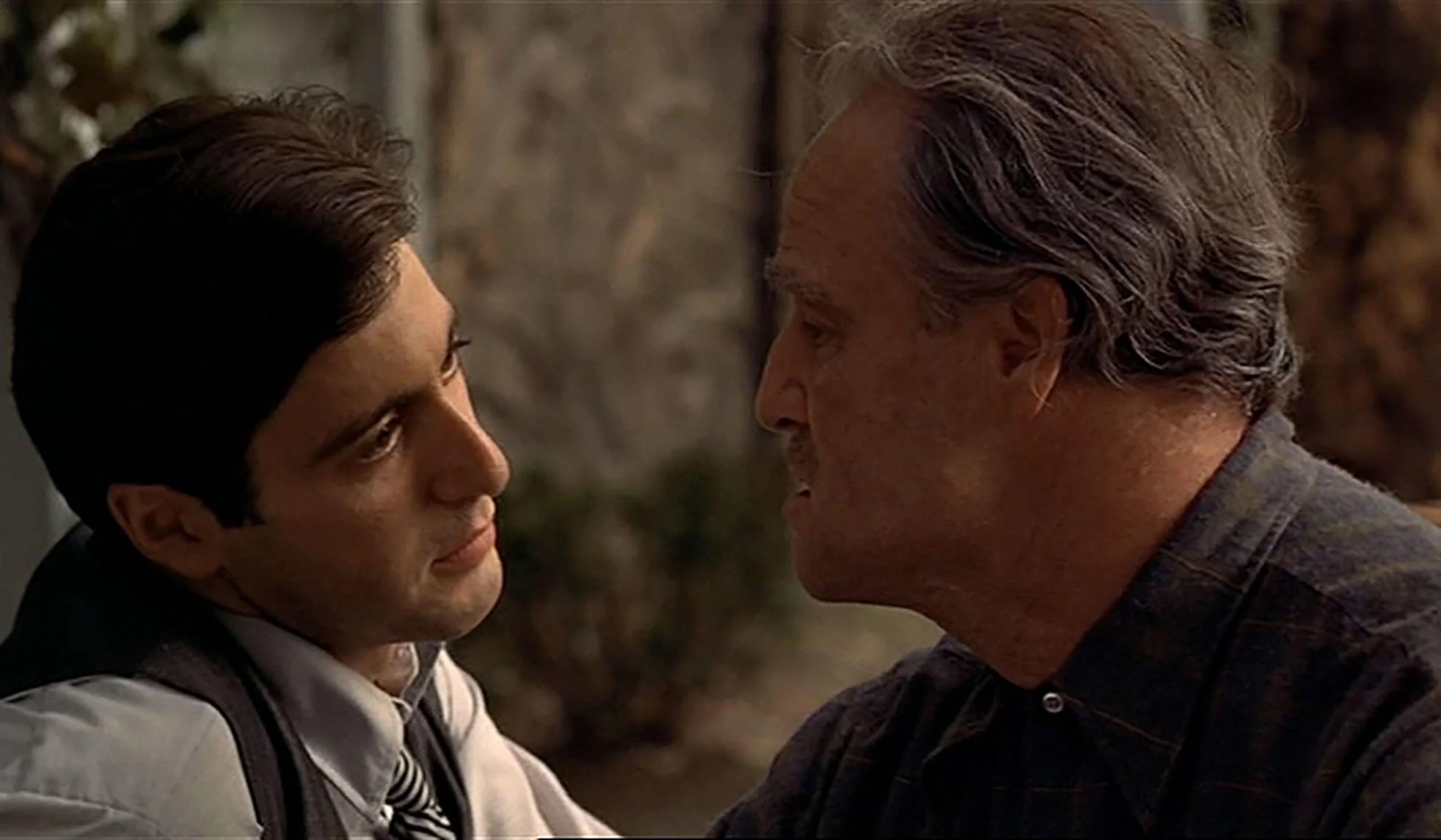

Try the veal. It’s the best in the city. Hayden’s cop a moment before his death; Michael and the Don confer; Sam Giancana.
Hayden was also Gen. Jack D. Ripper, modeled on Air Force Gen. Curtis “Bombs Away!” LeMay, in Stanley Kubrick’s Dr. Strangelove, which, of course, includes this mesmerizing speech by Hayden/Ripper, directed against fluoridated water, a big issue in the 1960s that is getting trendy again. Here’s the speech:

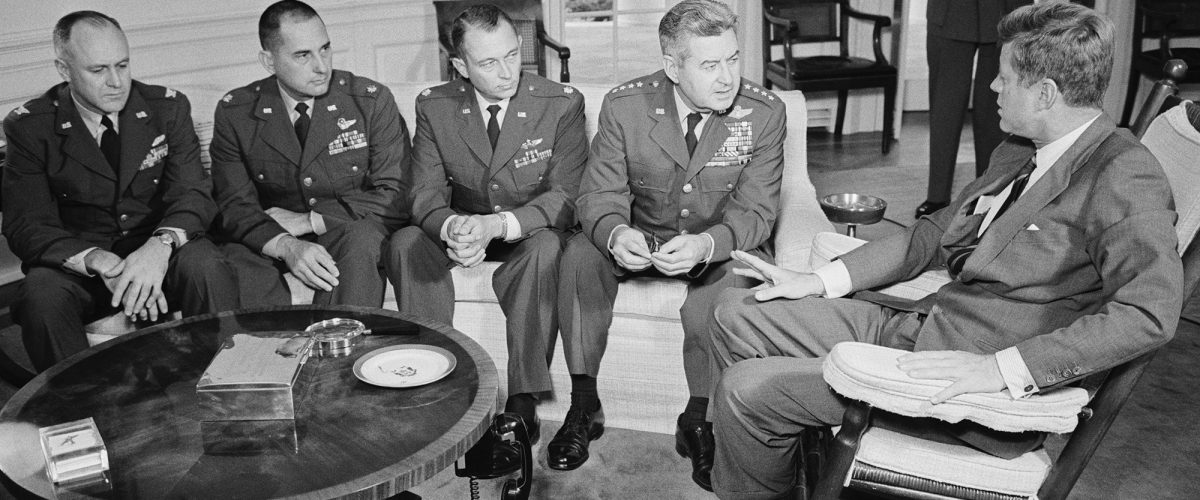
Lemay and JFK at a missile launch. The president’s Ray-Bans were a kind of sensation. Lemay and the president confer during the Cuban Missile Crisis. Lemay had commanded the firebombing campaign against Japan in 1945, during which he ordered his B-29s to fly lower, for accuracy’s sake. He proposed using nuclear bombs against Cuba and the Soviet missile sites there. Kennedy demurred.
Kennedy despised the Central Intelligence Agency, whose bungling of the Bay of Pigs invasion of Cuba (Fidel Castro’s takeover is vividly portrayed in The Godfather Part II), but Sterling Hayden, as a World War II Marine—that’s him below— had been an operative in the OSS, the World War II precursor of the CIA.

In the process—he earned a Silver Star for valor—Hayden became deeply sympathetic to the Yugoslav partisans he worked with as they resisted the Nazis who occupied their nation. This led him to an unwise decision: He was briefly a member of the Communist Party USA. The chickens came home to roost in 1951, when Hayden was ordered to testify before the notorious House Committee on Un-American Activities. Hayden was in the midst of a hard-fought divorce, and his lawyer assured him that the government, if it wished, could make sure that he would never see his little boy again.
So Hayden testified, and named the names of what were called Fellow Travelers, and the shame of the man once called “the most beautiful man in the movies” followed him the rest of his life.
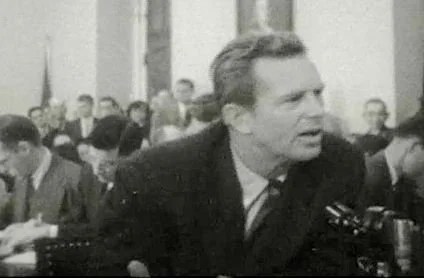
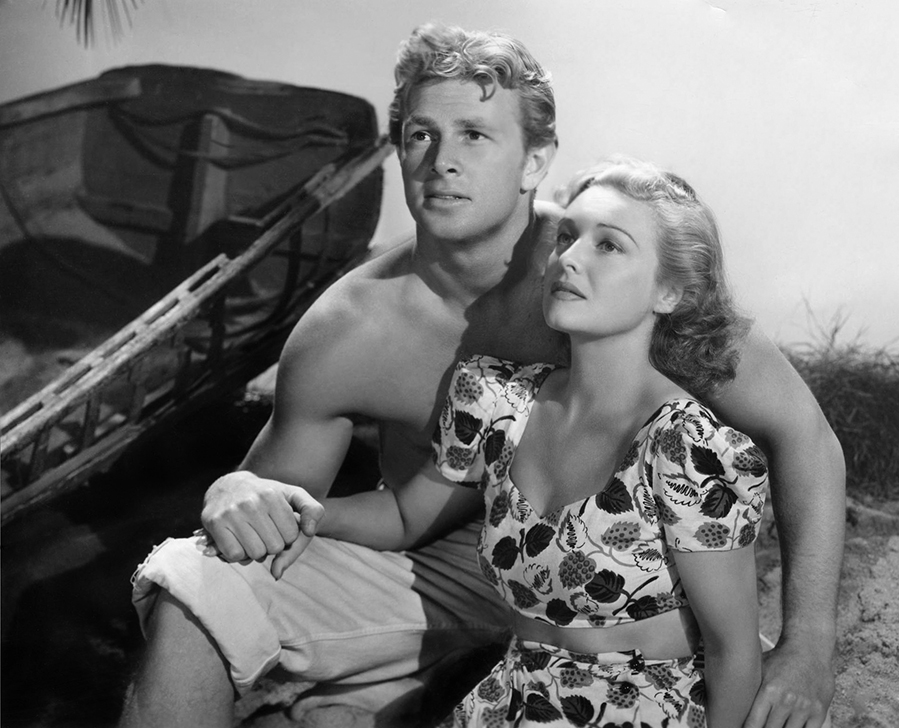
Hayden testifying; “The Most Beautiful Man” and his beautiful first wife, actress Madeline Carroll.
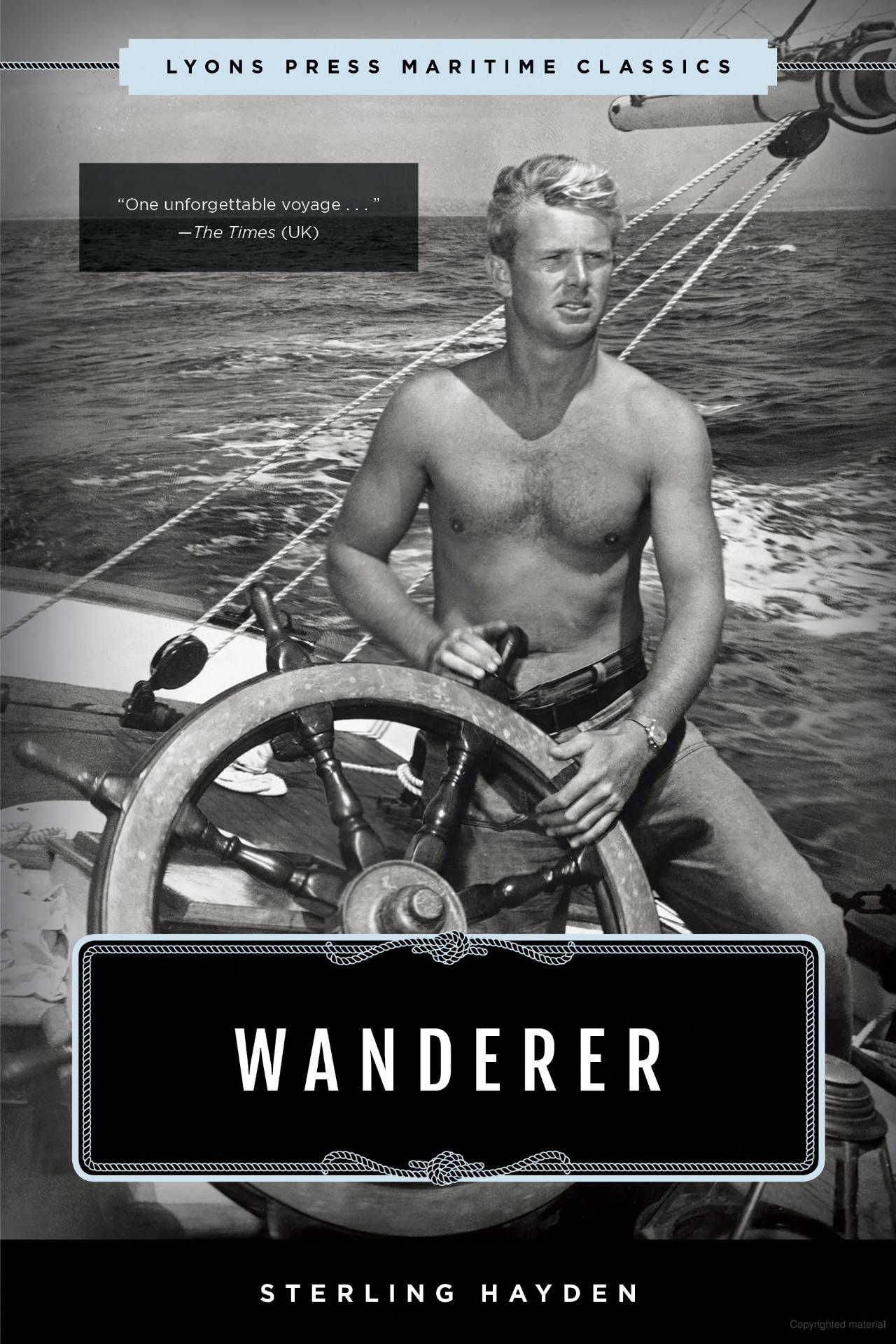
Hayden sought solace in the sea—part of his OSS spying had involved sailing along the Yugoslav coast to keep in touch with the partisans–and his expertise as a sailor led to two books, the autobiographical Wanderer, which I need to read, and the novel Voyage, which I have read. It is superb.

But I believe I promised an epic death scene in the title of this meandering little post.
Sterling Hayden is fairly passive in Suddenly, the result of a gunshot wound from would-be assassin Sinatra. But the plot thickens.
Pidge—wasn’t I right?—has to go to the bathroom. Along the way, he discovers his grandfather’s old Secret Service revolver. Winks are exchanged when Pidge returns to the living room and deftly switches his toy gun with grandfather’s real one.
This kid is bright.
So’s grandfather. He fakes a heart attack and call for his nitroglycerine capsules. Pidge fetches them, his mom gets a glass of water, and grandfather, demonstrating the same drinking problem depicted in Airplane!, spills it on the floor.
On the floor just below a folding metal table where the assassins have set up their rifle, a M1 Garand graced by a stubby scope above and a big magazine below. During the war, when the M1 was standard issue for American rifleman, it was not known as a sniper’s rifle, and it had a glaring deficiency: when the rifleman had emptied his eight-round clip, a bracket was ejected that made a loud “PING!” That informed any nearby enemy who was paying attention that the Yank was out of ammunition.
Sinatra plays a G.I. who discovered, in Italy, how thrilling it was to kill Nearby Enemies. So his weapon of choice is an M1, but with a difference: It sports a clip that looks as if it could hold twenty rounds.
So now we’ve got a rifle mounted on a metal table with spilled water on the floor. We’ve also got a TV repairman who wandered into a bad situation. A tube needs replacement (convenience stores in Arroyo Grande used to have tube-testers so you could figure out which one you needed to replace. And TV repair was once a secure occupation.)
Grandfather, recovered from his alleged heart attack, muses aloud to the TV repairman: “Boy, I bet if you attached this wire here from the back of the TV to the leg of that metal table, it’d be a natural antenna. We’d get such a good picture for the ball game.”
I think he has to repeat this a couple of times, including using semaphore flags. The TV repairman’s eyes finally brighten.
So when, just before the president arrives, one of Sinatra’ henchmen stumbles and finds himself pulling the rifle’s trigger. He is not-so-instantly electrocuted. In his convulsions, his finger remains on the M1’s trigger and the rifle keeps firing, over and over, and so alerts the authorities that something peculiar is going on in that house above the train station.
It’s a stunningly violent scene for 1954—maybe even for today—but because you don’t really see it coming until the TV repairman does, it’s a corker.
Oh, and the sheriff winds up with the girl, with Ellen. Satisfying all around, by golly.
 A Work in Progress