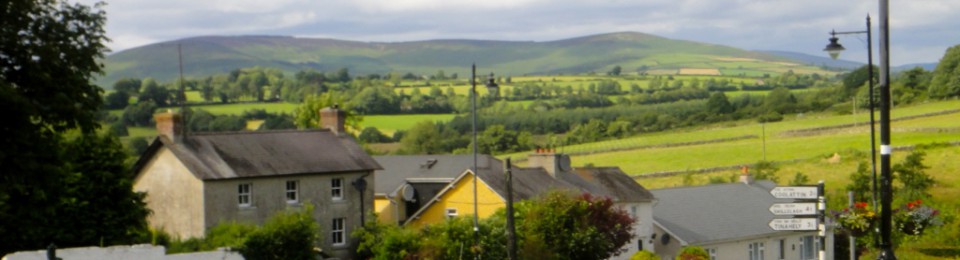
First, a little about my hometown. There’s a connection between it and the Powder River Expedition of 1865.
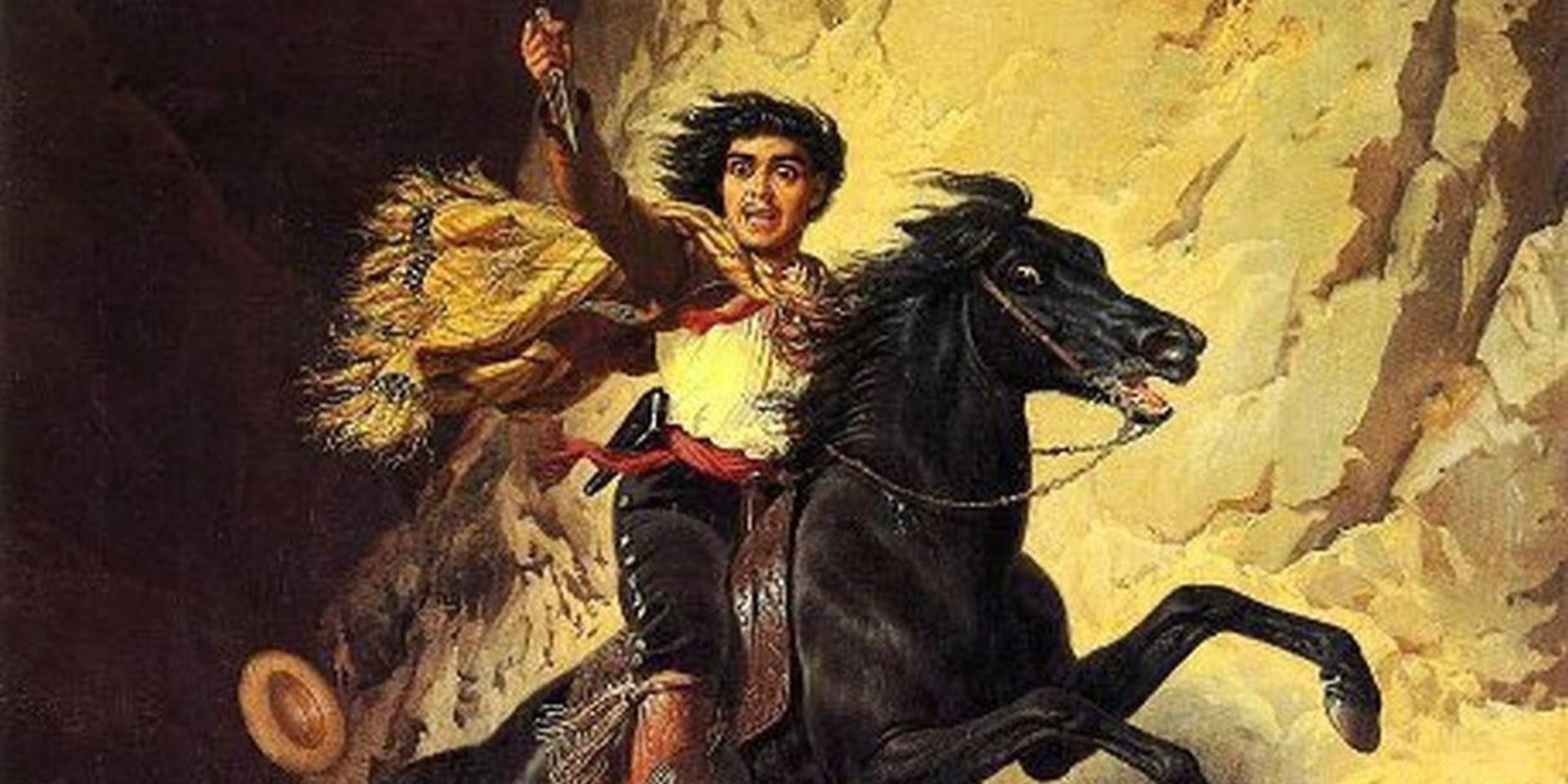
The leader of that expedition, Patrick Connor, was also a member of the California Rangers, an ad hoc police force that hunted down and killed Joaquin Murieta, a noted Gold-Rush era criminal, in 1853. If you ask me, Connor’s comrades look scarier than most outlaws. Capt. Harry Love, center, was the Rangers’ leader.

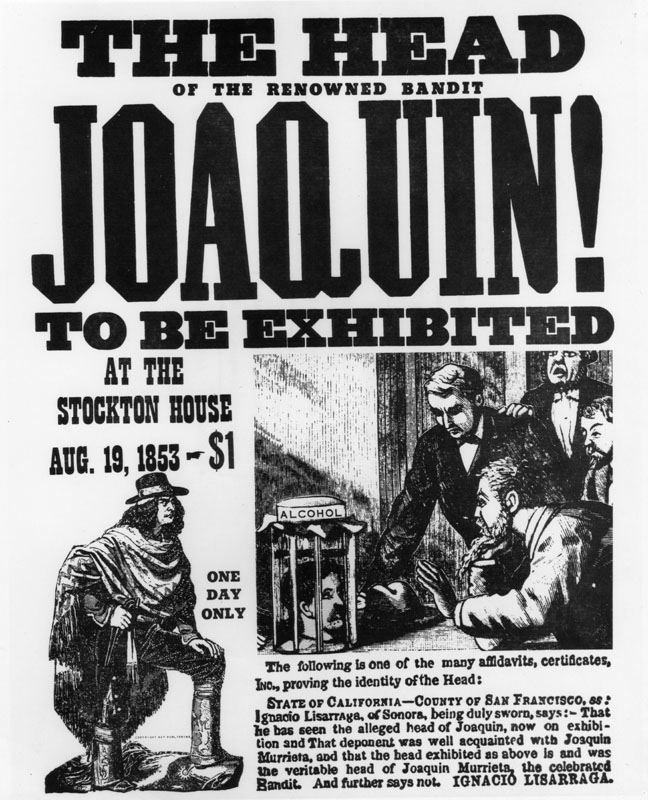
It is hot in the Central Valley, where the Rangers caught up with the man (alleged to be) Murieta and shot him dead. Since the state government offered a $5,000 reward, the bandit’s head was preserved in alcohol in a large jar as evidence. The Rangers got their reward. Joaquin got to tour California until, mercifully, his head vanished in the 1906 San Francisco earthquake and fire.
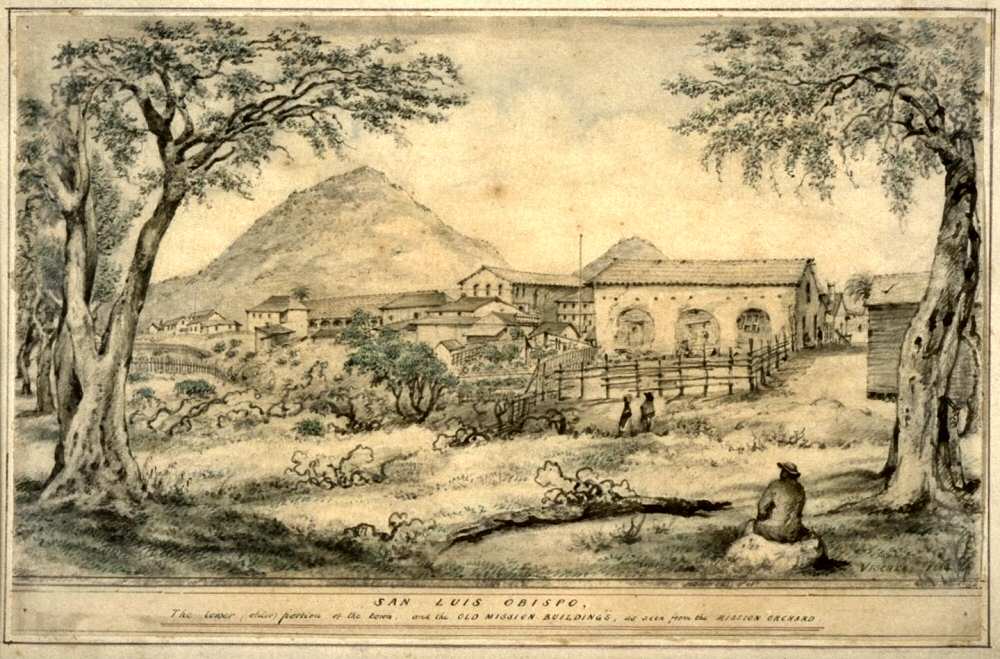
It’s probably apocryphal, but Joaquin’s mother is said to have lived on Chorro Street in the county seat, nearby San Luis Obispo, and one story has him buying drinks for all present, unless they were gringos.
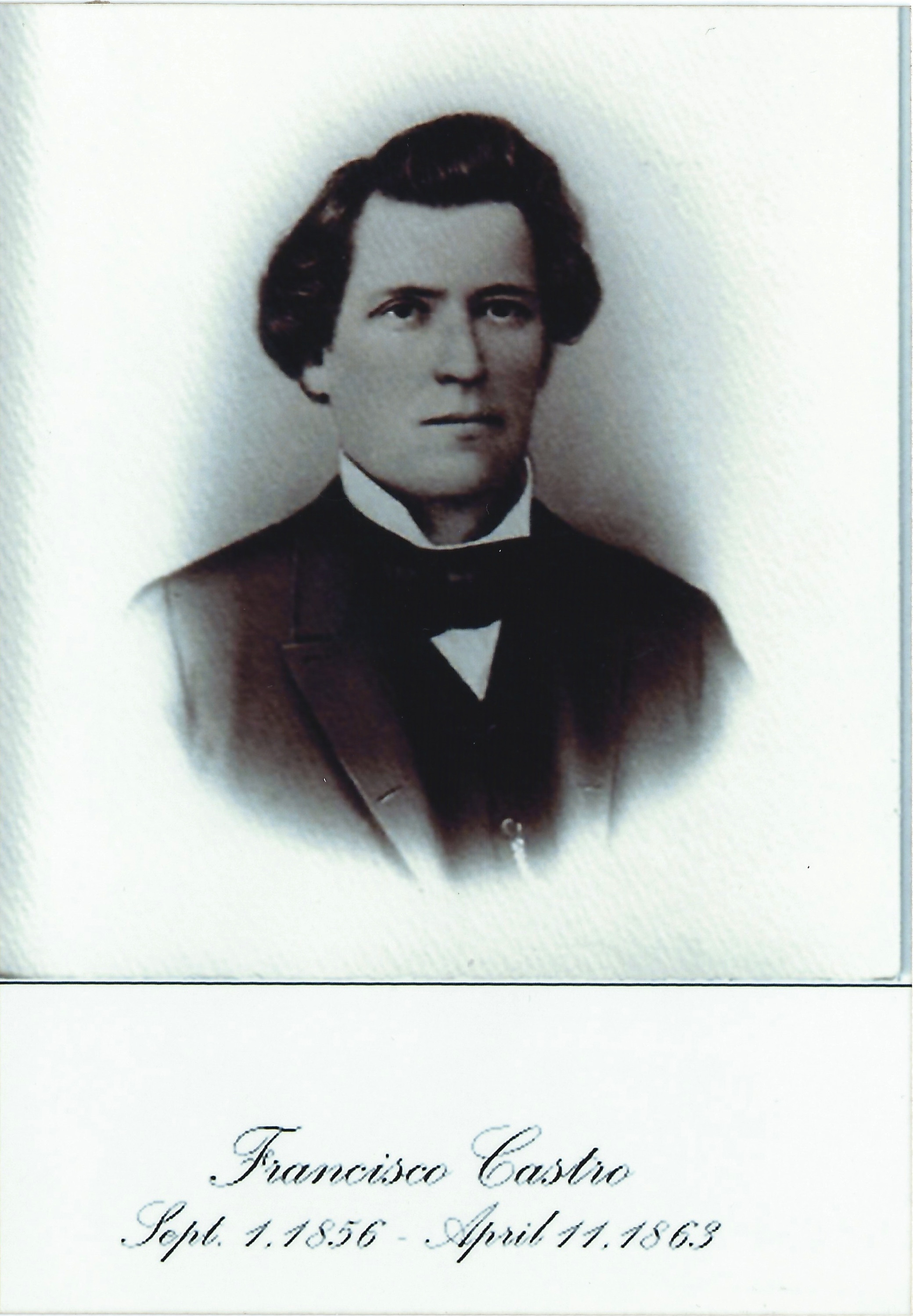
By the 1880s, things had calmed down considerably in our county, except for the 1886 double lynching of two accused killers, a father and his fifteen-year-old son, and the occasional bank robbery or saloon killing, so in Arroyo Grande, my hometown, and there was an influx of Civil War veterans. Nearly all of them were farmers: Arroyo Grande was known then as it is today for the richness of its soil, and 1881 brought, with the completion of a narrow-gauge railway, connections to markets in San Francisco and (much smaller) Los Angeles.
That led to at least fifty—it’s now approaching sixty or more— Civil War veterans settling here. They were restless men—at least a third of them had moved twice from their home states to Arroyo Grande. And that fact, once I’d discovred it, led to a book.

And among them were two cavalrymen who’d served (and somehow survived) the Powder River expedtion.
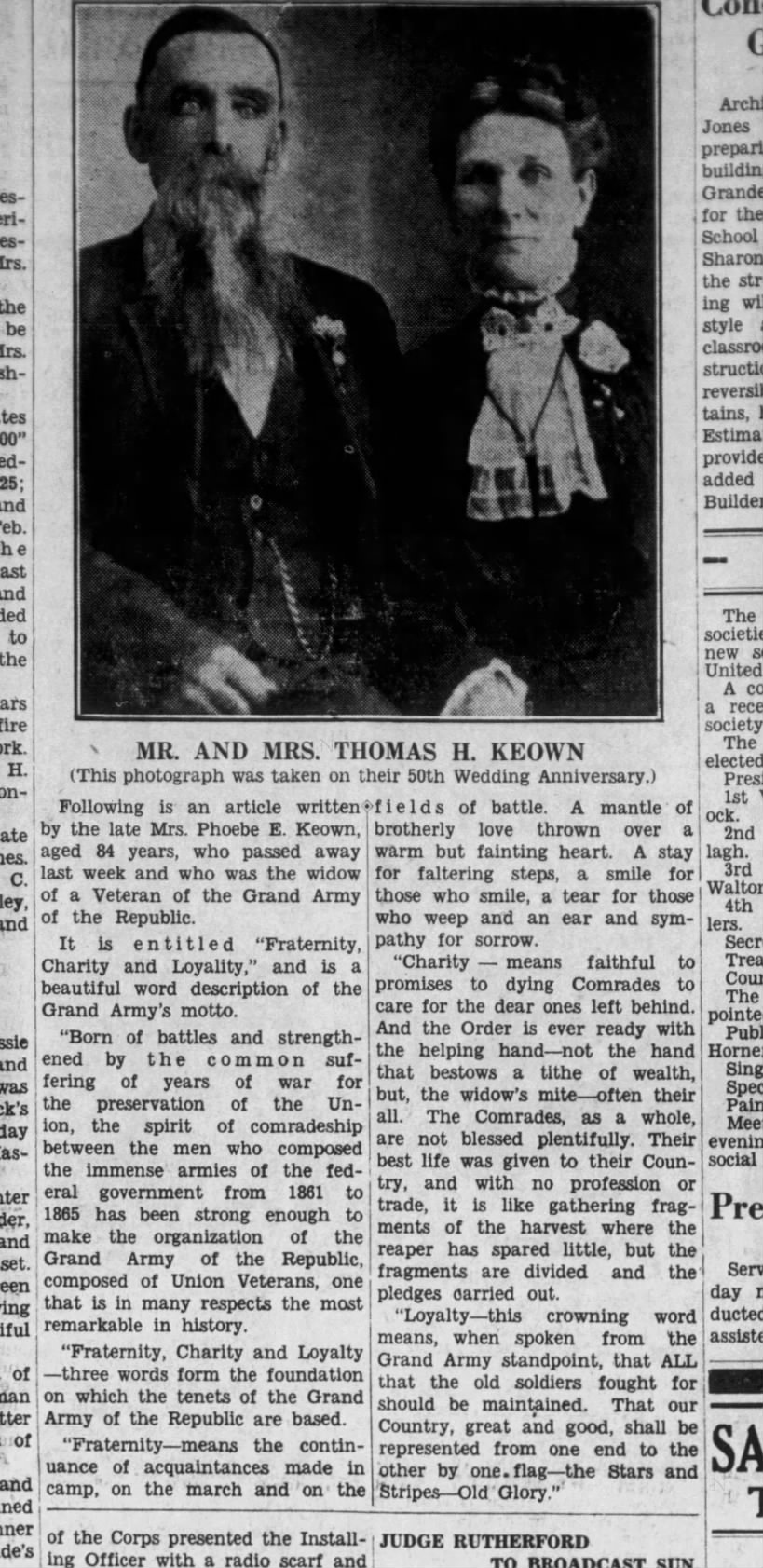
Thomas Keown is one of them. Here’s a little about him and his wife, Phoebe, from a 1935 Arroyo Grande Herald-Recorder.
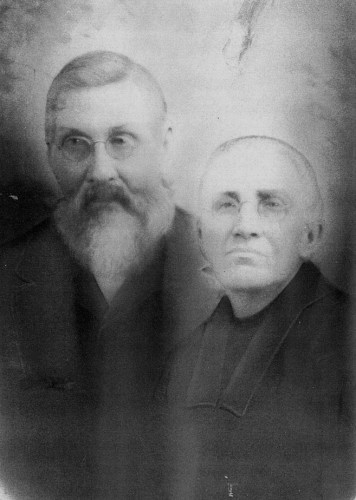
One of Keown’s comrades in the expedition was James Anias Dowell, and there are still Dowells in our area; as a high-school history teacher, I taught one of them, Joanna. Here are James and his wife, Louisa, late in life. Allegedly, one local resident descended from a Union soldier who fought at Gettysburg has Dowell’s kepi; their families were friends.
And here are the two old soldiers at rest, and not far from each other, in the Arroyo Grande District Cemetery.
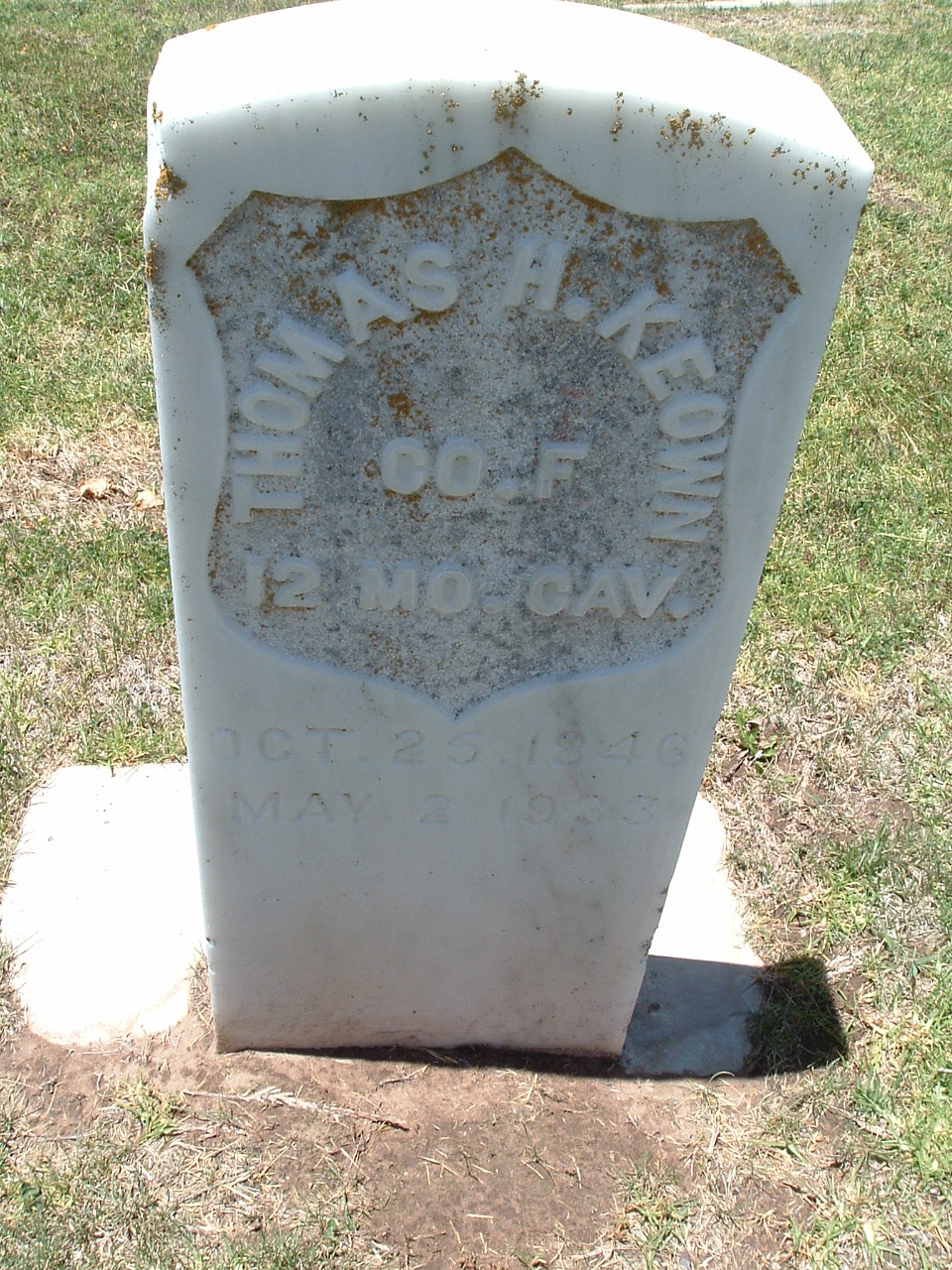
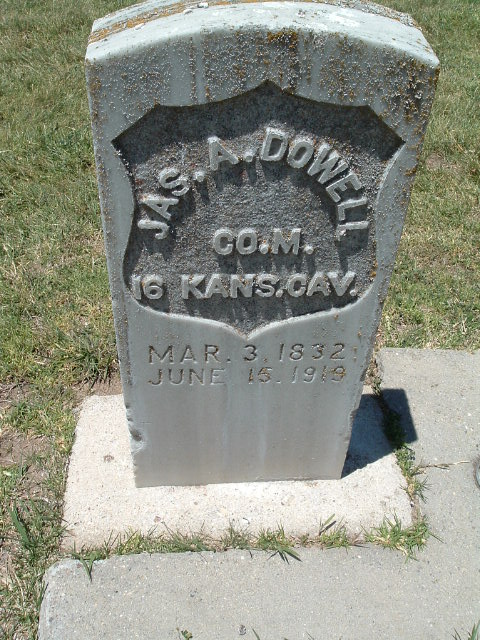
The Expedition, of course, was a betrayal of the Fort Laramie Treaty. Gold negates honor. While I’m thankful that Gen. Connor never got his wish—to kill every Indian male over the age of twelve—the fact that your state shares a history with my hometown is gratifying. These are fraught times and, after nearly 250 years as a nation, we have far, far more in common than we might realize. We are Americans, all of us.
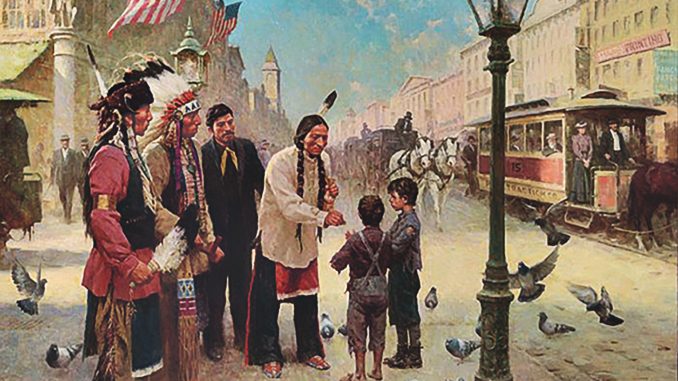
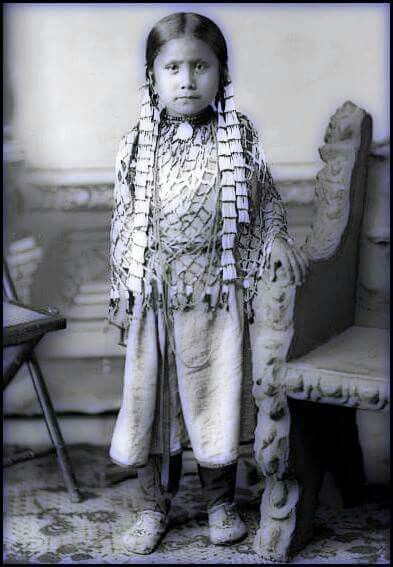
(Above): Buffalo Bill’s Wild West Show visited San Luis Obispo twice, but that was long after one of his stars, Sitting Bull, was shot dead at the Standing Rock Reservation. When he toured, he was appalled at the poverty of urban children; he’s shown giving away money to Philadelphia children. At right is White Dove, one of his daughters.
 A Work in Progress