
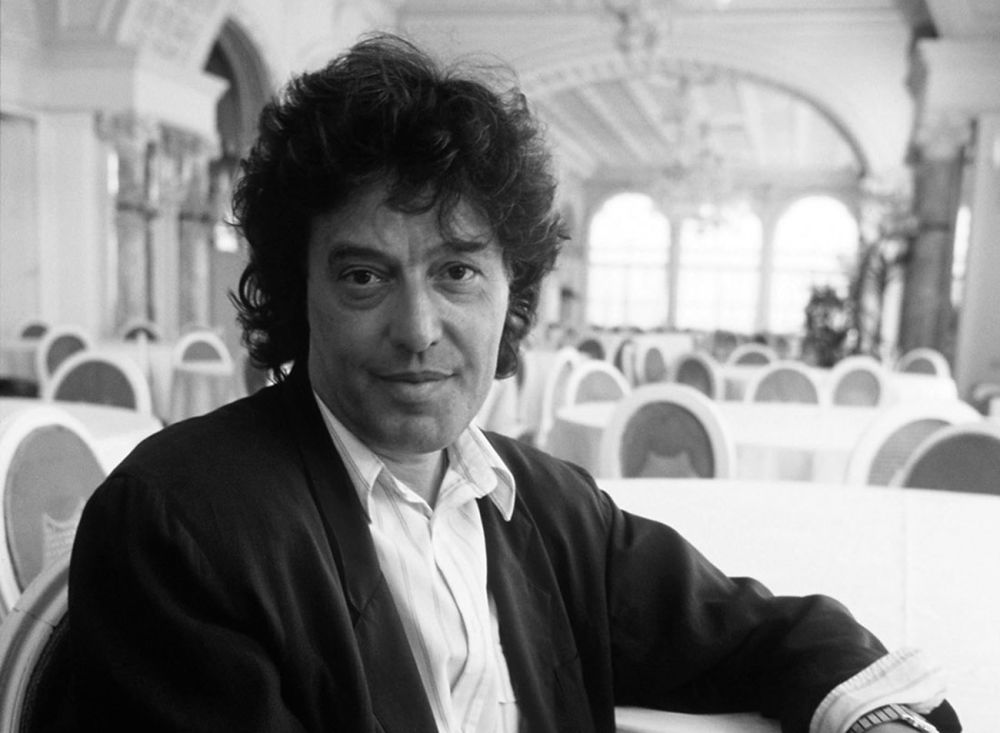
Tom Stoppard may be best known to Americans for the Academy-Award winning screenplay for Shakespeare in Love, which I watch maybe not quite as often as Casablanca, The Searchers or The Godfather.
But almost that much.
It’s full of deliciousness, even from the lips of Ben Affleck, thanks to Stoppard’s words.
My big brother Bruce was an English major at UCSB and left around a copy of the absurdist Stoppard play Rosencrantz and Guildenstern are Dead, about two doomed and not terribly bright courtiers—messengers—in the court at Elsinore in Prince Hamlet’s time. I read it and didn’t understand most of it, except the coin-tossing scene (I loved it) a commentary on, I guess, free will, or the lack of it—if the two are powerless to turn up “tails,” then they’ll have no more power to save themselves from Hamlet’s merciless plot.
That scene was from a 1990 film adaptation of the Stoppard play. The then-very young actors are Gary Oldman, a favorite, and Tim Roth, marvelous in this scene with an even-more-marvelous Samuel L. Jackson. Tarantino, of course, not Stoppard.
Tom Stoppard, who died today at 88, loved our language in the same way that Jackson does in this scene, free-styling Old Testament Yahweh verses that don’t exist. He makes our language marvelous, including that f-word that would’ve been familiar in the England of Hamlet’s time.
https://www.instagram.com/reel/DRpwwX4D8T3/
Stoppard’s work, like Shakespeare’s, is so often beyond my poor understanding that I finally had to forgive myself. These are words meant to heard, not just read. Then they come to life. Another great playwright, Robert Bolt, reconstructs the trial of Sir Thomas More in his play A Man for All Seasons. In this scene, a onetime member of More’s household, Richard Rich (the wonderful Sir John Hurt, he of the Alien Belly Eruption) has just committed the perjury that will send More to the scaffold. But More wins anyway, with that delicious little dig at the scene’s end.
English insults don’t sear the way they do in Spanish or Italian, but their aftereffect is such that Hurt’s character must leave the courtroom with the sudden realization that his legs are missing below their knees.
I am fond of snide humor, but when Elizabeth and I saw the Stoppard play, early in our marriage, I was intimidated because we were Yanks in Levi’s inside what I think is this magnificent theater in the West End. (We were later Yanks in Levi’s at Oxford when the chapel sexton insisted we come in to hear the boys’ choir for a sung Mass. He was a lovely man. And we were Yanks in Levi’s still later, at Stratford-on Avon, for Twelflth Night, a little saddened that our seats were standing-room only.
Until, we realized at intermission that we were closest to the bar.)
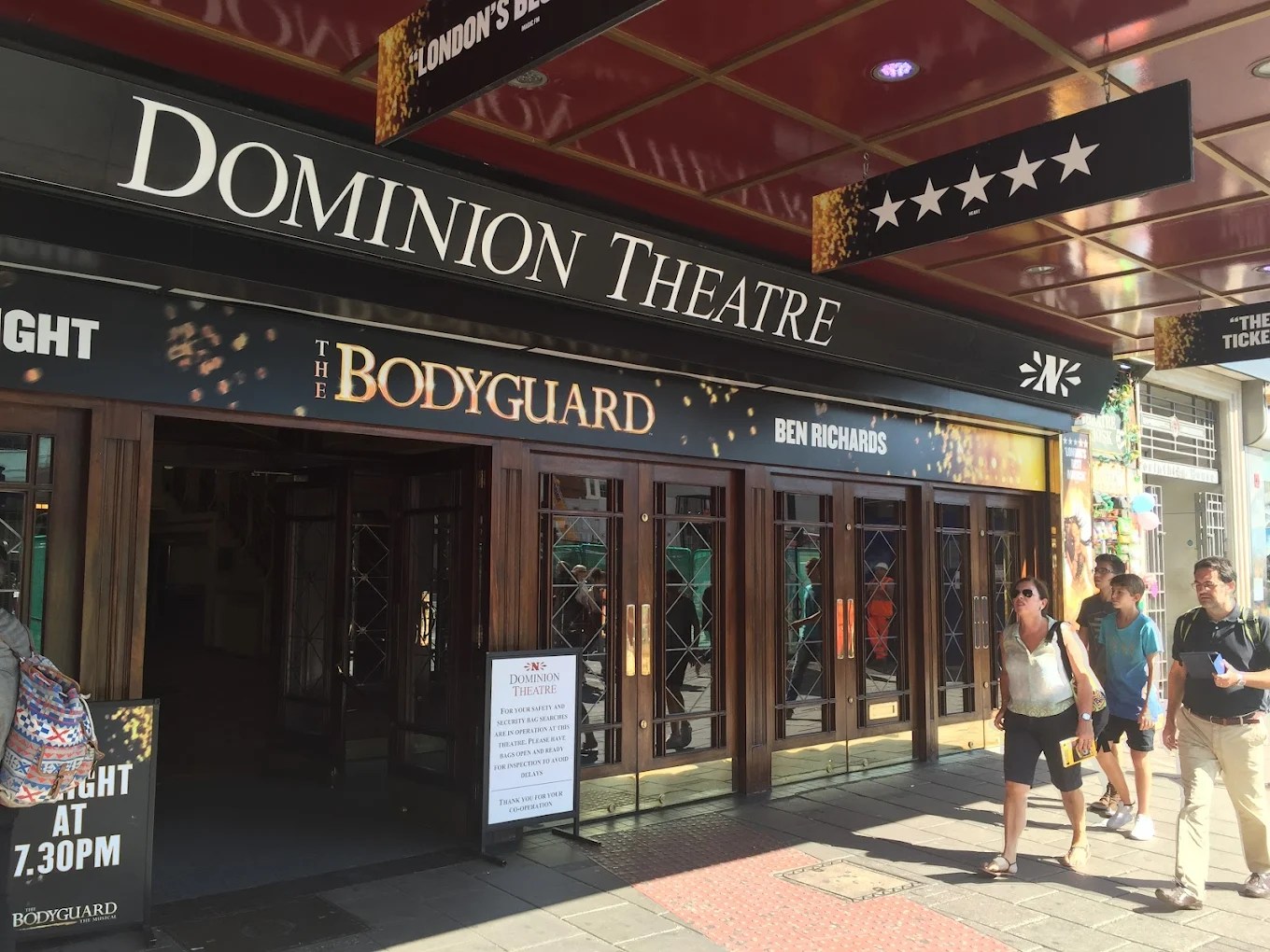

My previous awesome theater experience was at the Obispo in San Luis, beautiful but about the size of Cinderella’s glass slipper compared to this place.
Then I noticed the opera glasses. They were for rent–rather, “for hire”–and I thought that was supremely cool. I hired us a pair.
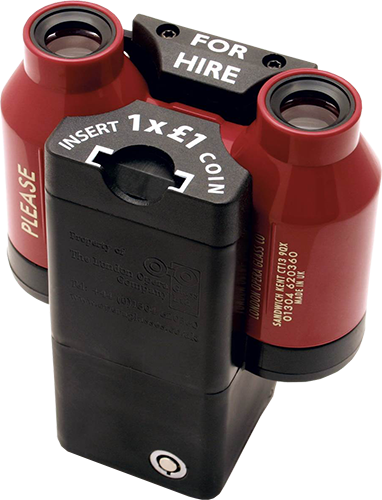
And then Rosencrantz and Guildenstern are Dead began, and I began to laugh so hard that I began to feel quite at home. We wanted to take the young actors, made larger by our opera glasses, home with us, but, after all, they were in the right place at the right time, playing the right roles, and they were enjoying themselves, too.
This two hours of happiness was Stoppard’s work, the man who could make our beautiful language flow and, when he wanted, make it hiccup, too. I wrote this to thank him.
P.S. Speaking of Shakespeare—and why not speak of him?—director Chloe Zhao’s Hamnet, whose emotional center is Shakespeare’s son, is coming to Arroyo Grande in mid-December. Here’s the trailer. I can’t wait. Maybe I’ll rent some opera glasses.
 A Work in Progress