
Tags
border-patrol, gregory-bovino, History, ice, minneapolis, politics

That’s Border Patrol head Gregory Bovino on CNN this morning, defending the second fatal shooting by federal agents in Minneapolis. I could take only about thirty seconds before I muted the television’s sound. That left me with his image. Why is he wearing a Sam Browne belt?
The belt was an innovation by British General Sam Browne: after losing an arm in the Sepoy Rebellion, it stabilize Browne’s sword belt, making it easier for him to draw it from its scabbard.
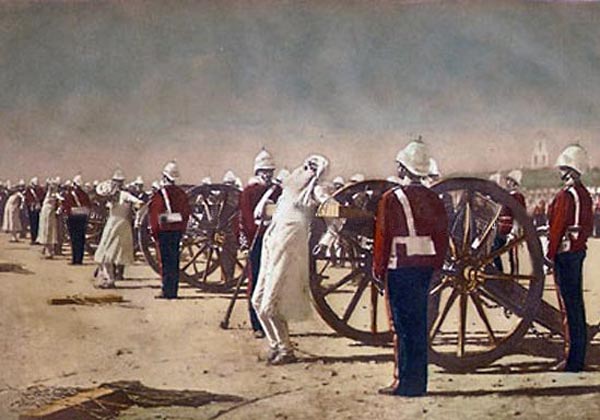
Oh, and this is how the British dealt with accused Sepoy (Indians who served in the Raj’s army) rebels: Blowing them apart from the muzzle of a cannon.
The Sam Browne belt became a regular feature in the British Army, down to the present. For one thing, it immediately distinguished officers from their inferiors. And, in class-conscious Britain, “inferiors” is not an accidental word choice. After his catastrophic losses in the 1916 Battle of the Somme–7,000 British soldiers mowed down by German machine-gun teams in the first thirty minutes—their commander, Field Marshal Sir Douglas Haig wryly commented that “it certainly keeps them off the streets, doesn’t it?”
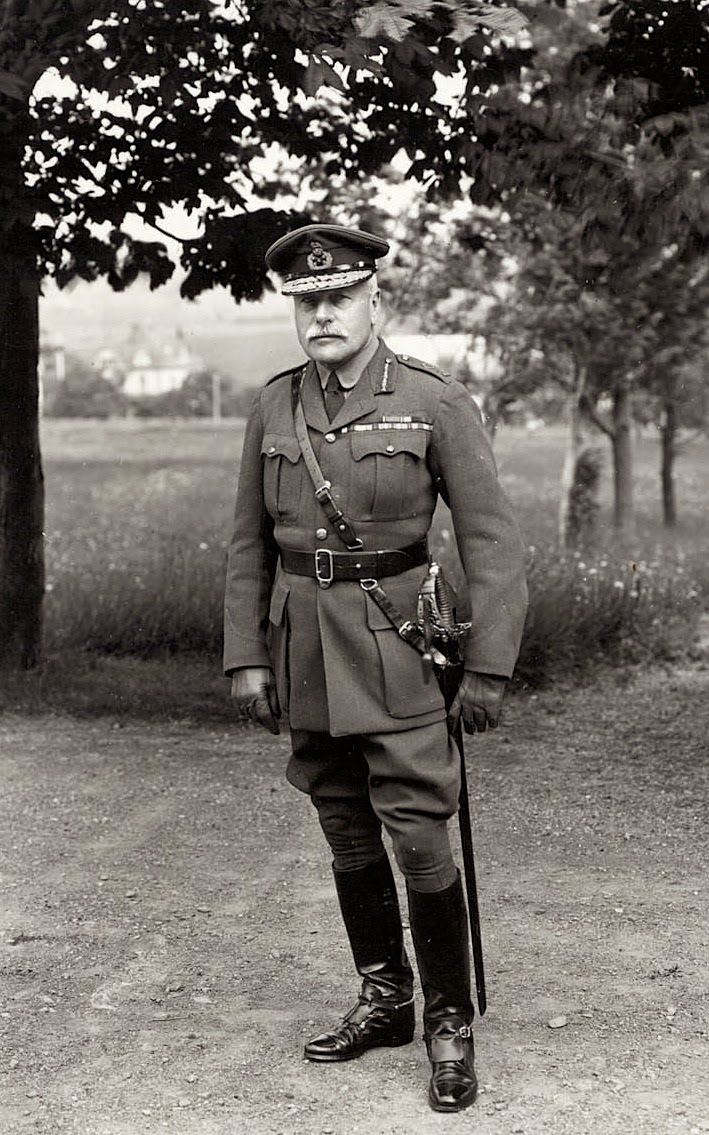
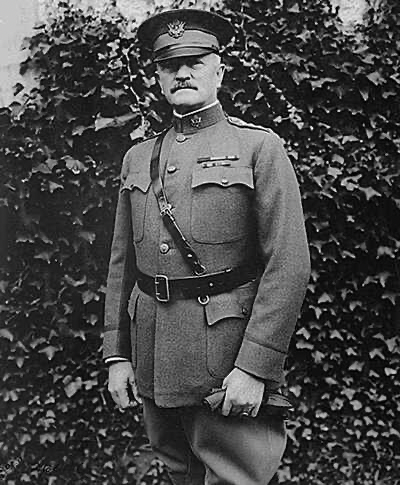
Unfortunately, the belt also became standard for American officers until it was discontinued in World War II. That’s Haig, on the left, and his contemporary, our John J. Pershing, on the right. American police forces adopted it, as well, until it was realized that criminals were using the belt to strangle arresting officers.
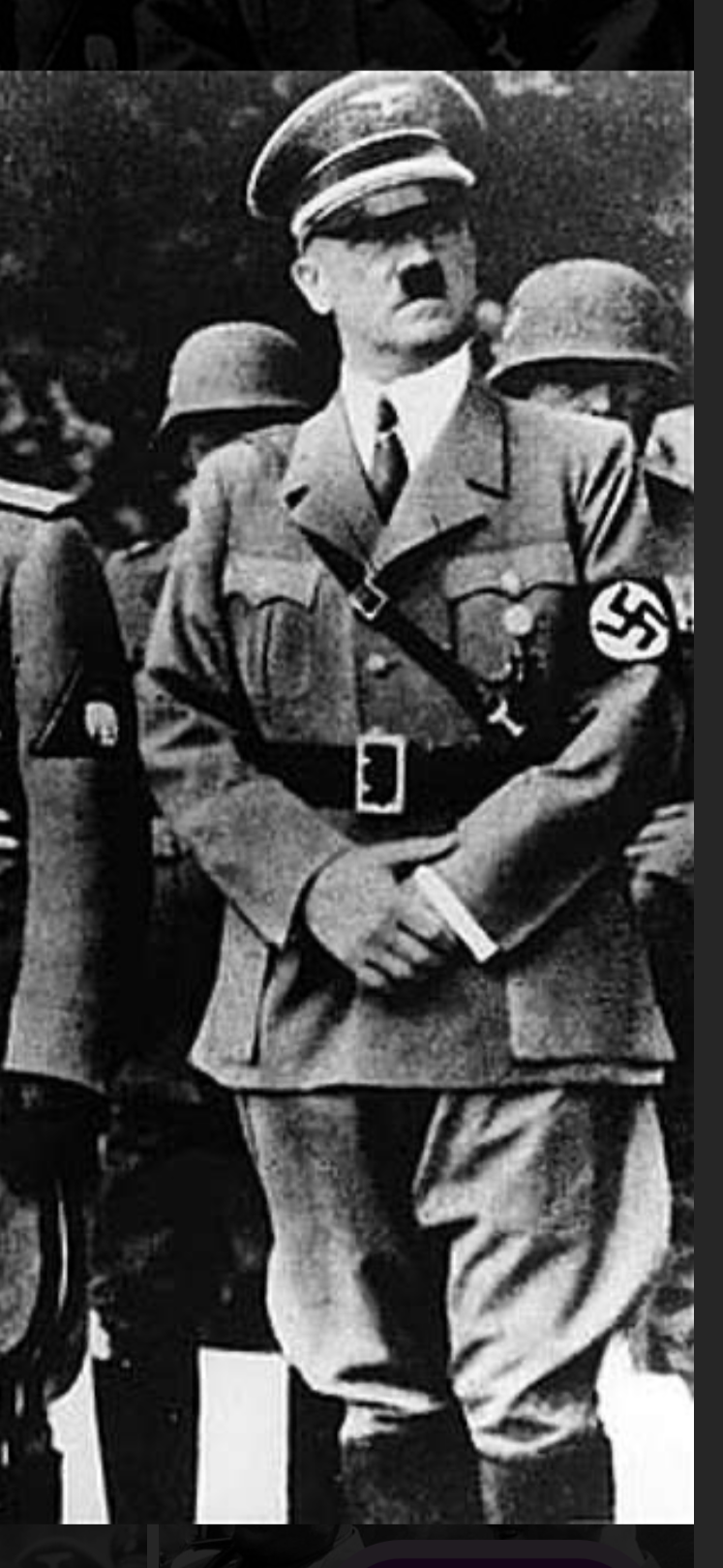
The accessory found its way into Hitler’s hypermilitarized Germany, as well. The Fuhrer, even as a humble early-on National Socialist, rarely appeared in public without his, and the Sam Browne belt became standard for the SA, or Brownshirts, the nearest historical equivalent to ICE.
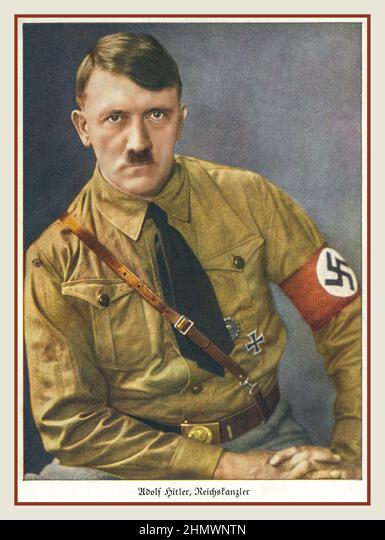
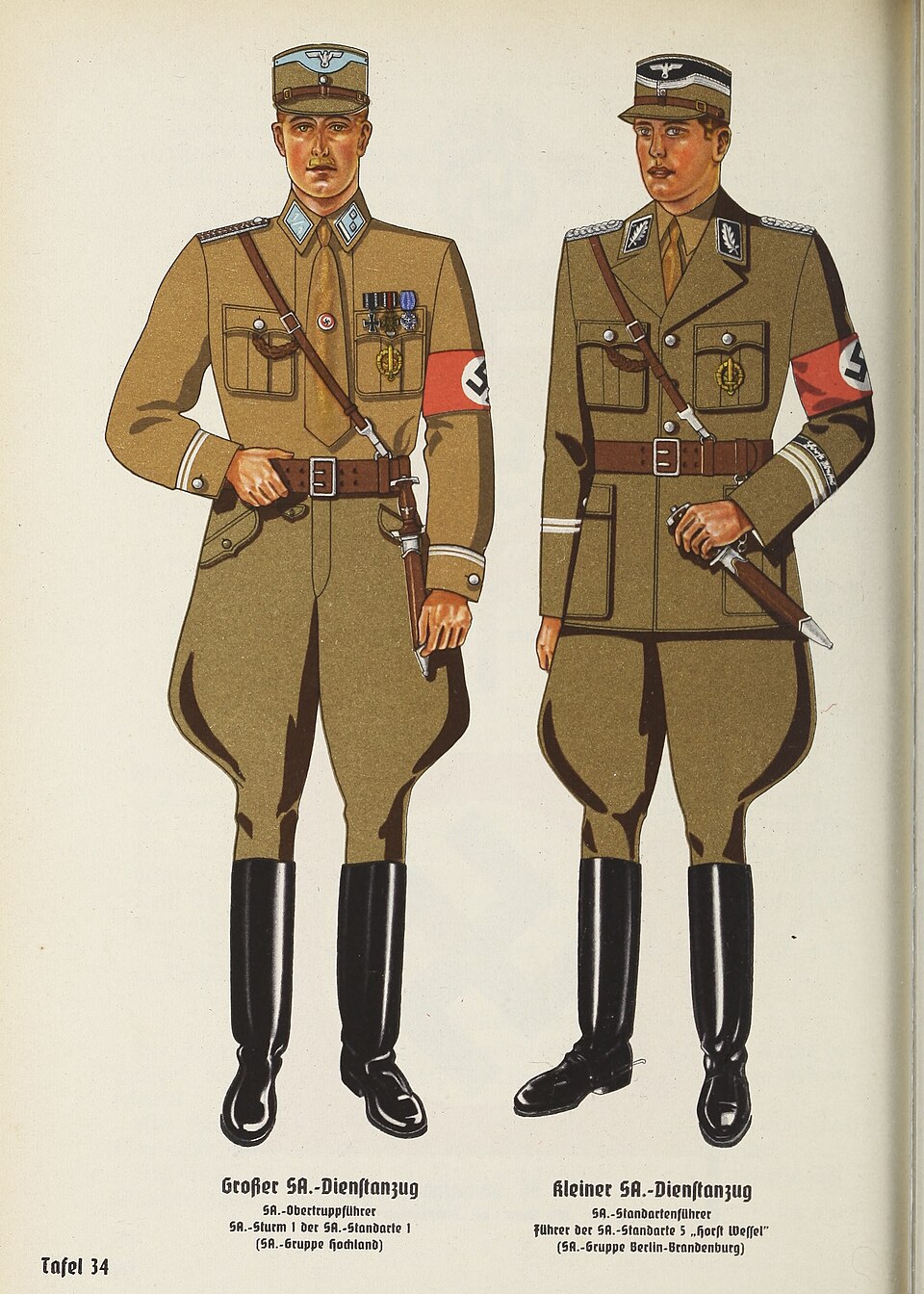
Bovino is fond of long trenchcoats, another feature of another Nazi organization, the Gestapo, or Secret Police (the movie still is from Jojo Rabbit), another apt description of the masked paramilitaries now infesting Minneapolis. It was also favored by Wehrmact officers, including those celebrating the 1940 fall of Norway in front of the Oslo National Theater. The fashion statement is more dire when it’s illustrated by an exhausted Field Marshal Paulus surrendering in 1943 Stalingrad.
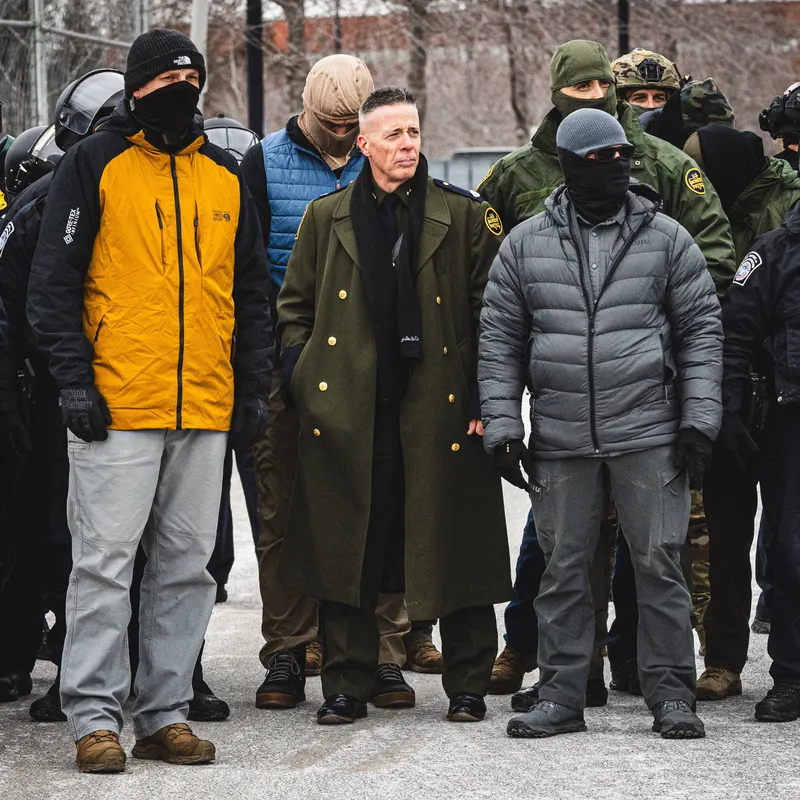
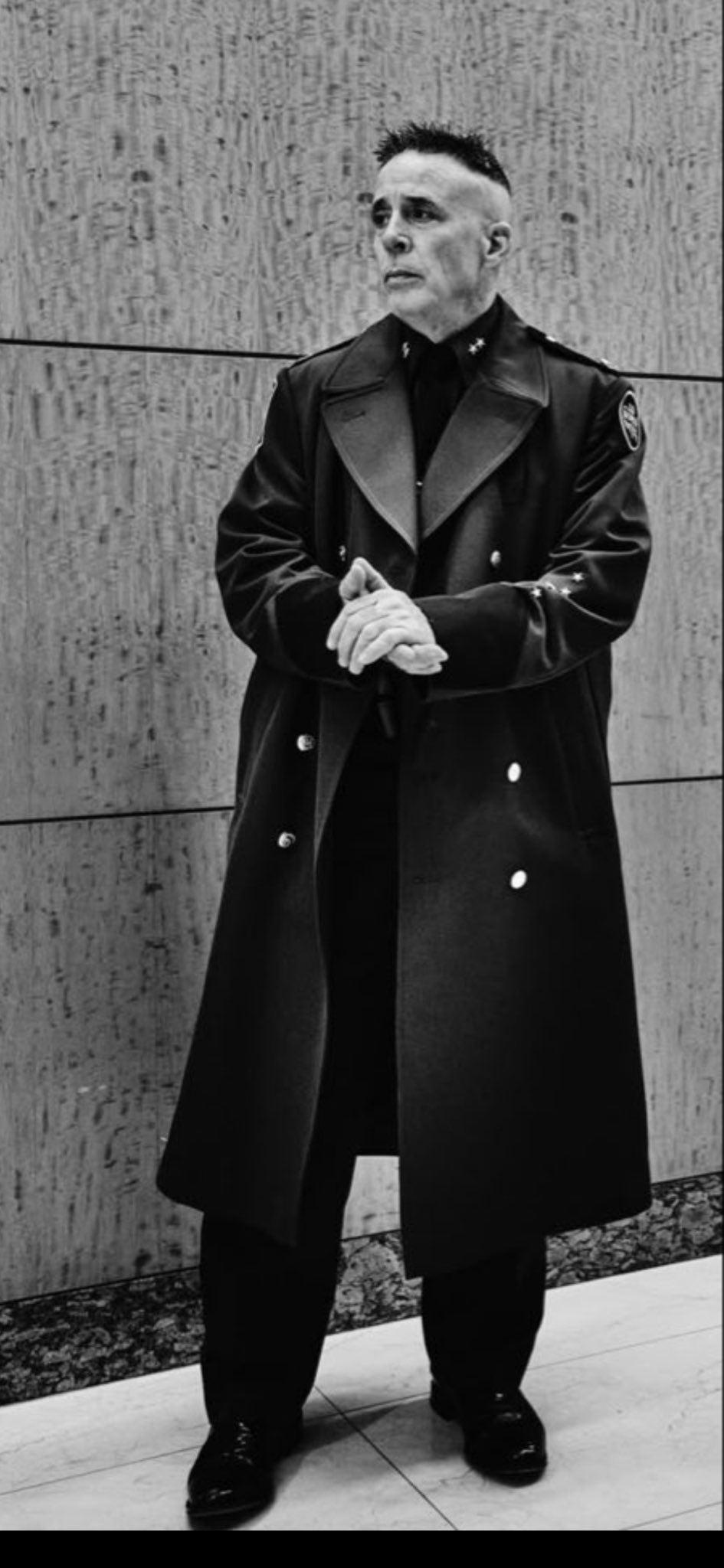
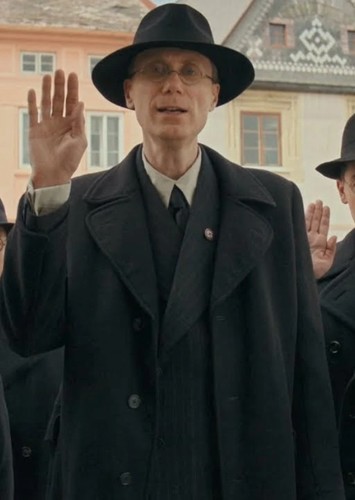

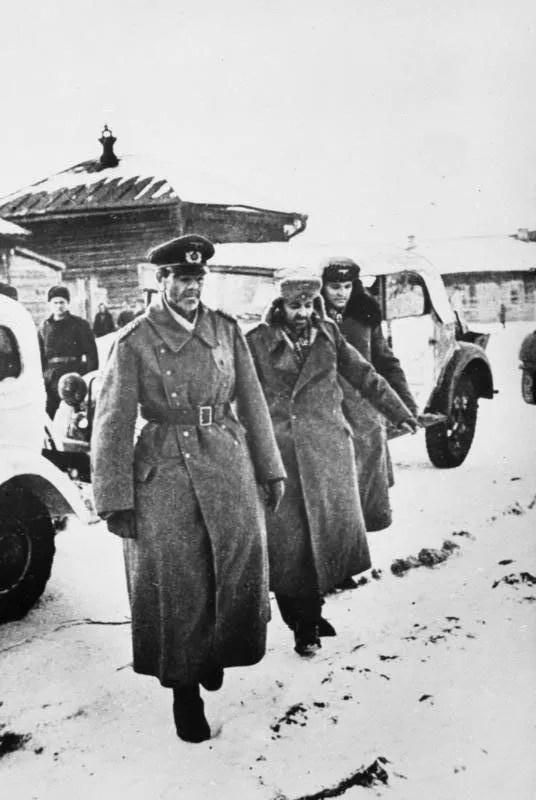
So if appearance is everything, Gregory Bovino, a small man, is meticulous about his.
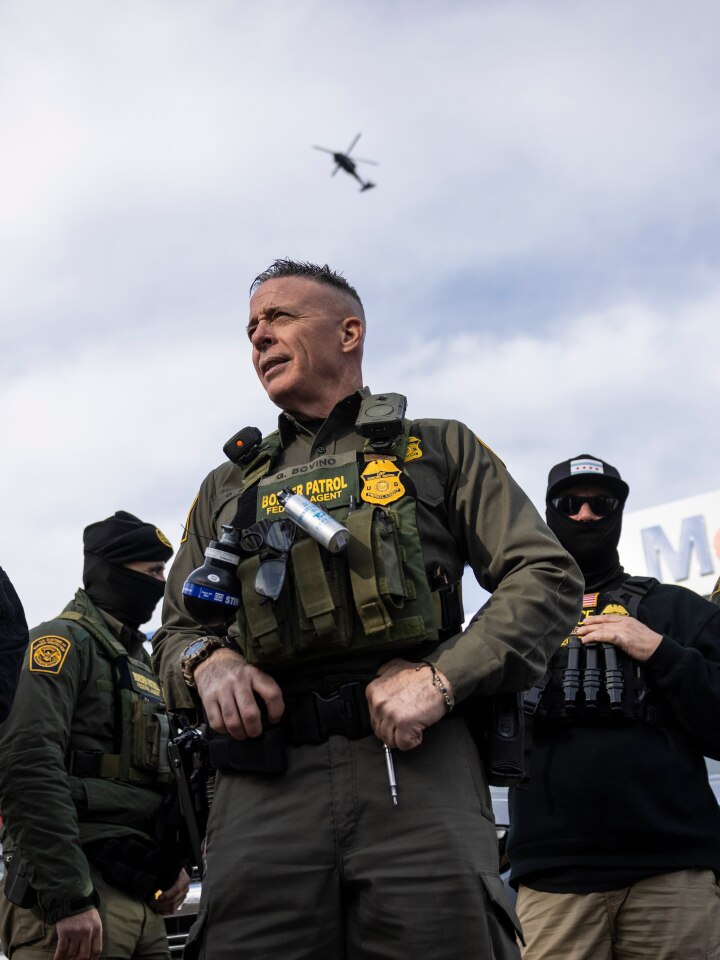
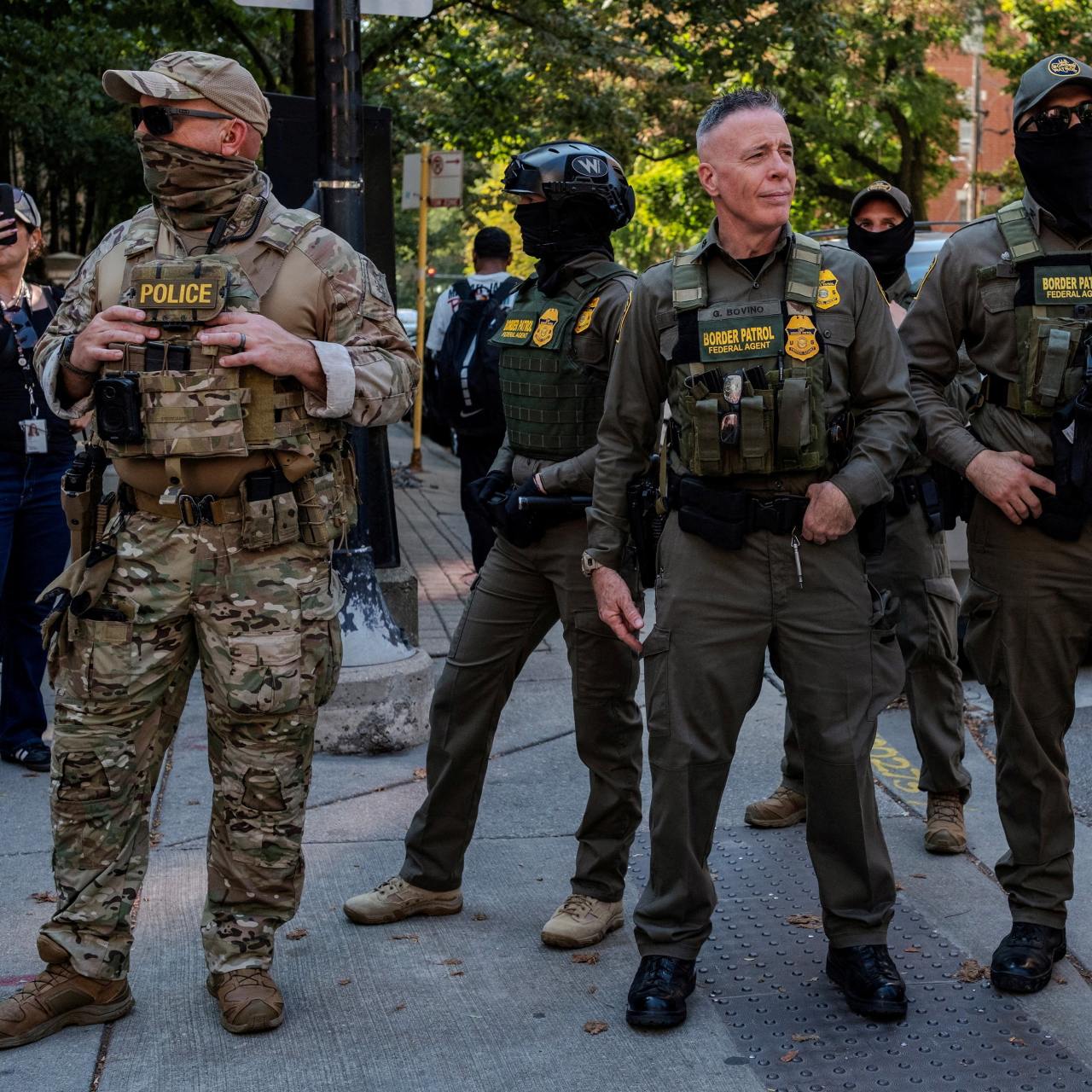
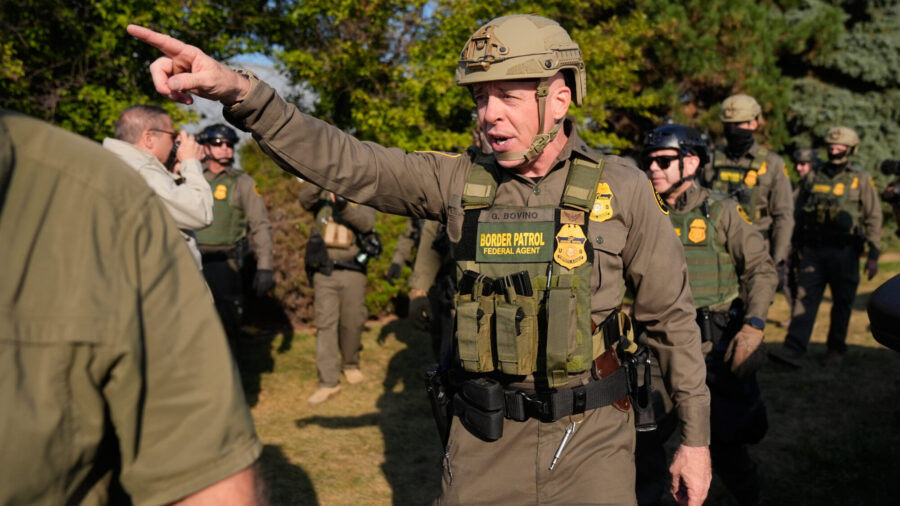
It’s so ironic when the same man, with supreme gall, tells us not to believe what our eyes see.

 A Work in Progress