• About
  • The Germans

A Work in Progress

A Work in Progress

Tag Archives: History

An Oceano Sailor in Harm’s Way, 1944

31 Sunday May 2026

Posted by ag1970 in American History, Arroyo Grande, California history, History, Uncategorized, World War II

≈ Leave a comment

Tags

Arroyo Grande, History, military, pearl-harbor, usa, World War II, wwii
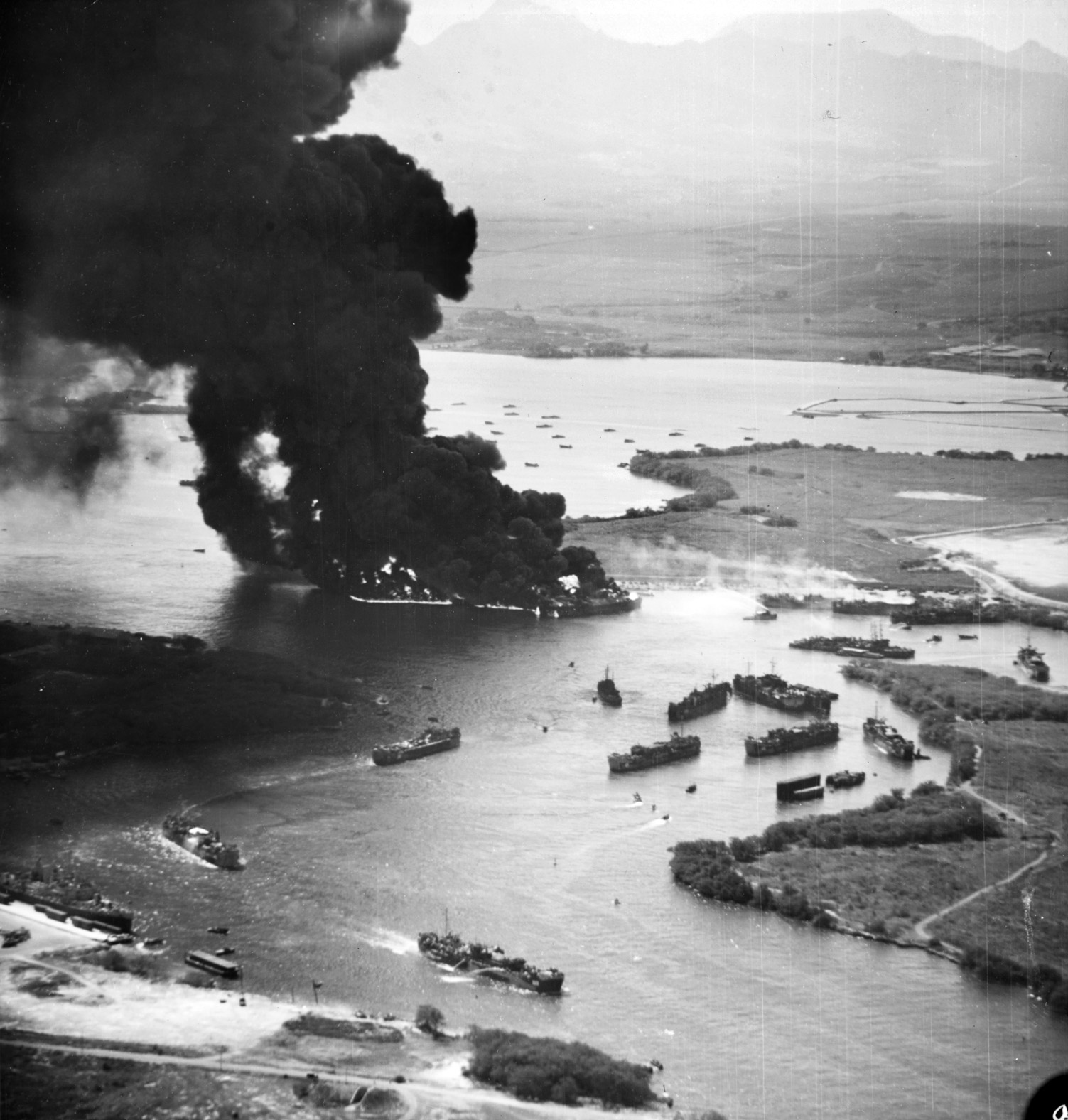
Aerial photograph of Pearl Harbor’s West Loch, showing the burning LSTs at berths T-8 and T-9. Some LSTs are manuevering in the foreground, leaving the vicinity of the explosions and fire, while other ships have yet to get underway. Official U.S. Navy Photograph, now in the collections of the National Archives.

My Facebook friend Shannon Ratliff-Evans keeps a faithful record of Arroyo Grande High School Eagles who have passed on. I noted today this article she posted from the local weekly, probably from 1943, citing this sailor from the high school class of 1941, the last peacetime class for four years:
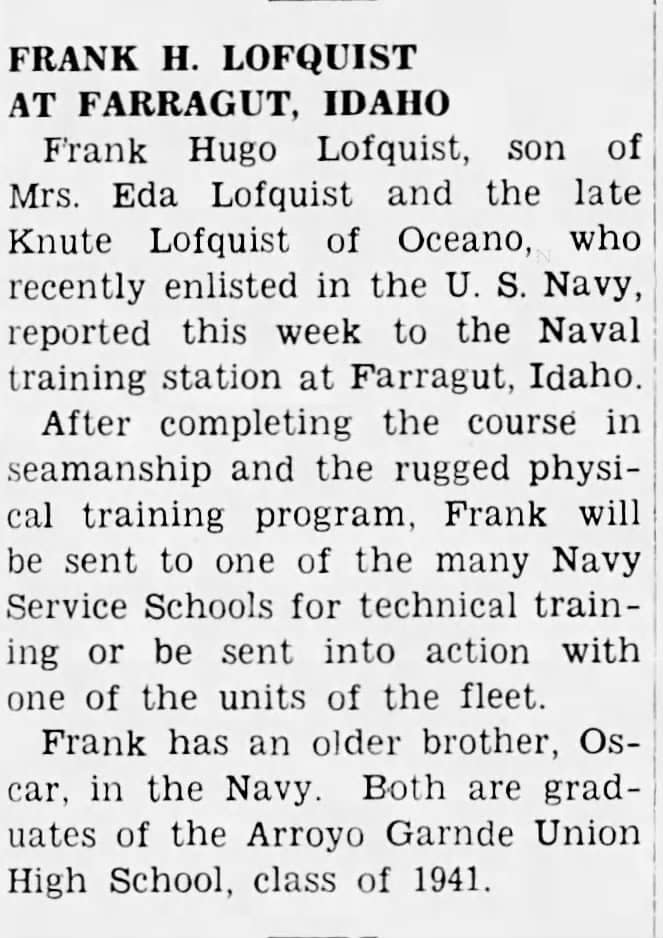

I had to find out more. I’m nosy that way.

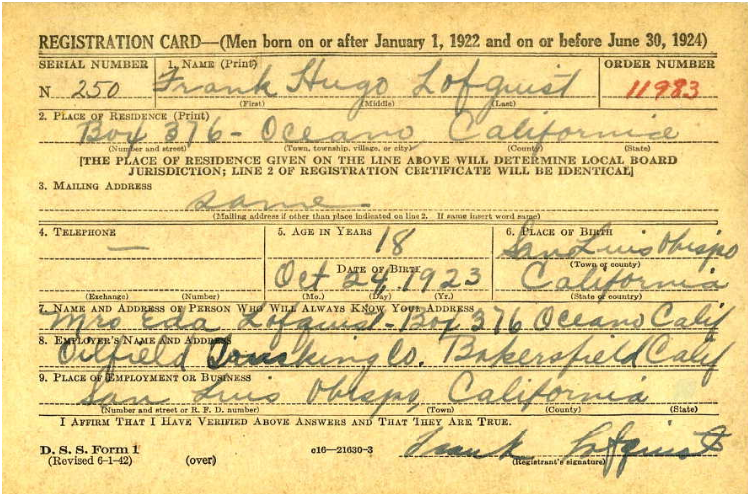
Here’s Frank’s draft card (his father, as the article notes, had died by then: Knute was a Swedish immigrant, but Frank’s mother was a Californian)

After his time at Farragut–named for a Civil War admiral–Frank would be sent to another landlocked place, Ames, Iowa, home of Iowa State University, for specialized training as a mechanic.
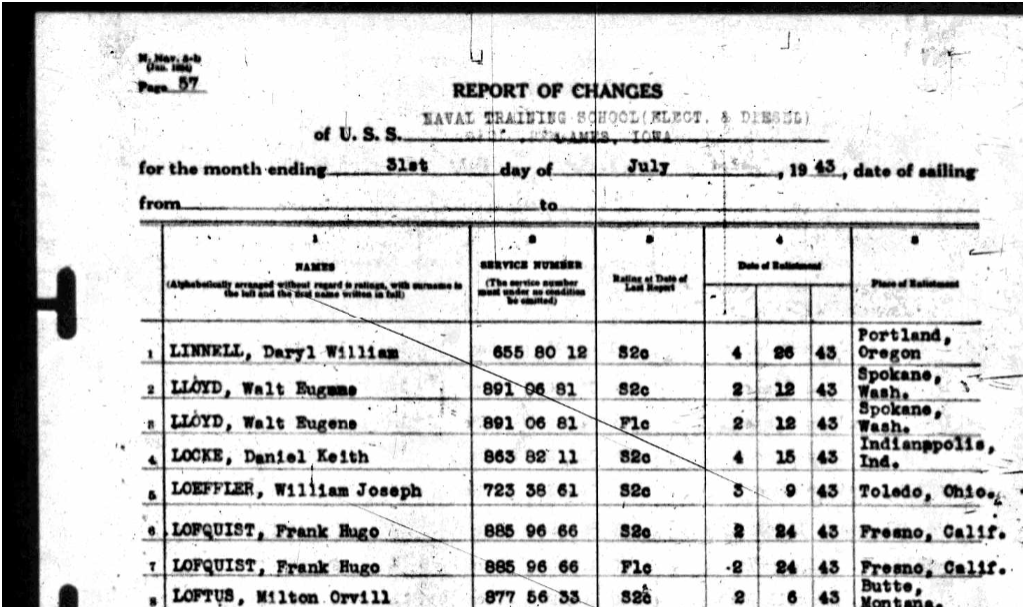


After this, Frank would go to war. I was hoping he would see service on a carrier or a cruiser or a destroyer. No. His skills sent him to the Landing Craft Unit 34 at the Waipo Amphibious Operating Base, on a peninsula bounded by Pearl Harbor’s West Loch. So, if Frank wasn’t steaming into action against the Imperial Navy, he was doing something just as important: helping to train servicemen and maintain landing craft in preparation for the costly landings across the Central Pacific in 1944-45.

Among the craft at Waipo:
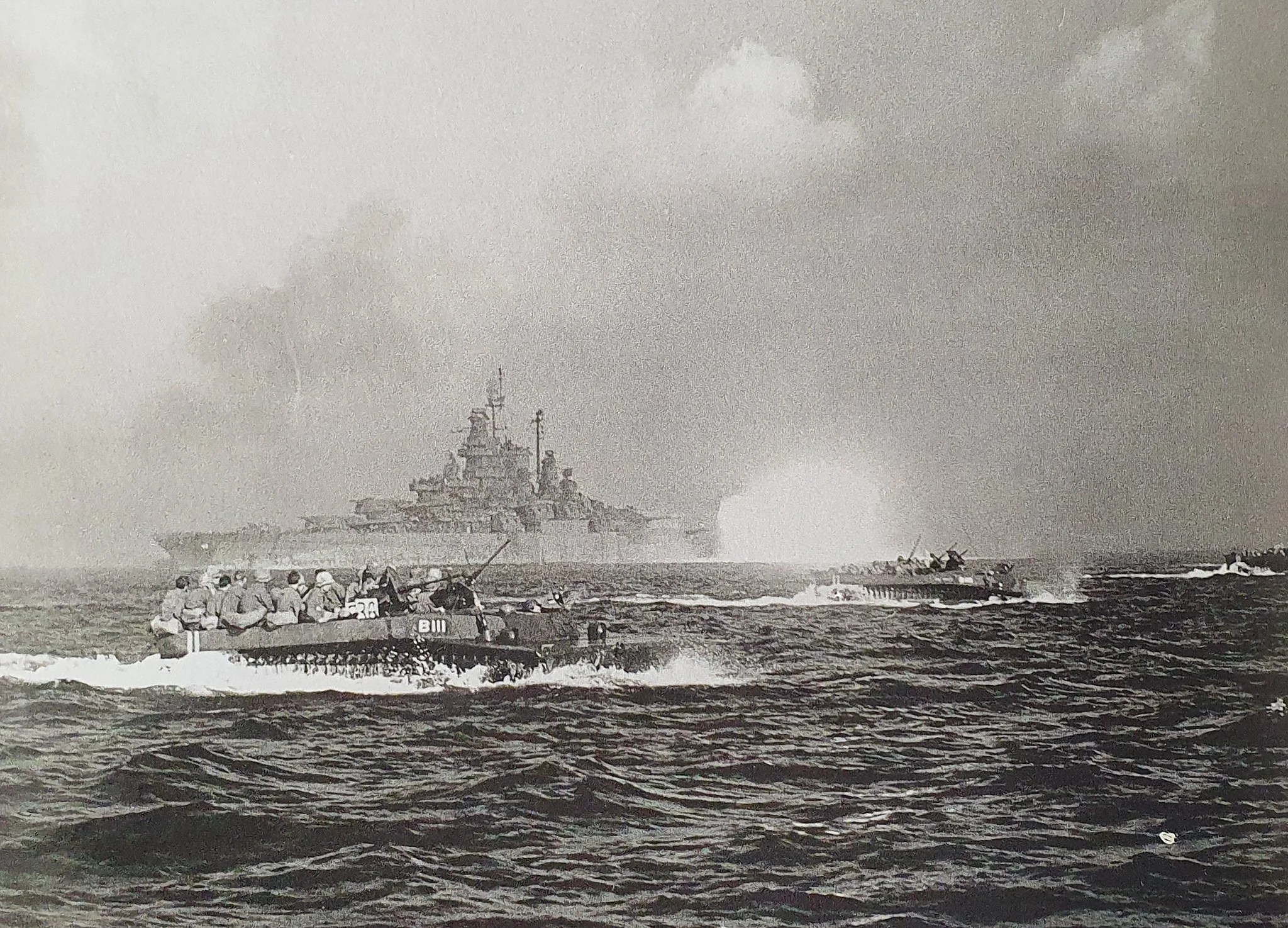
LVI’s: Amphibious Tractors, carrying 1st Division Marines to Okinawa
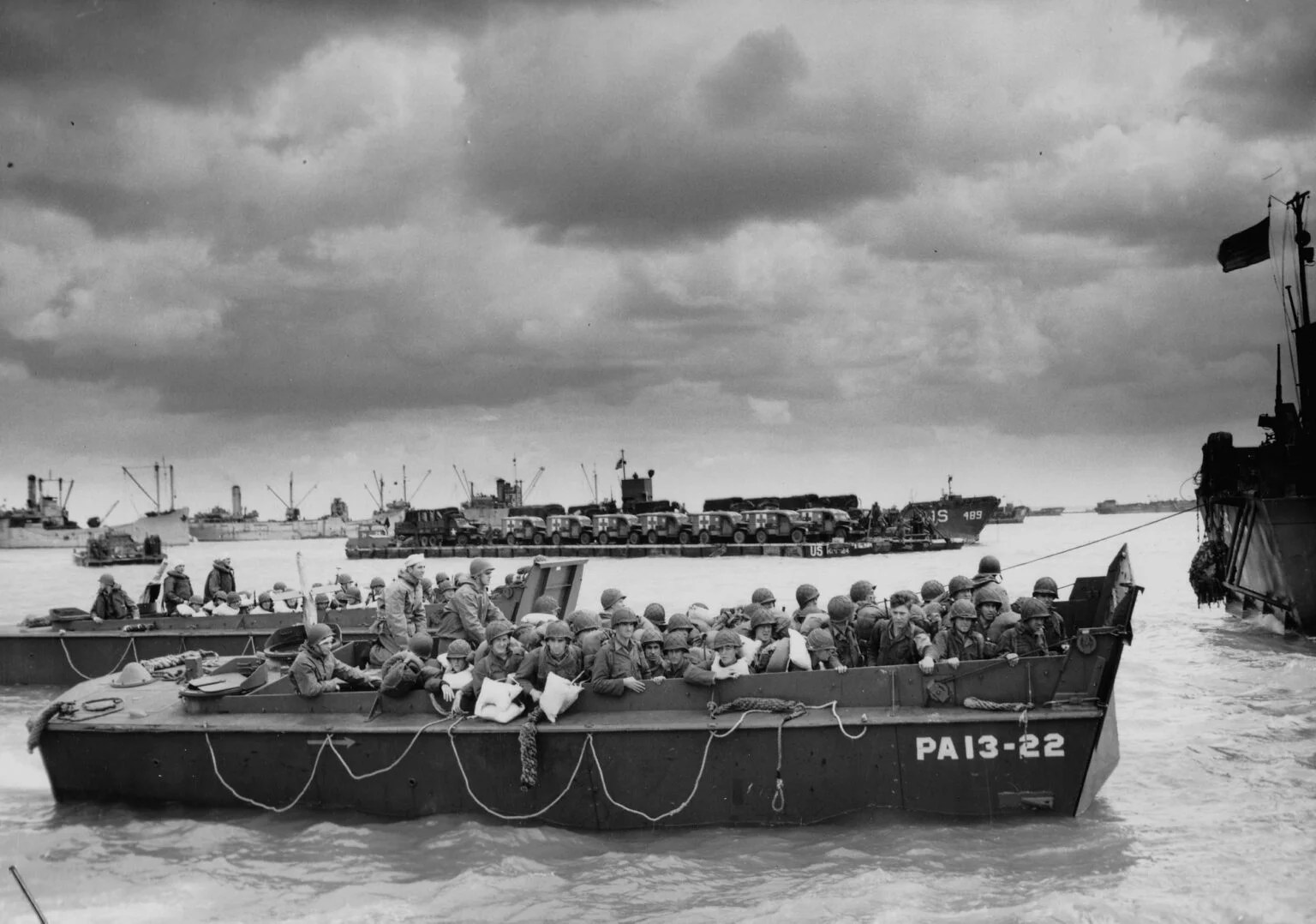
LCVP’s, better known as Higgins Boats, featured in Saving Private Ryan
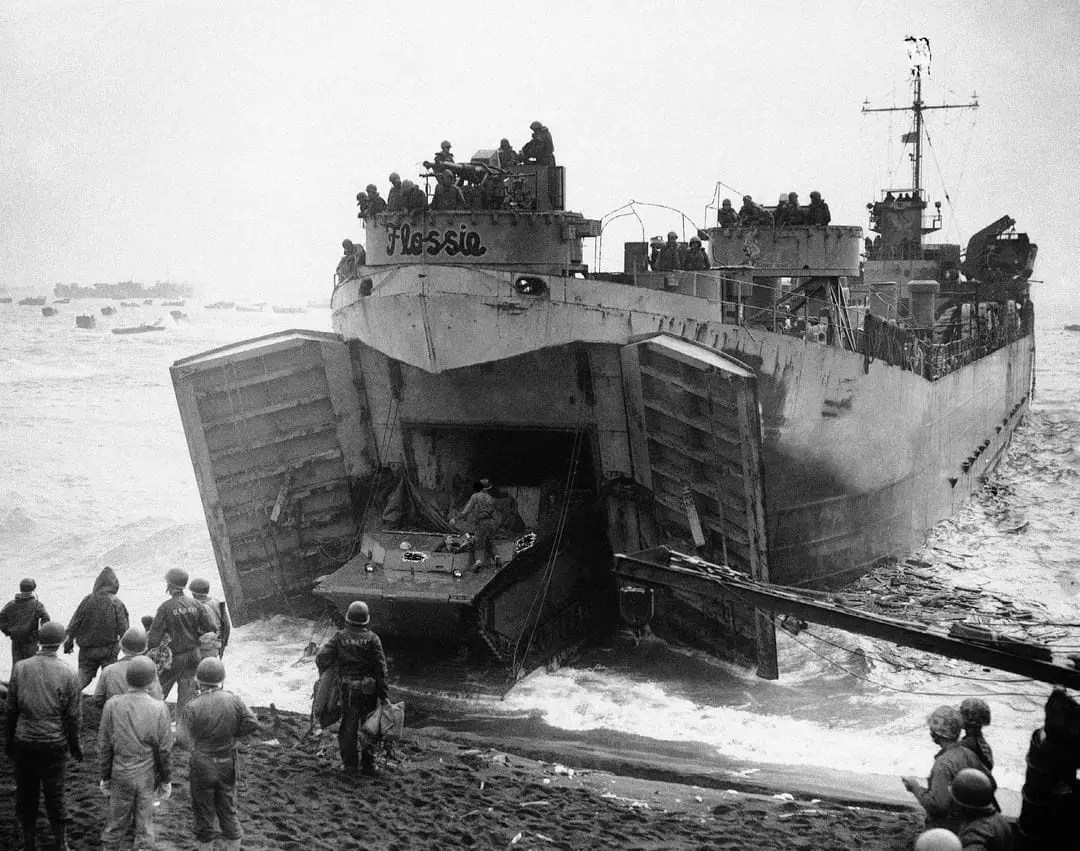
LSTs, Landing Ships, Tanks–big fellows


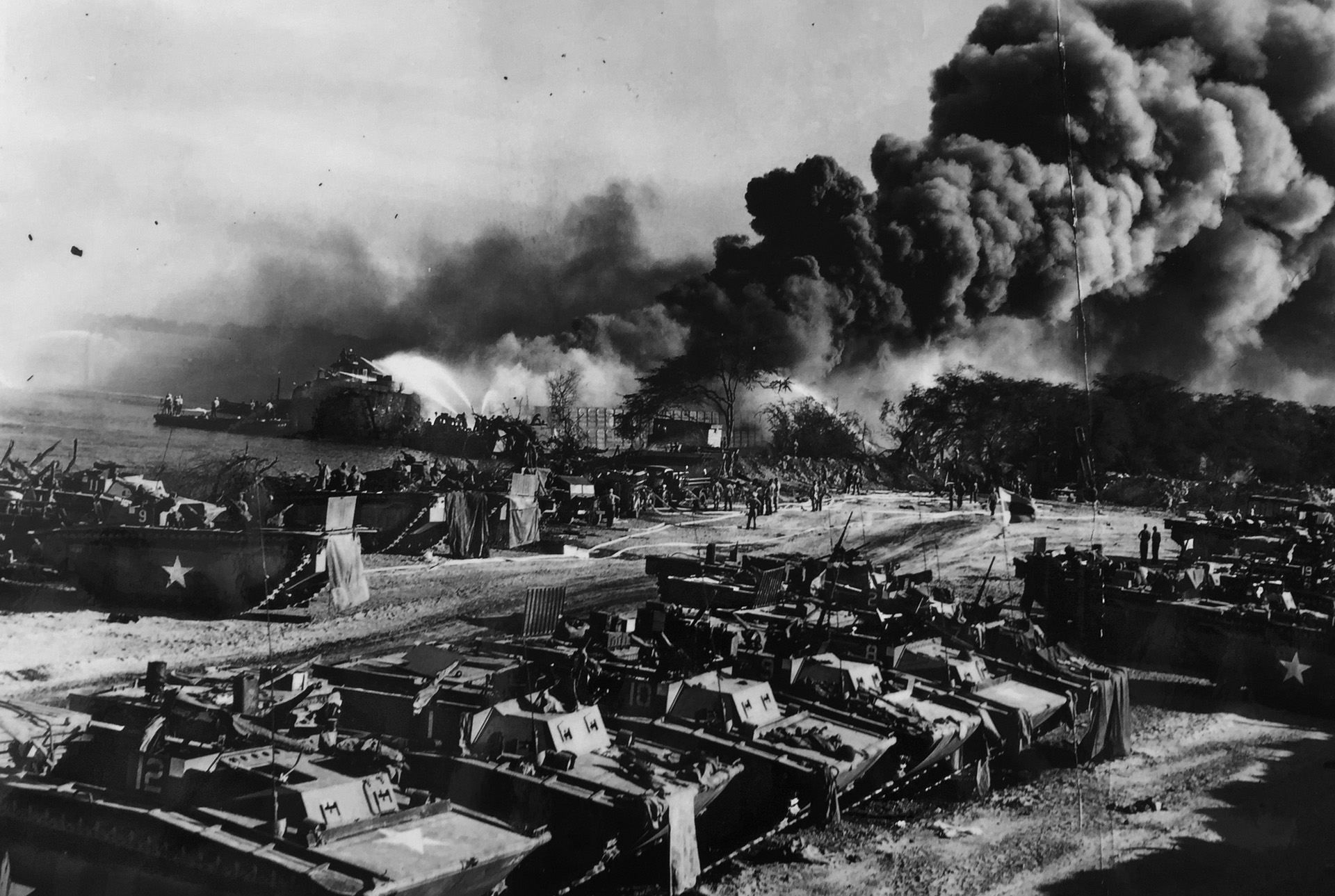
Amphibious tractors in the foreground as fires rage along the West Loch, May 1944.

According to U.S. Navy Muster Rolls, Frank (at the bottom, below) reported to Waipo in April 1944. He would be stationed there until the end of the war. But it only took a month for the war to come to him.
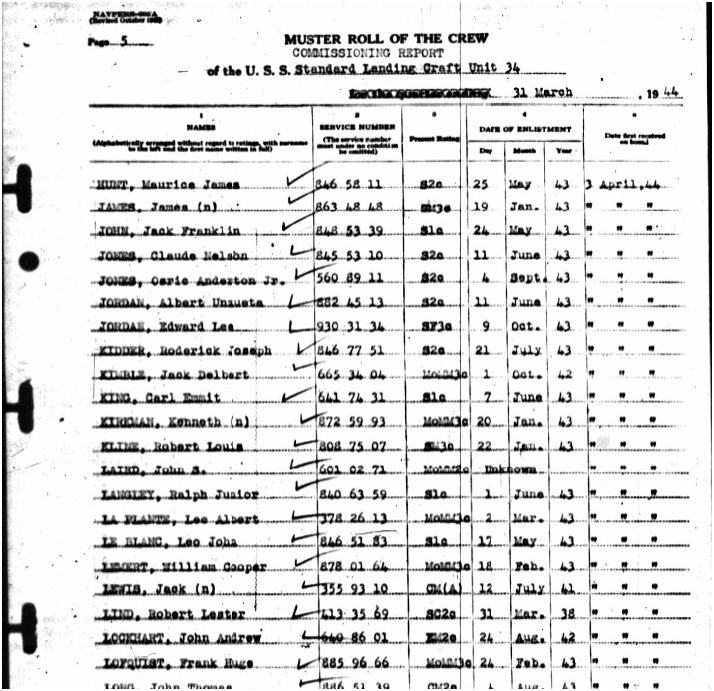


In May 1944, Unit 34 would have been preparing sailors, Coast Guardsmen and Marines for the invasion of the Marianas Islands, which included the horrific Battle of Saipan. The invading Marines included Archie Harloe, the son of the Arroyo Grande schoolteacher, and some of them witnessed civilians, convinced that the Americans would torture them, leaping to their deaths from sea cliffs.
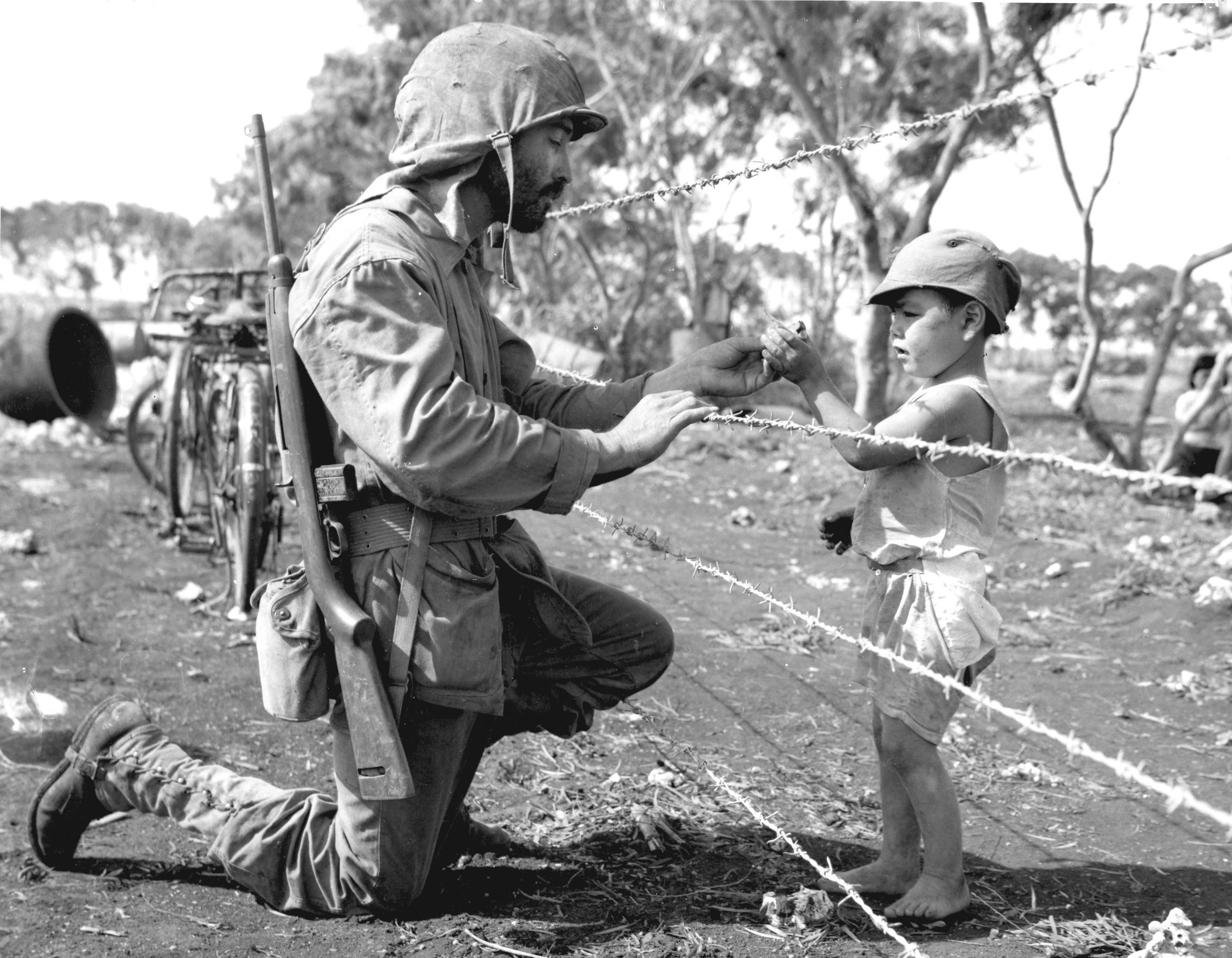
Had the people who committed suicide waited, they would’ve met Americans like this one: A Marine shares food with a Saipanese child.


That was in June. Another tragedy–this one at Waipo–preceded Saipan’s. On May 21, 1944, the West Loch, in preparation for the Marianas, was packed with the big ships, the LST’s. Mortar ammunition was being transferred to one of them when a mortar round either fell or was detonated by gasoline vapors, The resultant explosion was massive, but not as massive as the second explosion, which showered the LST’s with burning debris, which in turn set off aviation fuel and ammunition.

The fires burned for twenty-four hours. Six LST’s were destroyed. One of them, LST-480, remains alongside the West Loch today:
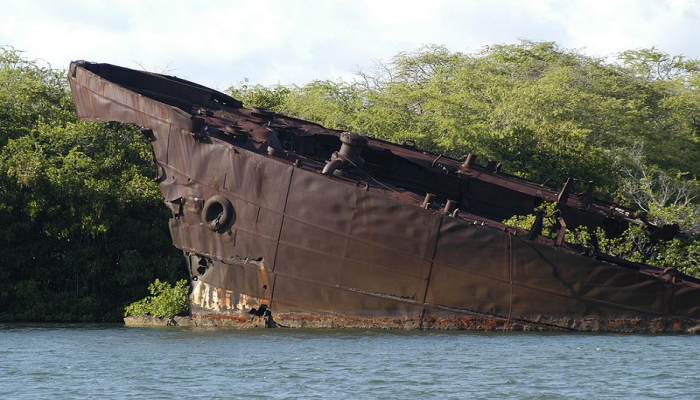


The official Navy casualty list cites 163 killed. That is almost certainly an underestimate. It may not reflect the deaths of Marines from the 2nd and 4th Divisions and soldiers from Schofield Barracks acting as stevedores at Waipo. Some estimates put the deaths at 1,000 young Americans.

Frank Lofquist was there, and, as fate would have it, he would live a long life–he died, at eighty, in 2003. I’ll post below a video of some South County sailors and their ships, but it occurred to me that Lofquist’s service at Pearl Harbor was just as important, and, since I just learned about the West Loch disaster, almost as dangerous.

Using the World War II Army ratio, for every American combat soldier, there were 4.3 support troops (like my father, a quartermaster officer who sent gasoline supply companies to Omaha Beach, and like Lofquist). World War II was their war, too.

Thank you for your service, Frank Hugo Lofquist.
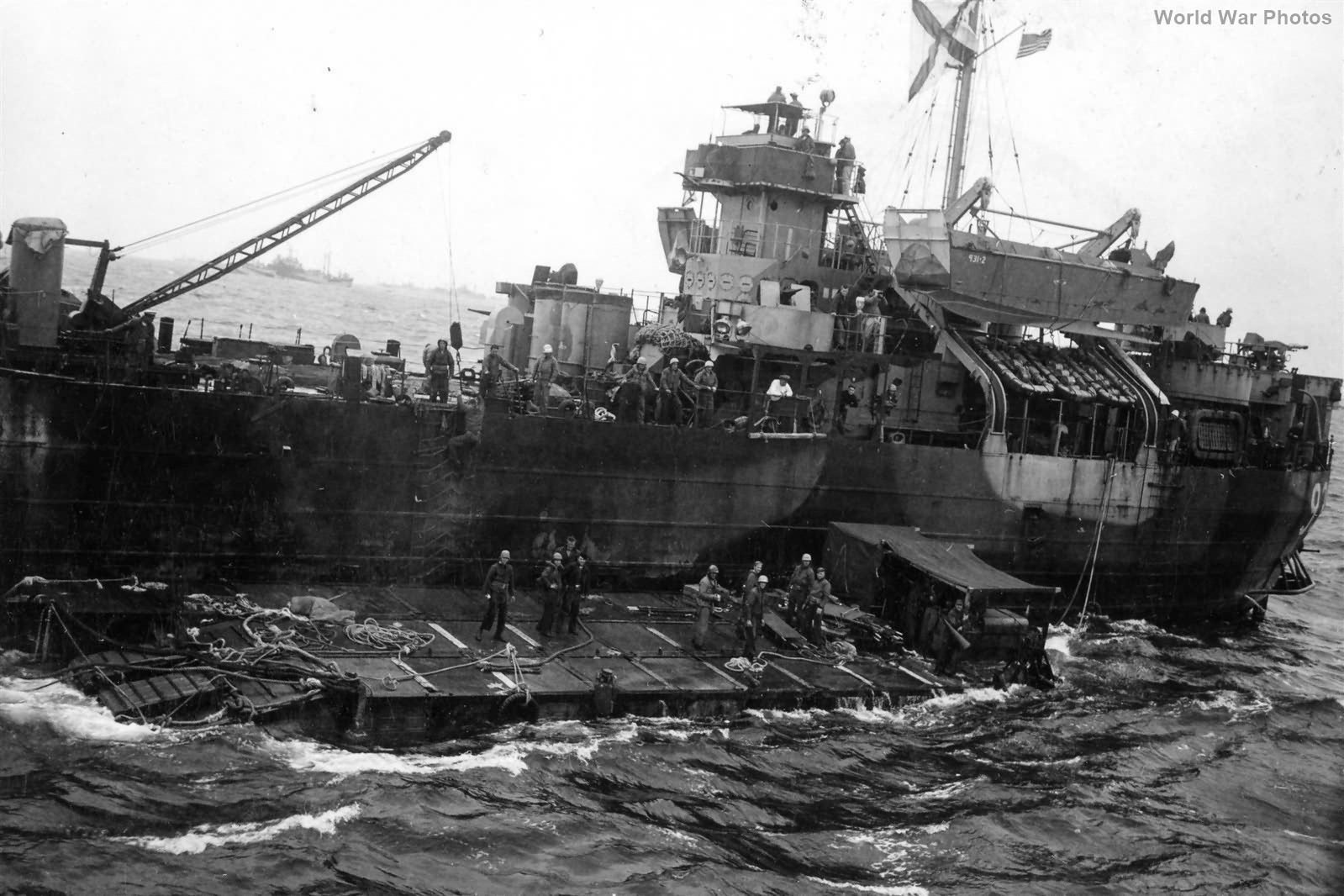
An LST takes on wounded Marines at Iwo Jima, March 1945, where Arroyo Grande Marine Louis Brown was killed three days short of his 21st birthday.


It was Lofquist’s war, and, of course, it was the war of the Black sailors at Port Chicago, near San Francisco. An explosion there three months later killed at least 320 of them, detailed as stevedores, when an ammunition ship blew up. What happened after is another story that needs to be retold every few years.

Hey! Let’s arrest some aliens!

02 Saturday May 2026

Posted by ag1970 in Uncategorized

≈ Leave a comment

Tags

executive-order-9066, History, japan, nikkei-immigration

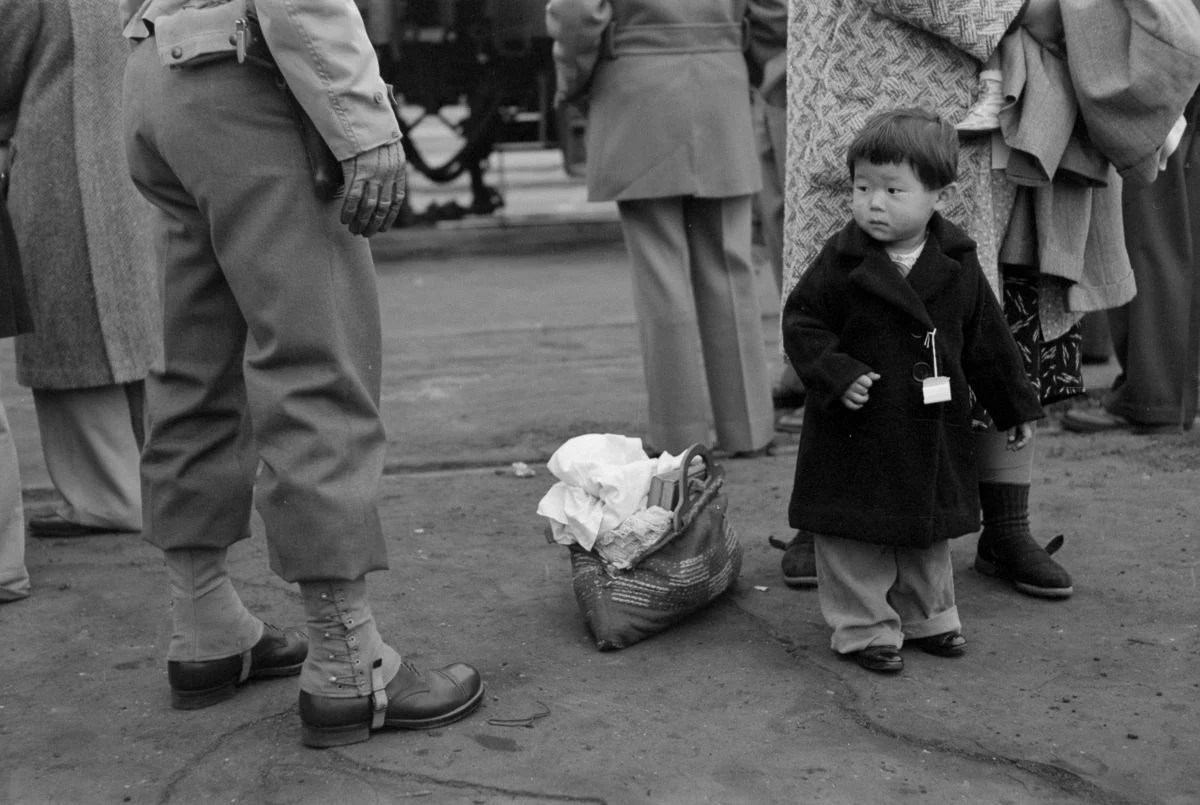
A mother and child are taken into custody, May 2025, Worcester, Massachusetts


Terrific talk this morning by historian Naomi Shibata about the Japanese–Nikkei– immigrant experience before, during and after World War II.

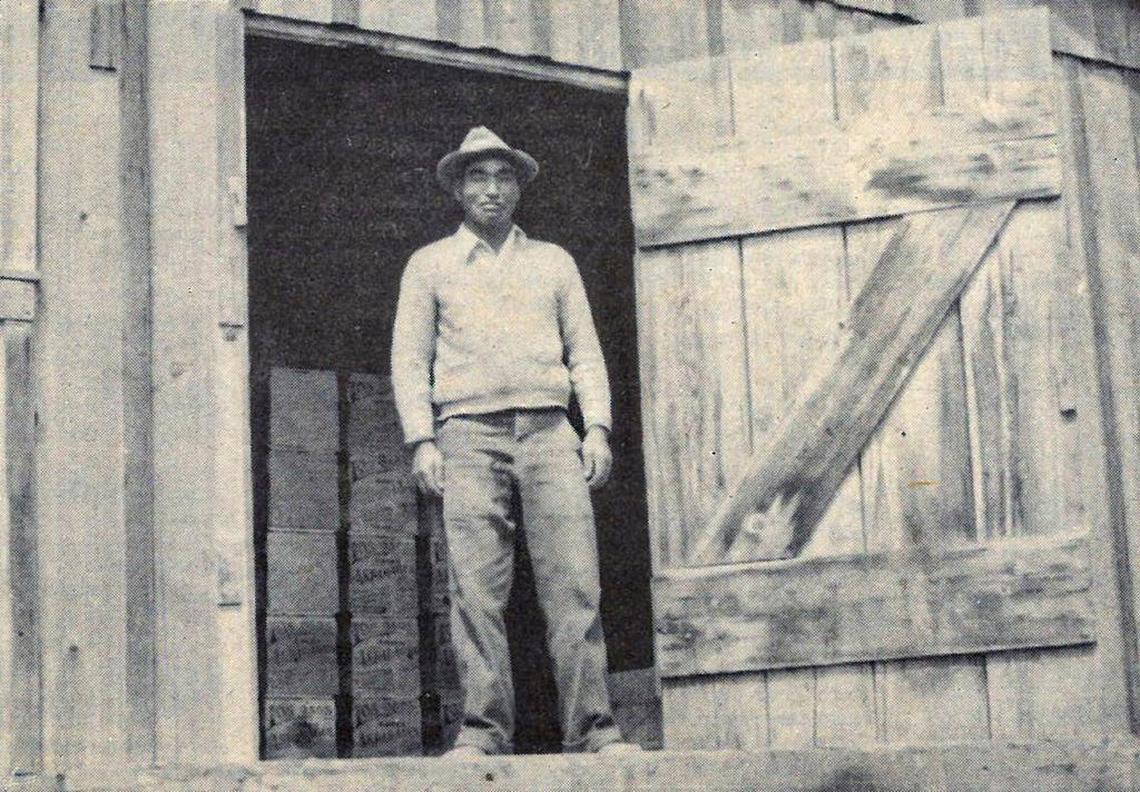
Her grandfather, Tameji Eto, farmed the Los Osos Valley. He was still in his work clothes, about to go to bed, when a knock on the door roused him about ten at night on December 7, 1941.

It was the sheriff and two FBI agents. They just wanted for him to come along for a few questions.

Mr. Eto asked them to wait for a few moments. He left the room and changed into his suit–it was a sign of respect for authority, including the three men inside his home.

On the way out the door, one of the FBI agents said, “you may want to bring your coat.”

Eto was bound for a prison camp for “enemy aliens” in Missoula, Montana. He spent a week or so first in the Santa Barbara County Jail.

He was allowed to tell his family where he was headed–his train would come through San Luis– but he had no clothes. Certainly, no clothes for Missoula, Montana, in December.

The family contacted Mr. Sinsheimer, who opened his store in the middle of the night so they could find some warm clothing. I’m pretty sure he told them to pay him later.

They were waiting at the SLO train station, with their purchases wrapped in paper and twine, for Tameji’s train. They waited all night.

It had been re-routed.

* * *

Vard Loomis, so deservedly lauded for the support he gave to the South County interned, made sure the property taxes on the Eto family’s farm were paid on time.

* * *

The FBI picked up Eto and, here, in Arroyo Grande, men like Shig Kobara, because they were successful men perceived as natural leaders. The aim was to decapitate Nikkei leadership. That would make the enforcement of 9066, five months later, a little easier.

* * *

Shibata made a stunning point about Executive Order 9066, which ordered the removal of “all alien and non-alien” Japanese. She found that a curious passage.

What do you call a “non-alien?” she asked the audience.

“An American citizen,” a man called from the back of the room.

* * *

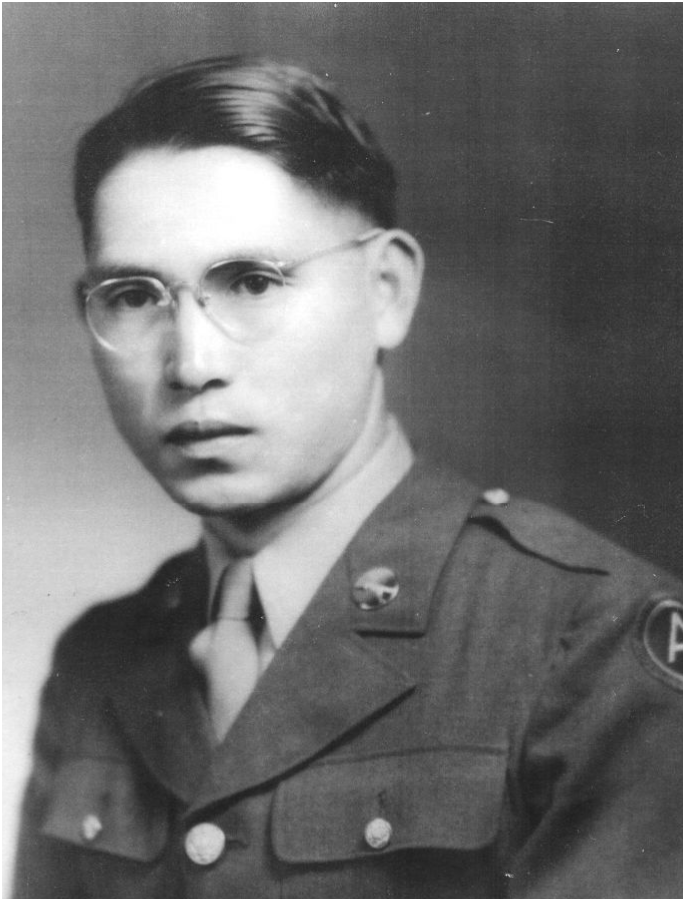
Mr. Eto’s son-in-law, Leo Kikuchi, was killed in action in Italy. Here, in the South County, Arroyo Grande farmworker Sadami Fujita was killed in action in France.

They were American citizens.

Mr. Eto
Leo Kikuchi
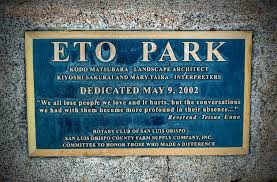
There used to be an “Eto Street.” This park was intended to honor the name that had been discarded during World War II>

I honestly don’t know how all of this stuff fits in my brain

26 Thursday Mar 2026

Posted by ag1970 in World War II

≈ Leave a comment

Tags

Arroyo Grande, History, world-war-ii-aviation, world-war-ii-in-california

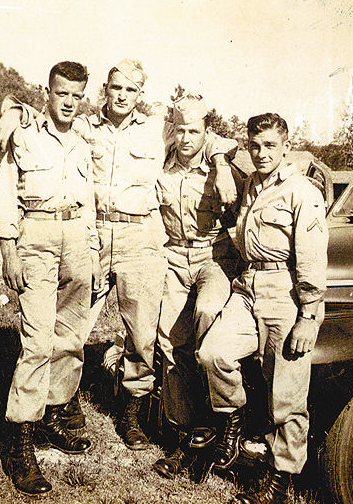
Arthur Youman, second from left, in training with the 101st Airborne’s Easy Company.


I’ve been blessed. Both an editor/author with the National Japanese Historical Society and, through my friend Erik, a young Poly history student want to learn as much as they can about SLO County (and particularly the South County) in World War II.

So I put together a blog post to try to summarize some of what I’ve learned in writing about World War II in the last eleven years, since I retired from AGHS.

I think I scared myself a little.

Among the South County’s (and Northern Santa Barbara County’s) contributions to World War II:

1. Arroyo Grande was home to two Nisei soldiers in the famed 442nd, one KIA in the relief of the “Lost Battalion.”


2. Another, an intelligence officer, who served as a liaison with Mao’s guerillas. Madame Mao danced with him.


3. A third, a young Guadalupe man, a medic KIA on the German frontier, 1944.


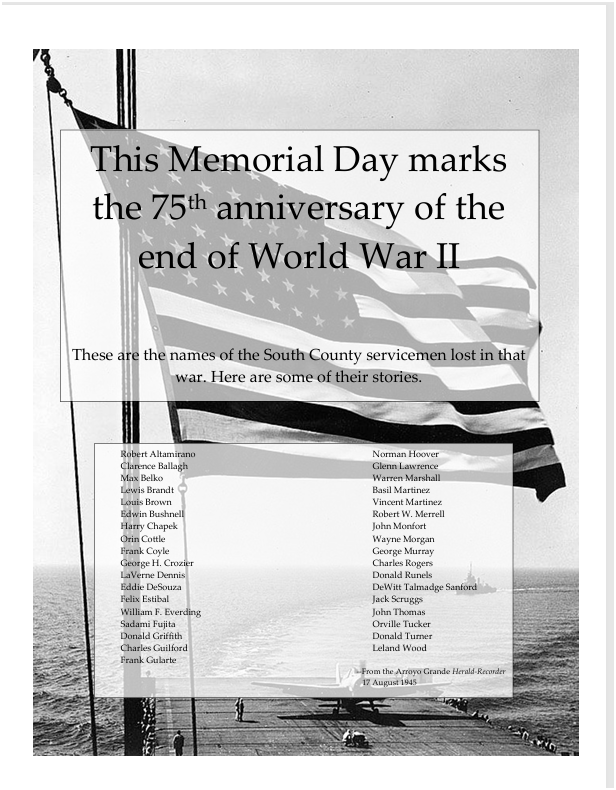
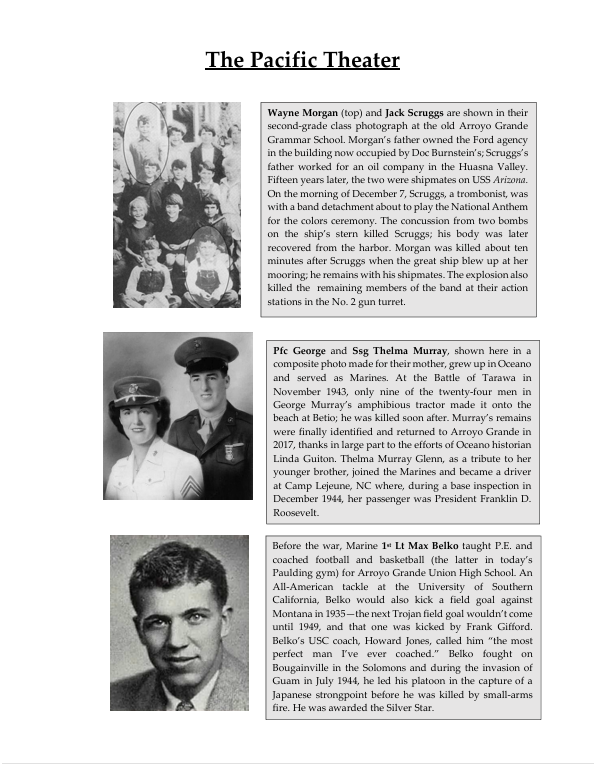
4. Two Arroyo Grande sailors, third-grade classmates, killed on “Arizona.”


5. A Pismo Beach dishwasher, a machine gunner on “Nevada,” credited with shooting down the first Japanese plane that morning.


6. Former County Superintendent of Schools Earl Cornwell, a sailor on Ford Island on December 7.


7. Nipomo sailor Donald Runels, killed on the heavy cruiser “Northampton,” who had a destroyer escort named for him.


8. The best letter home I’ve ever read was from an Arroyo Grande Filipino American. He was killed when his destroyer, “Walke,” was sunk by a Long Lance torpedo. Both “Northampton” and “Walke” went down in Ironbottom Sound, off Guadalcanal.


9. Seven of the Doolittle raiders did their primary flight training at Hancock Field in Santa Maria, including pilot Ted Lawson, who wrote Thirty Seconds Over Tokyo.

10. An Arroyo Grande B-17 copilot was awarded the Silver Star for bringing his ship home safely after it had been set afire over Berlin.


11. An Arroyo Grande High School shop teacher, as a World War II flight engineer, brought his ship home after a midair collision and a flak hit that took out both the No. 1 and No. 2 engines.

12. The P-38 figured prominently in local history, with three fatal crashes from the Santa Maria Army Airfield in January 1945 alone. A P-38 pilot from Shandon, memorialized at the American Cemetery at Normandy, was shot down over Cherbourg in a mission that was stupidly planned. Another, who retired to Orcutt, saw his B-17s “bounced” by Me109’s over the Alps. He went after them, only to find out that the lubricant to his machine guns had frozen. He decided that the Germans didn’t know that, so he made repeated passes at them. They broke contact and disappeared.


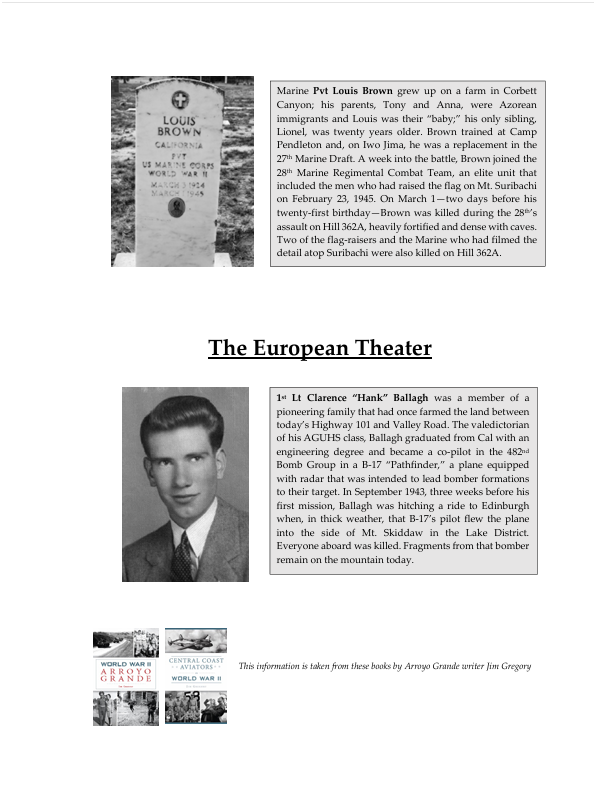
13. A Marine from Corbett Canyon was killed on Iwo Jima three days before he turned twenty-one. He was a replacement in the elite 28th Marines, which included the squad that raised the flag on Suribachi. Our Marine was killed on 362A, along with three of the flag raisers and Marine film photographer Bill Genaust, who warned AP still photographer Joe Rosenthal to turn around and get that shot that made him famous. Our Marine, a replacement and therefore resented, was in combat for total of 48 hours before he stepped on a mine. I got a copy of his Marine Corps personnel file and it read, bluntly: “Cause of Death: Burns, entire body.”


14. A Marine from Oceano was killed the instant he stepped off his landing craft at Tarawa. He was buried there, but somehow the Marine graveyard disappeared. His remains finally came home in 2017, and he’s buried next to his mother.


15. His sister joined the Marines, too. She was a driver at Camp Lejeune, and in December 1944, was FDR’s driver on a tour of the camp.

16. World War II made the Filipino American friends I grew up with possible. Filipinas were not allowed to immigrate before the war. But after Pearl Harbor and the invasion of the Islands, local Filipinos joined the Army in droves, quickly filling the ranks of two infantry regiments. They were superb soldiers and, at war’s end, there was a flurry of proposals and of weddings in the Islands. (One war bride was a little dismayed at arriving in Arroyo Grande: “It’s so muddy,” she said. “And farmy.”)

17. A Nipomo retiree landed on Dog Green Beach with the second wave of the 29th Infantry Division. The killing there resembled the opening sequence of Saving Private Ryan. He never forgot the wounded friend he could not reach without himself getting killed. Meanwhile, a future Lucia Mar Assistant Superintendent, Frank Schimandle, was piloting his B-17 above the beaches that day.

18. After their time with “Pappy” Boyington, the Black Sheep Squadron trained at the Goleta Marine Air Station, on the site of today’s UCSB. Sometimes, the AGUHS softball team played the women Marines at Goleta, and there are photos of Corsairs making low passes over Morro Bay during Army practice landings. When two 800-lb bombs struck the carrier Franklin off Kyushu, the resultant fires wiped out the Black Sheep in their ready room. 800 crewmen died that day.An Arroyo Grande sailor, maybe the most beloved Grandpa I’ve ever known, Filipino American, somehow survived to help bring the carrier home to her birthplace, the Brooklyn Navy Yard.

19. I took my AGHS students to the cemetery in Normandy, at Colleville-sur-Mer, and we found the grave of Pvt. Domingo Martinez, a local farmworker killed in July during the Normandy Campaign.

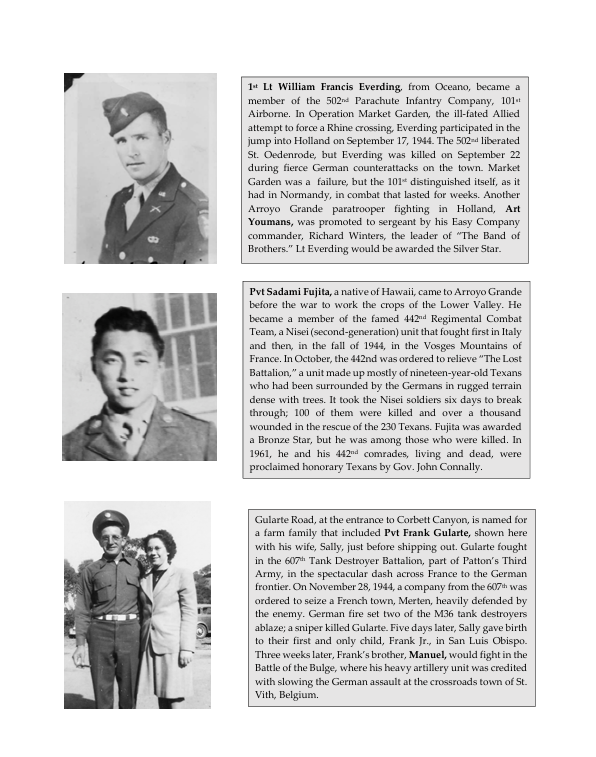
20. Another Arroyo Grande soldier—before the war, a firefighter at Camp San Luis Obispo—jumped into Normandy with the “Band of Brothers.” Dick Winters promoted him sergeant for his conduct and leadership during Market Garden.

From six years ago, another way of capturing the sacrifice our part of the county endured.


And then there are the videos:


And if these videos aren’t necessarily about World War II servicemen from my part of California, they’re indicative of my feelings for my parents’ generation, which is why I study this war so intently.


And most of the blog posts about this war:

World War II | A Work in Progress: I honestly don’t know how all of this stuff fits in my brain


For my family, on St. Patrick’s Day

17 Tuesday Mar 2026

Posted by ag1970 in Uncategorized

≈ Leave a comment

Tags

family, Family history, genealogy, History, Writing


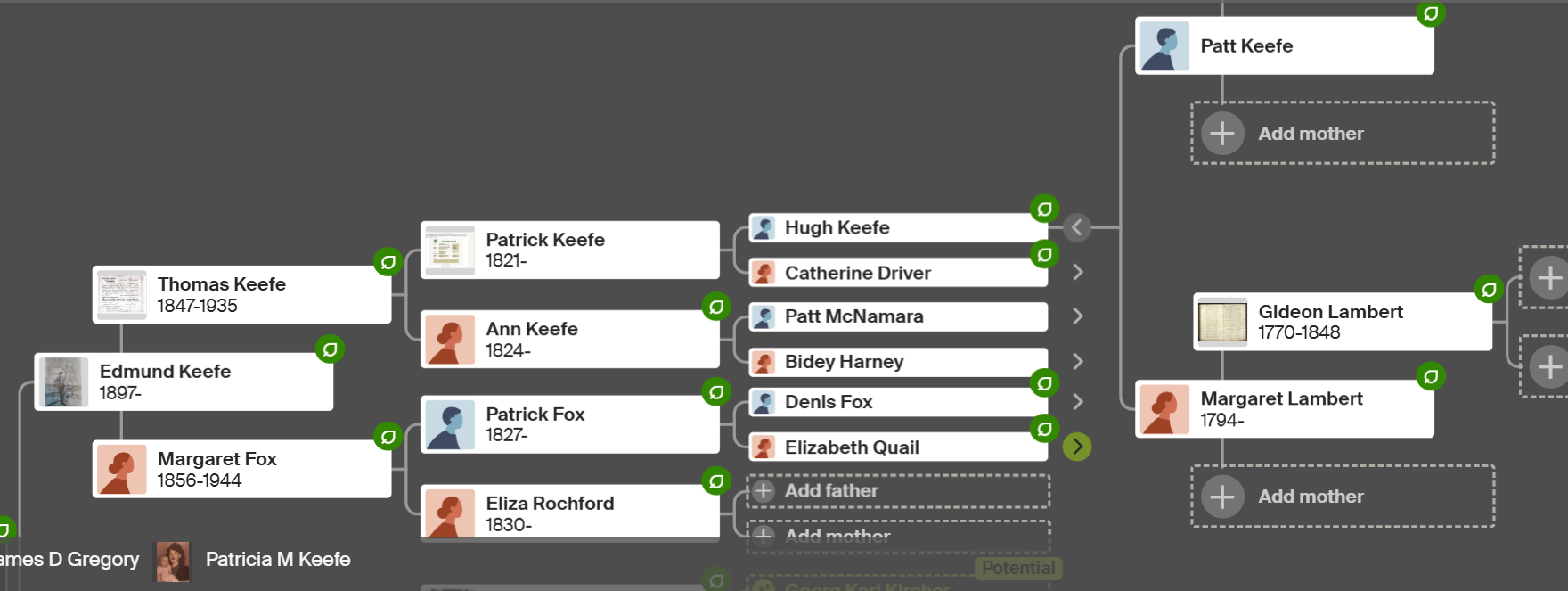
“Patt Keefe” is as far as I can go in our lineage. The name is reconfigured in our mother/grandmother’s name, Patricia.

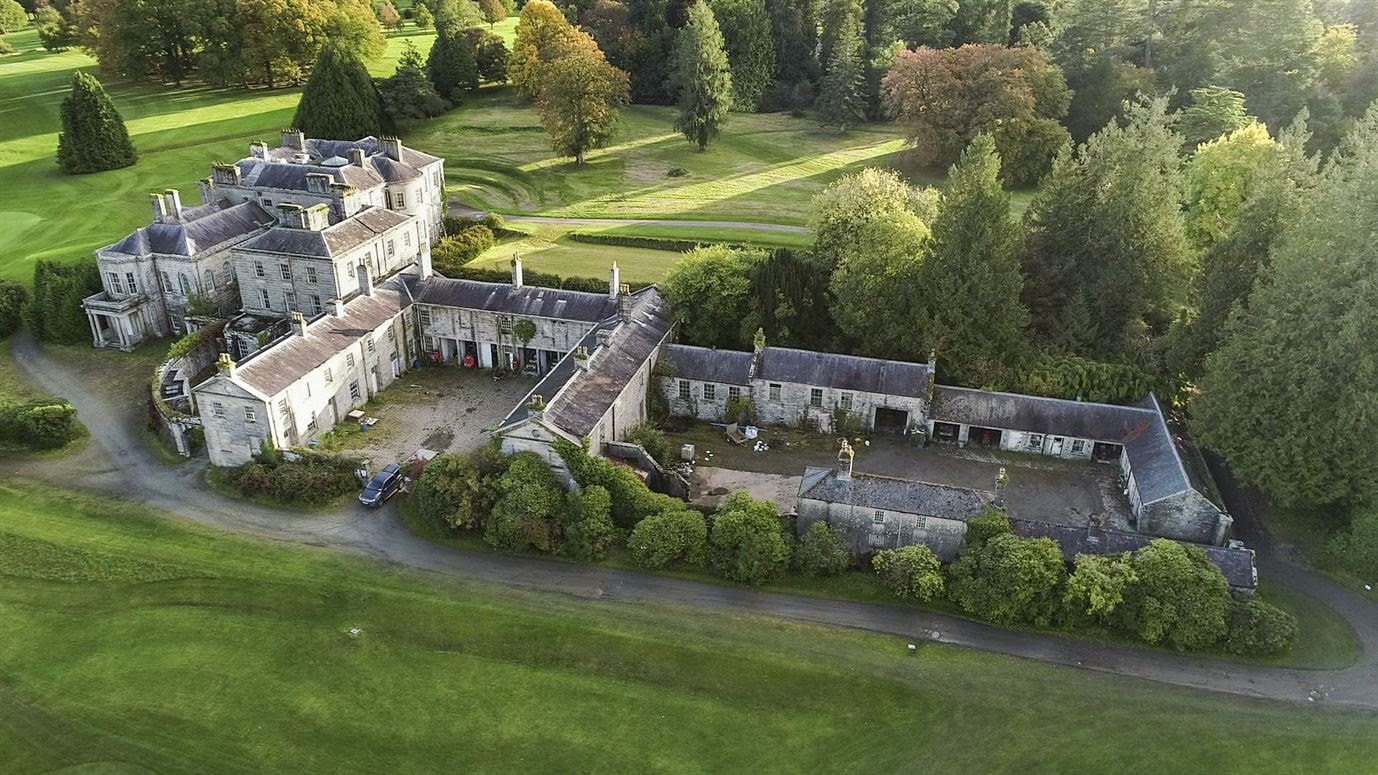
The Keefes were tenant farmers, working the land of Lord Fitzwilliam. This is his estate house.

And this is our ancestors’ village, Coolboy.

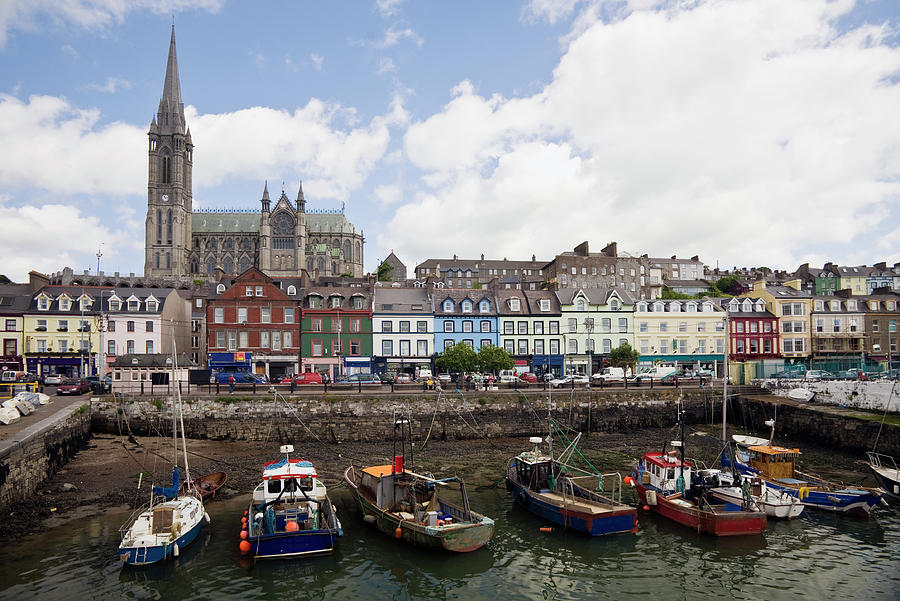
Both our ancestors and the Kennedys left Ireland during the famine from this port, in County Wexford, Cobh.


And, as figures in a nation so small, we have a kind of Kennedy connection. It’s a sad story. The Irish are not sad. Not at all.


Leaving Wicklow must’ve been hard. The place is known for the beauty of its horses. Wicklow Brave, a gelding, now 19, was the darling of the county. Watch him (the rider in the yellow helmet) humiliate the field.


And, of course, horses—and animals of all kinds— are special to all the Irish.


That welcome to the creatures of the world extends to Bray, Wicklow, on the Irish Sea.

We can even claim a rather terrifying Irish great-great aunt.


My ancestral aunt, Sister Loreto | A Work in Progress


The family worked a farm in Ontario, the oilfields in Pennsylvania, where three Keefes were born, a homestead in Minnesota, and, finally, they lived among orange trees in California. As is the case in any family, especially in a family of ten, one was bound to be a black sheep. That was our grandfather/great grandfather.


Family Secrets | A Work in Progress

Our uncle, George Kelly Jr., maintained that our grandmother never fell out of love with Edmund Keefe. Maybe that’s true. Our step-grandfather, George Kelly simply said that “he was a bad man.” That’s probably true. But, given the faith that many Irish still have, the Good Lord can grant you another generation, or two, or more, that count for redemption—even the redemption of a man like Edmund Keefe.

This is what I mean:

The Face of Evil and A Poet’s Voice

12 Thursday Feb 2026

Posted by ag1970 in Uncategorized

≈ Leave a comment

Tags

books, History, ireland, travel, Writing

Today the president* revoked the findings on the impact of greenhouse gases on the environment and so opened the way for accelerated climate change.

That’s because the EPA—an agency founded by a noted Bolshevik, Richard Nixon—has been stripped of its power to regulate greenhouse gases.

And so we turn to history, and, predictable considering it’s me posting this, eventually to Ireland.


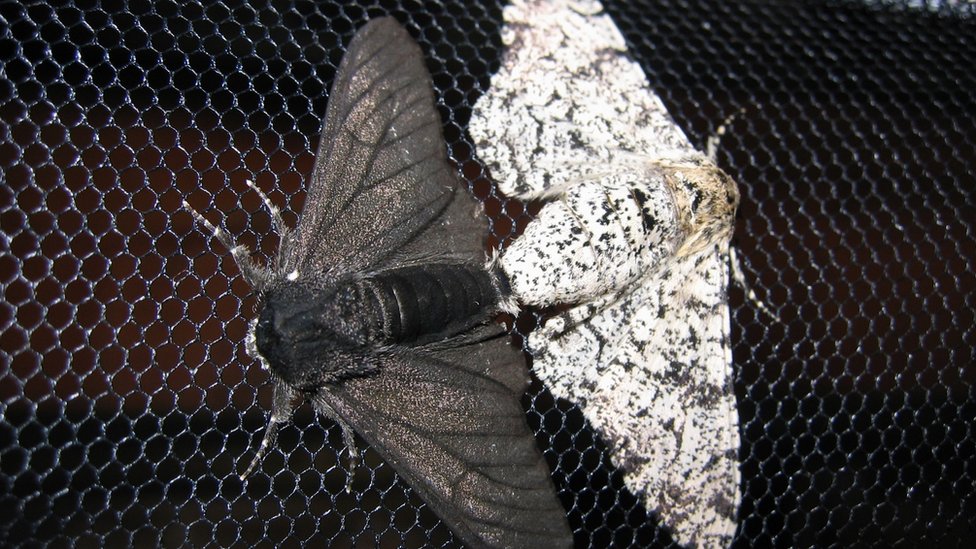
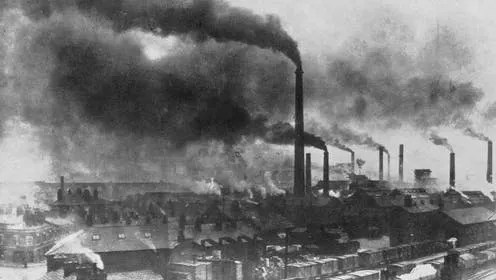
White birch trees proliferated in and around London and the white moths that made them home did, as well. That was until the industrial smoke of the Industrial Revolution made white moths easy prey for hungry birds, because the birch trees were now stained, irrevocably, gray. Black and peppered moths, less visible, survived, according to that theory propagated by a devout Anglican, Charles Darwin.


The president* is 79, and doddering at a rate uncommon even for someone his age. (He will assemble a Filet o’FIsh rogether with a Big Mac t at lunch, chase that monstrosity with a Quarter Pounder, fries, and an extra-large Diet Coke.)

So he will die soon, if not soon enough and, for a man who epitomizes Malignant Narcissism, it’s perfect opportunity, in encouraging greenhouse gases, to kill the rest of us human beings, too. We deserve it, in his eyes, and we’re not so adept at changing colors. (His is White.)

That brings us to St. Patrick’s Day, coming next month.

I’m not suggesting that the Irish have some kind of monopoly on goodness or on holiness. More Irish died at the hands of brother Irishmen during the terrible Irish Civil War of the 1920s. And even in our Civil War, at Fredericksburg, the Confederate 24th Georgia, so Irish that a gold harp was sewn into the fabric of their regimental flag, stood up from behind a stone wall and fired into the faces of the Union Irish Brigade, immigrant soldiers from New York, Massachusetts and Pennsylvania. The slaughter they inflicted was terrible.

But the Irish, despite those exceptions, have a reverence for life—exemplified by desperate Irish mothers, during the Famine, who gathered nettles in church burying grounds to make soup. That reverence extends to the sea, to thorn trees, where the fairies live, to animals, to the Earth.

You can even see this in the original version of the Cranberries’ “Dreams,” where Irish mourners dislodge a tree whose spirit is revealed when washed with water.


No Irish immigrant—to South County San Luis Obispo, where I grew up—exemplified that reverence more for the natural world than did the poet Ella Young. The only thing remotely like her that I’ve encountered comes from the Northern Chumash—the ytt People–the First People to live where I now live—who breathed every breath along with the Earth’s.

I have no power as monstrous as the president’s*, but I do have Ella Young’s power as part of my faith, a faith that grows from my own roots in County Wicklow, where dolphins dance in the air just offshore.


The image below is a young man named Patrick, who loves whales.


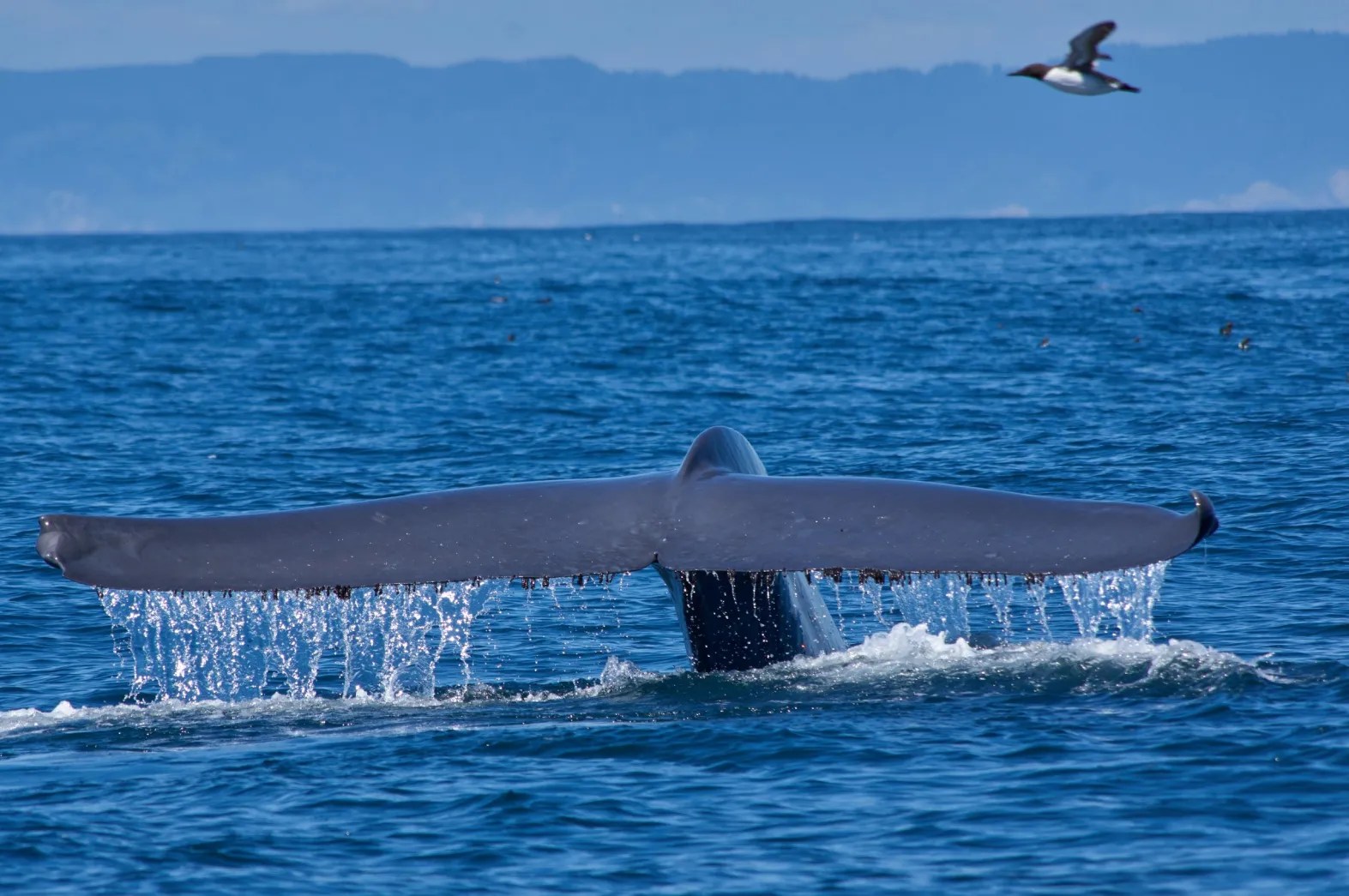
So this St. Patrick’s Day, there a creature of God asleep below the surface of God’s waters, rising in sunlight like this blue whale off the California coast.

If you are at all Irish, this makes perfect sense: this is my mother’s daughter. This whale is my sister. She comes to surface in the hope of someday seeing my son Thomas as he casts his line into the sea from the Pismo Beach pier.

When appearance is everything

25 Sunday Jan 2026

Posted by ag1970 in Uncategorized

≈ Leave a comment

Tags

border-patrol, gregory-bovino, History, ice, minneapolis, politics

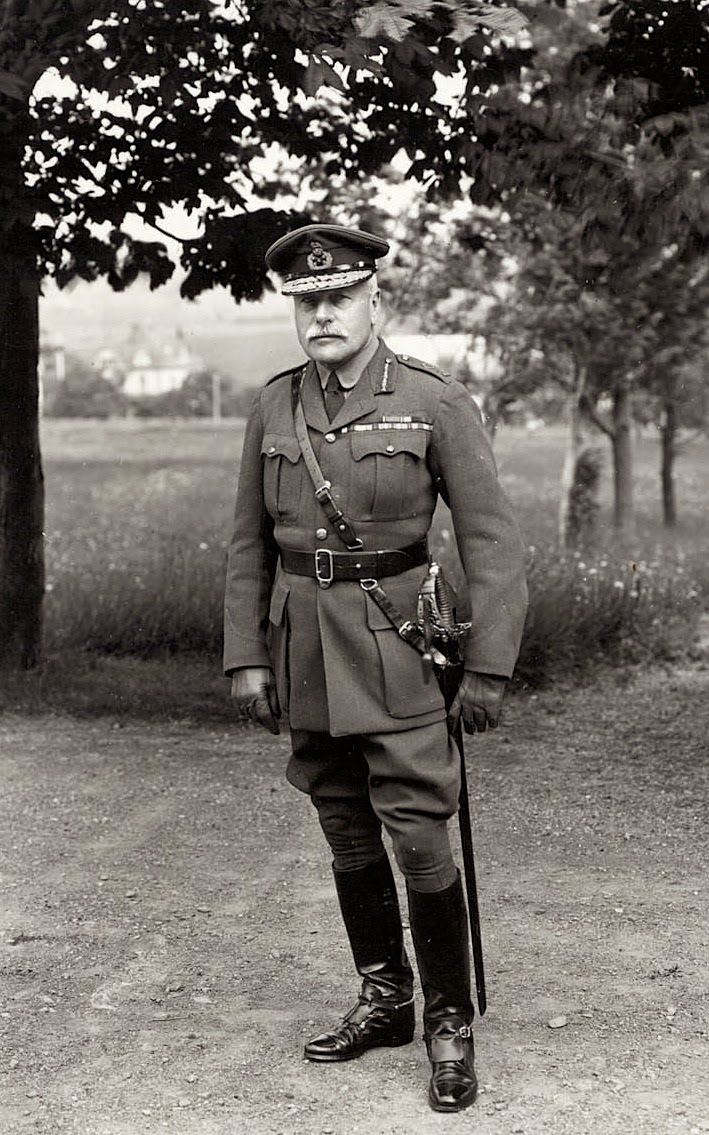
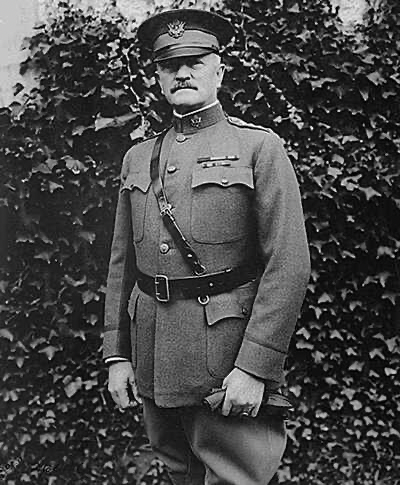
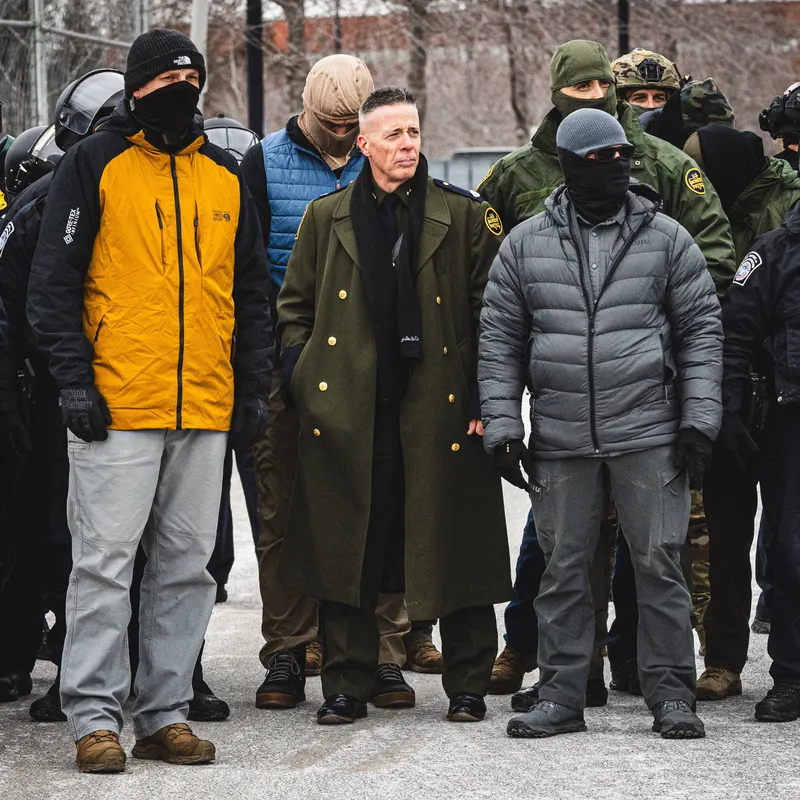
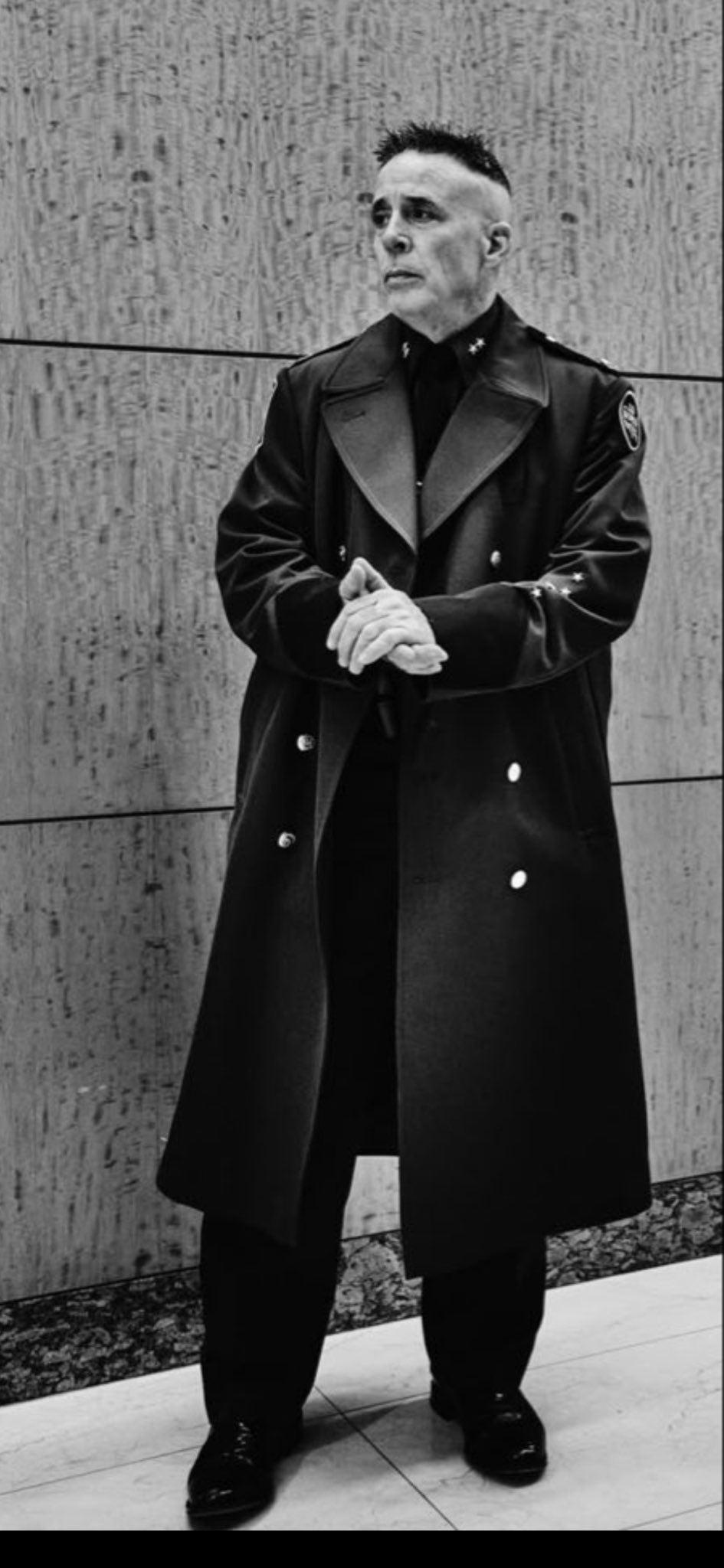
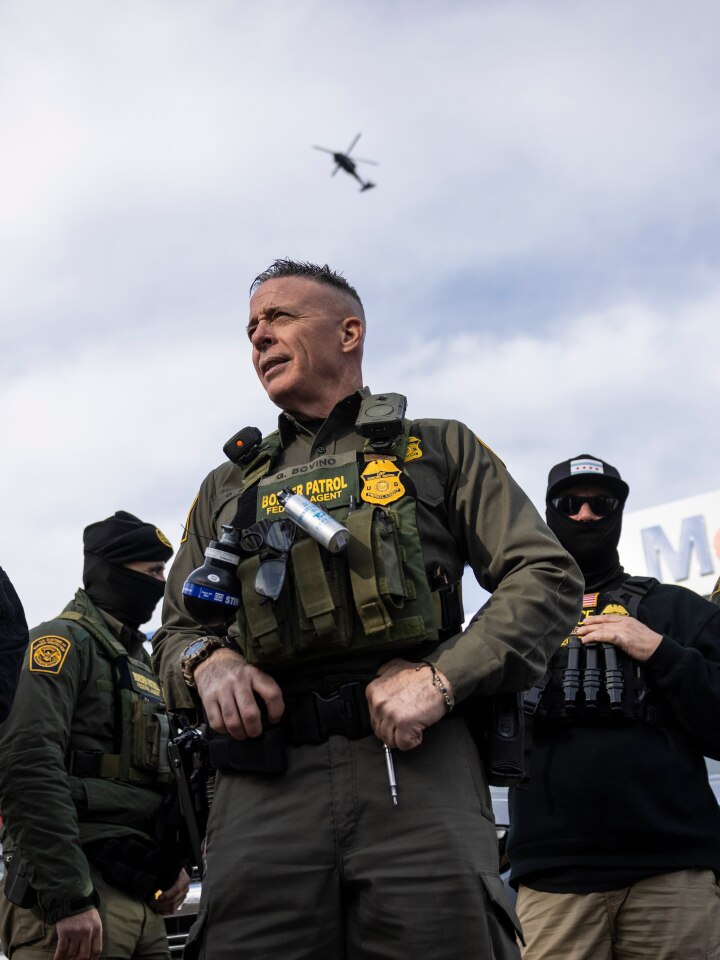
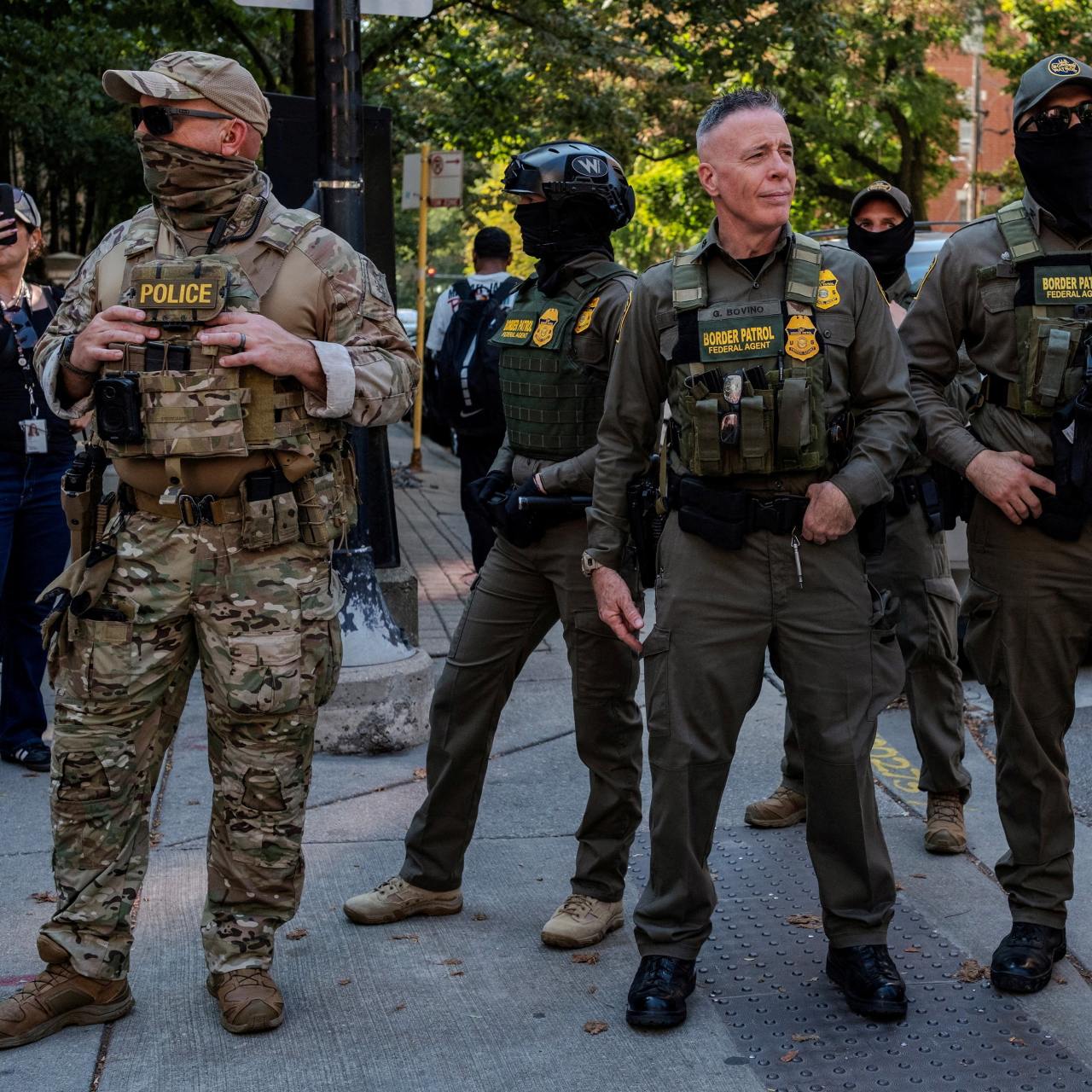
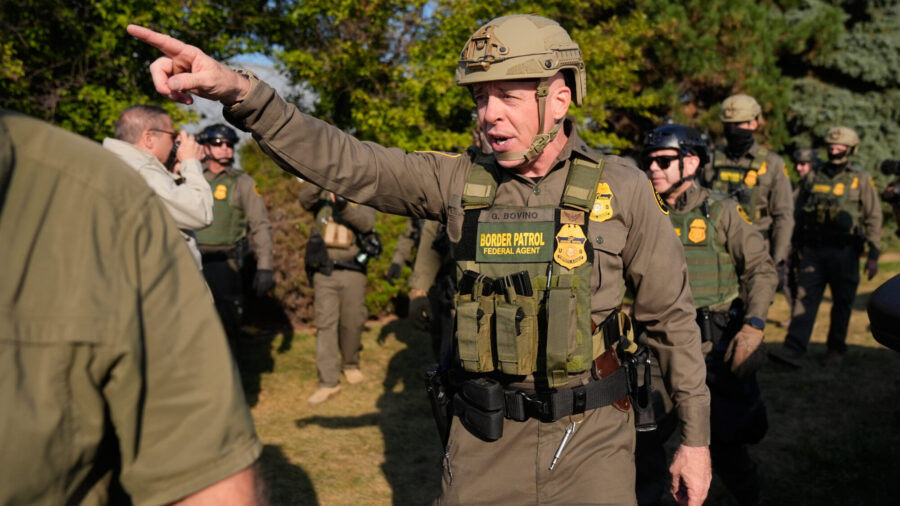
That’s Border Patrol head Gregory Bovino on CNN this morning, defending the second fatal shooting by federal agents in Minneapolis. I could take only about thirty seconds before I muted the television’s sound. That left me with his image. Why is he wearing a Sam Browne belt?

The belt was an innovation by British General Sam Browne: after losing an arm in the Sepoy Rebellion, it stabilize Browne’s sword belt, making it easier for him to draw it from its scabbard.

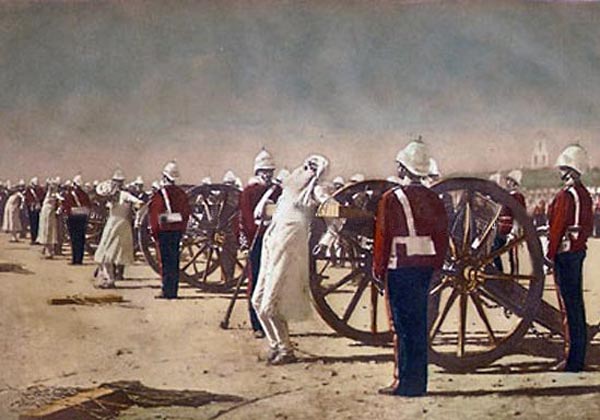
Oh, and this is how the British dealt with accused Sepoy (Indians who served in the Raj’s army) rebels: Blowing them apart from the muzzle of a cannon.

The Sam Browne belt became a regular feature in the British Army, down to the present. For one thing, it immediately distinguished officers from their inferiors. And, in class-conscious Britain, “inferiors” is not an accidental word choice. After his catastrophic losses in the 1916 Battle of the Somme–7,000 British soldiers mowed down by German machine-gun teams in the first thirty minutes—their commander, Field Marshal Sir Douglas Haig wryly commented that “it certainly keeps them off the streets, doesn’t it?”

Unfortunately, the belt also became standard for American officers until it was discontinued in World War II. That’s Haig, on the left, and his contemporary, our John J. Pershing, on the right. American police forces adopted it, as well, until it was realized that criminals were using the belt to strangle arresting officers.

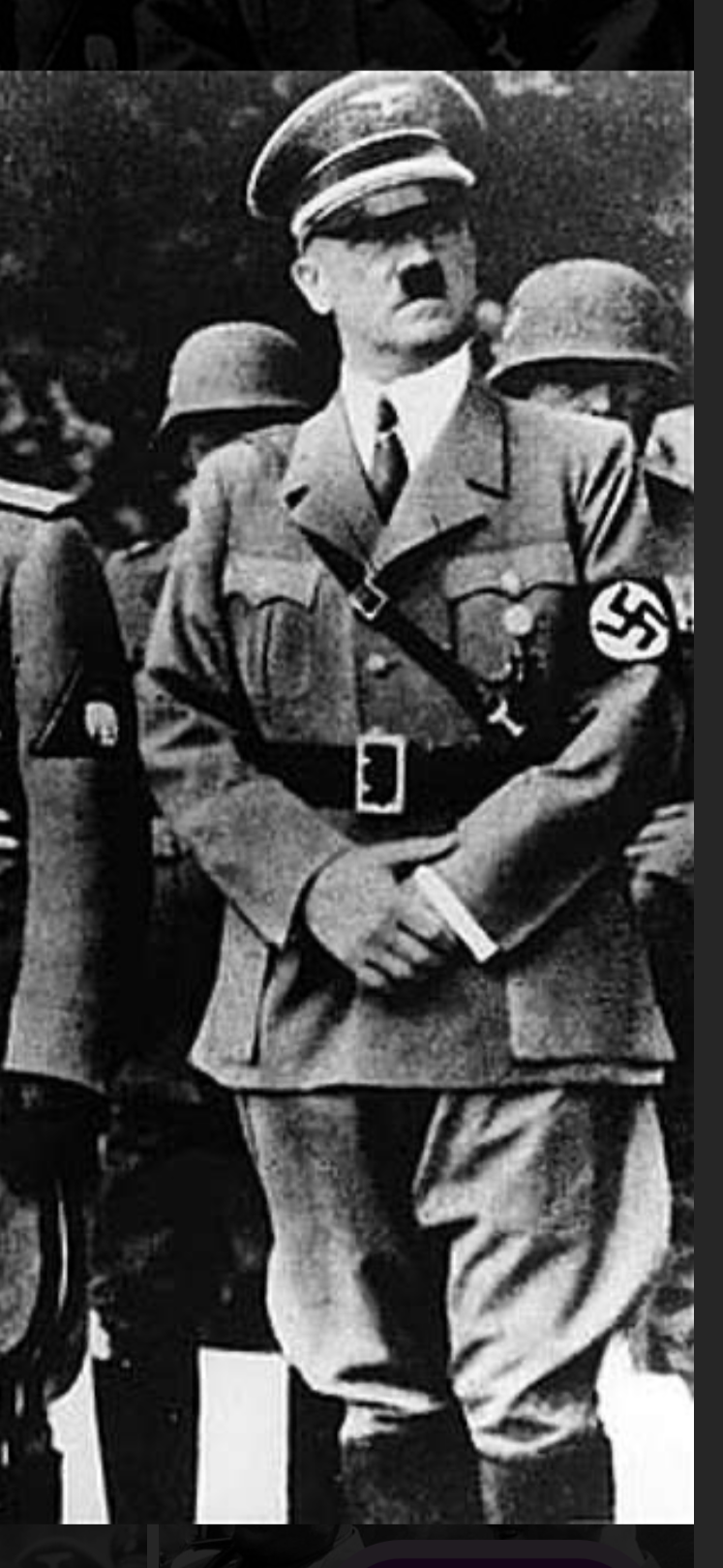
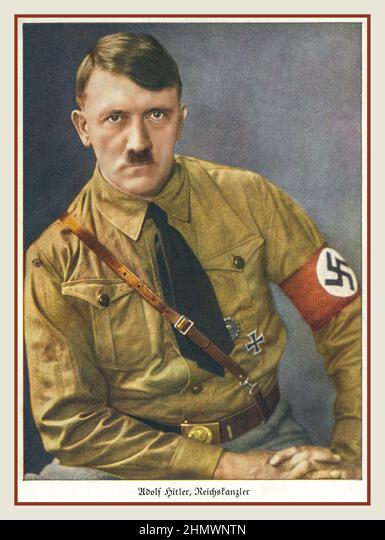
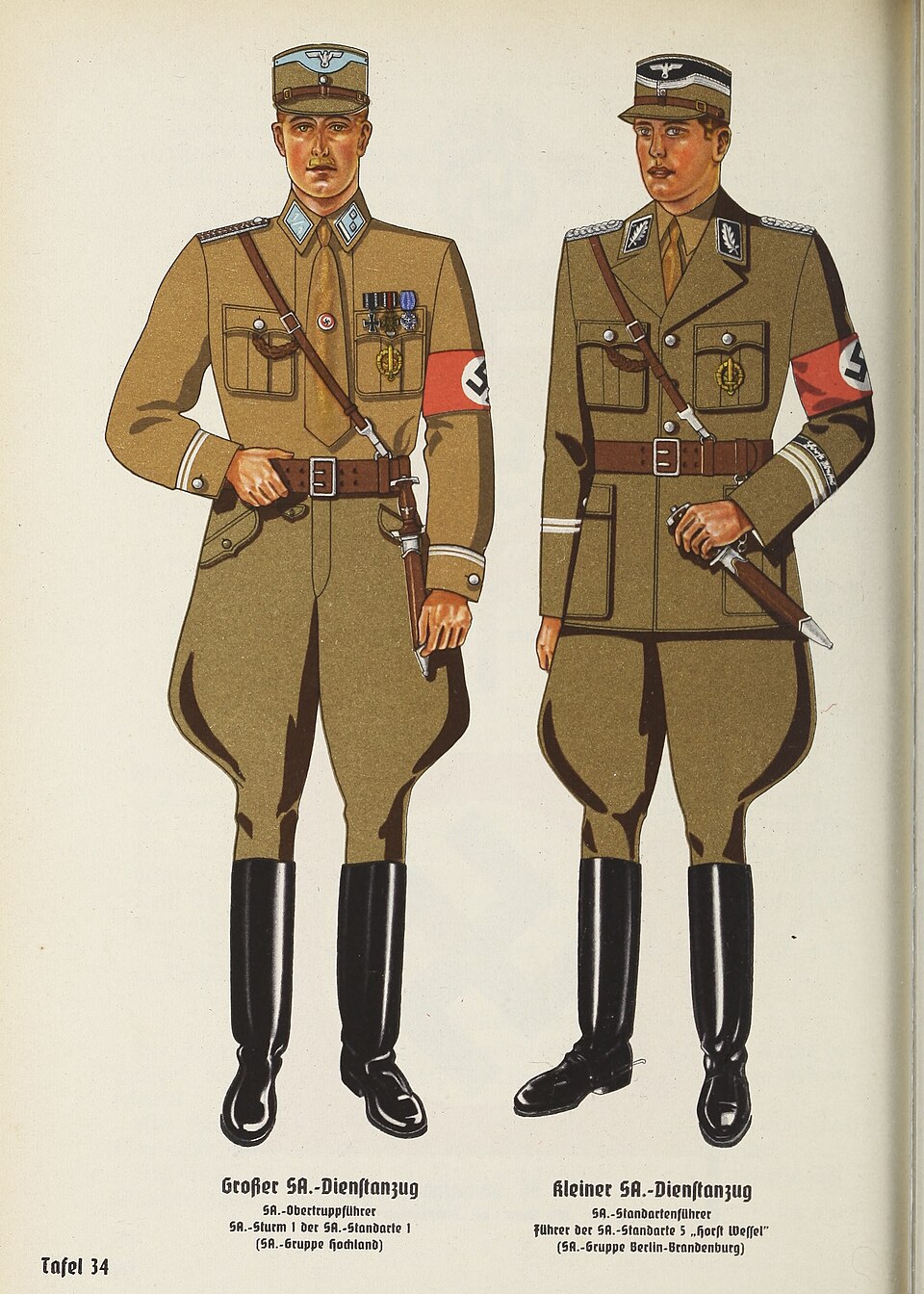
The accessory found its way into Hitler’s hypermilitarized Germany, as well. The Fuhrer, even as a humble early-on National Socialist, rarely appeared in public without his, and the Sam Browne belt became standard for the SA, or Brownshirts, the nearest historical equivalent to ICE.

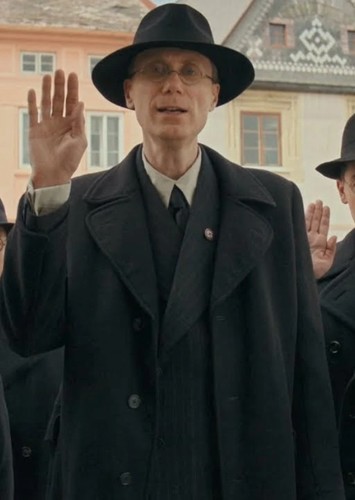
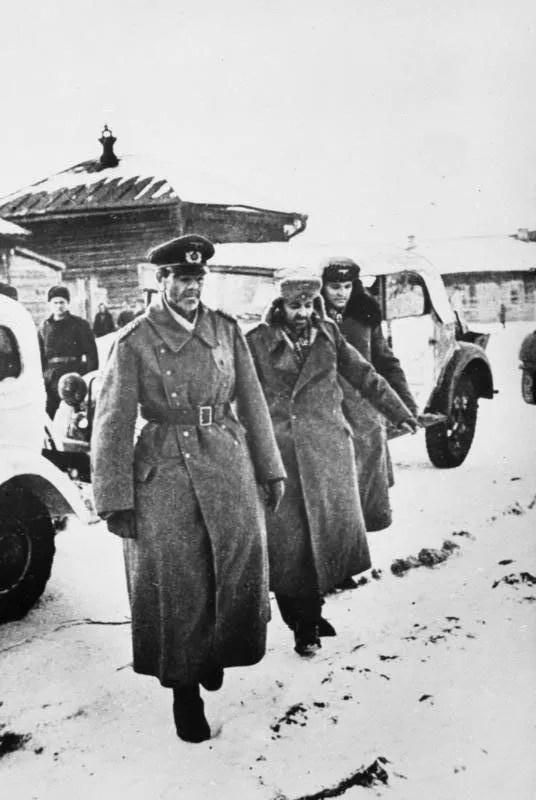
Bovino is fond of long trenchcoats, another feature of another Nazi organization, the Gestapo, or Secret Police (the movie still is from Jojo Rabbit), another apt description of the masked paramilitaries now infesting Minneapolis. It was also favored by Wehrmact officers, including those celebrating the 1940 fall of Norway in front of the Oslo National Theater. The fashion statement is more dire when it’s illustrated by an exhausted Field Marshal Paulus surrendering in 1943 Stalingrad.


So if appearance is everything, Gregory Bovino, a small man, is meticulous about his.


It’s so ironic when the same man, with supreme gall, tells us not to believe what our eyes see.


1926: Oh, What a Year!

31 Wednesday Dec 2025

Posted by ag1970 in Uncategorized

≈ Leave a comment

Tags

art, books, fiction, History, literature, mental-health, one-hundred-years-ago, poetry, reading, Writing

One Hundred Years Ago (with additional commentary from me)

February 6

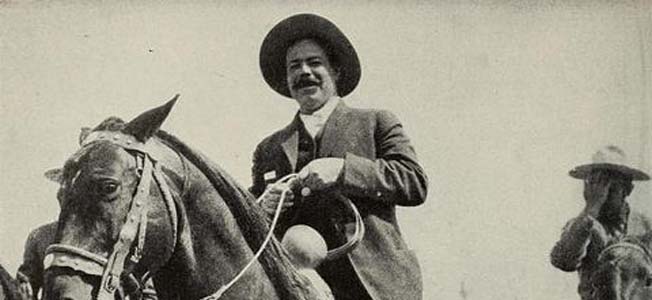
The skull of Mexican revolutionary Pancho Villa is stolen from his grave in Chihuahua. Its whereabouts are unknown to this day. (His widow, Luz, keeps the touring car in which Villa was shot, in 1923, in the front yard of their hacienda. It becomes a planter.)

March 4

A writer in in Budapest commits suicide and leaves behind a note containing a crossword puzzle. The puzzle is yet to be solved.

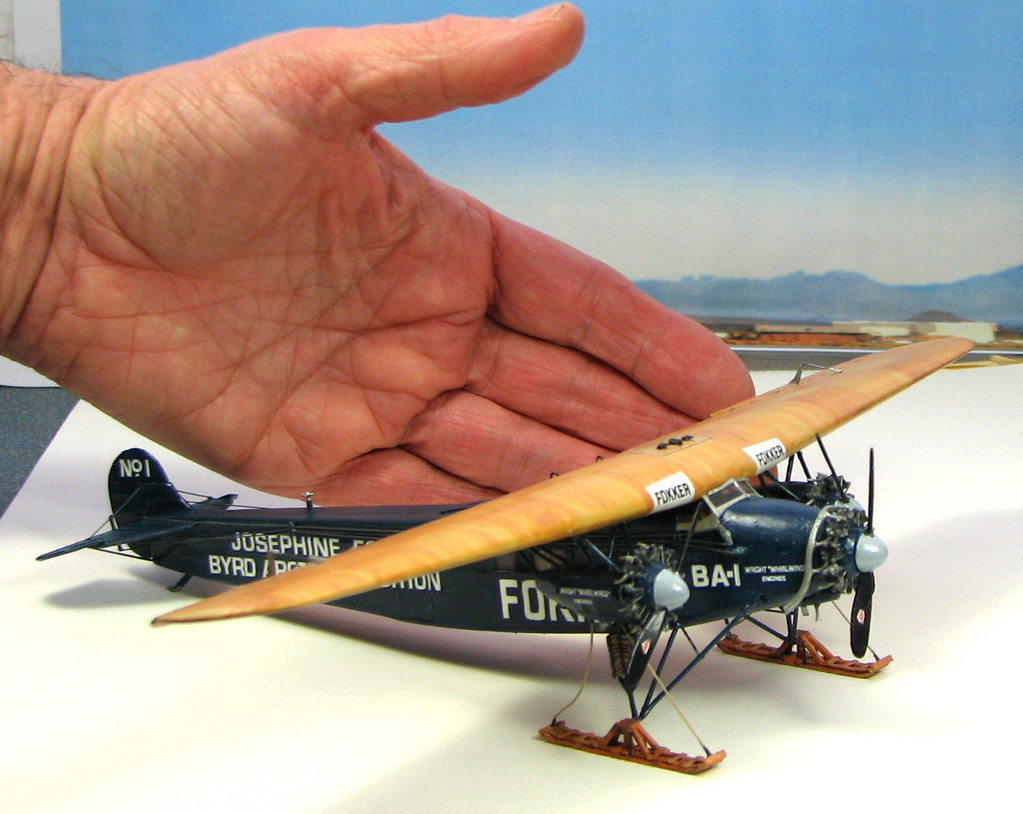
May 9: Explorer Richard E. Byrd and his Navy Chief Aviation pilot Floyd Bennett claim to be the first people to fly over the North Pole, in their plane named “Josephine Ford,” which, if you ask me, looks far to small to make such a demanding trip.

May 12:  Norwegian Roald Amundsen and his fifteen-strong crew fly over the North Pole in their “Norge” airship, becoming the first verified explorers to accomplish the feat. Seventy years later, it’s revealed that “Josephine Ford” had sprung an oil leak and the Americans had to turn back before they reached the Pole.

Damn.

June 23

The first Scholastic Aptitude Test (now commonly referred to as SAT) is administered to 8,000 high school students. The test, based on a World War I aptitude test administered to immigrants, is aimed at keeping Jewish students, disturbingly bright and hard-working, out of Ivy League colleges. I am not making this up.

Read more: 1926: Oh, What a Year!
SATs and American JewsDownload

August 23

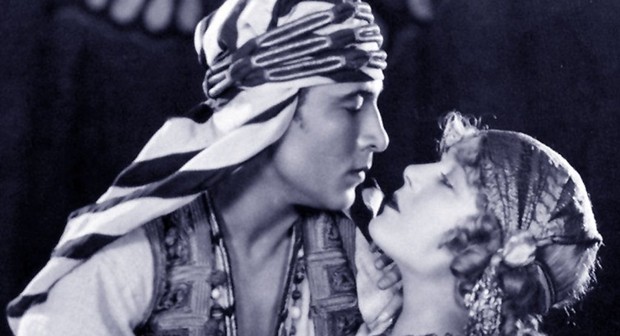
“The Latin Lover” Rudolph Valentino, Hollywood silent movie star, dies suddenly of perforated ulcers, aged 31. His condition is named after him as “Valentino’s syndrome”. The following day, 60,000 mourners cause a riot in New York trying to reach Valentino’s body. (Part of Valentino’s 1921 film The Sheik was filmed in the Guadalupe Dunes.)

September 20

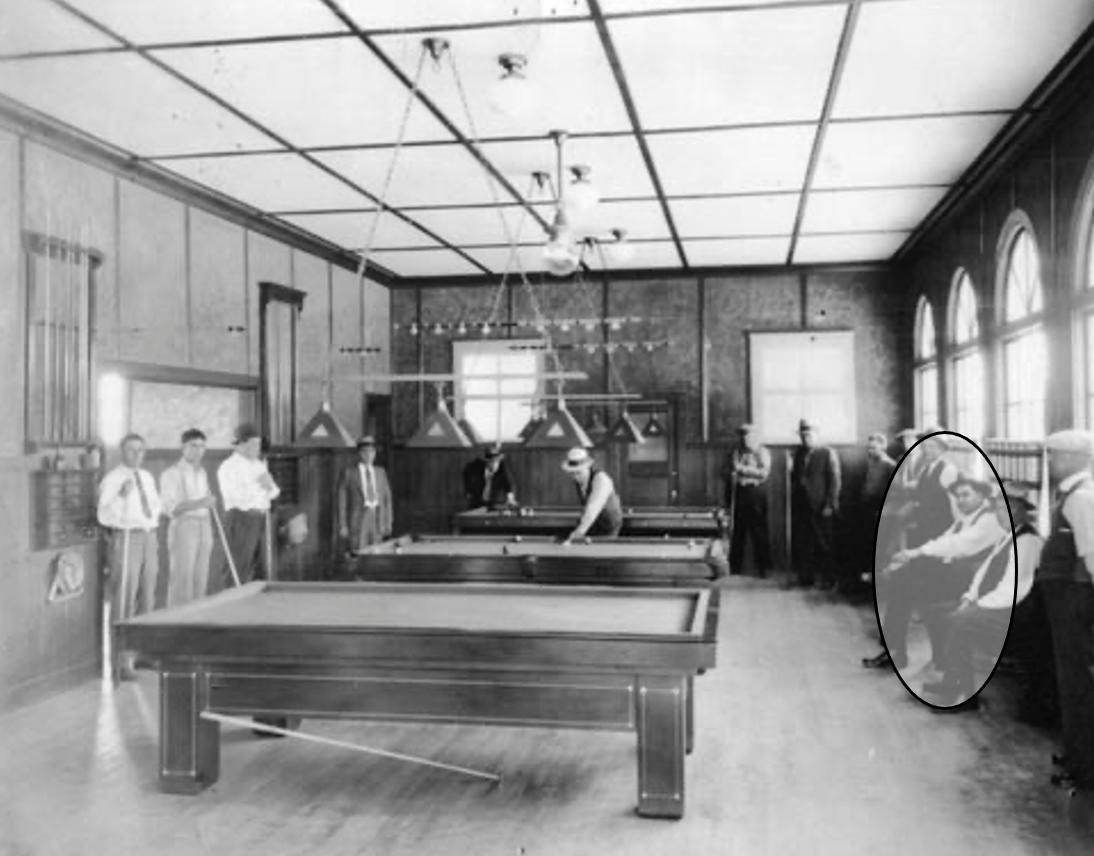
The North Side Gang attempts to assassinate powerful mob boss and rival Al Capone at the Hawthorne Hotel in Cicero, Illinois. Despite over a thousand rounds of submachine gun ammunition being fired, Capone escapes unharmed. (Capone favored the Central Coast as prime territory for bootlegging. By tradition, the photo below shows Capone shooting pool at what is today the Cool Cat Cafe in Pismo Beach. Those windows remain.)

October

6. Against the St. Louis Cardinals, The Yankees’ Babe Ruth hits three home runs in a World Series game, the first player ever to do so.

14. A.A. Milne’s children’s book Winnie-the-Pooh published by Methuen & Co. in London. (Eeyore fan here.)

22. Ernest Hemingway’s debut novel The Sun Also Rises is published. (About bulls but not balls.)

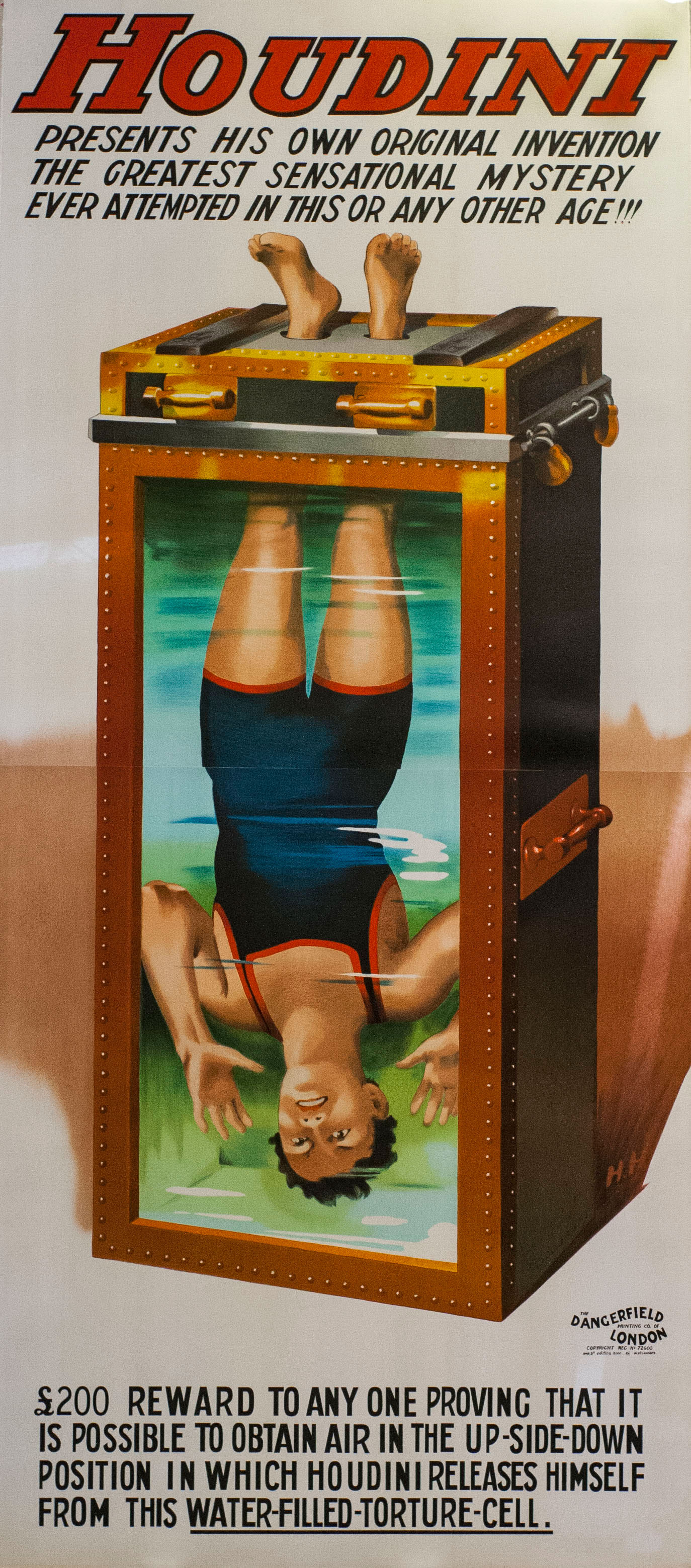
31. On Hallowe’en,  escapologist and illusionist Harry Houdini dies from sepsis after suffering a ruptured appendix during a dangerous escape attempt from a water tank.

November

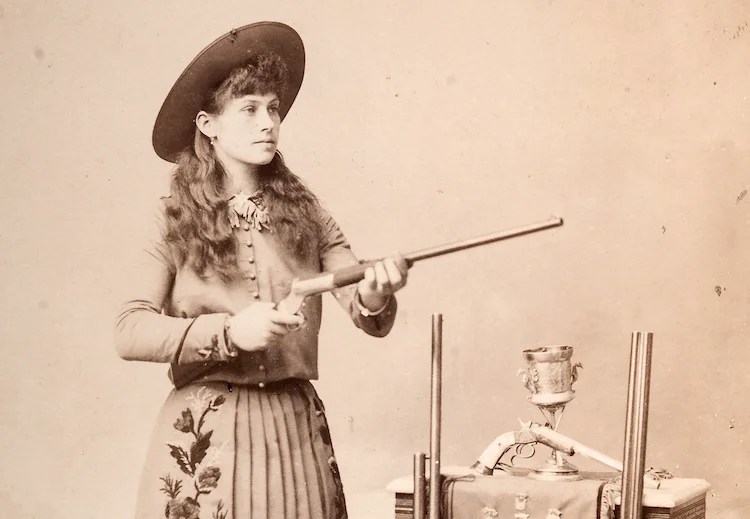
3. Sharpshooter Annie Oakley, star of Buffalo Bill’s Wild West show and later the subject of the musical Annie Get Your Gun, dies in Greenville, Ohio aged 66. (Sitting Bull, who befriended her, called her “Little Miss Sure Shot; the Wild West Show visited San Luis Obispo twice in the early 1900s.)

https://jimgregory52.com/2023/1/25/when-buffalo-bill-came-to-san-luis-obispo/: 1926: Oh, What a Year!

13. P. L. Travers’ short story “Mary Poppins and the Match Man” appears in The Christchurch Sun in New Zealand, marking the first published appearance of the eponymous character. (Mary’s a Kiwi!)

December

3. Mystery and thriller writer Agatha Christie disappears from her home in Surrey, England. She would be found 11 days later at a spa in Harrogate, purportedly suffering from amnesia.

5. Soviet silent film Battleship Potemkin is released in America, being shown in New York. (The stairway shootout in Kevin Costner’s The Untouchables is an homage to a similar scene in Potemkin.)

The staircase shootout, The Untouchables

5. French Impressionist painter Claude Monet dies in Giverny, aged 86. The only time I have ever time-traveled was thanks to Monet.

https://jimgregory52.com/2023/04/09/time-traveling-with-monet/

11. Adolf Hitler, leader of the Nazi Party, publishes Volume 2 of his manifesto Mein Kampf. (It is the safest place for Germans to hide their money, in that no one has ever read Volume 2.)

31. Buster Keaton’s brilliant film The General–his unlikely hero, a Southerner, steals a locomotive during the Civil War—debuts in Tokyo.

Thank you to historic newspapers.com

Three San Luis Obispo County soldiers in the Battle of the Bulge, December 1944

20 Saturday Dec 2025

Posted by ag1970 in Uncategorized, World War II

≈ Leave a comment

Tags

ardennes-offensive, battle-of-the-bulge, belgium, d-day, france, History, san-luis-obispo-county, wwii

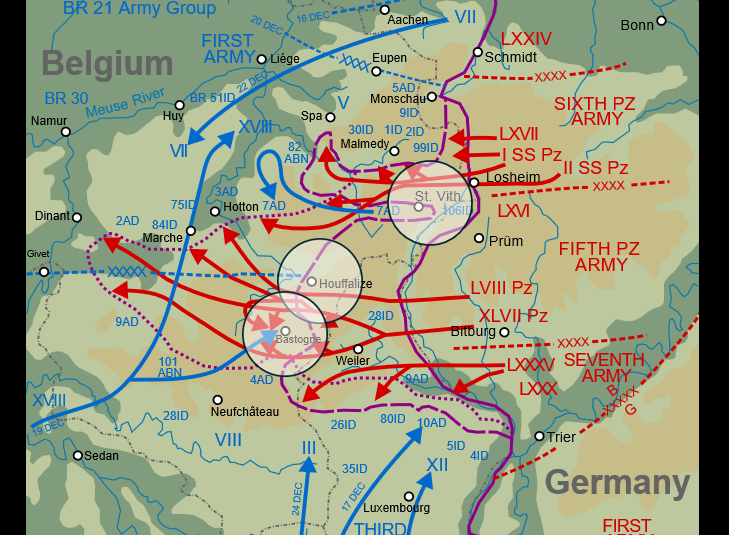
The “Bulge,” in the dotted line, indicates the depth of the German assault, intended to drive a wedge between the American and British armies and drive to the Channel.

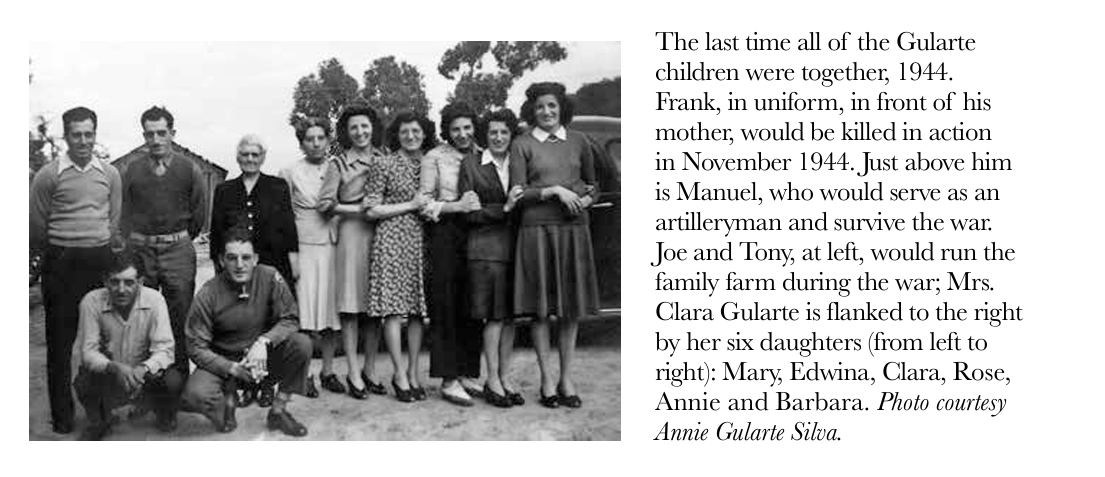
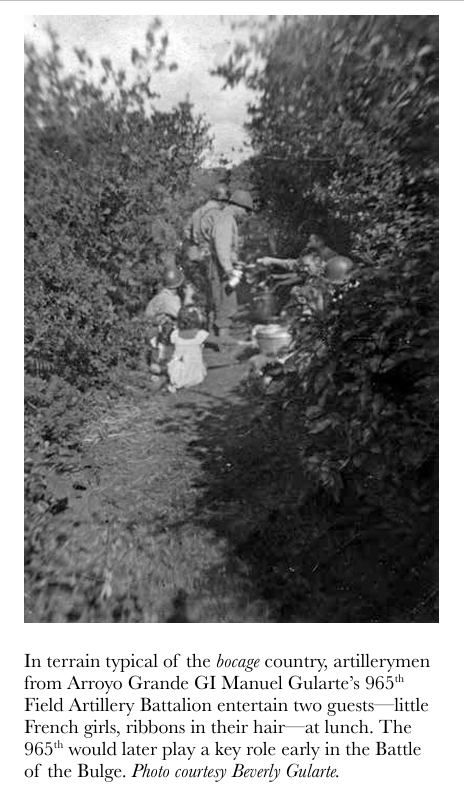
Manuel Gularte, Arroyo Grande, 965th Artillery Battalion

The 965th provided fire support at the town of St. Vith for the 7th Armored Division and the 106th Infantry Division. Their fire and the resistance of the two divisions stalled the German attack at its onset, which later took its toll as German tanks and trucks began to run out of fuel—by now, Berlin taxis were running on firewood. Oil had never been a German resource, which led to HItler’s Russian debacle. This was his Western Front disaster.

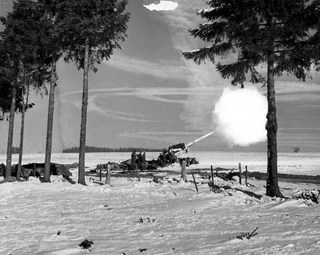
A 155mm “Long Tom” fires a round in the Battle of the Bulge.
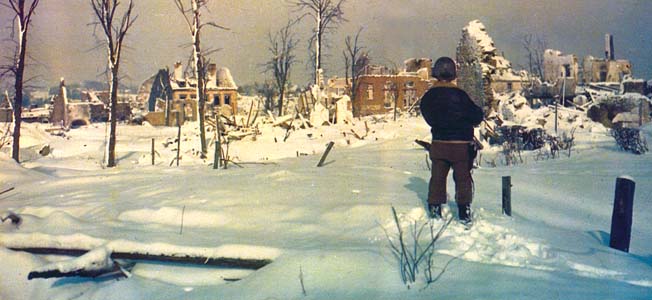
A G.I. in St. Vith.

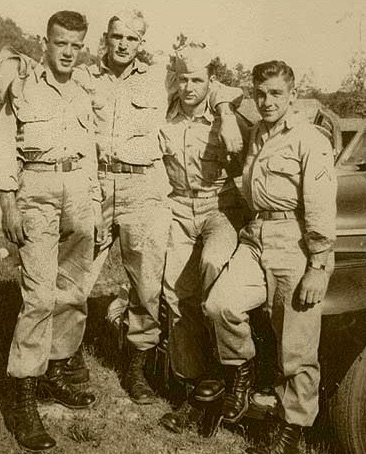
Art Youman, Arroyo Grande, 101st Airborne

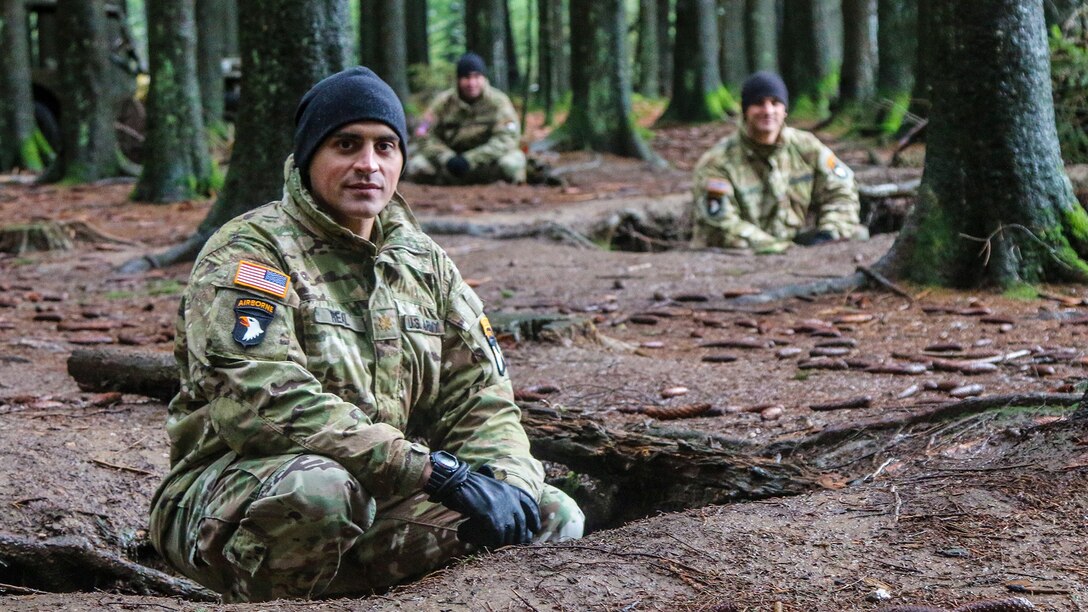
The “brothers” were Easy Company, 506th Parachute Infantry, 101st Airborne, and Youman, before the war a firefighter at Camp San Luis Obispo, was among them. He’d been promoted to Sergeant by Easy Company commander Dick Winters in Holland in September, and now the 101st was being asked to hold Bastogne, a Belgian town awash in the German advance. Their stand, during the coldest winter in Europe in thirty years, was, like St. Vith, a critical fight, diverting German forces determined to wipe the Americans out. They failed.

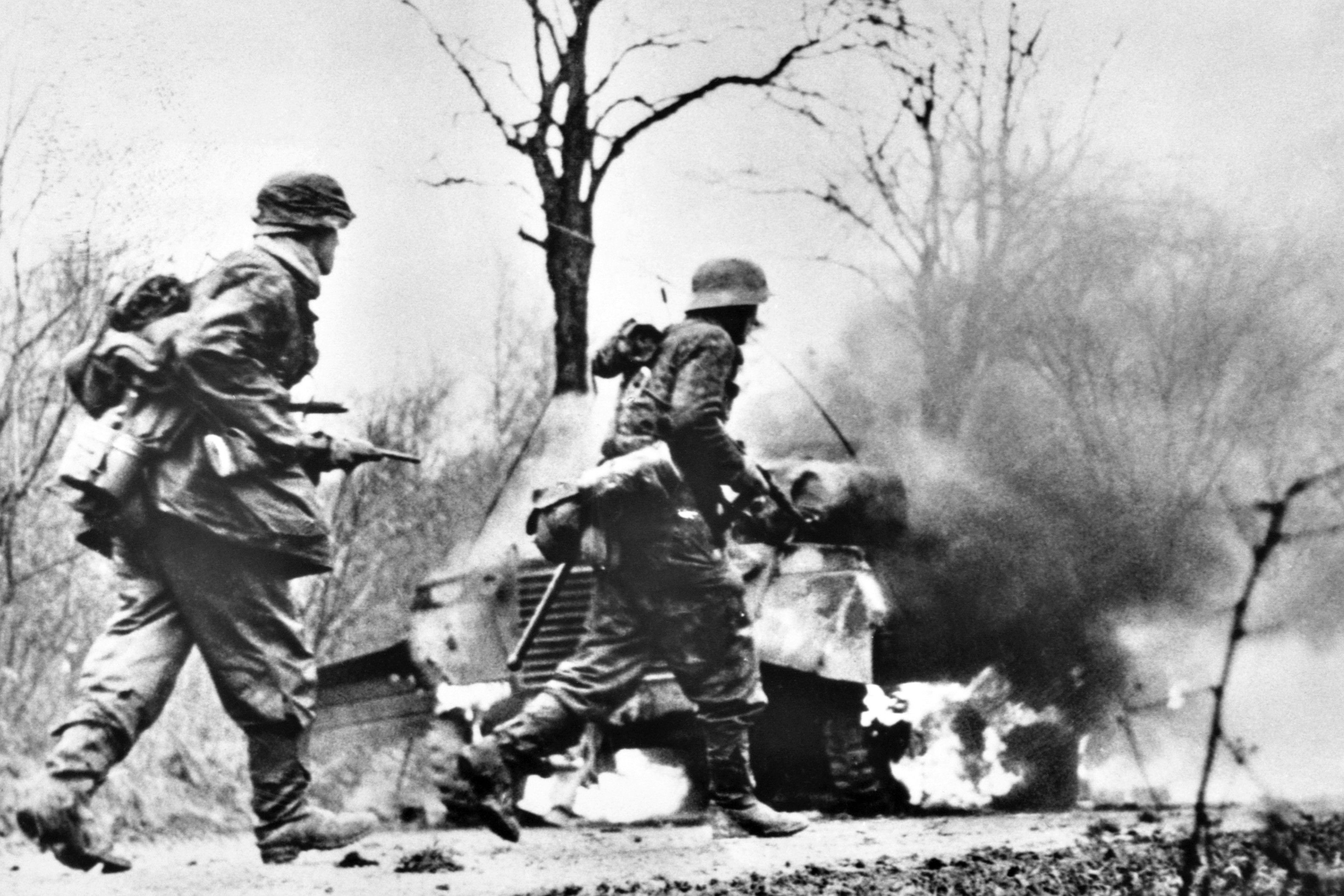
German infantry during their offensive.
Youman, second from left, during Easy Company training.

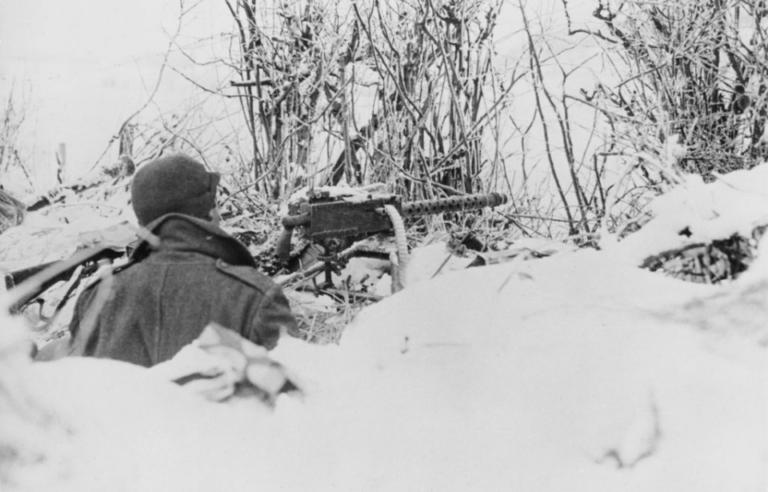
(Above): A 101st machine gunner in his foxhole; 101st soldiers in the 1944 foxholes their comrades had dug. This photo was taken 75 years after the Bulge.

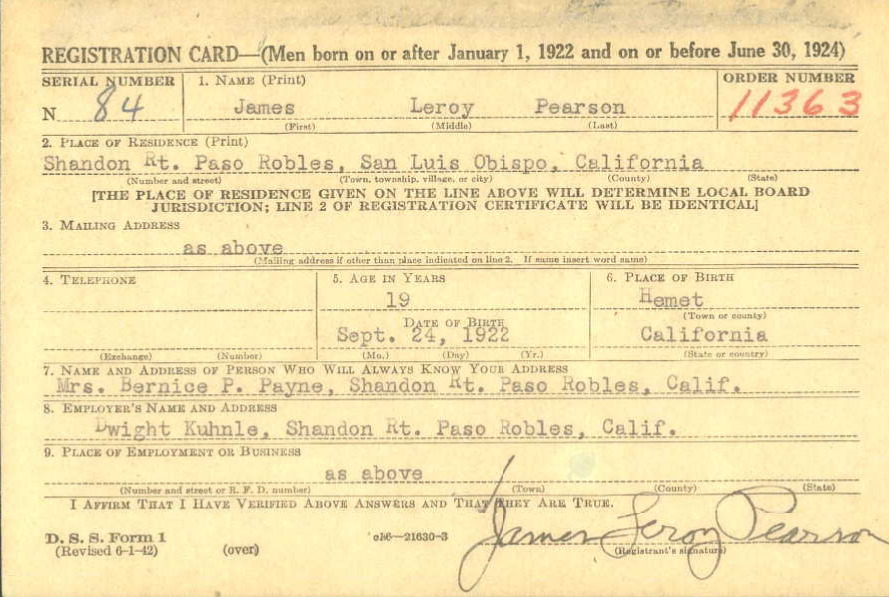
James Pearson, Paso Robles, 455th Bomb Squadron, 323rd Bomb Group

(Above: Houffalize, Belgium; a German Panther tank in the town center suggest this town’s importance in the Battle of the Bulge.

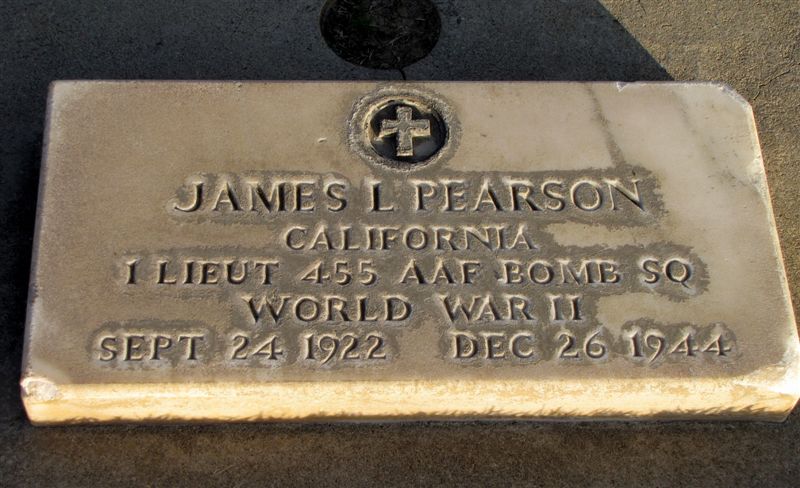
Another key turning point in the Battle of the Bulge was the lifting of a stubborn overcast, which allowed American airpower to assert itself. One medium bomber that participated in this effort, a Martin B-26 Marauder, had a crew that included 1st Lt. James Pearson, the navigator. On December 26, 1944, that aircraft, “Mission Belle,” was shot down over this beautiful town. There were no survivors.

Pearson’s draft card
He is buried in Hanford


“Mission Belle,” with an earlier aircrew, February 1944. The aircraft flew 149 combat missions.
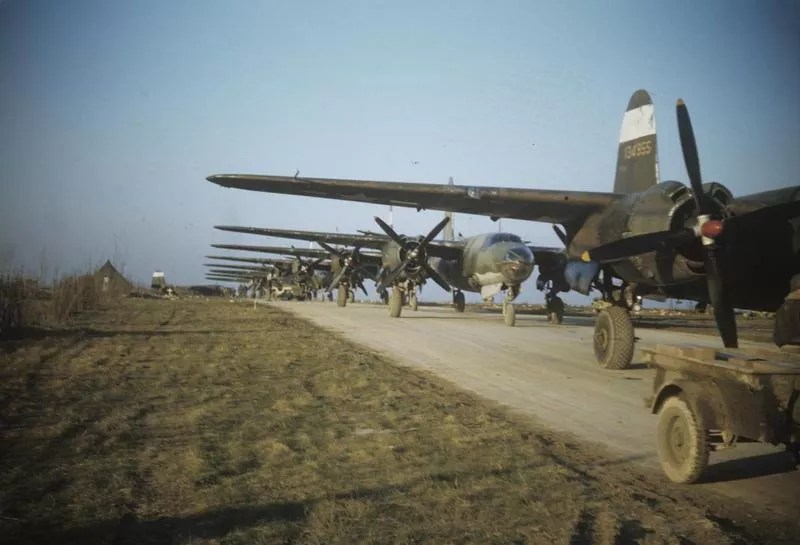
“Belle” at the right edge of this photo, taking off from Laon, France, in December 1944, the month Pearson was killed.


(Below): B-26 Marauders from Pearson’s bomb group–the “White Tails”–over Germany. The video’s music is touching, as is the sight, far below the Marauders, of P-38 fighters, which have connections to the Central Coast. You hope they are safely headed home.

An American Thanksgiving in England, 1944

22 Saturday Nov 2025

Posted by ag1970 in World War II

≈ Leave a comment

Tags

eighth-air-force, History, thanksgiving, world-war-ii-england

More and more, as I age (Oops! One arm just fell off!) the more I appreciate Thanksgiving.

We forget sometimes that it’s a uniquely American holiday, first declared by my foremost hero, Abraham Lincoln.

When I wrote a book about local World War II aviators, I found dozens of heroes. Most of them were Eighth Air Force fliers, stationed in England.

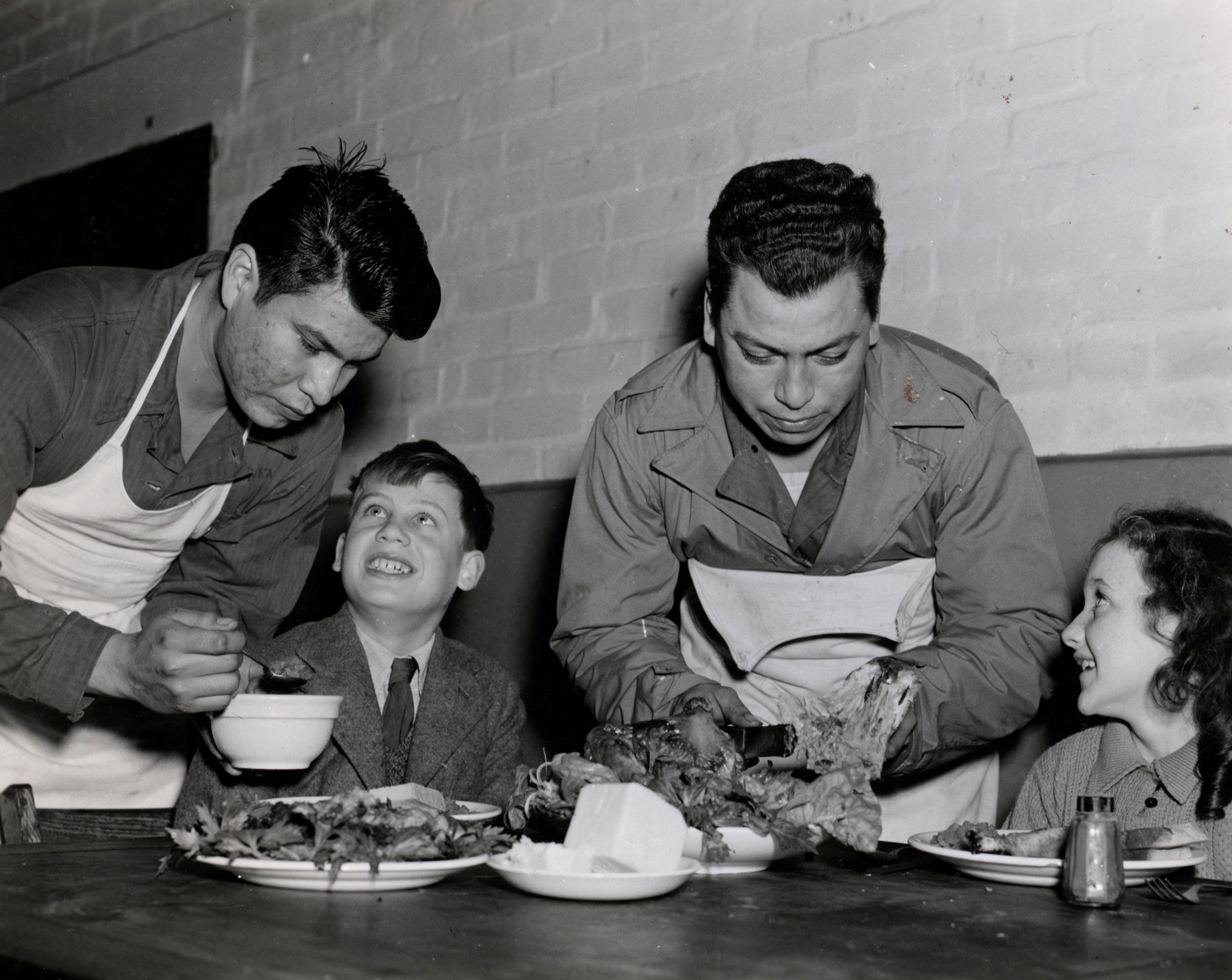
These photos show some of those Yanks. One teaches British war orphans about baseball.

Joseph Sleeping Bear, on the left, helps to serve a Thanksgiving meal to British kids.

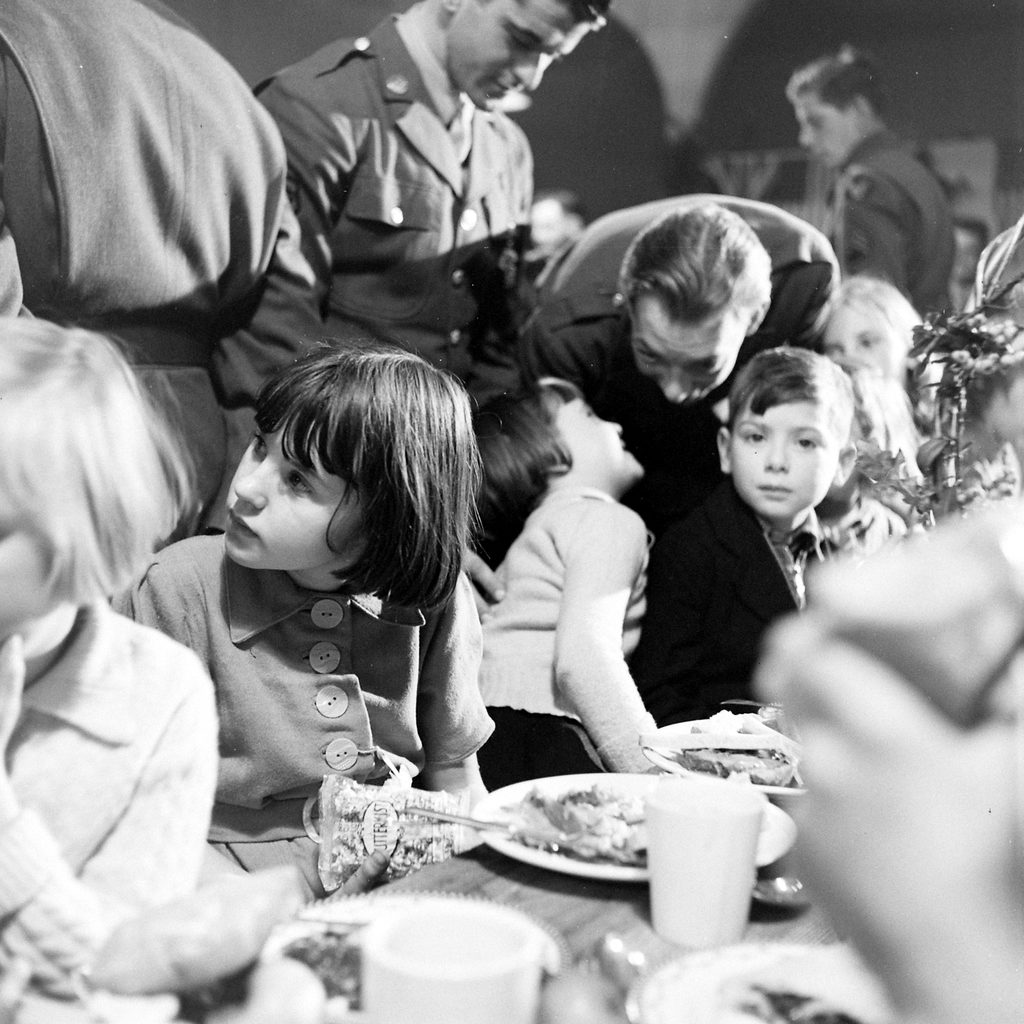
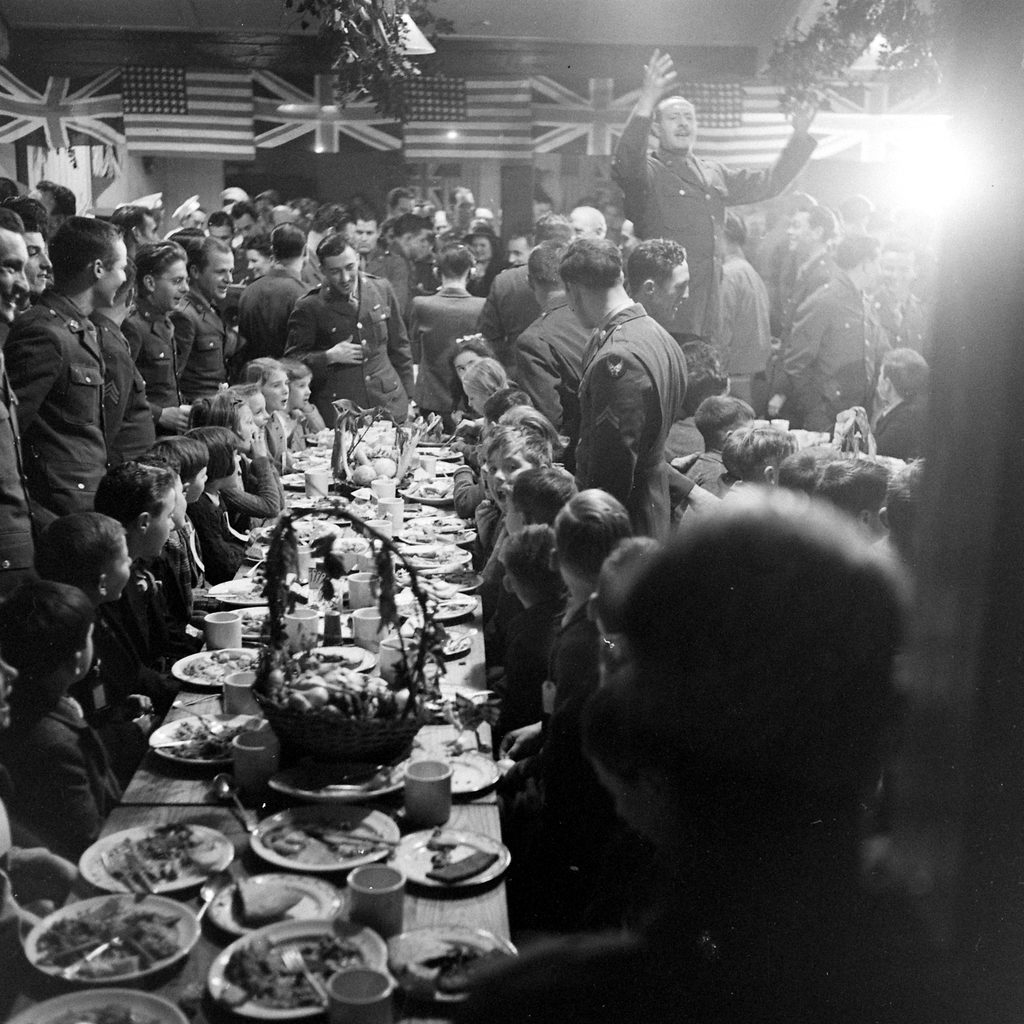
Two photos show a grander Thanksgiving celebration, with Army Air Forces officers in conversation with their little guests.

Sand
S

For British children, Thanksgiving was an impossible holiday. Thanks to the U-boat campaign, the British had been going hungry for years.

I’ve told the story before because I’m so touched by it. My father, an Army officer, was kind of “adopted” by a family in London–a common occurrence–and when he brought them a bag of California oranges in the summer of 1944, the family’s mother burst into tears. Her family hadn’s seen fresh oranges since 1939.
What the Yanks brought was their brashness, their loudness, and their determination to romance English girls–the elder sisters of children like these. So they left behind Anglo-American babies.

But they left behind their good will, offered in seemingly endless Hersey bars and spearmint gum. Their rough kindness remains vivid in the memories of children, now in old age, who will never forget the Americans.

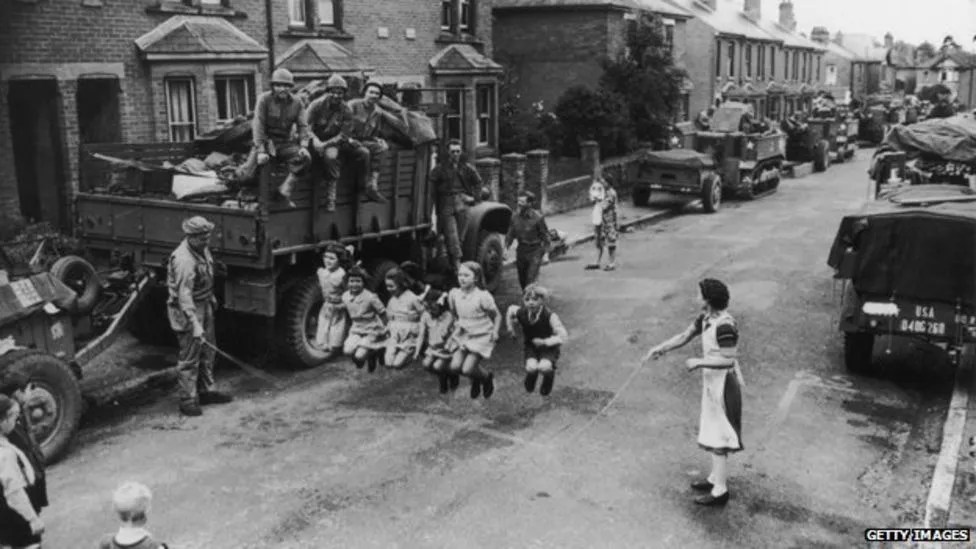
An American soldier, among those marshaling for D-Day in southern England, finds time for a little jump rope.
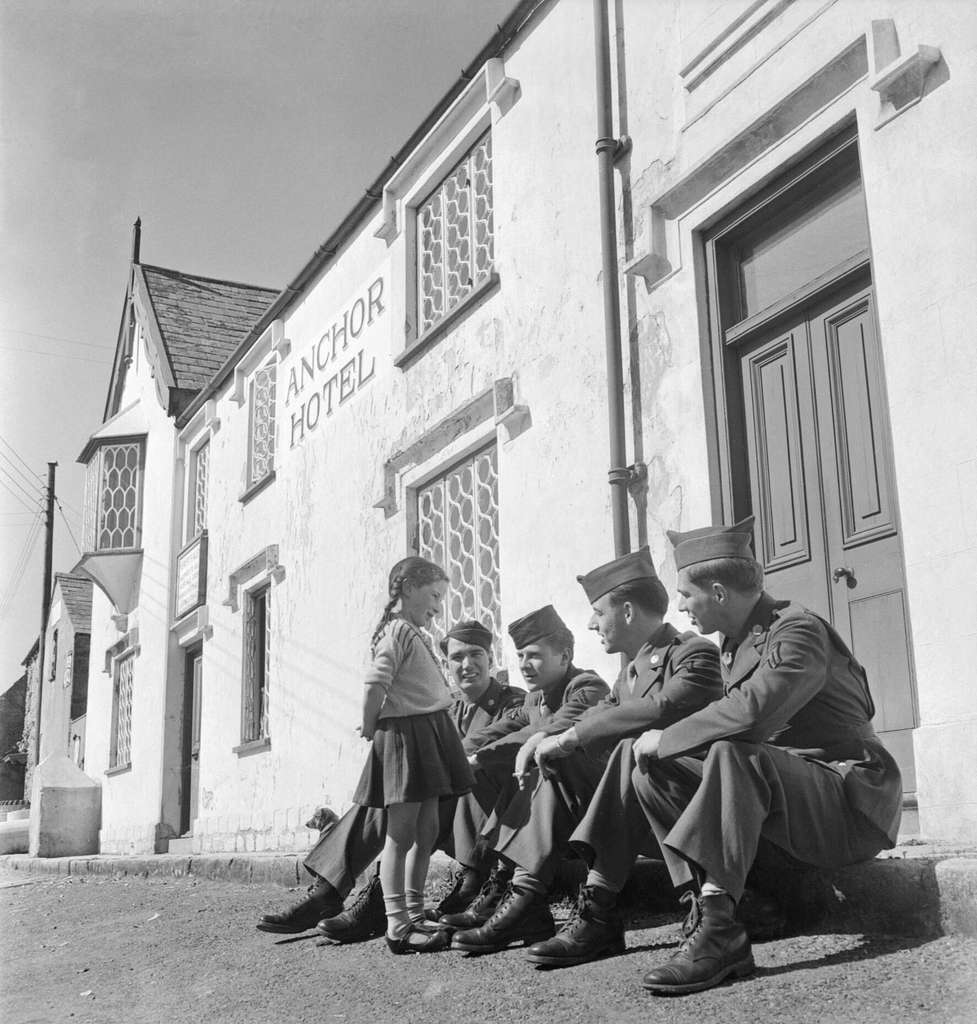
Yanks and “Freckles,” the little Dorset girl who befriended them.

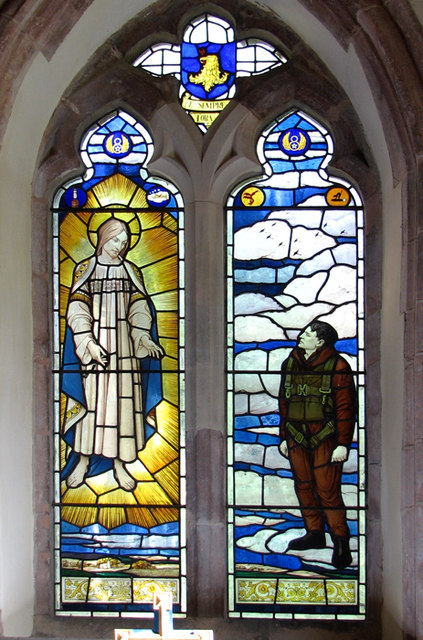
There’s proof of that remembering. The stained-glass window is from a church near a wartime airfield, RAF Alconbury, from which at least three Arroyo Grande airmen, B-17 crewmen, flew.

The left panel depicts the Risen Christ. In the right panel, looking up at Jesus, is a Yank airman.

I keep writing about this generation, stupidly condemned by prewar sociologists as self-centered and pleasure-seeking, because I loved my parents so much, and because the war brought out in these Americans the generosity that I think is a fundamental American trait.

It’s a trait that has been nearly destroyed in the last year.

Picture this about the impact we had in England: On nearly every heavy bomber mission taking off from nearly every American airfield in England, little schoolchildren would gather to line the airfield’s perimeter fence.

They were there to wave goodbye to their Yanks.


Addenda: This kind comment appeared in he original Facebook post of this essay.


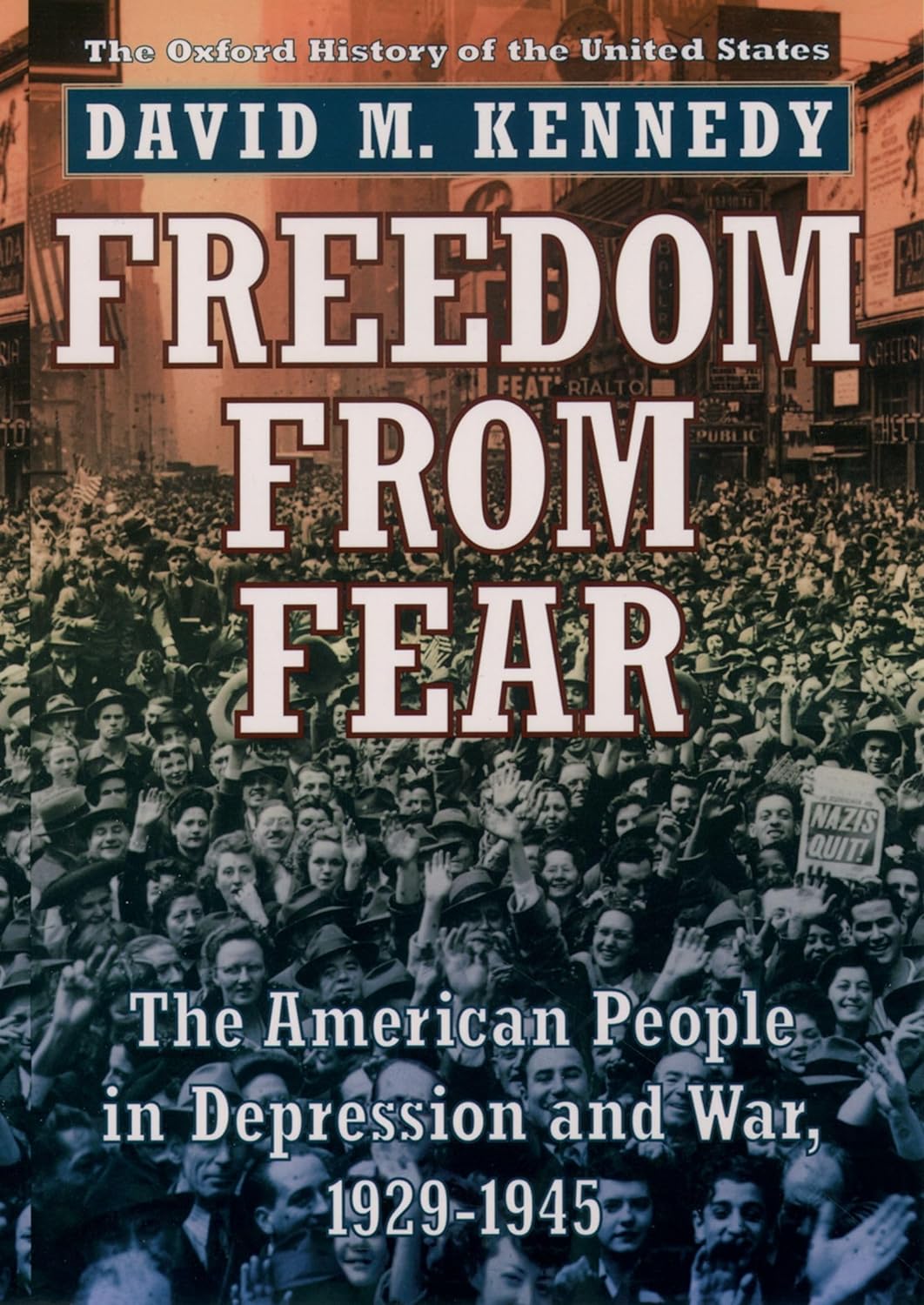
Stanford history professor David M. Kennedy published the book Freedom from Fear, about America in depression and war. It won the Pulitzer Prize.


I took a weeklong class from Kennedy, along with thirty history teachers from all over America, at Stanford in 2004. It was one of the great experiences of my life: Kennedy was warm and engaging, answered questions with both brilliance and respect, and his admiration for the Americans he’d written about was obvious. My admiration for Kennedy will remain with me always.

War and Innocents

18 Tuesday Nov 2025

Posted by ag1970 in World War II

≈ Leave a comment

Tags

History, japan, mrs-hall-all-creatures, pearl-harbor, politics, prince-of-wales, repulse, wwii

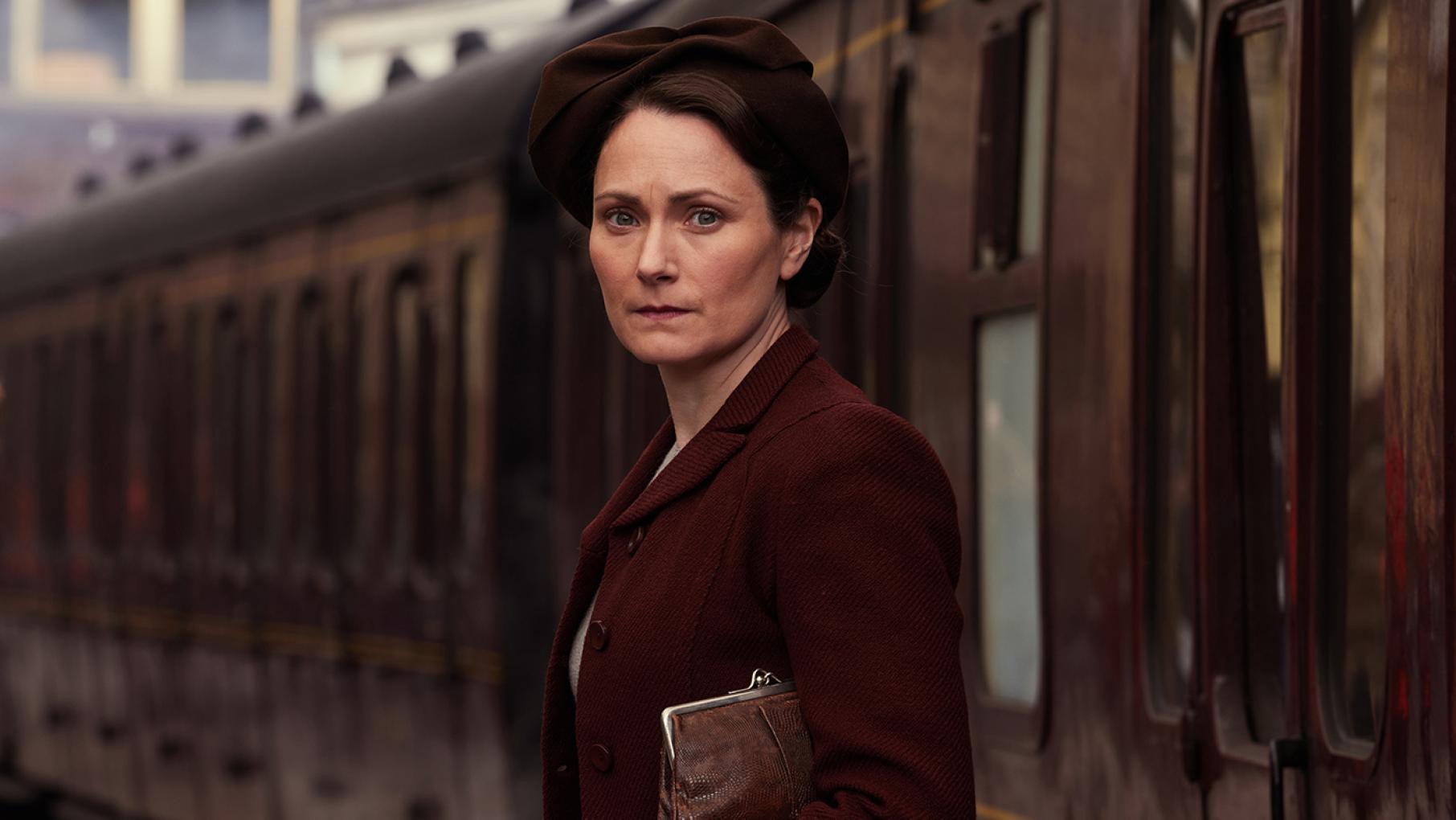
Last night, PBS reprised the 2024 All Creatures Great and Small Christmas episode. It tugged, as usual, at the heartstrngs, but this was set at Christmas 1941, when the world had gone quite mad.

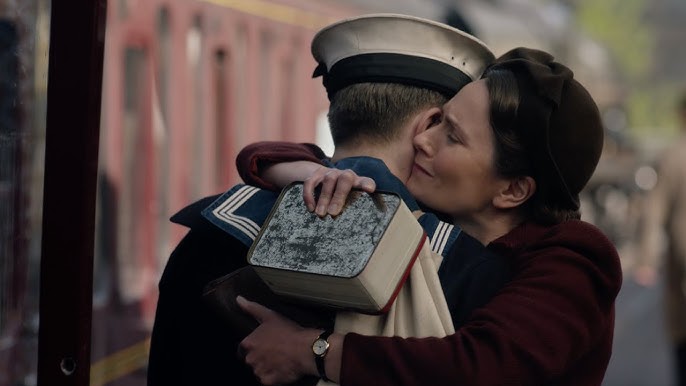
Earlier in the season, the housekeeper, Mrs. Hall, had reunited with her estranged son, only to see his train take him away to a war in progress in Britain since 1939, and to his duty in the Royal Navy.
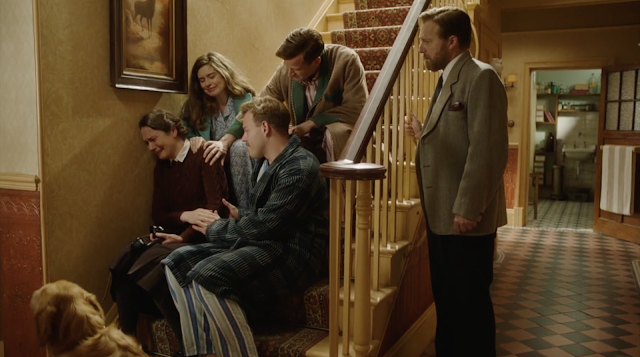
Word comes over what was called the wireless that her son’s ship, the battle cruiser HMS Repulse, has been sunk, along with the battleship Prince of Wales. The Farnons and the Herriots were about to attend to Christmas dinner when Siegfried, the head of the veterinary practice, had to break the news to the woman who is the emotional glue of the home. When she collapses, the ripple that spreads through Skeldale House is seismic.

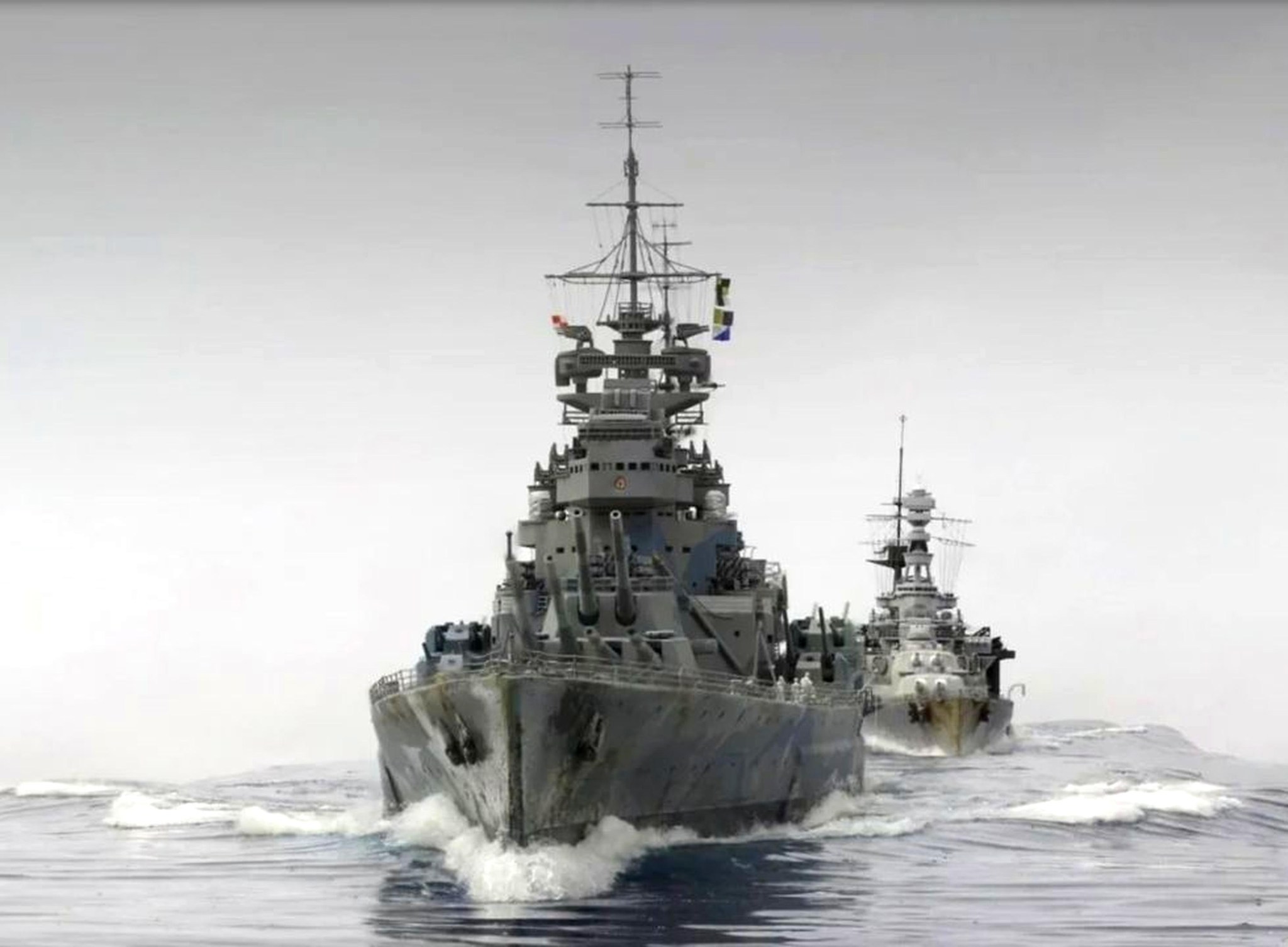
The news shouldn’t have been brought because the tragedy shouldn’t have happened. Only three days after Pearl Harbor, the two great ships sailed north heedlessly, without air protecton, and, just as Pearl Harbor had proven, battleships were vulnerable to air attack. 840 British sailors died, the victims of that terrible and seemingly congenital White Man’s disease, arrogance. Swarms of Japanese planes descended on the pride of the Royal Navy in the Far East. Twenty-eight Japanese aviators gave their lives for their country in a running battle that lasted a little over an hour.

The illustration depicts Prince of Wales with Repulse in her wake.

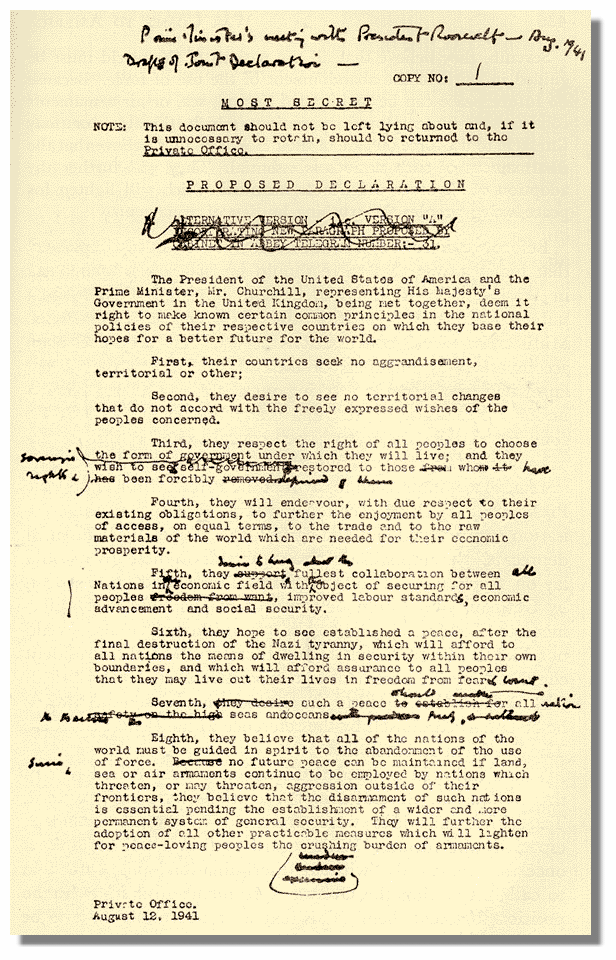
The loss of Prince of Wales would have resonance in America, waiting to learn about the destruction wreaked on the American base at Pearl Harbor. The British battleship represented the birth of the Anglo-American alliance that seems to be in grave danger today. It was on Prince of Wales, off the coast of Newfoundland, where Winston Churchill and Franklin Roosevelt met—in person, for the first time— for a conference that concluded with the issuing of The Atlantic Charter, a set of principles that seem to be in grave danger, as well. This is Churchill’s annotated copy:


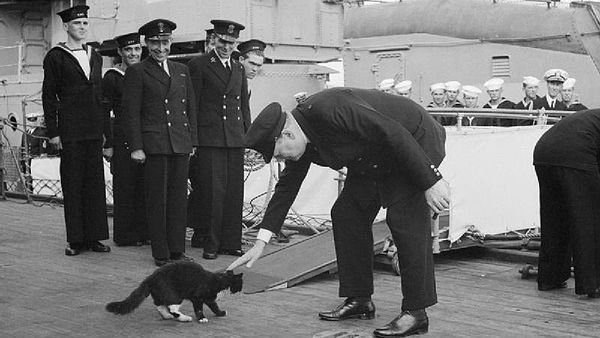
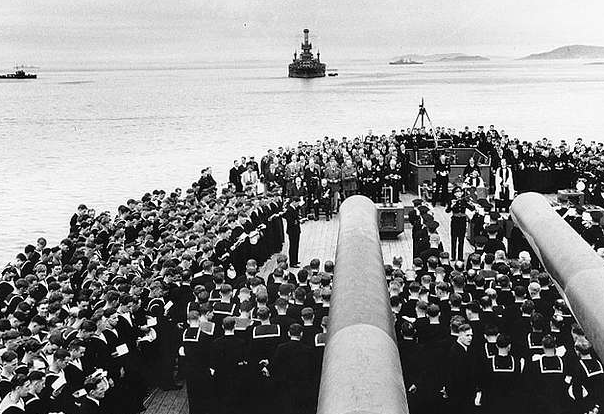
(Above) Churchill, always fond of cats, greets Prince of Wales mascot Blackie on arriving for the conference. Blackie survived the battleship’s sinking; many of the sailors, attending divine services with the two leaders, would not.

The great ship was ideal for the meeting between the president and the prime minister. One of the similarities that cemented their friendship was their love for the navy. Churchill had served as First Lord of the Admiralty (he used the term “Naval Person” to refer to himself in his correspondence with Roosevelt) FDR, like his wife’s uncle Theodore, had served as Assistant Secretary of the Navy.

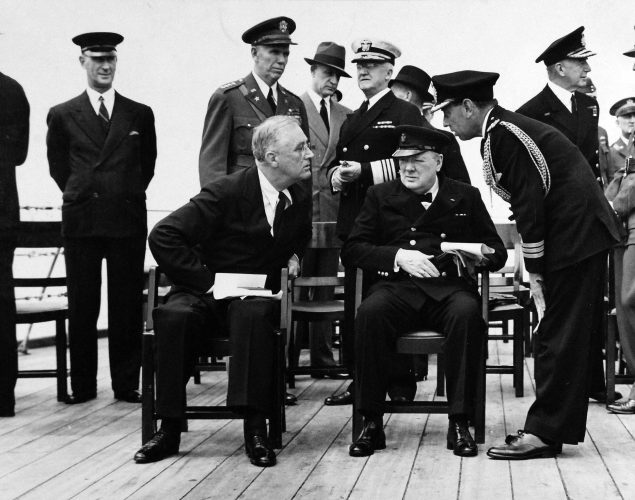
FDR and Chuchrill aboard Prince of Wales. Gen. George Marshall is just behind the president.

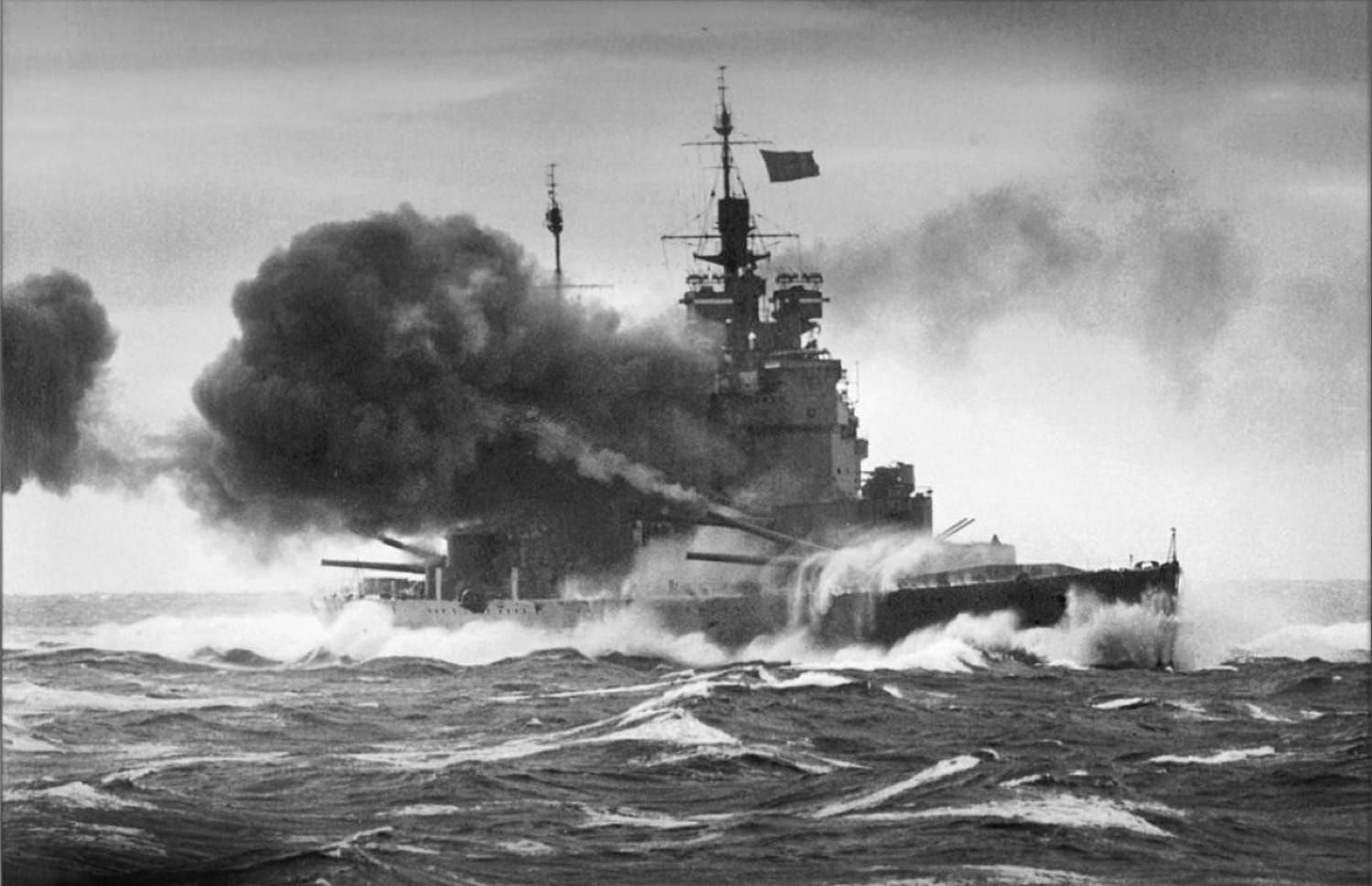
Three months later, it was appropriate that another battleship, HMS Duke of York ( engaging a German battleship, Scharnhorst, in the 1943 photo below) brought Churchill to America.

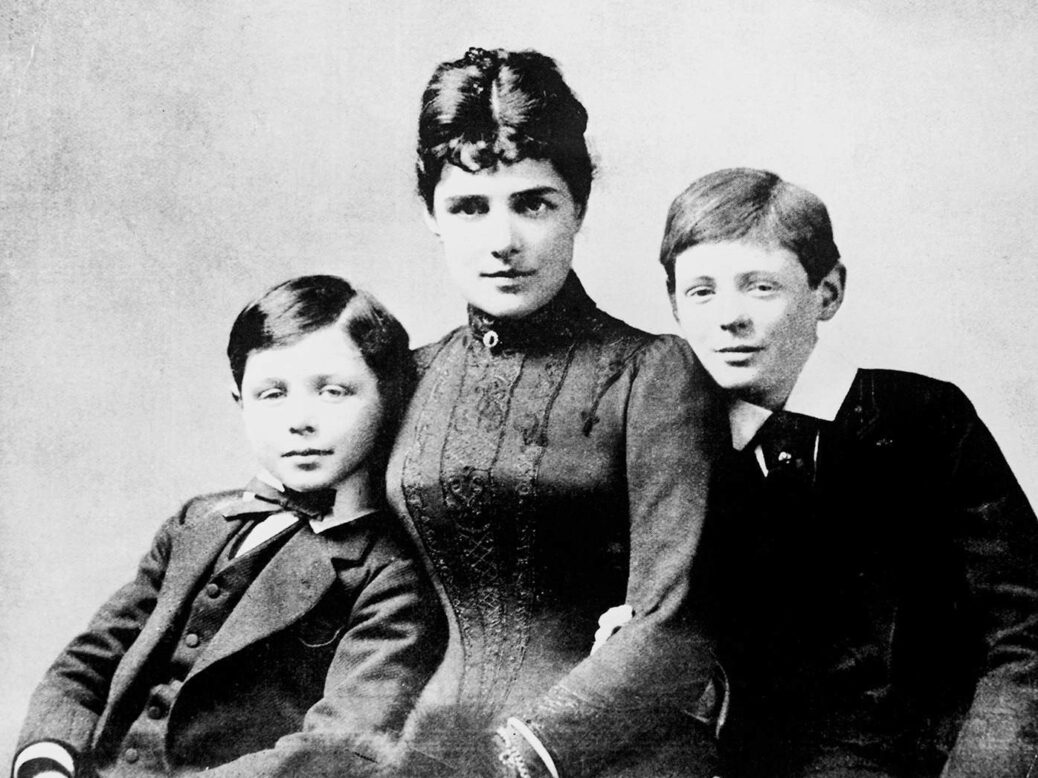
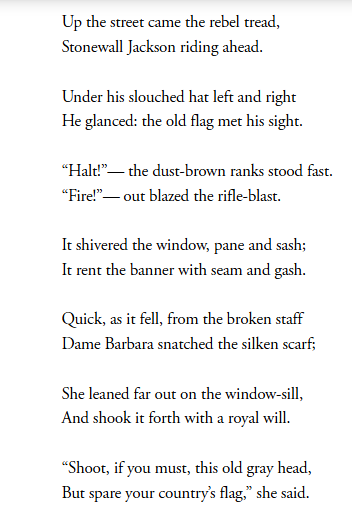
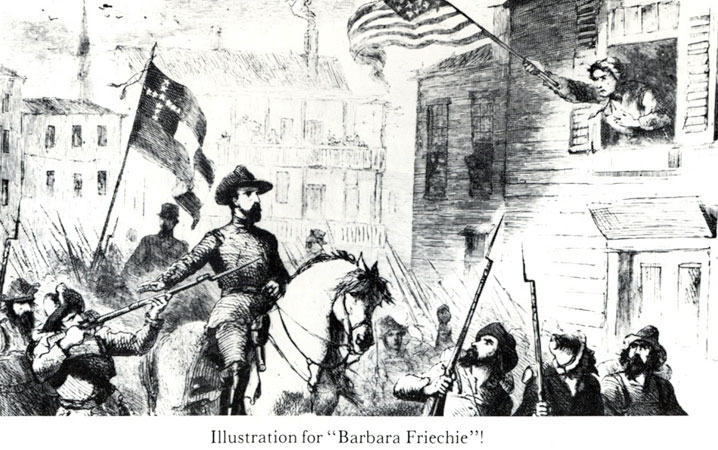
On the way to the White House, motoring through Maryland, the Prime Minister regaled the President by reciting, from memory, the Whittier poem “Barbara Fritchie,” about an elderly Frederick, Maryland, woman who defied the invading Confederates by waving the American flag out her window. The poem is very long and not very good, but Churchill relished it—reminding his hosts that he, thanks to his mother, Jennie, was half-American.

Jennie Jerome Churchill and her sons, Jack and Winston

Lee’s troops in Frederick, September 1862. They’re on their way to Antietam, the costliest battle in American history.

Churchill arrived at the White House on December 13 and didn’t return home until January 17, 1942. Along the way he horrified White House staff with his breakfast orders, which included copious amounts of whiskey and soda, remained naked—not counting the cigar— and pink as a cherub when the president visited him immediately after a bath. Churchill, a late-late riser, worried Eleanor because he kept her husband up until the wee hours; the P.M. also made discreet use of the White House’s potted plants because the president adored cocktail hour and invented concoctions for his guests that were said to be truly dreadful.

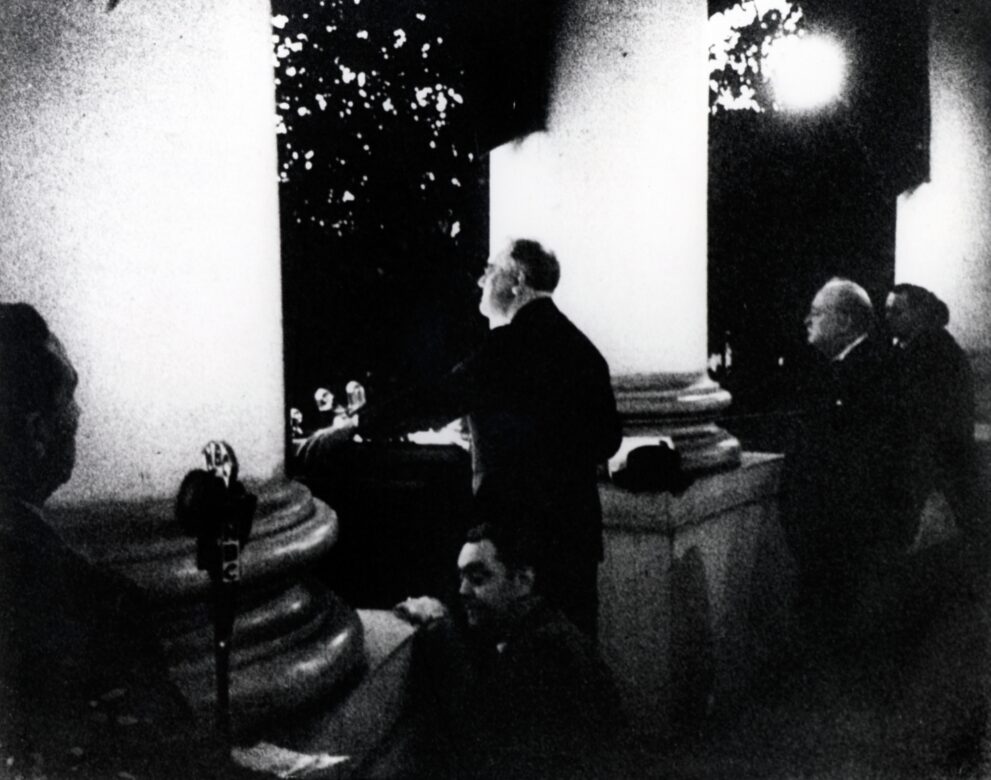
Churchill, to FDR’s right, witnesses the lighting of the National Christmas tree, December 24, 1941.

The meetings were productive but fraught: The two leaders (Churchill may have had a mild heart attack) were enduring the aftershocks of Pearl Harbor and the capital ships’ sinkings: Japanese troops were advancing rapidly in the Philippines, the fall of Hong Kong on Christmas Day crushed the prime minister.

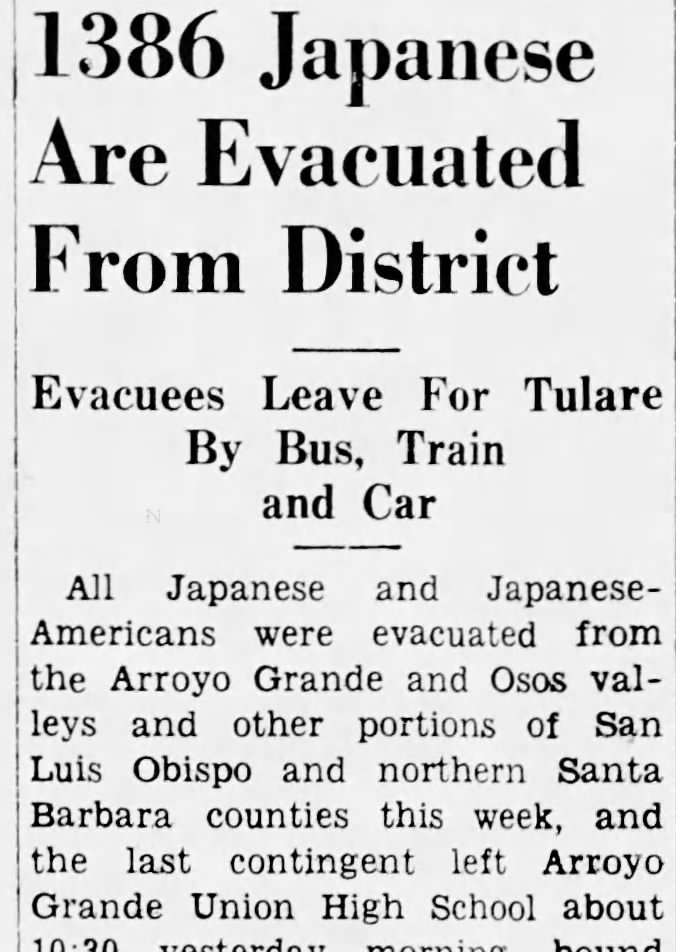
Historians theorize that these runaway Japanese successes, and FDR’s fondness for his new friend, played a key role in the president’s decision to issue Executive Order 9066, which was enforced here, in Arroyo Grande, 2400 miles from Pearl Harbor, 2800 miles from Washington DC and 5400 miles from London.

The aftershocks of December 1941 finally crested here on April 30, 1942. This war spared no one.

← Older posts

Subscribe

  • Entries (RSS)
  • Comments (RSS)

Archives

  • June 2026
  • May 2026
  • April 2026
  • March 2026
  • February 2026
  • January 2026
  • December 2025
  • November 2025
  • October 2025
  • September 2025
  • August 2025
  • July 2025
  • June 2025
  • May 2025
  • April 2025
  • March 2025
  • February 2025
  • January 2025
  • December 2024
  • November 2024
  • October 2024
  • September 2024
  • August 2024
  • July 2024
  • June 2024
  • May 2024
  • April 2024
  • March 2024
  • February 2024
  • January 2024
  • December 2023
  • November 2023
  • October 2023
  • September 2023
  • August 2023
  • July 2023
  • June 2023
  • May 2023
  • April 2023
  • March 2023
  • February 2023
  • January 2023
  • December 2022
  • November 2022
  • October 2022
  • September 2022
  • August 2022
  • May 2022
  • April 2022
  • March 2022
  • February 2022
  • January 2022
  • December 2021
  • November 2021
  • October 2021
  • September 2021
  • August 2021
  • July 2021
  • June 2021
  • April 2021
  • March 2021
  • February 2021
  • January 2021
  • December 2020
  • November 2020
  • August 2020
  • July 2020
  • June 2020
  • May 2020
  • April 2020
  • January 2020
  • December 2019
  • November 2019
  • October 2019
  • September 2019
  • August 2019
  • May 2019
  • April 2019
  • March 2019
  • February 2019
  • January 2019
  • December 2018
  • November 2018
  • October 2018
  • September 2018
  • July 2018
  • June 2018
  • May 2018
  • April 2018
  • March 2018
  • February 2018
  • January 2018
  • December 2017
  • November 2017
  • October 2017
  • April 2017
  • March 2017
  • December 2016
  • November 2016
  • October 2016
  • September 2016
  • August 2016
  • July 2016
  • June 2016
  • April 2016
  • March 2016
  • February 2016
  • January 2016
  • December 2015
  • November 2015
  • October 2015
  • September 2015
  • August 2015
  • July 2015
  • June 2015
  • May 2015
  • April 2015
  • March 2015
  • February 2015
  • January 2015
  • December 2014
  • November 2014
  • September 2014
  • August 2014
  • July 2014

Categories

  • American History
  • Arroyo Grande
  • California history
  • Family history
  • Film and Popular Culture
  • History
  • News
  • Personal memoirs
  • Teaching
  • The Great Depression
  • trump
  • Uncategorized
  • World War II
  • Writing

Meta

  • Create account
  • Log in

Blog at WordPress.com.

  • Subscribe Subscribed
    • A Work in Progress
    • Join 69 other subscribers
    • Already have a WordPress.com account? Log in now.
    • A Work in Progress
    • Subscribe Subscribed
    • Sign up
    • Log in
    • Report this content
    • View site in Reader
    • Manage subscriptions
    • Collapse this bar

Loading Comments...