

The victims of the airstrike on the Iranian girls’ school, wrapped in mourning, await their burial.
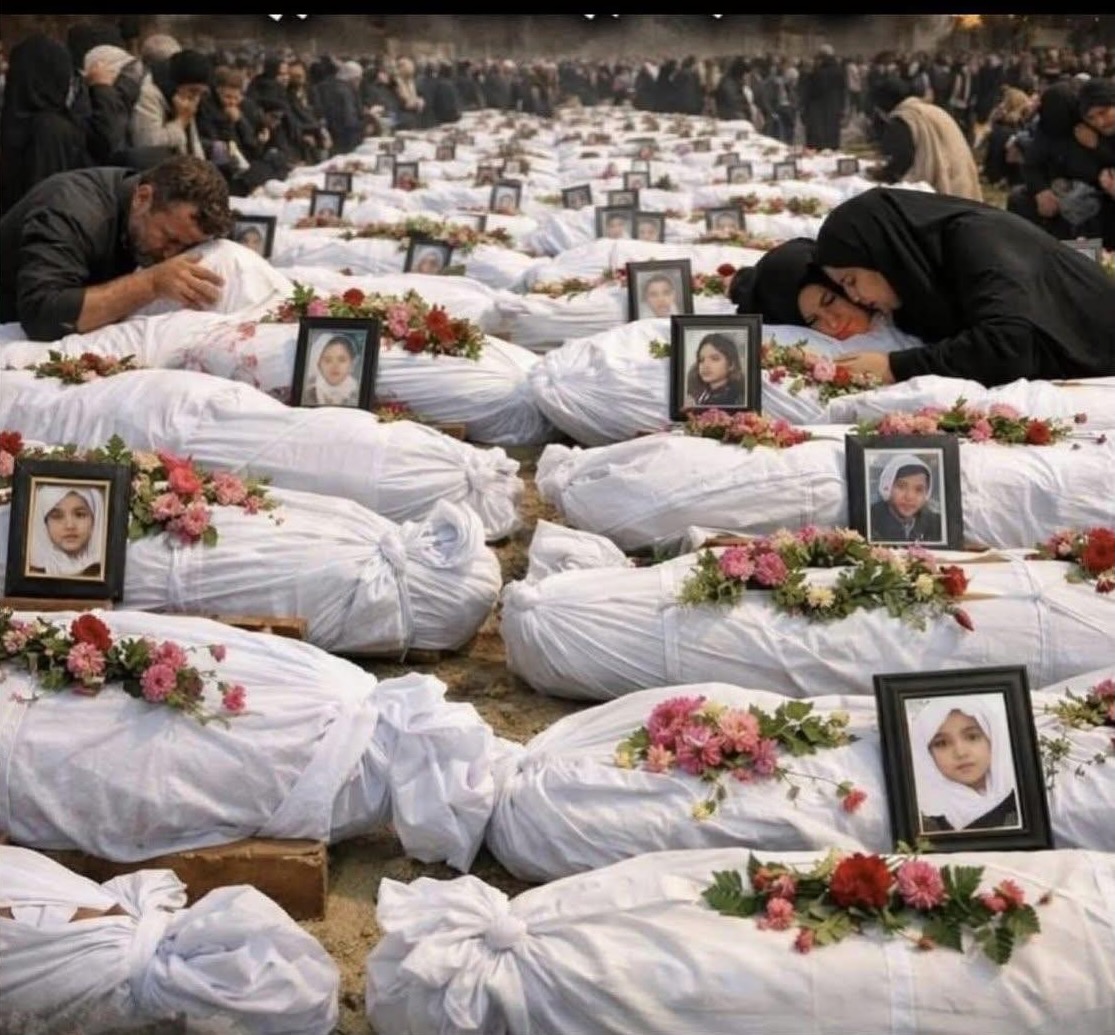
This was evocative to me because it reminded me of an American tragedy that I taught every year to my AGHS students.
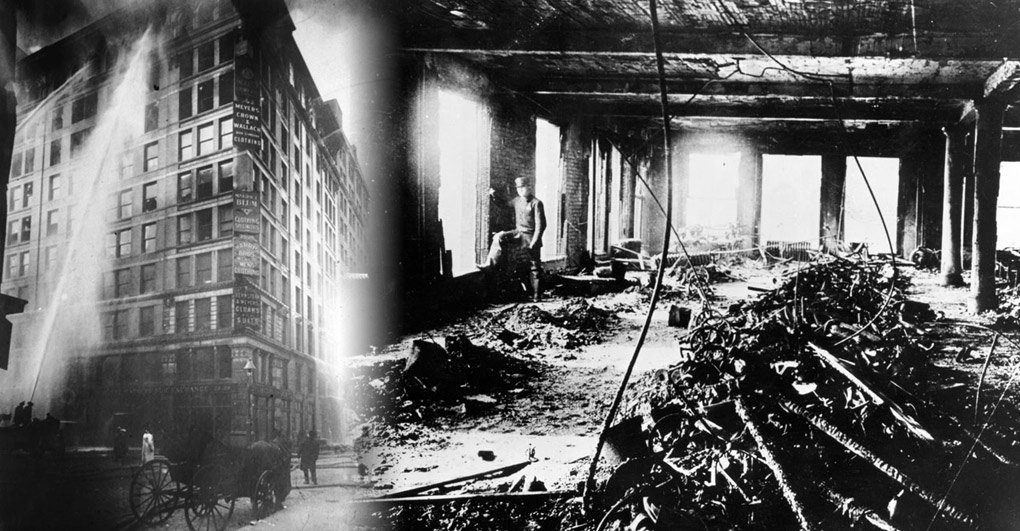
In 1911, the Triangle Fire in New York City claimed the lives of seventeen men and 129 women. Most of the women, garment workers, were the daughters of Jewish or Italian immigrants, and most were in their teens.
The factory fire escape doors were locked on the outside.
.
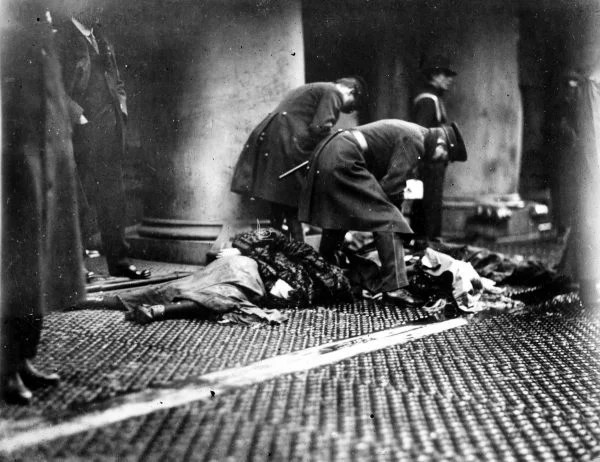
Those are NYPD officers tending to the jumpers. The story my students read, a vivid piece of newspaper reportage, had a young man and a young woman jumping together, holding hands. The reporter described the sound of the bodies hitting the sidewalk, as painful in 1911 as the sound would be in the falls to the final floors of the 2001 World Trade Center.
And these are the coffins of the victims, awaiting identification.
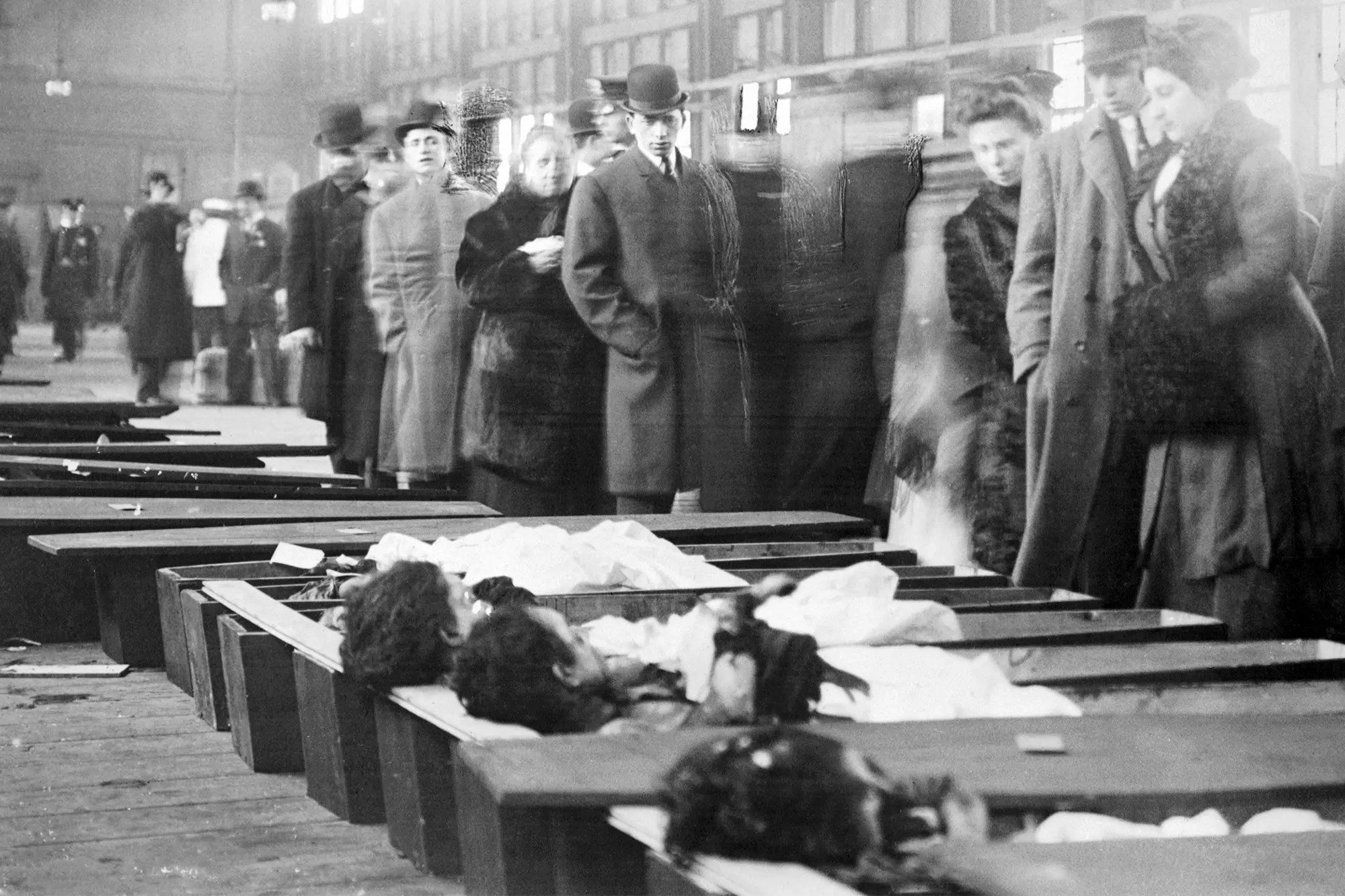
Thirty-six engagement rings were recovered from the factory ruins.
Our much-loved niece, Emily, is a graduate of NYU. The Brown Building there was rebuilt from the Triangle Fire. Night-shift custodians hear rapid footsteps on the stairwells, They hear screams. Sometimes a lecturer will pause in mid-sentence because she, and her class, can hear, albeit faintly, the crackling of flames.
I compare the two because brutality has such a long and painful half-life. We will live with the little girls of Tehran for a lng time to come. They may have died at the hands of Americans; they may have died at the hands of Israelis.
That doesn’t really matter, does it?
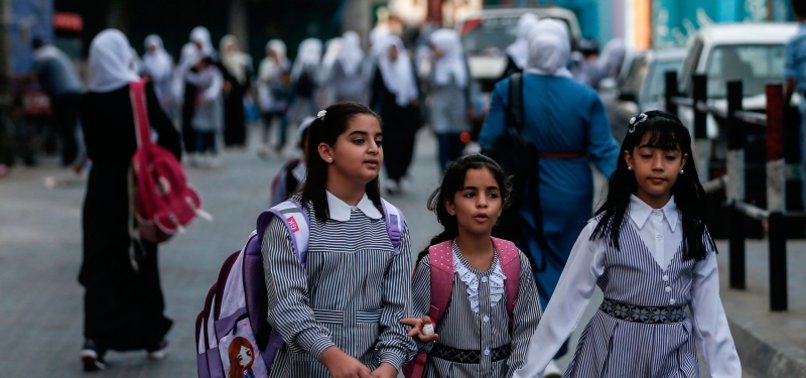
The little girls of Tehran were our little girls, too.
The bitterness I’ve felt in the last 72 hours—I have no patience for stupidity when it’s coupled with brutality—grows even more painful when I listen to what Anthony Bourdain taught me.
 A Work in Progress