
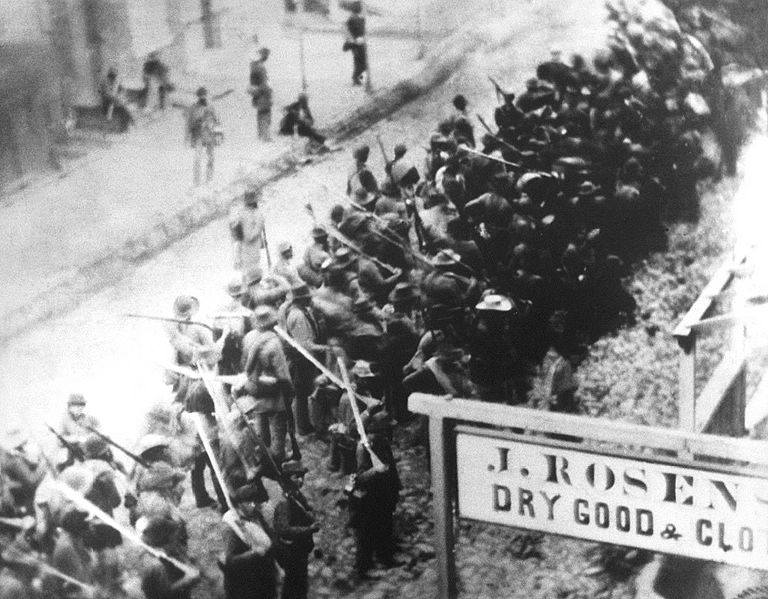
Captain Renault: What in heaven’s name brought you to Casablanca?
Rick: My health. I came to Casablanca for the waters.
Captain Renault: The waters? What waters? We’re in the desert.
Rick: I was misinformed.
I was thinking of this exchange from Casablanca when I wrote the passage below for the Civil War book Patriot Graves. In truth, I was thinking also of Donald John Trump.
The memories of Nat Turner’s slave rebellion in 1832 South Carolina remained vivid, and John Brown’s raid on Harpers Ferry in 1859 generated the hysteria that so characterized the election of 1860, when Lincoln was variously portrayed as an abolitionist, a miscegenationist, and a complicit slave insurrectionist. Southern politicians and propagandists were just as skilled then as similar figures are today in persuading poor and working-class white men to support a social order that in reality worked against them and for those at the apex of society.
As you must know, I am descended from and named for two Confederate officers—both died in 1862—Gen. James H. McBride and his staff officer son, Douglas.
I think that’s why the Daughters of the Confederacy were so keen on having me as a guest speaker, I had to write them back and inform that yes, indeed, according to the Ordinances of Secession, the ancestors they so admire did, in fact, fight for the preservation and extension of slavery.
But the Fire-eaters, the most rabid of antebellum Southern politicians, convinced them that Lincoln was a monster and what the North wanted more than anything was the destruction of the South’s “way of life.”
So, like Humphrey Bogart’s Rick, they were misinformed. The Daughters of the Confederacy did not care to be informed.
But what continues to pull at me is the undeniable fact Confederates, like Stonewall Jackson’s “foot cavalry,” like John Bell Hood’s Texans, like John B. Gordon’s Georgians, like Jeb Stuart’s horse soldiers, were, without the slightest doubt in my mind, the finest soldiers that the mid-Victorian world produced. They had no equals until Grant and Sherman discovered that, in fact, they did, among the northerners they commanded, in the last year of the Civil War.
Without waving a Confederate battle flag, that’s why this part of April moves me: The war was coming to its end, but the starving remnants of Lee’s army, eating the bark off trees during their march toward Appomattox, finally met their destiny on April 9, at a little hamlet, Appomattox Court House.
April 6 and 7 were decisive. April 6, at Sailor’s Creek, was uniquely tragic.
Here, on April 6, George Custer’s cavalry, including Charles Clark, fresh off his regiment’s destruction of the supply train, attacked a gap in the retreating Confederate columns led by James Longstreet. As infantry from two Union corps began to arrive, their men cheering Philip Sheridan at his appearance, the battle became general and it was fought with a ferocity, on the Confederates’ part, that had to be borne of exhaustion, hunger, frustration, and fury. They turned on their pursuers and fought them without mercy in hand-to-hand combat that included clubbed muskets and bayonets, but then the Confederates dropped even their rifles to come in close with their tormenters: they used knives, fists, bit noses and ears, wrapped their fingers around their enemies’ throats to choke them. Sailor’s Creek was savage and intimate, and, of course, once their adrenaline had been exhausted, the hungry rebels could fight no more. April 6 ended with the surrender of nearly 8,000 of Lee’s men, including six generals, including the man who, after Chancellorsville, had taken command of Stonewall Jackson’s old corps, Richard Ewell. Lee, watching the rout from a distance, for once let his emotions surface: “My God!” he cried. “Has the army been dissolved?”
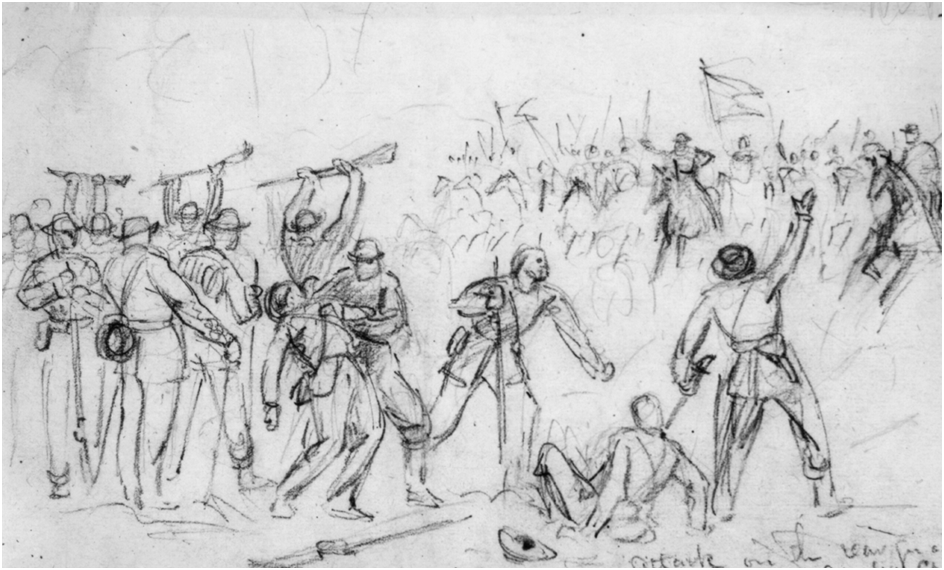
| Combat artist Alfred Waud sketched Confederates surrendering in the face of a cavalry attack during the Appomattox Campaign. Library of Congress. |
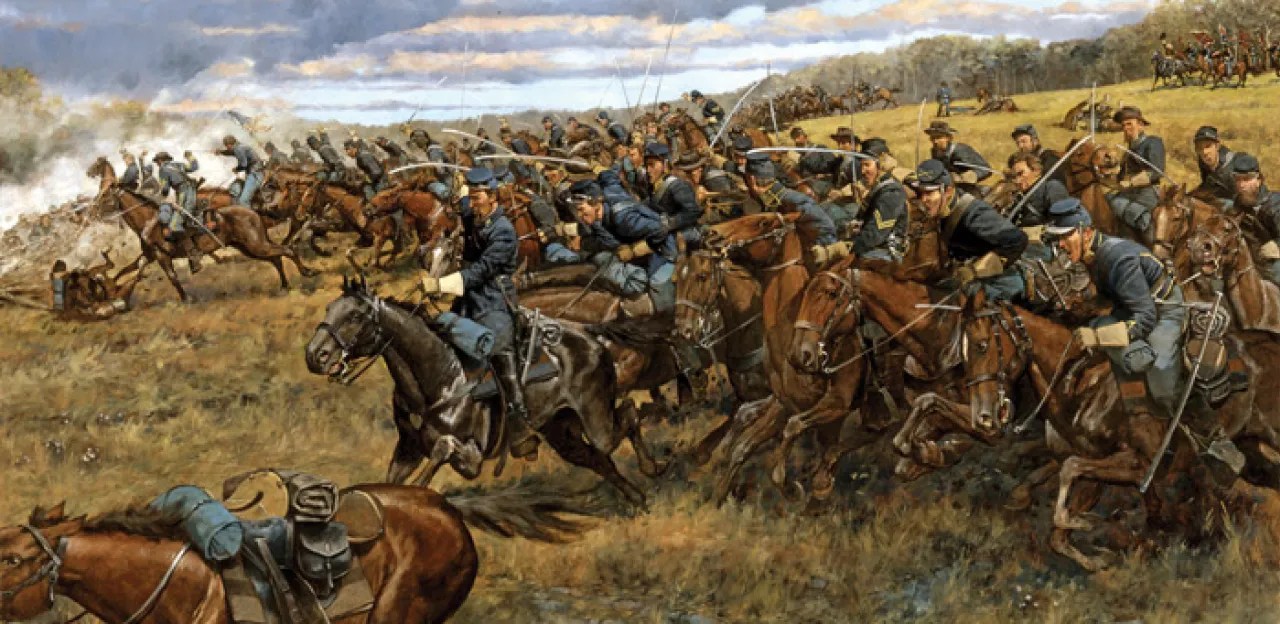
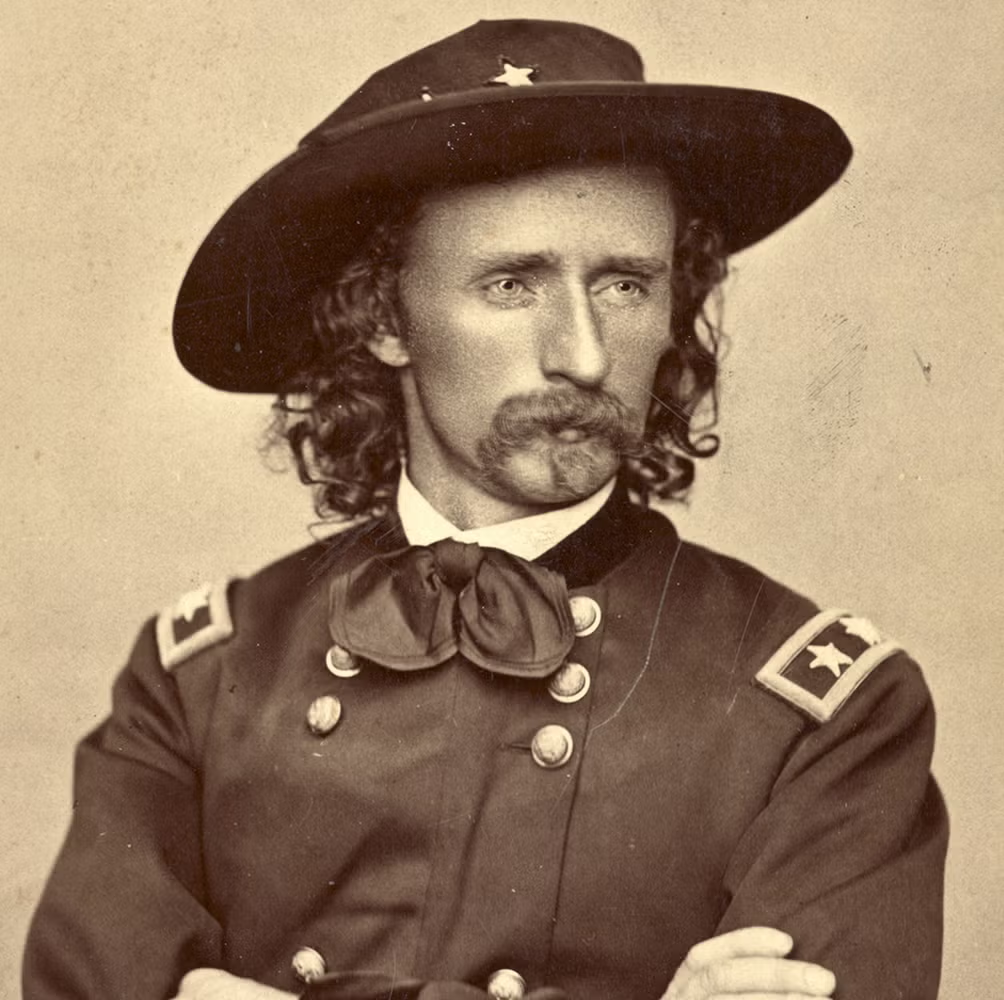
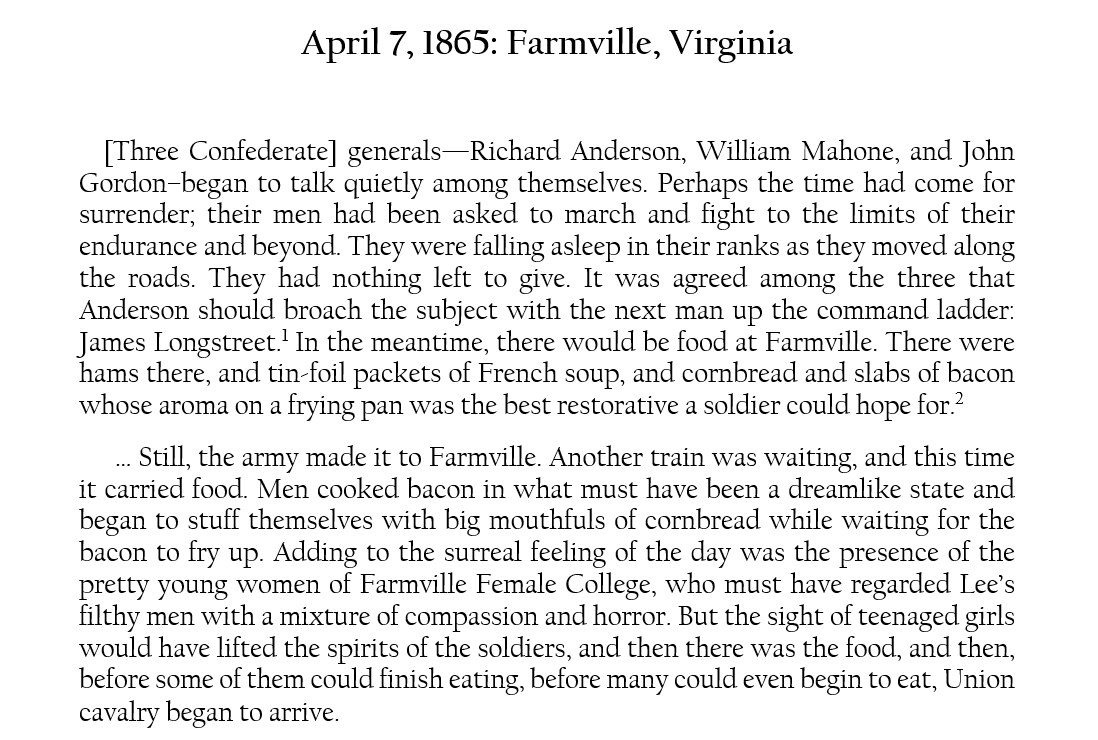
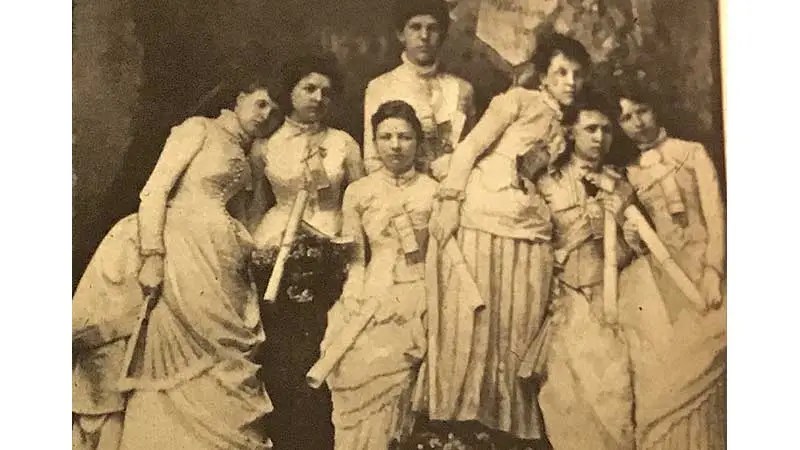
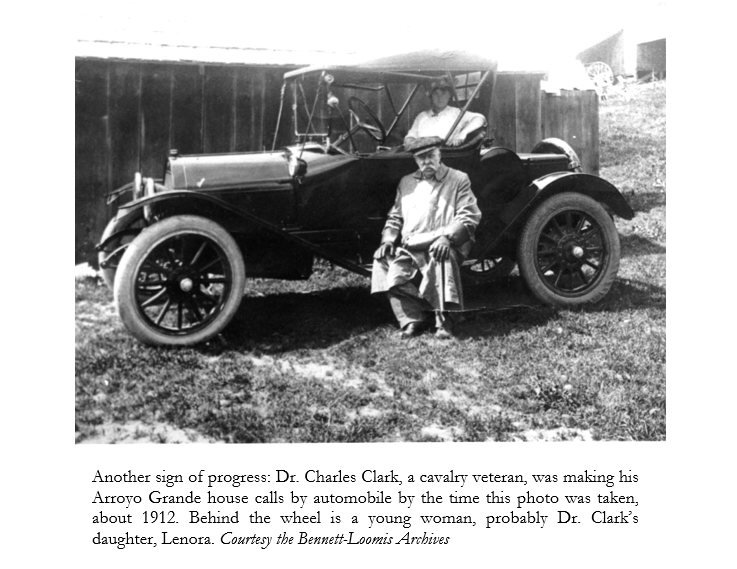
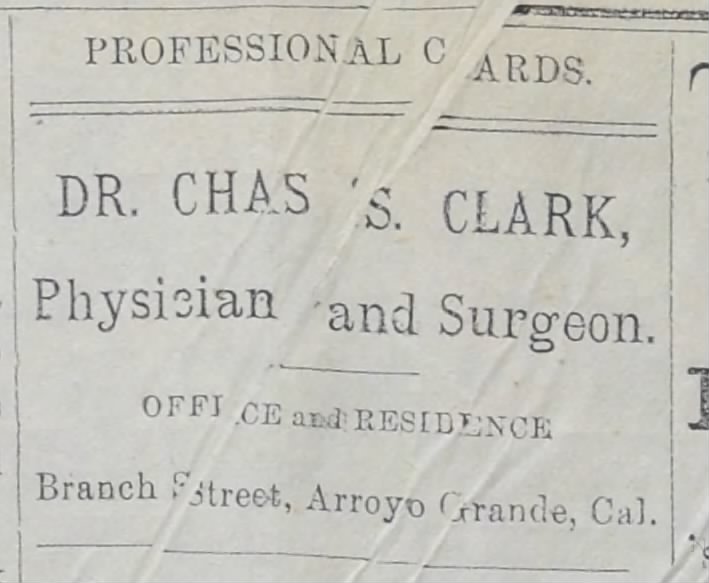
It’s hard to imagine him as a seventeen-year-old cavalryman, but our Dr. Clark fought under George Custer in April 1865. He interrupted the meal on April 7 at Farmville. Lee got his men on the move, toward a hamlet, Appomattox Court House, where a trainload of food awaited.
Custer’s cavalry got there first. Charles Clark was among them.
Lee surrendered the next day.
 A Work in Progress