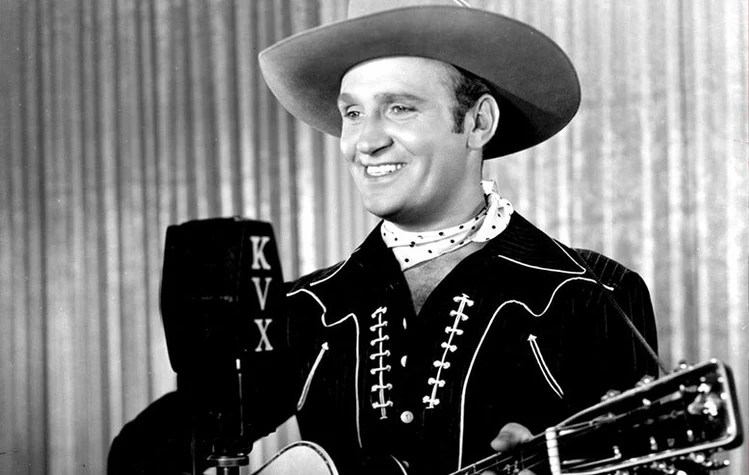
Gene Autry singing “Back in the Saddle,” 1939. His horse, Champion, was a beautiful sorrel with a cream-colored mane and tail.
Well, I’m trying, anyway. I’m going to speak on local history—probably our “Wild West”—at the Wyndham Residence on Elm Street soon. I enjoy talking to seniors. When you’re done, some of them come over and tell their stories. I met a woman from Japan who’d married her Air Force husband during the Korean War.
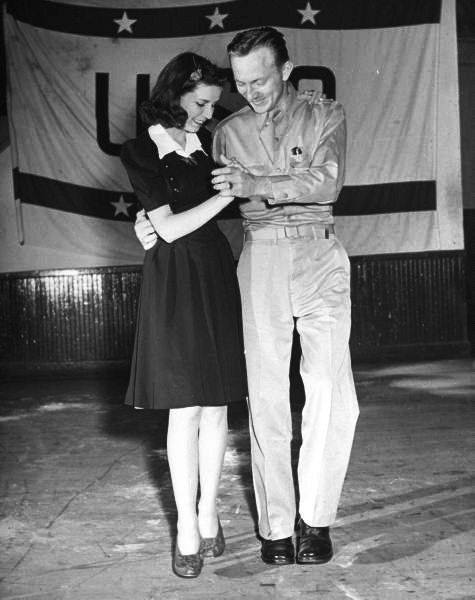
Another remembered going to (densely-chaperoned) USO dances during World War II. She and a soldier boy kind of hit it off, spent all night talking and went to church the next morning. While that might not have been typical of all wartime encounters, I sure enjoyed hearing her story.
She never saw her G.I. again, of course.
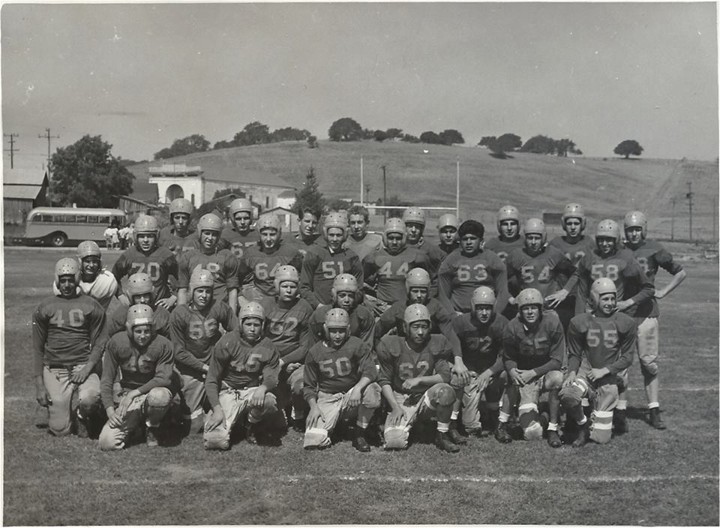
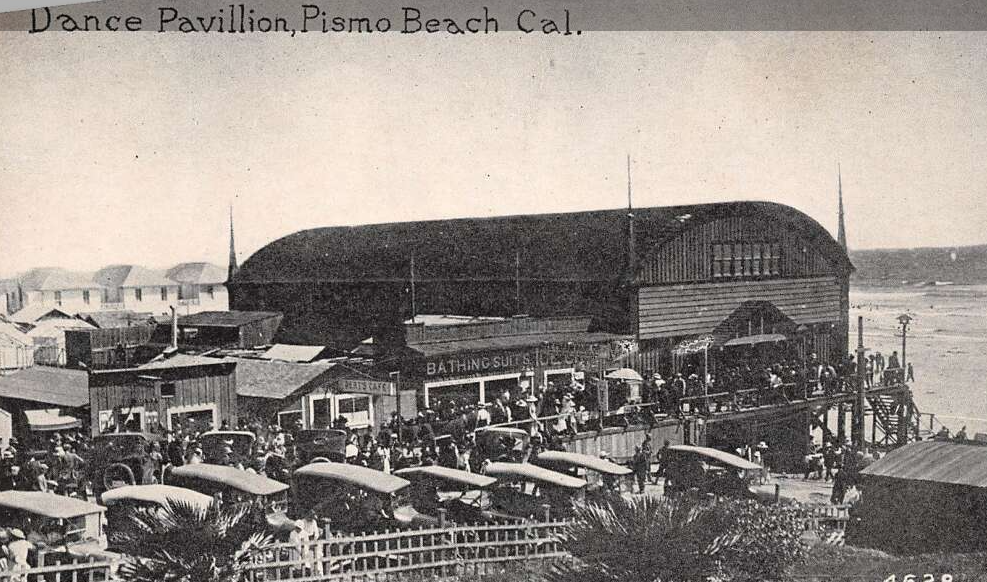
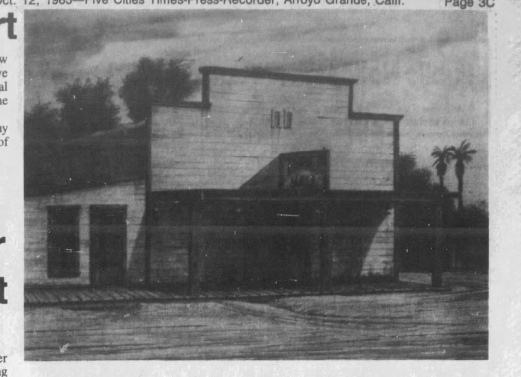
And I’m starting to research and write again. I’d like to do an article on four local dance halls during the 20s and 30s, when dancing was actually learned and apparently a vital part of socialization for kids and, for adults, dances established a sense of community. And, I would guess, kept marriages together.
I’ll probably focus on four: Trinity Hall in Edna and our IDES Hall in Arroyo Grande, both founded by Portuguese-American fraternal societies; the Pismo Pavilion, where in 1925, a benefit dance was held for visiting sailors whose destroyers were anchored off the pier; and Tanner Hall in Arroyo Grande where, in 1966, as I was about to enter ninth grade up on Crown Hill, I saw two high-school girls get into the most epic fight I’d ever seen. It gave me pause.
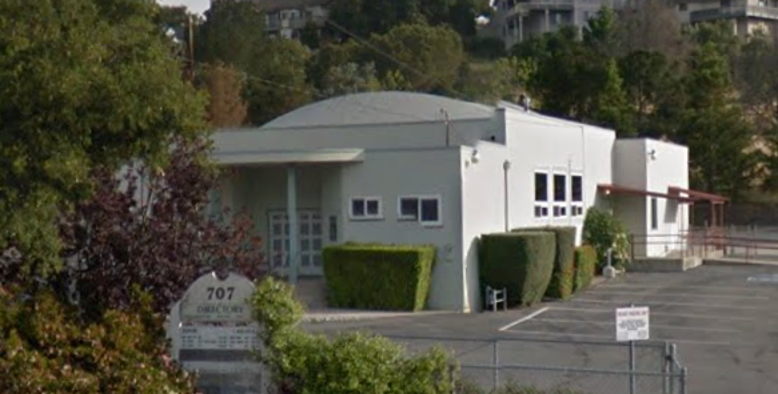
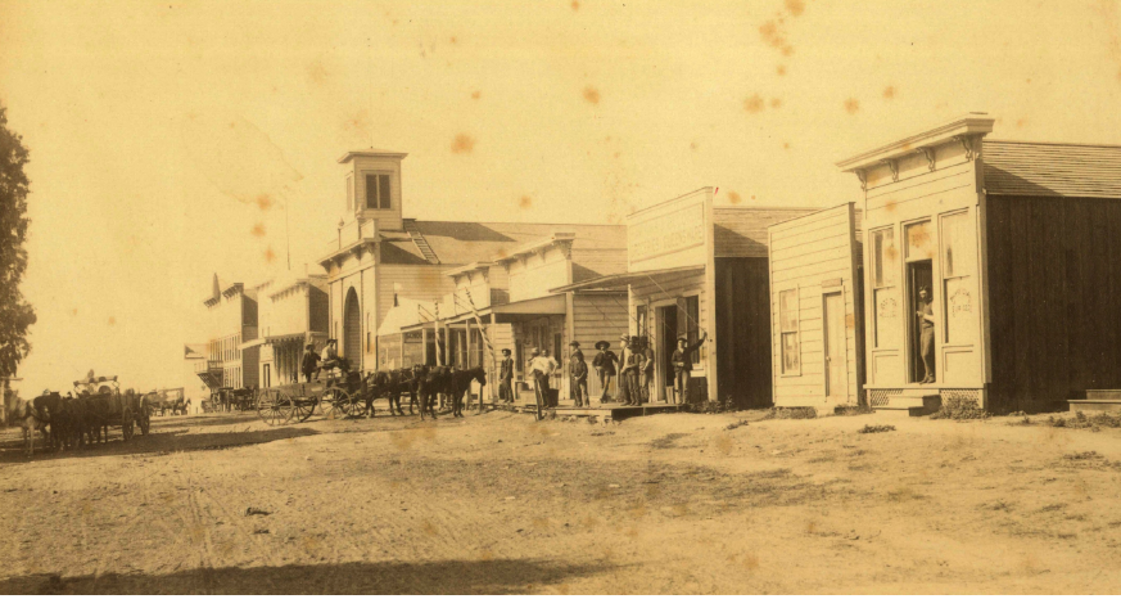
Above: Trinity Hall, Arroyo Grande’s IDES Hall (1948). It was preceded by the whittled-down Columbian Hall—kind of the Clark Center of its time–the steepled building in the 1880s Branch Street photo. You can see the whittled-down version, the first IDES Hall, behind the football team. The photo was taken after the war, near what is today the Lucia Mar bus barn. The Pismo Pavilion and Tanner Hall are in the next photos.
And as to Gene Autry? It’s officially Christmas at our house when Elizabeth plays her ancient vinyl record of “Rudolph the Red-Nosed Reindeer.” And I had the great pleasure of interviewing Jeanne Wilkinson Frederick at 94. Her family owned the meat market that’s still a meat market on Branch Street, and, as a preteen and teen she went to the movies at the Grande Theater, today’s Posies in the Village. She loved Gene Autry Westerns, she told me in the interview, and then demonstrated it by pointing her index fingers and going pew! pew! as if she were Autry shootin’ the pistols out of the bad guys’ hands.
It’s not even the Dollar Tree anymore. It’s the $1.25 tree. At least it doesn’t smell like mothballs, like the old, old Rasco store did, and it’s like Lee Chong’s grocery in Cannery Row. It’s a miracle of supply. You can find almost anything that fits your mood: animal crackers, birthday balloons, eyeglass repair kits, navy beans in a can.
I went there for some miniature American flags and plastic flowers.
The line at the checkstand was long. It always is. The couple ahead of me, a husband with tattoos up to his chin, the young wife with yoga pants—I averted my gaze—and the little girl wearing a ZOMBIE CROSSING medallion. The husband smiled at me. Then he called over my shoulder to a woman two customers back. The man between the woman and me —tiny, deeply tanned, with a wiry salt-and-pepper beard, was as stooped as a comma and he shook uncontrollably. Parkinson’s.
“How are you?” he called to the woman behind the tiny man. She smiled. Her upper teeth were irregular, kind of crenelated. “I’m doin'” she called back. “Job?” he asked.
“Still looking.” her smile dissipated.
“Why don’t you come over tonight?” the man said. His pretty wife agreed. “Yeah! We’re doing Mexican!” It was a going-away party for someone they knew. They asked the checker for a helium balloon, so he went to fetch it. When he came back to the checkstand, they invited him over, too. I think he’s going after his shift ends.
They paid for their cart—canned and boxed food—and the husband asked if he get could $50 over on his EBT Card, from the federal food assistance program. They needed to get the fresh stuff–carne asada, shredded cabbage and lettuce, cheese, onions and peppers–because they were doing Mexican.
The cash register took a long, long time to do the cash-back transaction. It was thinking. The old, old man behind me was shaking. I was liking the little family as they left the checkout. My turn.
These people, including the gracious young man with the tattoos up to his chin, are about to suffer. The woman he called to is jobless and looking, but I suspect that he, in using the EBT card, is among what are euphemistically called “the working poor.” He may work in the fields. Maybe not. If his little girl (who wants to be a zombie) gets sick, this family might be without the Medicaid they’d need for her.
The old man behind me will die. Very soon.
So they all might suffer. But they deserve it, don’t they? Their place in the the economy’s lower tiers (economics was once called “the dismal science”) is their own fault, isn’t it? My sons, who rely on Medical, might suffer as well. And Thomas uses his EBT card to supplement our food supply when the month, as it invariably does, outlasts the money. (My sons have jobs and work hard—John repairs water wells and Thomas drives a forklift.)
If the Present Administration goes after Medicare, and the rumblings suggest that they will, then I will suffer. I must deserve it.
Then I realize I’m being stupid. The United Kingdom, Australia, Canada, Sweden, Norway, Denmark, Brazil, France and Germany all subsidize health care. South Korea’s public health system is probably the best in the world.
Then there’s Social Security. The president said today that he will “love and cherish” Social Security. He says the same about women. Eighteen have accused him of sexual assault. And, by the way, “social security” is not some bleeding-heart liberal New Deal cushion for the retired (and therefore, according to Elon Musk, the unproductive. SEE: The film Soylent Green).
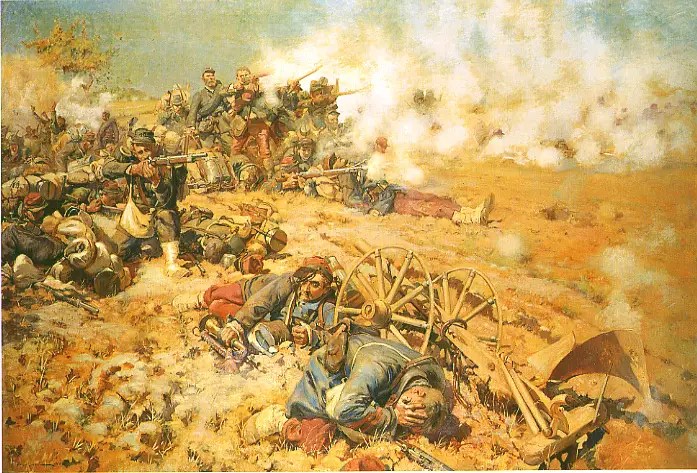
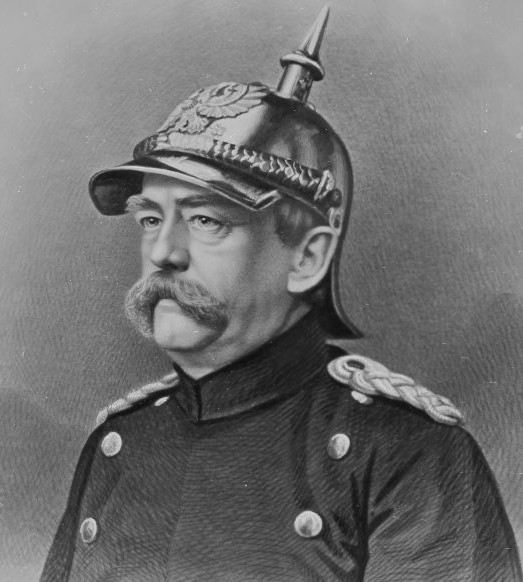
Here’s the man who invented Social Security, right after waging successful wars against Denmark, the Austrian Empire and France. He provoked all three wars and, in the process, had unified Germany by 1871. Otto von Bismarck, “The Iron Chancellor” brought an old-age pension program to Germany in 1889. The milk of human kindness, as you can see, flowed through his Prussian veins.
Above: A French defeat in the Franco-Prussian War, 1870-71; The “Iron Chancellor” who provoked it.
We need to go in a different direction than Bismarck’s. Our national resources need to be diverted to people like these. They deserve The Big Beautiful Bill.
I was thinking this and getting depressed, and angry, so to cheer myself up, I went to the cemetery.
I wanted to be with people who, like the man in line, were more far more generous than the billionaires.
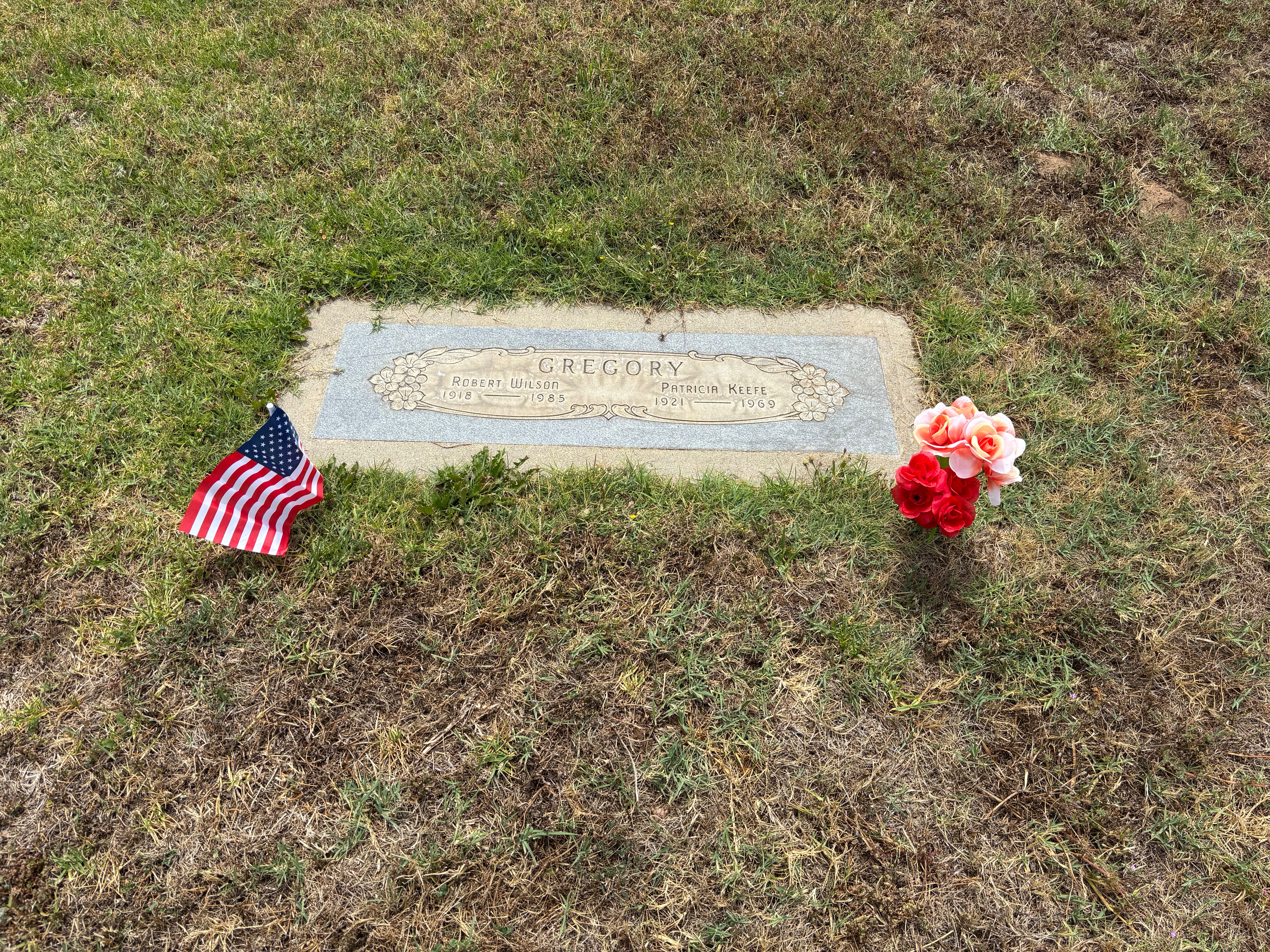
Of course, I found them. My Dad, Robert Wilson Gregory, taught me how to tell stories. Patricia Margaret Keefe was my Mom, named for two Irish Famine ancestors, Patrick Keefe and Margaret Fox. She had a fierce sense of social justice and a hunger to learn. These are the things she taught me.
I had to be a teacher.
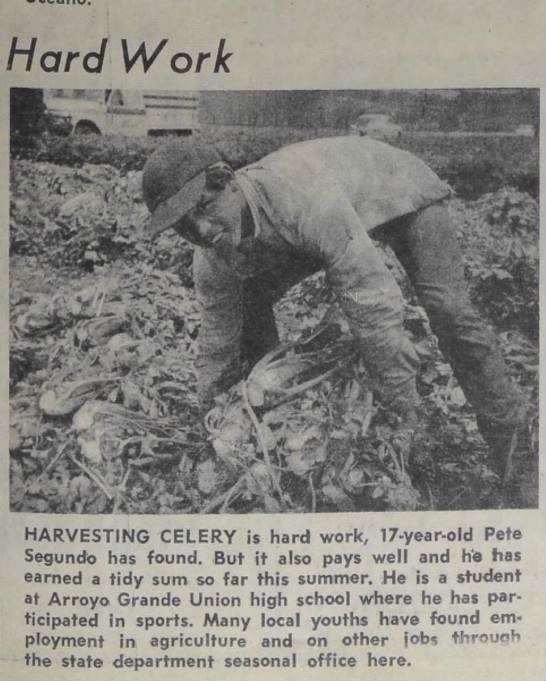
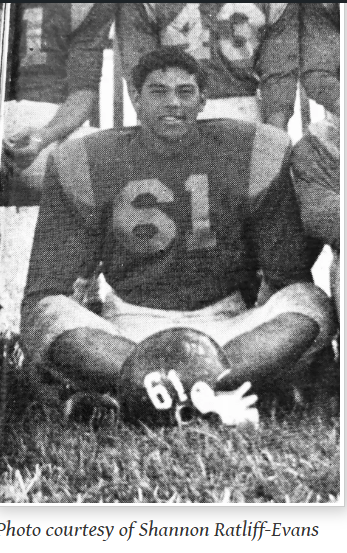
And then I looked for another young man, Pete, who was as generous to his friends as my parents were to me. “To know Pete was to love him.” I have heard that many, many times. Pete Segundo, AGUHS ’66, my big brother’s class, was an incredible athlete. He wrestled and played football. He was the Letterman’s Club president (in one yearbook photo, his arm’s broken and in a sling. He is grinning broadly). He showed a steer for FFA. While other kids went to the Choo-Choo Drive-In on East Grand after school, Pete went into the fields to chop celery.
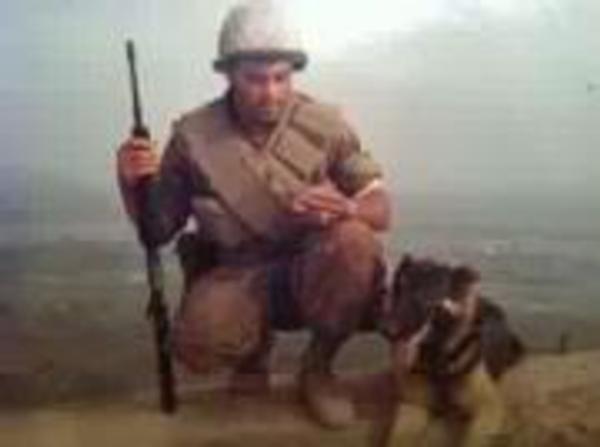
In 1969, the Marine Pete Segundo died in Vietnam, killed by “friendly fire,” which might be the worst euphemism of all for the greatest act of generosity that any American can give.
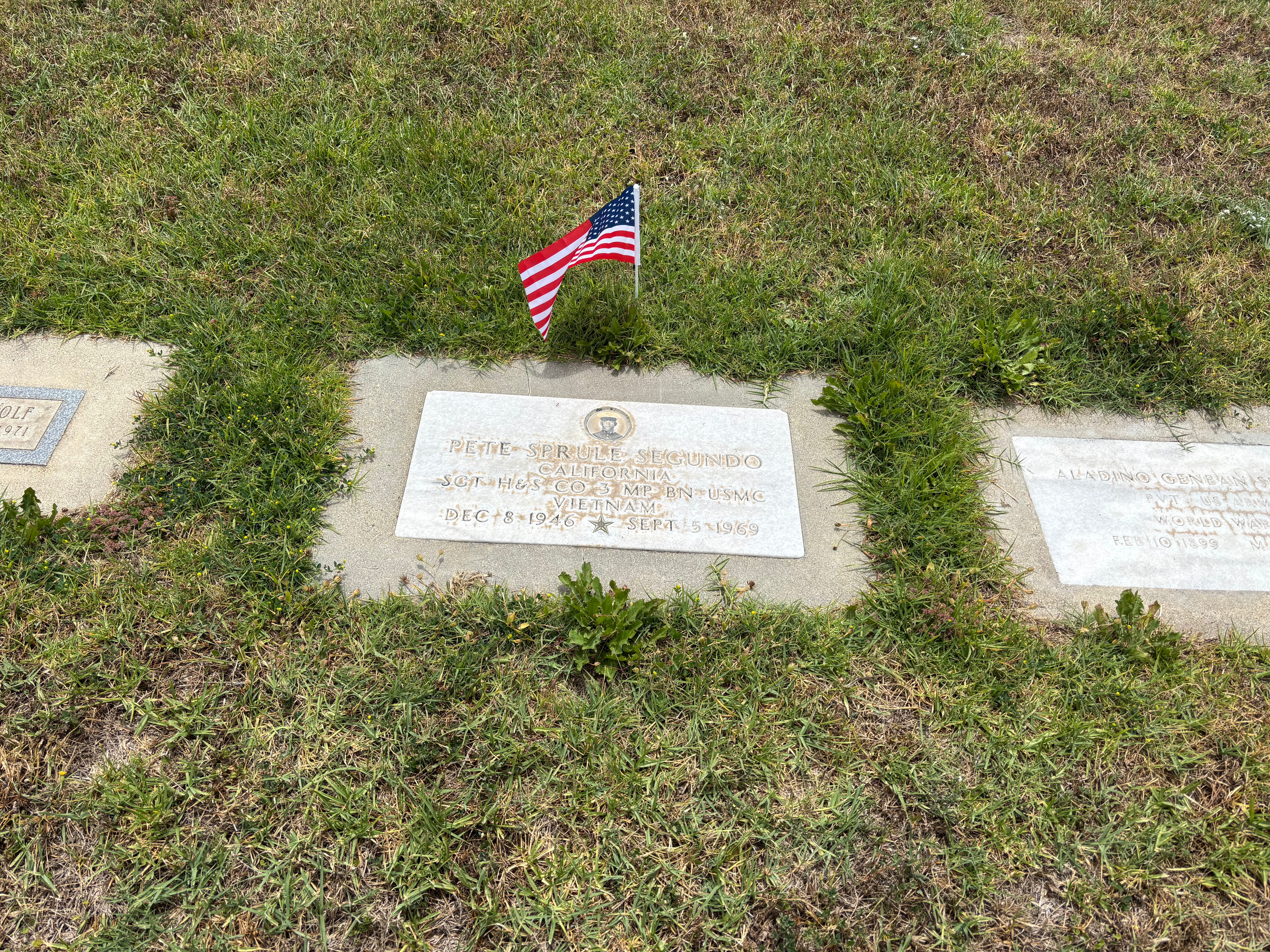
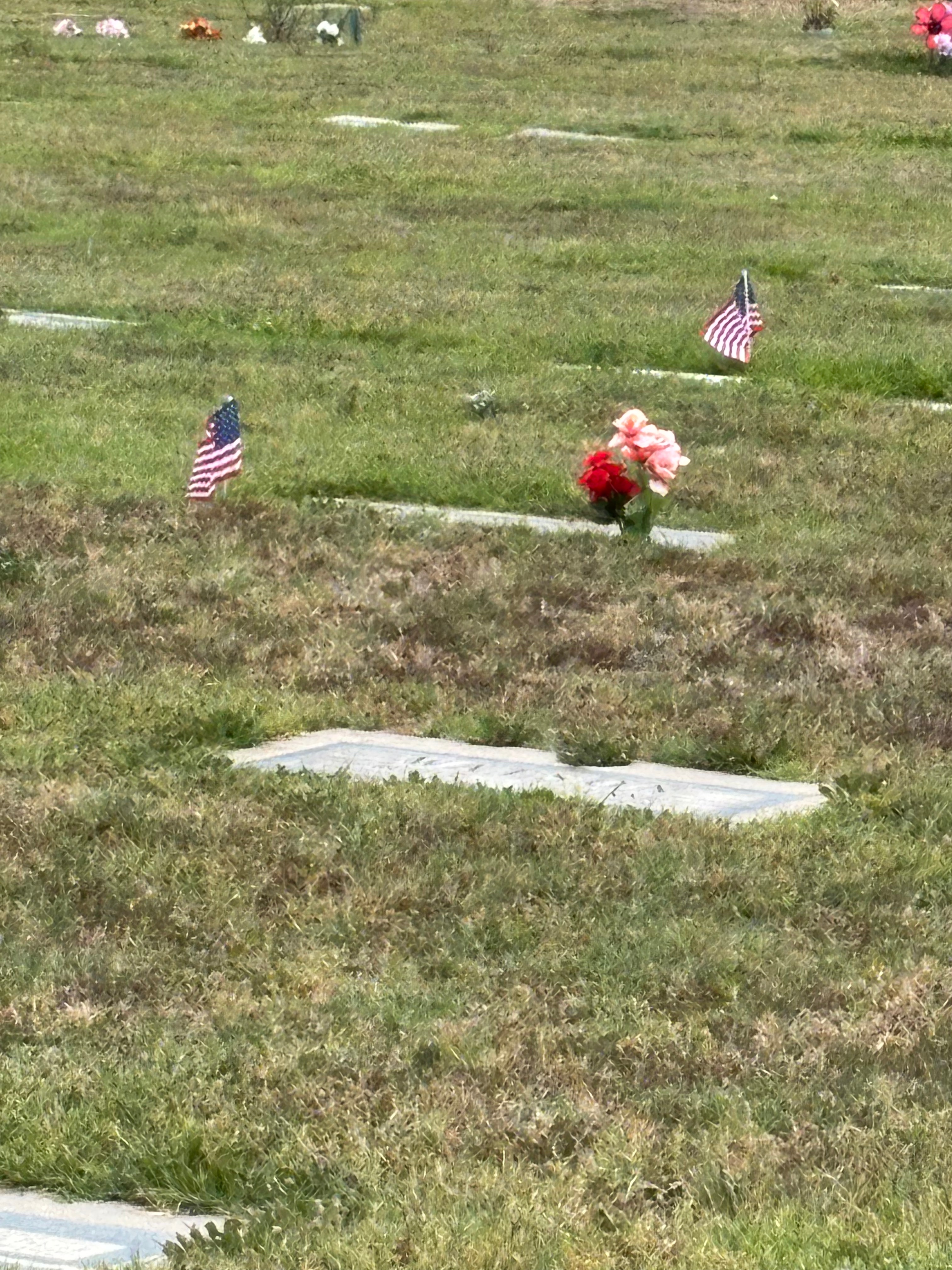
His grave was uncharacteristically bare. Usually it’s bright with flags, flowers, red-white-and-blue pinwheels spinning in the wind. Maybe they cleaned everything up after Memorial Day. Luckily, I had another American flag. I remembered, as I pushed into the turf, what my big brother said about Pete. Bruce went out for wrestling and Pete was already establishing himself as the next big thing for Coach Ruegg. Bruce was not going to be the next big thing. “Pete was nice to me,” he said once, “and he didn’t have to be.”
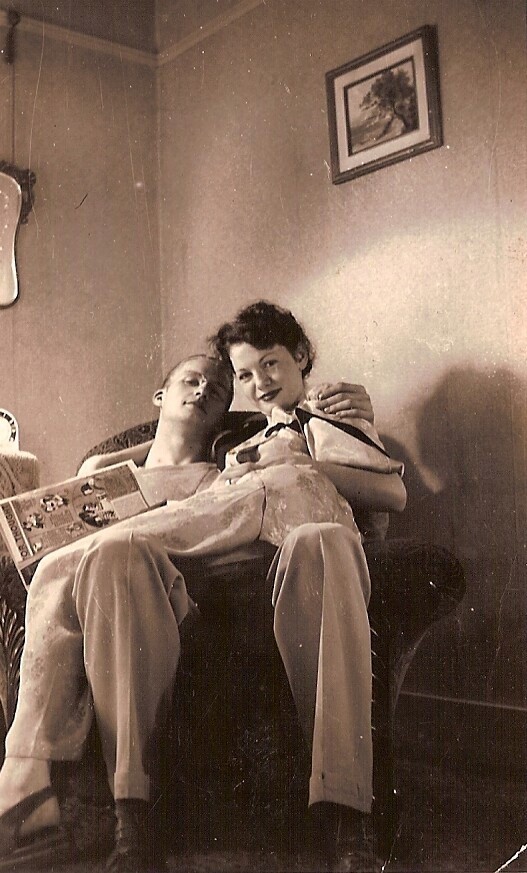
Above: My folks, with the Sunday funnies, about 1940; Pete’s grave is a row above theirs.
I was once a newspaper reporter and therefore, all my life, a news junkie. Part of my recovery from alcoholism means watching the news far less than I used to. We live in an age of meanness. I was raised to value kindness. Today I felt a little overwhelmed, so I made my deliveries, flowers and flags, and I spent more time than I ever have at the cemetery, talking to my parents, telling my Dad how proud I was of him, telling my Mom how much I loved her.
I was worried about the people in line at the Dollar Tree and thinking, painfully, about the way Pete had died.
I think my parents were whispering back to me. Suddenly, I felt at peace.
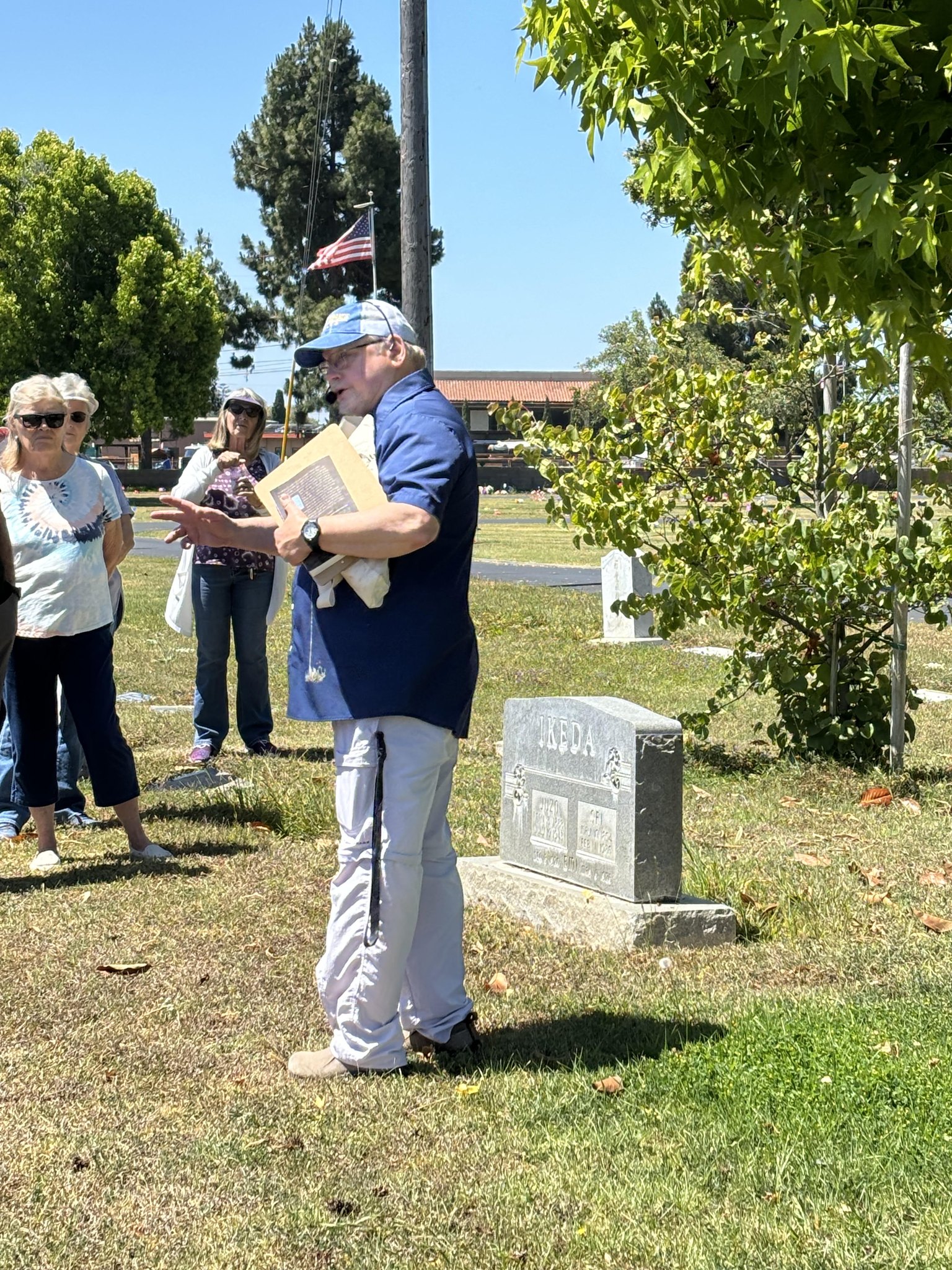
Me leading a cemetery tour for the South County Historical Society. The family I’m discussing embodied the generosity I admire so much.
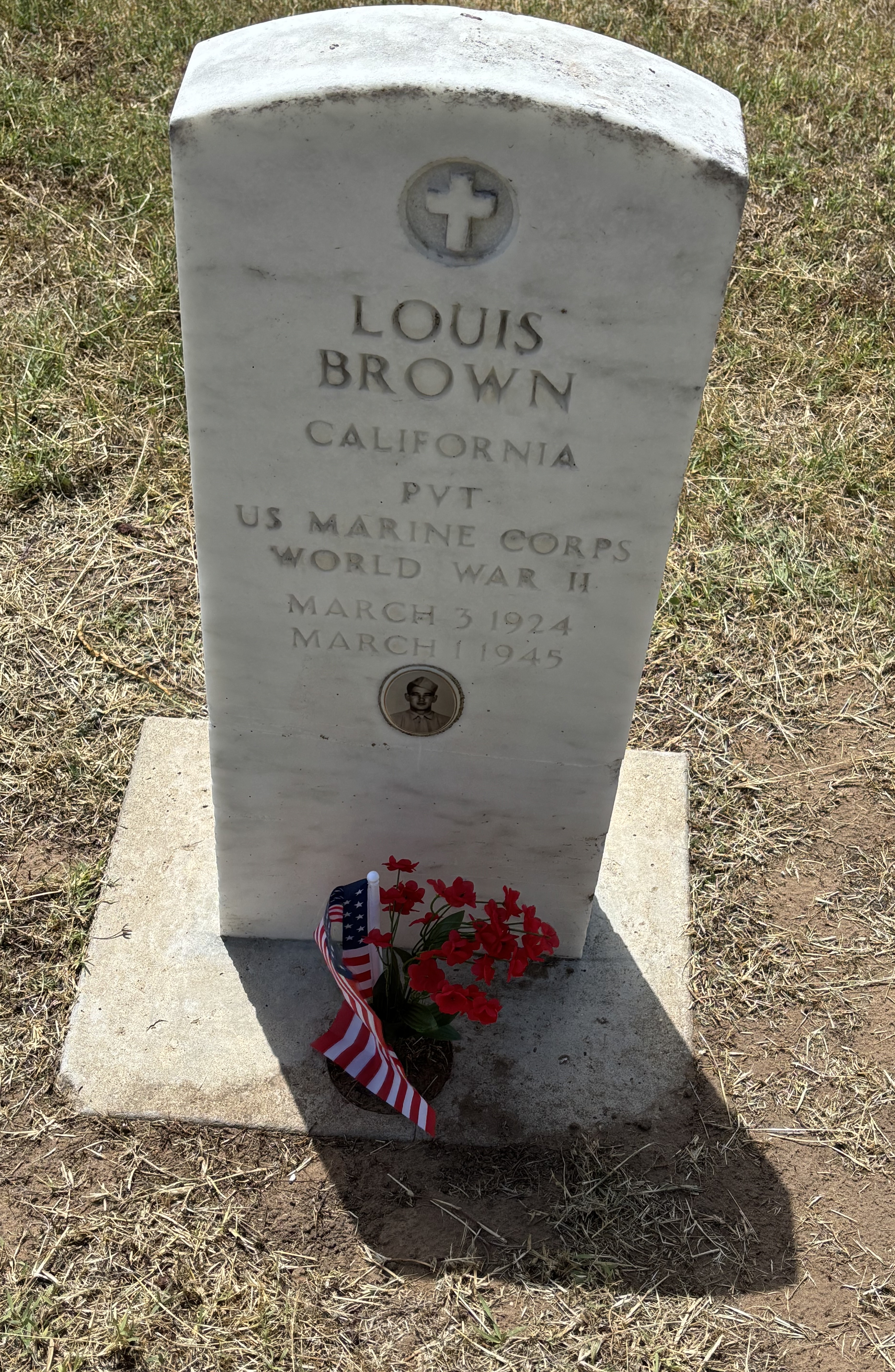
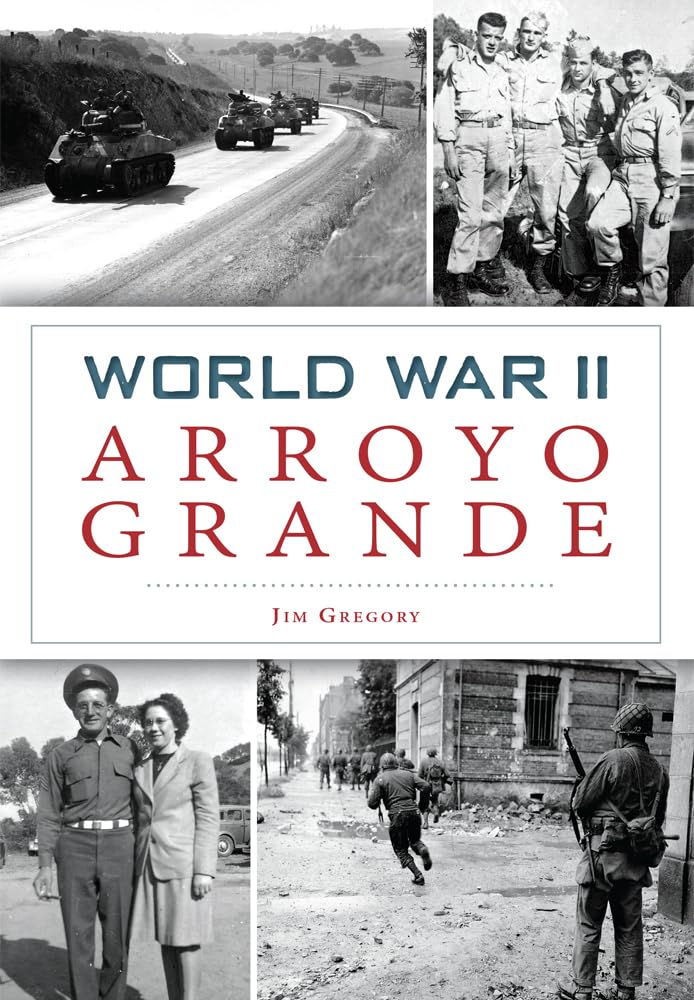
Postscript. I had one more American flag and a sprig of little red plastic flowers. My last stop was for this Marine, a Corbett Canyon farmer’s son, who died on Iwo Jima. Finding Louis Brown’s grave led to my first book. He was generous to me, to all of us, beyond imagining.
Today would’ve been Prince’s 67th birthday. Maybe Neil Young is right: It’s better to burn out than to fade away. That’s what happened to this performer, and I miss him.
This is why he never made 67, in a performance of what might be my favorite Prince song, maybe because of its Freudian undertow.
Outlandish, isn’t it? His dancing—great leaps and diving sprawls—was electrifying, but the result was chronic hip and ankle injuries, and surgeries, that left him in constant, isolated pain in his final years. Fentanyl finished him.
But not before he’d gifted us all with music. It’s said he played 27 instruments. He was largely self-taught, beginning on drums, then piano. Here, at Paisley Park, in contrast to the video above, he understates. Still, he plays with the audience, but he never really looks at them. He’s inside the song. He’s enjoying himself.
Back in the MTV days, this might’ve been when I first met him. I’d never heard anything like this song before. I found out later that he was tiny, and the heels he wore—you can see them here— contributed to his stage injuries. That was in the future. In this “Official Music Video,” I found so many things that were compelling, including the way he slings his guitar behind his back, like a samurai and his killing sword. It’s cool. And then there’s it’s the beat, established so vividly by synthesizers and a drum machine, the faintly disturbing fascist/lesbian backup singers, Prince’s spins, and his oddly appealing —yes, I chose this adjective— androgyny. All of this was new, back in the Eighties. It was revelatory.
Twenty-seven instruments. That includes the guitar. This 2004 solo, in a George Harrison tribute, literally stole the show. Prince riffs while Dhani Harrison and Tom Petty look on. At first, I thought Petty, whom I love(d) as well, was miffed. Then, near the midpoint of the solo, you seem him surrender: it’s brief, but it’s big: a smile lights up Petty’s face.
Me, too. Prince’s music—its audacity, its wickedness, its energy, its originality–these things make me smile.
Surely you know by now that the president’s grasp of American history is as shallow as it is narrow. When confronting our past, the man’s in a dim room and afraid to strike a match for fear of setting his hairspray alight.
Here are just a very few examples:
“Frederick Douglass is an example of somebody who’s done an amazing job and is being recognized more and more, I notice.” Douglass died in 1895.
“Great president. Most people don’t even know he was a Republican,” Trump said. “Does anyone know? Lot of people don’t know that.” Trump on Abraham Lincoln.
“People don’t realize, you know, the Civil War, if you think about it, why?” It was slavery. The Confederate Ordinances of Secession are explicit.
“No politician in history, and I say this with great surety, has been treated worse or more unfairly. [See: Abraham Lincoln.]
In a phone conversation with Canadian Prime Minister Justin Trudeau that got somewhat heated over the tariffs, Trump brought up the War of 1812, claiming that Canadians burned down the White House during that conflict. It was the British.
The Battle of Gettysburg. What an unbelievable — it was so much and so interesting, and so vicious and horrible, and so beautiful in so many different ways. It represented such a big portion of the success of this country. Gettysburg, wow. I go to Gettysburg’s Pennsylvania to look and to watch, and the statement of Robert E. Lee, who’s no longer in favor, did you ever notice that? No longer in favor. ‘Never fight up hill, me boys. Never fight up hill,’ he said. Wow. That was a big mistake. Lee attacked uphill two days in a row, July 2 and 3.
“Our army manned the air, it rammed the ramparts, it took over the airports, it did everything it had to do, and at Fort McHenry, under the rockets’ red glare, it had nothing but victory,” The president on the Revolutionary War, July 4, 2019.
Mind you, I’m not arguing that a president need have an advanced degree in American history. It would be enough if he or she could pass the old-timey California High School Exit Exam in American History. Or the New York Regents exam in the same subject. (A 65, for New York eighth graders, is sufficient.)
Of course, the man’s ignorance is complemented by cruelty. He did not know who won the First World War. And he referred to the Marines who fought at Belleau Wood in 1918—in a battle many historians see a a key turning point in that terrible war–as “suckers” and “losers.”
Here are the suckers and losers from Camp Lejeune re-enacting the Marines’ opening assault in June 1918:
I don’t necessarily regard his failure to understand history laughable. He just doesn’t care. I did not find this headline, from CNN today, funny at all.
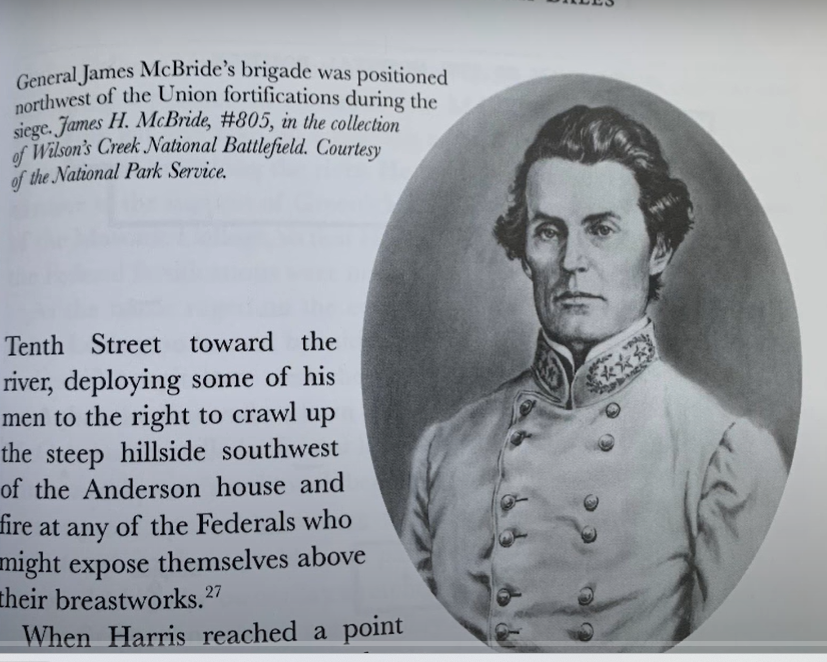
Now, even though most of my tongue is in my cheek, I’m about to speak with some authority on how Trump’s ignorance may doom him. “Authority” because I’m named for my Confederate great-great grandfather, James McBride. My middle name comes from his staff officer son, Douglas.
Let me qualify this by reiterating that I am a Lincoln man. On the off-chance that I make it to heaven, the first people I want there waiting for me are Mom, Jesus and Lincoln. In that order.
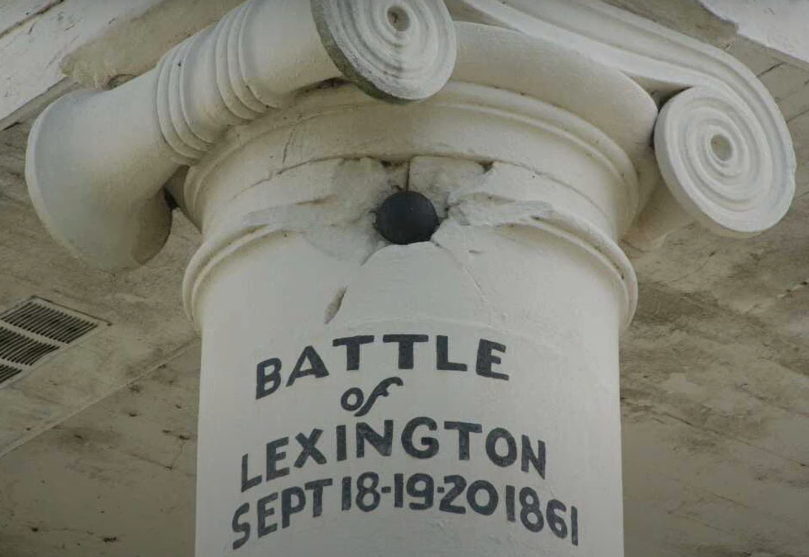
Below: My great-great grandfather; a souvenir his boys left in the Lexington, Missouri, courthouse, his son, Douglas. (Yankee artillery shell, Arkansas, 1862).
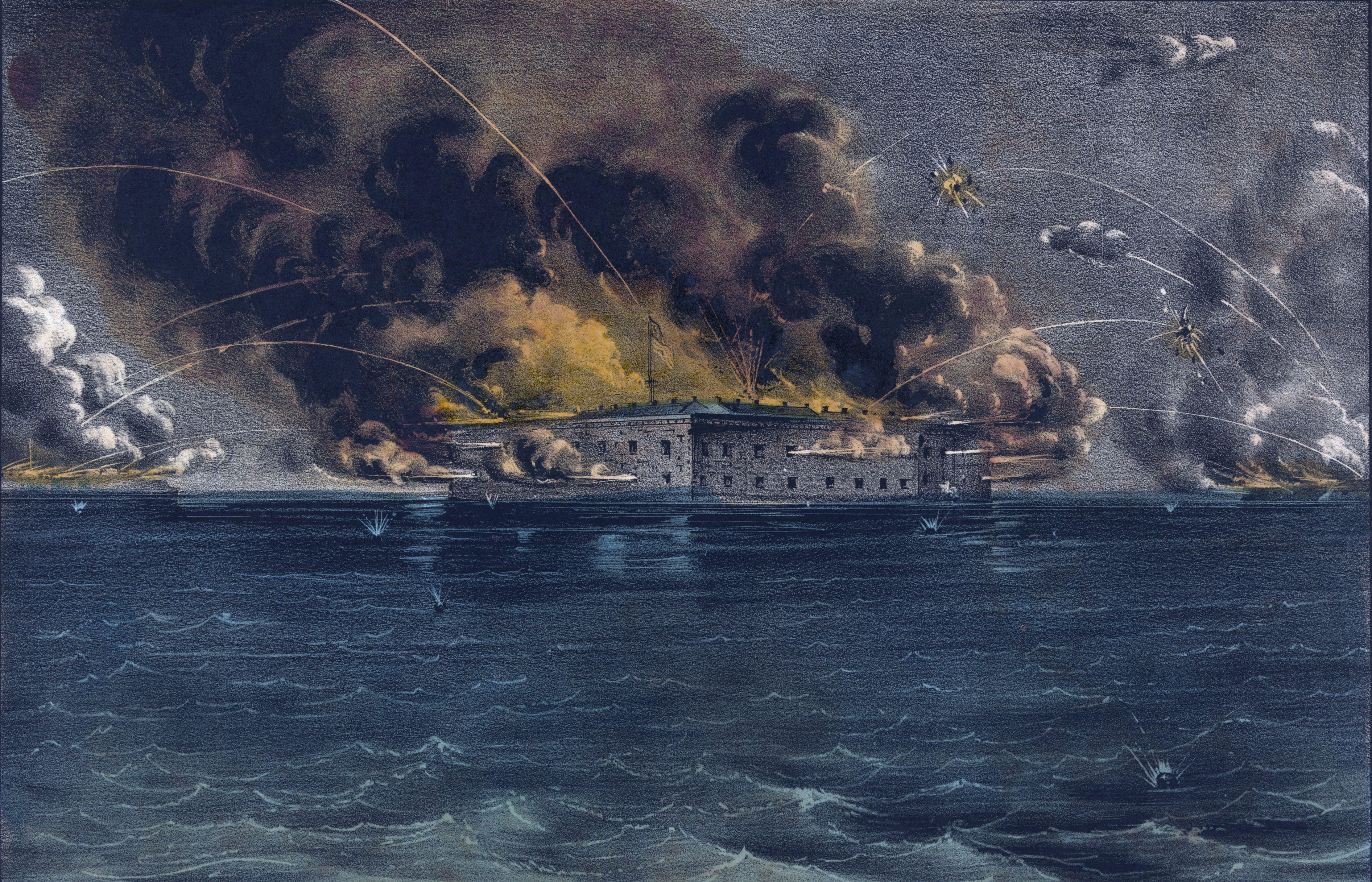
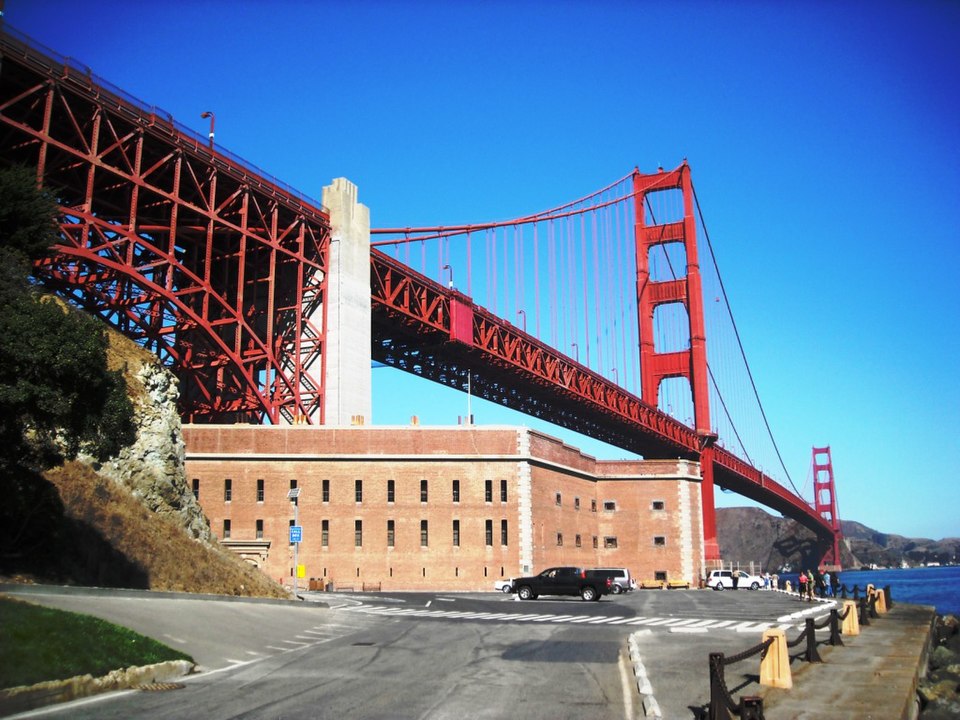
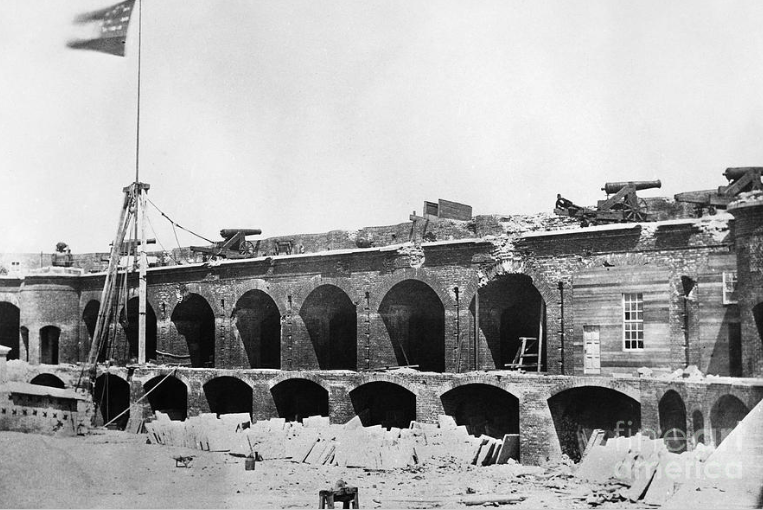
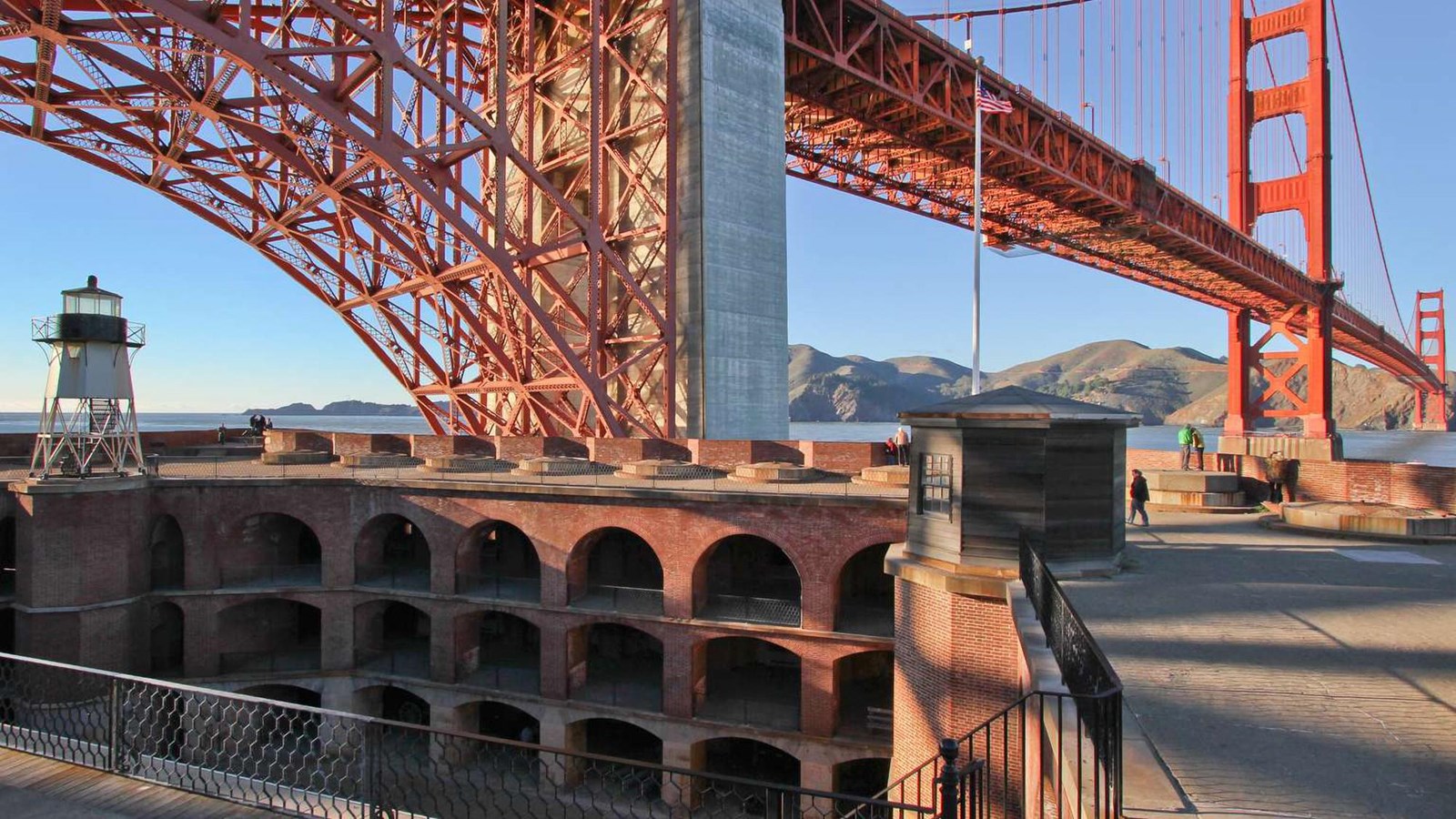
Unlike the cannonball above, there is no history lodged in the presidential brain. There’s one more thing he does not know about history, and it bears on his messing with California. The place where the Civil War started is Fort Sumter, Charleston, South Carolina.
Fort Point, San Francisco, California is essentially Sumter’s twin.
That’s some powerful symbolism there. God forbid that this comes true, but maybe the West will rise again.
The “Sy-Renes” in O Brother Where Art Thou?My Sirens.
A little victory. Maybe two.
As to dinner, here’s the whole shebang.
–The roast chicken is stuffed with apples and rosemary from our own yard. –I don’t remember everything that went into the seasoning: Olive oil, red wine vinegar, salt, pepper, garlic salt, sage, paprika, cinnamon (I ALWAYS use cinnamon when I make chicken.) Wait. I DID remember! –Basic Corn on Le Cobbe, air-fried, butter, salt, pepper, basil. –The salad is kind of exciting: lettuce, tomatoes, diced apples, Persian cucumbers, celery, pistachios, kalamata olives, banana peppers.
This is the big deal: Today I did two things I almost never did unless I was drinking.
–Cooking. Some of the wine made it into the entree. The chef took care of the rest.
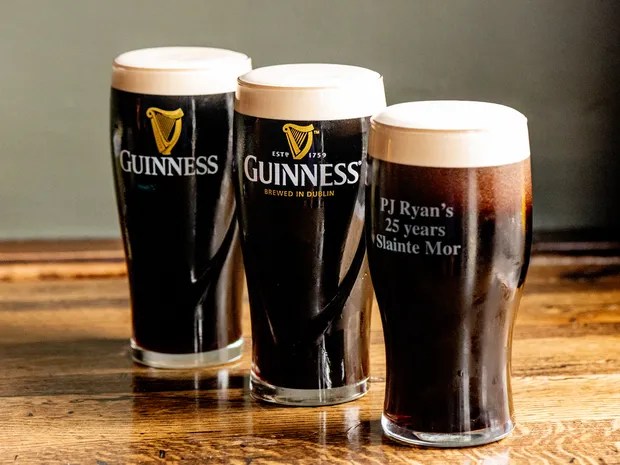
–Writing, my Irish Endeavor. (Always done with Guinness Stout alongside my laptop.)
In my hospital stay at Cottage, I was lucky to escape the worst symptoms of detoxing from alcohol abuse–no seizures, no delirium tremens, no vile headaches, no psychotic breaks. Trembling hands? Yes. But now, my lungs ache, as if beer was my oxygen and I can’t get enough of it. Another marker in my recovery at this early stage is bone-crushing exhaustion. I worked out with weights yesterday and at the end of each set I wanted to cry. Twice, I’ve almost fallen asleep while standing up.
The other thing I did, today, sober, was to write. Here’s a snapshot from today’s blog.
I have been drinking. A lot. Crystal Light sugar-free lemonade. Olaf, our new refrigerator, has an ice dispenser. He’s my sober bartender, and I return frequently for another round of lemonade. With ice. Lemonade reminds me of when I was little.
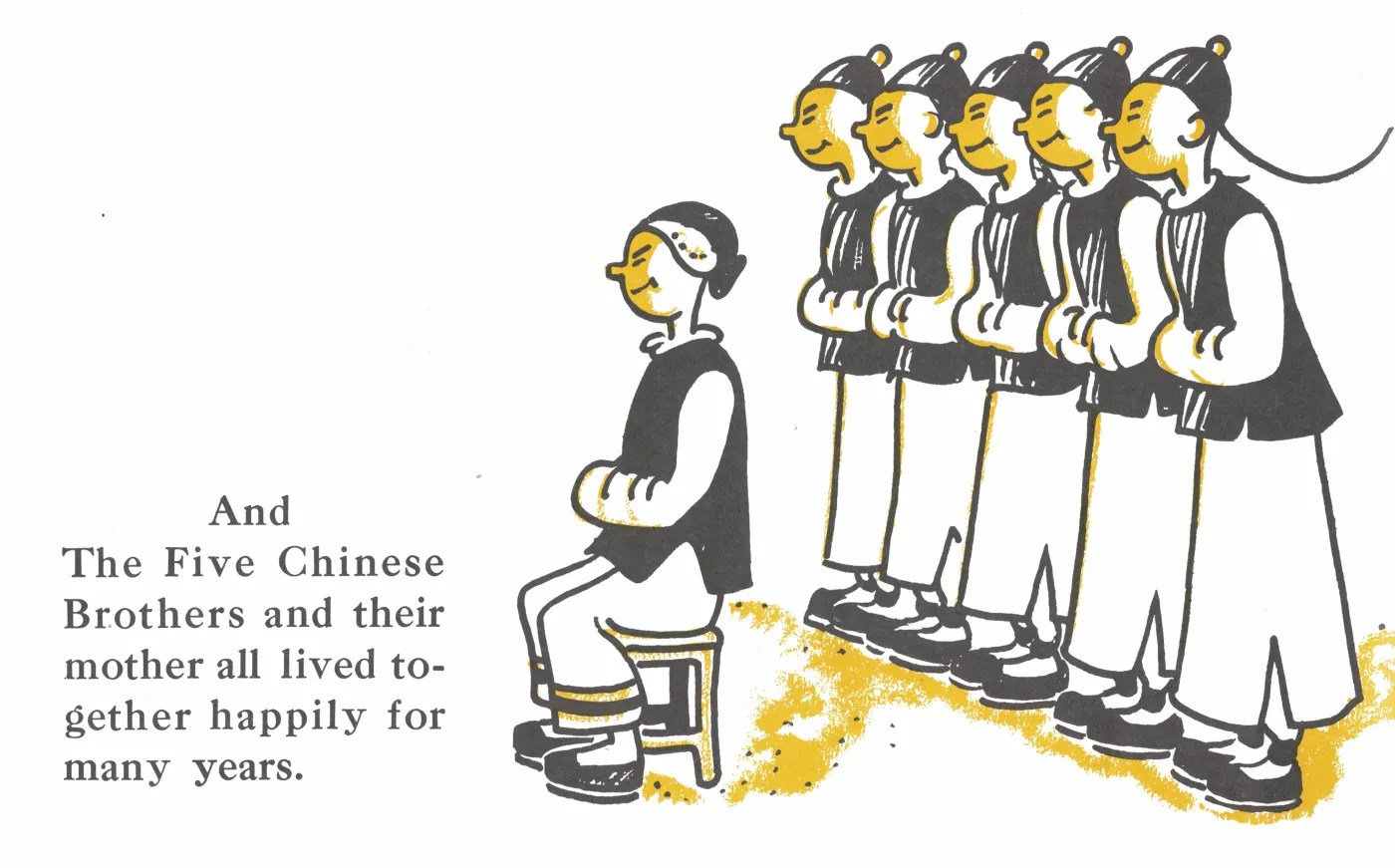
I remember, when I was little, loving the story of the five Chinese brothers (criticized, perhaps justly, for the stereotypical illustrations). They were condemned, unjustly, to execution, but they had superpowers. One brother couldn’t be burned, another couldn’t be beheaded, one more couldn’t be drowned (he swallowed the sea). Whatever you might think about the illustrations, from 1938, I love the ending.
Maybe I’m the sixth brother, and maybe my superpower is sobriety. And maybe, because of that, I will live with my family happily for many years. I’d like that.
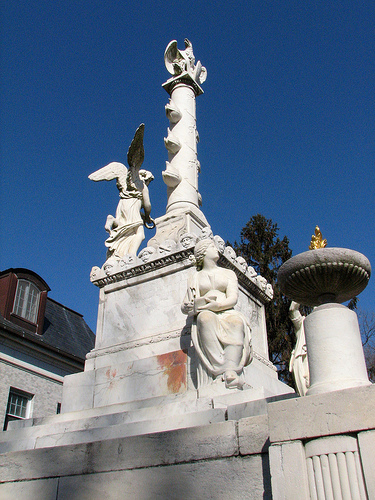
The Tripolitan Monument, United States Naval Academy, dedicated to Stephen Decatur
Stephen Decatur was an early 20th-century U.S. Navy hero.
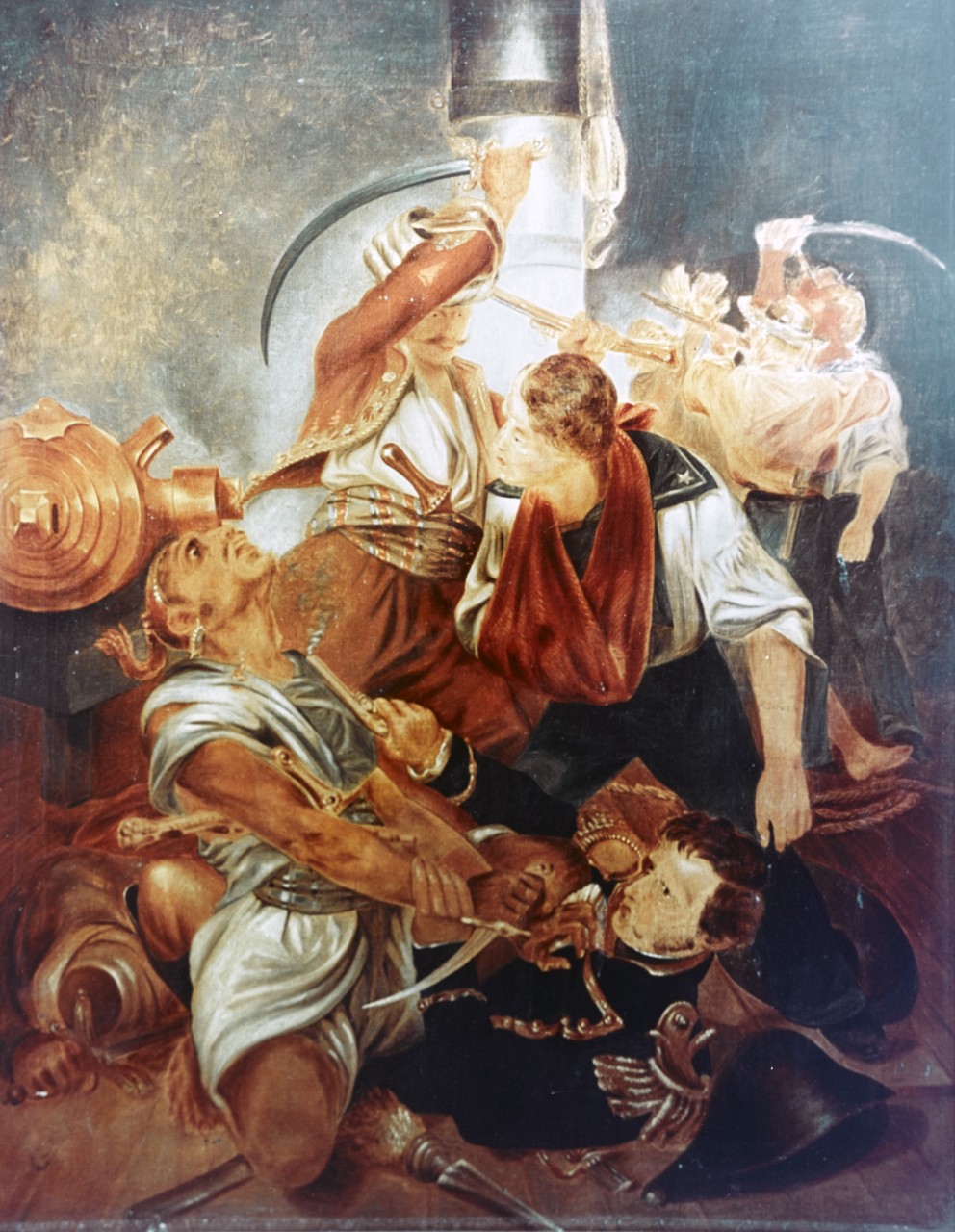
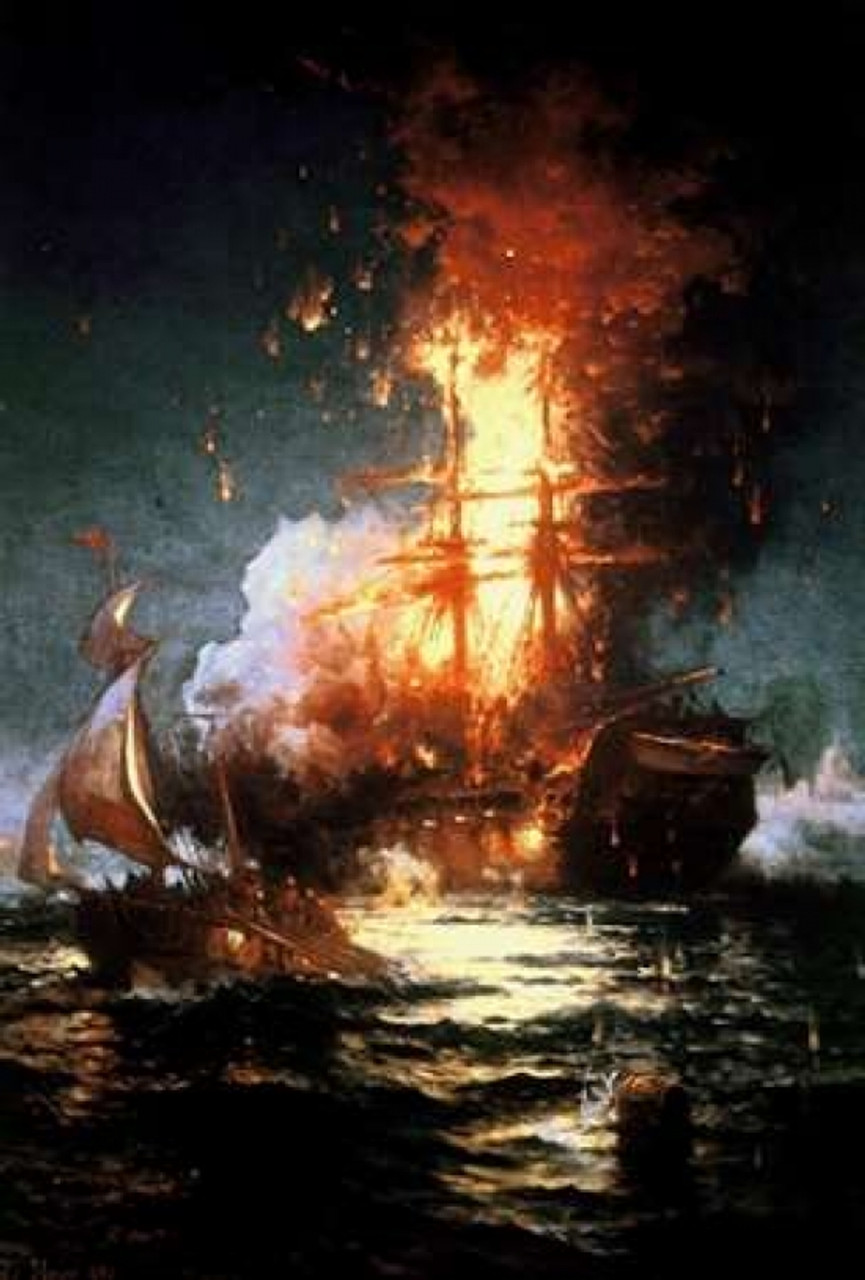
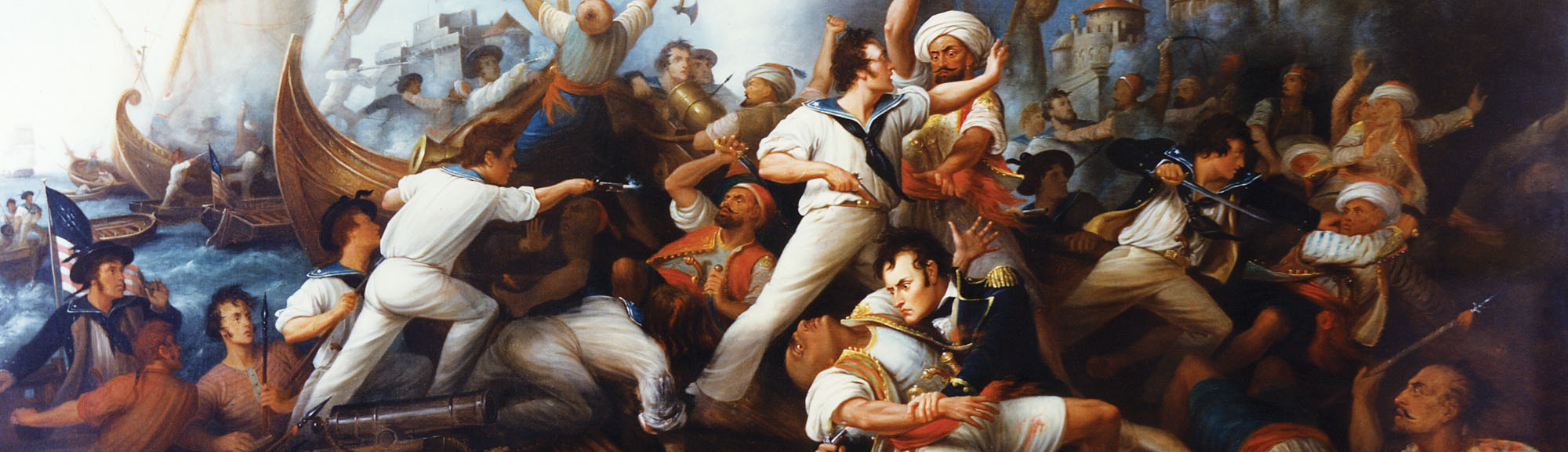
Tripolitan pirates were kidnaping American merchant sailors in the Mediterranean. In 1803, they seized the USS Philadelphia, a 36-gun American frigate. Decatur led a sixty-man boarding party aboard. At the cost of one man slightly wounded, Decatur’s sailors killed twenty pirates and set Philadelphia ablaze. The British admiral, Horatio Nelson, called it the most daring action “of our age.”
(Above) Decatur kills a Tripolitan Pirate; the USS Philadelphia ablaze.
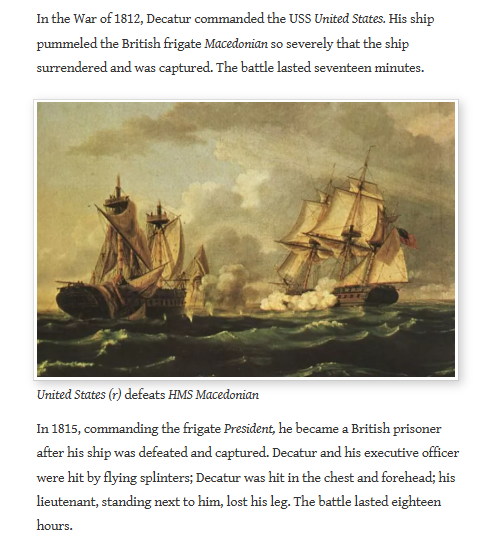
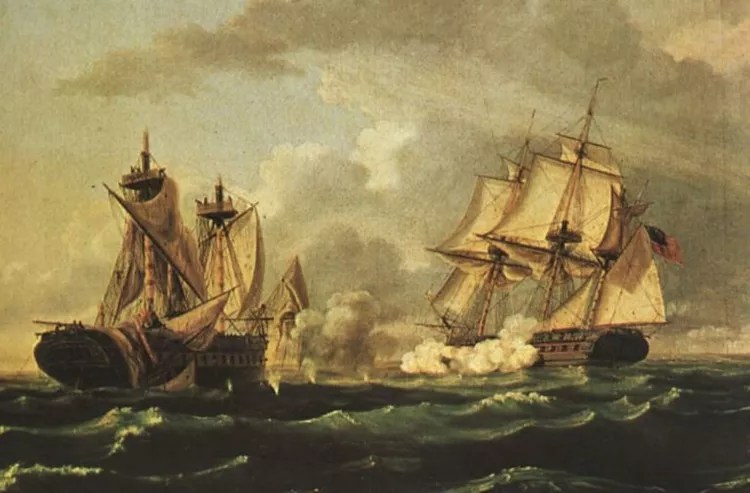
In the War of 1812, Decatur commanded the USS United States. His ship pummeled the British frigate Macedonian so severely that the ship surrendered and was captured. The battle lasted seventeen minutes.
United States (r) defeats HMS Macedonian
In 1815, commanding the frigate President, he became a British prisoner after his ship was defeated and captured. Decatur and his executive officer were hit by flying splinters; Decatur was hit in the chest and forehead; his lieutenant, standing next to him, lost his leg. The battle lasted eighteen hours.
After that war, he was put in command of the Navy’s Mediterranean squadron and, in 1820,, finally forced the “Barbary Pirates,” based in Tripoli, to surrender.
USS Harvey Milk; Secretary Hegseth
Secretary of Defense Pete Hegseth today ordered the oiler USS Harvey Milk renamed. Milk was a U.S. Navy diver during and after the Korean War. He was the San Francisco supervisor who was assassinated in 1978. In both his naval and political life, Harvey Milk was fearless. His assassination and Hegseth’s order both stem from the fact that Harvey Milk was a gay man.
Decatur, bottom right-center, in the hand-to-hand fight with the pirates.
Harvey Milk was gay.
So was Stephen Decatur.
The shame lies in neither Milk nor Decatur. Pete Hegseth owns it today.
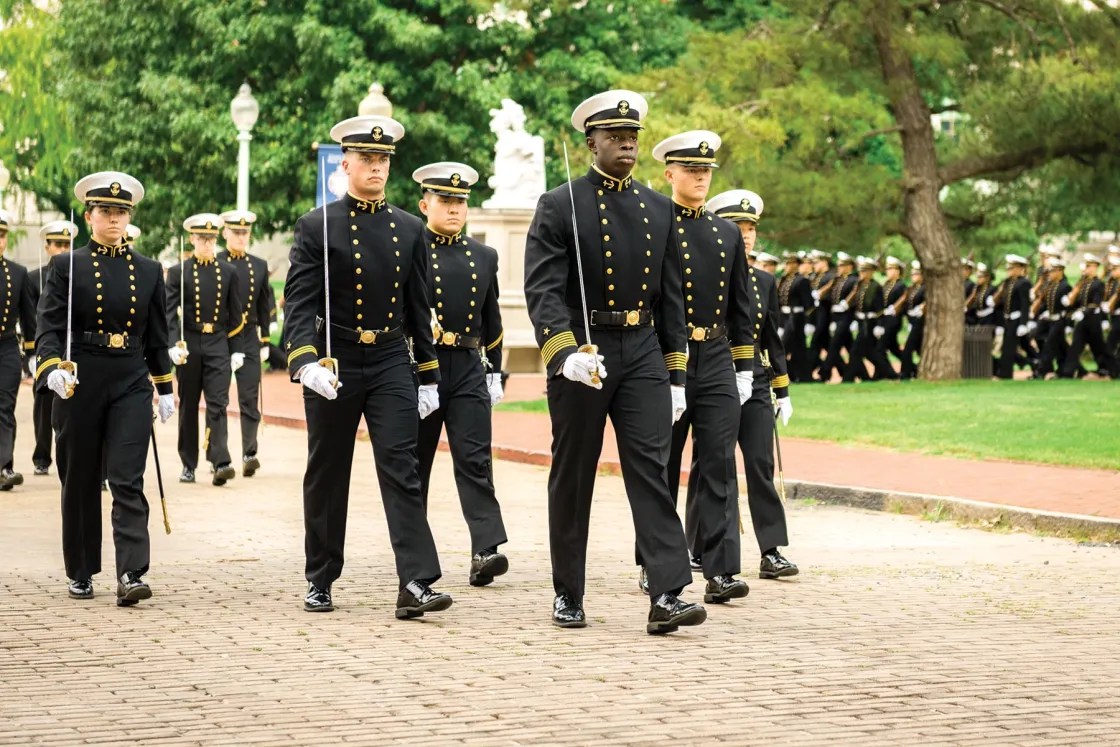
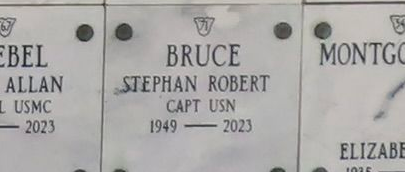
Naval Academy cadets on parade. My beloved brother-in-law, Steve, a husband and father, would have seen the Tripolitan Monument many times. Steve was an Annapolis grad. This is his memorial in the Academy Columbarium.
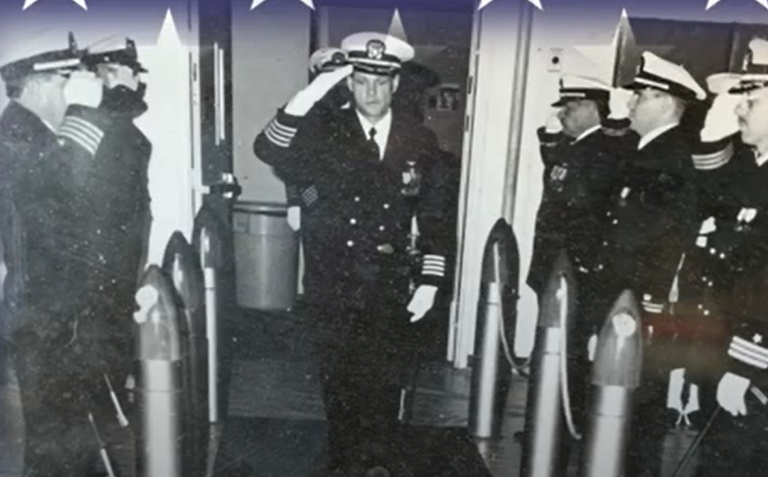
Captain Stephan Bruce in the ceremony that marked his retirement from the Navy. He flew Sea Stallion helicopters.
This is the first point that needs to be made. She is enjoying herself.
She still includes a banjo. I like that, it’s a wonderful throwback to her musical roots. And I like her lyrics here: Quirky, self-contradicting, clever. The backup singers are sublime,and this song demands them.
Now maybe we forget how young she was when she started. “Tim McGraw” was her first hit song. She was sixteen, and that’s why I still like this high-school song. (And, again great backup singers on the chorus.)
Yeah,, there’s those stupid umbrellas. But the neener-neener of the chorus and the interplay of her solo and the percussive instruments is, well, sparkling (?) So’s the whole lighty-uppy thing. COOL!
I love this song. It wails and does the be-bop thing in the chorus. I like her hat.
She’s not afraid to reach out to some people who are marginalized. Here she is at New York’s Stonewall Club, the scene of the 1969 that pitted the NYPD against the City’s gays. If you’re a fan of Modern Family, note who’s singing with her.
But that doesn’t mean that cops don’t love her, too.
Cynics would say her interaction with others is cultivated, but I think she really likes people. She’s working the audience in this performance of “Love Story,” on Letterman, but at about 2:45, look for her reaction to the little brunette girl. That’s genuine.
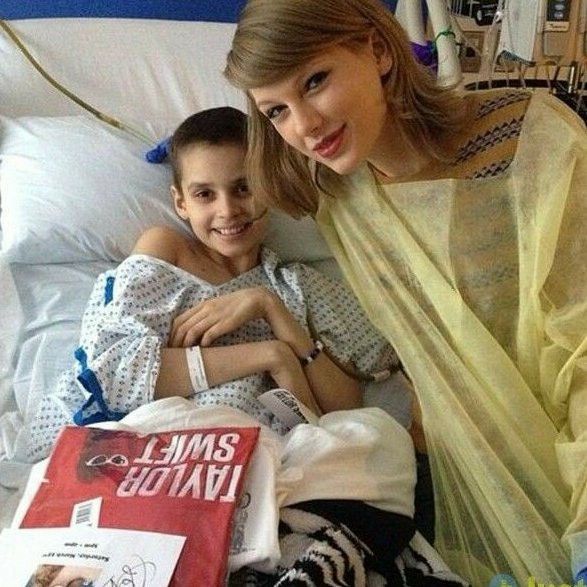
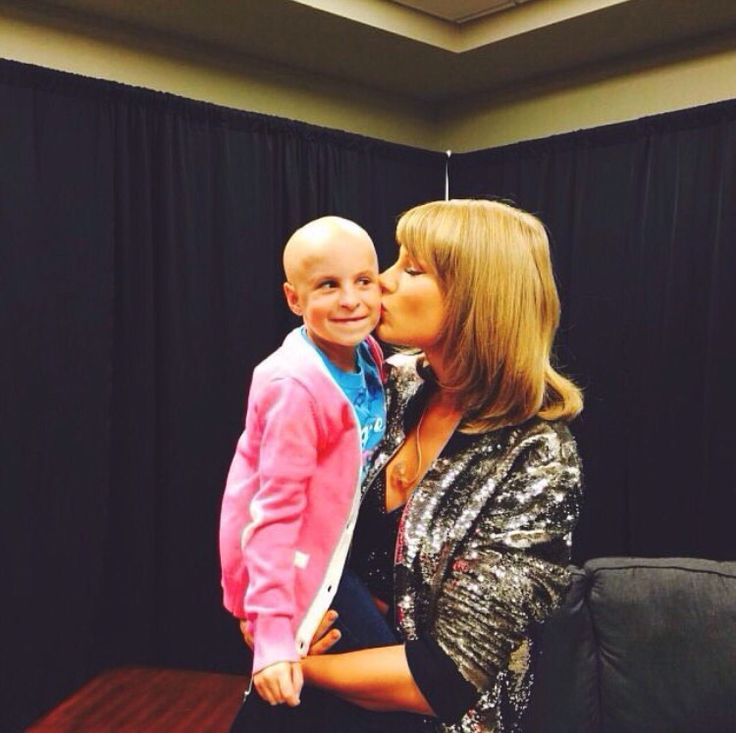
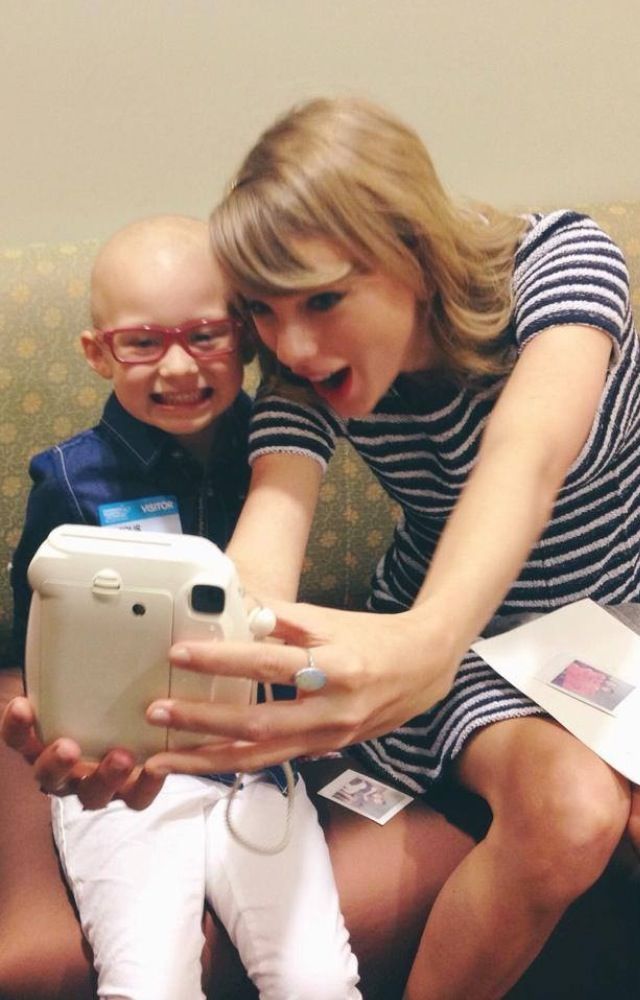
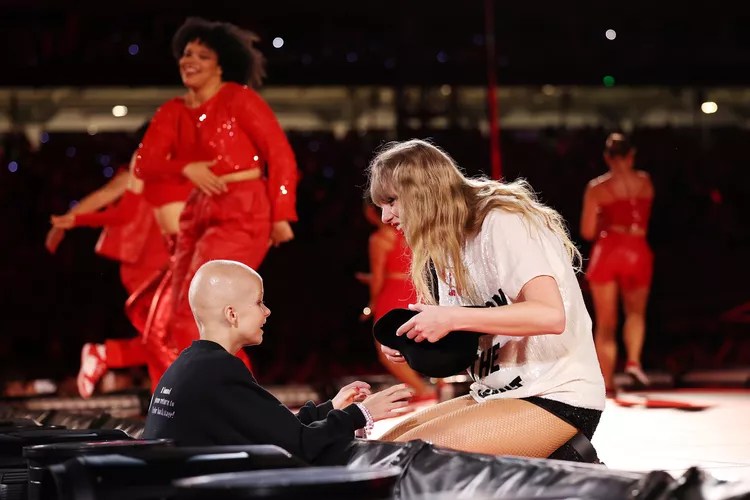
And, of course, there’s her cause: Childhood cancer. I think that’s genuine, too.
I’ve been talking a lot, on Facebook, about my hospitalization, but there are some things I need to write down before I forget them. Eventually, I WILL be quiet, but I’ve been thinking about the nurses at Cottage—where I detoxed for five days– and about my friends who are nurses.
In short, my nurses were incredible. They were cheerful, accommodating if I asked for something, and vigilant about vital signs, blood draws, meds and so on.
Most of all, they were kind.
Yet they had to deal, as a group, with patients who were experiencing psychotic breaks, the kind where they had to clear us out of the halls for our safety.
There were two of these at the same time one morning and all the nurses closed ranks around those patients, talking them through their crises, but that morning they needed the help of four large security staffers, their backup. The security men later escorted the patients, one of them my short-term roommate, to a ward where they could get more intensive care and more potent medications.
So this is what I found out: Being a nurse can be scary. I didn’t realize this, and this was the guy who, during one stay in the ER, wanted to rip aside the room’s dividing curtain and pummel the doctor I overheard referring to the nurse assisting him as “sweetie.”
The nurses don’t know this, but they became my friends. I also made friends with the women who cleaned our rooms, Maria and Joanna. They were, like the nurses, unbelievably sunny. My ego demanded that I share a few words in Spanish with them, and they were admirably tolerant.
My new friends included a boy who couldn’t get through two sentences without suddenly putting his hand over his heart and starting to cry.
There was an older man who couldn’t get discharged and so was palpably, painfully sad. He owned everything he’d done while using, so maybe part of what looked like sadness was a actually a kind stoic strength. I guess wisdom, once it’s earned, hurts like hell. Thankfully, he finally got out early on the Friday I did. We shook hands and looked squarely at each other, the way that men do when they communicate the euphemism “regard” for each other when the proper and more accurate word is “love.”
There was a young woman, small and fine-boned, who spoke so softly that she affirmed my need for new hearing aids. She had the profile of a Nubian princess. She was very black and incredibly lovely. In fact, she was, I thought, one of the most beautiful young women I’d ever known, and thirty-plus years of teaching guarantees that I’ve known thousands of beautiful young women.
Phone Man was ALWAYS on the phone, making arrangements, keeping tabs, deciding decisions, I think all of it for his business. He was never really in the hospital, not at all. I did not like him.
Another young man—there were a LOT of young men—beamed proudly when, after four times, he remembered my name. He was very tall, sweet and unassuming, but I’m not sure if his mother had ever really loved him.
An older woman (my age) had been a world traveler, another was homeless. That woman’s life was scored by the deaths of those she loved the most, and the loss showed. She was a little stooped, had lost a few teeth, had lost one of the arms on her eyeglasses, had lost everything she owned except for the clothes she wore into the ward. She now wore the tan scrubs and static socks that Cottage provides.
Only twenty-four hours after coming in, and abstaining from drinking, I overheard a conversation she had with a nurse. The woman I’d pitied was intelligent, articulate, focused on her future after discharge. I was chastened. She was a remarkable person who needed, if just for a few days, a place where she could find herself again. “Remarkable” is almost the right word. “Miraculous” might be a better one for her.
Above: French Senegalese soldiers, World War I; me teaching my “troops” ninety years later.
Forgive me for going all History Teacher on you.
May 22, tomorrow’s date, in History:
German forces launch a counterattack during the months-long Battle of Verdun, aimed at recapturing Fort Douamont, a strongpoint in the French defenses.
In 2010, my teaching partner, Amber Derbidge, and I took a group of AGHS students to Northern France and the trip included a visit to the Verdun battlefield, including Fort Douaumont.
Over 300,000 French and German soldiers were killed in this battle. 100,000 were killed or wounded in the struggle for this fort.
We were touring the battlefield museum when a French docent took me aside.
“Are these YOUR students?” she hissed. My crests fell.
“Yes,” I admitted.
“They are so RESPECTFUL!”
I once said that the year I quit getting angry over teaching the First World War was the year I should quit teaching.
One year, I asked one of my students what her favorite unit was in AP European History.
Her answer was almost immediate.
“The First World War,” she said.
I was flabbergasted. WHY?
“Because now I understand the value of human life.”
This is why, as quaint and impractical as the courses may seem, we still teach history and literature to high school students.

















 A Work in Progress