

It’s not even the Dollar Tree anymore. It’s the $1.25 tree. At least it doesn’t smell like mothballs, like the old, old Rasco store did, and it’s like Lee Chong’s grocery in Cannery Row. It’s a miracle of supply. You can find almost anything that fits your mood: animal crackers, birthday balloons, eyeglass repair kits, navy beans in a can.
I went there for some miniature American flags and plastic flowers.
The line at the checkstand was long. It always is. The couple ahead of me, a husband with tattoos up to his chin, the young wife with yoga pants—I averted my gaze—and the little girl wearing a ZOMBIE CROSSING medallion. The husband smiled at me. Then he called over my shoulder to a woman two customers back. The man between the woman and me —tiny, deeply tanned, with a wiry salt-and-pepper beard, was as stooped as a comma and he shook uncontrollably. Parkinson’s.
“How are you?” he called to the woman behind the tiny man. She smiled. Her upper teeth were irregular, kind of crenelated. “I’m doin'” she called back. “Job?” he asked.
“Still looking.” her smile dissipated.
“Why don’t you come over tonight?” the man said. His pretty wife agreed. “Yeah! We’re doing Mexican!” It was a going-away party for someone they knew. They asked the checker for a helium balloon, so he went to fetch it. When he came back to the checkstand, they invited him over, too. I think he’s going after his shift ends.
They paid for their cart—canned and boxed food—and the husband asked if he get could $50 over on his EBT Card, from the federal food assistance program. They needed to get the fresh stuff–carne asada, shredded cabbage and lettuce, cheese, onions and peppers–because they were doing Mexican.
The cash register took a long, long time to do the cash-back transaction. It was thinking. The old, old man behind me was shaking. I was liking the little family as they left the checkout. My turn.
These people, including the gracious young man with the tattoos up to his chin, are about to suffer. The woman he called to is jobless and looking, but I suspect that he, in using the EBT card, is among what are euphemistically called “the working poor.” He may work in the fields. Maybe not. If his little girl (who wants to be a zombie) gets sick, this family might be without the Medicaid they’d need for her.
The old man behind me will die. Very soon.
So they all might suffer. But they deserve it, don’t they? Their place in the the economy’s lower tiers (economics was once called “the dismal science”) is their own fault, isn’t it? My sons, who rely on Medical, might suffer as well. And Thomas uses his EBT card to supplement our food supply when the month, as it invariably does, outlasts the money. (My sons have jobs and work hard—John repairs water wells and Thomas drives a forklift.)
If the Present Administration goes after Medicare, and the rumblings suggest that they will, then I will suffer. I must deserve it.
Then I realize I’m being stupid. The United Kingdom, Australia, Canada, Sweden, Norway, Denmark, Brazil, France and Germany all subsidize health care. South Korea’s public health system is probably the best in the world.
Then there’s Social Security. The president said today that he will “love and cherish” Social Security. He says the same about women. Eighteen have accused him of sexual assault. And, by the way, “social security” is not some bleeding-heart liberal New Deal cushion for the retired (and therefore, according to Elon Musk, the unproductive. SEE: The film Soylent Green).
Here’s the man who invented Social Security, right after waging successful wars against Denmark, the Austrian Empire and France. He provoked all three wars and, in the process, had unified Germany by 1871. Otto von Bismarck, “The Iron Chancellor” brought an old-age pension program to Germany in 1889. The milk of human kindness, as you can see, flowed through his Prussian veins.
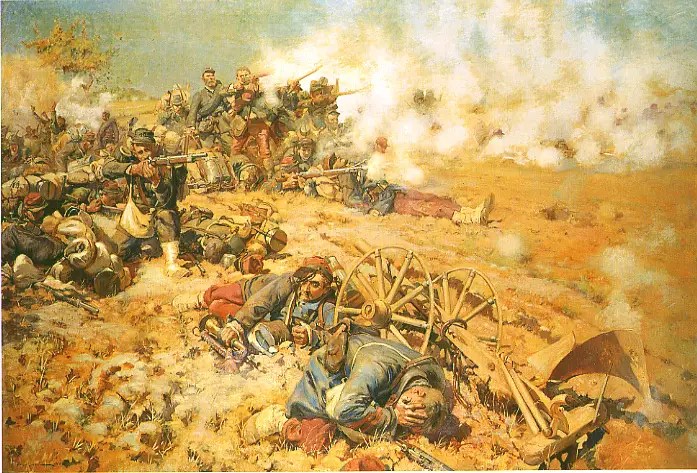
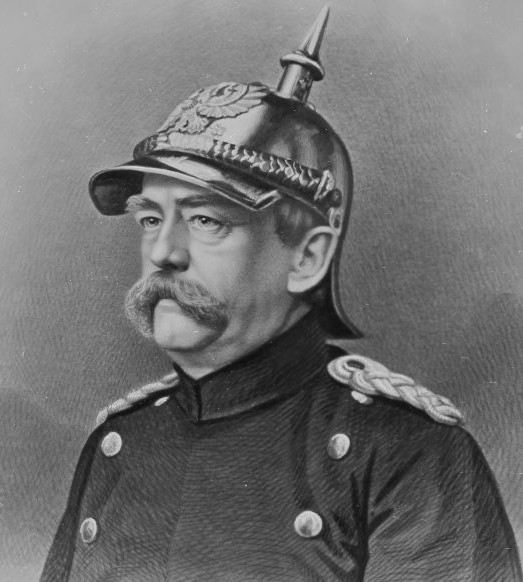
Above: A French defeat in the Franco-Prussian War, 1870-71; The “Iron Chancellor” who provoked it.
We need to go in a different direction than Bismarck’s. Our national resources need to be diverted to people like these. They deserve The Big Beautiful Bill.

I was thinking this and getting depressed, and angry, so to cheer myself up, I went to the cemetery.
I wanted to be with people who, like the man in line, were more far more generous than the billionaires.
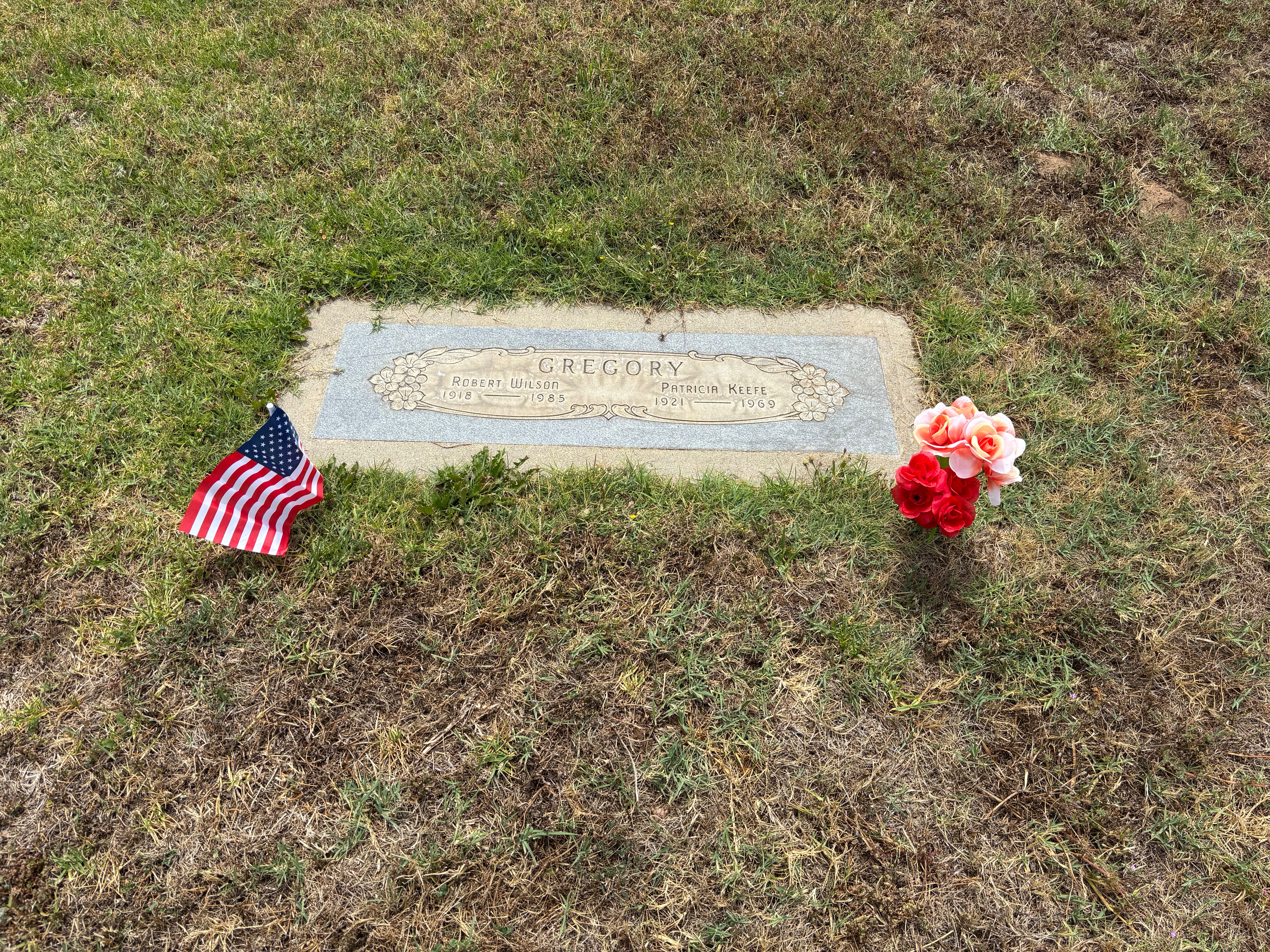
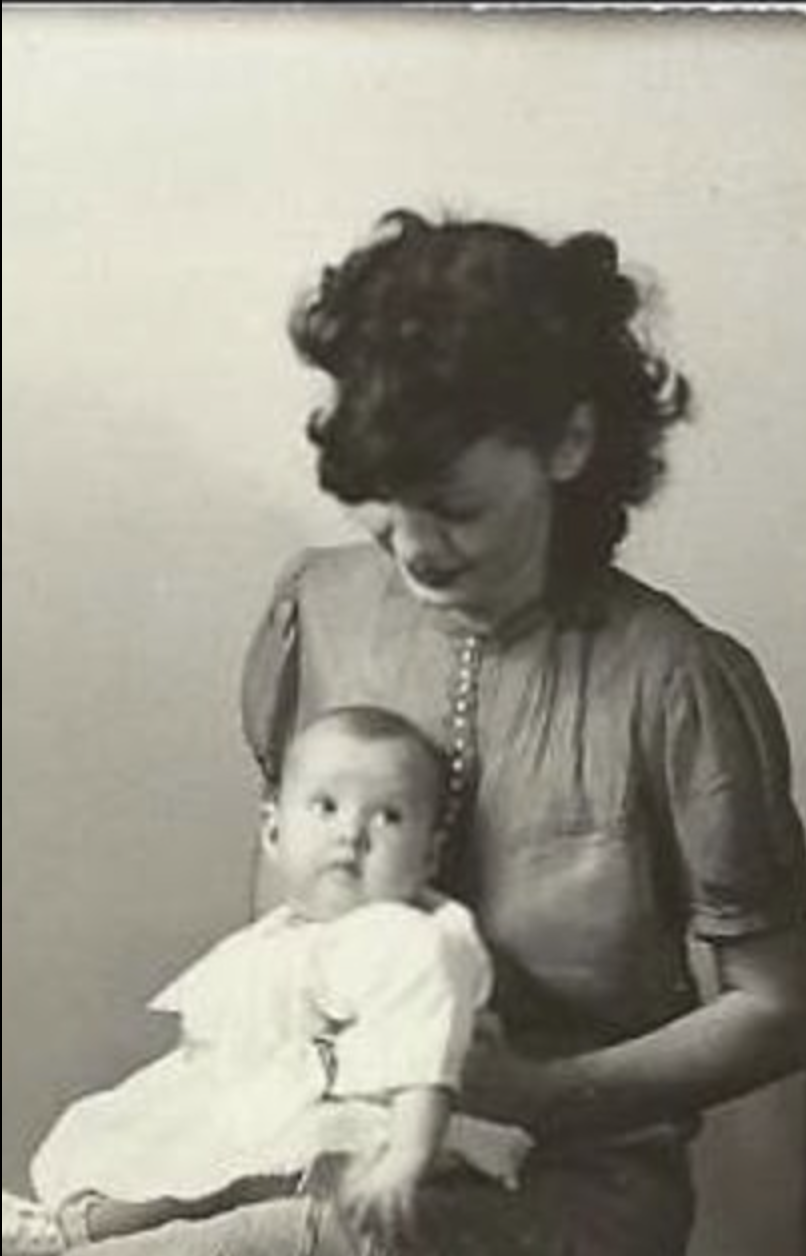
Of course, I found them. My Dad, Robert Wilson Gregory, taught me how to tell stories. Patricia Margaret Keefe was my Mom, named for two Irish Famine ancestors, Patrick Keefe and Margaret Fox. She had a fierce sense of social justice and a hunger to learn. These are the things she taught me.
I had to be a teacher.
And then I looked for another young man, Pete, who was as generous to his friends as my parents were to me. “To know Pete was to love him.” I have heard that many, many times. Pete Segundo, AGUHS ’66, my big brother’s class, was an incredible athlete. He wrestled and played football. He was the Letterman’s Club president (in one yearbook photo, his arm’s broken and in a sling. He is grinning broadly). He showed a steer for FFA. While other kids went to the Choo-Choo Drive-In on East Grand after school, Pete went into the fields to chop celery.
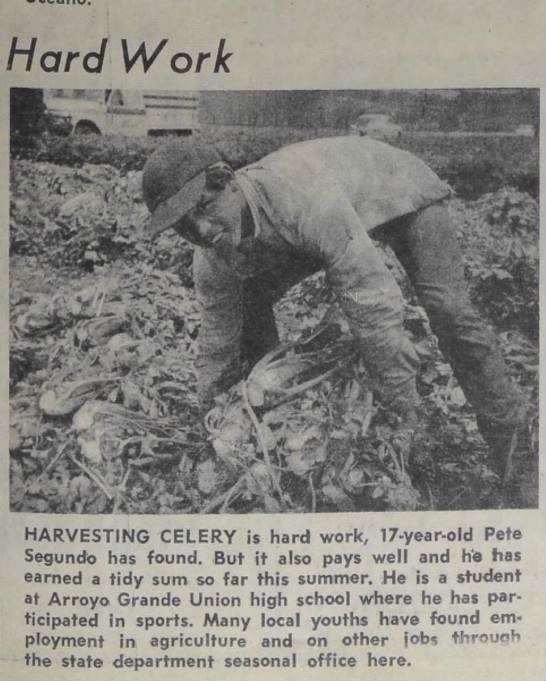
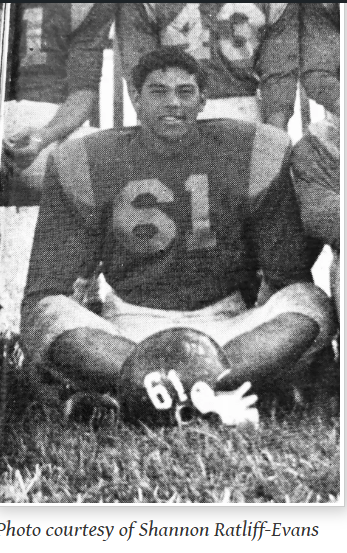
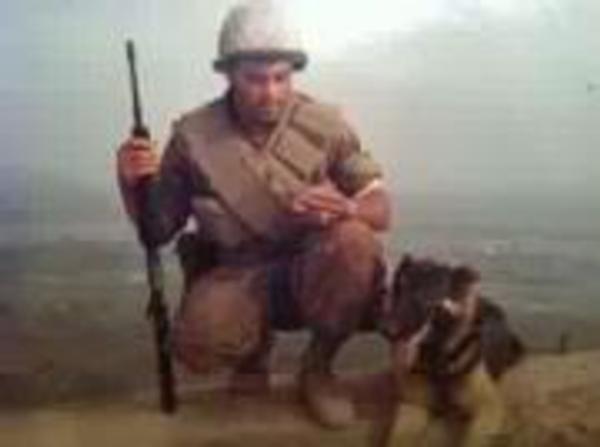
In 1969, the Marine Pete Segundo died in Vietnam, killed by “friendly fire,” which might be the worst euphemism of all for the greatest act of generosity that any American can give.
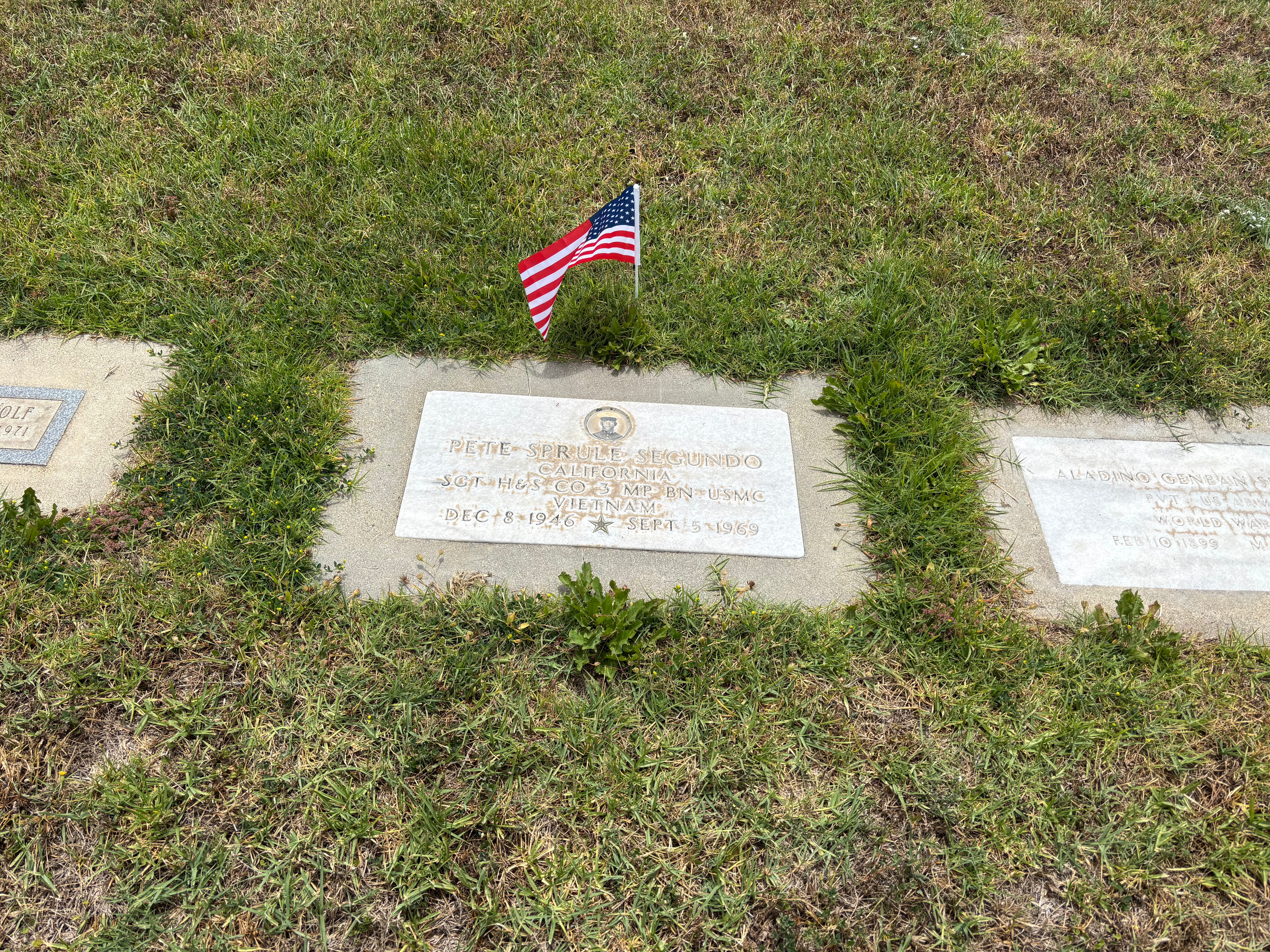
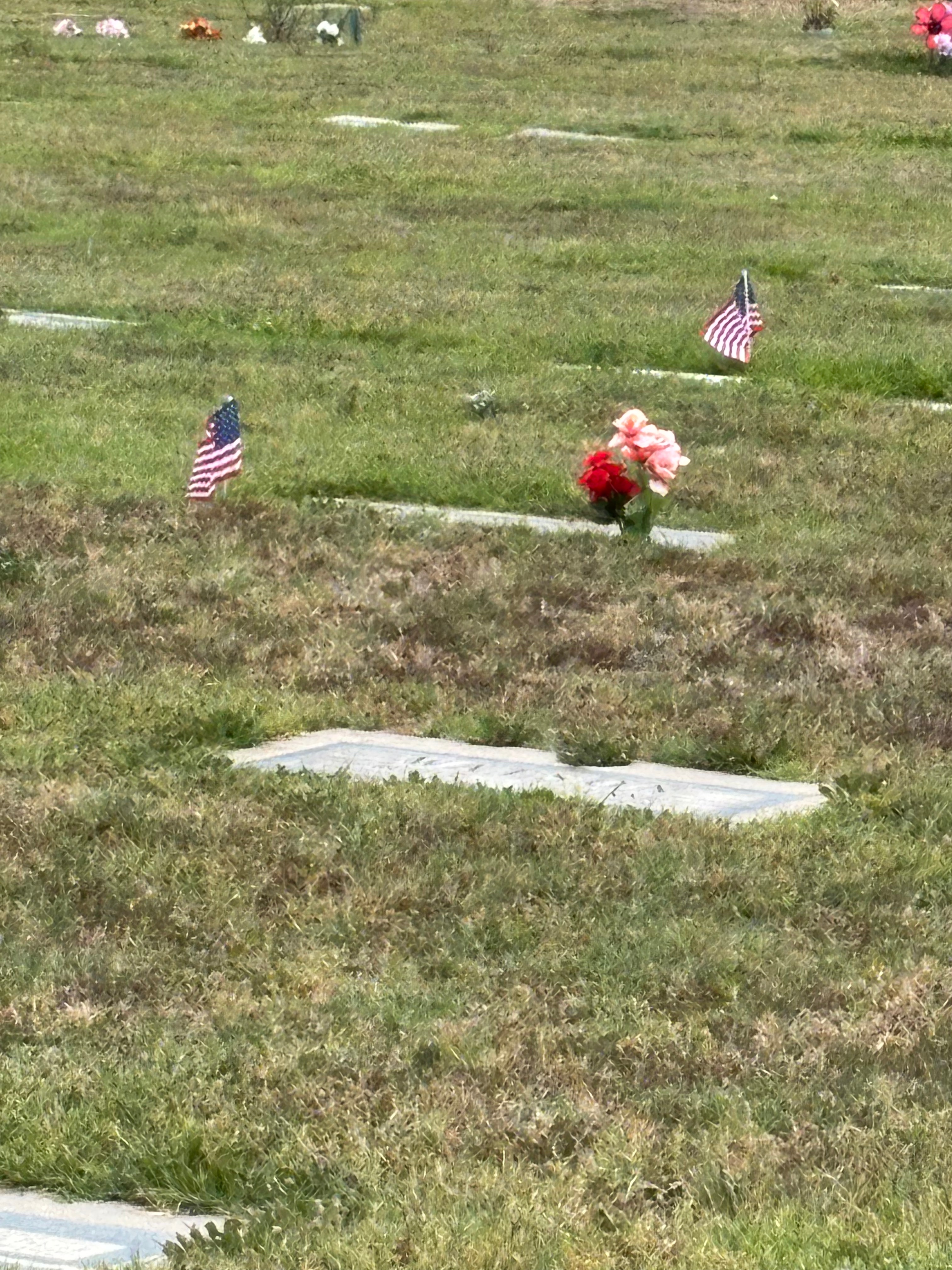
His grave was uncharacteristically bare. Usually it’s bright with flags, flowers, red-white-and-blue pinwheels spinning in the wind. Maybe they cleaned everything up after Memorial Day. Luckily, I had another American flag. I remembered, as I pushed into the turf, what my big brother said about Pete. Bruce went out for wrestling and Pete was already establishing himself as the next big thing for Coach Ruegg. Bruce was not going to be the next big thing. “Pete was nice to me,” he said once, “and he didn’t have to be.”
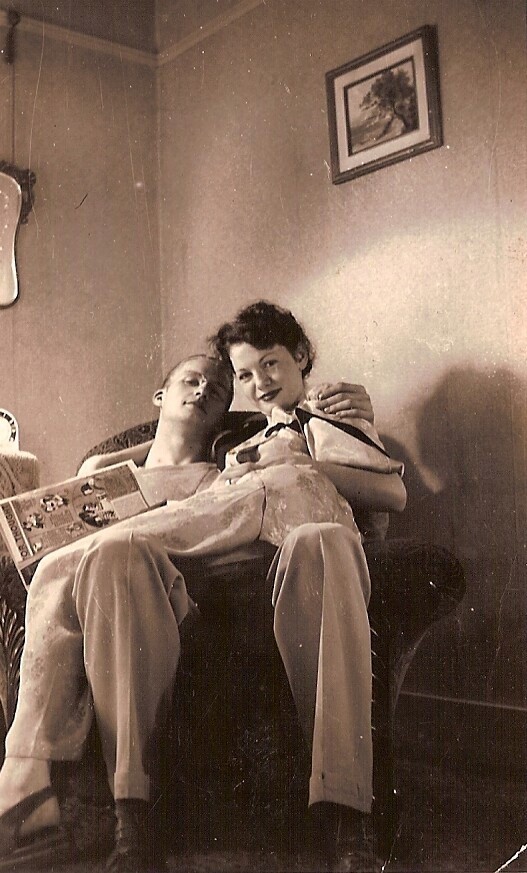
Above: My folks, with the Sunday funnies, about 1940; Pete’s grave is a row above theirs.
I was once a newspaper reporter and therefore, all my life, a news junkie. Part of my recovery from alcoholism means watching the news far less than I used to. We live in an age of meanness. I was raised to value kindness. Today I felt a little overwhelmed, so I made my deliveries, flowers and flags, and I spent more time than I ever have at the cemetery, talking to my parents, telling my Dad how proud I was of him, telling my Mom how much I loved her.
I was worried about the people in line at the Dollar Tree and thinking, painfully, about the way Pete had died.
I think my parents were whispering back to me. Suddenly, I felt at peace.
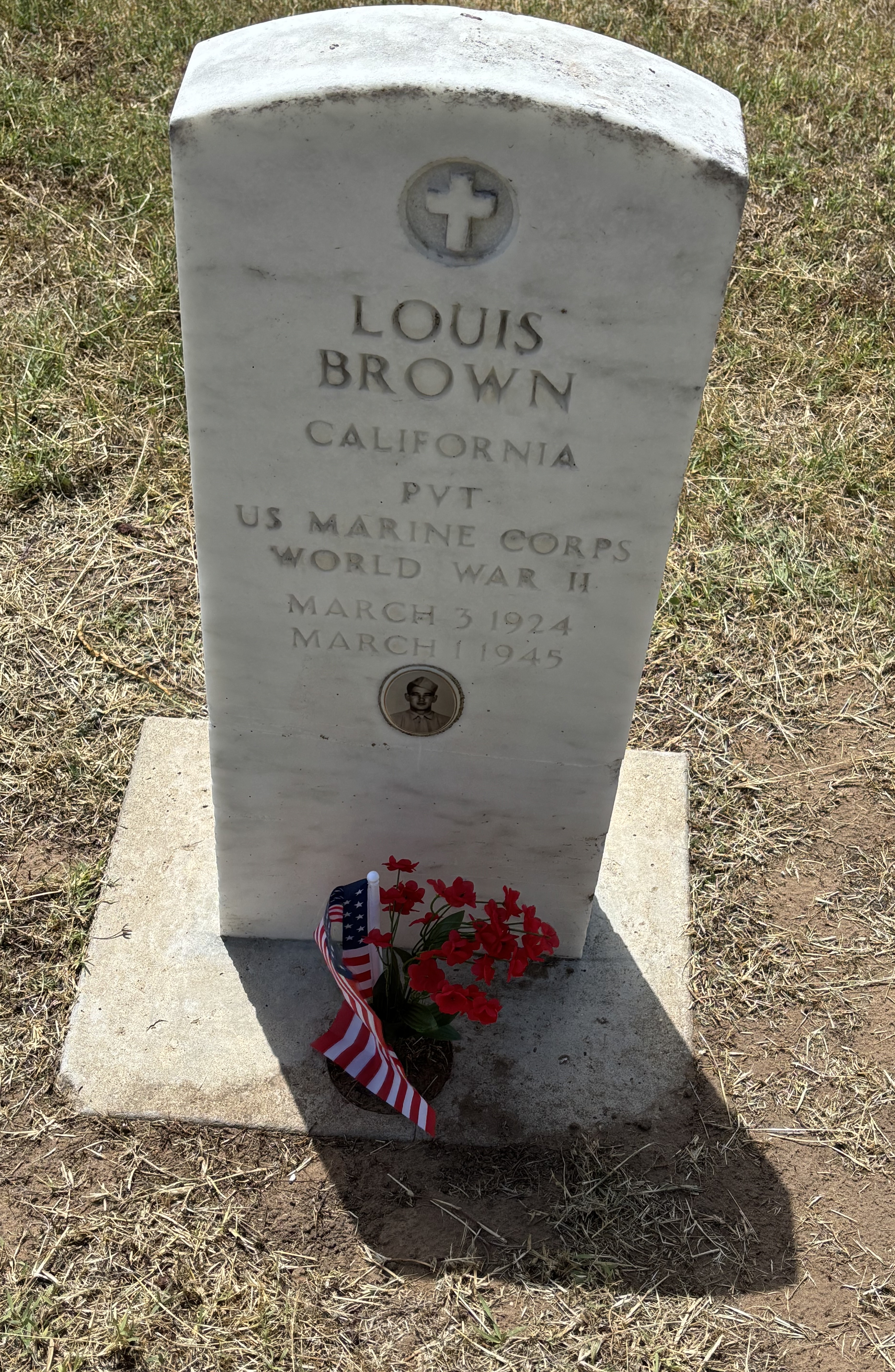
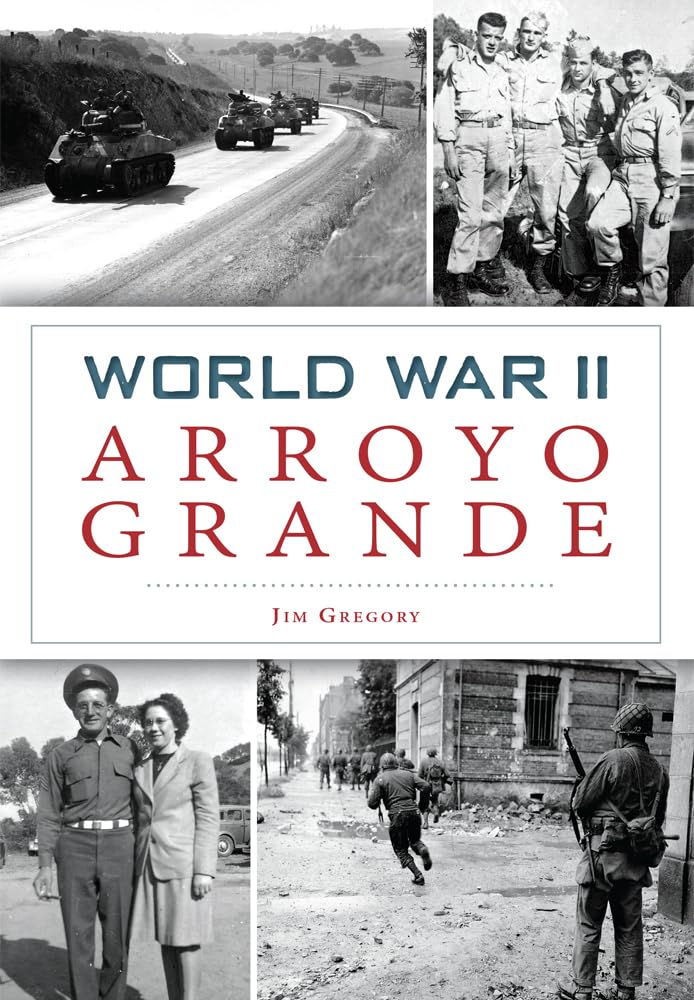
Postscript. I had one more American flag and a sprig of little red plastic flowers. My last stop was for this Marine, a Corbett Canyon farmer’s son, who died on Iwo Jima. Finding Louis Brown’s grave led to my first book. He was generous to me, to all of us, beyond imagining.













 A Work in Progress