



30 Sunday Jul 2023
Posted in Family history, Uncategorized
08 Saturday Jul 2023
Posted in Family history, Uncategorized
The original song turned out pretty well, too…
02 Tuesday May 2023
Posted in Family history, Uncategorized, World War II
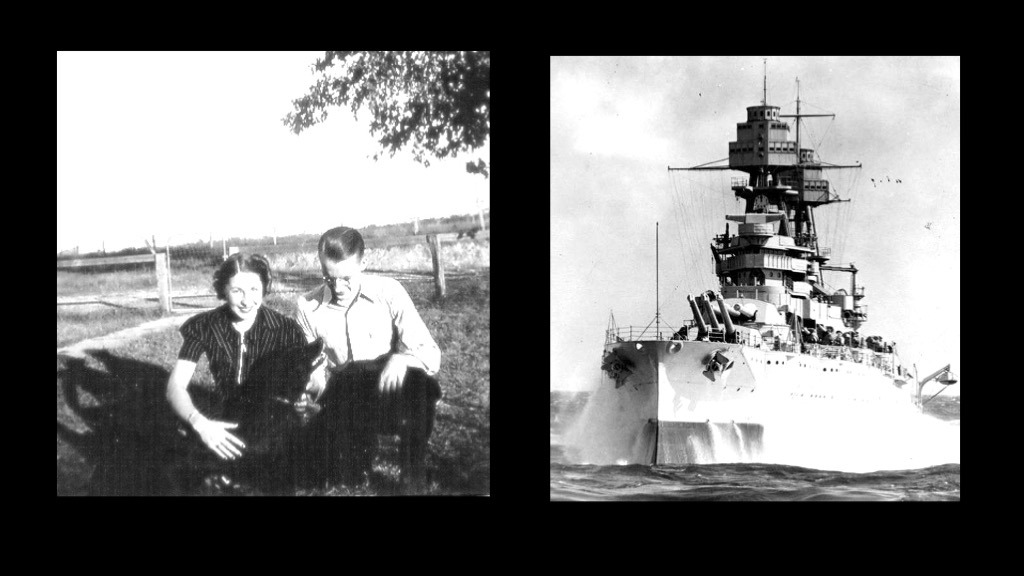
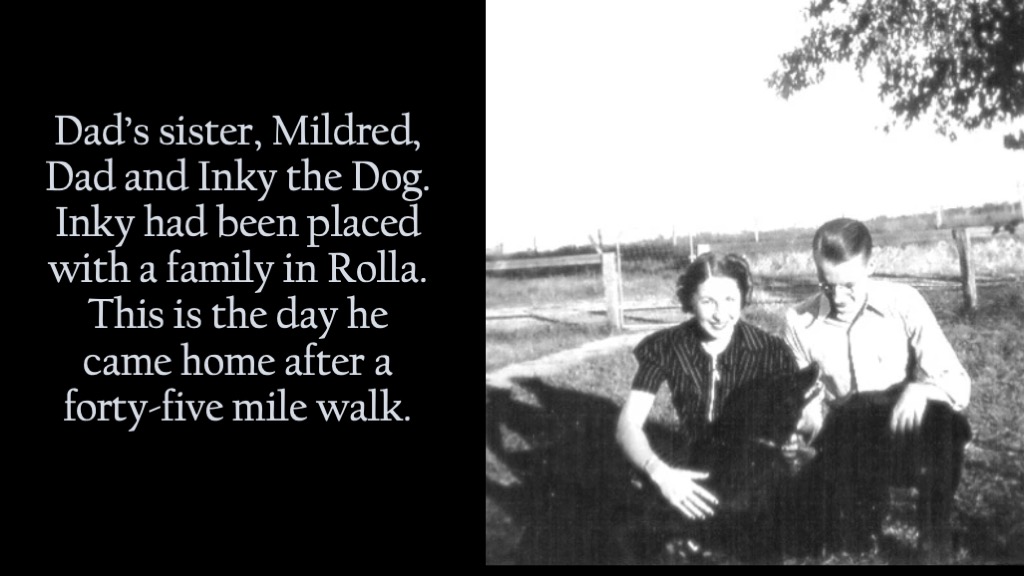
Inky is the black dog in the photo with my aunt and father. They had to give him up for “bothering sheep” and found him a new home in Rolla, Missouri.
Inky ran away.
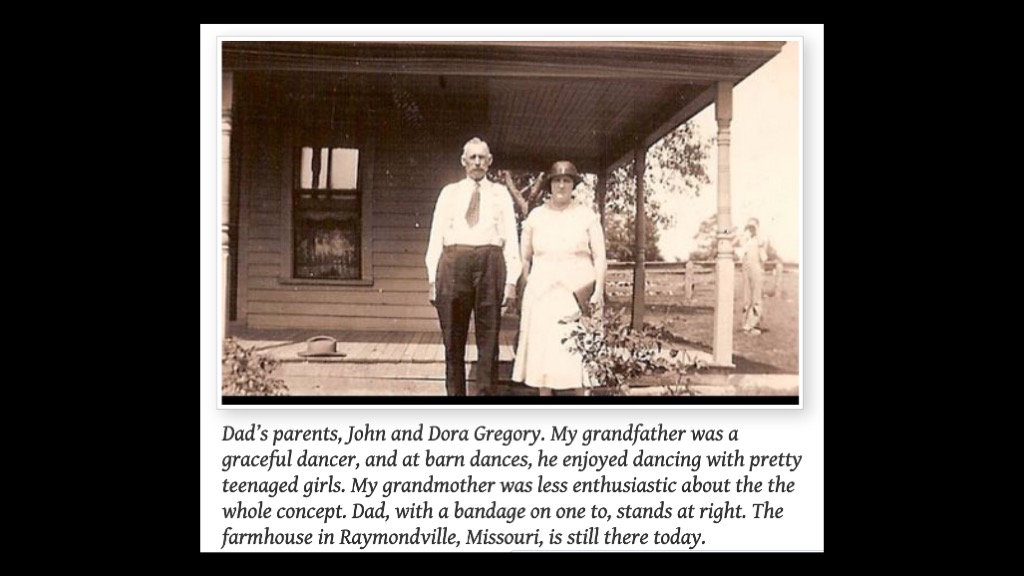
This photo was taken outside my grandparents’ farmhouse on his return to Raymondville, Missouri. Raymondville is forty miles south of Rolla, but Inky found the people he loved.
My friend Wendy Taylor read the Inky story on Facebook. We went to AGHS together. She told me that her father’s family was living in Raymondville in the 1930s. The odds are staggering because I think the YOU ARE NOW ENTERING and YOU ARE NOW LEAVING signs are on the same signpost in tiny Raymondville.
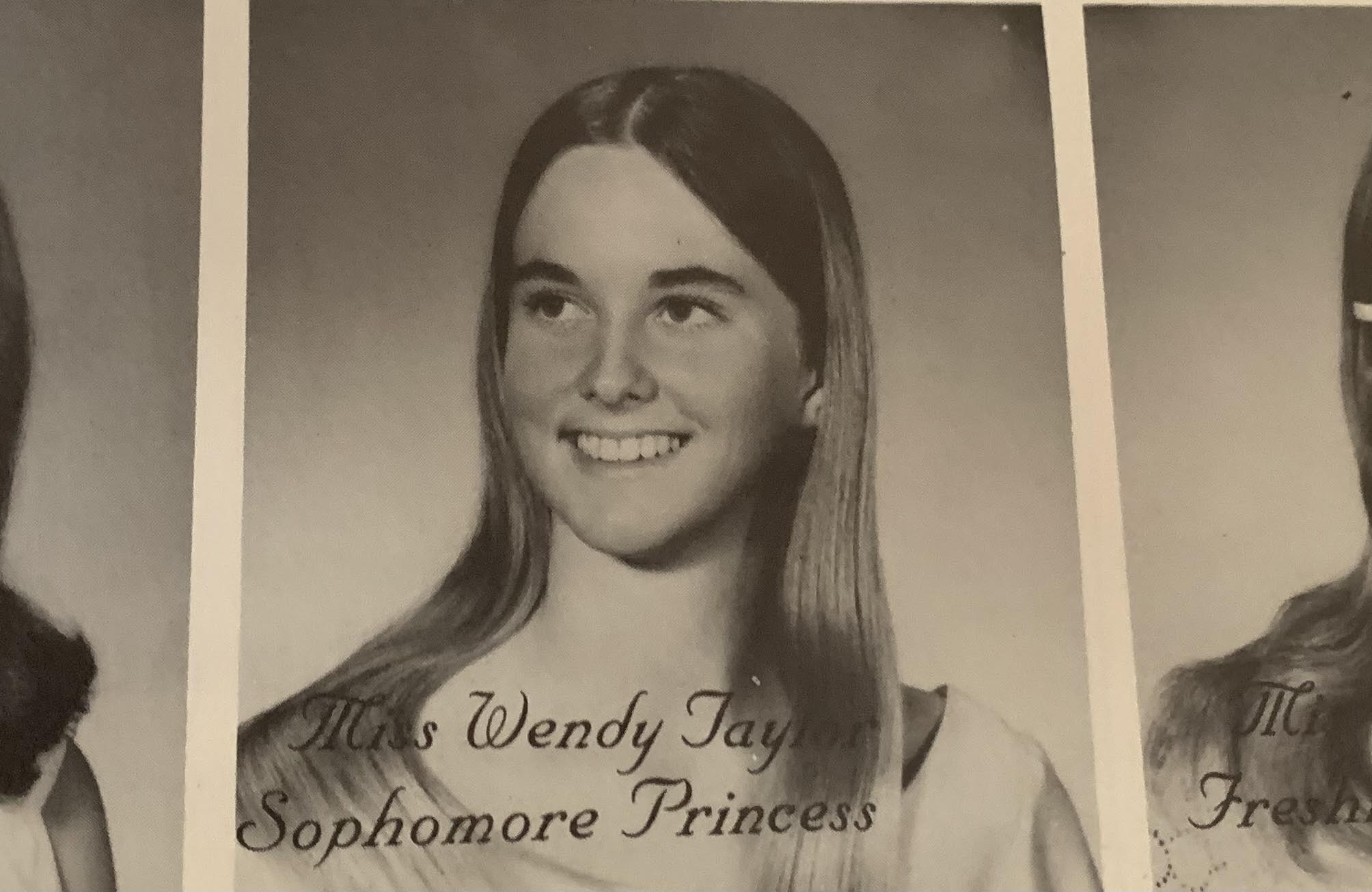
And, sure enough, my Aunt Aggie married Mr. Charles A. Taylor in Raymondville in 1912. They were both 19.
I don’t know that this Taylor is related to my friend Wendy, but I found something else out about my family.
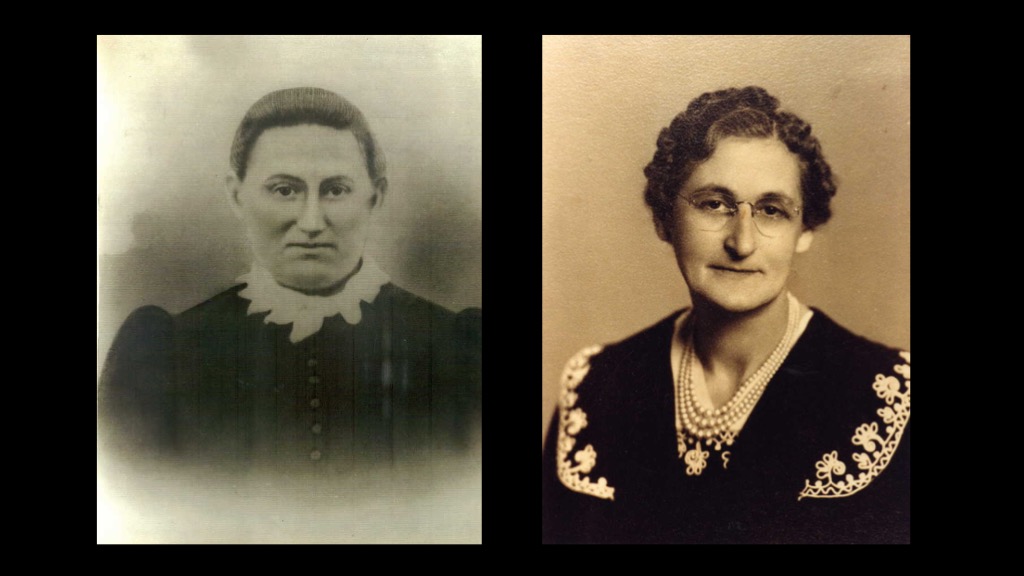
This is Aunt Aggie, on the right, later in life. That’s her mother, the scary lady, my step-grandmother, Dorriska Rose Trail. (She died and my grandfather John, widower, married my grandmother, Dora, widow.) The noses give their connection away—DNA does not lie much—but Aggie’s a softer person and she loves her pearls. Me, too.
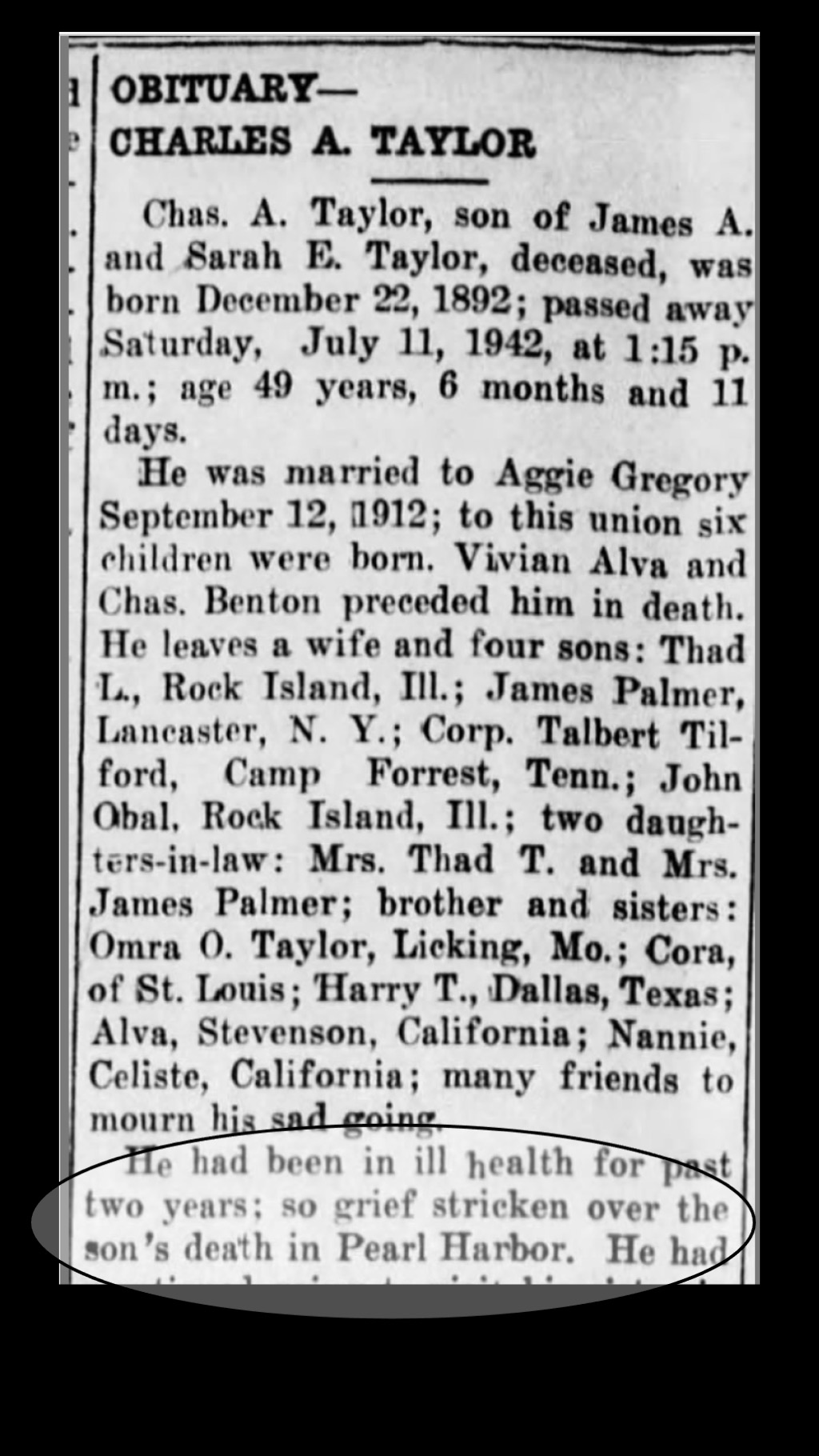
Charles and Aggie were living in Illinois when, sadly, he passed away at 49. Aggie would live another 38 years. I found his obituary in a Houston, Missouri, Herald from July 1942, and it contained this poignant detail:
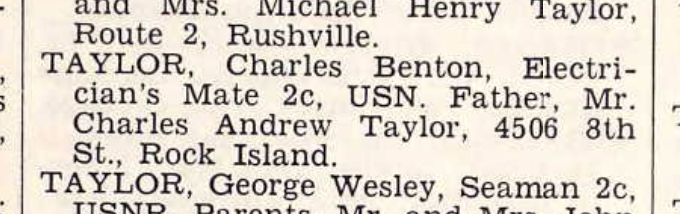
And then I found their son in the World War II casualty books:
And then I found their son.
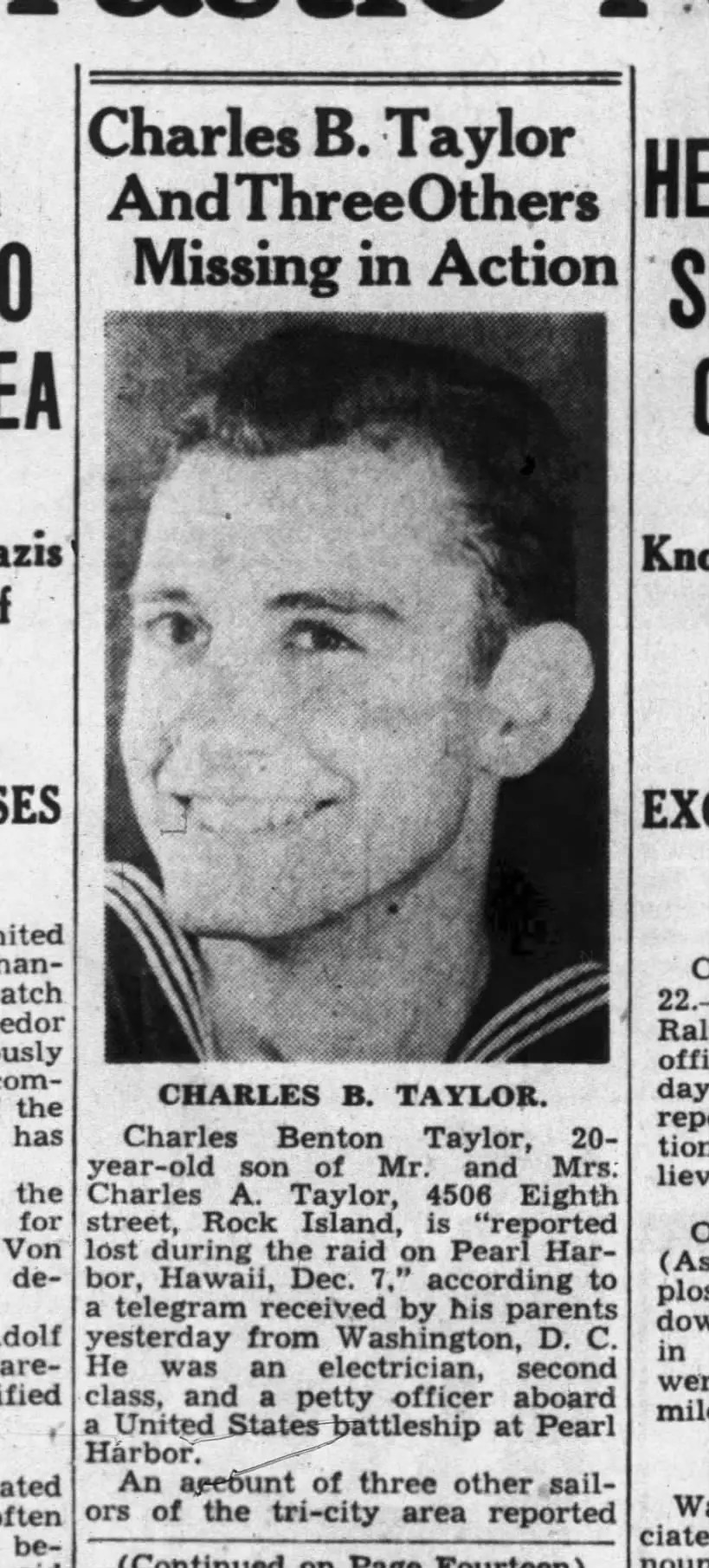
He’s a nice-looking boy, isn’t he? He’s remembered on this particular marble wall, along with two sailors, just two years older, who grew up in Arroyo Grande:
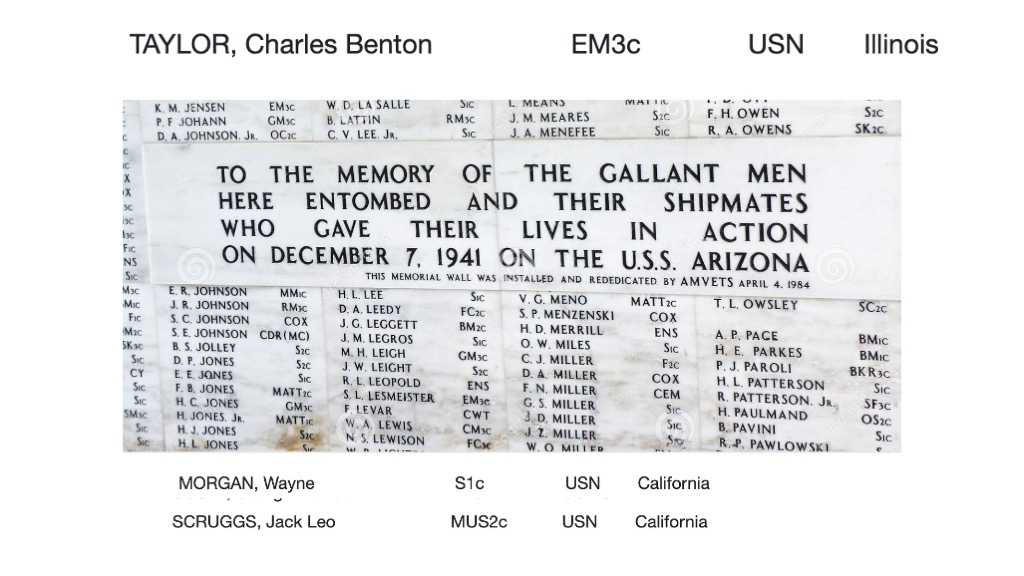
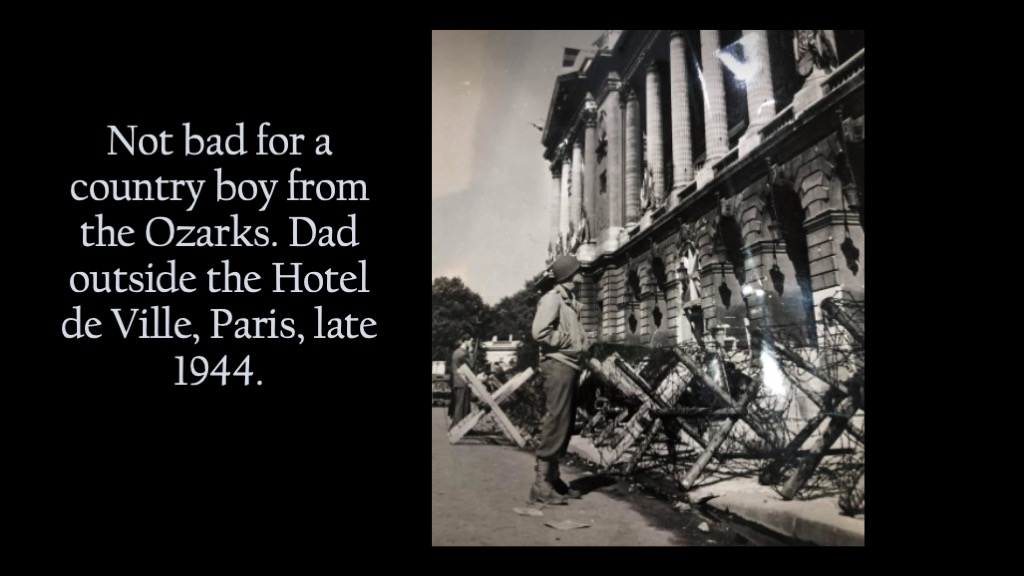
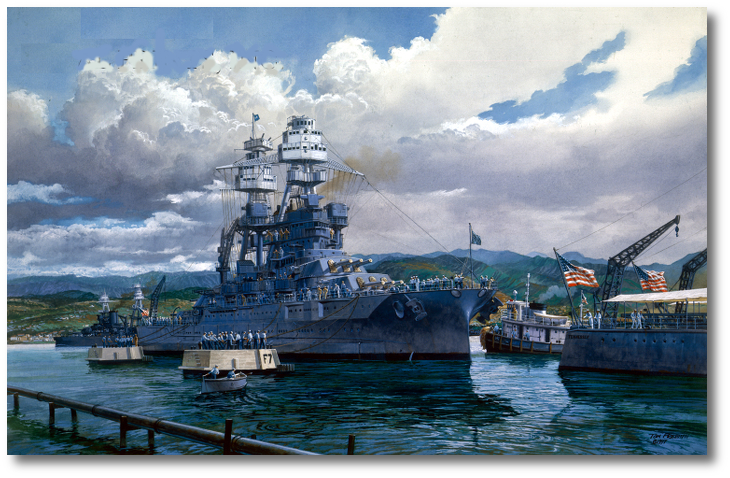
I didn’t remember the whole story, but Dad used to talk about a cousin who was killed on Arizona. It was Wendy Taylor’s comment that set me to thinking. I had no idea that a morning spent researching my aunt, Aggie Caroline Gregory Taylor, would take me back, once again, to Pearl Harbor and December 7, back to a war that took my Dad, an Army lieutenant, from Raymondville and Taft, California, to London and Paris.
I think it was Inky who led me to this young sailor, so his sense of direction remains unerring. What a good dog.
20 Monday Mar 2023
Posted in Family history, trump, Uncategorized

OUR NATION IS NOW THIRD WORLD & DYING. THE AMERICAN DREAM IS DEAD! THE RADICAL LEFT ANARCHISTS HAVE STOLLEN OUR PRESIDENTIAL ELECTION, AND WITH IT, THE HEART OF OUR OUR COUNTRY. AMERICAN PATRIOTS ARE BEING ARRESTED & HELD IN CAPTIVITY LIKE ANIMALS, WHILE CRIMINALS & LEFTIST THUGS ARE ALLOWED TO ROAM THE STREETS, KILLING & BURNING WITH NO RETRIBUTION. MILLIONS ARE FLOODING THROUGH OUR OPEN BOARDERS, MANY FROM PRISONS & MENTAL INSTITUTIONS. CRIME & INFLATION ARE DESTROYING OUR VERY WAY OF LIFE. NOW ILLEGAL LEAKS FROM A CORRUPT & HIGHLY POLITICAL MANHATTAN DISTRICT ATTORNEYS OFFICE, WHICH HAS ALLOWED NEW RECORDS TO BE SET IN VIOLENT CRIME & WHOSE LEADER IS FUNDED BY GEORGE SOROS, INDICATE THAT, WITH NO CRIME BEING ABLE TO BE PROVEN, & BASED ON AN OLD & FULLY DEBUNKED (BY NUMEROUS OTHER PROSECUTORS!) FAIRYTALE, THE FAR & AWAY LEADING REPUBLICAN CANDIDATE & FORMER PRESIDENT OF THE UNITED STATES OF AMERICA, WILL BE ARRESTED ON TUESDAY OF NEXT WEEK. PROTEST, TAKE OUR NATION BACK!
Hey, that’s why they call it “Truth Social!”
* * *
The only place that’s worse off than us is Scotland. Those haggis snorters—it’s been documented that haggis is ten times stronger than Fentanyl—have referred to Mr. Trump as a “Cheeto-faced ferret-wearing s___gibbon,” an “idiot cockwomble,” (alternatively, a “polyester cockwomble”), a “hamster heedit bampot,” an “incompressible j__ztrumpet,” and a “leather-faced s___ tobbagonist.”
Shame on them.
* * *
In the States, since My President is due to be indicted Tuesday, here are all the False Allegations I am going to protest tomorrow:
1. He paid a Playmate of the Year—Hef is dead. Get over it, people!–and a horse-faced porn star (the man has a way with words, doesn’t he?) so they wouldn’t reveal that he had sex with them, those lucky girls, and that he wears Tidy Whitey briefs.

2. The bogus claim, brought in a civil suit for defamation, based on the contention that The Greatest Lover Since Rudolph Valentino raped E. Jean Carroll in a department store. “She’s not my type!” he has said clearly about the woman he’s twice confused in depositions with his former wife. The same goes for the other 26 women who’ve claimed everything from rape to job-place sexual harassment. They’re all dogs, anyway.
3. The audio tapes made by Georgia Republicans that have him trying to change the 2020 vote count in his favor. It’s patently obvious that the voice on the telephone is Alec Baldwin’s, who imitated Mr. Trump on the lowly-rated Saturday Night Live—Sad!— and who shoots people in the face pretty much every day.
4. The New York Attorney General’s civil suit that alleges he inflated his properties while applying for bank loans and deflated their value for the IRS. So what’s wrong with THAT? That’s what made America great! Also, those offshore banks in The Bahamas are a splendid example of the most important foreign aid since the Marshall Plan.
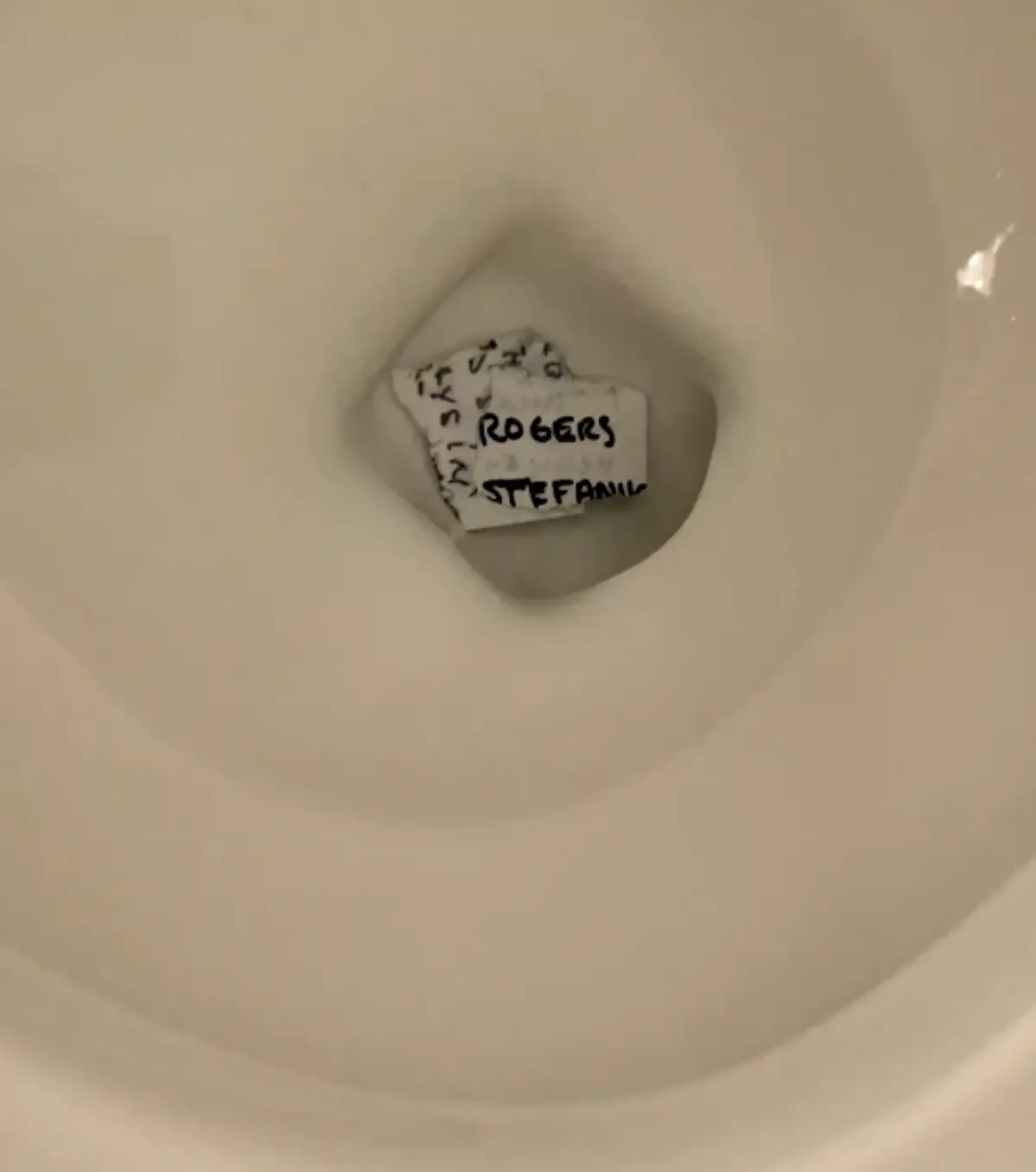
5. The documents, allegedly classified, that were carefully stored at Mar a Lago, not too far from where they put together the shrimp cocktails for dinner, and in the White House toilet bowl. The National Archives asked for those documents twice, and politely, before the subpoena. Hey! He’s a busy guy! Anyway, My President has amply demonstrated that he can declassify those documents, as he himself said, just by thinking about them.
6. The lawsuit brought by those snowflake cops who got their feelings hurt on January 6. Waaaah!
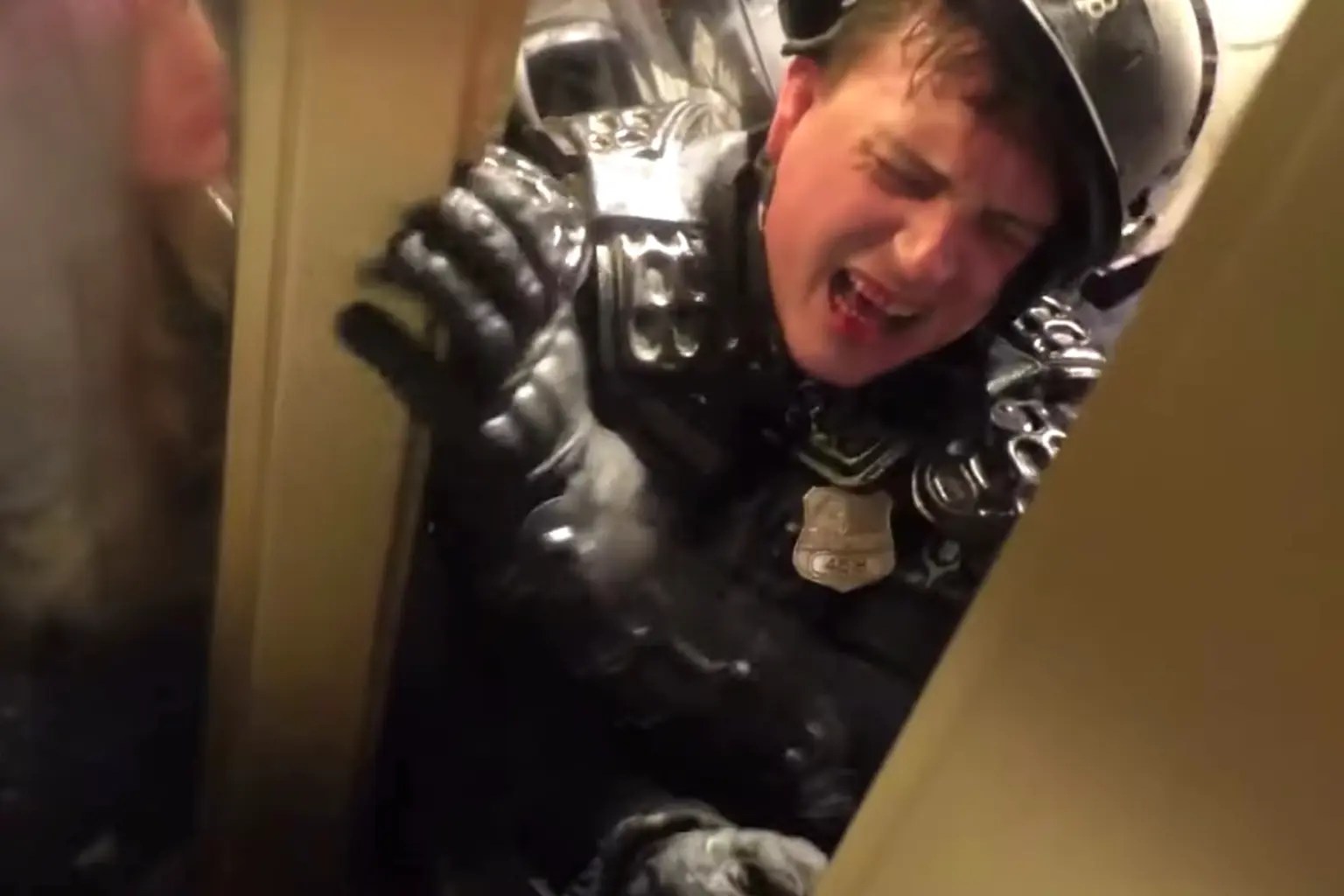
7. The giant fibberooni that The Greatest President Since Jesus encouraged violence January 6. “Be there. Will be wild.” was an obvious reference to the Super Bowl that year–the Chiefs beat the Niners–which was (Oh, my! What a coincidence!) played in FLORIDA. It’s obvious, too, that the Justice Department investigating January 6 is riddled with Commie Pinko Preeverts (scratch an FBI agent, find a Maoist pedophile), Liberal Bleeding Heart Quiche-Eating All Creatures Great and Small viewers and Drag Queens who Frug at middle school assemblies while singing Donna Summer’s “Hot Stuff.”
8. “I HATE HIM PASSIONATELY!”
–Tucker Carlson.
That’s a classic Lamestream Media Lie, posing as an actual text Tucker sent to a Fox News colleague. It’s “posing” as a real text because, technically and legally, Fox’s lawyers had to surrender it during Discovery in the pending Dominion Voting Machines lawsuit. That’s a mere trifle.
You can’t fault a guy, in my opinion, who still wears bow ties and whose voice gets so high and whiny that you’re afraid he’s going to burst into tears any second. That’s passion, my friends.
(Just in case this isn’t a lie, I’m willing to throw a frozen Chicken Pot Pie through Tucker’s windshield—he’s the heir to the Swanson TV Dinner fortune—if I ever get the chance.)
9. Another snowflake: United States Marine Corps General and former Chief of Staff John Kelly, who, among other White House staffers, heard Trump call the Marines who died at Belleau Wood in 1918 “losers” and “suckers.” Semper Fickle” to you, Kelly. (But many thanks to the staffers who informed the president which side had won the First World War.) The Germans said the Marines approached their machine guns almost casually, smoking cigarettes and firing from the hip. The Germans were terrified; they called the Americans “Devil Dogs.”
Have you ever seen the Greatest President Since Darryl F. Zanuck with a dog?
I rest my case.
Anyway, it was raining that day and, staffers said, rain plays hell with the presidential hairs, all gossamer and wispy in their origins from the other tectonic plates that shift so frequently on the skull of the Greatest President Since Grover Cleveland Alexander. That ‘do was representing the United States of America to the world that day in 2018, my friends, on the hundredth anniversary of the Battle of Belleau Wood
I rest my case some more.
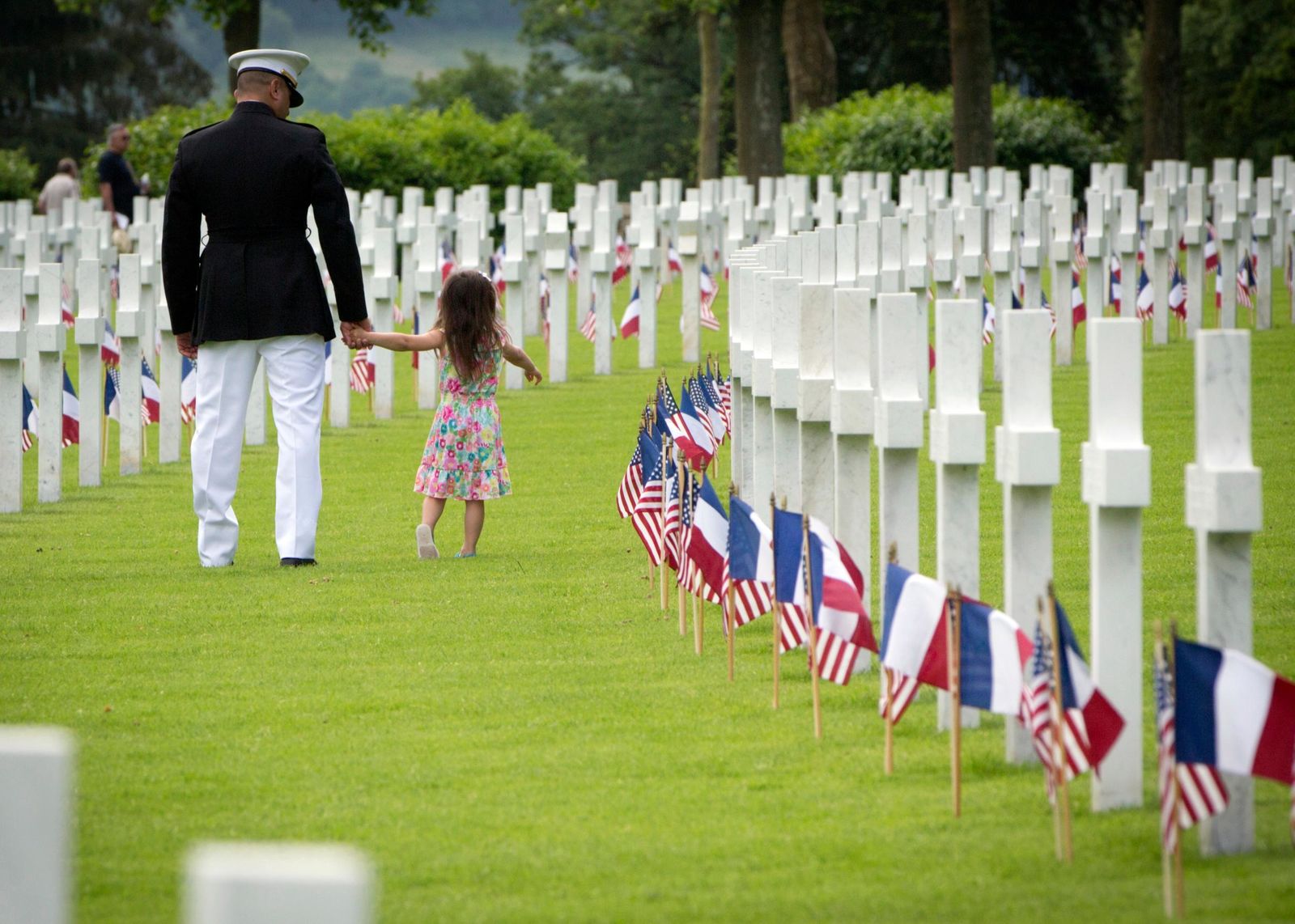
10. An exploding golf ball or seven needs to go into the bag of Sports Illustrated writer Rick Reilly, whose book “Commander in Cheat” alleges that The Greatest Presidential Golfer Since Trump Voter Jack Nicklaus is also the biggest cheat since Auric Goldfinger. And two snowflake awards for pro golfer Rory McIlroy, who has said he will never play with Our President again. McIlroy has won the British Open, the U.S. Open and the PGA Championship. Yawn.
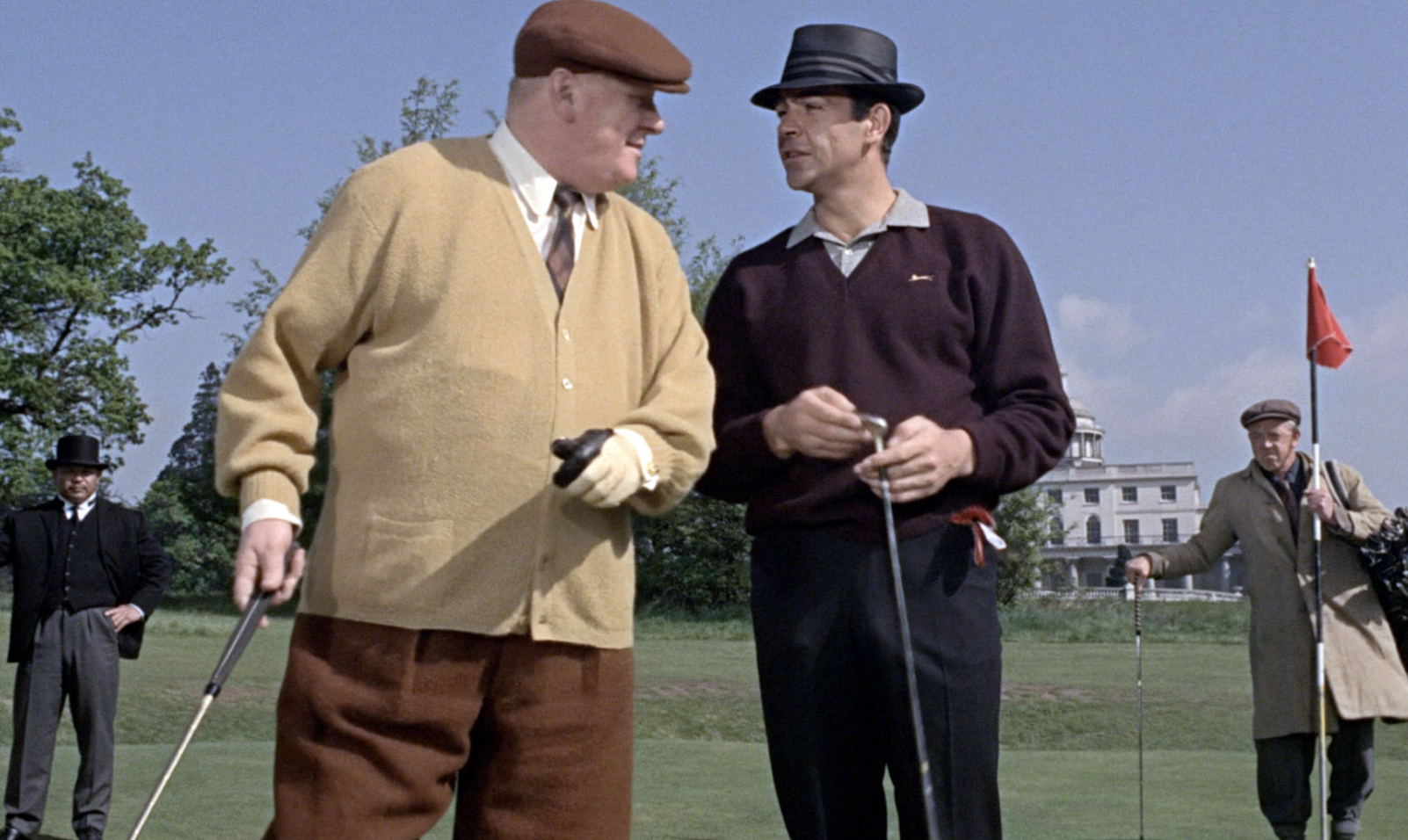
McIlroy has NEVER fired Khloe Kardashian, that Fat Piglet, as The Greatest President Since Zsa Zsa Gabor so accurately described her, from Celebrity Apprentice because she was getting a little chubby. That takes Golf Balls, people.

I’m sure there are other things I must protest strongly and bigly, but I think those ten are enough for Monday.
In the meantime, I leave you with the most eloquent presidential words since Lincoln’s Second Inaugural:
“Person. Man. Woman. Camera. TV.”
28 Tuesday Feb 2023
Posted in Family history, Uncategorized
St. John of the Cross is the Spanish mystic who wrote Dark Night of the Soul in the 16th Century.
I take it to mean that St. John was thinking about that time between the Super Bowl and Opening Day of baseball season.
I do not follow professional basketball. I might give one or two March Madness games a look, but I prefer college women’s basketball, because college women still adhere to quaint customs like “passes” and “assists.”
So baseball means a lot to me. When I was growing up in the Upper Arroyo Grande Valley, I wanted to be—sorry, my beloved Gigantes fans, and I hope still my friends—Maury Wills, the Dodger shortstop and base-stealer extraordinaire, when I grew up. My childhood heroes were Koufax and Lincoln.
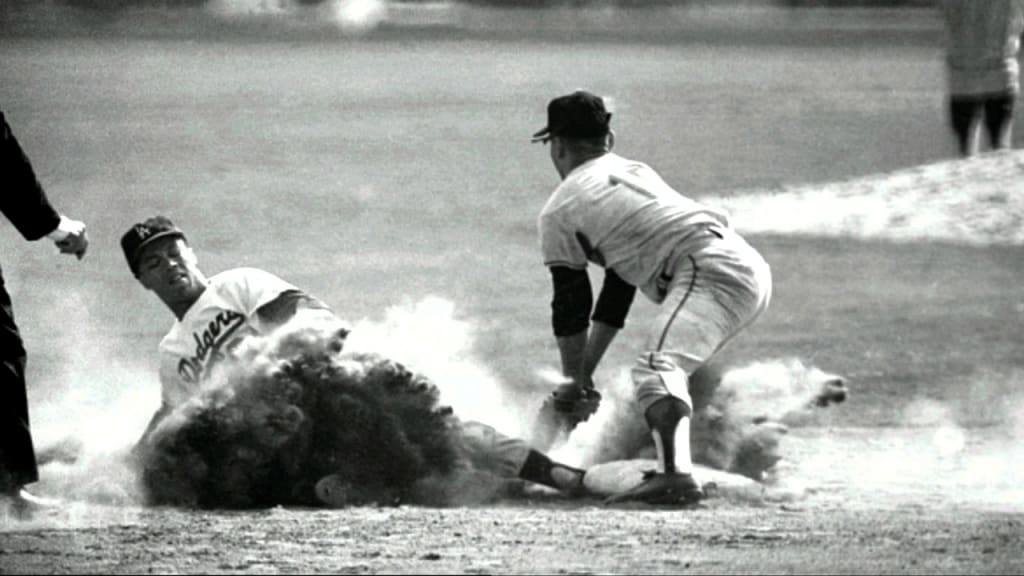
When Sandy retired—his pitching arm had atrophied from years of damage and was markedly shorter than his right arm—we were on a family weekend in Solvang where, years later, I would marry Elizabeth, at Mission Santa Ines—and when I saw the headline inside a newspaper-dispensing basket, it was a punch to the gut. It was almost, but not quite, November 1963.
I have all the stories about Sandy that other Dodger fans have, about how wild he was, how he found his delivery, how he refused to pitch in the Series on a high holy day (my mother, Roman Catholic, a faith that has not been kind to Jews, fell in love with him from that moment), how he finished the ninth in the perfect game with my Dad and I listening and not breathing much, to a radio set atop the kitchen stove.
Nearly as important as his athletic prowess was his grace as a speaker, a teacher, a man, a mensch.
He later moved to Templeton, in my home county, San Luis Obispo. It was nice to know that he was that close to me. If it’s possible to love a man you’ve never met, and it is, then we loved this man.

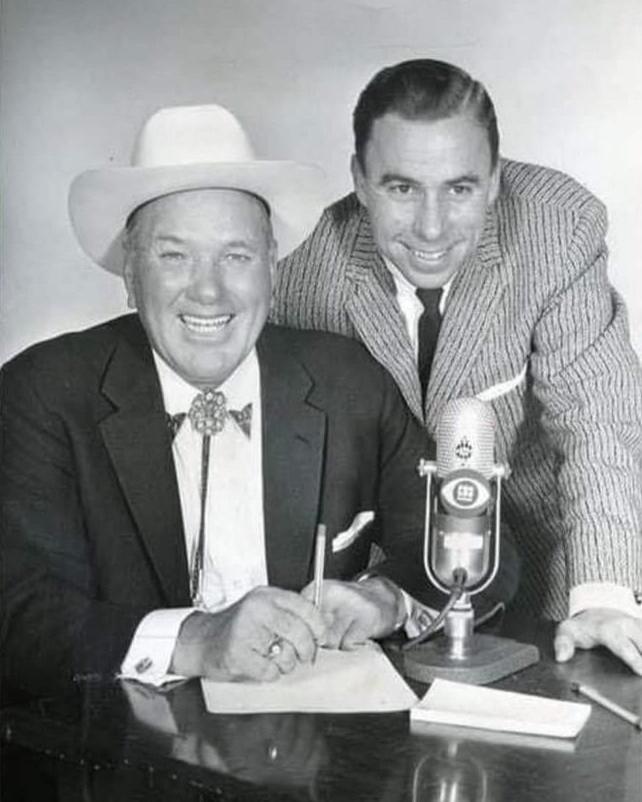
When I was very little, Dad and I used to watch baseball on television together. And his idol Dizzy Dean broadcast the CBS Game of the Week, brought to you by Falstaff Beer, with Pee Wee Reese. Dean incensed English teachers across our great nation by inventing verb conjugations like “He slud into third!” When the game turned into a blowout, he’d sing “The Wabash Cannonball.”
Once, in high school, when something or someone had broken my heart, Dad intuited how troubled I was and stayed home from work at Madonna Construction so we could watch a World Series game together. My Dad was not an easy Dad. He had a volcanic temper and inherited the curse that visited both sides of our family–alcoholism–but baseball was our common ground, the place where we could meet and tell each other, without uttering a word, how much we loved each other.
Vin Scully did the talking for us.
My Dad grew up on the Ozark Plateau during the Great Depression, when shoes were required for school and church, and his baseball idols were the St. Louis Cardinals, the “Gashouse Gang” (the Dean brothers, and some colorful names: Pepper Martin, Spud Davis and Ripper Collins). They were all working-class boys from the South or Southwest. All they did was win five National League pennants and three World Series between 1926 and 1934.
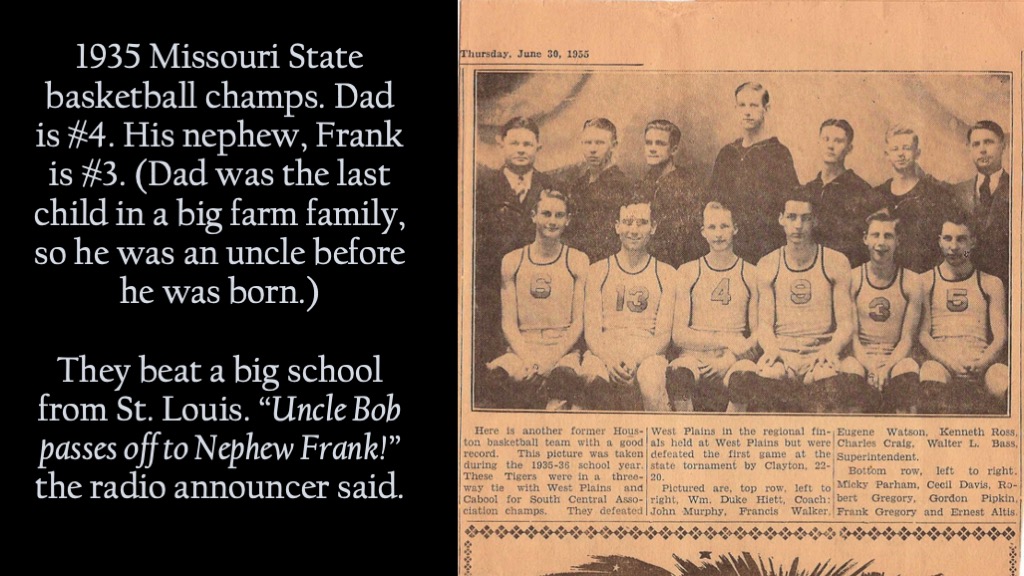
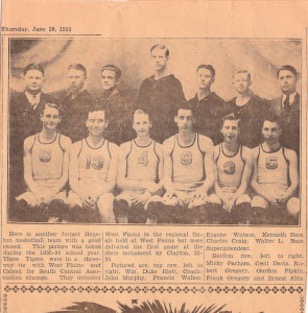
Dad was a tobacco farmer’s son who did like basketball. He’s #4 in the old newspaper clipping, when his team, from tiny Houston, Missouri, was the runner-up in the state championship, losing to a big St. Louis high school. “Uncle Bob passed off to nephew Frank,” the radio announcer said during the game. Dad’s teammate, thanks to the longevity and evident potency of my grandfather—his natural force was unabated, as Exodus says of Moses— was also his nephew. In fact, Frank might’ve been older than Dad.
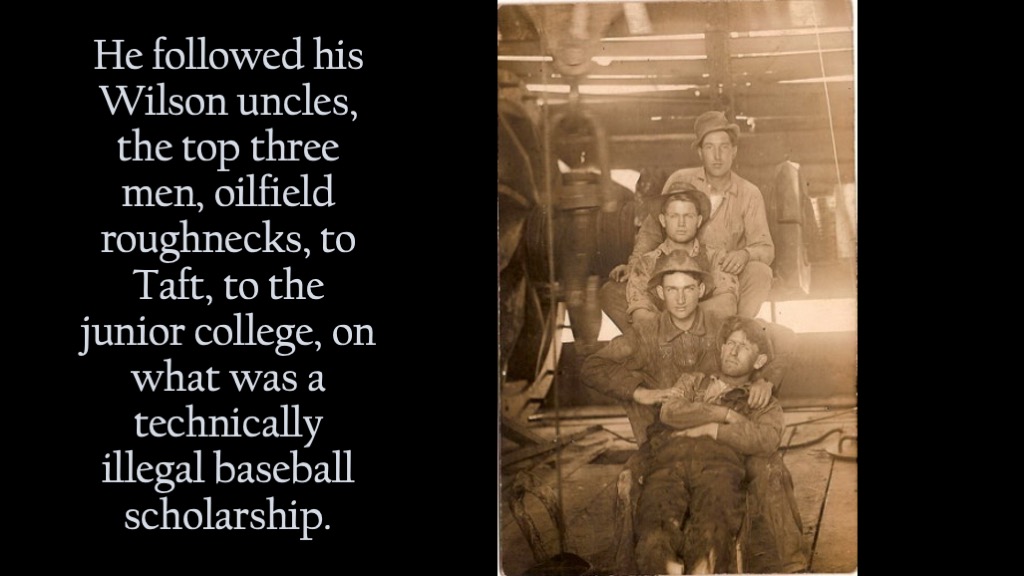
But I think baseball was Dad’s favorite. “Uncle Bob” was a marvelous athlete: graceful and powerful–I saw him drive the green on a 326-yard hole at Black Lake with a three-wood that was older than Arnold Palmer–and it was his prowess as a second baseman that brought him to Taft Junior College, where he met my Mom. He was also, we discovered to our shock one day at Frank Mello’s ranch in the Edna Valley, an expert horseman. When the Quarter horse Belle threw my big sister, Bob’s little girl, Dad was furious. I am not condoning his behavior, but he vaulted into the saddle and rode Belle into a lather until she nearly sank to her knees.
I learned later that Dad had pretty much grown up on horseback on the Ozark Plateau, where horses were once revered. (The incredible film Winter’s Bone, with a very young Jennifer Lawrence, depicts a far more terrifying place today.) The same’s true of County Wicklow, where my Mom’s ancestors came from.
Dad’s Grandfather Taylor once hit him—hard— in the small of the back with his quirt.
Sit up! he growled. You’re hurtin’ the horse!
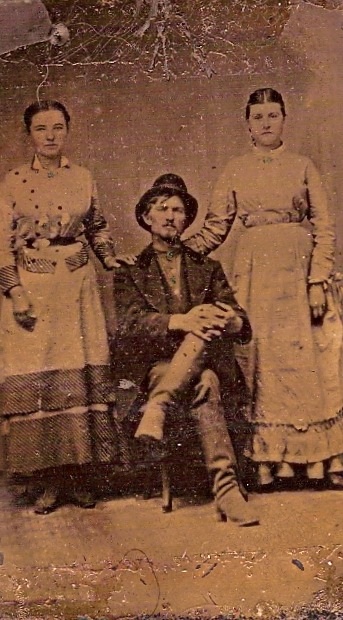
That’s Taylor, in the center, formidable looking in high boots, on a tintype, probably taken in 1880, that was found in a root cellar and returned to my family in the 1970s. His sister-in-law, Mildred, is to the left. His wife, Sallie, the lovely woman to the right, is my great-grandmother. She died relatively young of influenza. Sometimes on their horseback rides, my Dad, a little stunned, would hear Taylor, this tough old cob, begin to cry and softly call out Sallie’s name. My sister is named Sally. I have always loved that name.
Oh, and Belle? She never threw Roberta again.
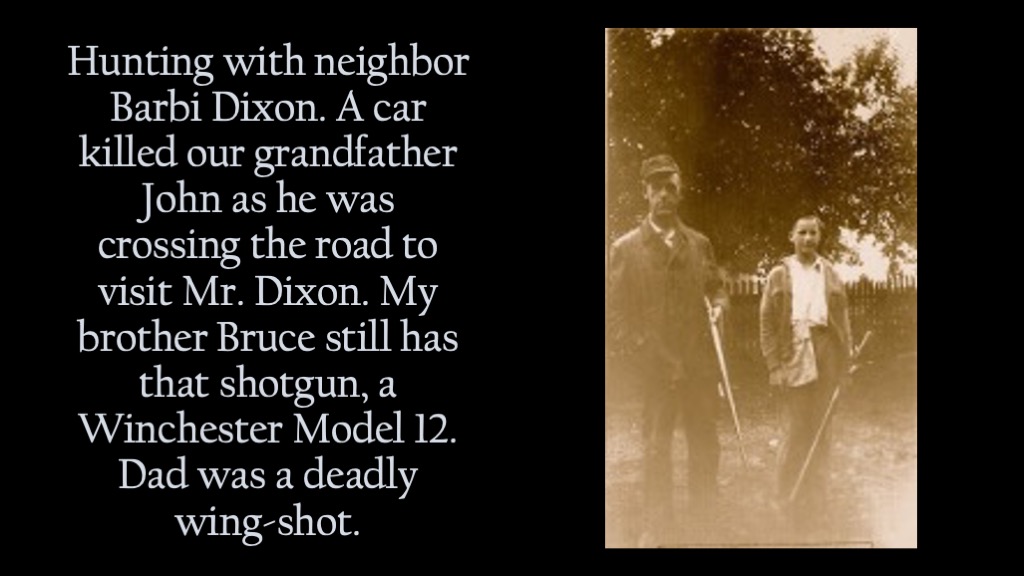
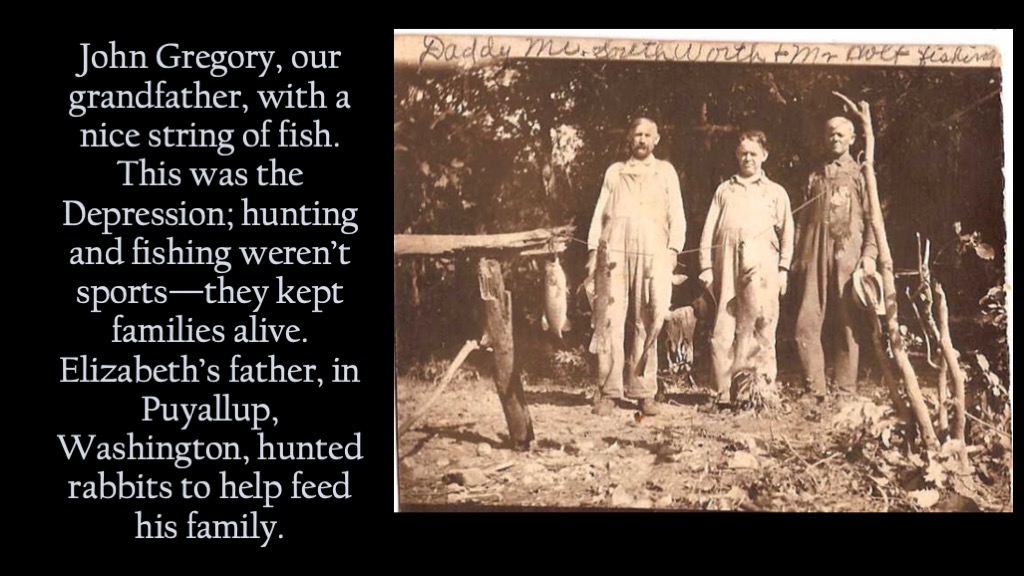
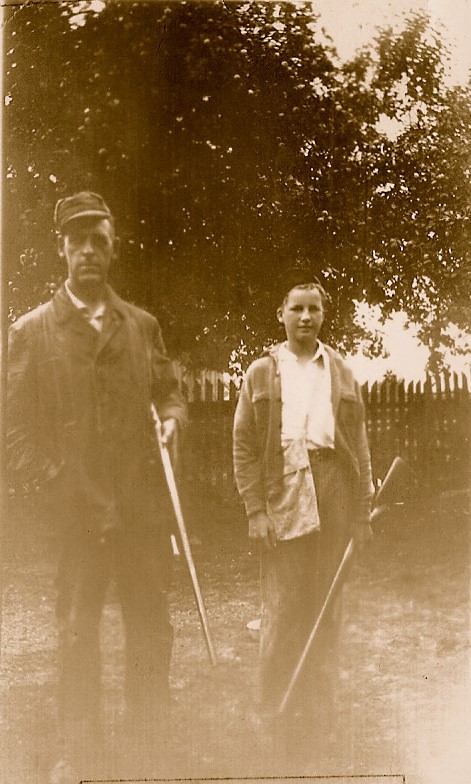
And here’s Dad, twenty-six years before, with his neighbor Barbi Dixon. Dad’s about twelve– with a Winchester Model 12 shotgun, heavy for a twenty-gauge and long-barreled, in a photo taken when the Great Crash was a current event. I do not like hunting. but my Dad—like my father-in-law, Gail, the San Francisco 49er, a teenager in Depression-era Puyallup, Washington— hunted to help feed his family.
When I went hunting with Dad, I discovered that he had mastered shotguns. When he was in his late forties, with me lugging around the long Model 12, made longer by a choke, and field pheasants and chukkars laughing at me, Dad had acquired a beautifully engraved twenty-eight gauge Spanish over-and-under. He had learned, because I was his son, to raise, traverse and fire it so rapidly that I was never sure whether it was his shot or mine that had brought the pheasant down.
Fifty-five years later, I am sure.
The first baseball game we saw together, along with Russ, the man who owned the liquor store that shared the same building as the Fair Oaks Theater (he called me “Sheriff,” because I seldom went anywhere, in 1958, without my Mattel Fanner Fifty pistols in their holsters), was at the Los Angeles Coliseum.
It was the Dodgers against—wouldn’t you know it?—Dad’s team, the St. Louis Cardinals.
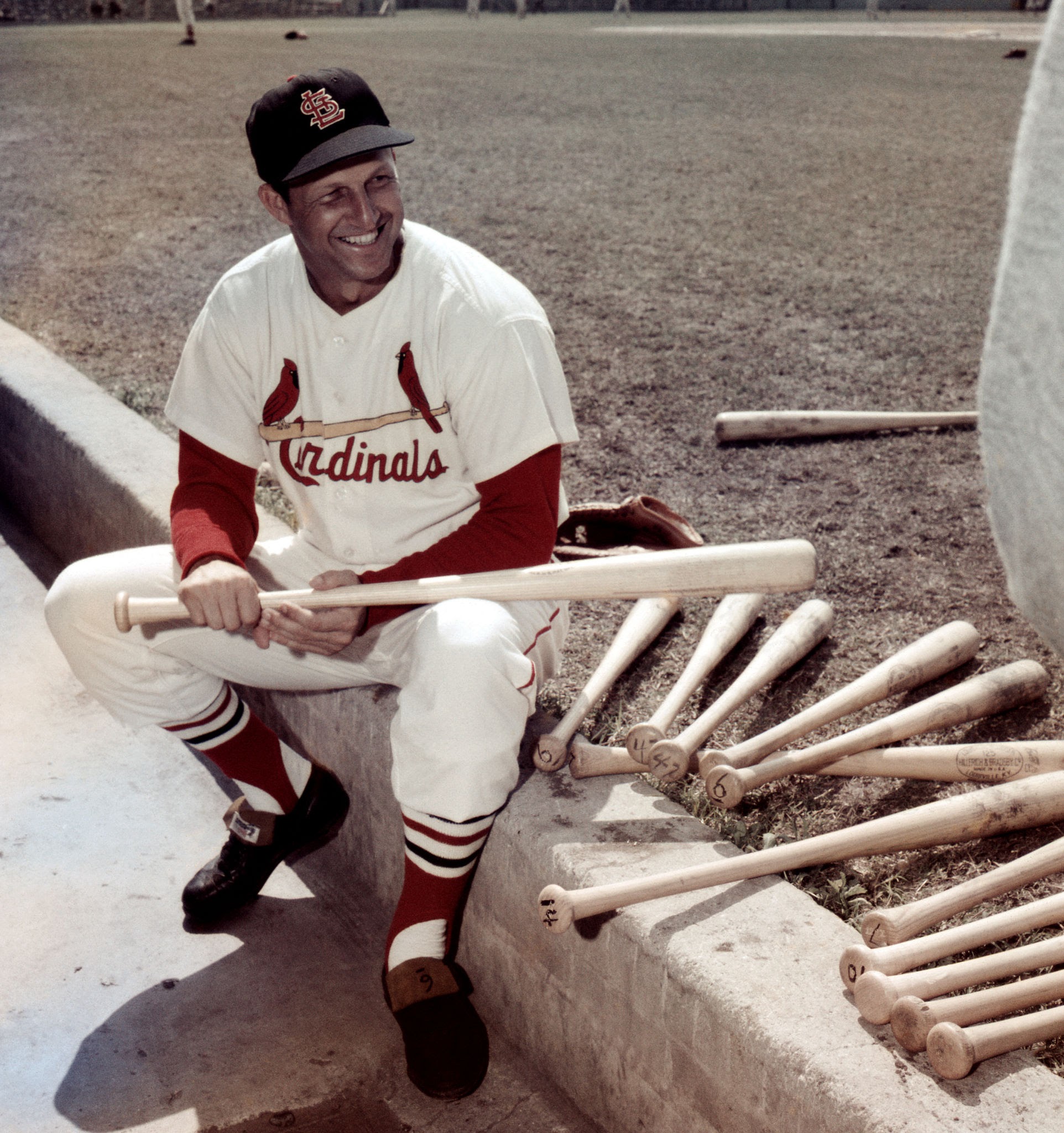
Now that I am seventy-one I realized that, when I was six years old, I saw Stan Musial (below). I wish I remembered that. All I remember is a big frozen lemonade in a conical container, sold by a stadium barker, and falling asleep, my head in Dad’s lap, on the long car trip home.
Now, in the off-seasons, I watch, obsessively, Ken Burns’s Baseball on the MLB Network. I loved showing my AGHS U.S. History kids the segment “Shadow Ball,” about Satchel Paige and Josh Gibson, the Negro Leagues greats. Paige–“with which pitch would you like me to strike you out?” he’d coo down to the opposing batter—started a game for the Kansas City Athletics in 1965, when he was fifty-nine years old. Josh Gibson hit nearly 800 home runs against pitching that was pretty much superior to anything in the 1930s all-white Major Leagues had to offer.
Burns’s series is also where I discovered the team of my father’s childhood, the Gashouse Gang.
A decade later, roughly contemporary to Joe DiMaggio and Ted Williams, Stan Musial became a Cardinal. When I saw him, he’d already taught former Cardinal and brand-new Dodger Wally Moon how to hit “Moon Shots,” towering fly balls over the absurdly high left-field screen at the Coliseum, a prophylactic measure intended to prevent home runs in a stadium that was designed for the 1932 Olympics and, later, Trojan football.
There are, I’ve discovered, four subjects that lend themselves to telling the most impossibly beautiful and moving stories, and they are war, horses, dogs and baseball.
In Burns’s Homeric series, I discovered a Stan Musial fan in the Southern writer Willie Morris, who wrote, among many things, the wonderful book My Dog Skip. The movie version requires at least one box of Kleenex, which ties it, in my mind, with Old Yeller and Warhorse.
This is Morris, on the campus of the University of Mississippi campus at Oxford, a place perhaps haunted by another Southern writer and dog-lover, William Faulkner. (I once read a wonderful novel about Faulkner and the German general Erwin Rommel, a Civil War buff–-this is true-–and a devoted fan of “Stonewall” Jackson. The writer and the future Afrika Korps commander, then a military attache on duty in the United States, got gloriously drunk together and decided to do a midnight tour of the nearby Shiloh battlefield. They somehow survived. In 1862, many Americans didn’t.)

One of the elements that made Burns’s documentary so powerful was the careful choice of commentators. Buck O’Neil, the Negro Leagues player-manager, became my surrogate grandfather. In one of the most shivery moments in the series, O’Neil remembered that he and Satchel, during their playing days, visited a big, barnlike building in—was it Atlanta?—that had been an antebellum slave market. After a long, long silence, Paige turned to O’Neil and said: “I feel like I been here before.”
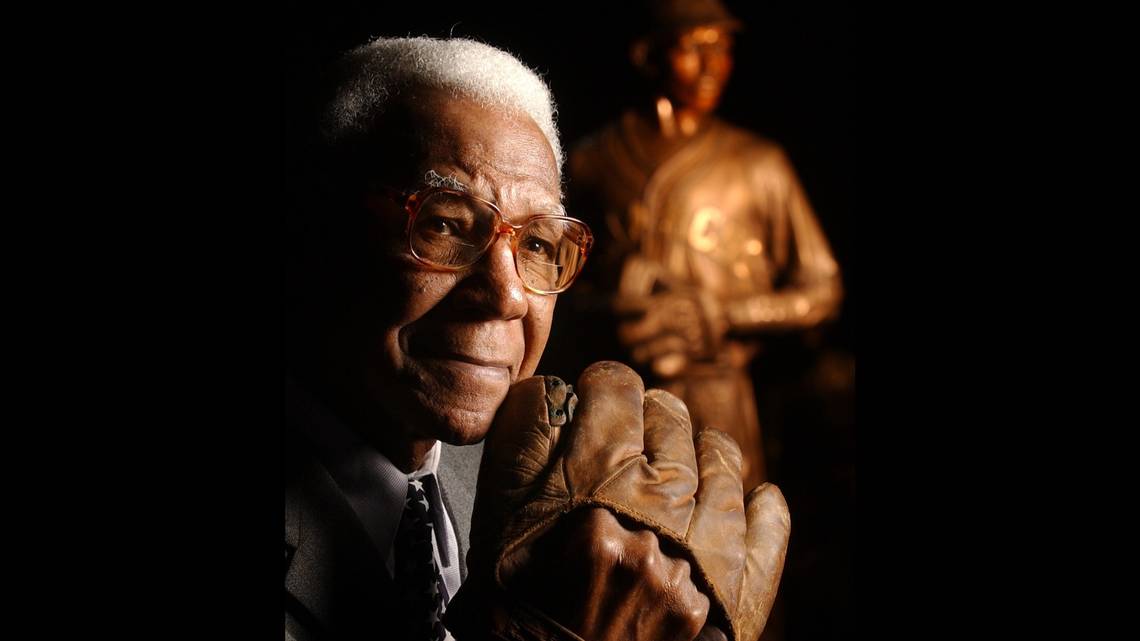
Another was Willie Morris, from Yazoo, Mississippi, a Cardinals fan. Through some accident in the ether, he discovered a spot at the edge of a family cornfield where he could pick up Cardinals broadcasts on a what I assume was a crystal set. He’d lie down there, with his dog beside him, keeping him warm, and enjoy baseball the way it’s meant to be enjoyed, on the radio, where his writer’s imagination could make Stan Musial–powerful and graceful, like my Dad, but in measures far beyond his–into the hero that Musial was meant to be. I am sure that, somehow in God’s intentions, Sandy Koufax was meant to my hero, too.
09 Saturday Jan 2016
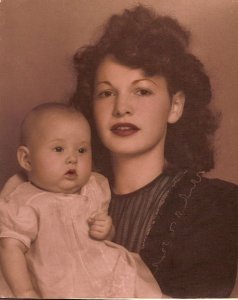
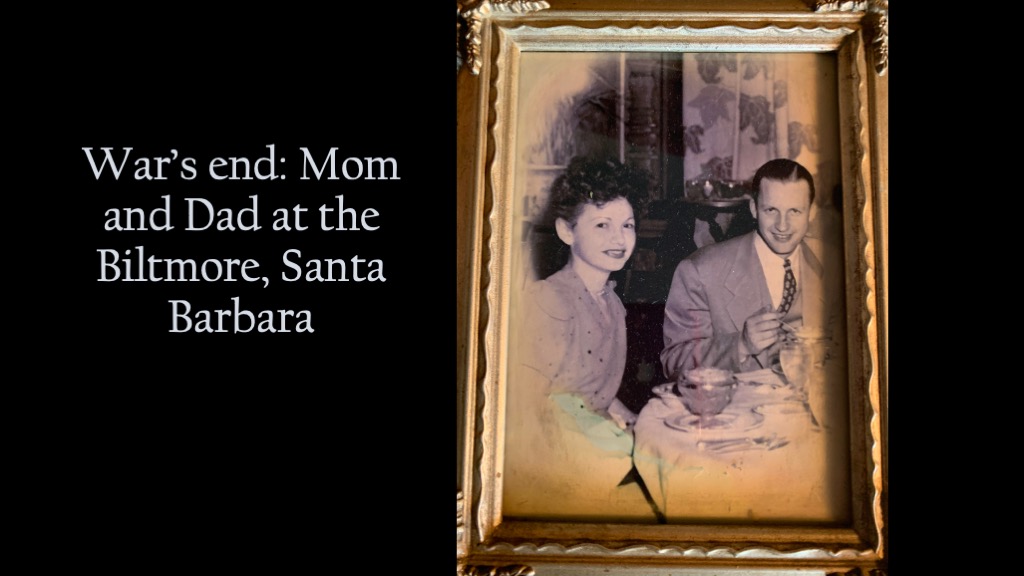
Mom and Roberta, 1943
Ten Lessons
06 Wednesday Jan 2016
Posted in American History, Arroyo Grande, Family history, History, World War II
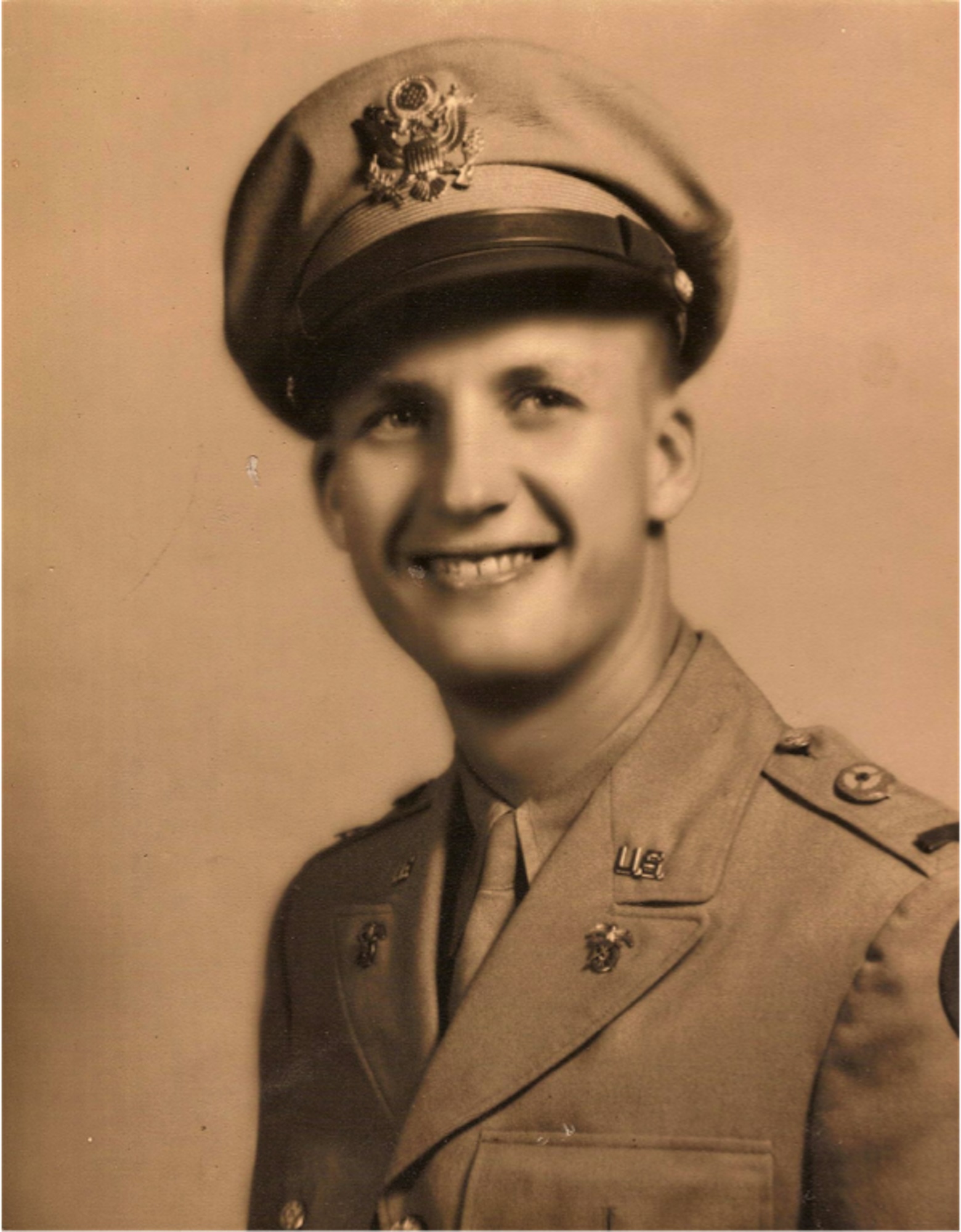
I’ll be sending two copies of the book World War II Arroyo Grande to young active-duty soldiers. This makes me a happy new/old writer: one reason I wrote the book, I think, was to reintroduce the World War II generation to my generation and to my students, and I’ve always had a soft spot for students who’ve gone into the service. I’m also very happy that I’ll be sending a copy to Judith, a favorite student who achieved the highest grade ever in my U.S. History classes. Judith is from Germany. She loved learning American history.
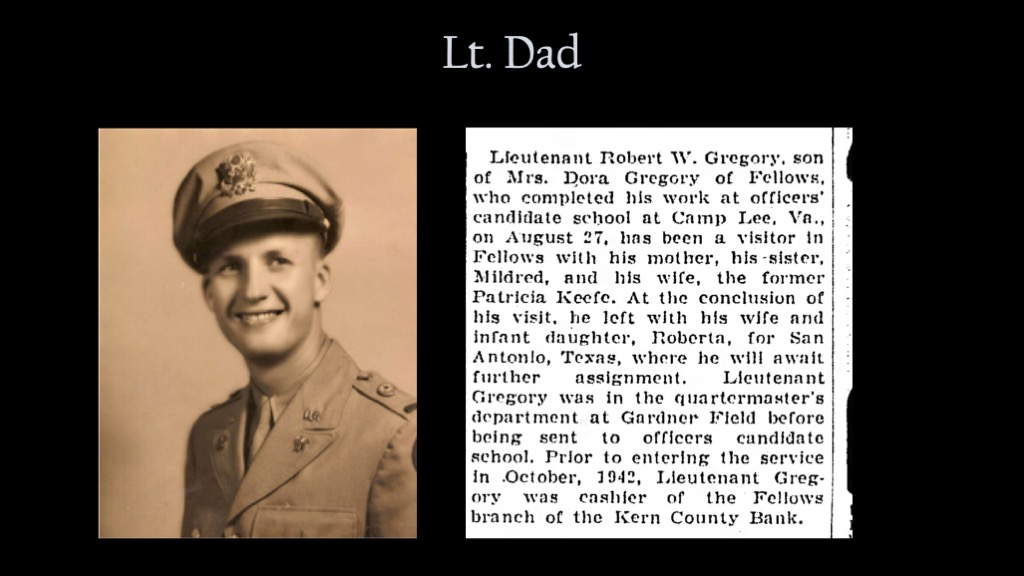
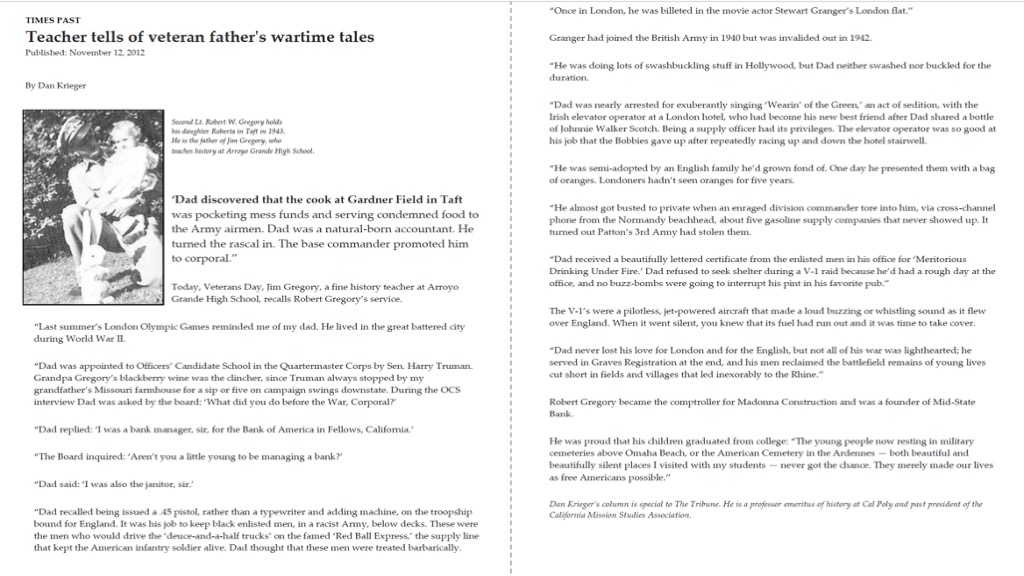
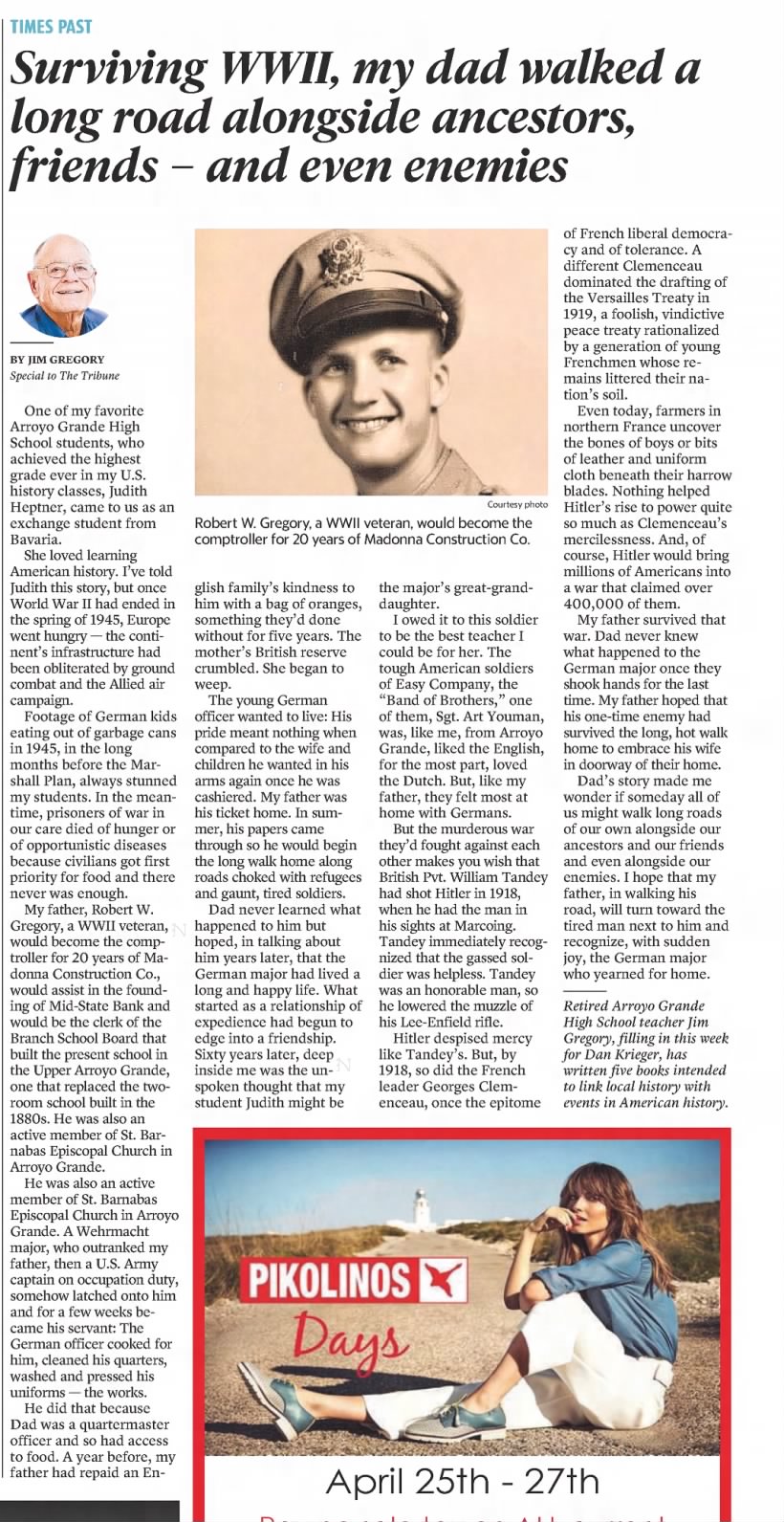
The photo is of my father when he was a young man on active duty in 1944. I’ve told Judith this story, but once the war had ended in the spring of 1945, Europe went hungry–the Continent’s infrastructure had been obliterated by ground combat and by the Allied air campaign. The footage of German kids eating out of garbage cans in 1945, in the long months before the Marshall Plan, always stunned my students. In the meantime, thousands of POW’s in our care died of hunger or of opportunistic diseases because civilians got first priority for food, and there never was enough.
A Wehrmacht major, who outranked my father, then a U.S. Army captain on occupation duty, somehow latched onto him and for a few weeks became his personal bodyservant: the German officer cooked for him, cleaned his quarters, washed and pressed his uniforms, the works.
He did that because Dad was a Quartermaster officer and so had access to food. (A year before, my father repaid an English family’s kindness to him with a bag of oranges. The mother’s British reserve crumbled. She wept. Her family hadn’t seen oranges in five years.) The young German officer wanted to live: his pride meant nothing when compared to the wife and children he wanted in his arms again once he was cashiered. My father was his ticket home.
In summer, he would begin the long walk home along roads choked with refugees and gaunt, tired soldiers. Dad never learned what happened to him but hoped, in talking about him years later, that the German major had lived a long and happy life. What started as a relationship of expedience had begun to edge into a friendship. Perhaps, very faintly in the recesses of my imagination, there was the unspoken thought that my student Judith was the major’s great-granddaughter. I owed it to this soldier to be the best teacher I could be for her.
The tough American soldiers of Easy Company–-the “Band of Brothers”–-liked the English, for the most part, loved the Dutch, but, like my father, felt most at home with Germans.
It does make you wish that British Pvt. William Tandey had shot Hitler in 1918, when he had the man in his sights at Marcoing. We could have done without Clemenceau as well, I guess, in his 1918-19 incarnation, but a younger Clemenceau had done great good for France and for the revolutionary ideals of tolerance and of the equality that citizenship confers.
These are ideals that Hitler despised because, of course, they included Jews, like Alfred Dreyfus. Clemenceau had been one of Dreyfus’s most adamant defenders. Dreyfus was a good French soldier, but the older Clemenceau dominated the drafting of a foolish, vindictive peace treaty dictated, in his mind, by a generation of good French soldiers whose bones littered the nation’s soil. Even today, farmers in northern France, in turning over fields there, find the bones of boys their harrow blades.
A generation after that war, there were more good soldiers, good young men on both sides who in a better world should never have been enemies. But they didn’t live in a better world; theirs had been penetrated by evil.
Americans had fought a war in the face of great evil once before. There was a lull in a Civil War campaign that gave a Union army band, its vast audience in bivouac, time enough for a concert. Confederates on a nearby hillside were listening. One of them called “Yank! Play one of ours!” So the band played “Dixie,” and at the song’s conclusion, both sides erupted, thousands cheering, tossing their caps in the air. They embraced a vivid moment when they were at peace together, before the close-quarters murder so characteristic of that war—and, sadly, so necessary for its resolution—resumed.
Similarly, once their war was over, a German soldier reached across the divide to make a necessary peace with my father. I hope my book will allow two young soldiers today to reach across the divide that time imposes to meet other young soldiers, including some who died such a long time ago. In a small way, it gives them life again.
Walt Whitman may have articulated this idea best in what I think is one of his finest poems, “Crossing Brooklyn Ferry.” Time and distance avail not, Whitman wrote. They are irrelevant. Indeed, when you read the poem you have the uncanny sense that Whitman is reading with you, just over your shoulder, or that you’re leaning on the ferry’s rail, together with the old man, the harbor’s breeze in his whiskers.
In the same way, we are all of us on the road together in the journeys of our lives. I think that sometimes, without recognizing them, we walk alongside our ancestors, and among them is the German major who yearns for home.
06 Wednesday Jan 2016
Posted in California history, Family history, Personal memoirs

It took me almost 64 years, but I finally found this handsome young fella last night. This is Dykes Johnson, Taft Union High School ’27, Stanford University BS, University of Louisville M.D., Taft Union High School Hall of Fame.
He passed away in 1996. Damn it.
I was born on January 25, 1952, when I should’ve been arriving some time around Washington’s birthday. Dykes was our family doctor in Taft. He was a flying enthusiast–he’d also served in the Navy as a doctor during the War–and was gone to the other end of a Valley on some kind of fly-in.
When Dad took Mom to the hospital, things weren’t going so well. Dad was scared. I was about to make my appearance (or not) when Dykes burst through the door, which almost hit my Dad in the face.
Dykes, I guess, was a blunt man, and especially that night. “Get the hell out of here!” he told my father. “Something’s wrong.”
He’d flown back down to Taft. He’d had a hunch.
I was not only a preemie–four pounds–but the cord was wrapped around my neck and I was blue. I’d stopped breathing.
Meet the man who saved my life


05 Tuesday Jan 2016
Posted in Family history, News, Teaching
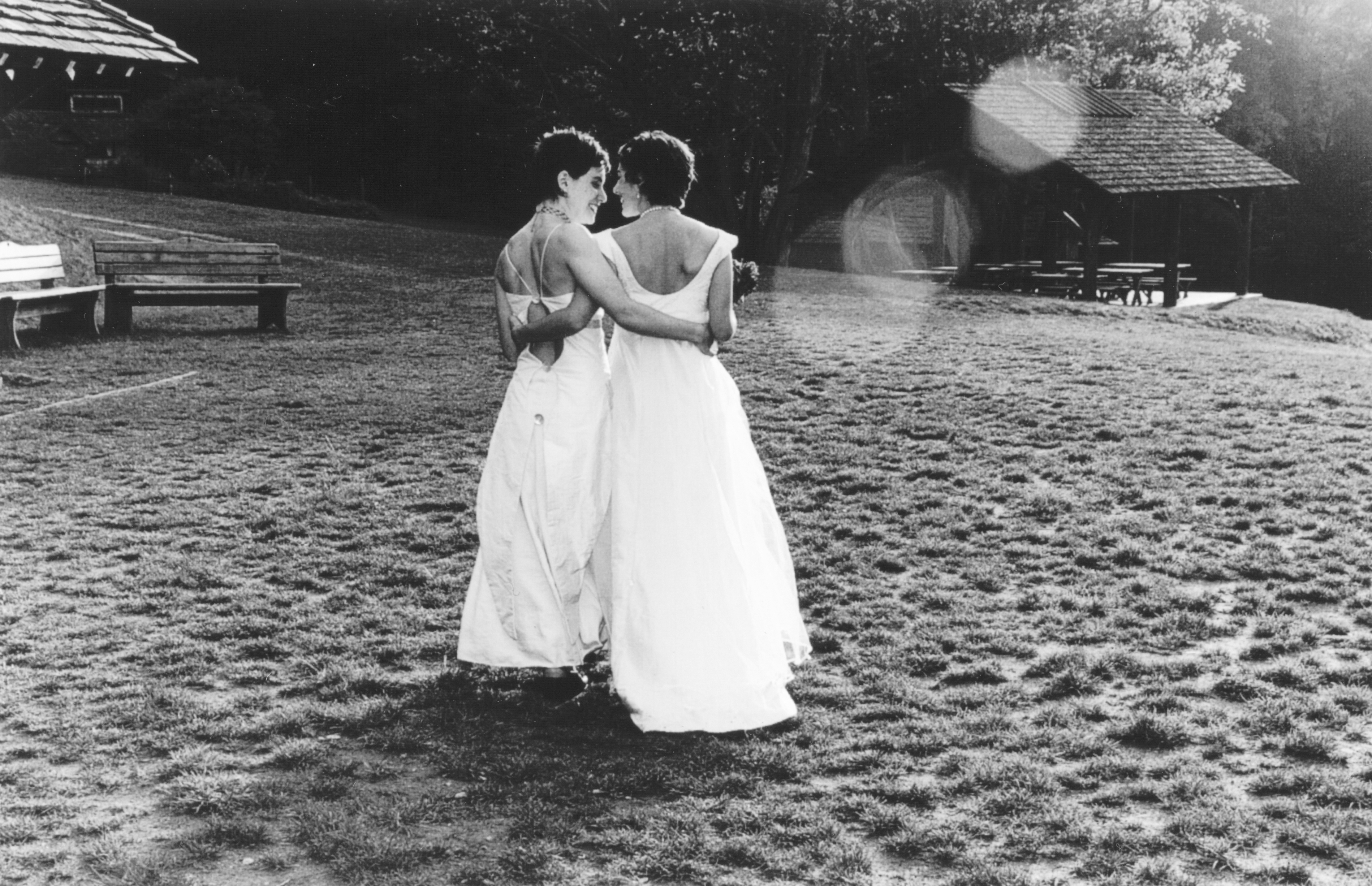
I’ve been seeing a lot of this in recent years on Facebook: a former female student gets married. To another female. So I guess I’ll keep this as a link on Facebook, rather than a direct entry, to avoid the stone-throwing.
But, again, you’re dealing with my Irish mother’s son, and she’s the Irish mother who loved God with her mind as much as her heart: she amazed priests, to the point of devastation, with her knowledge of theology. Her first prime directive, similar to Christ’s, was that love is a gift from God. From that flows a corollary: To love another human being is the most terrifying leap anybody can make, and to have the courage to commit yourself to the leap—both to the letting go, and to the hanging on on the other side—is the most perfect gift a person can give back to God.
So seeing those photos of young women who’ve made that commitment has a deep impact on me. The photos show two young women who are happy. So they make me happy, too.
These young people, just starting new lives together, don’t need my blessing. I don’t have that kind of power, and that’s not the point I’m trying to make. I can only tell you–please forgive my forwardness–that I love you and I am very proud of you. You have reciprocated God’s greatest gift. And no stone can wound the strength in two people united together.
Before you throw yours, if you’re infuriated by my impious linkage of God with same-sex marriage, wait and listen quietly to discern whether condemnation—when you might be as confident in your faith as the Sanhedrin was in its faith when it arrested Jesus—is really what God desires. I believe from the bottom of my heart that She has a surprise for you.
25 Thursday Jun 2015
Posted in Family history, Personal memoirs
Tags




 A Work in Progress