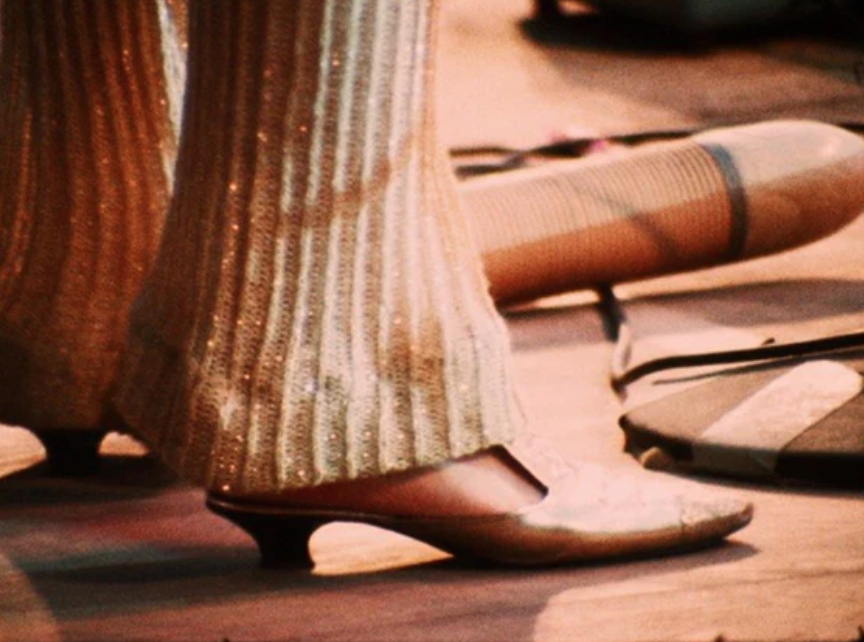
You don’t have to believe me. Look at Mama Cass’s reaction. Janis covers “Ball and Chain,” by Big Mama Thornton, the same woman who gifted Elvis with “Hound Dog,” and sails with it. I don’t know if human pain has ever been so exquisitely expressed.

18 Tuesday Jul 2023
Posted in Uncategorized
You don’t have to believe me. Look at Mama Cass’s reaction. Janis covers “Ball and Chain,” by Big Mama Thornton, the same woman who gifted Elvis with “Hound Dog,” and sails with it. I don’t know if human pain has ever been so exquisitely expressed.
18 Tuesday Jul 2023
Posted in Uncategorized
Given Saudi Arabia’s execution of 81 people in a single day in March, I am not following the PGA tour lately.
So I missed the Scottish Open, and I will break my fast next week, I guess, for the British Open.
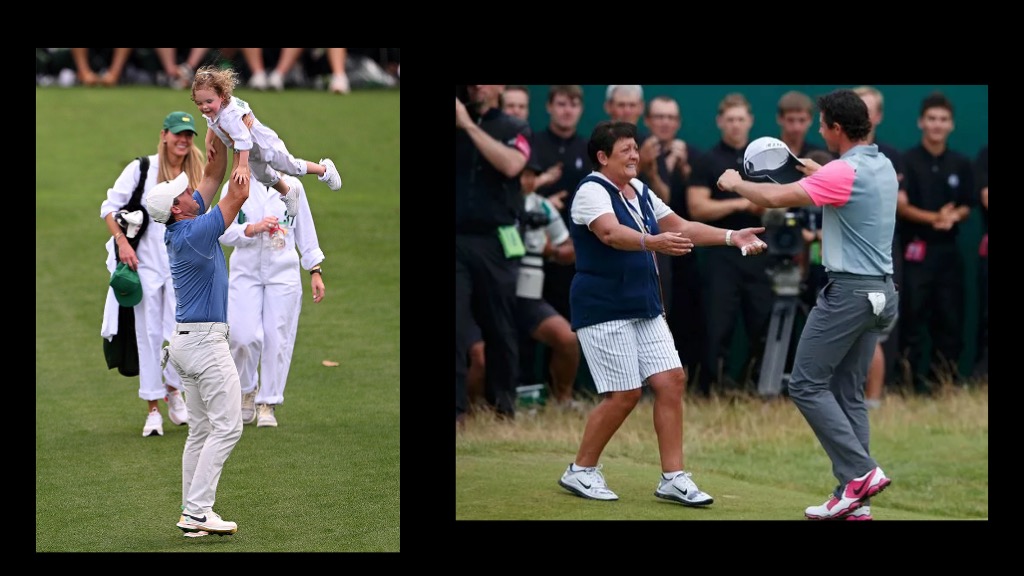
I paid for my beliefs. That darlin’ Ulster lad, Rory McIlroy, whom I love (his Ma looks like a real person and he has a beautiful little daughter) won the Scottish Open Sunday.
He was behind by one at the 17th and had won by one once he’d finished the 18th.
Back on the 7th hole, he’d hit a 427-yard drive. If you look at his finish, I haven’t been that flexible since I was eighteen months old and could insert my foot into my mouth (literally, not figuratively, which I still do frequently.)
Here are other comparisons to a 427-yard drive:
–Paul Bunyan getting tired in the desert one day and dragging his axe behind him. The trail it left we call today The Grand Canyon.
–In 1963, Warren Spahn’s Braves beat Juan Marichal’s Giants 1-0. Both men pitched 16 innings.
–Mom Angela Cavallo, in 1982, lifted a 1964 Chevy Impala to free her teenaged son, who was pinned underneath. He survived.
On the 17th hole, he hit a 5-iron cut–look at the difference in the finish–and look where it wound up. Birdie.
The young man looking bereft after that shot was leading at the time. He knew just what was about to happen. The same must have occurred to Custer that hot day in 1876.
On the 18th, McIlroy hit a two-iron, a club that’s faintly terrifying (the clubhead, at the end of the shaft, seems no bigger than a soup spoon) into the teeth of a howling Scots wind. It was a low screamer, the kind of shot Lee Trevino learned to master growing up in Texas winds.
Birdie.

My rough-tough father-in-law, the ex 49er, was once asked what the toughest sport was. Because of the combination of physical skill and emotional self-control, he took no more than two seconds.
“Golf.” he said.
17 Monday Jul 2023
Posted in Film and Popular Culture, Uncategorized
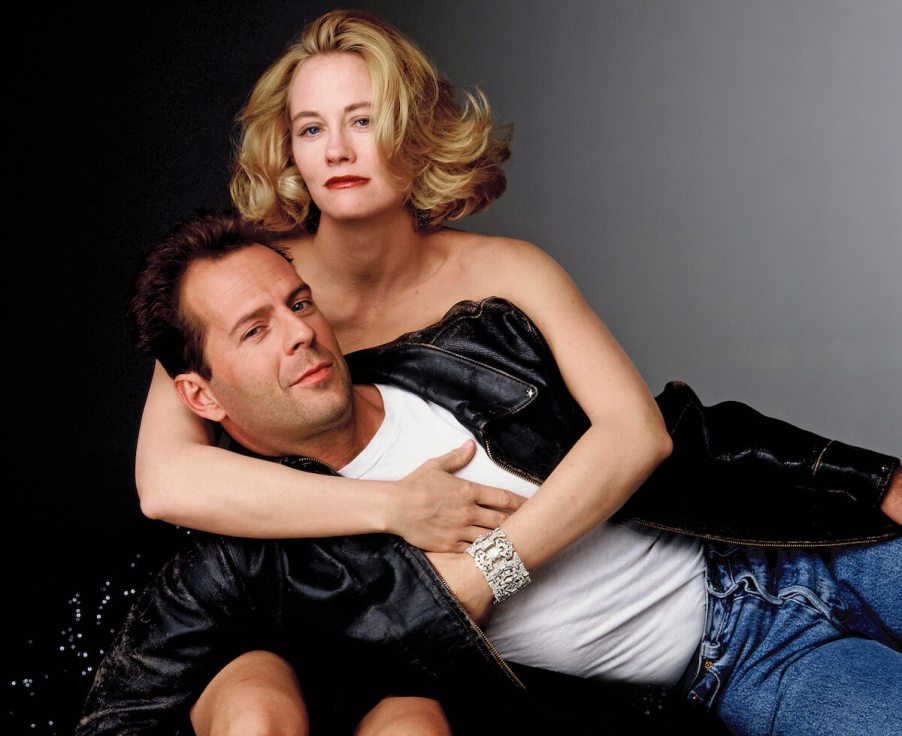
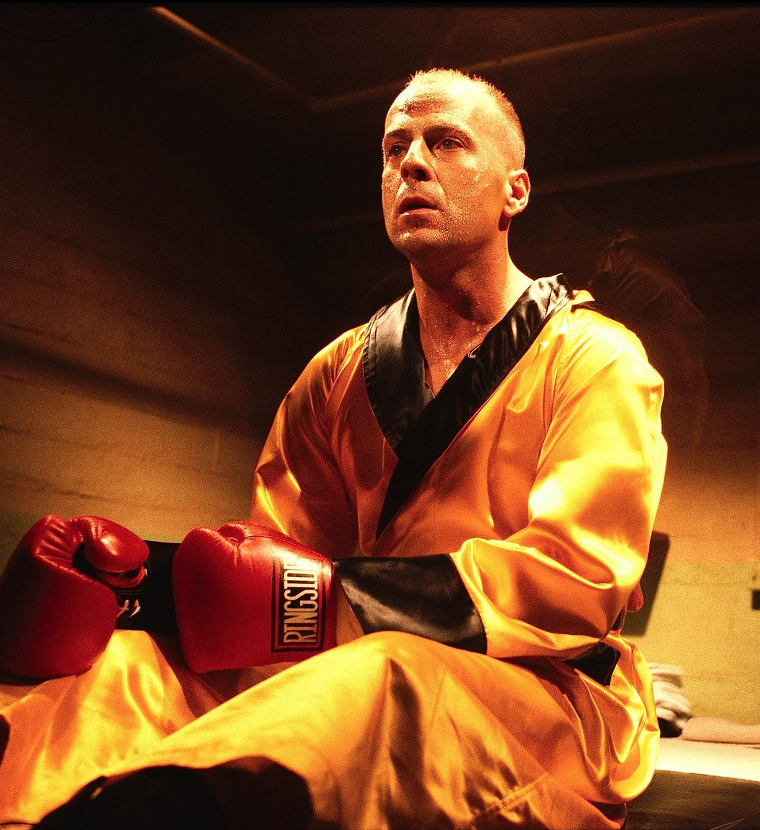
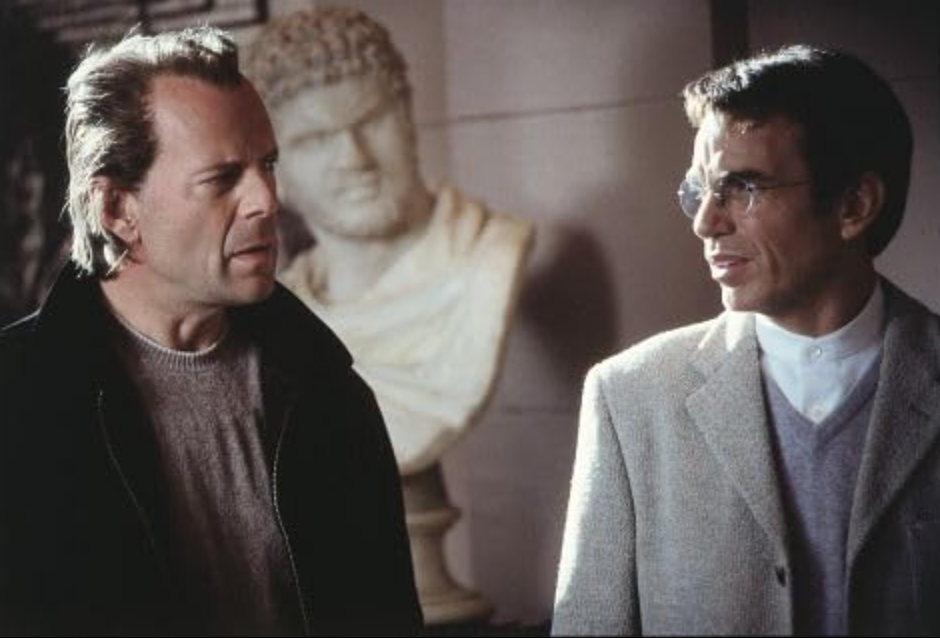
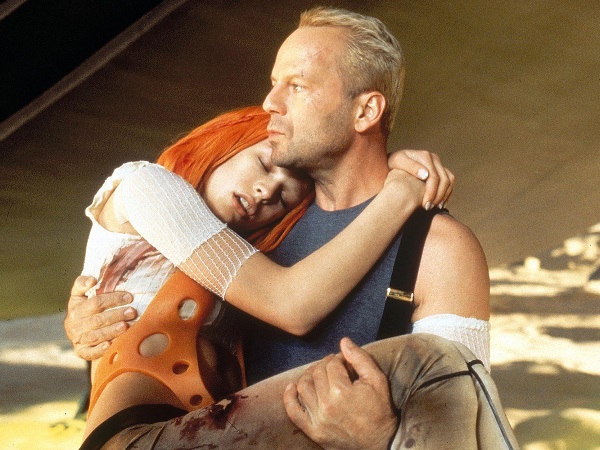
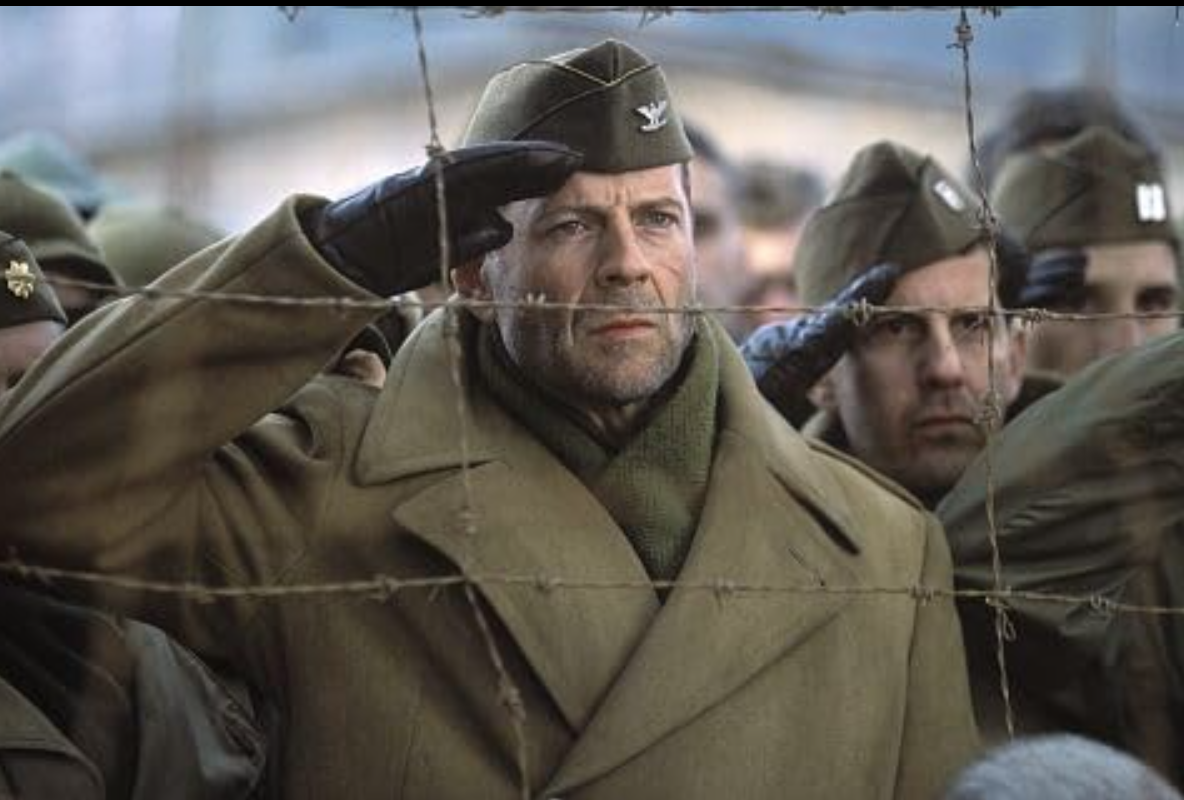
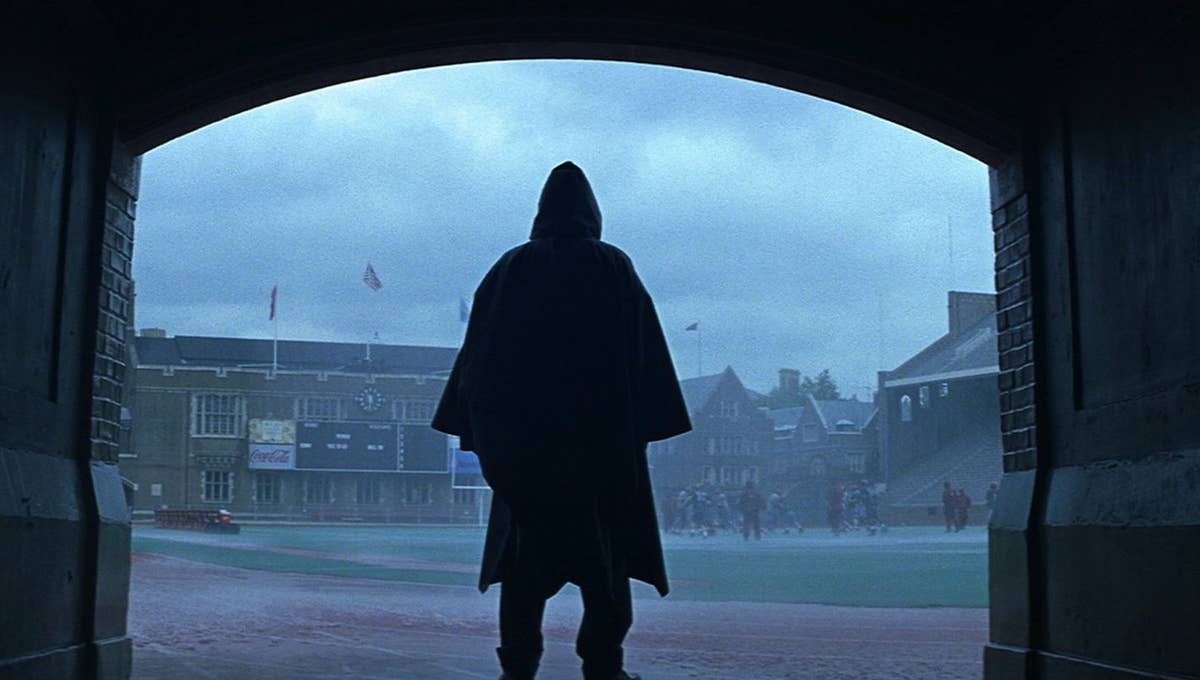
For some reason, for three days now, I’ve been obsessing about the 1985-89 ABC series Moonlighting, with Cybill Shepherd, once “just” a model, and Bruce Willis, who was kind of shiny and new, and with his hairline pretty much intact. I’ve been obsessing about him especially, but the two were brilliant together. Shepherd proved herself a deft comedienne, and I later became a big Willis movie fan. My favorites aren’t the Die Hards but the two films he made with M. Night Shyamalan, The Sixth Sense and Unbreakable, where his performances were nuanced and, to me, deeply moving.
But this show was charming and innovative. Breaking the Fourth Wall in this season opener, for example:
And sometimes it had the audacity to get philosophical:
Or Shakespeare. In “Atomic Shakespeare,” the show took on Taming of the Shrew. Hit it, Bruce:
Shepherd’s Maddie could sing, too. This is lovely:
And sometimes they danced. Willis was surprisingly good. And Shepherd was at least game.
The show lasted four seasons but probably should have ended at two and a half or three. It burned out its stars, who couldn’t sustain the high bar it had set or the toll it had taken on their professional relationship. It burned out its writers, too, who lapsed into cutesiness and destroyed the sexual tension between David and Maddie by having them give into it.
But it was a grand ride; when it was good, Moonlighting was very good.
As was Willis, an actor I enjoy immensely.
What probably brought on this Moonlighting musing is his struggle with aphasia. God has graced him with a supportive and loving family. Willis has graced me with a host of memorable characters—including Moonlighting’s David Addison, Jr.
Thank you, Bruce Willis.

17 Monday Jul 2023
Posted in Uncategorized
I was born in 1952, so if you do the math, I was around at just about the right time to fall madly in love with girls (a little older than I) on shows like Shindig and Hullabaloo. We all did, boys my age. Some of the dances included the Watusi, the Jerk, the Swim, the Slauson, the Frug. I danced ineptly but admired those with ept.
Especially those girls on TV.
But it occurred to me today that they were marvelous dancers who were exploited. That doesn’t mean that I still can’t have fun watching them. But it does remind me of how much the world has changed and how ingrained in us was a certain dismissiveness of women.
I got a little sadder thinking about this, about me fifty-five years ago, but the girls in the 1970 clip in the included in this video looked sad to me, too. Something has changed by 1970. If it was painful, it was probably needed, too.
16 Sunday Jul 2023
Posted in Film and Popular Culture, Uncategorized

Many years ago, we went rowing on the Cherwell River, which joins the Thames near Oxford University. Well, Elizabeth rowed. I was attending to our picnic lunch, which needed attending to.
So, for some reason this morning, I was thinking of movies filmed on the Thames, and here they are some that I found.
My favorite remains Henry VIII’s arrival via royal barge in A Man for All Seasons. The music is magnificent, too, and the way the crews raise their oars and glide into shore is elegant. Okay, I like the James Bond boat chase, too.
1. The World Is Not Enough. Bond films are always good for chase scenes, but this one, with a soggy Pierce Brosnan, has to be one of the best.
2. Let’s tone it down a bit. How about Ringo’s disconsolate walk in A Hard Day’s Night?
3. In Harry Potter and the Order of the Phoenix, we get an aerial view.
4. We use the Thames to assassinate model Kate Moss in Absolutely Fabulous: The Movie.
5. And, speaking of assassination, Elizabeth I’s narrow escape in 1998’s Elizabeth:
6. Joseph Fiennes woos again, trying to chase down his muse, Gwyneth Paltrow, in Shakespeare in Love.
7. Alex pulls off a coup among his group of droogs alongside the river in what remains such a disturbing film, Kubrick’s Clockwork Orange (1971).
8. Ah, but here’s the masterpiece: Henry VIII arrives for dinner at Thomas More’s home in Fred Zinneman’s A Man for All Seasons (1966). The music. by Georges Delerue, is glorious, as is the cinematography.
15 Saturday Jul 2023
Posted in Uncategorized
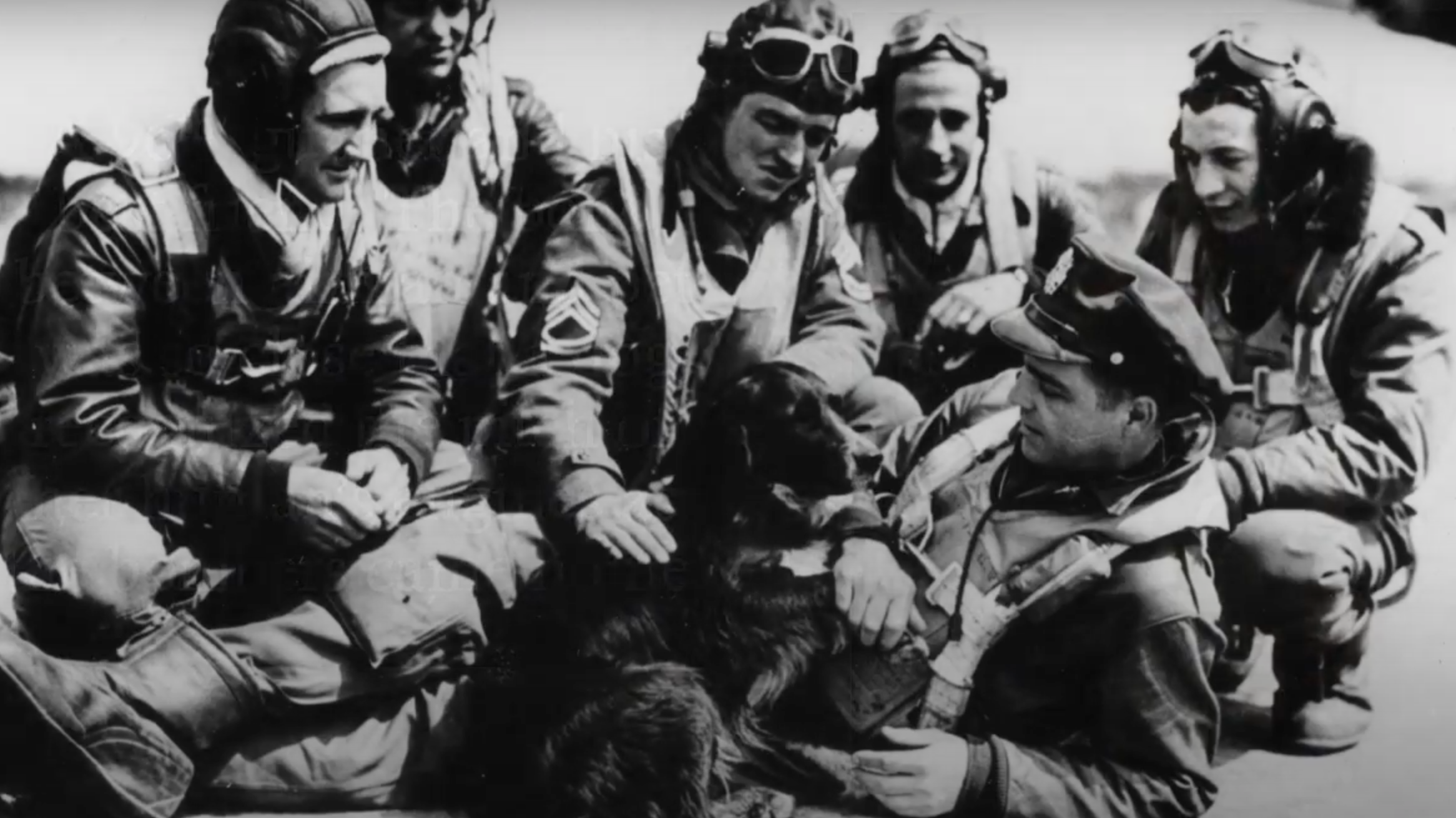
One of the best things I learned in writing a book about local World War II aviators came from the historian of the Eighth Air Force’s 95th Bomb Group, based in Suffolk, East Anglia, from 1943 to 1945. She told me that Yank airmen grew so close to the British dogs they adopted that the dog not only heard the B-17’s returning from their missions before the ground crews did, but they grew noticeably excited on recognizing the pitch of their human’s B-17 engines.
No greater love.
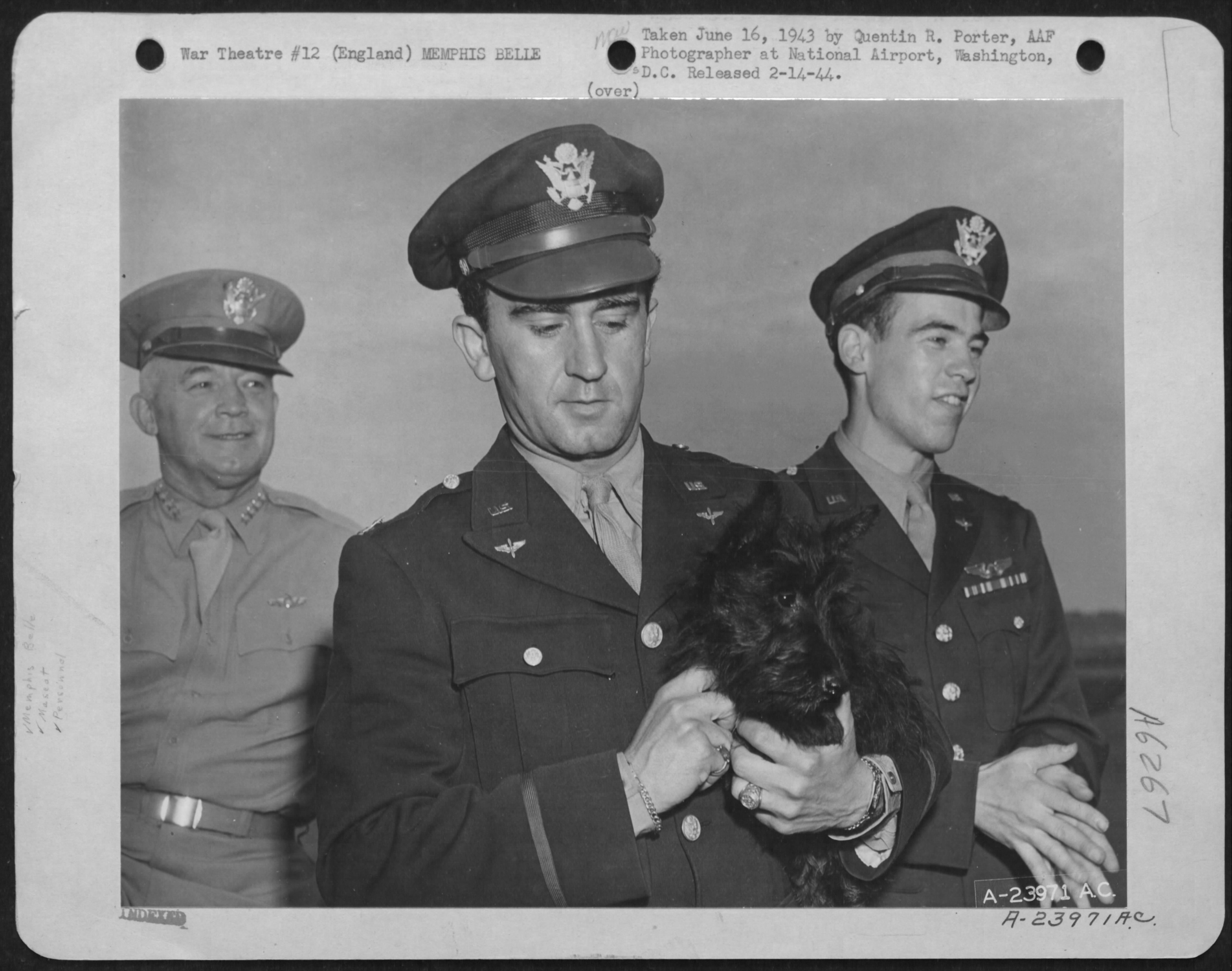
Those dogs either found homes with British families or came home with their humans, like the Scottish Terrier, Stuka, the mascot of the famed B-17 “Memphis Belle.” Stuka lived out her life as a Connecticut Yankee with her human, Capt. Jim Verinis. Verinis, on a pass to London, stopped in his tracks when the puppy pressed her nose against a pet-shop window to greet him. He bought her immediately.
Stuka, of course, was devoted to Verinis. The entire crew was devoted to Stuka.
This reminded me of yesterday.
Elizabeth was in La Jolla for a few days and she came back early last evening. About an hour before she got home, here were Walter and Brigid.
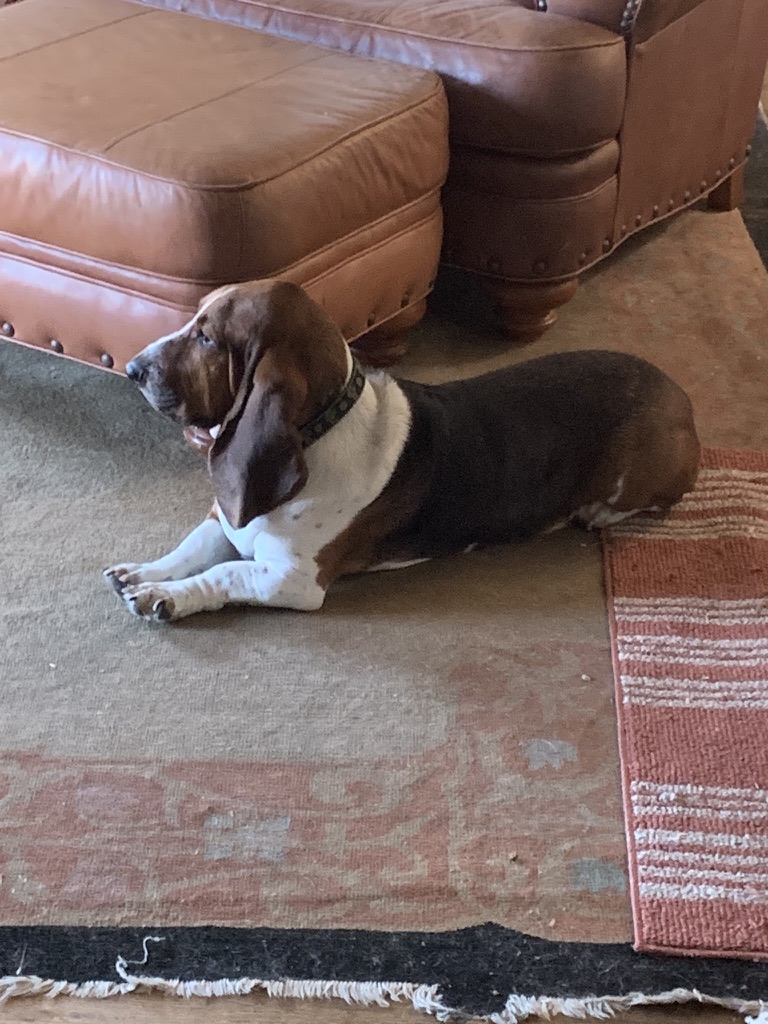

And here—forgive our messy living room— was her reception.
12 Wednesday Jul 2023
Posted in Film and Popular Culture, Uncategorized
12 Wednesday Jul 2023
Posted in American History, Film and Popular Culture, Uncategorized
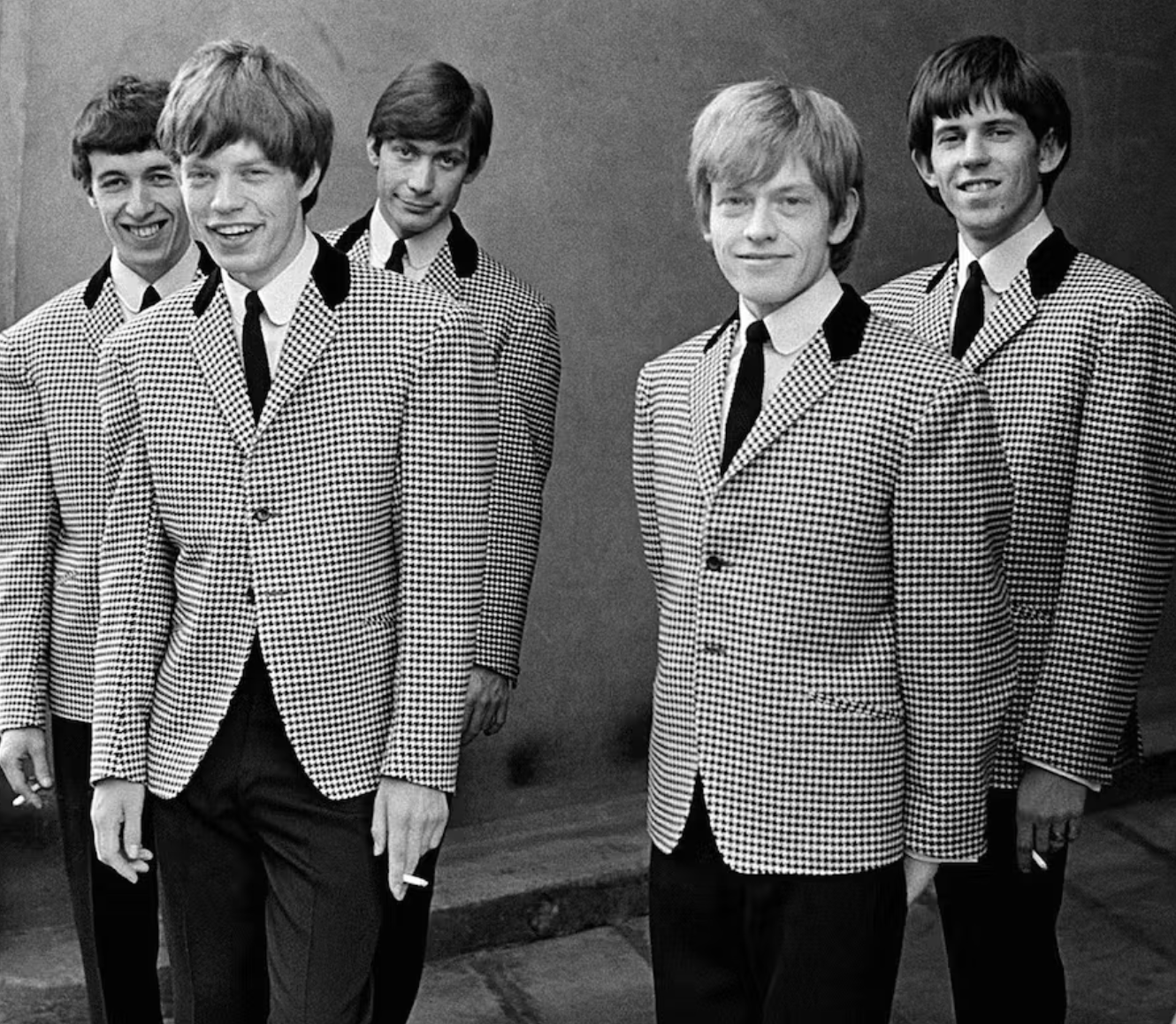
On July 12, 1962, the band that then called themselves the Rollin’ Stones made their debut at the Marquee Club in London. The lead singer, of course was a former student at the London School of Economics, so Jagger had it goin’ on.
It would take nearly three years for their first big American hit and, no, it wasn’t “Satisfaction,” not really one of my favorite Stones songs. It was this one, as performed in Dublin:
In 1965, we had a Zenith Stereo that looked like this. It had played cutting-edge albums by Frank Sinatra and Herb Alpert and the Tijuana Brass, but then it met the Stones and, I think, it began to sway a little bit.

That’s because I would sneak into my big brother Bruce’s bedroom and borrow one of his Stones albums. Everybody loved the Beatles, of course, but to love the Stones, you had to be a kind of breed apart, open to darkness, I guess. Bruce was, which is one of the many reasons why he is cool. Here are some of the albums I remember, in no particular order:
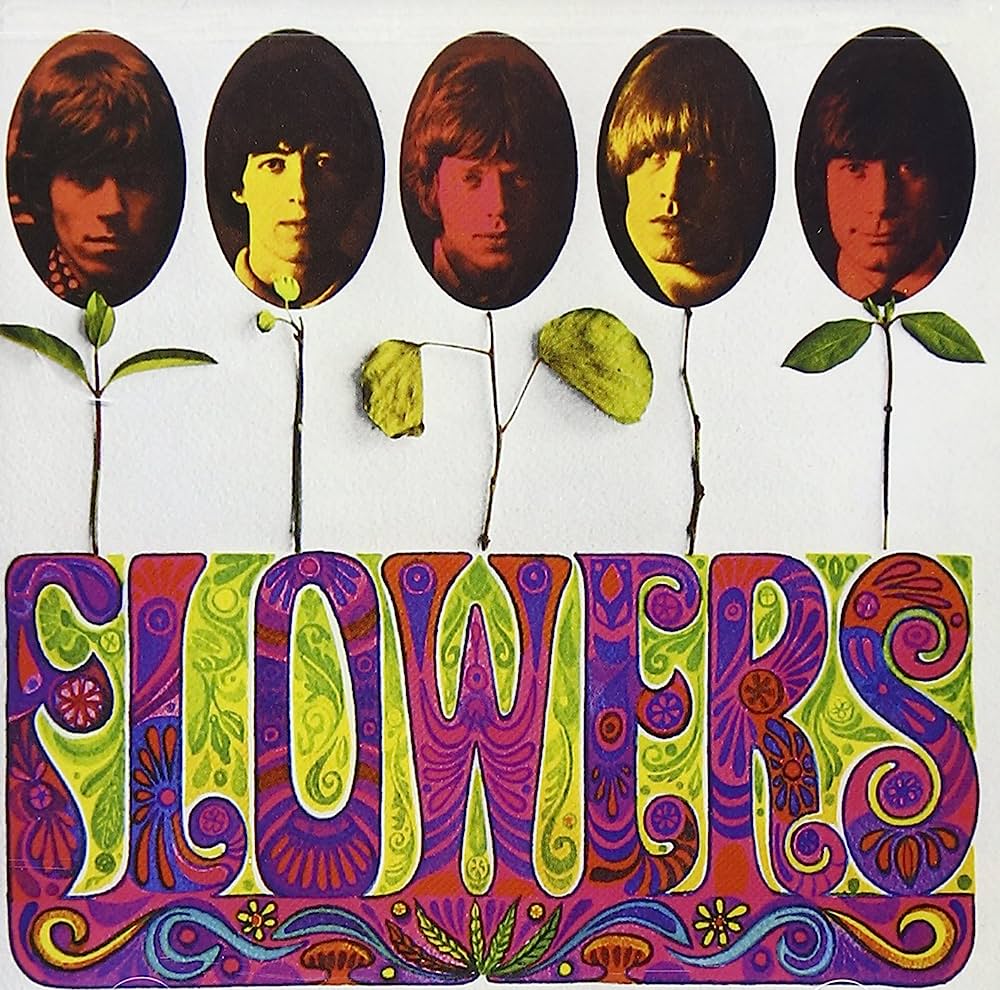

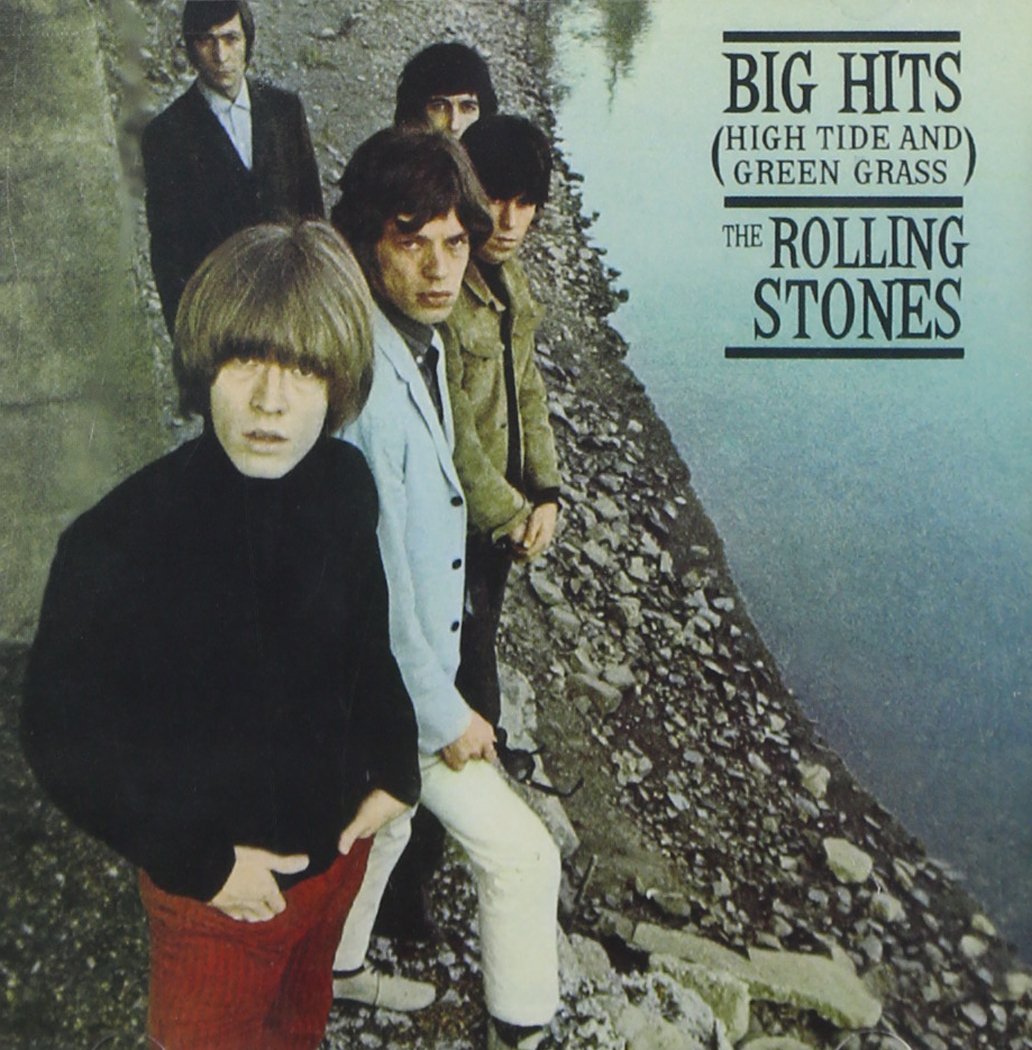
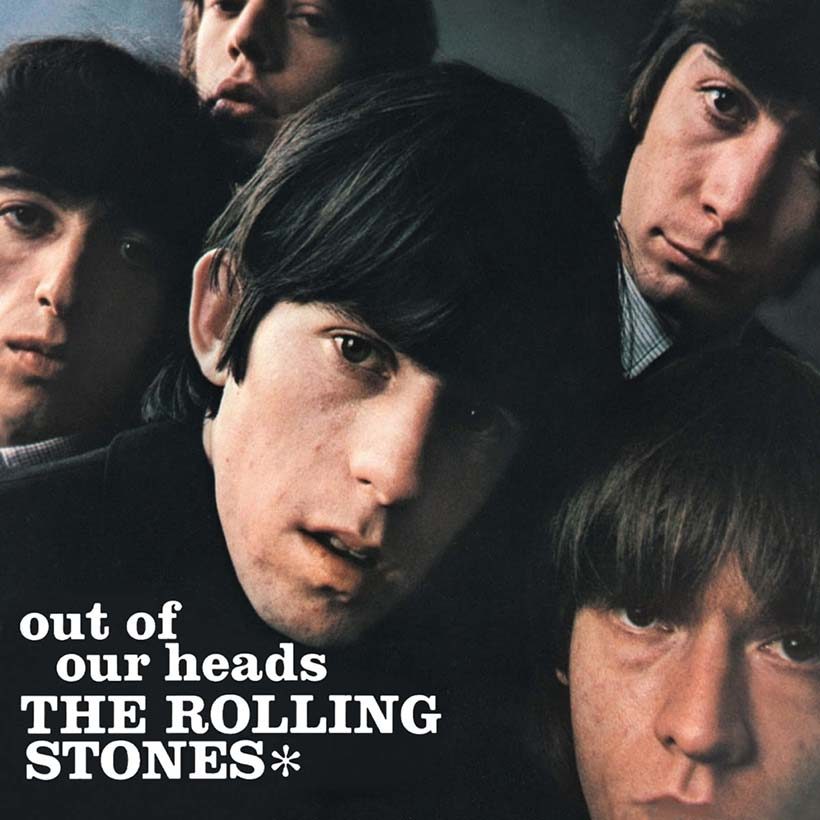
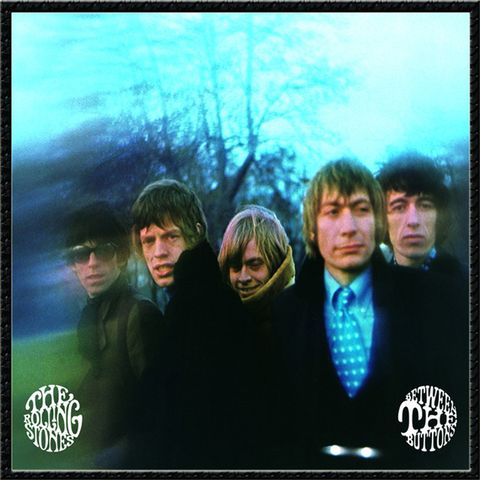
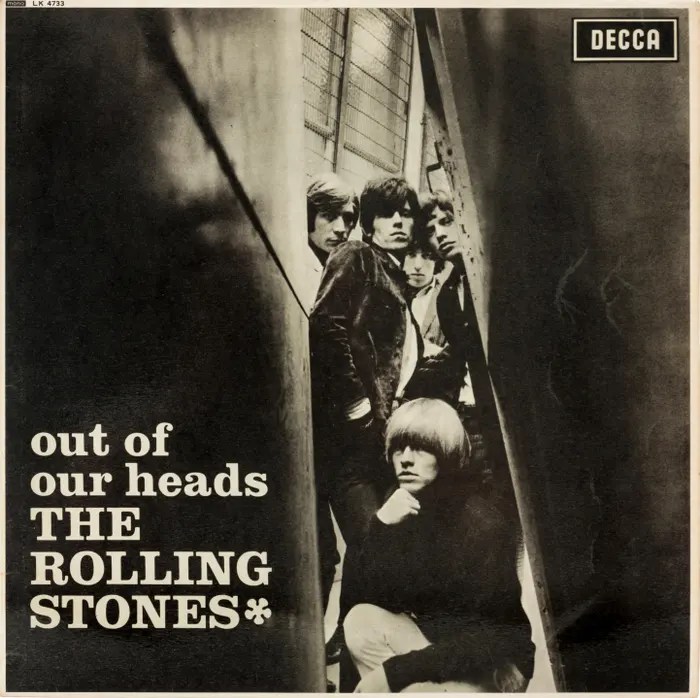

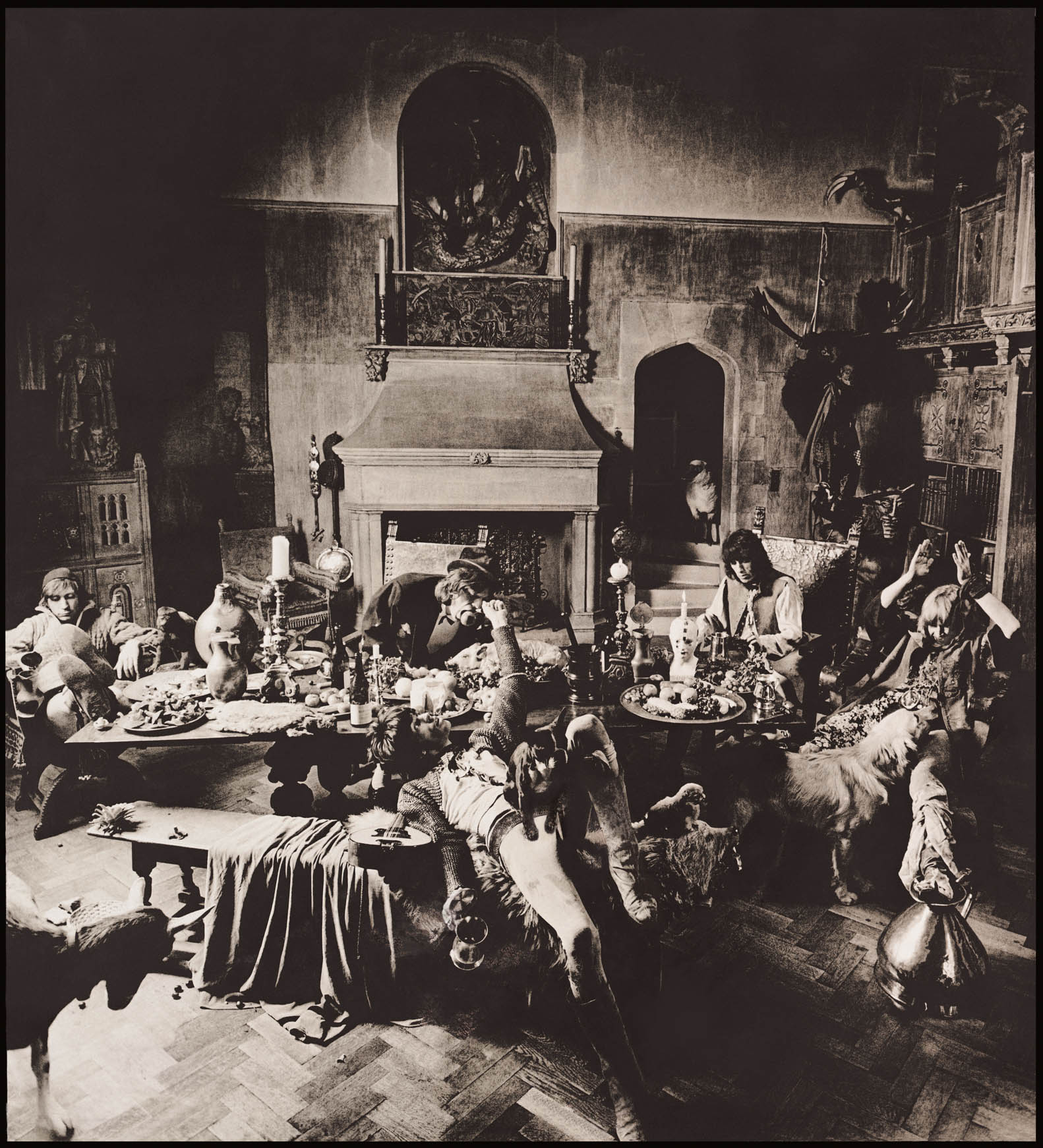
Beggars’ Banquet was my unequivocal favorite. I would, of course, add Stones albums to my own collection later (Sticky Fingers, Let It Bleed, Exile on Main Street, Goat’s Head Soup) The by-now-Rolling Stones got goofy, put on Thomas Hardy (Far from the Madding Crowd, Tess) farm laborer hats, and performed. You can see Billy Preston, Marianne Faithfull and the Who’s Keith Moon in the crowd, too, doubtless jolly for many reasons. And Keith Richards leads the song; he had a lovely voice in those days before he became a pirate.
Exile on Main Street is another album I love, and please forgive me for choosing the Tedeschi-Trucks band, performing at Red Rocks with the Wood Brothers, for this cover of my second-favorite Stones song, “Sweet Virginia.” All of it this version is grand, but most of all I love the trombonist.
And what, might you ask, is my favorite Stones song. No contest. The problem is finding the favorite woman counterpart to Jagger. All of them are Xerox copies compared to the original, Merry Clayton, yet I love so many of them—Lady Gaga, Fergie, most of all, Lisa Fischer (incredible), but they won’t let me play her YouTube video because of copyright. So, damn, we’ll just have to settle on Florence Welch. Here is “Gimme Shelter:”
I can’t leave, of course, without including “Satisfaction,” performed here on the Ed Sullivan Show in 1965. The lyrics, of course, are a peevish echo of Allen Ginsberg’s Howl and maybe Anthony Burgesses’s Droogs—his dystopian novel A Clockwork Orange had been published three years before. But I think the opening chords of the song are what make it kind of immortal. They came to Keith Richards—this is a true story—in a dream. He clambered out of bed, turned on his tape recorder, and played them.
Then he went back to sleep. The song, of course, didn’t.
11 Tuesday Jul 2023
Posted in Arroyo Grande, Personal memoirs, Teaching, Uncategorized

There is so much to say about Britt, whose life was so vast.
But there’s one thing that I need to say:
Britt and I are total nerds, and it is Star Trek that has makes this so.
Before we knew that, she was my student in AP European History at Arroyo Grande High School. That’s when I realized, in reading her essays, that she was gifted beyond measure.
I was adamant about writing clear essays. It brought out my Napoleonic Complex, and maybe Mussolini, too.
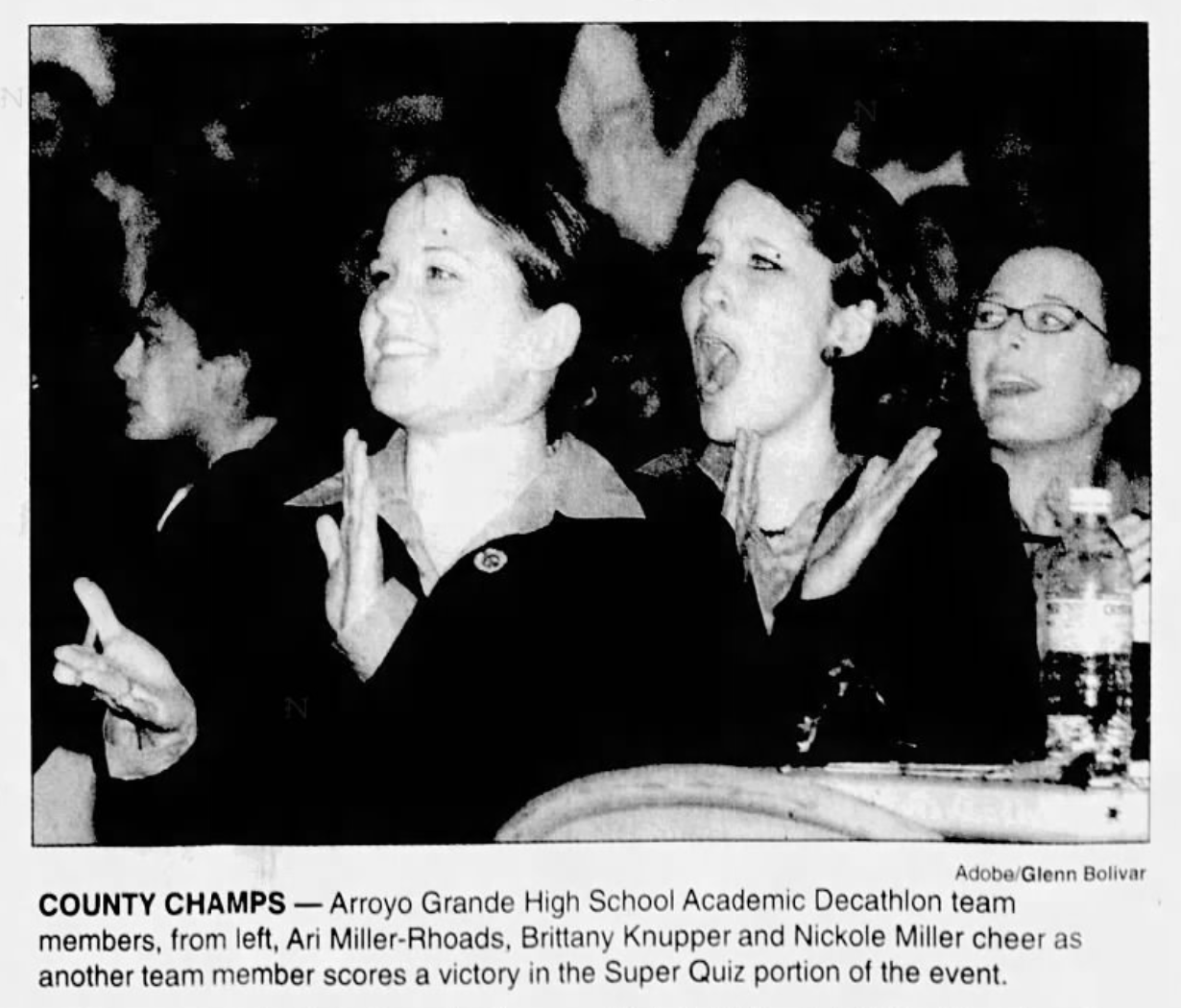
When you have seventy history essays to grade, you play a trick on yourself. You grade in a nice coffeehouse with a latte nearby. And you bunch essays in groups of five so you can take a moment for a break at the end of each group.
On your break, you take a sip of your latte and glare poisonously at the other people in the coffeehouse because they are having fun.
And at the bottom of each group of five essays you insert one that you know will be good. They are the correctives to the bloopers you can find in student essays, like the classic Abraham Lincoln was born in a log cabin he built with his own hands.
Britt’s essays were always at the bottom.
She sat in the first desk in the third row from the bank of windows in Room 306 at AGHS. She was quiet. When she asked a question, it would be a zinger, albeit one marked by guileless curiosity. The question revealed, too, that her mind traveled at warp speed in galaxies far beyond ours.
But a Britt question could take me in a different direction, far beyond my lecture notes. Suddenly, she reminded me, it was story time. This was why I became a history teacher.
So we might leave London in 1666 to visit London in the summer of 1944. There, on a barstool in his favorite pub, was Lt. Dad, enjoying a pint of Watney’s Red Barrel.
There was an air raid going on.
In between the wails of the sirens, you might hear the ugly growling cough of a V-1 flying bomb high above Regent’s Park. But my father refused to take shelter. It was a matter of principle. He refused to abandon his pint to Nazi Terror.
And so he won an honorary commendation for Meritorious Drinking Under Fire.
I think Britt liked that story.
Here are Lt. Dad, 1944 and Mom with my big sister, Roberta, 1943.

Her fifth-grade teacher, Mary Hayes, told my wife Elizabeth that she’d had the identical experience. Britt was quiet in class and then she’d ask a question that left Mrs. Hayes, just like me, gobsmacked. Both of us adored her.
Years after high school, Britt and I found each other on Facebook, my preferred method for procrastinating. That’s when I began to follow her writing career. I found out, too, that we were brother and sister Trekkies.
The breadth of Britt’s writing, from political commentary to gender issues to the arts, was vast. She was insightful, funny, and, when it was deserved, she could use ink to draw blood.
She had discovered her voice. Rather, she had revealed the voice that had been there all along.
And she was wicked funny.
–She described the barren planet where Luke Skywalker grew up as “the Modesto of the Star Wars Universe.”
–Excited by the prospect of a film that would reunite the original cast of Star Trek: The Next Generation, she wrote “That’s right, everyone. Set your phasers to ‘cry’.”
–She wrote about Kyrsten Sinema, “our manic-pixie senator from Arizona,” and archly compared her to Veruca Salt, the brat who disappears down a garbage chute in Willy Wonka.
She interviewed actors and writers and producers in the Star Trek franchise we both loved. So we remember together Tribbles, Romulan Ale, Jefferies Tubes, McCoy snapping “I’m a doctor, dammit, not a coal miner!” and Picard snapping “Shut up, Wesley!”
We were both big fans of Captain Janeway from the series Voyager.

We admired her love of coffee. When Voyager’s food replicator broke down, Janeway, in her withdrawals, wanted to strangle the ship’s cook, who’d offered a kind of interstellar Sanka. The cook was irritating, so we empathized with Janeway.
Britt did a piece on the Star Trek Series and ranked them from worst to best. “Best” Honors, according to Britt, went to Deep Space Nine, about a space station that was kind of a 24th Century Dodge City,with Avery Brooks’s Benjamin Sisko and Terry Farrell’s Jadzia Dax.

What stunned me is that this was my favorite, too, but I never had the courage to come out and say it. Britt did.
But it was Gates McFadden, Dr. Beverly Crusher in The Next Generation, who sent Britt a video message of comfort that comforted me, too.

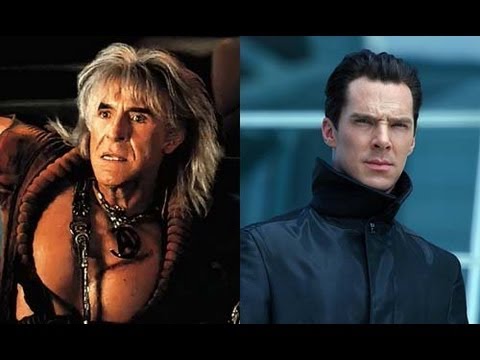
I’ve taken comfort, too, in two Star Trek films. In The Wrath of Khan, memorable for Ricardo Montalban’s impressive pectoral muscles, Spock saves the Enterprise.
He does so by jump-starting the warp drive, which involves inserting himself into the matter-anti-matter chamber. And so he dies.
They shoot Spock out into space in what looks like a jumbo Prozac capsule.
And, of course, in the next film, The Search for Spock, he comes back, all of him, including the arched eyebrow.
Elizabeth and I were watching 2013’s Star Trek: Descent into Darkness, in which Khan is played by Benedict Cumberbatch, who looks and sounds nothing like Ricardo Montalban.
However, since Cumberbatch was once spotted country-western line-dancing at the Madonna Inn, near where both Britt and I grew up, I will let this go.
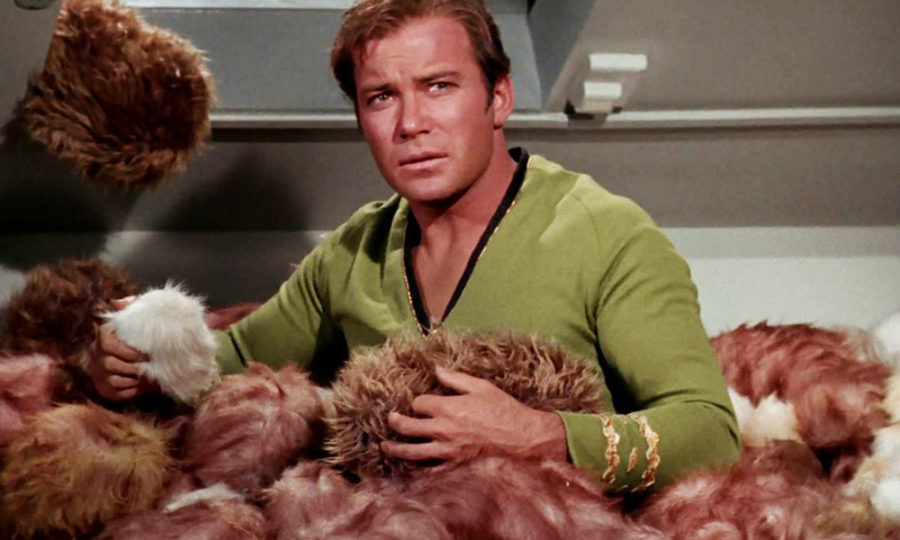
This time, to save Enterprise, it’s Chris Pine’s Kirk who likewise enters the matter-anti-matter chamber, which in my mind resembles an immense and lethal lava lamp. And so he dies.
It’s Bones, of course, who saves him. It’s complicated, but essentially he revives Kirk with the help of—wait for it— a tribble.
Coming back to life after death isn’t confined to altar boxes or the toolboxes of science fiction writers.
Five years ago, I lost another student, Dawn, to cancer. In my heart, she is Britt’s twin. They share the same audacity.
Both grew up in small towns, but both made careers in L.A., Dawn in film casting and Britt in writing about film.

I heard this at Dawn’s memorial. This is a true story.
Just before she died, a visitor wheeled Dawn into the garden. It was a sunny day and there were two dragonflies flitting among the flowers. Her friend pointed them out, but Dawn had seen them first.
They were her father and grandmother, she explained, come to be with her.

A few days later, when it was over, the visitor left Dawn’s darkened sickroom and walked into the sunlit garden.
Just above her shoulder, there was a dragonfly.
“Hello, Dawn,” the visitor whispered.
Hello, Britt. Your life was vast. So is our love for you.

09 Sunday Jul 2023
Posted in California history, Uncategorized
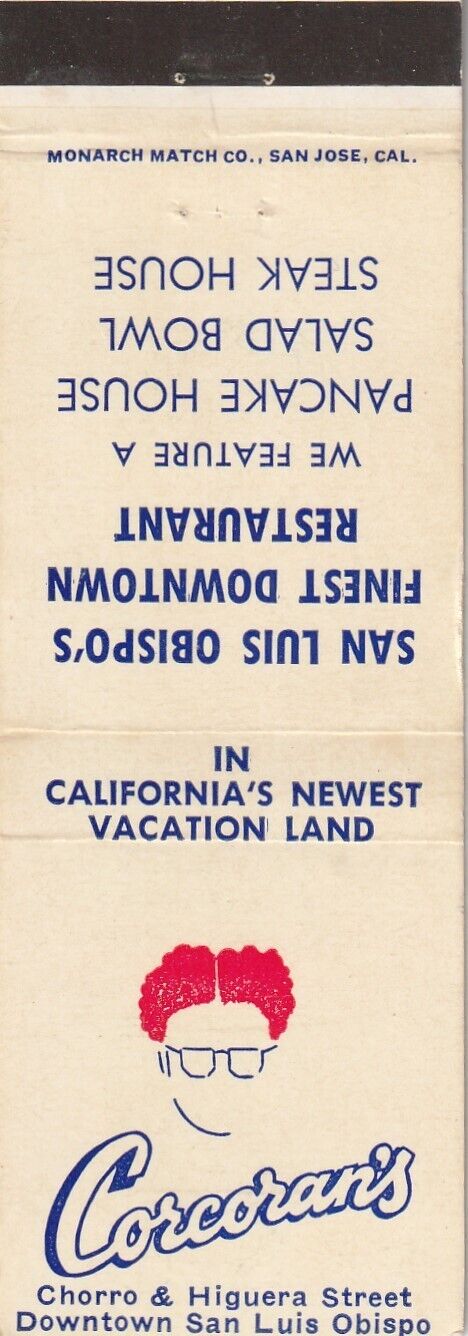
I guess they’re painting over the brick of the H.M. Warden Jr. Building (1905) in San Luis Obispo—most memorable to me as the onetime home of Corcoran’s Restaurant, in business at that site from about 1943 to 1974. The brick, of course, is beautiful on its own.
Throughout 1904 and into early 1905, a series of old San Luis Obispo Tribune articles follow its construction from the letting out of bids to its completion, when the building, which would become a beehive of retail stores and medical offices, was praised for its beauty.
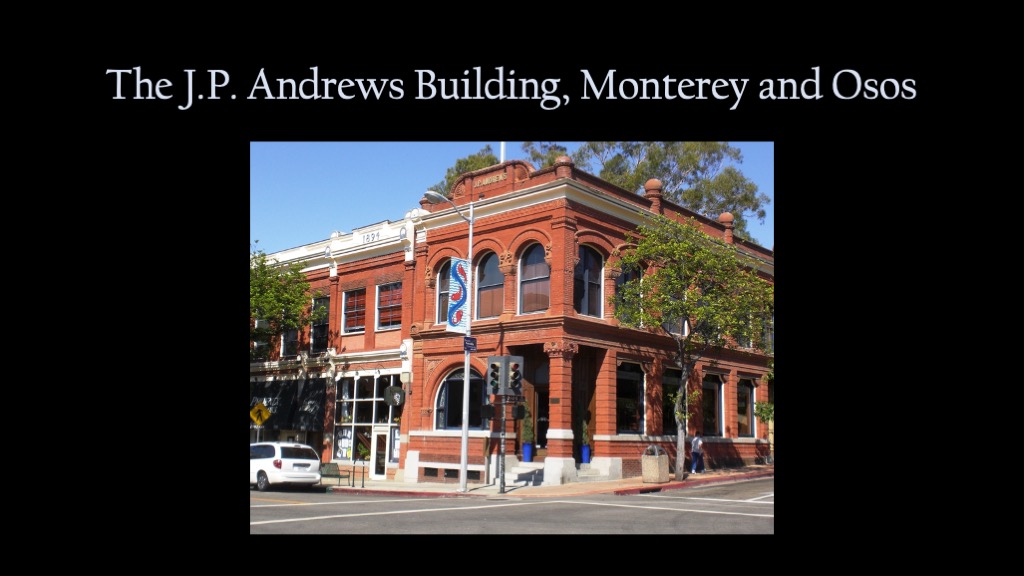
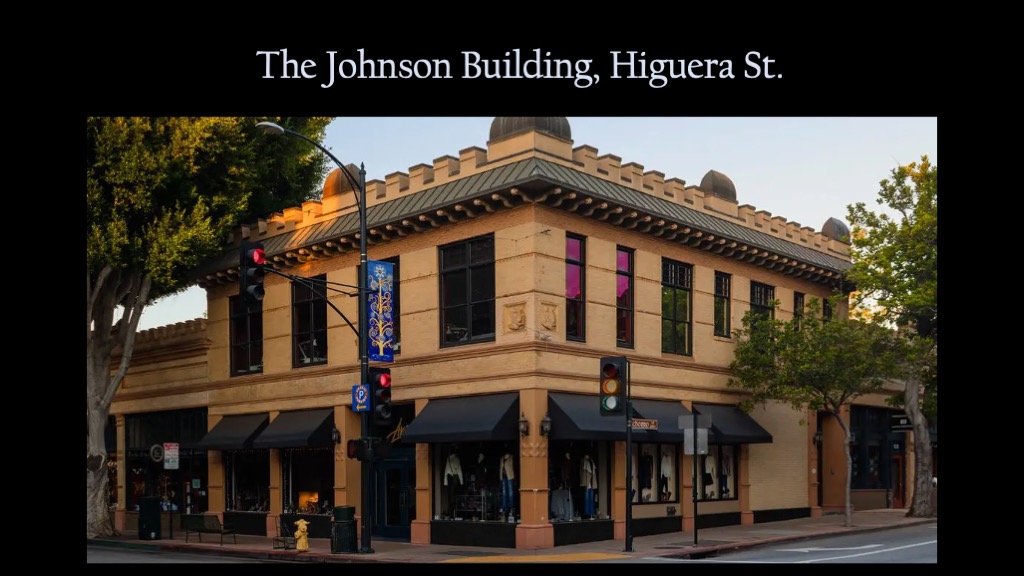
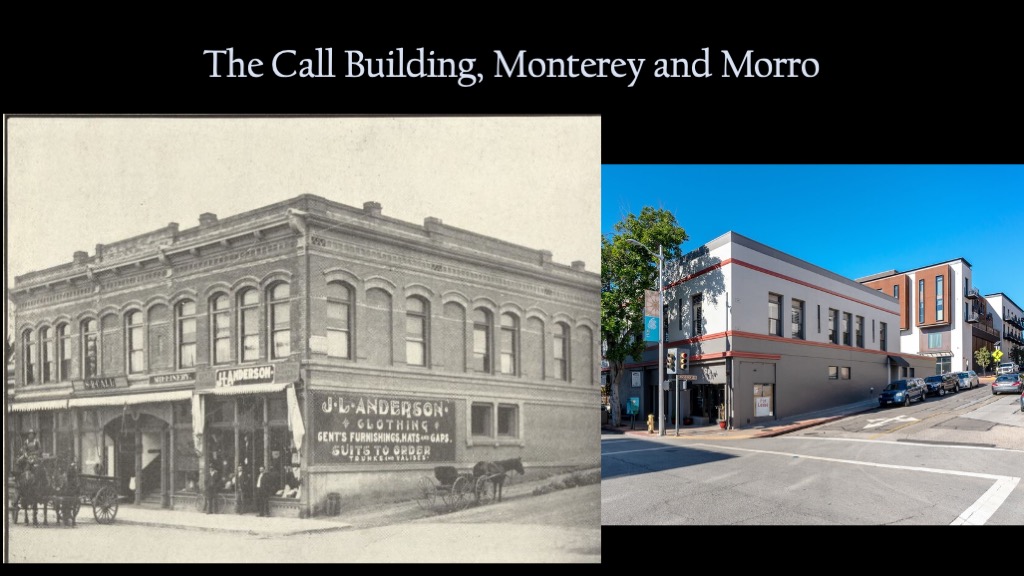
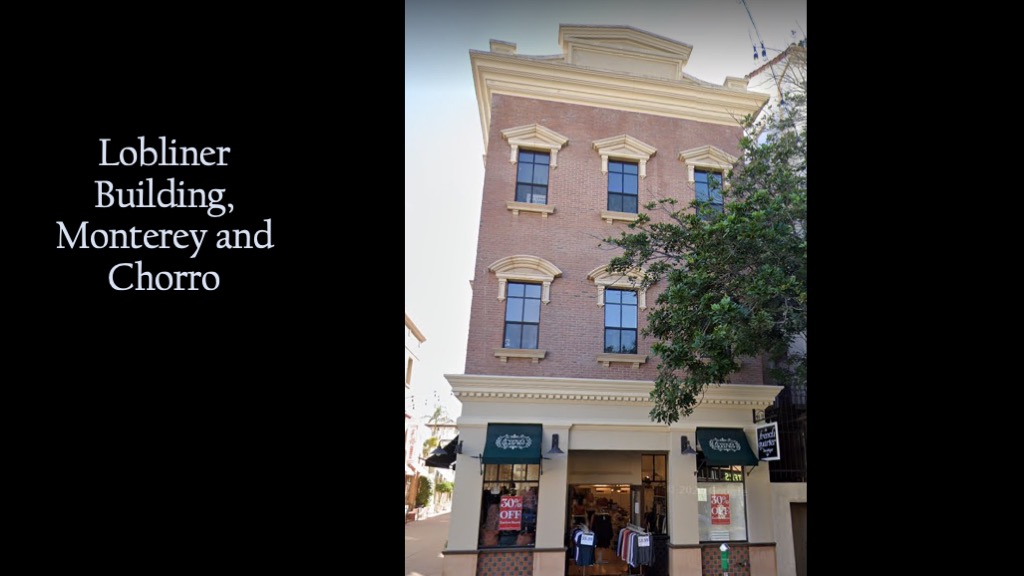
So I, being nosy, looked up the architect. It turns out that the man was a local—H.S. Laird was born in New York but came to San Luis Obispo in the late 1870s and lived out his life here. And during his time, he designed a stunning number of buildings, many of them still with us, from the 1890s and the early 1900s, are still with us. Some, like the Call Building (once the home of Gabby’s Bookstore) have been sadly reshaped, but all of them, I think, are a tribute to a remarkable architect.










 A Work in Progress