



06 Thursday Oct 2022
Posted in Uncategorized
05 Wednesday Oct 2022
Posted in Uncategorized
An impassioned Facebook post I saw today demanded that local school board spend more on campus security and less on junk like CRT (Critical Race Theory) and Gender Studies. So, yes, it’s election time, and factuality is irritating and inconvenient at important times like this one.
But let me make a few points:
1. CRT is taught at places like Berkeley Law. It is not taught in Lucia Mar. When I taught U.S. History, I did teach my AGHS students about the 54th Massachusetts, about the Harlem Renaissance, about Rosa Parks and Mamie Till. I also showed them Bull Connor’s firehoses knocking down Black teenagers in Birmingham.
The damndest thing happened. Seeing those Black kids in Birmingham getting knocked down and helping each other up again made my White kids in Arroyo Grande and Grover Beach proud to be Americans. Prouder. So did the gravity of the Little Rock coed walking through a dense crowd of White abusers, their faces contorted, or the obvious enjoyment of White boys with butch haircuts and D.A.’s as they poured creamer and sugar and ketchup over the impassive Black boys who had merely come to the Woolworth’s counter for service.
The assessment at the end of the unit had them planning, writing and publishing, using computer software, a 1920s newspaper about what they’d learned. Invariably, every newspaper–every newspaper–had an article about Louis Armstrong. Watching him perform and listening to him talk about his life–the son of a New Orleans prostitute who’d learned to play a battered cornet in juvenile hall- had enchanted my students.
If that’s what the Facebook poster meant by Critical Race Theory, then I guess I’m for it.
2. I know of no such course called “Gender Studies” in Lucia Mar. I could be wrong. But if you removed the theme of “gender studies” from the AP European History course I taught at AGHS for nineteen years, then you’ve also removed about eight percent of the course content.
(My students would never learn, for example, that there were almost no illegitimate births in rural Tudor England. There were many, many marriages recorded in parish registers that were followed, with rapidity, by christenings. It wasn’t that young people were virtuous; it was that food was such a scarcity that community pressure forced the marriage so that responsibility would be taken for the extra mouth to feed.
(They would never about Victorian mourning customs, when middle-class widows wore black crape, highly flammable, for a year. They lived in homes lit by open gas jets.
(They’d never learn that the safety bicycle–coaster brakes–liberated Edwardian women from the whalebone corset; bicycles in turn threatened men so much that they threw rocks at parties of women cycling in the countryside. They’d never see the grainy, choppy moment of Edwardian film that shows the suffragist Emily Wilding Davison throwing herself under the King’s horse at the Derby.
(They’d never learn that the Russians whom the Nazi invaders feared the most were actually Ukrainian. They were snipers. They were women.)
But maybe studying the lives of women isn’t that important, after all.
3. As to campus security, maybe we do need a higher profile. But, God forbid, in the event of a shooting event on a local campus, you’re condemning those new district hires to death. Unless they, too, are armed with assault rifles, they don’t stand a chance against the shooter. At Uvalde, where police were armed with assault rifles, they didn’t take the chance to stop the shooter.
At any rate, I’m not sure I want my Alma Mater (AGHS ’70) to look like downtown Tijuana, where sixteen-year-olds in cheap security guard uniforms reflexively rub the trigger guards of their assault rifles. The place is crawling with them.
And there were 1,972 murders in Tijuana in 2021. So far this year, 1,500 have gone missing in Tijuana. Only some of them are Americans.
So, now that I think about it–maybe there’s another way to stop mass-casualty shooters, but we just haven’t hit on it yet– maybe I’ll move security guards a little lower down on my list of school priorities.
I keep coming back to what I taught, lessons that are embedded in some way in every discipline in every school curriculum in America.
School are places where we have the chance to teach values like these: We belong to each other, so we need to learn to cooperate with each other. Human life has value, so every human should be treated with dignity. Life has meaning, so there is reason for hope.
And, as infuriating as it can be, our system of democracy belongs to us; it, too, has value and dignity and meaning. And, God willing, it has hope.
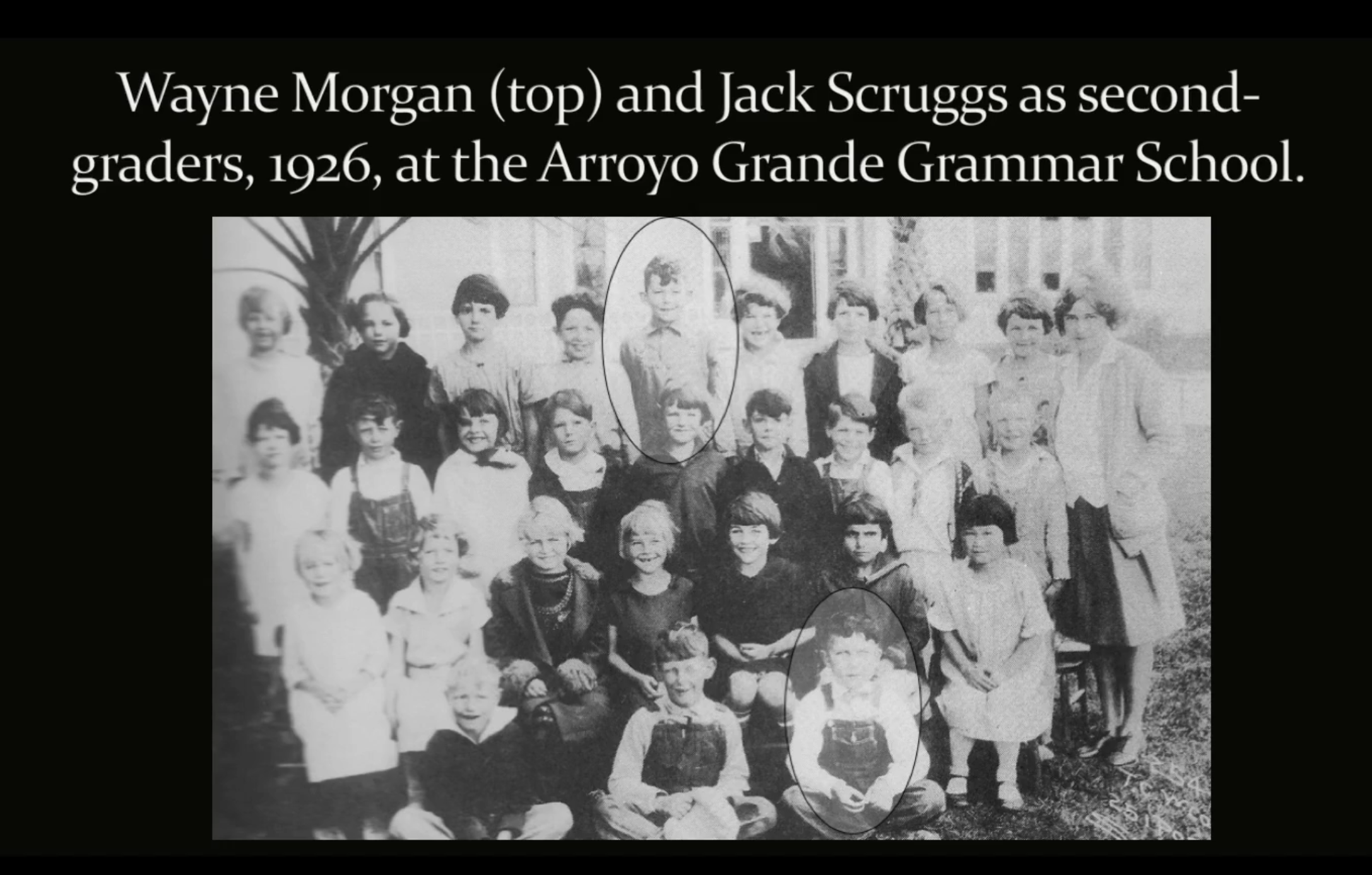
Schools are places to learn lessons like these. They are places, too, where boys and girls have the chance, in the confines of a little second-grade classroom, to build friendships that last for life. The two little boys below were second-grade friends at Arroyo Grande Grammar School in 1926.
Good friendships build good nations.
Fifteen years later, on battleship Arizona, both were killed in action. The last day of their friendship had meaning, because losing them drove an entire generation of schoolroom friends into the war that saved democracy.
I think we owe these two little boys something. The lessons of their lives, of duty and selflessness and sacrifice, need to be woven into the lives of our children– and of children yet born, to whom we owe just as much.
04 Tuesday Oct 2022
Posted in Uncategorized
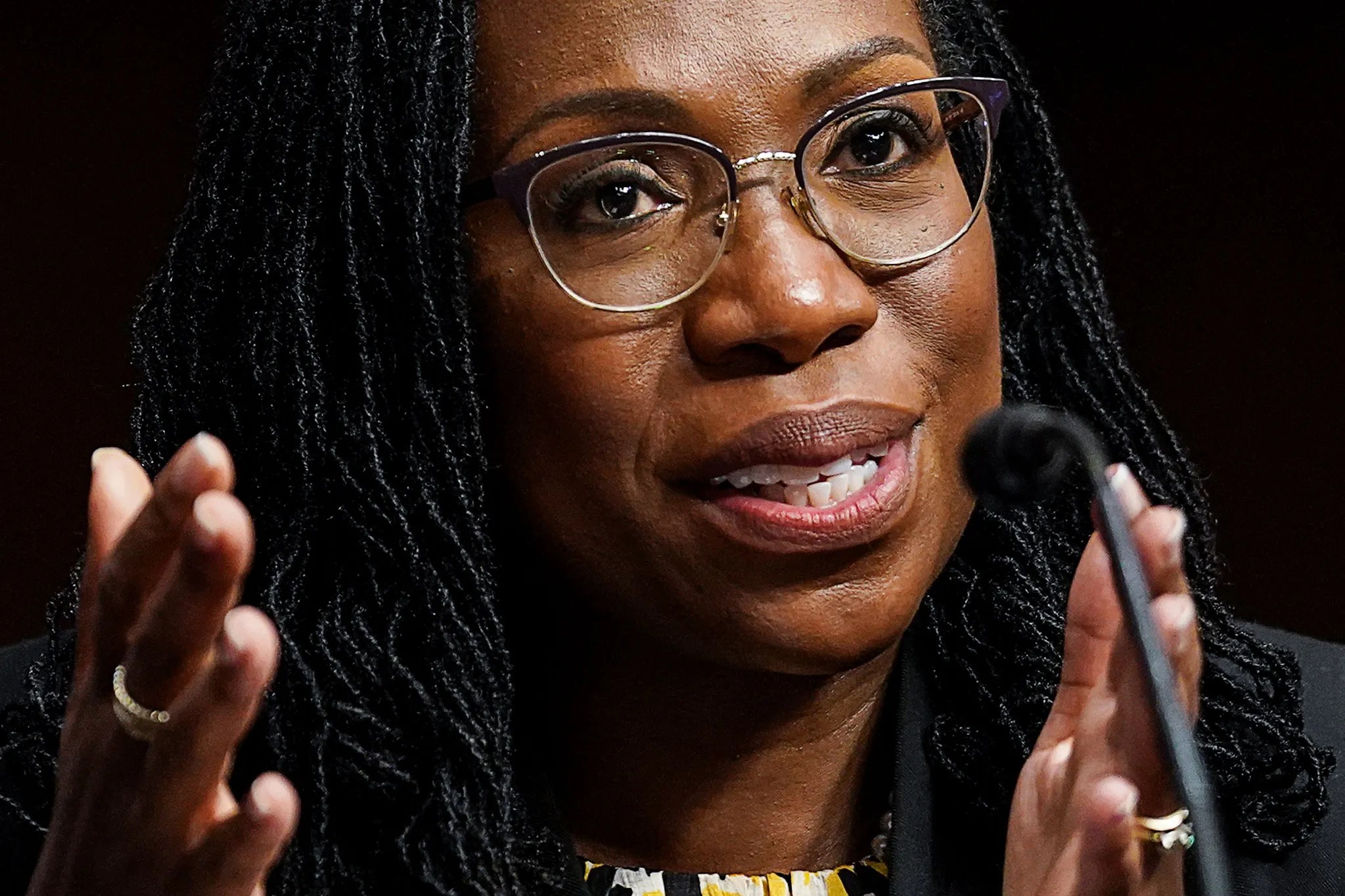
In only her second day of oral arguments, Supreme Court Justice Ketanji Brown Jackson is, to put it bluntly, dazzling.
The case in question is called Merrill v. Milligan. Bearing in mind that I am no Constitutional lawyer, this is what I understand.
The background: Alabama redrew its seven Congressional districts. Only one of the seven (as a percentage, 14% of the districts) has a Black majority. Twenty-seven percent of Alabama’s citizens are African American.
An appeals court that included two Trump appointees agreed that this deprived Black Alabamians of fair representation. The court threw out the new map, opining that an additional Black-majority Congressional district was appropriate.
Alabama appealed, arguing that 1) It cannot be proven that Alabama legislators were considering race in their redistricting and 2) the constitutionality of Section 2 of the Voting Rights Act, which prohibits any effort to discriminate against voters of color, is in question.
In fact, they argue, because it is explicitly considers race, Section 2 violates the equal protection clause of the 14th Amendment itself.
In fact, the traditional states’ rights argument has been this: The Constitution was and is meant to be color-blind, so any law that is specifically formulated on the basis of race is inherently unconstitutional.
Of course, this argument is a new one. It wouldn’t have been popular in Jim Crow Days.
So, in short, if Alabama wins its appeal, the Voting Rights Act is diluted even more than it has been..
Enter Justice Jackson. She’s addressing herself and her fellow justices, but formally her remarks are intended for Alabama’s Solicitor General. I’ll let her take over, in quotes taken from an article by journalist Travis Gettys:
“I don’t think that we can assume that just because race is taken into account that that necessarily creates an equal protection problem, Jackson began, “because I understood that we looked at the history and traditions of the Constitution and what the framers and the founders thought about, and when I drilled down to that level of analysis, it became clear to me that the framers themselves adopted the Equal Protection Clause, the 14th Amendment, the 15th Amendment, in a race-conscious way. That they were, in fact, trying to ensure that people who had been discriminated against, the freedmen, during the Reconstruction period, were actually brought equal to everyone else in society.
“Those post-Civil War amendments were explicitly drawn up and ratified to expand and protect the rights of the Black citizens who had been enslaved in Confederate states,” Jackson argued, and she backed her claims with statements made by the legislators who wrote and voted on those bills.
“I looked in the report that was submitted by the Joint Committee on Reconstruction, which drafted the 14th Amendment, and that report says that the entire point of the amendment was to secure rights of the freed former slaves,” Jackson argued. “The legislator who introduced that amendment said that, quote, ‘Unless the Constitution should restrain them, those states will all, I fear, keep up this discrimination and crush to death the hated freedmen.’
“That’s not a race-neutral or race-blind idea, in terms of the remedy, and even more than that, I don’t think that the historical record establishes that the founders believed that race neutrality or race blindness was required, right?” she continued. “They drafted the Civil Rights Act of 1866, which specifically stated that citizens would have the same civil rights as enjoyed by white citizens. That’s the point of that act, to make sure that the other citizens, the Black citizens, would have the same as the white citizens.
“They recognized that there was unequal treatment,” Jackson added. “People based on their race were being treated unequally and, importantly, when there was a concern that the Civil Rights Act wouldn’t have a constitutional foundation, that’s when the 14th Amendment came into play. It was drafted to give a constitutional foundation for a piece of legislation that was designed to make people who had less opportunity and less rights equal to white citizens.
“So with that as the framing and the background, I’m trying to understand your position that Section 2, which by its plain text is doing that same thing, is saying you need to identify people in this community who have less opportunity and less ability to participate and ensure that that’s remedied, right? It’s a race-conscious effort, as you have indicated. I’m trying to understand why that violates the Fourteenth Amendment, given the history and –and background of the Fourteenth Amendment?“
* * *
You are next on the tee, Mr. Alabama Solicitor General, sir.
04 Tuesday Oct 2022
Posted in Uncategorized

A caveat:
I am just old enough and just prudish enough to have been repelled by Miley Cyrus’s more outlandish pranks–maybe stuff like that is now in the rearview mirror of her life.
But I am just smart enough, if a little slow, to realize that she has one of the greatest voices of her generation. Her range is incredible (contrast “Zombie” with “Jolene,” both below.)
Beyond that, there’s an intelligence and sense of empathy there. Cyrus understands what she’s singing, whether the deep grief of “Zombie” or, listen as her accent changes, faintly Appalachian, and the timber of her voice rises, sweeter and higher inside her body, in “Jolene.”
I am an older man but it still took me a moment to get past the shortness of her skirt in “Roadhouse Blues”–it was a short moment, too–to understand that she understands the Blues, including Jim Morrison’s song.
She understood, too, how to dial herself down just enough to provide the background, in David Bowie’s “Heroes,” for a moving public service ad aired during the 2021 Super Bowl.
Four memorable and arresting performances
She is phenomenal.
02 Sunday Oct 2022
Posted in Uncategorized
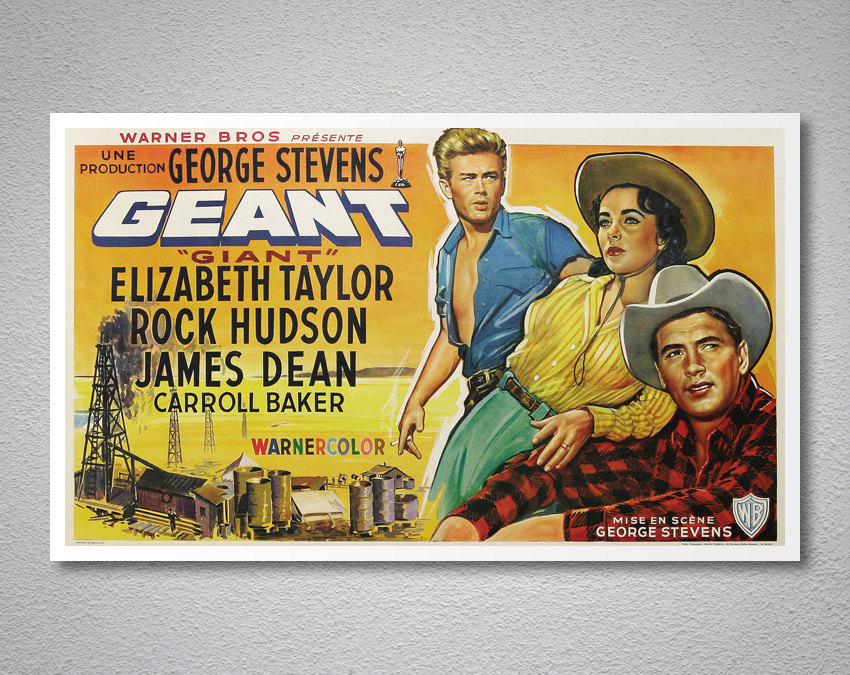
On this day in history, in 1985, Rock Hudson died.
Ironically, I think my favorite Rock Hudson scene comes near the end of the George Stevens classic “Giant.” Hudson, as an impossibly wealthy Texas rancher, gets the living crap beat out of himself in a roadside cafe.
His character, Bick Benedict, is pigheaded, arrogant, dismissive of women and bigoted.
But in this scene–one of his grandchildren is Mexican American-he comes to the defense of a family when the cafe’s cook, Sarge, starts to throw them out. They’re Mexican.
The result is one of the most epic fight scenes, brilliantly accompanied by “The Yellow Rose of Texas,” in Hollywood history, and one that changes your opinion of Bick Benedict.
A young Mexican American poet, Tino Villanueva, wrote about that scene. Here’s an excerpt:
…how quickly [Sarge] plopped the
Hat heavily askew once more on the old
Man’s head, seized two fistsful of shirt and
Coat and lifted his slight body like nothing,
A no-thing, who could have been any of us,
Weightless nobodies bronzed by real-time far
Off somewhere, not here, but in another
Country, yet here, where Rock Hudson’s face
Deepens; where in one motion, swift as a
Miracle, he catches Sarge off guard, grabs
His arm somehow, tumbles him back against
The counter and draws fire from Sarge to
Begin the fight up and down the wide screen
Of memory, ablaze in Warner-color light.
26 Monday Sep 2022
Posted in Arroyo Grande, Uncategorized
16 Friday Sep 2022
Posted in Uncategorized
I guess I owed it to my historian’s sense of duty, so I looked it up. If ever a Queen was a monument to imperialism, it was Victoria—steam-powered British ships obliterating Chinese war junks to smooth the way for the lucrative and British-sponsored opium trade, Sepoy mutineers, lashed to cannon muzzles and so executed; 15,000 Sudanese rebels, armed with swords and spears, mowed down by Maxim guns at Omdurman.
But Elizabeth doesn’t escape her great-great grandmother’s legacy, either. When Kenyan independence fighters—the Mau Mau—rose up in rebellion in the 1950s, the British army and air force intervened, ostensibly to protect White Kenyan settlers. The Mau Mau killed 32 of them. The British hanged over a thousand Black Kenyans and killed ten times that number in forgotten but merciless airstrikes and skirmishes.
And Elizabeth was Queen.
Still.
I owe it to myself, as well, to appreciate—especially in the wake of recent years—what we call “Norms:” ceremony, dignity, tradition, reverence.
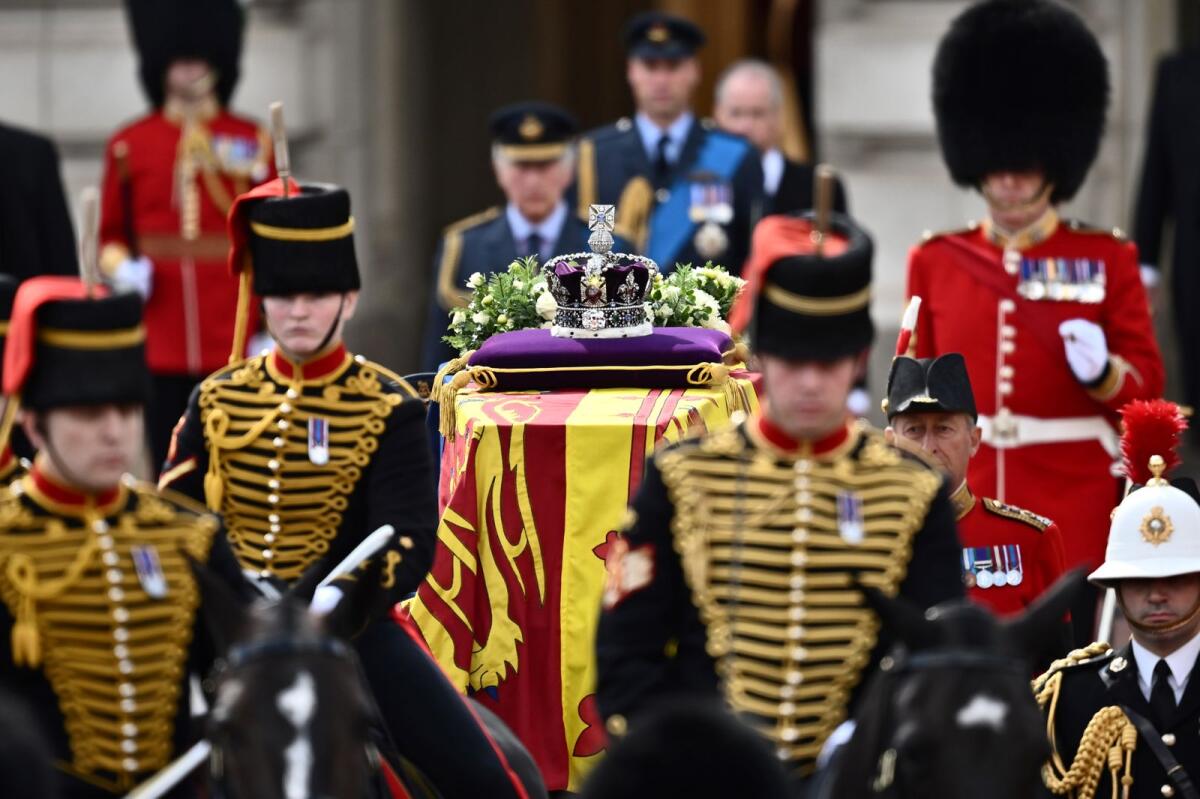
The uniforms of the Horse Artillery, in charge of transporting the Queen’s coffin, and the Grenadier Guards who flanked it on the journey to Westminster Hall this week are identical to the uniforms of the soldiers who accompanied Victoria’s coffin in 1901. The tradition of sailors moving the funeral caisson along in its journey begs with Victoria, as well.
But I was reminded, too, of a distinctive American funeral, and of me at eleven years old, watching television, transfixed, during the weekend that followed November 22, 1963. While the British have been planning for Elizabeth’s funeral—“Operation London Bridge”—for years, with the Queen’s help, Kennedy’s was quite different.
There were plans on the shelf, but the organizers for the president’s funeral essentially had three days to put it together.
In this, they were successful. It was both marvelous and painful. It was unforgettable.
I’ve written a lot about Black Jack, the riderless horse who followed the president’s caisson (the caisson that had carried FDR’s body; and the caskets of both presidents had been placed atop the catafalque built for Lincoln). The horse, a jet-black Morgan/Quarter horse cross, was ornery, nervous–unnerved by the collapse of a heavy metal gate inside a tunnel on the funeral’s route– and repeatedly attempted to bolt or to bite his nineteen-year-old handler, Pfc. Arthur Carlson. Black Jack once stomped on Carlson’s foot so hard that the upper sole of his Army-issue shoe was ripped. The young soldier thought his foot had been broken. Forbidden by protocol to speak to the horse to calm him, all Carlson could do was to hold on to the bridle with all his strength.
After the funeral, Black Jack caught his handlers by surprise. He’d become a celebrity and visitors came to see him at the Old Guard stables at Fort McLean, and the visitors who delighted the horse the most—he was incredibly gentle with them—were children.
I love horses, and I loved the big black horses in the Queen’s procession to Westminster Hall—one, a Royal Artillery horse who led the caisson, and in front of him, were two London police horses, at least sixteen hands and more likely seventeen, made bigger still by the smallness of the policewomen who handled them with such skill.
For JFK’s funeral, they were greys; the caisson’s six-horse team, one occasionally nuzzling the face of his harness-mate, and the enormous grey who led the caisson, pausing occasionally, seemingly to discipline the caisson team. He and his rider glided effortlessly and fluidly sideways, looking sharply at the caisson’s progress, every time the cortege turned a corner.
On arriving at Arlington, after an intemperate rendition of the indelibly Protestant “Onward Christian Soldiers” (indeed, most Americans in the South and Midwest had never before the televised funeral seen priests in full vestments, including Boston’s Cardinal Cushing), the procession returned to the cadence of muffled drums. After a moment, there were bagpipes—the Black Watch, no less, so now there were two sets of men in skirts—who had visited the White House and delighted the president, a student of Scottish history, including the struggle for independence.
“I am fond of lost causes,” the President noted ruefully that day, just before the Black Watch performed, just nine days before he was murdered in Dealey Plaza.
And the silent soldiers closest to the funeral bier weren’t Americans. They were Irish military cadets whom the president had met just five months before, on a return trip to Ireland, completing a journey that had begun when his ancestors, like mine, sailed from what was then Queenstown, today called Cobh, on Ireland’s east coast.
At least two of what were called Famine ships had foundered in the North Atlantic, lost with all aboard, just before our ancestors, the president’s and mine, left Ireland. The Irish cadets were there to remind us that we, all of us, are immigrants and so we come from people of courage. That might be the most marvelous American tradition of all.
In the long view, neither funeral–the president’s in 1963, the Queen’s in 2022–is necessarily about the empty person inside the coffin, for while Elizabeth had her Mau Maus, JFK inherited the rapist’s sense of entitlement that was his father’s work.
But the good news is that I think the funerals like these are more about us. We are deeply flawed but at the same time capable of great dignity, and capable of lending our dignity to human beings who are just as flawed as we are. In remembering them, in old traditions, we confront–without knowing it–our own importance, which lies in the value of our lives. And so, in the wake of slow marches, we move forward.
01 Thursday Sep 2022
Posted in History, Uncategorized
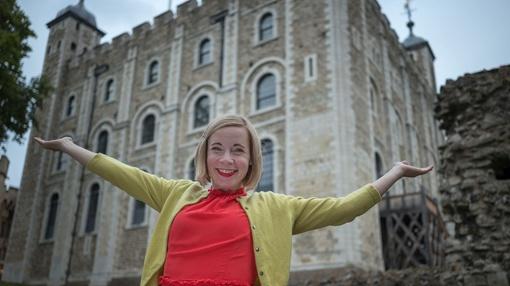
I’m kinda nuts about British historian Lucy Worsley; she is a hoot.
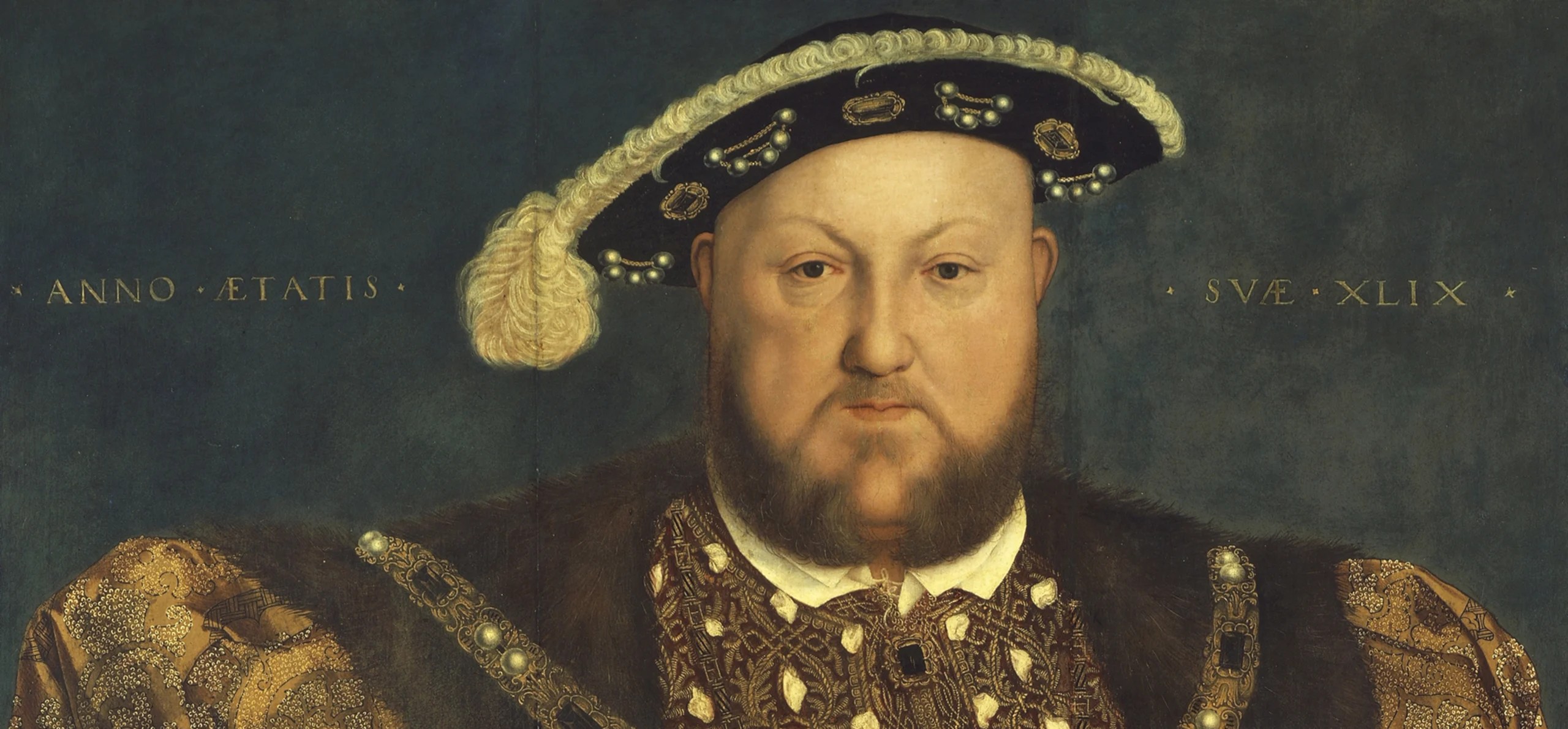
I first discovered her, while teaching European history, when she went to a modern grocery store to go shopping for Henry VIII.
The students were kinda nuts about her too: she’s a small person and the shopping cart was bulging at the seams, so she was huffing and puffing as she pushed it through the aisles. It was loaded mostly with meat (beef, pork, fowl, eels).
Turns out it’s no wonder Henry VIII weighed almost 400 pounds at the time of his death.
Sadly, on the tour to his final resting place at Windsor Castle, while Henry lay in repose in a church, his coffin exploded. Pent-up Royal Gas.
Gastly.
Anyway, if you get a chance, Worsley appears pretty regularly on PBS. She’s now the Chief Curator of Historic Royal Palaces.
Not a bad job, that.
She did a show that ran Sunday on three palaces:
1. The Tower of London. The oldest part, the White Tower, was intended to impress the local Saxons, whom the Normans considered imbeciles. To their horror, they’d built the privies in full view of London so that the beautiful stonework soon became, er, corrupted. Ah, who were the imbeciles NOW? So moved all the Royal Eliminatories to the back.
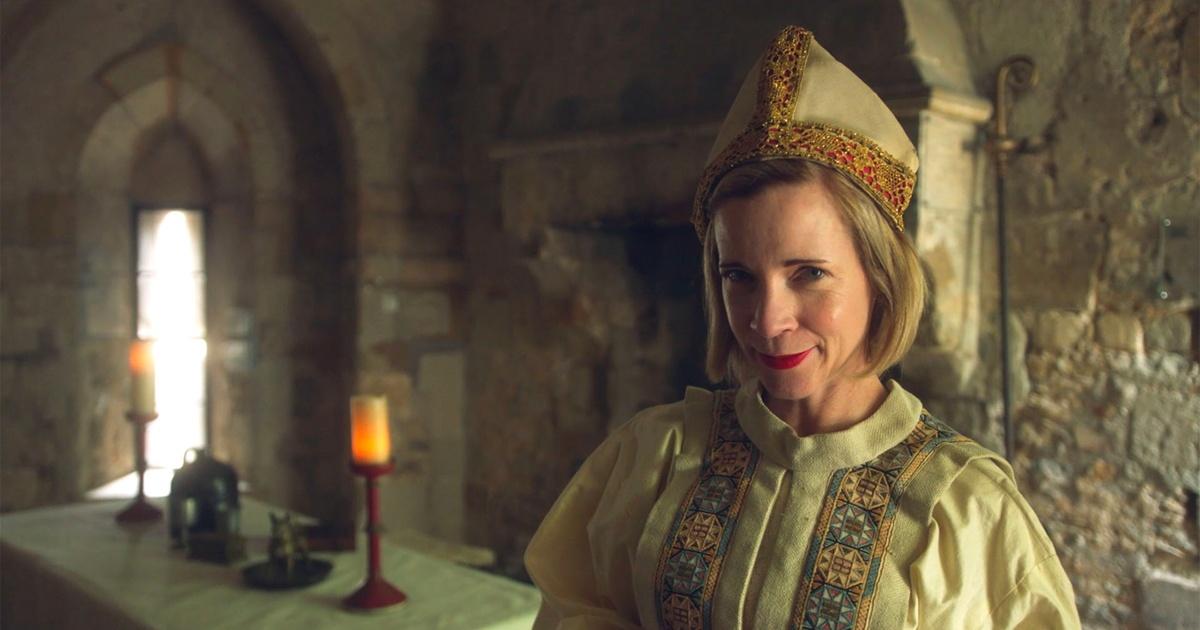
Worsley then played the first prisoner to escape from the tower–it became a prison, of course, as well as a palace– an obnoxious Norman bishop. She went clattering away down the cobblestones clutching her crozier. Oh, she also helped the Yeoman Warder, a Beefeater, feed the ravens, who are Mouseaters.
2. Hampton Court, once Cardinal Wolsey’s palace, was appropriated by Henry VIII once the Cardinal fell out of favor (couldn’t get the king his divorce.)
Wolsey took her show up to a nondescript room on an upper floor–desks and computers, used for training. But that was the bedroom of, in succession, Catherine of Aragon, Anne Boleyn and Henry’s favorite, Jane Seymour, who died in the room soon after giving birth to Edward, the king’s long-awaited and ultimately worthless royal heir.
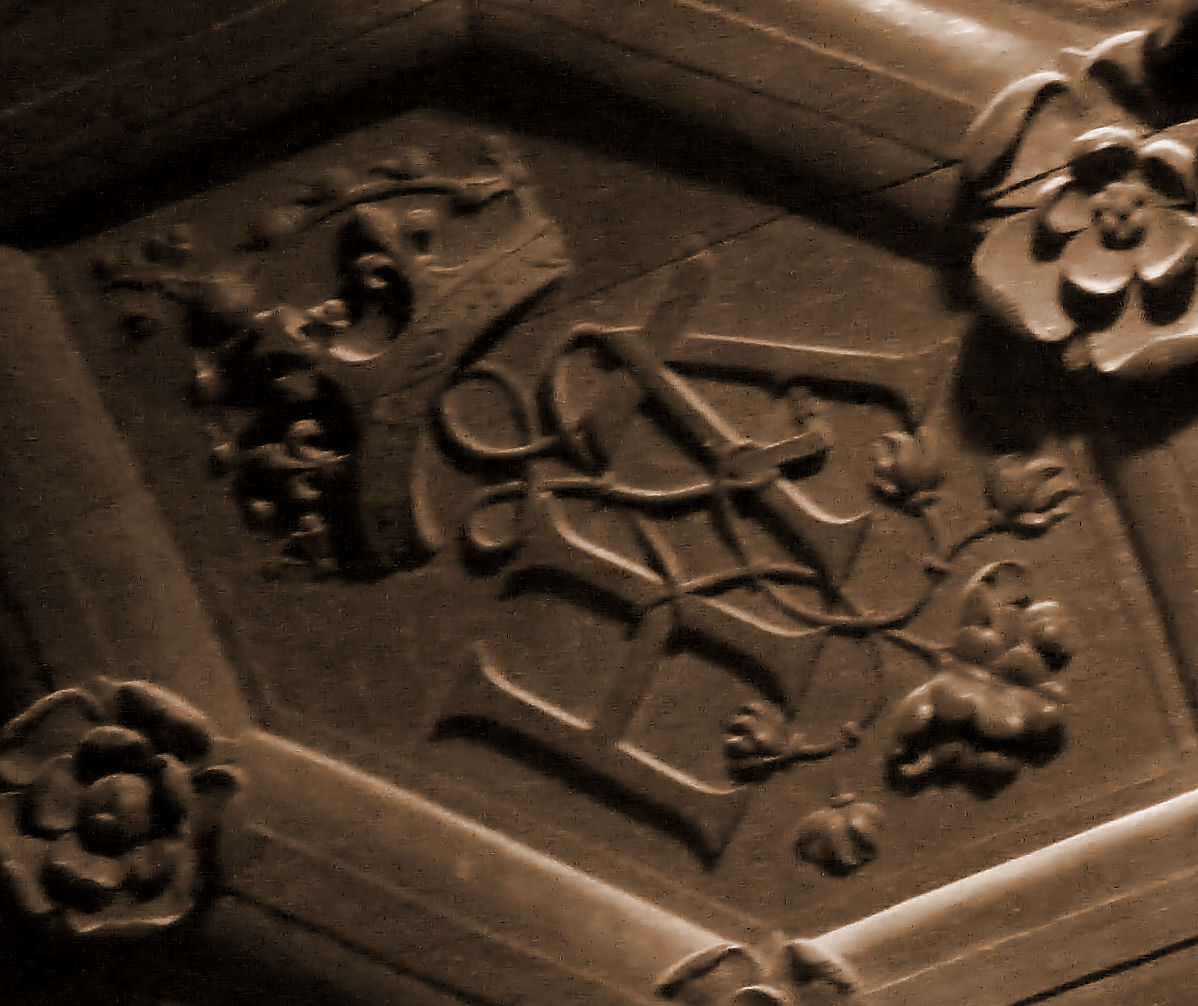
But Henry was once smitten (besmitten? besmot?) by Anne, so the royal dining hall was framed by gilt and woodwork with the interlocking initials “H” and “A.” But Henry married Jane only 11 days after Anne’s head and her body went in separate directions, so workmen were in a hurry. Worsley spotted a corner where they’d missed, in the woodwork, one set of interlocked initials.
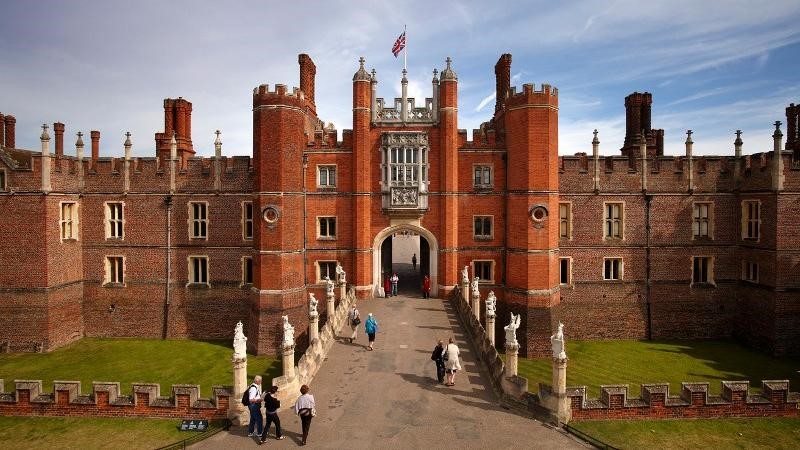
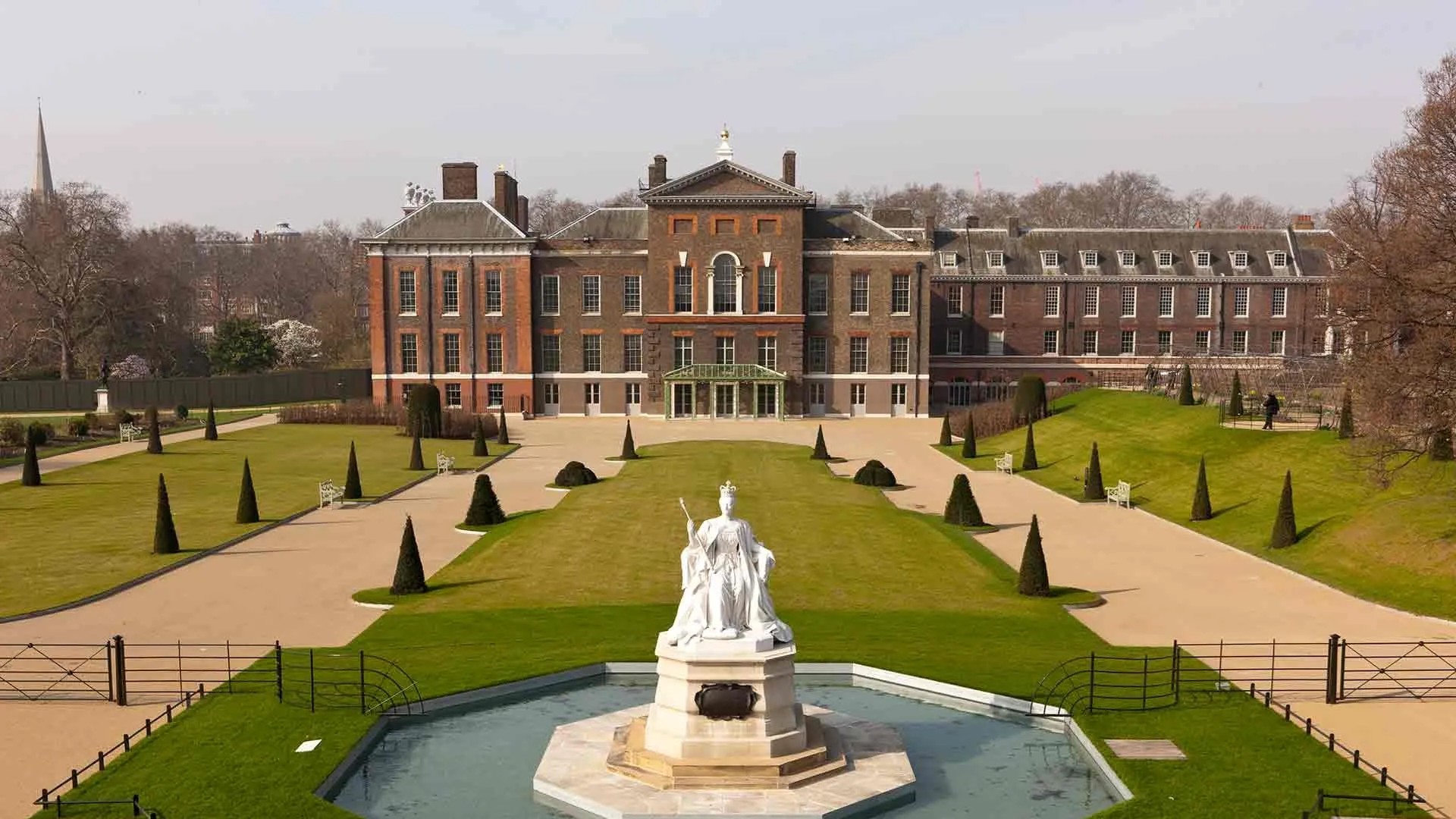
This palace was added onto, on the cheap, by the Stuarts, so it has a Tudor front, seen in the photograph, and a Palladian add-on (Queen Anne, played by the Oscar-winning Olivia Colman in “The Favourite,” would’ve lived here. With her rabbits.) It includes sharp spiky rails in some of the corners, to discourage the courtiers from relieving themselves thereupon.
Royal palaces–even Versailles–were notoriously smelly.
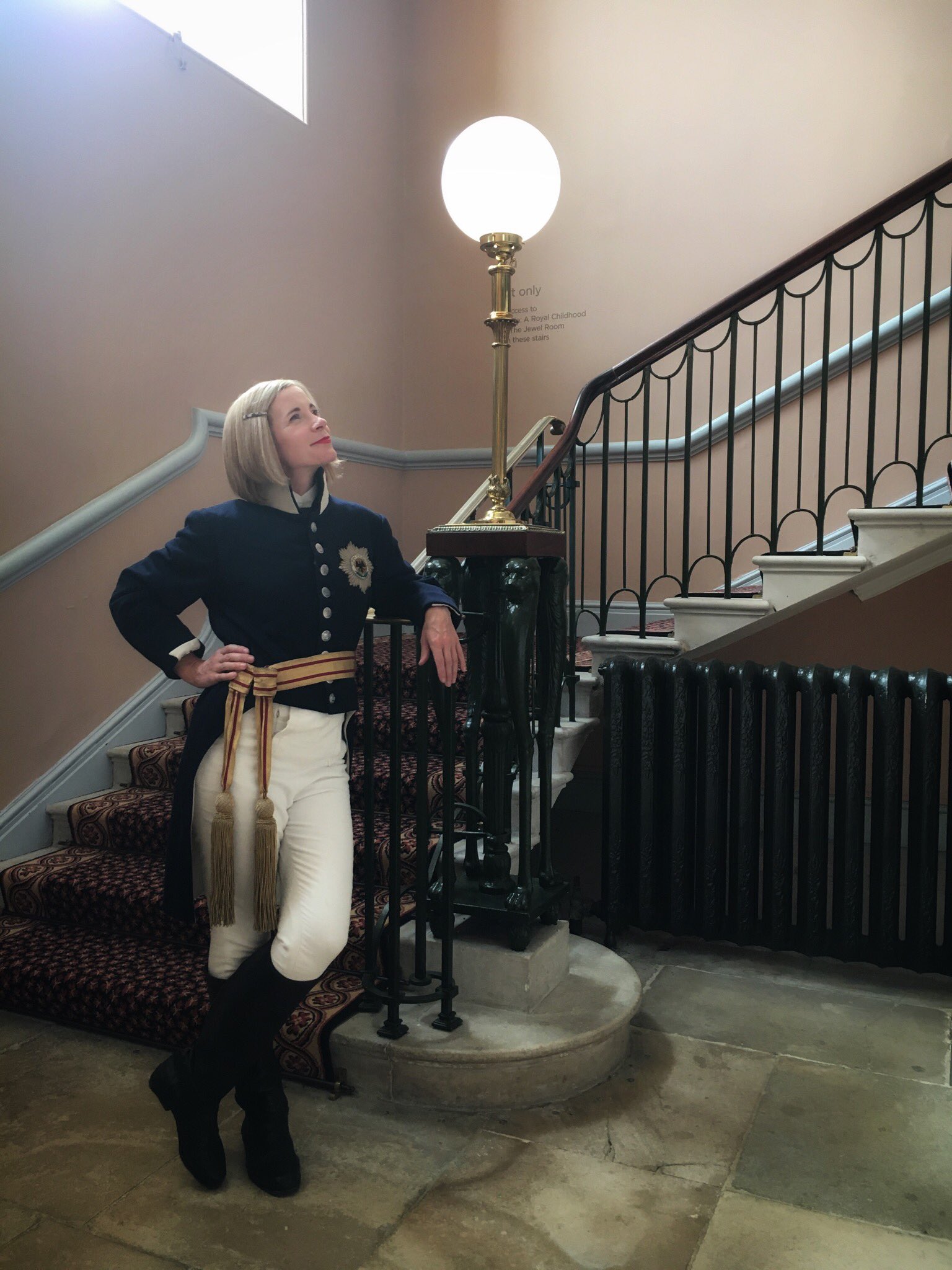
3. Kensington Palace was where Princess Victoria lived. Worsley–playing both roles, stood atop the staircase landing where Victoria first set eyes on Albert, at the bottom of the stairs. She was besmot and wrote at length in her diary about his eyes, his nose, his mouth and his limbs (“legs” was a dirty word in those days).
Albert thought she was okay.
That’s Worsley, as Albert, trying to look casual, at the bottom of the staircase.
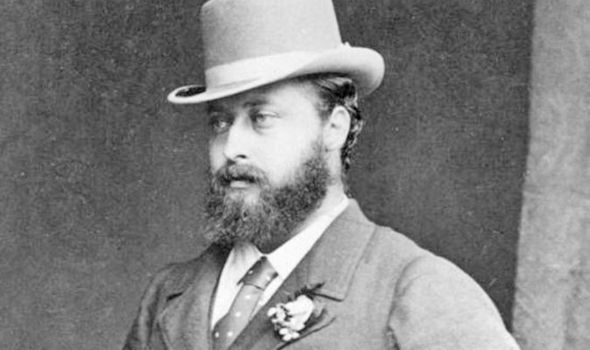
But once the two were married, they were a lusty pair. They must’ve worn out a host of royal bedsprings. Victoria adored Albert and adored sex. The end result–children–she was less than enthusiastic about. Especially her eldest son. Poor Bertie.
(Bertie, too, adored sex, especially with married women to whom he was not married. And he adored food. I guess he was a bit of a Henry VIII throwback. To this day, the custom of men leaving the bottom button on their sports coats or suit-coats unbuttoned was one that began with Bertie–Edward VII–who needed a little more room for the royal tummy.)
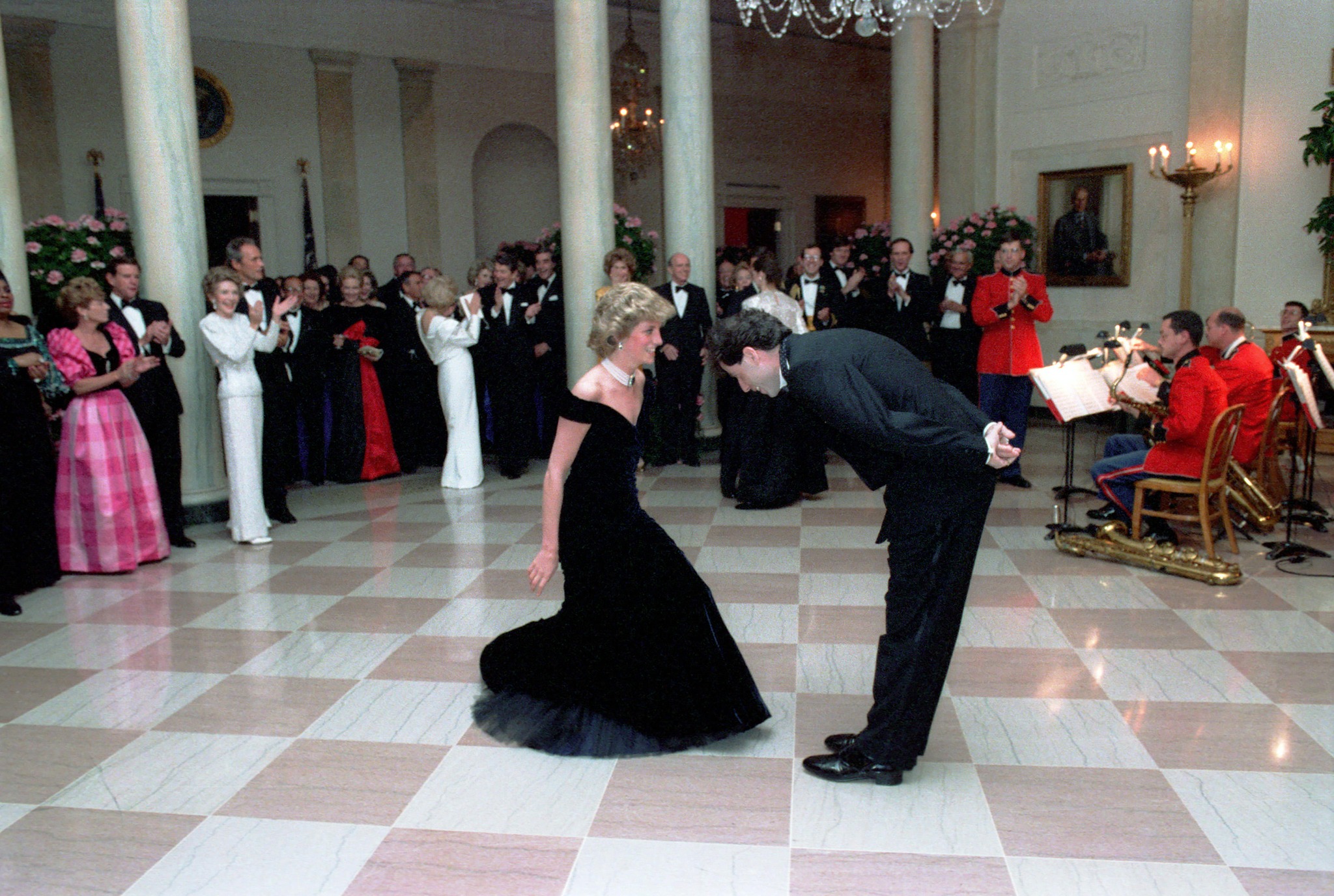
Kensington also features a big collection of court dress going back 300 years, and among them–what a prize!–is the dress Princess Diana wore when she danced with John Travolta at the White House. It’s a deep, deep blue and it’s stunning; all it lacks is, of course, Diana.
18 Thursday Aug 2022
Posted in American History, Arroyo Grande, Uncategorized
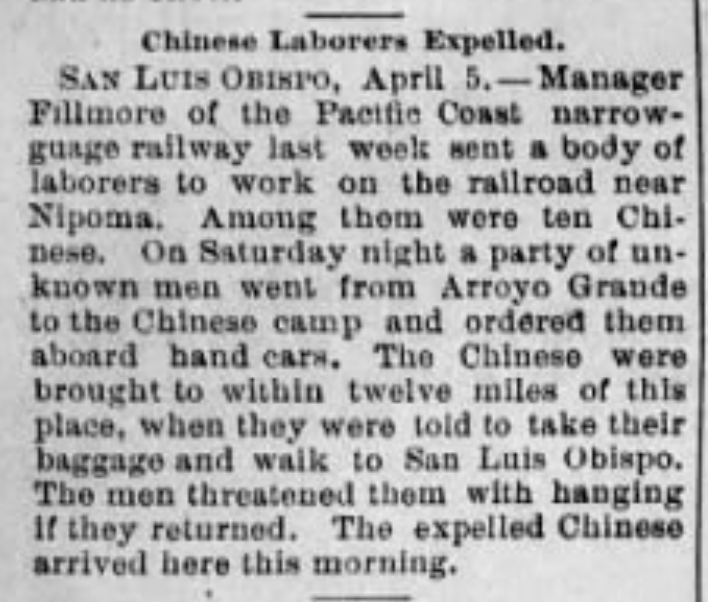
I heard the story first when I was in high school: How a mob of angry men rode down from Arroyo Grande, surrounded a Chinese crew laying track, and ordered them to leave. Years later, I found out it was true. A newspaper clipping from an 1886 San Francisco Examiner:
I knew that this story was a bookend because in February 1886, this article had appeared:
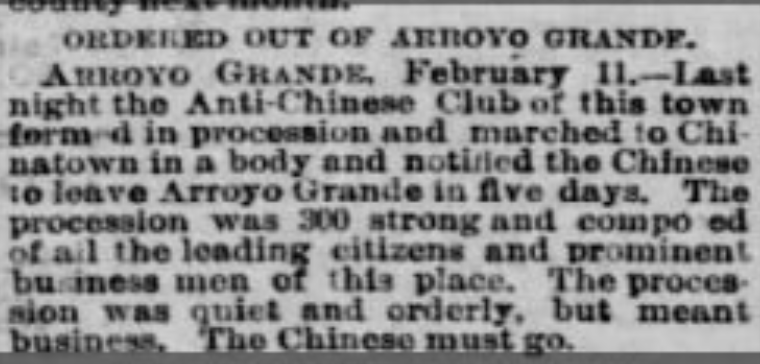
And when I say “bookends,” this is what I mean: In February, the “Anti-Chinese Club,” men disguised with handkerchiefs over their faces, ordered the Chinese to leave town; April 5 saw a similar group descend on the railroad workers.
On March 31, a similar group from Arroyo Grande did this:
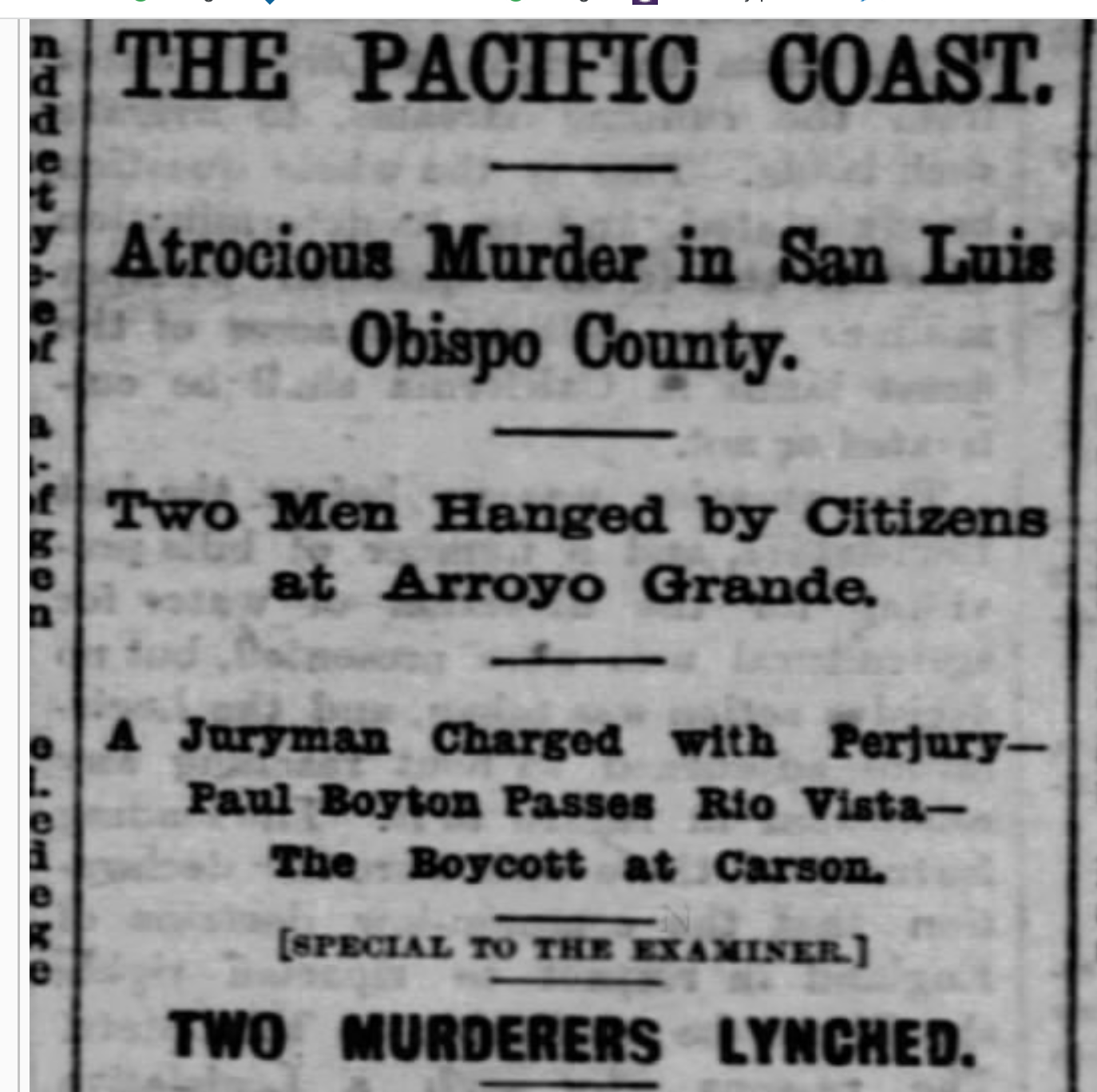
The 1886 lynchings were in part made possible by a citizenry, motivated by anti-Chinese rhetoric, that constituted a kind of instant lynch mob. That was bad luck for the Hemmis.
The mob executed two men. But they changed local history in a more profound way in the threats they visited on Chinese residents.
The newspaper article seems to confirm that Arroyo Grande once had a Chinatown, one that was evidently eliminated by “The Anti-Chinese Club” in February 1886. I grew up with friends whose ancestors were from Mexico, the Azores, the Philippines and Japan. Only a few claimed Chinese ancestry.
Yet there’s proof that, in 1886, this was Arroyo Grande’s second Chinatown. I turned to the Census, whose material can be poignant.
Here is what I found in the Arroyo Grande 1870 census:
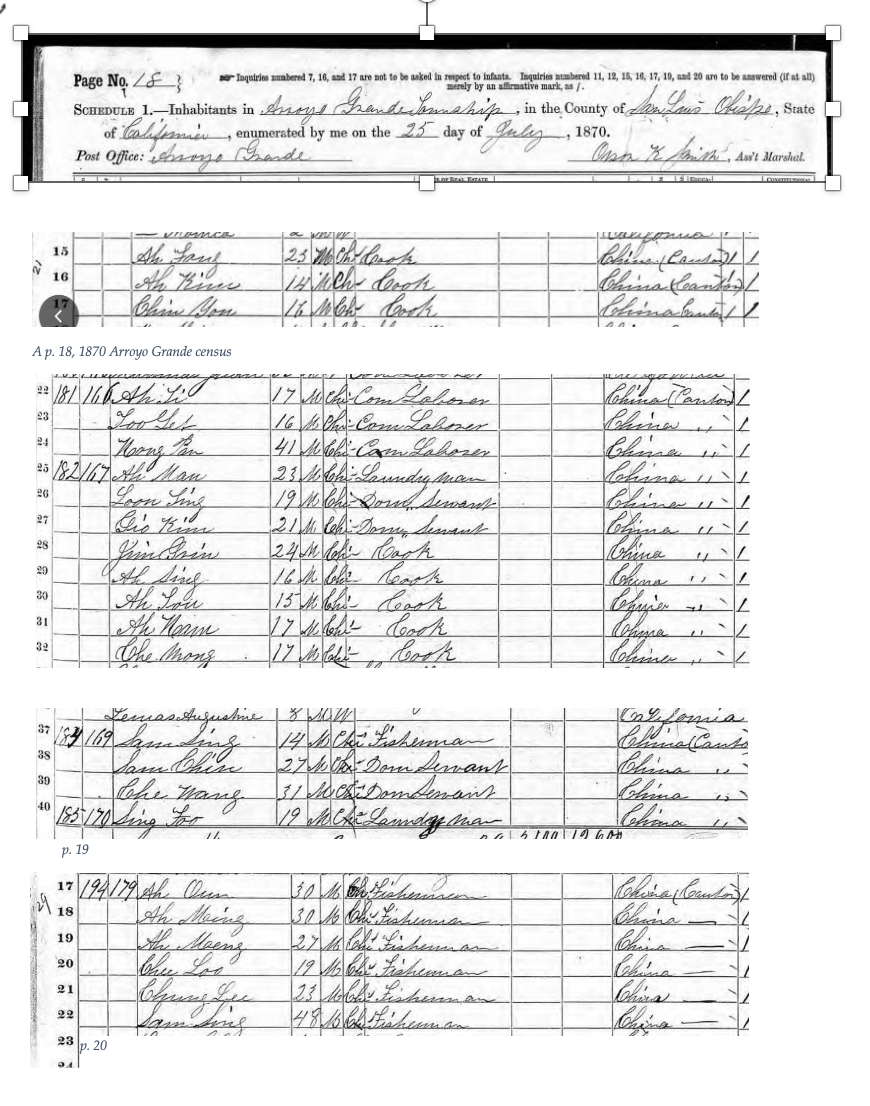
In a town of perhaps 300 citizens, there’s a marked Chinese presence. I counted twenty-five individuals. All of them were listed in the last three pages of the twenty-page town census, living in dwellings numbered 149, 167, 169 and 179.
So they must have lived close together. I can’t tell where, but perhaps close enough to constitute a “Chinatown.”* [See below]
I was surprised to see so many who were fishermen.
I was even more surprised by the 1880 census. San Luis Obispo County’s Chinese population increased from 59 in 1870 to 183 in 1880 (a cursory glance at San Luis Obispo’s 1880 census revealed a narrowing of occupations: Chinese residents were most frequently “laundrymen,” against whom the city would wage a war on many fronts: punitive taxes, a competitor called “The Caucasian Steam Laundry,” and, against Sam Yee’s laundry, dynamite).
But in 1880, Arroyo Grande’s Census recorded one Chinese resident: Tom Lee, 28, a laborer who lived in a boarding house surrounded by European-Americans.
This didn’t make sense. One Chinese resident? What happened to the Chinese in my home town between 1870 and 1880?
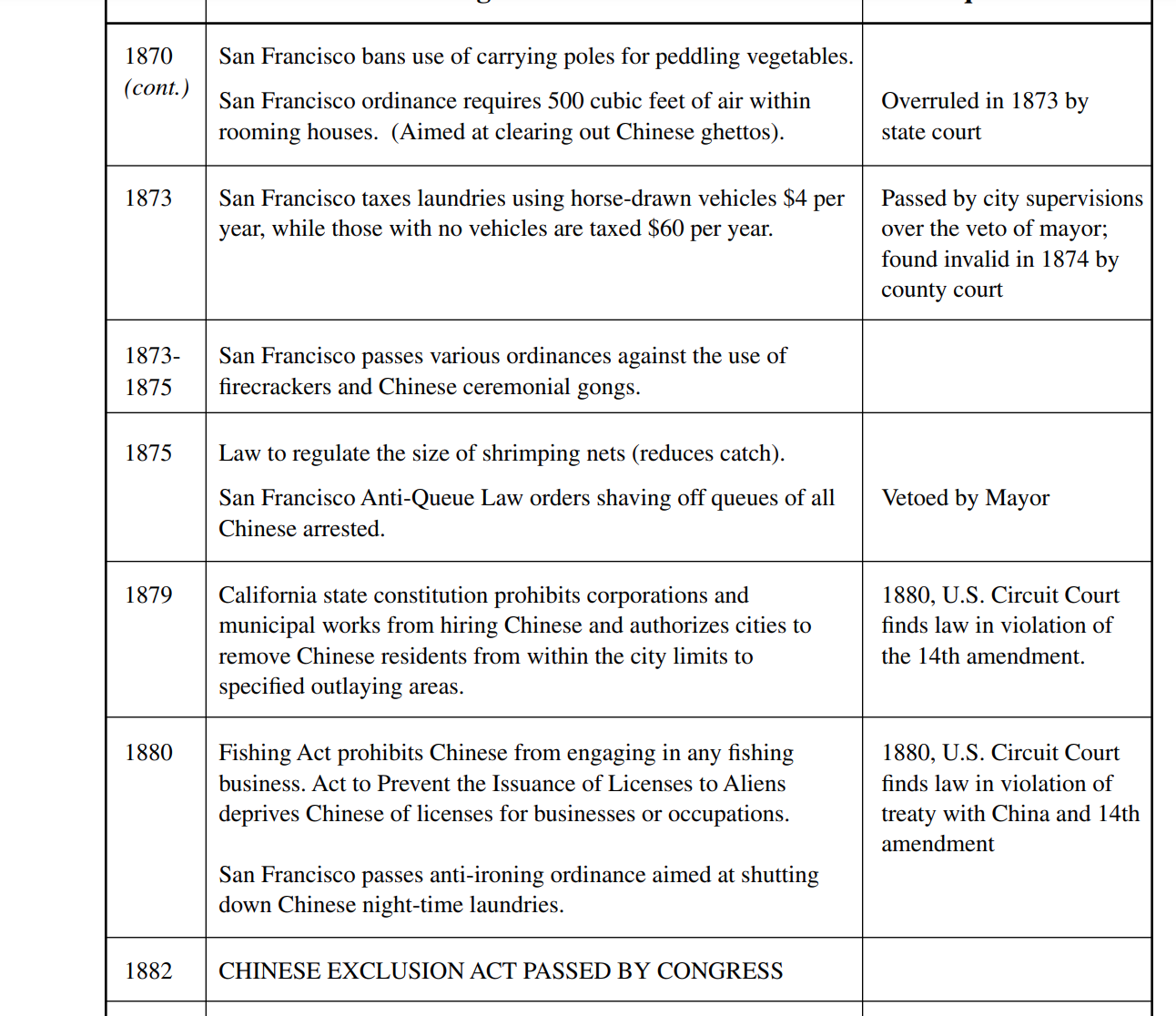
It was the California Constitution of 1879 that happened. It authorized cities, amid two decades of anti-Chinese fever-pitch prejudice (the violence, of course, went back to the 1850s and the gold fields), to remove their Chinese residents to somewhere beyond the city limits.
So if the 1870 Census indicated the possibility of an Arroyo Grande Chinatown, that would’ve been an impossibility by 1880.
The chart below summarizes some of the anti-Chinese actions of the time, and it even indicates that the fishermen listed in the 1870 census would have fallen on hard times in 1880.
But there was another problem.
If Arroyo Grande’s Chinatown was gone by 1880, how could an anti-Chinese League, the one whose official uniform included a handkerchief over one’s face, have driven residents out of a “Chinatown” in February 1886?
The answer, I think, came in a San Luis Tribune article from October 15, 1881
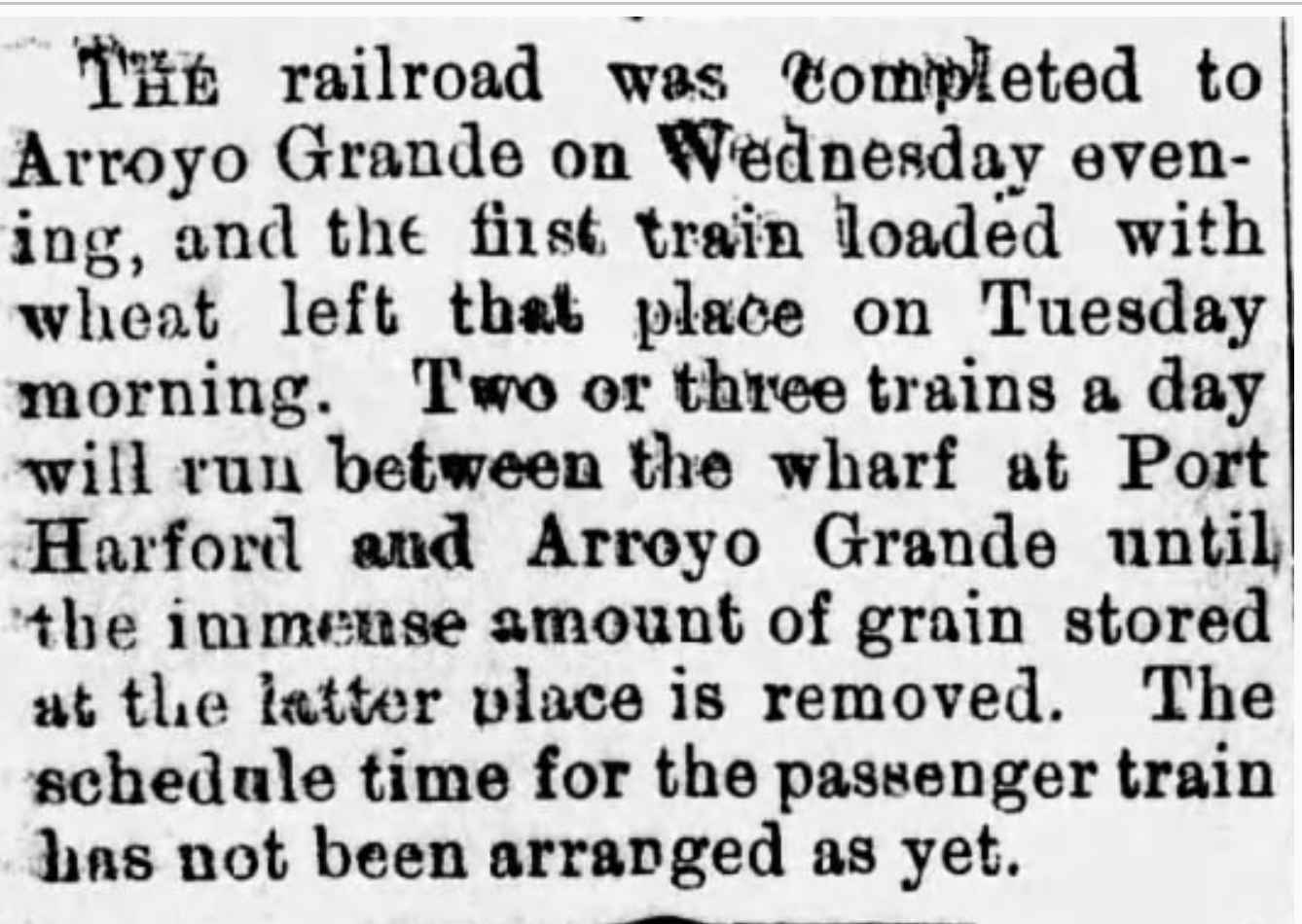
The arrival of the PCRR doubled the size of the town within two decades, provided untold opportunities for real estate agents and, in connecting the Valley with the larger world, made Arroyo Grande produce, most especially pumpkins, famed throughout the United States. I’ve read breathless stories about the fertility of the Valley in newspapers, from the 1890s, as far away as Kansas and South Carolina. (The lynching made it into a newspaper in Scotland.)
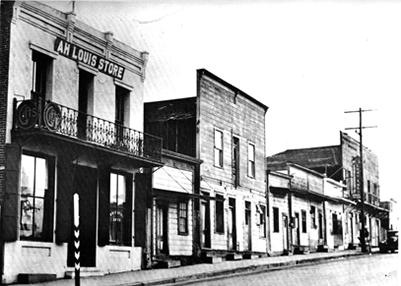
White workers were preferentially hired in constructing the PCRR from Port Harford to Arroyo Grande and in extending the route from Arroyo Grande to San Luis Obispo, but twenty-five Chinese workers, doubtlessly under the supervision of Ah Louis, one of the most prominent men in the county, were included in the project.
Those workers may be the source of a reborn Chinatown in Arroyo Grande, the one that sadly vanished again in the year of the masked men, 1886.
There would be further, ironic, sadness in Ah Louis’ life. In 1908, he would take the PCRR he’d helped to build from San Luis Obispo to Arroyo Grande to meet with a business partner, the famed flower seed cultivator Louis Routzahn. His wife, En Gon Ying (“Silver Dove”) bade him good bye that morning, returned to the family quarters above the Ah Louis Store on Palm Street, and went to sleep with her baby, Howard, in her arms.
She was asleep when her stepson, Willie Luis, shot her in the temple at point-blank range with the Colt revolver that was later recovered from the cistern behind the store.
Willie Luis would hang at San Quentin. In yet another irony, the murder of a wonderful mother of eight–whose children included a professional musician, an Army officer, a California State Spelling Bee Champion and a beloved merchant who loved to tell schoolchildren his family’s stories–outraged White residents throughout San Luis Obispo County.
Silver Dove wanted to be a mother, not a martyr, and her death did not mean that anti-Chinese bigotry in our area had ended. But, perhaps for the first time, the White community began to see the humanity in the neighbors they’d persecuted for decades and in the person of a cultured and beautiful woman who’d died so violently.
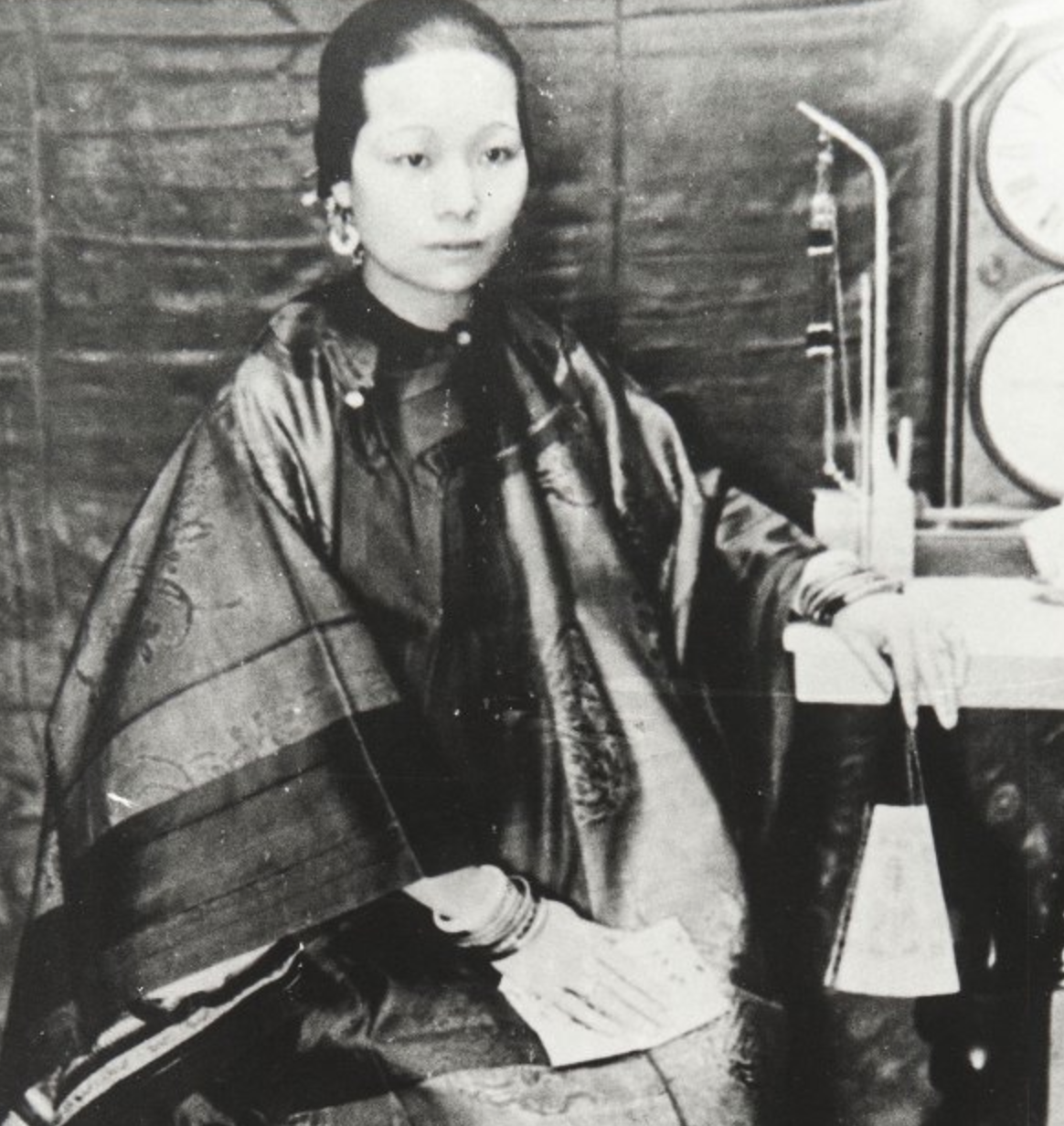
Addenda: July 5, 2025: As usual, it was fellow historian Shirley Gibson who helped to narrow down the possible location of our Chinatown. This article, from November 1930, quotes and unnamed old-timer who remembers fifty years before, and he gives a hint as to where Chinatown was. The friction, as was frequently the case in County and California history, was over laundries, though the majority of residents by then must’ve been construction workers on the PCRR. The speaker lacks even a hint of subtlety.

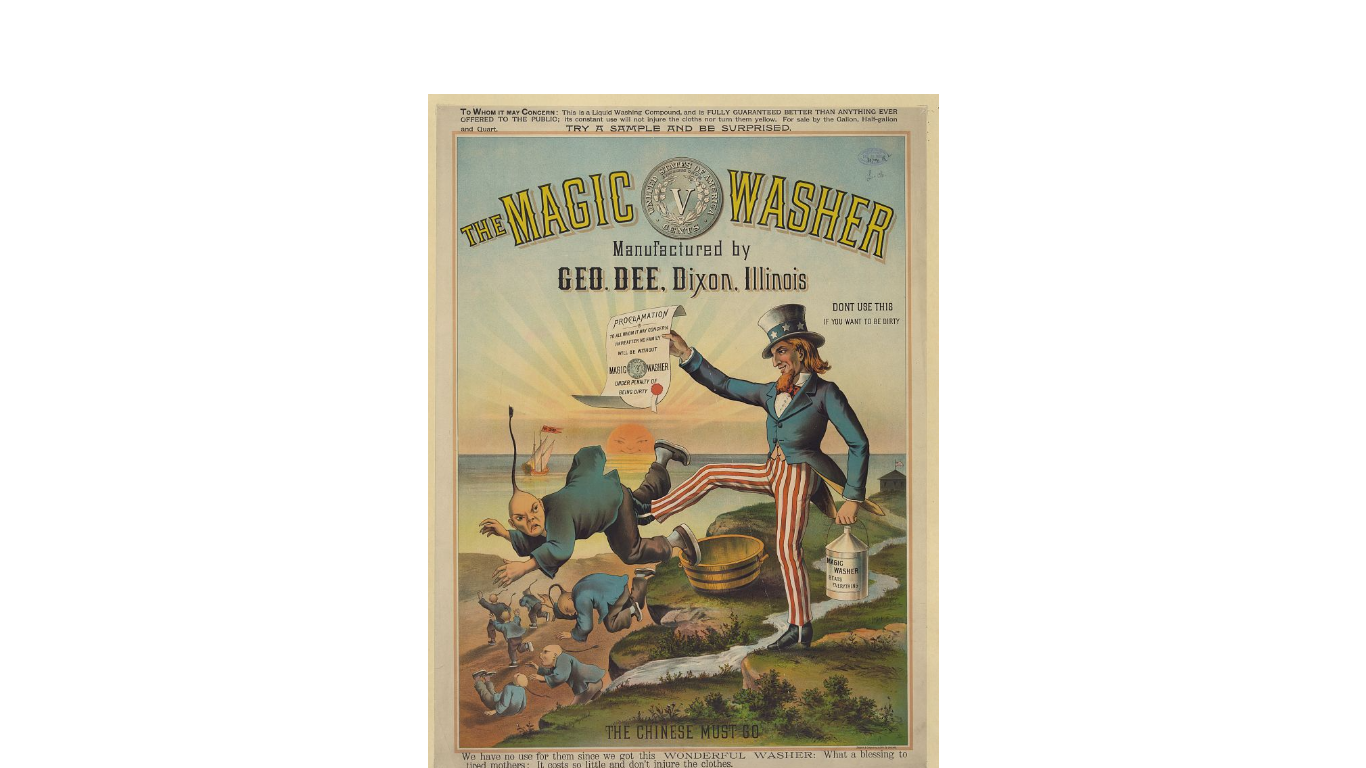
This advertisement from the times is incorporated into many high school history courses. I hope. Mr. Dee’s “Magic Washer” is so efficient that the Chinese can be deported with glee.
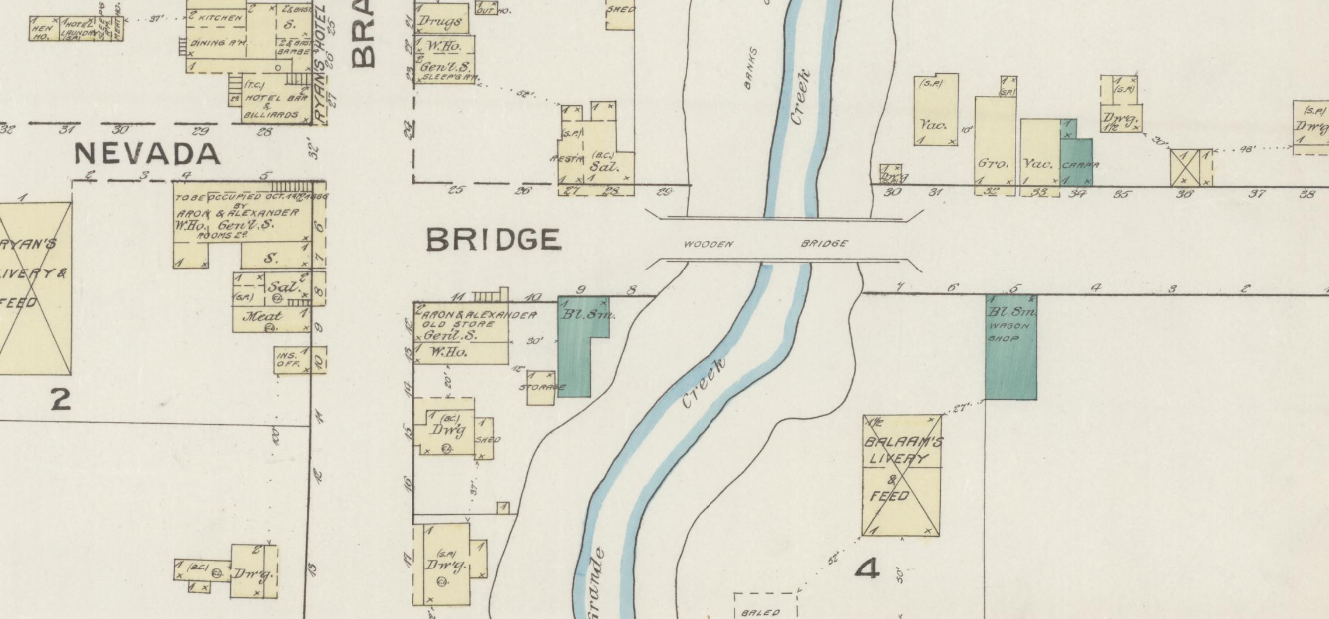
And here’s a Sanborn Fire Insurance map of Arroyo Grande from 1886—the year the Chinese were driven out and the year of the double lynching, just up the creek.
20 Friday May 2022
Posted in Arroyo Grande, Uncategorized, World War II

A friend asked me about a token found–I presume by a man with a metal detector–that read “Club Poko, San Luis Obispo.” (You can find sometimes on eBay, similar tokens to one of Pete Olohan’s saloons on Branch Street.)
A search revealed no stories or ads on a Club Poko in San Luis Obispo.
However, there was Pismo Poko, an arcade/amusement parlor at 520 Cypress, Pismo Beach, which seems to have operated between 1938 and 1942. More on these places:
* * *
1930s Arcades
Arcade patrons flocked to coin-operated peep show machines, shooting galleries, grip and strength testers, stationary bicycles, slot machines (in some areas), machines that dispensed fortunes or candy, and other mechanical amusements they could play for as little as a penny.
During the 1930s, David Gottlieb’s Baffle Ball
(1931) and Raymond Moloney’s Ballyhoo
(1932) introduced pinball to arcades. As pinball designers added bumpers, flippers, and thematic artwork, pinball surged in popularity, even as some local legislators banned the game because they associated it with gambling, organized crime, and delinquency. Nevertheless, over the next three decades arcade owners replaced many older mechanical novelty games with pinball machines and electromechanical baseball, target shooting, horse racing, shuffleboard, [foosball] and bowling games. Pinball machines ruled arcades until the late 1960s when new more sophisticated electromechanical games such as Chicago Coin’s Speedway.
–Rochester NY Democrat and Chronicle
Why “Poko?” From an article on arcade games:
Poko-Lite was produced by Glickman Co. in 1937. Glickman Co. released 19 different machines in our database under this trade name, starting in 1937.
Other machines made by Glickman Co. during the time period Poko-Lite was produced include Treasure, Sailorettes \’42, Scandals 1942, Anti-Aircraft, and Archery.
This game appears on a list of games manufactured between 1931-1939 which was published in the January 1940 issue of the Coin Machine Journal.
* * *
Pinball machines had an unsavory reputation in the 1930s-1940s; they were perceived as akin to slot machines, a form of gambling. A dozen were seized by the SLOPD in August 1941 for operating without a city license; in January, there’d been a spirited City Council debate on whether to allow them at all. They voted to license pinball but ban taxi dances. So it goes.
Here’s a display ad for the Pismo place from May 1940:
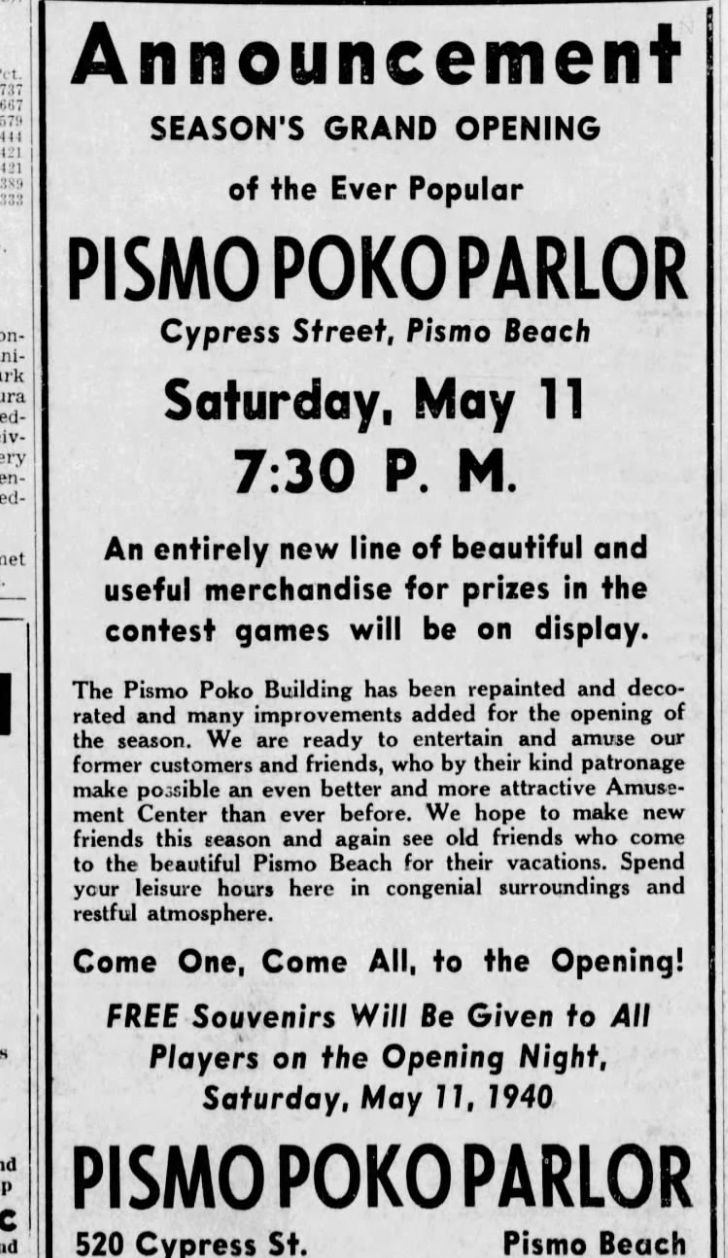
Another 1940 ad from the Telegram-Tribune:
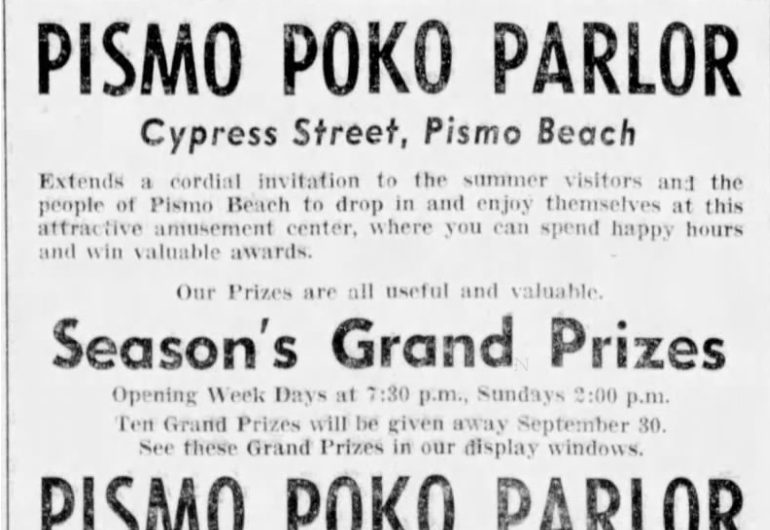
520 Cypress is today the site of a modern motel, which straddles the corner of Main and Cypress.
Why did Pismo Poko go out of business, evidently in 1942 (there are no newspaper references thereafter, but plenty of both display and classified ads between 1938 and 1942)? The influx of local soldiers would’ve made Henry T. Betsuin, Prop. a fortune.
So I looked him up. “Betsuin” sounded Filipino to me, which made sense, since Pismo had a vibrant Filipino community (almost all men; Filipinas were not allowed to immigrate.)
There wasn’t much on him except for this curious note on a ship arrival in San Francisco from Kobe:
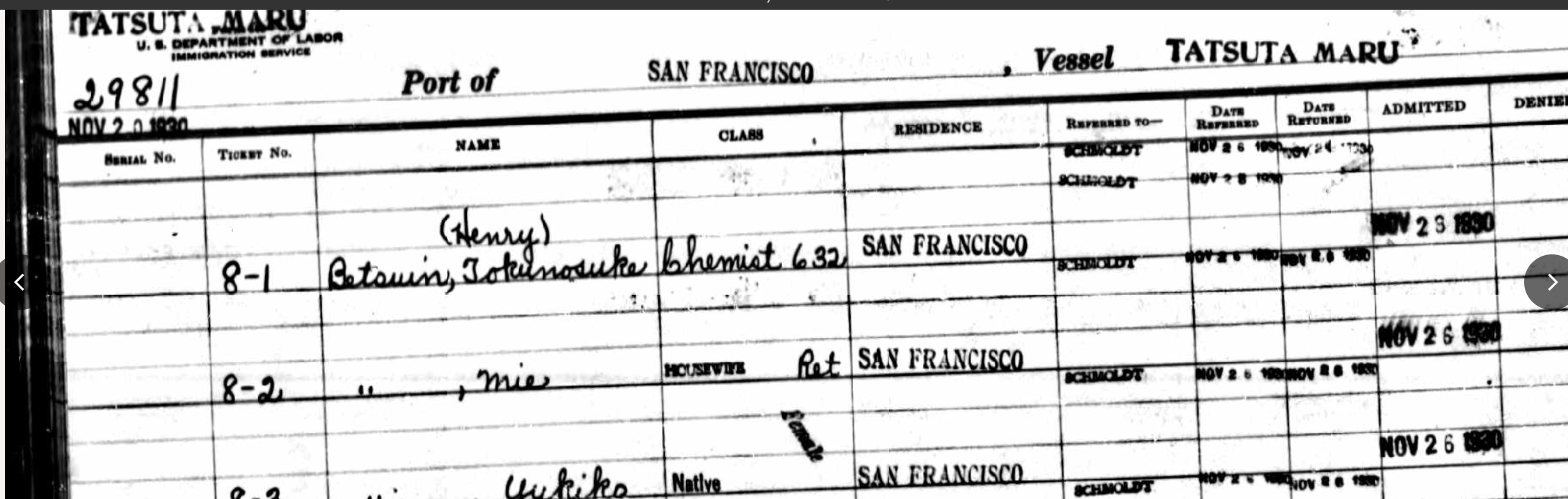
“Tokunosuke” is definitely a Japanese name; but he seems to have gone by “Henry T.” instead. If he was Japanese, that explains why Pismo Poko disappears after 1942. Henry T. would’ve been in an internment camp.
So, if that didn’t exactly answer the question, it raised several new ones–and it led me down a sad path, to the impact of Executive Order 9066, whose 80th anniversary we’re observing this year.
 A Work in Progress