
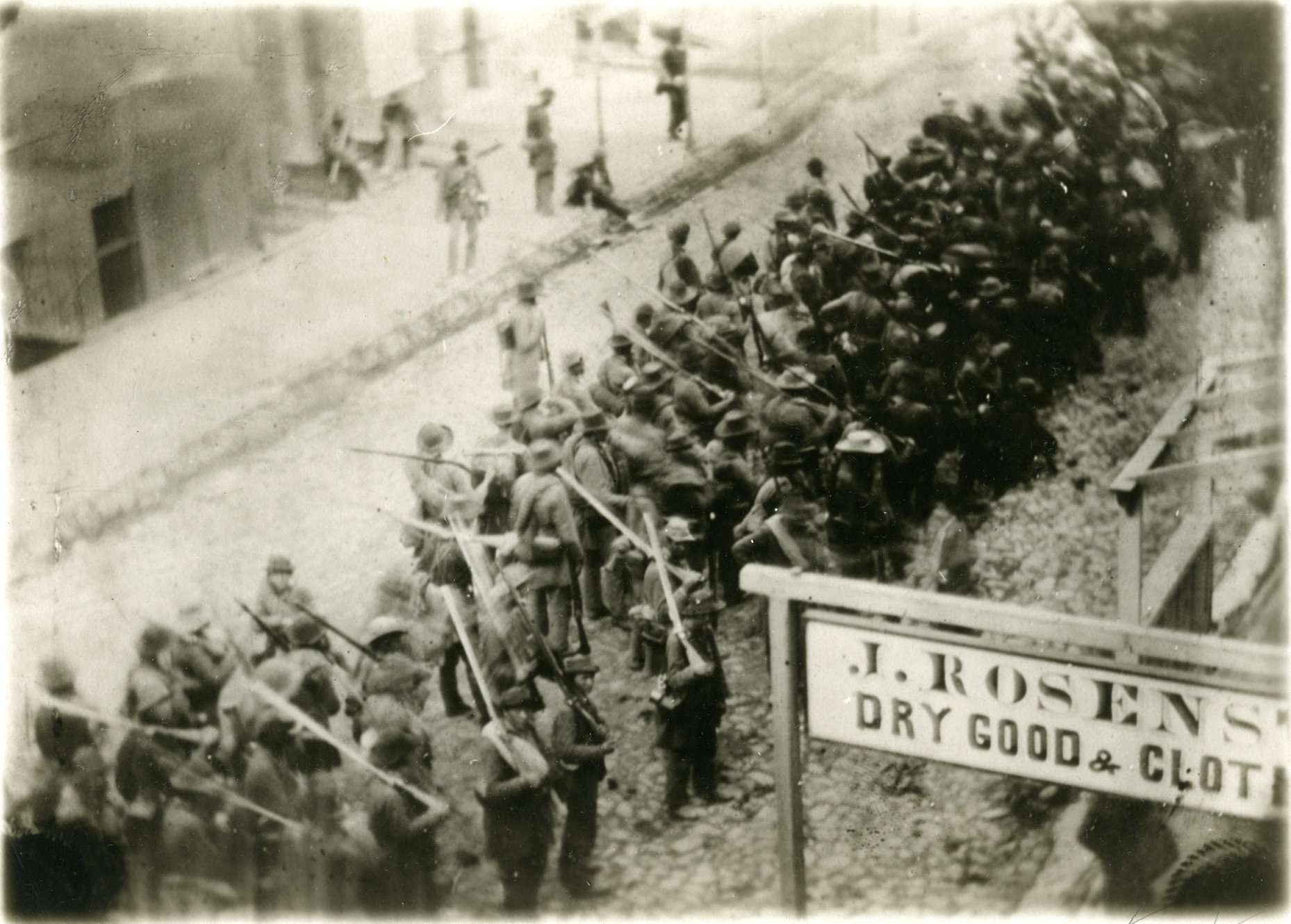
Ten months after this photo was taken, it was the Union’s Army of the Potomac in the streets of Frederick. The just-appointed commander, George Meade, was in hot pursuit of Lee’s Army of Northern Virginia, now to his north, across the border in Pennsylvania. The two armies would meet July 1 at Gettysburg.
These future Arroyo Grande settlers would have been in that town on this day. Here they are, with their respective corps (up to 26,000 men) commanders.
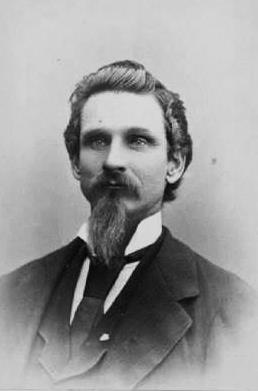
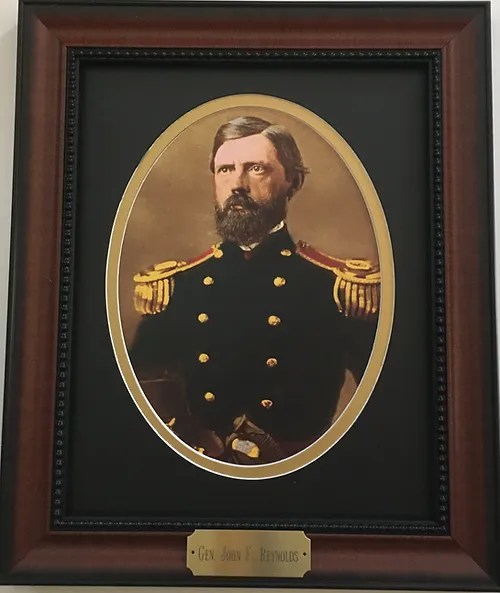
Bela Clinton Ide, for whom Ide Street was named, 24th Michigan, Iron Brigade, I Corps, commanded by Gen. John Reynolds. Reynolds would be shot from his horse on July 1, the first day of the battle, as he ordered the Iron Brigade into action to stop the surging Confederates. 363 of the 496 men in Ide’s regiment were killed, wounded or captured that day. Ide would become a blacksmith and Arroyo Grande postmaster.
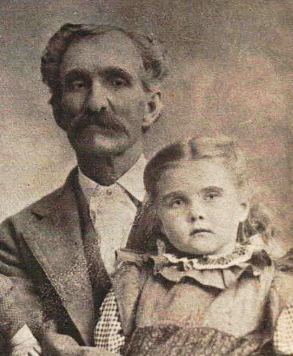

Joseph Brewer, with his daughter Stella, became a farmer in Oak Park. On June 28, 1863, he was a private in the 11th New Jersey and his III corps commander was Dan Sickles, a politician who, before the war, shot his wife’s lover—the son of Francis Scott Key, the “Star-Spangled Banner” composer– dead in Lafayette Park, across from the White House. Sickles was acquitted in the first known case to use “temporary insanity” as legal defense. Brewer would lose seven regimental commanders in a row, all shot dead, on July 2 at Gettysburg. Sickles would lose his leg to a Confederate cannonball.


Erastus Fouch, 75th Ohio, was a member of O.O. Howard’s unhappy XI Corps. The corps, largely made up of German immigrants, had lost their previous commander, Franz Sigel and Howard, a dour Protestant, was not popular and the corps had performed poorly at the Battle of Chancellorsville in May. Now, on June 28, 1863, Fouch was two days away from being captured by the Confederates who overwhelmed his regiment at Gettysburg. He would be paroled, fight out his war in Florida and take up farming along what is today Lopez Drive. Another Ohio soldier, Sylvanus Ullom, whose regiment fought near Fouch’s on July 1, was twenty years later a farmer not far away from Fouch, in Corralitos Canyon. Howard University is named for their corps commander.
 A Work in Progress