


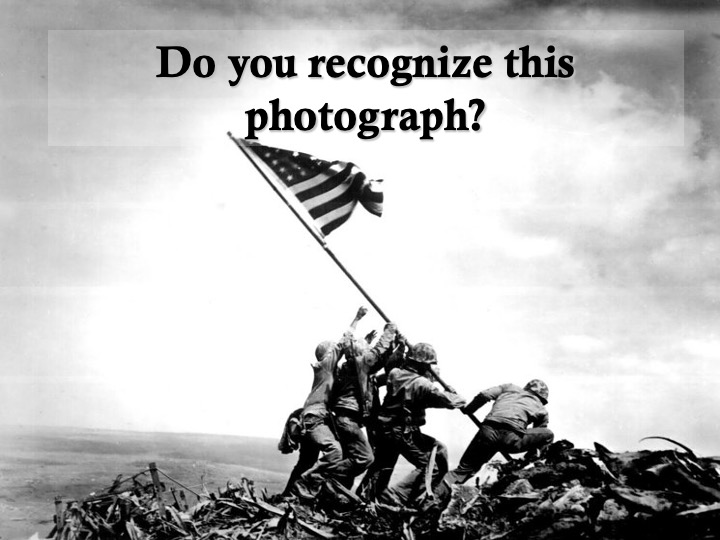
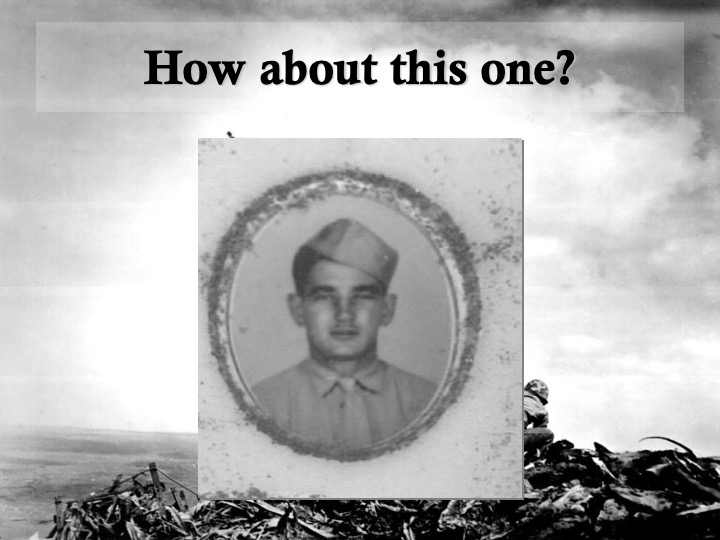
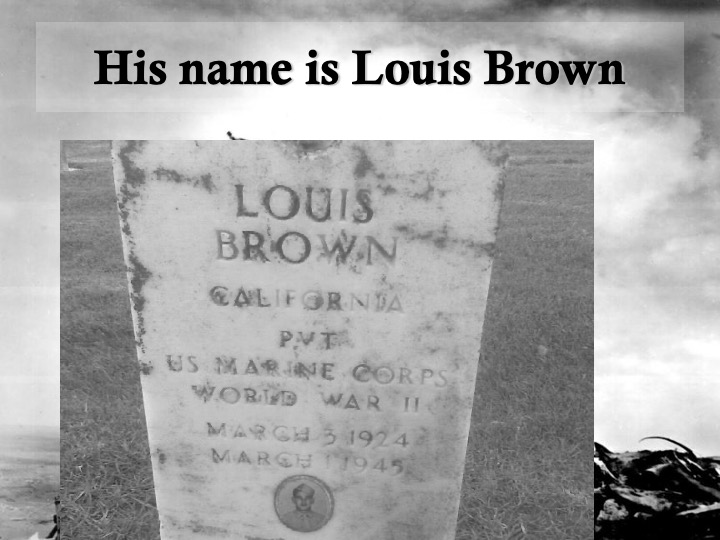
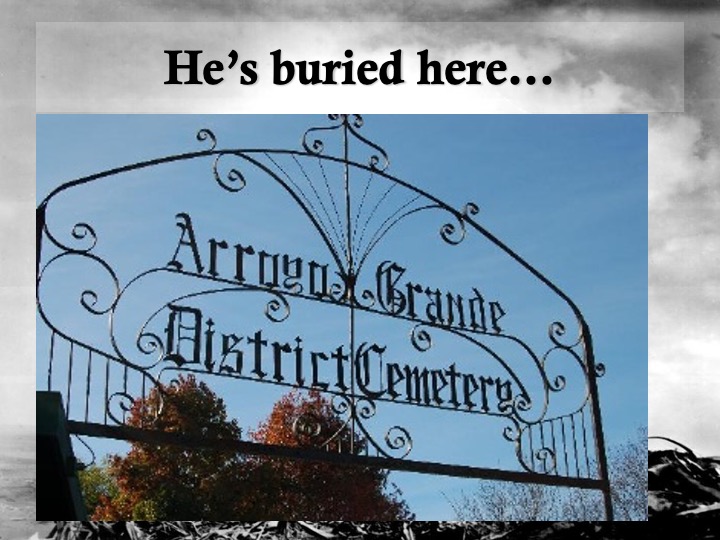
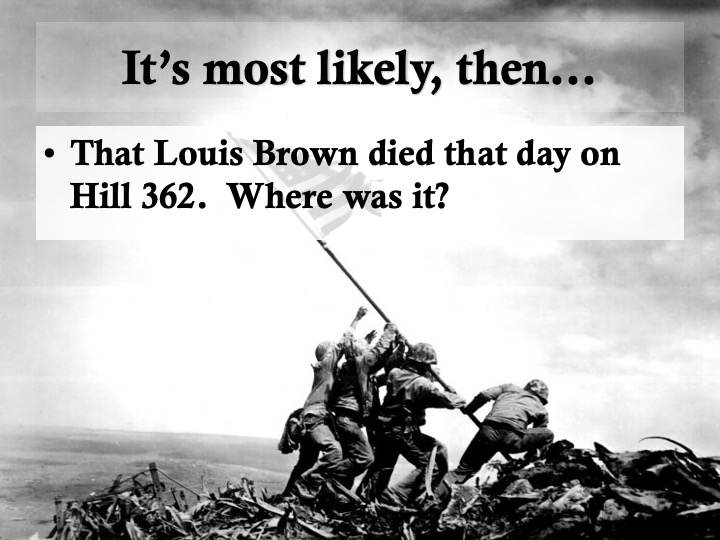
Today is February 23. On this day in 1945, a detail from the 28th Marine Regiment was immortalized in this Joe Rosenthal photograph as, still under fire, they raised a second, larger, flag atop Mt. Suribachi on Iwo Jima. The young Marine on the right had six days to live. He was a farmer’s son from Corbett Canyon, near Arroyo Grande. His parents were Azorean immigrants. And I knew, from the date on his tombstone, that he died on Iwo Jima.
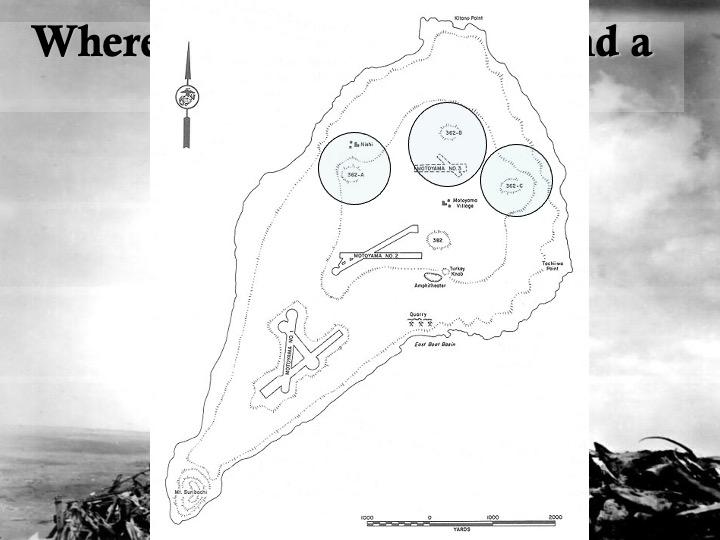
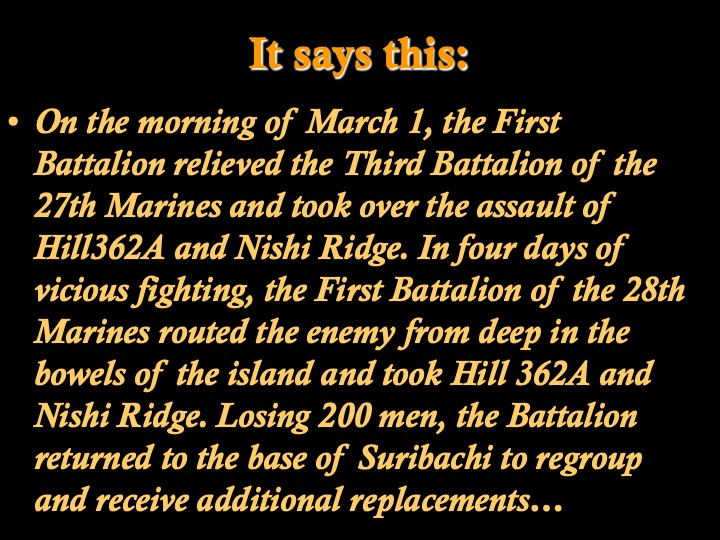
I owe Pvt. Louis Brown so much for many reasons. In my history classes, I wanted my students to learn the basics of research, including forensic study of a battlefield (The Little Bighorn) and using deductive reasoning to analyze a murder scene (the Lizzie Borden home) so that they could begin to appreciate how historians think. So the sad business of finding this young man’s tombstone inspired a lesson plan. I walked students through the steps of researching a World War II combatant—may they might research an ancestor someday—by modeling what I’d done, in a series of PowerPoint slides:

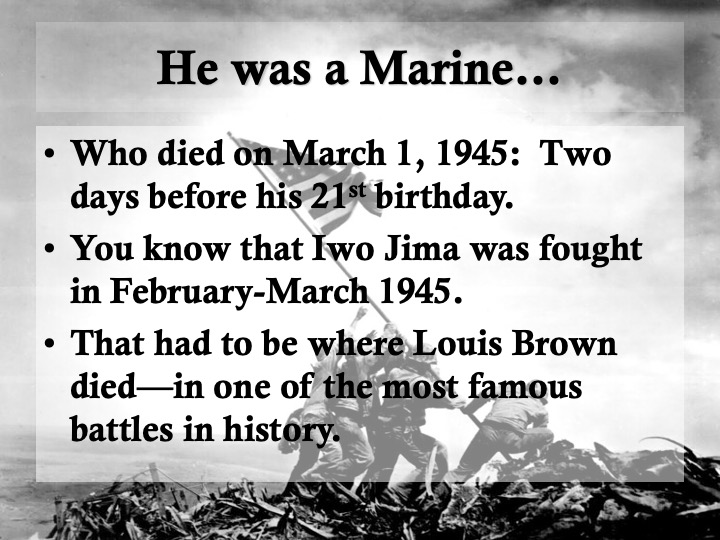
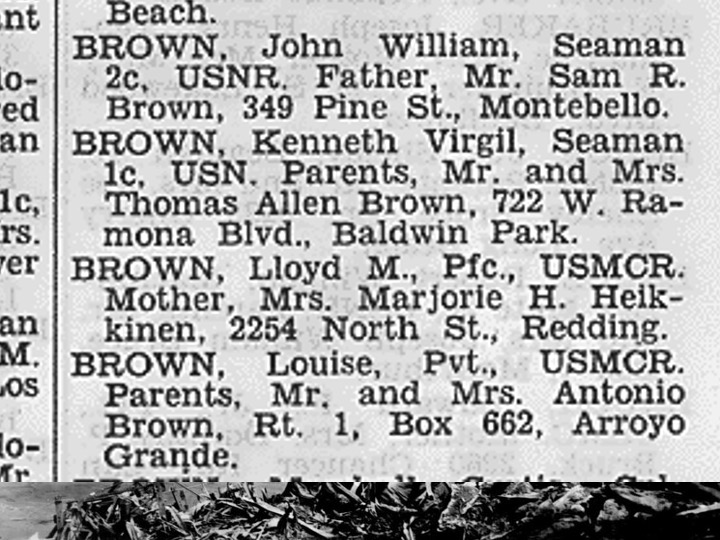
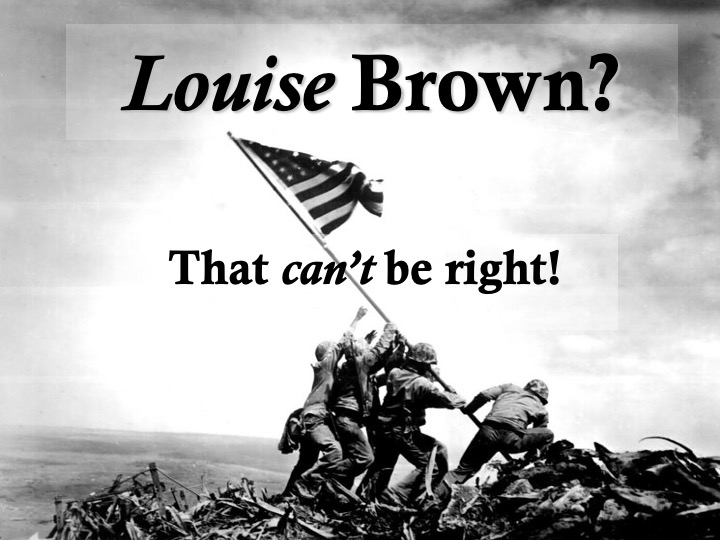

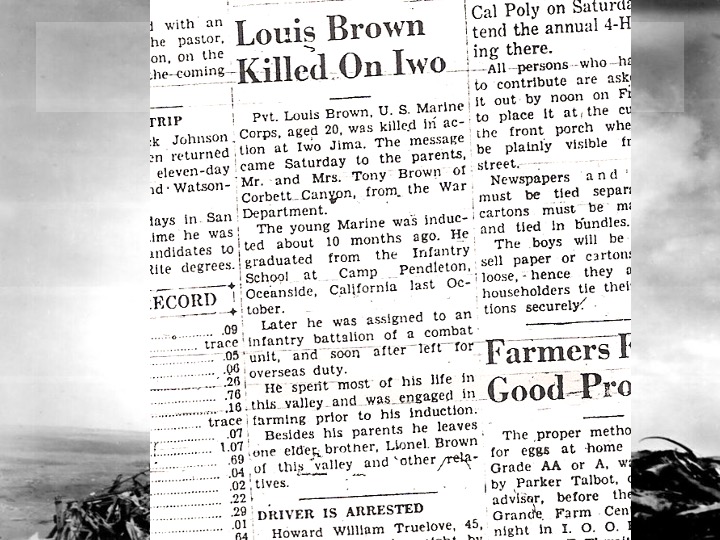
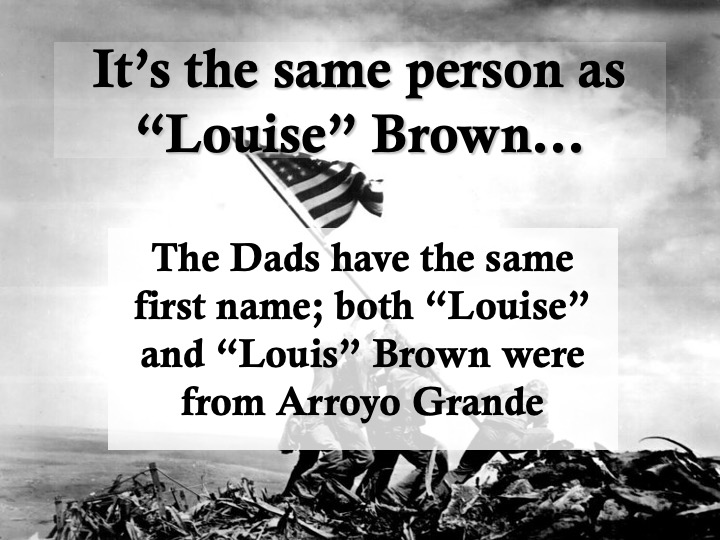

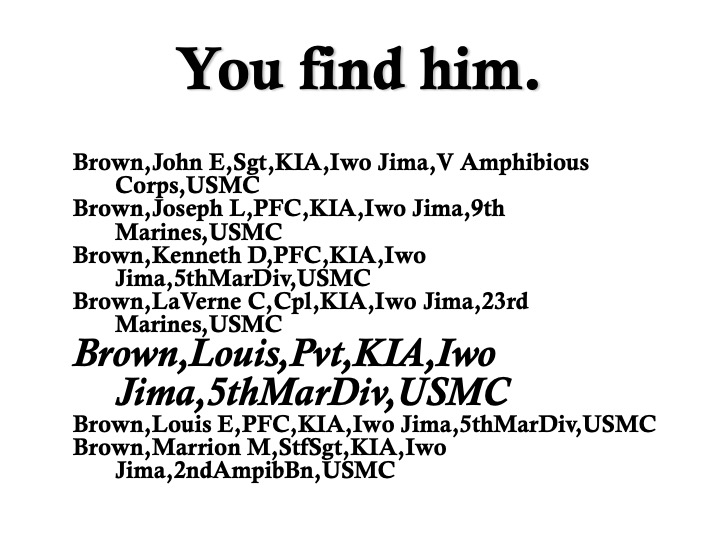
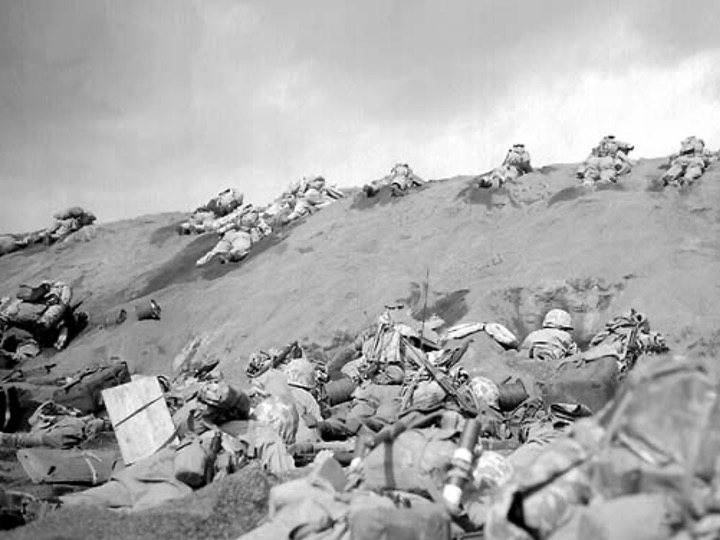
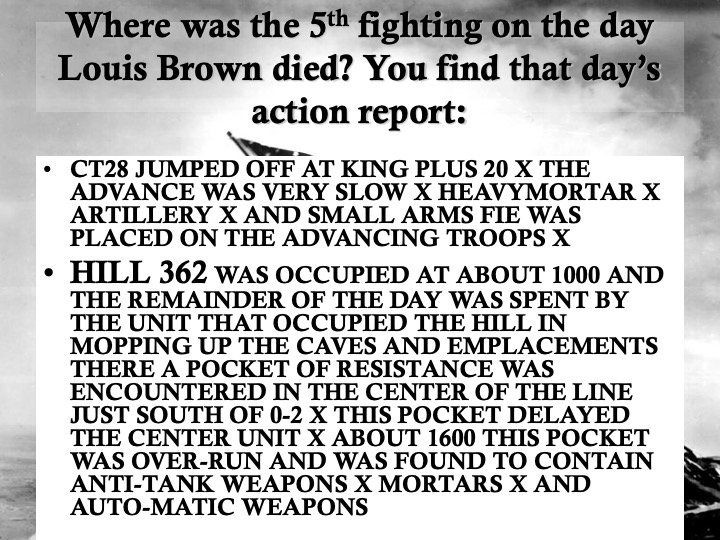

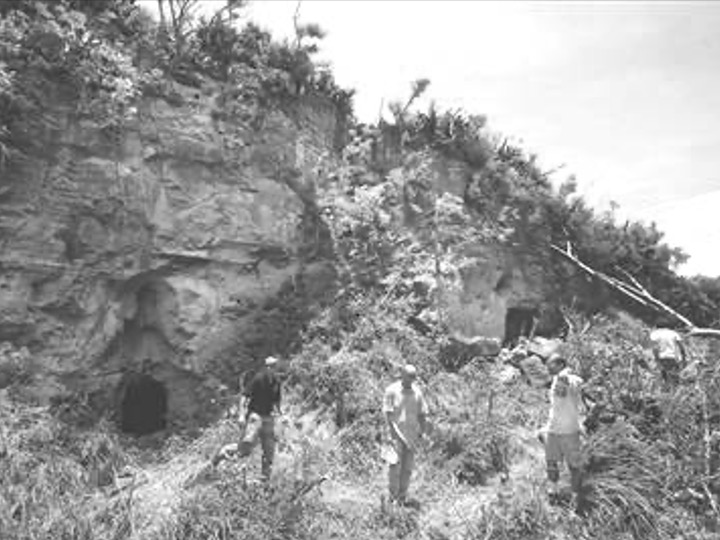
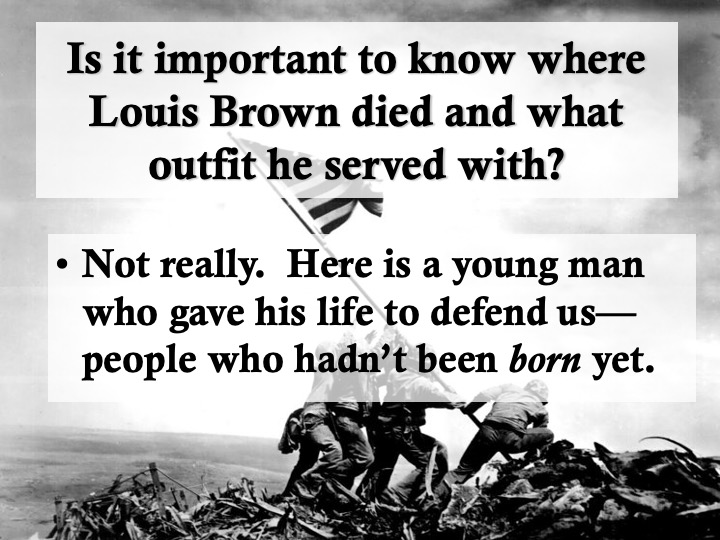
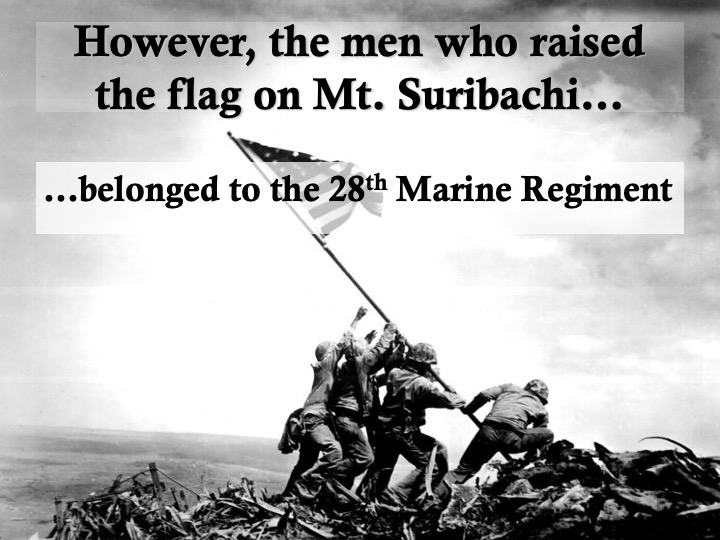
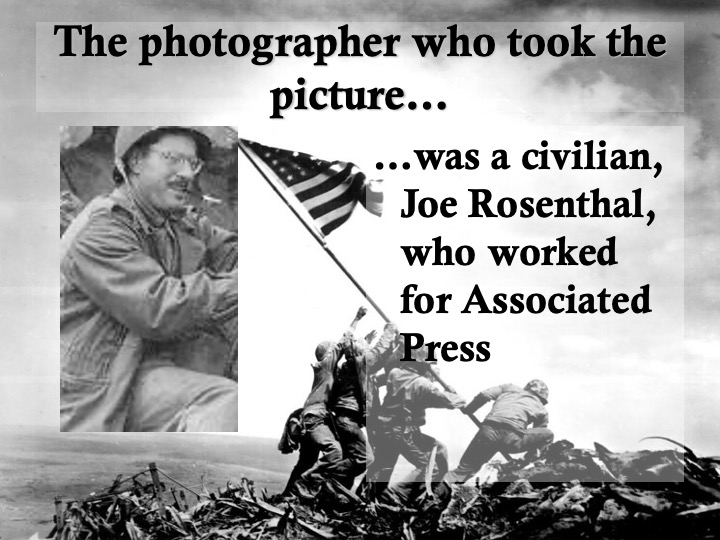
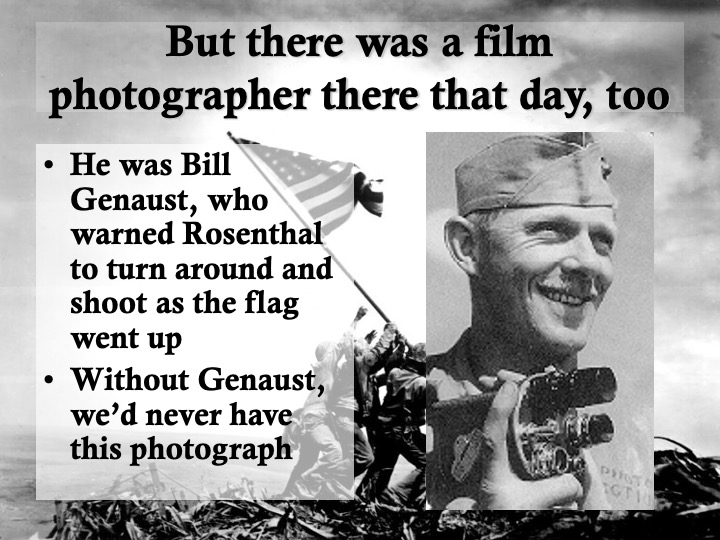
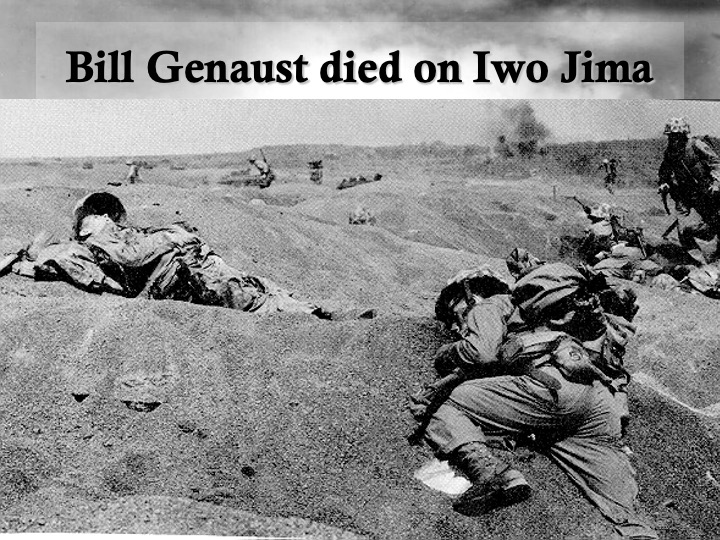
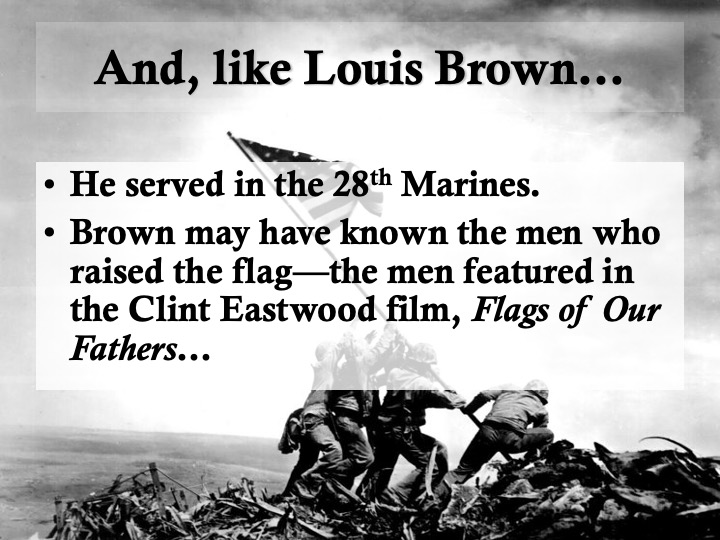
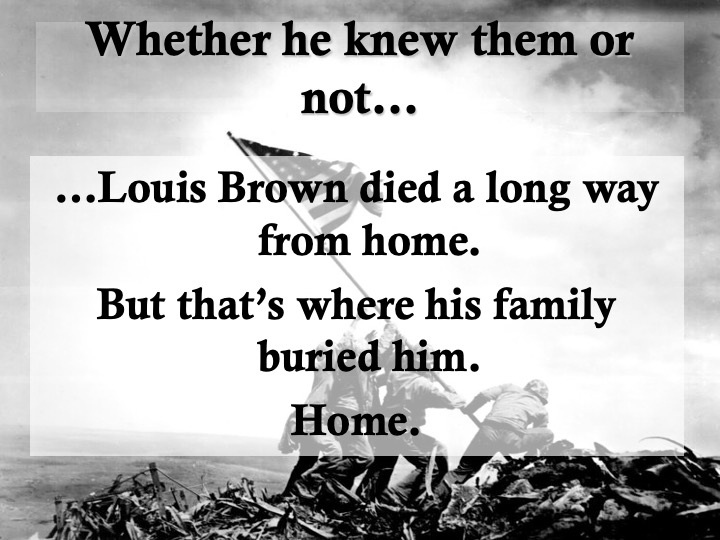
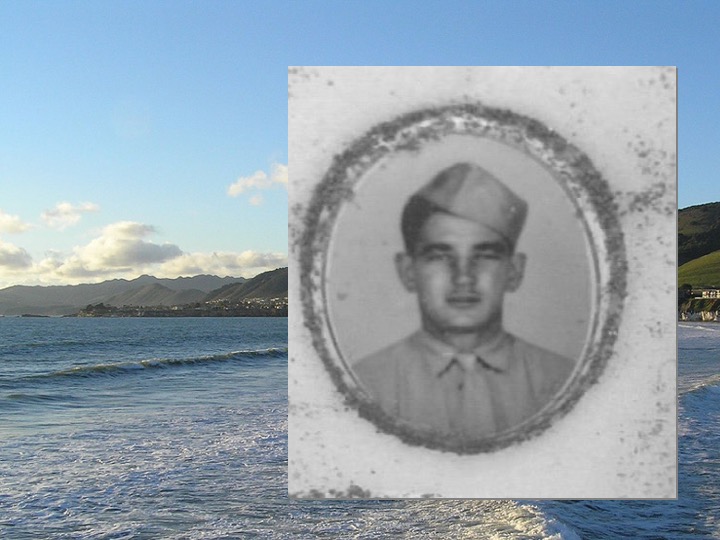
And, yes, this would be on the test, so they had a notes handout to help them follow along:
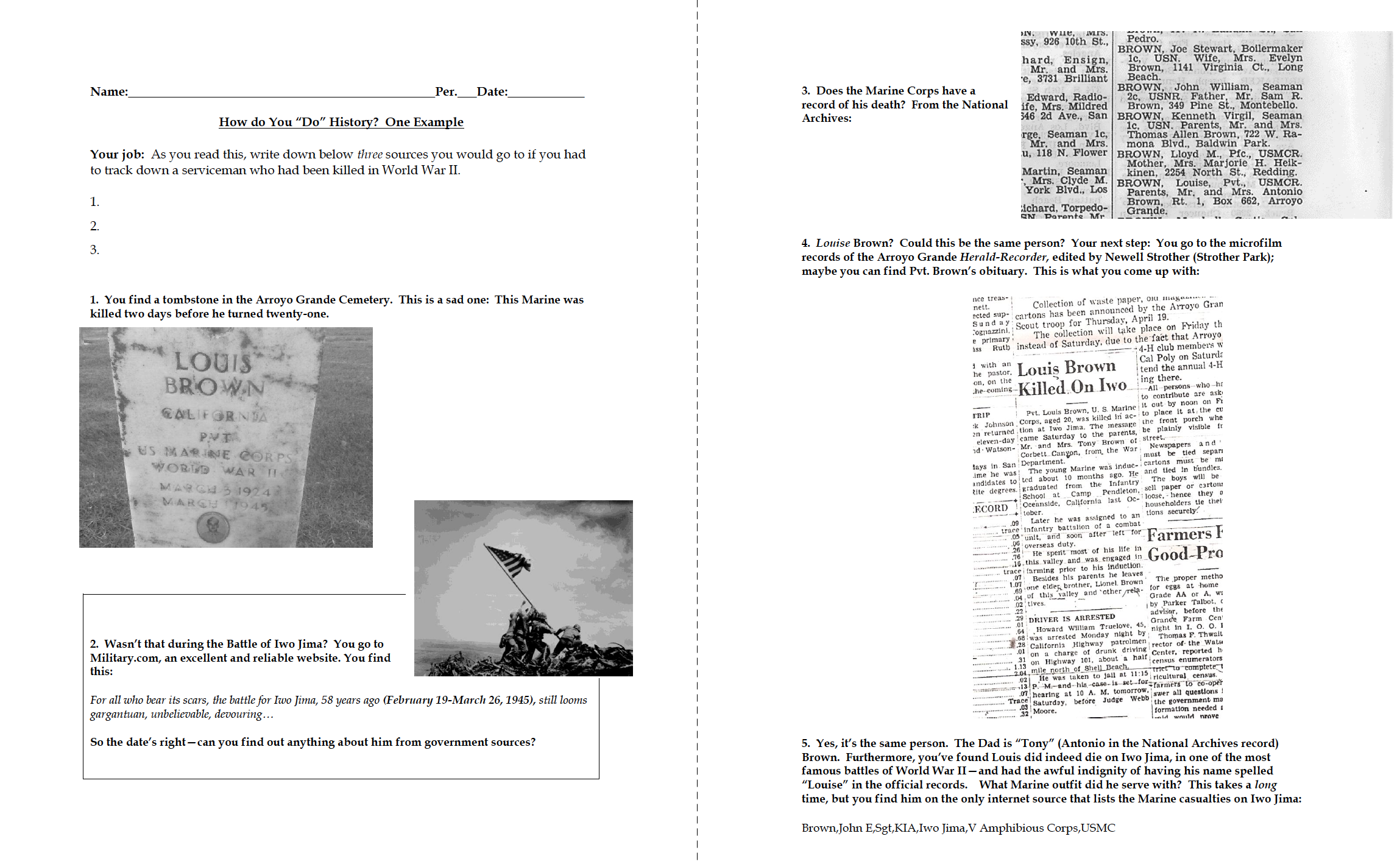
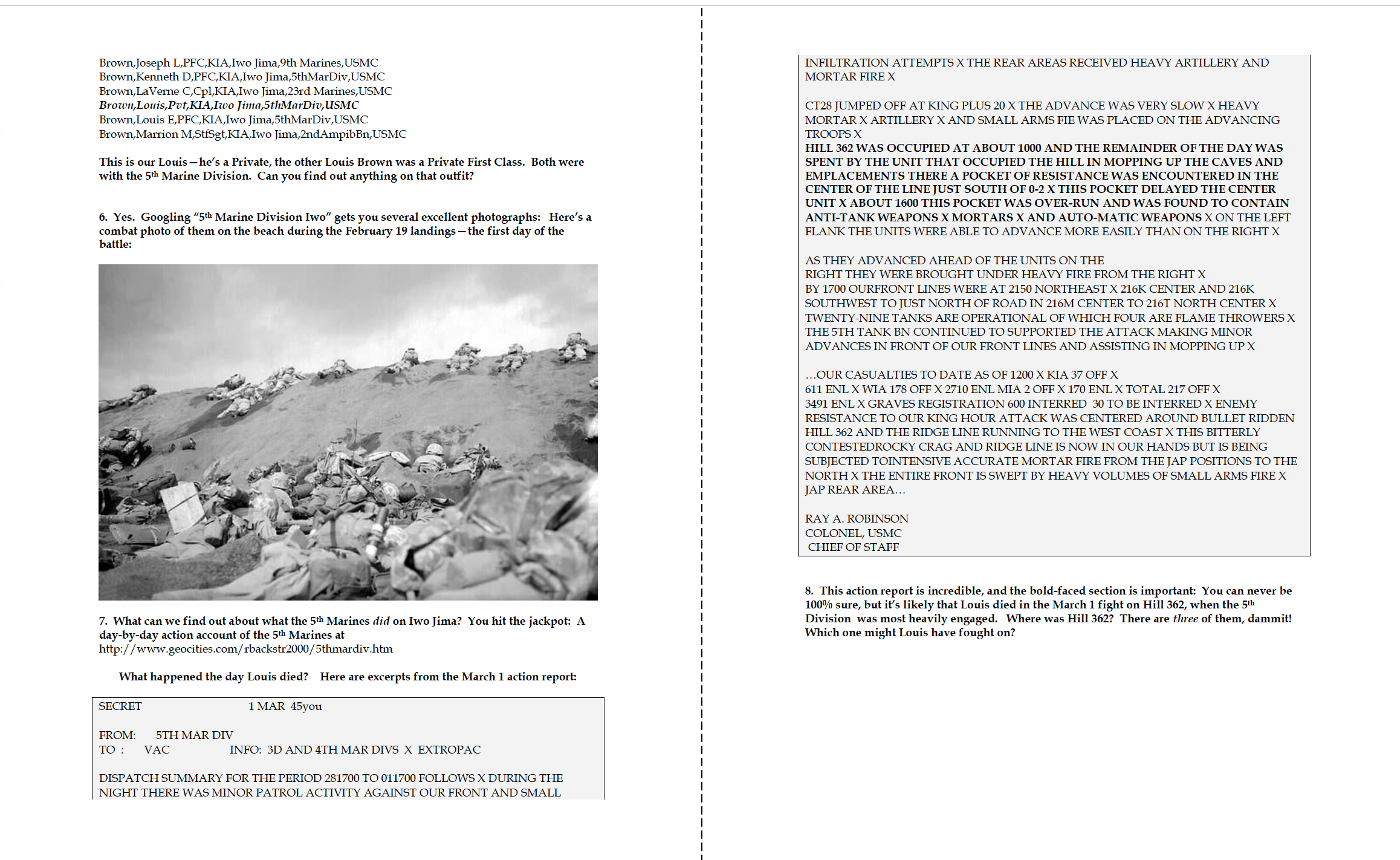
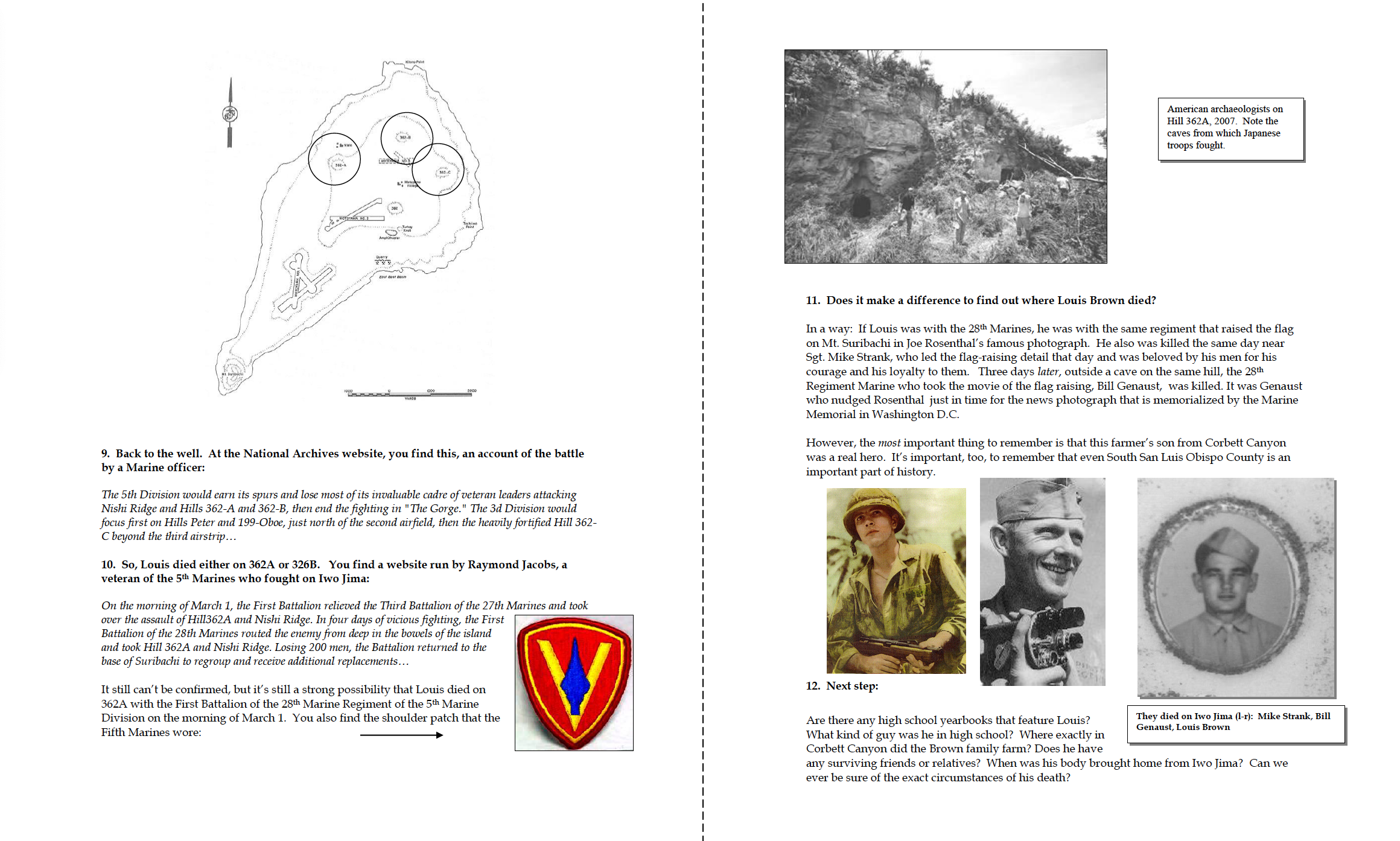
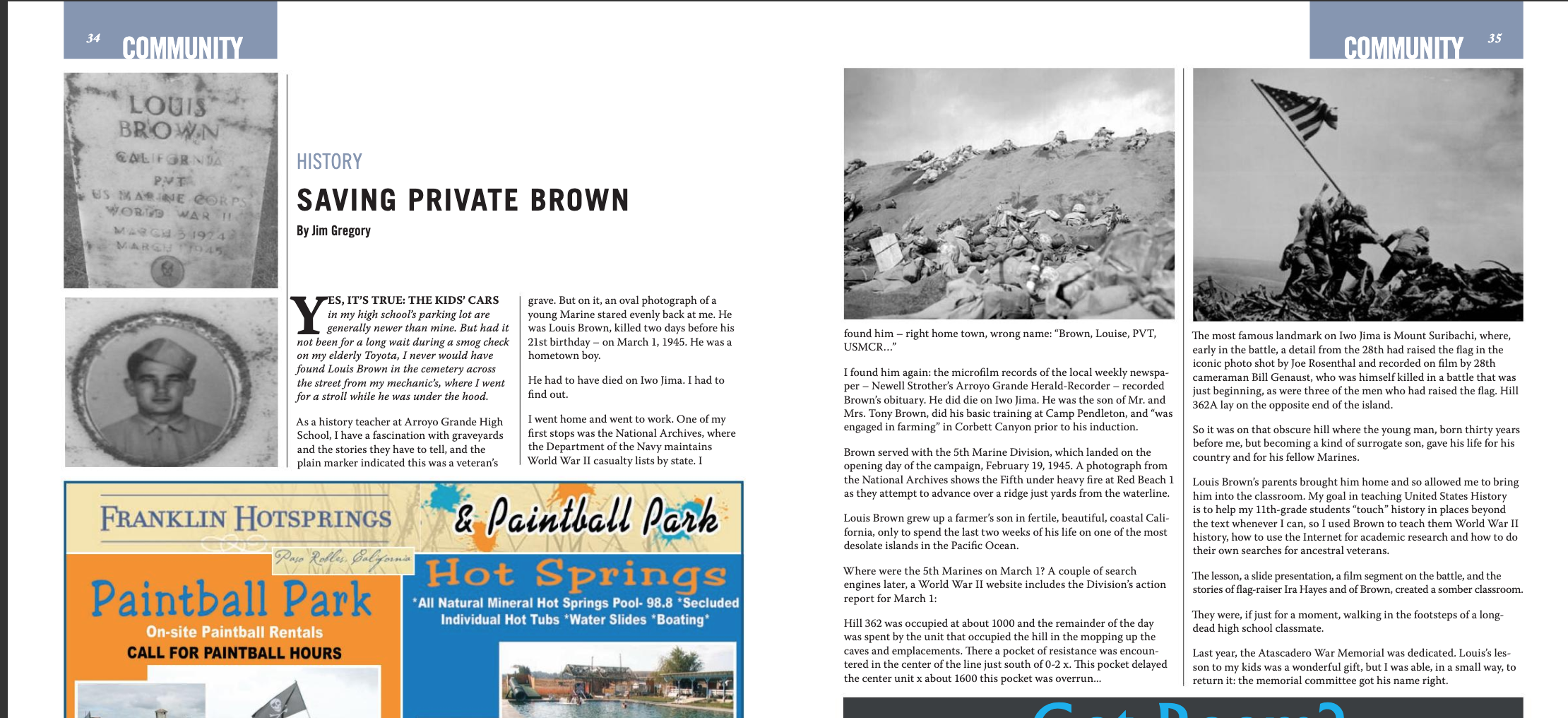
Louis Brown had by now become important to me. I wanted other people to know him, too, hence this article in the June 2009 SLO Journal Plus.
Even that wasn’t enough, so, when I began to give talks on local World War II history, Louis Brown was part of them.
By now, of course, I was hooked on doing research like this, so Brown inspired this 2016 book, my first.

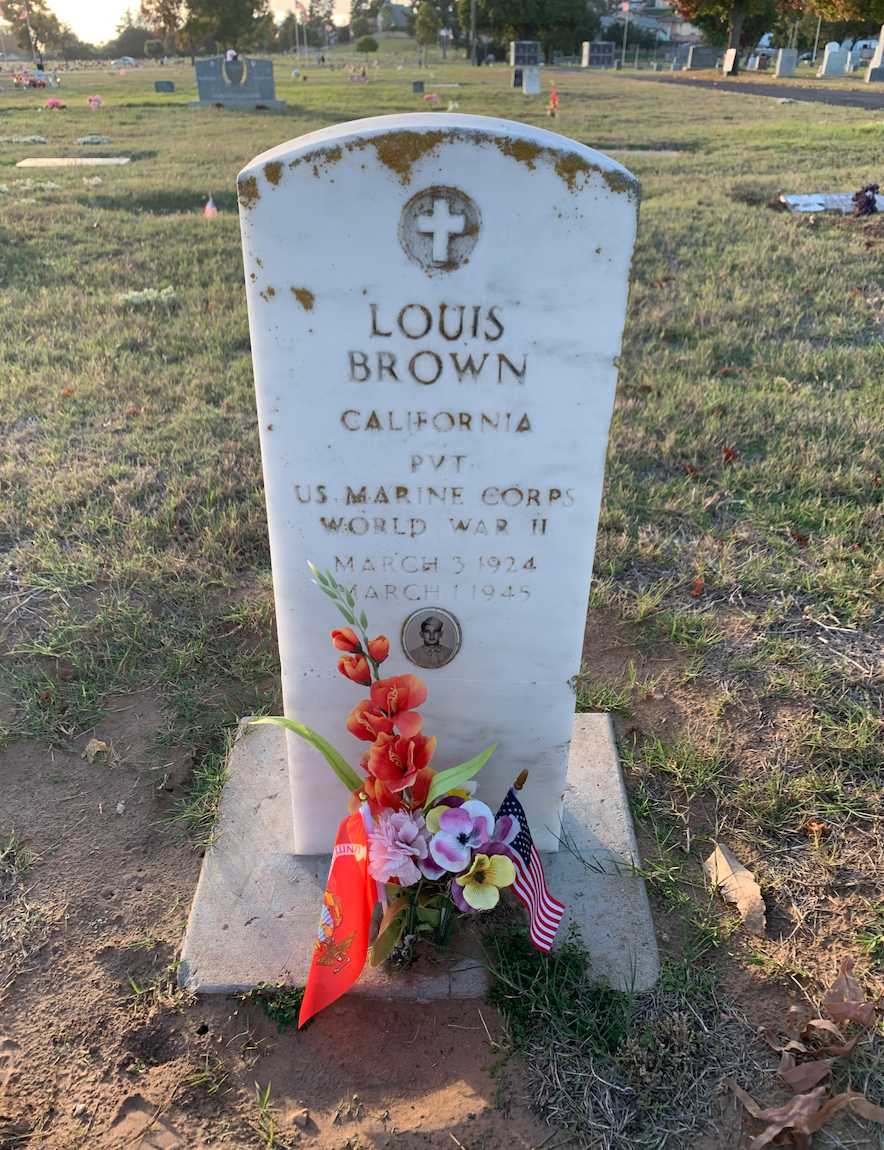
And this is why, every few months, I make sure that he has new American and Marine Corps flags. Sometimes, as this photo shows, someone else has left him flowers. That is a great kindness: Brown is their Marine, too.
 A Work in Progress