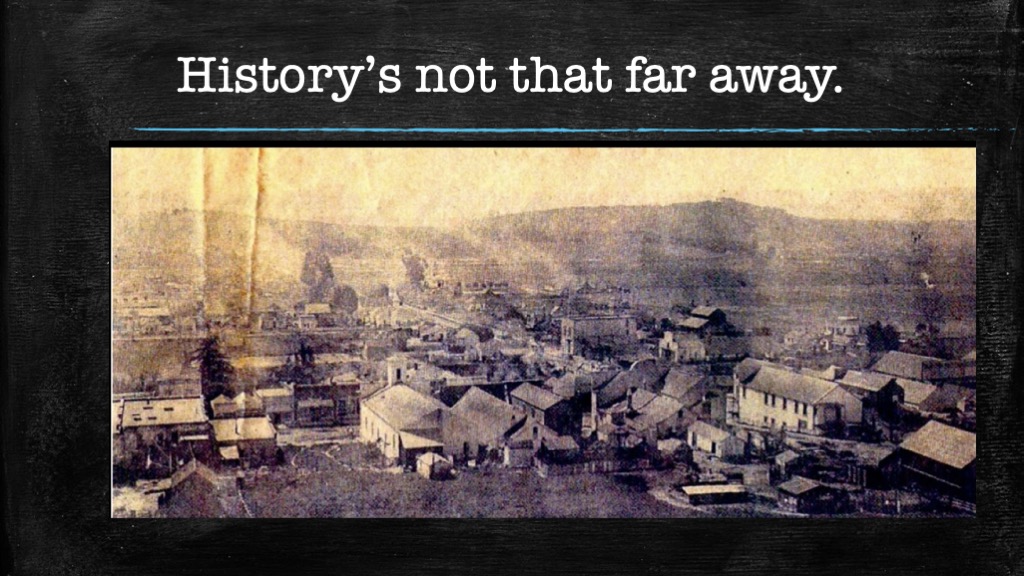
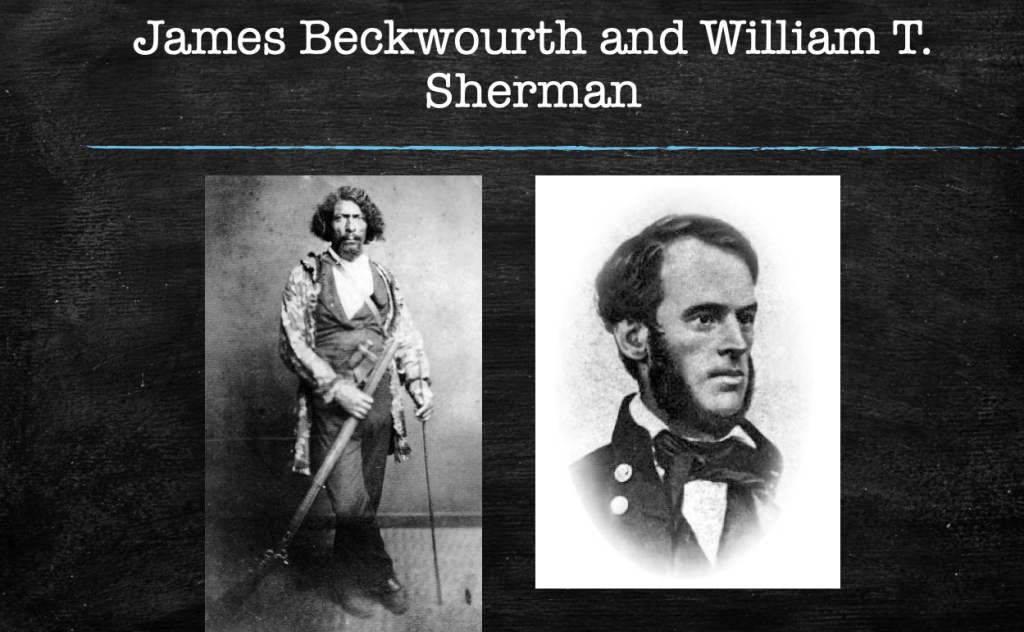
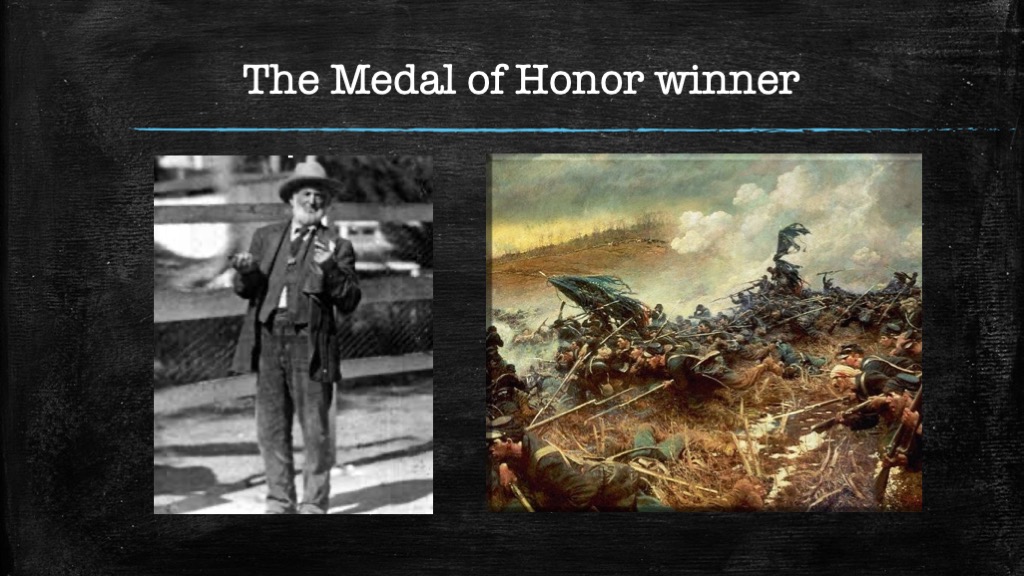
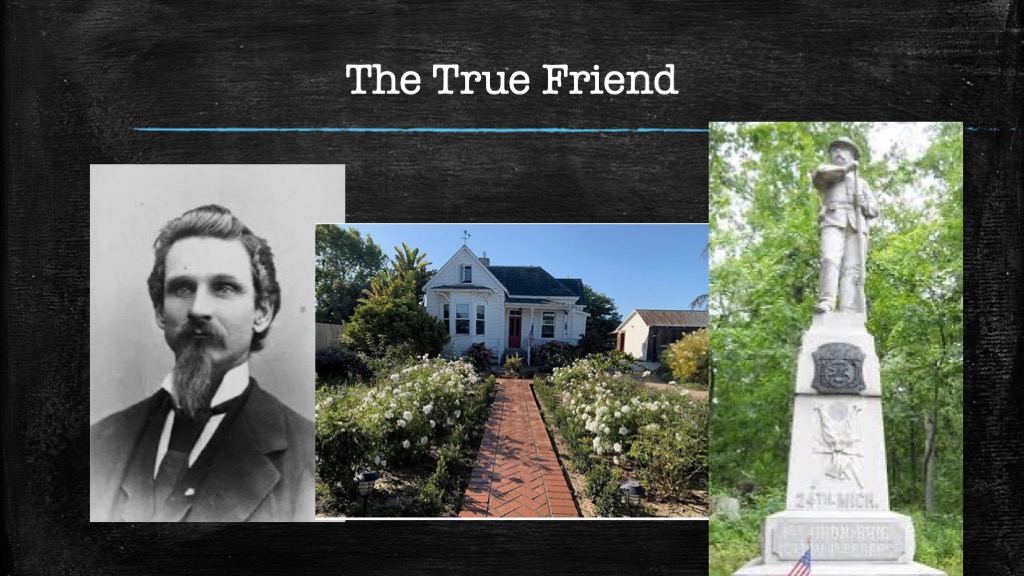
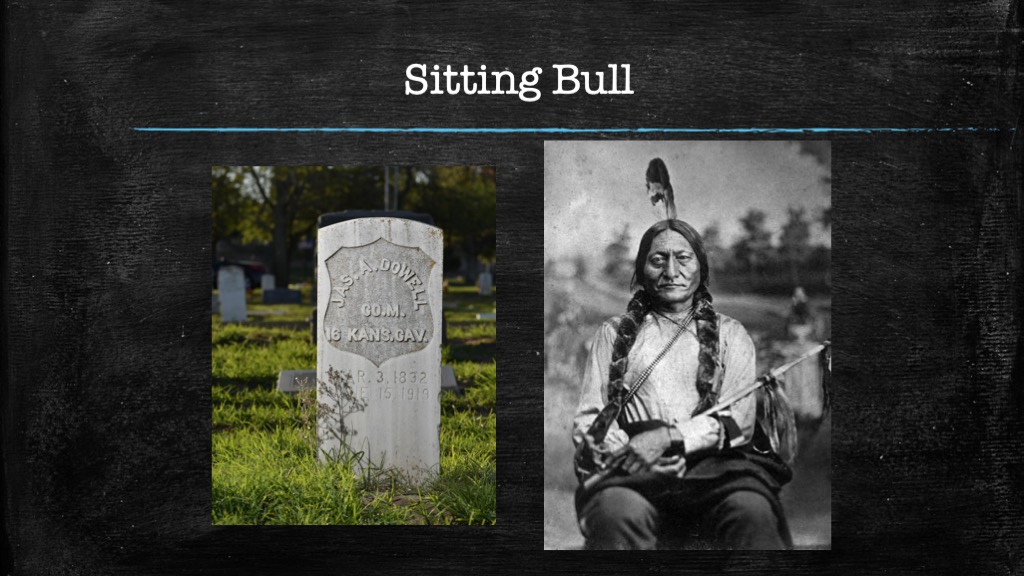
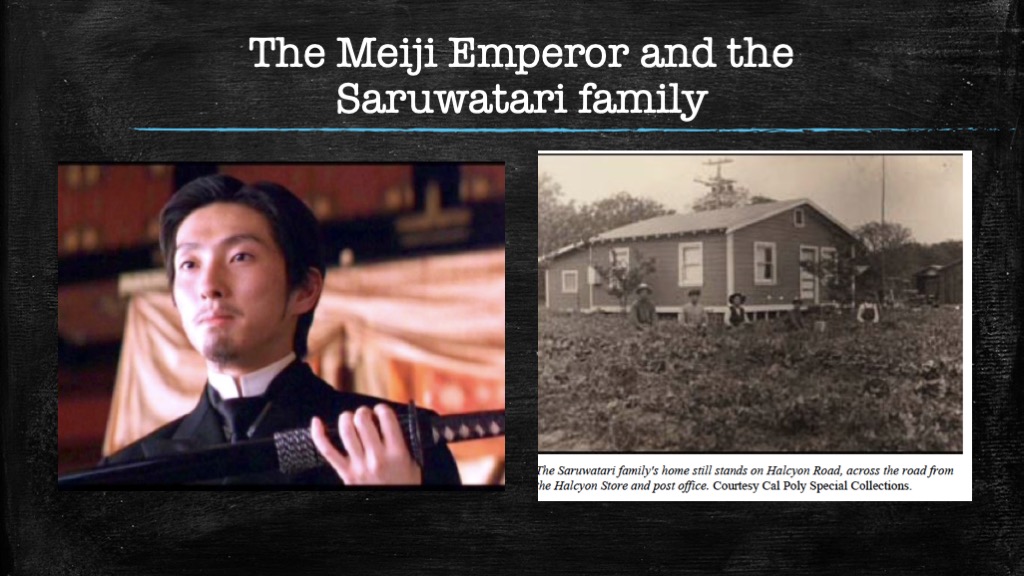
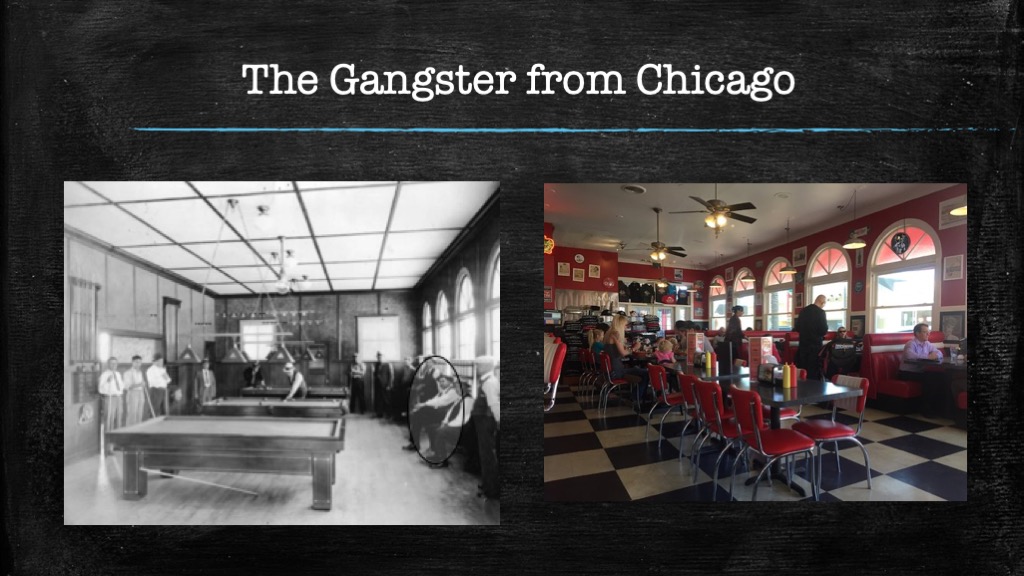
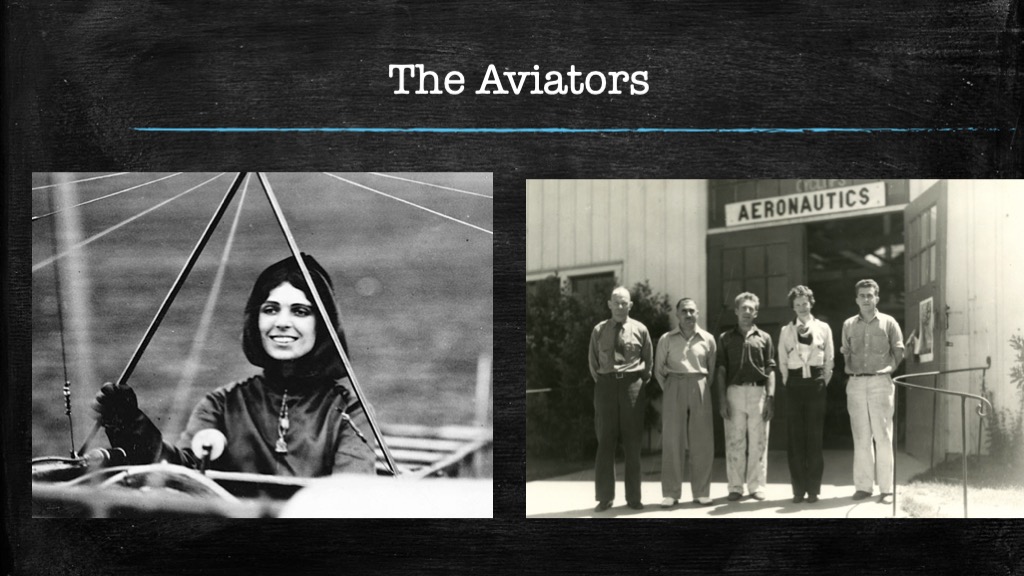
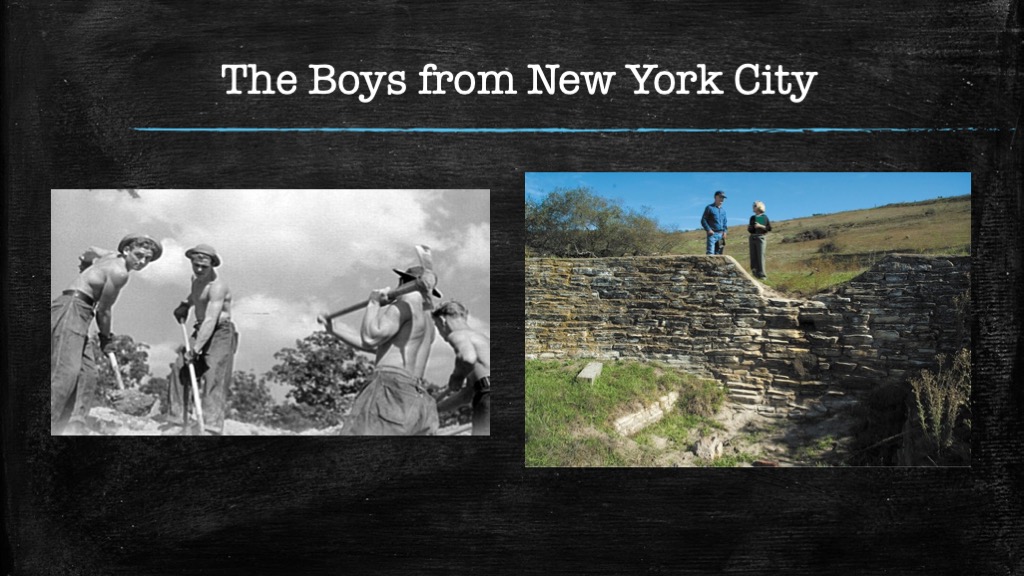
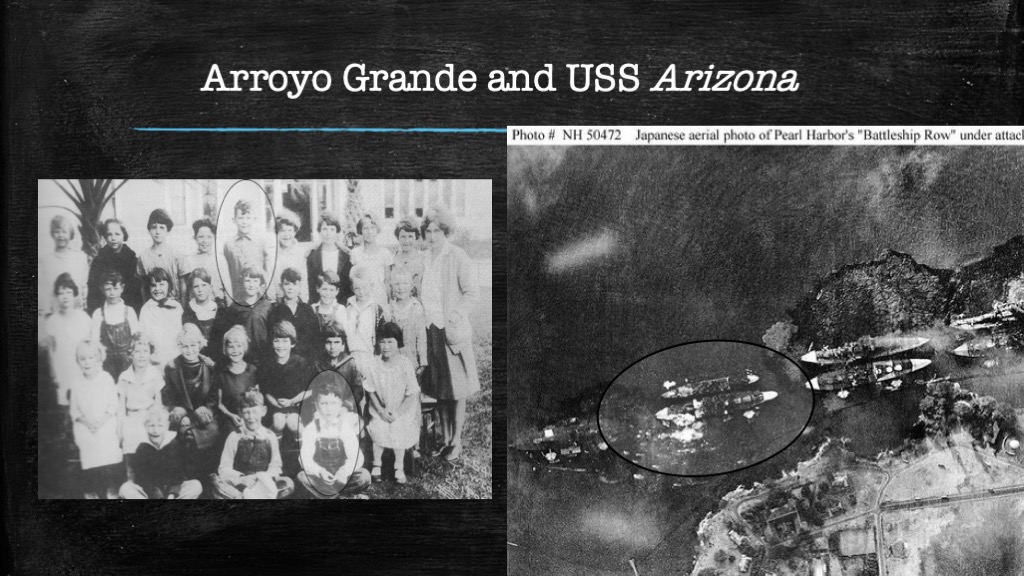
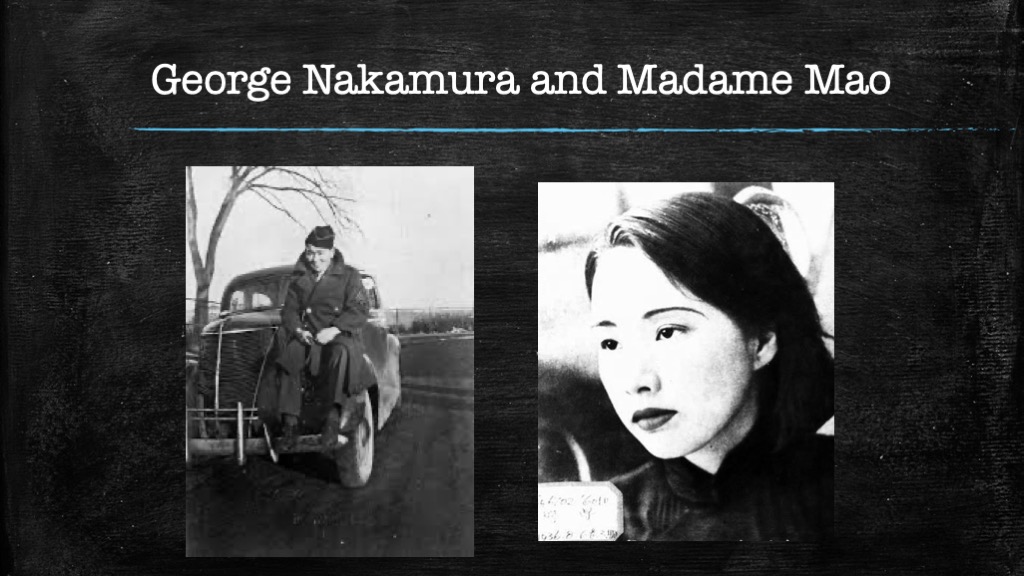
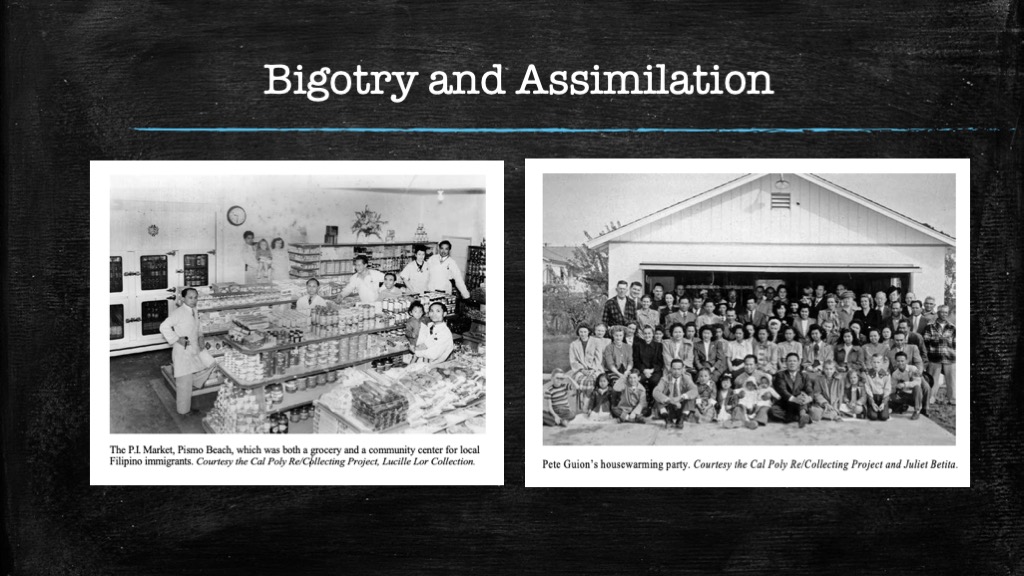
Arroyo Grande, California; my home town, about 1905.Local rancheros were fundamental to New England’s antebellum shoe industry; cattle were raised for their hides, the raw material that drove shoe factories in Massachusetts.California’s first notorious mass murder was in December 1848 at Mission San Miguel. The man who found the bodies was a mail rider who’d started his route in Nipomo. He reported it to a young army officer in Monterey: Future Civil War general William T. Sherman.Nearly sixty Civil War veterans are buried in our cemetery. This Arroyo Grande farmer was a young soldier in the 95th Ohio Infantry when he seized a Confederate battle flag at the Battle of Nashville.Bela Clinton ide was a gentle man. He built the oldest extant home in Arroyo Grande, on Ide Street, in 1878. Twenty-five years before, 363 of the 496 men in his infantry regiment were killed or wounded in a twenty-minute firefight at Gettysburg.James Dowell was a young cavalryman in a tragicomic expedition to the Powder River Country in the summer and fall of 1865. He somehow survived attacks by Red Cloud, Sitting Bull, Roman Nose and Crazy Horse. The expedition made it back to Fort Laramie on foot. They’d survived starvation by eating their mounts.The Meiji Emperor, shown here in the film The Last Samurai, began the modernization of Japan in 1867, at a price: ruinous land taxes. Thousands of Japanese were forced to emigrate; the Saruwatari family, whose home still stands off Halcyon Road, may have been the first to move here.The image on the left shows Al Capone waiting his turn to shoot pool at Pismo Beach’s Waldorf Club in 1927, from Effie McDermott’s history of Pismo Beach. The Central Coast was notorious for Capone’s bootlegging. Today, the Waldorf Club is the Cool Cat Cafe.In her autobiography, aviatrix Harriet Quimby claimed she’d been born and raised in Arroyo Grande. That was a small fib. The other one was her losing a decade in age. She was from Michigan, but her family had lived in Arroyo Grande briefly before she started her journalism career. The first woman to fly across the English channel, her flying career ended tragically with a crash into Boston Harbor in 1912. She had nonetheless inspired a little Iowa girl who wanted to fly: Amelia Earhart is shown visiting Cal Poly in 1936, the year before she disappeared.The head of the New Deal’s Soil Conservation Service said the erosion of the hillsides from Arroyo Grande to Shell Beach was among the worst he’d seen in America. The corrective was the Civilian Conservation Corps, two hundred-plus young men from New York, New Jersey and Delaware, whose barracks stood on the site of today’s Arroyo Grande Women’s Club. The young men, aged 18-25, earned $27 a month. They were expected to send half of that home.Clark Gable and Joan Crawford stayed at this Pismo Beach hotel while filming the 1940 release Strange Cargo. During a break in shooting, Gable played a pickup game of softball on the beach with teens from San Luis Obispo High SchoolWayne Morgan (top) and Jack Scruggs (bottom) as second graders at the Arroyo Grande Grammar School–the site of today’s Mullahey Ford–in 1926. Fifteen years later, the two were shipmates on battleship Arizona, circled in the second photo. This is the moment of Scrugg’s death. A trombonist in the ship’s band, the explosions off the battleship’s stern killed him as he prepared to play the National Anthem. Ten minutes later, Morgan was killed; his father owned an earlier Ford agency in the building now occupied by Doc Burnstein’s.Just before America’s entry into World War II, Nakamura was the sports editor of the Arroyo Grande Union High School Hi-Chatter. Two years after he and his family were interned, the twenty-year-old led an Army Intelligence mission into the mountains of China, where he was to link up with Chinese guerrillas. The Chinese were so taken with young Nakamura that they threw him a 21st birthday party. Somebody had a record player, so there was even a little dance. One of Nakamura’s dance partners was a former Chinese movie star, Jian Qing. We know her better as Madame Mao.Some of the most vicious bigotry I’ve ever encountered came in prewar newspaper columns that condemned Filipino immigrants–called “The Manong Generation.” The young men—almost no Filipinas were allowed to immigrate–found solace in the community center that was Pismo Beach’s P.I. market. They responded to the nation that seemed to hate them by volunteering, in great numbers, to fight the Japanese and help liberate their homes. They were superb soldiers.Heritage Salon on Branch Street in Arroyo Grande was once Buzz’s Barber and Beauty. Buzz gave a stranger a haircut in his #1 chair in 1959. The stranger’s dog, a big handsome poodle, waited in a pickup parked on Branch Street for his boss to finish his haircut. The poodle was named Charley. Buzz’s customer was John Steinbeck.




 A Work in Progress