
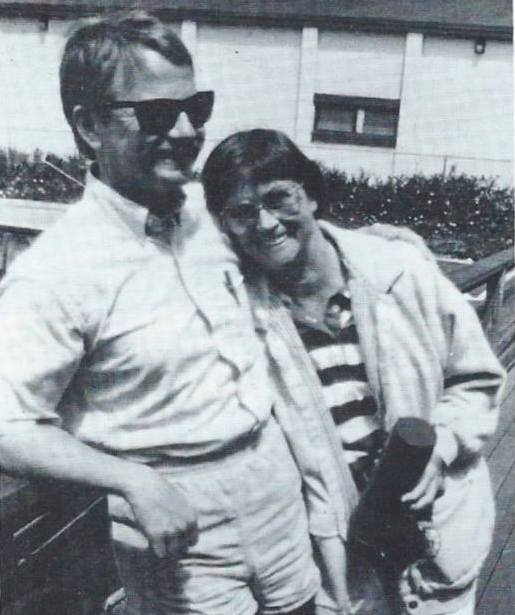
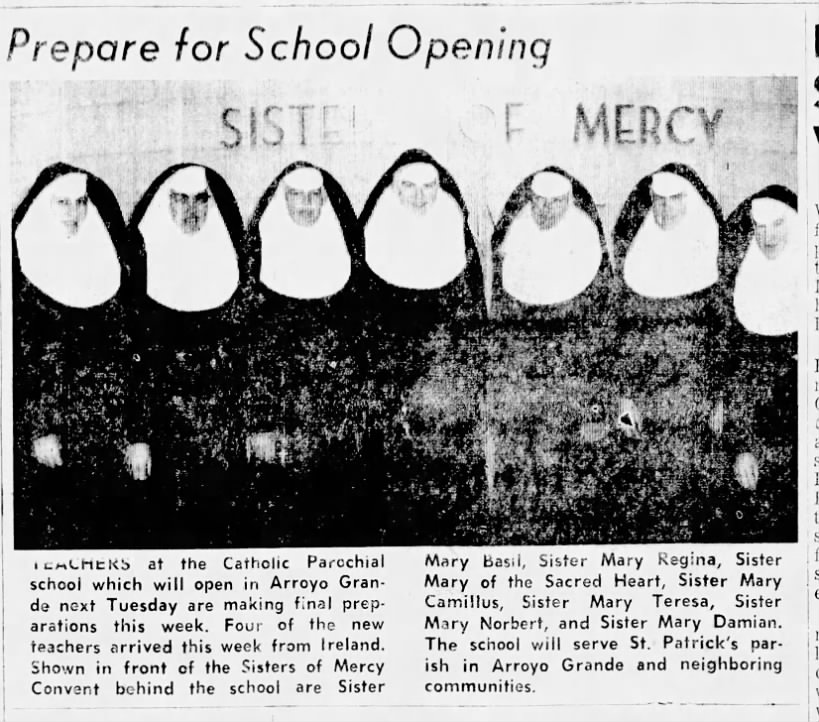
Our dear friend Sister Teresa O’Connell died in May at 90. She taught at St. Patrick’s in Arroyo Grande and Elizabeth and I taught with her at Mission in the 1980s and 1990s. Here’s the two of us back then:
As a member of the Sisters of Mercy, Teresa spent most of her life teaching young people. But when she returned to Ireland, she found a new calling in ministry to the elderly. Hers was such a rich life.
Elizabeth and I “attended” her funeral at the Ennis Cathedral–it was four a.m. our time–thanks to the internet. It was a six-priest funeral Mass with a couple of Monsignors included. Behind the altar, It was like the Irish Catholic equivalent of the 1927 New York Yankees.
It was the least they could do for her.
Here are two views of the church.
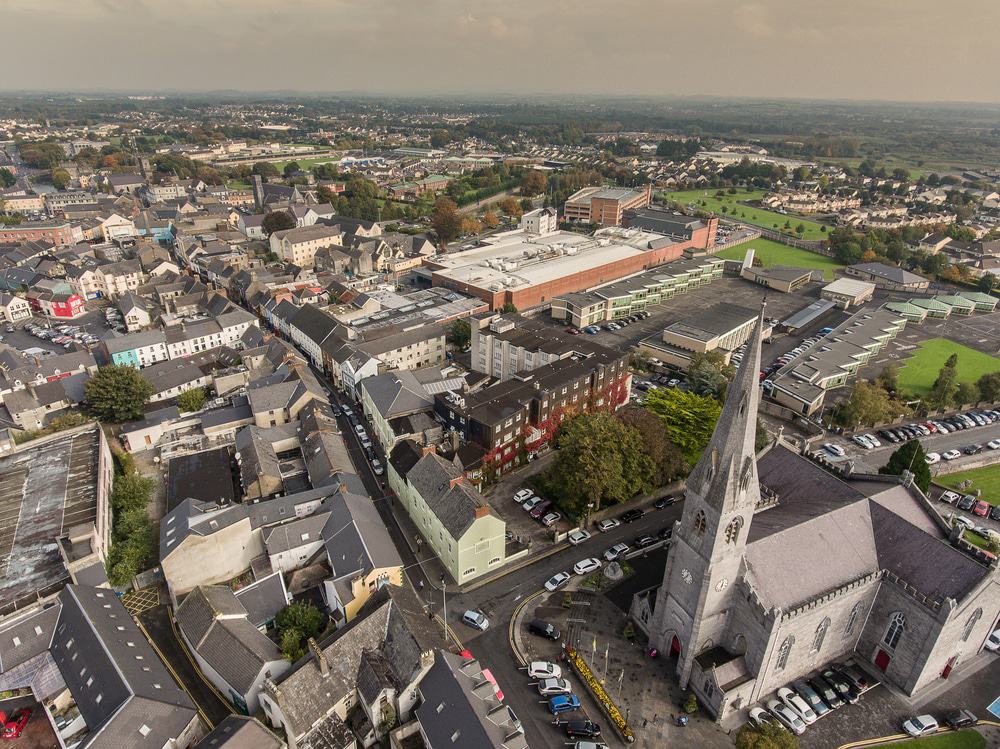
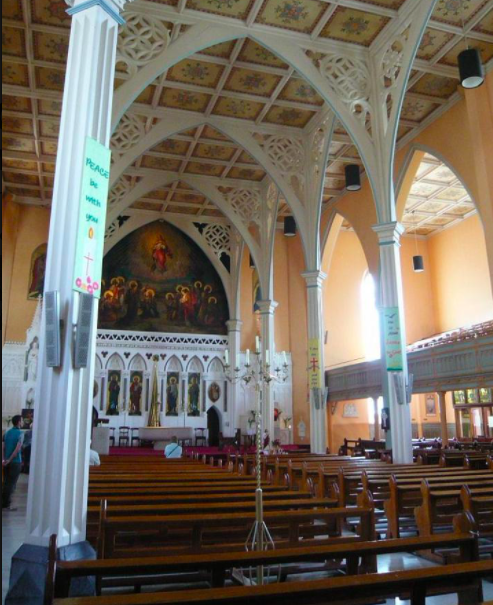
I made the mistake of starting to do some research on Ennis, because in thinking of Irish history as a road, every few miles you are confronted with a sad detour. The cathedral was built in 1828, which in itself is significant, because the Penal Laws enacted at the end of the 17th Century–that would’ve been when Great Britain, after the insolent Popery of King James II, was once again securely and relentlessly Protestant under William and Mary–forbade the building of new Catholic churches in Irish cities. The ban, then, lasted until the English were long past the Stuarts and running toward the end of their Hanoverians.
I looked up the cemetery where Sister is buried. It’s Drumcliff, Ennis, County Clare. It’s rich in Irish history, too.
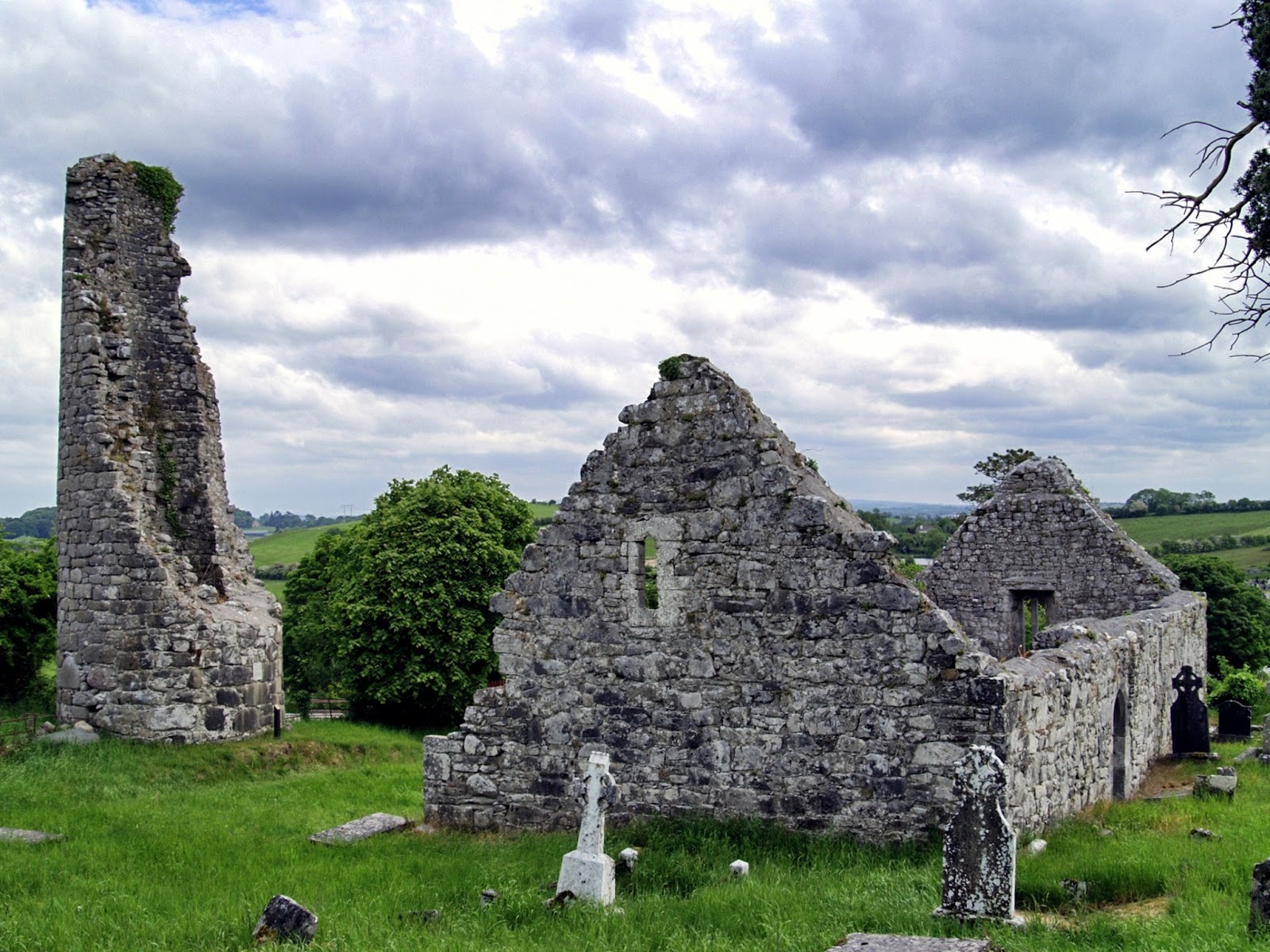
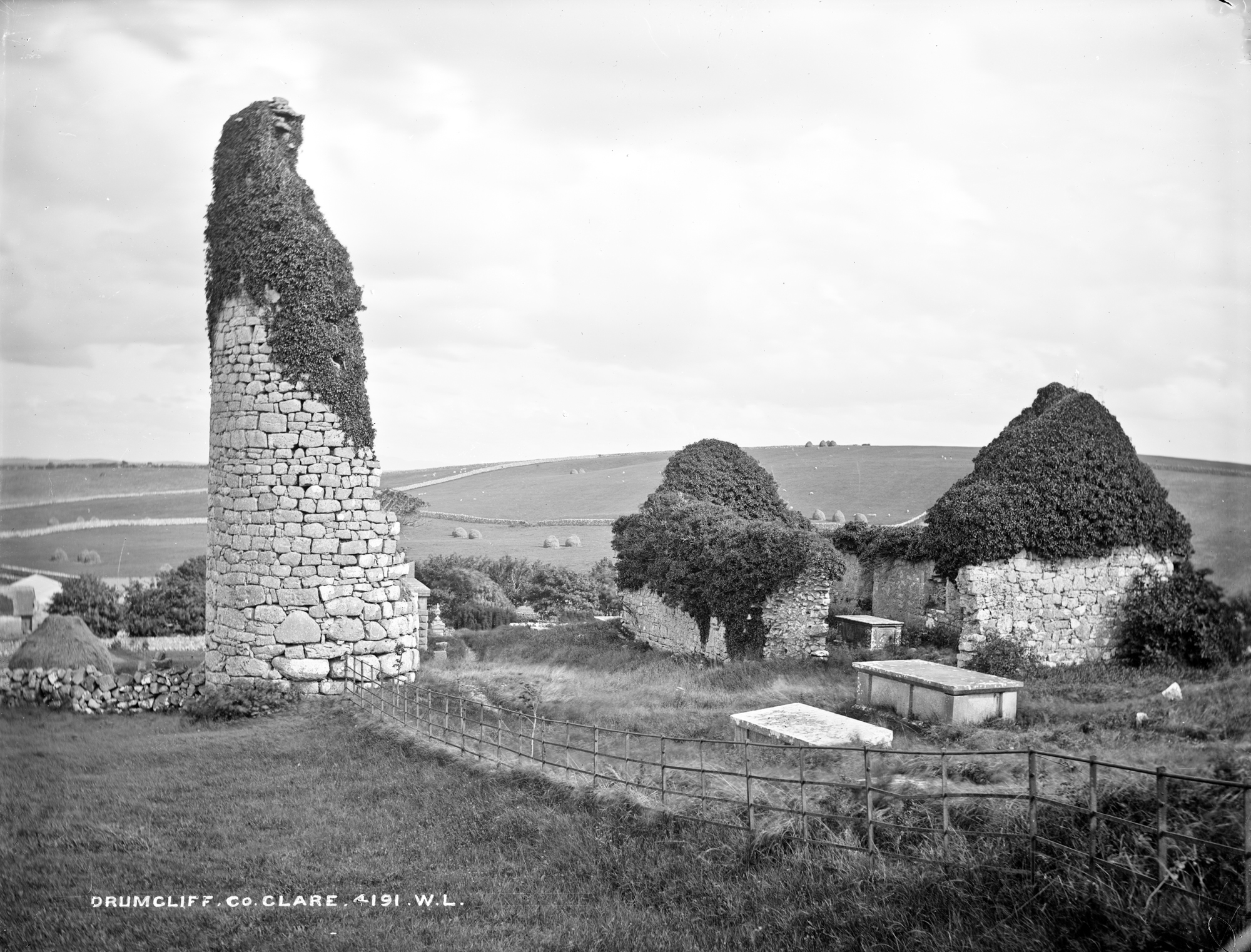
This photo shows the tower and ruined abbey church at Drumcliff. The cemetery adjoins the ruins, on a steep hill that one guide says is windy but strangely serene. Another guide says this: “The existing church ruins are from the 15th century with bits of 10th and 12th century architecture incorporated into it, suggesting it was built on the site of at least one earlier church.”
The earlier church may have been founded by St. Conall. He lived in the 7th century.
When you grow up in a place whose oldest landmark dates to 1772, your history is an eyeblink next to Ireland’s.
The cemetery itself represents one of those sad detours in that history. From a County Clare genealogical website:
It is impossible even to guess how many persons are buried at Drumcliffe [sic]: so many graves were never marked at all, countless others have no inscriptions, and the multitudes who lie in the cholera grave, the Famine grave pit beside it and the pauper plot closer to the road, will never be identified by the names they bore in life.
Cholera was a terrible killer in the first half of the nineteenth century; it killed Londoners in their thousands, as well as the Irish, until Joseph Bazalgette designed and built a network of intercepting sewers that carried the Thames River’s sewage out to sea.
Ireland, of course, was far behind in engineering projects as grand as this one.
“The Famine grave pit” is mentioned in passing. Perhaps many of those people were on their way out of Ireland. We once saw a massive green in Galway, one of the Famine ports of exit, also in the west, beneath which thousands of destitute Famine victims are buried. They’d almost made it. It’s probable that the people buried in Drumcliff, like those in Galway, died, enfeebled by starvation, of opportunistic diseases like typhus.
At least the paupers are symbolically remembered. Many of them ended their lives in a nearby workhouse. Here is their monument:
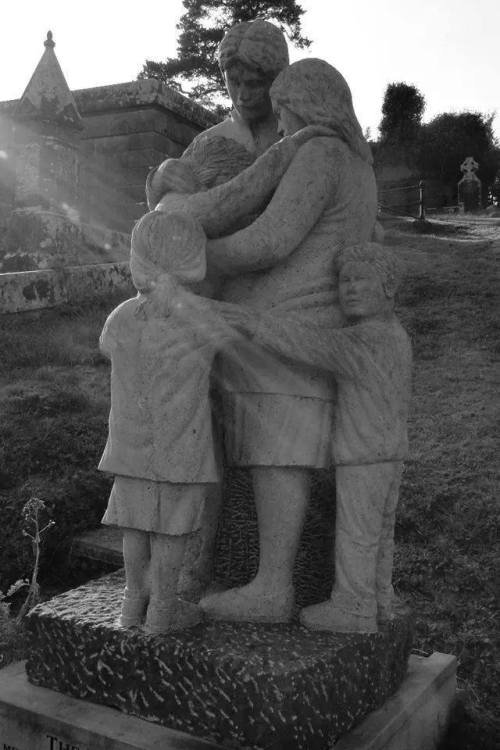
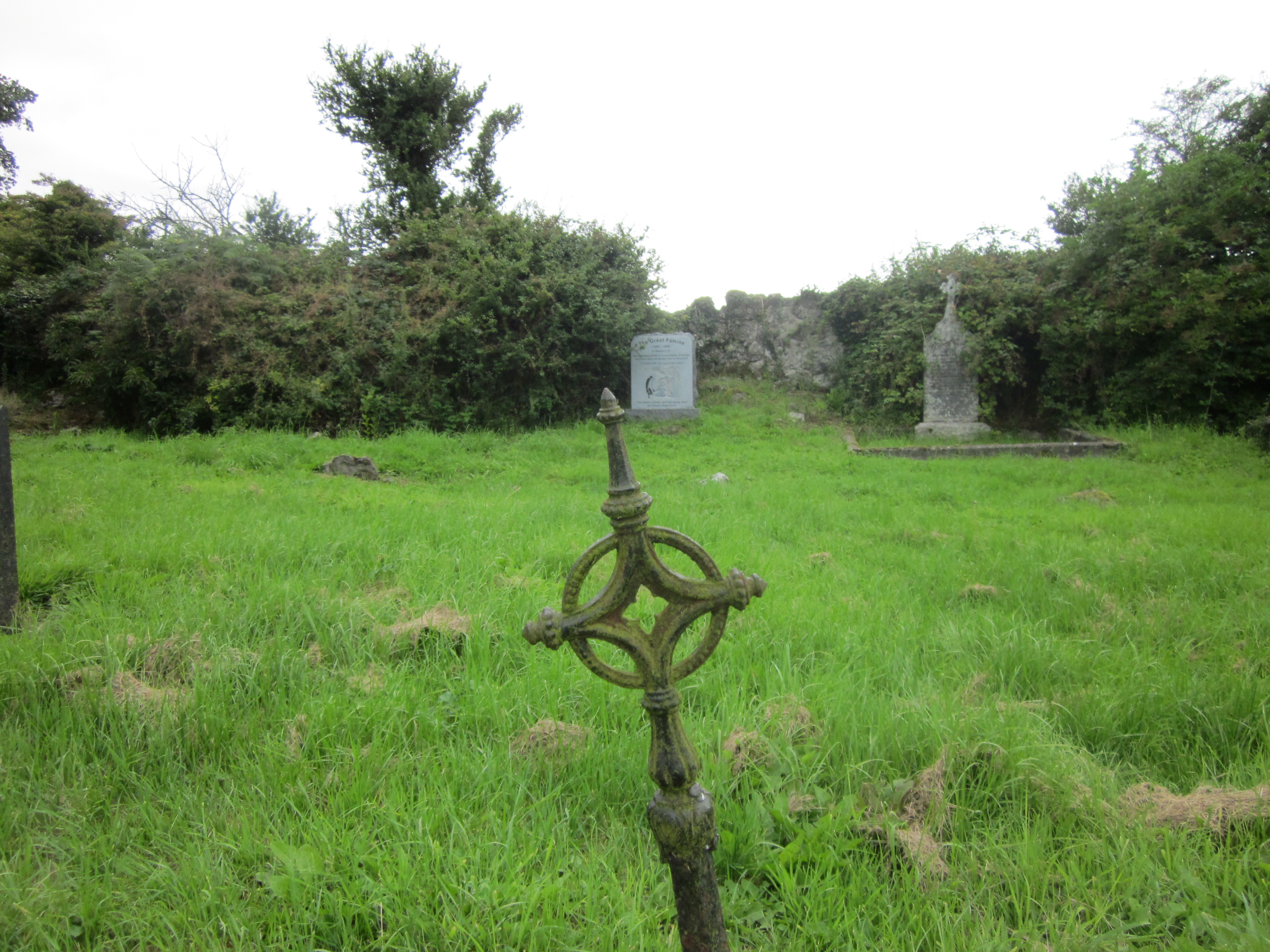
It’s a windy but strangely serene place.
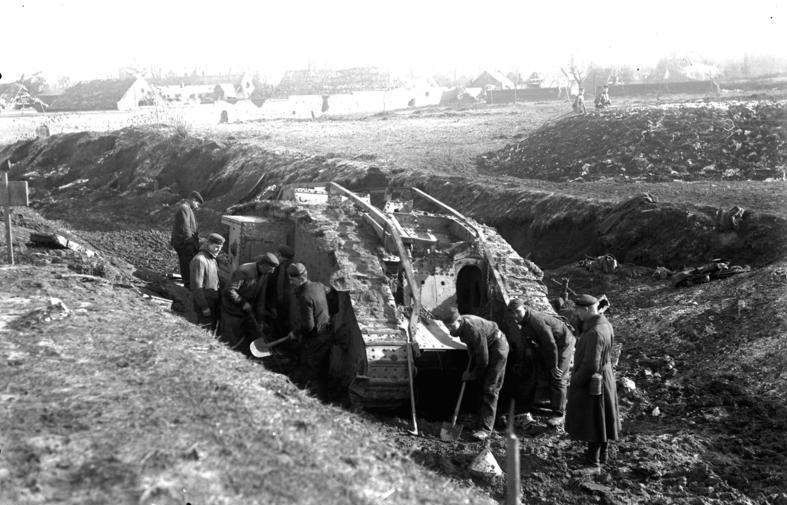
And then you reach the 20th century. There are Great War soldiers buried here: over 200,000 Irishmen fought for the British between 1914 and 1918. Drummer John McMahon served in the King’s Own’s Scottish Borderers, in a battalion that had survived Gallipoli; it’s possible that his death, in July 1917, came in Palestine. Thomas Moody served in the Irish Guards; his death, in November 1917, must’ve been at the Battle of Cambrai, which, like Bazalgette’s intercepting sewers, began as a landmark for modern technology. The British launched a massive attack spearheaded by Mark IV tanks, an innovation in warfare. By the second day of the attack, half the tanks had broken down, and that’s when the Germans responded. Moody probably died in their counterattack, the biggest assault on the British Expeditionary Forces since 1914. It was in that ealier assault–the the First Marne, in September 1914, the battle that stopped the Germans short of Paris, when Parisian taxicabs carried poilus to the front in relays–that claimed artilleryman Michael O’Brien, another soldier buried in Drumcliff.
Of course, the Great War was punctuated by the Easter Rising in Dublin. You can still the gouges British bullets left in the columns of the Neoclassic General Post Office, where the rebels held out for six days during Easter Week 1916. The Dubliners jeered the Irish Republican Army rebels as they were led away, after their surrender, by British forces.

Then the British began executing them, granting one, terribly wounded, the privilege of being shot while seated in a chair. That was a mistake. Now they were martyrs.
And that leads to one more place in the Drumcliff Cemetery: An IRA Memorial.
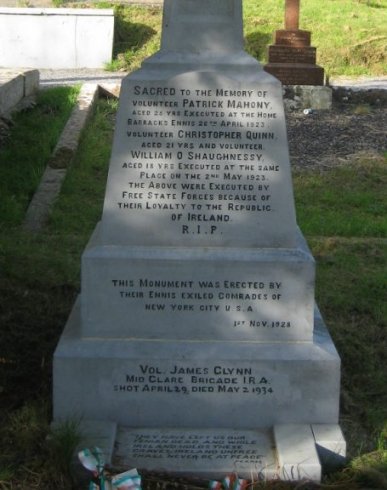
Maybe it’s typical that this memorial was made possible by expatriates, Irish living comfortably and happily distant in New York. What it commemorates might be too painful to remember for the people who live in Ennis today. The four Irish Republican Army men cited on this monument were killed in The Troubles, but not by the English. Three of the four were shot by firing squads made up of fellow Irishmen during the Civil War of 1922. Two were eighteen years old. They were Republicans executed by soldiers of the Irish Free State, the government that shot three times as many Irish revolutionaries in 1922 as the English had during the rising of 1919-1921.
One of the eighteen-year-olds wrote this on the eve of his execution:
Home Barracks, Ennis
Dearest Father,
My last letter to you; I know it is hard, but welcome be the will of God. I am to be executed in the morning, but I hope you will try and bear it. Tell Katie not to be fretting for me as it was all for Ireland; it is rough on my brothers and sisters–poor Jim, John, Joe, Paddy, Michael, Cissie, Mary Margaret–hope you will mind them and try to put them in good positions. Tell them to pray for me. Well father, I am taking it great, as better men than ever I was fell. You have a son that you can be proud of, as I think I have done my part for the land I love. Tell all the neighbours in the Turnpike to pray for me. Tell Nanna, Mary and Jimmy to pray for me, Joe, Sean, Mago, Julia, Mrs. Considine and family, also Joe McCormack, the Browne family, my uncle Jim and the Tipperary people which I knew. I hope you will mind yourself, and do not fret for me. With the help of God I will be happy with my mother in Heaven, and away from all the trouble of this world, so I think I will be happy...
…Dear father, I will now say goodbye – goodbye ‘till we meet in heaven.
I remain,
Your loving son,
Christie
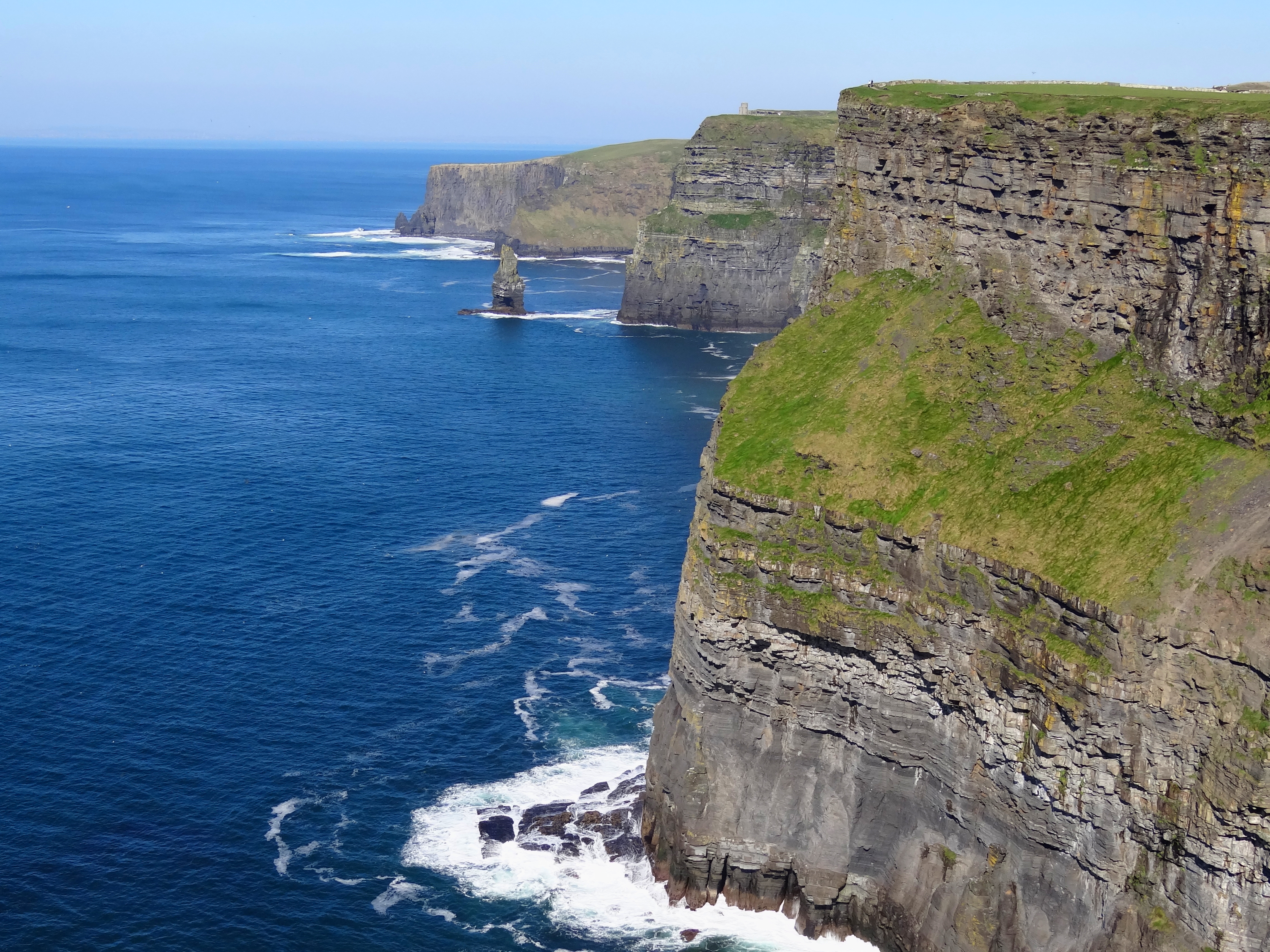
County Clare is famous for goodbyes. The Cliffs of Moher (above) might have been the last many Famine emigrants to America saw of Ireland. A windy and wild place, they are remindful of the title Leon Uris chose for a book he and his wife Jill wrote about Ireland: “A Terrible Beauty.”
Sister Teresa, even in her rest, cannot escape the long road of Irish history that has carried so many travelers—including my own family—on the journeys of their lives. Hers ended in Clare, a place, like the rest of Ireland, so marked by sadness. But sadness is not a dominant Irish trait—the last thing the Irish lost during the Famine, one chronicler noted, was their sense of humor—and it was service to others, not sadness, that dominated Teresa’s life.
I’ve been to Ireland and don’t know that I’ll ever get the chance to go again. If I do, God willing, there’s a place in the Drumcliff Cemetery that needs beautiful flowers and a pinch of California topsoil, perhaps from a field that adjoins St. Patrick’s Church, a parish five thousand miles away from County Clare.
 A Work in Progress
Bless you, Jim. Thank you for this wonderful essay
LikeLike
That means the world to me, John.
LikeLike