Posted by ag1970 | Filed under Uncategorized

31 Friday Mar 2023
27 Monday Mar 2023
Posted in Arroyo Grande, Uncategorized

I had the most extraordinary experience yesterday, a beer-and-brats meeting with retired Arroyo Grande High School, California, teachers at Kulturhaus Brewing Company in Pismo Beach, a marvelous little restaurant owned by the daughter of one of those teachers. AGHS is both my Alma Mater and the place where I taught history for nineteen years.
I am not sure how to make the equivalence, but John F. Kennedy, probably courtesy of his speechwriter, Ted Sorensen, once made this remark at a White House dinner that honored several Nobel Prize awardees. I will paraphrase:
Never has there been, in this room, such a brilliant gathering. With the possible exception of when Thomas Jefferson dined here alone.
That was what my gathering yesterday was like. I was so incredibly honored to be in the presence of so many people who were—let’s face it, my heroes—math and English and Industrial Arts and history teachers.
I was stunned but not necessarily surprised when two of them said that they had subbed at our high school and would never do so again.
Of course, they reminded me immediately of one of the most formative novels of my sophomore year when I was a student at AGHS, All Quiet on the Western Front. The guilty party in that novel, sadly, is a teacher. His jingoism seduced the protagonist, Paul, into joining the army where, on the Western Front, everything he believes in is gradually destroyed by shellfire and poison gas. Finally, his idealism vanishes alongside the French poilu he watches die, slowly, in a shell-hole where dead rats the size of dogs remain afloat in the crater created by heavy artillery.
Teachers are suckers, like Paul. By that—I have to be careful here—I don’t mean that they are stupid. Paul wasn’t. They are instead idealistic and generous and self-denying. They work impossibly long hours that no one ever sees. Good teachers are good soldiers.
And, of course, All Quiet, the book about good soldiers, was banned by the Nazis once they’d come to power.
So are these books commonly taught in American classrooms today. The Florida widow of another soldier, killed in another war in 1944—she is now 100 years old—made this quilt to protest the censorship that now weighs heavily on American schools. Her husband died, she said, to preserve the freedom of thought that these books represent:

Ironically, one of the titles, Ray Bradbury’s Farenheit 451, is about burning books. Fire brigades are devoted, in Bradbury’s novel, to setting them afire, as good citizens once did, on Chester Avenue in Bakersfield, California, to a pyre made up of Steinbeck’s Grapes of Wrath, which they felt insulted their town for its treatment of migrant farmworkers.
A sign today that the walls that are closing in on teachers—particularly on history teachers—is the controversy over “Critical Race Theory,” which is taught in law schools or graduate schools. It is not taught in any K-12 school in any district in any part of the United States.
But the deliberately misinformed insist that it is. I once wrote this about perhaps the most threatening part of history, Black history, a discipline that may vanish, as Paul’s idealism did, in the rapidly contracting MAGA universe.
The passage refers to the student assessment, which required them to produce a computer-generated newspaper about what they’d learned about America in the 1920s.
When White 17-year-olds from Arroyo Grande, California, learned about the life of Louis Armstrong, a Black prostitute’s son from New Orleans, Louisiana, nearly every single newspaper at unit’s end had an article about Louis Armstrong.
They caught what a masterful trumpet player Bix Beiderbecke, the son of German immigrants—“Bix” is short for “Bismarck,” the Iron Chancellor— to Davenport, Iowa, caught one night when a Mississippi riverboat approached out of the fog on the great river’s surface. There was a jazz band aboard, and Beiderbecke heard the sweet—and saucy—notes of Armstrong’s cornet floating above the steamer’s superstructure. He was enchanted.
This is what I taught and what my teenagers learned.
When students learn that the hymn “Steal Away to Jesus” was the signal for carrying out a group escape from a slave plantation, when they learn about Crazy Horse’s generosity, after a big hunt, to Lakota widows and orphans; when they learn that one of the greatest frontier lawmen was a Mexican-American named Elfego Baca, or, in San Luis Obispo County, a sheriff named Francisco Castro; when they learn about the 54th Massachusetts driving up the beach toward Fort Wagner or the 442nd Regimental Combat Team advancing fearlessly under shellfire through the Vosges Forest in France; when they learn about Rosa Parks quietly refusing to give up her seat, they don’t feel ashamed to be Americans.
They are instead immensely proud.
They don’t feel ashamed because all of the people who perpetrated all of the cruelty that marks much of our history pass their knowing only briefly; these people are dead. But Louis Armstrong is alive to our children. He touches them.
There is nothing to be afraid of in teaching all of our past to all of our kids. It’s actually very hard to indoctrinate schoolchildren. What comes easy to children is recognizing needless cruelty—would you have us teach them to admire cruelty?– and, even more, kindred hearts. If we teach them to listen, then quiet ourselves, they’ll hear the cornet notes, sweet and saucy, clear and sharp, high and weightless above the river’s current.

It’s not safe to teach Louis Armstrong anymore.
And the classroom—once my sanctuary, the place where, in the course of my life, I was my truest self—is no longer safe, either.
What my retired friends were suggesting was something I’ve heard over and over from classroom teachers today. Whether it was the interruption of Covid, which retarded the socialization of young people for two years and when teaching was done remotely—both young people and teachers hated it—or the example of a president who mocked disabled people, there has been, I believe, a collapse in civility that is the societal equivalent of the climate crisis. Our future is in peril.

Both crises are being ignored.
Meanwhile, what teachers bring to the classroom are their open hearts, hearts that are open to America’s future.
But in many classrooms in America, every day in every way—whether it be by parents who challenge the teacher’s scholarship or by students who surreptitiously message their friends on iPhones hidden just beneath their desks, or by both teachers and students who come into the classroom with an immense and unassailable sense of entitlement—teachers are struggling with broken hearts.
I am a believer in Catholic education as well as public education, yet the many friends of mine who teach in four local parochial schools have seen the same decline in civility.
And so enrollment in teacher education programs has declined by a third in the last decade.
No wonder. If I could replace a broken windshield and get the thanks due me from a customer, I would fix windshields until I died.
Broken hearts are far more problematic than broken windshields.
And, to be honest, I didn’t teach history, not exactly. What I taught came from my heart: My classroom was a safe place where students could find acceptance. That allowed me to lead them toward a place where they could respect each other and, more, to travel to places they would never have the chance to visit and to meet people they’d never have the chance to meet. The people who’d inhabited those places were dead, you see. My job was to bring them to life again so that the young people I loved so much could meet them, wonder at them, honor them, remember them.
My classroom was a place where we could celebrate being human together. This was, for lack of a better word, my faith, which came from my mother.
Just one example of my faith is this man, whom I will remember all my life. Al Findley Jr. was shot down as a B-24 radioman—shot down twice—in World War II, yet he became a lifer in the postwar Air Force, a Command Master Sergeant. After his career he became, with his wife, an antique collector with a shop in England and then another in Los Osos, California and when he died at 94, it broke my heart. I only knew the man briefly—he used to drive his retirement home G.I. buddies to breakfast every Sunday just up the coast to Morro Bay—but he became part of a book I wrote and, in the process, became as well one of the dearest friends of my life.
Al had let me touch the past, you see, and there are powerful and terrified men and women who want to draw a curtain across our past so that we can never see it honestly again.
26 Sunday Mar 2023
Posted in Arroyo Grande, Uncategorized
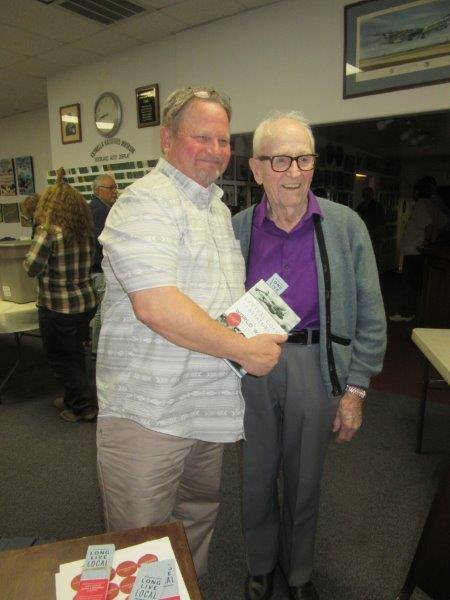
This is the place that made me a teacher and a writer.
I probably haven’t got everything right–I rarely do–but my wife took me on a little trip this morning that meant a lot to me. My big sister was wondering what the Arroyo Grande Creek looked like after the rains, so we went to take some photos.
So Elizabeth drove me out to our old house, where I grew up, on Huasna Road, and along the way I began prattling.
This has happened to me only once before, but that was at Gettysburg. I had read so much about the battle that I knew exactly where we were–Elizabeth and our sons, John and Thomas–and what had happened there.
This was far more personal.
* * *
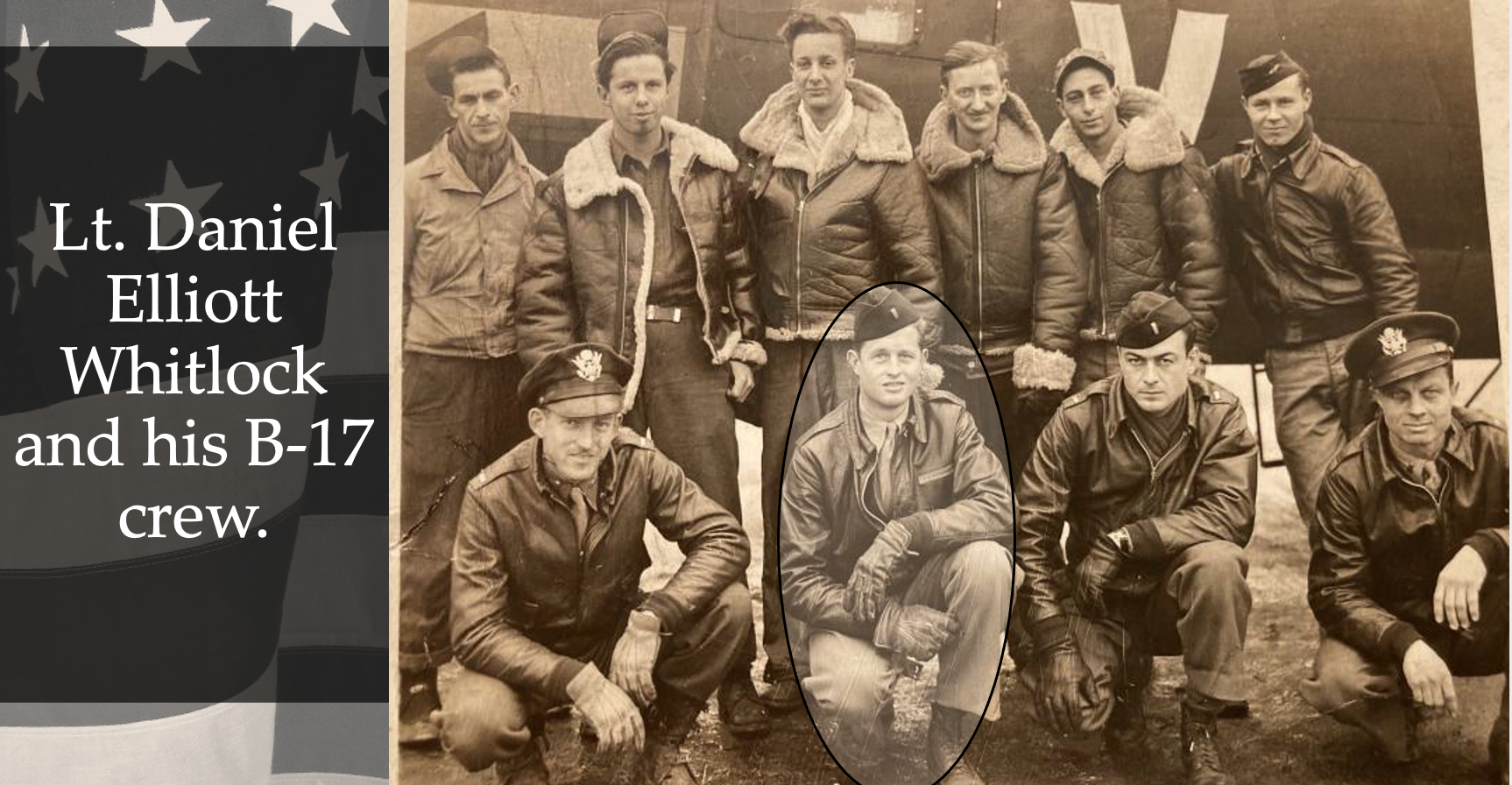
–Mason Bar. The son of the owner when it was the Commercial Company, Lt. Daniel Elliott Whitlock, was awarded a Silver Star for bringing his crippled B-17 home safely after a mission over Berlin. A flak hit set the ship afire. Elliot’s pilot, Jim Lamb, ordered the crew to bail out. Elliott, the co-pilot, countermanded the order when he saw Jim was badly burned. So was his parachute harness, burned through. Whitlock refused to abandon his friend. He knocked down the fire with an extinguisher–he never remembered where it came from–and turned the plane back to the safety of England’s Norfolk Coast.
He was terrified, he admitted to his folks in Arroyo Grande, whose home still stands just below Paulding. “Your prayers are standing by me,” he wrote them.
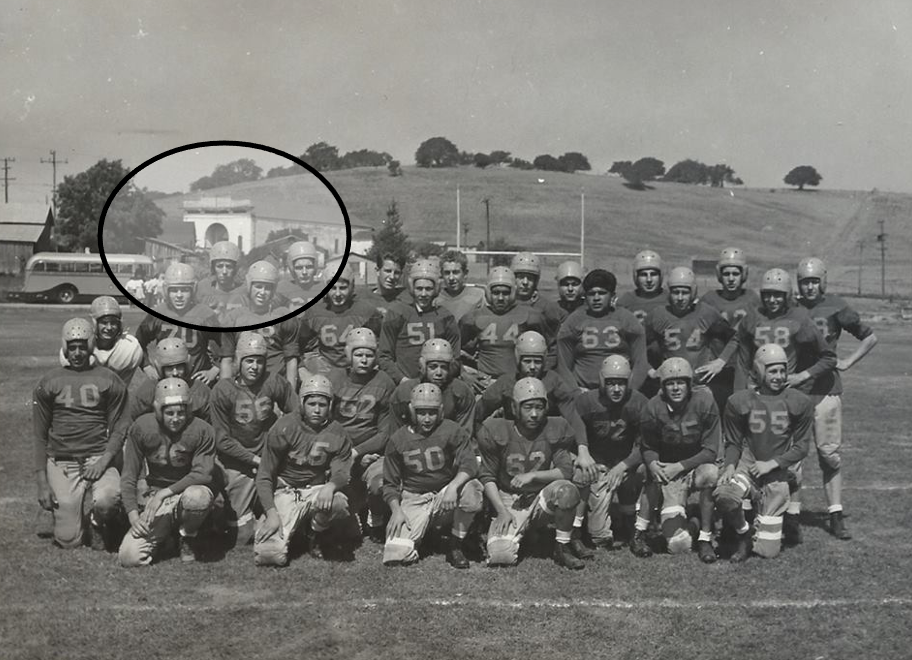
–Paulding Middle School. The gym was a PWA project completed for $14,300 in 1938 for the old Arroyo Grande Union High School and it put a lot of local men to work. The high school student body gathered inside the gym on December 8, 1941. They listened to a radio set up on the stage, where my son Thomas performed for Mr. Liebo, to hear FDR’s call for a declaration of war on Japan.
Haruo Hayashi, whom we have just lost, was the team manager for Coach Max Belko, who coached basketball in that gym. He also coached the Eagle football team. Belko, the son of tough Jewish immigrant steelworkers from Gary, Indiana, was overlooked by nearby Notre Dame and instead became an All-American at USC. His field goal against Montana–they drop-kicked field goals then, enormously difficult–would be the last field goal kicked by a Trojan for fifteen years. Some Bakersfield kid named Frank Gifford kicked the next one.
Belko’s coach, Howard Jones, called him “the finest example of a man I have ever coached.”
Belko, a Marine lieutenant, was killed on the beach at Guam in 1944.
The Arroyo Grande Men’s Club, including my friend Randy Fiser, restored the stone retaining wall below the campus that was originally a WPA project. So are the basketball courts below. And the cemetery stone wall. The Orchard Street building, now the AGHS math wing, was another PWA project. (The campus’s landscaping was done for free by volunteers–Japanese American farmers whose children attended the school. Twenty-five of the 58 members of the high school’s Class of 1942 were Japanese American.)
The beautiful park that’s now underneath Lopez Lake was another WPA project. So was the hard-surfaced Musick Road, a CWA work project early in the New Deal, supervised by county supervisor Asa Porter, that led to that park.
Arroyo Grande doesn’t today look like North Africa in part because of the reclamation work, made urgent by overcultivation, a product of collapsing farm prices in the Great Depression.
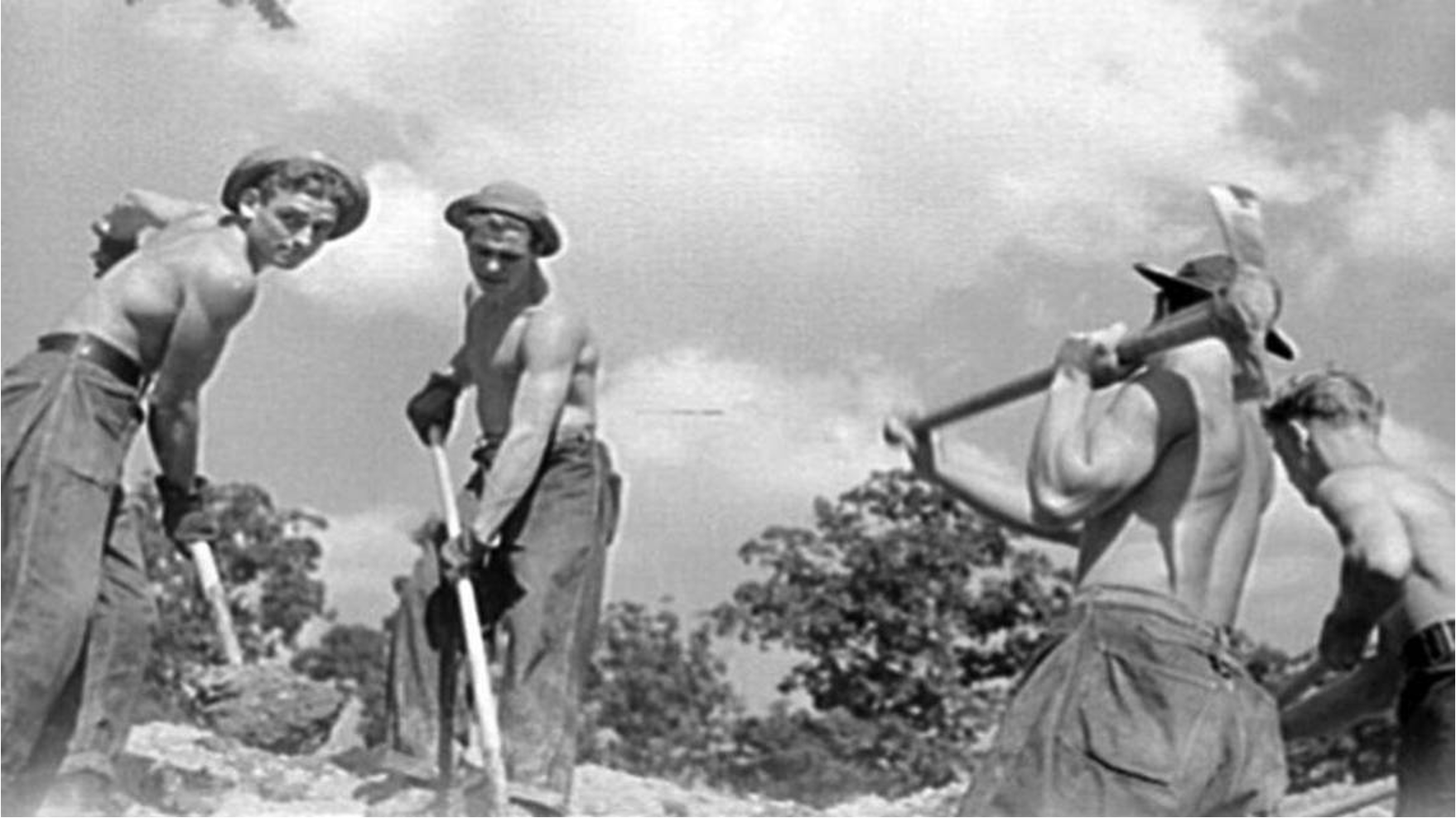
Arroyo Grande had the worst soil erosion the head of the New Deal’s Soil Conservation Service had ever seen in America. It was the Civilian Conservation Corps, 230 kids from New Jersey, Delaware and New York City, who lived in barracks on the site of today’s Arroyo Grande Woman’s Club, who terraced hills, built check dams and planted trees and so, at the very least, began to reverse the effects of what could have been an environmental disaster here. It was that damnable Federal Government Overreach that accomplished these things.
–The IDES Hall. This one was built in 1948. It’s the second one. The first one was the remnant of the old Columbian Hall on Branch Street. They had lectures, concerts and meetings there. Young women, in gauzy Greek gowns, used to dance to honor sweet peas at the Sweet Pea Festival.
Frank Gularte, killed in action on the Franco-German border in 1944, grew up on the farm that includes the hill just above the Hall. His son, Frank Jr. was born the same week; his widow, Sally, would’ve celebrated a christening and endured a funeral mass at St. Patrick’s on Branch Street in the same month.
–Unplanted fields on the right, along Huasna Road. Those were, and probably will be, reserved for seed flowers. Thanks to Louis Routzahn and the Waller Family, Arroyo Grande flower seeds were known all around America. You can still find their seed catalogues online.
Clara Paulding, who taught here for so many years, rode her bicycle to my Alma Mater, the two-room Branch School, in the 1890s. It was so much fun for me to write a piece about her bike ride, because the smell of seed flowers and sweet peas must have been delicious. She loved Branch kids, by the way. A woman of sound judgment, Clara was.
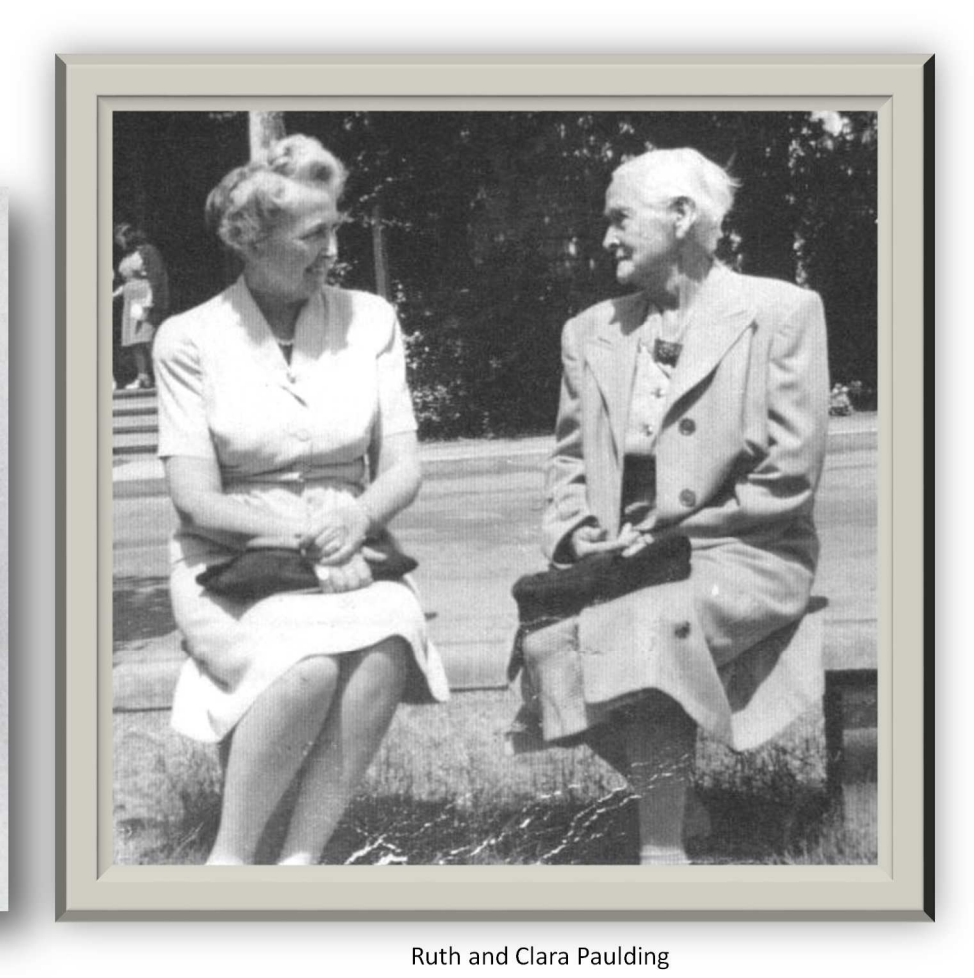
My favorite Clara anecdote: She went back to her Alma Mater, Mills College in Oakland, with her daughter, Ruth, for whom the middle school is named, during World War II, when there was finally money enough for teachers like Ruth, whose commute consisted of walking across the street from the house in which she was born to her Spanish classes at Arroyo Grande Union High School–to earn salary advancement for taking college course. So she invited her retired teacher Mom—Clara was in her nineties– to come along. Clara did. She decided to take a Mills College course entitled “The History of the United States before 1865.”
“That’s because I remember everything else,” she told a newspaper reporter.
–Strother Park. This was a Chumash village, or rancheria, whose chief was dubbed “Buchon” by the Portola Expedition, after the large goiter on his neck. That’s why we have a Buchon Street in San Luis Obispo. The rancheria was called Chiliquin; Rosario Cooper, the last speaker of Obispeño Spanish, has roots here—this is probably where her mother, a “Mission Indian” only because of catastrophic drought and the chance of survival the Mission Fathers offered, was born. I taught two of Rosario’s descendants, beautiful and brilliant young women, at Arroyo Grande High School.
Newell Strother was the editor of the Arroyo Grande Valley Herald-Recorder for twenty years. After Pearl Harbor, he urged his readers to suspend judgement on their Japanese American neighbors. They were loyal to America, he explained in an editorial message some in Arroyo Grande did not want to hear.
–Tony Azevedo’s place. Elsie Cecchetti, our beloved Branch School bus driver, was an Azevedo. Her father’s dairy, on the site of today’s Trader Joe’s, was a dairy farm where Elsie’s first driving lessons were on a Farmall tractor. The Azevedos were Azoreans, come to America because of earthquakes, volcanoes and political unrest in the Islands. They were whalers—there was a shore whaling station at Port San Luis—before John Davison Rockefeller and Thomas Alva Edison put them out of business. They turned toward crops and dairy farming. “I don’t know much about history,” my Branch School friend John Silva told me once when he was helping me research a book. He then proceeded to name every Azorean dairy family between Lopez Canyon and Corbett Canyon. My mouth fell open.
John’s father, Johnny, and his uncle, Manuel, among the kindest men I have ever known, used to pull up pickup cab to pickup cab on Huasna Road to gossip, even thought they’d probably had breakfast together that morning at Sambo’s, many years later the still un-demolished Francisco’s Country Kitchen. I’ve seen farmers do the same thing in Kansas and Colorado, by the way. When a car approached, the Silvas would pull just off the road to the edge of their farm fields to let the motorist pass. They would wave cheerily at the driver. Then they’d pull back onto the road and resume their conversation.
–Clair Gibson’s home. Two generations of bankers—first, the Bank of Arroyo Grande then the Bank of Italy and finally the Bank of America. Today it’s Lightning Joe’s. The Gibsons were the kind of bankers you read about, but only in novels. They were generous with credit in hard times and with loans when they believed in what we today call a “business startup.” Once Mr. Gibson advanced a desperately needed emergency loan to the rock and roll star Peter Frampton. Frampton, needed it to secure a concert and couldn’t get the money from his own bank. Afterward, his people began to make deposits in the Bank of America in Arroyo Grande, California.
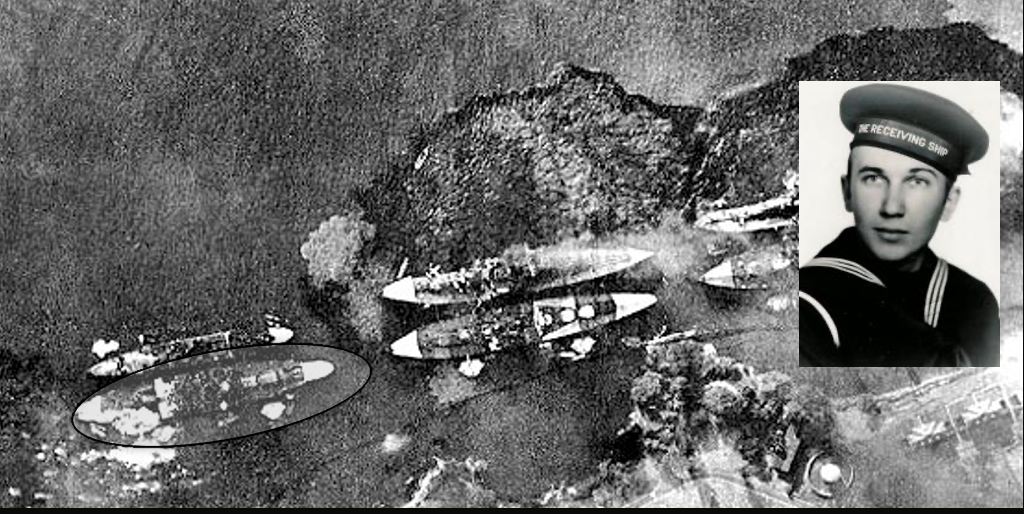
When I wrote a piece about Jack Leo Scruggs, a USS Arizona trombonist killed in the attack on Pearl Harbor, Clair called me. “Jack Scruggs,” he said—the two had been classmates in the Arroyo Grande Grammar School that stood where Mullahey Ford stands today—“I haven’t thought about him in years.” He chuckled over the phone line. Then there was a long quiet. He thanked me before he hung up. The memory of his lost classmate still moved him.
–The Kawaguchi Home. Japanese immigrants, mostly from Kyushu, the southernmost Home Island, were Buddhists and Methodists. The Kawaguchis, if I remember right, were Catholics, which means that history has a long reach. St. Francis Xavier proselytized in Japan in the 17th Century; both cities targeted by the atomic bombs had large Catholic populations. Carolyn Kawaguchi, along with Vard and Patricia Ikeda, was the fastest runner I ever saw as a little kid. In those P.E. tests they used to do in grammar school, she would pass by me—in skirts, mind you—laughing apologetically.
Kaz Ikeda gently cured me of the uppercut in my softball swing on a visit to Branch School one day. The wooden home plate behind which he caught at the Gila River Internment Camp is now on loan to the Baseball Hall of fame. And, of course, one son is named “Vard” because Vard Loomis, a Stanford baseball alum, a pitcher, coached the Nisei team, the Arroyo Grande Growers, before World War II. After the enforcement of Executive Order 9066, Vard invited Kaz to stay in his family’s home. (His wife, Gladys, had been the Growers’ Team Mom.) Kaz had stayed behind until his father, Juzo, the assistant manager of the Growers, was strong enough to travel. A team of horses dragged him away on the Ikeda farm one day and Juzo was paralyzed as a result. Kaz made it back home. His dad didn’t. Juzo died in a camp hospital in the desert heat of Arizona in 1943.
But my favorite Arroyo Grande Growers story is about a rest stop at a park in the Valley. The team bus, which Vard drove, pulled up next to another bus. The passengers in that bus were young Black men, members of a touring jazz orchestra. The Black kids approached the Nisei kids and asked if they’d like to play ball in the park. That sounded like a good idea to everyone. So there was a game—the Growers tossing their mitts to the musicians during in between innings–and what sounded like a good idea turned out to be a good baseball game.
Since Vard was kind of the odd man out, he became the empire. Jokingly, both sides agreed, at the end of the game, that they’d never met a White man with eyesight as bad as Vard’s.
–The Gularte Home. I’m not sure where to start with this family, parented by Rudolph and Mary Gularte. We loved them. Rudy was a vegetable broker who bailed us out frequently when either our creek pump (for irrigation) or our spring pump, which we shared with his family (for drinking water) broke down. He drove at first a dark olive 1953 Chevy stepside pickup and then one of the first El Caminos in town—copper-colored, with Chevy fins. It was classy. He was a pallbearer at my Mom’s funeral. He cried, which moved me, because Rudy was a quiet, undemonstrative man. We would nearly drive off the road waving at him when we saw the El Camino approaching. Rudy, with not much more than his felt hat visible just above the steering wheel, was intent on driving. He was a small man; it took Mom’s death to make me realize what a big heart he had.
The size of her heart was immediately apparent with his wife. Mary was a warm, generous woman with a sharp bite when my friend Dennis, one of her sons, crossed her. Her bite was very brief. She’s the one who one day, because Elsie Cecchetti’s bus was somehow, inexplicably, late, took me that cold morning from the bus top and fed me a bowl of sopa—Portuguese Stew—with a big hunk of coarse bread intended for soaking. I soaked. I did not have to eat for the rest of the day.
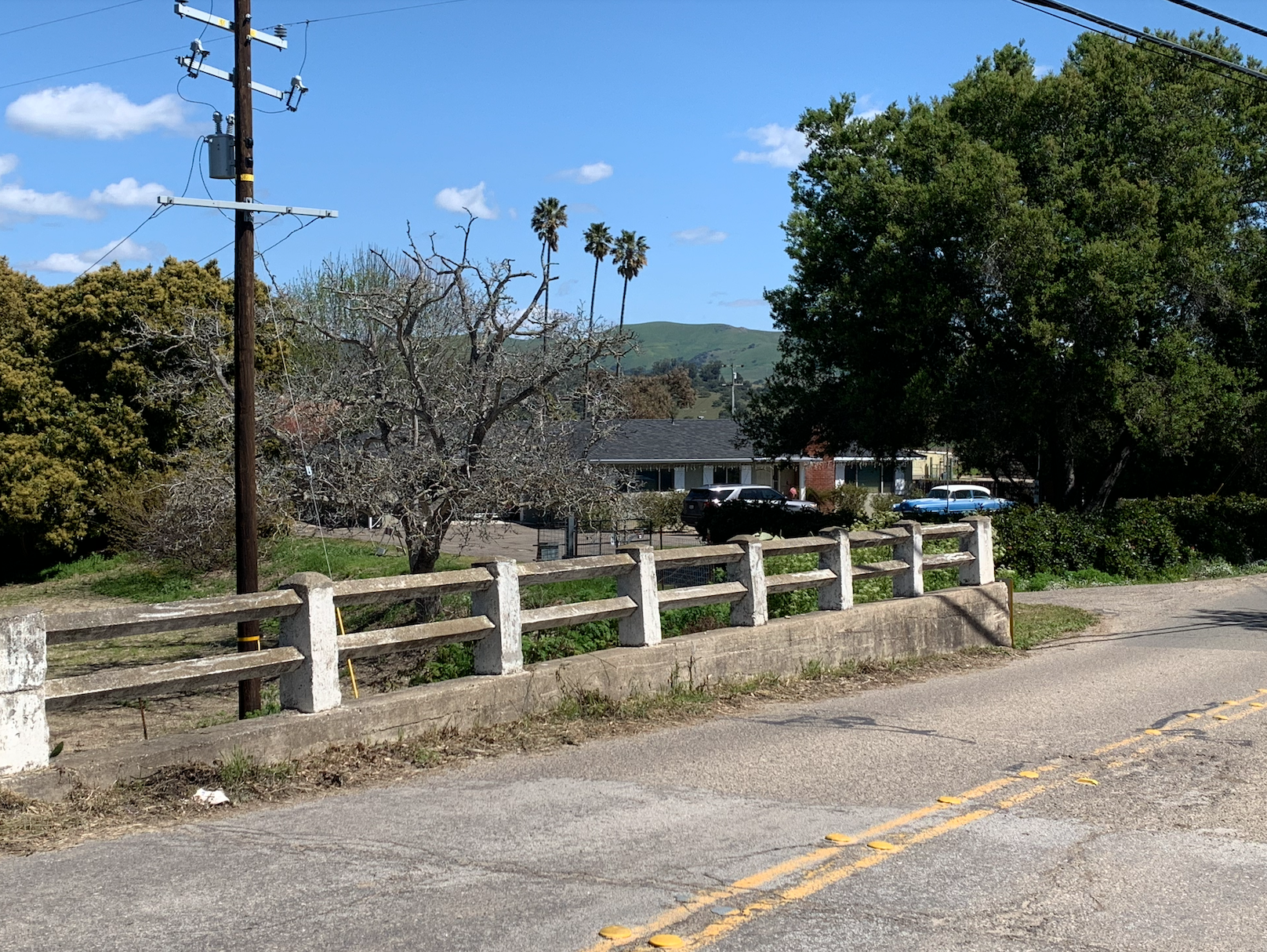
–The Harris Bridge. Before the bridge, this was near the spot where fourteen-year-old Sam Cundiff drowned in the flood of 1911.
Our house was (and is, much improved) just over the bridge, which was built, I think in 1927, when Lopez Drive was called Musick Road. I was very happy to see that our walnut trees, just beyond that bank of Queen Anne Lace, are dead. I hated harvesting walnuts, stoop labor, and your hands and nails were black for weeks. Walnut trees used to cover the fields between the high school and Halcyon Road before an insidious pest, the husk fly larvae, began to kill them. I did not much mind. The only way I found walnuts tolerable was in my Mom’s chocolate-chip cookies.
In the winter of 1968-69—you can get a sense of it from the video below—the creek rose above that chasm and spilled into our walnut orchard. There were ponds and lakelets in the Upper Valley for months afterward.
I used to catch rainbow trout in the chasm below and, of course, I did NOT catch the big female steelhead who hit my line one afternoon. She was so fierce that I nearly had a twelve-year-old heart attack. It was glorious the way she broke the surface, with a terrific splash, and it was only seconds before she snapped my leader and went upstream for the business of motherhood.
In the winter of 1911, when the tragic Cundiff family returned to their home—fourteen-year-old Sam had been swept away by the flood, one of three sons they lost in the space of a year— which had been underwater, they found the skeletal remains of a steelhead and, not far away, a very contented cat, fast asleep.
Once my friends and I found the heads and innards of two spike bucks—yearlings, illegal to hunt in California—tossed over the side of the bridge by the hunters who’d butchered them and who wanted to get rid of the evidence. We pondered their remains, appalled, for a long time as the creek rushed past.
But once, on a ledge just below the bridge railing, I saw two barn owls asleep, one’s head sweetly on the other’s shoulder. I will never forget them.
Then we turned up Huasna Road toward the Four Corners at Huasna and Branch Mill Roads, near the bridge over Tar Spring(s) Creek. Don’t get me started. I did, on monte, the willow scrub that used to cover the Upper Valley. But I was–finally–starting to get a little tired. It was time for Elizabeth and me to come home.
26 Sunday Mar 2023
Posted in Uncategorized
I decided today, frantically looking around for an excuse while my barbecue fire was dying fitfully because of aging briquets, if William Shatner can rip off Elton John and Bernie Taupin’s “Rocket Man,” then I can have fun with some of my literary heroes, too. Here is Shatner’s ironically unforgettable performance—“ironic” because you wish you could forget it— in 1978. Shatner, to his credit, is not a smoker. He never inhales.
So today—there seems to be a theme here, more or less, probably less— I barbecued. But it’s windy and a little chilly—it took me three tries to get the fire lit after I’d decided that my sons absolutely positively needed a Burger Fix—and so I turned to Hamlet for inspiration.

To barbecue, or not to barbecue, that is the question;
Whether ‘tis nobler in the back yard to Weber the burgers
Upon the mesquite briquets well-purchas’d at Vons
Or to retreat into the warmth of our little home
To lay down the manly arms of barbecue: the battle spatula, long-handled
And by using the Air Fryer, grill them falsely
No smoky smell, no briquets revived by
The natural drippings of burger patties, the master’s craft
Surmounted by cheese–Pepper Jack, provolone, American
To grill, perchance to smell—ay, there’s the burger rub.
–Hamelt, Act 3 Scene 1 [A play often confused with Hamlet ]
As if that weren’t enough—and it truly is, and I will stop soon—I had a personal point to make. This one, of course, had nothing to do with barbecuing.
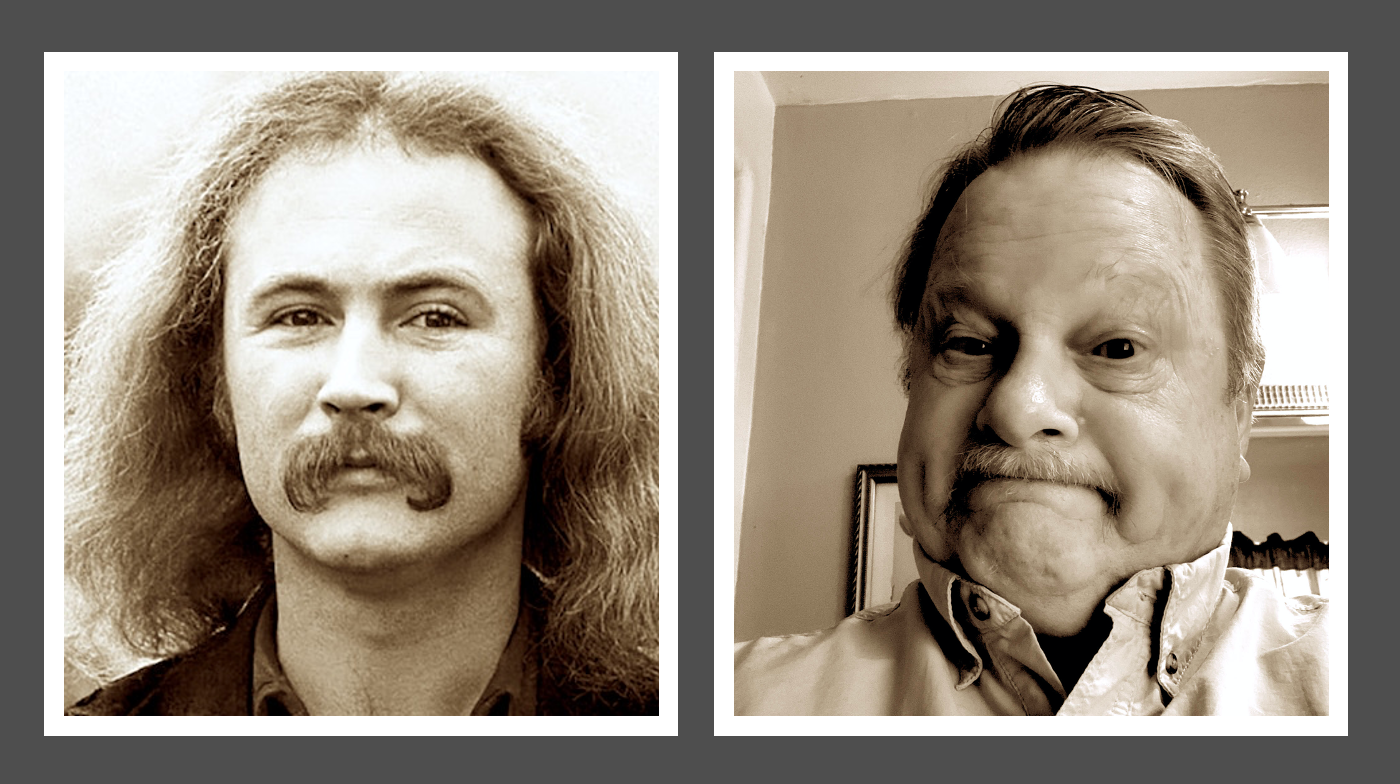
Yes, I shaved my beard
Happened just the other day
It was gettin’ kinda gray
I coulda said it was gettin’ in my way
So I did. And a long, long time it’s been
Since anybody’s seen my chin…
–Apologies to David Crosby
So you think I’m done yet? Nossirreebob!
Boss, there is one sin even God cannot forgive. And that is when a man lets a Weber Barbecue fire go to waste.
–Nikos Kazantzakis, Zorba the Greek. This novel was a big deal to me in high school. Mind you, this might be a liberal paraphrase of what Zorba actually said. It was Elizabeth who introduced me to the thrifty Scots idea of using a dying barbecue fire to cook breakfast bacon ahead of time. It is a fine and civilized custom. Hattie the Cat, in a very safe place in our back yard, approved. Walter, of course, got a sample.

Finally, my big sister, Roberta, who lives in Oildale, wondered what the creek looked like next to our old house. So Elizabeth drove me out there and I took this video. Which led, of course, to John Steinbeck.
The rain beat on steadily. And the streams and the little rivers edged up to the bank sides and worked at willows and tree roots, bent the willows deep in the current, cut out the roots of cottonwoods and brought down the trees.
John Steinbeck, The Grapes of Wrath, Chapter 29. The Arroyo Grande Creek this morning at the Harris Bridge. I grew up in the house just over the bridge.
Yup. I am shameless.
20 Monday Mar 2023
Posted in Family history, trump, Uncategorized

OUR NATION IS NOW THIRD WORLD & DYING. THE AMERICAN DREAM IS DEAD! THE RADICAL LEFT ANARCHISTS HAVE STOLLEN OUR PRESIDENTIAL ELECTION, AND WITH IT, THE HEART OF OUR OUR COUNTRY. AMERICAN PATRIOTS ARE BEING ARRESTED & HELD IN CAPTIVITY LIKE ANIMALS, WHILE CRIMINALS & LEFTIST THUGS ARE ALLOWED TO ROAM THE STREETS, KILLING & BURNING WITH NO RETRIBUTION. MILLIONS ARE FLOODING THROUGH OUR OPEN BOARDERS, MANY FROM PRISONS & MENTAL INSTITUTIONS. CRIME & INFLATION ARE DESTROYING OUR VERY WAY OF LIFE. NOW ILLEGAL LEAKS FROM A CORRUPT & HIGHLY POLITICAL MANHATTAN DISTRICT ATTORNEYS OFFICE, WHICH HAS ALLOWED NEW RECORDS TO BE SET IN VIOLENT CRIME & WHOSE LEADER IS FUNDED BY GEORGE SOROS, INDICATE THAT, WITH NO CRIME BEING ABLE TO BE PROVEN, & BASED ON AN OLD & FULLY DEBUNKED (BY NUMEROUS OTHER PROSECUTORS!) FAIRYTALE, THE FAR & AWAY LEADING REPUBLICAN CANDIDATE & FORMER PRESIDENT OF THE UNITED STATES OF AMERICA, WILL BE ARRESTED ON TUESDAY OF NEXT WEEK. PROTEST, TAKE OUR NATION BACK!
Hey, that’s why they call it “Truth Social!”
* * *
The only place that’s worse off than us is Scotland. Those haggis snorters—it’s been documented that haggis is ten times stronger than Fentanyl—have referred to Mr. Trump as a “Cheeto-faced ferret-wearing s___gibbon,” an “idiot cockwomble,” (alternatively, a “polyester cockwomble”), a “hamster heedit bampot,” an “incompressible j__ztrumpet,” and a “leather-faced s___ tobbagonist.”
Shame on them.
* * *
In the States, since My President is due to be indicted Tuesday, here are all the False Allegations I am going to protest tomorrow:
1. He paid a Playmate of the Year—Hef is dead. Get over it, people!–and a horse-faced porn star (the man has a way with words, doesn’t he?) so they wouldn’t reveal that he had sex with them, those lucky girls, and that he wears Tidy Whitey briefs.

2. The bogus claim, brought in a civil suit for defamation, based on the contention that The Greatest Lover Since Rudolph Valentino raped E. Jean Carroll in a department store. “She’s not my type!” he has said clearly about the woman he’s twice confused in depositions with his former wife. The same goes for the other 26 women who’ve claimed everything from rape to job-place sexual harassment. They’re all dogs, anyway.
3. The audio tapes made by Georgia Republicans that have him trying to change the 2020 vote count in his favor. It’s patently obvious that the voice on the telephone is Alec Baldwin’s, who imitated Mr. Trump on the lowly-rated Saturday Night Live—Sad!— and who shoots people in the face pretty much every day.
4. The New York Attorney General’s civil suit that alleges he inflated his properties while applying for bank loans and deflated their value for the IRS. So what’s wrong with THAT? That’s what made America great! Also, those offshore banks in The Bahamas are a splendid example of the most important foreign aid since the Marshall Plan.
5. The documents, allegedly classified, that were carefully stored at Mar a Lago, not too far from where they put together the shrimp cocktails for dinner, and in the White House toilet bowl. The National Archives asked for those documents twice, and politely, before the subpoena. Hey! He’s a busy guy! Anyway, My President has amply demonstrated that he can declassify those documents, as he himself said, just by thinking about them.

6. The lawsuit brought by those snowflake cops who got their feelings hurt on January 6. Waaaah!

7. The giant fibberooni that The Greatest President Since Jesus encouraged violence January 6. “Be there. Will be wild.” was an obvious reference to the Super Bowl that year–the Chiefs beat the Niners–which was (Oh, my! What a coincidence!) played in FLORIDA. It’s obvious, too, that the Justice Department investigating January 6 is riddled with Commie Pinko Preeverts (scratch an FBI agent, find a Maoist pedophile), Liberal Bleeding Heart Quiche-Eating All Creatures Great and Small viewers and Drag Queens who Frug at middle school assemblies while singing Donna Summer’s “Hot Stuff.”
8. “I HATE HIM PASSIONATELY!”
–Tucker Carlson.
That’s a classic Lamestream Media Lie, posing as an actual text Tucker sent to a Fox News colleague. It’s “posing” as a real text because, technically and legally, Fox’s lawyers had to surrender it during Discovery in the pending Dominion Voting Machines lawsuit. That’s a mere trifle.
You can’t fault a guy, in my opinion, who still wears bow ties and whose voice gets so high and whiny that you’re afraid he’s going to burst into tears any second. That’s passion, my friends.
(Just in case this isn’t a lie, I’m willing to throw a frozen Chicken Pot Pie through Tucker’s windshield—he’s the heir to the Swanson TV Dinner fortune—if I ever get the chance.)
9. Another snowflake: United States Marine Corps General and former Chief of Staff John Kelly, who, among other White House staffers, heard Trump call the Marines who died at Belleau Wood in 1918 “losers” and “suckers.” Semper Fickle” to you, Kelly. (But many thanks to the staffers who informed the president which side had won the First World War.) The Germans said the Marines approached their machine guns almost casually, smoking cigarettes and firing from the hip. The Germans were terrified; they called the Americans “Devil Dogs.”
Have you ever seen the Greatest President Since Darryl F. Zanuck with a dog?
I rest my case.
Anyway, it was raining that day and, staffers said, rain plays hell with the presidential hairs, all gossamer and wispy in their origins from the other tectonic plates that shift so frequently on the skull of the Greatest President Since Grover Cleveland Alexander. That ‘do was representing the United States of America to the world that day in 2018, my friends, on the hundredth anniversary of the Battle of Belleau Wood
I rest my case some more.

10. An exploding golf ball or seven needs to go into the bag of Sports Illustrated writer Rick Reilly, whose book “Commander in Cheat” alleges that The Greatest Presidential Golfer Since Trump Voter Jack Nicklaus is also the biggest cheat since Auric Goldfinger. And two snowflake awards for pro golfer Rory McIlroy, who has said he will never play with Our President again. McIlroy has won the British Open, the U.S. Open and the PGA Championship. Yawn.
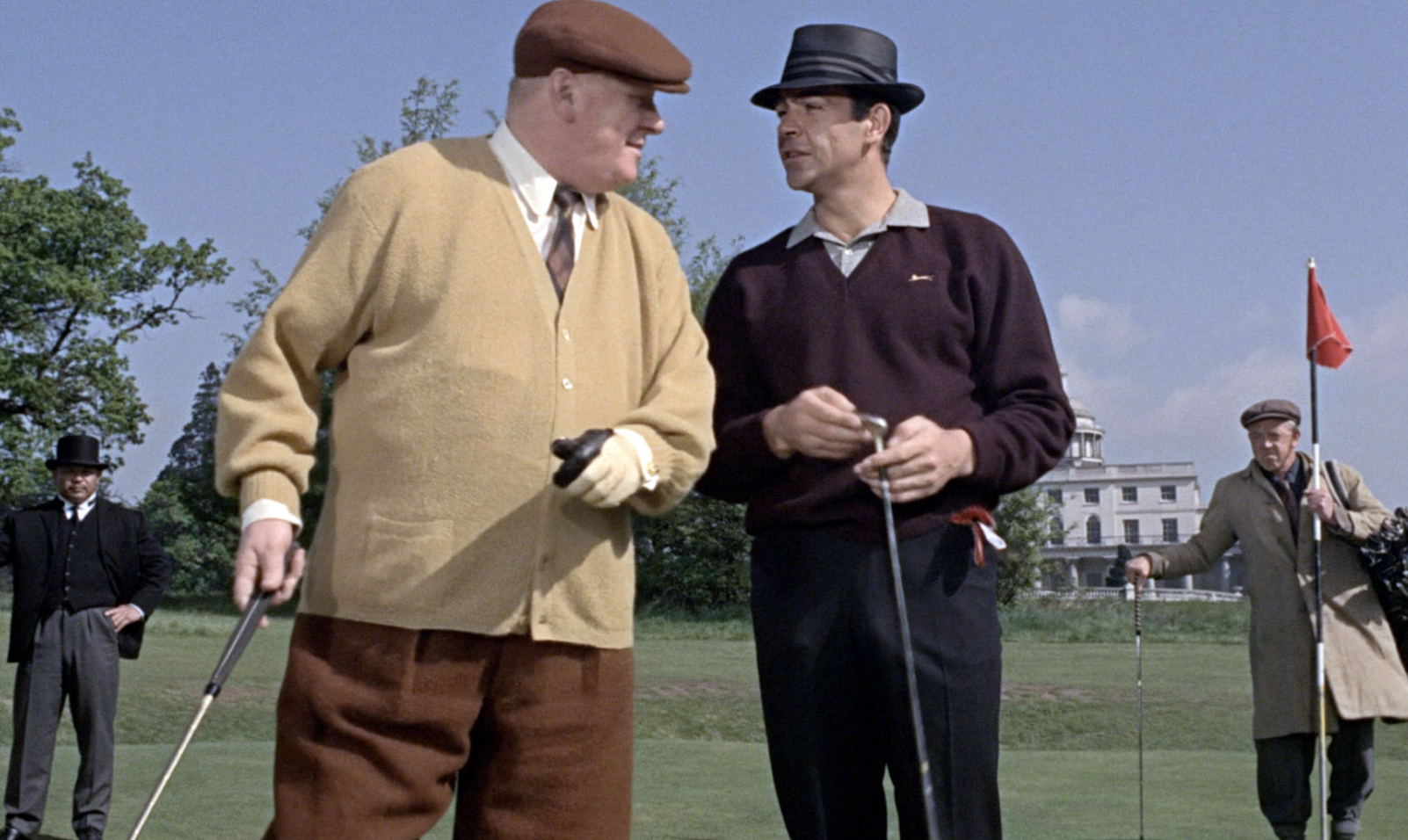
McIlroy has NEVER fired Khloe Kardashian, that Fat Piglet, as The Greatest President Since Zsa Zsa Gabor so accurately described her, from Celebrity Apprentice because she was getting a little chubby. That takes Golf Balls, people.

I’m sure there are other things I must protest strongly and bigly, but I think those ten are enough for Monday.
In the meantime, I leave you with the most eloquent presidential words since Lincoln’s Second Inaugural:
“Person. Man. Woman. Camera. TV.”
13 Monday Mar 2023
Posted in Uncategorized
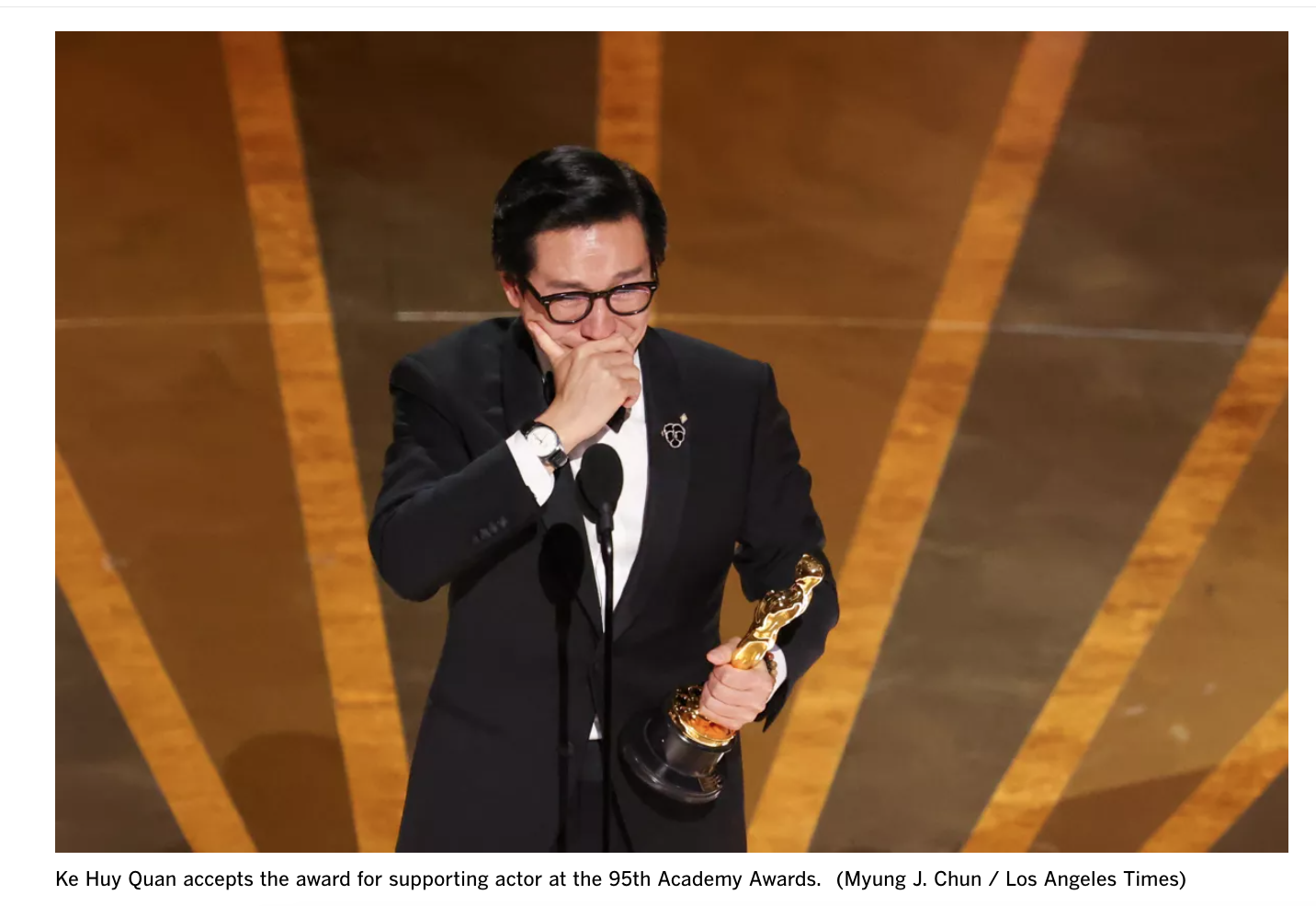
My mom is 84 years old and she’s at home watching. Mom, I just won an Oscar. My journey started on a boat, I spent a year in a refugee camp, and somehow, I ended up here, on Hollywood’s biggest stage.
They say stories like this only happen in the movies. I cannot believe it’s happening to me.
This—this is the American dream.
Thank you so much, thank you so much to the Academy for this honor of a lifetime. Thank you to my mom for the sacrifices she made to get me here. To my little brother, David, who calls me every day to [tell me to] take good care of myself. I love you, brother…
I owe everything to the love of my life, my wife Echo, who month after month, year after year, for twenty years, told me that one day my time will come.
Dreams are something you have to believe in. I almost gave up on mine—to all of you out there, please keep your dreams alive…
–Ke Huy Quan, Oscar acceptance speech for Best Actor in a Supporting Role for Everything Everywhere All at Once, March 12, 2023.
This is my country and I am so proud of my countryman, who reminded us tonight of what we’re about. Thank you, Ke Huy Quan, for the grace you shared with us.
04 Saturday Mar 2023
Posted in Uncategorized
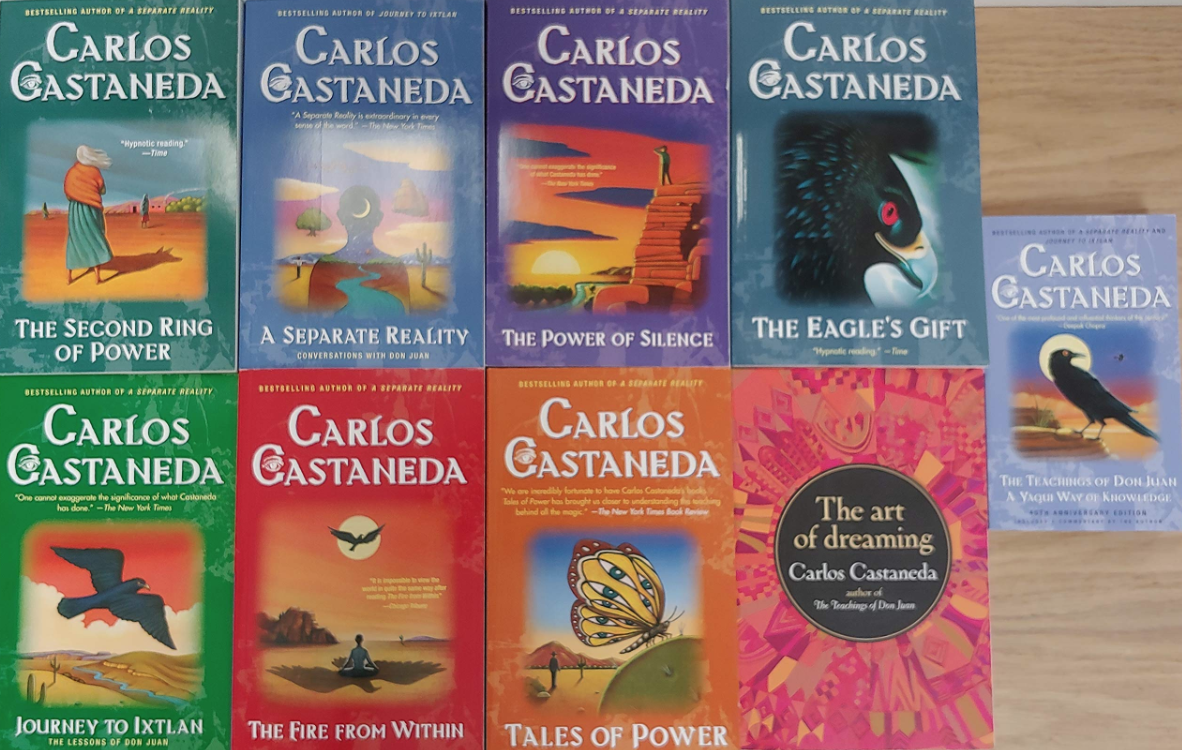
When I was in my early twenties, I gobbled up Carlos Castaneda books like they were Jelly Bellies. (I didn’t do peyote buttons. I love Jelly Bellies.)
The books are based on somebody who did, Don Juan, a Yaqui shaman who was either an actual human being or someone you’d meet after you, your own personal self, had eaten a 12-oz. package of Hershey’s Industrial Strength Peyote Buttons.
Johnny Cash, a man my family and me adored (still do) played the Space Coyote in a “Simpsons” episode inspired by the Castaneda books, when Homer goes on what we once quaintly called “a trip.”
Space Coyote eventually bites Homer on the ankle.
All of this happens because Homer eats a pepper, in a chili contest, that’s Don Juanesque. The episode remains a “Simpsons” classic–among other things, Homer breaks the cinematic wall and becomes three-dimensional–and it’s so daring that I still don’t know how they got away with it.
Here’s an excerpt.
03 Friday Mar 2023
Posted in Arroyo Grande, Uncategorized

I am not always safe to drive with. I nearly drove off Corbett Canyon Road once, where are roadside ditches only a smidge shallower than the Grand Canyon, at the sight of the Varian stallion Major Mac V, who was just peacefully nosing his oats. I don’t think I’ve ever seen anything quite that beautiful.

A friend just posted on Facebook this photo of two red-shouldered hawks—courting?—and I think they are beautiful, too. We have one who perches atop an electrical pole that rises just beyond the reach of our ancient California oak. She reigns up there, imperious and sometimes indignant, as if to say Move, you stupid humans. You’re blocking my view and I’m hungry. Being stupid humans, we just stare back her, transfixed.
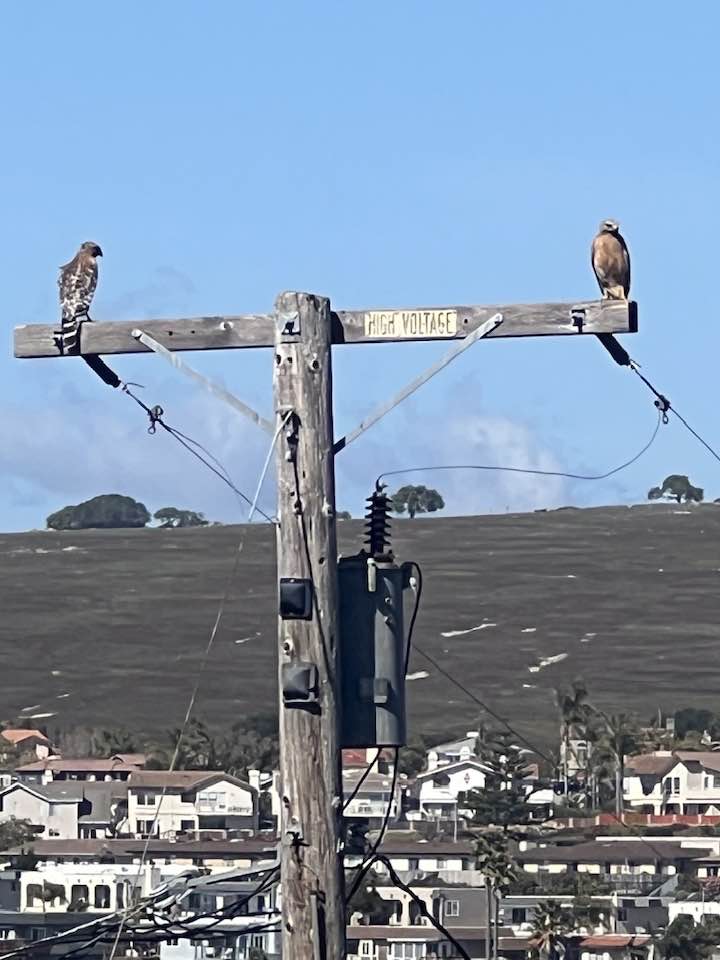
I would use almost any excuse possible, in any class, to teach a terrible and wonderful poem, “Hurt Hawks,” by Robinson Jeffers, because of the immense respect the Big Sur poet had for red-tails. He built himself, in Carmel, a house made of stone—he called it Tor House—and wrote from what he called Hawk Tower.
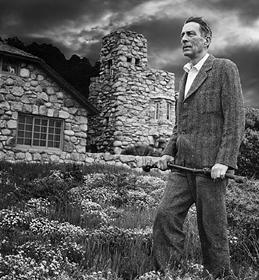
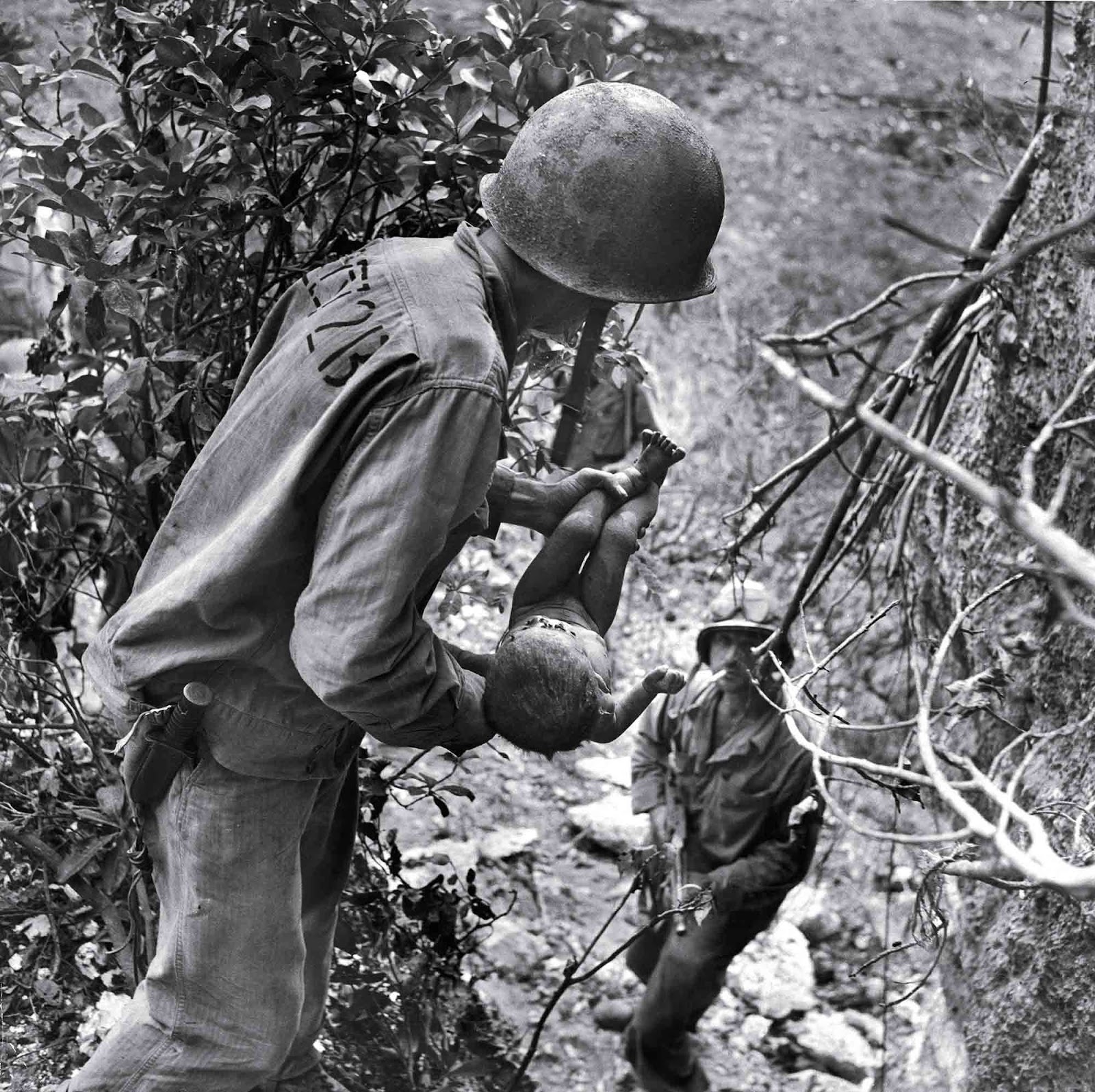
He didn’t have much use for people, but he was writing during World War II, and places like Stalingrad or Treblinka or Saipan or the Ardennes, I guess, will do that to a poet. Poets feel the ripples from faraway places.
Hurt Hawks
The broken pillar of the wing jags from the clotted shoulder,
The wing trails like a banner in defeat,
No more to use the sky forever but live with famine
And pain a few days: cat nor coyote
Will shorten the week of waiting for death, there is game without talons.
He stands under the oak-bush and waits
The lame feet of salvation; at night he remembers freedom
And flies in a dream, the dawns ruin it.
He is strong and pain is worse to the strong, incapacity is worse.
The curs of the day come and torment him
At distance, no one but death the redeemer will humble that head,
The intrepid readiness, the terrible eyes.
The wild God of the world is sometimes merciful to those
That ask mercy, not often to the arrogant.
You do not know him, you communal people, or you have forgotten him;
Intemperate and savage, the hawk remembers him;
Beautiful and wild, the hawks, and men that are dying, remember him.
II
I’d sooner, except the penalties, kill a man than a hawk;
but the great redtail
Had nothing left but unable misery
From the bone too shattered for mending, the wing that trailed under his talons when he moved.
We had fed him six weeks, I gave him freedom,
He wandered over the foreland hill and returned in the evening, asking for death,
Not like a beggar, still eyed with the old
Implacable arrogance.
I gave him the lead gift in the twilight.
What fell was relaxed, Owl-downy, soft feminine feathers; but what
Soared: the fierce rush: the night-herons by the flooded river cried fear at its rising
Before it was quite unsheathed from reality.

03 Friday Mar 2023
Posted in Uncategorized
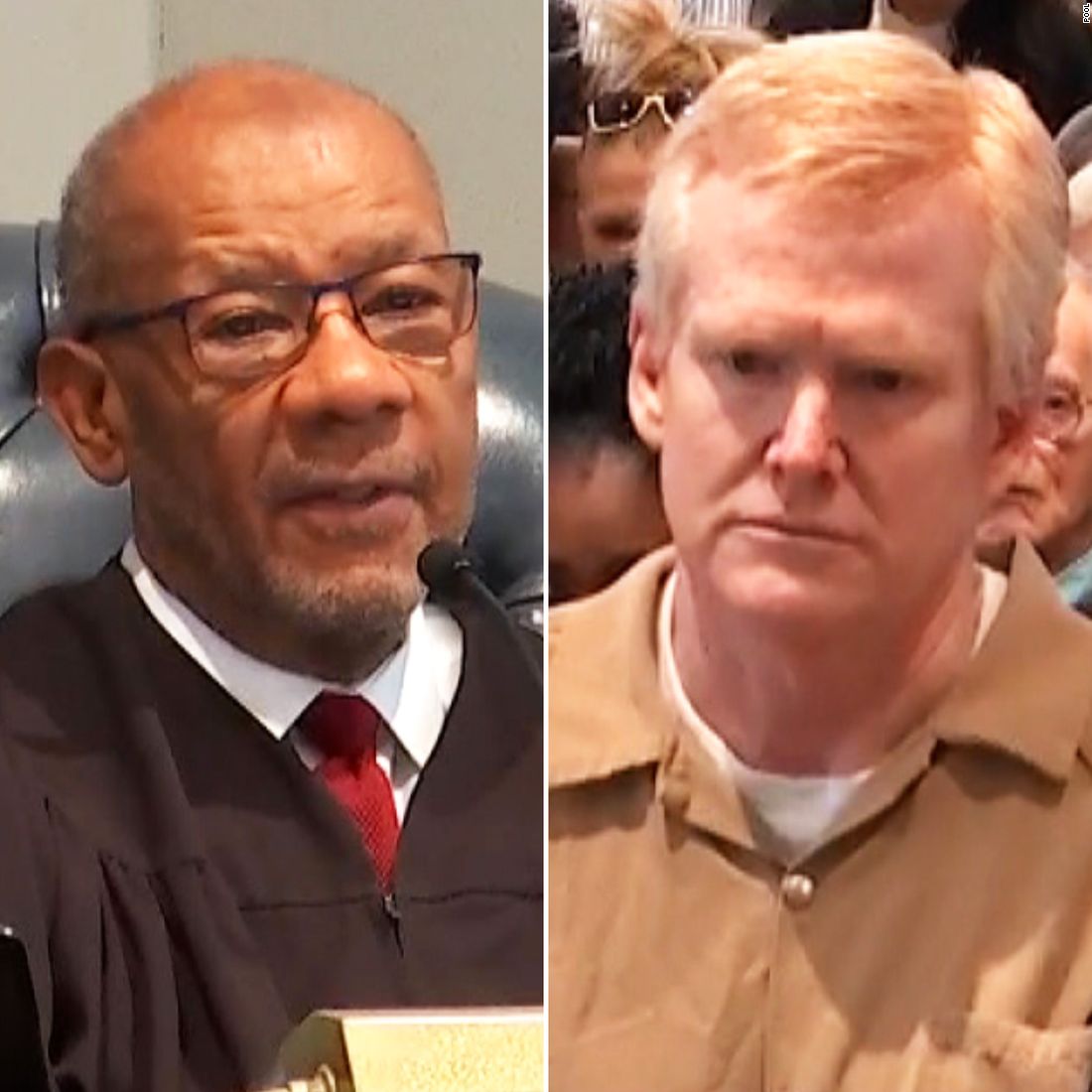
Judge Clifton Newman’s sentencing statement this morning at the end of the Alex Murdaugh trial was stunning.
At one point, a spectator behind the defense table silently mouthed the words “Oh, wow!”
I’ve never heard righteous fury communicated so directly but in a voice that was so restrained, even sorrowful.
Newman, to me, exemplified wisdom.
Here are some excerpts:
“You have a wife who has been murdered. A son who has been savagely murdered. A lawyer, a person from the respected family who has controlled justice in this community for over a century, a person whose grandfather’s [portrait] hangs at the back of the courthouse who I had to have ordered removed in order to ensure that a fair trial was had by both the state and the defense….
“I don’t question at all the decision of the state not to pursue the death penalty. But as I sit here in the courtroom and look around at the many portraits of judges and other court officials and reflect on the fact that over the past century, your family, including you, have been prosecuting people in this courtroom and many have received the death penalty, probably for lesser conduct. Remind me of the expression that you gave on the witness stand. ‘Oh, what tangled web we weave.’ What did you mean by that?”
“I meant that when I lied, I continued to lie,” Murdaugh replied.
“And the question is when will it end? When will it end?”
02 Thursday Mar 2023
Posted in Film and Popular Culture, Uncategorized

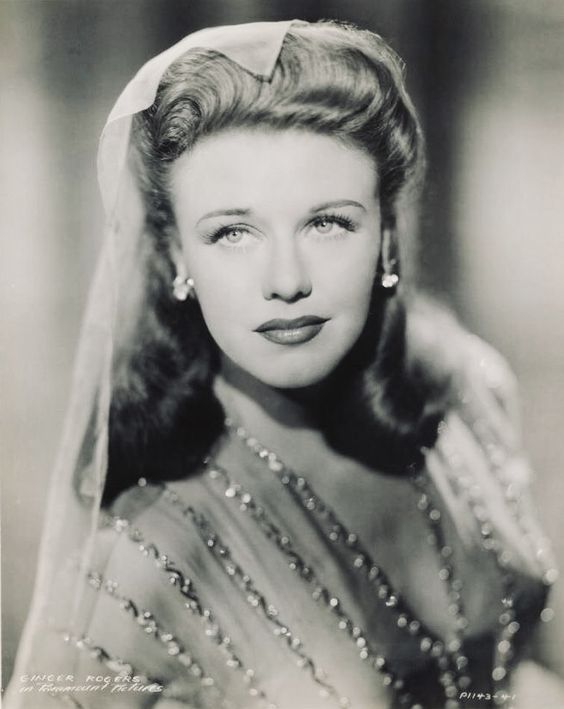
I have always admired Ginger Rogers, a gifted dancer who once pointed out that she did everything Fred Astaire did in their films together, but backwards and in heels.
But, I have to admit it: Last night, I kind of fell in love with her.
The film was 1942’s The Major and the Minor, the screenplay co-written by Billy Wilder. It sounds faintly perverse, but New York girl Rogers has had it with the big city and wants to take a train home to Iowa.
She can’t afford the fare ($32.50), so she poses as a twelve-year-old for the half-fare.
She’s Swedish, she explains to dubious conductors: We have big bones.
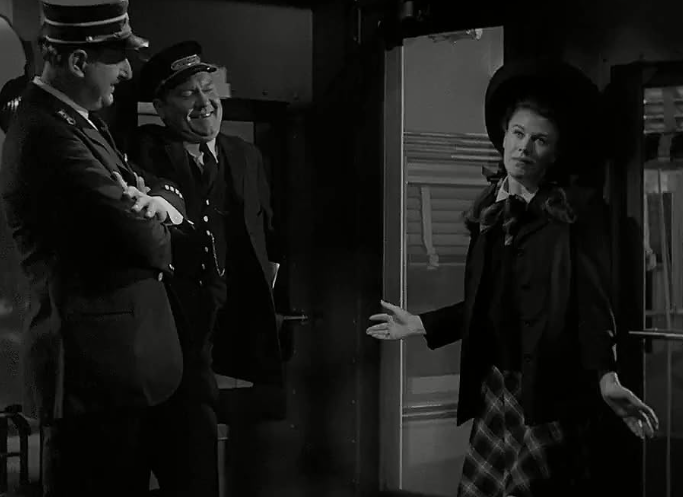
When the conductors catch her smoking at the end of her day-car, she swallows the lit cigarette. That scene is a gift.
The train is stranded by floods, and Rogers is taken under the wing of a kindly Army Major, Ray Milland. Milland’s character, engaged, does not immediately all in love with Rogers (he’s honorable; she’s twelve), but when she loosens her hair the next morning, I did.
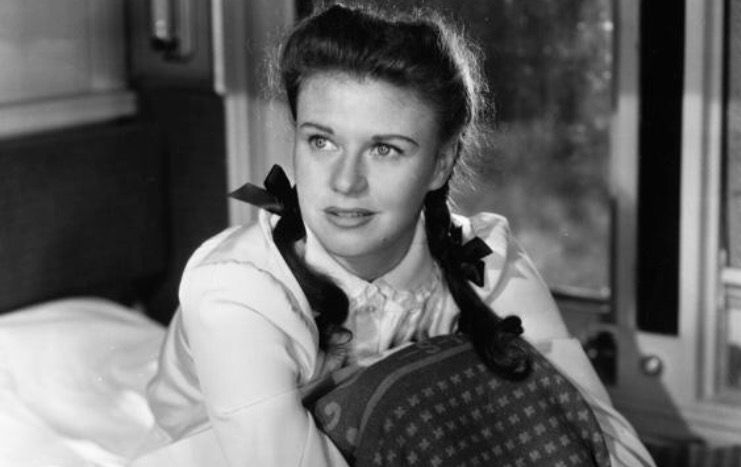
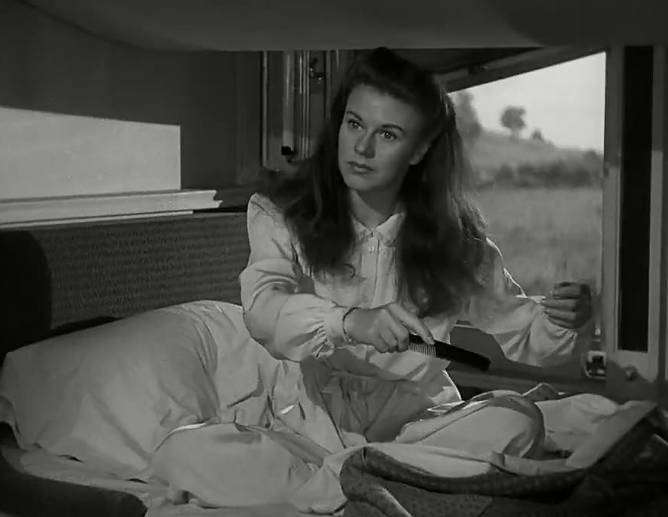
Of course, Rogers falls in love with Milland. All four companies of cadets at the military school where Milland teaches fall in love with Rogers. Here she is waving to the lads on parade below.
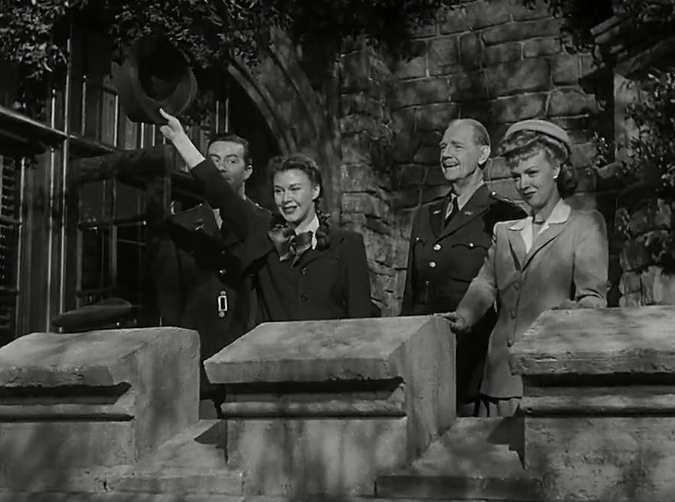
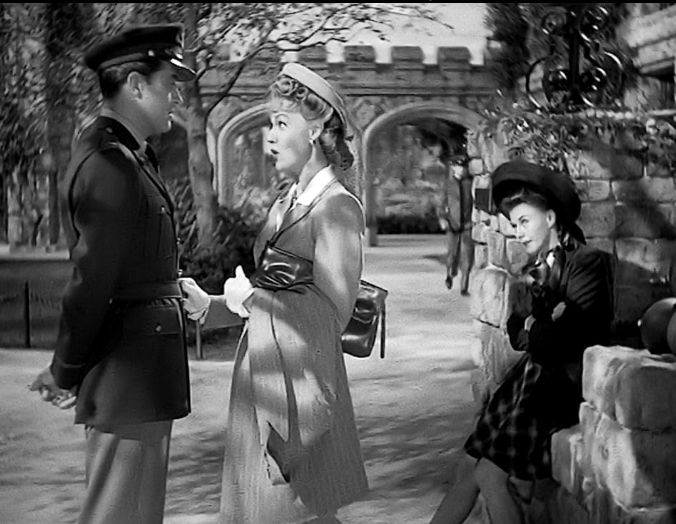
One of my favorite scenes is the school dance where Rogers is the only young woman without a Veronica Lake hairdo. (Kim Basinger, in another beloved film, L.A. Confidential, is a call girl whose plastic surgeries and haircut have made her a Veronica Lake lookalike.)
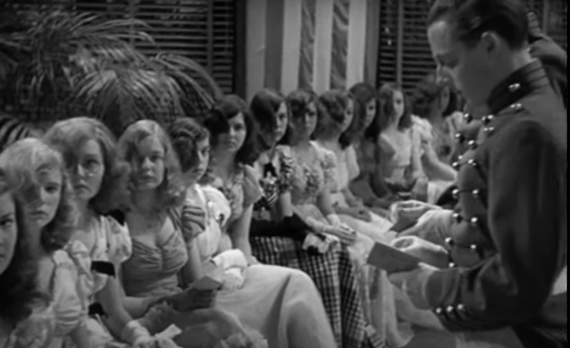


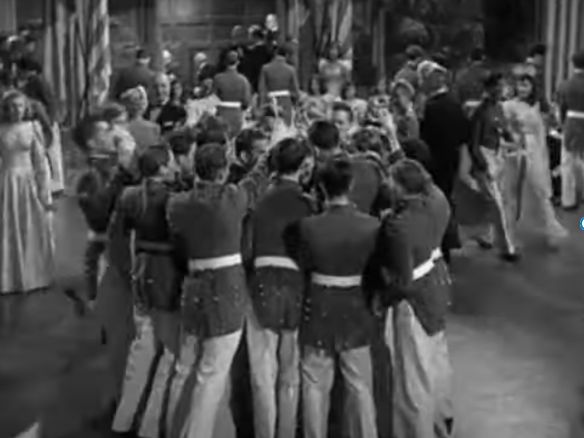
The photos below show the dance, as well— including cadets eager to sign Rogers’ dance card, and her character, Su-su’s, chance to dance with the gallant Milland.
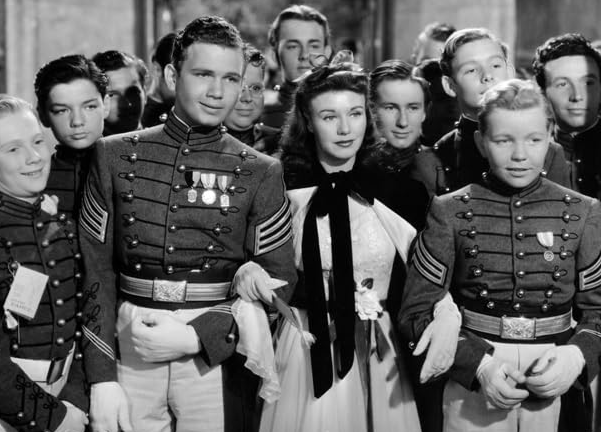
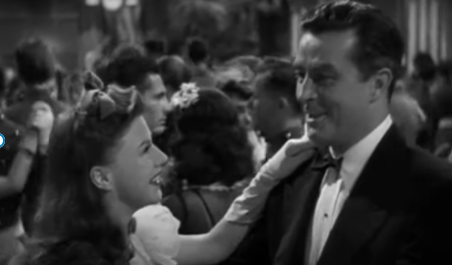
In the “reveal” scene, I had to catch my breath because Rogers is so beautiful.
I love women’s fashions in that marvelous wartime interregnum between Flappers and cloche hats (okay, I like those, too) and the First Ladyship of Mamie Eisenhower. That bejeweled hairnet, for example, is stunning.
In the course of the film, she played a twelve-year-old, a twentysomething in love, and her own mother.
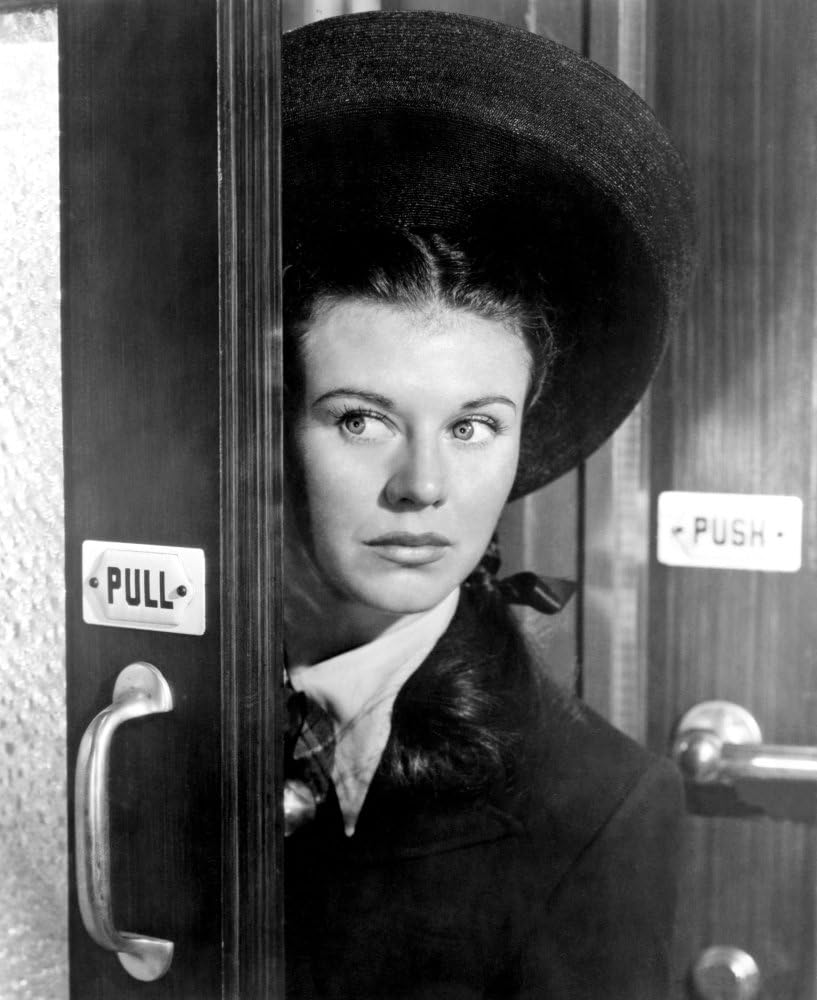
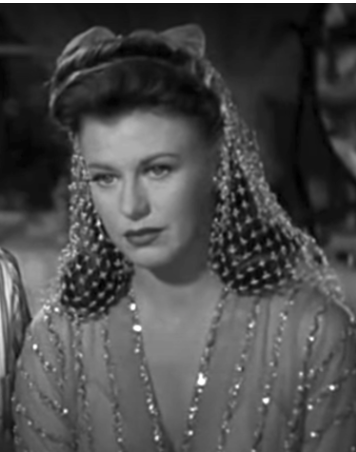
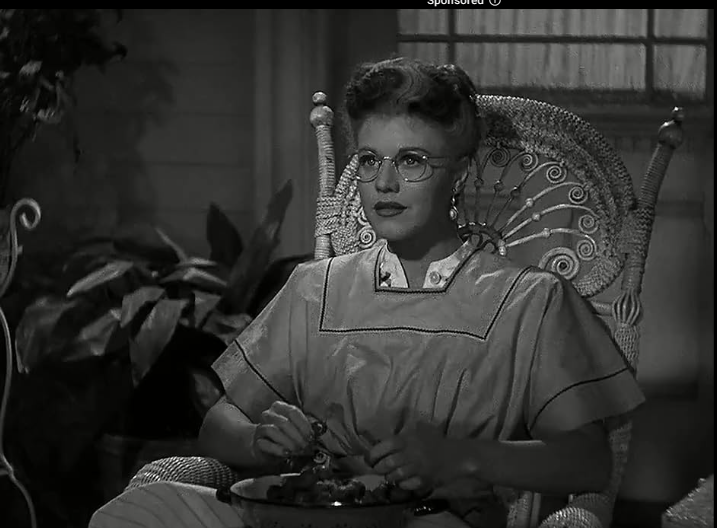
It was a marvelous performance.
The film itself, made on the eve of Pearl Harbor, had at its end Milland’s westbound train headed for San Diego and then active duty deployment.
That might’ve meant New Guinea or the Philippines or even the Aleutians. Neither Milland nor Ginger Rogers knew, of course.
That made this film, a late-era screwball comedy, even more poignant. I don’t know that any film–Bergman in Casablanca? Bacall in To Have and Have Not? Grace Kelly in Rear Window?–could show me a woman quite so beautiful as Ginger Rogers was in this film.
None of the other actresses I cited also had the gift of being so funny.
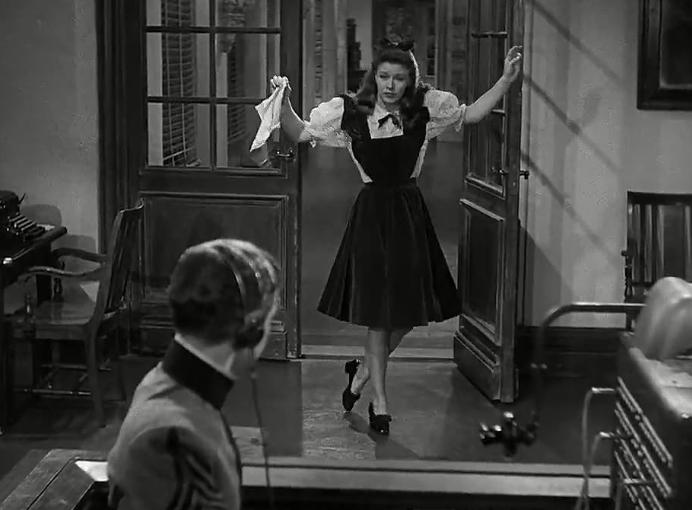
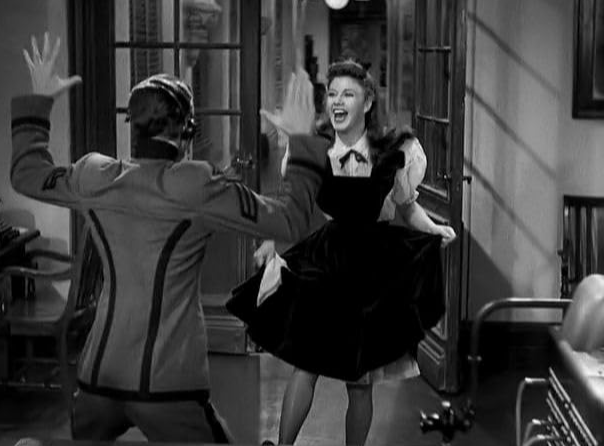
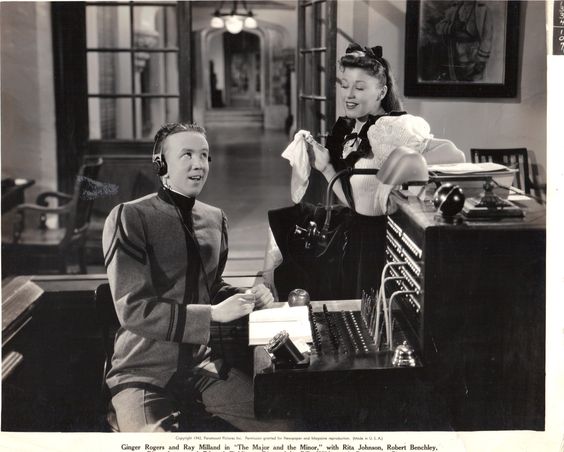
 A Work in Progress