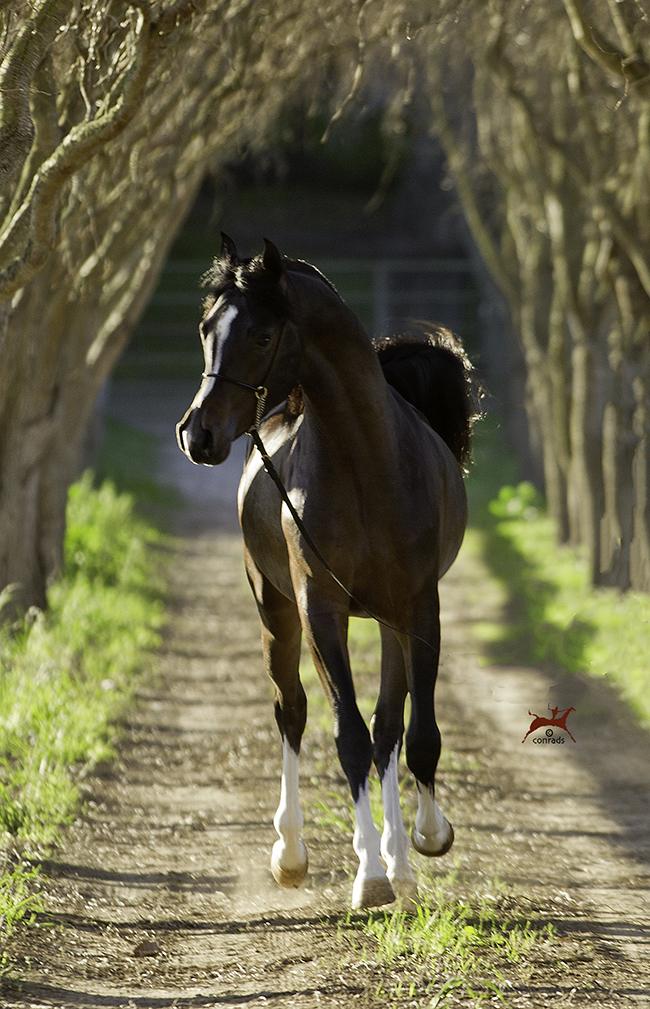
I am not always safe to drive with. I nearly drove off Corbett Canyon Road once, where are roadside ditches only a smidge shallower than the Grand Canyon, at the sight of the Varian stallion Major Mac V, who was just peacefully nosing his oats. I don’t think I’ve ever seen anything quite that beautiful.
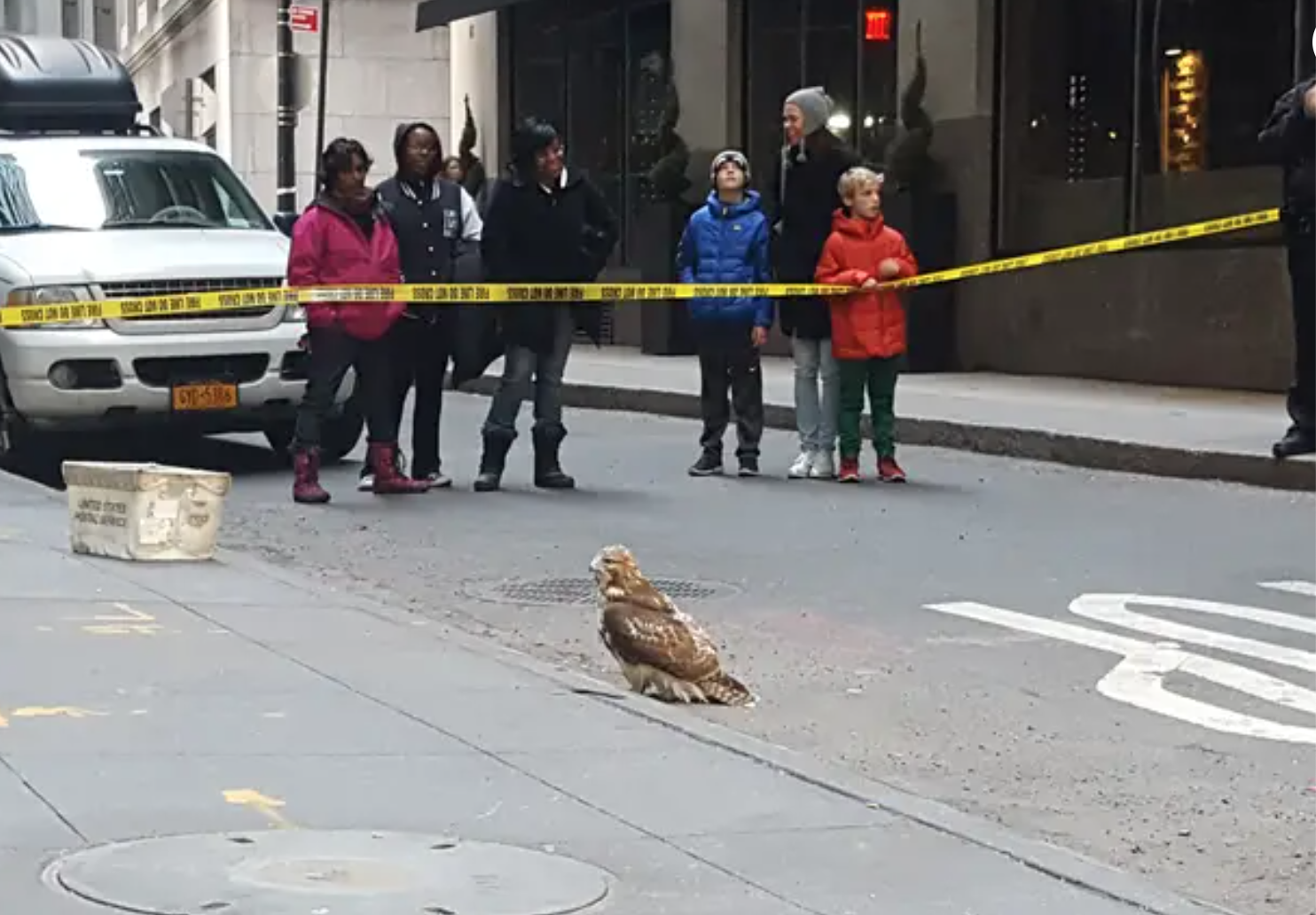
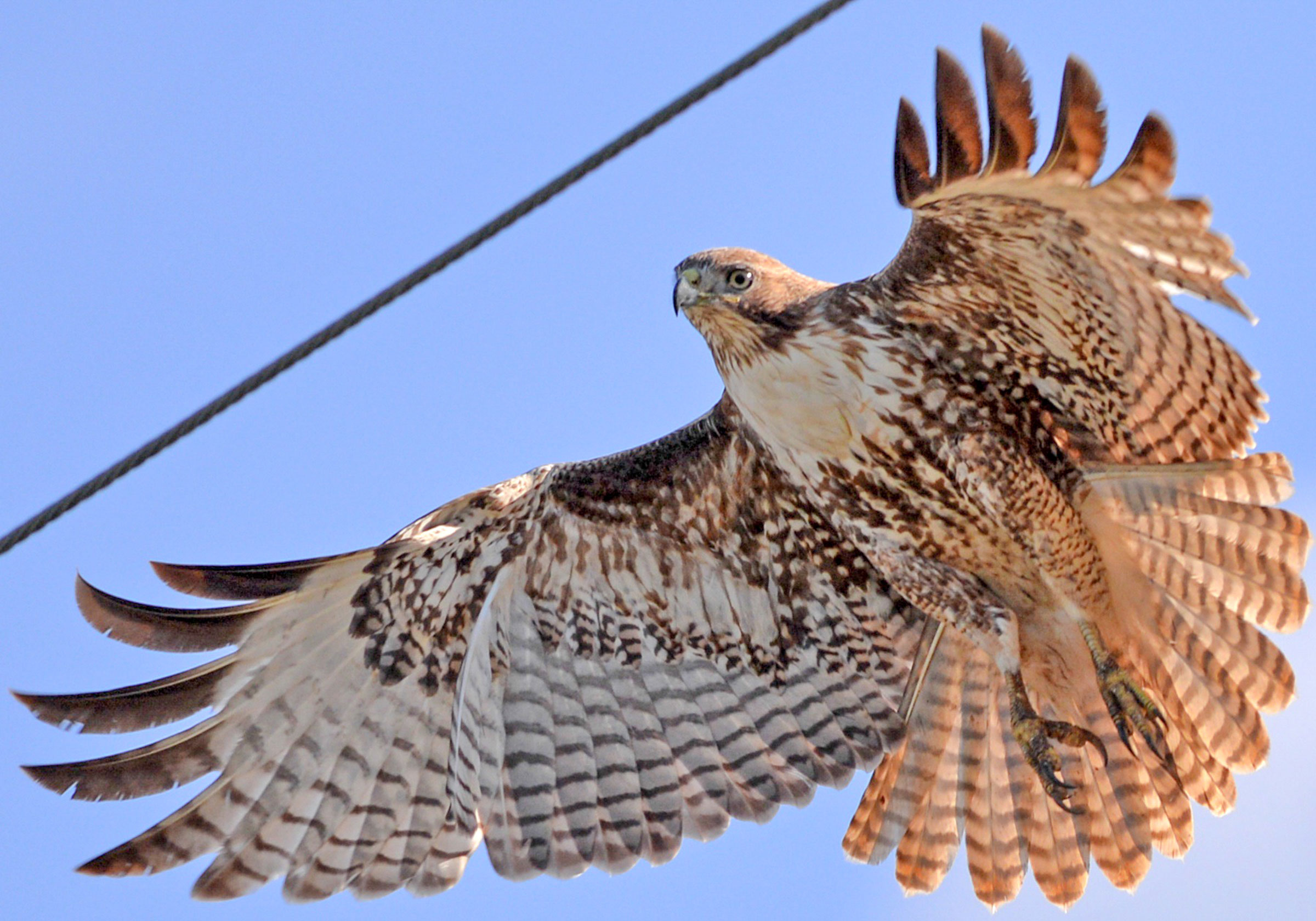
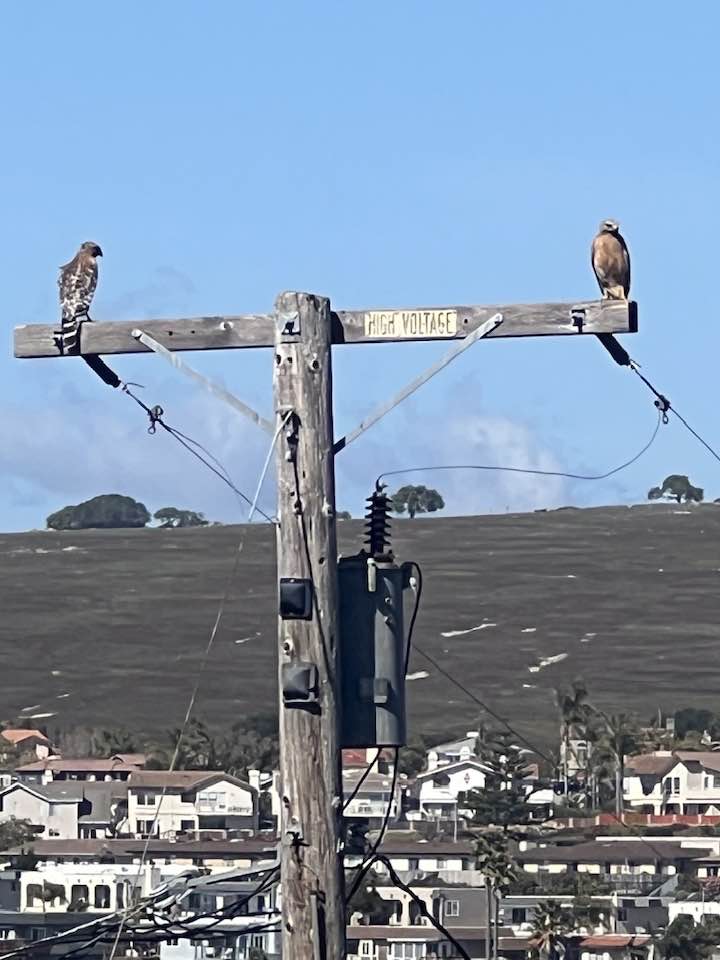
A friend just posted on Facebook this photo of two red-shouldered hawks—courting?—and I think they are beautiful, too. We have one who perches atop an electrical pole that rises just beyond the reach of our ancient California oak. She reigns up there, imperious and sometimes indignant, as if to say Move, you stupid humans. You’re blocking my view and I’m hungry. Being stupid humans, we just stare back her, transfixed.
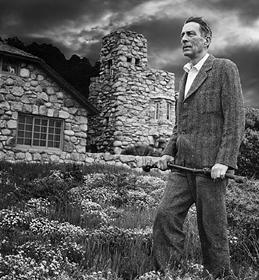
I would use almost any excuse possible, in any class, to teach a terrible and wonderful poem, “Hurt Hawks,” by Robinson Jeffers, because of the immense respect the Big Sur poet had for red-tails. He built himself, in Carmel, a house made of stone—he called it Tor House—and wrote from what he called Hawk Tower.
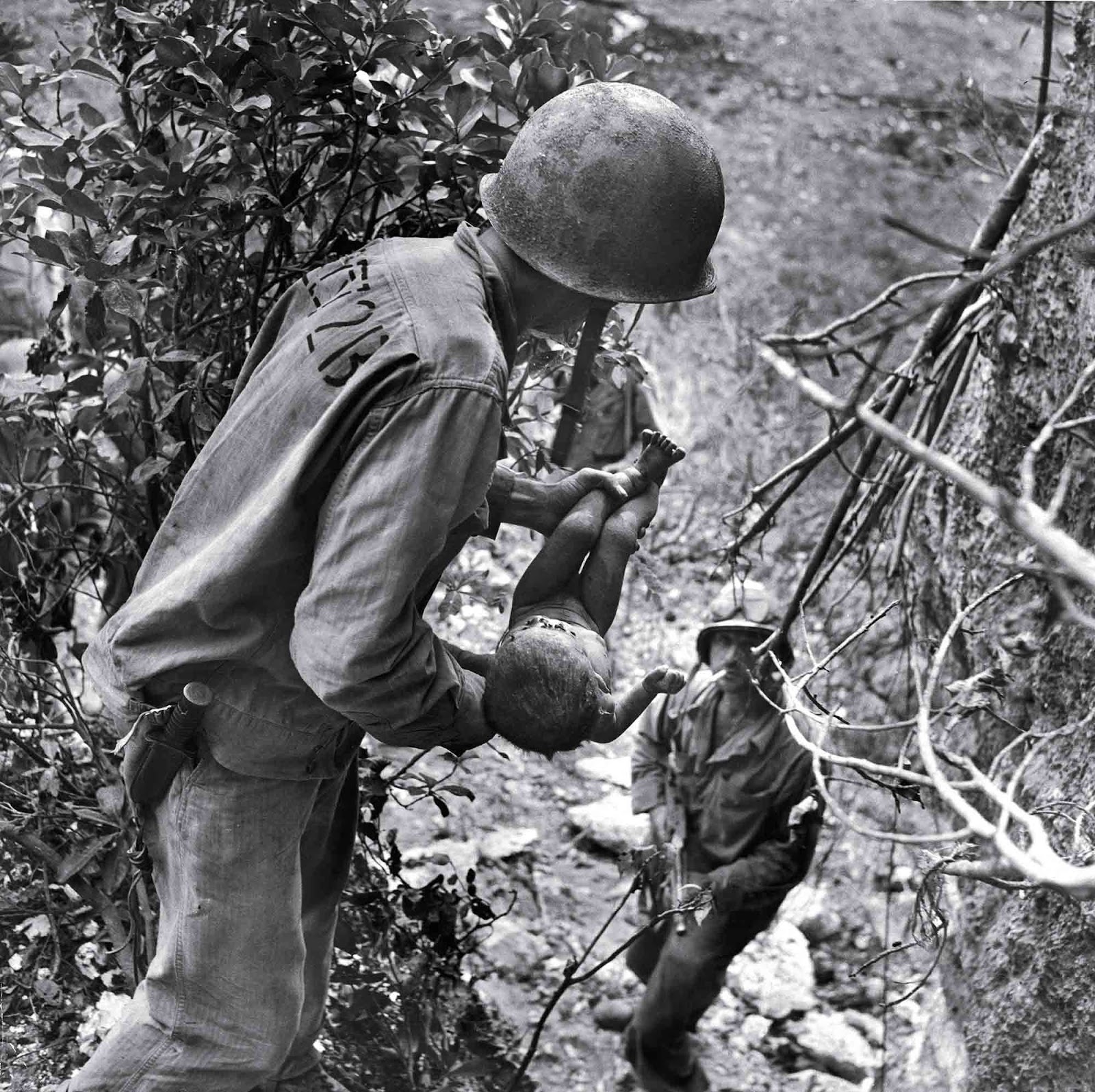
He didn’t have much use for people, but he was writing during World War II, and places like Stalingrad or Treblinka or Saipan or the Ardennes, I guess, will do that to a poet. Poets feel the ripples from faraway places.
Hurt Hawks
The broken pillar of the wing jags from the clotted shoulder,
The wing trails like a banner in defeat,
No more to use the sky forever but live with famine
And pain a few days: cat nor coyote
Will shorten the week of waiting for death, there is game without talons.
He stands under the oak-bush and waits
The lame feet of salvation; at night he remembers freedom
And flies in a dream, the dawns ruin it.
He is strong and pain is worse to the strong, incapacity is worse.
The curs of the day come and torment him
At distance, no one but death the redeemer will humble that head,
The intrepid readiness, the terrible eyes.
The wild God of the world is sometimes merciful to those
That ask mercy, not often to the arrogant.
You do not know him, you communal people, or you have forgotten him;
Intemperate and savage, the hawk remembers him;
Beautiful and wild, the hawks, and men that are dying, remember him.
II
I’d sooner, except the penalties, kill a man than a hawk;
but the great redtail
Had nothing left but unable misery
From the bone too shattered for mending, the wing that trailed under his talons when he moved.
We had fed him six weeks, I gave him freedom,
He wandered over the foreland hill and returned in the evening, asking for death,
Not like a beggar, still eyed with the old
Implacable arrogance.
I gave him the lead gift in the twilight.
What fell was relaxed, Owl-downy, soft feminine feathers; but what
Soared: the fierce rush: the night-herons by the flooded river cried fear at its rising
Before it was quite unsheathed from reality.