
… I thought that love was in the drugs
But the more I took, the more it took away
And I could never get enough
I thought that love was on the stage
You give yourself to strangers
You don’t have to be afraid
Then it tries to find a home with people, or when I’m alone
Picking it apart and staring at your phone
… We all have a hunger
We all have a hunger
We all have a hunger
We all have a hunger
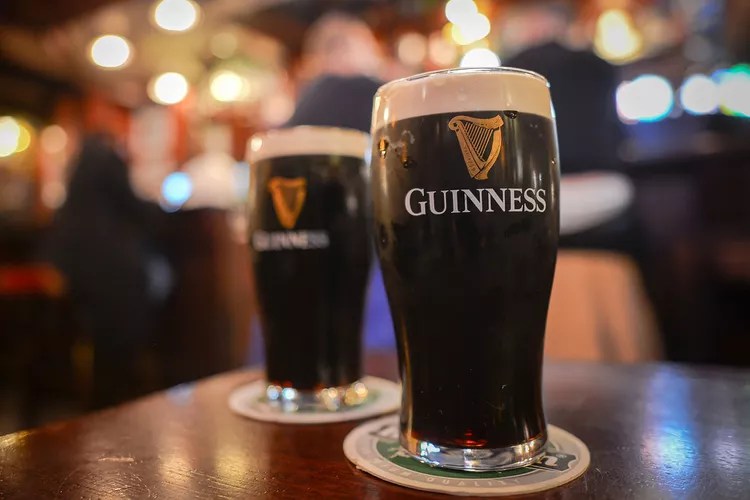
Alcoholism runs deep in my family and I own it, too. Genetics, though, are too convenient— and bringing out ancestral ghosts is too glib— to excuse me. Drinking was my choice, and I was smitten with it from the beginning. Once, I chose to be sober for six years. My relapse has lasted five. I have now been sober, as of Friday, for one week, and it is hard work, folks.
I have always been a hard worker and my life’s been punctuated by awards for writing and for teaching, ego boosts. I’ve had three babies named for me. Those are far more meaningful awards. And I have the devotion of thousands of students, some now in their fifties, who somehow still love me—I just don’t understand this— every bit as much as I have always loved them.
But my reality is that I’m an alcoholic, not a hero.
What I drank for was that fifteen minutes of bliss that hit somewhere between the third and fourth beers, now gone. So are the hangovers that always follow. Here is what’s different: today, for the first time, I am feeling electric sparks, fireflies, that last no longer than an eyelid’s blink. They tell me I am getting better.
Getting just to his very early and dangerous place has meant trembling hands; hypersensitivity, as if you can hear houseflies’ footsteps on the outside glass of the kitchen window; sudden unexpected bursts of anger; waking up at 2 a.m. fighting off the covers that are strangling you; aching lungs when you breathe and flushes of adrenaline that flood your chest because that’s what the cravings do. (There is, of course, a drug for that. It’s a trade-off: moderated cravings for constant low-grade nausea.)
And it’s still hard to look in the mirror when your face is bloated and your eyes, bleak, have big dark circles beneath them.
When I used the words “dangerous place,” I was reminded of the incredible opening scene to Kubrick’s The Shining, when the director’s camera leaves the mountain road, a recurring dream of mine. You are this close to the edge at this point in sobriety:
There are other symptoms. It’s hard to do anything sequentially, even something you love, like preparing a meal, because you suddenly find yourself standing in the kitchen with a spatula in your hand, staring vacantly because you’ve forgotten what comes next.
That’s what recovery’s like.
My other addiction is to hard work. Every day in thirty-plus years of teaching I made massive “to-do” lists. Curiously, the accomplishment that was supposed to come when the list was finished never really happened. It still doesn’t happen, not even when you use a big broad-point black pen to cross off each item on the list.
With retirement and without the structure of high school teaching, of five or six classes a day, I still try to make lists, because being organized is far more difficult now. The lists are hopelessly long. It is so terribly hard for me to accept the fact that I cannot possibly do all of those things. In not doing them, I am terrified that I’m going to upset people, hurt their feelings, let them down.
I am going to have to say no, something that is unbearable to me.
I have other work to do now. That means two, three or five hours of group and individual therapy five days a week in what they call a “partial hospitalization.” At least I don’t have to wear one of those stupid tie-in-the-back hospital gowns, the kind where you can feel your bare rear end hanging out in the cold.
But there are, sigh, the AA meetings I’ll need to take up again. They’ve worked for millions of good people and so have been a blessing to all people. They did not work for me. The AA I’ve experienced is based on a cultish jargon that’s in turn based on an eighty-five-year-old book that is dreadfully written. I need to find a cult-free meeting that doesn’t make me feel like it’s going to end with a round of Jonestown Kool-Aid. Or cyanide-laced black coffee, coffee being the AA beverage of choice.
I guess that there are groups that are out there for me—or programs like Dharma, whose Buddhist underpinnings appeal to me instinctively. I need to find a group that fits.
This business of recovery also means, for the first time, confronting and treating a lifetime of profound ADHD. It means learning to talk back to the murmuring voices in the tape that runs in my mind. The insistent voices tell me I am a terrible human being, a fuckup. They’re murmuring liars, these voices. They are also as powerful as the flying monkeys that sweep Dorothy and Toto up. They are clinical depression’s harbingers and handmaidens.
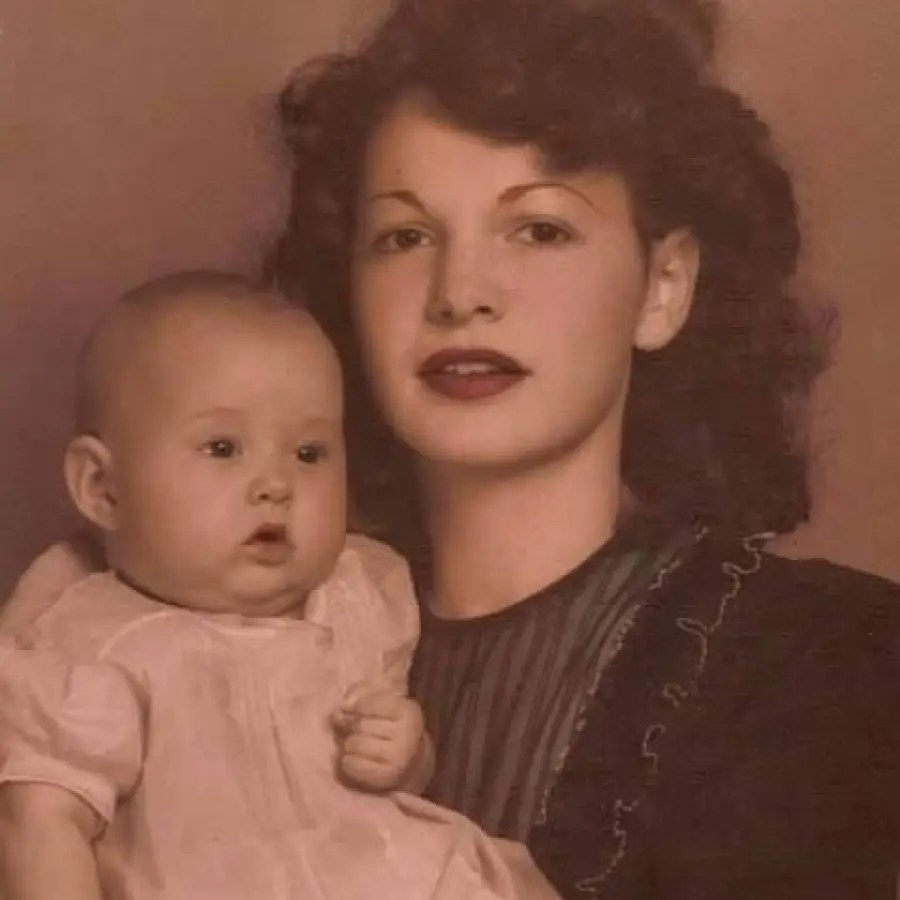
The voices lied to this beautiful woman, my mother, who taught me how to read when I was four. She remains the most influential person in my life. She tolerated me—an ADHD child can be a monstrous pain in the ass— and, beyond that, she loved me. The voices finally killed her. She was forty-eight. I was seventeen.
Now that I am seventy-one, I still miss her.
Am I oversharing?
Good.
I do love Florence Welch, and I just found this song among some others that are recommended for recovering addicts like me. Knowing that she knows what I know is a blessing.
And one reason I love her is her beautiful red hair—Mom’s was auburn and the dearest friend of my life, Joe Loomis, one of my heroes, flawed like me, was a red redhead. Florence, in appearance only, is also a living embodiment of the ethereal Elizabeth Siddall. Siddall was the muse, an artist in her own right, of the Victorian painters who called themselves the Pre-Raphaelite Brotherhood. Here she is, sketched by Dante Gabriel Rossetti.
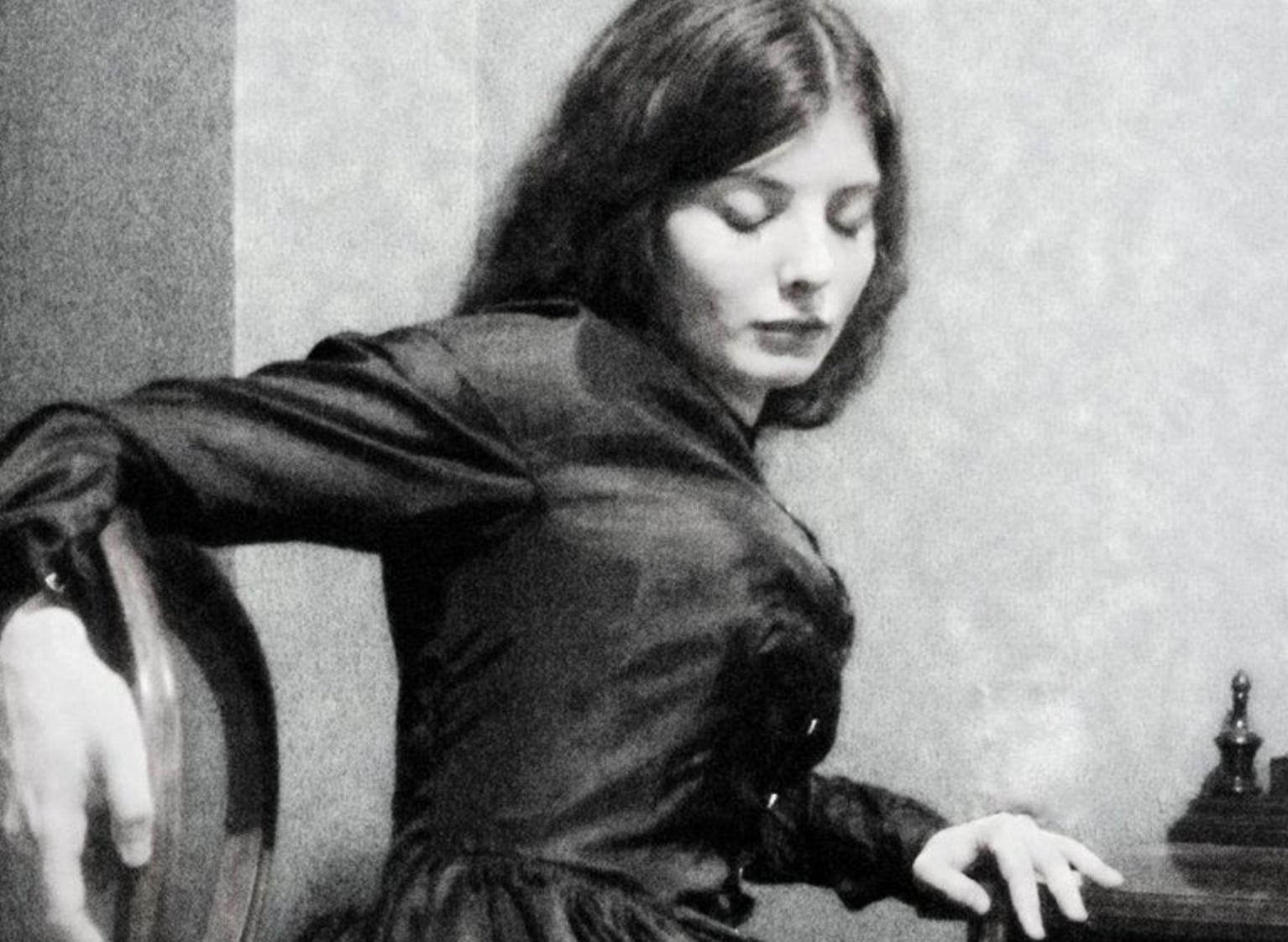
I taught the Pre-Raphaelites to my AP European History students (I loved teaching art) and I fell in love with her, too.
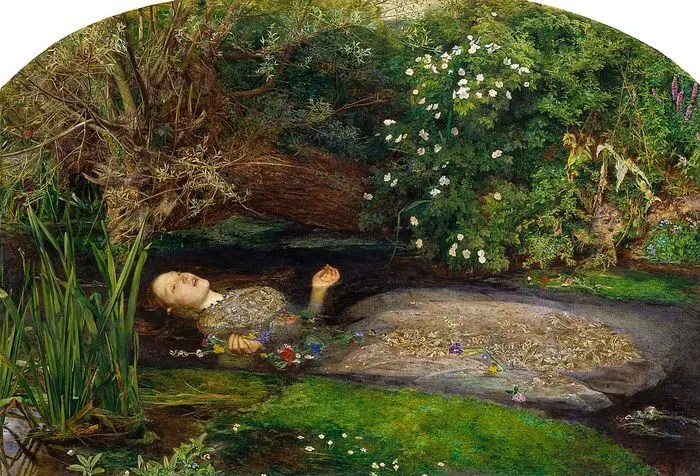
And that’s Siddall as Ophelia, drowned, thanks to Hamlet, that cold-hearted bastard, in this painting. She posed in a bathtub, and lying for hours in cold water brought on the pneumonia that nearly killed her. It didn’t. Her addiction to laudanum did.
So Siddall’s like the rest of us. We all have a hunger. The hard part, I guess, is accepting it, naming it. Then, when you see it in the other people sitting a circle with you, it means embracing their humanity. That’s me. She’s me. That kid’s me.
Most of all, that guy who can’t take his eyes off the floor in front of him because he’s in so much pain is just like me. When he finally begins to talk, you listen and you feel your shoulders sag–that’s where you store the tension that’s now leaving your body–or you feel your eyes well with tears. Sometimes, when he opens up, that guy makes you laugh. His humanity begins to heal you.
We all have a hunger. I am learning that we are miraculous, too.
 A Work in Progress
I think this song sums it up perfectly… we all have a hunger… and at the end of the song she says.. I forgot to worry… is this why we use? Just for a few hours of forgetting to worry?? The hunger still continues.. like an illusive butterfly we can’t catch… so we continue in the same cycle .. the hunger continues…
Thank you for sharing…
LikeLike
Thank you so much! It’s an incredible song, isn’t it? And it was a couple of plays before I caught that wonderful last line! Thank you again for your kindness.
LikeLike