• About
  • The Germans

A Work in Progress

A Work in Progress

Monthly Archives: February 2024

Why I love the film Bridge of Spies

09 Friday Feb 2024

Posted by ag1970 in Film and Popular Culture, Uncategorized

≈ Leave a comment

Tags

blogging, fiction, mark-rylance, reviews, tom-hanks


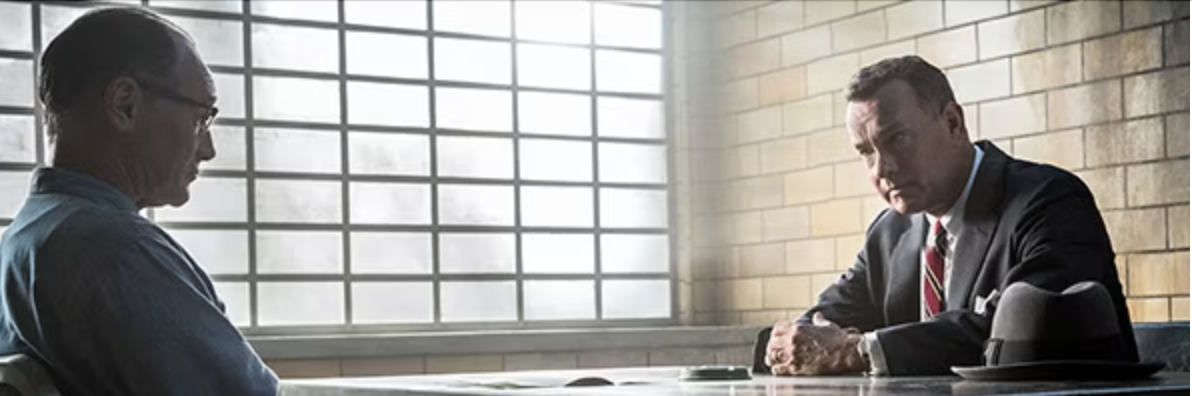
Feb 10, 1962: No wonder Bridge of Spies was on this morning. This is the date when Soviet spy Rudolf Abel was exchanged in Berlin, for CIA pilot Francis Gary Powers.

Bridge is an excellent movie on so many levels. The Spielberg-Hanks tandem is such a good fit. The script was written by the Coen Brothers (Fargo, Raising Arizona, O Brother Where Art Thou?) and the muted, faded colors, blues and grays, of Cold War East Berlin. Brooklyn is warmer, rich browns and ambers, deep red mahogany staircases,-autumnal colors and the colors subtl conveys the difference between dictatorships and democracies.

Spielberg used a Polish cinematographer, Janus Kaminski, who knew the difference.

Mark Rylance, as Abel, is a personal favorite of mine (Dunkirk, and the PBS series about Henry VIII and Cromwell, his chancellor, Wolf Hall.)

You could get the electric chair, Hanks warns Rylance at one point. Aren’t you worried?

Would it do any good? Rylance replies.

I am a sucker for movies about personal integrity (A Man For All Seasons, Julia, Dead Poets’ Society, Spotlight, Shane, To Kill a Mockingbird, Casablanca) which I guess explains why I’m so fond of this film and of Tom Hanks’s acting in it. I think he just might be my generation’s James Stewart or Gregory Peck.

And if you think my taste in films reveals me as one of those Damned Liberal history teachers, you’re right. The scene below reveals precisely the kind of Damned Liberal stuff I taught your children for thirty years. I still believe very word of Hanks’s reply to his CIA handler, and that’s because, quite simply, I have always loved my country and I always will.

Its imperfections are glaring and obvious. As Churchill noted, democracy is by far the worst of all government systems. Except for all the others. But the system that’s sliding toward plutocracy and a gerontocracy needs men and women of integrity, not destruction. The arts, including this film, reveal that truth to us.

The final scenes are moving: A woman recognizes Hanks, previously vilified as Rudolf Abel’s counsel, on the subway, and she gives him an ever-so-subtle smile for bringing Powers safely home.

Hanks’ smile, as mine would be, too, is wider. He is proud of himself.

But when he looks out the subway window and sees neighborhood kids jumping a chain-link fence–he’s just seen young men gunned down by border guards at The Wall—the smile rapidly fades. The character recedes into the ambivalence that is the lot of most of us, as human beings, every day of our lives.

It’s now hard for me to believe that so much of my life was lived during the Cold War. One day, chaff—aluminum strips designed to obscure enemy radar—came raining down on the Branch School softball field. Somewhere high above us, U.S. Air Force warplanes were practicing for World War III.
The first rule of history teaching: Teach the truth.

08 Thursday Feb 2024

Posted by ag1970 in Uncategorized

≈ Leave a comment

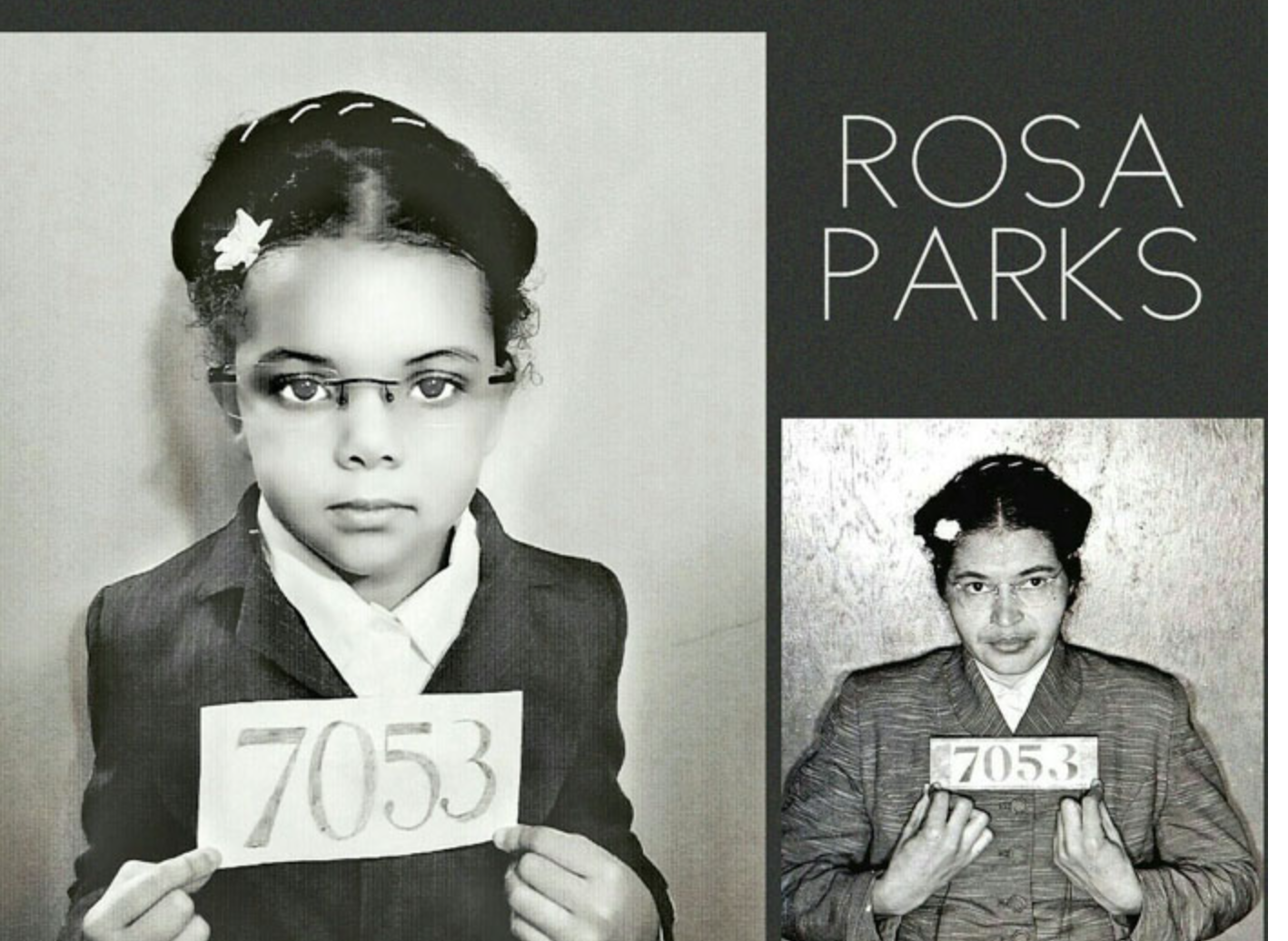
A gifted photographer recorded this image of her five-year-old daughter.


Happy Birthday today to Margaret Logan Gregory (Feb. 7, 1766), my 2nd great-grandmother, and to her son George Washington Gregory (Feb. 7, 1808), my great-grand uncle.

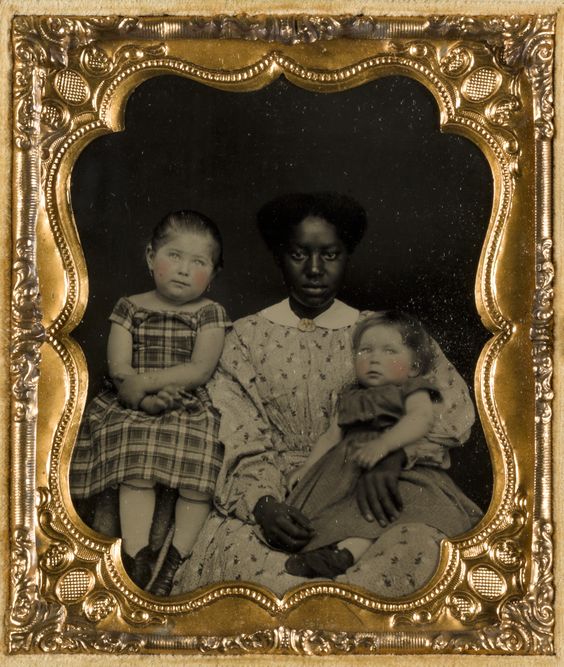
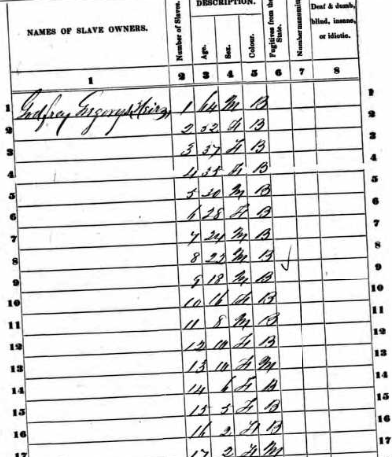
Margaret’s husband and GW’s father, Godfrey Gregory, claimed to own the human beings in the 1850 Kentucky census below. They have no names, of course.

By extension, and in Black History Month, Happy Birthday to these unnamed people. If there’s even the slightest chance that the slightest amount of their blood flows in my veins, I’d be proud beyond imagination.

They Gregorys are all buried in a family cemetery in Washington County, Kentucky.

When Elizabeth and I visited Stratford-on-Avon, we noticed that the churchyard is bounded by a fence made up of black granite tombstones from which time has erased the names.

There’s a good chance that the Gregory family cemetery and its tombstones’ names have vanished, too. History has a way of getting even.

I think that we leave behind is intangible. Godfrey’s grandson was my grandfather, the Kentucky-born John Smith Gregory, the man in the chair in front of his farmhouse.

What Mr. Gregory left behind was a legacy of kindness, service to others and the indelible reputation as the most graceful waltzer in Texas County, Missouri. Maybe the most graceful waltzer on the Ozark Plateau. He made the teenaged girls who shyly lined up for his dance card believe that a sawdust-strewn barn floor was made of polished glass.

So there is, indeed, is slightest chance that my grandfather and I share a common ancestor—one I might meet someday meet–who had his or her origins in Africa, not in Lowland Scotland or the English Midlands.

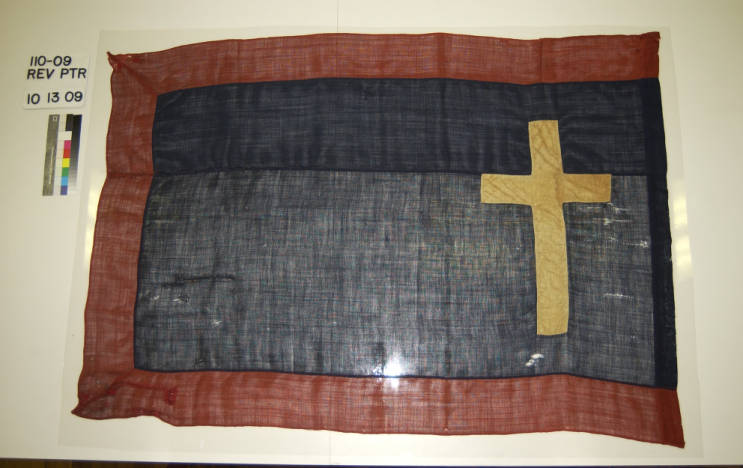
I read a rant on Facebook on Critical Race Theory, which is not taught in any California high school, despite the ranter’s insistence that it is. Willful ignorance seems to be seductive nowadays. It was in 1861, too. My namesake from another branch of the family, Confederate officer James McBride, led his Confederate into battle under this flag. They knew what they were about: States’ Rights, the defense and extension of slavery, and Jesus Christ.


I am fond of the Bogart line from Casablanca, when Rick informs Major Strasser that he came to Casablanca for the waters. “I was misinformed,” Rick says.

I do know this: I took a year of the History of the American South in college and, I, the namesake of two Confederates, was entranced. That led to me teaching Black History to my high-schoolers for thirty years.

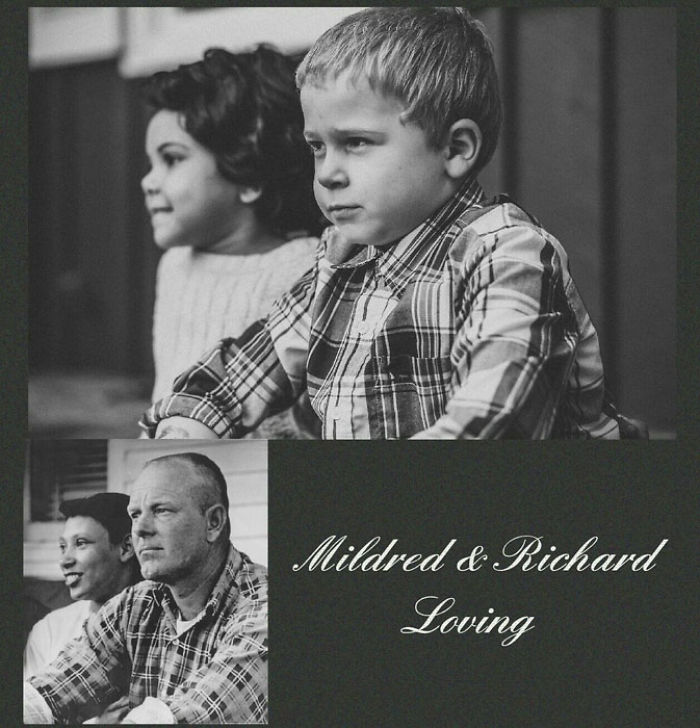
So they learned about Harriet Tubman and Maya Angelou, Frederick Douglass and Malcolm X, Bessie Smith and Louis Armstrong (they instinctively loved Armtrong), osh Gibson and Satchel Paige,  Brown v. Board and Loving v. Virginia.


They were entranced. Learning this history made my kids proud to be Americans.

Immensely proud, you might say.

Black history’s part of their history, after all:

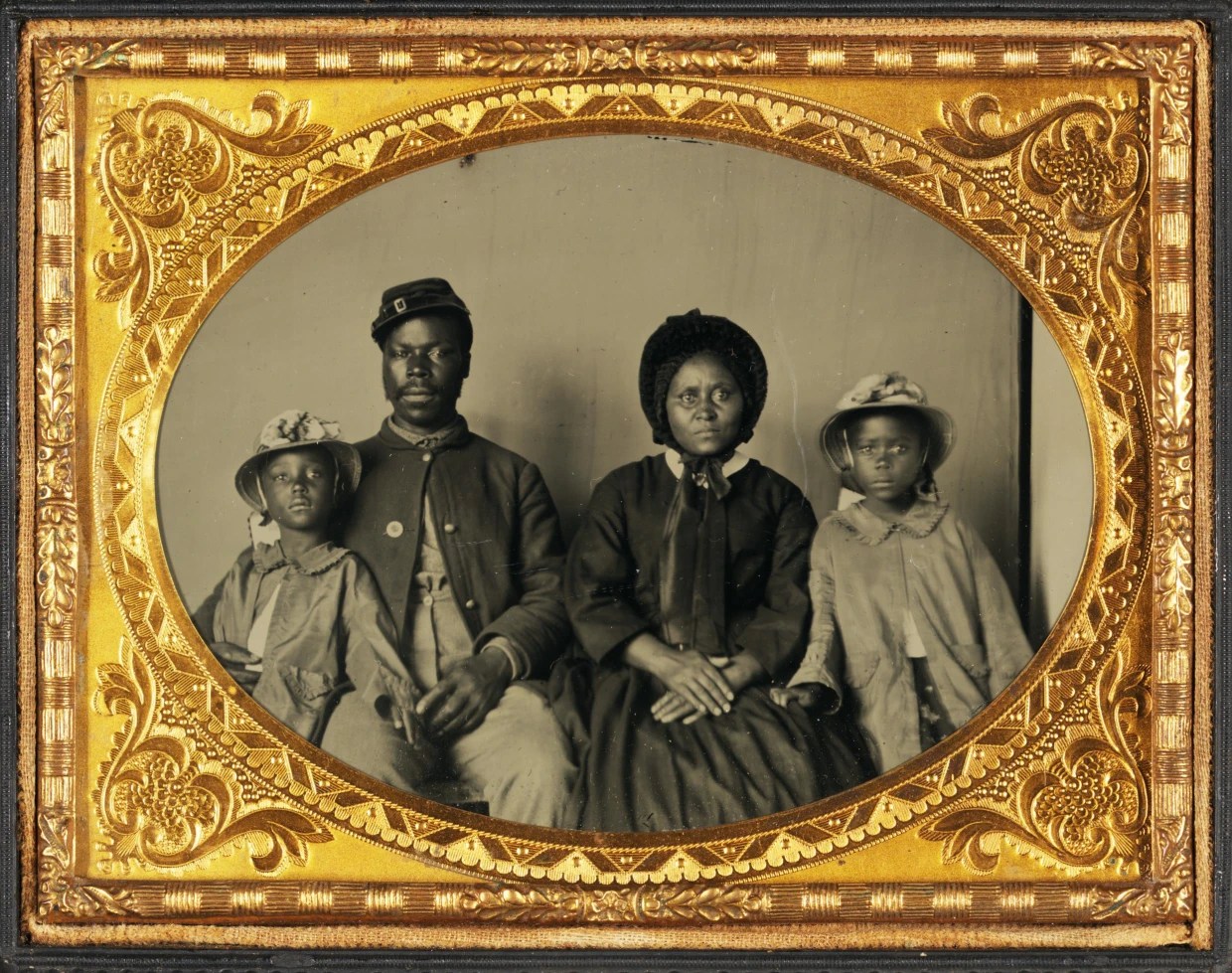
–The ferocity of the assault of Black soldiers on the Confederate center as Nashville in 1864 guaranteed the success of an the Ohio regiment’s assault on the Confederate left a few hours later. That’s where Arroyo Grande farmer Otis Smith earned his Medal of Honor.

–Huasna Valley rancher Adam Bair, a Mankins ancestor, watched the Black troops descend into the Crater outside Petersburg, Virginia, in 1864, where they were slaughtered like sheep. That’s because they knew what they were doing and should have gone in first, instead of the White troops who preceded them, chosen because they were White.


–The all-Black 54th Coast Artillery had barracks in Shell Beach. The audience demanded three encores when a 54th octet sang spirituals at a 1943 Christmas concert at the Army Rec Camp in Monarch Grove in Pismo Beach. Sometimes those GI’s played baseball against the AGUHS Varsity.

My students, nearly all White or Latino, loved learning about these Americans.

During World War II, “these Americans” were not allowed within the Arroyo Grande city limits after sundown. Black History month means learning the painful parts, too. Learning them only makes us stronger.


.

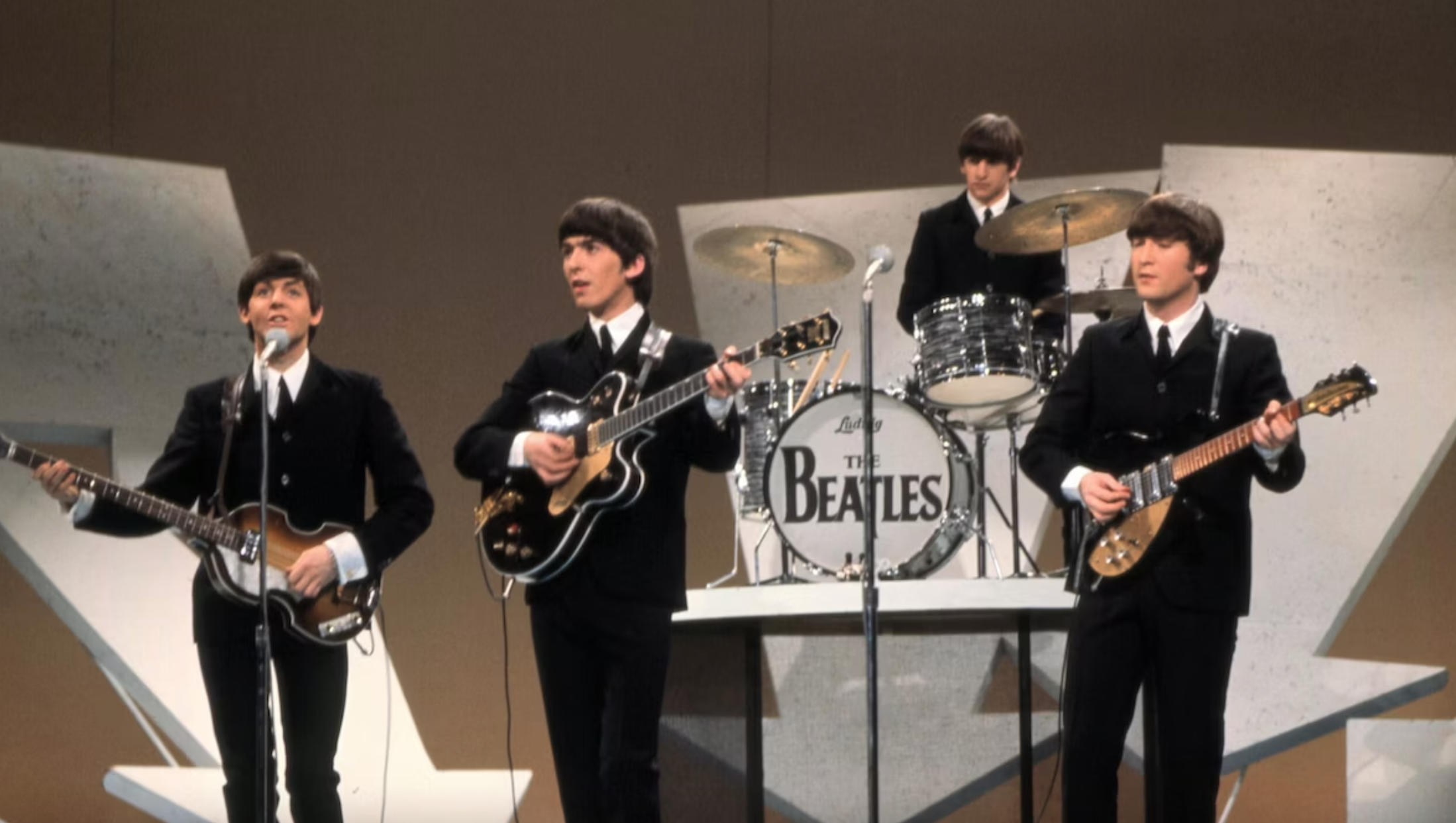
The Beatles arrive: Feb. 7, 1964

07 Wednesday Feb 2024

Posted by ag1970 in Arroyo Grande, Uncategorized

≈ Leave a comment

I made the video below for my history students to explain the significance of the band.

To clarify: Not ALL parents. Our Mom loved Ringo. He reminded her of a Basset hound.

Duchesses and their wigs.

06 Tuesday Feb 2024

Posted by ag1970 in Film and Popular Culture, Uncategorized

≈ Leave a comment

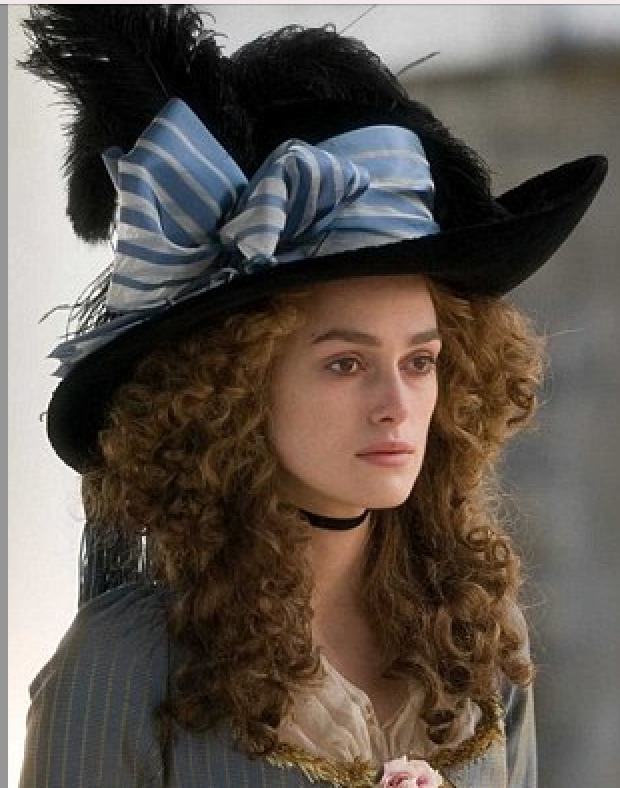
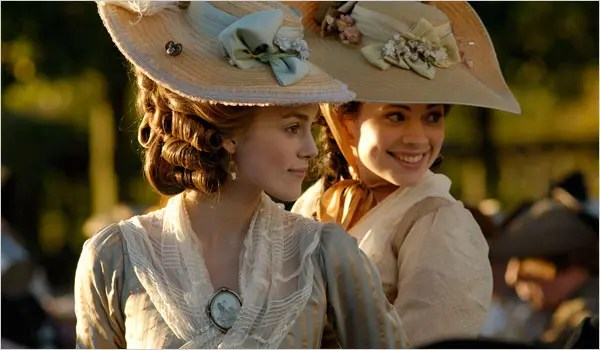
Leave it to me to wake up thinking about 18th-Century women’s wigs. A couple of weeks ago, Elizabeth and I watched again the film The Duchess, about Georgiana, the Duchess of Devonshire, the ancestral great-aunt of Princess Diana. Georgiana was played by Keira Knightley, she of the oddly beautiful underbite and delicate bone structure, and Knightley did her job well.


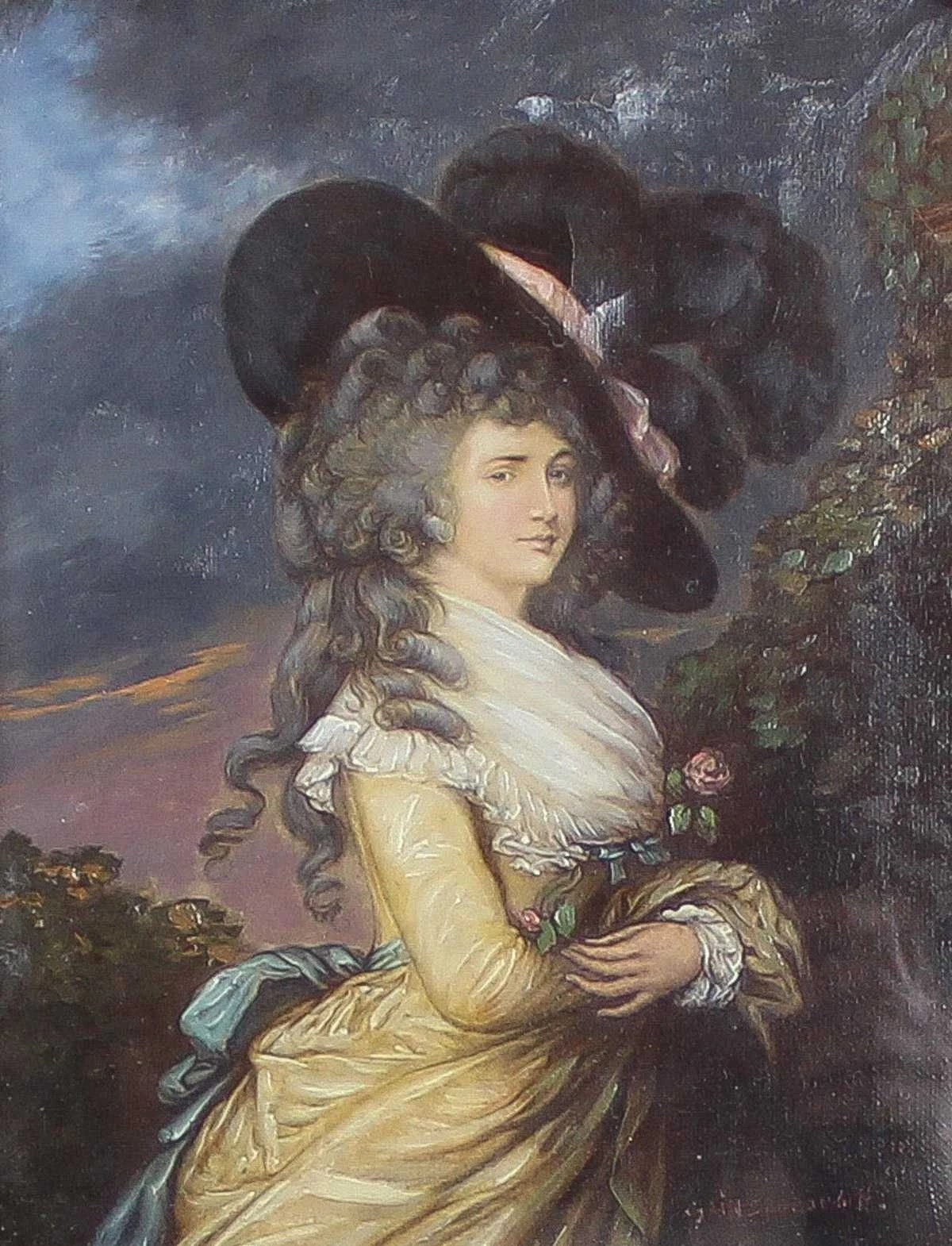
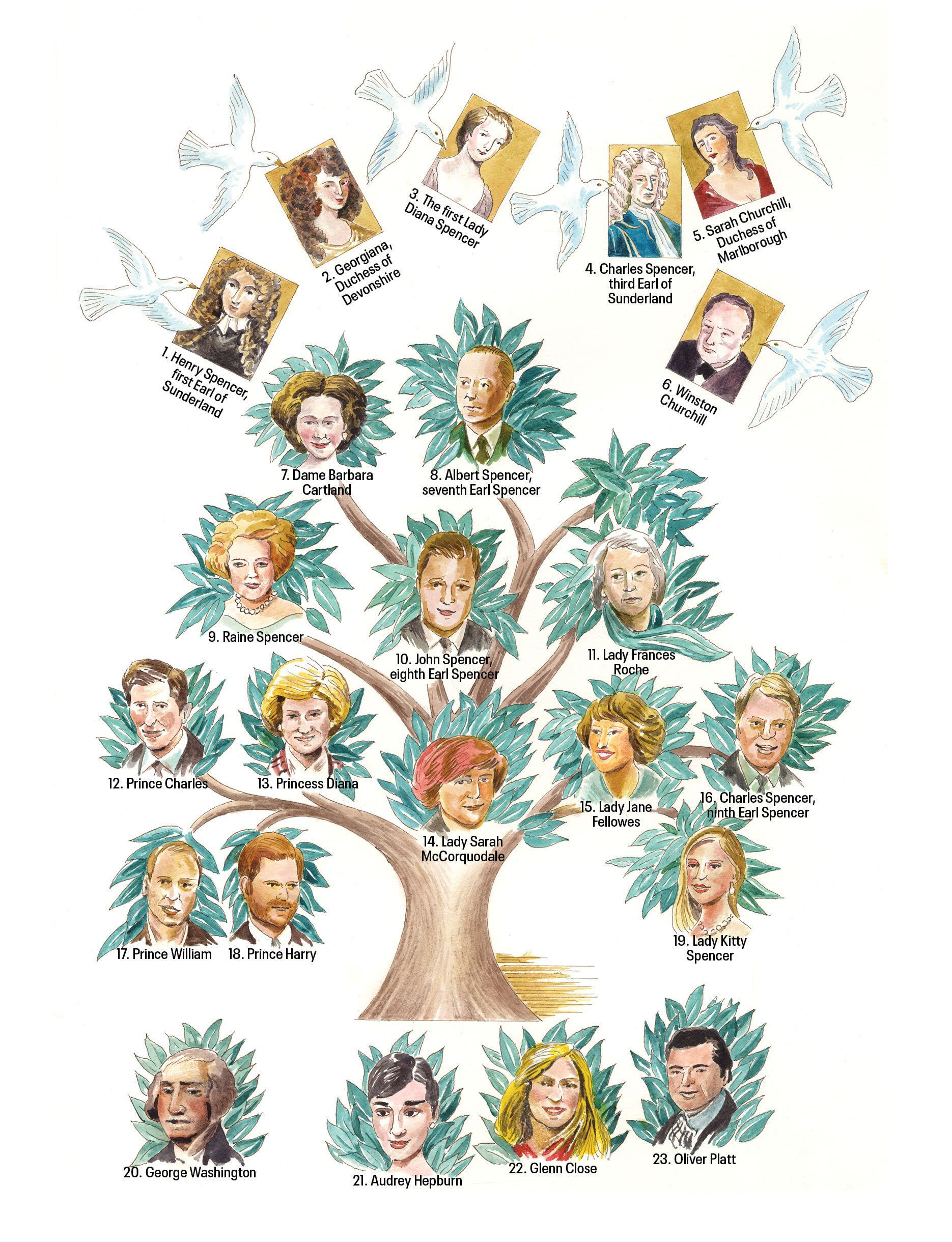
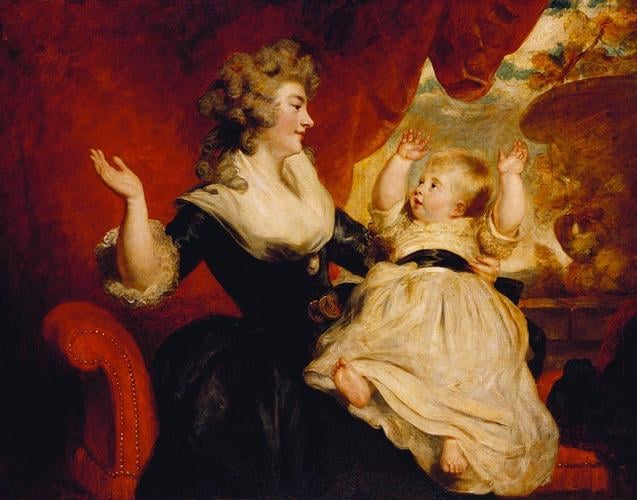
The real Georgiana—she’s portrayed by Gainsborough in the painting— had some impressive branches on her family tree, given that she was a Spencer:

He life was not so stellar. She married William Cavendish, the Duke, at 16 to bring wealth to her own family, and the marriage was not happy. Ralph Fiennes portrays Cavendish and I almost bought a bag of frozen cod the other day because it reminded me of Fiennes in the film. Not all of him was frozen: there was enough warmth in the hearth for him to invite his mistress, Elizabeth Foster, to live with him and Georgiana. (Eventually, the two women become friends and fellow-sufferers.)

Knightley with Hayley Atwell as Lady Elizabeth Foster

Georgiana consoles herself in drinking, partying, running up immense gambling debts (although she gained entry into British politics by shrewdly choosing her gambling partners at cards) and cavorting with the handsome MP Charles Grey. In one film scene, daughter she bears by Grey is taken from her to be raised with “his people,” and the exchange of the baby is done between two carriages on a remote country road. It is gut-wrenching.

Despite all of this, Georgiana would be remembered as a loving friend and mother, good-humored and devoted to the poor, especially children. Good for her. She was also beautiful: here she is, in 1786, with one of her daughters, and, again, portrayed by the many-wigged Knightley.

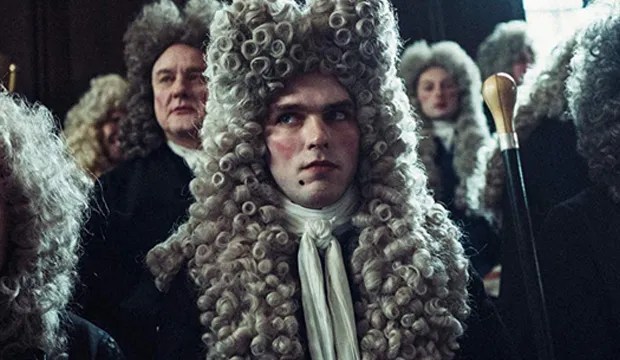
The Favourite, produced ten years after The Duchess but set in the century before Georgiana’s time, won the Academy Award for costume design, as did the earlier film. Well-deserved. But when it comes to wigs, it was the men who outdid the women in The Favourite. In that film, it’s Lord Harley’s wigs, not to mention his beauty mark, that steal the show (the young Nicholas Hoult is wonderful as the acidic and opportunistic Parliamentarian).

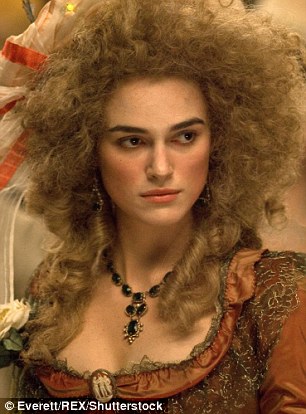
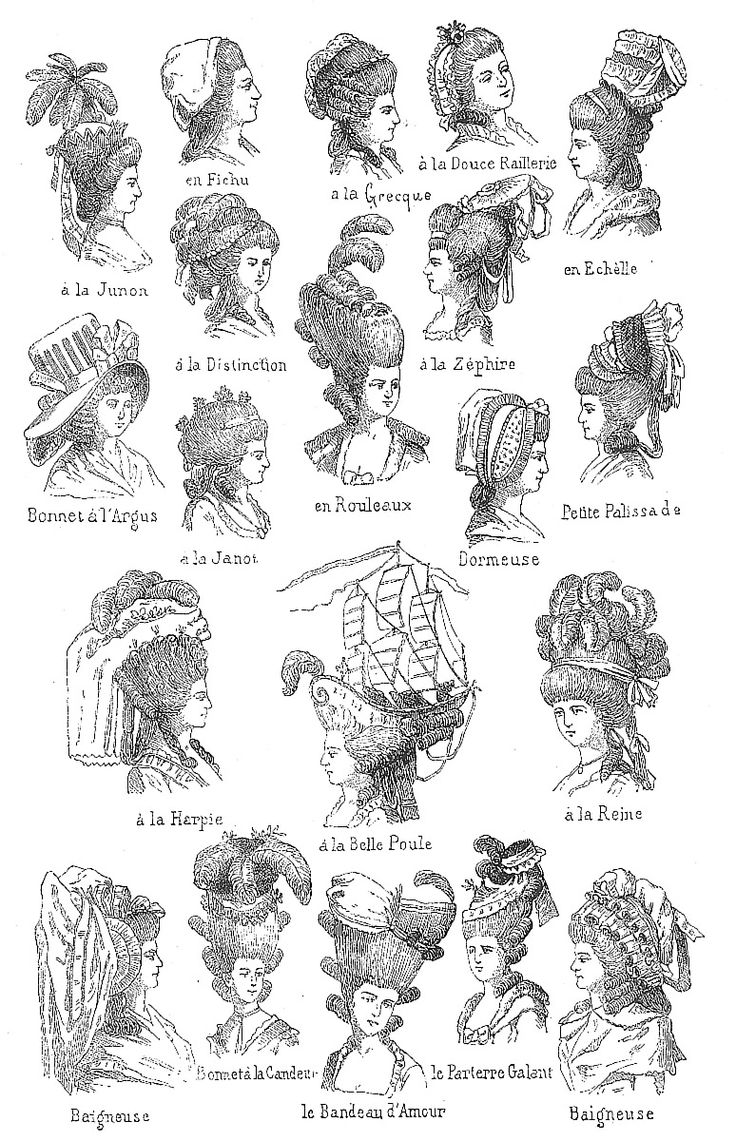
But in Georgiana’s time, even Lord Harley’s wigs would be surpassed, in this century by women’s wigs. I’ve always loved this Bow Wow Wow song anyway, and it’s appropriate to this scene from Marie Antoinette (2006).

And there were so many to choose from! I’m pretty fond of the ship model wig.


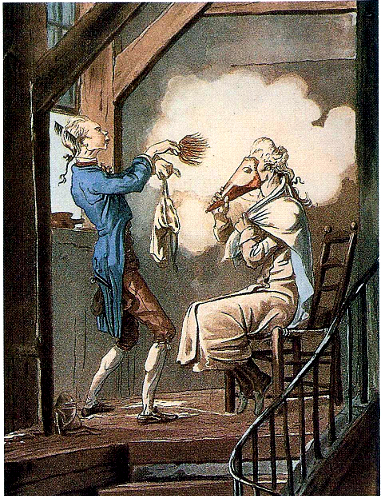
Finally, “freshening up” in Georgian England would’ve had a different meaning, because for men and women, that meant getting properly powdered before you showed your noble head to the public.

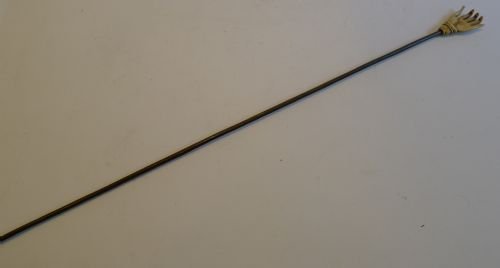
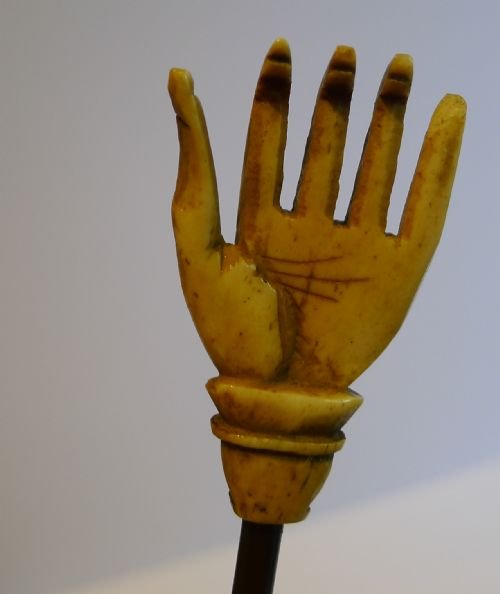
What the films don’t always show is the fashion accessory that went with 18th-century wiggery. Long-handled scratchers like this one, made of whalebone, were vital in this age of big hair, because underneath it all was a warm, dark home for lice.


Newer posts →

Subscribe

  • Entries (RSS)
  • Comments (RSS)

Archives

  • January 2026
  • December 2025
  • November 2025
  • October 2025
  • September 2025
  • August 2025
  • July 2025
  • June 2025
  • May 2025
  • April 2025
  • March 2025
  • February 2025
  • January 2025
  • December 2024
  • November 2024
  • October 2024
  • September 2024
  • August 2024
  • July 2024
  • June 2024
  • May 2024
  • April 2024
  • March 2024
  • February 2024
  • January 2024
  • December 2023
  • November 2023
  • October 2023
  • September 2023
  • August 2023
  • July 2023
  • June 2023
  • May 2023
  • April 2023
  • March 2023
  • February 2023
  • January 2023
  • December 2022
  • November 2022
  • October 2022
  • September 2022
  • August 2022
  • May 2022
  • April 2022
  • March 2022
  • February 2022
  • January 2022
  • December 2021
  • November 2021
  • October 2021
  • September 2021
  • August 2021
  • July 2021
  • June 2021
  • April 2021
  • March 2021
  • February 2021
  • January 2021
  • December 2020
  • November 2020
  • August 2020
  • July 2020
  • June 2020
  • May 2020
  • April 2020
  • January 2020
  • December 2019
  • November 2019
  • October 2019
  • September 2019
  • August 2019
  • May 2019
  • April 2019
  • March 2019
  • February 2019
  • January 2019
  • December 2018
  • November 2018
  • October 2018
  • September 2018
  • July 2018
  • June 2018
  • May 2018
  • April 2018
  • March 2018
  • February 2018
  • January 2018
  • December 2017
  • November 2017
  • October 2017
  • April 2017
  • March 2017
  • December 2016
  • November 2016
  • October 2016
  • September 2016
  • August 2016
  • July 2016
  • June 2016
  • April 2016
  • March 2016
  • February 2016
  • January 2016
  • December 2015
  • November 2015
  • October 2015
  • September 2015
  • August 2015
  • July 2015
  • June 2015
  • May 2015
  • April 2015
  • March 2015
  • February 2015
  • January 2015
  • December 2014
  • November 2014
  • September 2014
  • August 2014
  • July 2014

Categories

  • American History
  • Arroyo Grande
  • California history
  • Family history
  • Film and Popular Culture
  • History
  • News
  • Personal memoirs
  • Teaching
  • The Great Depression
  • trump
  • Uncategorized
  • World War II
  • Writing

Meta

  • Create account
  • Log in

Blog at WordPress.com.

  • Subscribe Subscribed
    • A Work in Progress
    • Join 68 other subscribers
    • Already have a WordPress.com account? Log in now.
    • A Work in Progress
    • Subscribe Subscribed
    • Sign up
    • Log in
    • Report this content
    • View site in Reader
    • Manage subscriptions
    • Collapse this bar
 

Loading Comments...