• About
  • The Germans

A Work in Progress

A Work in Progress

Monthly Archives: June 2024

June 28, 1863: Future Arroyo Grande settlers and their commanders on the road to Gettysburg.

28 Friday Jun 2024

Posted by ag1970 in Arroyo Grande, Uncategorized

≈ Leave a comment

Tags

american-civil-war, civil-war, gettysburg, History, virginia

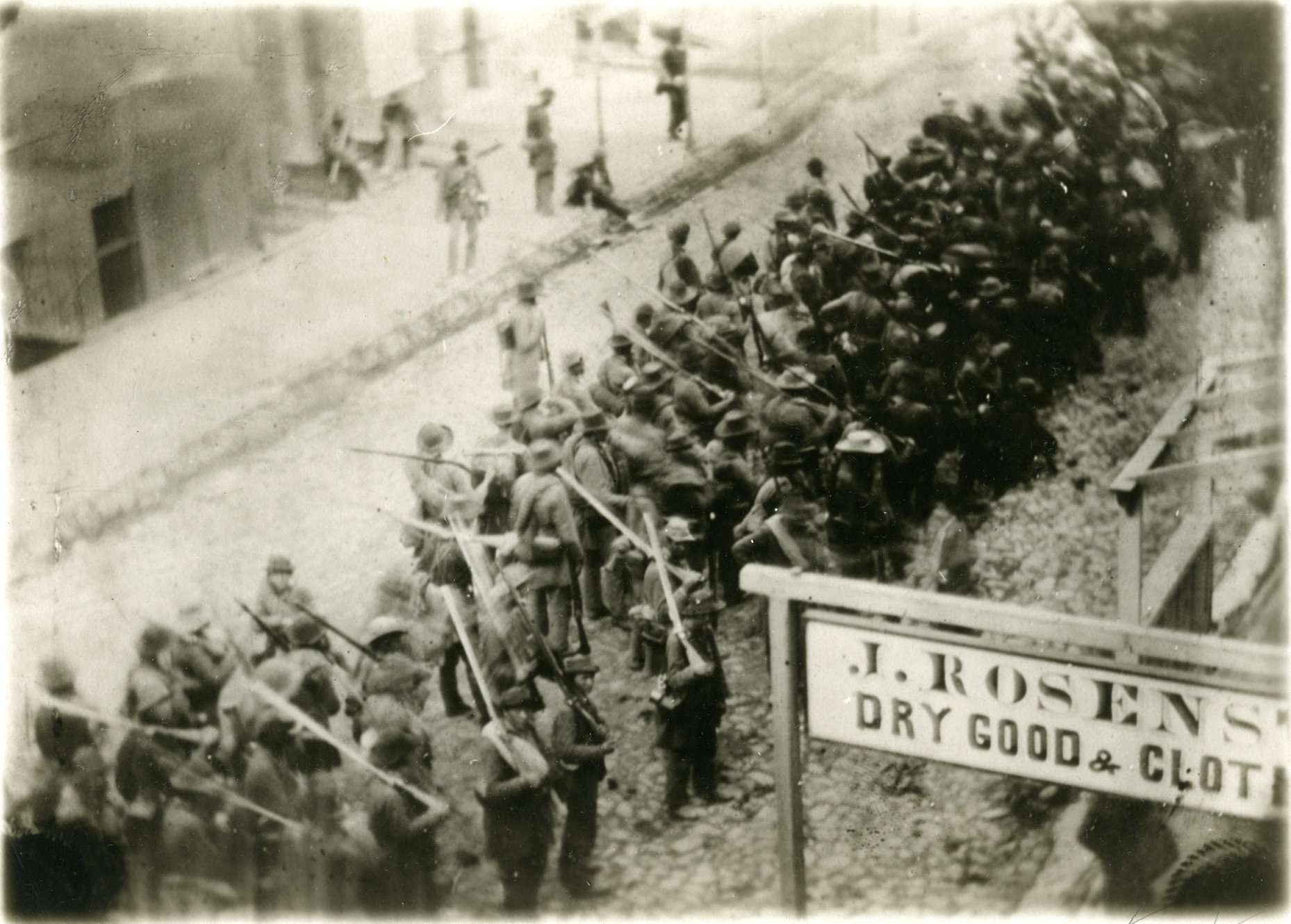
This extraordinary photo shows Lee’s army in Frederick, Maryland in September 1862, on its way to the Battle of Antietam.

Ten months after this photo was taken, it was the Union’s Army of the Potomac in the streets of Frederick. The just-appointed commander, George Meade, was in hot pursuit of Lee’s Army of Northern Virginia, now to his north, across the border in Pennsylvania. The two armies would meet July 1 at Gettysburg.

These future Arroyo Grande settlers would have been in that town on this day. Here they are, with their respective corps (up to 26,000 men) commanders.
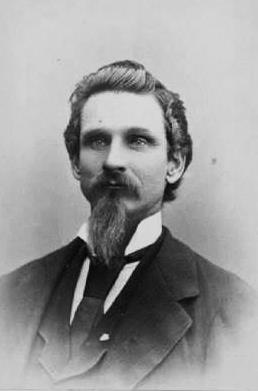
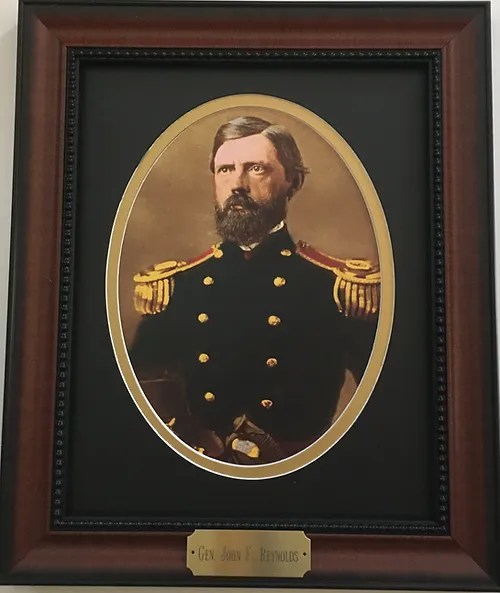
Bela Clinton Ide, for whom Ide Street was named, 24th Michigan, Iron Brigade, I Corps, commanded by Gen. John Reynolds. Reynolds would be shot from his horse on July 1, the first day of the battle, as he ordered the Iron Brigade into action to stop the surging Confederates. 363 of the 496 men in Ide’s regiment were killed, wounded or captured that day. Ide would become a blacksmith and Arroyo Grande postmaster.
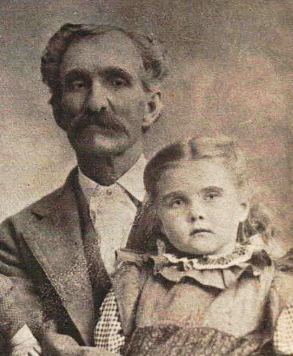
Joseph Brewer, with his daughter Stella, became a farmer in Oak Park. On June 28, 1863, he was a private in the 11th New Jersey and his III corps commander was Dan Sickles, a politician who, before the war, shot his wife’s lover—the son of Francis Scott Key, the “Star-Spangled Banner” composer– dead in Lafayette Park, across from the White House. Sickles was acquitted in the first known case to use “temporary insanity” as legal defense. Brewer would lose seven regimental commanders in a row, all shot dead, on July 2 at Gettysburg. Sickles would lose his leg to a Confederate cannonball.

Erastus Fouch, 75th Ohio, was a member of O.O. Howard’s unhappy XI Corps. The corps, largely made up of German immigrants, had lost their previous commander, Franz Sigel and Howard, a dour Protestant, was not popular and the corps had performed poorly at the Battle of Chancellorsville in May. Now, on June 28, 1863, Fouch was two days away from being captured by the Confederates who overwhelmed his regiment at Gettysburg. He would be paroled, fight out his war in Florida and take up farming along what is today Lopez Drive. Another Ohio soldier, Sylvanus Ullom, whose regiment fought near Fouch’s on July 1, was twenty years later a farmer not far away from Fouch, in Corralitos Canyon. Howard University is named for their corps commander.
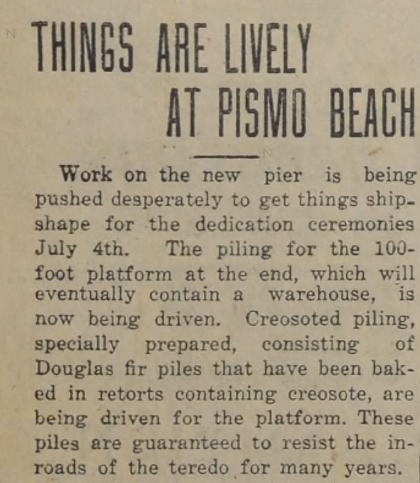
News from Arroyo Grande, June 26, 1924

24 Monday Jun 2024

Posted by ag1970 in Arroyo Grande, Uncategorized

≈ Leave a comment

From the Arroyo Grande Herald-Recorder. Some of these places are still with us, and some not.
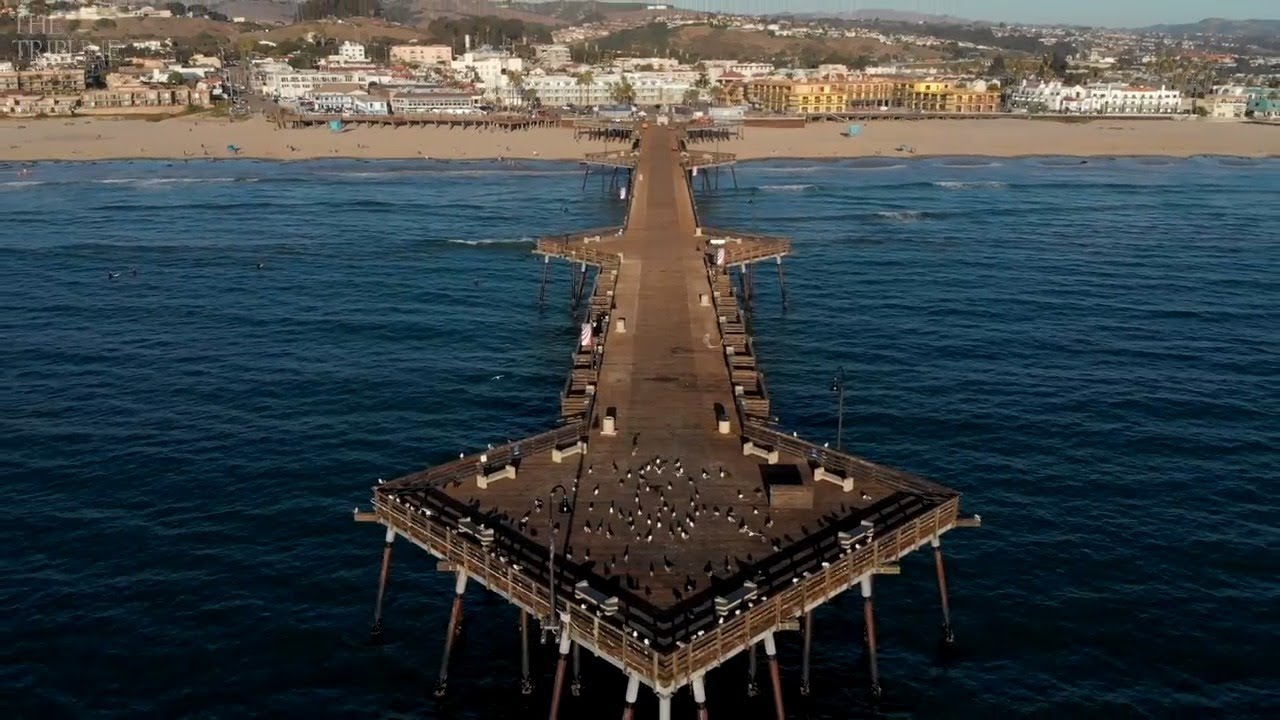
Not the same pier, of course, but it’s still there, in all its creosote glory.

A teredo, or shipworm, with a face—whichever end it is—that only a mother teredo could love.

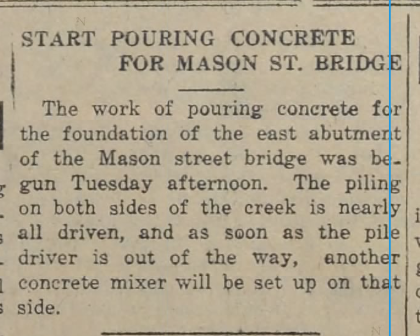
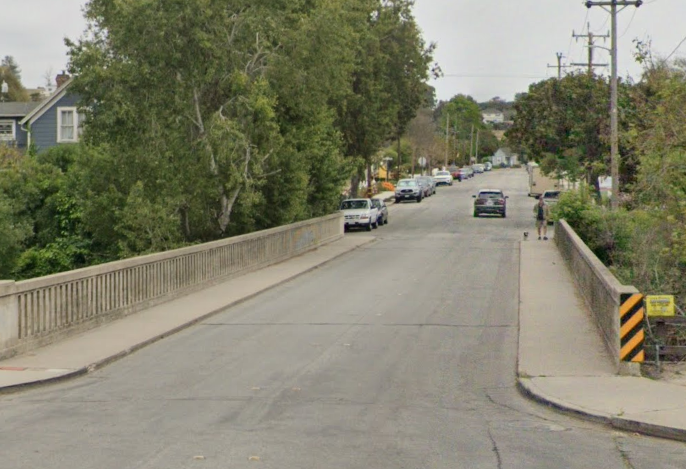
Happy 100th Birthday, Mason Street Bridge!

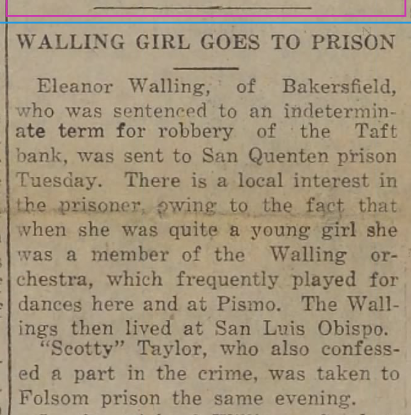
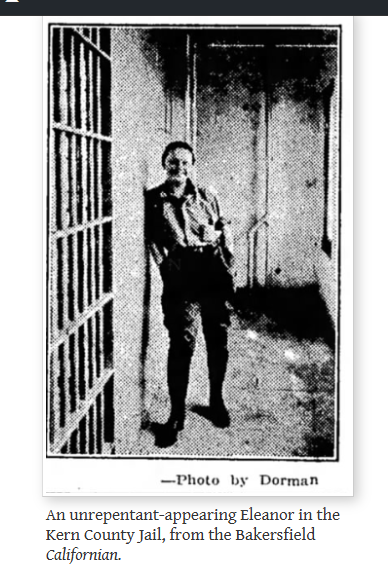
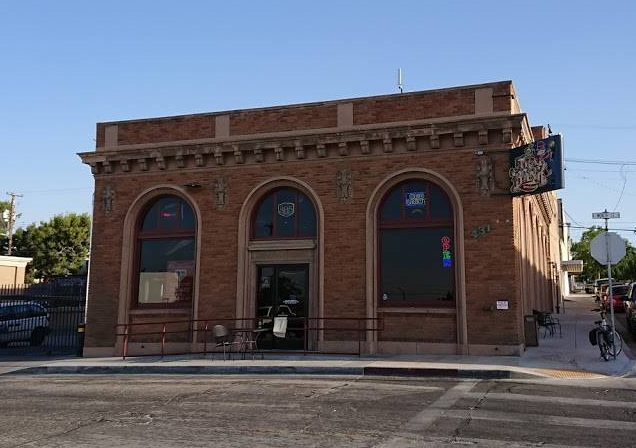
The bank in Taft that Eleanor robbed is today The Bank, a sports bar/restaurant. It was still a bank fifteen years after Eleanor fired a pistol shot into the ceiling. My dad was a teller there.

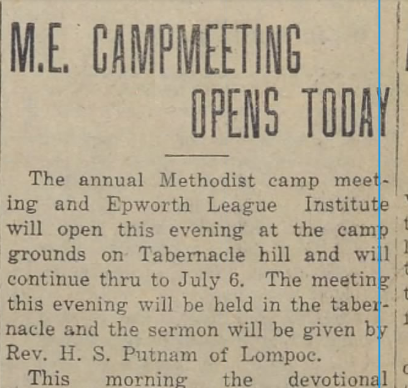
Of course, the Campground is still there, along with the beautiful tabernacle.


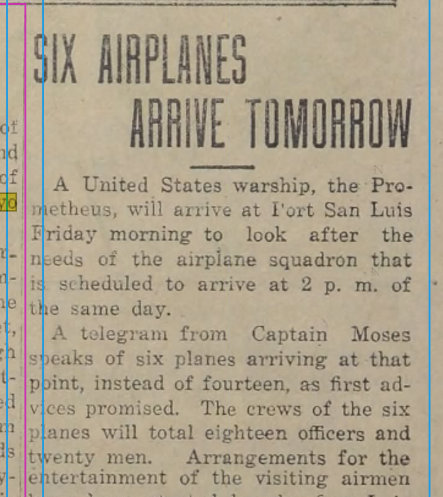
The article identifies the six-plane squadron as “VS-2,” which denotes a scout plane squadron. This is likely the kind of plane that visited Pismo. But that’s not all.

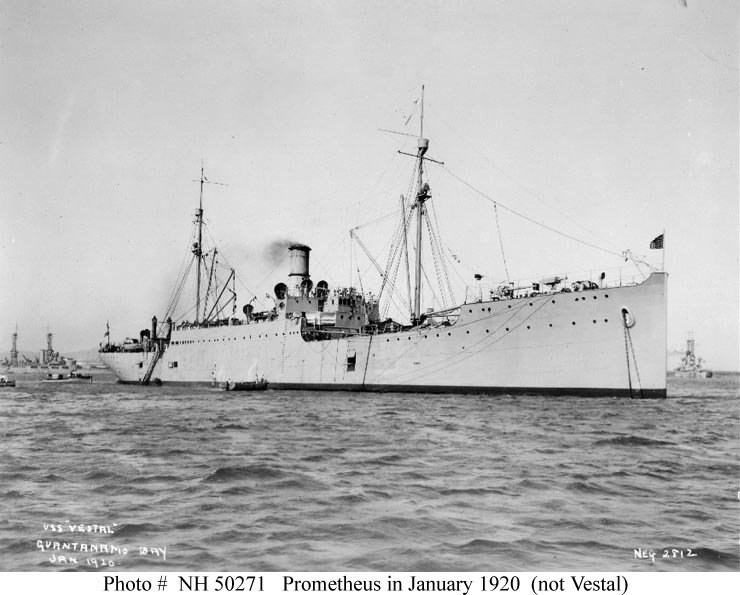
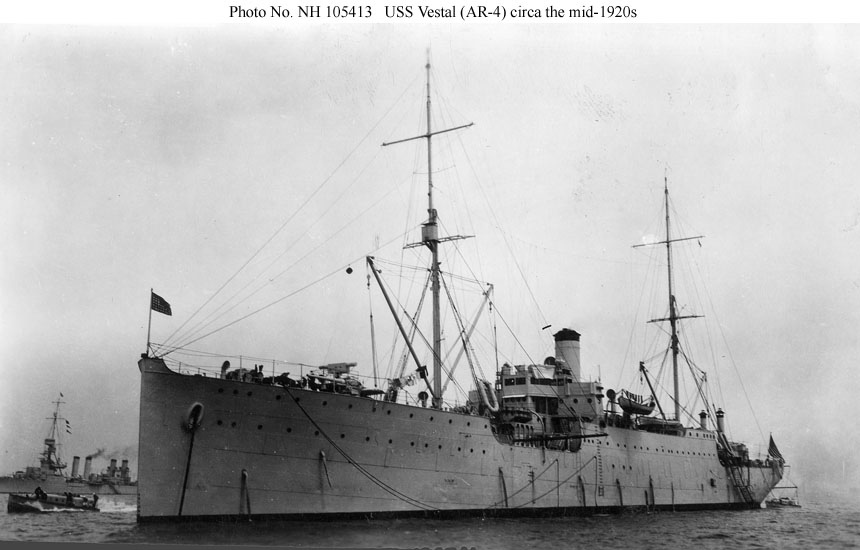
The ship that will call, USS Prometheus, was a repair ship. One of her sisters was USS Vestal.


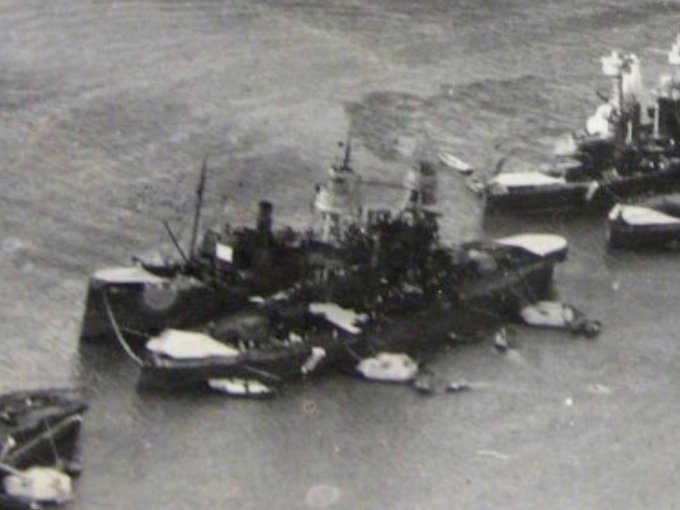
This is USS Vestal on December 7, 1941, just outboard of the battleship Arizona.

Arizona blew up moments later, claiming two sailors who’d grown up in Arroyo Grande.

Finally, and tragically, here is the rest of the story—one no one could have seen coming on June 26, 1924.

Why we teach

23 Sunday Jun 2024

Posted by ag1970 in Uncategorized

≈ Leave a comment

Me teaching history, Arroyo Grande High School

Wes is an AGHS grad, a saxophonist, who played in concert with Booker T. last night (“Green Onions” is below.)

Sandy is an Army officer I hope to see again in the next few days. He taught history at West Point and has forgotten more about the Revolutionary War than I will ever know. He took his underclassmen to battlefields now 250 years old.

Two former students are military doctors. One more is an officer in the 82nd Airborne.

Two more have just become mothers for the second time, and you can tell from their photos how devoted they are to their children.

I’ve a former AGHS student, a young woman, who’s an architect. Another, a lawyer, is a product of UC Berkeley. Yet another, just married, worked with sea mammals at an aquarium.

Another just got her veterinary degree from my Alma Mater, the University of Missouri. When our tortoise, Lucy, got sick, she was a vet tech, and she cared for Lucy, who got better, with great compassion.

Another commanded a Coast Guard cutter based out of Ketchikan. When she served in Florida, she led armed boarding parties interdicting Colombian cocaine.

One is traveling in Turkey, one more in France. Another loves fishing, and she posts photos of immense rockfish she’s caught off our coast.

One–one of the most brilliant students I’ve ever taught–is a voracious reader and she works at City Lights in San Francisco, the bookstore haunt of Ferlinghetti and Kerouac and Ginsberg.

A young man, a former nationally-ranked Irish step dancer, is now a composer with a PhD from Columbia who lives in London. He is a newlywed. She is lovely.

One of his closest friends from AGHS was the Valedictorian at Yale a few years ago. He and his friend, another AGHS grad, and an honors grad from Reed College, write and perform plays.

At least three have written books.

A young woman especially dear to me is fighting, with great dignity, an autoimmune disease that would reduce the rest of us, including me, to tears.

So is a young man we taught at AGHS.

There are others fighting alcoholism, depression, or cancer. I admire them without reservation.
I admire, too, the students are now teachers, including at least one at Branch and another at Harloe and two at Mesa Middle School. And, yes, several teach history. One, a PhD with a specialty in the history of California farm labor, a topic dear to me, teaches at Poly.

This year, one student her M.D. from Harvard. Another got his from Yale.

There are students I remember vividly from Arroyo Grande High School who are therapists, police officers, mechanics, carpenters, electricians, Melodrama actors, businesswomen, farmers.

I recently posted, on another website, how important teaching was to me. I wrote about a young woman, whose parents came from Guerrero, in central Mexico, and how hard she worked to excel in our AP program at AGHS.

One reply was a laughing emoji, from a stunted man who believes in pretty much nothing.

He sees public education–where I tried, always, to teach the truth, no matter how painful it was to me– as “indoctrination.”

If he thinks I “indoctrinated” students like the ones I’ve mentioned here, then I am guilty. So are all the teachers I had the honor to know at Arroyo Grande High School.

For Willie Mays: October 3, 1962

20 Thursday Jun 2024

Posted by ag1970 in Uncategorized

≈ Leave a comment

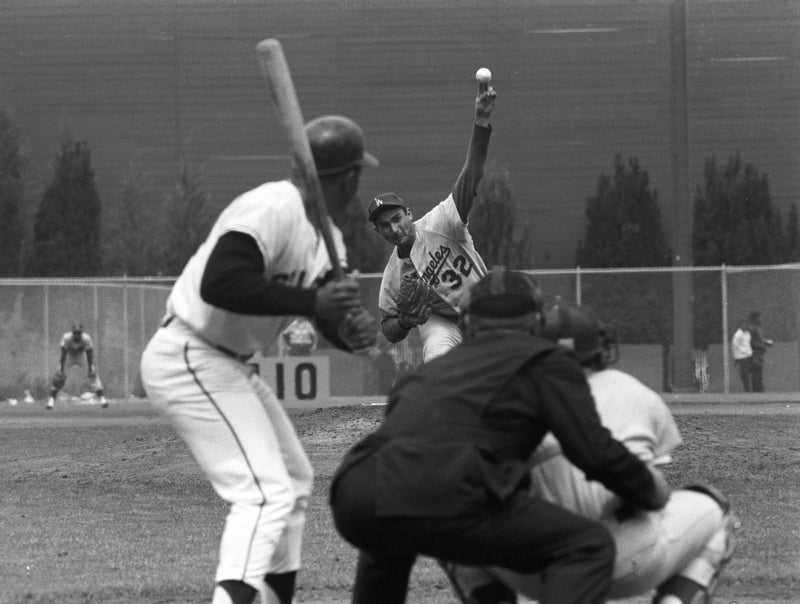
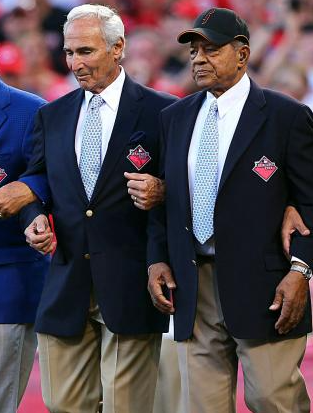
Two photos of rivals and friends, Sandy Koufax and Willie Mays.


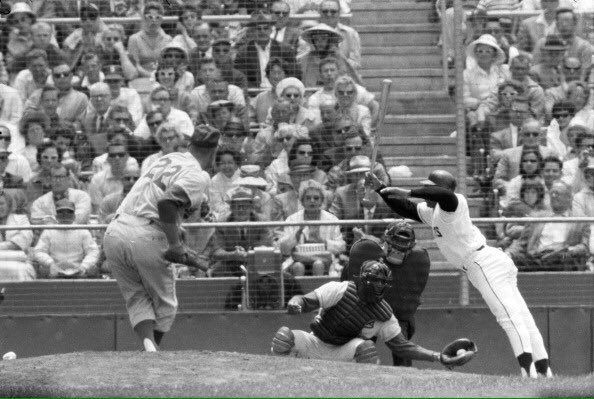
But this photo shows Dodgers pitcher Johnny Padres throwing a “message pitch” to…excuse me, AT… Mays at Candlestick in 1962.

So that whole Dodgers-Giants thing is A Thing.

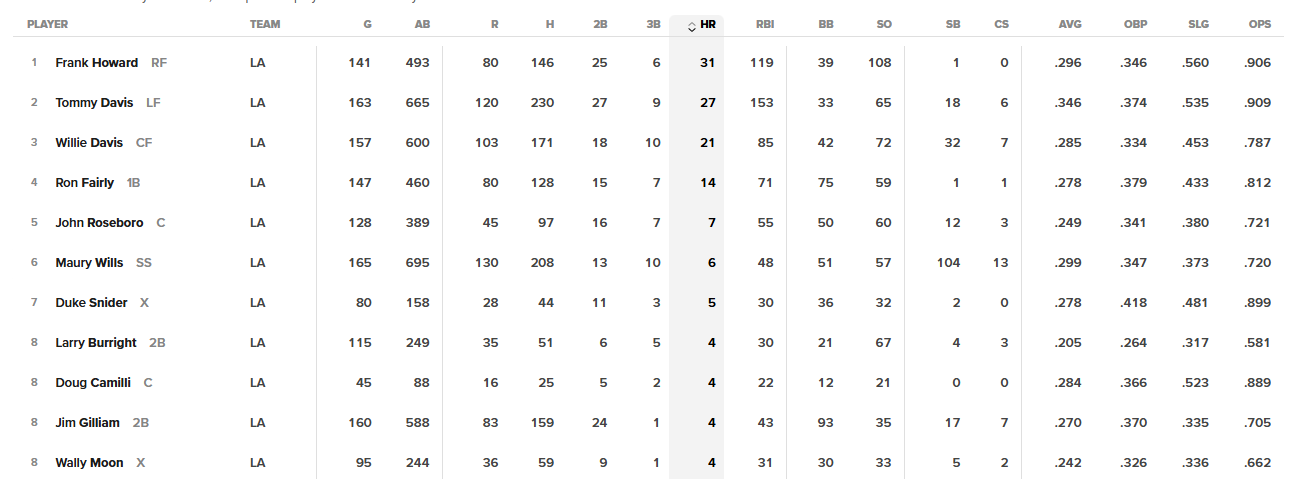
The two teams finished in a tie at the end of the 1962 season–101 wins, 61 losses–in the pre-division National League. I was ten years old and, other than Koufax and Drysdale, my ultimate hero was Dodger shortstop Maury Wills, who stole 104 bases, then a record, that year.
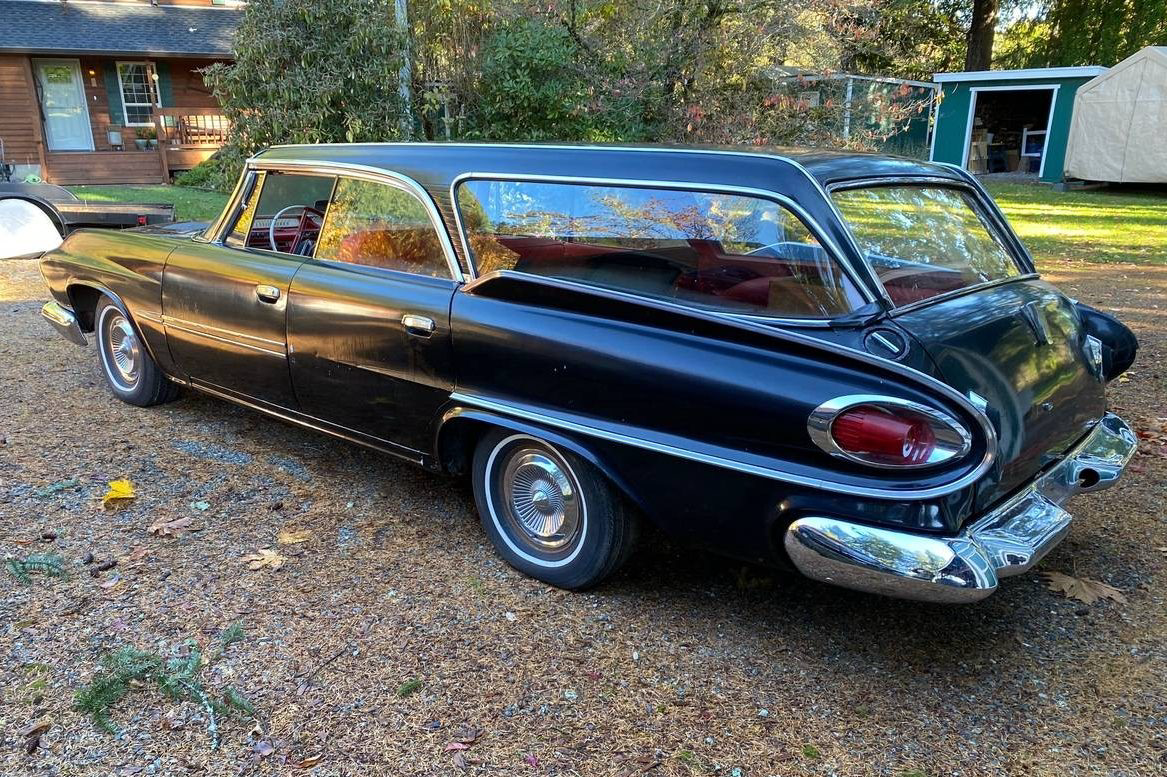
The Beast. In addition to its space-age fins, it had a push-button automatic transmission and an electric rear window.

We were in my Dad’s 1961 Dodge Polara station wagon (that car was a beast) when Vin Scully announced the Giants’ 6-4 victory, ending a three-game playoff, on October 3, 1962.

The Giants played Game one of the World Series, against the Yankees, the NEXT DAY.


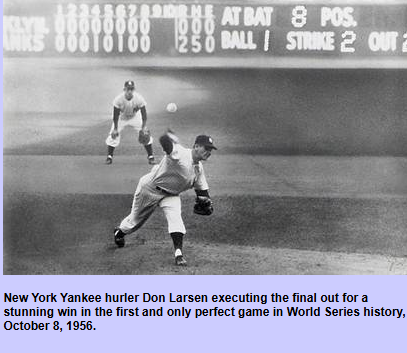
Johnny Podres had started the final playoff game for the Dodgers; Juan Marichal for the Giants, but the winning pitcher was Don Larsen, who, as a Yankee, threw the perfect game against the Dodgers in the 1956 World Series.

Darn you, Don Larsen.

Much groaning came from our car at the playoff game’s end. Then we went home to Huasna Road and sulked for a couple of days.

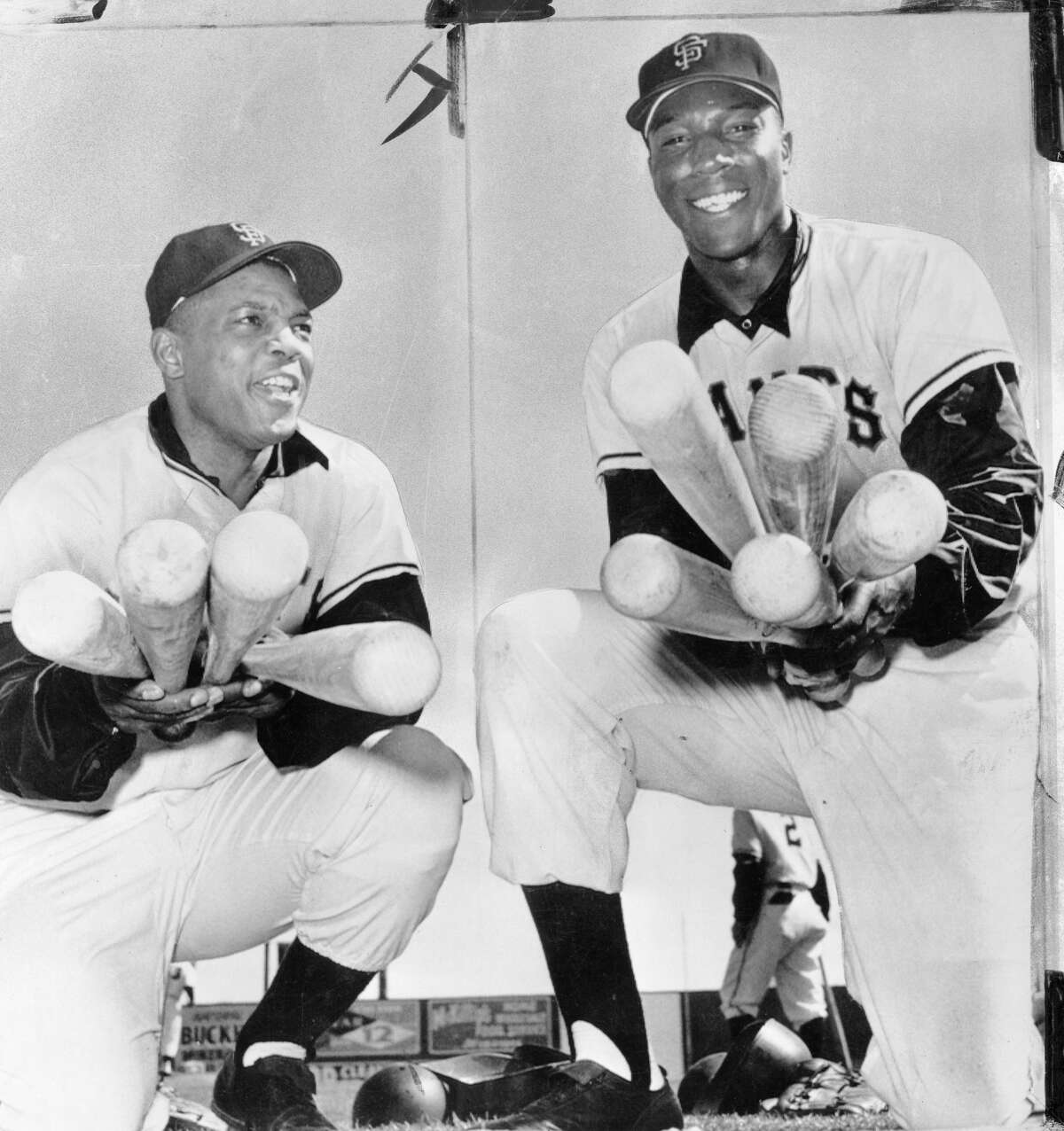
Mays and McCovey


Much groaning came from our car at the playoff game’s end. Then we went home to Huasna Road and sulked for a couple of days.

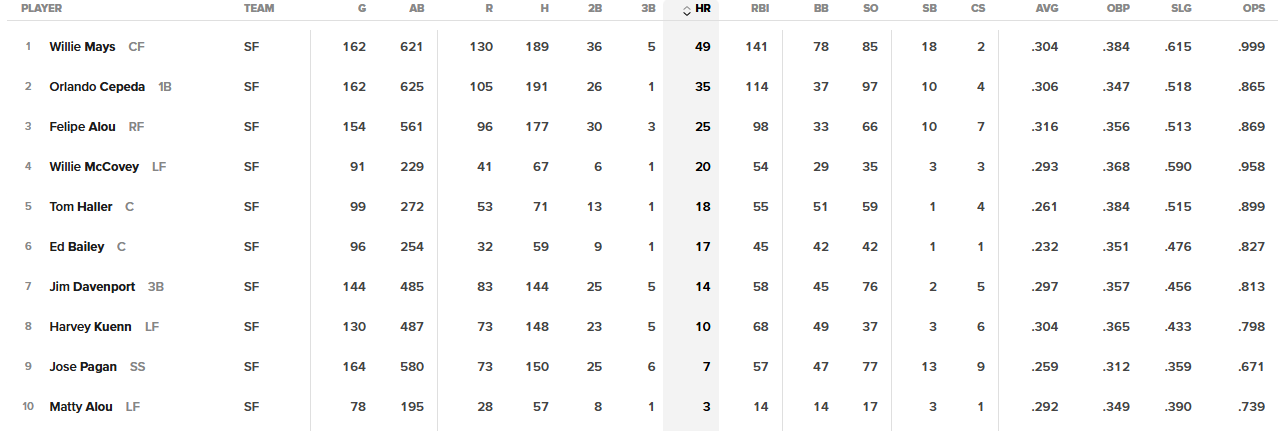
And, as a Dodger fan, nothing was more terrifying to me than the #3 and cleanup spots in that lineup, with the right-handed Mays and the left-handed Willie McCovey. That started in 1961; McCovey was hurt in 1962 but those places in the lineup remained between 1963 and 1968 and came back once more in 1971.

Mays against the Dodgers. John Roseboro is the catcher.


Other great one-two punches came to mind: Ruth and Gehrig, Eddie Matthews and Hank Aaron (Braves), Roberto Clemente and Willie Stargell (Pirates).

Statistically, Ruth and Gehrig were the most productive, but in my lifetime, watching West Coast games on both black-and-white and color television, nobody touched Mays and McCovey.


A 1962 Zenith color television, like ours.


Sometimes, for cryin’ out loud, they’d move Mays into the leadoff spot and put Bobby Bonds in the #3 slot. (WOW!)

The other thing that’s A Thing is how exceptional those 1962 teams were. Lineups/stats attached.


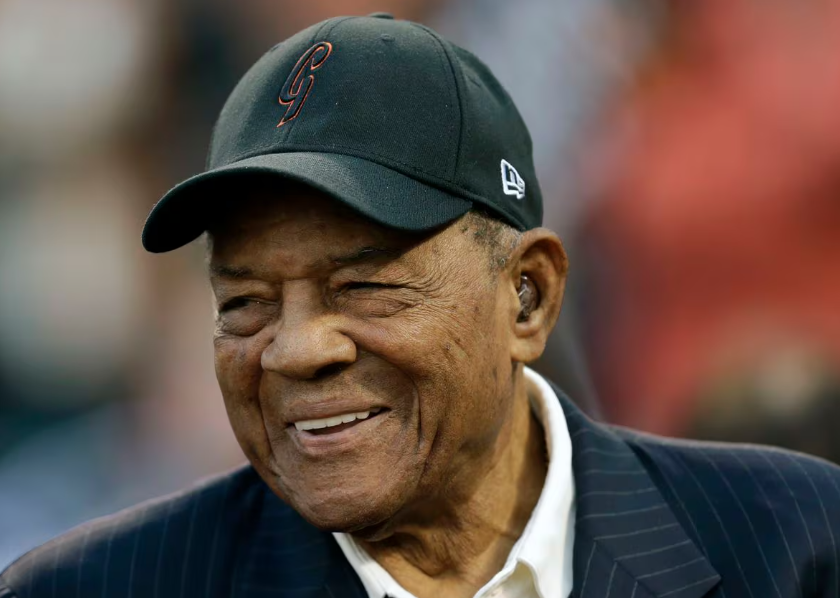
The always-articulate sportscaster Bob Costas identified what made Willie Mays stand out among all of these players from 1962, and it was the sheer joy with which he played baseball. (Admitting my lifelong prejudice—I saw my first Dodgers game at the Coliseum, against Stan Musial’s Cardinals—I can see some of Willie Mays in a modern player—yes, a Dodger—Mookie Betts).

The sheer joy.

Godspeed, Willie Mays. Every one of us who loves baseball will always love you, too.


What I need to say today.

15 Saturday Jun 2024

Posted by ag1970 in Uncategorized

≈ Leave a comment

I am to speak briefly as a small part of a bigger event this morning at 10 a.m., for the performance of a musical piece called “Behind Barbed Wire.” I think this is what I will say.


Because I graduated from and taught at Arroyo Grande High School, I needed my school to bring clarity to what I have to say today.

Twenty-five of the 58 members of the Class of 1942 were Nisei. They’d played basketball–the 1941-42 starters included three Nisei players. So were the quarterback and halfback for that year’s football team.

So were the teens who’d played baseball for Juzo Ikeda and Vard Loomis.

The principal’s secretary was Nisei. So was the assistant editor of the “Aerie,” the yearbook, and the sports editor of the “Hi-Chatter,” the school newspaper. So were three officers in the ASB. So was the student speaker for the FFA’s parent night.

The previous year, so was the winner of a scholarship as the high school’s outstanding student So was the senior recognized as the outstanding science student.

Most of them been seventh and eighth-graders at the new Orchard Avenue School, a WPA project completed in 1937. Their fathers, as volunteers, landscaped the new schoolgrounds. At a PTA function that year, their mothers shared a tea ceremony with their friends.

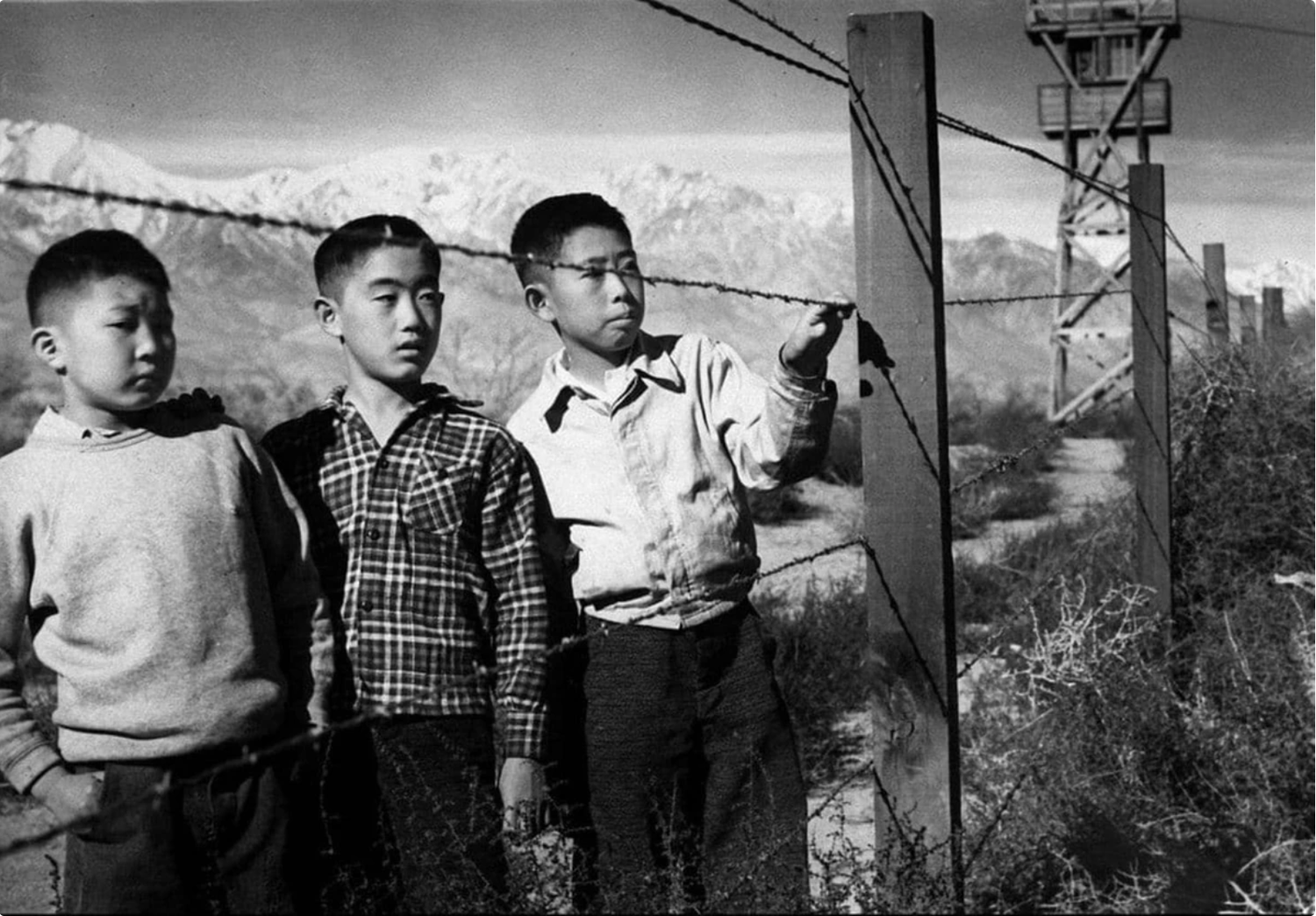
Five years later, this all changed. 1400 of our neighbors in in San Luis Obispo County and northern Santa Barbara County were sent into exile. This is what that was like in Arroyo Grande.

 On April 30, 1942, South County families met waiting buses at the high school, outside what is today the Paulding Gym, and there was a poignant moment when the Woman’s Club brought box lunches from the French Café, in the Olohan Building, for the long ride to the Tulare fairgrounds. 

The loaded buses then would’ve crept down Crown Hill in low gear, on their way to the two-lane 101 on the western edge of town. Their passengers, crammed inside with their luggage crammed in the bellies of the buses, would have passed, along Branch Street, familiar places, from E.C. Loomis and Son at the base of Crown Hill to the twin churches, Methodist and Catholic, just before the 101.

The Nisei children and teenagers who grew up here, who had never known any other place, did not know whether they would ever see these places again, all the little shops they’d known all their lives.

 Many of them wouldn’t.


Just past the churches, the buses turned north to make the connection for the long, colorless journey into the San Joaquin Valley.

If you grew up in Arroyo Grande, as I did, that day was, in peacetime, almost the equivalent of Christmas Eve. One of the teenagers on one of the buses remembered, years later, that it was the day before trout season opened.

The Manzanar Fishing Club risked getting shot by creeping beyond the wire to fish for trout at night. There are Gila Trout in the Gila River beyond the wire of our neighbors’—our ancestors’— desert camp. I don’t know if there we were similar subversive trout fishermen there.

I hope so.

One of the Manzanar fishermen said, “When you’re fishing, you forget everything that’s wrong.”

Today, of course, we are here to remember instead.
  

In which the writer revisits six TV Westerns from his Baby Boomer youth.

12 Wednesday Jun 2024

Posted by ag1970 in Film and Popular Culture, Uncategorized

≈ Leave a comment

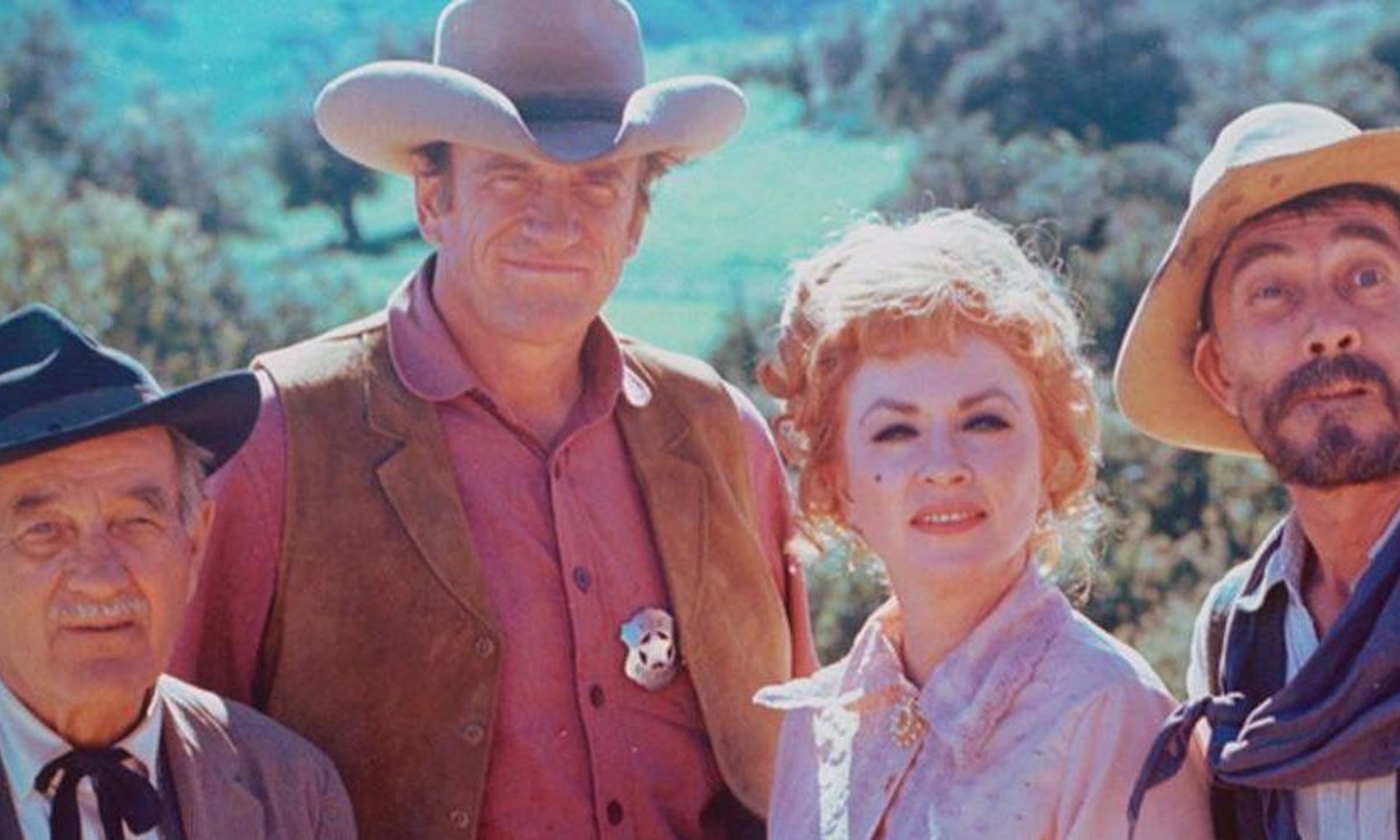
The cast of Gunsmoke: Miburn Stone, James Arness, Amanda Blake, Ken Curtis.

Sometimes when I, being ancient, wake up at 3 a.m., I watch Westerns from my childhood. What follows are purely personal opinions:

1. “Gunsmoke:” A-. Because of James Arness, a genuine war hero; and Ken Curtis (Festus), a staple in John Ford Westerns; Milburn Stone (Doc), reincarnated as the prickly Bones in “Star Trek, played by DeForest Kelley, once a guest on “Gunsmoke”: and Miss Kitty (Amanda Blake) as the hostess at the Long Branch Saloon. Just what the heck were all those girls who drifted seductively about the Long Branch cowboys DOING, in their ostrich feathers and bosoms? Was it Biblical instruction?

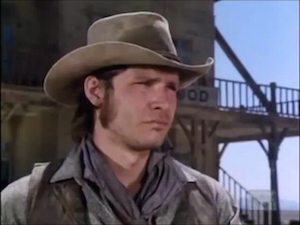
Far more important, the series set aside whole episodes in which the stars took back seats to actors like Harrison Ford, Bruce Dern and Cloris Leachman. This generosity launched the careers of many gifted actors.

Harrison Ford, even dumber in Gunsmoke than he would be as Bob Falfa in American Graffiti.

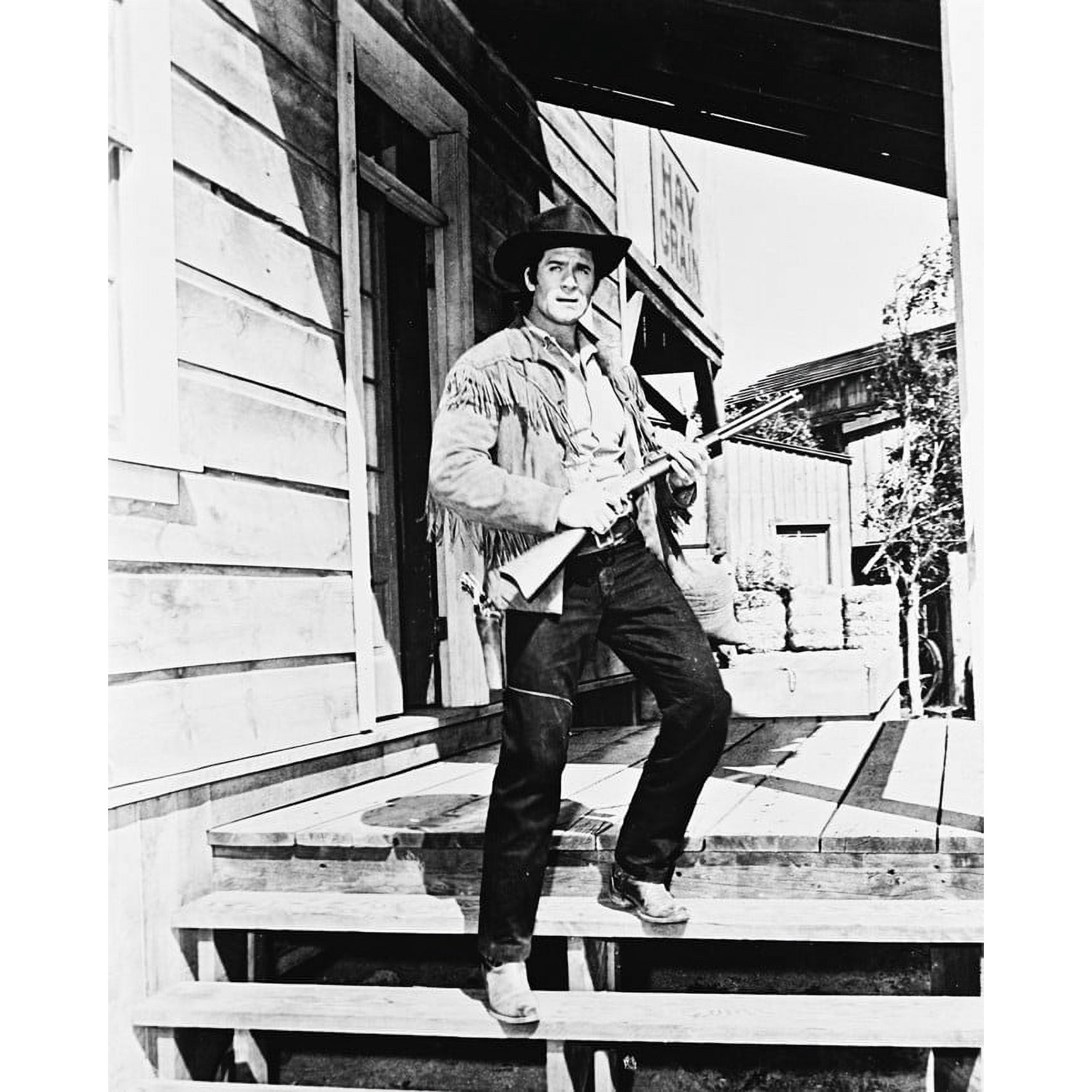
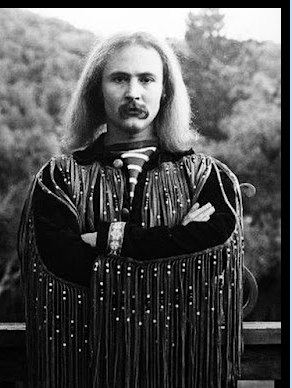
2. “Cheyenne:” C-. Not because of its star, Clint Walker, who was hunky (He appeared also in “The Dirty Dozen”) but because of the episode that feature Michael Landon as a young Comanche warrior. Cheyenne was honorable, decent and courageous but, by far the most important, he way- cool buckskin shirts with fringes, which became enormously popular in late 1960s Laurel Canyon in just before the Manson Family paid its visit to Cielo Drive.

David Croby’s buckskin—Elizabeth and I met him once at the San Lorenzo Capuchin Franciscan Friary, above Santa Ines, where oiur sons were baptized—added waycool little beady things to the buckskin fringes. Before he got dead, Crosby (SEE: Joni Mitchell and David Crosby) was almost as gorgeous as Clint Walker,

Good Lord.

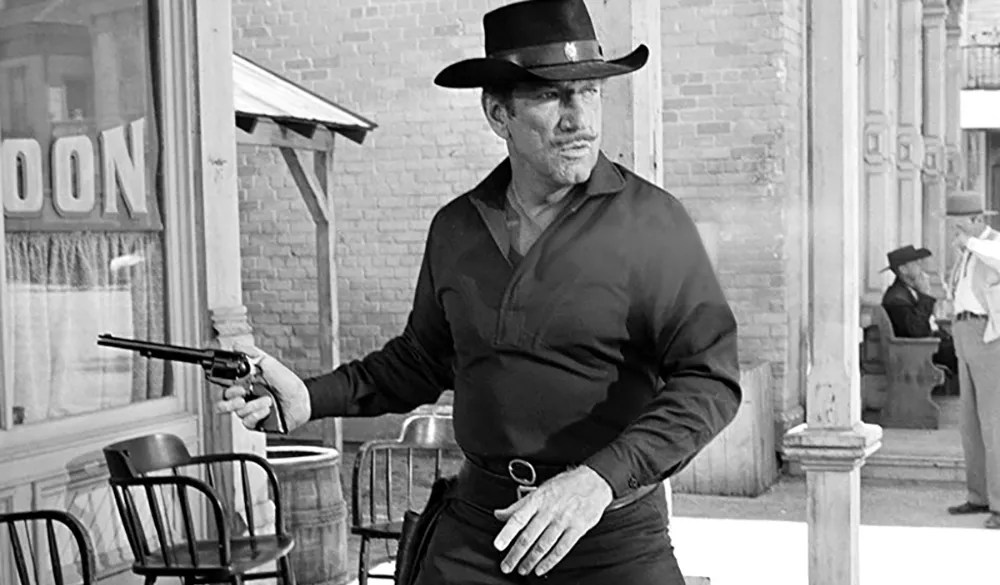
3. “Have Gun, Will Travel.” A+. Richard Boone as the knight-errant, given to spectacular monologues—think “Now is the winter of our discontent,“ feom Richard III—before he did away with the dirty guy that was oppressing poor folks, My only qualm, and it’s a big one, is that his San Francisco Chinese immigrant friend was named “Hey Boy.” To set that right, Paladin’s face lit up like the Fourth of July in one episode as he regarded an impossibly beautiful Chinese woman as she descended the staircase, in her whalebone corset, hoop-supported silk skirts and pearl-buttoned bodice and the obligatory ostrich feather in her hair—the late 19th century was a bad time to be an ostrich– as she descended the staircase.

That might seem prurient and sexist, but the fact is, in a time when Rawhide’s cowboy, Jesus, had his name spelled “Hey-Soos” in the closing credits, Richard Boones long, langurous and delighted look at a beautfiul Chinese immgrant was, in fact, revelatory and even inspirational. That character had the sheer audacity to be not white and spectacular in the same moment. I love Boone’s character, Paladin from that moment on.

And then I discovered, years later, that my mother and big sister loved this show because they thought that Richard Boone had a cute butt.

Here is Richard Boone’s character, Paladin. I have omitted his hind end in the name of more or less Common Deccency.

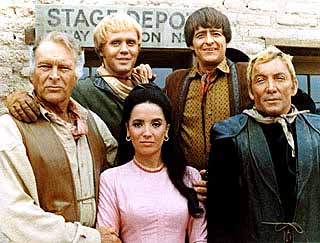
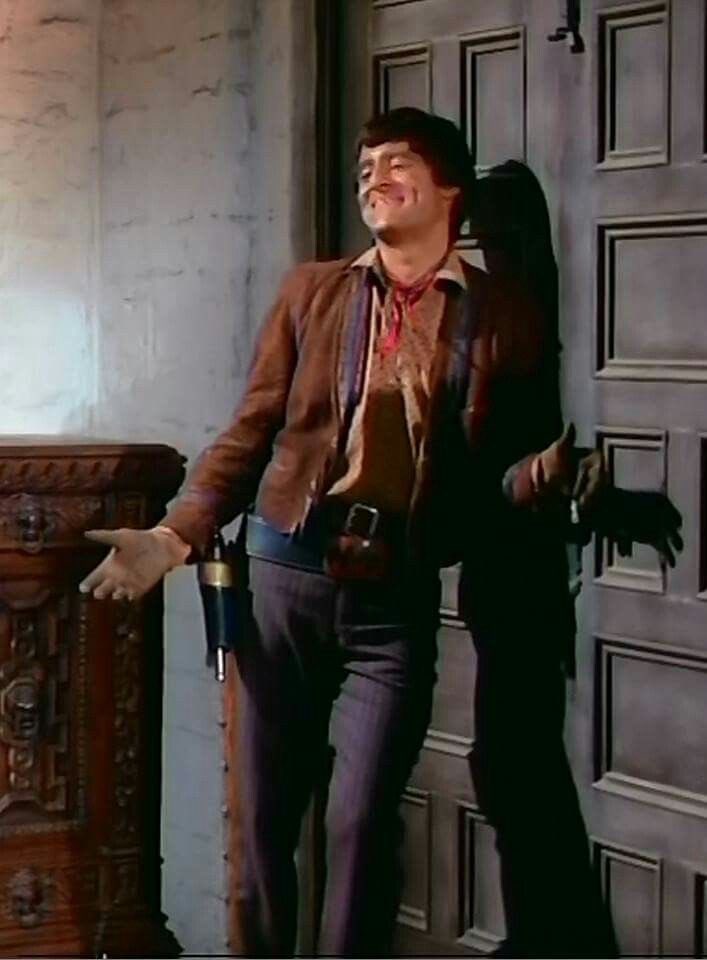
4. ‘High Chapparal:” B+. Set in the Arizona desert, about as barren as the far side of the Moon, a family (elderly rancher, young and beautiful Mexican wife, played by Linda Cristal). My Mom loved Manolito, played by Mexica-American Henry Darrow. Agree 100% with Mom on this one. Manolito was a charmboat.

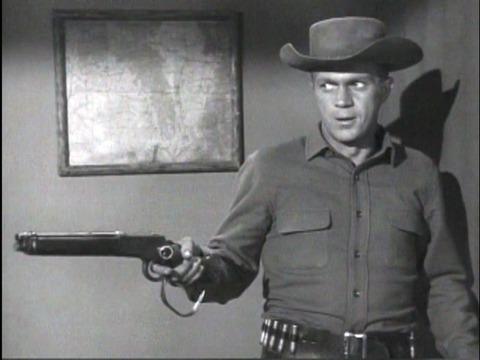
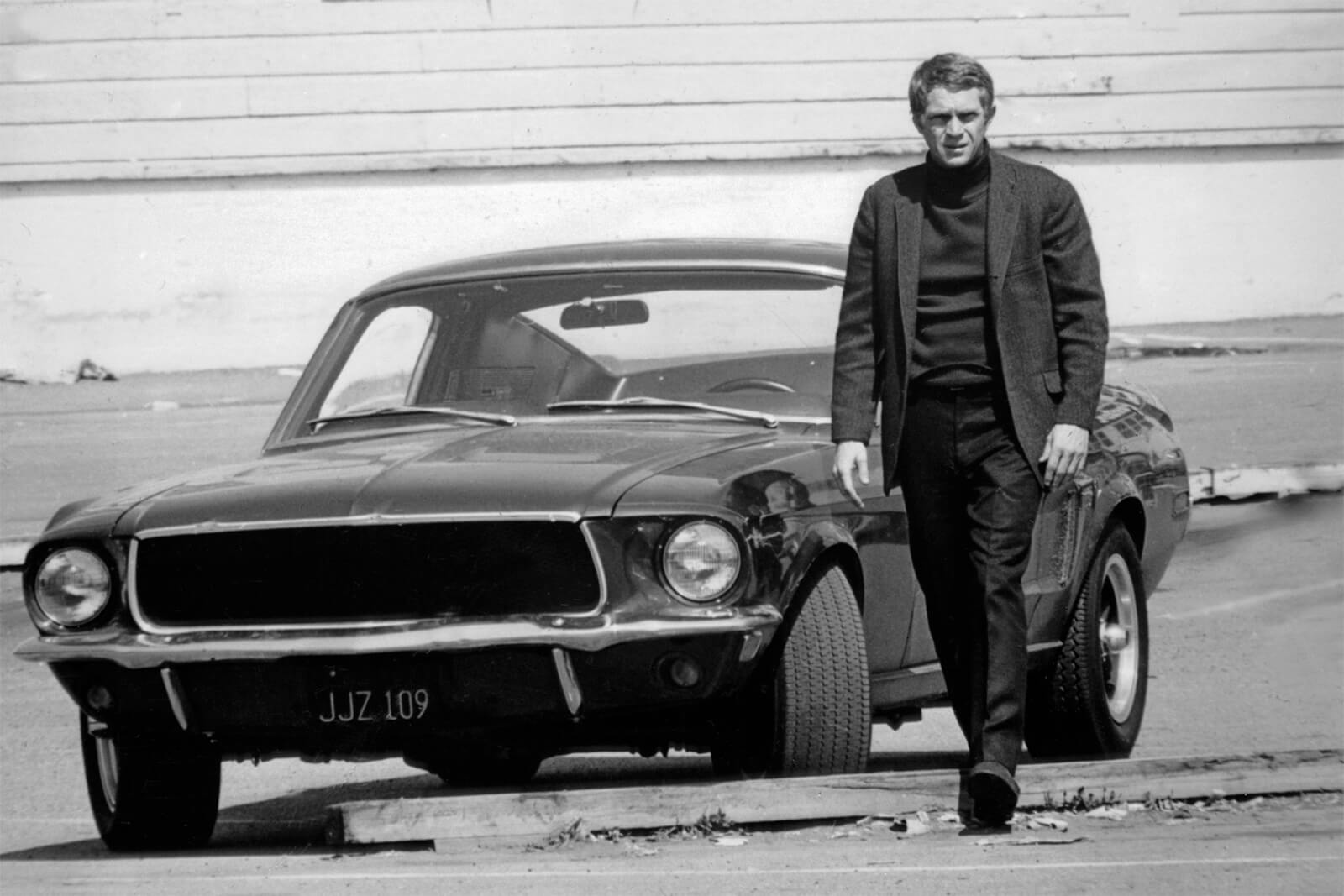
5. “Wanted! Dead or Alive!” C+. This series began my lifelong enchantment with Steve McQueen, which reached its apotheosis with the “Bullitt” car chase. Okay, and “The Thomas Crown Affair.” I do not include “The Great Escape,” because I know how that actually turned out in history, despite the motorcycle scene. McQueen had already been splendid as a 28-year-old teenager in “The Blob,” co-starring Miss Crump from “The Andy Griffith Show.” However, the sawed-off rifle he carried in “Wanted! Dead or Alive!”  in its Penis Envy leather holster would have, on firing, thrown McQueen’s arm 300 feet behind him and wouild’ve slain four or five innocent bystanders.

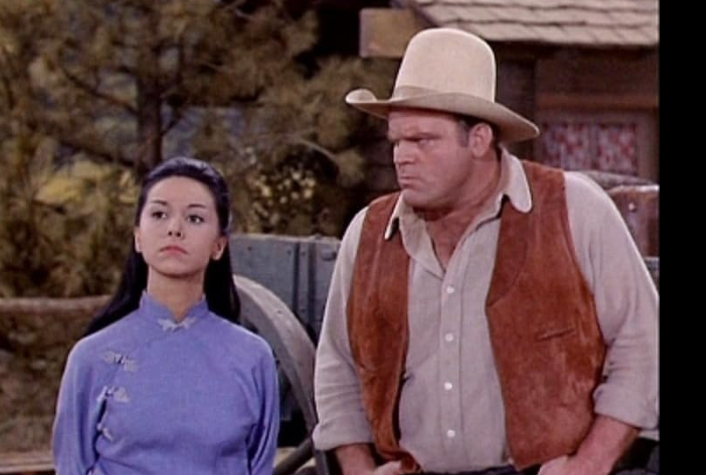
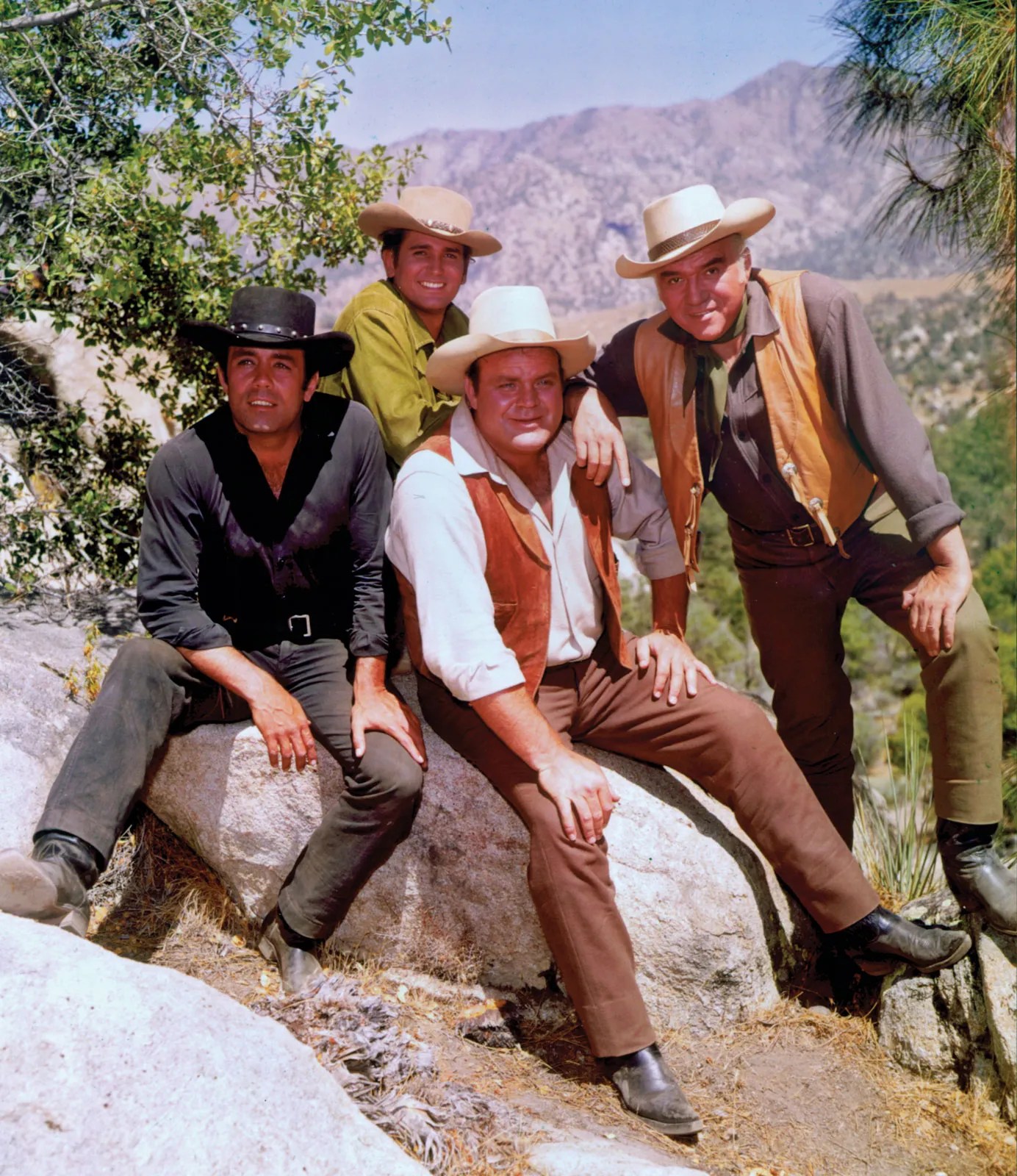
6. “Bonanza!” B-. The first American TV program to appear in color, on NBC. Virtually every female guest star who ever appeared on this show died, including all three of Ben Cartwright’s wives. The Cartwrights were hell on women. Hoss, the middle son, was our favorite, although Little Joe (Michael Landon again) was brilliantly satirized in MAD magazine as “Short Mort:’ MAD also maintained that the Cartwright ranch, the Ponderosa, was so immense that it was a three-day ride from the living room to the kitchen. Two more Chinese immigrant slanders: Hop Sing, the Ponderosa cook and, for God’s sake, Marlo Thomas, whom I later loved in the comedy That Girl, as a Chinese mail-order bride. Thomas is Lebanese-American. I met her father, Danny Thomas, at the Madonna Inn in 1969, and he didn’t look Chinese to me, either.

(Above): The original cast of Bonanza: Pernell Roberts (Adam), Michael Landon (Little Joe); Dan Blocker (Hoss), Lorne Green (Ben). At right: Marlo Thomas in her 1959 guest turn as a Chinese immigrant, Dan Blocker.

When a gift for a friend is transformed into a gift you give yourself.

09 Sunday Jun 2024

Posted by ag1970 in Uncategorized

≈ Leave a comment

This is for my nieces, Emily and Rebecca, whom I love so dearly.

Oh, Happy Day!

05 Wednesday Jun 2024

Posted by ag1970 in Uncategorized

≈ Leave a comment

I think I mentioned that at the Camp Arroyo Grande Jamboree, I was deeply touched because a young teen, Caleb, bought one of my World War II Aviators books. I inscribed it especially for him.

 (It especially made up for the guy who passed my books and snorted derisively, “Outlaws in San Luis County?” Snort. That book took a year to research and write. So have the others.)

It also made up for the book, on World War II aviators, that I accidentally gave away to an older gent–by that, I mean older than ME–who’d worked at Edwards AFB and remembered the X-15 program. WOWSERS!

I got so excited that he walked away from the South County Historical Society table without paying. It wasn’t felonious, by the way. It’s just that both of us are hard of hearing.

But Boy Howdy, young people lightning struck twice! A nice Mom from Templeton emailed me asking if Cuesta offers a World War II class for credit.

They don’t, but since I’ve found ANOTHER teenager interested in history, I was, as we said back in the day, stoked.

So on the off-chance that anybody else is interested in this part of our history–of local history–here’s my reply to that very kind woman from Templeton.

I tend to be enthusiastic. Sorry.

Anyway, here’s my reply.


Well, this email made my day. I am so happy to hear of your son’s interest!

Cuesta College does not even offer an onsite class on World War II, but you might try this link to the National World War II Museum in New Orleans. That might be worth a try for distance learning credit courses:

Distance Learning | The National WWII Museum | New Orleans (nationalww2museum.org)

Your son might have already seen these, but in appreciation for his interest, here are a few videos based on my books. I am sorry there are so many, but summer break’s coming up!

Best,

Jim

The American Cemetery above Omaha Beach:
https://youtu.be/i4ILEWNzaXc

A local paratrooper in Easy Company:
https://youtu.be/wq3AQV0ip6g

Louis Brown, USMC, and Iwo Jima:


Lady Moe, the Donkey, and the airmen who adopted her:
https://youtu.be/Lvm1HBByeLQ

Inspired by a Santa Maria airshow. World War II airmen and their planes:
https://youtu.be/6sGdI3AYIJk

Arroyo Grande and USS Arizona:

Al Spierling’s thirteenth mission:
https://youtu.be/wmG2o2dhIVY

Camp San Luis Obispo during World War II:
https://youtu.be/UQ8sxwnuYqA

A B-17 pilot and POW from Morro Bay:
https://youtu.be/h0hRoTCA03U

My Dad was in the Army and I’m kind of nutty about piston-driven airplanes, so sometimes I slight the Navy. Here are some blog posts to make up for that:

American Twilight: The Golden Gate Exposition of 1939 | A Work in Progress (wordpress.com)

The wreck at 20,000 feet | A Work in Progress (wordpress.com)

USS Nevada’s SLO County Connection | A Work in Progress (wordpress.com)

Devotion | A Work in Progress (wordpress.com)

The Lost Boy | A Work in Progress (wordpress.com)

Subscribe

  • Entries (RSS)
  • Comments (RSS)

Archives

  • January 2026
  • December 2025
  • November 2025
  • October 2025
  • September 2025
  • August 2025
  • July 2025
  • June 2025
  • May 2025
  • April 2025
  • March 2025
  • February 2025
  • January 2025
  • December 2024
  • November 2024
  • October 2024
  • September 2024
  • August 2024
  • July 2024
  • June 2024
  • May 2024
  • April 2024
  • March 2024
  • February 2024
  • January 2024
  • December 2023
  • November 2023
  • October 2023
  • September 2023
  • August 2023
  • July 2023
  • June 2023
  • May 2023
  • April 2023
  • March 2023
  • February 2023
  • January 2023
  • December 2022
  • November 2022
  • October 2022
  • September 2022
  • August 2022
  • May 2022
  • April 2022
  • March 2022
  • February 2022
  • January 2022
  • December 2021
  • November 2021
  • October 2021
  • September 2021
  • August 2021
  • July 2021
  • June 2021
  • April 2021
  • March 2021
  • February 2021
  • January 2021
  • December 2020
  • November 2020
  • August 2020
  • July 2020
  • June 2020
  • May 2020
  • April 2020
  • January 2020
  • December 2019
  • November 2019
  • October 2019
  • September 2019
  • August 2019
  • May 2019
  • April 2019
  • March 2019
  • February 2019
  • January 2019
  • December 2018
  • November 2018
  • October 2018
  • September 2018
  • July 2018
  • June 2018
  • May 2018
  • April 2018
  • March 2018
  • February 2018
  • January 2018
  • December 2017
  • November 2017
  • October 2017
  • April 2017
  • March 2017
  • December 2016
  • November 2016
  • October 2016
  • September 2016
  • August 2016
  • July 2016
  • June 2016
  • April 2016
  • March 2016
  • February 2016
  • January 2016
  • December 2015
  • November 2015
  • October 2015
  • September 2015
  • August 2015
  • July 2015
  • June 2015
  • May 2015
  • April 2015
  • March 2015
  • February 2015
  • January 2015
  • December 2014
  • November 2014
  • September 2014
  • August 2014
  • July 2014

Categories

  • American History
  • Arroyo Grande
  • California history
  • Family history
  • Film and Popular Culture
  • History
  • News
  • Personal memoirs
  • Teaching
  • The Great Depression
  • trump
  • Uncategorized
  • World War II
  • Writing

Meta

  • Create account
  • Log in

Blog at WordPress.com.

  • Subscribe Subscribed
    • A Work in Progress
    • Join 68 other subscribers
    • Already have a WordPress.com account? Log in now.
    • A Work in Progress
    • Subscribe Subscribed
    • Sign up
    • Log in
    • Report this content
    • View site in Reader
    • Manage subscriptions
    • Collapse this bar
 

Loading Comments...