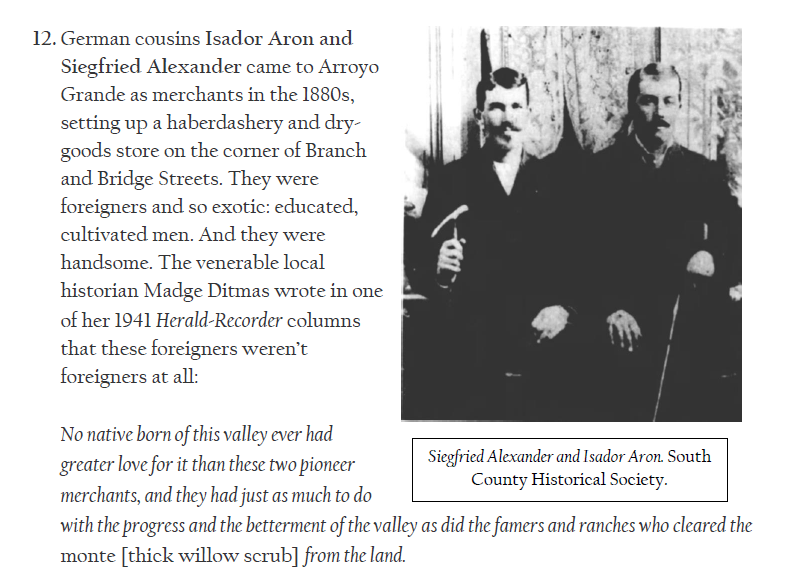
If you click on the link below the image, you can learn more about Arroyo Grande “good neighbors,” like Aron and Alexander, from our past.
https://drive.google.com/file/d/1it1Y5dZ0YV_WSEQloYosMKZdin_kwSF3/view?usp=sharing

23 Monday Sep 2024
Posted in Uncategorized
If you click on the link below the image, you can learn more about Arroyo Grande “good neighbors,” like Aron and Alexander, from our past.
https://drive.google.com/file/d/1it1Y5dZ0YV_WSEQloYosMKZdin_kwSF3/view?usp=sharing
21 Saturday Sep 2024
Posted in Uncategorized
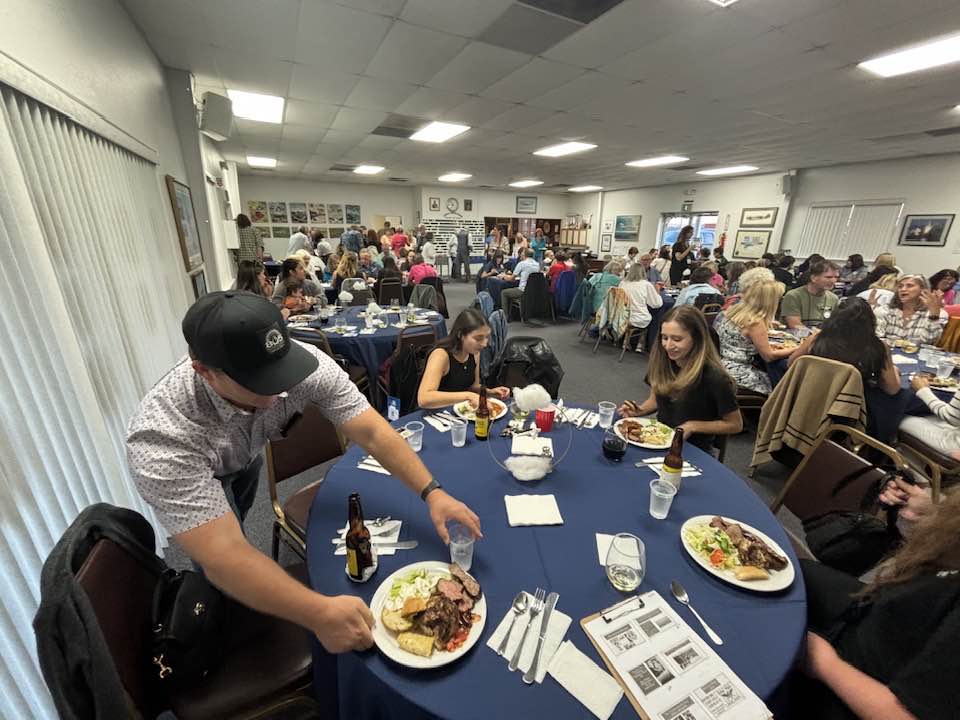
I was honored to speak to the Southwest Section of the 99s, the women pilots’ organization, at the Estrella Warbirds Museum, another favorite, last night. I have to admit that it was a thrill. For one, it was a packed house. For another, I was happy to see that the pilots were of all ages, from their early twenties to women who have been 99s for over 40 years.
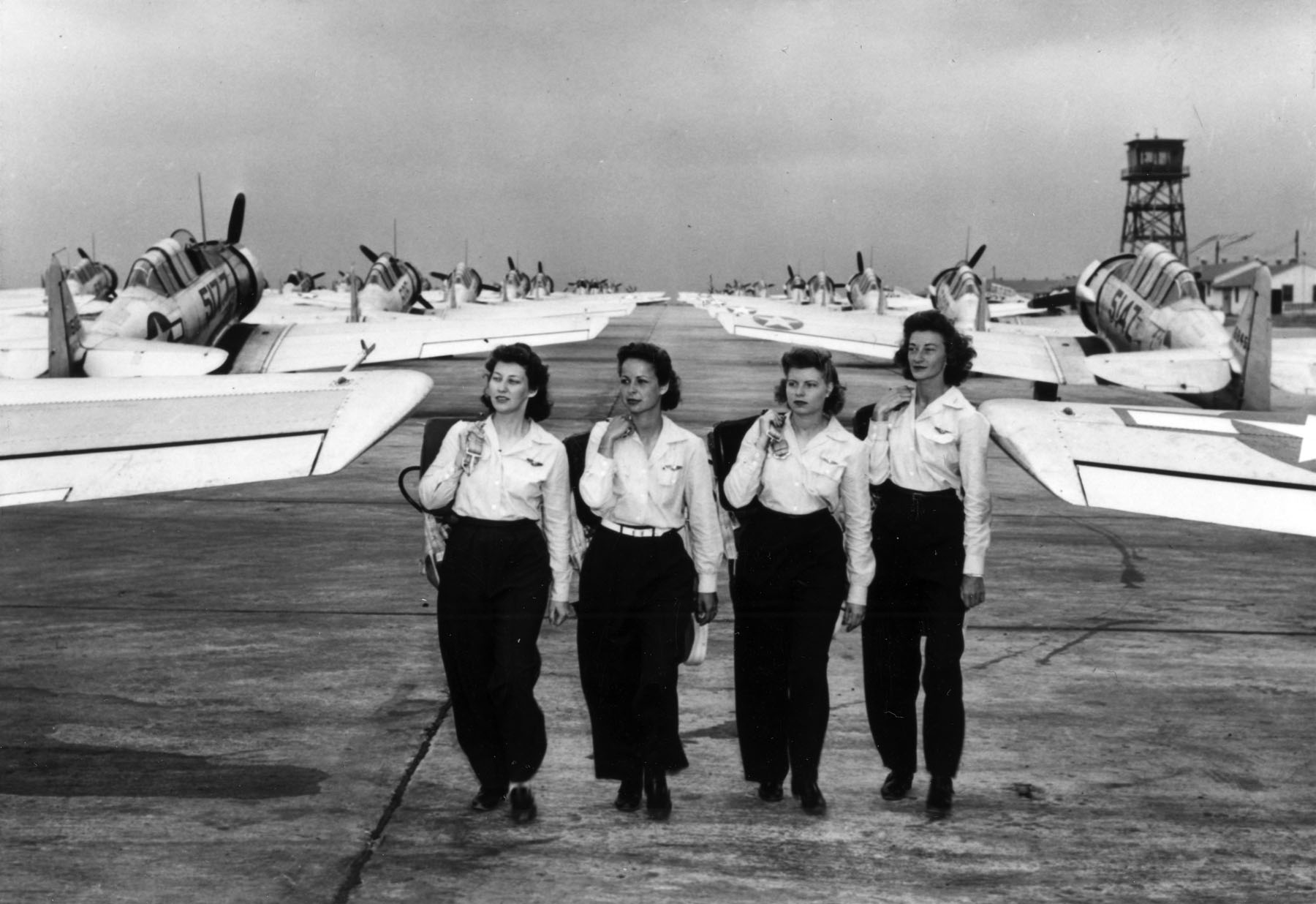
I talked about the history of local aviation, including women pilots, and then about the Women’s Airforce Service Pilots (WASPs).
Over 1,000 WASPs augmented the military flying force by ferrying combat airplanes from factory to field, test-flying repaired trainers, towing targets and other tasks. Thirty-eight died for their country, but since they were technically “civilian contractors,” the Army refused to pay for their funeral expenses. They were summarily fired in December 1944.
It took thirty-two years for Congress to finally recognize them for what they really were: Military veterans of World War II.
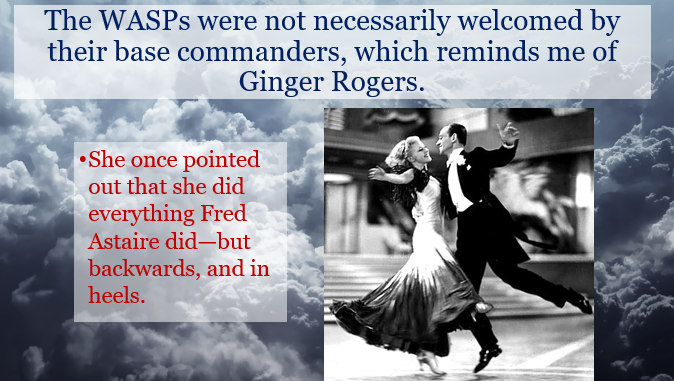
In talking about these incredible women last night, I’ve rarely had a livelier audience. They cheered when the name of Elizabeth Dinan, a legendary local pilot and flight instructor, appeared, and when the image of Blue Angel Amanda Miller appeared. (Elizabeth’s P-40 Warhawk earrings endeared her to me, immediately.) They liked this slide, and they laughed, a little ruefully, at its message. (The cadets in training did not share their commanders’ view. Many came to the WASPs for advice: “What should I do if my plane….?”)
The 99s were so much fun for me. Afterward, folks came up to me to talks awhile. A man suggested I research “Lucky” Penny, the Air Force fighter pilot who was ordered to scramble, unarmed, on 9/11. She decided that if it came to that, she would ram one of the hijacked jets. I met another local woman, now retired, who became a DC-10 pilot. I was so thrilled that I almost started hopping up and down, like I did the time the B-17 “Sentimental Journey” passed over AGHS and interrupted me, happily, in the middle of a lecture on the Thirty Years War. I ran outside my classroom and began hopping up and down—“A B-17! A B-17!”— with my students staring at me. They looked a little worried.
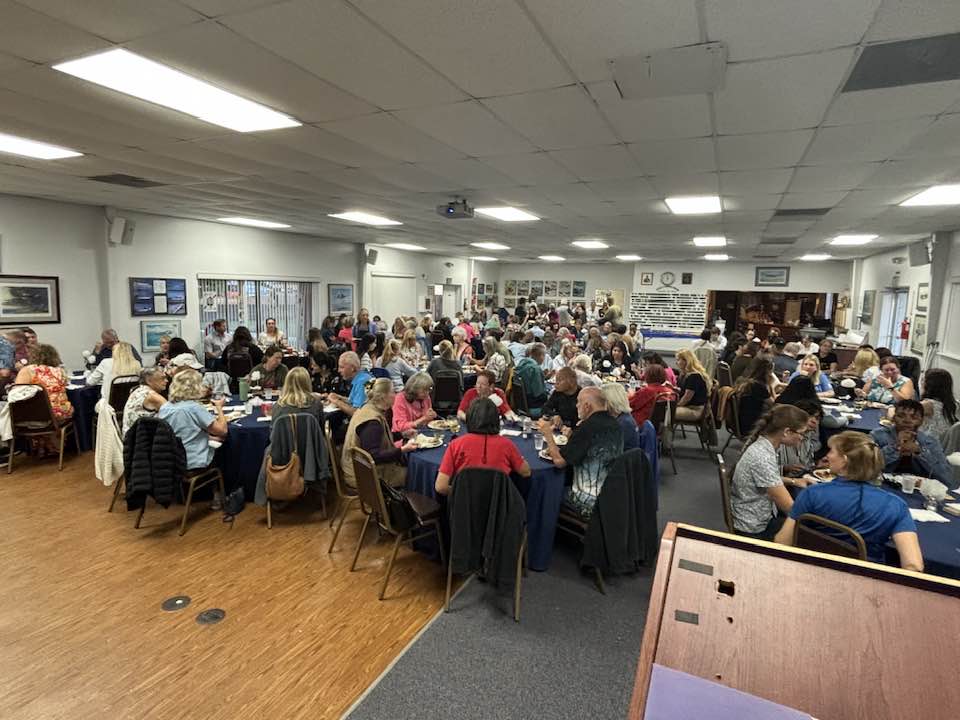
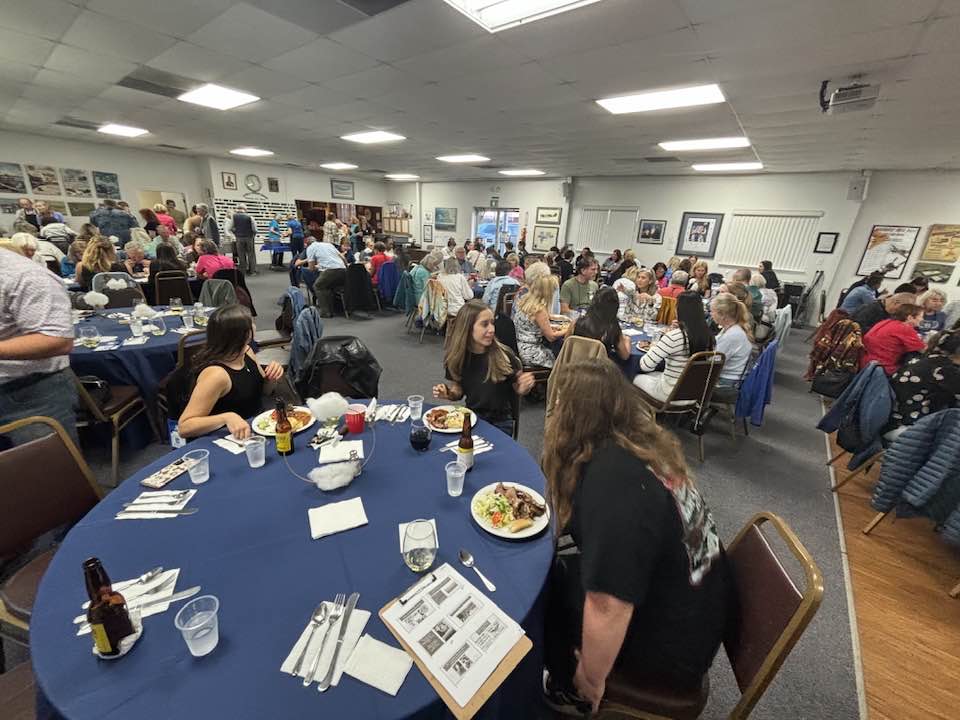
What the 99s did was validate the interest I discovered in teaching women’s history as part of the AP Euro course at AGHS. It’s part of a larger topic, social history that, along with military history, is important to me.
Thank you, San Luis Obispo 99s, for your invitation to speak.
16 Monday Sep 2024
Posted in Film and Popular Culture, Uncategorized
Tags
david-lean, drama, film, movies, reviews
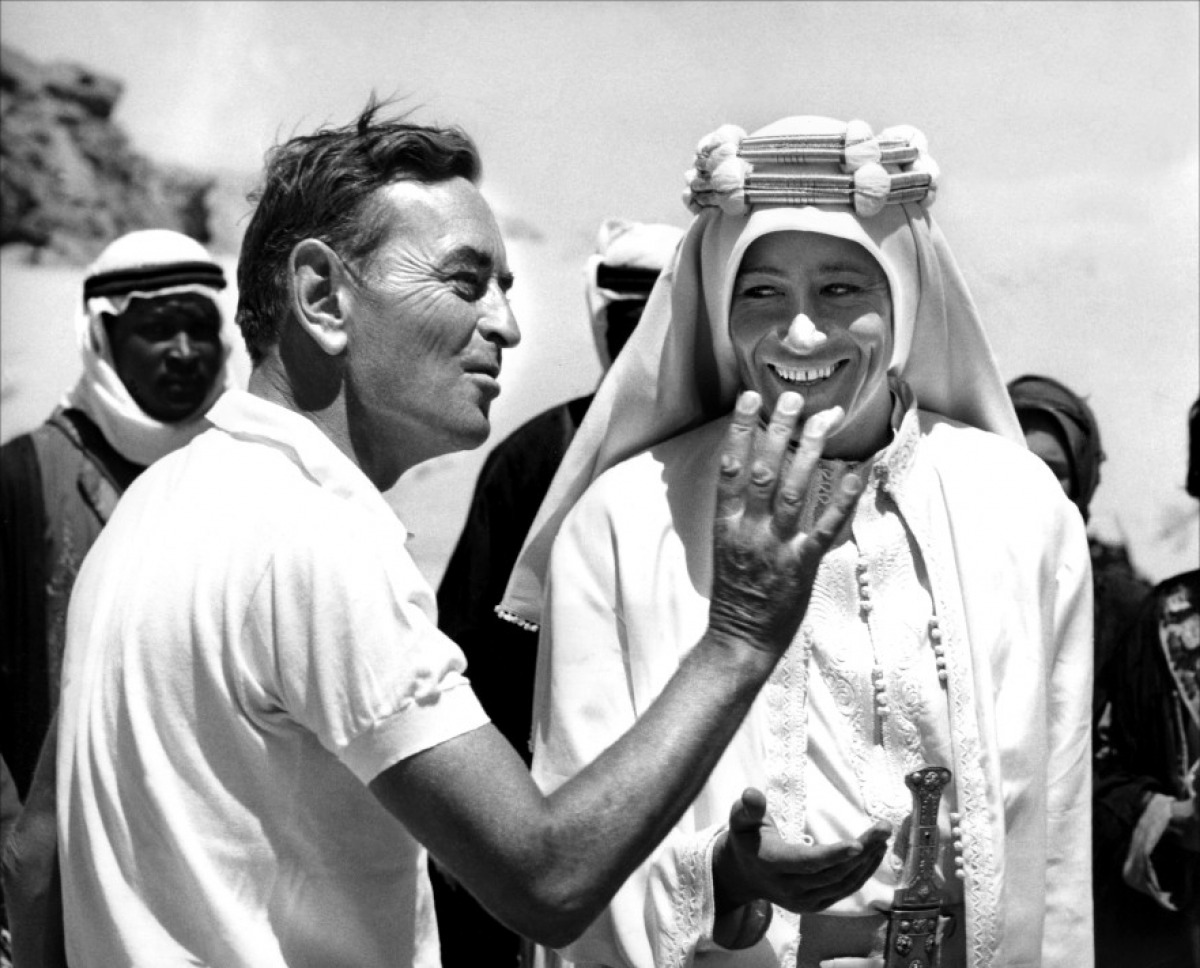
I’ve always thought of the director David Lean in terms of vastness and Technicolor. The desert scenes in Lawrence of Arabia come to mind—it’s said that thirsty theater patrons mobbed the concession stand for Cokes at the intermission. The most epic entrance in film history, I think—when Omar Sharif kills the Bedouin stealing water from his well—is an example of vastness.
And in Dr. Zhivago—theater patrons were warned to wear sweaters because that film’s cold was so vivid—there’s a set piece, where Lean communicates “cold” as Sharif’s Zhivago and Lara seek refuge from the Revolution in his family’s dacha, far, far away from Moscow or what was no Petrograd. It’s stunning and Dickensian scene, like Miss Haversham’s cobwebbed parlor and wedding cake in Great Expectations.
Dickens’ novels had as their fattest pages richly-depicted English eccentrics, from the delightful Micawber to the lizard-like Uriah Heep to the tragic Sidney Carton. In Bridge on the River Kwai, the Allied POW’s are led by Alec Guinness, who has crossed the line that divides eccentricity from madness. (The film also features one of William Holden’s finest performances.) Alert moviegoers might have spotted something off at the film’s beginning, when Guinness’s Col. Nicolson marches him POW’s into camp while whistling “The Colonel Bogey March.” It’s a little mad.
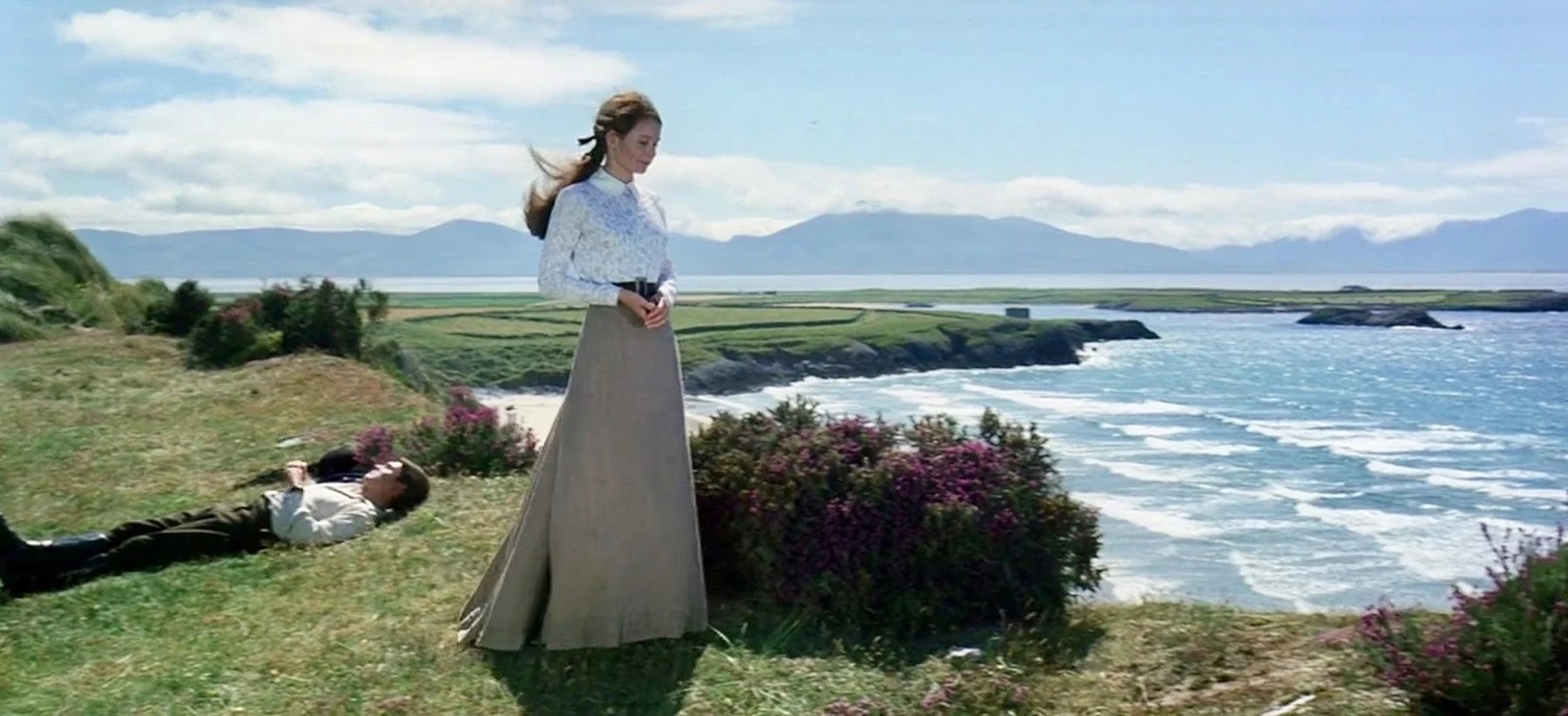
But long before Lean made grand color films–Ryan’s Daughter, while not among his great films, still made evocative use of the Ring of Kerry, a landscape far different from that of the Arabian desert.
I realized that Lean’s earlier work, in black and white, is just as stunning. I’d long ago seen Great Expectations, with John Mills and Guinness, but I hadn’t seen Oliver Twist in a long time. It’s a film that makes you feels as if you’re inside a Dickens novel (Turner Classic Movies noted that the film’s dialogue was lifted almost verbatim from the novel.
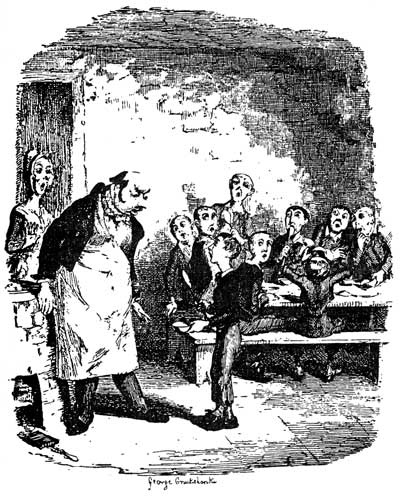
What struck me in yesterday’s viewing was the pathos of Oliver’s mother as she trudges exhausted, to the workhouse where she will give Oliver life and lose her own. Someone had the idea of setting the scene (the original, with its sound effects, is stunning) this one’s set to haunting music from an Australian World Music duo, Dead Can Dance. I don’t know if David Lean would approve. For what it’s worth, I do.
04 Wednesday Sep 2024
Posted in Arroyo Grande, Uncategorized
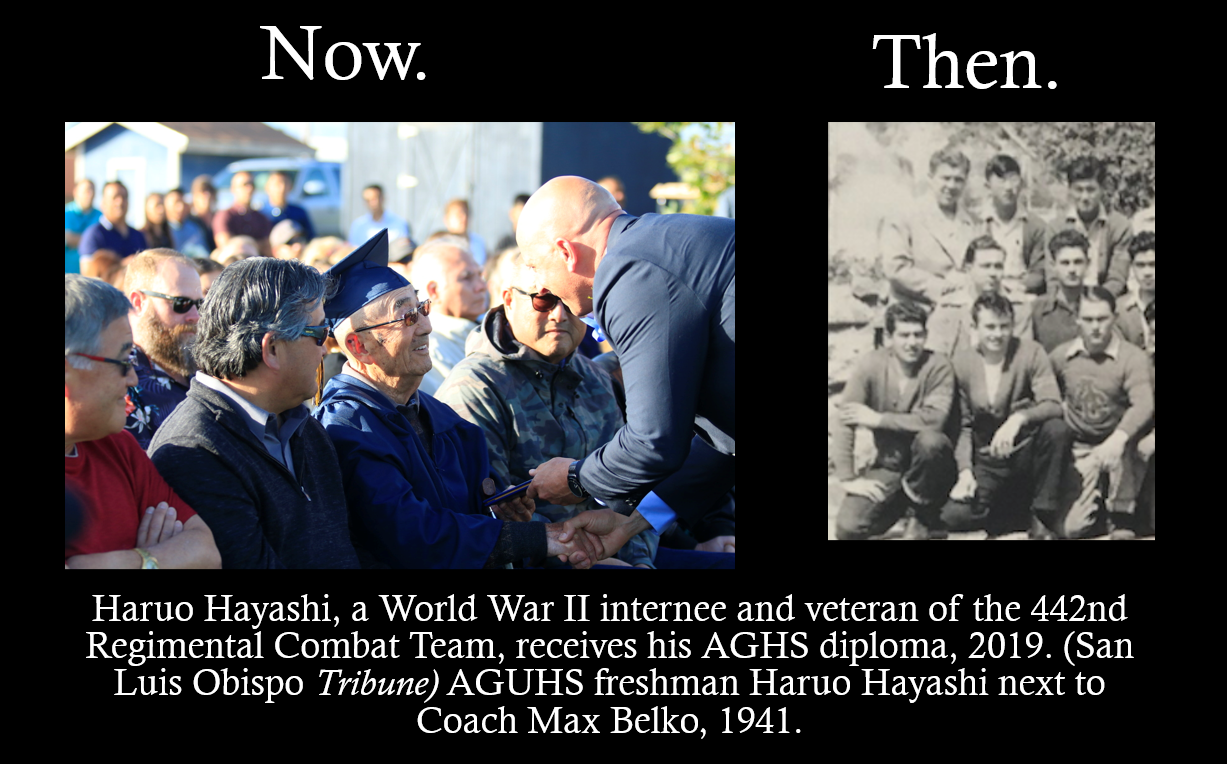
I don’t post this to be bragging.
Wait. Maybe I do.
But I post so much, espeically on Facebook, about history stuff that I hate the idea of me sounding like I am bragging. My Irish-American mother had, as one of her central teachings, that there was no sin quite so terrible as the sin of Pride.
Here’s the deal, Mom. I am now seventy-two, and I have enough stories inside me for two lifetimes. Each story I write takes days of research. Each of the little books I’ve written represent a year of work.
If I don’t get the stories I have left out, they will be lost.
Mom died when I was seventeen, but, as I once told my high school students, she was alive in me every day I taught them. She was right there beside me. Her passion was social justice.
It was Dad’s voice alive in me in the stories I told the teens I loved to teach, at both at Mission Prep and then at my Alma Mater, AGHS, and there’s no better way to teach history than to tell stories. My father was a mesmerizing storyteller. He was right there beside me, too.

So the little stories I post on Facebook—and the marvelous, evocative stories told by my friend Michael Shannon, who grew up near us in the Upper Arroyo Grande Valley–are begging to come out. Michael’s stories a lyrical and vivid and, given his four generations in Arroyo Grande, they have roots that make them even more authentic and timeless.
As soon as Michael and I think of one story, another one surfaces. I was asked recently to give five or six examples of acts of kindness, selflessness or sacrifice from Arroyo Grandeans from our past.
I wrote twelve.
Seven more are waiting to be written.
Michael could double those.
Both of us are in our seventies. Neither of us, I think, writes to show ourselves off. We write, instead, to show off people from our hometown’s past whose lives were marked by grace, or generosity, by sacrifice or by courage.
Most of all, Michael and I are drawn to stories about people whose lives were marked by kindness.
These people are our heroes.
I’ve written, too, about our town’s failures–the mob that descended on Chinatown in 1886 and forced the residents to flee, the double lynching a few weeks later, the ugly bigotry directed at Filipino immigrants, the few locals, motivated by envy directed toward the Japanese immigrants who’d become so successful, who applauded Executive Order 9066.
The fact remains that the heroes far, far outnumber the cowards from our past.
They have to be written about. They have to be remembered. In however many years I have left to me, I want to be part of remembering them.
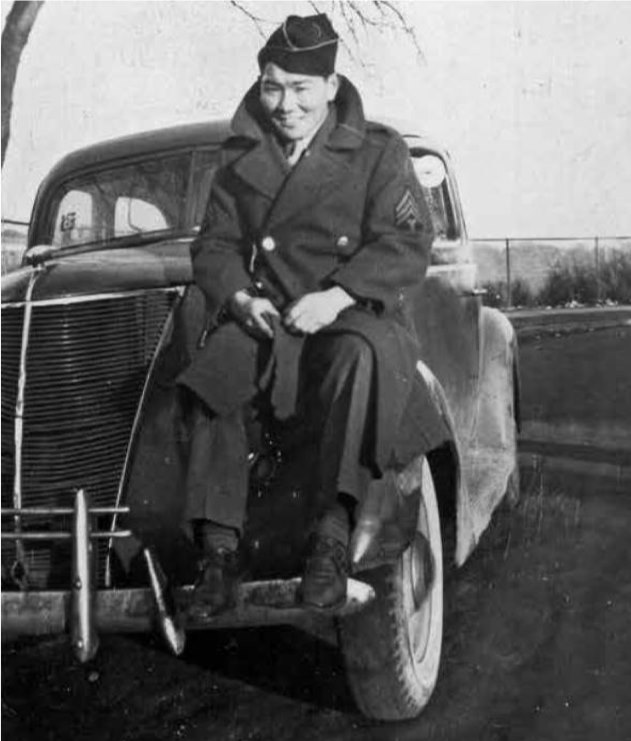
Here is one of my favorite stories; I’ve told it many times before, but for some of you, this might be the first time.
AGUHS grad and Army Intelligence Officer George Nakamura, posing on the car (note the bald wartime tires) when he was studying his family’s Japanese in, of all places, Minnesota. Some of his instructors would’ve been intelligence officers, too. Many of them were women.
Nakamura was part of a team attached to–and meant to spy on–Mao Zedong’s guerrillas as they fought the Japanese in the mountains of Ya’Nan Province.
Nakamura disguised himself as a Chinese peasant to go behind Japanese lines to rescue a downed American flier. He was twenty years old.
When he turned twenty-one, the former sports editor of the AGUHS “Hi-Chatter” had so charmed his hosts that they threw him a birthday party. Somebody had a record player.
So the female fighters took turns dancing with the former editor of the AGUHS “Hi-Chatter.”
One of them was a famous prewar film actress, Jiang Qing.
She was the boss’s wife. The woman who danced with Nakamura would be far more famous by her married name: She was Madame Mao.
That’s a hell of a story. There are thousands more from this little town. There are so many stories; there is not nearly enough time.
02 Monday Sep 2024
Posted in Uncategorized
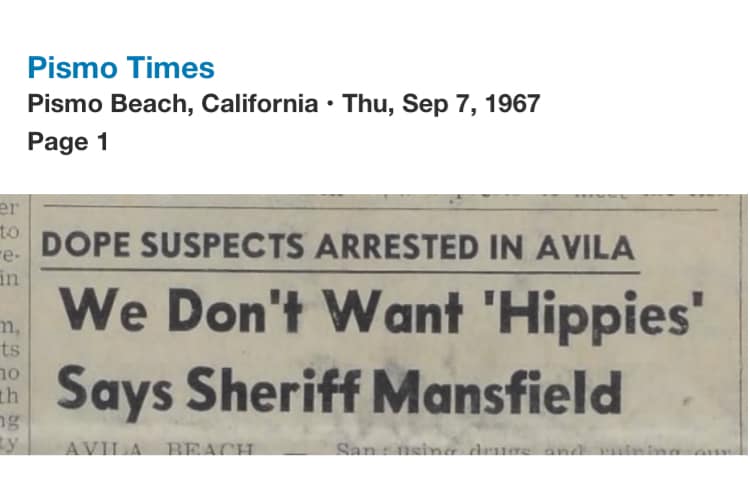
When my friend and fellow historian Shirley Bennett Gibson posted this a few days ago, I just couldn’t let go of it. I just had to write some lyrics. So here they are, inspired by Merle Haggard’s “Okie from Muskogee,” a monster hit in September 1969. Two caveats: I know that the first line is a bald-faced lie, and Haggard was one of our finest songsmiths. Admittedly, in September 1969, this one troubled me just a mite.
We don’t smoke marijuana in Arroyo Grande
We take our trips to SLO, not on LSD
We don’t want no pot farms in the Huasna
We like Rotta wine and just-grilled lingui-cee
Well, I’m proud to be a kid from Arroyo Grande
Where steelhead still make their way upstream
Y’all can keep you’re your flowers and your love beads
Me, I’m, rootin’ Fridays for our football team
We don’t allow short skirts on our co-eds
God forbid they come to school in jeans
And boy, you better trim up them sideburns
Or do hard time in the office of the dean
Well, I’m proud to be a kid from Arroyo Grande
We drive Ford pickups, not lovebugs, along Branch Street
We get our hair cut every two weeks at Buzz’s
We don’t want no longhairs or smelly feet
Our deputies wear handsome cowboys hats made out of straw
Their silver prowl cars leave blisters on the road
So if you’re considerin’ some teenaged nonsense
Get ready for the visit to your folks’ abode
Yes, I’m proud to be a kid from Arroyo Grande
A place where even squares can have a ball
‘Less you think I’m spinnin’ a kinda fairy tale
You ain’t danced and sipped sopa at the Portuguese Hall.
Now, here’s Merle. Of course.
01 Sunday Sep 2024
Posted in Uncategorized
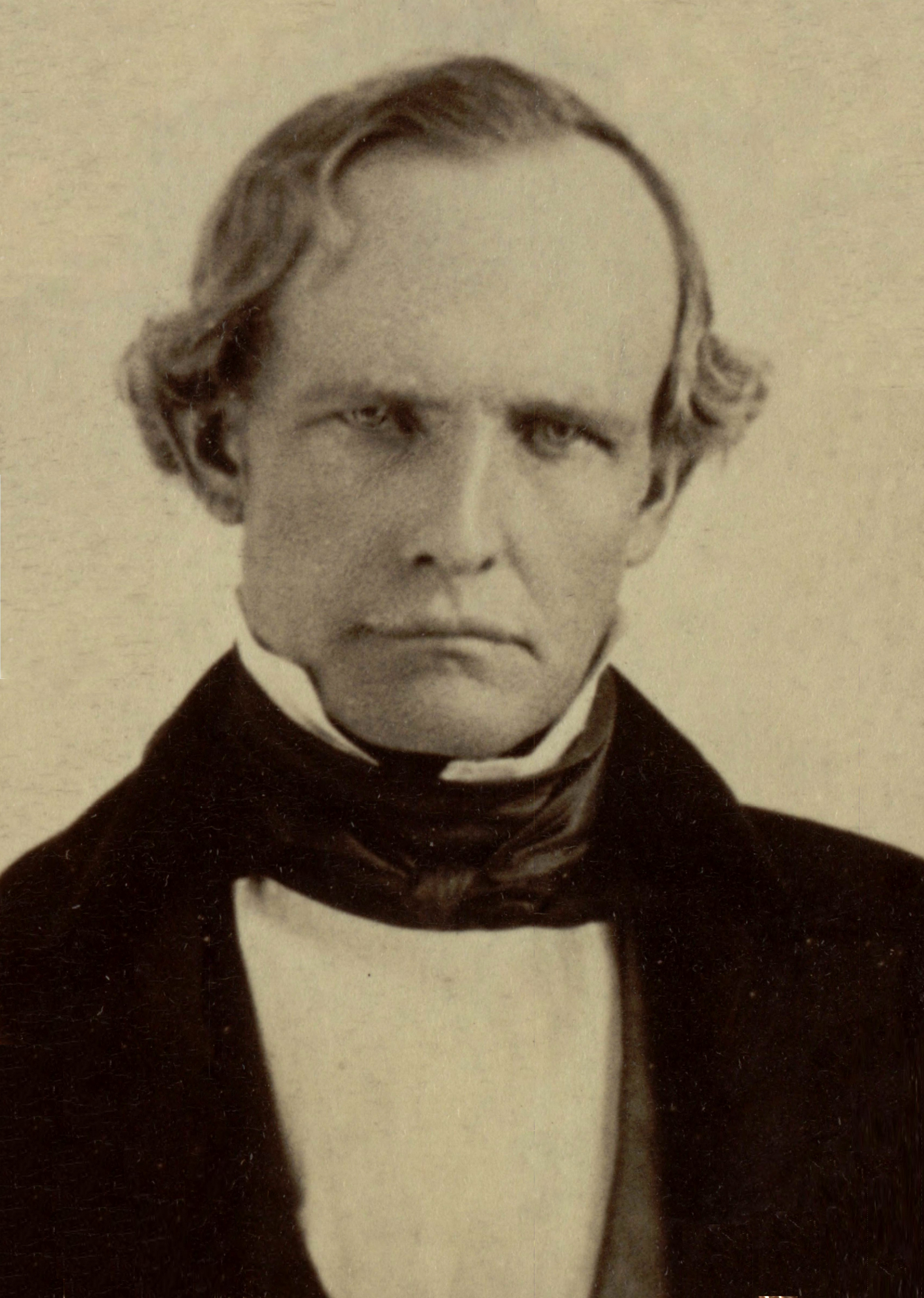
School used to start a little before California Admission Day (that would be Sept. 9, 1850), when I was a little kid at Branch School, but now school lets out around June 8 and seems to resume, goodness sakes, about six weeks later.
But Admission Day is not such a great thing, other than the fact that California gold flushed Salmon Chase’s coffers–Lincoln’s Treasury Secretary, as in “Chase-Manhattan Bank,” who thought himself immensely superior to the president, as did his daughter, Kate, a Washington D.C. beauty. So our gold killed a lot of Confederates. At least one of my ancestors (Douglass, my middle name) among them.

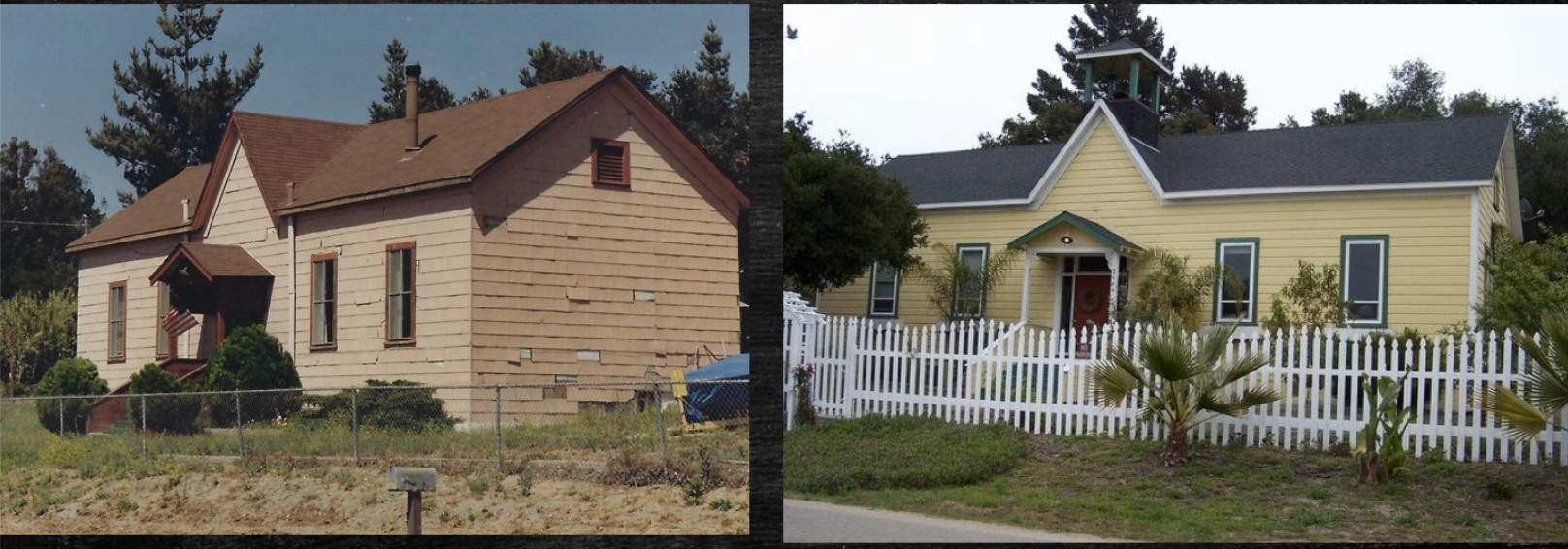
Which leads me to Peter Burnett–in the photograph at the top of this entry–a slave-owning Missouri transplant and our first governor. Burnett’s administration included a pledge to exterminate every Native American in the state.
He didn’t, but he made damn good progress. There were an estimated 20,000 ytt (Northern Chumash) people in California in 1500. By 1900, only 62 identified themselves as such.
In San Jose, the statistics are similar: There were 30,000 Muwekma Ohlone people before Burnett and sixty-two survived him.
Yes, the attrition is in part due to the influx of European/American diseases, like smallpox, measles and syphilis.
But Burnett actively recruited expeditions, some of them doubtless made up of amateur soldiers, lubricated with whiskey, to hunt down Native Californians and kill them.
The constitutional convention at Monterey in 1850 included the passage of a measure for the protection of California Native Americans. They were protected, in the act–and especially minors–by becoming indentured servants to the White folks who deserved California, after all.
The Census reveals that even in our county, Native American children are routinely identified as “servants.”
Our representative to the constitutional convention, young Henry Tefft, luckily left before that law was passed to take up a judgeship in San Luis Obispo County.
He later drowned in San Luis Bay when his ship’s little rowboat capsized.
Mrs. Tefft remarried.
For the YTT people of our county, there was almost no one left to marry. There were only bones, displaced for Chorro Street water mains or ground into fertilizer or dumped into mass graves at the southern edge of town or collected by amateur anthropologists.
Some YTT bones wound up in medical schools in England.
I once wanted, very earnestly, to write about Rosario Cooper of Lopez Canyon, the last speaker of her Chumash dialect and something of a celebrity in anthropology, in linguistics.
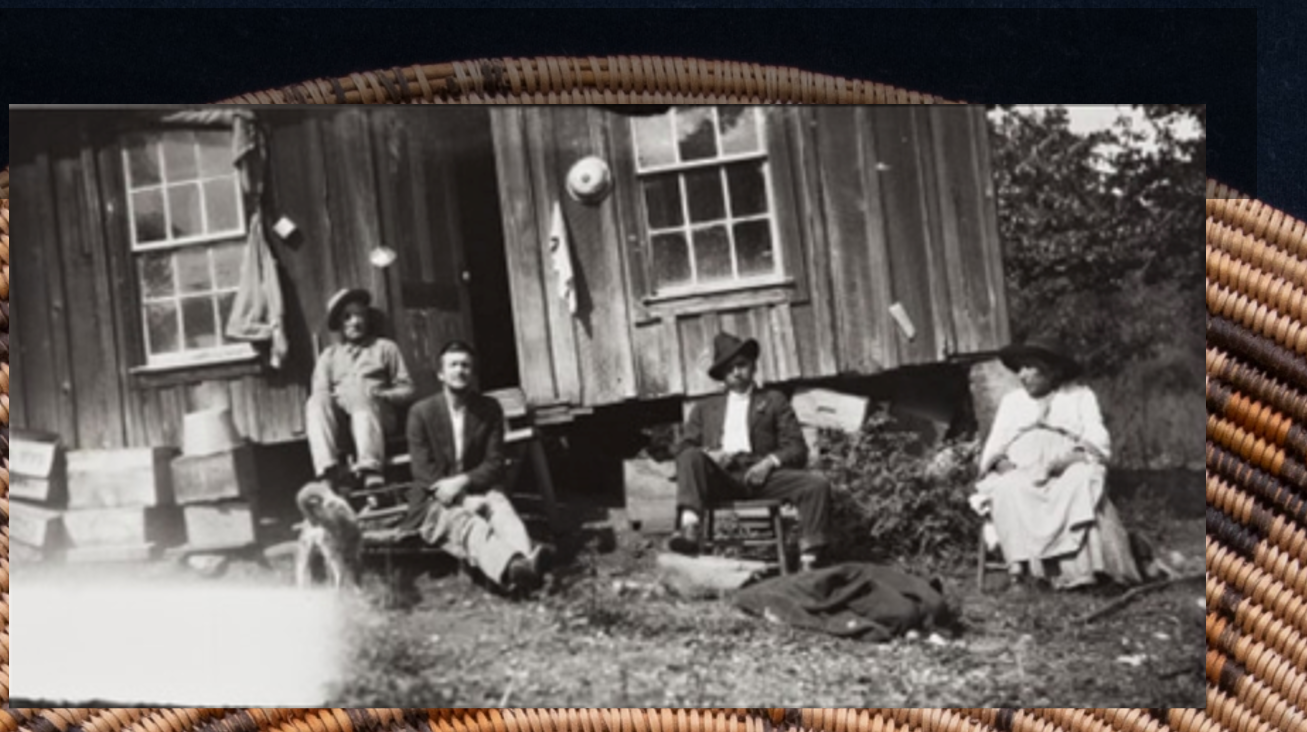
My source, a YTT elder, refused to talk about Rosario. My ancestry, in Leicestershire and in County Wicklow, did me not one bit of good. It took me a long time, but I finally understood her refusal. Her people had been burned too many times by well-meaning White people, almost as dangerous in their way as Gov. Burnett was in his.
But you can still hear Cooper singing, her voice recorded on Edison wax cylinders in 1916, carefully preserved at Cal’s Bancroft Library.
I had the great honor of teaching two extraordinary young women AP European History at AGHS, both of them Cooper’s descendants.
But I didn’t teach them this history. I didn’t know it then. I didn’t want to know it when I finally learned it. It was too painful.
And I’m not so thrilled about Admission Day anymore.
 A Work in Progress