
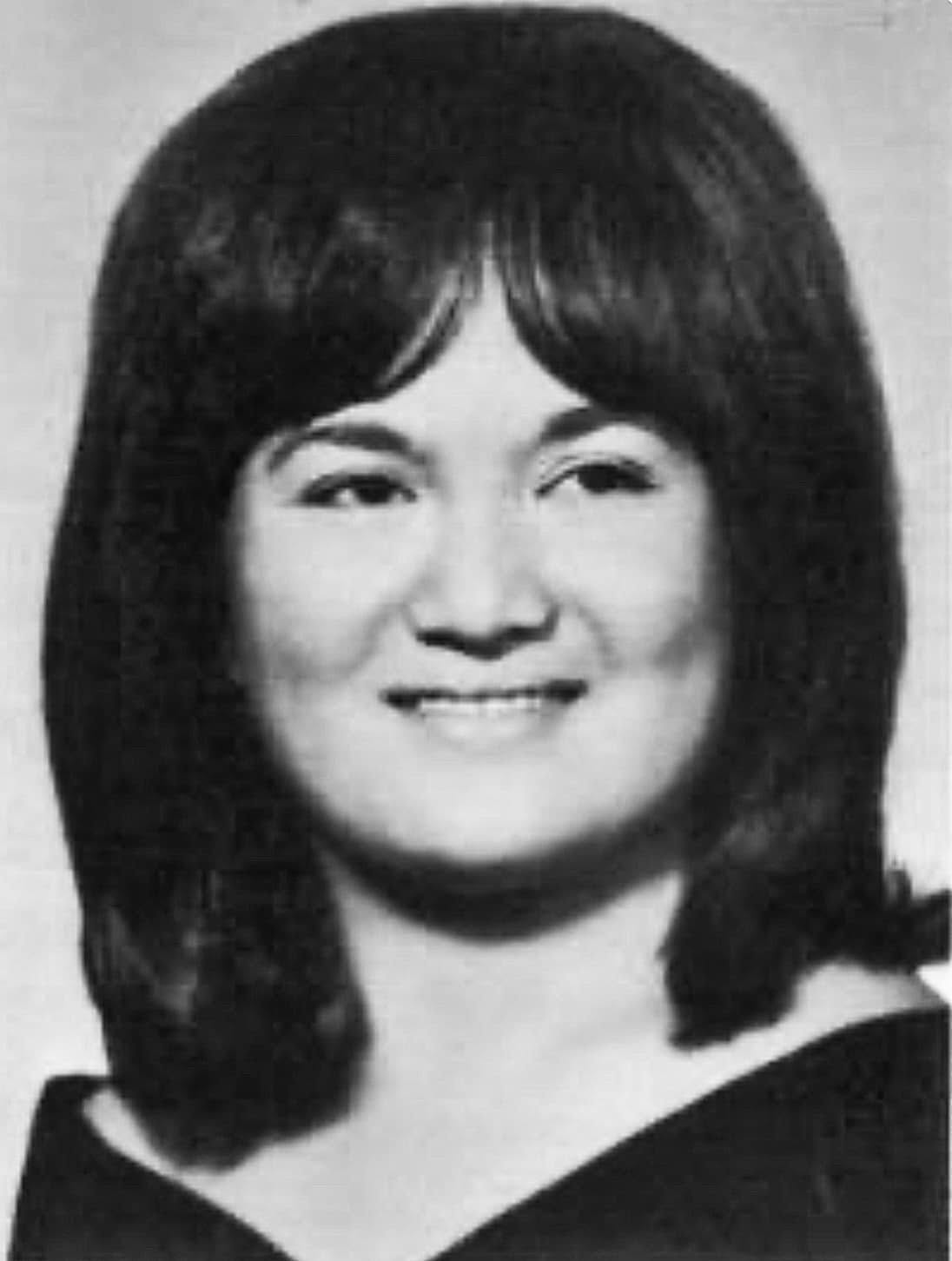
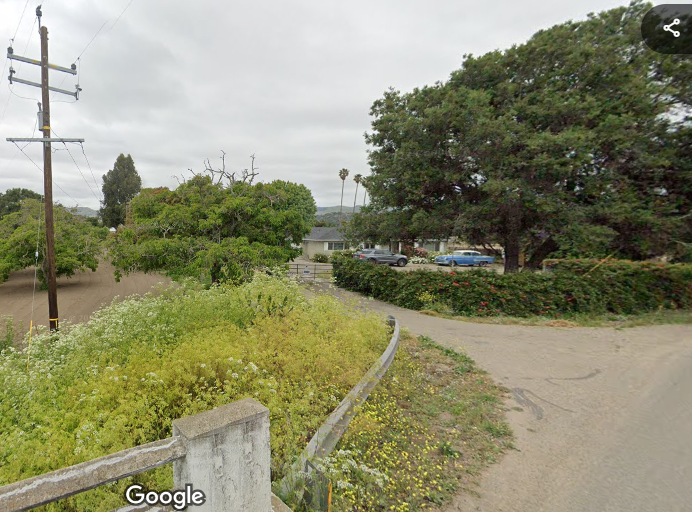
I ran away from home when I was about thirteen. It didn’t last long. We lived by the Harris Bridge–that’s our house, the way it looks today.
So I went up into the hills, where I found cowpies, some fresh–damn!–and cow bones and skulls, which later made their way into a book I wrote, about the drought of 1862-64 that decimated Francis Branch’s cattle. In modern dollars, it cost the founder of Arroyo Grande $8 million, and the drought arrived the same year he lost three little girls, now buried next to him, to smallpox.
My situation wasn’t quite that dire. I was angry with my Mom and, given to grand gestures, running away from home seemed appropriate.
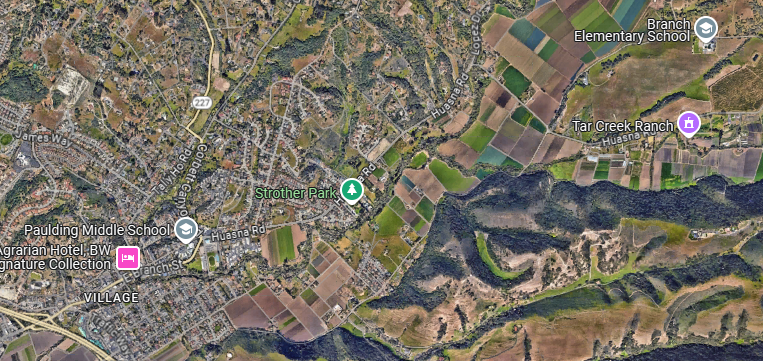
That lasted about twenty minutes. The idea wore itself out. My stubbornness didn’t. For those of you keeping score at home, I did a big loop. I turned left behind the IDES Hall, went behind Old Arroyo (We did NOT call it “The Village,” a term I consider insulting, unless you’re a Smurf), went up Cherry and then onto Branch Mill Road, grudgingly headed toward home.
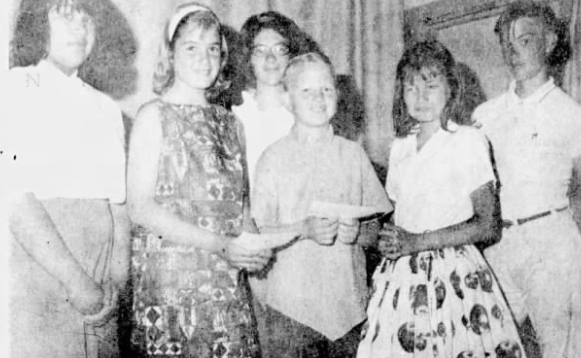
It was a long hike, especially for someone, like me, who was vertically challenged. I was always the shortest in the photo, and here’s proof, the year before I ran away from home, when I’d won a writing award for the American Legion’s Women’s Auxiliary. I believe the topic was “Lordy, How I Hate Communism.” I could be wrong, but not by much.
I walked up Branch Mill and was getting close to Tar Springs Creek when a 1958 Chevy station wagon stopped.
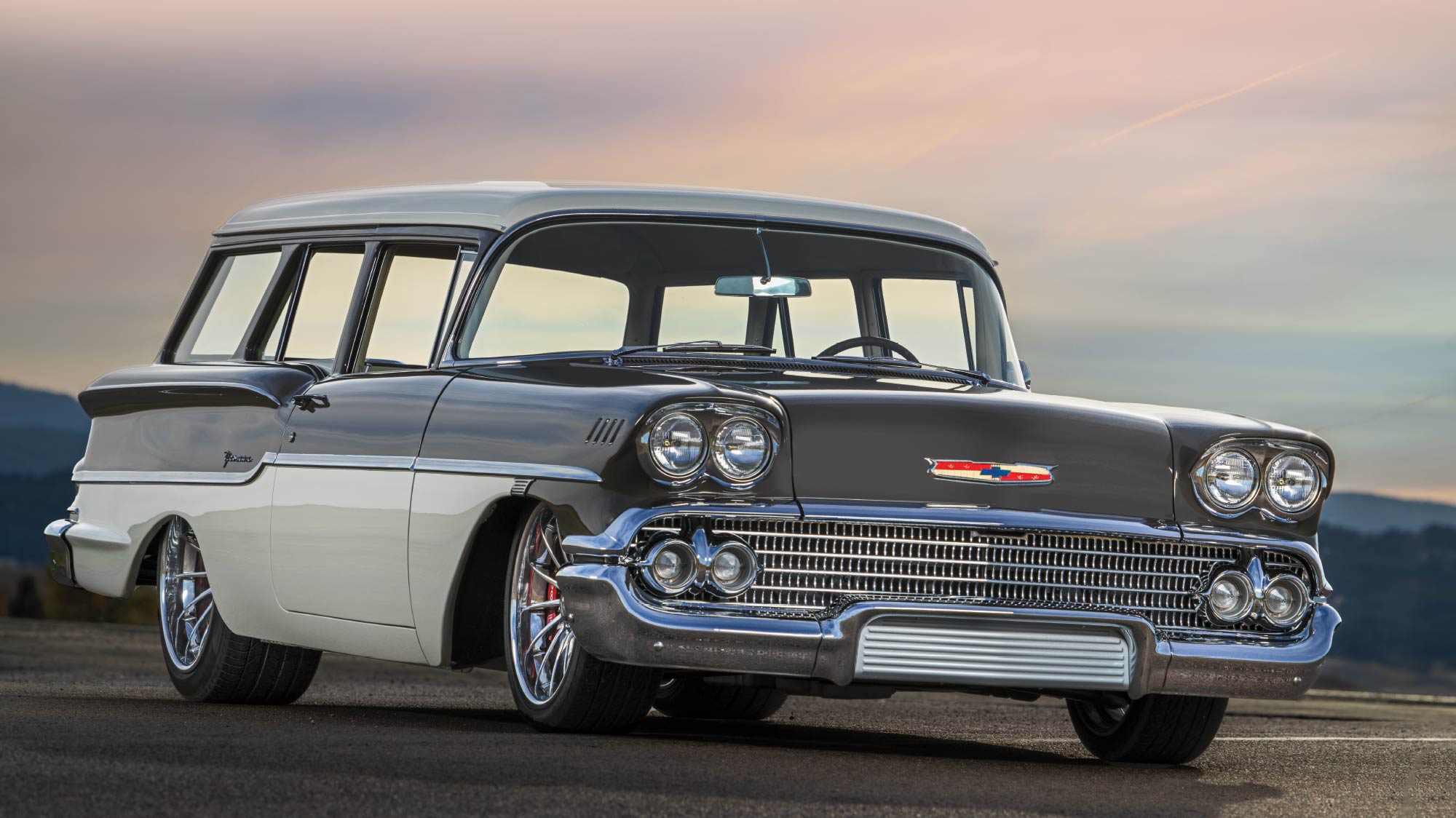
Behind the wheel was Diana Berguia. Her passengers were, I think, her sisters—Angie, Connie (my contemporary and my friend back to first grade at Branch School, and later my teaching colleague at AGHS) and Emily.
“Do you need a lift?”
My feet hurt.
I bashfully accepted. Diana was immensely older and more classy than I—she must have just gotten her driver’s license, which only validated this estimated. And she was beautiful, with long straight black hair, and I think I remember a soft and almost musical voice. Her family farmed far up Huasna Road, past the haunted house where little Alice had been murdered, up toward the Coehlos but not quite as far as the big tree where the fog stopped and not quite as far as the Tar Springs Ranch or the Porter Ranch beyond where, in my imagination, bounded as it was by the Upper Arroyo Grande Valley, you reached the ends of the Earth and fell off. I later learned about Pozo.
Geography aside, my feet hurt, and I was being picked up by a station wagon full of girls. Accepting Diana’s offer was the first good decision I’d made all day.
I have a damnable habit of getting rescued by friends—Joe Loomis is another example of this, if you’ve heard that story (if you haven’t, look up “Redheads” on this blog)—and I think Diana sensed that I was upset. And she was worried. I was short enough to be run over by a celery truck, with me unseen, so the Berguias got me home safely.
Years and years and years later, I was interviewing Jeanne Wilkinson Frederick, whose father owned the Arroyo Grande Meat Market. I’ve written about her, too, because her dad was so kind to his Japanese customers—his friends—that they sent Jeanne this beautiful doll from the Rivers Internment Camp in the Arizona desert. Jeanne, at 93, still had it.
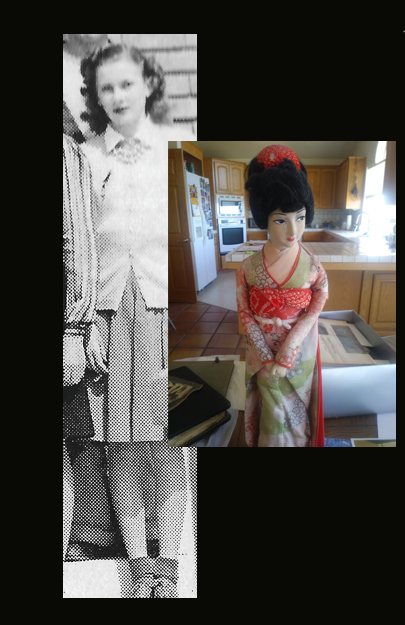
She also still had her father’s ledgers. It was customary for grocers and butchers to allow the farm customers to run a tab, to be paid off when the harvest came in. When I opened the ledger, the entries were for Diana’s father, Victorino, born in 1909 in the Philippines.
The memory of the day I ran away from home came back to me just then, along with the realization of the luck I’d had in growing up with Victorino’s children. An AI description of his birthplace:
Barotac Nueva, Iloilo, is known for its friendly people and is a great destination for travelers who want to experience the local culture. Some say that the people of Barotac Nuevo are among the most hospitable in [the Philippines].
Of course that must be true. It is now sixty years since Diana pulled over to ask if I needed a ride. It remains one of the most vivid, and one of the warmest, memories of my life.
The Berguias were, are, and always will be one of our finest families.
Special thanks to Shannon Ratliff Evans, whose faithful Facebook record, “Arroyo Grande High School’s Fallen Angels,” is a constant reminded to me of how lucky I’ve been to have grown up in Arroyo Grande.
 A Work in Progress
This superb writing. Only one thing, I, never in my life called him anything but Vic. I once thought that was his entire name.
LikeLike