

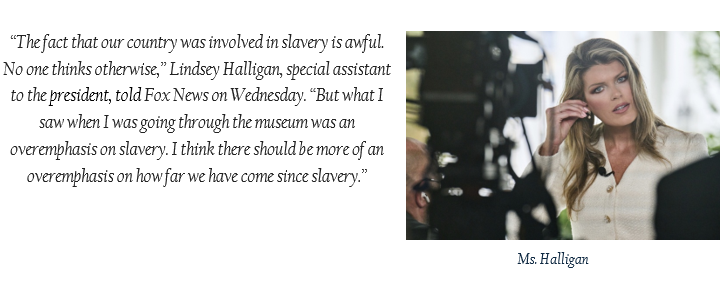
The Oval Office has been ambushed by gold furnishings, some of them imported from exotic places as far away as Mar-a-Lago, in Florida. Now, it seems, the President wants his history golden, as well. His attack on the Smithsonian’s African American Museum—“too much emphasis on slavery”–was echoed by this young woman, charged with dispatching a study team to cleanse the place of Wokeness.
It was obvious that Ms. Halligan could muster, at most, about 150 words about the history of American slavery. Her boss’s leash is a short one. If you’d pressed her, she would’ve been a perfect example of what Hannah Arendt called “the banality of evil.”
“When did slaves come to America?” you might ask her. “Who was Nat Turner?” “Why did some slaves about to be sold South mutilate themselves—with one mother using a hatchet to chop off her foot?” “Why was the spiritual ‘Steal Away to Jesus’ a significant signal to enslaved people?”
There would’ve been silence. The photo depicts Halligan desperately searching her own ear for answers.
I’m cheating, of course, because I took a year of the history of the American South in college. I was amazed both at how little I knew and at how rich the history of Black Americans is, including the history of their enslavement (which includes the ingenious ways in which they resisted slavery), the topic that so ruffles the President’s wispy golden hairs.
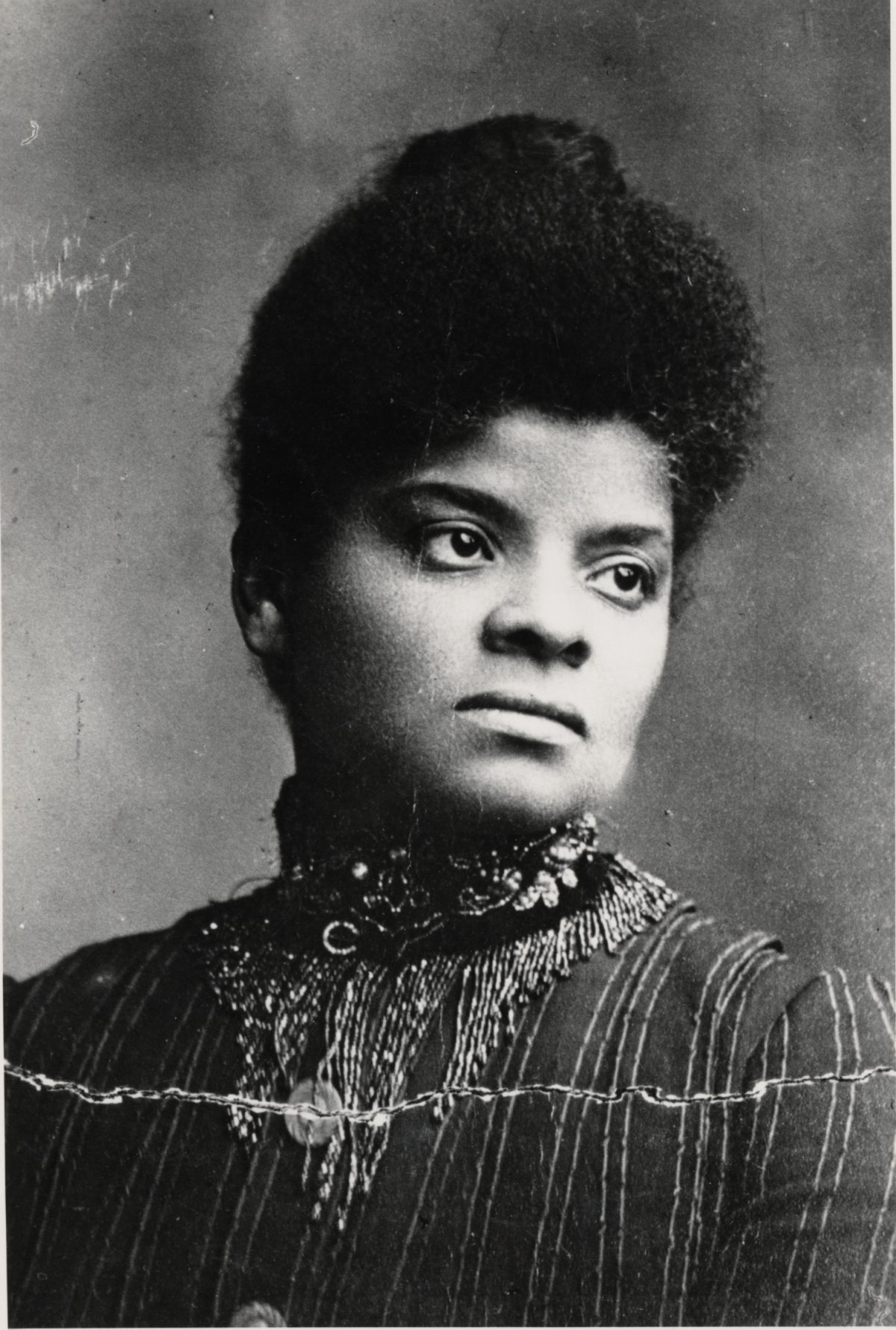
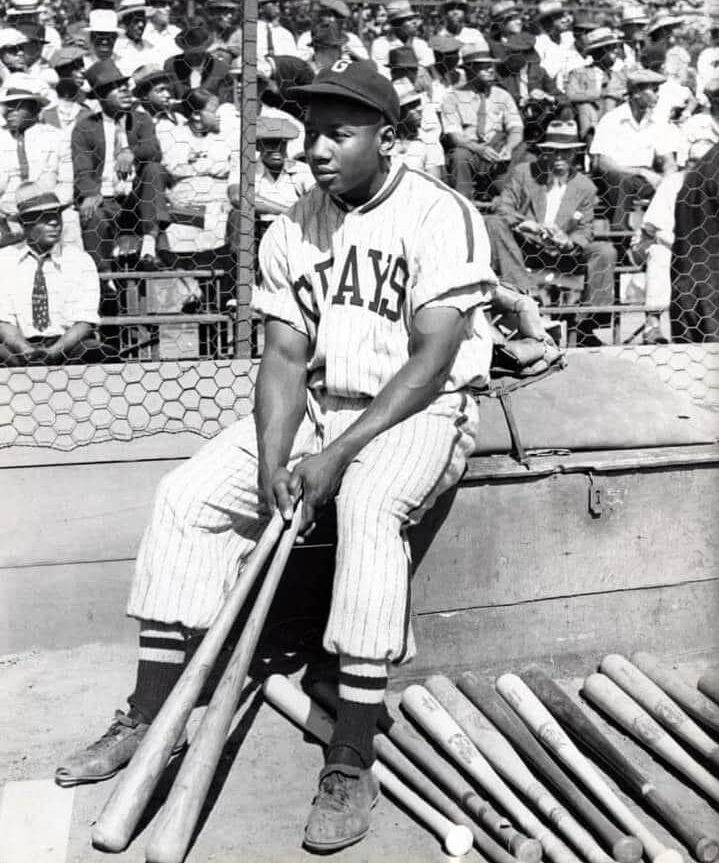
In truth, the Pulitzer-Prize winning columnist Eugene Robinson notes that the history of slavery is housed in the museum’s lower floors. As visitors ascend, the exhibits’ emphasis shifts to Black men and women of accomplishment: poets, musicians, scholars, soldiers, scientists, athletes, activists. (Below: Robinson, activist Ida B. Wells, professional baseball slugger Josh Gibson, poet Maya Angelou.) In a very subtle way, museumgoers ascend to freedom, too.


And, Ms. Halligan, let’s do some math. Slavery was an American institution for 246 years, from 1619 until 1865, when the Thirteenth Amendment, the centerpiece for Spielberg’s film Lincoln, was finally adopted.
Then things got worse. After the brief interlude when troops occupied the South, during Reconstruction, what followed was nearly 100 years of segregation, of Jim Crow.
How could that be worse than slavery?
Possibly the only positive attribute of American slavery is that enslaved Americans and White Americans lived in close proximity. White children played with Black children, except when a Master’s son once asked if the could join the enslaved children, who were playing “Auction.”
He was turned down, apologetically. One of the Black kids pointed out that he couldn’t possibly play Auction. He was White and therefore worth nothing.
Most slaveowners were the masters of five or fewer human beings, and so their waking and working lives were within sight and sound and smell of each other. It wouldn’t be accurate to call them “friends,” but they were certainly intimate.
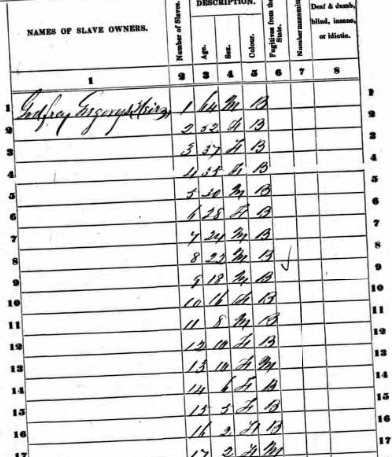
Civil War.
That intimacy, of course, extended to enslaved women, chattel and therefore subject to the wooing—or, more accurately, the rape–on the part of White masters or overseers. Jefferson’s hostess at Monticello, Sally Hemings, mothered Black children with red hair. (Below: Jefferson, Monticello, Sally Hemings’s quarters, discovered only in the last decade. This room would’ve been the space where she birthed Jefferson’s children.)
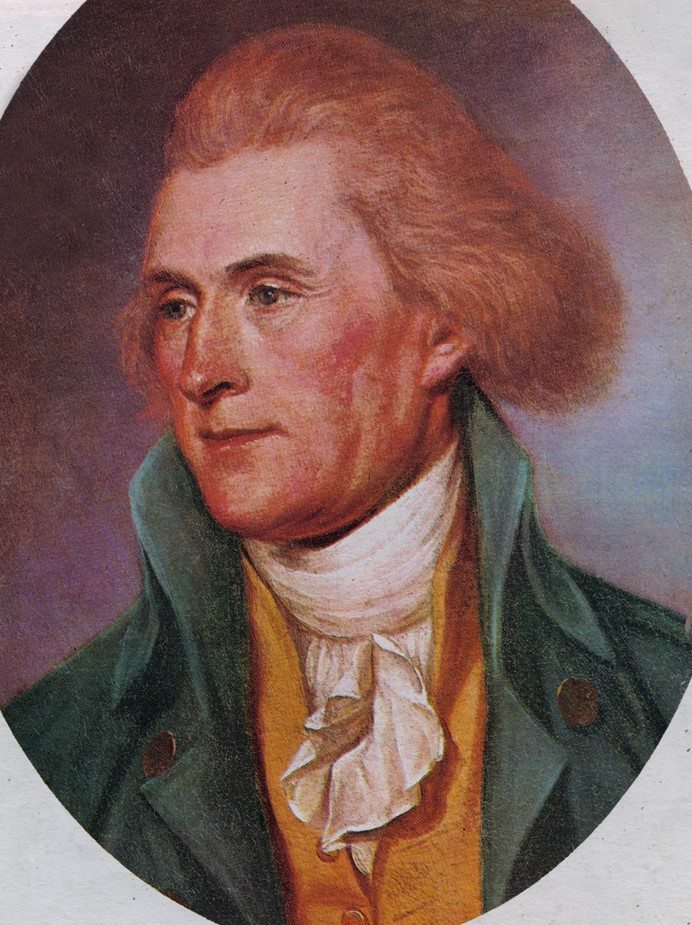
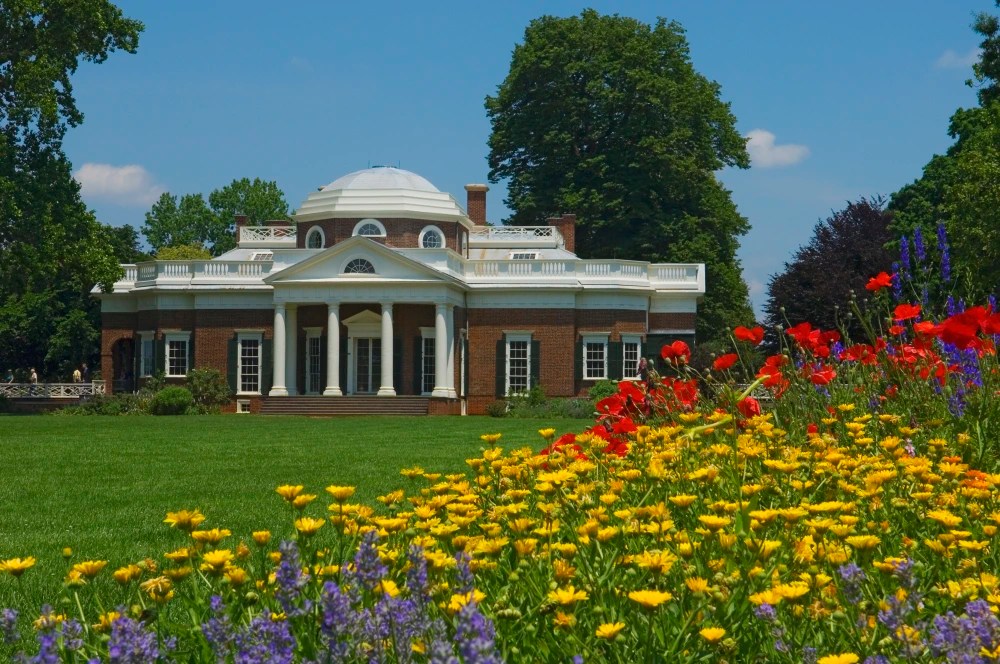

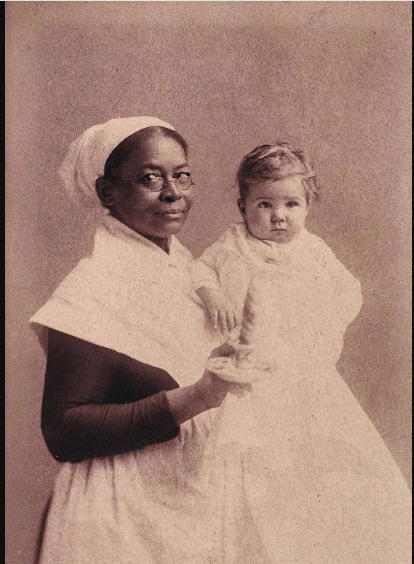
On larger plantations, enslaved women became surrogate mothers—more often, mothers in everything but DNA—to White children. Black women nursed Master’s babies. Nannies kept them seen but not heard so that Master and Mistress could cultivate the kind of social lives that the Cotton Aristocracy required.
So nannies were disciplinarians, confidantes, nurses and the driers of tears.
And then, when the time came and the family will was read, these women, these surrogate mothers, became the property of the little boy they’d raised.
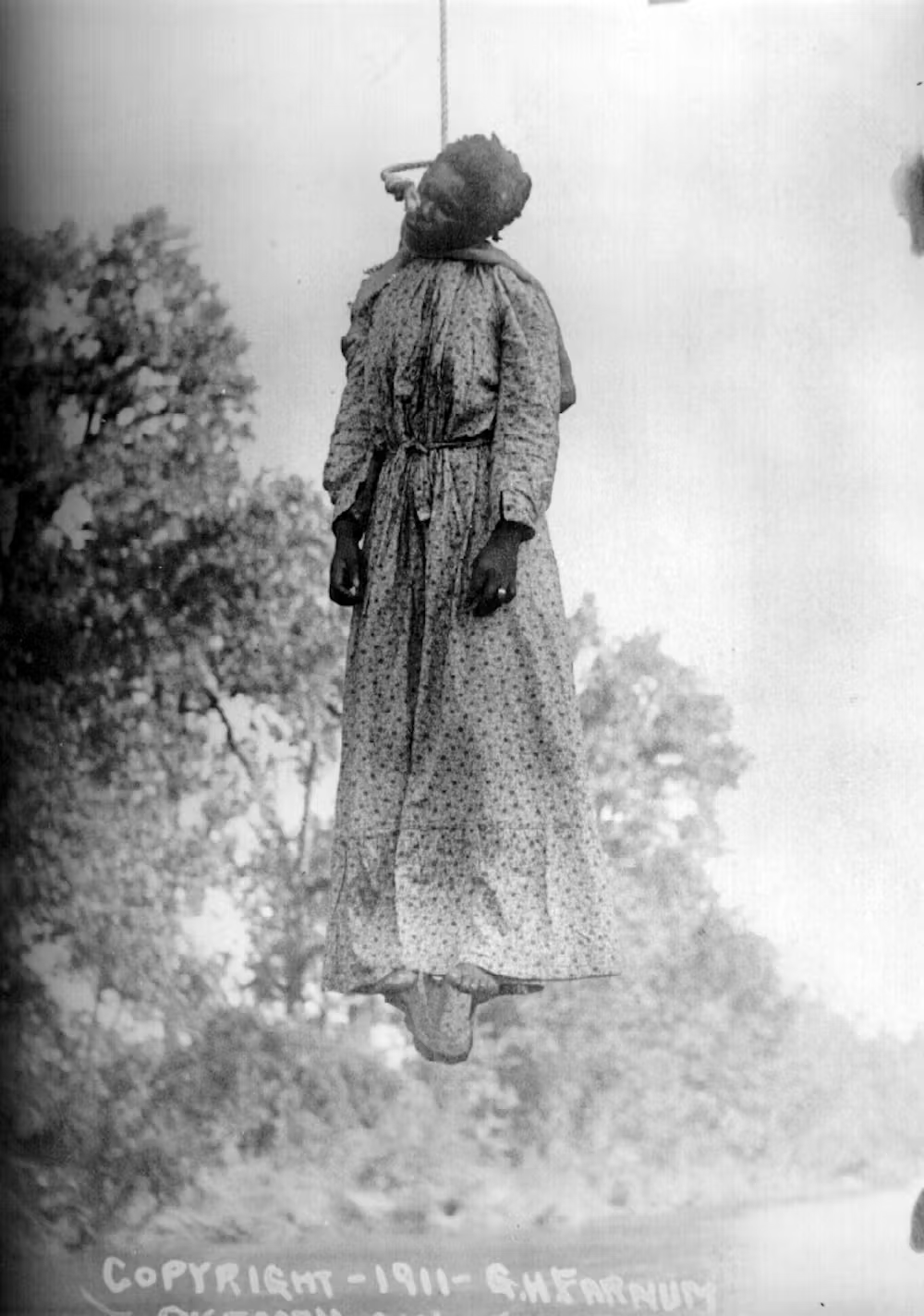
When chattel slavery ended, at the cost of 750,000 American lives, Jim Crow emerged as the device to keep Black Americans subservient and obedient. Enforcement included whipping, a staple of slavery, but it also included a century of lynchings—a kind of spectator sport—because now, with the races rigidly separated and unknowable to each other, it was much easier for Whites to murder people who’d become objects.
There were over 4,000 lynchings in the South in the Jim Crow years.
(Below: A nanny and her charge; Laura Nelson and her fourteen-year-old son were lynched in 1911 Oklahoma)
Southerners were not alone in objectifying Black Americans. A less violent cruelty was cultivated by Hollywood, including this scene from the 1943 musical This Is the Army, which incorporated both Blackface and cross-dressing in Blackface.
So, Ms. Halligan, we didn’t come very far after slavery, not with 100 additional years of segregation and of terror. And of mockery. That makes roughly 350 years of institutionalized cruelty visited on a people who’d been stolen from their homes for profit. It’s been about 450 years since Africans were first brought to America. The math alone begs for a museum that emphasizes the history of slavery.
What the President wants is simply a revival of a kind of history—gilt-edged, victimless history—that never really existed, except in Cold War fourth-grade classrooms or in the Technicolor mythology of the O’Hara family’s Tara.
I think that the young Black woman, the Guardsman, just behind the President, belies his painfully childish grip on American history. I think she knows him. Her face reveals that she knows, in a way, that she’s been sold.
The truth’s being sold away, too. The President’s servants, smiling benignly to his left, are enjoying this version of the game “Auction.”



Superb, just superb James. This should be printed in the Times and Post.
LikeLike