…cry. Our friend Sandy got misty at the end of Field of Dreams, and we concur, especially the catch between father and son. My Dad and I used to have catches, too, in the front yard that faced Huasna Road, so that scene set off my personal sprinkler system
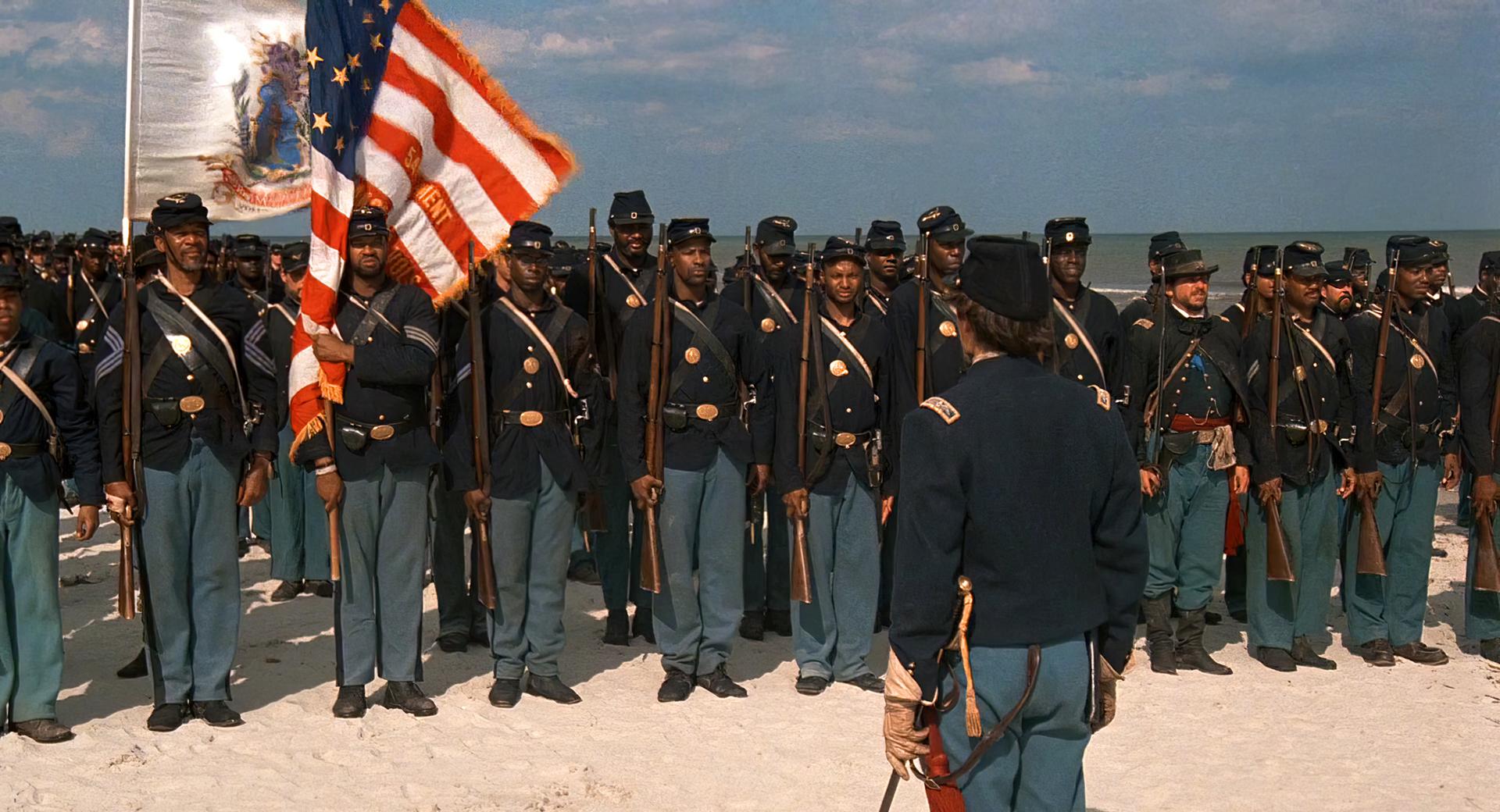
For me Glory also came immediately to mind. Here’s the closing scene, after the failed attack on Fort Wagner:
In Finding Forrester, Sean Connery is a reclusive writer—a J.D. Salinger archetype—who grudgingly takes on a student, Jamal Wallace (Rob Brown). Their relationship becomes a friendship when Forrester appears, to the total shock of all, at Jamal’s university to read a manuscript aloud. Jamal has been ejected from a professor’s class (F. Murray Abraham) for insubordination, a charge that’s been leveled against me more than once. He is awaiting an expulsion hearing.
The scene picks up after Forrester has finished his reading.
Yep. I wept buckets at the closing credits, just after Jamal reads a letter from Forrester, who has died in Scotland.
Yes, I was blind-sided—AND misty-eyed—at The Sixth Sense’s reveal, when Bruce Willis’ character realizes that he’s dead. The way that Shyamalan reveals it stunning. You first clue comes from hearing, not seeing.
One more comes to mind. I lose it when Maximus starts to glide in Gladiator.
I have no idea why all these films just happened to appear in 1999-2000. Was I extra susceptible because of the Millennium’s end? I don’t know.
But here’s one that bucked the trend. Places in the Heart (1984) ends with a communion scene in which characters, both living and dead, have a moment of reconciliation. The film’s so evocative of my father’s childhood in the Depression-era Ozarks, but, like The Sixth Sense, the reappearance of the dead was unexpected. It was also comforting. The reading from Corinthians and the hymn “In the Garden,” which is beautiful, comfort you just as much.
I’d have to say that if a film made you cry or get misty-eyed, Mission Accomplished.
I don’t have a lot to say in this blog post. I know I’ll miss some, but these are my favorite Aretha Franklin songs.
This version of the Burt Bacharach song is nearly a religious experience to me. Its context is important, too. She recorded it in 1968, the deadliest year, for young Americans, in the Vietnam War, the year of the Tet Offensive.
A little Soul Train, introduced by the Ultra Cool Don Cornelius. What it is what it is. Sublime.
“Stand on up and party if you want to.” OKAY!
Yeah, it’s MTV-tailored, but it’s also fun. Clarence Clemons on sax: Frosting on the cake.
Everybody knows the Blues Brothers version, but let’s go back to the roots of the song, one she wrote. 1968. She’s twenty-six.
I’ll choose a different film to showcase Aretha. John Travolta plays an errant archangel in Michael. Three magazine reporters are trying to take him back to their editorial offices when they make a road stop at a rural honky-tonk.
Of course, there’s this song, written by Otis Redding.
This was her first hit. I’ve heard versions where she sounds like a female B.B. King—very bluesy—she is here, too, in this early version in an Amsterdam concert. But then, she’ll just…soar.
Her roots were in the church—her father was a minister—and she shows it in all her work, but particularly in this interpretation of “Didn’t It Rain?” This is one of my favorite spirituals.
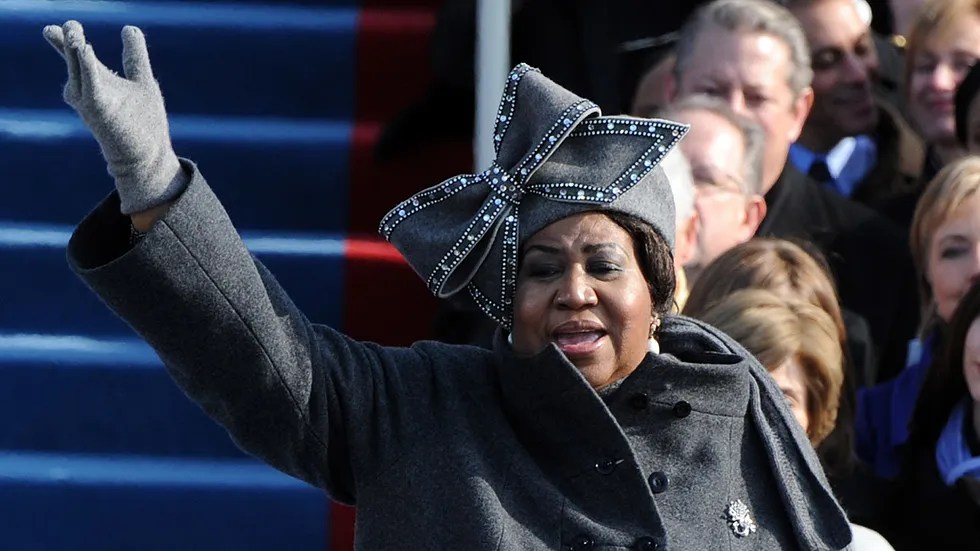
I don’t know why I love this so—her dropping the fur has something to do with it. So does Carole King’s reaction to this interpretation of her classic song. And the president’s.
She was, by the way, a masterful pianist.
And finally, at the end, look and listen to the audience. I love this part, too.
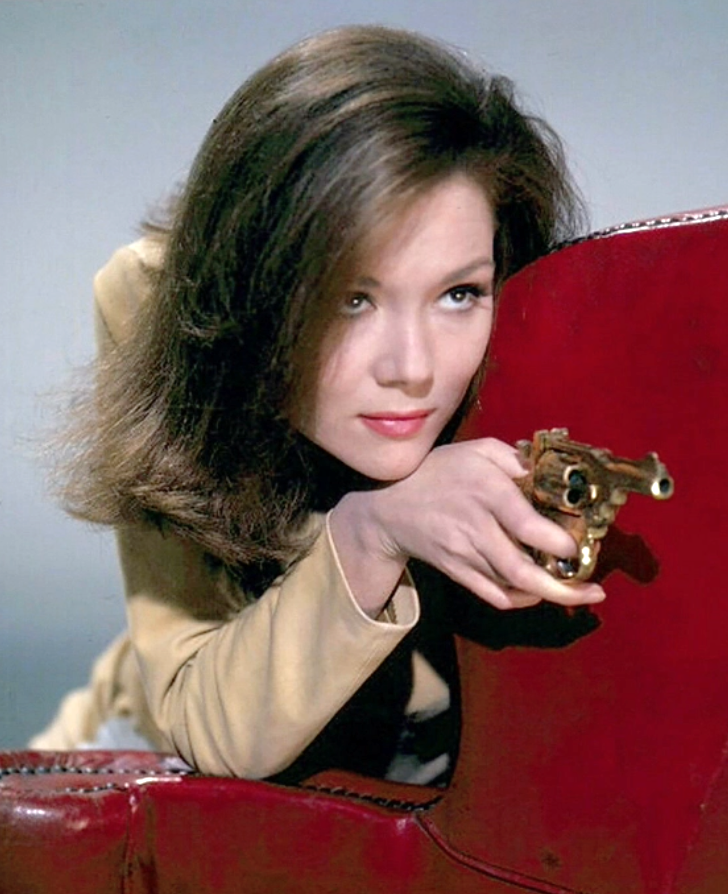
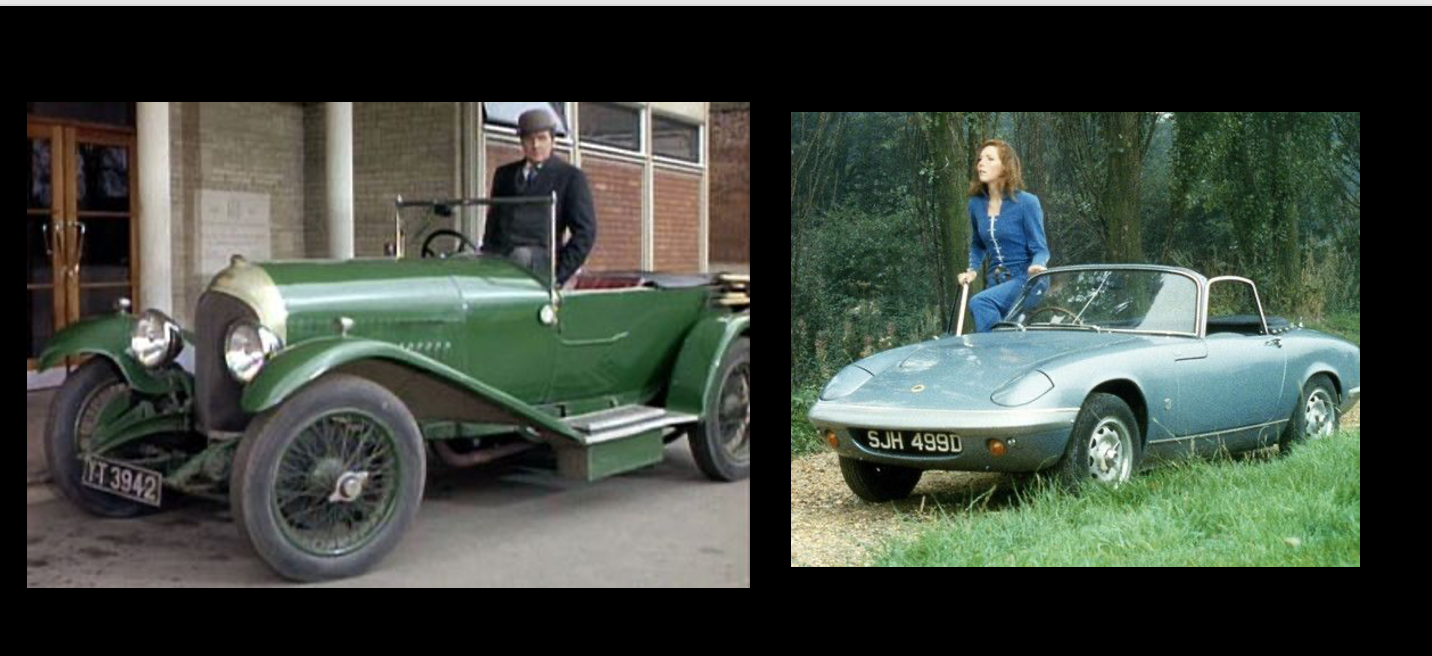
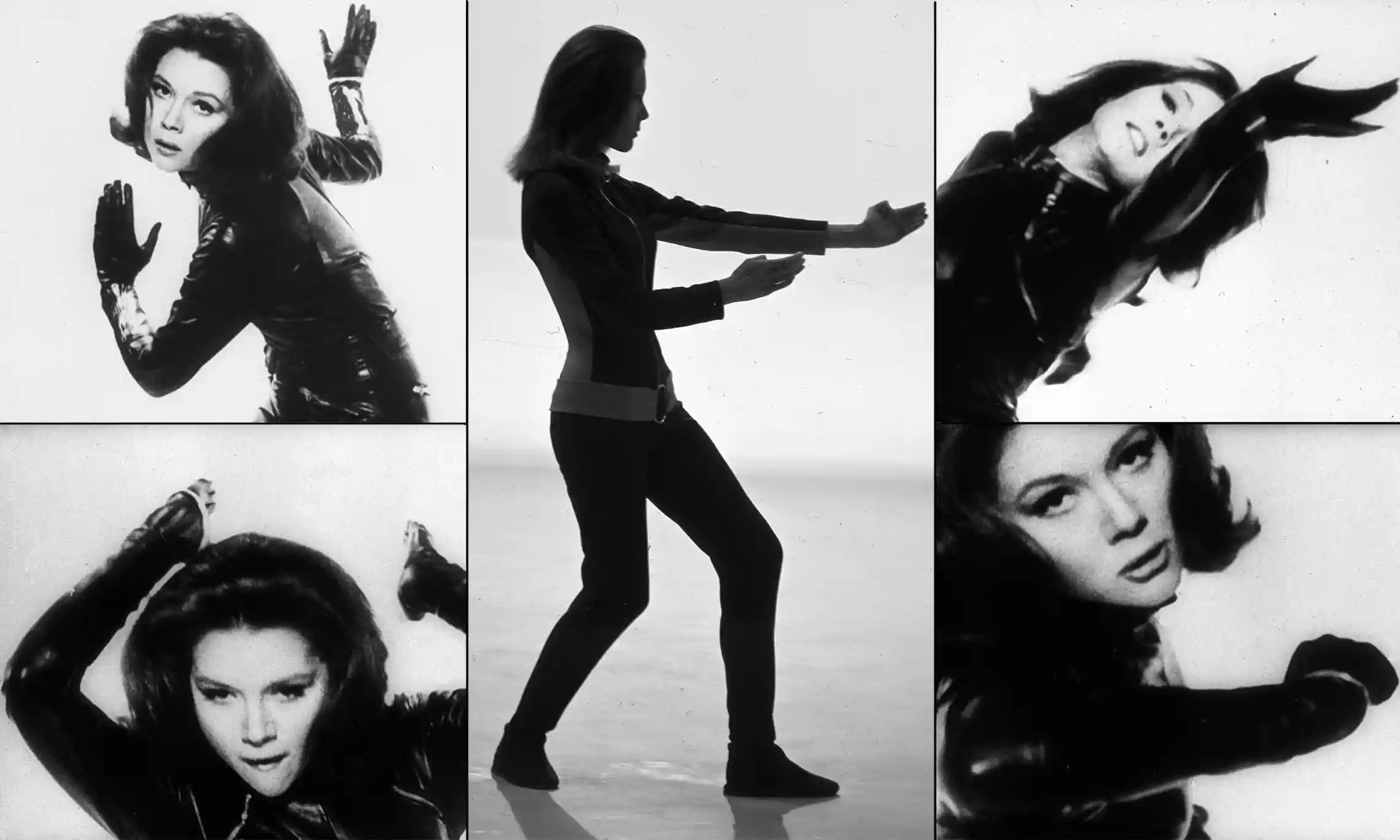
My big sister, Roberta, was fond of The Avengers, the British spoofy secret agent series that ran, I believe, on ABC in the 1960s. I joined her and we watched it together. She loved the droll British humor. I loved Diana Rigg, sadly, no longer with us, who played John Steed’s sidekick, Emma Peel, from 1965 to 1968. To be totally honest, I also developed crushes on Steed’s convertible, a 1930 Bentley, and Peel’s Lotus Elan.
The shows were campy, sometimes improbable, but always engaging. Steed was unflappable and dashing, with a seemingly perennial bottle of champagne on ice. Emma was capable of beating the holy crumpets out of any evil villain you’d care to throw her way. She became known for her leather jumpsuits (which she despised) and her off-duty Mod fashions, but, other than her beauty, she brought a sense of humor to the role that was appealing, too.
As usual, I was looking for something else entirely when I was stunned to discover that there seem to be at least ten and maybe more tribute videos to Mrs. Peel on YouTube. So naturally, while crediting the original posters, who had to have put in a lot of work making them, I used clips from some to make my own tribute video. Hey, I’m retired.
So here it is:
The banter between Patrick McNee’s Steed and Riggs’ Mrs. Peel was frequently flirtatious. She was, after all, a widow—I had to look it up, but evidently her husband was lost in a plane accident somewhere over the Amazon—and I guess they did kiss once. If they did, either I missed it or was so horrified that I’ve blocked it out of my memory.
Another series, also charming, Moonlighting, was ruined when the characters played by Bruce Willis and Cybill Shepherd finally got together; it was the sparks between them that had made the show fun. One show went Shakespearean, a spoof on The Taming of the Shrew, which led to this wedding scene. Take it away, Bruce:
When Rigg decided to move on from The Avengers (she would play in a film alongside George Lazenby, the most forgettable 007), Mr. Peel suddenly reappeared, a la the Cary Grant film My Favorite Wife, and—I had to look this up, too, because I am sure I’ve blocked it out of my memory—Emma leaves Steed, presumably forever. According to that unimpeachable source, Wikipedia, Mr. Peel only appears in the distance as she walks away from Steed and toward her husband, who looks suspiciously like…wait for it…John Steed.
So it goes.
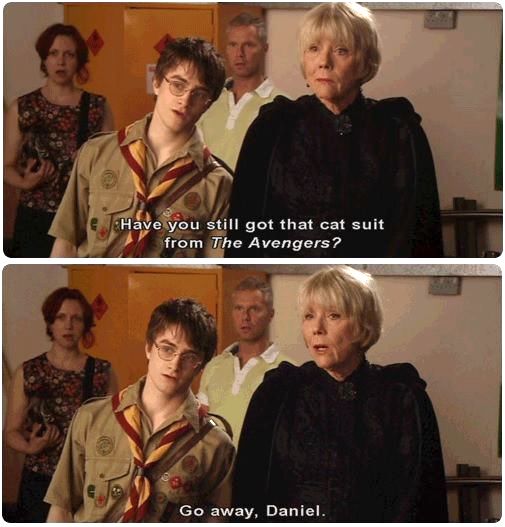
And lest you still think I’m a little cuckoo over this infatuation, even Harry Potter (okay, Daniel Radcliffe), who played an amorous teenager in the Ricky Gervais comedy series Extras, had a thing for by-now Dame Diana Rigg:
The Santa Barbara progressive rock band, Dishwalla, even wrote a song, erroneously titled “Miss Steed,” about Emma:
Miss Emma Peel Black boots kick high at his face One last look at the grace of Miss Emma Peel
Catch the curve of your leather heel Before he blacks out That’s another one down For Miss Emma Peel
I sit beside her in the evening And watch her rerun secrets by my ears Cat eyes watch with British humor ‘Cause she’s a mod-feel sixties savior
Sadly, it’s not that great a song. I don’t want to end this blog post with something mediocre, so, even though it’s off-topic, Dishwalla’s “Counting Blue Cars” is one of my favorite songs, So, by way of misdirection, this goes out to you, Dame Diana Rigg. Maybe one of those blue cars was Mrs. Peel’s Lotus.
Let the word go forth that I have been passed over again this year. Who’ve been my favorites? Well, George Clooney (a two-time “sexiest”), because he’s a fine actor with a marvelous self-deprecating sense of humor—the Hawaii movie, The Descendants, may be my favorite, tied with O Brother Where Art Thou? Three Kings is right up there, too, I think.
Idris Elba’s handsomeness and quiet intelligence, as a doctor who refuses to panic (much) after a plane crash in Alaska in The Mountain Between Us, with Kate Winslet, immediately appealed to me, and his commercials for Booking.com are charming.
But this year’s winner, Patrick Dempsey, is controversial. He’s too “old” (57), which is unfair to 71-year-old me, and he hasn’t done all that much lately, which is true.
I am a Patrick Dempsey fan only by extension. He was the romantic lead in Enchanted, about a Disney-type-all-sweetness princess transported to modern New York City, and it was Princess Amy Adams who caused Elizabeth and I to nearly fall out of our theater seats (remember those?) in a few seconds of shock before we started laughing uproariously. It was the cleaning scene, with the rats, pigeons and cucurachas:
And, truth be told, I never watched Grey’sAnatomy, which featured Hunky Dr. Patrick Dempsey, but the show’s star, Ellen Pompeo, moved me deeply in a film called Moonlight Mile.
In the early 1970s, Jake Gyllenaal’s fiance is murdered, shot to death, in her Massachusetts hometown. His character, emotionally shattered, moves in with her parents (Dustin Hoffman and Susan Sarandon. Some cast, huh?) and he gradually falls in love with Pompeo, whose relationship with the love of her life has ended. Pompeo works in a bar, and, despite Gyllenhaal’s stupid 1972 haircut, she falls in love with him. There’s nice chemistry between the two. In that film. Pompeo won me over as a kind of Sexiest Woman Alive, 2002 version. (Gyllenhaal, whose name is far too hard to spell, is also fine in Zodiac, about the San Francisco serial killer, as is Mark Ruffalo, who probably should be an S.M.A.,too)
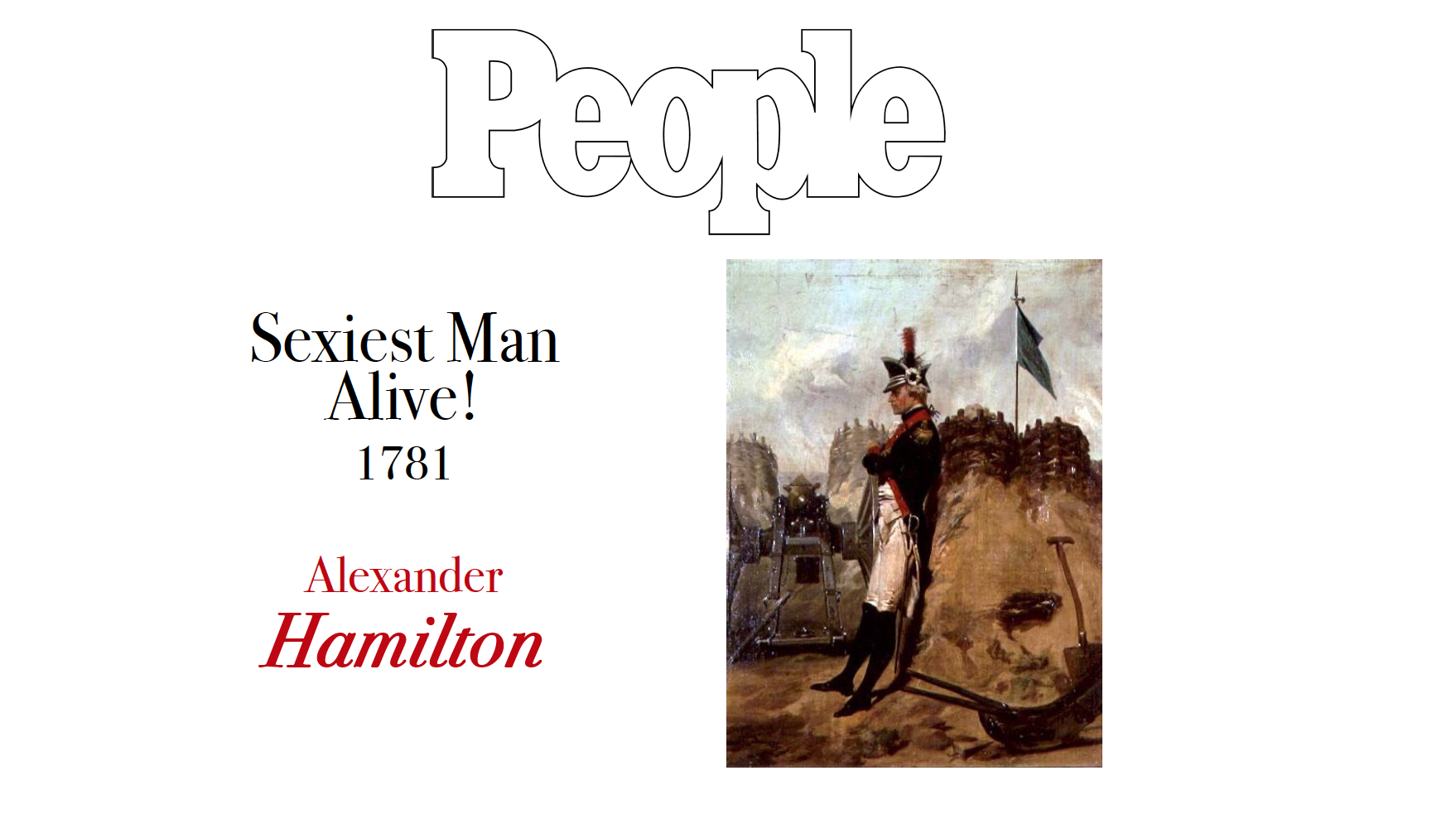
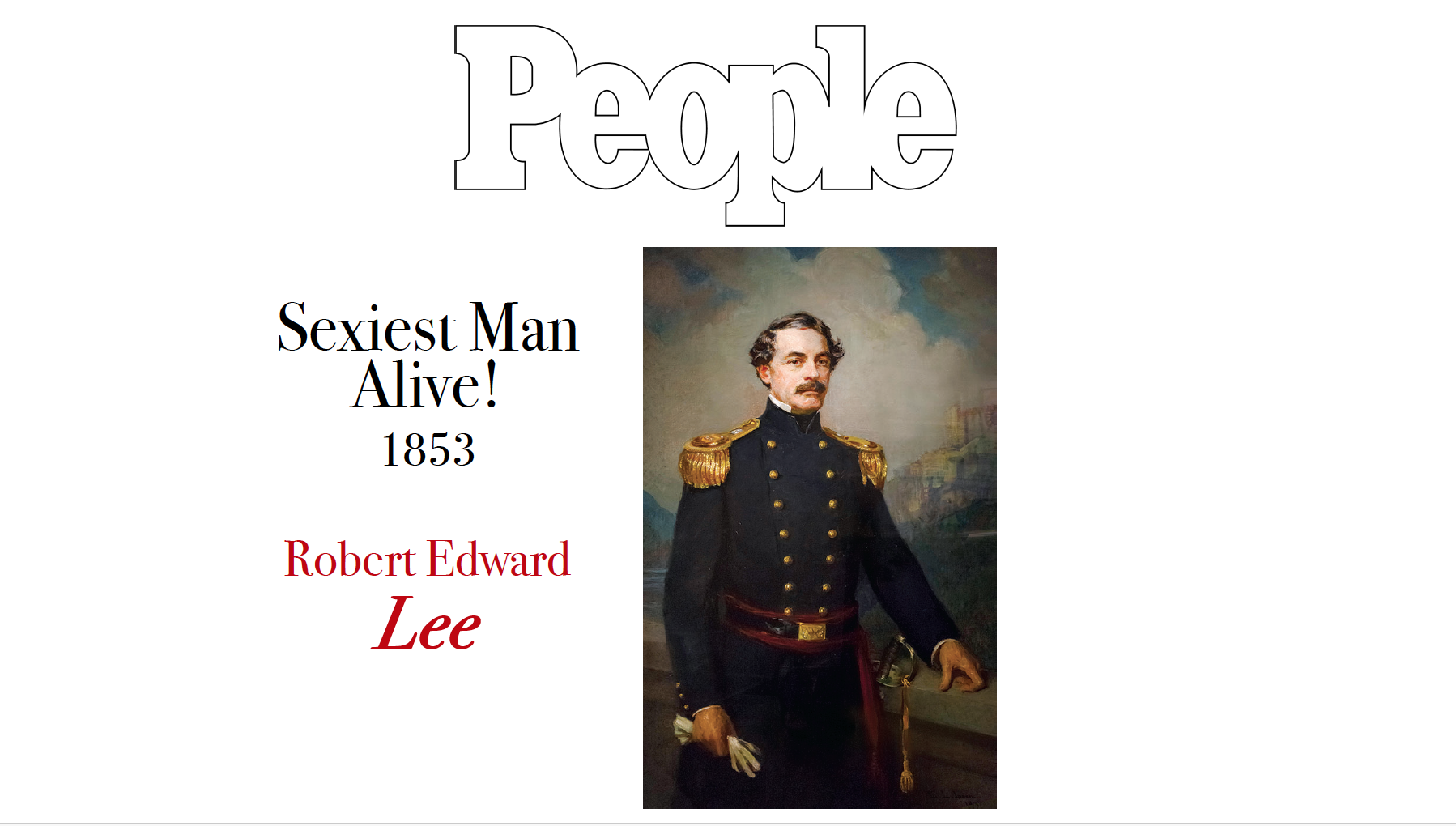
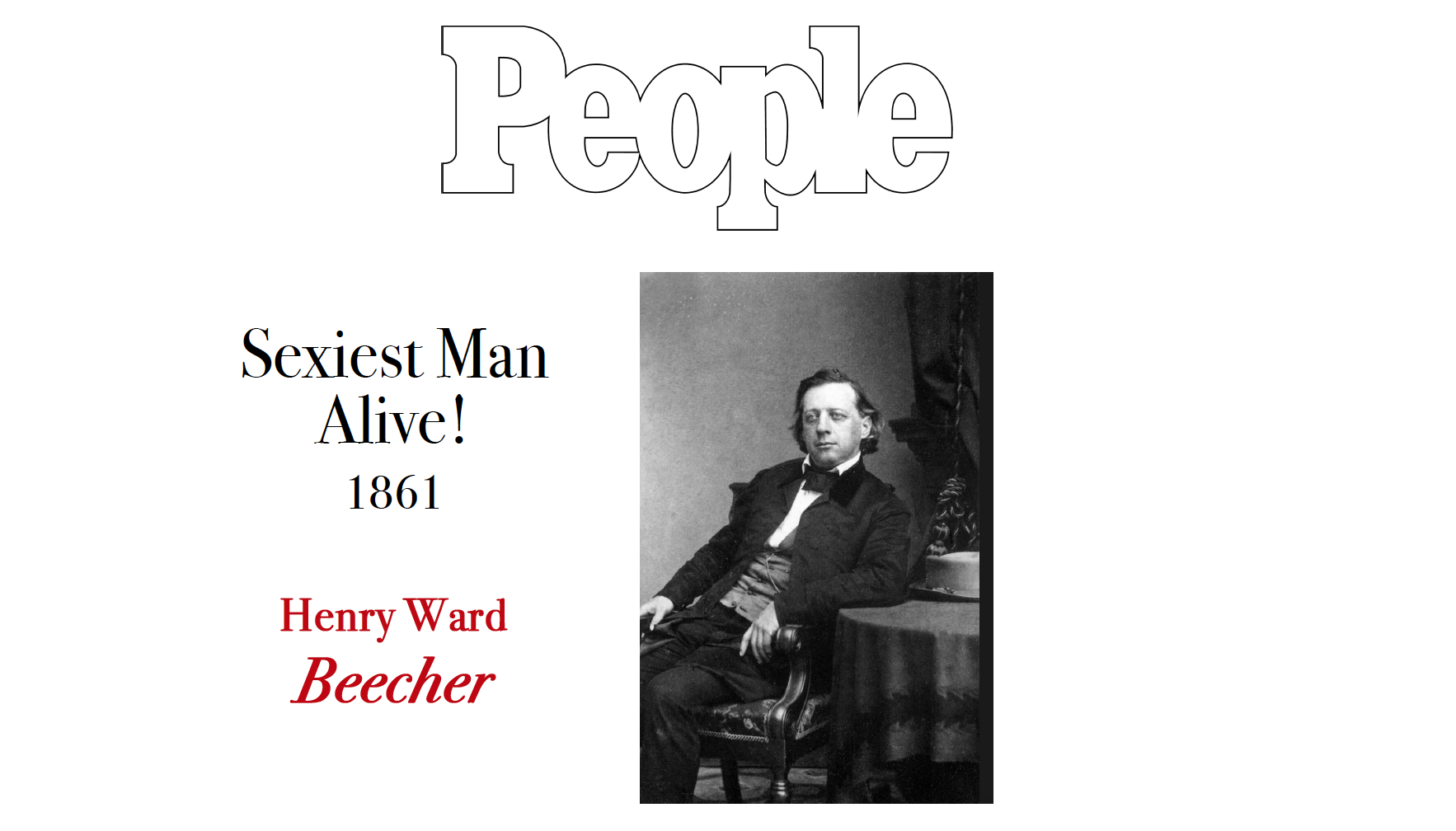
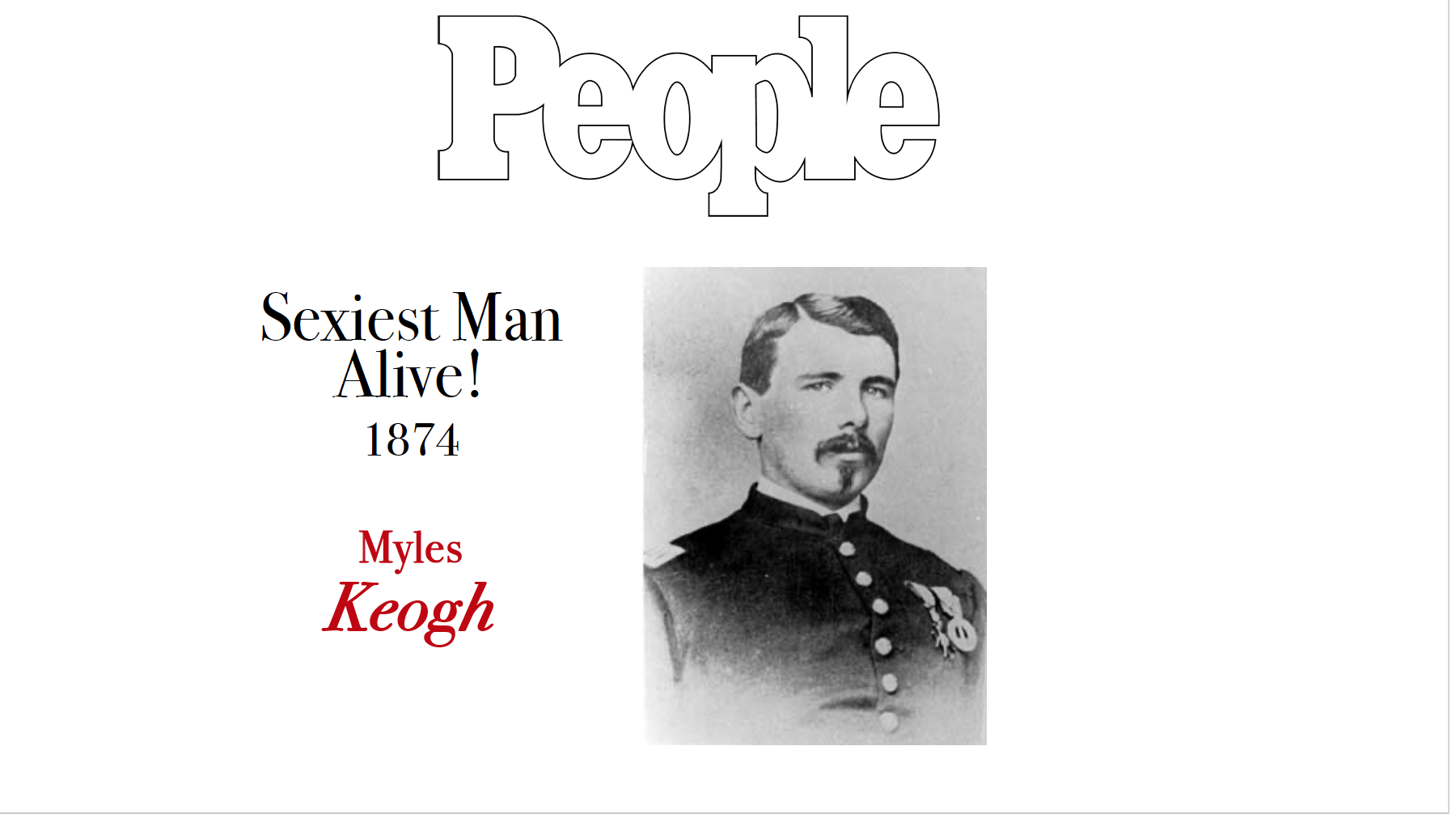
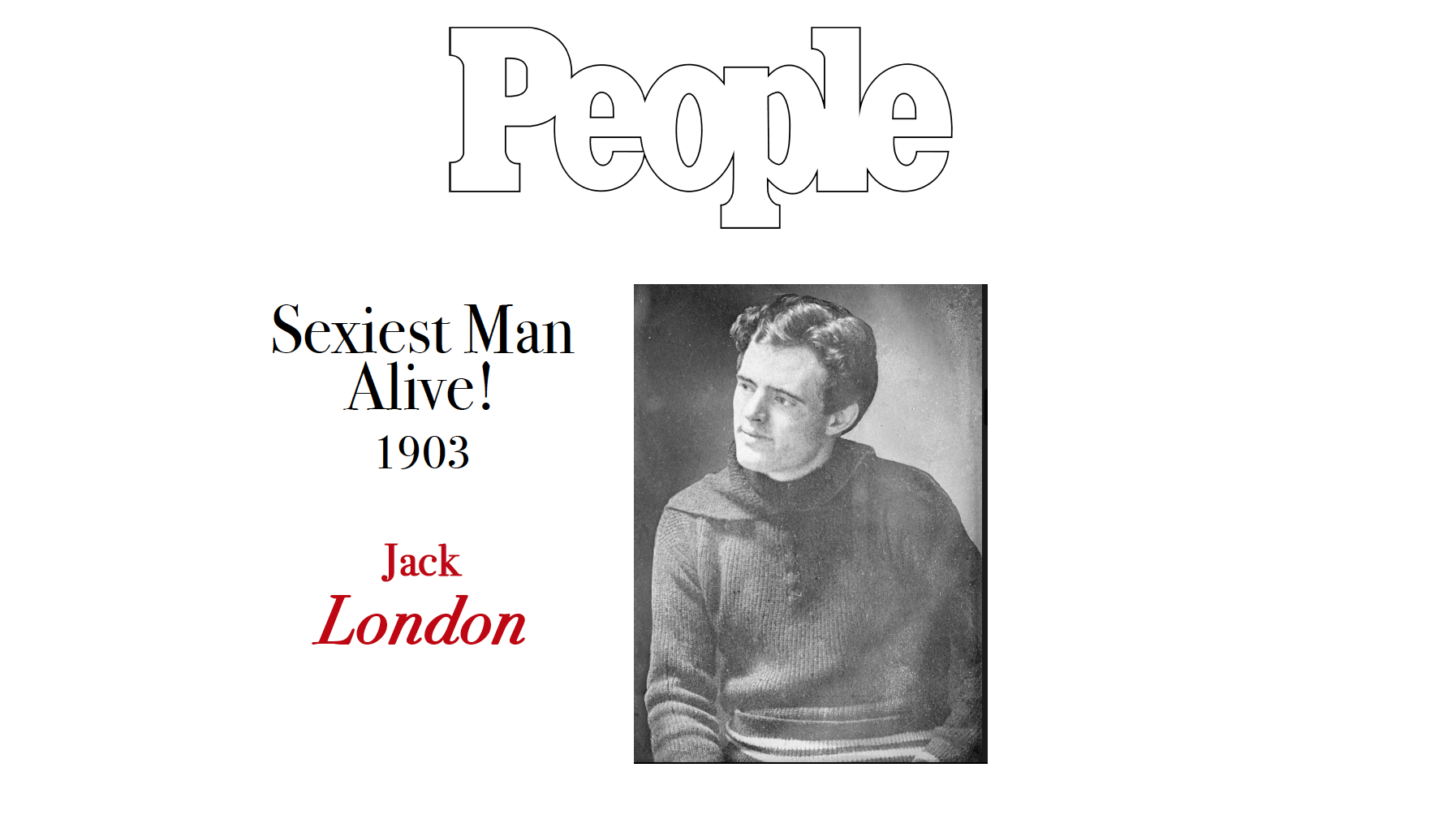
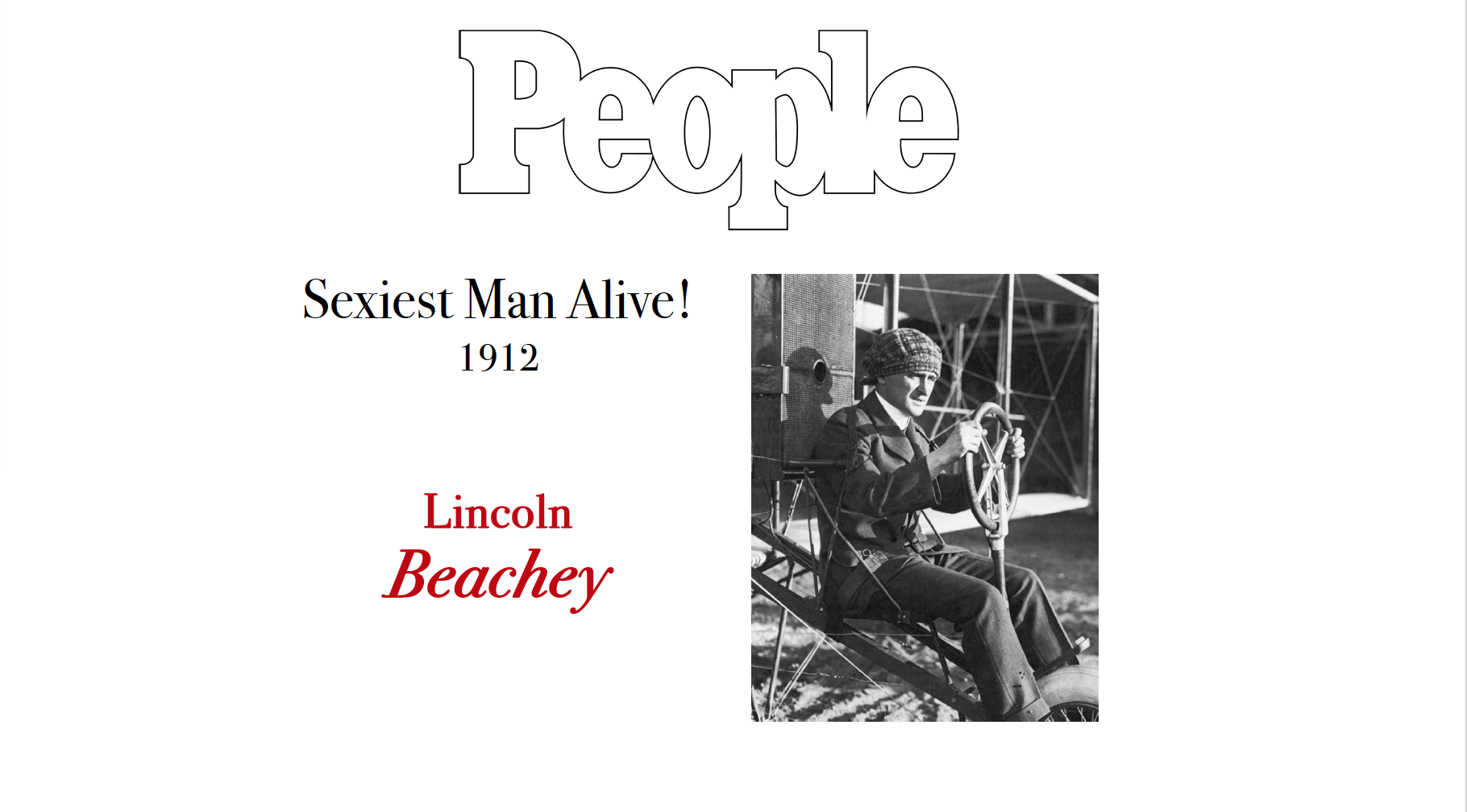
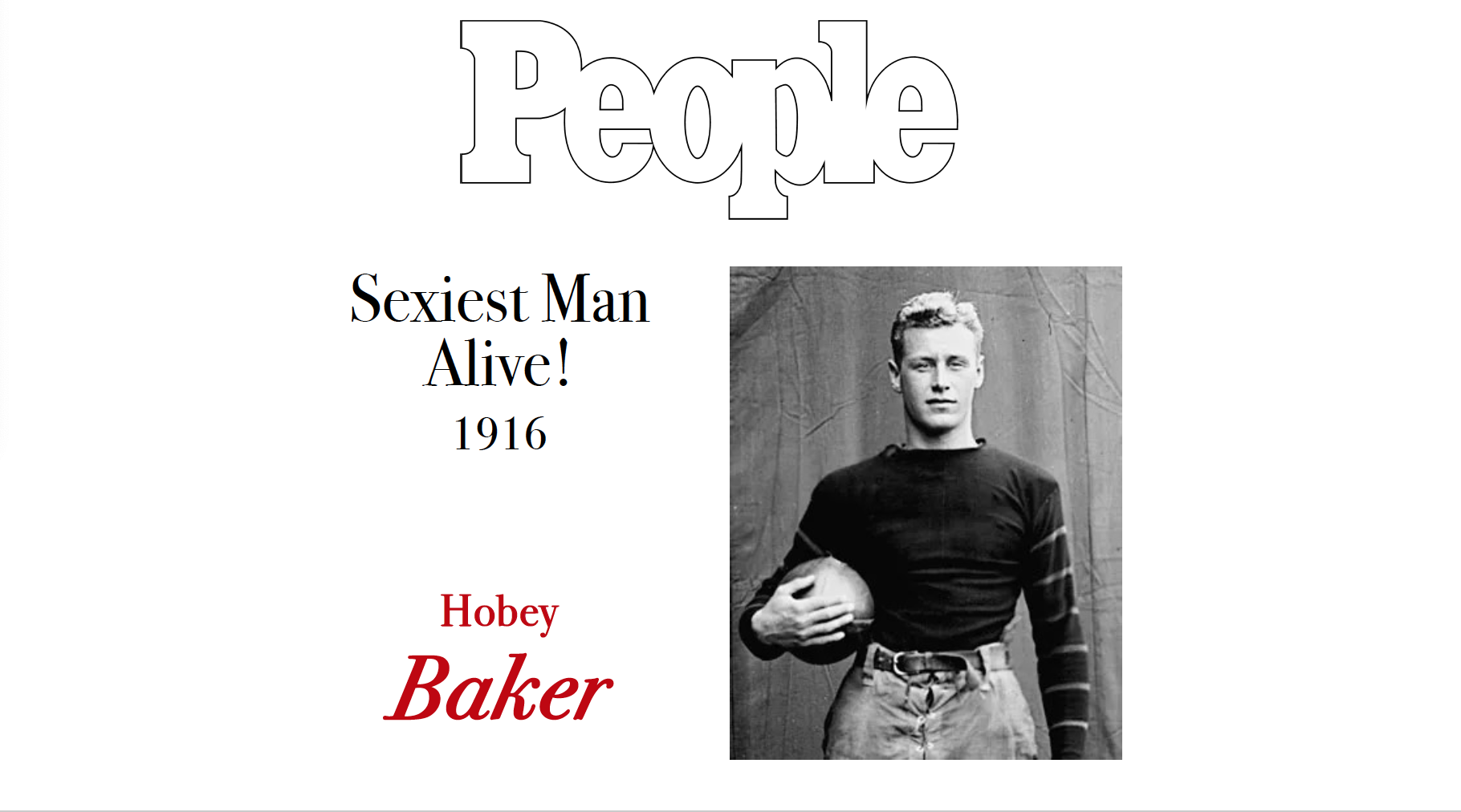
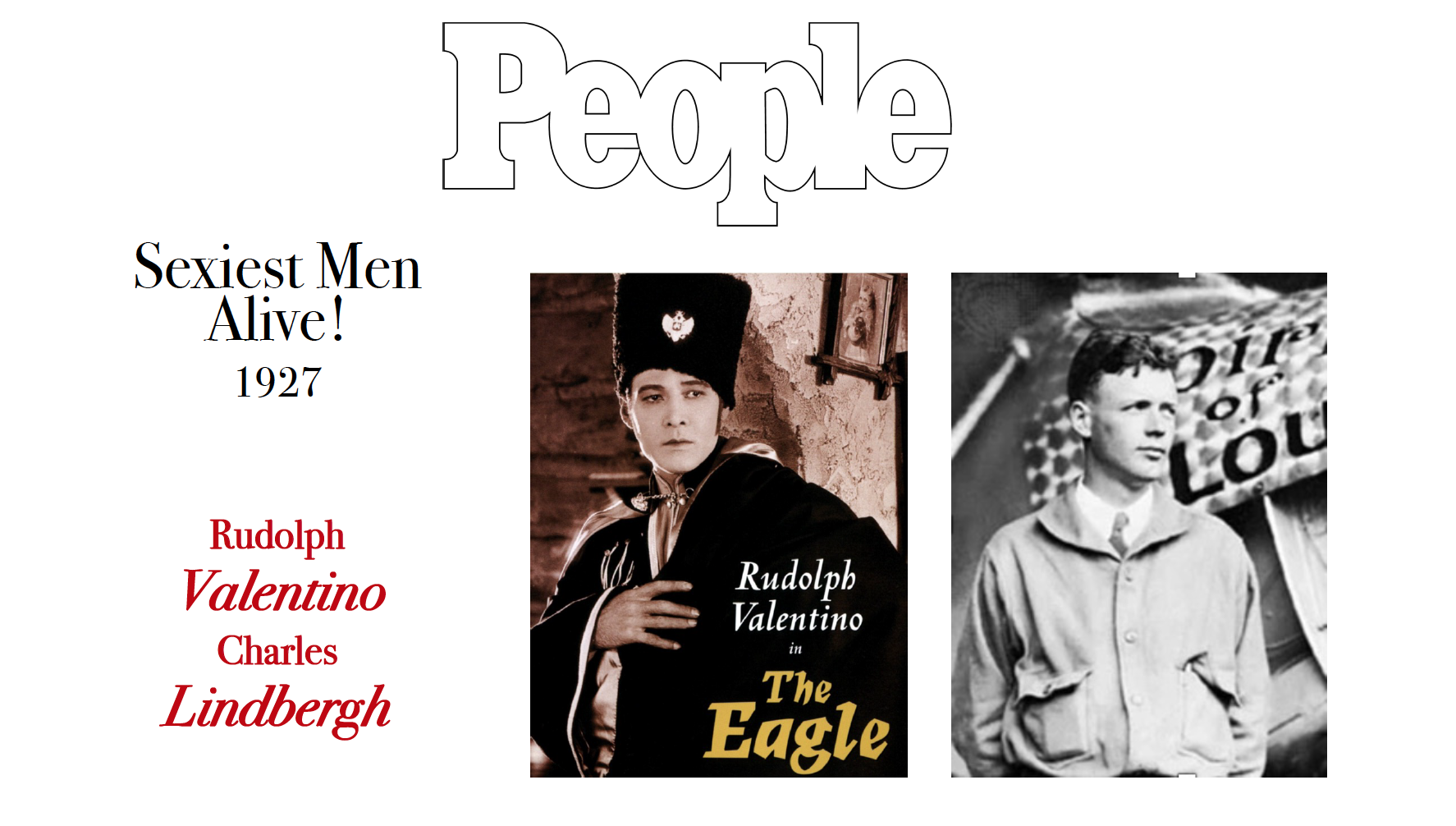
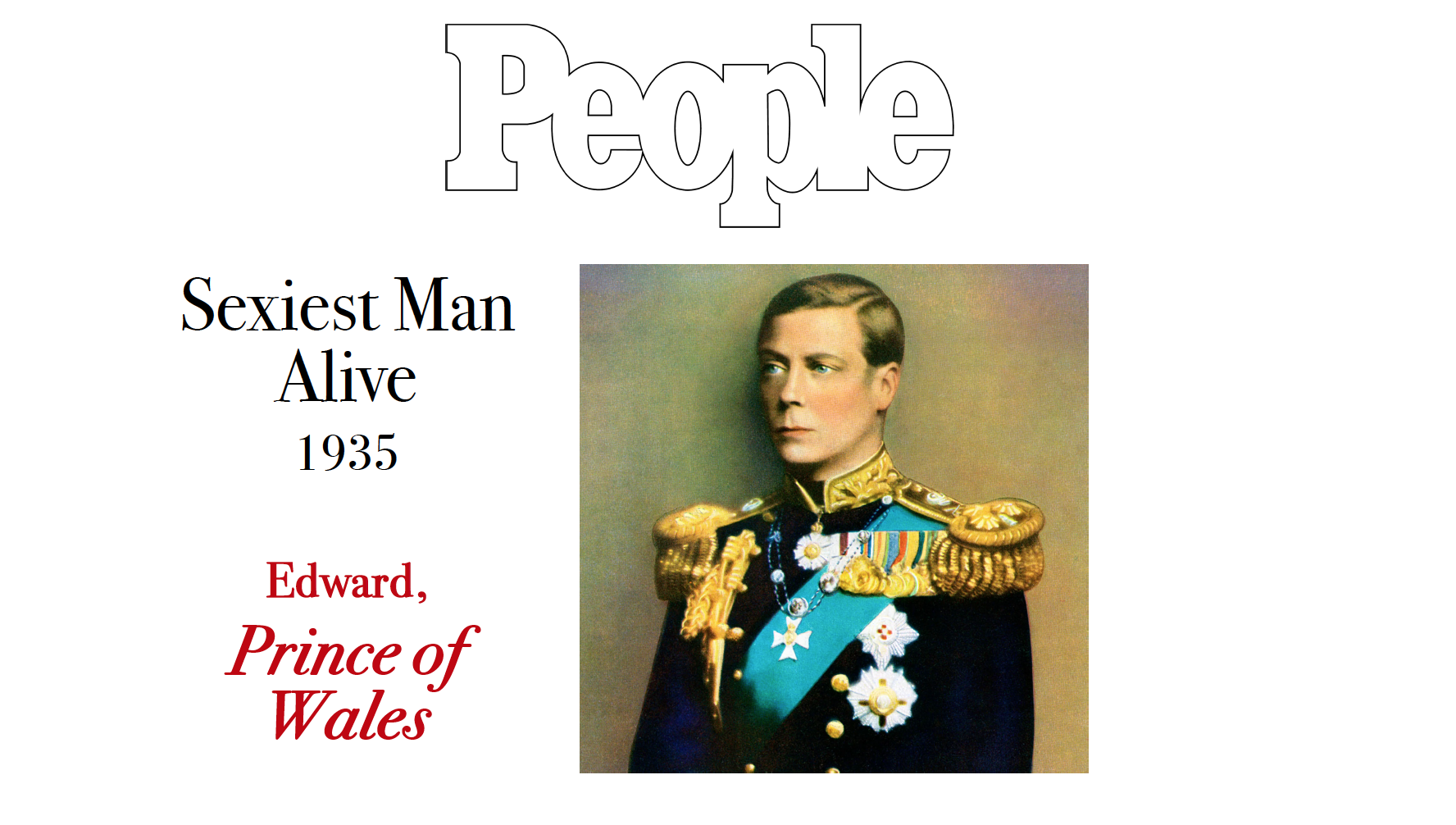
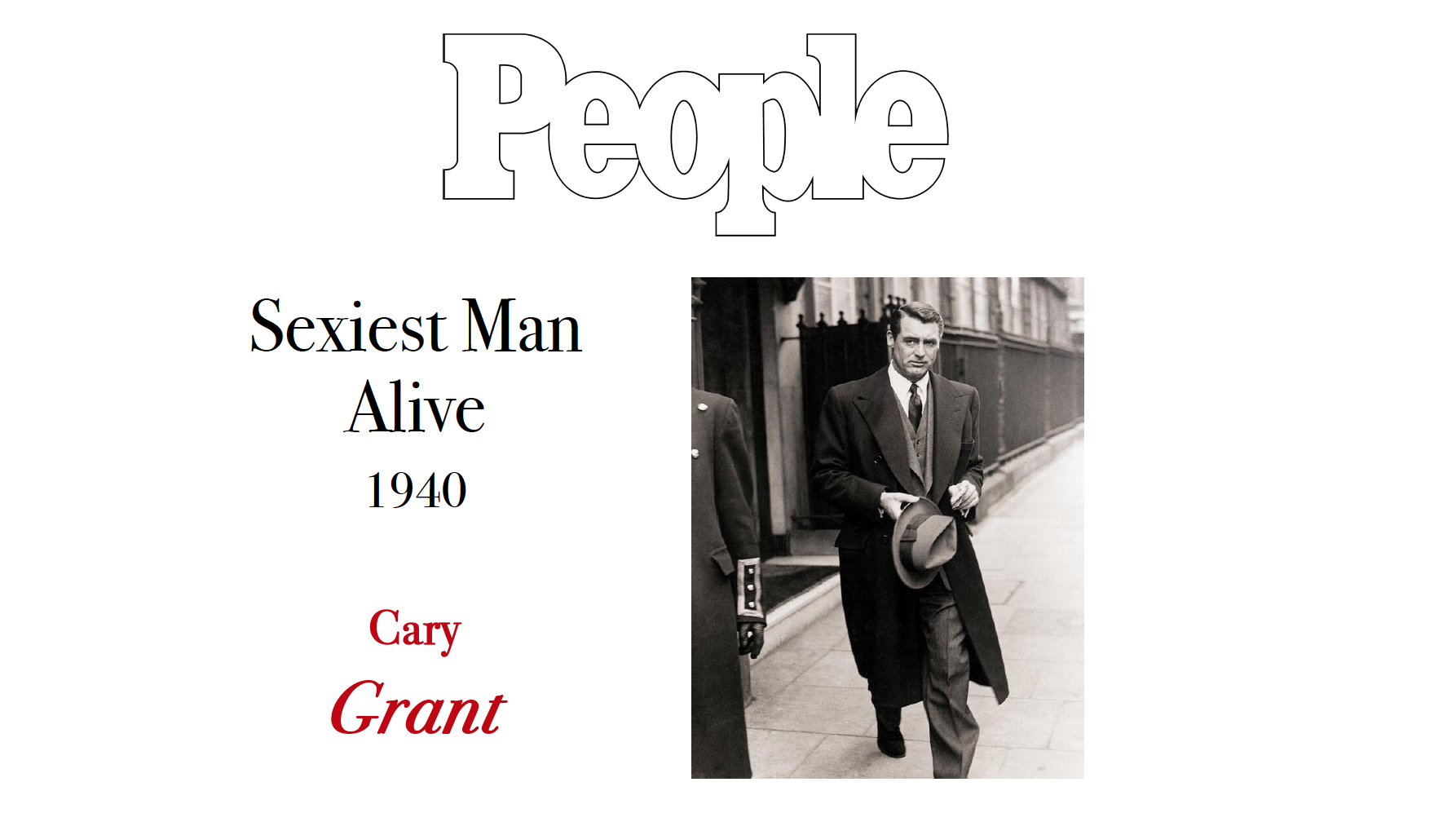
Anyway, we were talking about Patrick Dempsey as the Sexiest Man Alive(!)—remember that? So now I’d like to devote some more thought to not talking about him. Today is the anniversary of the abdication of Edward VIII (“…the woman I love…”) and that set me to thinking. David (his family name), twit that he was, would’ve made a 1930s People cover, too. Who else might I have chosen?Well, here are twelve possibilities:
Born illegitimate in the West Indies, at 19, one of Washington’s most trusted advisors, architect of American capitalism, hotly pursued—you can almost hear their starched petticoats rustling–of the Schuyler sisters.
Widely regarded, in the years before the Great Unplesantness (1861-65) as the handsomest man in America. I parted ways with Lee after seeing the terrain he ordered his soldiers to take in Devil’s Den at Gettysburg. I stood on top and said aloud “Lee, you bastard.” I am fond of enunciating when I’m provoked.
No, he doesn’t look it, but neither did Henry Kissinger, also considered sexy to the women who knew him in the 1970s. That’s as far as I want to go with Kissinger. Beecher, from the brilliant family of preachers (and one sister, Harriet, wrote Uncle Tom’s Cabin; another, Catherine, invented the modern kitchen, based on ships’ galleys) was perhaps the brilliant-est. Anti-slavery, liberal in that he rejected fire and brimstone and charismatic and irresistible to his female congregants; a sex scandal destroyed his reputation.
Civil War hero, cavalryman, the Irish-born Keogh was Lancelot to George Custer’s Arthur in the Seventh Cavalry. He retained the medieval conceit of loving married women from afar, though not always. Rubbed out at the Little Bighorn, 1876.
Oakland’s finest–writer, seaman, Alaska gold-rusher, and—wait for it—an oyster pirate, who raided oyster beds in the East Bay in a sloop he’d named Razzle Dazzle. Just how cool is that? Very, I think.
Lincoln and his big brother, Hillery—who made the first airplane flight in county history over San Luis Obispo in 1910—were San Francisco’s Wright Brothers (they even started out, like the Wrights, with a bicycle shop). Orville praised Lincoln as the finest pilot in the world, and it’s said the young man left a trail of engagement rings where he barnstormed. Killed in 1915 when the wings of his monoplane crumpled and plane and pilot plunged into San Francisco Bay.
Legendary athlete, a three-sport star at Princeton (hockey, football, baseball, but a university rule forced him to give up baseball). Noted for his gallant sportsmanship. A member of the famed Lafayette Escadrille Squadron in World War I, Baker was killed in a fighter crash soon after the Armistice in 1918. He was twenty-six. The Hobey Baker Award recognizes, each year, the outstanding collegiate ice hockey player in America.
I was kissin’ Valentino by a clear blue Italian stream… The Bangles, “Manic Monday,” written by Prince.
His American wife, Wallis Simpson, turned out to be a Harpy. Their marriage relationship was a kind of Evil Stepmother-Simpering Stepson thing. Sick sick sick. Plus the pair evolved into continuing members of the Adolf Hitler Fan Club. (Lindbergh flirted with the Third Reich, too, coming close to treason until Pearl Harbor changed everything.)
If Clooney won it twice, this man would have won five or six times.
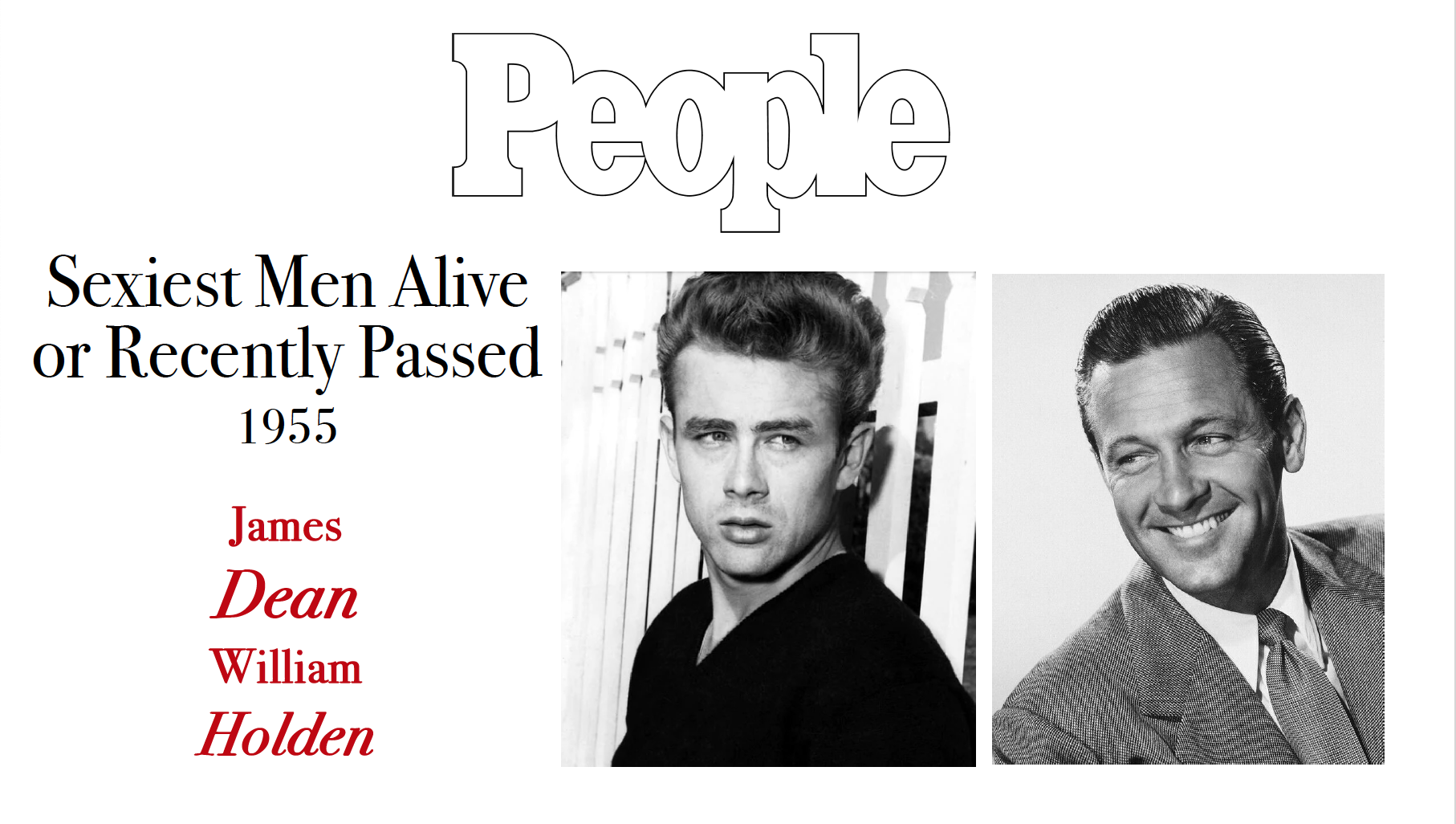
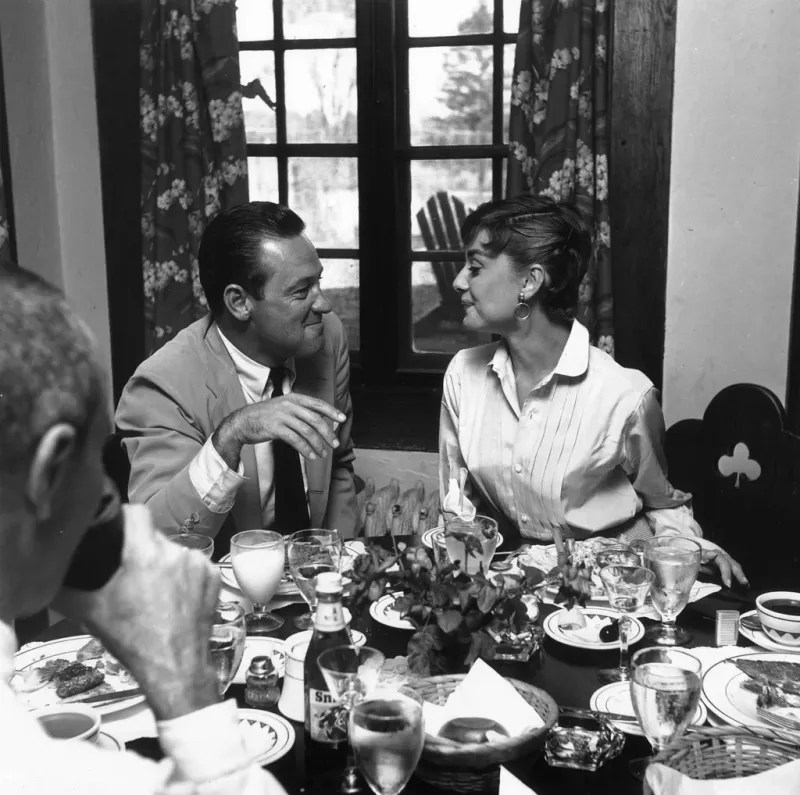
Dean’s three great films and his death came this year, in 1955. Holden is perhaps my favorite actor (Sunset Boulevard, Born Yesterday, Stalag 17, Bridge on the River Kwai, a very small film called Breezy, and Network are my favorites. He even did the cynic with hidden humanity role perfectly in a John Ford Civil War film, The Horse Soldiers, with John Wayne, who played John Wayne.My dear friend and former student Dee Ann needs to put in a vote for Picnic. Holden and Audrey Hepburn were deeply in love. It didn’t work out, and Dee Ann and I still regret that. They were a beautiful couple.
Holden and Hepburn lunch together while filming Sabrina. Sigh.
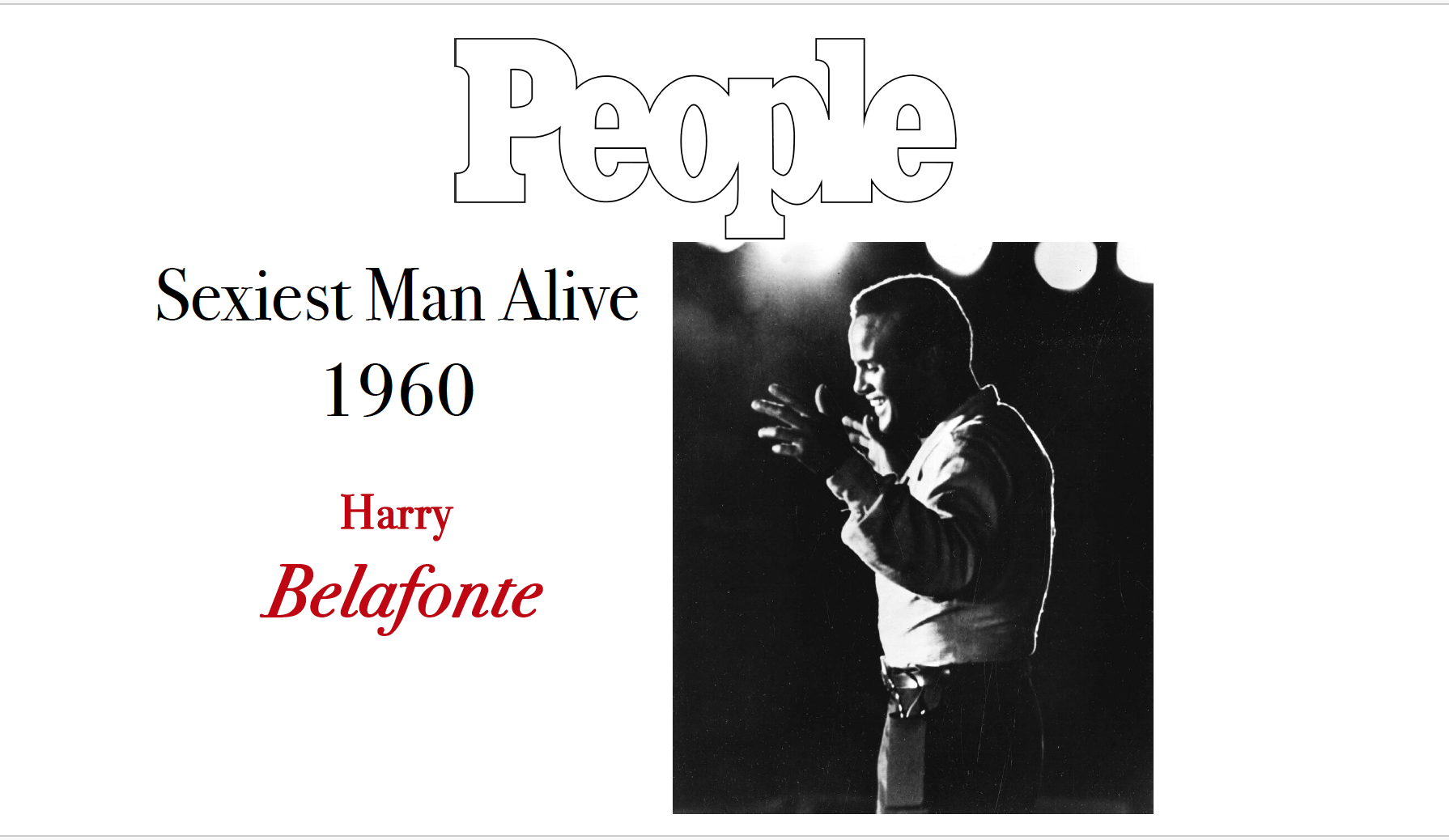
We had both of his Carnegie Hall live albums, and this multiculturarity, a word I just made up, and that beautiful voice made him one of the most important teachers of my childhood. Mom just thought he was gorgeous. Good call, Mom.
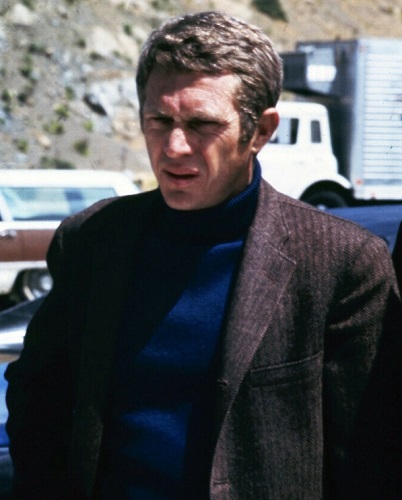
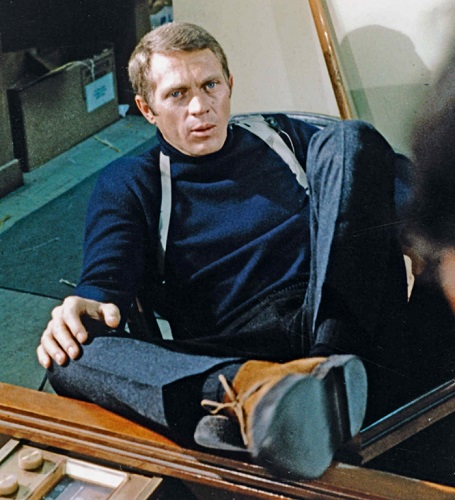
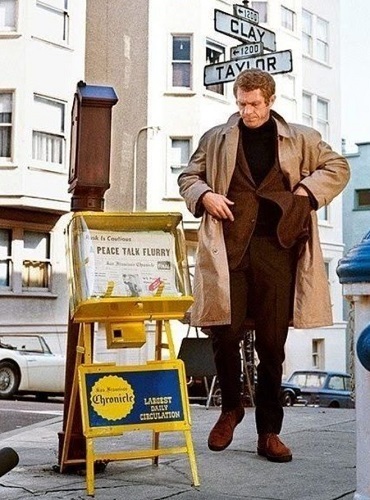
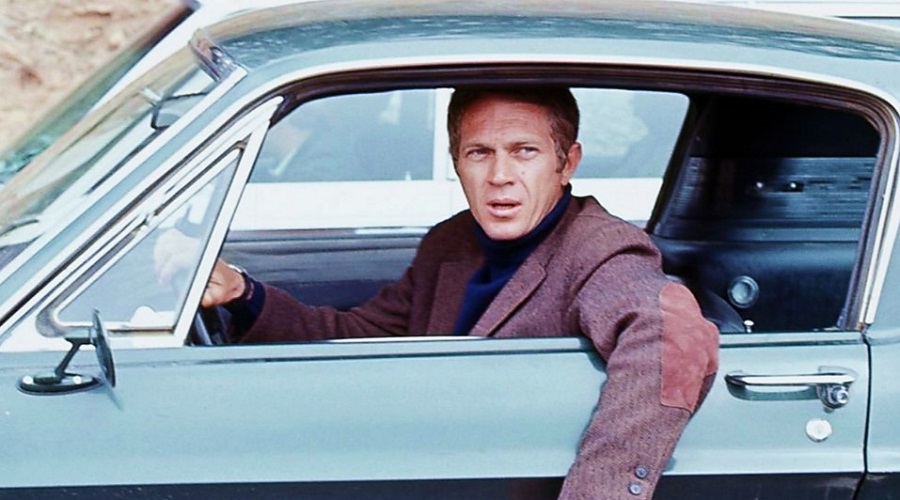
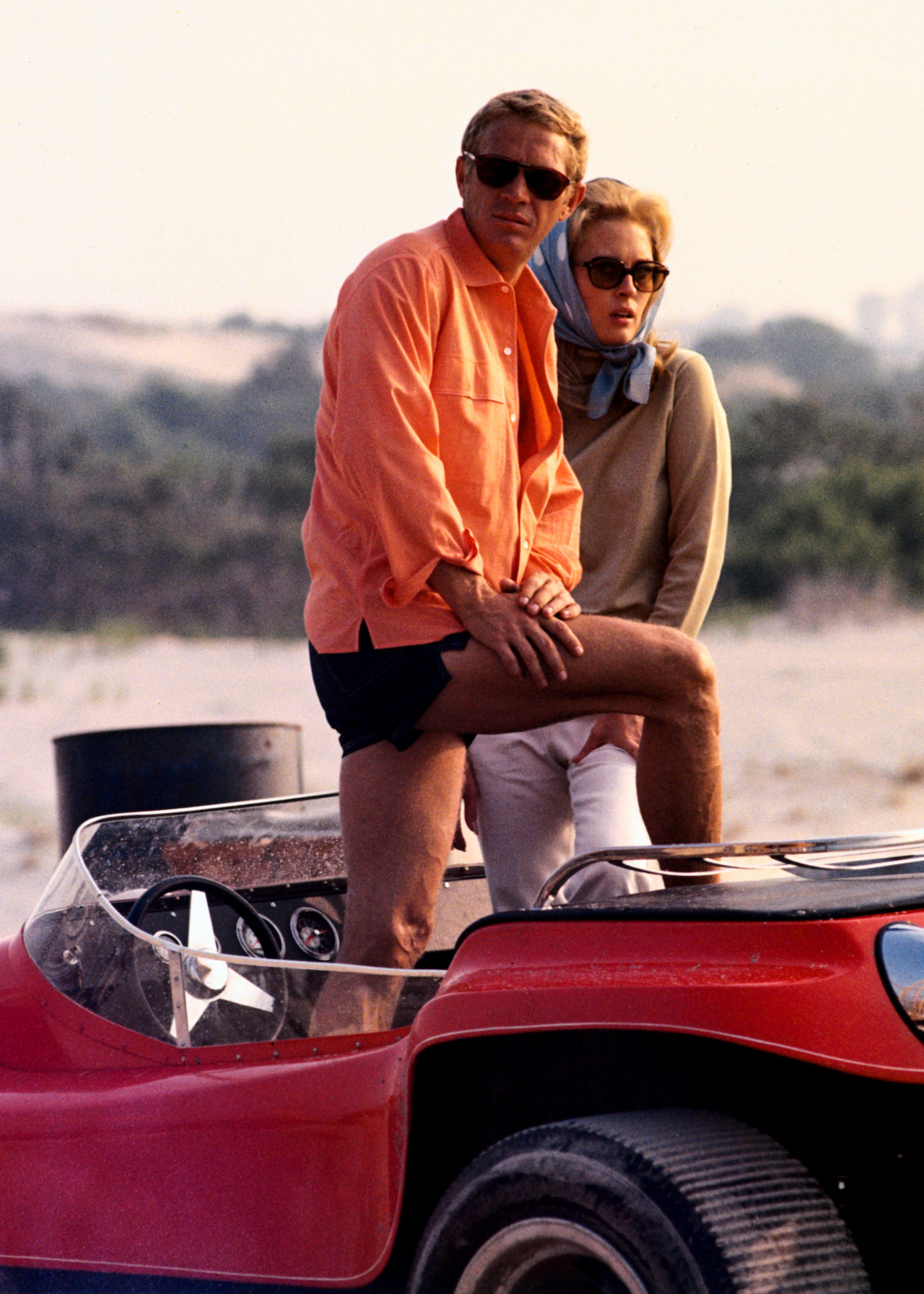
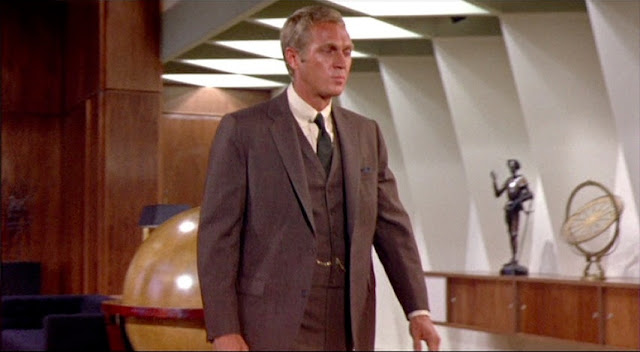
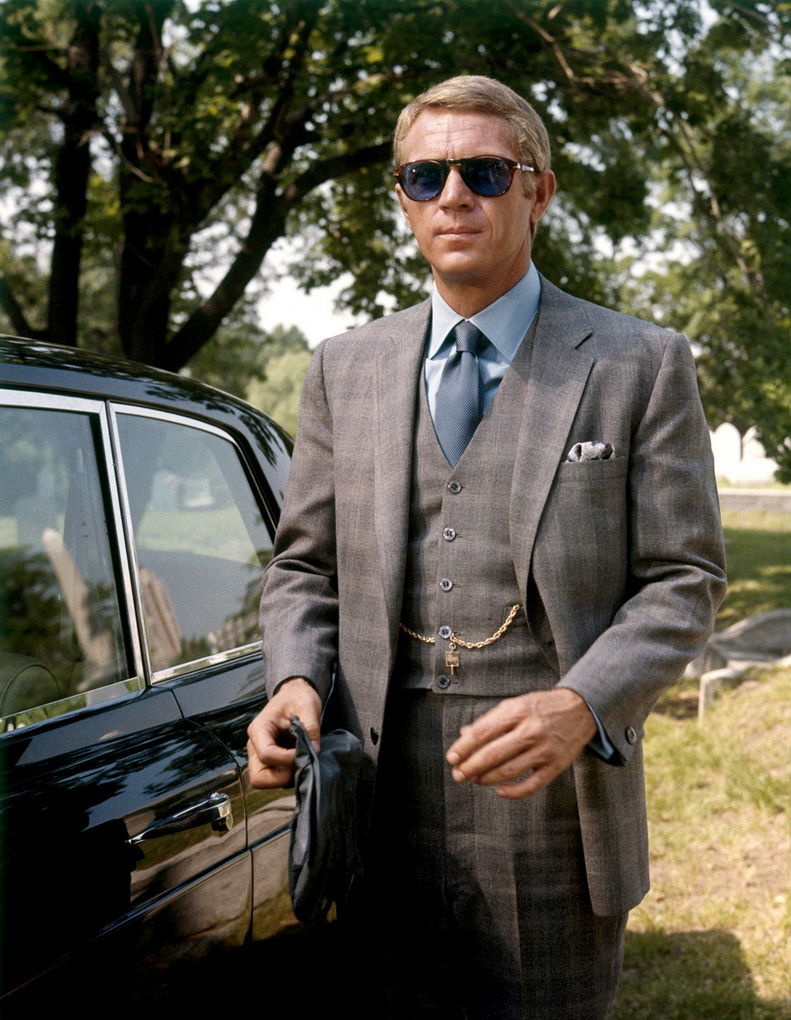
Finally, I would like to nominate Steve McQueen (Bullit, The Thomas Crown Affair) for a special Wardrobe of the Sexiest Man Alive (!) award.
My new favorite way of procrastinating, and my ways of procrastinating are legion, are looking for covers of songs I love. They’re not always better, mind you, but sometimes a new interpretation is so good is that it reminds you of how good the original was. I love, have always loved, Neil Young, so this Dave Mathews cover of “Cortez the Killer” is amazing mostly because of the guitarist’s solo. His name is Warren Haynes.
“Like a Hurricane” is Neil Young another favorite. Bryan Ferry (Roxy Music) covers it in Lyon France. Ferry’s not the main attraction–the keyboardist-turned-saxophonist is ethereal.
The main attraction for me in one of my favorite Rolling Stones songs is the trombonist playing with the Tedeschi-Trucks Band. She is incredible.
Because they’re kids and just learning, the School of Rock people have put a few YouTube videos that are a little painful. I think these two have great merit. The lead singer nails “California Dreamin'” and the boy drummer and the girl bassist are freakin’ adorable.
Is it the same lead singer here? Being so young, has no right to “get” a song like this. She does.
Sometimes the interpreters are themselves exceedingly famous. Miley Cyrus’s cover of the Dolly Parton classic is, I think, stunning, and it preserves the song’s Appalachian-ness, a word I just invented. (I also like her cover of the Doors’ “Roadhouse Blues,” but it’s too racy for me to include today. It’s in another post about her, though.)
Miranda Lambert and The Gurlz do this Elvin Bishop classic justice—I like her jazzy voice. Lambert’s an animal lover, so I think there are one or two Great Danes in the studio.
I think everyone in the Western Hemisphere knows that I have a crush on an Austrian duo, the MonaLisa Twins. This was the first video I saw of them; I love also their sense of humor:
They perform at the Cavern Club in Liverpool, a replica of the club the Beatles played in Hamburg just before they hit the Big Time:
Los Lobos will never escape their cover of the Richie Valens classic. I think we’re all glad about that. I love this band. I love this performance at Watsonville High School in 1989. I’ve seen Los Lobos in concert twice. “La Bamba” got EVERYBODY cheering and dancing at both. Look at all those happy people in the audience:
Foxes and Fossils covers EVERYBODY, but I like this one for the lead singer and for the backing vocals that replicate the harmony and the punctuation (“Now don’t….don’t, don’t, don’t…) He’s right. There isn’t a good way to end this song:
“You’ve got spunk!” Lou Grant said in the first Mary Tyler Moore show. Mary Richards blushed and admitted that maybe she did. “I HATE spunk” Grant’s rejoinder was classic. So’s this song, and the lead singer has spunk.
This has always been one of my favorite Fleetwood Mac songs, and it is apparently eminently cover-able. Big big Super Bowl-esque production values here for the country group Little Big Town, and Keith Urban is showing off, but it’s still mighty darn lively. Oh, look! There’s Nicole Kidman!
Laura Nyro was one of my generation’s most gifted songwriters. Sara Bareilles, who knocked me out as Mary Magdalene in a live TV production of “Jesus Christ Superstar,” makes this song celebratory. Look at the happy people in the orchestra! The occasion? The induction of Nyro into the Rock Hall of Fame.
Hear, hear.
Just one more. In very distinguished company, watch Prince take over “While My Guitar Gently Weeps.” Sublime. He was our Amadeus.
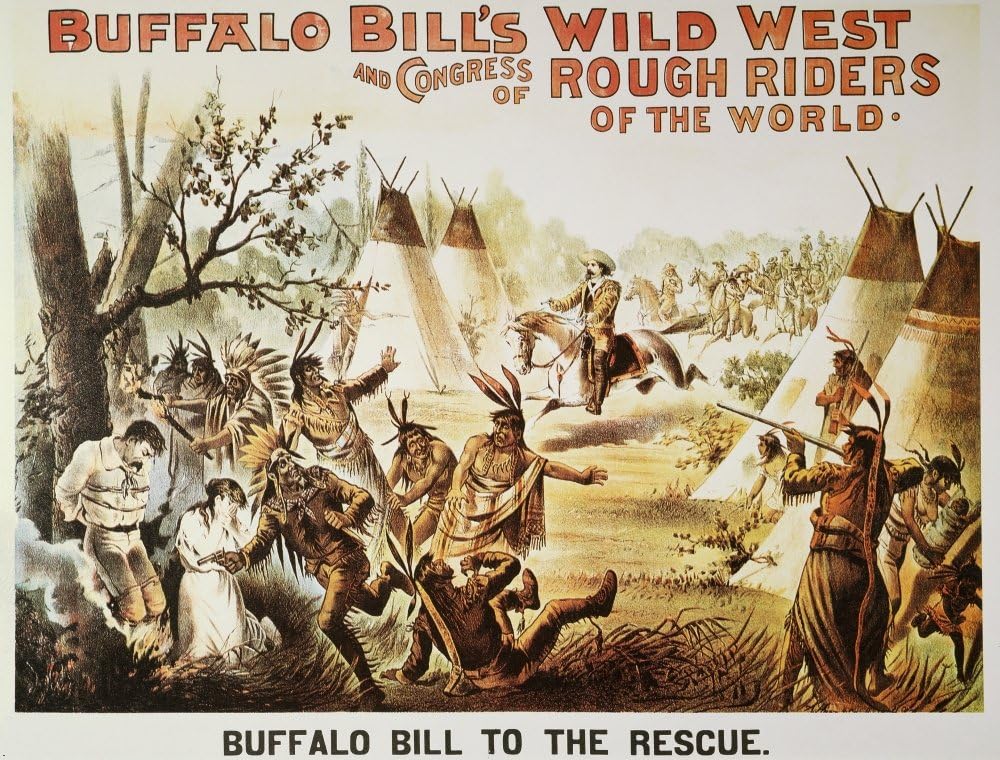
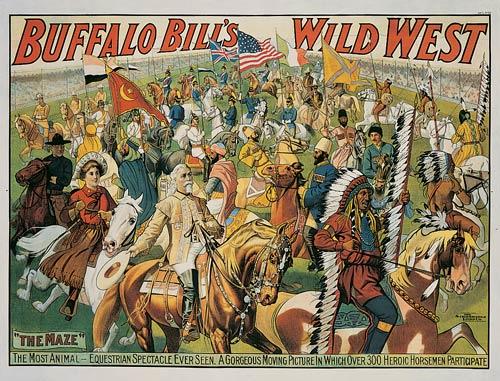
Long before there were the television Westerns I grew up with, and long before there was television, there was Buffalo Bill’s Wild West Show, which played all over the world, including for Queen Victoria and a panoply of royal princesses. What I did not know is that before impresario Bill Cody died in 1917, his Wild West show visited San Luis Obispo twice, once in 1908 and once more in 1914.
The advance the 1908 show got—notices in the Tribune for weeks beforehand–rivals the publicity for the first airplane flight over San Luis Obispo two years later. Here’s the poster locals would’ve seen in 1908:
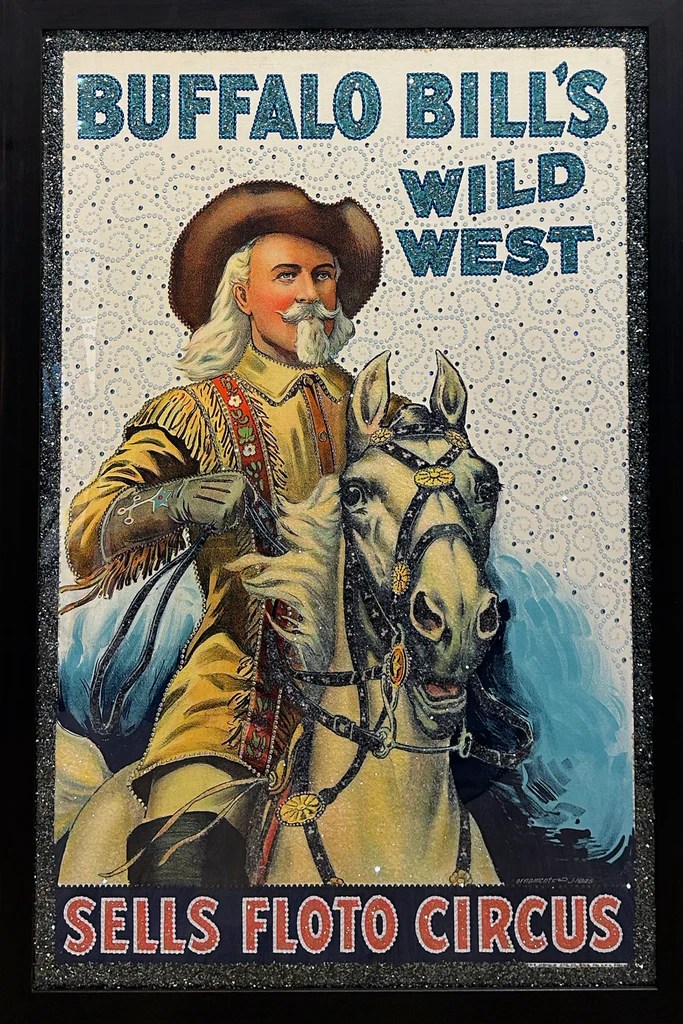
And here’s the 1914 version, when Cody’s show, maybe fading a little by then, was traveling alongside the Sells-Floto circus:
San Luis was tiny, so where are you going to put all those elephants and lions and Bill’s buffalo? For the 1918 show, he City and the showmen finally agreed on Mitchell Park, which remains a park today, near the corner of Osos and Pismo.
San Luis Obispo Tribune, October 13, 1908
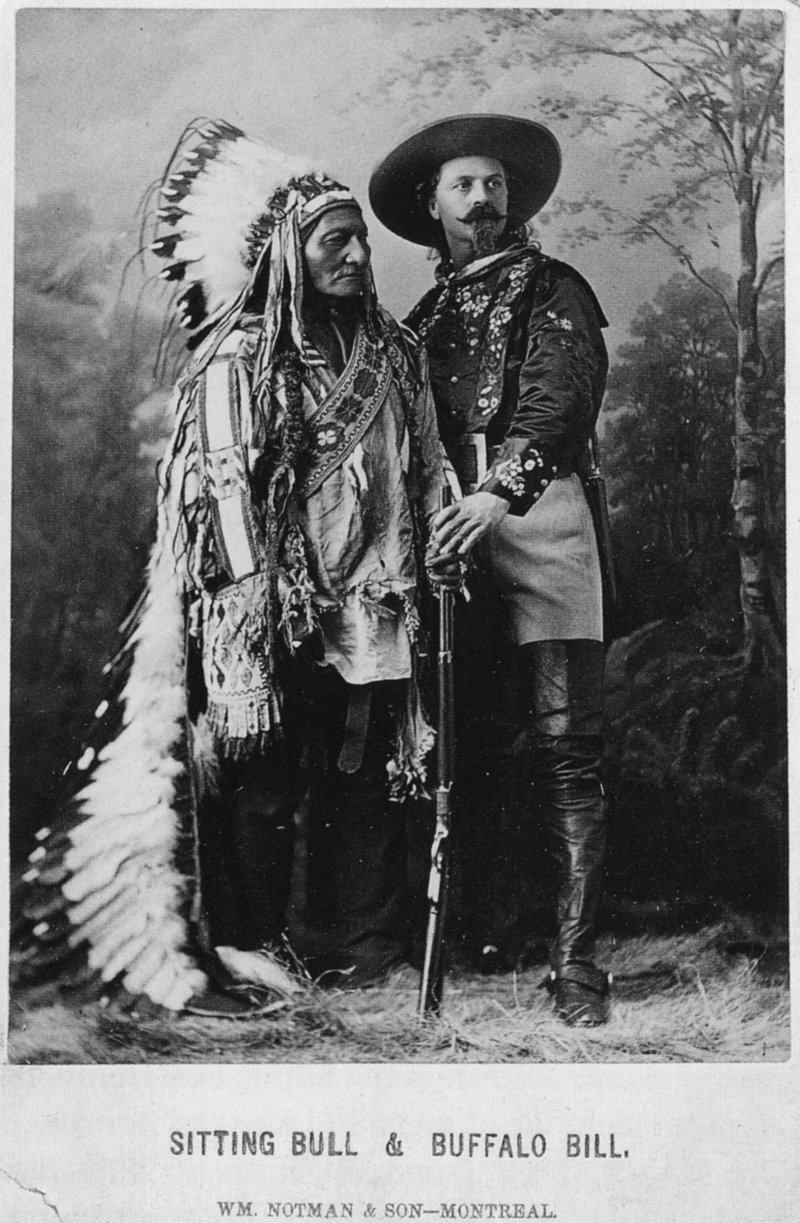
By 1908, a onetime main attraction was eighteen years dead. Sitting Bull, the Lakota Chief, appeared with the show in the 1880s, near the close of his life. He was shot dead by Indian police at the Standing Rock Agency on December 15, 1890 at the climax of the Ghost Dance movement .
(That was just two weeks before the Seventh Cavalry’s revenge at Wounded Knee. Nineteen troopers received the Medal of Honor for their hard day’s work in killing 300 Lakota. The troopers had to ride two miles to gun down two women running in the snow.)
Back at Standing Rock on December 15, one of Sitting Bull’s horses had been a souvenir from the Wild West Show, trained to rear and prance at the sound of gunfire. The horse did just that when the shooting broke out.
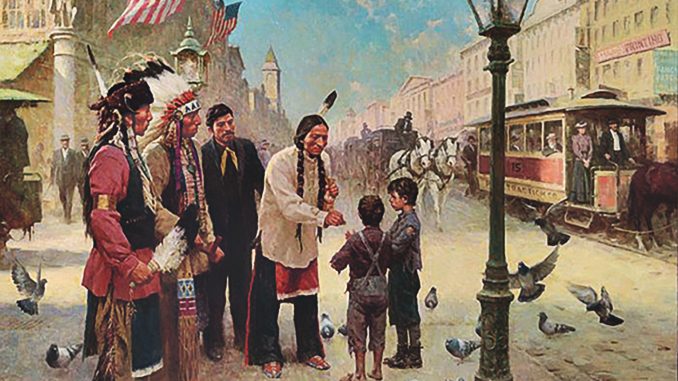
In 1884, one of the show’s stops was Philadelphia. In addition to his stipend for appearing with Cody, Sitting Bull sold autographs. Then, as was typical with him, he gave all the money away.
It was in Philadelphia where was appalled by the sight of ragged children in the street, so that was where his Philadelphia tip money went. Likewise, Sitting Bull’s contemporary, Crazy Horse—two Arroyo Grande settlers, soldiers in 1865, saw him perform a “dare ride” across their front—was the same. He was among the finest hunters in his band, and, on the return to camp, he made sure that widows and orphans were fed first.
The Lakota loved children. Another thing that shocked Sitting Bull in 1884 was that so many urban children worked, from shining shoes to factory machine-tending, which killed them sometimes. Children, he believed, should be free, and they should be free to play.
So the sight of ragged children, many of them immigrants, moved Sitting Bull. “The White Man knows how to make everything,” he remarked to his companions. “He does not know how to distribute it.”
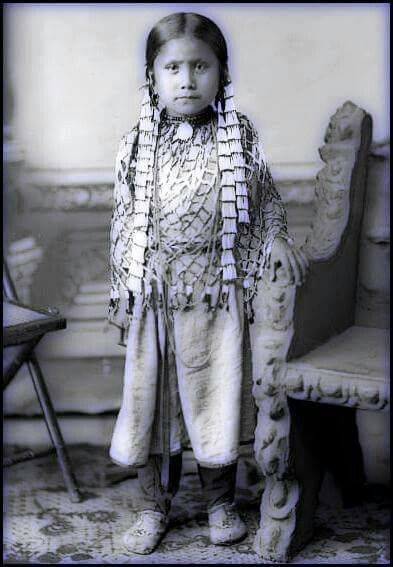
This is White Dove, one of his daughters:
Crazy Horse had a daughter, too. Her death had hurt him deeply. In the late spring of 1876, he visited his little girl on her funeral scaffold. He stayed for a few days, praying, fasting, talking to his daughter and listening for her answer. He got it. When he left, she had given him the calm he needed for the upcoming fight. All the Lakota knew it was coming. Sitting Bull had a vision of it happening. The fight was the one that would break out in the Valley of the Greasy Grass, what the waischus–White people—called “Little Bighorn.”
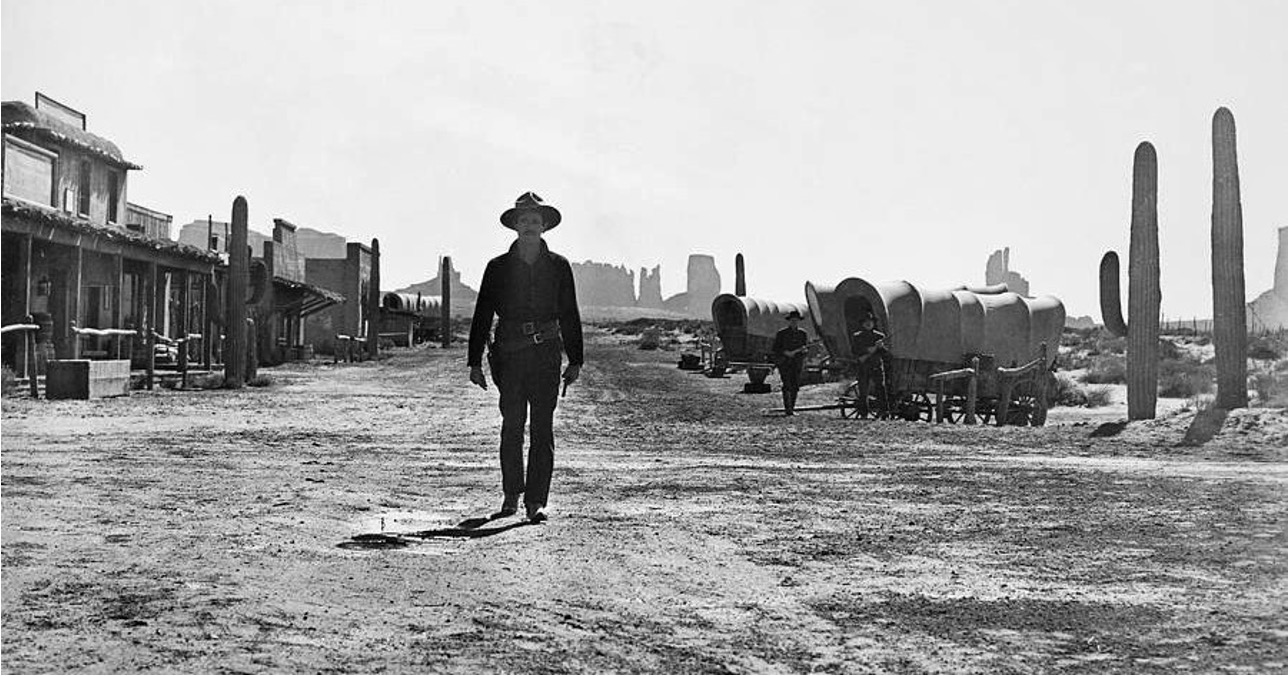
No films demonstrate the crabby director’s gift for visual myth-making better than Clementine (1946), shot in black and white, and The Searchers (1956), shot in Technicolor. They are perhaps his most beautiful films.
The singer-guitarist is 81, and many years ago, I had a fun time hearing him in concert at Poly. This hit is infectious, so I will post it twice. From 1975:
This version, by Miranda Lambert and friends, is delicious. I also love the Great Danes.
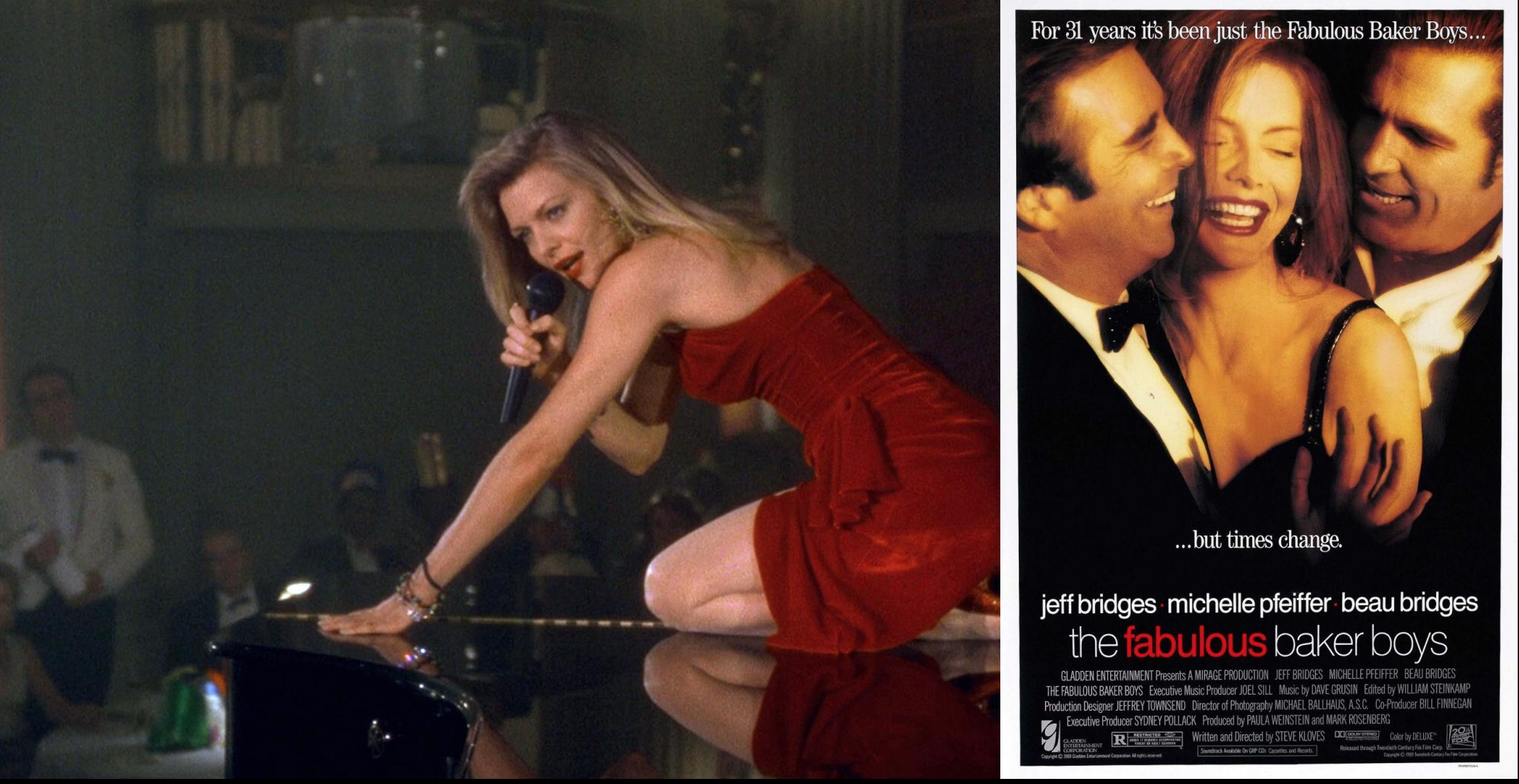
The Fabulous Baker Boys (1989) was on this morning, so I just had to stay in bed, “in recovery” from my Covid and flu shots, and so, being in bed, I just had to watch it.
Michelle Pfeiffer was 31 when she took on the role of the call girl-turned torch singer. The Bridges brothers, the Baker boys, a brother-brother act, are her accompanists. The elder Baker (Beau Bridges, the elder brother in real life) decides they need a female singer to rejuvenate their jaded performances, and her becoming part of their act makes things complicated.
A critic called the film “Romantic Noir” and that’s just about right. It’s an absorbing movie, not a happy one, because the romance doesn’t work itself out to our satisfaction. And the exterior scenes are filmed in a Seattle that looks as it if it could be the Great Depression: weedy vacant lots, boarded-up buildings, walkup apartments just beginning to go to seed, cheap hotels and cheap ballrooms with dirty back offices.
Pfeiffer, then thirty-one, was not sure she could bring this scene off because she didn’t consider herself “sexy.” A choreographer was assigned her and walked her through the song and the moves until, finally, the scene belongs to Pfeiffer.
At this point in the plot, that Pfeiffer has decided to declare her intentions to Jeff Bridges, a cynical man who, fortunately, loves his black Lab, Eddie, and the lonely little girl who comes through his apartment window to visit them.
Here’s the song’s opening, and I would submit that the head snap at the end, the direct gaze suggest that it’s all over for you, Mr. Jeff Bridges.
I think that if a movie scene is authentic, it reminds you of something else you’ve seen, even if it’s seemingly irrelevant. Pfeiffer’s head swivel reminded me of Diana Ross and the Supremes. Here they are on the Ed Sullivan Show, and watch for the hip move and then Ross’s head swivel. For us poor dumb men, the littlest things women do fascinate us, if “fascinate” is anywhere close to being the right word.
Speaking of “poor dumb men,” by the time Pfeiffer climbs down from the piano at the end of “Makin’ Whoopee,” you know that Jeff Bridges is doomed. That’s okay. He can take it. Or he thinks he can. The movie will decide how it wants to work this relationship out.
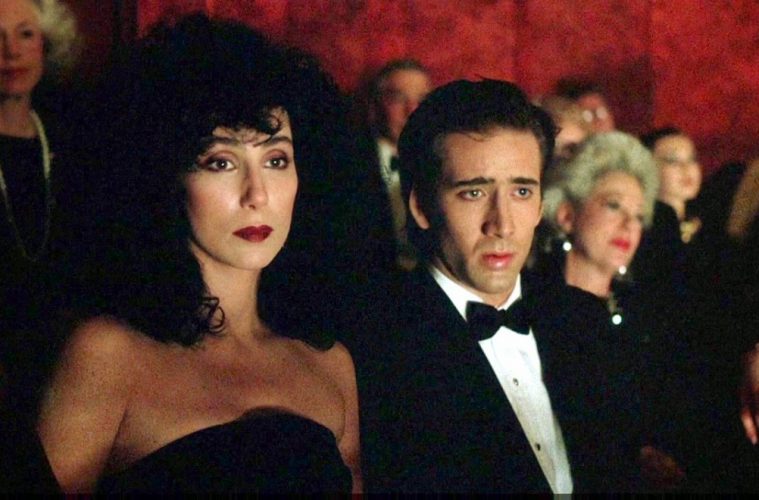
I was surprised that Moonstruck was on this morning. I was not surprised that, while I started watching halfway through—Rose is undergoing her transformation at the hair salon, and then she buys the shoes, “ruby slippers” and that drop-dead dress— I had to watch it to the end and then all the way through Deano’s voice and the credits.
What a marvelously written film. The words made the actors wonderful. So I had to look it up. It had some Nora Ephronesque elements, and, for romantic comedies, she was one of our greatest screenwriters— but she’s not Italian. Nope. But neither is the screenwriter for this Moonstruck. John Patrick Shanley is (obviously) Irish-American. But his early years equipped him to write the Academy Award-winning screenplay script for this film.
So I looked Shanley (above) up on Wikipedia. Here’s why he has the chops for this New York love story:
Shanley was born into an Irish-American family in The Bronx, New York City. His mother worked as a telephone operator, and his father was a meat-packer. The neighborhood Shanley grew up in was considered very rough.
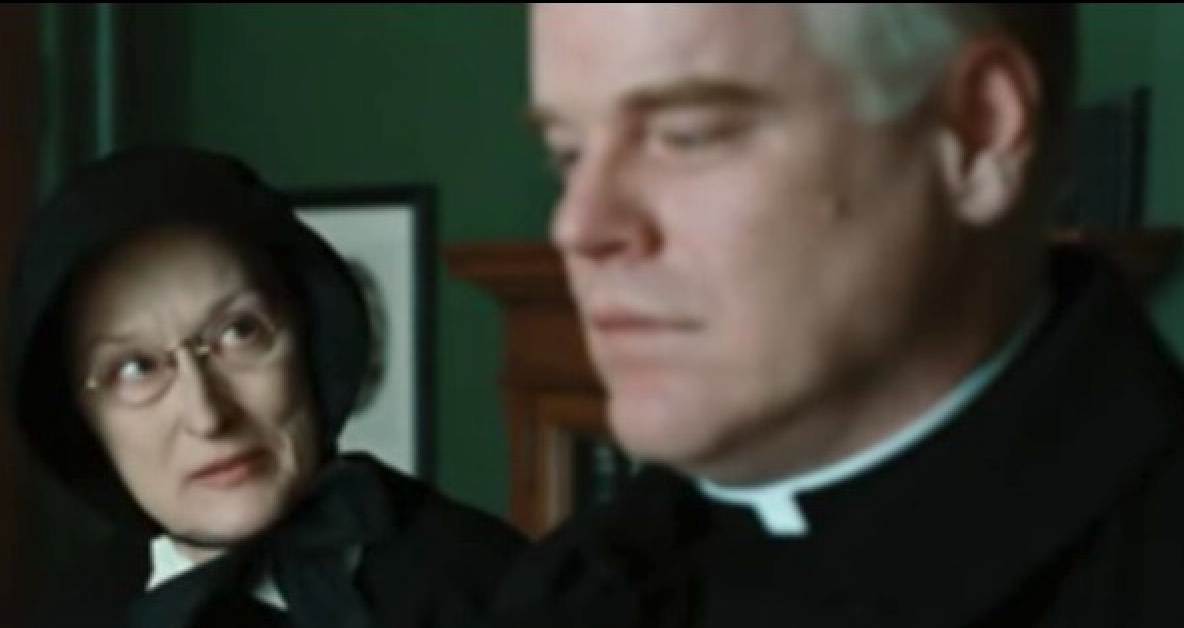
Shanley’s academic career did not begin well, but ultimately he graduated from New York University with honors. In his program bio for the Broadway production of Doubt: A Parable, he mentions that he was “thrown out of St. Helena’s kindergarten, banned from St. Anthony’s hot lunch program and expelled from Cardinal Spellman High School.” He was heavily influenced by one of his first teachers, Sister Margaret McEntee, on whom he based the character of Sister James in his play, Doubt. While at Cardinal Spellman High School, he saw two school productions that influenced him: The Miracle Worker and Cyrano de Bergerac.
After his freshman year at New York University, Shanley was put on academic probation. He then enlisted in the United States Marine Corps, serving in a stateside post during the Vietnam War. Following his military service, he wrote a novel, then burned it, and returned to the university with the help of the G.I. Bill, and by supporting himself with a series of jobs: elevator operator, house painter, furniture mover, locksmith, bartender. He graduated from New York University as valedictorian in 1977,with a degree in Educational Theatre, and is a member of the Ensemble Studio Theatre.
Meryl Streep and Philip Seymour Hoffman in Doubt, which won the Pulitzer Prize for Drama.
What makes this film such a treat for me are both the unexpected turns, like the “love him awful” exchange, and the revealed wisdom that mark Shanley’s dialogue.
Ronny Cammareri: You’re gonna marry my brother? Why you wanna sell your life short? Playing it safe is just about the most dangerous thing a woman like you could do. You waited for the right man the first time, why didn’t you wait for the right man again?
Loretta Castorini: He didn’t come!
Ronny Cammareri: I’m here!
Loretta Castorini: You’re late!
Loretta Castorini: Bless me, Father, for I have sinned. It has been two months since my last confession.
Priest: What sins have you to confess?
Loretta Castorini: Twice I took the name of the Lord in vain, once I slept with the brother of my fiancé, and once I bounced a check at the liquor store, but that was really an accident.
Priest: Then it’s not a sin. But… what was that second thing you said, Loretta?
Rose: Have I been a good wife?
Cosmo Castorini: Yeah.
Rose: I want you to stop seeing her.
[Cosmo rises, slams the table once, and sits down again]
Cosmo Castorini: Okay.
Rose: [pauses] And go to confession.
Rose: No, I think the house is empty. I can’t invite you in because I’m married. Because I know who I am.
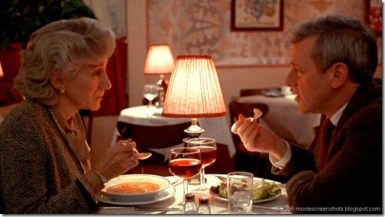
Rose: Why do men chase women?
Johnny: Well, there’s a Bible story… God… God took a rib from Adam and made Eve. Now maybe men chase women to get the rib back. When God took the rib, he left a big hole there, where there used to be something. And the women have that. Now maybe, just maybe, a man isn’t complete as a man without a woman.
Rose: [frustrated] But why would a man need more than one woman?
Johnny: I don’t know. Maybe because he fears death.
[Rose looks up, eyes wide, suspicions confirmed]
Rose: That’s it! That’s the reason!
Johnny: I don’t know…
Rose: No! That’s it! Thank you! Thank you for answering my question!
Loretta Castorini: Where are you taking me?
Ronny Cammareri: To the bed.
Loretta Castorini: Oh, God. I don’t care. I don’t care. Take me to the bed.
And then there’s this moment, when, for once, the director tells you all you need to know without being pushy about it. It’s the morning after the opera, and it’s all over for Loretta. She’s in love.
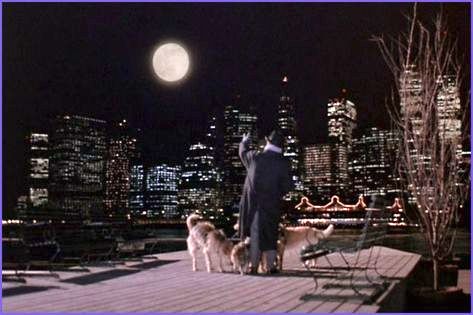
(I’d be remiss if I didn’t mention the heartache of seeing the World Trade Center towers that live on in the shots that establish this as a New York film. I feel the same pang of sadness for two more films I enjoy, Working Girl and Gangs of New York.)
Olympia Dukakis, whom we lost two years ago, won the Academy Award for Best Supporting Actress, and she is somehow both regal and funny, even when the funny bits are a little rueful, as they are in her bittersweet scenes with the late John Mahoney, the university professor who chases his coeds—he reminds Rose that her own husband is being unfaithful—which leads to the eternal questions she asks: “Why do men chase women?”
I guess I’ll have to add this film to the list (Casablanca remains at the top, with John Ford’s The Searchers and the first two Godfathers close behind) of films I could watch a thousand times. I owe its screenwriter at least that many thanks.





 A Work in Progress