• About
  • The Germans

A Work in Progress

A Work in Progress

Category Archives: trump

MAGA, 1764

12 Sunday Oct 2025

Posted by ag1970 in trump, Uncategorized

≈ Leave a comment

Tags

ancestry, family, Family history, genealogy, History

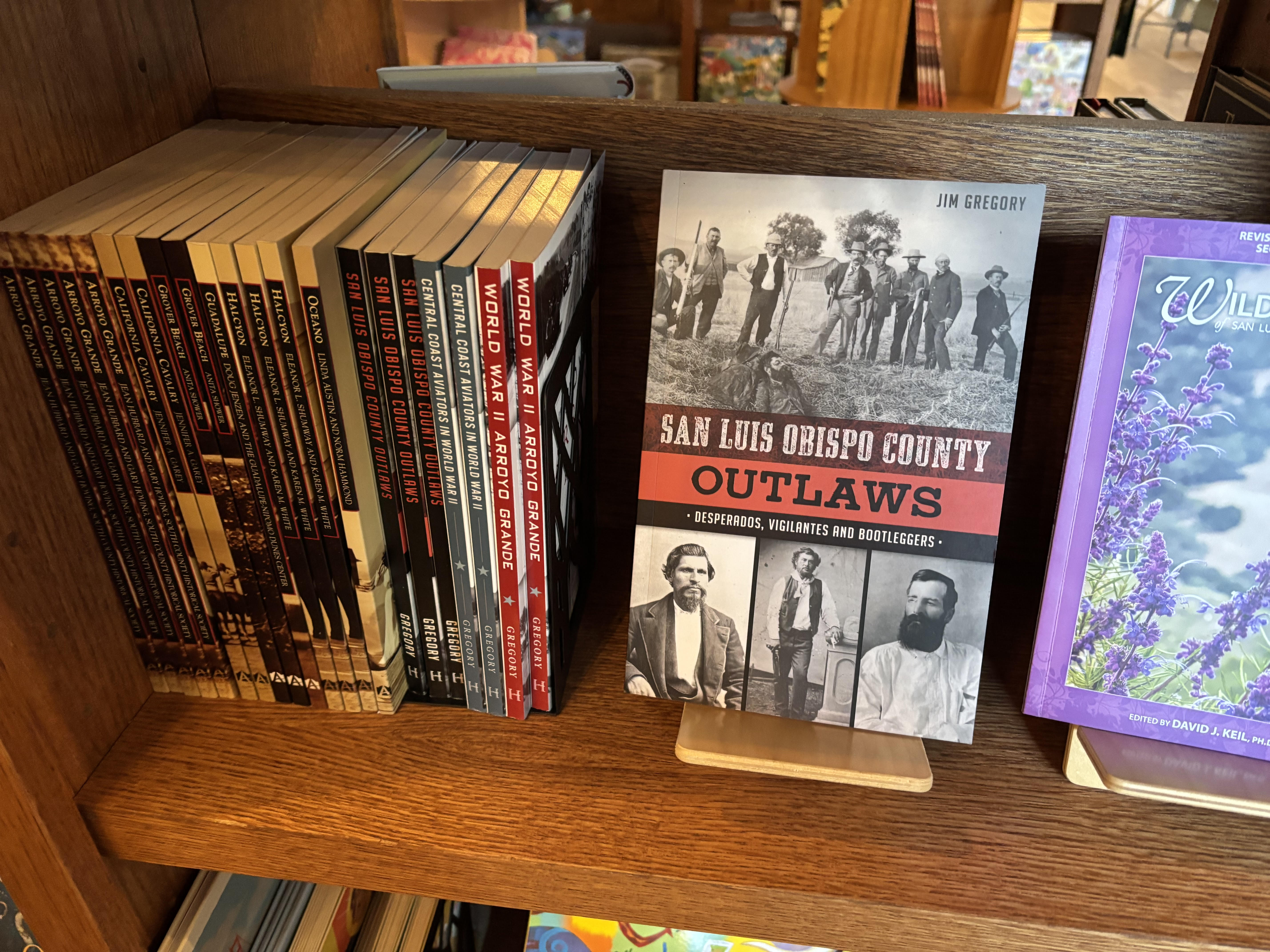
I love that Arroyo Grande—especially Branch Street Arroyo Grande—has an independent bookstore. My ego is happy because Monarch Books carries my books. We were waiting for a table to open across the street—my elder son’s and my younger sister’s birthdays—so I wandered across Branch to look for my books. I found them, but even I’m not so vain as to go into a bookstore and just looky-loo.

So I bought a book. This book.

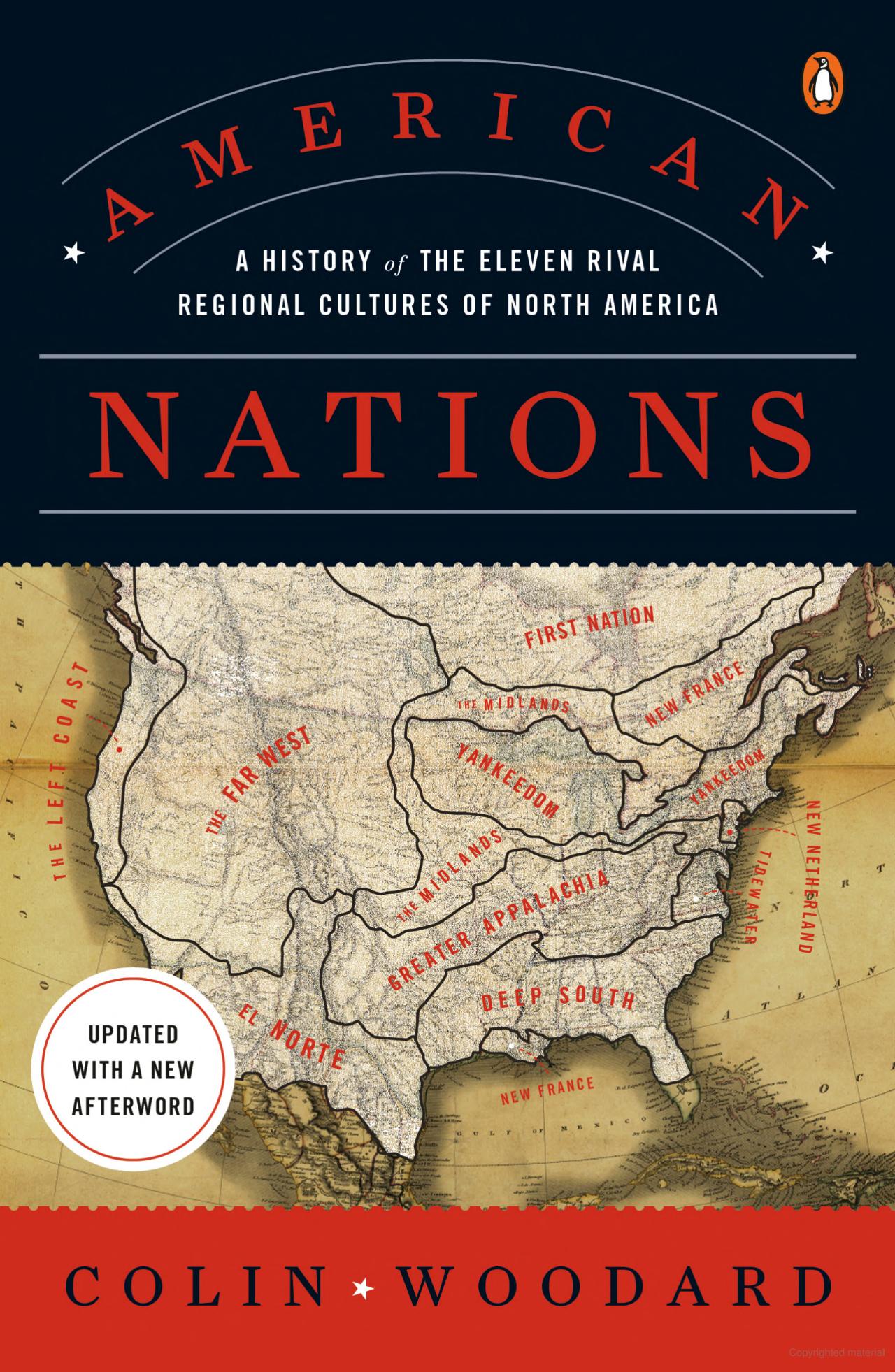
I’ve only just started it, but it’s already one of the most extraordinary books I’ve read in years. I rarely start books at the beginning, so I dove into the first chapter about one of Woodard’s seven nations, “Greater Appalachia,” because my father’s family has roots there, planted firmly on Missouri’s Ozark Plateau.

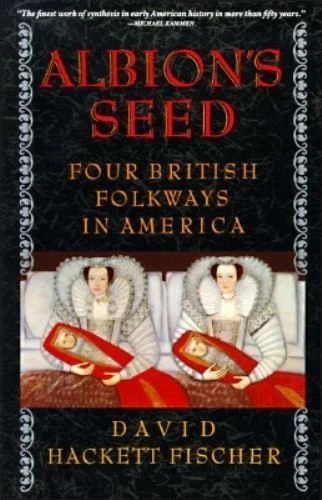
It reminded me of another extraordinary book I read years ago. I shared excerpts from Albion’s Seed with my AGHS history students, again, partly out of vanity, because another part of my family, Episcopalians all, comes from a second nation in Woodard’s book, “Tidewater.” They lived in places whose names—Fredericksburg, Spotslyvania, Petersburg—would be known as terrible battlefields a century after their arrival in America.

One of them, a collateral ancestor, Roger Gregory, married Mildred Washington, the great man’s aunt, and that homely name has persisted in my family, down to my own Aunt Mildred, who preferred to be called “Bill.”

Roger eventually sold Mt. Vernon to Washington’s father. My family is not known for its real estate acumen.

But Albion’s Seed revealed that Tidewater Virginians socialized their children by teaching them dance. That tradition carried down to my grandfather, John Smith Gregory, allegedly the sweetest waltzer in Texas County, Missouri. John could make his partner believe that the sawdust-strewn floor at a barn dance was polished glass. Even in his fifties, his partners were usually teenaged girls, waiting patiently for their turn on Mr. Gregory’s dance card.

My grandmother seethed. What can I say about my Grandmother Gregory? When she visited us kids in Arroyo Grande, we hid her dentures.

Her fried chicken, however, was sublime.
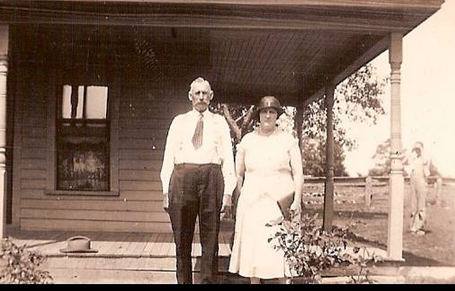
My grandparents, John and Dora Gregory, in front of the farmhouse. As you can tell, my grandmother–a delegate to the 1924 Democratic Convention in Madison Square Garden—was a hard woman to knock down in a windstorm. My dad is at right.

One day in 1933, she called my dad back to the farmhouse, which is still there, because he was barefoot. Dad was going to cross the road with Grandfather John to visit a neighbor. Grandma Gregory’s Scots-Irish pride would not permit a son of hers to visit Mr. Dixon barefoot.

So my grandfather, mostly deaf by then, never heard the speeding Ford roadster that killed him.

They let schools out the day of Mr. Gregory’s funeral.

There have been other books written about people like my ancestors, who migrated from the English Midlands to Tidewater Virginia, then Kentucky, then Missouri, until oil brought them to California. But other ancestors, like my Grandmother Gregory’s, came from Ulster or the Scots Lowlands, desperately poor, oppressed and spoiling for a fight. If they couldn’t get one in the British Isles, they’d be happy to start one in America. Woodard calls them the Borderlanders.

Former Virginia Sen. James Webb wrote Born Fighting, about the Scots-Irish military tradition in American history. Many of them, of course, marched in Stonewall Jackson’s “foot cavalry,” perhaps the finest infantry in the Victorian world, named for the rapidity of their marching. My Uncle Tilford’s middle name was “Stonewall.” So it goes.

And, of course, JD Vance’s offering was Hillbilly Elegy, a petulant book I started twice and then put down, never to return. I have started David Copperfield six times, and I will finish it because the book deserves it.

American Nations deserves a first reading and then many more.

To my shock, I discovered the echo of the January 6 people in the first chapter about “Greater Appalachia,” a region whose culture informs the Ozark Plateau.

REUTERS/Leah Millis/File Photo


Among the observations that Woodard makes about the people of Greater Appalachia, whom he calls the Borderlanders:

–They didn’t trust law courts. Justice, instead, was personal and retributive. The Hatfield-McCoy bloodletting is an example of a Borderland tradition that persisted long after their ancestors came to America.

–Within the group, Borderlanders did not tolerate dissent. Those, including kin, who violated the moral code, grounded in a cultural construct of reality, were dealt with violently.

–Borderlanders hated outsiders, most of all Native Americans, on whose land they squatted. When indigenous people resisted, the retribution visited on them was merciless, including the scalping of children.

–Because they’d been so exploited by absentee landlords in England, Scotland and Ulster, they despised city people, including those in Philadelphia, where a group took up arms, marched on the City of Brotherly Love (even Philadelphia’s Quakers took up arms) and were turned back by cannon loaded almost to the muzzle with grapeshot and by sweet Enlightenment reasoning. Negotiation with Benjamin Franklin finally persuaded the insurrectionists, known as “the Paxton Boys,” to go home.

–While Borderlanders resented the wealthy and the powerful, they followed their own leaders, who rose to the top not because of their command of policy or sweet reasoning, but by the force of their personalities, their emotional appeal and the blandishment of their personal wealth. Disparities in wealth were enormous among these people, and they were tolerated. Woodard notes that the top ten percent monopolized land in AppalachianAmerica, while the lower half had no land at all.

It struck me, in reading the passage about the march on Philadelphia, that MAGA, as far back as 1764, has been an American tradition. Today’s movement, of course, is not ethnic, but it has the trappings—a sense of injustice, of entitlement, of envy and of incipient rage— the same forces that drove the Paxton Boys’ march on the city they despised.

I found some comfort in this understanding, which I hope is accurate, because, after all, we survived 1764.

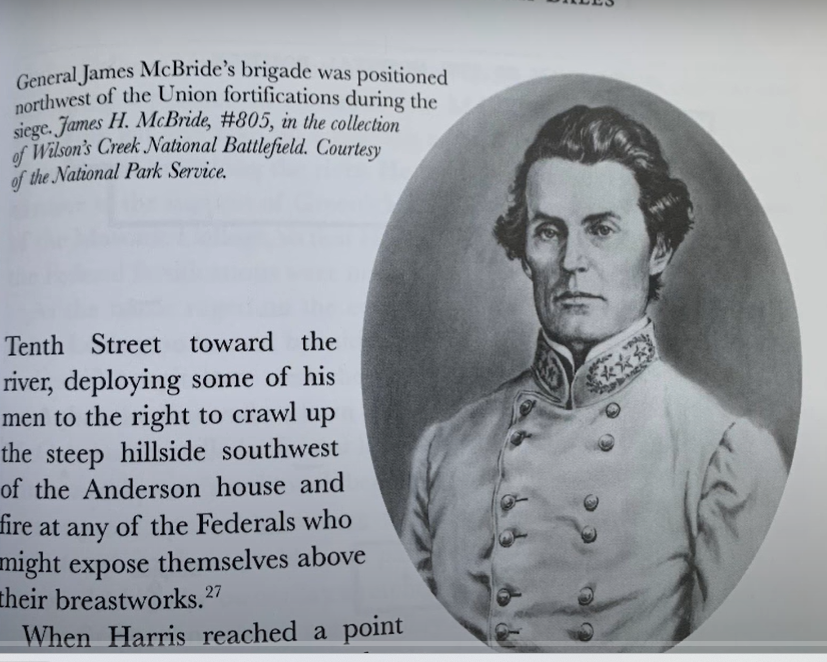
There are other inklings of hope in my Borderland ancestry. I am named for and descended from two Confederate officers, one, a brigadier general (James McBride died of illness in 1862); the other, his son, Capt. Douglass McBride (my middle name), was vaporized by a Yankee artillery shell in Arkansas the same year.

You’d think we would’ve learned, except for my Uncle Tilford Stonewall Gregory’s middle name.

One of Tilford’s sons, Roy, was my cousin. When World War II came to America, Roy, from the Missouri Ozarks, joined the Army and became a member of the Oklahoma-based 45th Infantry Division. He would fight in Italy and Western Europe and was wounded twice—both times from shell fragments from the superb German field gun, the 88— and was recovering from the second when the Germans launched Operation Nordwind in January 1945, in support of the greater offensive in the Battle of the Bulge.

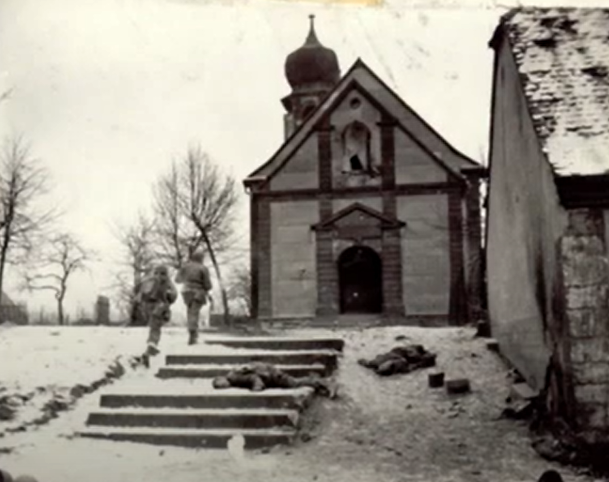
Roy, in recovery, was discharged from the hospital and sent to the front, to a French town, WIngen-sur-Moder, on the German frontier. His company was attacked by Waffen-SS mountain troops, soldiers who fought without mercy, and it was their artillery that finally claimed him. He died on the steps of the village church.

He came home to Greater Appalachia, to the Allen Cemetery in Texas County, Missouri, where his grave is not far from our Grandfather John’s, the sweetest waltzer in Texas County, Missouri.

My cousin, you see, was an Antifascist.
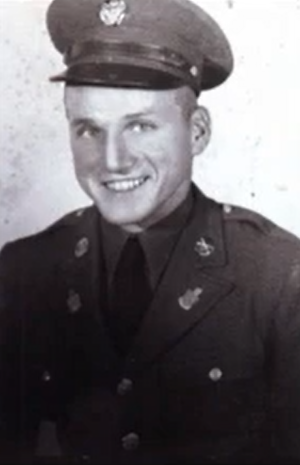
My cousin Roy; the church where he died.


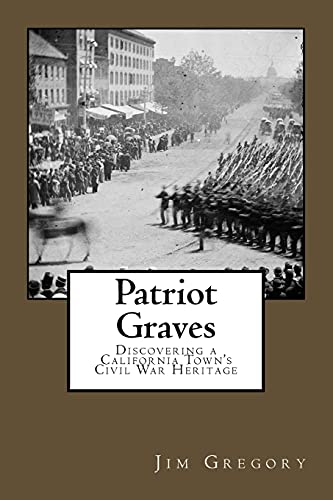
–Jim Gregory’s book Patriot Graves: Discovering a California Town’s Civil War Heritage, is about the sixty Union Civil War veterans buried in the Arroyo Grande District Cemetery.

Version 1.0.0

How Lincoln dealt with his critics

26 Friday Sep 2025

Posted by ag1970 in trump, Uncategorized

≈ Leave a comment

Trump on the Kimmel show, 2016

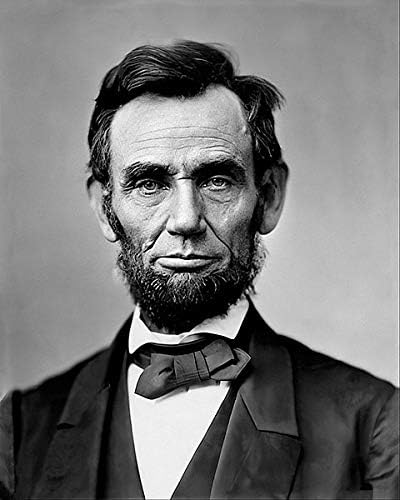
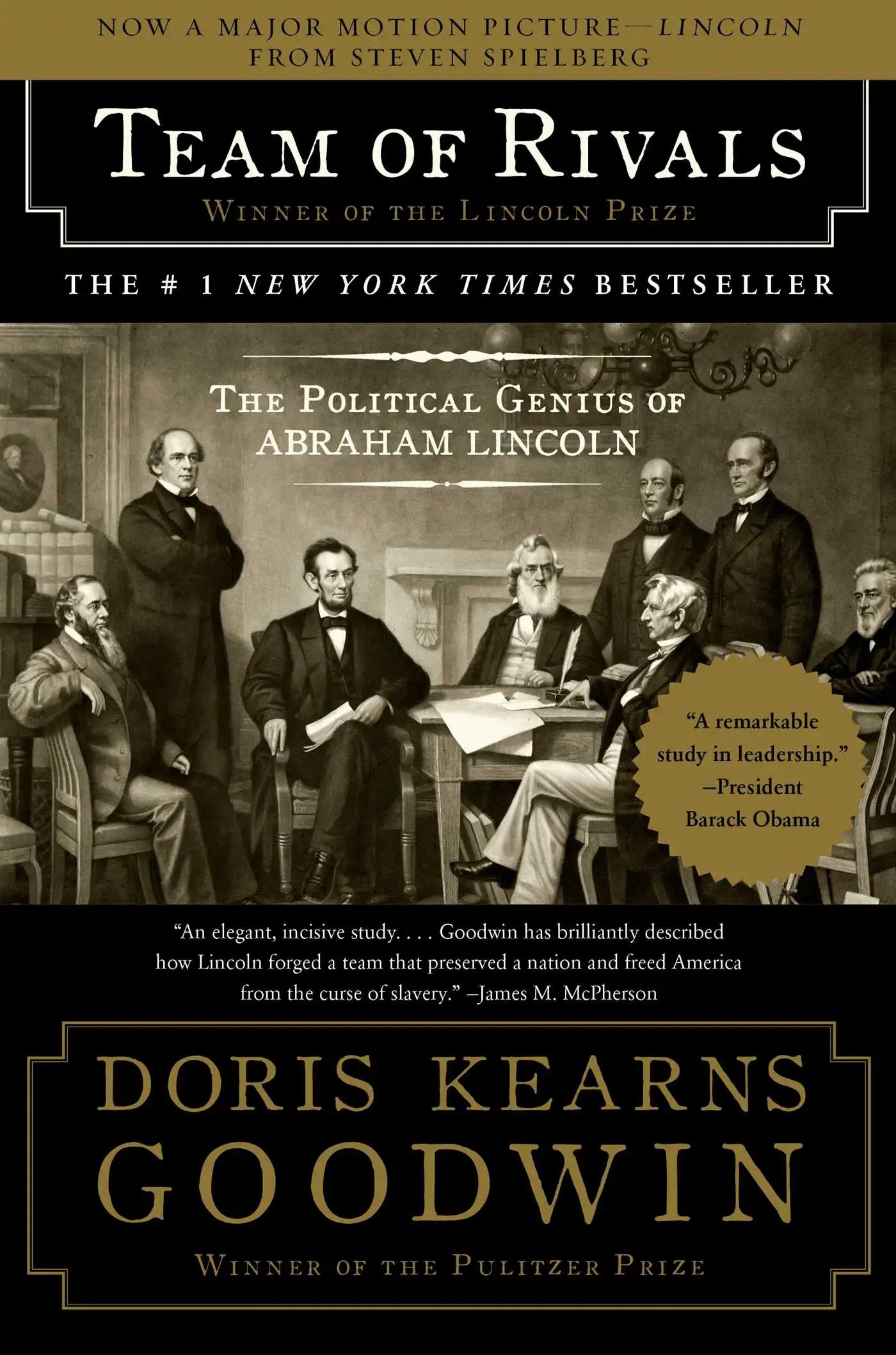
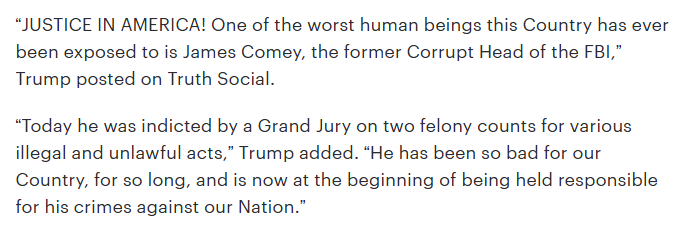
Given today’s headlines, I remembered again Doris Kearns Goodwin’s superb Pulitzer-Prize winning book, Team of Rivals. James Comey, Lincolneque in height, anyway, was indicted today on charges that, it’s reported, DOJ litigators have maintained, that will never stand in court. But that’s how the president deals with critics and enemies: He sues them to death.

Lincoln’s approach, given Goodwin’s guidance, was far different. Here are just three examples.

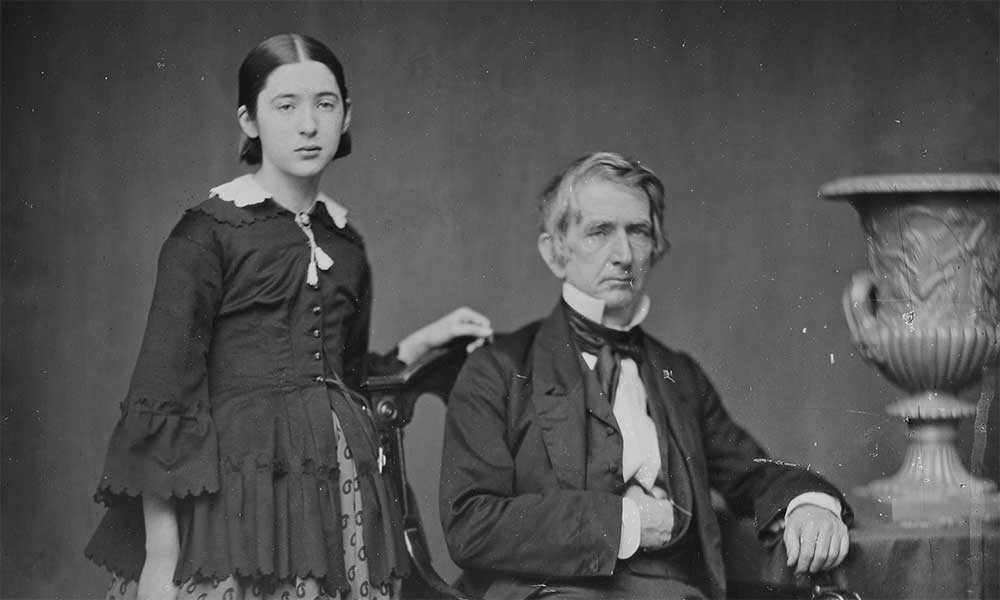
(Above) Salmon P. Chase and his daughter, Kate.

“[Salmon P.] Chase (as in Chase-Manhattan) is a good man, but his theology is unsound. He thinks there is a fourth person in the Trinity.” Sen. Ben Wade.

Chase, as Secretary of the Treasury, was one of the harshest critics and the most frequent resigner in Lincoln’s Cabinet. When Lincoln finally accepted one of them, in 1864—Chase was planning to challenge Lincoln for the Republican nomination that year—Chase was shocked.

(Chase’s daughter, Kate, one of the most beautiful young women in Washington, despised Mary Lincoln and worked tirelessly to support her father’s presidential ambition.)

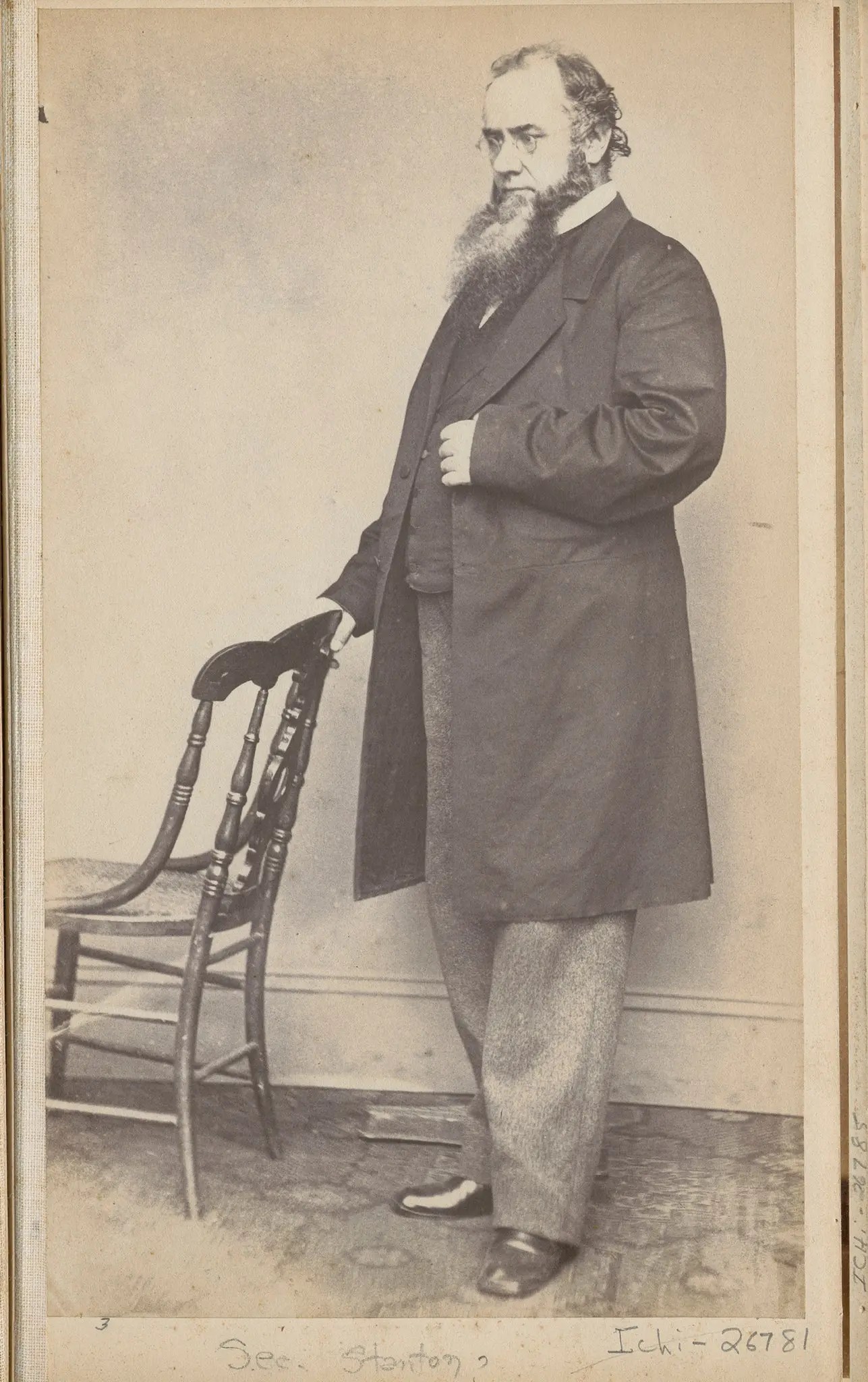
Edwin Stanton was a railroad lawyer who’d worked a case with Lincoln as a far junior litigator. From that acquaintance, Stanton labeled Lincoln “The Original Gorilla.”

Stanton became Lincoln’s Secretary of War, when that title was less ironic than it is today. A delegation to the White House reported that Stanton had called Lincoln a fool.  Lincoln, with mock astonishment, inquired: “Did Stanton call me a fool?” – and, upon being reassured upon that point, remarked: “Well, I guess I had better go over and see Stanton about this. Stanton is usually right.”

When Lincoln died, Stanton, standing at the foot of the death bed, heartbroken, said “Now he belongs to the angels,” maybe more aptly interpreted as “Now he belong to the Ages.”

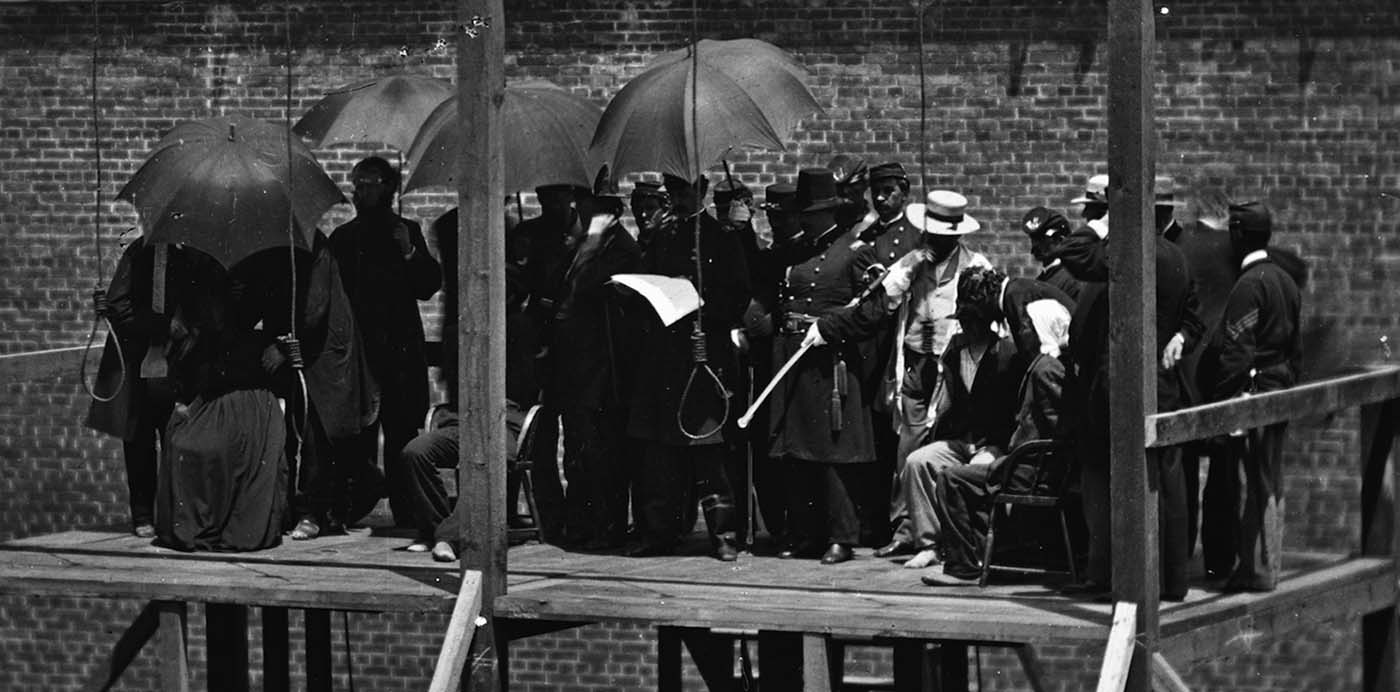
Stanton was merciless in pursuing and then trying four surviving plotters–Booth was mortally shot in a Virginia tobacco barn. They were hanged in sweltering heat in June 1865, including Mrs. Mary Surratt, at far left in the photograph.

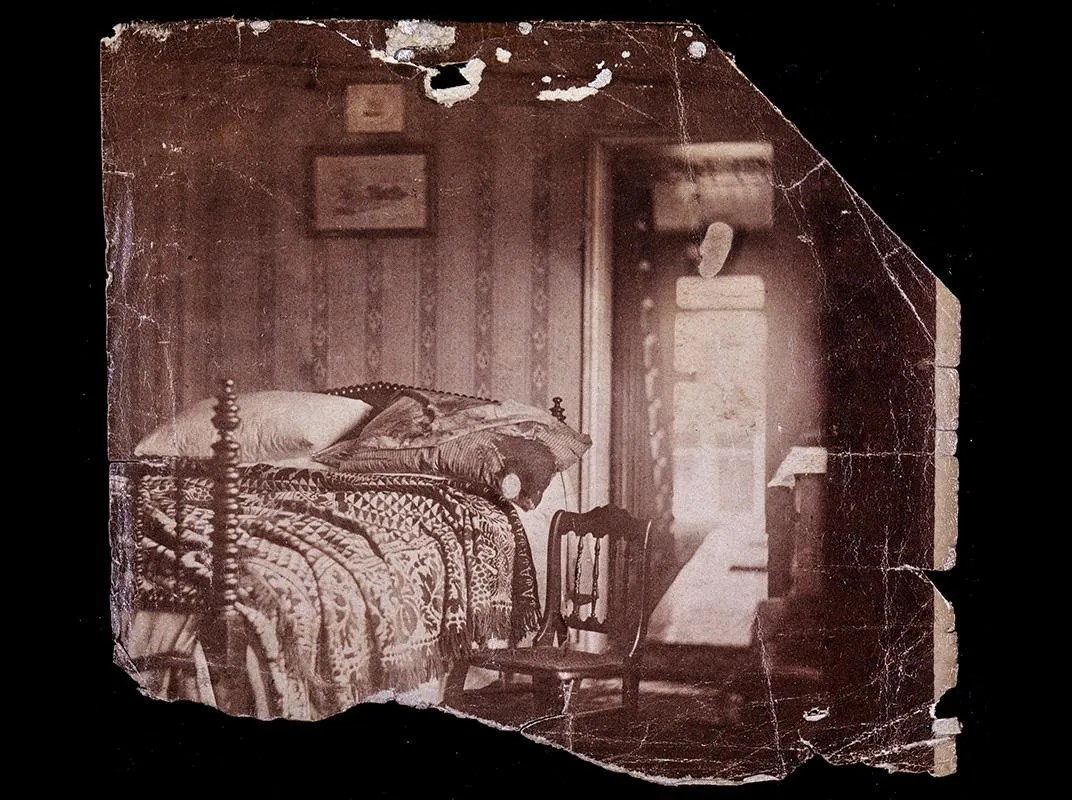
(Below: Lincoln died Saturday morning, April 15, in this rooming house bed across the street from Ford’s Theater. The president was so tall that he had to be positioned diagonally; when Army doctors stripped Lincoln of his clothing, onlooker were astonished at the president’s musculatrity. He was a powerful man–even though the war so worried him that sometimes all he ate was an apple he nibbled at throughout the day. Lincoln was able to hold an axe extended straight out at arm’s length, a feat admiring soldies witnessed. None of them could duplicate it.


William Seward was bitterly disappointed when Lincoln defeated him for the 1860 Republican nomination. One historian described him as A man of ripe political experience, he could show impressive astuteness, and had a fine capacity for persuasive public speech. Yet he revealed at times superficial thinking, erratic judgment, and a devious, impetuous temper, which were the more dangerous because he was cockily self-confident. He had immense vanity…

Lincoln made Seward his Secretary of State and, sensing his need for approval, invited him to the White House nearly every day for “consultations.” Like Stanton, Seward eventually became an admirer of the president’s.

Seward and one of his daughters, Fanny. On the night of the president’s assassination, plotter Lewis Herold barged into Seward’s sickroom, shoved Fanny aside, and stabbed the helpless Secretary of State in the face and neck. Seward surived, Herold was hanged with the other conspirators, and Fanny died two years after the attempted murder.


Lincoln had a temper, and it was frequently aimed at a parade of incompetent Union generals. One of them George McClellan, despised Lincoln, once walking past the president, sitting in the McClellans’ parlor, and walking upstairs without uttering a word.

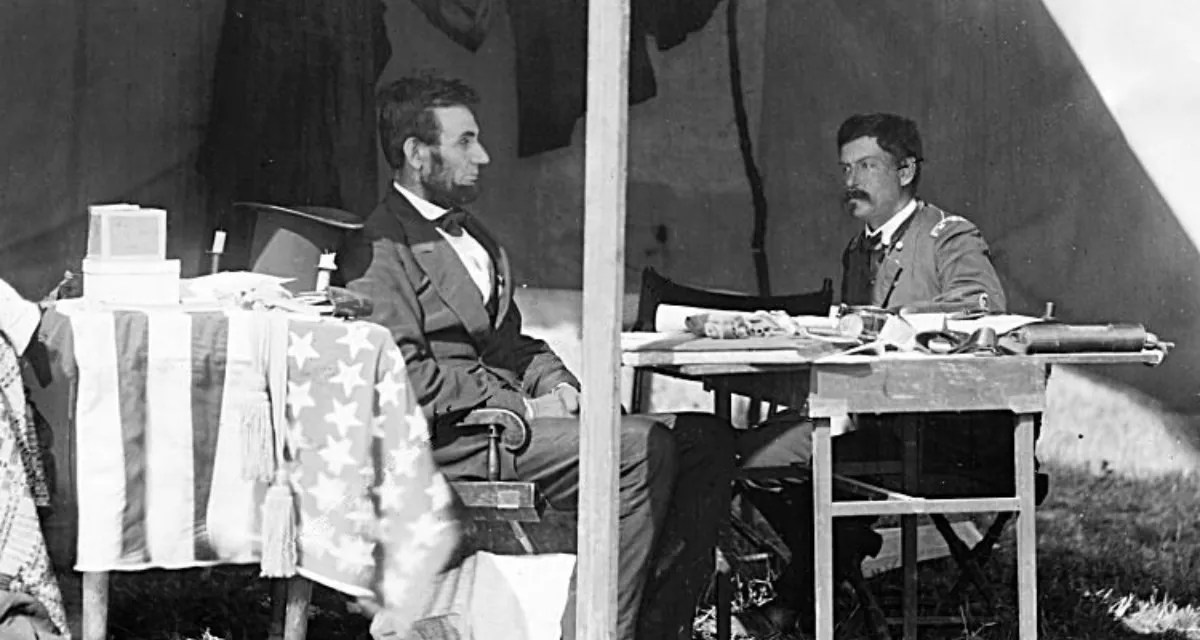
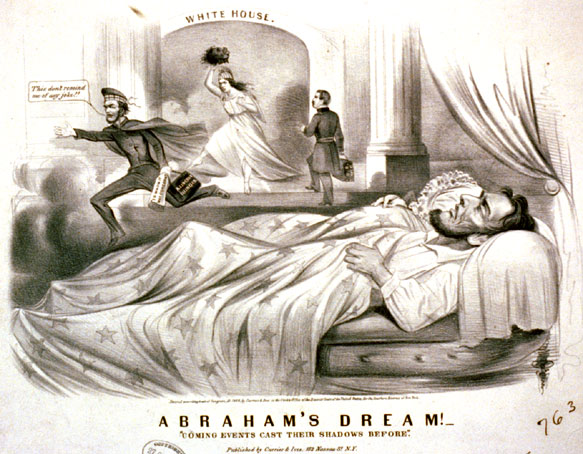
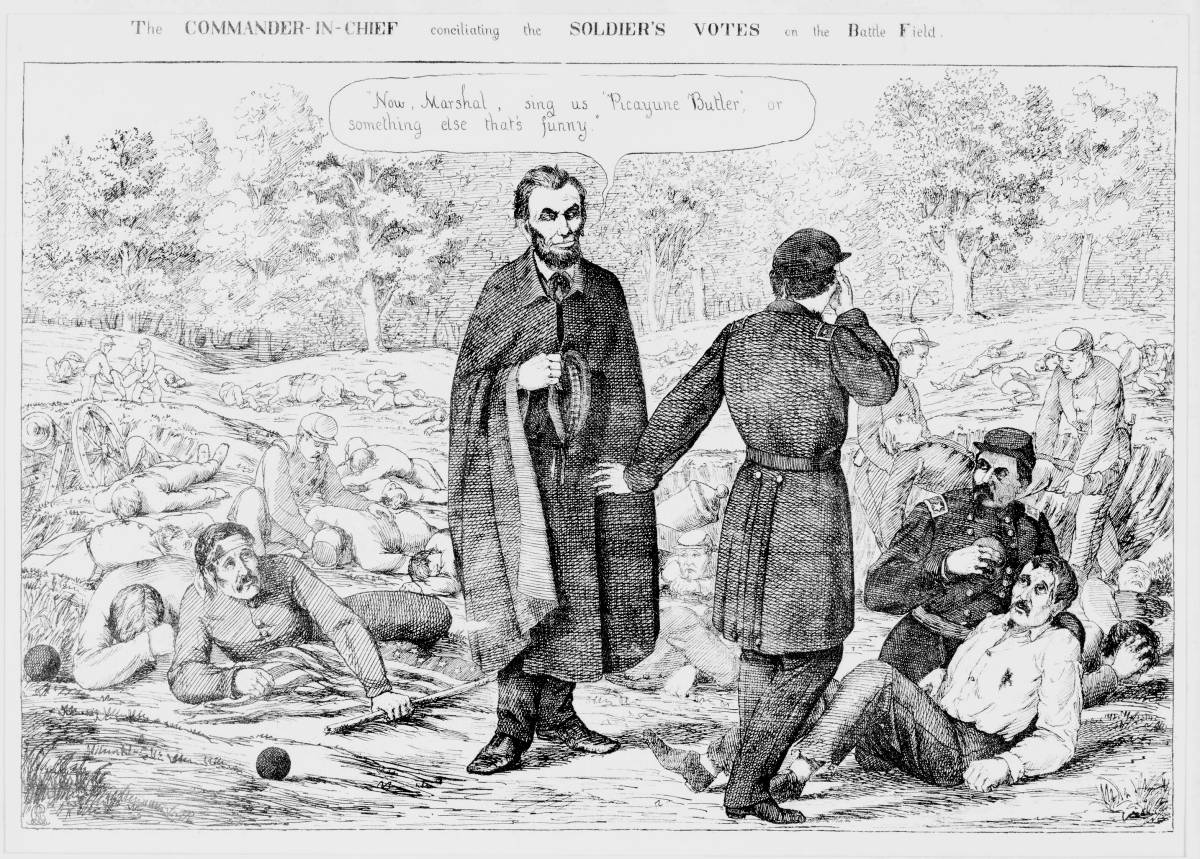
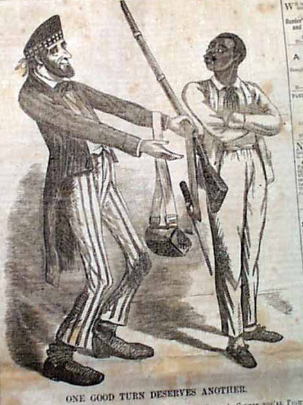
At the 1862 Battle of Antietam, Lincoln believed that McClellan has allowed Lee’s army to escape destruction. Not long after that battle, the two look tense in the general’s tent. In 1864, McClellan ran against Lincoln; this cartoon repeats the Scotch bonnet story. Lincoln’s nightmare depics the general ascending to the presidency.

Typically, Lincoln used humor to critcize those who either let him down or betrayed him.

–“If Gen. McClellan isn’t going to use my army, I’d like to borrow it,” the President allegedly said of the man who later became his rival.

–Gen. John Pope resolved to fight a war of movement. “From headquarters in the saddle,” his dispatches to the president allegedly concluded. “His headquarters are where his hindquarters are supposed to be,” the president observed.

–Lincoln’s first Secretary of War, Simon Cameron, was a Pennsylvania politician widely known for his corruption. Lincoln defended him, arguing that Cameron would never steal a hot stove. Then he made him the American ambassador to Russia.

Returning to the Comey story, this is what the current president had to say today.


For a parade of deficient generals, Lincoln used the 1860s version of Truth Social. He’d write them vitriolic letters, seal them, and then lock them inside a White House desk drawer, never to see the light of day again.


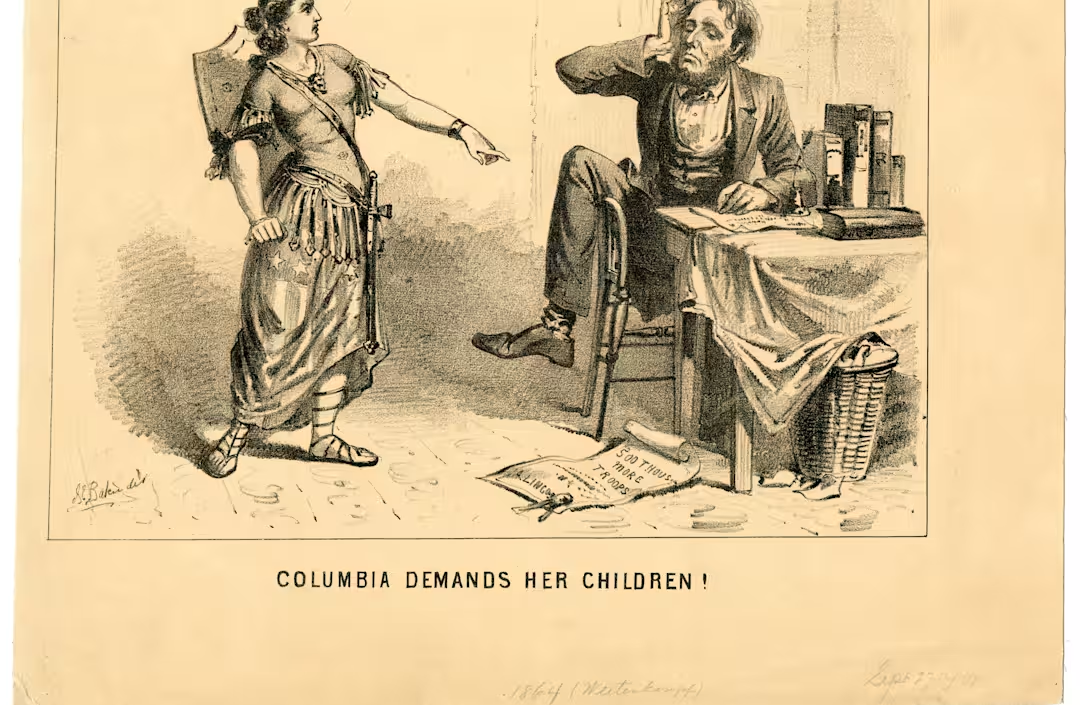
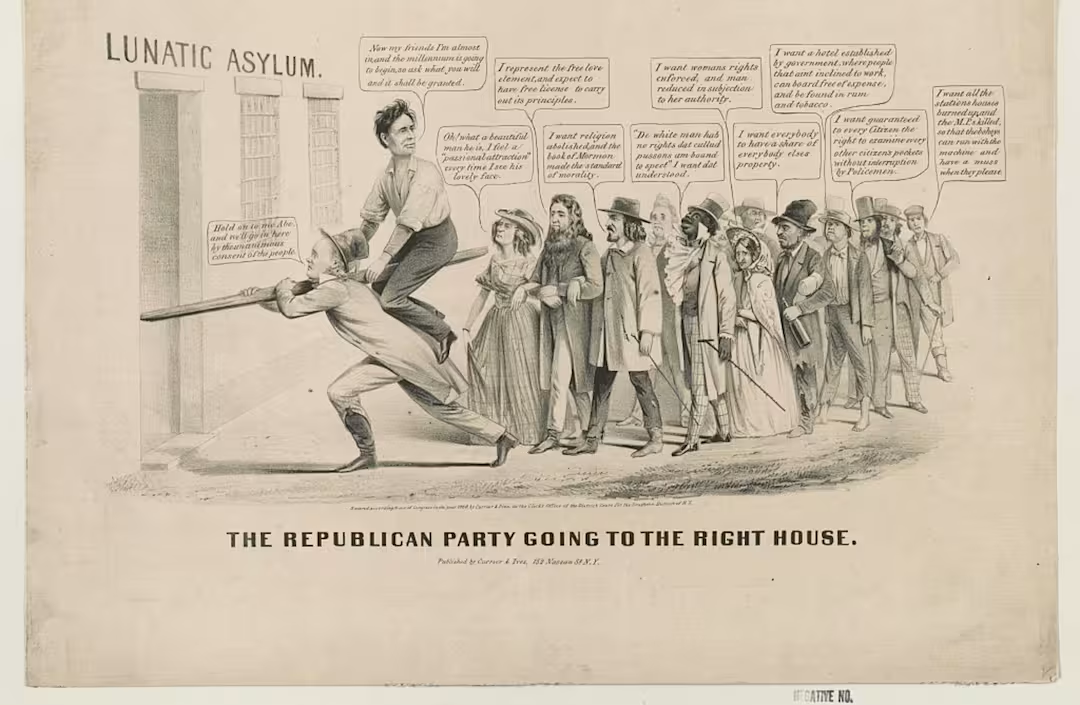
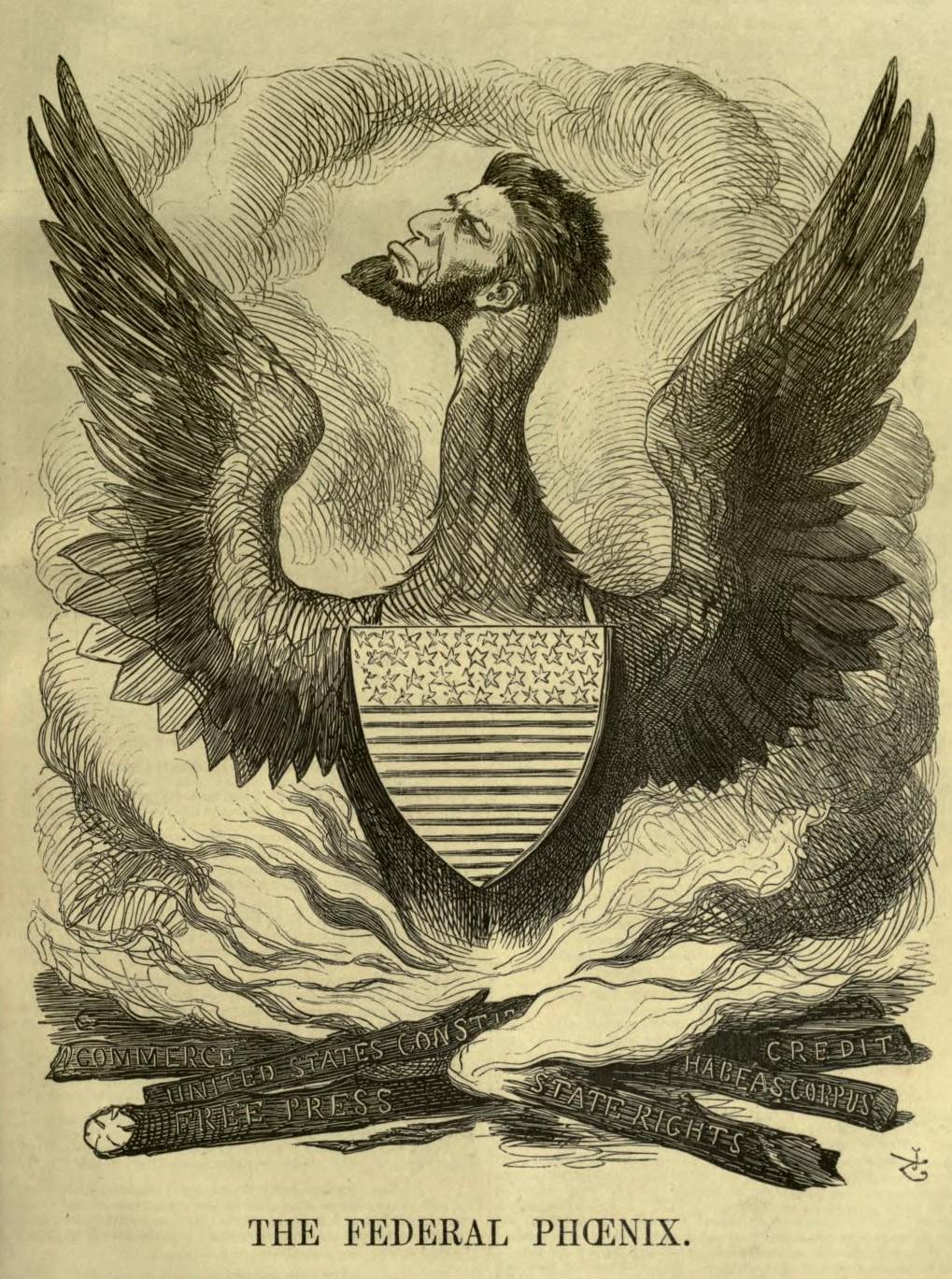
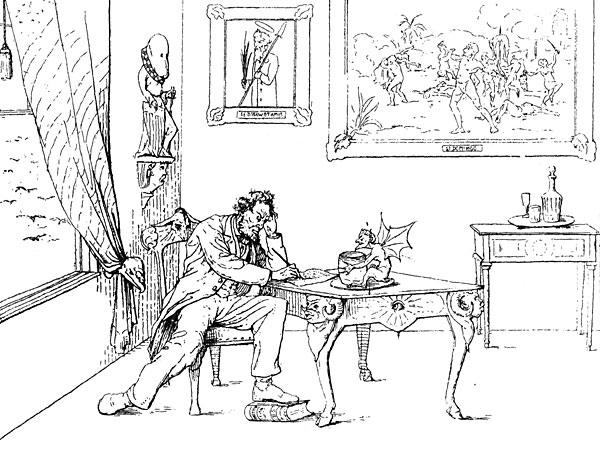
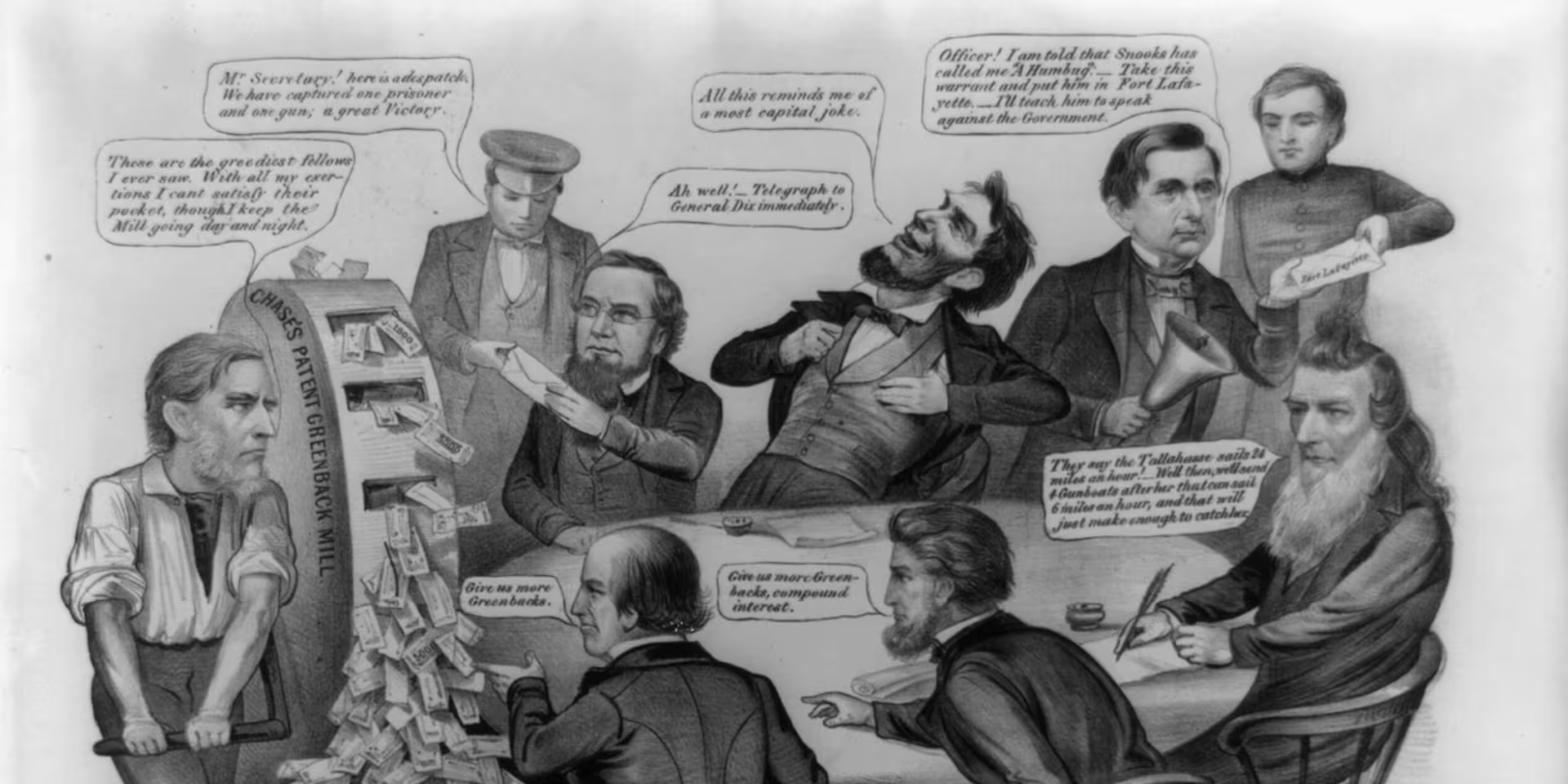
A gallery of anti-Lincoln cartoons.

“No politician has been treated worse or more unfairly than me.” President Trump.

The Department of War

08 Monday Sep 2025

Posted by ag1970 in American History, Arroyo Grande, California history, History, trump, Uncategorized, World War II

≈ Comments Off on The Department of War


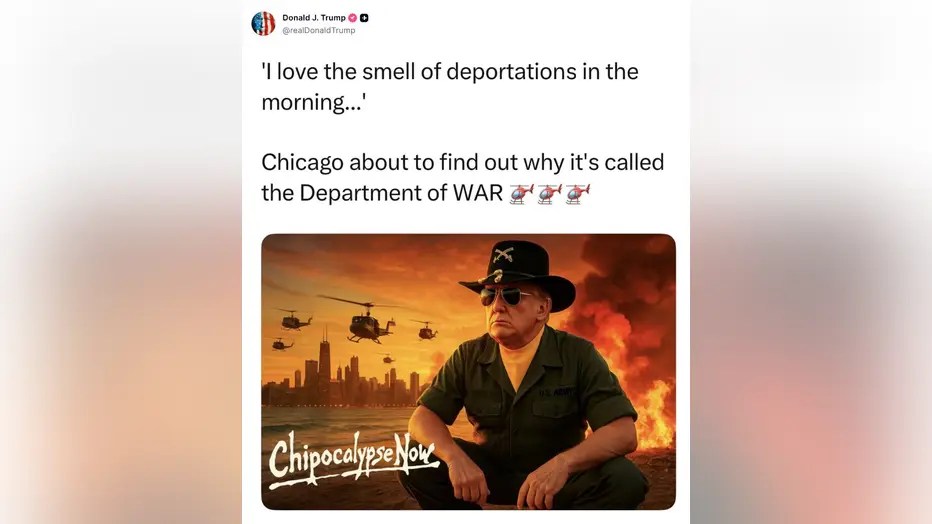
This was Saturday. He’s half-heartedly apologized today: “We’re not going to war with Chicago.” I’m sure, with the bellicose re-naming of the Department of Defense, that Chicago is overwhelmed with gratitude.

War would overwhelm this president* because, like all bullies, he is a coward. It takes so much air to fill him, but he has a kind of army—his sycophants—who stand ready to provide it.

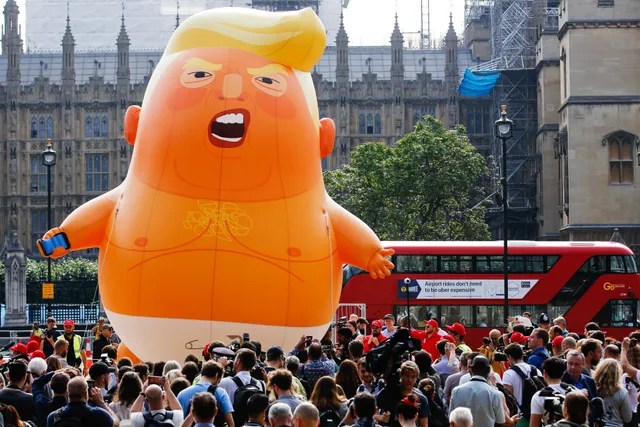
The president* visits London


This is a re-creation of the 1918 Battle of Belleau Wood (the re-enactors are real Marines), but the men who actually fought that battle were called by the first-term Trump, the milder version, “losers” and “suckers.” He was to honor them on the 100th anniversary of the assault, but it was raining in France.


And this is what war was like for local men who endured it.

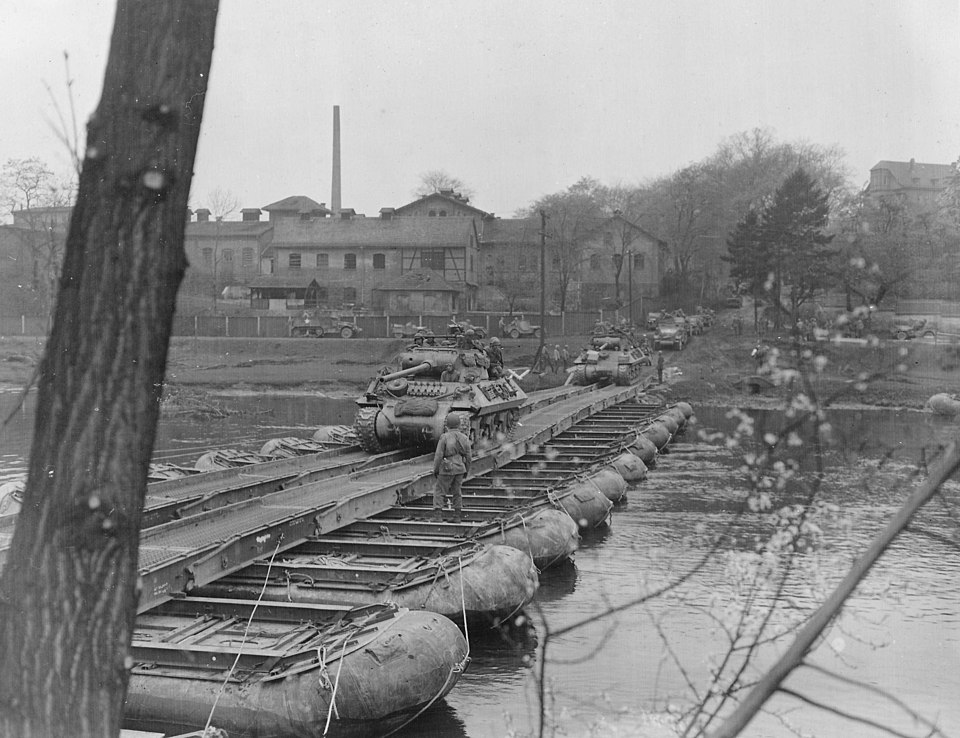
The 607th Tank Destroyer Battalion, 1944.


   The Americans’ breakout from Normandy, after claustrophobic weeks in the death traps of the hedgerows, must have been a jubilant one, but the 607th would encounter another death trap whose brutality sobered them. The Americans, under Omar Bradley, and the British and Canadians, under Bernard Law Montgomery, had the chance to encircle the entire German Army in Normandy. They would fail, and thousands of Germans would escape, battle-weary, some of them now barefoot, running for their lives along narrow roads and cattle trails through what became known as the Falaise Gap.

    But American artillery units still found many of them there–artillery spotters were nearly incoherent because there were so many targets to call in on their field radios–and the slaughter they inflicted was horrific.19 Seventy years later, one of the 607th’s soldiers, Frank Kunz, remembered the results in an interview with his hometown newspaper:  “ Christ help me. There were 6 to 8 inches of bodies and horses ground up on the road. There was nothing you could do. You had to drive through it.” People, Kunz added, don’t understand what war is.20

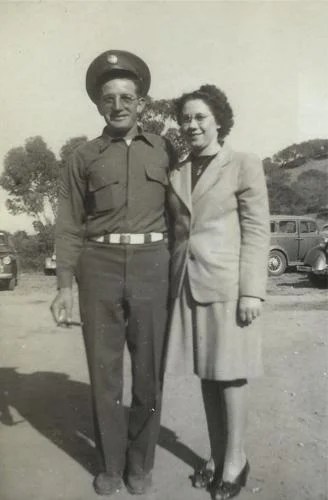
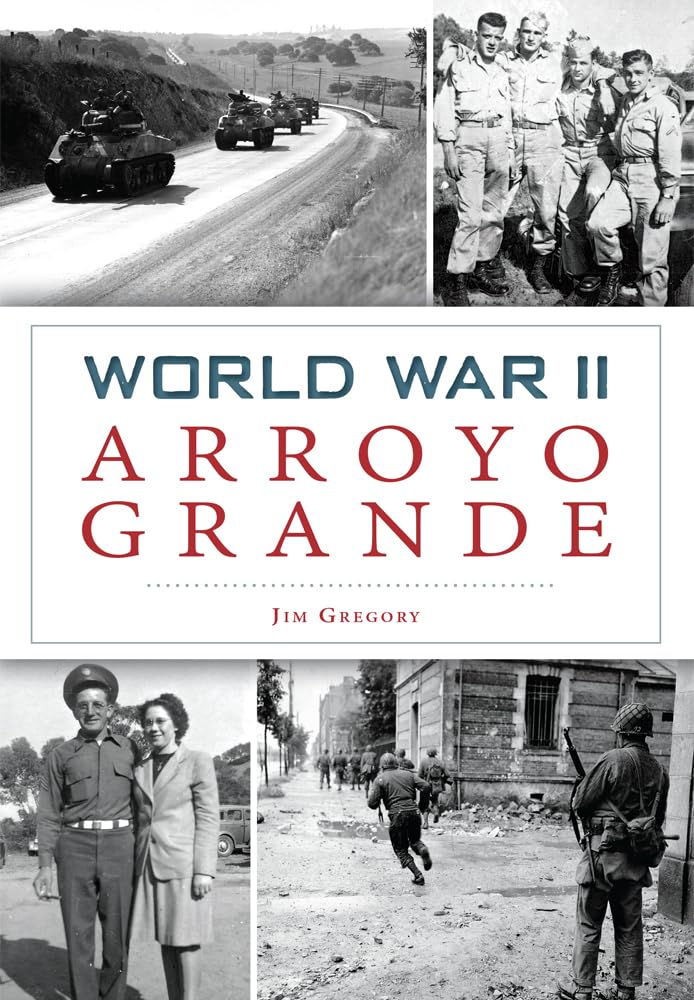
In the photos: Frank and Sally Gularte at a family barbecue in Arroyo Grande before he shipped out as a member of the 607th Tank Destroyer Battalion, seen crossing a river into Germany. A German sniper claimed Frank’s life in November 1944. Sally gave birth to Frank Jr. five days later. From the book World War II Arroyo Grande.


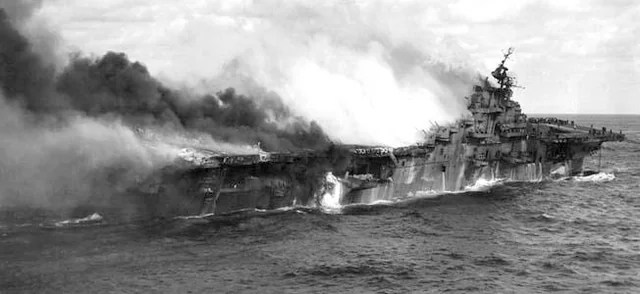
The aircraft carrier Ben Franklin, 1945

The bomb’s detonation [one of two that his the aircraft carrier Franklin off Japan in 1945] flipped a 32-ton deck elevator like a flapjack, leaving it canted at a 45-degree angle in its well. The shaft below it and the decks adjacent were an inferno: crewmen were incinerated instantly; aircraft on the hangar deck melted and plummeted to decks farther below. Twelve of the 13 pilots in the famed Marine Corps “Black Sheep” Squadron, based, since the beginning of the year, at a naval air station near Goleta, died in their ready room.19

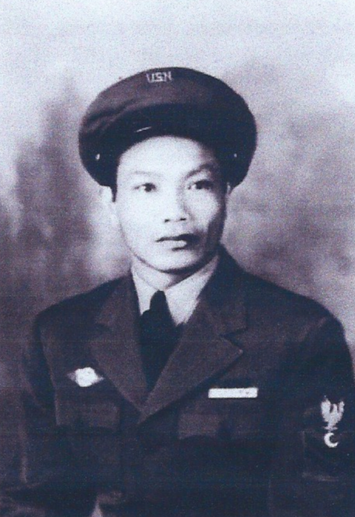
Ships below the horizon felt the explosions. Camilo Alarcio clambered up to the flight deck only to realize that he was freezing: he made his way back to his quarters to fetch a jacket, flak jacket and flashlight and bolted topside again with his shipmates. Those emerging from below would have seen sailors running for their lives as the fires spread. In the black, heavy smoke, some ran into the turning propellers of aircraft, their engines still running for their next combat mission.

Alarcio’s deliverance, and that of many others, began when he saw the cruiser Santa Re move alongside. That ship’s crew began to throw lines across to Franklin as the flames threatened to engulf the entire flight deck. He grabbed one of the lines and made his way across–other sailors fell and drowned, some so badly burned that they couldn’t save themselves, while others were pulled under by the turning of Franklin’s screws. Alarcio survived.2020

   Franklin’s survival was in doubt. The initial explosion was just the beginning. As fires reached twenty more aircraft, fueled and ready for flight on the hangar deck, and ignited a chain reaction that, throughout the day, set off stores of bombs, rockets, anti-aircraft ammunition and aviation gasoline. At one point, the violence inside Franklin made the 32,000–ton ship shudder and spun her, like the needle on a compass, hard to starboard, where she lay dead in the water. 

Photos: South County sailor Camilo Alarcio; his ship, the carrier Ben Franklin, afire. Somehow Franklin, with Alarcio aboard, made it back to her birthplace, the Brooklyn Navy Yard.

The 91st Bomb Group, 1945

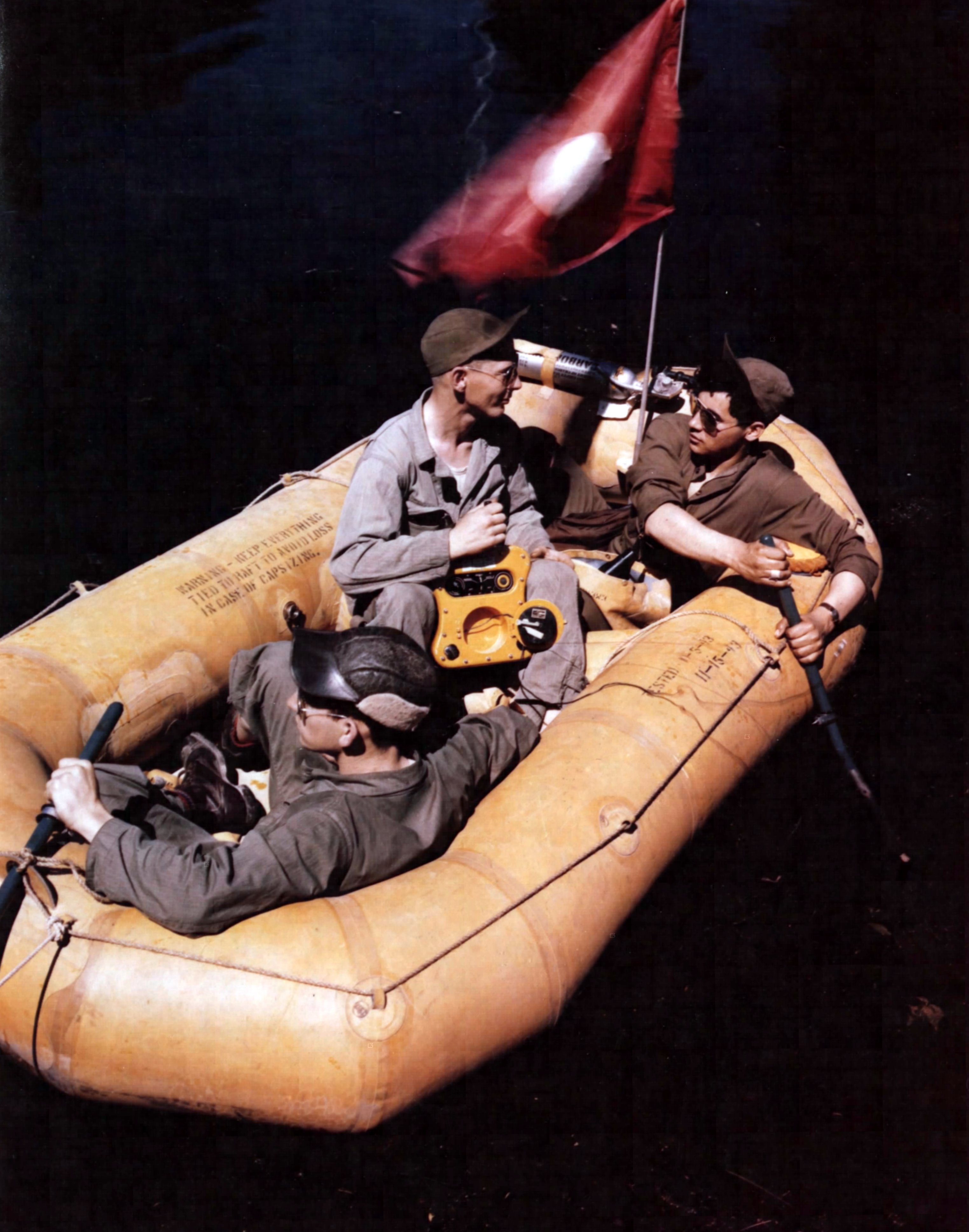
Henry Hall now lives in Cayucos; he was a Kansan transplanted to Bakersfield before the war and then to San Luis Obispo County afterward to become a gunner in the Ninety-First Bomb Group, the “Ragged Irregulars.”

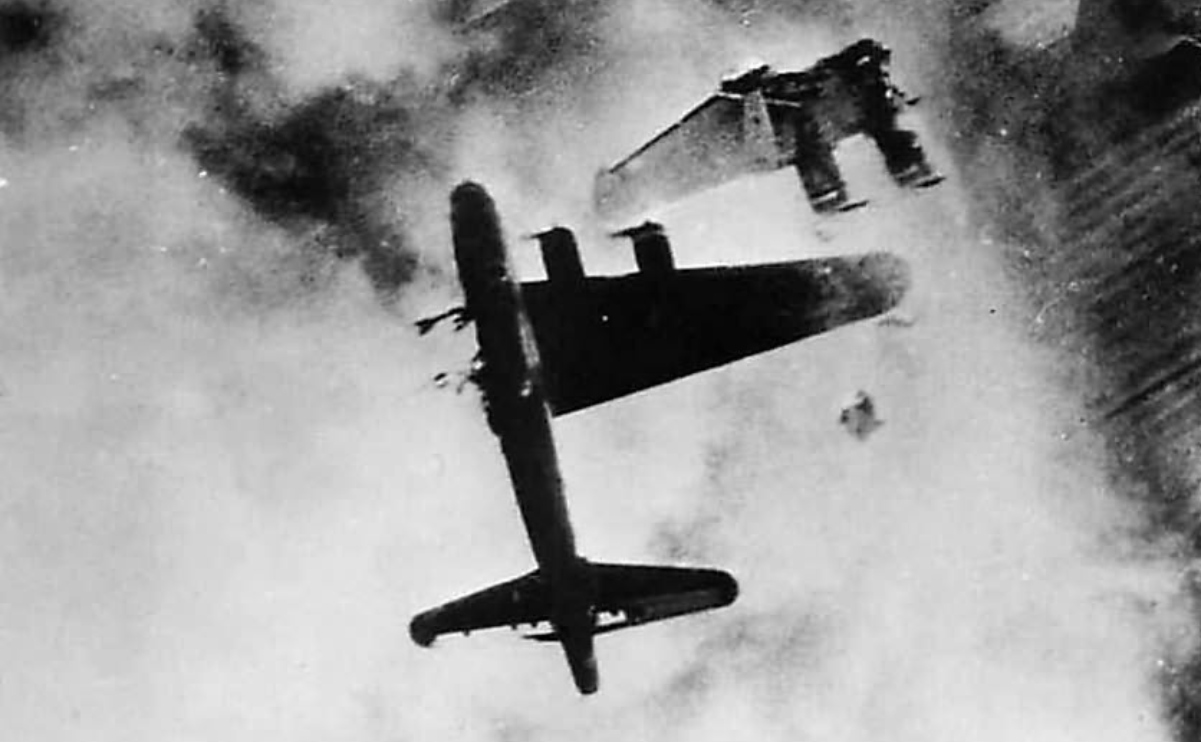
Hall witnessed a horrific chain reaction over Holland: a swarm of German fighters singled out a B-17 ahead, and the multiple hits on the bomber registered for him when he saw the right- side landing gear listlessly drop and an engine on the right wing catch fire. When the out-of-control bomber began its final plunge, it clipped two more B-17s in the formation—both of them went down as well.

It was the hardest of days for Hall’s bomb group: they lost six B-17s on a mission that gained nothing: their primary target, a ball-bearing factory near Berlin, was obscured by clouds, so the Ninety-First dropped their payloads on “targets of opportunity”—on this day, Hall remembered, on a little crossroads town that probably contributed little to the Nazi war effort.55

That was Hall’s first mission. He was twenty years old when he saw the three Ragged Irregular bombers plummet to earth together. Many members of his bomb group were even younger. Some of them, thanks to crafty misdirection aimed at recruiting sergeants pressured to meet their quotas, were as young as sixteen.

Far below them, in German cities like Hamburg and Dresden—or in relatively obscure Japanese cities like Toyama, the size of Chattanooga, or Kagoshima (the seat of the prefecture from which most San Luis Obispo County Japanese had emigrated), the size of Richmond, Virginia—the ashen bodies of schoolchildren stained sidewalks and streets.

Photos:  Henry Hall, with his back turned, practicing water survival with his comrades. The B-17 “Wee Willie,” from Hall’s 91st Bomb Group, on its way down. There was one survivor. From the book Central Coast Aviators in World War II.

The 60th Ohio Volunteer Infantry, 1864

So under [Union Gen. Ambrose] Burnside, the 60th Ohio, on the afternoon of May 5, crossed the Rapidan River at the Germanna Ford. From a rise, they could see dust clouds raised by Lee’s army on the move and began to march into The Wilderness, a vast tangle of forest and scrub so dense that it shut out the sun. Adam Bair was a corporal and therefore, like Richard Merrill had been at Antietam, a file closer. Bair must have been tired after the river crossing. His role was like that of a border collie, striving constantly to keep his company together and moving forward, cajoling potential stragglers, barking, like a collie, at men who’d packed too heavily when they had been warned to travel light.

The wake of the 60th would have been a Civil War treasure-collector’s dream, strewn as it would have been with all manner of equipment: rubber blankets, coffeepots, needless overcoats and extra clothing, books that would never be read. Eventually, as the sounds of battle began to become more distinct, the 60th would leave behind what many Civil War soldiers left: playing cards, dice, flasks of brandy or whiskey, packets of what were euphemistically called “French postcards” with their leering plump models. These are not the items a man would want on his person if he “fell,” to use another euphemism common to describing the indescribable violence of a Civil War soldier’s death in combat.

Union soldiers would begin to see, as they crunched through the carpet of leaves in the closeness of the woods, dead soldiers grinning  at them in their  passage.  These  were the skulls of the men who’d fought the year before at Hooker’s debacle, Chancellorsville, either disinterred from their shallow graves by hungry animals, perhaps by a hardscrabble Virginia farmer’s hogs, or simply lost and left where they’d fallen in the days when Lee and Jackson had played hammer and anvil with the Army of the Potomac.

The woods themselves would become the enemy in this new battle, in 1864, because the dark wasteland made a mockery of combat drill; its density cut up infantry formations into little knots of soldiers  who became separated from one another as they struggled forward, whipped by branches, tripping over roots, cursing in the close humidity and heat already descending on northern Virginia. For many Union soldiers, the dark was suddenly illuminated by the muzzle flashes of Confederate infantry with their bullets amputating tree branches, vaporizing leaves, buzzing like hornets past men’s ears. Some of them, with a dull thud, a sound familiar to Civil War soldiers but now as lost as the sound of the rebel yell, found their targets in the bodies of young men. The flash of powder did something else: firefights sparked fires that would rage in the tangle of trees and scrub and the fires burned wounded men alive as they shrieked for help. No battle in the Civil War was more grotesque than the one fought in this forbidding place.

Photos: 60th Ohio soldier Adam Bair became a Huasna Valley farmer after the war. Combat artist Alfred Waud depicts the fires that swept The Wilderness in May 1864. From the book Patriot Graves: Discovering a California Town’s Civil War Heritage.

The Smithsonian’s Overemphasis

22 Friday Aug 2025

Posted by ag1970 in trump, Uncategorized

≈ 1 Comment

Slave shackles from the Smithsonian’s Museum of African American History and Culture

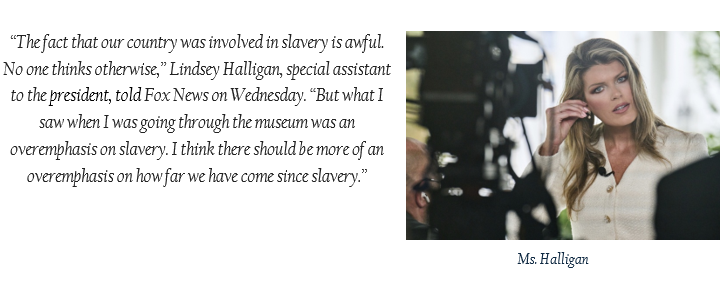
The Oval Office has been ambushed by gold furnishings, some of them imported from exotic places as far away as Mar-a-Lago, in Florida. Now, it seems, the President wants his history golden, as well. His attack on the Smithsonian’s African American Museum—“too much emphasis on slavery”–was echoed by this young woman, charged with dispatching a study team to cleanse the place of Wokeness.

It was obvious that Ms. Halligan could muster, at most, about 150 words about the history of American slavery. Her boss’s leash is a short one. If you’d pressed her, she would’ve been a perfect example of what Hannah Arendt called “the banality of evil.”

“When did slaves come to America?” you might ask her. “Who was Nat Turner?” “Why did some slaves about to be sold South mutilate themselves—with one mother using a hatchet to chop off her foot?” “Why was the spiritual ‘Steal Away to Jesus’ a significant signal to enslaved people?”

There would’ve been silence. The photo depicts Halligan desperately searching her own ear for answers.

I’m cheating, of course, because I took a year of the history of the American South in college. I was amazed both at how little I knew and at how rich the history of Black Americans is, including the history of their enslavement (which includes the ingenious ways in which they resisted slavery), the topic that so ruffles the President’s wispy golden hairs.

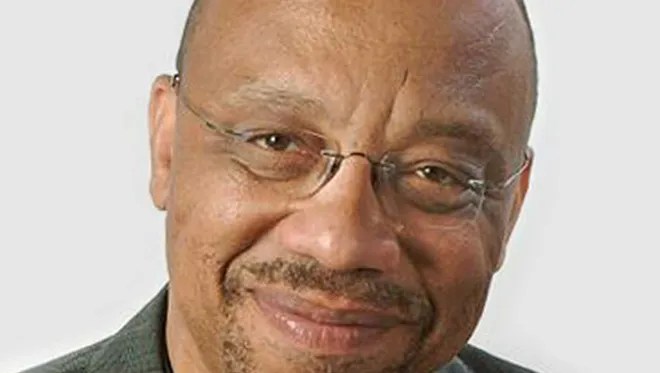
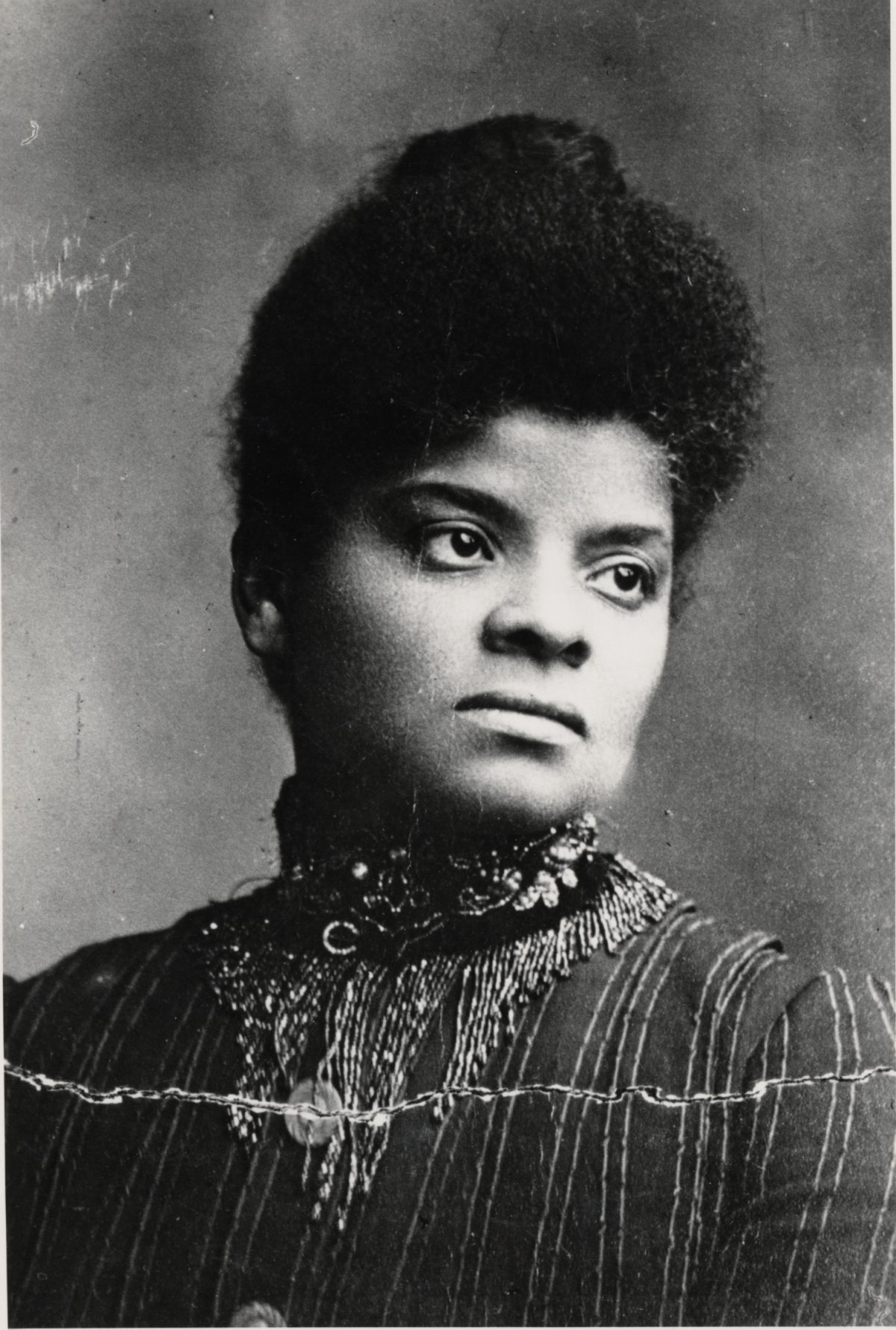
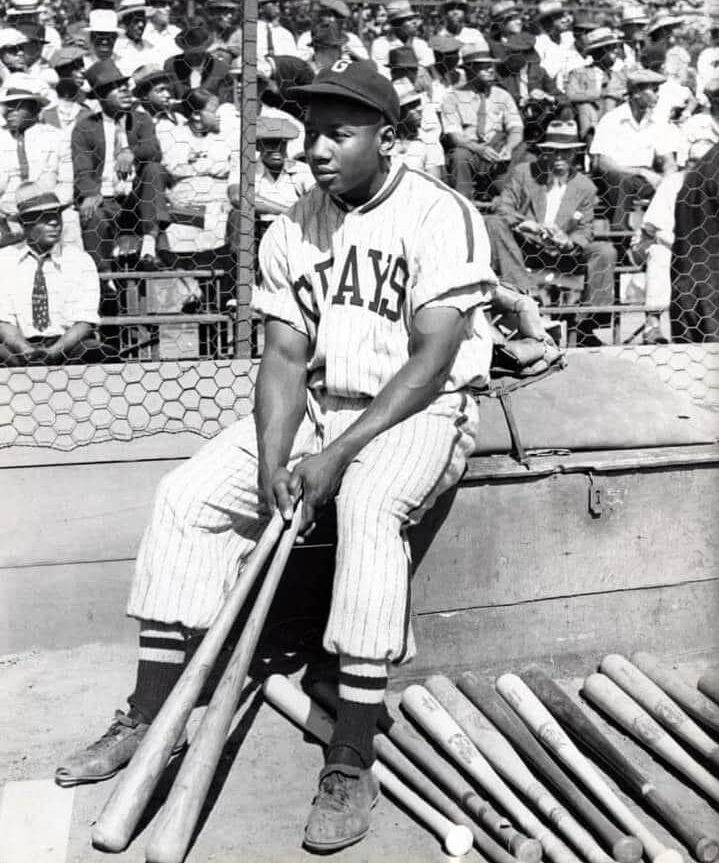
In truth, the Pulitzer-Prize winning columnist Eugene Robinson notes that the history of slavery is housed in the museum’s lower floors. As visitors ascend, the exhibits’ emphasis shifts to Black men and women of accomplishment: poets, musicians, scholars, soldiers, scientists, athletes, activists. (Below: Robinson, activist Ida B. Wells, professional baseball slugger Josh Gibson, poet Maya Angelou.) In a very subtle way, museumgoers ascend to freedom, too.


And, Ms. Halligan, let’s do some math. Slavery was an American institution for 246 years, from 1619 until 1865, when the Thirteenth Amendment, the centerpiece for Spielberg’s film Lincoln, was finally adopted.

Then things got worse. After the brief interlude when troops occupied the South, during Reconstruction, what followed was nearly 100 years of segregation, of Jim Crow.

How could that be worse than slavery?

Possibly the only positive attribute of American slavery is that enslaved Americans and White Americans lived in close proximity. White children played with Black children, except when a Master’s son once asked if the could join the enslaved children, who were playing “Auction.”

He was turned down, apologetically. One of the Black kids pointed out that he couldn’t possibly play Auction. He was White and therefore worth nothing.

Most slaveowners were the masters of five or fewer human beings, and so their waking and working lives were within sight and sound and smell of each other. It wouldn’t be accurate to call them “friends,” but they were certainly intimate.

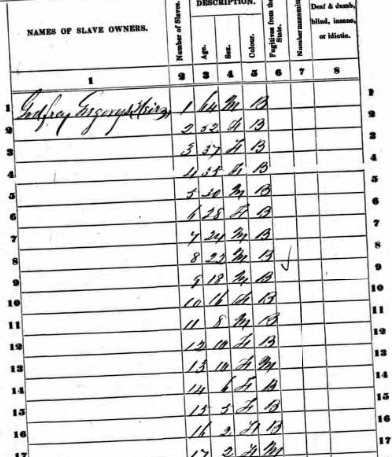
My third great-grandfather, Godfrey Gregory, claimed to be the owner of seventeen human beings, listed, without names, in the 1850 Kentucky Census. I am named for two ancestors, Confederate officers, who did not survive the
Civil War.


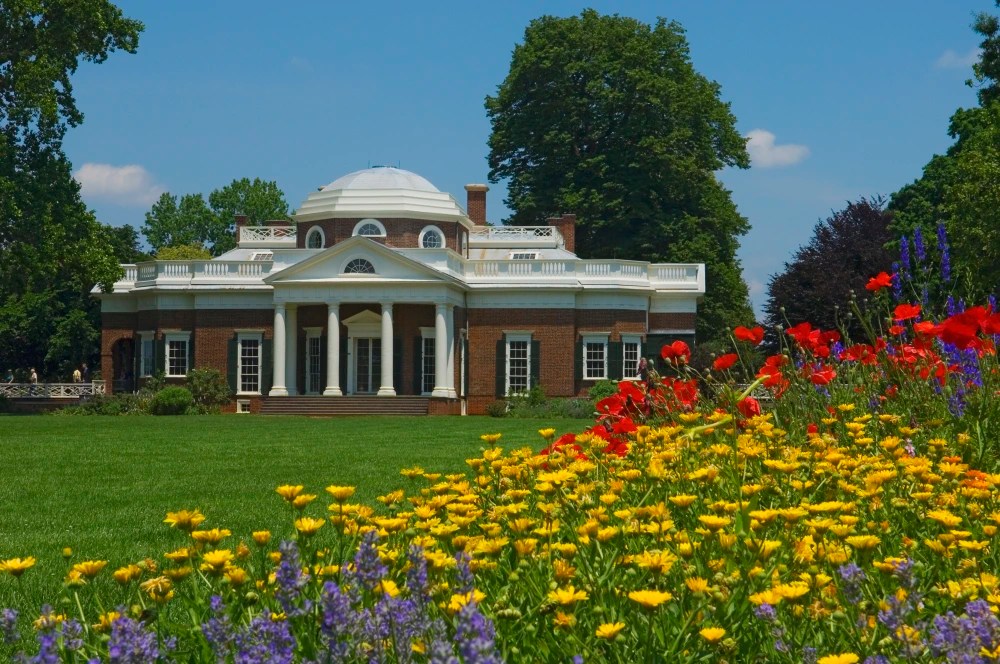
That intimacy, of course, extended to enslaved women, chattel and therefore subject to the wooing—or, more accurately, the rape–on the part of White masters or overseers. Jefferson’s hostess at Monticello, Sally Hemings, mothered Black children with red hair. (Below: Jefferson, Monticello, Sally Hemings’s quarters, discovered only in the last decade. This room would’ve been the space where she birthed Jefferson’s children.)


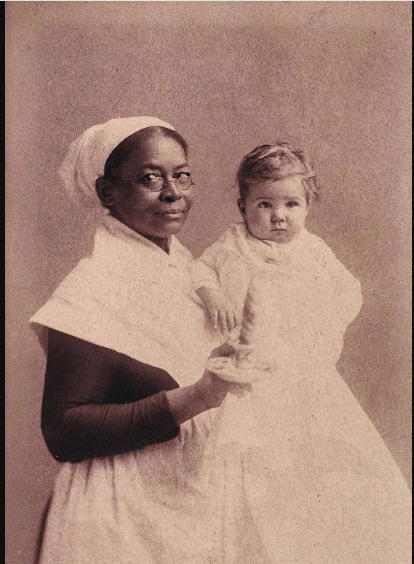
On larger plantations, enslaved women became surrogate mothers—more often, mothers in everything but DNA—to White children. Black women nursed Master’s babies. Nannies kept them seen but not heard so that Master and Mistress could cultivate the kind of social lives that the Cotton Aristocracy required.

So nannies were disciplinarians, confidantes, nurses and the driers of tears.

And then, when the time came and the family will was read, these women, these surrogate mothers, became the property of the little boy they’d raised.

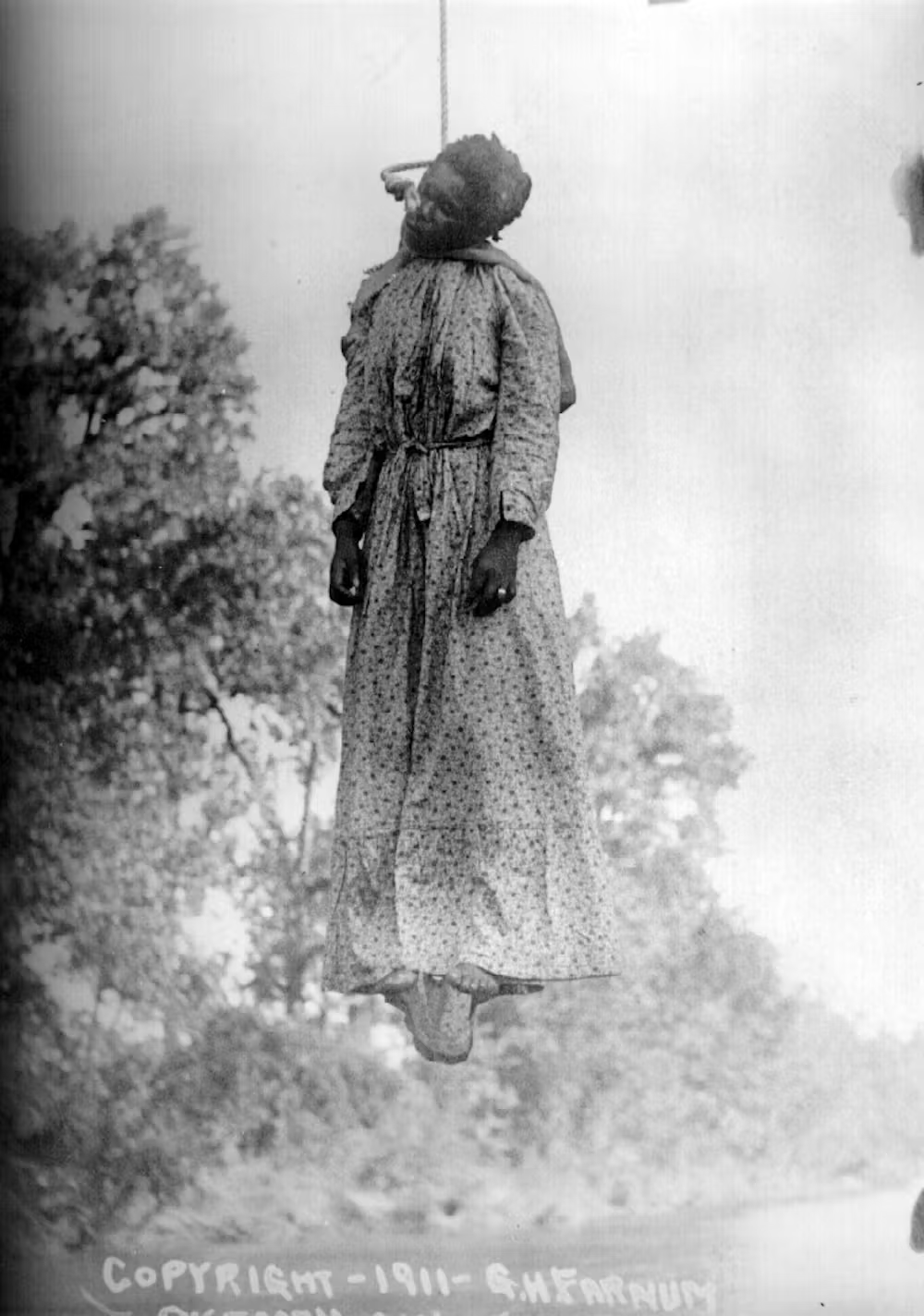
When chattel slavery ended, at the cost of 750,000 American lives, Jim Crow emerged as the device to keep Black Americans subservient and obedient. Enforcement included whipping, a staple of slavery, but it also included a century of lynchings—a kind of spectator sport—because now, with the races rigidly separated and unknowable to each other, it was much easier for Whites to murder people who’d become objects.

There were over 4,000 lynchings in the South in the Jim Crow years.


(Below: A nanny and her charge; Laura Nelson and her fourteen-year-old son were lynched in 1911 Oklahoma)

Southerners were not alone in objectifying Black Americans. A less violent cruelty was cultivated by Hollywood, including this scene from the 1943 musical This Is the Army, which incorporated both Blackface and cross-dressing in Blackface.

So, Ms. Halligan, we didn’t come very far after slavery, not with 100 additional years of segregation and of terror. And of mockery. That makes roughly 350 years of institutionalized cruelty visited on a people who’d been stolen from their homes for profit. It’s been about 450 years since Africans were first brought to America. The math alone begs for a museum that emphasizes the history of slavery.

What the President wants is simply a revival of a kind of history—gilt-edged, victimless history—that never really existed, except in Cold War fourth-grade classrooms or in the Technicolor mythology of the O’Hara family’s Tara.

I think that the young Black woman, the Guardsman, just behind the President, belies his painfully childish grip on American history. I think she knows him. Her face reveals that she knows, in a way, that she’s been sold.

The truth’s being sold away, too. The President’s servants, smiling benignly to his left, are enjoying this version of the game “Auction.”


Image

Homage to ICE

17 Sunday Aug 2025

Posted by ag1970 | Filed under trump, Uncategorized

≈ Leave a comment

August 1914 and Ghosts of Crises Past

03 Sunday Aug 2025

Posted by ag1970 in trump, Uncategorized

≈ Leave a comment

“Based on the highly provocative statements of the Former President of Russia, Dmitry Medvedev … I have ordered two Nuclear Submarines to be positioned in the appropriate regions, just in case these foolish and inflammatory statements are more than just that,” Trump said in Friday’s social media post.

So the president has repositioned two Ohio-class submarines, among our most potent offensive weapons, in response to a taunt from Medvedev, who pointed out that Putin’s Russia still has the destructive power of Brezhnev’s Soviet Union. In the process, announcing the movement of even two American submarines is a major faux pas—Trump is no more judicious in his use of than was Medvedev in his–in that even the vaguest citation of nuclear submarines is never to be disclosed.

Loose lips sink ships.


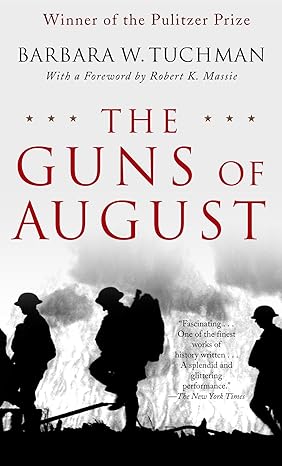
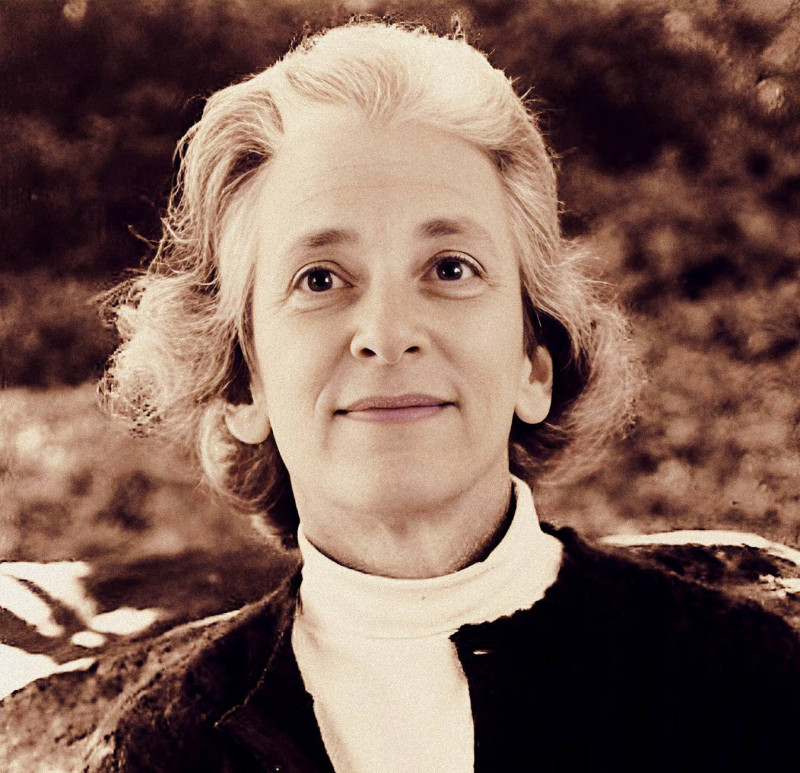
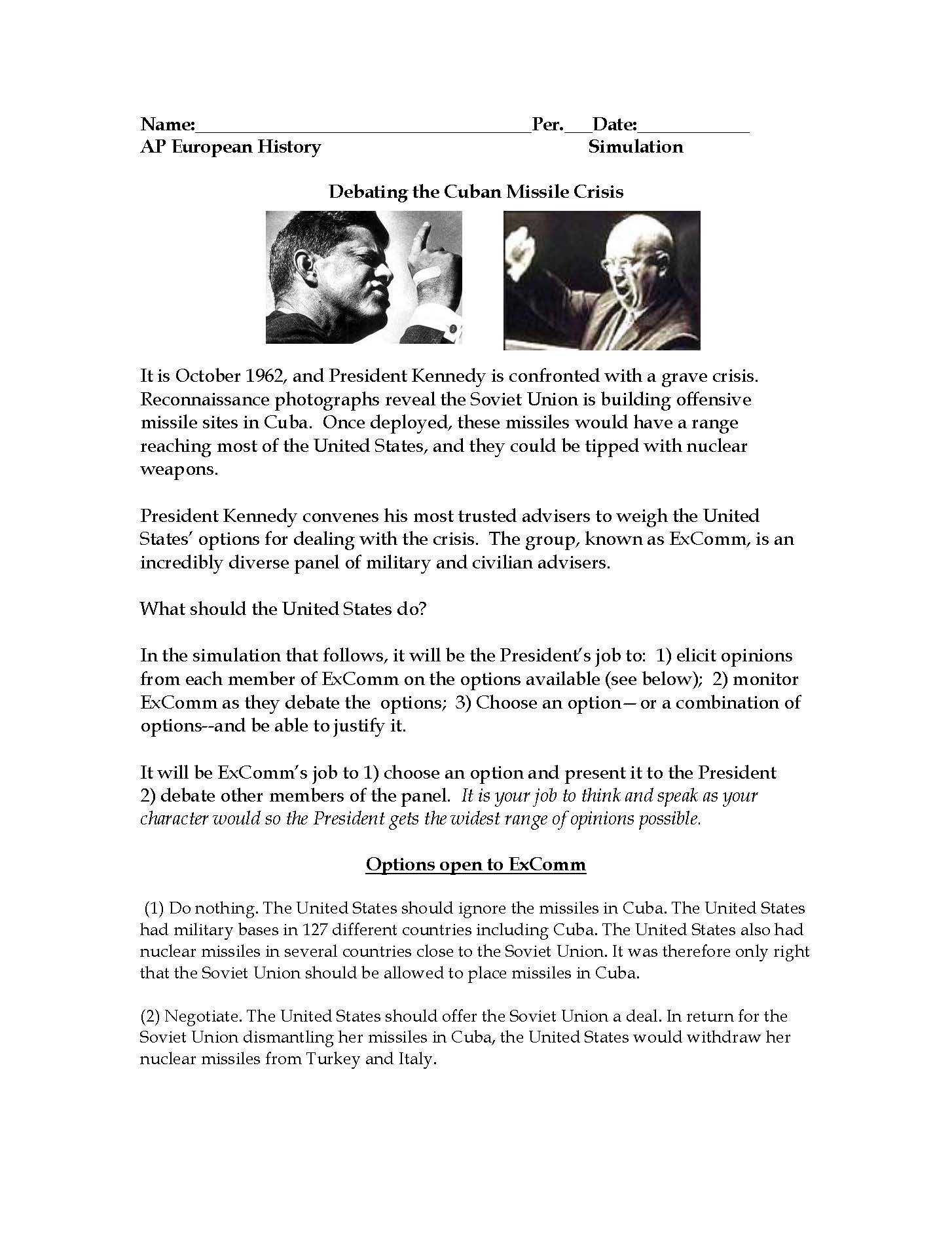
I couldn’t help but think of the contrast between this president’s intellect and that of John F. Kennedy’s. Kennedy was a quick study, not a deep one, but what separates these two so much is the fact that Kennedy read books. True some of them were James Bond novels, but one of them, in 1962, was Barbara Tuchman’s incredible history of the outbreak of World War I, The Guns of August. It’s a history so rich and yet so full of bravado, braggadaccio and deep hatreds that it makes, oddly, for compelling reading. The video below will explain a little more, but Kennedy was reading this book just before the Cuban Missile Crisis, and he averred then, and I paraphrase, that after being confronted with stupidity on such a massive scale, that he was not going to be the man responsible for starting World War III.

So, in October 1962, a historian I would not read for many, many years may, in fact, have helped to save my life.

Donald Trump, of course, does not read. He had to be told which side won the war that Tuchman wrote about. And he always rises to the bait, with his skin as thin as onion paper, as he did with the former premier.

By contrast, it was Robert Kennedy, in October 1962, who did the opposite. Khrushchev, when challenged about the presence of Soviet offensive missiles in Cuba, sent the White House a conciliatory letter. That was followed, and very quickly, by a letter that was threatening and bellicose.

It was Robert Kennedy who suggested replying only to the first letter, ignoring the second one altogether. That response provided a sliver of movement that eventually defused the crisis that threatened all of our lives, including mine, at ten, in the Upper Arroyo Grande Valley of California.

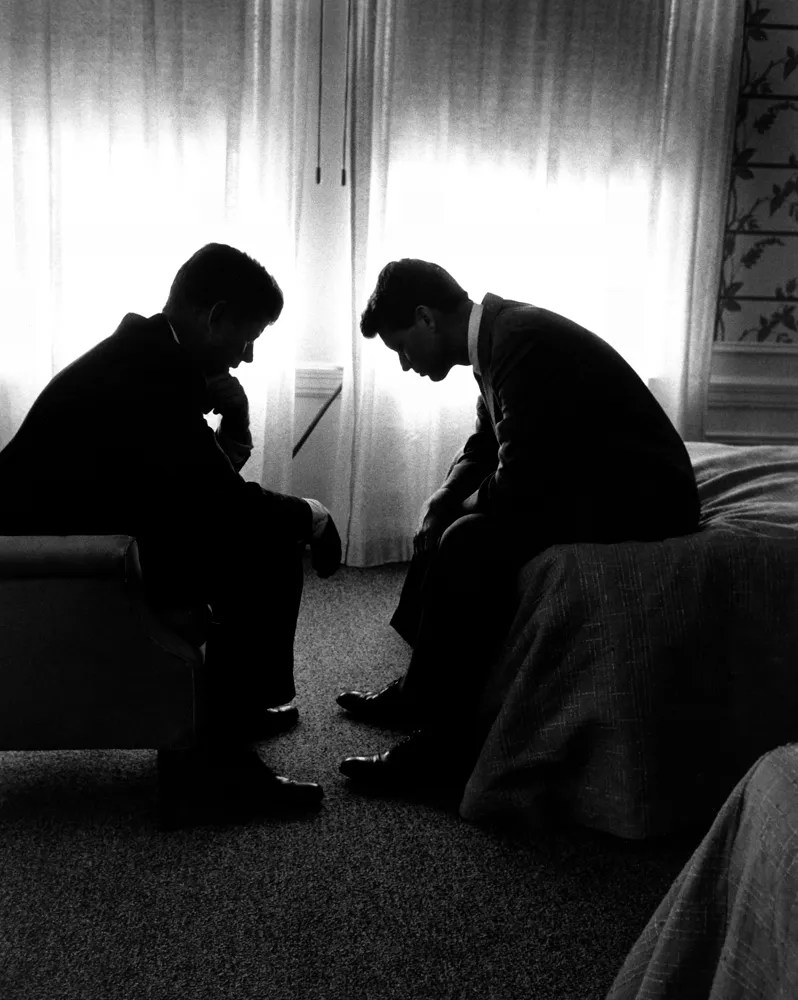
John and Robert Kennedy confer during the Democratic National Convention, 1960.


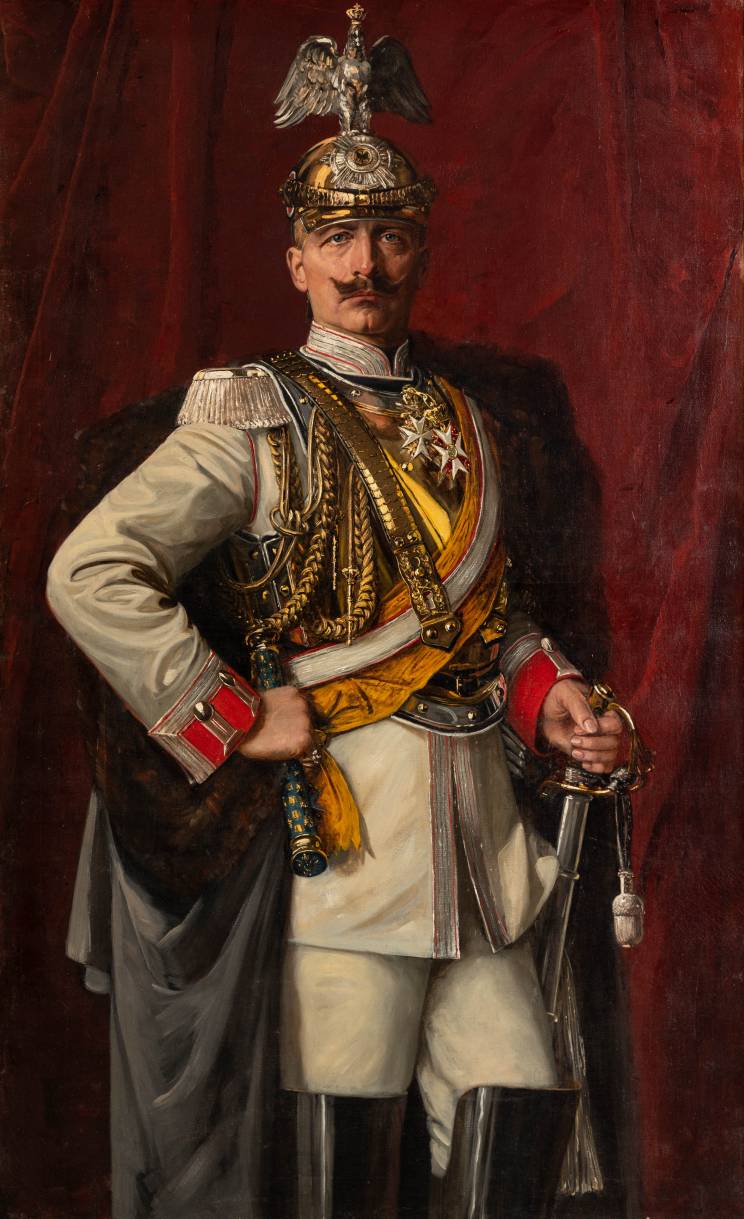
One of the most plaintive anecdotes of the earlier crisis, the one in August 1914, was the bellicose and fiercely-mustachioed Kaiser Wilhelm—he whose personality approaches that of Donald J. Trump— asking his military advisors, plaintively, if the German troop trains now bound for the Franco-Belgian frontier and for Russia couldn’t be called back.

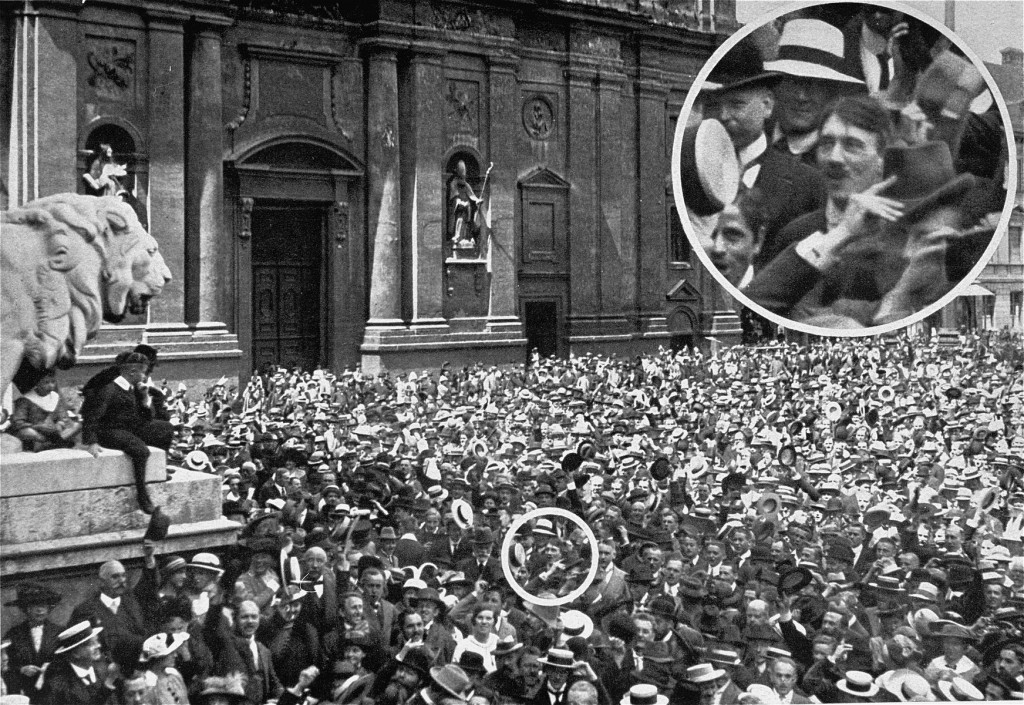
No, sire, he was informed. It is too late for that. In the meantime, on August 2, an itinerant and luckless artist, Homburg in hand, reacted jubilantly to the war news when it arrived in Vienna. Corporal Hitler would be a brave soldier, gassed amid the carnage that followed and demented but calculating after the bloodletting was ended by the fractured peace at Versailles.


August 1914.


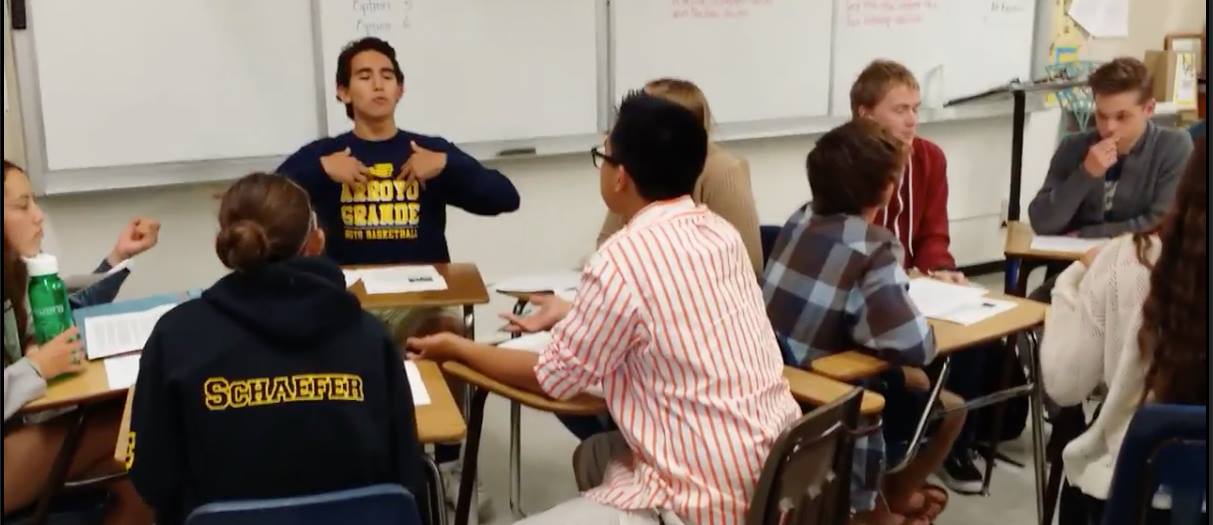
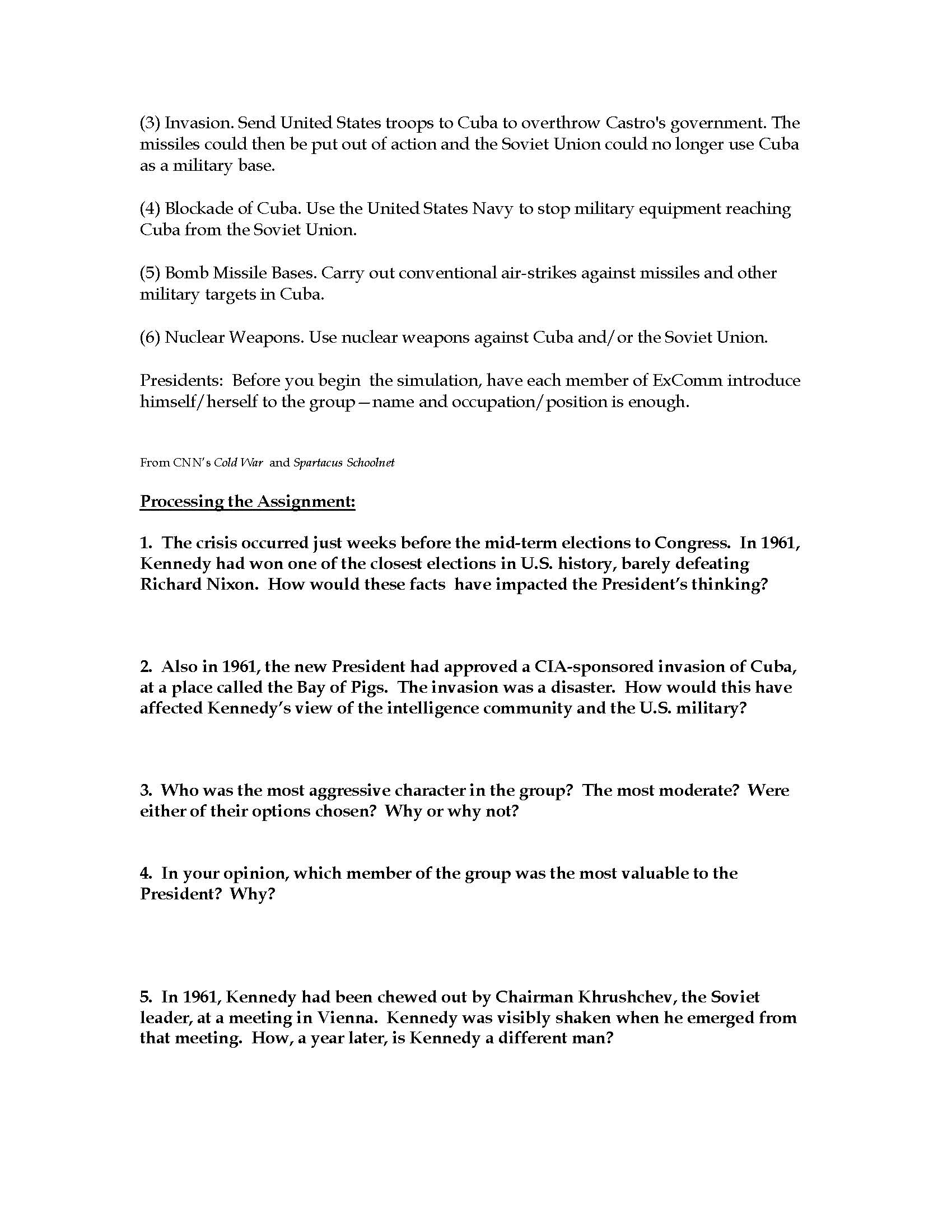
The Missile Crisis made such a deep impression on me that fifty years later, I turned it into a simulation for my AGHS AP European History classes. A preview is below: Each student was assigned a role as a member of EXCOMM, Kennedy’s advisers during the ten-day crisis. The genuine passion, even anger (especially the groups that featured Gen. Curtis “Bombs Away” Lemay) that animated them as they acted out their roles was one of the most satsifying lessons of my teaching career. They understood what the stakes were in October 1962.

The EXCOMM groups at work.


“Unfit to be the ruler of a free people.”

03 Thursday Jul 2025

Posted by ag1970 in trump, Uncategorized

≈ Leave a comment

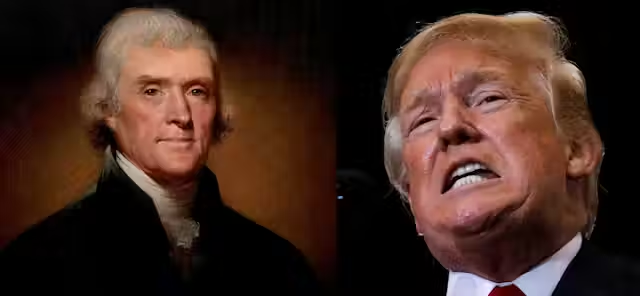
Jefferson’s document has inspired similar declarations by France, Israel, Haiti, Mexico, Venezuela, Kosovo, Chile, Liberia and Vietnam. Maybe it’s time we took it back. The majority of the 1776 document is taken up by grievances justifying revolution against tyranny. Here are some examples:

He has refused his Assent to Laws, the most wholesome and necessary for the public good.

He has instead advocated laws that endanger the health and safety of the public.

He has forbidden his Governors to pass Laws of immediate and pressing importance, unless suspended in their operation till his Assent should be obtained; and when so suspended, he has utterly neglected to attend to them.

He has interfered in the jurisdiction of his Governors in matters of maintain domestic peace, substituting, against their will, armed Guardsmen in the place of local police.

He has refused to pass other Laws for the accommodation of large districts of people, unless those people would relinquish the right of Representation in the Legislature, a right inestimable to them and formidable to tyrants only.

He has advocated punitive measures against large states whose votes he could not win, has harassed them with lawsuits, has withheld public funds that were their due.

He has called together legislative bodies at places unusual, uncomfortable, and distant from the depository of their public Records, for the sole purpose of fatiguing them into compliance with his measures.

He has set capricious deadlines for the passage of a voluminous, arcane and deceitful bill, fatiguing Senators into compliance with its passage.

He has endeavoured to prevent the population of these States; for that purpose obstructing the Laws for Naturalization of Foreigners; refusing to pass others to encourage their migrations hither, and raising the conditions of new Appropriations of Lands.

He has erected walls and let loose secret police forces on foreigners whom he refuses to naturalize, notwithstanding their proven benefit to the economies of the states and the capitalists therein.

He has obstructed the Administration of Justice, by refusing his Assent to Laws for establishing Judiciary powers.

He has subjected the judiciary to denigration and harassment, even to veiled threats of harm, in an effort to discredit them in the eyes of the people.

He has made Judges dependent on his Will alone, for the tenure of their offices, and the amount and payment of their salaries.

He has subjected judges and legislators who defy his Will to arrest and public humiliation.

He has erected a multitude of New Offices, and sent hither swarms of Officers to harass our people, and eat out their substance.

He has used ICE  and DOGE to intimidate both the people he is sworn to govern and to punish those who serve the government with faith and diligence.

He has kept among us, in times of peace, Standing Armies without the Consent of our legislatures.

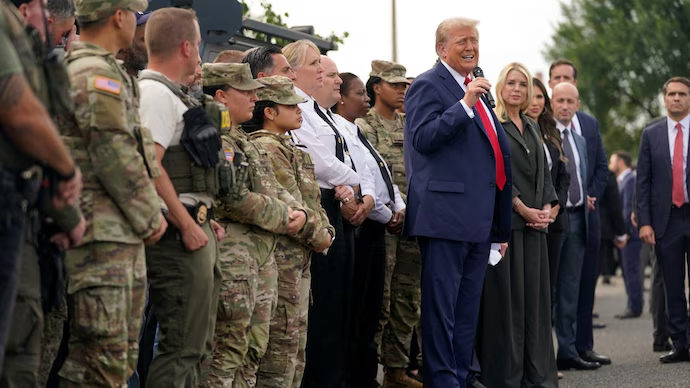
He has mobilized state militia and Standing Armies—the Marine Corps– given them no clear mission and deployed them, at great public expense, without the Consent of state and municipal authorities.

He has effected to render the Military independent of and superior to the Civil power.

He has subverted the authority of the Los Angeles Police Department, a civil agency, with armed militia and Marines

For Quartering large bodies of armed troops among us:

For quartering armed troops in civic buildings maintained by states and/or municipalities; they are subjected to primitive and debilitating conditions therein.

For cutting off our Trade with all parts of the world:

For imposing capricious and nonsensical tariffs on foreign trade partners in the naïve belief and the constant assertion that it is foreigners who will actually pay those duties.

For imposing Taxes on us without our Consent:

And for relieving the wealthiest among us of their share of the burden of Taxes.

For depriving us in many cases, of the benefits of Trial by Jury:

For the increasing use of arbitrary arrest and secret confinement, practices which subvert the tradition of Due Process of Law.

For transporting us beyond Seas to be tried for pretended offences:

For rewarding, from the Public Treasury, foreign dictators who incarcerate, without trial, those accused of pretended offenses.

In every stage of these Oppressions We [through our elected representative and through civic gatherings] have Petitioned for Redress in the most humble terms: Our repeated Petitions have been answered only by repeated injury. A Prince, whose character is thus marked by every act which may define a Tyrant, is unfit to be the ruler of a free people.

The Dollar Tree and Everything After

07 Saturday Jun 2025

Posted by ag1970 in American History, Arroyo Grande, Family history, History, Personal memoirs, trump, World War II, Writing

≈ Leave a comment

It’s not even the Dollar Tree anymore. It’s the $1.25 tree. At least it doesn’t smell like mothballs, like the old, old Rasco store did, and it’s like Lee Chong’s grocery in Cannery Row. It’s a miracle of supply. You can find almost anything that fits your mood: animal crackers, birthday balloons, eyeglass repair kits, navy beans in a can.

I went there for some miniature American flags and plastic flowers.

The line at the checkstand was long. It always is. The couple ahead of me, a husband with tattoos up to his chin, the young wife with yoga pants—I averted my gaze—and the little girl wearing a ZOMBIE CROSSING medallion. The husband smiled at me. Then he called over my shoulder to a woman two customers back. The man between the woman and me —tiny, deeply tanned, with a wiry salt-and-pepper beard, was as stooped as a comma and he shook uncontrollably. Parkinson’s.

“How are you?” he called to the woman behind the tiny man. She smiled. Her upper teeth were irregular, kind of crenelated. “I’m doin'” she called back. “Job?” he asked.

“Still looking.” her smile dissipated.

“Why don’t you come over tonight?” the man said. His pretty wife agreed. “Yeah! We’re doing Mexican!” It was a going-away party for someone they knew. They asked the checker for a helium balloon, so he went to fetch it. When he came back to the checkstand, they invited him over, too. I think he’s going after his shift ends.


They paid for their cart—canned and boxed food—and the husband asked if he get could $50 over on his EBT Card, from the federal food assistance program. They needed to get the fresh stuff–carne asada, shredded cabbage and lettuce, cheese, onions and peppers–because they were doing Mexican.

The cash register took a long, long time to do the cash-back transaction. It was thinking. The old, old man behind me was shaking. I was liking the little family as they left the checkout. My turn.

These people, including the gracious young man with the tattoos up to his chin, are about to suffer. The woman he called to is jobless and looking, but I suspect that he, in using the EBT card, is among what are euphemistically called “the working poor.” He may work in the fields. Maybe not. If his little girl (who wants to be a zombie) gets sick, this family might be without the Medicaid they’d need for her.

The old man behind me will die. Very soon.

So they all might suffer. But they deserve it, don’t they? Their place in the the economy’s lower tiers (economics was once called “the dismal science”) is their own fault, isn’t it? My sons, who rely on Medical, might suffer as well. And Thomas uses his EBT card to supplement our food supply when the month, as it invariably does, outlasts the money. (My sons have jobs and work hard—John repairs water wells and Thomas drives a forklift.)

If the Present Administration goes after Medicare, and the rumblings suggest that they will, then I will suffer. I must deserve it.

Then I realize I’m being stupid. The United Kingdom, Australia, Canada, Sweden, Norway, Denmark, Brazil, France and Germany all subsidize health care. South Korea’s public health system is probably the best in the world.

Then there’s Social Security. The president said today that he will “love and cherish” Social Security. He says the same about women. Eighteen have accused him of sexual assault. And, by the way, “social security” is not some bleeding-heart liberal New Deal cushion for the retired (and therefore, according to Elon Musk, the unproductive. SEE: The film Soylent Green).

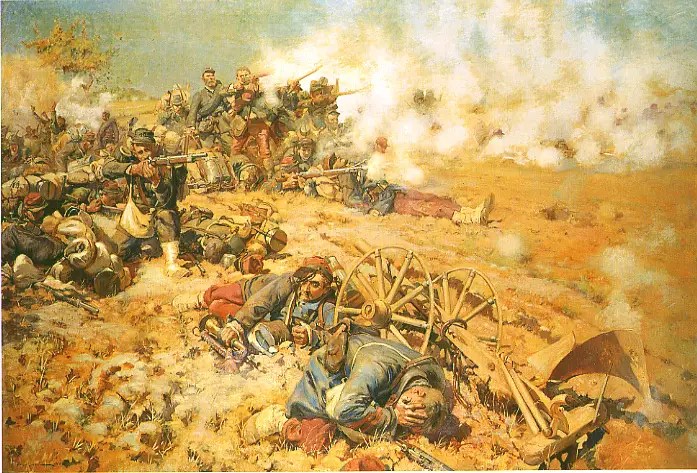
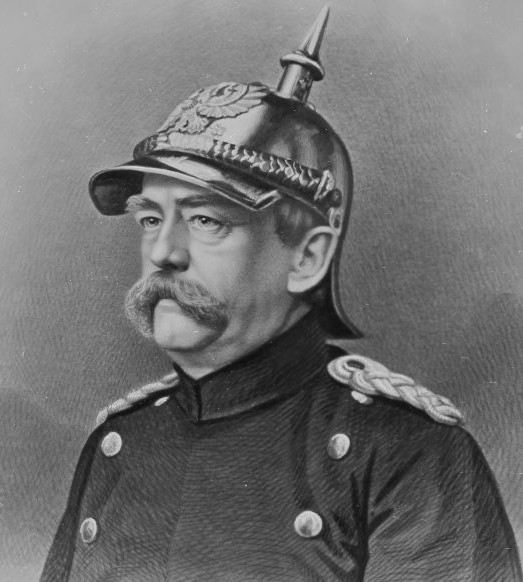
Here’s the man who invented Social Security, right after waging successful wars against Denmark, the Austrian Empire and France. He provoked all three wars and, in the process, had unified Germany by 1871. Otto von Bismarck, “The Iron Chancellor” brought an old-age pension program to Germany in 1889. The milk of human kindness, as you can see, flowed through his Prussian veins.

Above: A French defeat in the Franco-Prussian War, 1870-71; The “Iron Chancellor” who provoked it.


We need to go in a different direction than Bismarck’s. Our national resources need to be diverted to people like these. They deserve The Big Beautiful Bill.


I was thinking this and getting depressed, and angry, so to cheer myself up, I went to the cemetery.

I wanted to be with people who, like the man in line, were more far more generous than the billionaires.

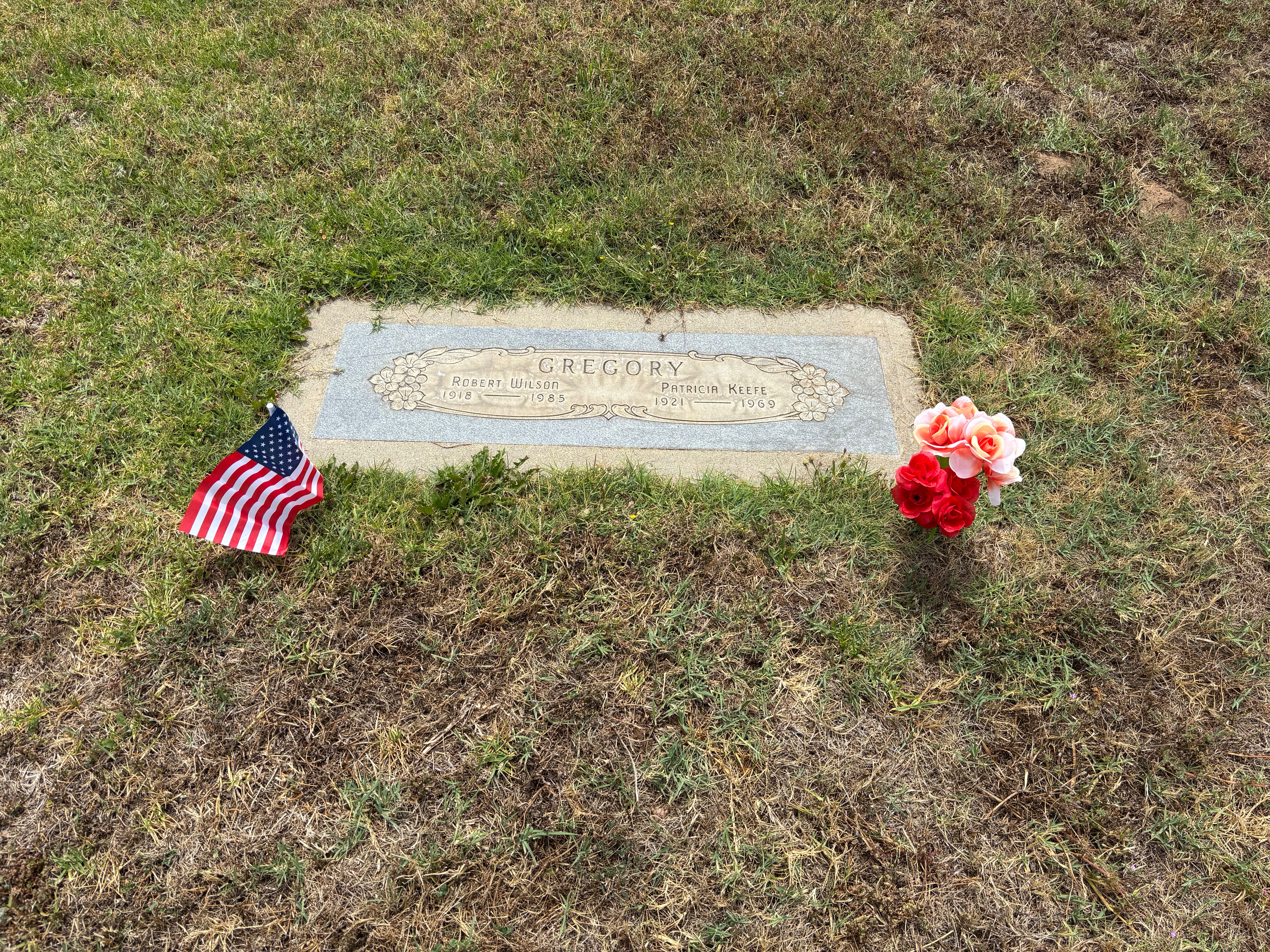
Of course, I found them. My Dad, Robert Wilson Gregory, taught me how to tell stories. Patricia Margaret Keefe was my Mom, named for two Irish Famine ancestors, Patrick Keefe and Margaret Fox. She had a fierce sense of social justice and a hunger to learn. These are the things she taught me.

I had to be a teacher.


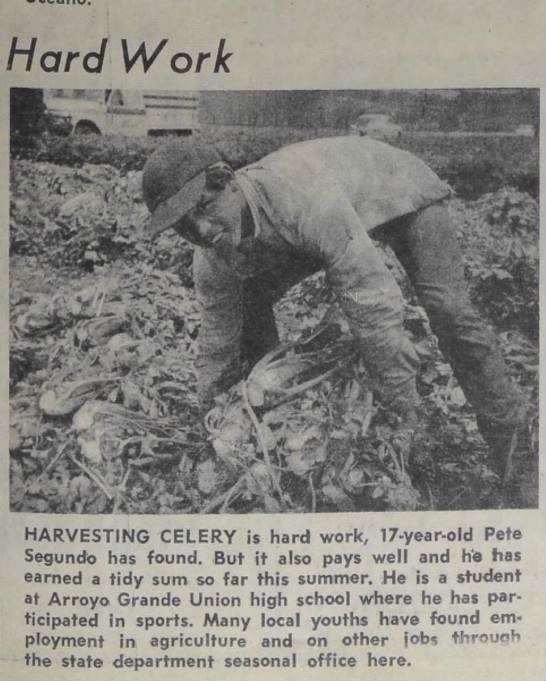
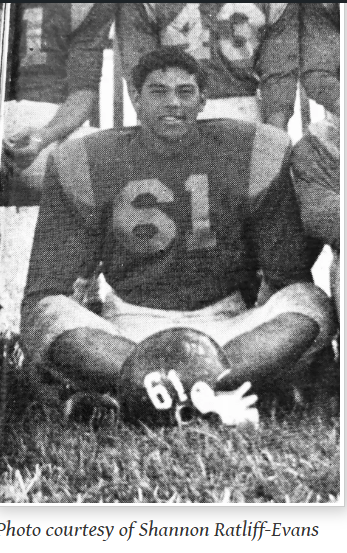
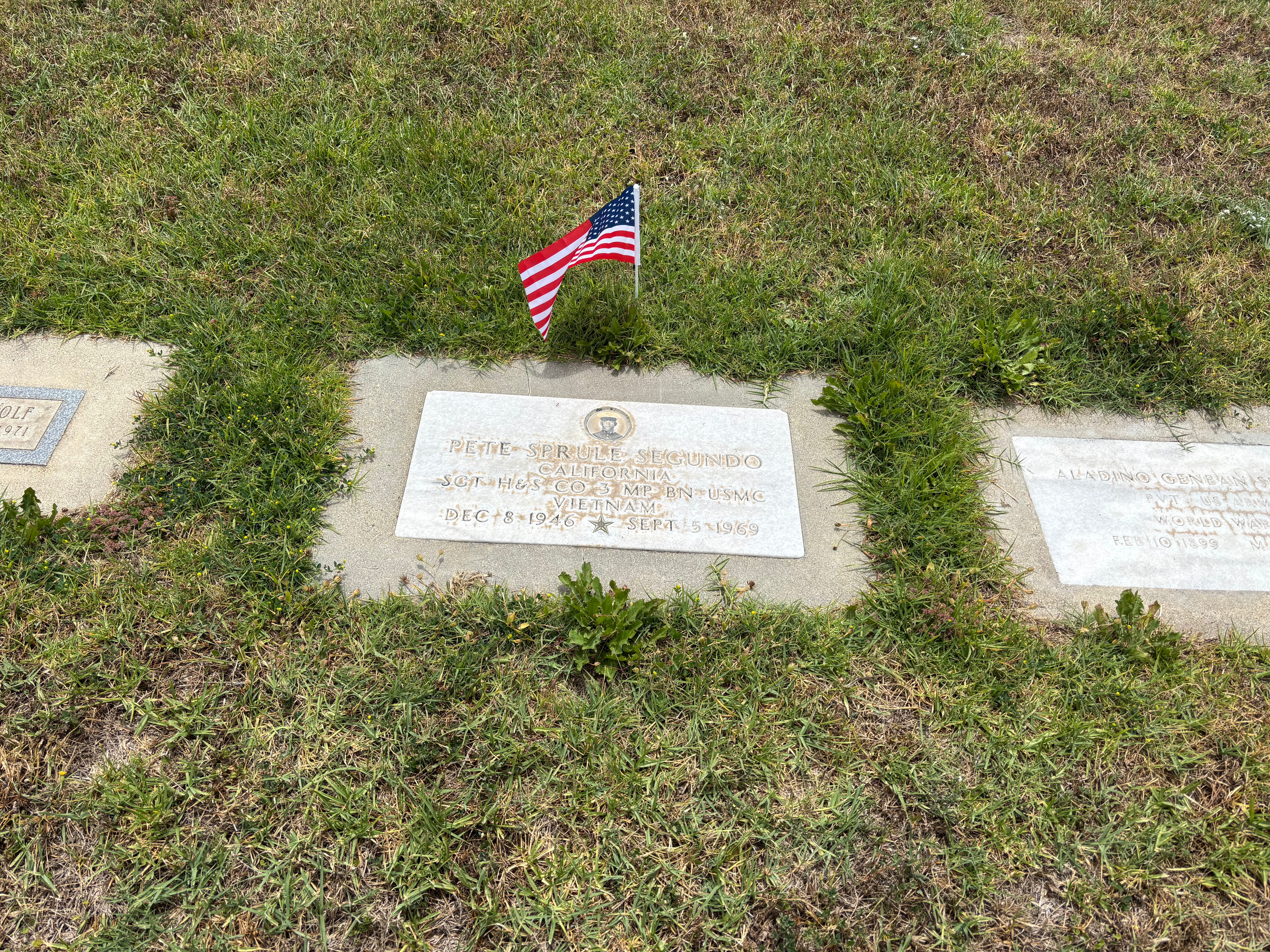
And then I looked for another young man, Pete, who was as generous to his friends as my parents were to me. “To know Pete was to love him.” I have heard that many, many times. Pete Segundo, AGUHS ’66, my big brother’s class, was an incredible athlete. He wrestled and played football. He was the Letterman’s Club president (in one yearbook photo, his arm’s broken and in a sling. He is grinning broadly). He showed a steer for FFA. While other kids went to the Choo-Choo Drive-In on East Grand after school, Pete went into the fields to chop celery.


In 1969, the Marine Pete Segundo died in Vietnam, killed by “friendly fire,” which might be the worst euphemism of all for the greatest act of generosity that any American can give.

His grave was uncharacteristically bare. Usually it’s bright with flags, flowers, red-white-and-blue pinwheels spinning in the wind. Maybe they cleaned everything up after Memorial Day. Luckily, I had another American flag. I remembered, as I pushed into the turf, what my big brother said about Pete. Bruce went out for wrestling and Pete was already establishing himself as the next big thing for Coach Ruegg. Bruce was not going to be the next big thing. “Pete was nice to me,” he said once, “and he didn’t have to be.”

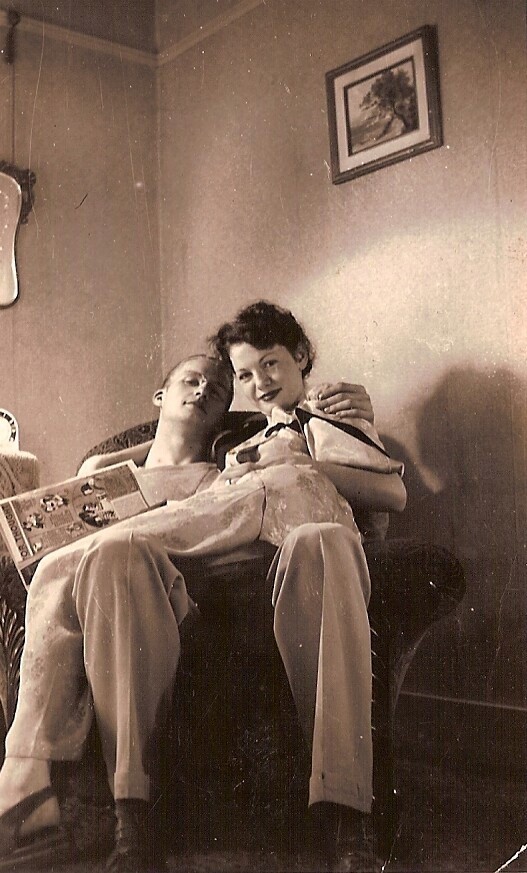
Above: My folks, with the Sunday funnies, about 1940; Pete’s grave is a row above theirs.

I was once a newspaper reporter and therefore, all my life, a news junkie. Part of my recovery from alcoholism means watching the news far less than I used to. We live in an age of meanness. I was raised to value kindness. Today I felt a little overwhelmed, so I made my deliveries, flowers and flags, and I spent more time than I ever have at the cemetery, talking to my parents, telling my Dad how proud I was of him, telling my Mom how much I loved her.

I was worried about the people in line at the Dollar Tree and thinking, painfully, about the way Pete had died.

I think my parents were whispering back to me. Suddenly, I felt at peace.

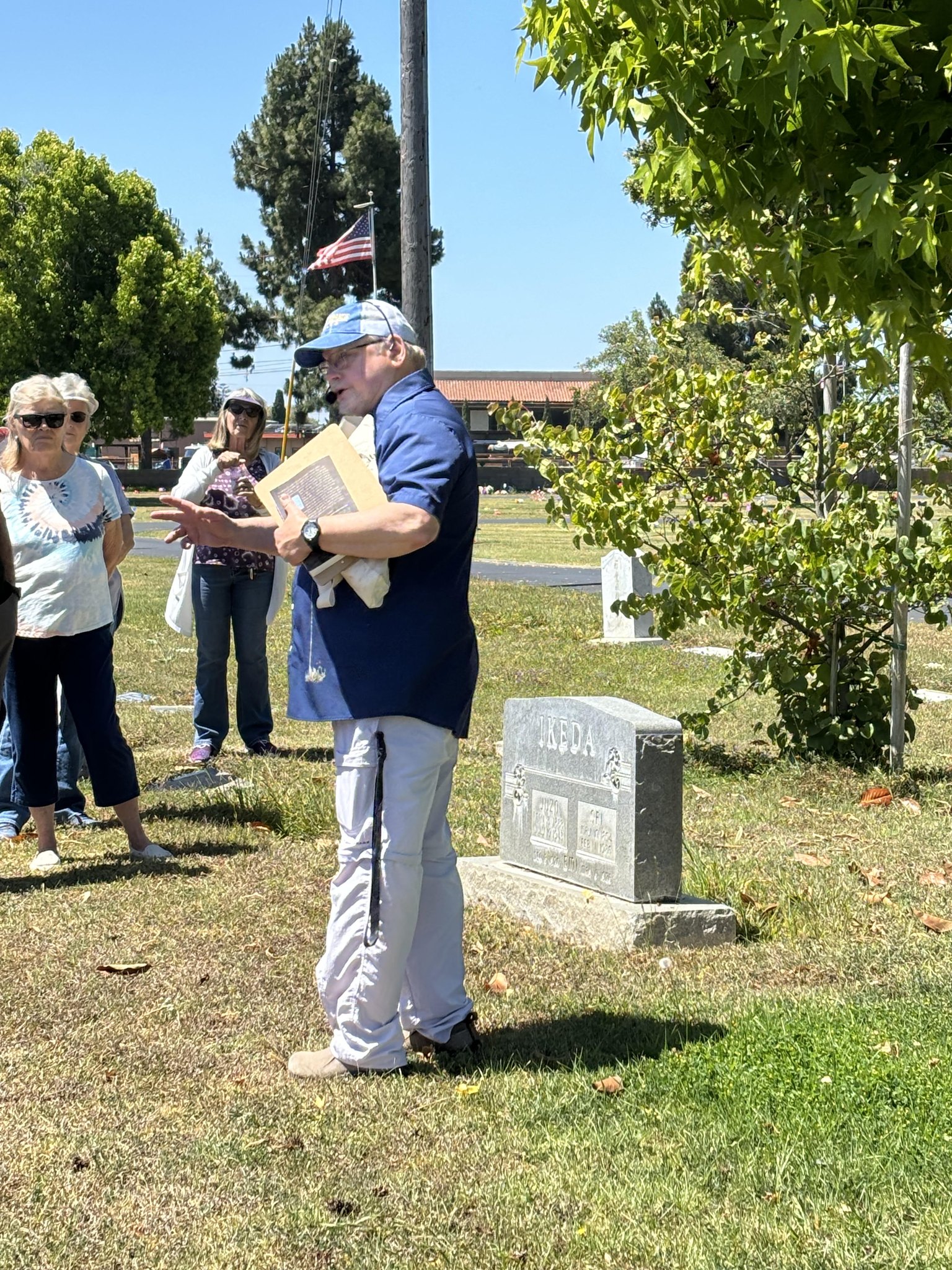
Me leading a cemetery tour for the South County Historical Society. The family I’m discussing embodied the generosity I admire so much.

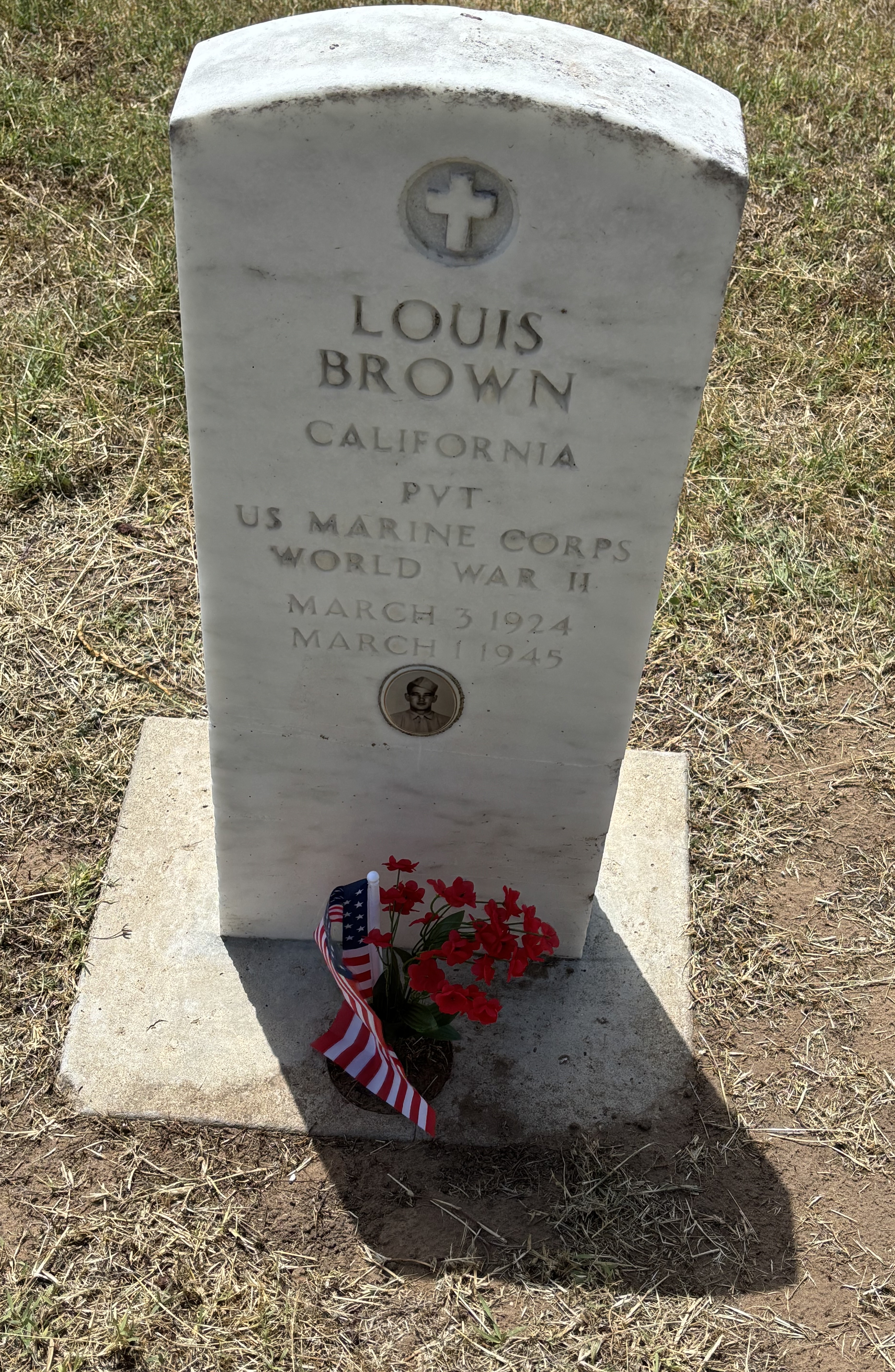
Postscript. I had one more American flag and a sprig of little red plastic flowers. My last stop was for this Marine, a Corbett Canyon farmer’s son, who died on Iwo Jima. Finding Louis Brown’s grave led to my first book. He was generous to me, to all of us, beyond imagining.

Version 1.0.0
Version 1.0.0

“Our army manned the air, it rammed the ramparts, it took over the airports…”

06 Friday Jun 2025

Posted by ag1970 in American History, History, trump

≈ Leave a comment

Surely you know by now that the president’s grasp of American history is as shallow as it is narrow. When confronting our past, the man’s in a dim room and afraid to strike a match for fear of setting his hairspray alight.

Here are just a very few examples:

“Frederick Douglass is an example of somebody who’s done an amazing job and is being recognized more and more, I notice.”  Douglass died in 1895.

“Great president. Most people don’t even know he was a Republican,” Trump said. “Does anyone know? Lot of people don’t know that.” Trump on Abraham Lincoln.

“People don’t realize, you know, the Civil War, if you think about it, why?” It was slavery. The Confederate Ordinances of Secession are explicit.

“No politician in history, and I say this with great surety, has been treated worse or more unfairly. [See: Abraham Lincoln.]
 In a phone conversation with Canadian Prime Minister Justin Trudeau that got somewhat heated over the tariffs, Trump brought up the War of 1812, claiming that Canadians burned down the White House during that conflict. It was the British.
The Battle of Gettysburg. What an unbelievable — it was so much and so interesting, and so vicious and horrible, and so beautiful in so many different ways. It represented such a big portion of the success of this country. Gettysburg, wow. I go to Gettysburg’s Pennsylvania to look and to watch, and the statement of Robert E. Lee, who’s no longer in favor, did you ever notice that? No longer in favor. ‘Never fight up hill, me boys. Never fight up hill,’ he said. Wow. That was a big mistake. Lee attacked uphill two days in a row, July 2 and 3.

“Our army manned the air, it rammed the ramparts, it took over the airports, it did everything it had to do, and at Fort McHenry, under the rockets’ red glare, it had nothing but victory,” The president on the Revolutionary War, July 4, 2019.

Mind you, I’m not arguing that a president need have an advanced degree in American history. It would be enough if he or she could pass the old-timey California High School Exit Exam in American History. Or the New York Regents exam in the same subject. (A 65, for New York eighth graders, is sufficient.)

Of course, the man’s ignorance is complemented by cruelty. He did not know who won the First World War. And he referred to the Marines who fought at Belleau Wood in 1918—in a battle many historians see a a key turning point in that terrible war–as “suckers” and “losers.”

Here are the suckers and losers from Camp Lejeune re-enacting the Marines’ opening assault in June 1918:


I don’t necessarily regard his failure to understand history laughable. He just doesn’t care. I did not find this headline, from CNN today, funny at all.


Now, even though most of my tongue is in my cheek, I’m about to speak with some authority on how Trump’s ignorance may doom him. “Authority” because I’m named for my Confederate great-great grandfather, James McBride. My middle name comes from his staff officer son, Douglas.

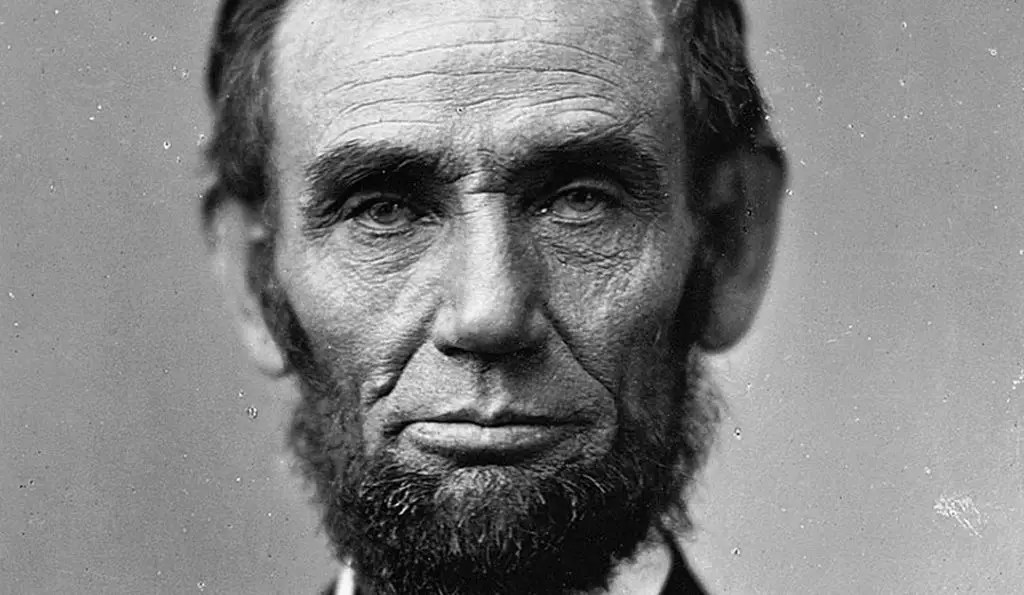
Let me qualify this by reiterating that I am a Lincoln man. On the off-chance that I make it to heaven, the first people I want there waiting for me are Mom, Jesus and Lincoln. In that order.

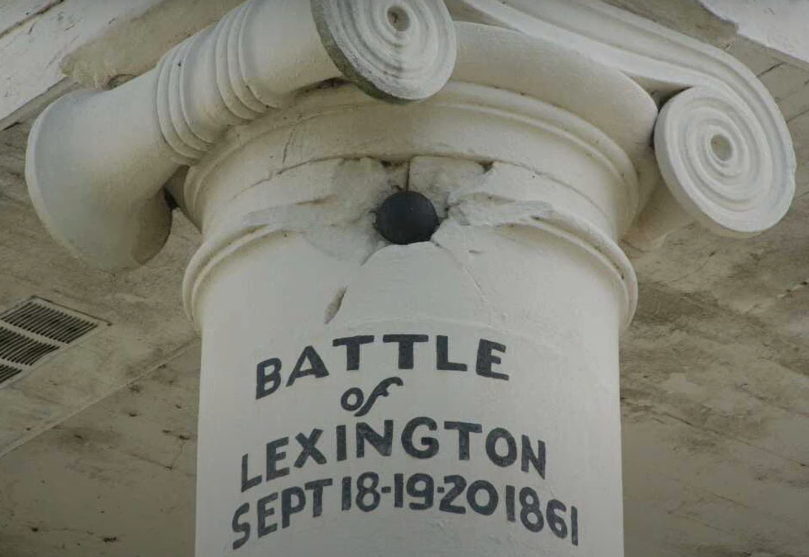
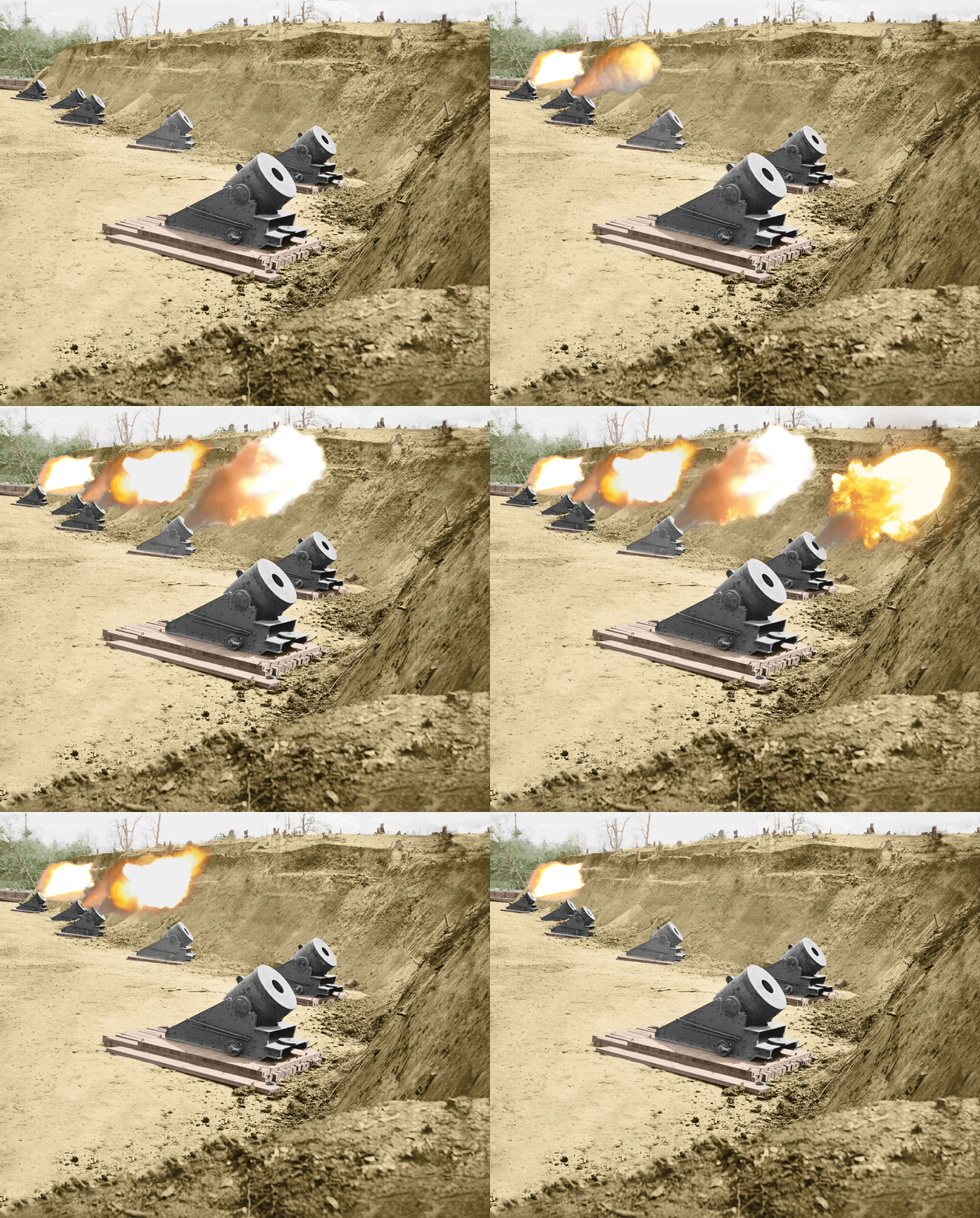
Below: My great-great grandfather; a souvenir his boys left in the Lexington, Missouri, courthouse, his son, Douglas. (Yankee artillery shell, Arkansas, 1862).


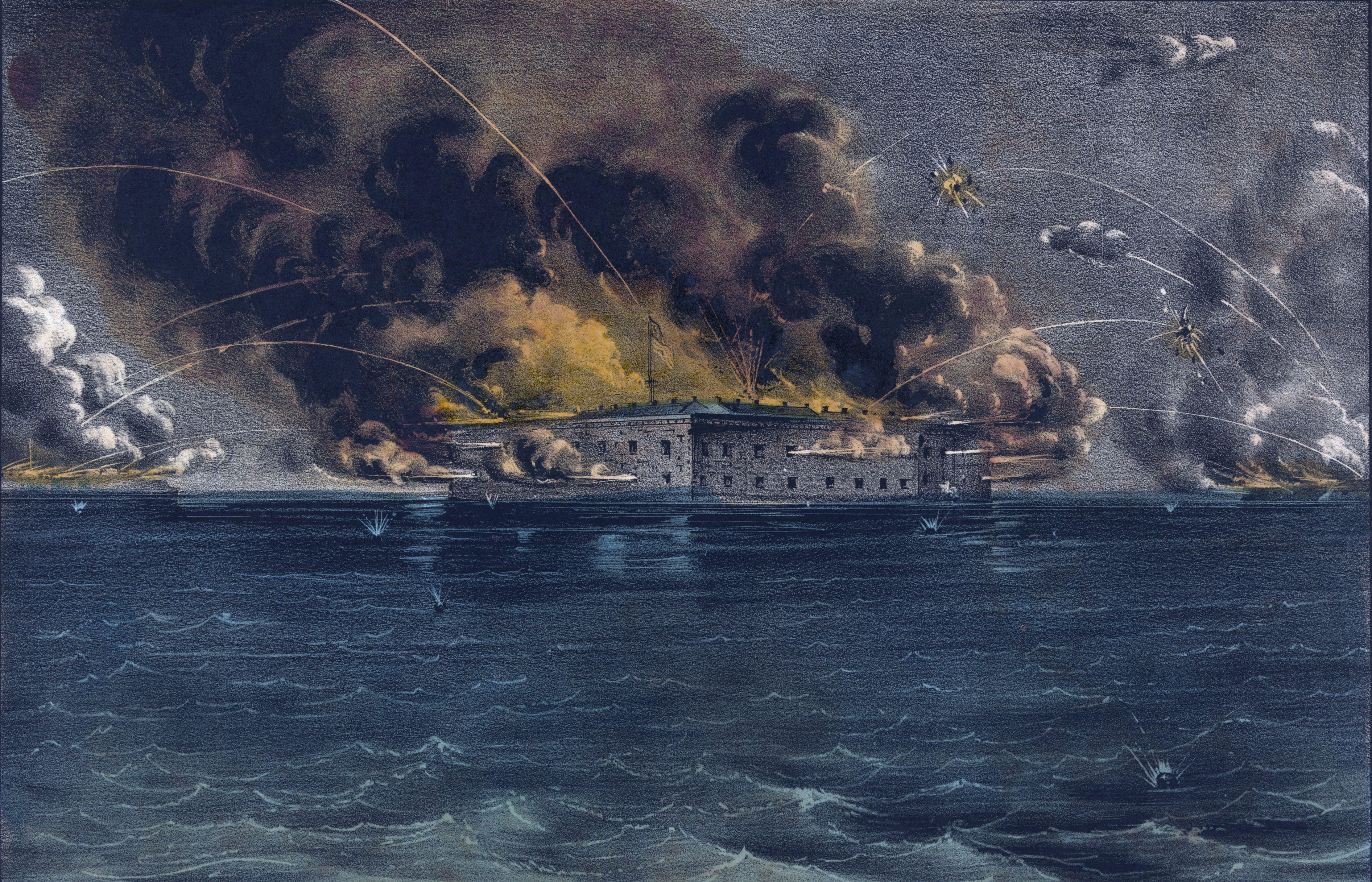
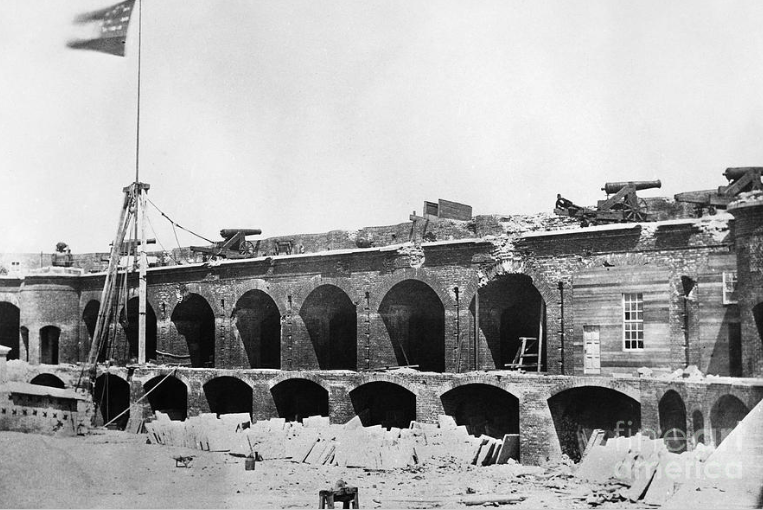
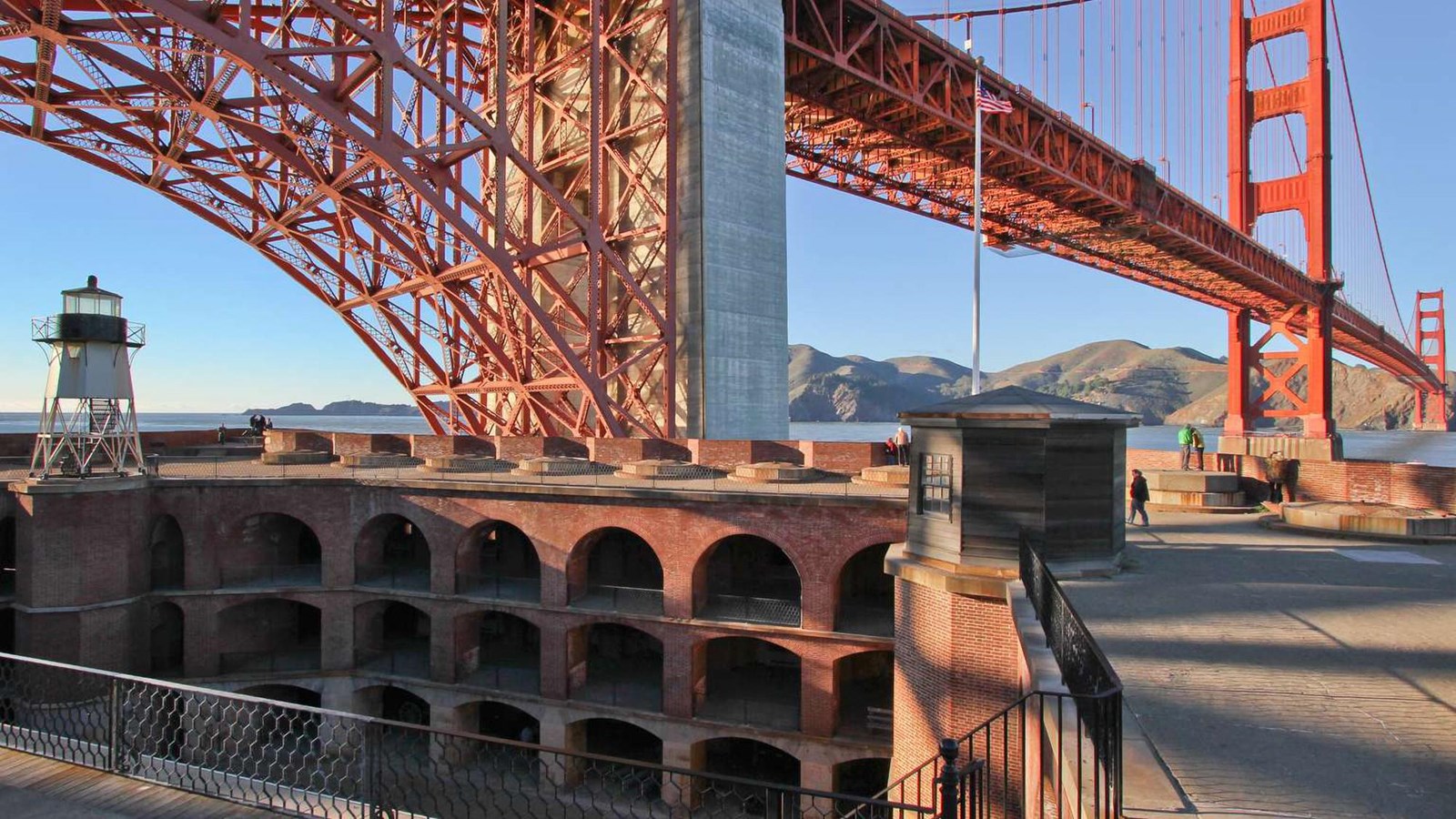
Unlike the cannonball above, there is no history lodged in the presidential brain. There’s one more thing he does not know about history, and it bears on his messing with California. The place where the Civil War started is Fort Sumter, Charleston, South Carolina.

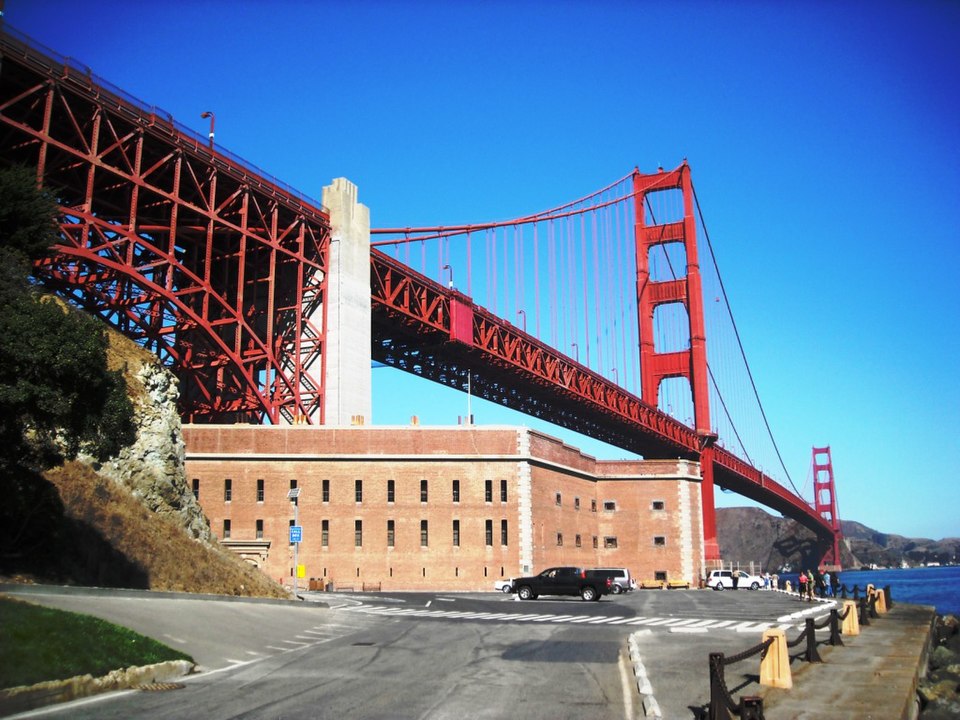
Fort Point, San Francisco, California is essentially Sumter’s twin.


That’s some powerful symbolism there. God forbid that this comes true, but maybe the West will rise again.


The Dodgers visit the White House, April 2025

08 Tuesday Apr 2025

Posted by ag1970 in trump, Uncategorized

≈ Leave a comment

From yet another letter that won’t make it into the Los Angeles Times.

To the Editor:

I grew up  in Arroyo Grande, in San Luis Obispo County, and  I remember going to the Coliseum in 1958, aged six, to see the Dodgers play the Cardinals, once upon a time the Gashouse Gang,  my father’s childhood team during the Great Depression.

My father and I were not close, but we were that day, and we were every time Vin Scully called a game.

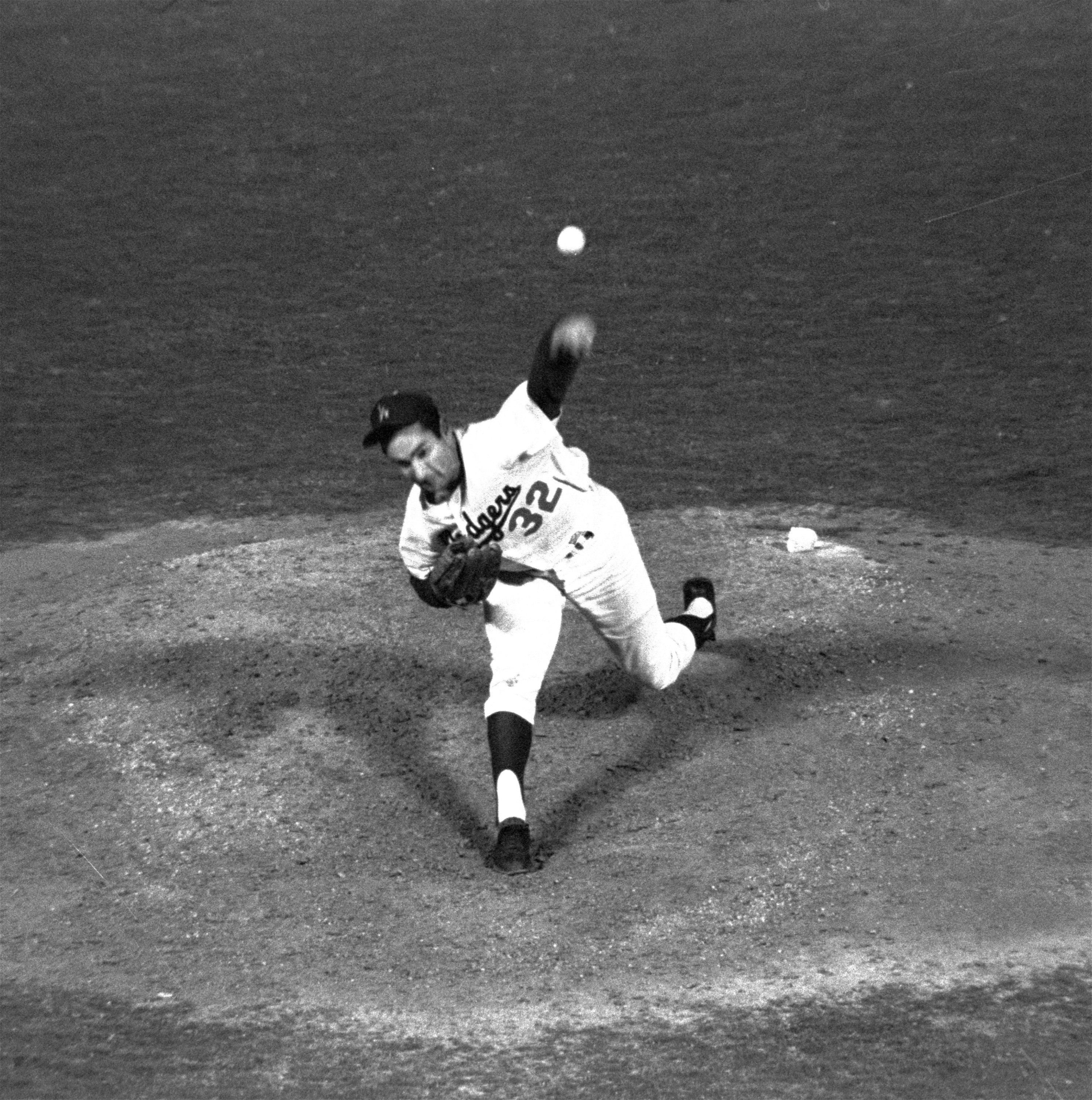
We’d huddle close together as Dad barbecued a weekend dinner. For Koufax’s perfect game, we were inside the kitchen with a big shortwave radio atop the stove, and we weren’t breathing much.

I became a high school history teacher in part because Scully taught me how to tell stories. His only equal was my father. My mother, Irish American, loved Sandy Koufax because he wouldn’t pitch in the Series during High Holy Days. She admired integrity.

I admired everything about Koufax. 

But that was a long time ago. The Dodgers, after making meek discordant noises, visited with the crude and brutal man who claims to be Abraham Lincoln’s successor. Lincoln and Koufax and Jane Goodall  were my childhood heroes, and  so they remain. Those are not bad choices.

But the team I adore–a team of immigrants, Italian and Irish and Polish and, finally, African American, Dominican and Cuban and Mexican– the team I have adored since I was six, has let me down.

This is not a matter of “Republican” vs. “Democrat.” It is, more properly, a matter of truth vs. falsity, integrity vs. venality, patriotism vs. betrayal, of good vs. evil.

“Evil” can be registered in the decision to delete a Department of Defense web page about Jackie Robinson, a decision reversed only because of public outrage.

Robinson played with courage, both in his introduction to MLB, when he was forced to absorb the abuse, and in the ferocity with which he played after Branch Rickey removed the handcuffs. Scully spoke vividly, even worshipfully, about the player Robinson became when he was allowed to play with anger.

In their visit to the White House, the team I love so passionately abandoned Koufax’s integrity and Robinson’s courage. The man whom they surrounded, all of them grinning, is certainly no Lincoln.

Since my heart is seventy-three and therefore brittle, it can be broken as easily as it was when Sandy Koufax retired, when I was thirteen. I forgave Sandy because he did the right thing.

The Dodgers haven’t.

Jim Gregory
Arroyo Grande, CA

← Older posts

Subscribe

  • Entries (RSS)
  • Comments (RSS)

Archives

  • January 2026
  • December 2025
  • November 2025
  • October 2025
  • September 2025
  • August 2025
  • July 2025
  • June 2025
  • May 2025
  • April 2025
  • March 2025
  • February 2025
  • January 2025
  • December 2024
  • November 2024
  • October 2024
  • September 2024
  • August 2024
  • July 2024
  • June 2024
  • May 2024
  • April 2024
  • March 2024
  • February 2024
  • January 2024
  • December 2023
  • November 2023
  • October 2023
  • September 2023
  • August 2023
  • July 2023
  • June 2023
  • May 2023
  • April 2023
  • March 2023
  • February 2023
  • January 2023
  • December 2022
  • November 2022
  • October 2022
  • September 2022
  • August 2022
  • May 2022
  • April 2022
  • March 2022
  • February 2022
  • January 2022
  • December 2021
  • November 2021
  • October 2021
  • September 2021
  • August 2021
  • July 2021
  • June 2021
  • April 2021
  • March 2021
  • February 2021
  • January 2021
  • December 2020
  • November 2020
  • August 2020
  • July 2020
  • June 2020
  • May 2020
  • April 2020
  • January 2020
  • December 2019
  • November 2019
  • October 2019
  • September 2019
  • August 2019
  • May 2019
  • April 2019
  • March 2019
  • February 2019
  • January 2019
  • December 2018
  • November 2018
  • October 2018
  • September 2018
  • July 2018
  • June 2018
  • May 2018
  • April 2018
  • March 2018
  • February 2018
  • January 2018
  • December 2017
  • November 2017
  • October 2017
  • April 2017
  • March 2017
  • December 2016
  • November 2016
  • October 2016
  • September 2016
  • August 2016
  • July 2016
  • June 2016
  • April 2016
  • March 2016
  • February 2016
  • January 2016
  • December 2015
  • November 2015
  • October 2015
  • September 2015
  • August 2015
  • July 2015
  • June 2015
  • May 2015
  • April 2015
  • March 2015
  • February 2015
  • January 2015
  • December 2014
  • November 2014
  • September 2014
  • August 2014
  • July 2014

Categories

  • American History
  • Arroyo Grande
  • California history
  • Family history
  • Film and Popular Culture
  • History
  • News
  • Personal memoirs
  • Teaching
  • The Great Depression
  • trump
  • Uncategorized
  • World War II
  • Writing

Meta

  • Create account
  • Log in

Blog at WordPress.com.

  • Subscribe Subscribed
    • A Work in Progress
    • Join 68 other subscribers
    • Already have a WordPress.com account? Log in now.
    • A Work in Progress
    • Subscribe Subscribed
    • Sign up
    • Log in
    • Report this content
    • View site in Reader
    • Manage subscriptions
    • Collapse this bar
 

Loading Comments...