I am just old enough and just prudish enough to have been repelled by Miley Cyrus’s more outlandish pranks–maybe stuff like that is now in the rearview mirror of her life.
But I am just smart enough, if a little slow, to realize that she has one of the greatest voices of her generation. Her range is incredible (contrast “Zombie” with “Jolene,” both below.)
Beyond that, there’s an intelligence and sense of empathy there. Cyrus understands what she’s singing, whether the deep grief of “Zombie” or, listen as her accent changes, faintly Appalachian, and the timber of her voice rises, sweeter and higher inside her body, in “Jolene.”
I am an older man but it still took me a moment to get past the shortness of her skirt in “Roadhouse Blues”–it was a short moment, too–to understand that she understands the Blues, including Jim Morrison’s song.
She understood, too, how to dial herself down just enough to provide the background, in David Bowie’s “Heroes,” for a moving public service ad aired during the 2021 Super Bowl.
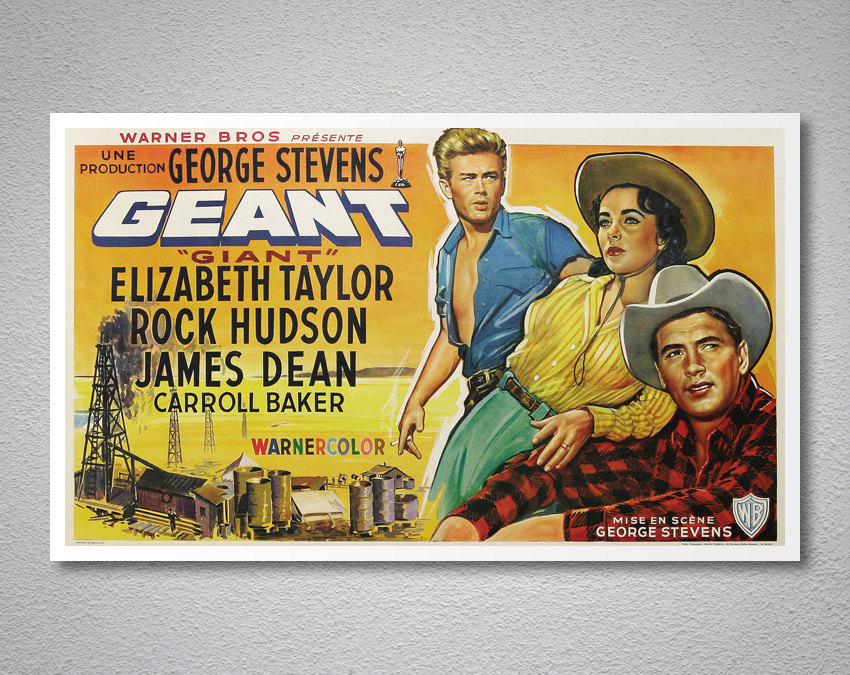
On this day in history, in 1985, Rock Hudson died.
Ironically, I think my favorite Rock Hudson scene comes near the end of the George Stevens classic “Giant.” Hudson, as an impossibly wealthy Texas rancher, gets the living crap beat out of himself in a roadside cafe.
His character, Bick Benedict, is pigheaded, arrogant, dismissive of women and bigoted.
But in this scene–one of his grandchildren is Mexican American-he comes to the defense of a family when the cafe’s cook, Sarge, starts to throw them out. They’re Mexican.
The result is one of the most epic fight scenes, brilliantly accompanied by “The Yellow Rose of Texas,” in Hollywood history, and one that changes your opinion of Bick Benedict.
A young Mexican American poet, Tino Villanueva, wrote about that scene. Here’s an excerpt:
…how quickly [Sarge] plopped the Hat heavily askew once more on the old Man’s head, seized two fistsful of shirt and Coat and lifted his slight body like nothing,
A no-thing, who could have been any of us, Weightless nobodies bronzed by real-time far Off somewhere, not here, but in another
Country, yet here, where Rock Hudson’s face Deepens; where in one motion, swift as a Miracle, he catches Sarge off guard, grabs His arm somehow, tumbles him back against
The counter and draws fire from Sarge to Begin the fight up and down the wide screen Of memory, ablaze in Warner-color light.
I guess I owed it to my historian’s sense of duty, so I looked it up. If ever a Queen was a monument to imperialism, it was Victoria—steam-powered British ships obliterating Chinese war junks to smooth the way for the lucrative and British-sponsored opium trade, Sepoy mutineers, lashed to cannon muzzles and so executed; 15,000 Sudanese rebels, armed with swords and spears, mowed down by Maxim guns at Omdurman.
But Elizabeth doesn’t escape her great-great grandmother’s legacy, either. When Kenyan independence fighters—the Mau Mau—rose up in rebellion in the 1950s, the British army and air force intervened, ostensibly to protect White Kenyan settlers. The Mau Mau killed 32 of them. The British hanged over a thousand Black Kenyans and killed ten times that number in forgotten but merciless airstrikes and skirmishes.
And Elizabeth was Queen.
Still.
I owe it to myself, as well, to appreciate—especially in the wake of recent years—what we call “Norms:” ceremony, dignity, tradition, reverence.
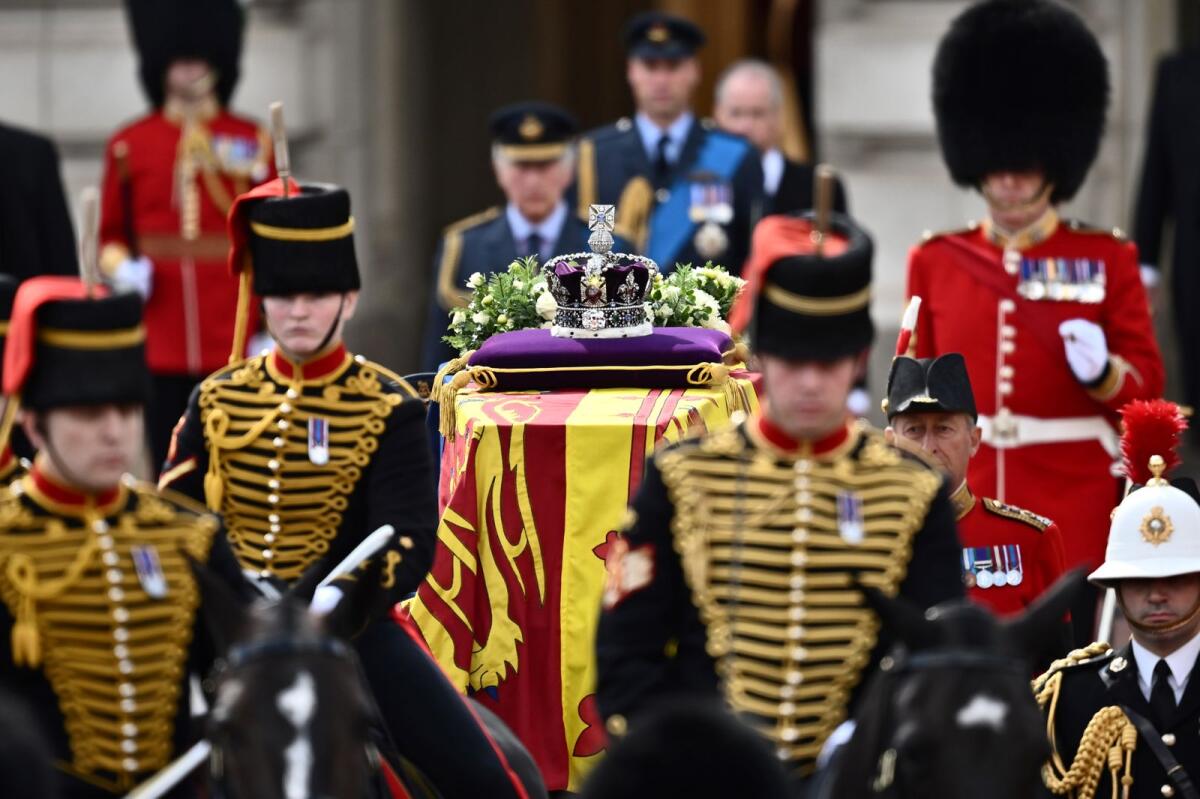
The uniforms of the Horse Artillery, in charge of transporting the Queen’s coffin, and the Grenadier Guards who flanked it on the journey to Westminster Hall this week are identical to the uniforms of the soldiers who accompanied Victoria’s coffin in 1901. The tradition of sailors moving the funeral caisson along in its journey begs with Victoria, as well.
But I was reminded, too, of a distinctive American funeral, and of me at eleven years old, watching television, transfixed, during the weekend that followed November 22, 1963. While the British have been planning for Elizabeth’s funeral—“Operation London Bridge”—for years, with the Queen’s help, Kennedy’s was quite different.
There were plans on the shelf, but the organizers for the president’s funeral essentially had three days to put it together.
In this, they were successful. It was both marvelous and painful. It was unforgettable.
I’ve written a lot about Black Jack, the riderless horse who followed the president’s caisson (the caisson that had carried FDR’s body; and the caskets of both presidents had been placed atop the catafalque built for Lincoln). The horse, a jet-black Morgan/Quarter horse cross, was ornery, nervous–unnerved by the collapse of a heavy metal gate inside a tunnel on the funeral’s route– and repeatedly attempted to bolt or to bite his nineteen-year-old handler, Pfc. Arthur Carlson. Black Jack once stomped on Carlson’s foot so hard that the upper sole of his Army-issue shoe was ripped. The young soldier thought his foot had been broken. Forbidden by protocol to speak to the horse to calm him, all Carlson could do was to hold on to the bridle with all his strength.
After the funeral, Black Jack caught his handlers by surprise. He’d become a celebrity and visitors came to see him at the Old Guard stables at Fort McLean, and the visitors who delighted the horse the most—he was incredibly gentle with them—were children.
I love horses, and I loved the big black horses in the Queen’s procession to Westminster Hall—one, a Royal Artillery horse who led the caisson, and in front of him, were two London police horses, at least sixteen hands and more likely seventeen, made bigger still by the smallness of the policewomen who handled them with such skill.
For JFK’s funeral, they were greys; the caisson’s six-horse team, one occasionally nuzzling the face of his harness-mate, and the enormous grey who led the caisson, pausing occasionally, seemingly to discipline the caisson team. He and his rider glided effortlessly and fluidly sideways, looking sharply at the caisson’s progress, every time the cortege turned a corner.
On arriving at Arlington, after an intemperate rendition of the indelibly Protestant “Onward Christian Soldiers” (indeed, most Americans in the South and Midwest had never before the televised funeral seen priests in full vestments, including Boston’s Cardinal Cushing), the procession returned to the cadence of muffled drums. After a moment, there were bagpipes—the Black Watch, no less, so now there were two sets of men in skirts—who had visited the White House and delighted the president, a student of Scottish history, including the struggle for independence.
“I am fond of lost causes,” the President noted ruefully that day, just before the Black Watch performed, just nine days before he was murdered in Dealey Plaza.
And the silent soldiers closest to the funeral bier weren’t Americans. They were Irish military cadets whom the president had met just five months before, on a return trip to Ireland, completing a journey that had begun when his ancestors, like mine, sailed from what was then Queenstown, today called Cobh, on Ireland’s east coast.
At least two of what were called Famine ships had foundered in the North Atlantic, lost with all aboard, just before our ancestors, the president’s and mine, left Ireland. The Irish cadets were there to remind us that we, all of us, are immigrants and so we come from people of courage. That might be the most marvelous American tradition of all.
In the long view, neither funeral–the president’s in 1963, the Queen’s in 2022–is necessarily about the empty person inside the coffin, for while Elizabeth had her Mau Maus, JFK inherited the rapist’s sense of entitlement that was his father’s work.
But the good news is that I think the funerals like these are more about us. We are deeply flawed but at the same time capable of great dignity, and capable of lending our dignity to human beings who are just as flawed as we are. In remembering them, in old traditions, we confront–without knowing it–our own importance, which lies in the value of our lives. And so, in the wake of slow marches, we move forward.
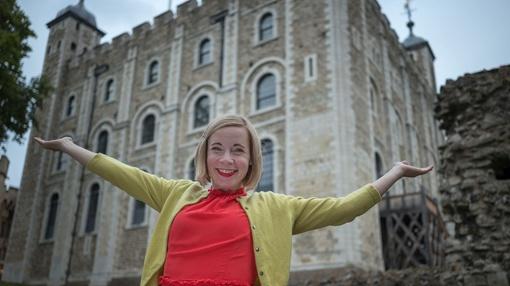
I’m kinda nuts about British historian Lucy Worsley; she is a hoot.
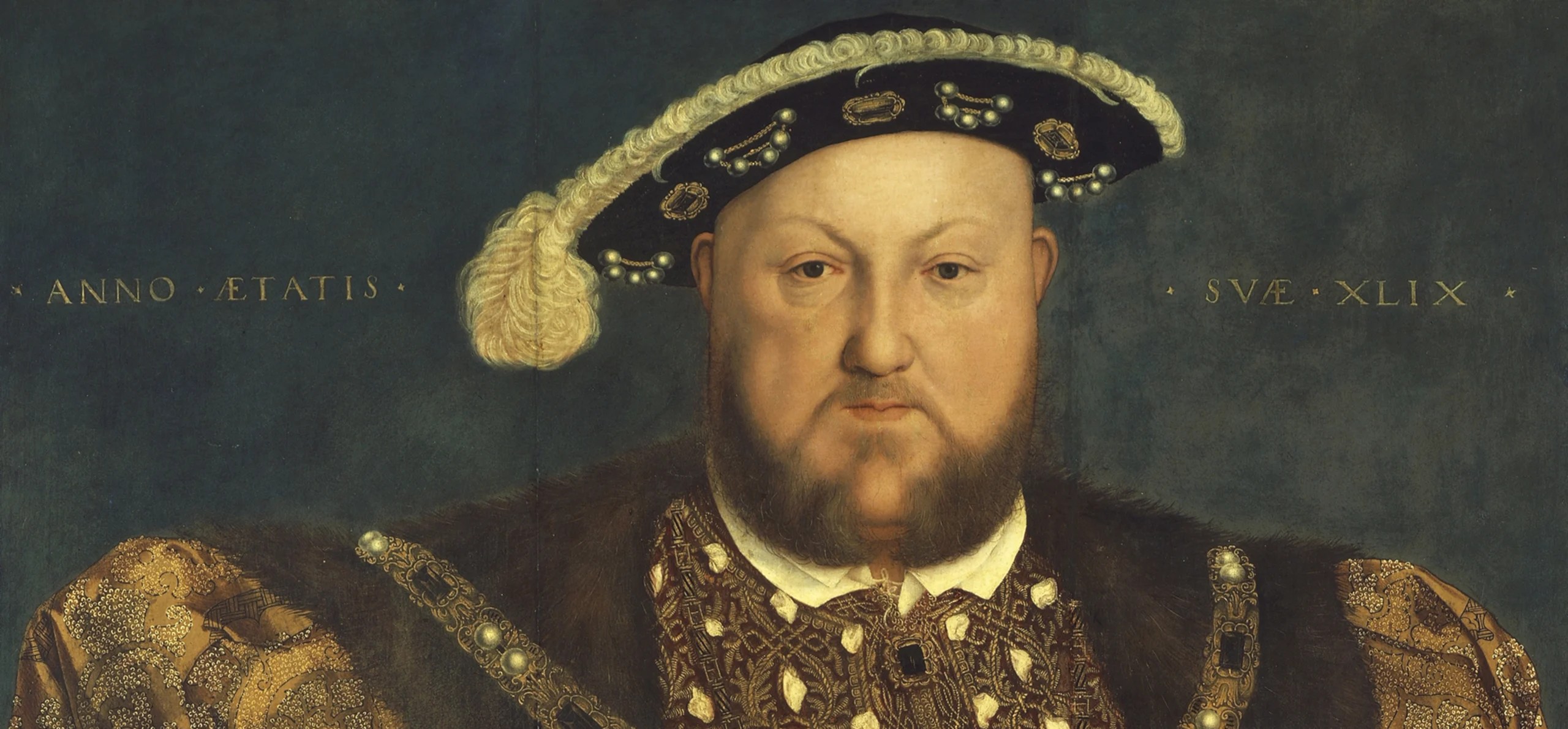
I first discovered her, while teaching European history, when she went to a modern grocery store to go shopping for Henry VIII.
The students were kinda nuts about her too: she’s a small person and the shopping cart was bulging at the seams, so she was huffing and puffing as she pushed it through the aisles. It was loaded mostly with meat (beef, pork, fowl, eels).
Turns out it’s no wonder Henry VIII weighed almost 400 pounds at the time of his death.
Sadly, on the tour to his final resting place at Windsor Castle, while Henry lay in repose in a church, his coffin exploded. Pent-up Royal Gas.
Gastly.
He’s Henry VIII he is; Henry VIII he is he is.
Anyway, if you get a chance, Worsley appears pretty regularly on PBS. She’s now the Chief Curator of Historic Royal Palaces.
Not a bad job, that.
She did a show that ran Sunday on three palaces:
1. The Tower of London. The oldest part, the White Tower, was intended to impress the local Saxons, whom the Normans considered imbeciles. To their horror, they’d built the privies in full view of London so that the beautiful stonework soon became, er, corrupted. Ah, who were the imbeciles NOW? So moved all the Royal Eliminatories to the back.
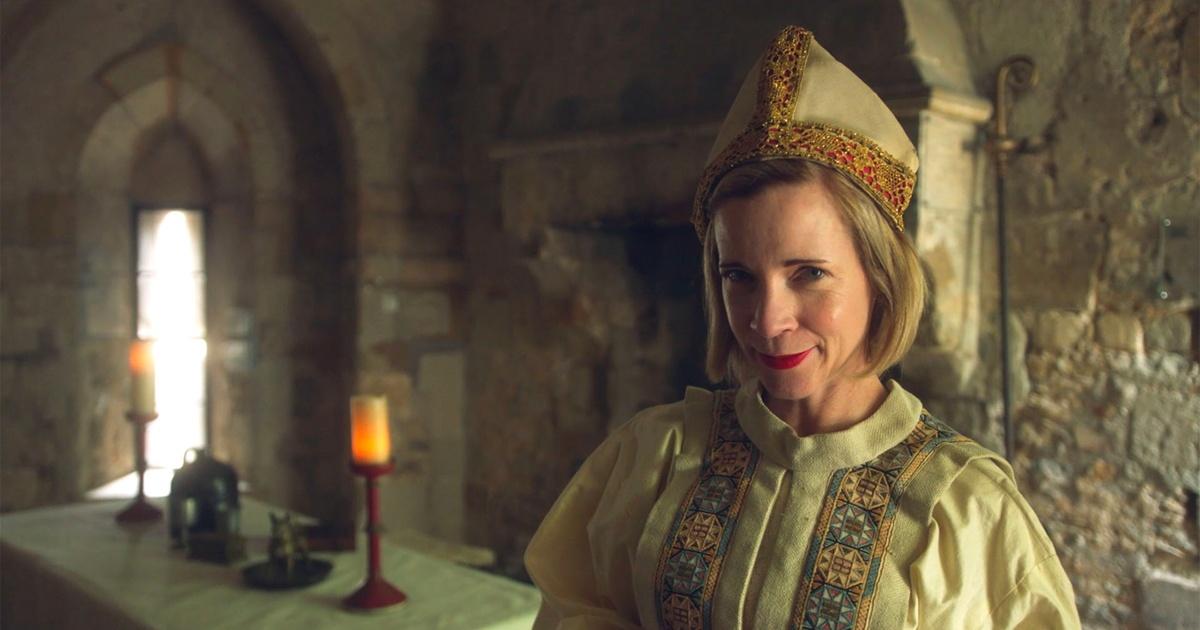
Worsley then played the first prisoner to escape from the tower–it became a prison, of course, as well as a palace– an obnoxious Norman bishop. She went clattering away down the cobblestones clutching her crozier. Oh, she also helped the Yeoman Warder, a Beefeater, feed the ravens, who are Mouseaters.
Worsley as the naughty bishop.
2. Hampton Court, once Cardinal Wolsey’s palace, was appropriated by Henry VIII once the Cardinal fell out of favor (couldn’t get the king his divorce.)
Wolsey took her show up to a nondescript room on an upper floor–desks and computers, used for training. But that was the bedroom of, in succession, Catherine of Aragon, Anne Boleyn and Henry’s favorite, Jane Seymour, who died in the room soon after giving birth to Edward, the king’s long-awaited and ultimately worthless royal heir.
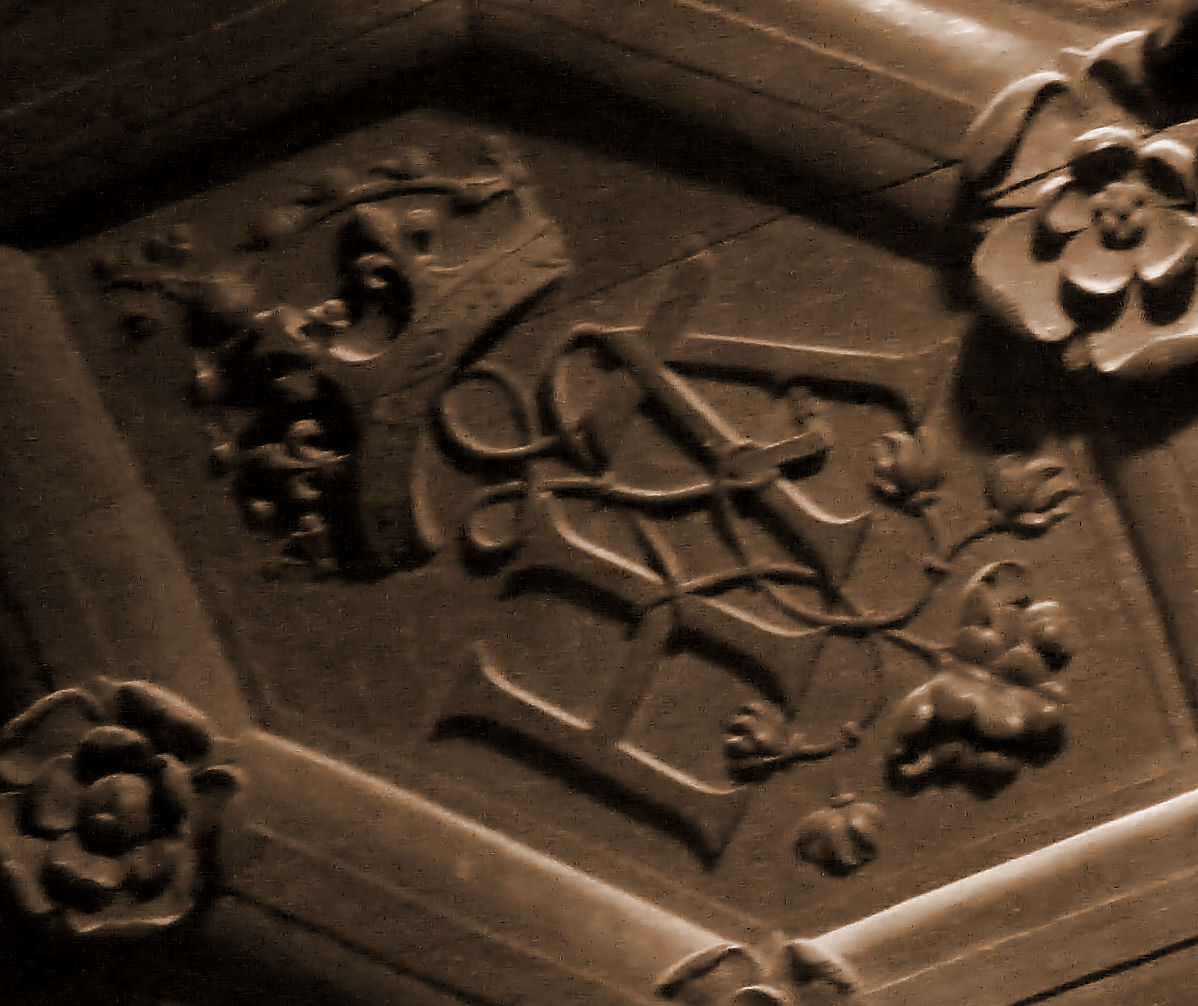
But Henry was once smitten (besmitten? besmot?) by Anne, so the royal dining hall was framed by gilt and woodwork with the interlocking initials “H” and “A.” But Henry married Jane only 11 days after Anne’s head and her body went in separate directions, so workmen were in a hurry. Worsley spotted a corner where they’d missed, in the woodwork, one set of interlocked initials.
Interlocked “H” and “A,” Hampton Court. Anne, depending on which way she was facing, she would’ve resembled a lower-case “b” or “d” when she married Henry. She was thoroughly pregnant with Elizabeth.
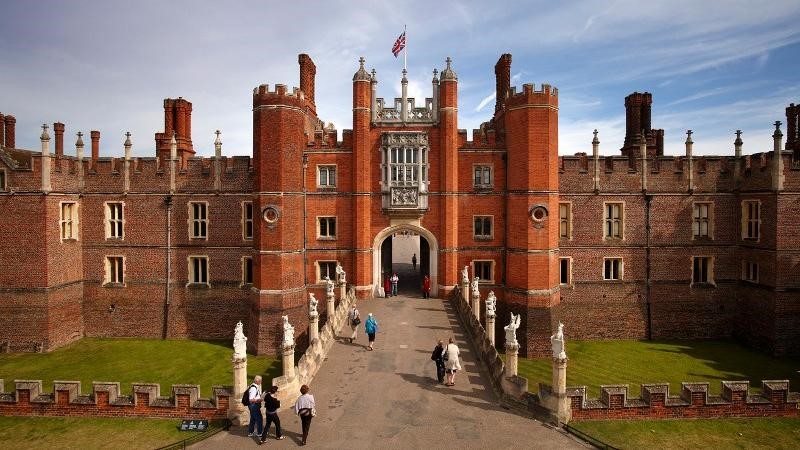
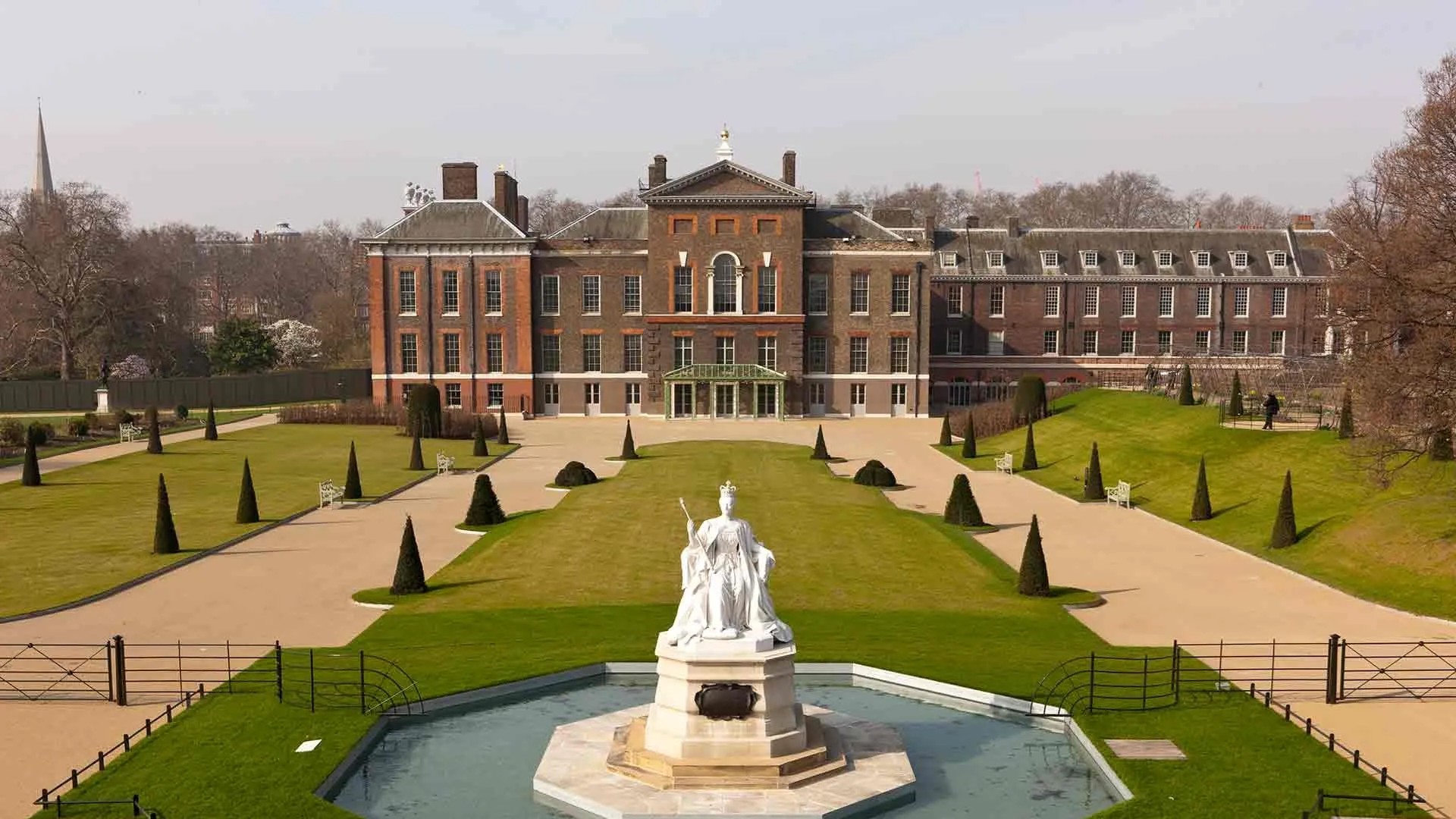
This palace was added onto, on the cheap, by the Stuarts, so it has a Tudor front, seen in the photograph, and a Palladian add-on (Queen Anne, played by the Oscar-winning Olivia Colman in “The Favourite,” would’ve lived here. With her rabbits.) It includes sharp spiky rails in some of the corners, to discourage the courtiers from relieving themselves thereupon.
Royal palaces–even Versailles–were notoriously smelly.
Hampton Court. The chimneys indicated the number of kitchens required to keep Henry VIII properly fed.
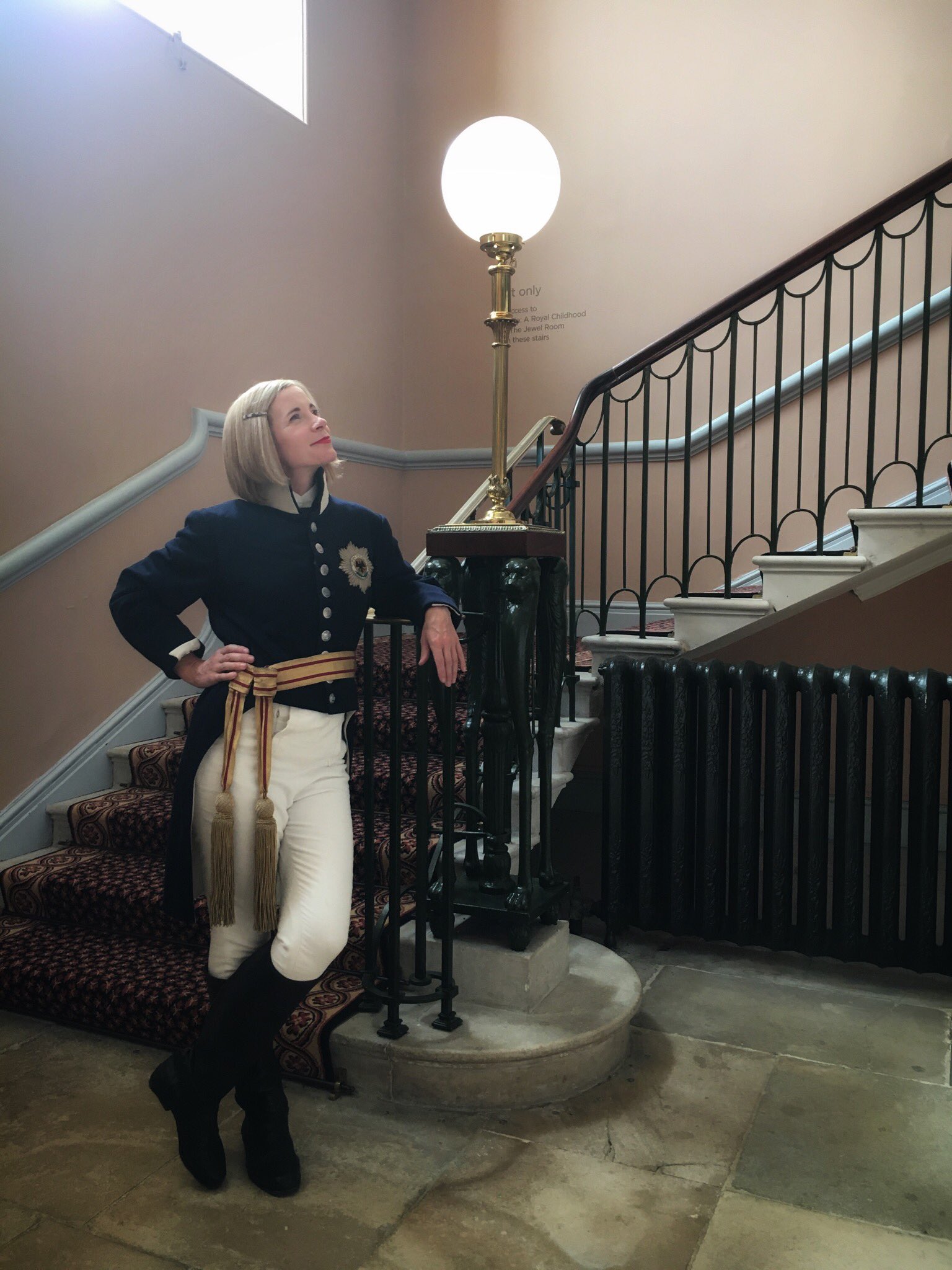
3. Kensington Palace was where Princess Victoria lived. Worsley–playing both roles, stood atop the staircase landing where Victoria first set eyes on Albert, at the bottom of the stairs. She was besmot and wrote at length in her diary about his eyes, his nose, his mouth and his limbs (“legs” was a dirty word in those days).
Albert thought she was okay.
That’s Worsley, as Albert, trying to look casual, at the bottom of the staircase.
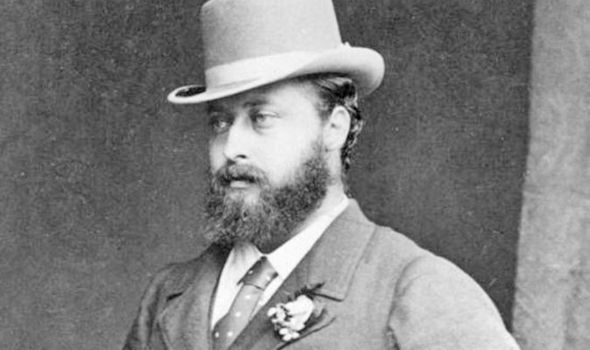
But once the two were married, they were a lusty pair. They must’ve worn out a host of royal bedsprings. Victoria adored Albert and adored sex. The end result–children–she was less than enthusiastic about. Especially her eldest son. Poor Bertie.
(Bertie, too, adored sex, especially with married women to whom he was not married. And he adored food. I guess he was a bit of a Henry VIII throwback. To this day, the custom of men leaving the bottom button on their sports coats or suit-coats unbuttoned was one that began with Bertie–Edward VII–who needed a little more room for the royal tummy.)
Flirty Bertie, who could never please his Mum
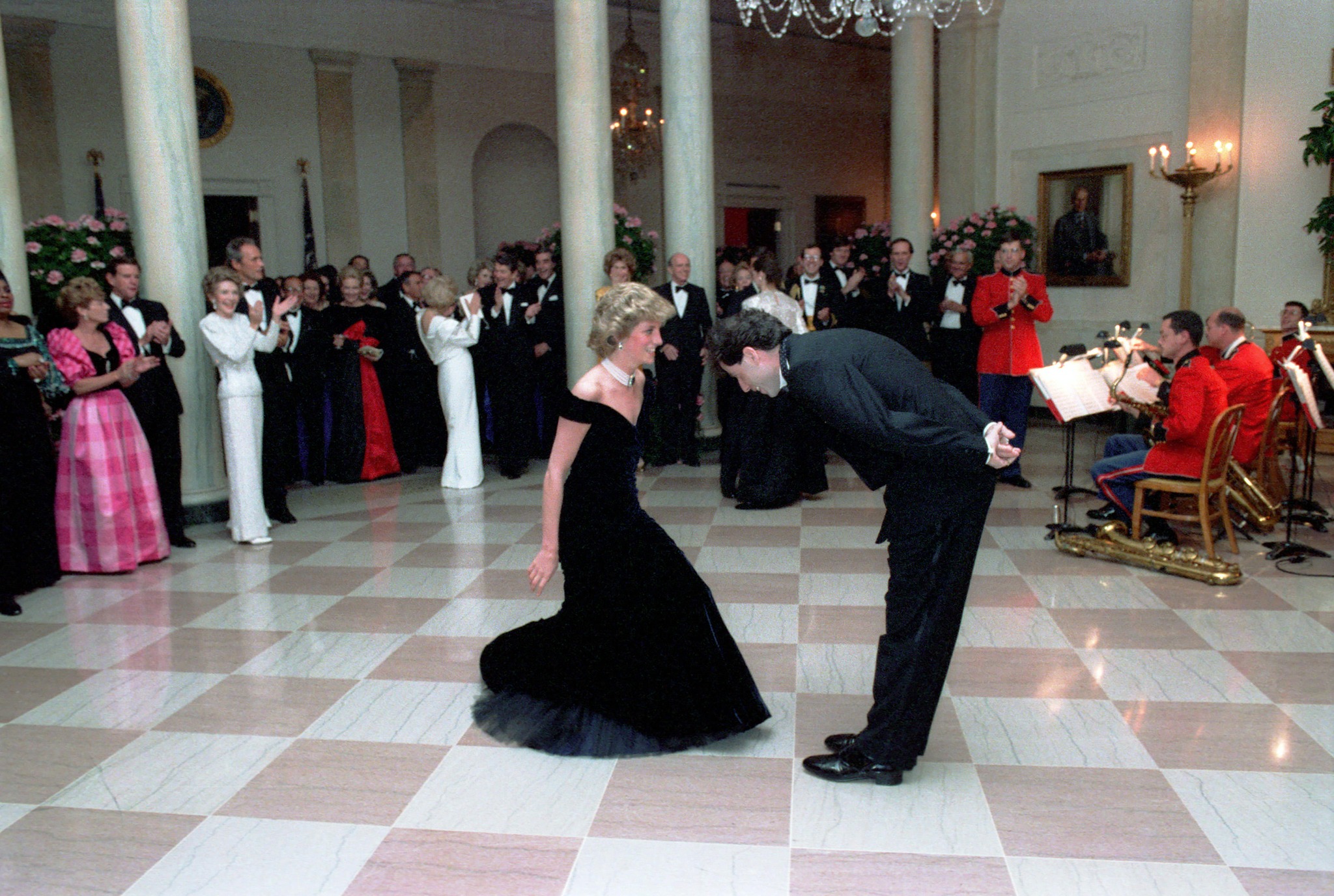
Kensington also features a big collection of court dress going back 300 years, and among them–what a prize!–is the dress Princess Diana wore when she danced with John Travolta at the White House. It’s a deep, deep blue and it’s stunning; all it lacks is, of course, Diana.
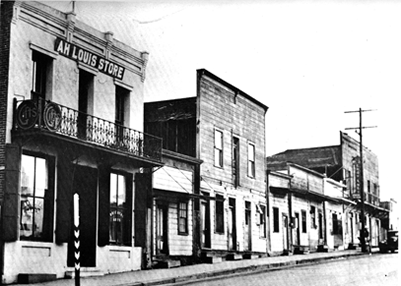
Palm Street, San Luis Obispo–“Chinatown”–early in the twentieth century.
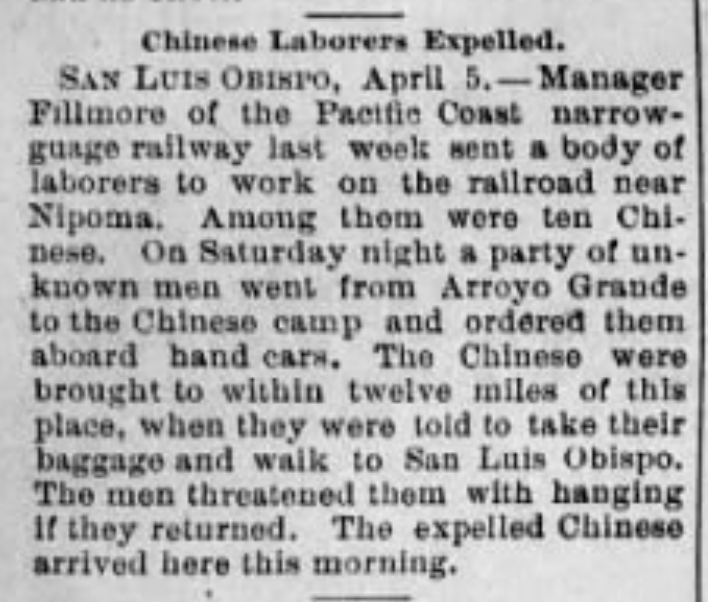
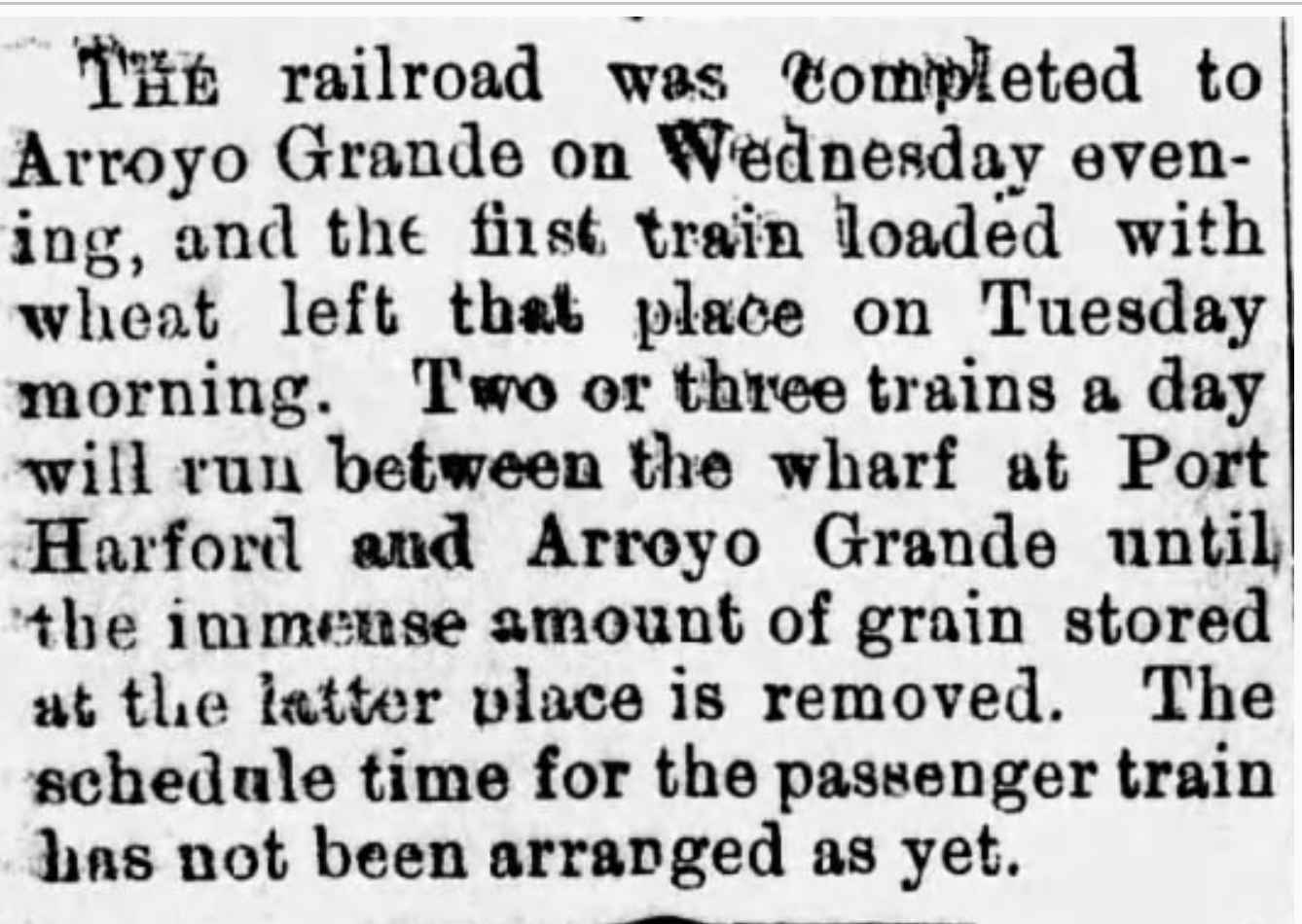
I heard the story first when I was in high school: How a mob of angry men rode down from Arroyo Grande, surrounded a Chinese crew laying track, and ordered them to leave. Years later, I found out it was true. A newspaper clipping from an 1886 San Francisco Examiner:
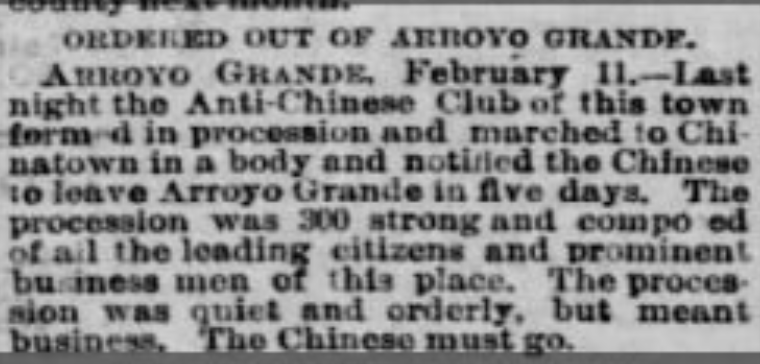
I knew that this story was a bookend because in February 1886, this article had appeared:
And when I say “bookends,” this is what I mean: In February, the “Anti-Chinese Club,” men disguised with handkerchiefs over their faces, ordered the Chinese to leave town; April 5 saw a similar group descend on the railroad workers.
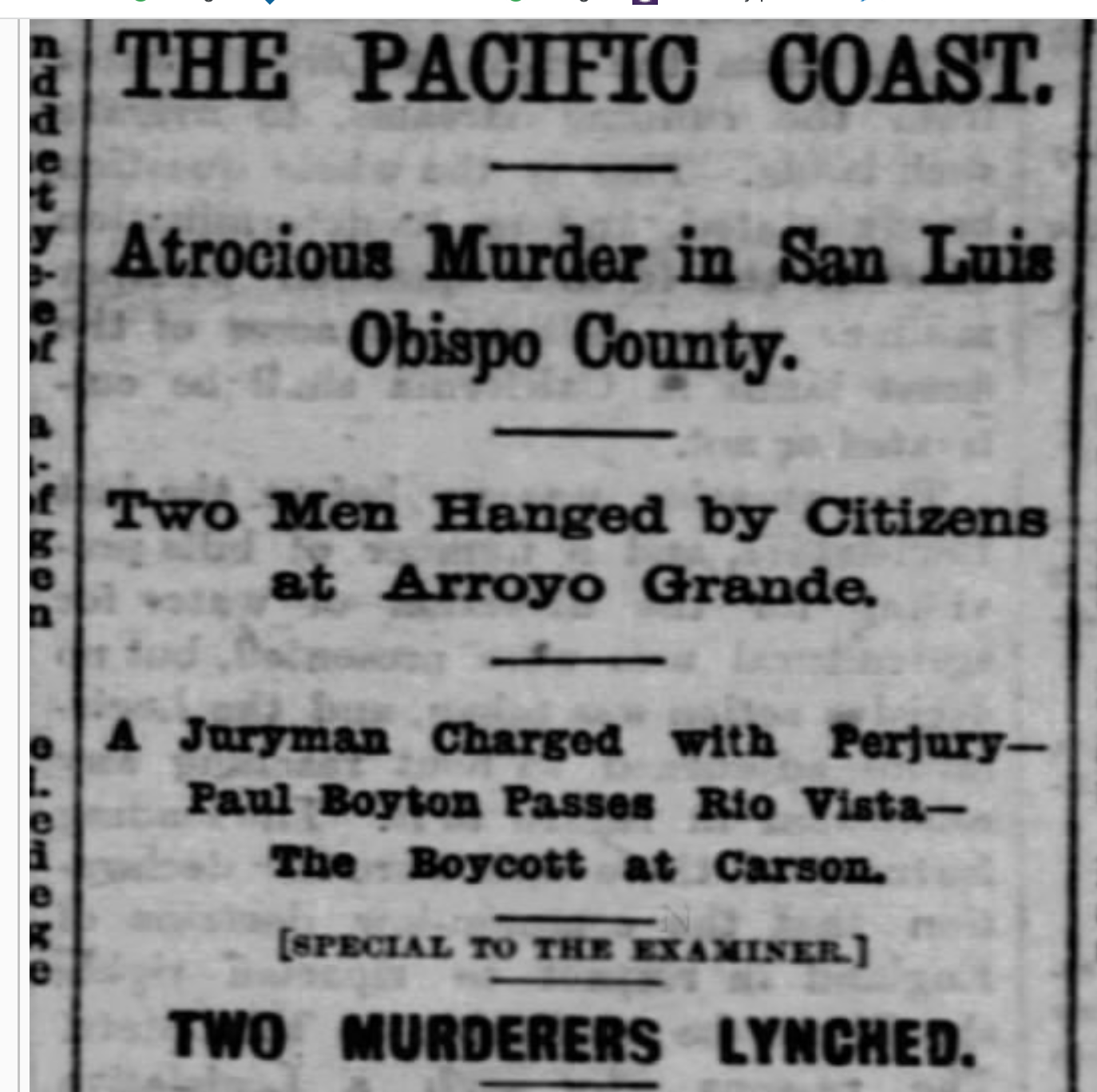
On March 31, a similar group from Arroyo Grande did this:
The victims were Peter Hemmi and his fifteen-year-old son, “P.J.” who was the accused triggerman in the murder of two neighbors in Lopez Canyon.
The 1886 lynchings were in part made possible by a citizenry, motivated by anti-Chinese rhetoric, that constituted a kind of instant lynch mob. That was bad luck for the Hemmis.
The mob executed two men. But they changed local history in a more profound way in the threats they visited on Chinese residents.
The newspaper article seems to confirm that Arroyo Grande once had a Chinatown, one that was evidently eliminated by “The Anti-Chinese Club” in February 1886. I grew up with friends whose ancestors were from Mexico, the Azores, the Philippines and Japan. Only a few claimed Chinese ancestry.
Yet there’s proof that, in 1886, this was Arroyo Grande’s second Chinatown. I turned to the Census, whose material can be poignant.
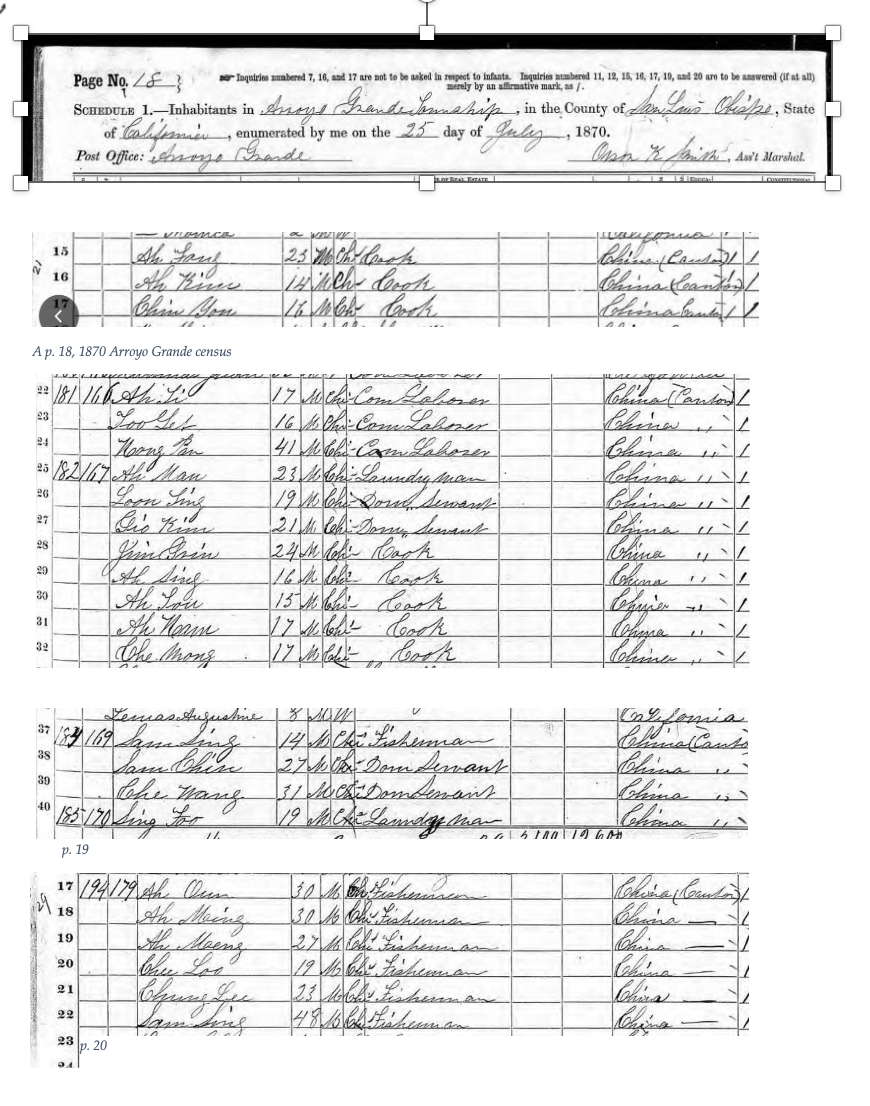
Here is what I found in the Arroyo Grande 1870 census:
In a town of perhaps 300 citizens, there’s a marked Chinese presence. I counted twenty-five individuals. All of them were listed in the last three pages of the twenty-page town census, living in dwellings numbered 149, 167, 169 and 179.
So they must have lived close together. I can’t tell where, but perhaps close enough to constitute a “Chinatown.”* [See below]
I was surprised to see so many who were fishermen.
I was even more surprised by the 1880 census. San Luis Obispo County’s Chinese population increased from 59 in 1870 to 183 in 1880 (a cursory glance at San Luis Obispo’s 1880 census revealed a narrowing of occupations: Chinese residents were most frequently “laundrymen,” against whom the city would wage a war on many fronts: punitive taxes, a competitor called “The Caucasian Steam Laundry,” and, against Sam Yee’s laundry, dynamite).
But in 1880, Arroyo Grande’s Census recorded one Chinese resident: Tom Lee, 28, a laborer who lived in a boarding house surrounded by European-Americans.
This didn’t make sense. One Chinese resident? What happened to the Chinese in my home town between 1870 and 1880?
It was the California Constitution of 1879 that happened. It authorized cities, amid two decades of anti-Chinese fever-pitch prejudice (the violence, of course, went back to the 1850s and the gold fields), to remove their Chinese residents to somewhere beyond the city limits.
So if the 1870 Census indicated the possibility of an Arroyo Grande Chinatown, that would’ve been an impossibility by 1880.
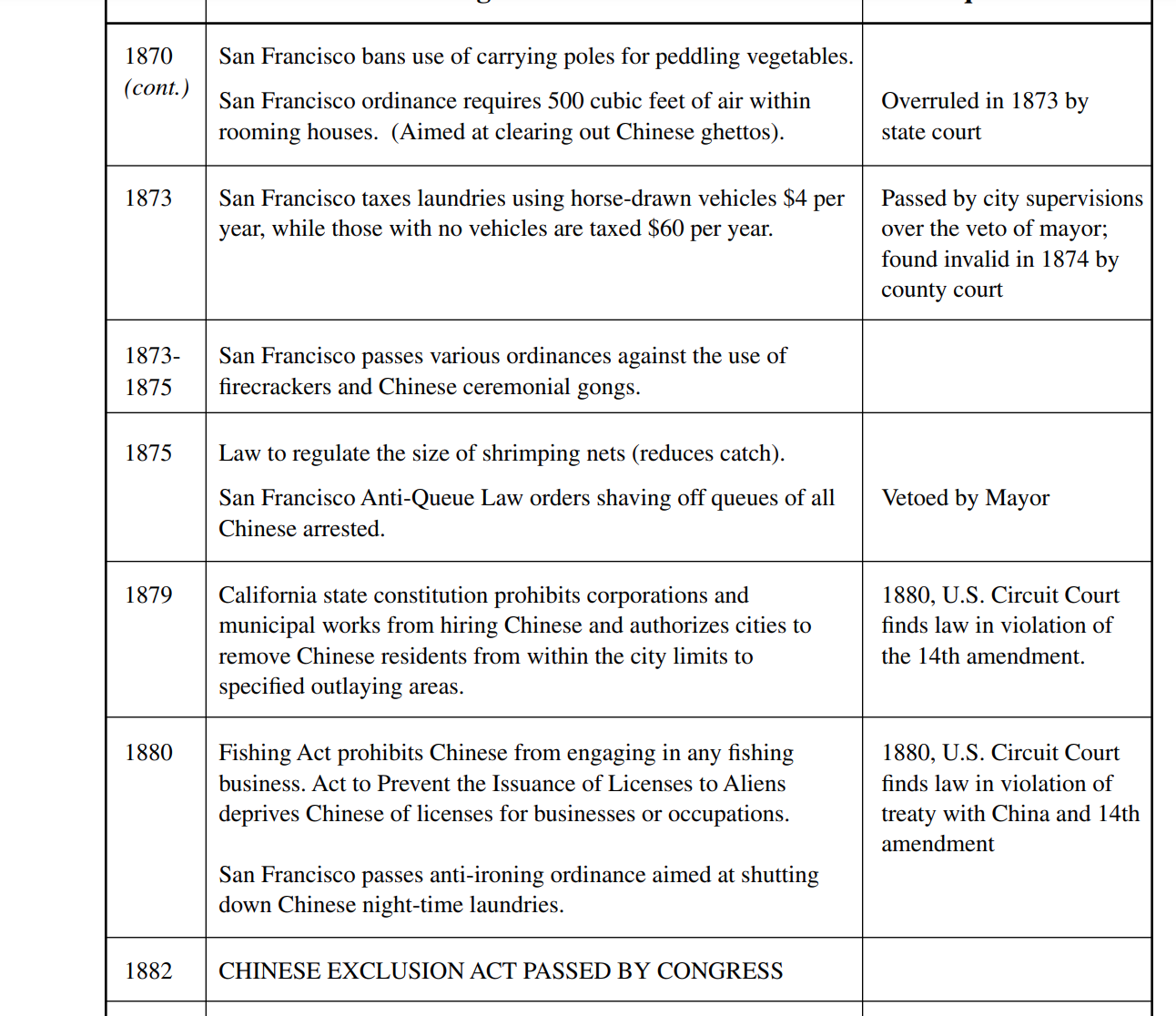
The chart below summarizes some of the anti-Chinese actions of the time, and it even indicates that the fishermen listed in the 1870 census would have fallen on hard times in 1880.
But there was another problem.
If Arroyo Grande’s Chinatown was gone by 1880, how could an anti-Chinese League, the one whose official uniform included a handkerchief over one’s face, have driven residents out of a “Chinatown” in February 1886?
The answer, I think, came in a San Luis Tribune article from October 15, 1881
The arrival of the PCRR doubled the size of the town within two decades, provided untold opportunities for real estate agents and, in connecting the Valley with the larger world, made Arroyo Grande produce, most especially pumpkins, famed throughout the United States. I’ve read breathless stories about the fertility of the Valley in newspapers, from the 1890s, as far away as Kansas and South Carolina. (The lynching made it into a newspaper in Scotland.)
White workers were preferentially hired in constructing the PCRR from Port Harford to Arroyo Grande and in extending the route from Arroyo Grande to San Luis Obispo, but twenty-five Chinese workers, doubtlessly under the supervision of Ah Louis, one of the most prominent men in the county, were included in the project.
Those workers may be the source of a reborn Chinatown in Arroyo Grande, the one that sadly vanished again in the year of the masked men, 1886.
There would be further, ironic, sadness in Ah Louis’ life. In 1908, he would take the PCRR he’d helped to build from San Luis Obispo to Arroyo Grande to meet with a business partner, the famed flower seed cultivator Louis Routzahn. His wife, En Gon Ying (“Silver Dove”) bade him good bye that morning, returned to the family quarters above the Ah Louis Store on Palm Street, and went to sleep with her baby, Howard, in her arms.
She was asleep when her stepson, Willie Luis, shot her in the temple at point-blank range with the Colt revolver that was later recovered from the cistern behind the store.
Willie Luis would hang at San Quentin. In yet another irony, the murder of a wonderful mother of eight–whose children included a professional musician, an Army officer, a California State Spelling Bee Champion and a beloved merchant who loved to tell schoolchildren his family’s stories–outraged White residents throughout San Luis Obispo County.
Silver Dove wanted to be a mother, not a martyr, and her death did not mean that anti-Chinese bigotry in our area had ended. But, perhaps for the first time, the White community began to see the humanity in the neighbors they’d persecuted for decades and in the person of a cultured and beautiful woman who’d died so violently.
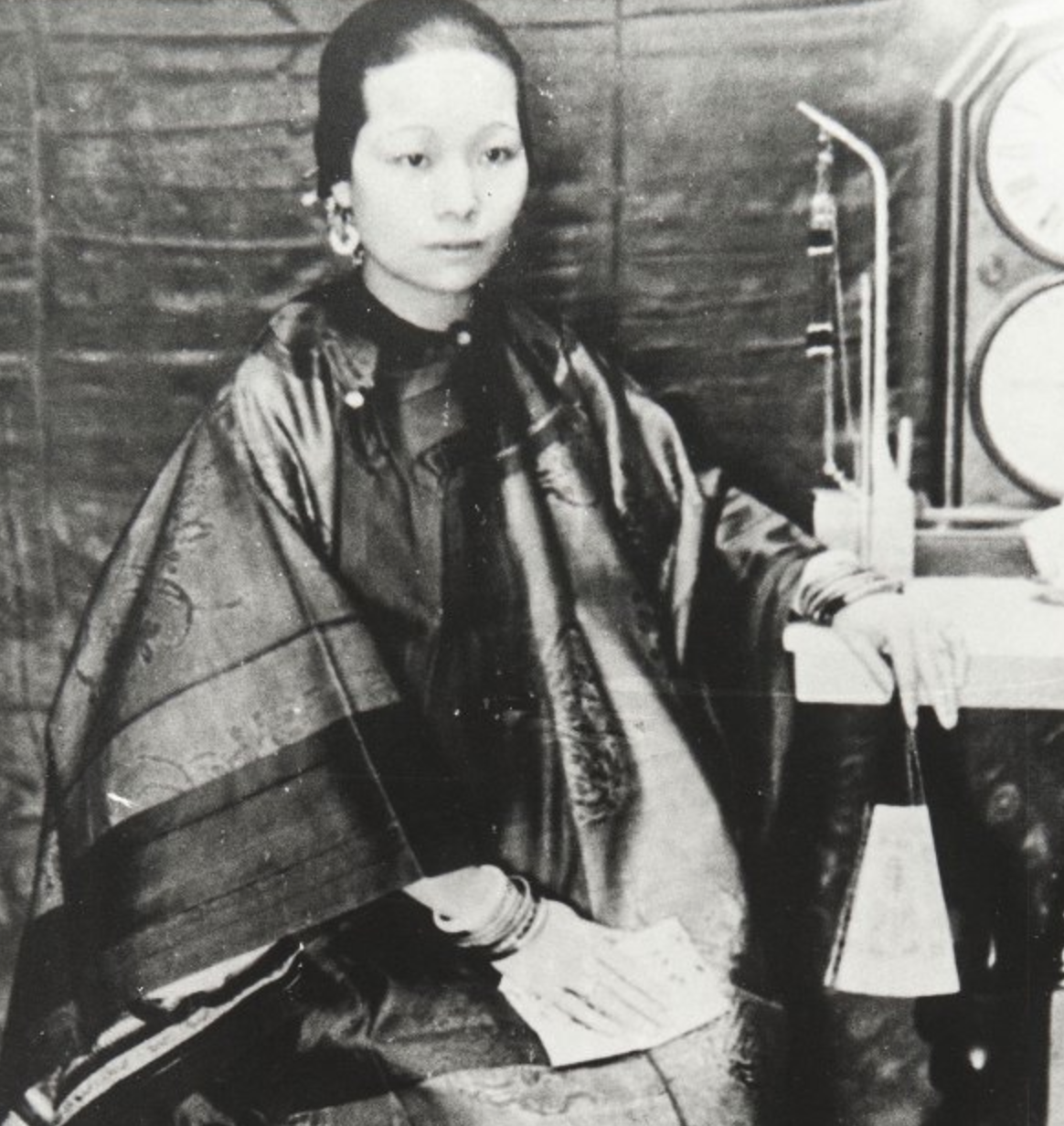
En Gon Ying about 1895
Addenda: July 5, 2025: As usual, it was fellow historian Shirley Gibson who helped to narrow down the possible location of our Chinatown. This article, from November 1930, quotes and unnamed old-timer who remembers fifty years before, and he gives a hint as to where Chinatown was. The friction, as was frequently the case in County and California history, was over laundries, though the majority of residents by then must’ve been construction workers on the PCRR. The speaker lacks even a hint of subtlety.
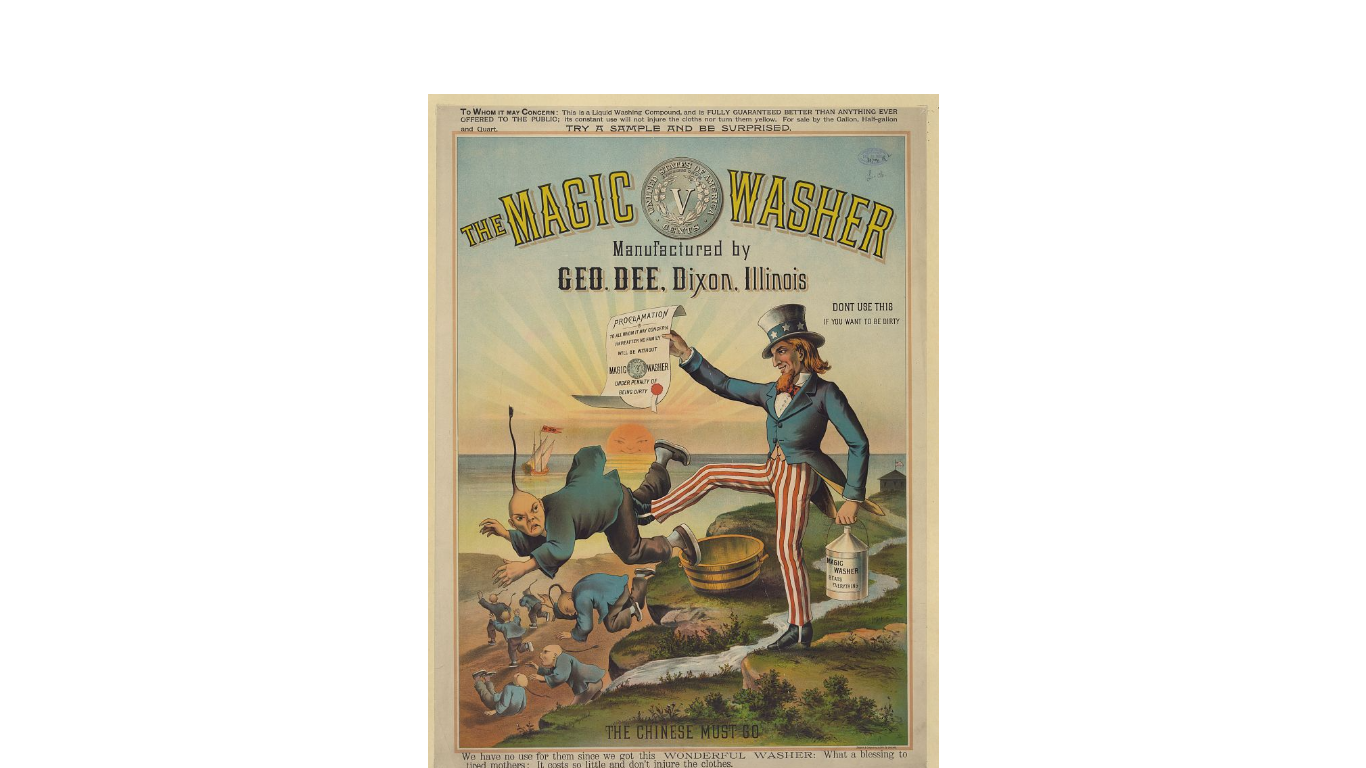
This advertisement from the times is incorporated into many high school history courses. I hope. Mr. Dee’s “Magic Washer” is so efficient that the Chinese can be deported with glee.
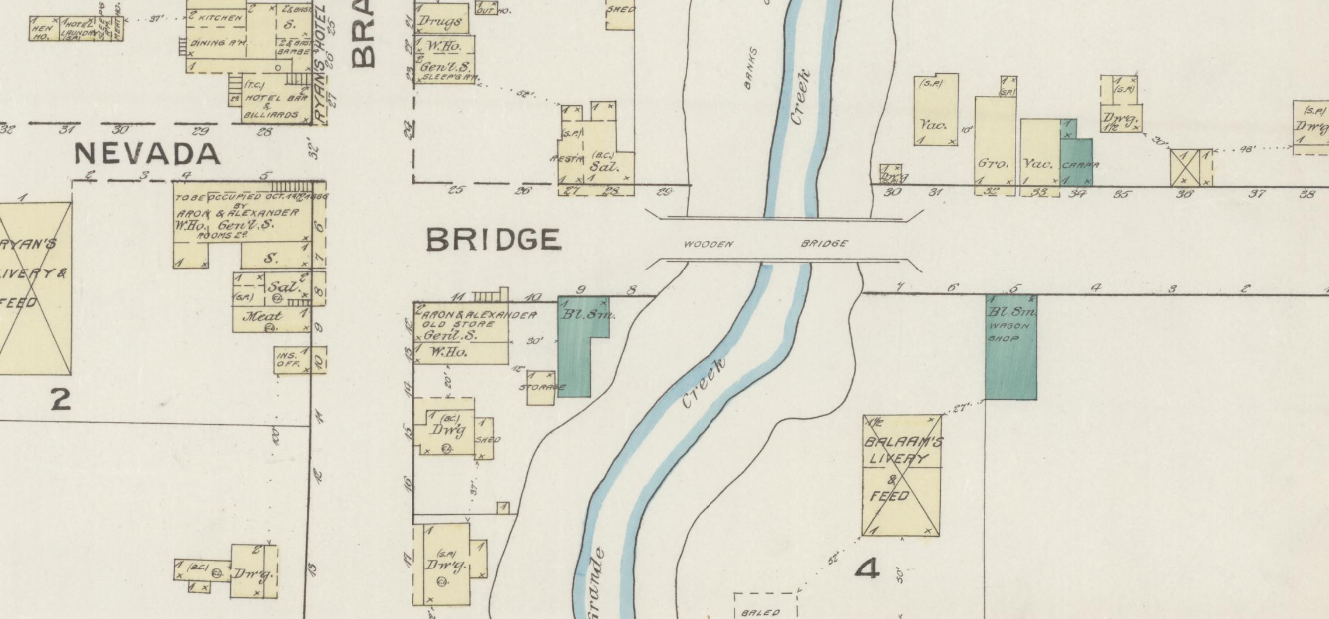
And here’s a Sanborn Fire Insurance map of Arroyo Grande from 1886—the year the Chinese were driven out and the year of the double lynching, just up the creek.
A friend asked me about a token found–I presume by a man with a metal detector–that read “Club Poko, San Luis Obispo.” (You can find sometimes on eBay, similar tokens to one of Pete Olohan’s saloons on Branch Street.)
A search revealed no stories or ads on a Club Poko in San Luis Obispo.
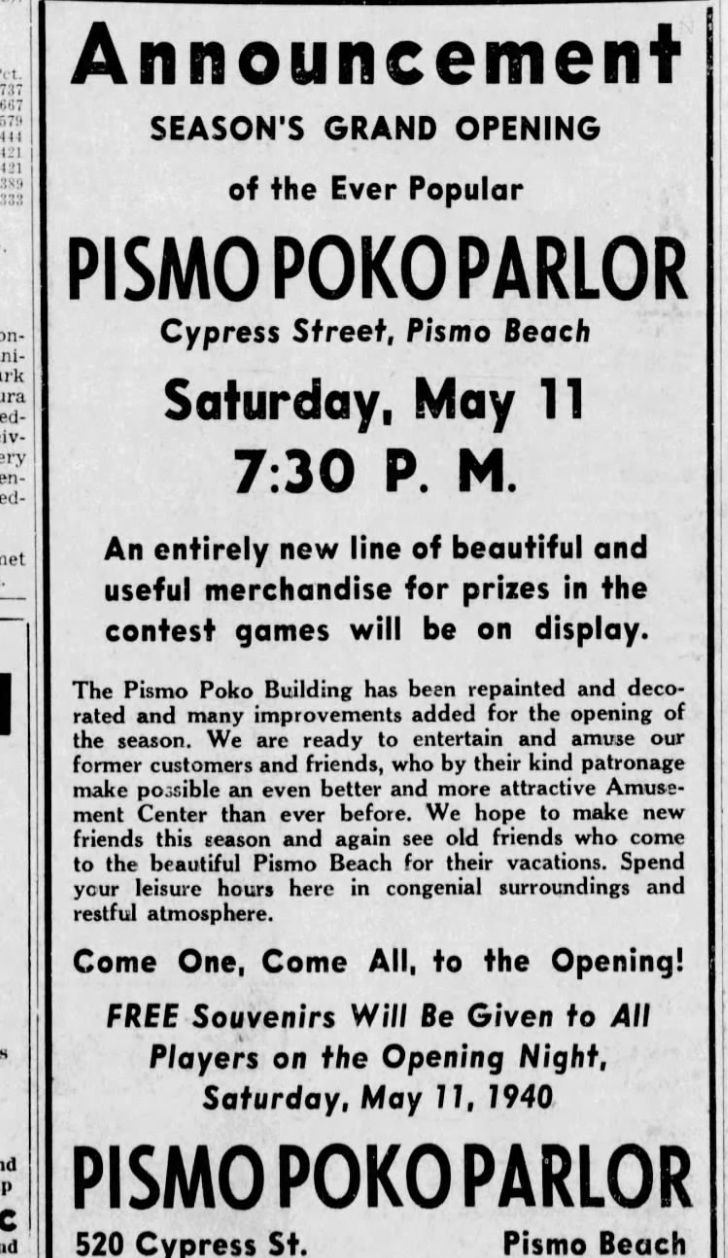
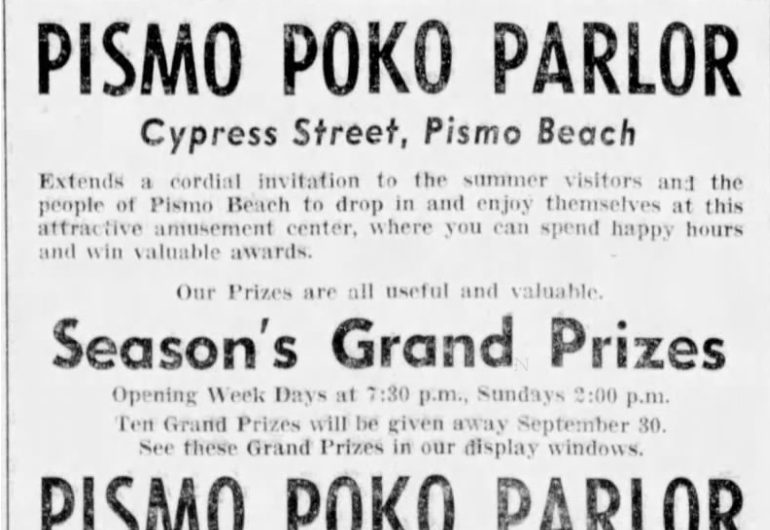
However, there wasPismo Poko, an arcade/amusement parlor at 520 Cypress, Pismo Beach, which seems to have operated between 1938 and 1942. More on these places:
* * *
1930s Arcades
Arcade patrons flocked to coin-operated peep show machines, shooting galleries, grip and strength testers, stationary bicycles, slot machines (in some areas), machines that dispensed fortunes or candy, and other mechanical amusements they could play for as little as a penny.
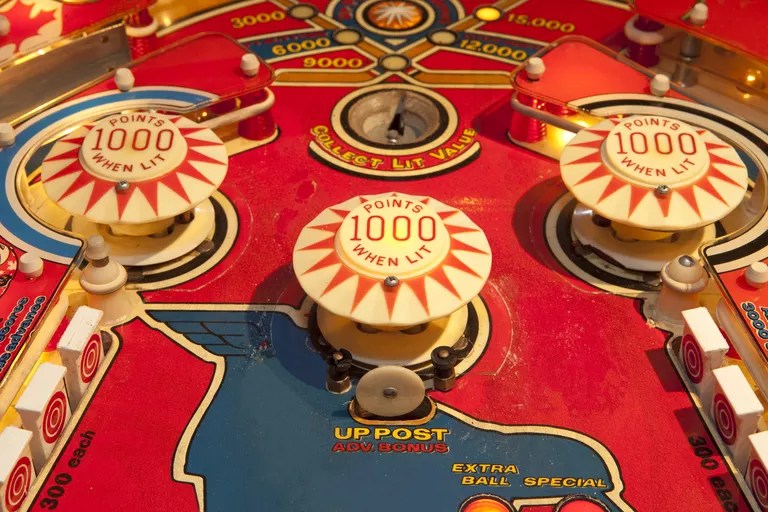
During the 1930s, David Gottlieb’s Baffle Ball
(1931) and Raymond Moloney’s Ballyhoo
(1932) introduced pinball to arcades. As pinball designers added bumpers, flippers, and thematic artwork, pinball surged in popularity, even as some local legislators banned the game because they associated it with gambling, organized crime, and delinquency. Nevertheless, over the next three decades arcade owners replaced many older mechanical novelty games with pinball machines and electromechanical baseball, target shooting, horse racing, shuffleboard, [foosball] and bowling games. Pinball machines ruled arcades until the late 1960s when new more sophisticated electromechanical games such as Chicago Coin’s Speedway.
–Rochester NY Democrat and Chronicle
Why “Poko?” From an article on arcade games:
Poko-Lite was produced by Glickman Co. in 1937. Glickman Co. released 19 different machines in our database under this trade name, starting in 1937.
Other machines made by Glickman Co. during the time period Poko-Lite was produced include Treasure, Sailorettes \’42, Scandals 1942, Anti-Aircraft, and Archery.
This game appears on a list of games manufactured between 1931-1939 which was published in the January 1940 issue of the Coin Machine Journal.
* * *
Pinball machines had an unsavory reputation in the 1930s-1940s; they were perceived as akin to slot machines, a form of gambling. A dozen were seized by the SLOPD in August 1941 for operating without a city license; in January, there’d been a spirited City Council debate on whether to allow them at all. They voted to license pinball but ban taxi dances. So it goes.
Here’s a display ad for the Pismo place from May 1940:
Another 1940 ad from the Telegram-Tribune:
520 Cypress is today the site of a modern motel, which straddles the corner of Main and Cypress.
Why did Pismo Poko go out of business, evidently in 1942 (there are no newspaper references thereafter, but plenty of both display and classified ads between 1938 and 1942)? The influx of local soldiers would’ve made Henry T. Betsuin, Prop. a fortune.
So I looked him up. “Betsuin” sounded Filipino to me, which made sense, since Pismo had a vibrant Filipino community (almost all men; Filipinas were not allowed to immigrate.)
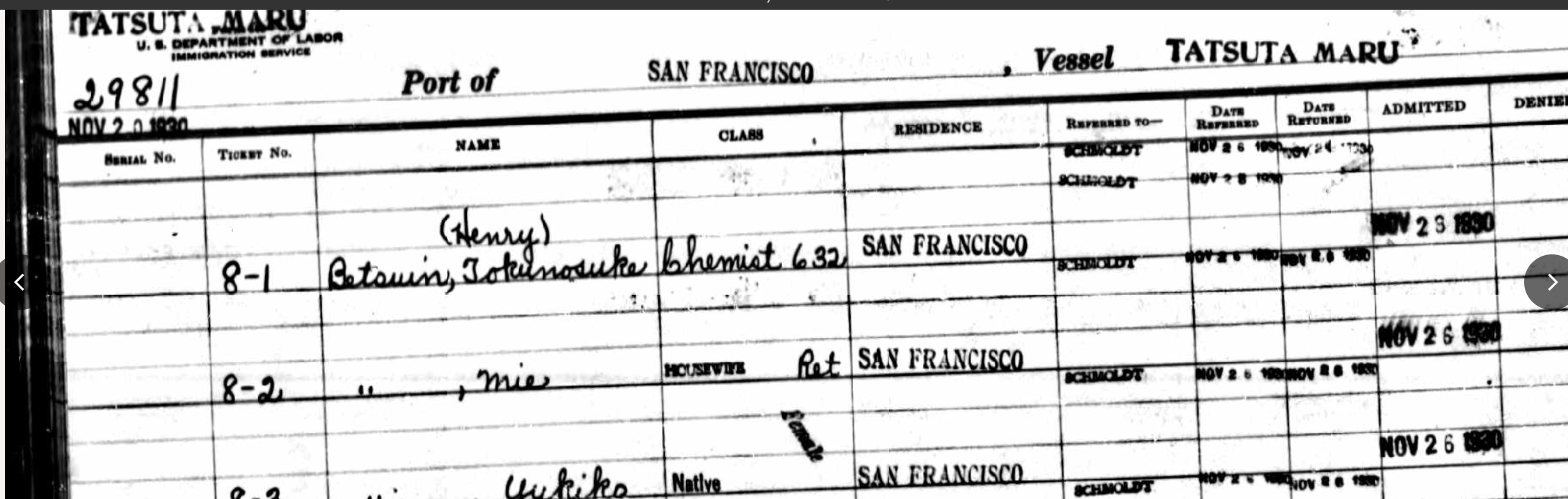
There wasn’t much on him except for this curious note on a ship arrival in San Francisco from Kobe:
“Tokunosuke” is definitely a Japanese name; but he seems to have gone by “Henry T.” instead. If he was Japanese, that explains why Pismo Poko disappears after 1942. Henry T. would’ve been in an internment camp.
So, if that didn’t exactly answer the question, it raised several new ones–and it led me down a sad path, to the impact of Executive Order 9066, whose 80th anniversary we’re observing this year.
Every once in awhile we historians get research requests from real estate agenst. Which helps to prove, I guess, that we have some practical value.Here’s one:
Dear XXXX,
I am honored to be recommended by XXXX Since, as a historian, I am nosy by nature, I glanced at XXXX’s listings and found the home you cited. If that’s not the property, I will now blush.
I can’t ascertain whether 1930 is the right construction date, but the home once belonged to one of Arroyo Grande’s most prominent families, the Briscos.
Charles Brisco and his wife, Etta, moved to Arroyo Grande in 1902; they had three children. One of them, Leo (1892-1987), was a whirlwind. He owned one of the early garages in town, which would’ve stood about where the IOOF Hall parking lot is today.
Leo married the granddaughter of Huasna rancher and Union Civil War veteran Adam Bair–nearly sixty veterans like him are buried in our cemetery, where I give Civil War tours–
who fought in the deadliest year of the war, Grant vs. Lee, in 1864-65. If I start to feel sorry for myself, all I need to do is glance at the regimental flag of Bair’s 60th Ohio as it looked at the end of the war.
When the Norwegian lumber freighter Elg ran aground off Oceano in 1938, the captain had to jettison the cargo to get his ship afloat again. Pretty much the whole South County ran to the beach to get free lumber–one young man drowned and another, future World War II fighter pilot Elwyn Righetti, nearly did. And that’s how Leo Brisco got into the lumber and construction business. It’s said that many of the homes and businesses along Brisco Road are constructed from Elg lumber. Leo also bought the building, in the 1940s, that now houses Cafe Andreini; it’s sometimes referred to as the Brisco Hotel.
Leo was blind in one eye and wore a shaded eyeglass lens, so that’s him at Brisco Lumber today.
He was also one of the founders, along with my Dad, Albert Maguire, Walter Filer and others, of Mid-State Bank, today’s Mechanics’ Bank. On Etta Brisco’s death in 1939, the home was inherited by her daughter-in-law, Marietta (1908-2001), who married a business partner of Leo’s, Frank Bosch (1902-1987). Here’s an advertisement from 1941 (I included the cow because I kind of liked the ad:
Sadly–if irrelevantly–Mary Agueda’s daughter was murdered in 1926, which has provided the Arroyo Grande area with its most poignant ghost story:
Frank Bosch stayed in the service station/auto repair business and kept it in his brother-in-law’s name:
Mrs. Bosch was the head of the local Red Cross and spent countless hours in volunteer work and in teaching first aid classes, most notably during World War II.
Sometime in the 1950s, the home was acquired by Mrs. J.H. (Gertrude) Thurlwell. She moved away from Arroyo Grande in the mid 1950s but returned to the home to live out the final three months of her life in 1959.
Tragically, she lost a son, Vernon (upper left in this photo from the 1917-18 Arroyo Grande Union High School yearbook) who had been accepted to Stanford but was trying to enlist in the Army. The 1918 flu claimed him instead. (And, parenthetically, that hit Arroyo Grande hard, too, as the story in the link below describes):
Incidentally, a tool that just might bring up several conversation pieces between agents and their clients is this, an interactive history map of Branch Street. Enjoy, and feel free to share, courtesy of the South County Historical Society.
I hope that some of this is helpful, and the Society and I wish you great success! We, in turn–as we battle our way back from over two years of Covid–welcome the support of the real estate community!
Like most of you, I’ve been veering between rage and despair over Ukraine.
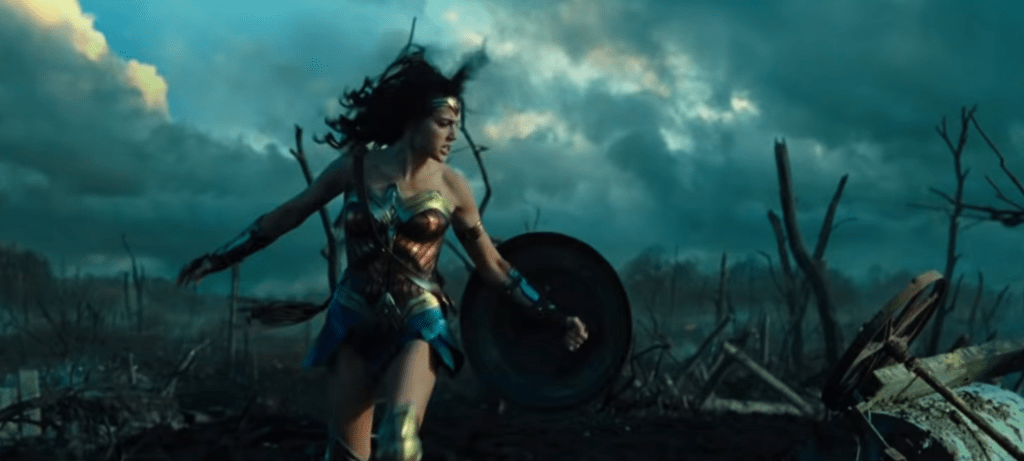
I’m even resorting to movie fantasies to comfort myself–like when Diana rescues the village from the Germans in Wonder Woman–another writer saw that scene evocative of what was then happening in Syria, with the assistance of the Russians– or, far more violent, envisioning the First Air Cav of Apocalypse Now’s Robert Duvall delivering a spectacular napalm strike on the Russian columns as they head east toward the Donbas.
I can be a bloodthirsty little bastard when I’m angry.
Even moreso when I’m helpless.
We seem, among world figures and self-important commentators, to be quibbling over the term “genocide.” The term applies here, to what’s being done to the people of Ukraine. I’ve written about genocide, at some length, in our own history, and some of it involved Arroyo Grande settlers.
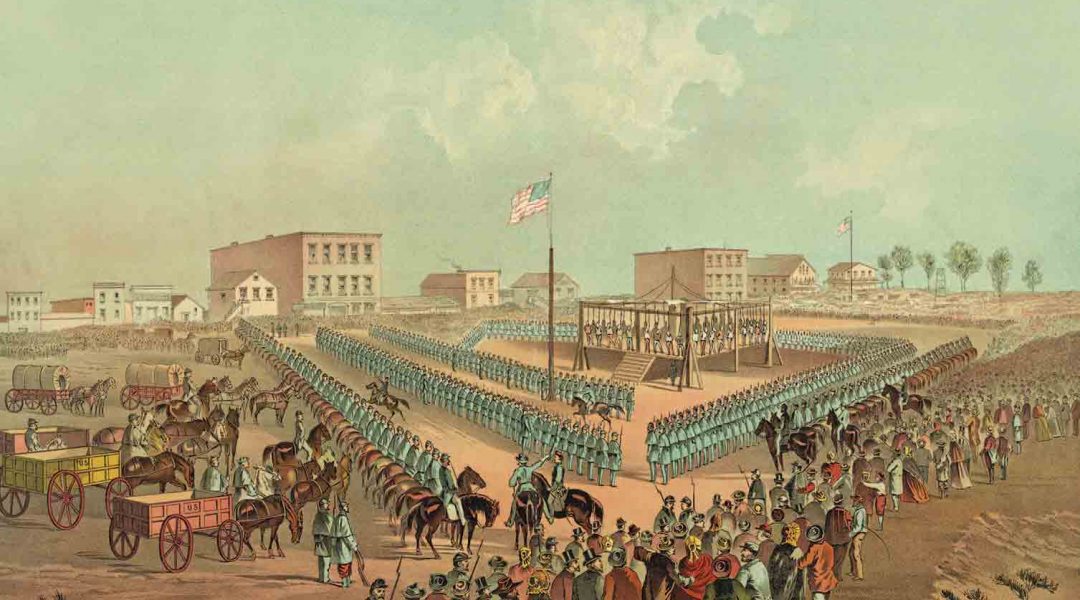
–In 1862, when the government, which had already reduced the size of the Woodland Sioux reservation in Minnesota, thus depriving them of game, also withheld the reservation’s meat and grain allotment, a war broke out. It began with some hungry young men stealing a hen’s eggs from a farmer in Meeker County–where my Irish ancestors, no strangers to hunger, later homesteaded–and ended with the largest mass execution in American history, of thirty-eight Sioux fighters, hanged in Mankato. Over three hundred had originally been sentenced to hang until Lincoln intervened. John Rice, who build a home from Los Berros stone on Myrtle Street, was a soldier who witnessed that execution as a member, mounted that day, of F Company, 10th Minnesota Infantry.
The hangings happened the day after Christmas, 1862. The Sioux sang as they climbed the scaffold and stood on the plank that would be collapsed on the signal of a settler whose family had been murdered. Their hands were bound, but the condemned men tried desperately to touch each other in that final moment.
One of the fighters who died that day was named Chaksha. A White woman had intervened on his behalf at one of the perfunctory military tribunals because he had saved the life of the woman and her children as they were about to be killed by Chaksha’s comrades. But a mistake in record-keeping killed Chaksha. The same mistake, thanks to the similarity in names, spared the life of Chaksey-etay, a Sioux condemned of raping and murdering another woman.
When a warder went into the Mankato jail on December 27 calling Chaksha’s name for his release, a voice called out simply, “You hanged him yesterday.”
The execution at Mankato, 1862. The bodies were disinterred soon after they’d been buried; one became the office skeleton for the father of the physicians who founded the Mayo Clinic.
–In the Treaty of Laramie in 1858, the Powder River Country was promised to the Lakota and Cheyenne until the end of time. Then gold was discovered there. When miners began getting picked off, the Army sent in a punitive expedition that included two Arroyo Grande settlers, James Dowell and Thomas Keown, under the command of a general, Patrick Connor, who promised “to kill every male Indian over the age of twelve.” It didn’t work out that way, especially when, on the first night of the expedition, Dowell and Keown’s commander pitched camp between two villages whose leaders were Red Cloud and Sitting Bull.
“The Sioux fell on them like angry badgers,” one historian wrote. Dowell and Keown survived the expedition, but just barely, and as infantrymen. They’d had to eat their horses.
–Harrison Marion Bussell, First Colorado Cavalry, is buried in our cemetery. It was only a matter of luck that his company was left behind at Fort Lyon when a detachment of cavalry, under Col. John Chivington, fell on a village of Cheyenne and Arapaho at Sand Creek, Colorado, in 1864. The horse soldiers from the volunteer regiment that accompanied the First mutilated the genitals of the dead to bring home souvenirs–the troopers of the First, regular army soldiers, had to be forcibly restrained from opening fire on the volunteers, who killed, over the course of eight hours, 230 women and children.
The volunteers killed at close range. The First Colorado–Bussell’s comrades–had brought mountain howitzers along for the expedition and when they opened fire on the camp, witnesses noted that the shells detonated harmlessly in mid-air, high above the Native Americans who were going to die anyway. The soldiers of the First had cut the shells’ fuses short.
The leader at Sand Creek, Black Kettle, would escape. Six years later, on the Washita, he was flying an American flag, a gift from President Lincoln, outside his tipi when Custer’s Seventh–the regimental band was playing the Seventh’s theme, “Garryowen,” the merry old Irish drinking song– rode into the village and began killing everyone in sight. Black Kettle was among them.
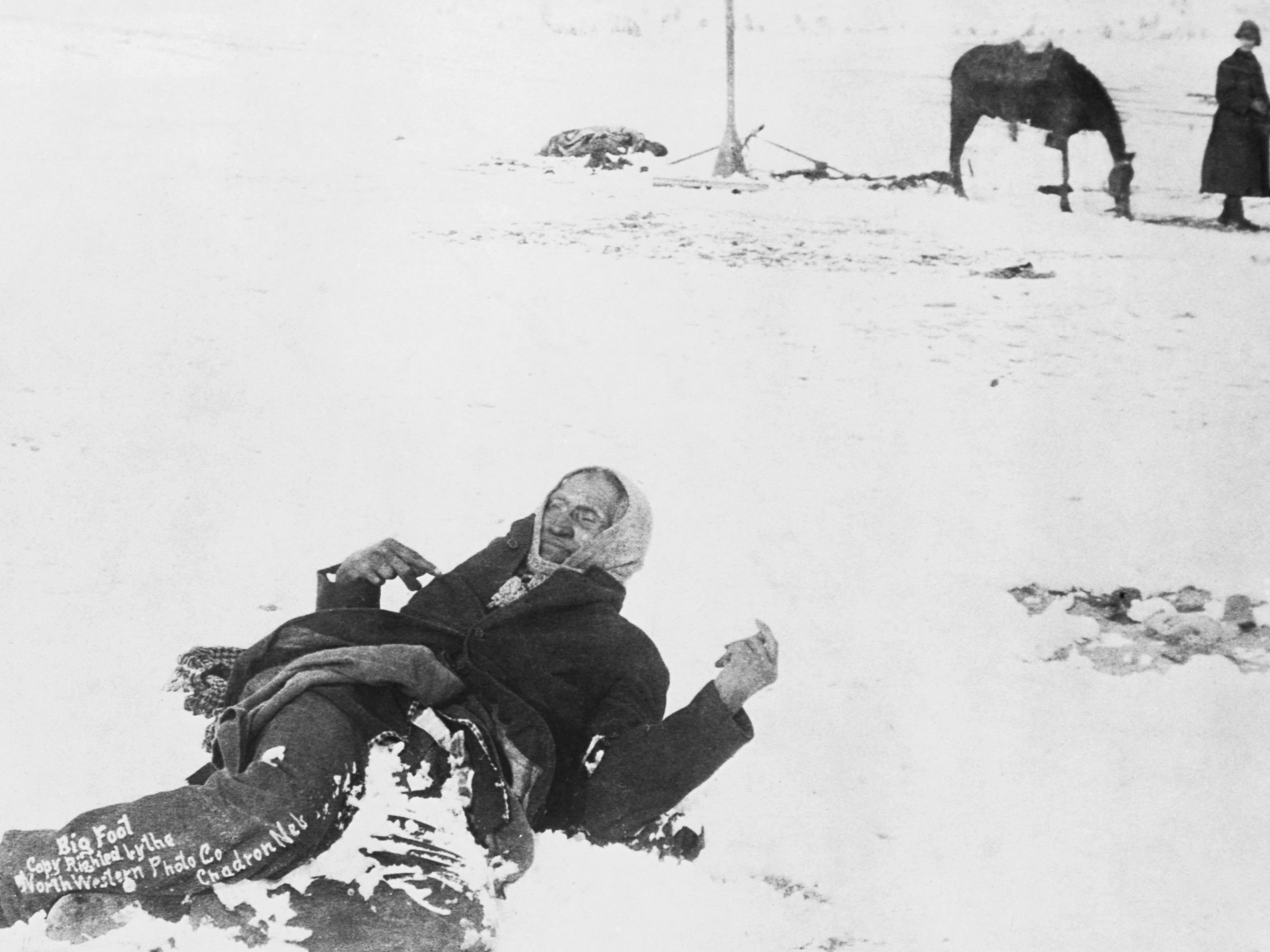
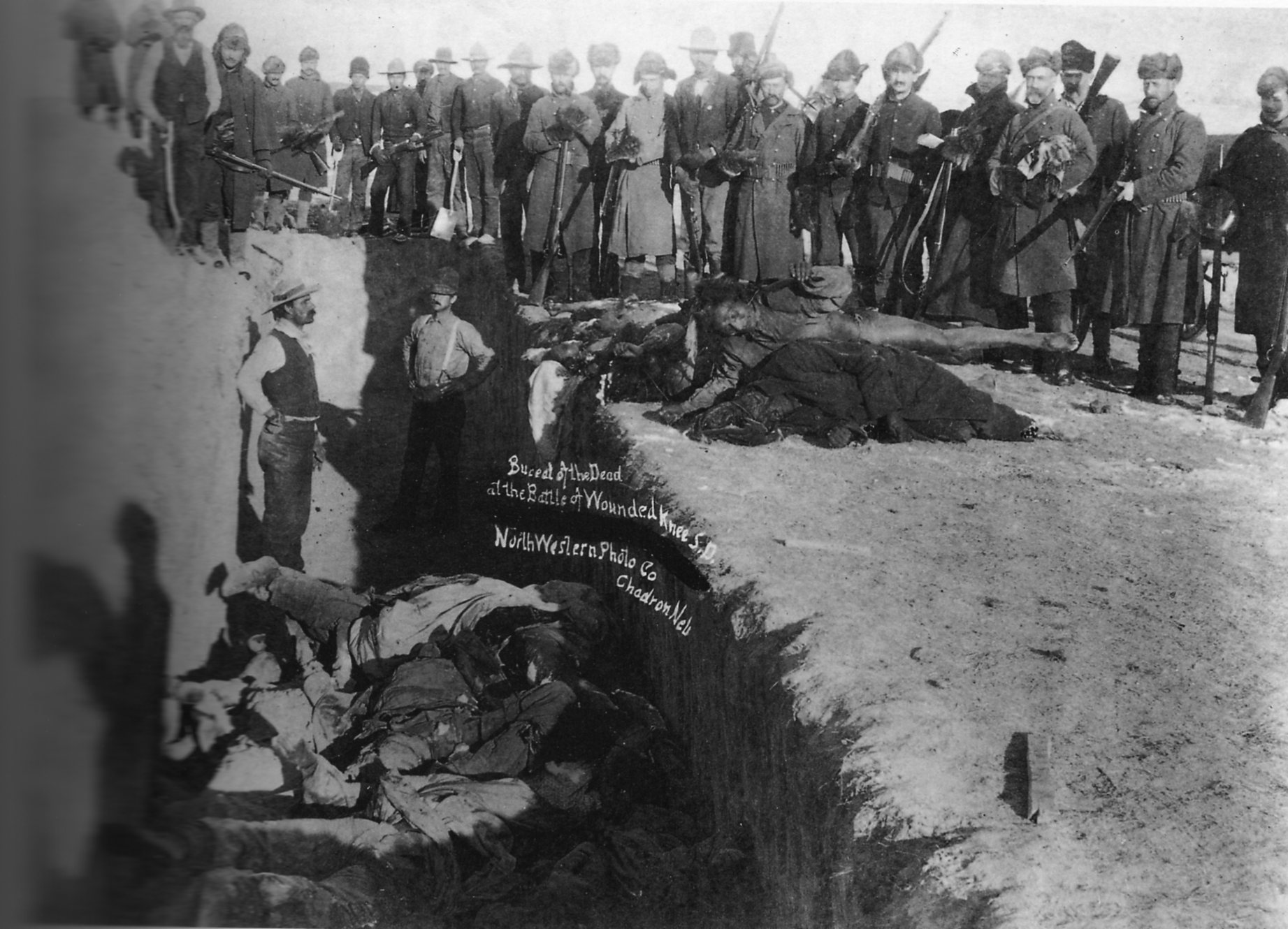
And then there’s Wounded Knee. This is from a piece I wrote eight years ago.
Big Foot in Death.
So don’t call what’s happening in Ukraine–the extermination, both haphazard and deliberate–of a people considered “inferior”–anything other than genocide. Don’t bullshit me. Don’t equivocate.
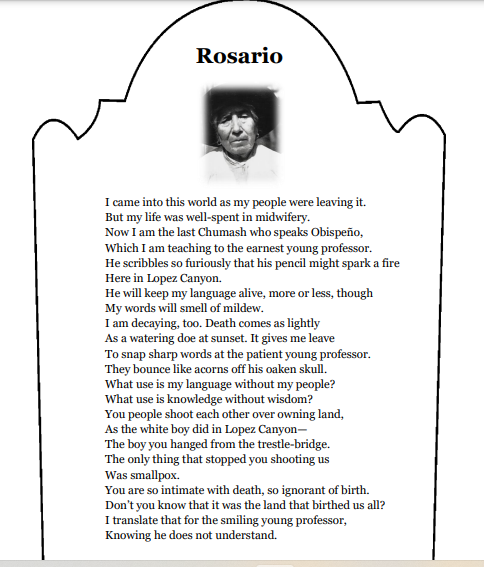
Based on the Edgar Lee Masters’ collection, this one’s about a woman a half-continent away from Illinois. Rosario Cooper was the last speaker of her dialect of Central California’s Chumash language. She was interviewed and some of her language taken down by anthropological linguist J.P. Harrington who, I guess—from reliable sources—was a jerk. But her language survives, if only in Cal’s Bancroft Library.
Rosario was a midwife and healer—her people’s knowledge of wild plant foods, herbs and curatives was vast and remains amazing to me, as was their understanding of the wild birds, the rainbow trout, the mule deer, jackrabbits, mountain lions, coyotes and, until the late 1870s, the grizzly bears that were part of their daily lives.
A land dispute near her, in Arroyo Grande’s Lopez Canyon, resulted in a double murder and then a double lynching of the suspects just below Arroyo Grande’s Crown Hill in 1886. A decade later, a second feud, also over land rights, led to the beating death of a man whose body was discovered by a prostitute out for her morning walk along Monterey Street in San Luis Obispo. The prime suspect was acquitted, but some justice was carried out ten years later, when he went to Folsom for horse theft.
All of this would have bewildered Rosario, who was the granddaughter of a “Mission Indian” born in the 1790s in a rancheria, or village, in the Upper Arroyo Grande Valley, near today’s Strother Park. Her grandfather may or may not have been a sailor; the marriage may or may not have been enforced by the Mission Fathers and the grandfather may or may not have been drowned at sea. So much was uncertain at the turn of that century.
The Chumash were acquainted with uncertainty: a terrible drought in what would become San Luis Obispo County forced them to become neophytes; it threatened to exterminate them before White men and their smallpox and cholera very nearly did.
Eighty years after the Mission’s founding, the City Fathers of San Luis Obispo hired a man and his wheelbarrow to cart the cholera victims up the hill that led to the Old Mission burying ground. His hard work is unrecognized, as are the human beings that were his freight. They are buried, in what must be compact stacks, like the soldiers’ bones in the Verdun ossuary, in a steeply-banked garden that faces the annex, the addition that gives the Old Mission a half-cruciform floor plan.
On the opposite side of the nave, in the Mission Gardens proper, the only legal hanging in San Luis Obispo County history was carried out in 1859. All the others, carried out by the 1858 Vigilance Committee, which has the dubious record of hanging two more men than San Francisco’s, happened facing the Mission, where a little bronze Chumash girl shares a fountain with a Grizzly. Given their propensity for carrying off rancheros’ bawling claves, the proximity of the little girl and the Grizzly might seem odd.
The statues might have made more sense to Rosario, who died in 1917 still understanding the fading natural world around her that was quickly being reduced to checkerboard ranches bounded by barbed wire. The events in Lopez Canyon, in her California, where men shot at each other over their barbed-wire fences—those White men events— would have bewildered her.
Justifiably so.
Note: The origin for this was a class I taught teens as part of the Central Coast Writers’ Conference. This was a model. The teens then chose a person from local history and wrote a “tombstone poem” for that person.
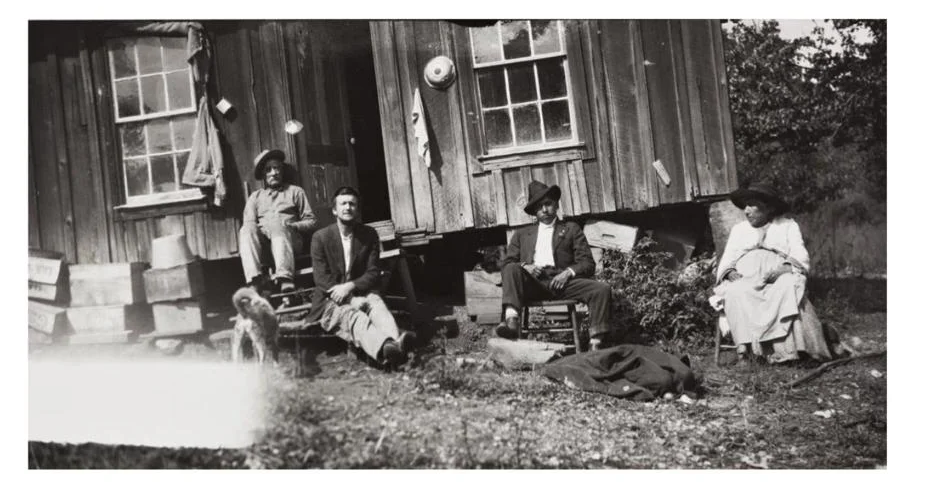
Lopez Canyon, 1916. L-R: Rosario’s husband, Mauro Soto, Anthropologist J.P. Harrington, Frank Olivas, Rosario’s son, and Rosario Cooper.
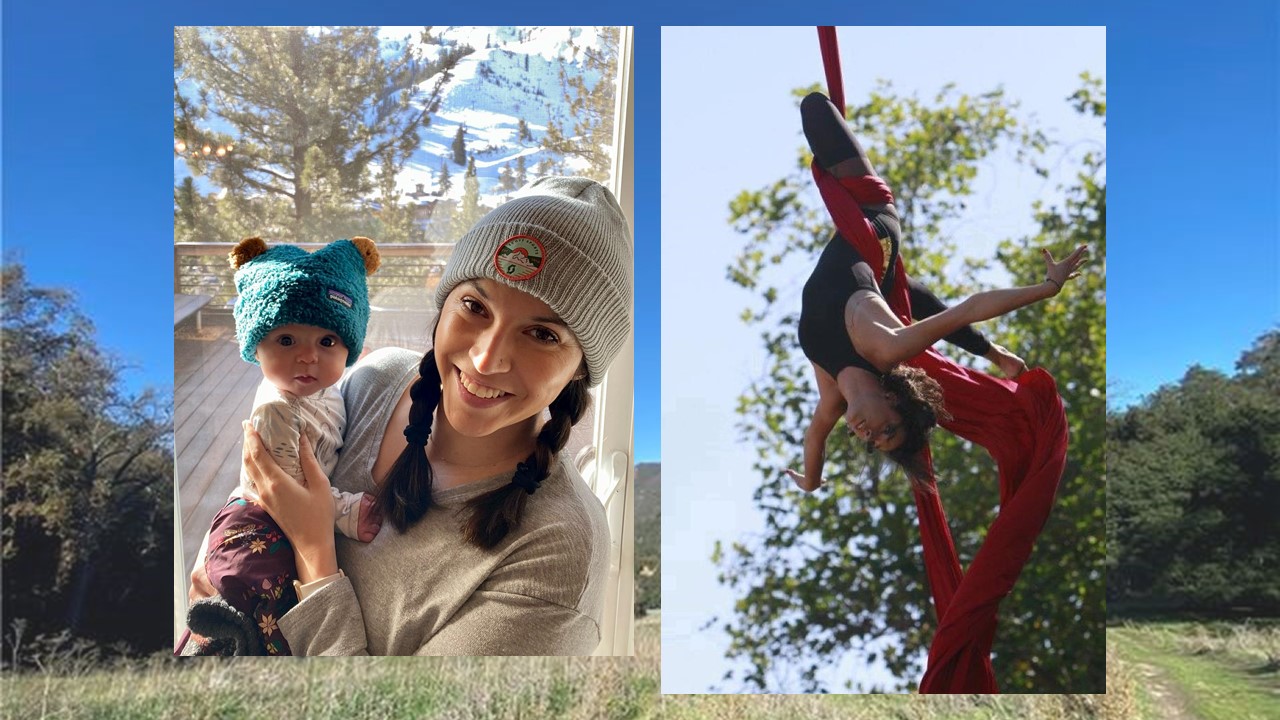
What amazed and pleased me to no end was realizing, years afterward, that I had taught two of Rosario’s great-great (great?) granddaughters in my history classes at Arroyo Grande High School.
McKenzie—with her little girl— and Hannah are beautiful, brilliant and generous young women. Beyond that, they are powerful in ways that I am sure are part of their DNA. I can’t help but think that Rosario would be even more proud of them than I am. I don’t doubt at all at the immensity of her love for them.
We are fixed on linear time: Rosario understood that time was cyclical, so she will watch over her babies, including McKenzie’s and including those not yet born. She will always be here for them. As we reckon time, Rosario Cooper died in 1917. I am convinced that the force of her life—one that gave life to newborn babies— endures.



 A Work in Progress