• About
  • The Germans

A Work in Progress

A Work in Progress

Category Archives: World War II

The Department of War

08 Monday Sep 2025

Posted by ag1970 in American History, Arroyo Grande, California history, History, trump, Uncategorized, World War II

≈ Comments Off on The Department of War


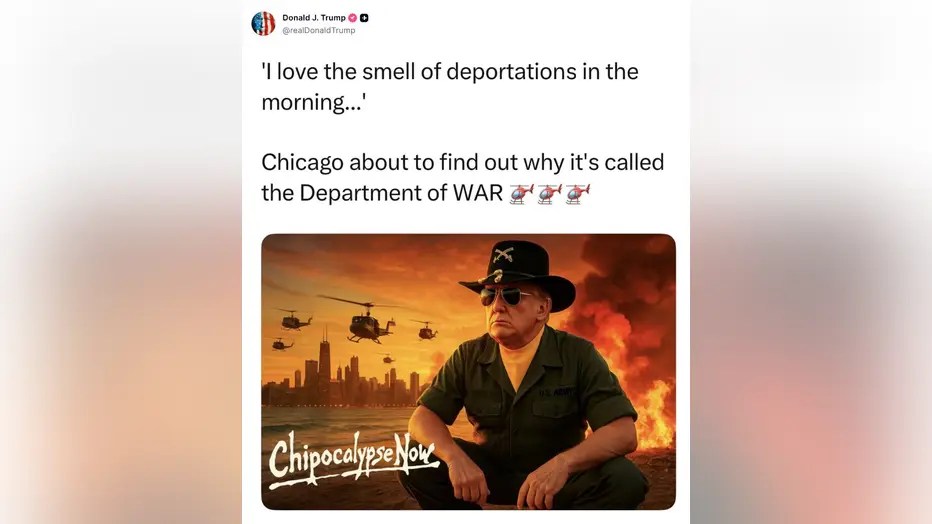
This was Saturday. He’s half-heartedly apologized today: “We’re not going to war with Chicago.” I’m sure, with the bellicose re-naming of the Department of Defense, that Chicago is overwhelmed with gratitude.

War would overwhelm this president* because, like all bullies, he is a coward. It takes so much air to fill him, but he has a kind of army—his sycophants—who stand ready to provide it.

The president* visits London


This is a re-creation of the 1918 Battle of Belleau Wood (the re-enactors are real Marines), but the men who actually fought that battle were called by the first-term Trump, the milder version, “losers” and “suckers.” He was to honor them on the 100th anniversary of the assault, but it was raining in France.


And this is what war was like for local men who endured it.

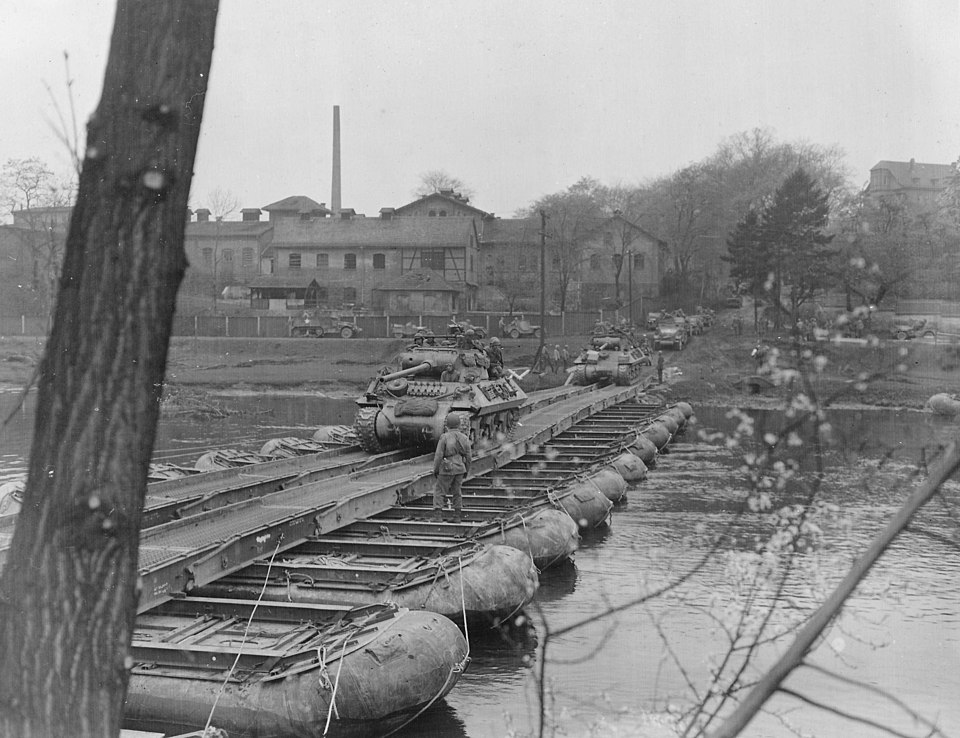
The 607th Tank Destroyer Battalion, 1944.


   The Americans’ breakout from Normandy, after claustrophobic weeks in the death traps of the hedgerows, must have been a jubilant one, but the 607th would encounter another death trap whose brutality sobered them. The Americans, under Omar Bradley, and the British and Canadians, under Bernard Law Montgomery, had the chance to encircle the entire German Army in Normandy. They would fail, and thousands of Germans would escape, battle-weary, some of them now barefoot, running for their lives along narrow roads and cattle trails through what became known as the Falaise Gap.

    But American artillery units still found many of them there–artillery spotters were nearly incoherent because there were so many targets to call in on their field radios–and the slaughter they inflicted was horrific.19 Seventy years later, one of the 607th’s soldiers, Frank Kunz, remembered the results in an interview with his hometown newspaper:  “ Christ help me. There were 6 to 8 inches of bodies and horses ground up on the road. There was nothing you could do. You had to drive through it.” People, Kunz added, don’t understand what war is.20

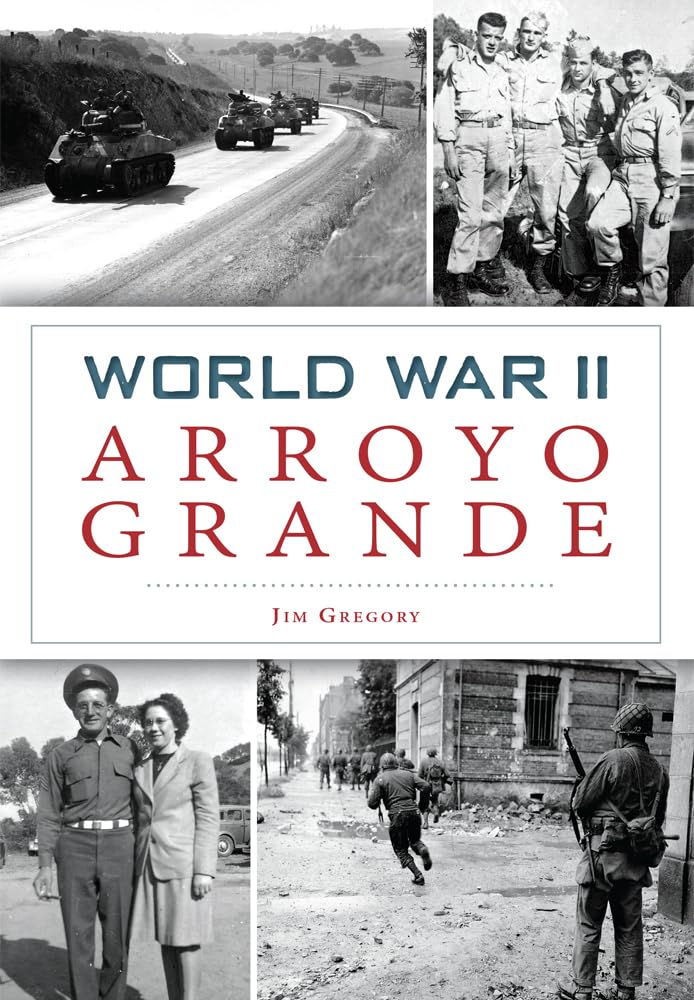
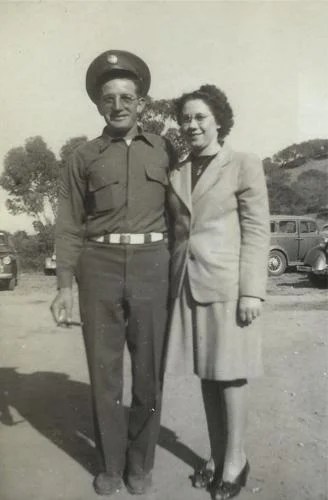
In the photos: Frank and Sally Gularte at a family barbecue in Arroyo Grande before he shipped out as a member of the 607th Tank Destroyer Battalion, seen crossing a river into Germany. A German sniper claimed Frank’s life in November 1944. Sally gave birth to Frank Jr. five days later. From the book World War II Arroyo Grande.


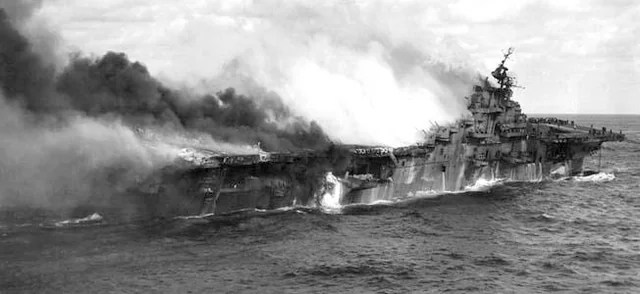
The aircraft carrier Ben Franklin, 1945

The bomb’s detonation [one of two that his the aircraft carrier Franklin off Japan in 1945] flipped a 32-ton deck elevator like a flapjack, leaving it canted at a 45-degree angle in its well. The shaft below it and the decks adjacent were an inferno: crewmen were incinerated instantly; aircraft on the hangar deck melted and plummeted to decks farther below. Twelve of the 13 pilots in the famed Marine Corps “Black Sheep” Squadron, based, since the beginning of the year, at a naval air station near Goleta, died in their ready room.19

Ships below the horizon felt the explosions. Camilo Alarcio clambered up to the flight deck only to realize that he was freezing: he made his way back to his quarters to fetch a jacket, flak jacket and flashlight and bolted topside again with his shipmates. Those emerging from below would have seen sailors running for their lives as the fires spread. In the black, heavy smoke, some ran into the turning propellers of aircraft, their engines still running for their next combat mission.

Alarcio’s deliverance, and that of many others, began when he saw the cruiser Santa Re move alongside. That ship’s crew began to throw lines across to Franklin as the flames threatened to engulf the entire flight deck. He grabbed one of the lines and made his way across–other sailors fell and drowned, some so badly burned that they couldn’t save themselves, while others were pulled under by the turning of Franklin’s screws. Alarcio survived.2020

   Franklin’s survival was in doubt. The initial explosion was just the beginning. As fires reached twenty more aircraft, fueled and ready for flight on the hangar deck, and ignited a chain reaction that, throughout the day, set off stores of bombs, rockets, anti-aircraft ammunition and aviation gasoline. At one point, the violence inside Franklin made the 32,000–ton ship shudder and spun her, like the needle on a compass, hard to starboard, where she lay dead in the water. 

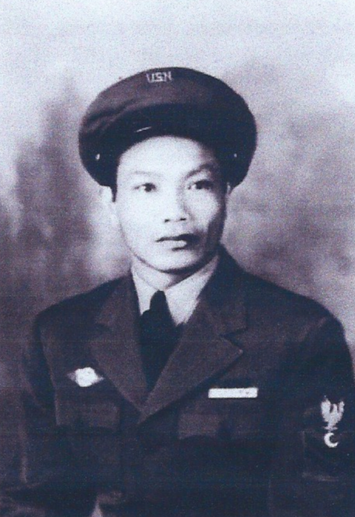
Photos: South County sailor Camilo Alarcio; his ship, the carrier Ben Franklin, afire. Somehow Franklin, with Alarcio aboard, made it back to her birthplace, the Brooklyn Navy Yard.
The 91st Bomb Group, 1945

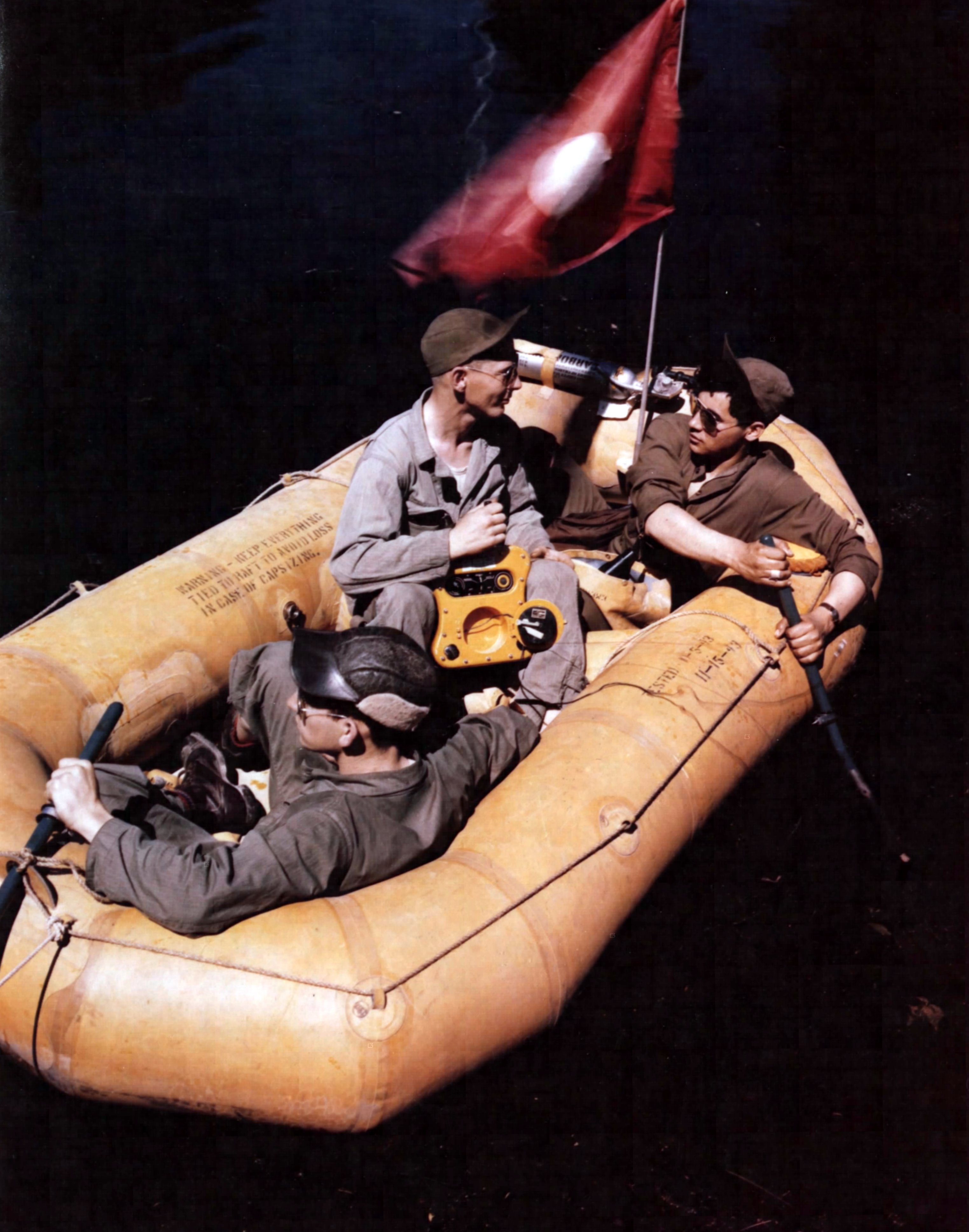
Henry Hall now lives in Cayucos; he was a Kansan transplanted to Bakersfield before the war and then to San Luis Obispo County afterward to become a gunner in the Ninety-First Bomb Group, the “Ragged Irregulars.”

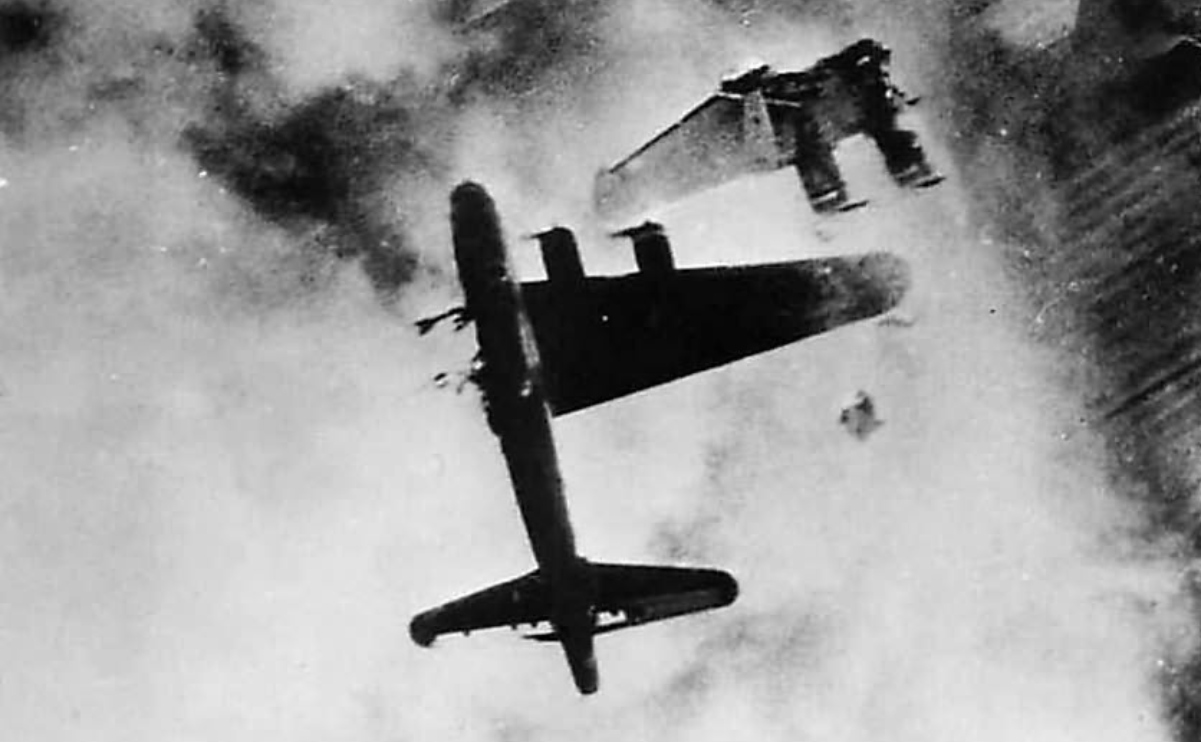
Hall witnessed a horrific chain reaction over Holland: a swarm of German fighters singled out a B-17 ahead, and the multiple hits on the bomber registered for him when he saw the right- side landing gear listlessly drop and an engine on the right wing catch fire. When the out-of-control bomber began its final plunge, it clipped two more B-17s in the formation—both of them went down as well.

It was the hardest of days for Hall’s bomb group: they lost six B-17s on a mission that gained nothing: their primary target, a ball-bearing factory near Berlin, was obscured by clouds, so the Ninety-First dropped their payloads on “targets of opportunity”—on this day, Hall remembered, on a little crossroads town that probably contributed little to the Nazi war effort.55

That was Hall’s first mission. He was twenty years old when he saw the three Ragged Irregular bombers plummet to earth together. Many members of his bomb group were even younger. Some of them, thanks to crafty misdirection aimed at recruiting sergeants pressured to meet their quotas, were as young as sixteen.

Far below them, in German cities like Hamburg and Dresden—or in relatively obscure Japanese cities like Toyama, the size of Chattanooga, or Kagoshima (the seat of the prefecture from which most San Luis Obispo County Japanese had emigrated), the size of Richmond, Virginia—the ashen bodies of schoolchildren stained sidewalks and streets.

Photos:  Henry Hall, with his back turned, practicing water survival with his comrades. The B-17 “Wee Willie,” from Hall’s 91st Bomb Group, on its way down. There was one survivor. From the book Central Coast Aviators in World War II.
The 60th Ohio Volunteer Infantry, 1864

So under [Union Gen. Ambrose] Burnside, the 60th Ohio, on the afternoon of May 5, crossed the Rapidan River at the Germanna Ford. From a rise, they could see dust clouds raised by Lee’s army on the move and began to march into The Wilderness, a vast tangle of forest and scrub so dense that it shut out the sun. Adam Bair was a corporal and therefore, like Richard Merrill had been at Antietam, a file closer. Bair must have been tired after the river crossing. His role was like that of a border collie, striving constantly to keep his company together and moving forward, cajoling potential stragglers, barking, like a collie, at men who’d packed too heavily when they had been warned to travel light.

The wake of the 60th would have been a Civil War treasure-collector’s dream, strewn as it would have been with all manner of equipment: rubber blankets, coffeepots, needless overcoats and extra clothing, books that would never be read. Eventually, as the sounds of battle began to become more distinct, the 60th would leave behind what many Civil War soldiers left: playing cards, dice, flasks of brandy or whiskey, packets of what were euphemistically called “French postcards” with their leering plump models. These are not the items a man would want on his person if he “fell,” to use another euphemism common to describing the indescribable violence of a Civil War soldier’s death in combat.

Union soldiers would begin to see, as they crunched through the carpet of leaves in the closeness of the woods, dead soldiers grinning  at them in their  passage.  These  were the skulls of the men who’d fought the year before at Hooker’s debacle, Chancellorsville, either disinterred from their shallow graves by hungry animals, perhaps by a hardscrabble Virginia farmer’s hogs, or simply lost and left where they’d fallen in the days when Lee and Jackson had played hammer and anvil with the Army of the Potomac.

The woods themselves would become the enemy in this new battle, in 1864, because the dark wasteland made a mockery of combat drill; its density cut up infantry formations into little knots of soldiers  who became separated from one another as they struggled forward, whipped by branches, tripping over roots, cursing in the close humidity and heat already descending on northern Virginia. For many Union soldiers, the dark was suddenly illuminated by the muzzle flashes of Confederate infantry with their bullets amputating tree branches, vaporizing leaves, buzzing like hornets past men’s ears. Some of them, with a dull thud, a sound familiar to Civil War soldiers but now as lost as the sound of the rebel yell, found their targets in the bodies of young men. The flash of powder did something else: firefights sparked fires that would rage in the tangle of trees and scrub and the fires burned wounded men alive as they shrieked for help. No battle in the Civil War was more grotesque than the one fought in this forbidding place.

Photos: 60th Ohio soldier Adam Bair became a Huasna Valley farmer after the war. Combat artist Alfred Waud depicts the fires that swept The Wilderness in May 1864. From the book Patriot Graves: Discovering a California Town’s Civil War Heritage.

The Dollar Tree and Everything After

07 Saturday Jun 2025

Posted by ag1970 in American History, Arroyo Grande, Family history, History, Personal memoirs, trump, World War II, Writing

≈ Leave a comment

It’s not even the Dollar Tree anymore. It’s the $1.25 tree. At least it doesn’t smell like mothballs, like the old, old Rasco store did, and it’s like Lee Chong’s grocery in Cannery Row. It’s a miracle of supply. You can find almost anything that fits your mood: animal crackers, birthday balloons, eyeglass repair kits, navy beans in a can.

I went there for some miniature American flags and plastic flowers.

The line at the checkstand was long. It always is. The couple ahead of me, a husband with tattoos up to his chin, the young wife with yoga pants—I averted my gaze—and the little girl wearing a ZOMBIE CROSSING medallion. The husband smiled at me. Then he called over my shoulder to a woman two customers back. The man between the woman and me —tiny, deeply tanned, with a wiry salt-and-pepper beard, was as stooped as a comma and he shook uncontrollably. Parkinson’s.

“How are you?” he called to the woman behind the tiny man. She smiled. Her upper teeth were irregular, kind of crenelated. “I’m doin'” she called back. “Job?” he asked.

“Still looking.” her smile dissipated.

“Why don’t you come over tonight?” the man said. His pretty wife agreed. “Yeah! We’re doing Mexican!” It was a going-away party for someone they knew. They asked the checker for a helium balloon, so he went to fetch it. When he came back to the checkstand, they invited him over, too. I think he’s going after his shift ends.


They paid for their cart—canned and boxed food—and the husband asked if he get could $50 over on his EBT Card, from the federal food assistance program. They needed to get the fresh stuff–carne asada, shredded cabbage and lettuce, cheese, onions and peppers–because they were doing Mexican.

The cash register took a long, long time to do the cash-back transaction. It was thinking. The old, old man behind me was shaking. I was liking the little family as they left the checkout. My turn.

These people, including the gracious young man with the tattoos up to his chin, are about to suffer. The woman he called to is jobless and looking, but I suspect that he, in using the EBT card, is among what are euphemistically called “the working poor.” He may work in the fields. Maybe not. If his little girl (who wants to be a zombie) gets sick, this family might be without the Medicaid they’d need for her.

The old man behind me will die. Very soon.

So they all might suffer. But they deserve it, don’t they? Their place in the the economy’s lower tiers (economics was once called “the dismal science”) is their own fault, isn’t it? My sons, who rely on Medical, might suffer as well. And Thomas uses his EBT card to supplement our food supply when the month, as it invariably does, outlasts the money. (My sons have jobs and work hard—John repairs water wells and Thomas drives a forklift.)

If the Present Administration goes after Medicare, and the rumblings suggest that they will, then I will suffer. I must deserve it.

Then I realize I’m being stupid. The United Kingdom, Australia, Canada, Sweden, Norway, Denmark, Brazil, France and Germany all subsidize health care. South Korea’s public health system is probably the best in the world.

Then there’s Social Security. The president said today that he will “love and cherish” Social Security. He says the same about women. Eighteen have accused him of sexual assault. And, by the way, “social security” is not some bleeding-heart liberal New Deal cushion for the retired (and therefore, according to Elon Musk, the unproductive. SEE: The film Soylent Green).

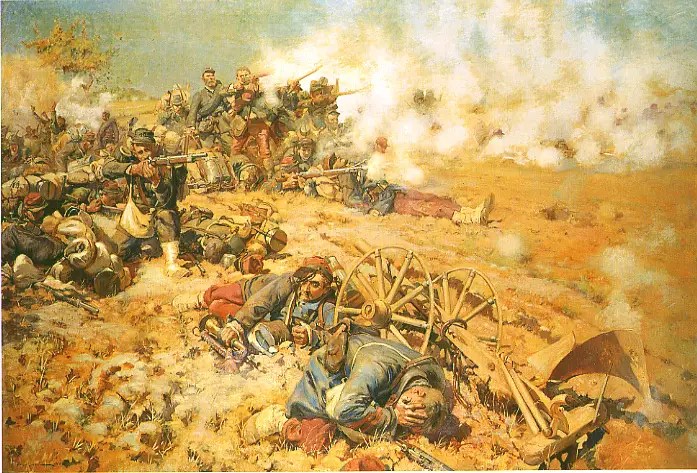
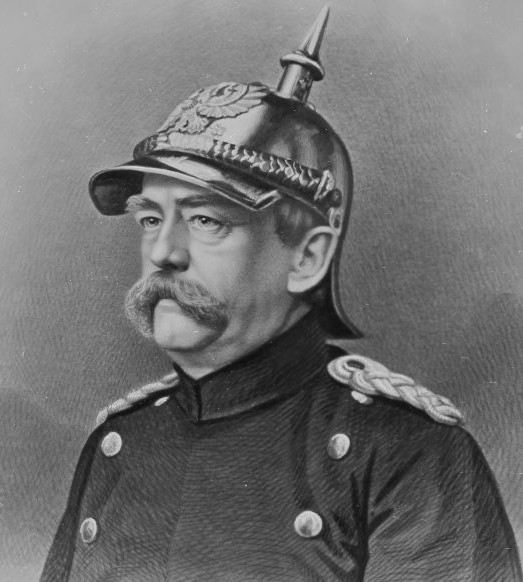
Here’s the man who invented Social Security, right after waging successful wars against Denmark, the Austrian Empire and France. He provoked all three wars and, in the process, had unified Germany by 1871. Otto von Bismarck, “The Iron Chancellor” brought an old-age pension program to Germany in 1889. The milk of human kindness, as you can see, flowed through his Prussian veins.

Above: A French defeat in the Franco-Prussian War, 1870-71; The “Iron Chancellor” who provoked it.


We need to go in a different direction than Bismarck’s. Our national resources need to be diverted to people like these. They deserve The Big Beautiful Bill.


I was thinking this and getting depressed, and angry, so to cheer myself up, I went to the cemetery.

I wanted to be with people who, like the man in line, were more far more generous than the billionaires.

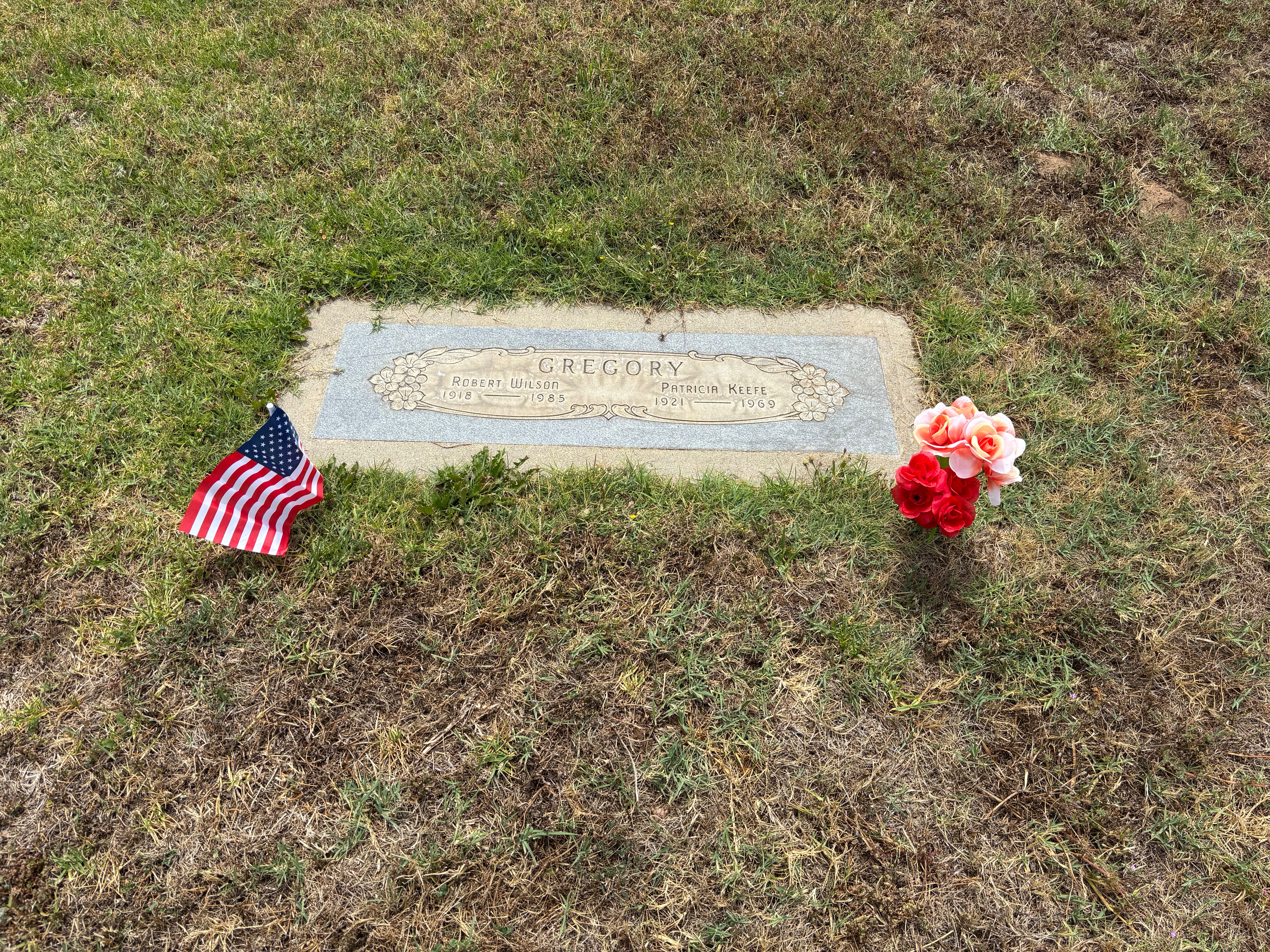
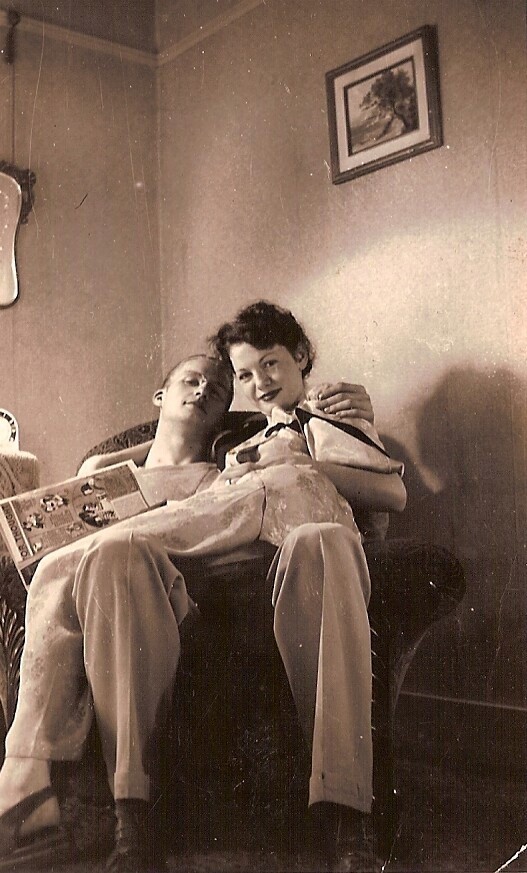
Of course, I found them. My Dad, Robert Wilson Gregory, taught me how to tell stories. Patricia Margaret Keefe was my Mom, named for two Irish Famine ancestors, Patrick Keefe and Margaret Fox. She had a fierce sense of social justice and a hunger to learn. These are the things she taught me.

I had to be a teacher.


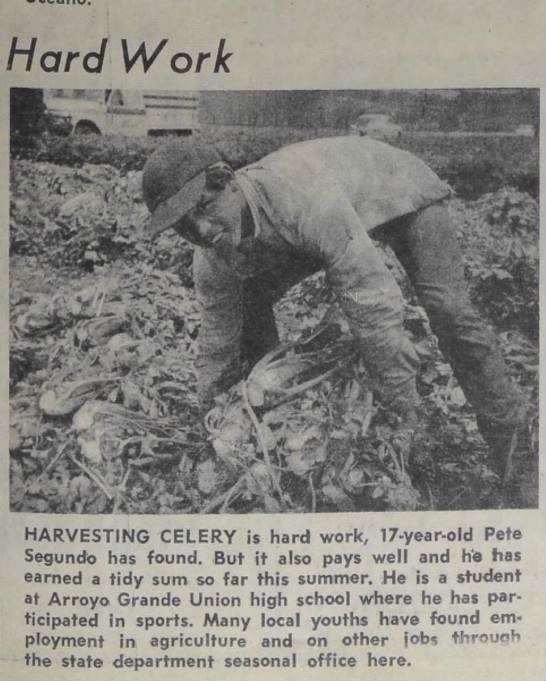
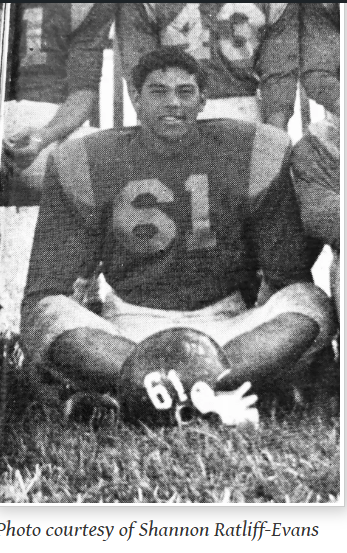
And then I looked for another young man, Pete, who was as generous to his friends as my parents were to me. “To know Pete was to love him.” I have heard that many, many times. Pete Segundo, AGUHS ’66, my big brother’s class, was an incredible athlete. He wrestled and played football. He was the Letterman’s Club president (in one yearbook photo, his arm’s broken and in a sling. He is grinning broadly). He showed a steer for FFA. While other kids went to the Choo-Choo Drive-In on East Grand after school, Pete went into the fields to chop celery.


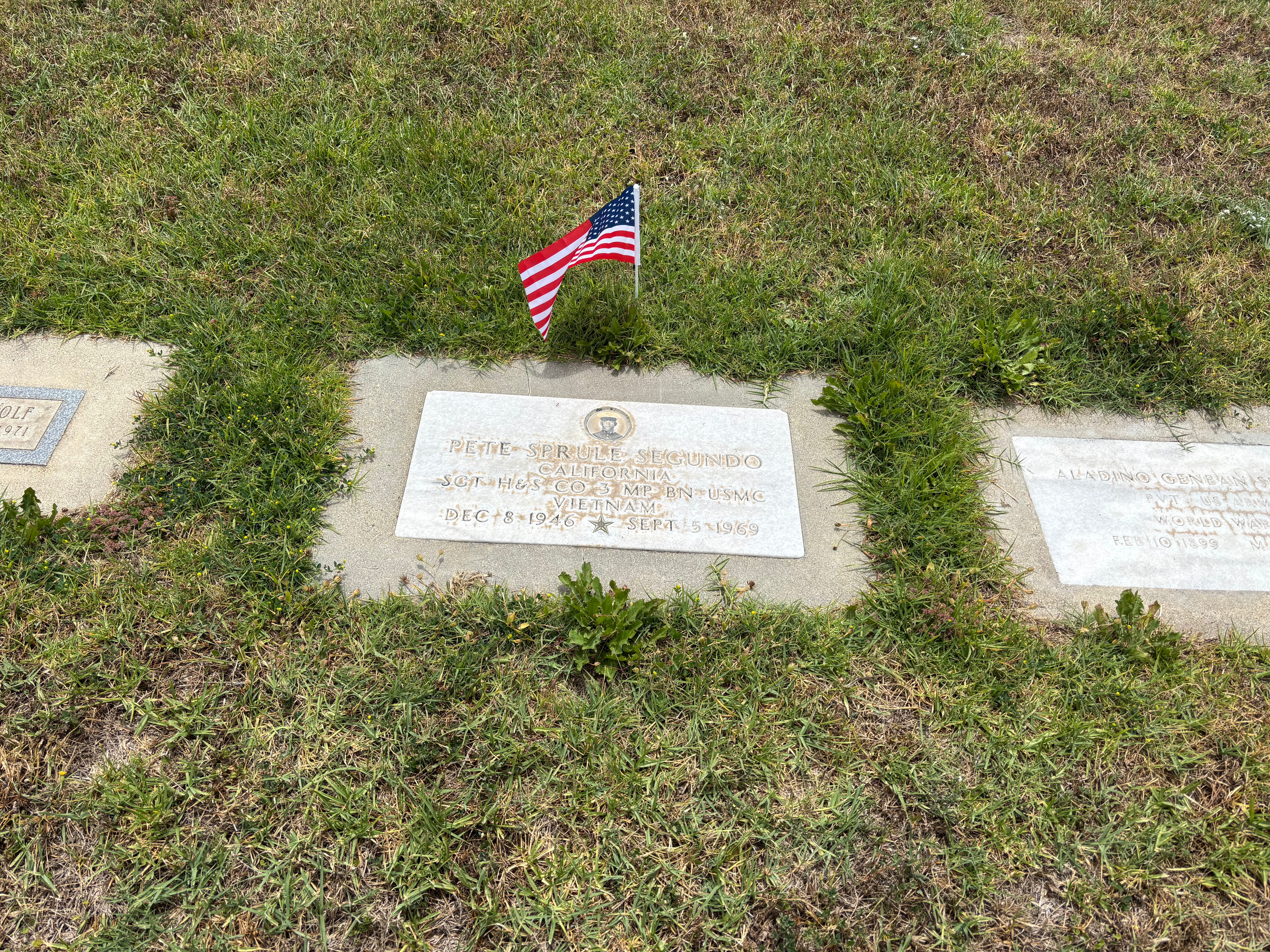
In 1969, the Marine Pete Segundo died in Vietnam, killed by “friendly fire,” which might be the worst euphemism of all for the greatest act of generosity that any American can give.

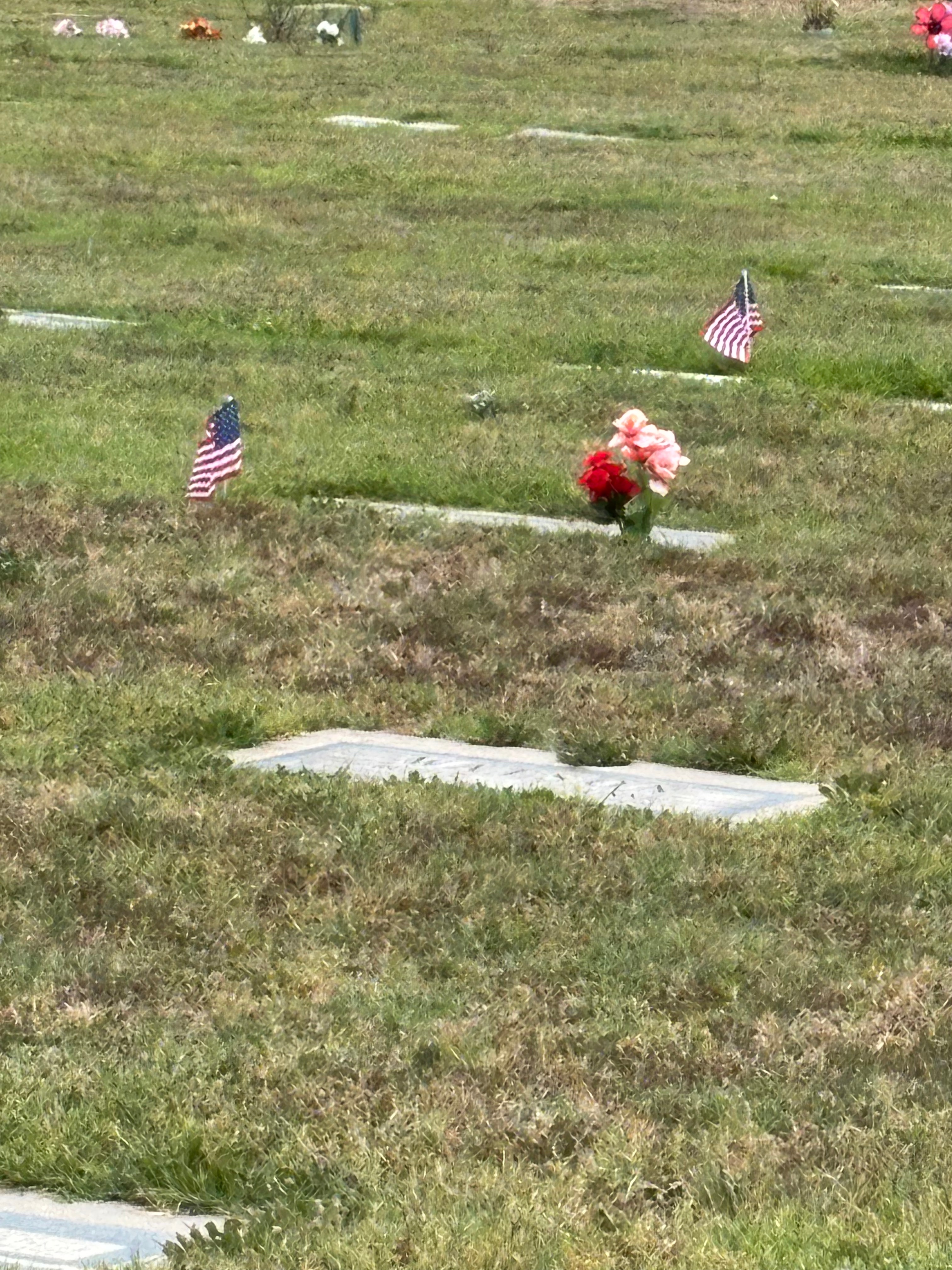
His grave was uncharacteristically bare. Usually it’s bright with flags, flowers, red-white-and-blue pinwheels spinning in the wind. Maybe they cleaned everything up after Memorial Day. Luckily, I had another American flag. I remembered, as I pushed into the turf, what my big brother said about Pete. Bruce went out for wrestling and Pete was already establishing himself as the next big thing for Coach Ruegg. Bruce was not going to be the next big thing. “Pete was nice to me,” he said once, “and he didn’t have to be.”

Above: My folks, with the Sunday funnies, about 1940; Pete’s grave is a row above theirs.

I was once a newspaper reporter and therefore, all my life, a news junkie. Part of my recovery from alcoholism means watching the news far less than I used to. We live in an age of meanness. I was raised to value kindness. Today I felt a little overwhelmed, so I made my deliveries, flowers and flags, and I spent more time than I ever have at the cemetery, talking to my parents, telling my Dad how proud I was of him, telling my Mom how much I loved her.

I was worried about the people in line at the Dollar Tree and thinking, painfully, about the way Pete had died.

I think my parents were whispering back to me. Suddenly, I felt at peace.

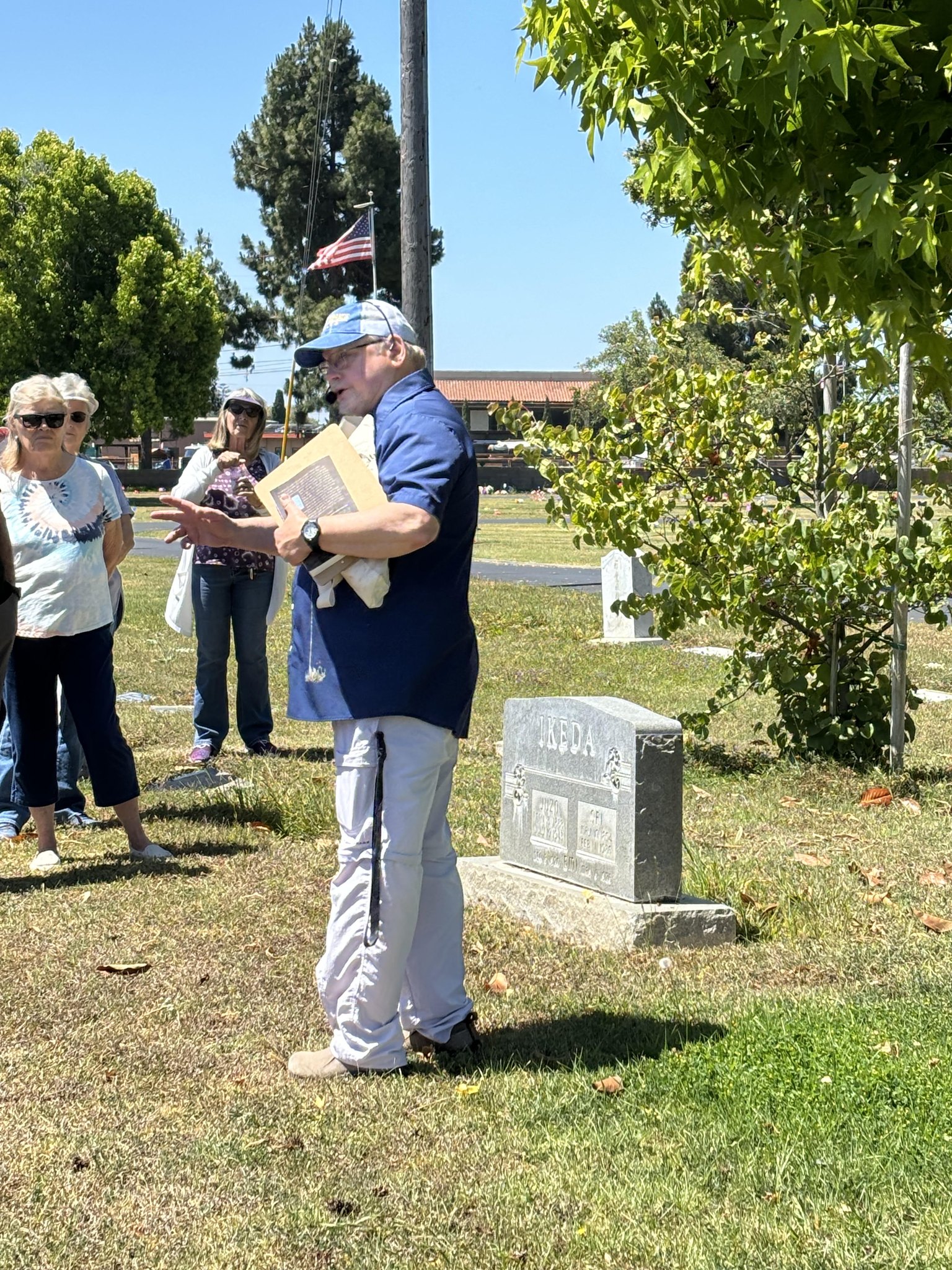
Me leading a cemetery tour for the South County Historical Society. The family I’m discussing embodied the generosity I admire so much.

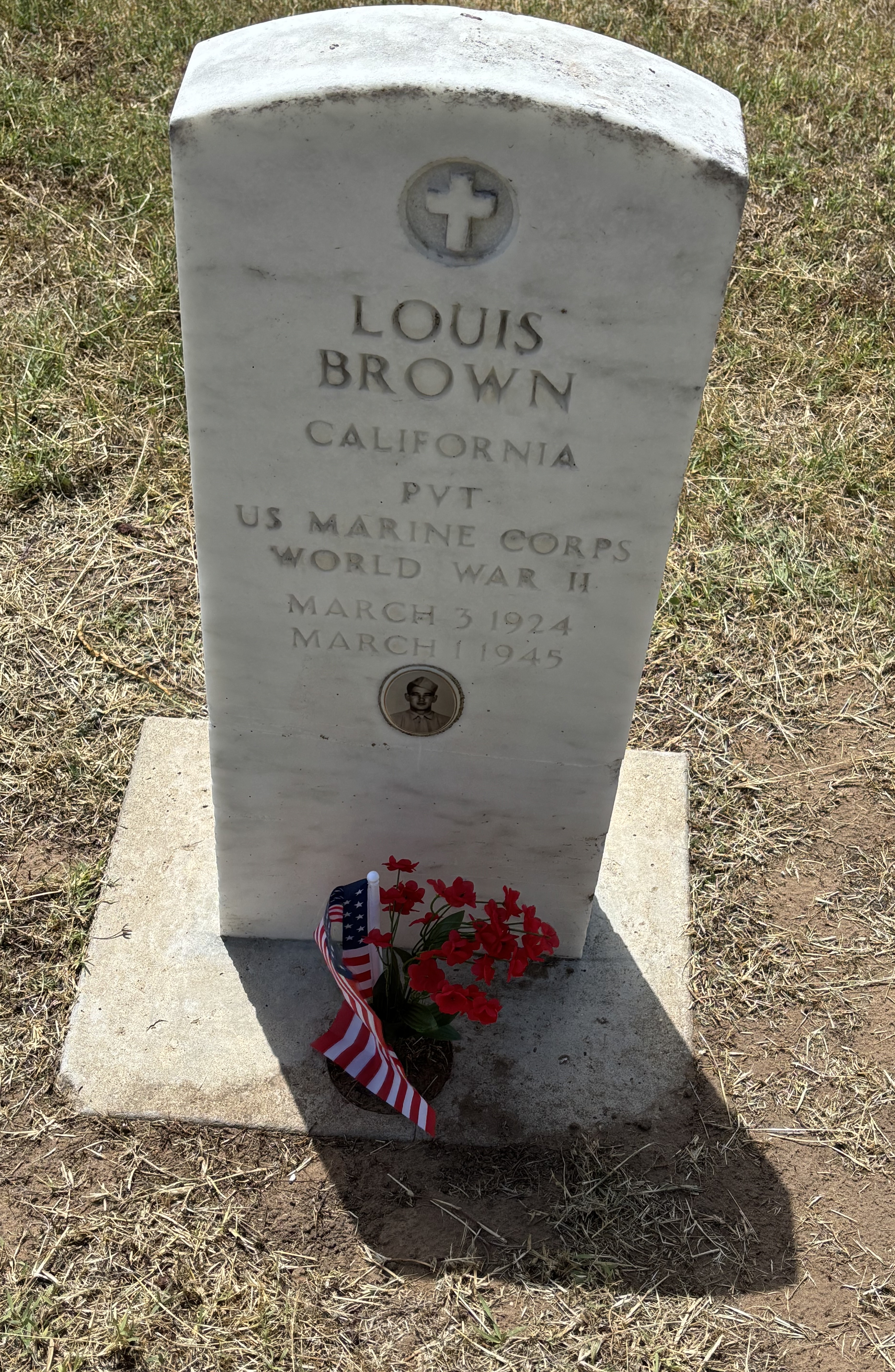
Postscript. I had one more American flag and a sprig of little red plastic flowers. My last stop was for this Marine, a Corbett Canyon farmer’s son, who died on Iwo Jima. Finding Louis Brown’s grave led to my first book. He was generous to me, to all of us, beyond imagining.

Version 1.0.0
Version 1.0.0

History is not something that happens somewhere else to someone else…

05 Tuesday Dec 2023

Posted by ag1970 in American History, Arroyo Grande, History, Uncategorized, World War II

≈ 1 Comment

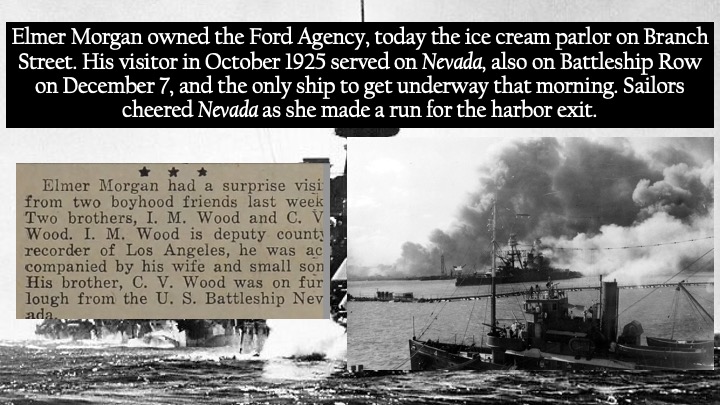
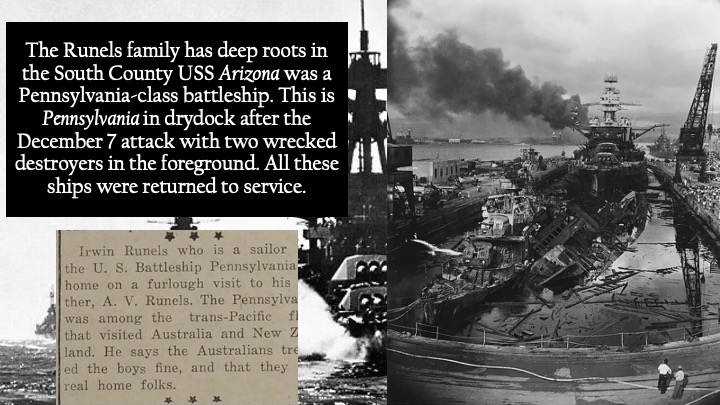
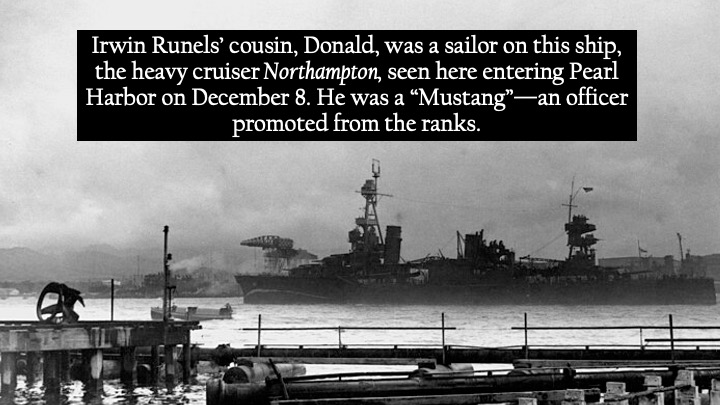
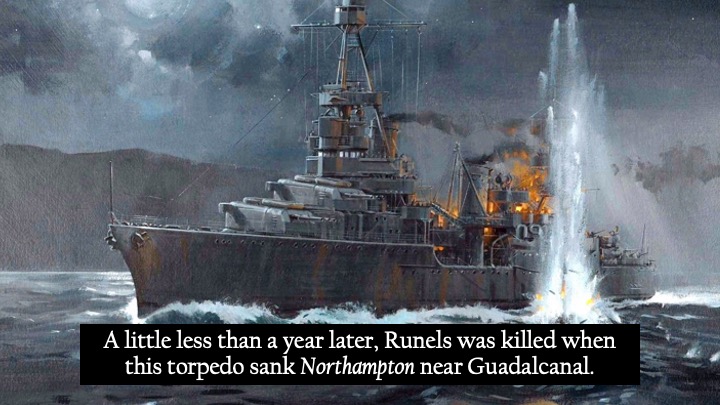
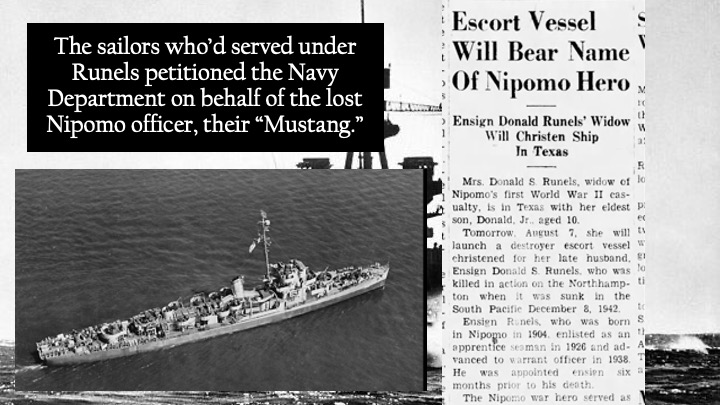
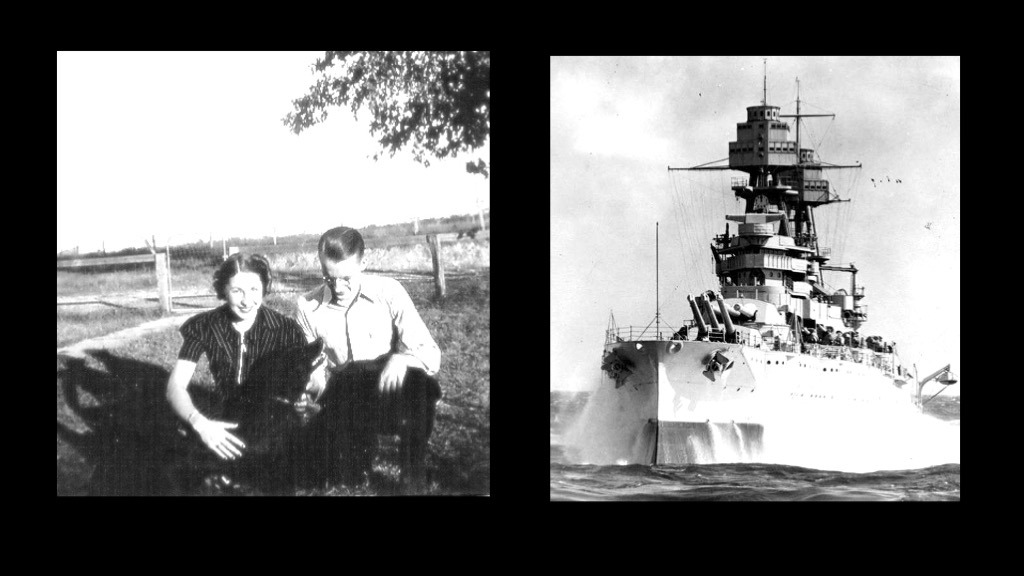
Southern San Luis Obispo County’s connections to Battleship Row, Pearl Harbor.

I seem to have a thing for women pilots…

21 Tuesday Nov 2023

Posted by ag1970 in Uncategorized, World War II

≈ Leave a comment


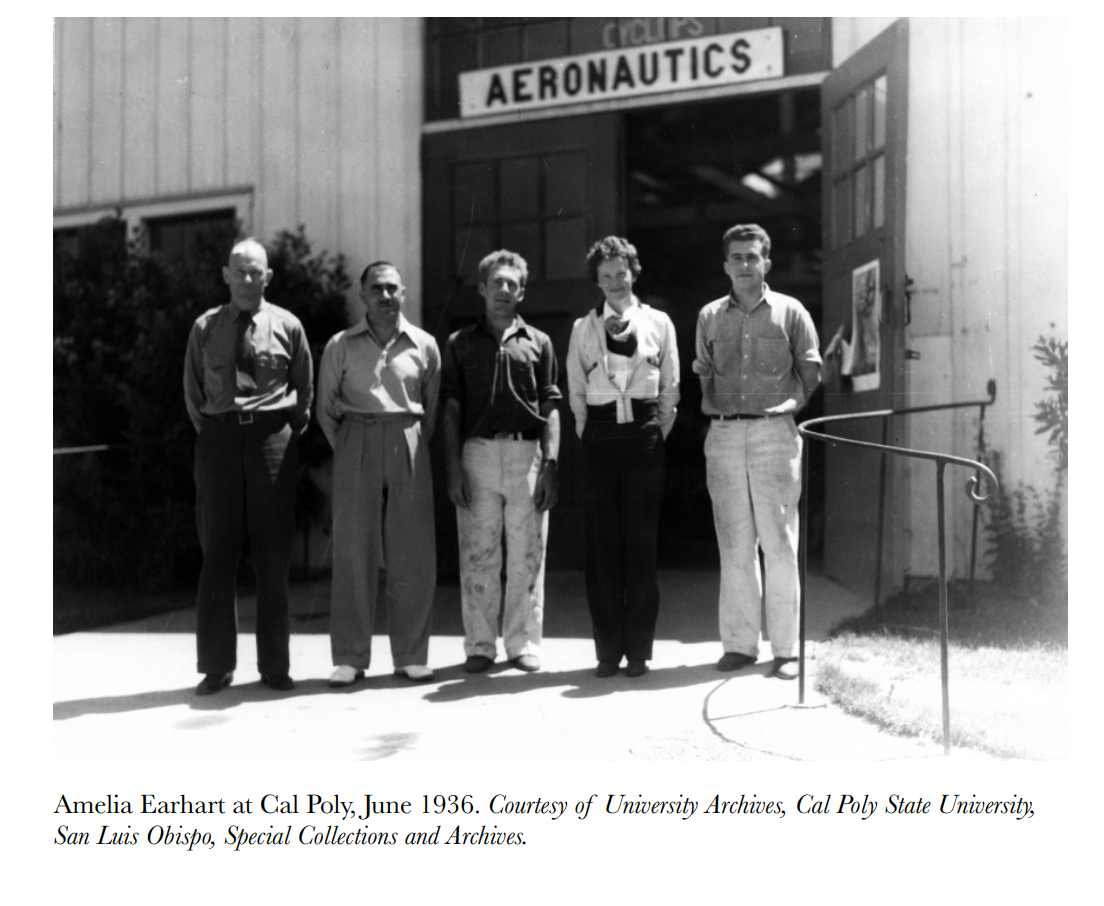
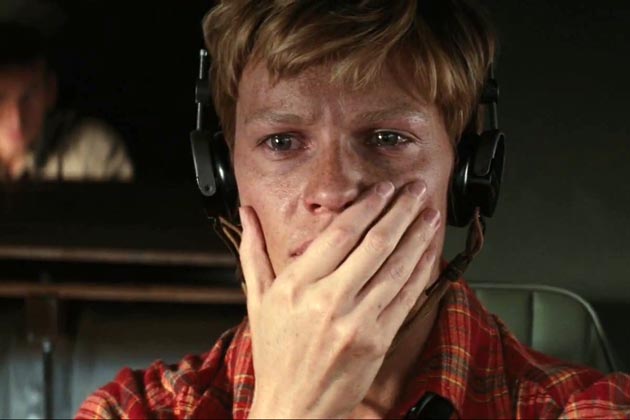
My AGHS teaching partner and dear friend Amber Derbidge (we both love airplanes) once loaned me her DVD of Amelia, the movie bio of the aviator’s life, and it just happened to be on the TV again yesterday and I got all misty-eyed again and damn if she and Fred Noonan didn’t disappear again. It happens every time. What’s haunting are the stories that seem authentic, about people who reported hearing Amelia’s voice over their short-wave radios for weeks after the Coast Guard lost contact with her.


In the movie, Hilary Swank’s Amelia knows she’s done for, and she gets misty-eyed, too, as the enormity of her situation sinks in. It’s heart-breaking.


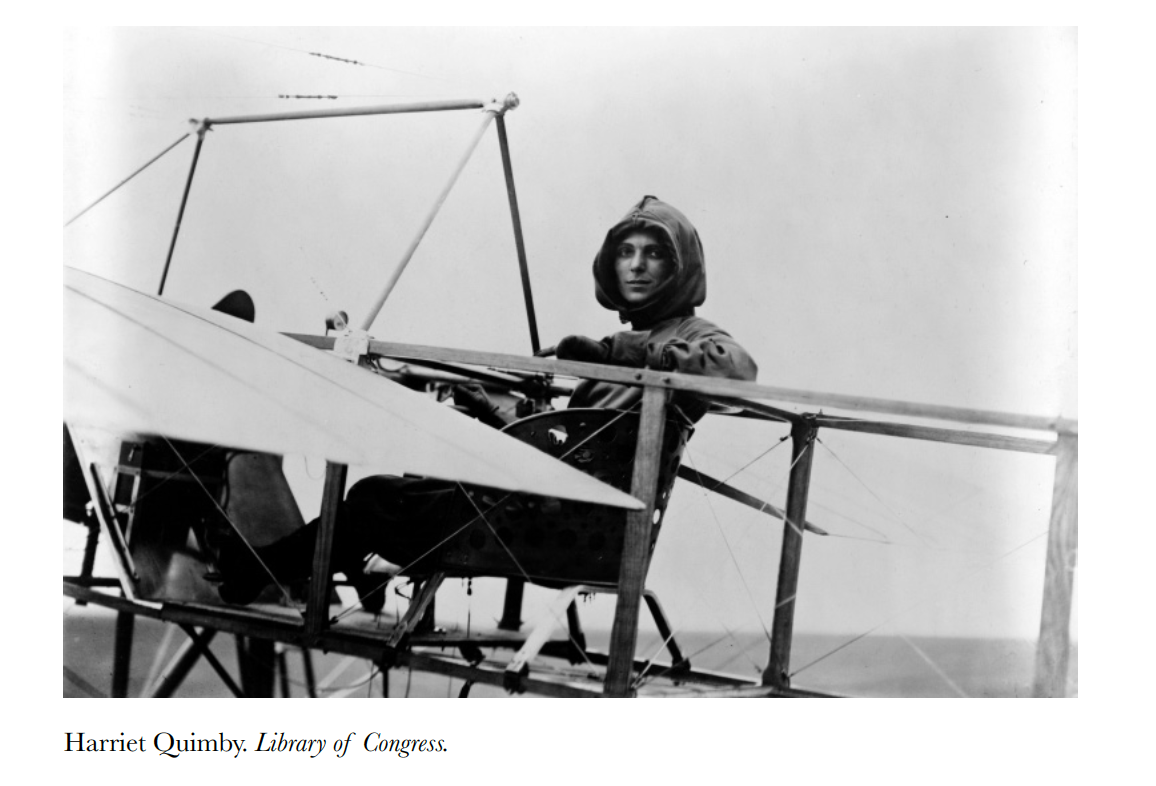
It’s obvious to say that early aviation was dangerous. Harriet Quimby, who claimed Arroyo Grande as her hometown, became the first woman in American to earn a pilot’s license. She was the first to fly across the English Channel in April 1912. In July, she was dead, killed when her Bleriot monoplane flipped and dumped her and a passenger into the ocean near Boston.


Harriet and Amelia and then I learned about Dorothy, who became yet another pilot-hero. She was a WASP. Here’s the story:


Dorothy Rooney died a few years ago at 102. But on Sunday, when I gave a talk on aviation history at the SLO Airport, I met Dorothy’s flight instructor, Elizabeth, once again. No, not her World War II flight instructor, but almost that good. I will try to approximate Elizabeth’s story. (Elizabeth wears little P-40 Thunderbolt earrings, which endears her to me).

My friend Elizabeth Dinan, center.

“Are there any female flight instructors here?” an older woman asked Elizabeth one day at McChesney Field.

“Well, I’m one.”

“Can you give a lesson?”

“Sure. When would like to go up?”

“Now. I flew a little during World War II and I just wanted to see if the magic was still there.”

So they went up. After fifteen minutes or so, Elizabeth asked her student, who was, of course, Dorothy May Moulton Rooney, if she’d like to take the wheel.

“Naw.”

A moment passed.

“OKAY!”

For the next forty-five minutes, Elizabeth’s student took the Cessna through its paces, kind of lazy-like.

“Why’s the rudder so sticky?” Dorothy asked.

Elizabeth realized that Dorothy had been used to flying military trainers and warplanes, and the Cessna’s controls must’ve seemed primitive. But she brought the plane in for a landing. It was a bouncy one.

For Dorothy, the magic was still there.

“Can we do this again?” she asked Elizabeth. Elizabeth nodded. That began decades of friendship.

But it took awhile to work out Dorothy’s landings. Again, it was because of the warplanes she’d flown–the approach in a powerful plane is much steeper and more abrupt as the pilot brings it home. After awhile, Dorothy learned to make her approaches shallow enough so that the landings were almost as smooth as the happy moments the two spent in the air.

Here’s a wonderful SLO Tribune story about the group, the 99s, that Elizabeth’s part of—you’ll recognize her by those earrings— and what makes this old geezer (me) happy is to see how many young women are becoming pilots.


Pfc Sadami Fujita, American.

21 Saturday Oct 2023

Posted by ag1970 in Uncategorized, World War II

≈ Leave a comment

A story that needs to be told over and over, most of all to our young people.

Sgt. Art Youman’s Nose

25 Monday Sep 2023

Posted by ag1970 in Arroyo Grande, Uncategorized, World War II

≈ 3 Comments

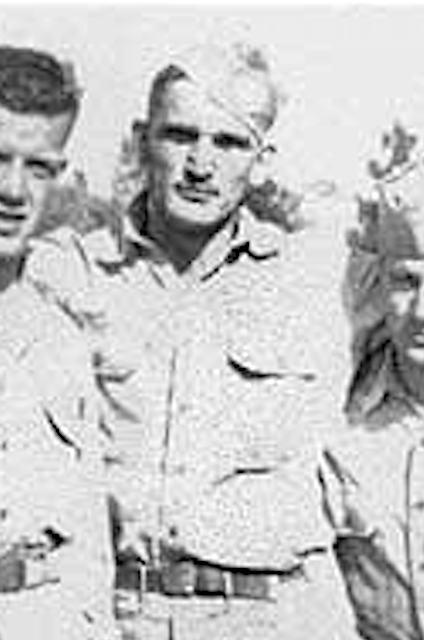
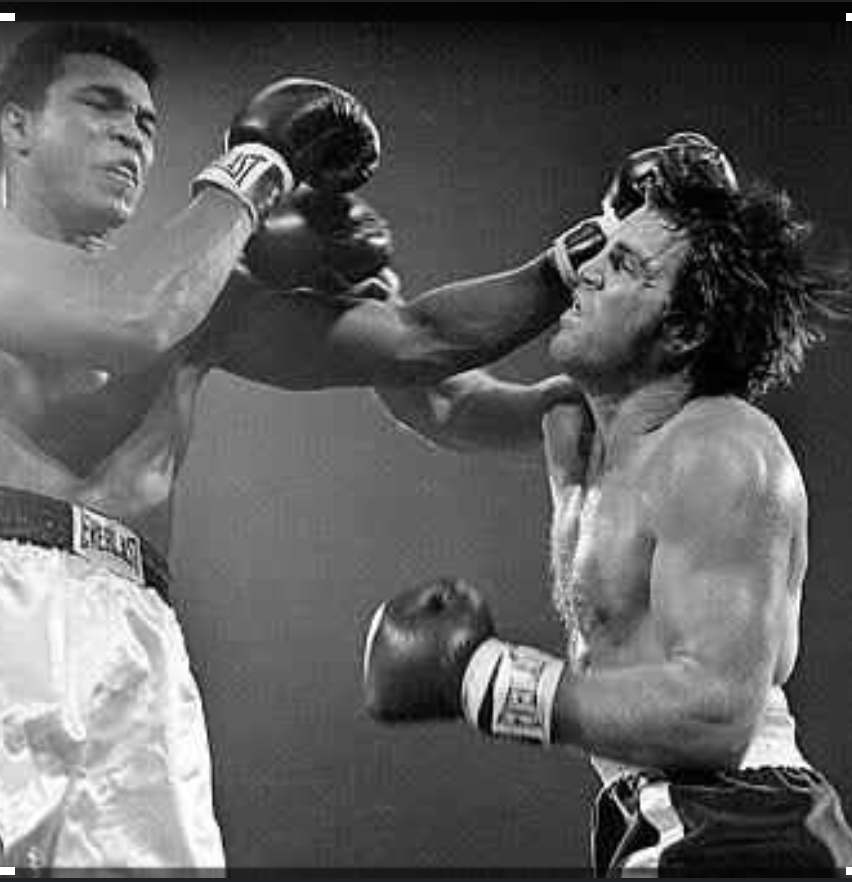
I was thinking about one of my heroes from Arroyo Grande’s past, Staff Sgt. Art Youman, a member of the 101st Airborne’s Easy Company in World War II. This closeup of Youman, taken in training in South Carolina, shows what just might be a boxer’s nose. That’s Jerry Quarry (his little brother Mike, a light heavyweight, lived in San Luis Obispo County for a time) in the right-hand photo, having his nose adjusted by Muhammad Ali. Quarry, always a contender but never a champion in the heavyweight division, was a man of enormous courage. Youman shared that quality.
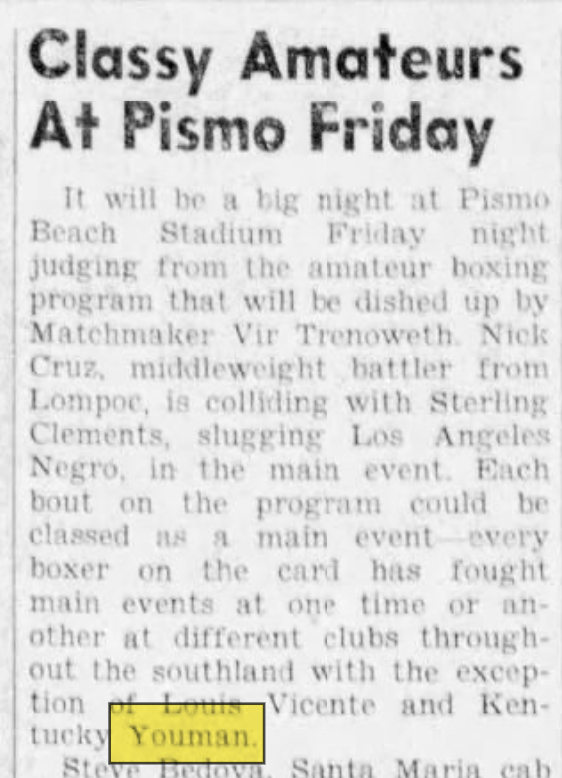
Well, my hunch was right. This item from a fall 1940 San Luis Obispo Telegram-Tribune, when boxing was big in Pismo Beach:

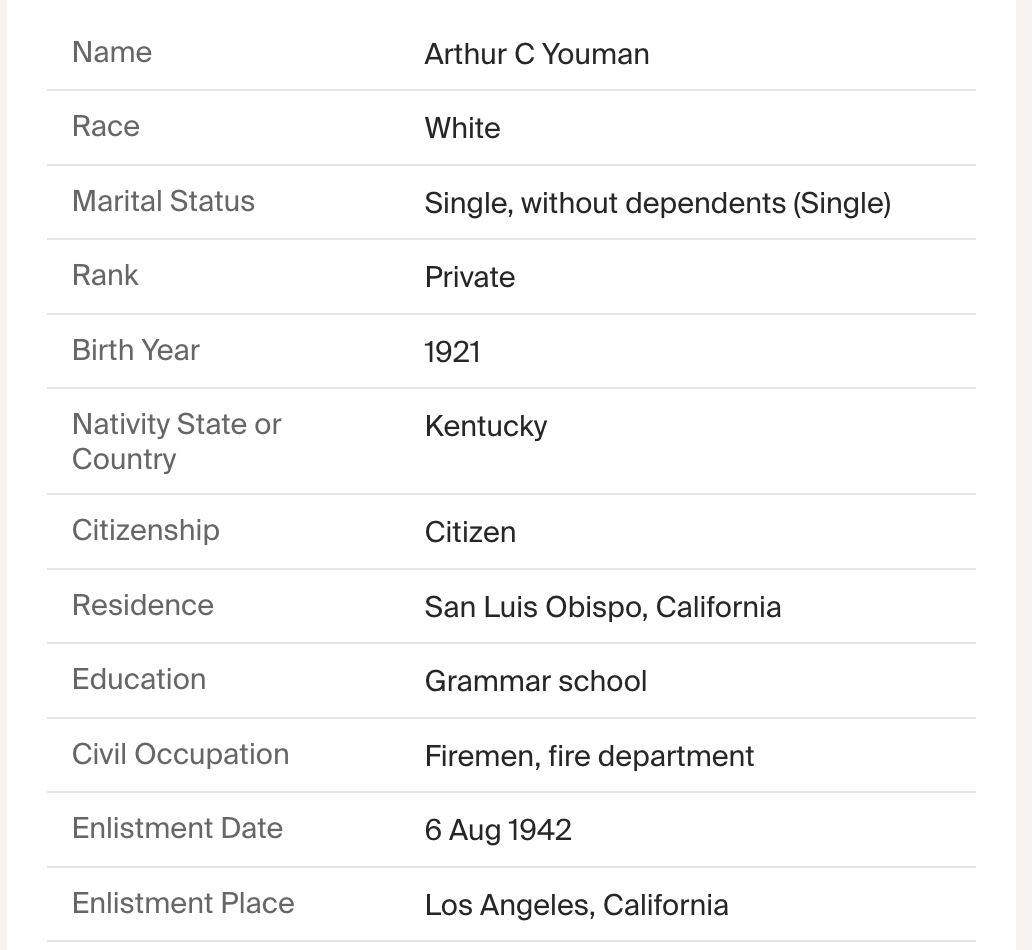
You wince at the “slugging Negro” reference—in a similar fashion, Filipino fighters were identified by their homeland—but “Kentucky Youman” won his bout via a TKO (Technical Knockout.) Why was an Arroyo Grande fighter named “Kentucky?” Ancestry.com provided the explanation from Youman’s August 1942 enlistment record.


My grandfather was a Kentuckian, too. Youman’s his draft card yielded a little more information:


I knew that Youman was a firefighter in San Luis Obispo, but I didn’t know it was for the Camp San Luis Obispo fire department (absorbed after the war by what is today CAL FIRE). I’d assumed that he worked for the City of San Luis Obispo. This new information was even better, because, thanks to my two military history experts and friends, Erik Brun and Dan Sebby, I found this photo yesterday that they’d posted late last year:


The California National Guard acquired this 1942 Seagrave fire engine in 2022 and the Guard’s history division hopes to restore it. It was, in fact, assigned to Camp San Luis Obispo in 1942, and since Art Youman didn’t enlist until August, there’s a chance that he rode on or even drove this engine. So this is, in a way, Easy Company’s fire engine, too.

Youman’s life accelerated quickly the next two years, with the tough training that shaped paratroopers and with combat.

He parachuted into Normandy on D-Day.


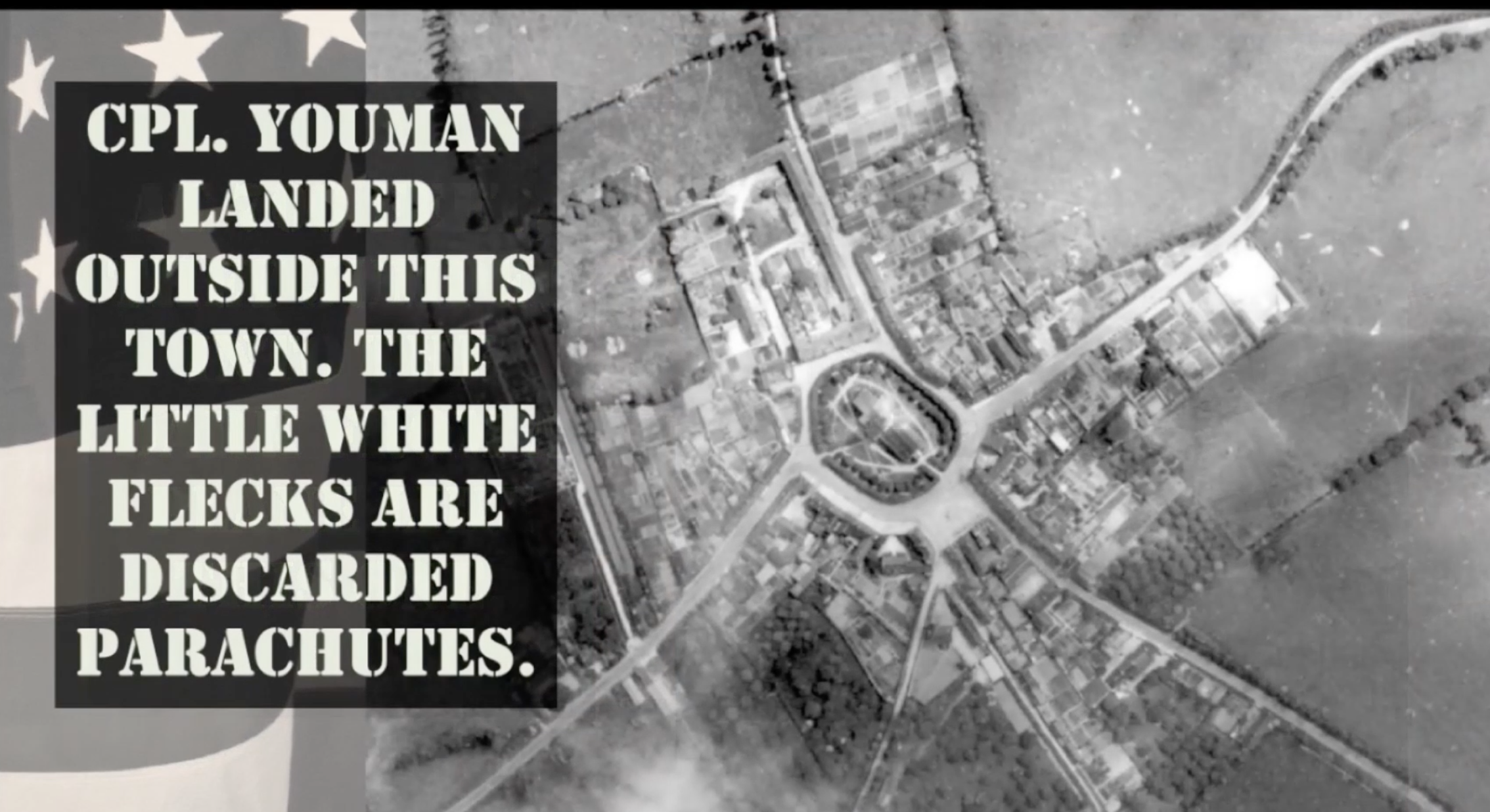
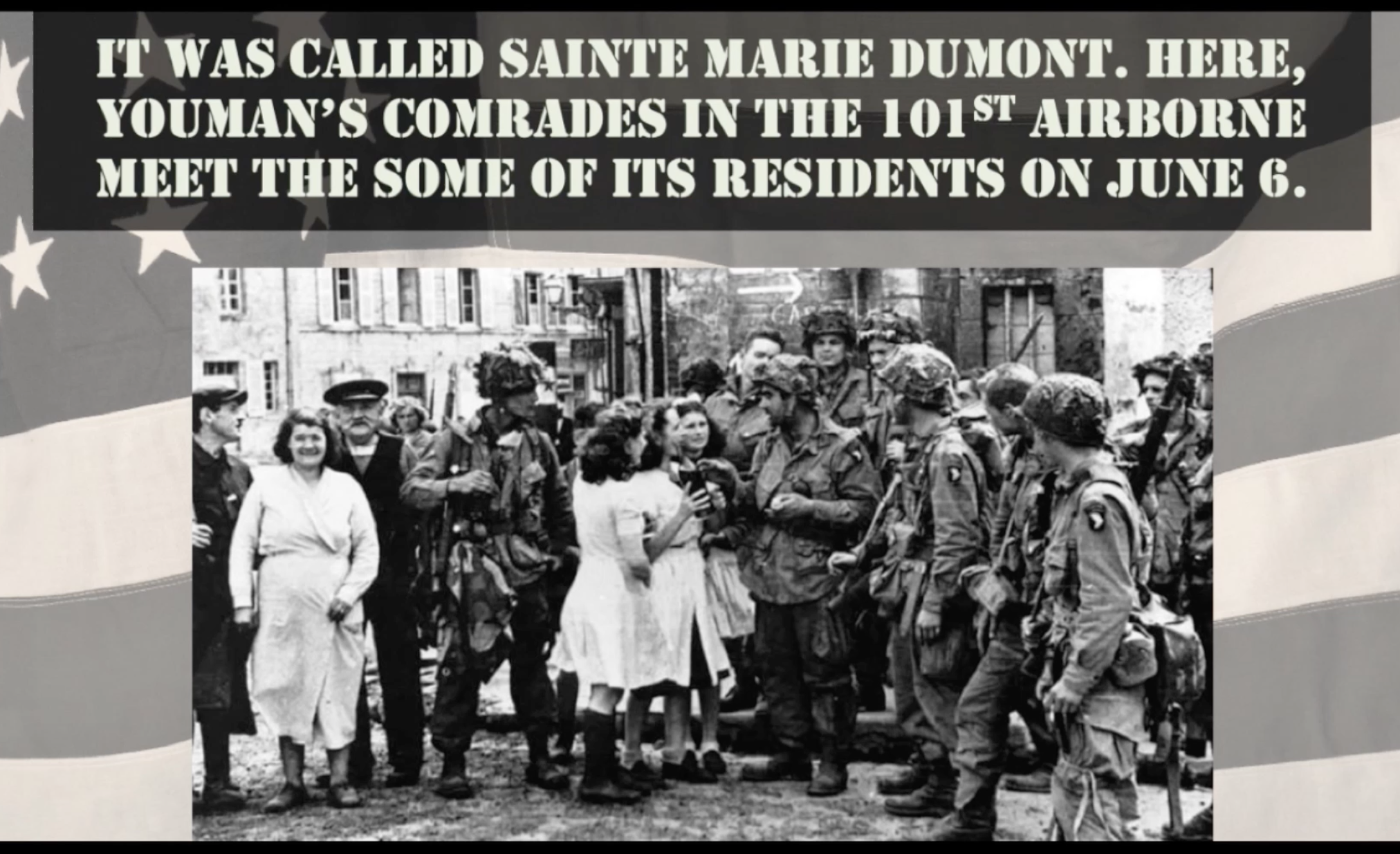
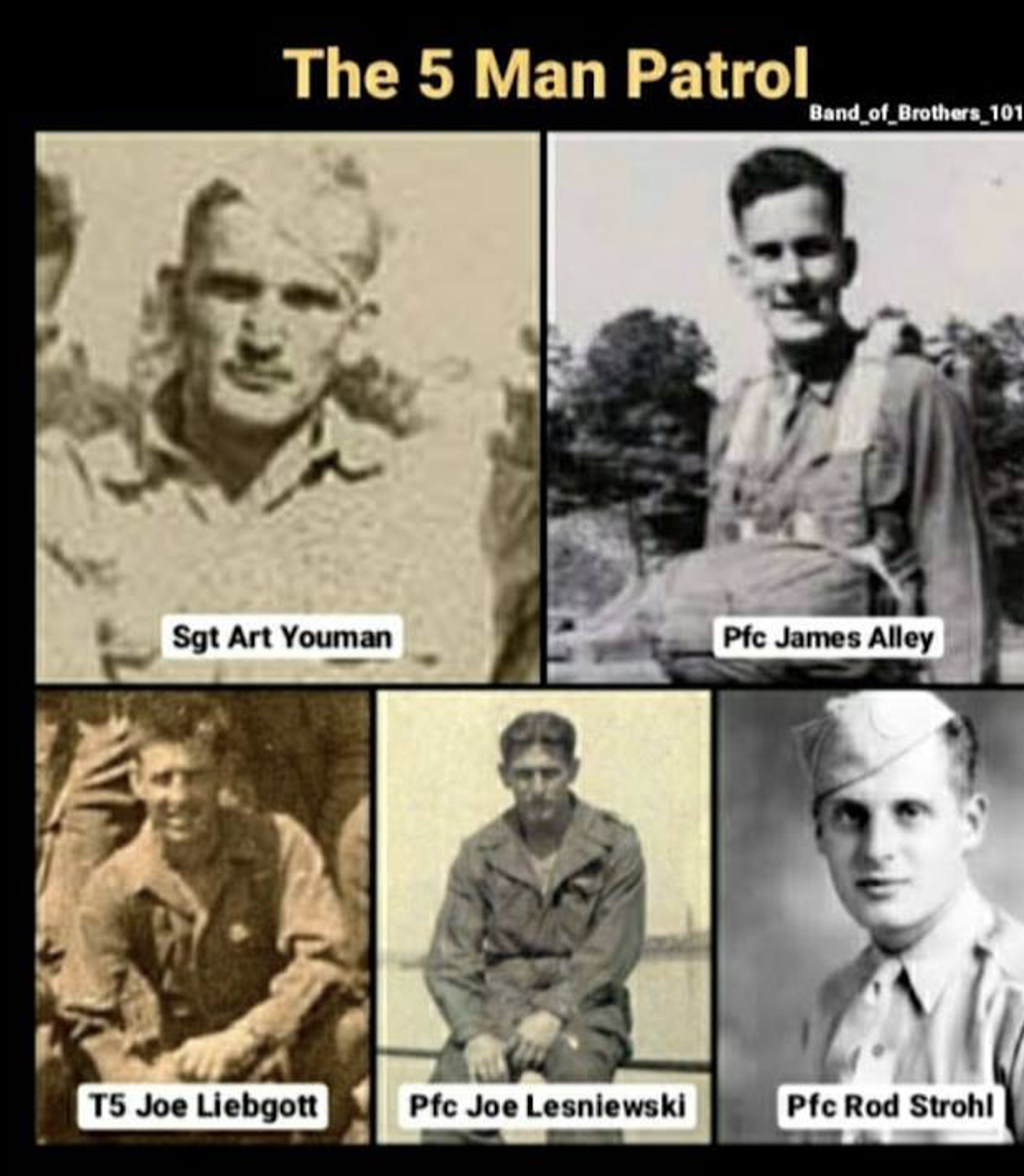
Later, in the fall during Operation Market Garden, Youman had led a small patrol to this Dutch crossroads when he and his men encountered a German patrol. A flurry of hand grenades came down on the paratroopers, which they returned—one of Youman’s men threw his entire consignment of six grenades. They returned to Easy Company mostly intact except for the shrapnel splinters. October 8 marks the 79th anniversary of that encounter.

Source: “Dalton,” Flickr.

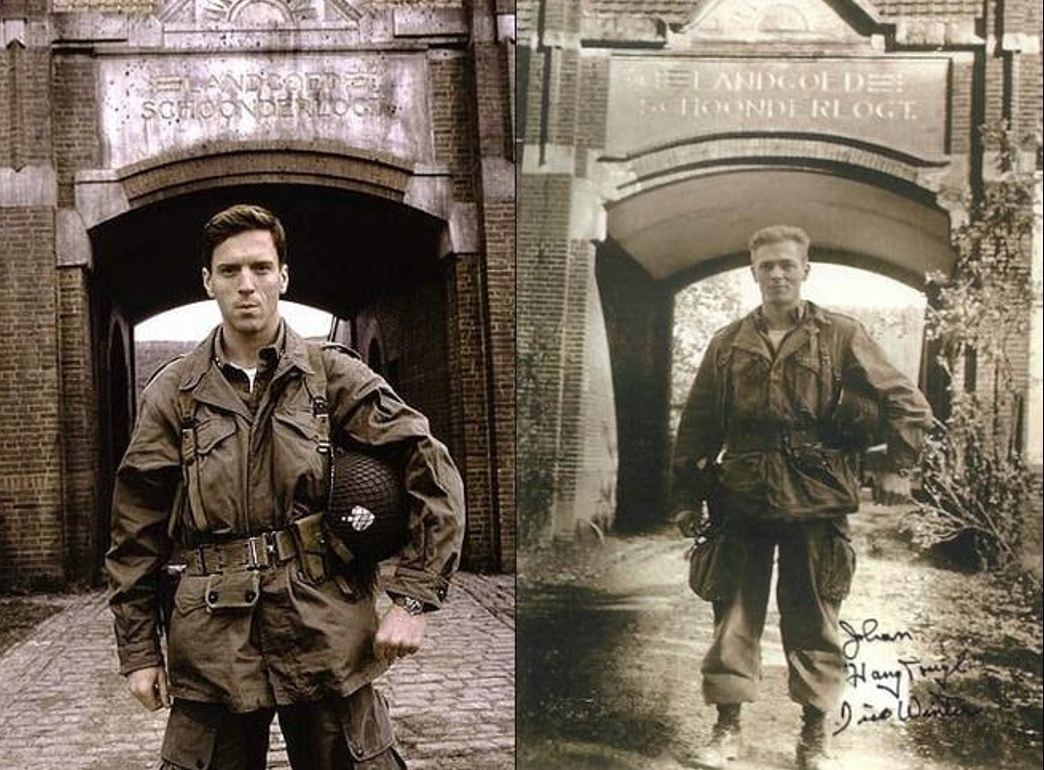
It was in Holland where the Arroyo Grande fighter with the boxer’s nose was promoted to staff sergeant by Capt. Dick Winters, portrayed by British actor Damien Lewis (at left; Winters at right) in HBO’s Band of Brothers, based on the Stephen Ambrose book.

Eight weeks later, on either his 23rd or 24th birthday—the records differ—Art Youman marched into Bastogne with the 101st Airborne, a Belgian town my students and I visited in 2010. Their resistance there, during the coldest winter in Europe in thirty years, did much to foil the great German counteroffensive in the Battle of the Bulge. Art Youman’s combat career lasted about six and a half harrowing months, interrupted only briefly by a furlough in England. That career ended in the Battle of the Bulge and his hospital record is a testament to both the power of German artillery and the punishment of that winter’s cold.

Youman was only 54 when he died, but he has family still in San Luis Obispo County, in Paso and in Nipomo. I’ve met a few of them, and they are warm people, nice people, proud of Art. They have every right to be.
World War II G.I.’s and the children who loved them.
22 Tuesday Aug 2023

Posted by ag1970 in Uncategorized, World War II

≈ Leave a comment


Some of my favorite World War II photos include children. The first is of a little Berlin girl, soon after the war’s end. She is meeting her first American, a G.I. in the 77th Infantry Division.

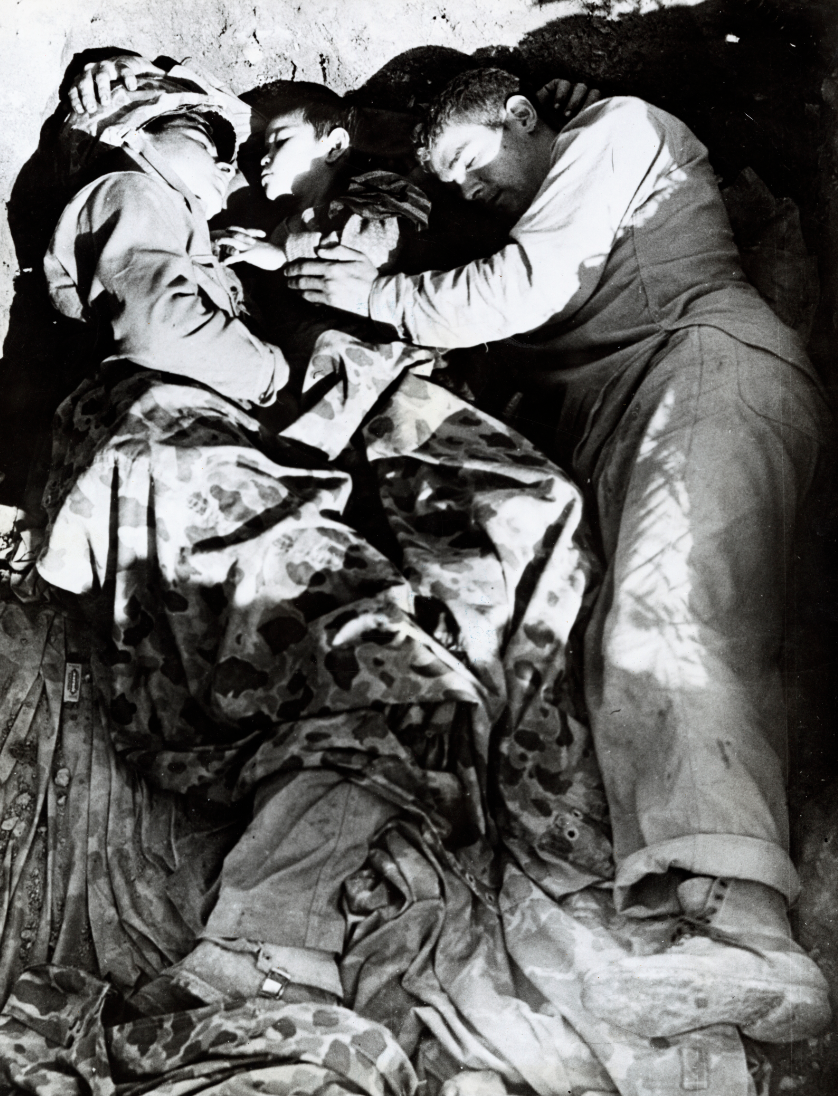
The second gets me misty. The little boy lost his immediate family in the horrific battle for Okinawa. The two young Marines cared for him until relatives were found.

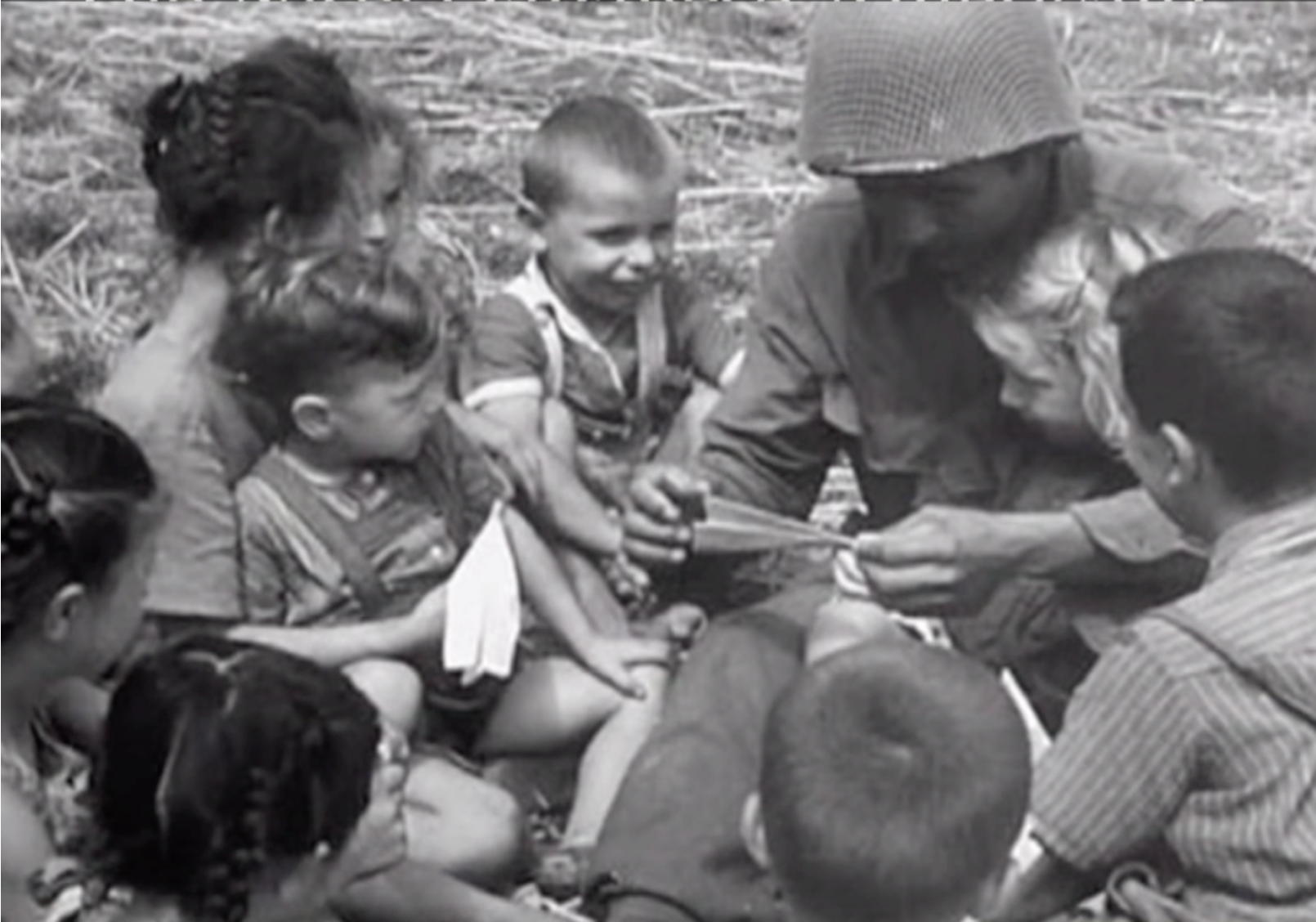
A Nisei G.I. with the 442nd Regimental Combat Team teaches a rapt audience how to make a paper airplane. His arm’s around a little girl who’s nestled close to him. I suspect that in this moment she feels safe, probably for the first time in a long time.

In England, shortly before D-Day, a G.I. gives a British lady help with the jump rope.

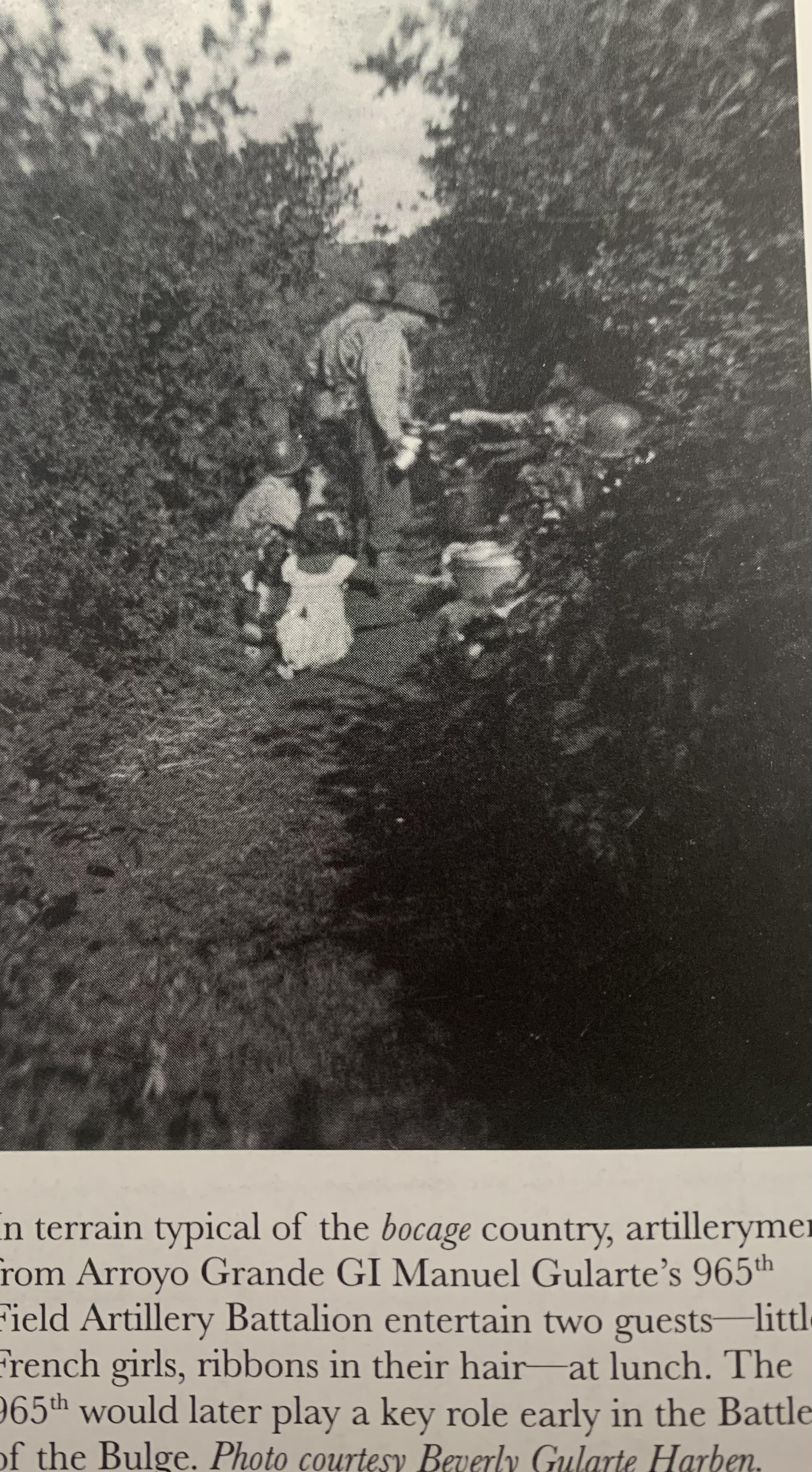
Manuel Gularte of Arroyo Grande and his comrades entertain guests for lunch in Normandy. Manuel’s brother, Frank, was killed on the German border just five days before his son, Frank Jr., was born at the Mountain View Hospital in San Luis Obispo.

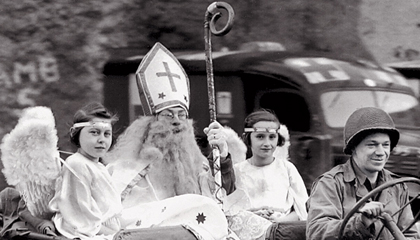
And in Luxembourg, Christmas 1944, while the Battle of the Bulge is raging nearby–there’s an amazing Battle of the Bulge museum in Diekirch, Luxembourg–a G.I. playing St. Nicholas, flanked by two angels, heads out to distribute gifts. Note the expression on the jeep driver’s face.

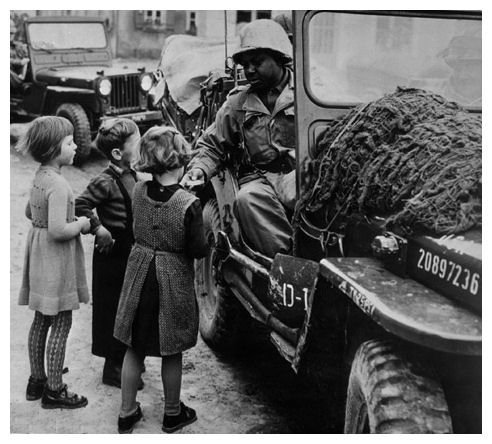
Finally, a soldier, I suspect a member of the famed Red Ball Express, makes friends with a little refugee while another little girl–her sister?–makes sure that she doesn’t leave her doll behind.

I am not naive enough to suggest that all Americans were angels. They weren’t. There were rapes, murders, thefts. Racism was a given and violence, especially attacks on Black G.I.’s, was commonplace, at its height in 1943. In New Zealand, American Marines attacked Maori soldiers for entering the bar where the Yanks were drinking beers.

Filipino-Americans were subject to some of the most virulent and racist invective–you can find examples in the old Arroyo Grande “Herald-Recorders”–and they responded by becoming some of the finest infantrymen of the war.

While their parents and grandparents were behind barbed wire, Japanese-American G.I.’s were marked by the frequency of their Purple Hearts, by Bronze Stars that should’ve been Silver Stars, by Silver Stars that should’ve been Medals of Honor. Nearly 1,000 of them were killed or wounded in October 1944 to break through and rescue a Texas National Guard Unit–240 justifiably terrified 19-year-olds- surrounded by the Germans in France’s Vosges Mountains.

These weren’t hyphenated Americans. They were Americans.

My parents’ generation was condemned before the war by sociologists who saw them as self-indulgent and frivolous. They proved the eggheads wrong. Spectacularly. That’s why I write about World War II so much.

In my book Central Coast Aviators in World War II, I wrote about a brilliant man named John Keegan:

If there was a military historian with a gift close to Shakespeare’s, it was another Englishman named John Keegan. Keegan was a little boy in the English countryside, in Somerset, when the Americans began to arrive in late 1943 and into the spring of 1944. Little English boys had lived for years with the deepest of privations—thanks, in large part, to the U-boat campaign that had nearly starved Shakespeare’s “sceptred isle” to death—and then the Americans came. They were, as Keegan later said—for once at a loss of words while narrating a documentary on the 1918 turning point of World War I—“Well, they were Americans!” By which he meant they were boisterous, cocky, well fed, well clothed and, thank God, friendly, with an innocence and immediacy that was distinctly American. Their World War II counterparts taught English boys baseball, and they flirted with their big sisters and married some of them—but most of them not—which meant that little boys Keegan’s age would inherit littler half-Yank nieces and nephews. Most of all, they were generous. There seemed to be no end to their Hershey bars (there wouldn’t be after the war, either, when, during the Berlin Airlift,one of Arroyo Grande bomber pilot Jess Milo McChesney’s comrades, Gail Halverson, air- dropped Hershey bars, floating on little parachutes, to the hungry children of blockaded Berlin) and no end to the rough affection for children that came with these big, loud men from across the sea.

And then they were gone. Keegan has vividly described the early morning dark when that happened, when the chinaware and modest family crystal on every shelf in the Keegan home began protesting, rattling an alarm soloud that it woke the family up, if the motion beneath their beds hadn’t already made them sit bolt upright. The anxiety of Keegan’s family, their neighbors and other families all across East Anglia was relieved only when they went outside. Then anxiety gave way to wonder. They could feel in their breastbones the vibrations—“the grinding forced you to the ground,” Keegan remembered—of the engines of thousands of airplanes, but they could see only dim red and amber lights in the sky, heading east, toward France. Some of the Americans Keegan had learned to love so quickly, his heroes, were on those airplanes, and tens of thousands of more, his heroes, were riding deathly pale on landing craft corkscrewing in foul Channel waters, and they were all headed for Normandy.

It was D-day.

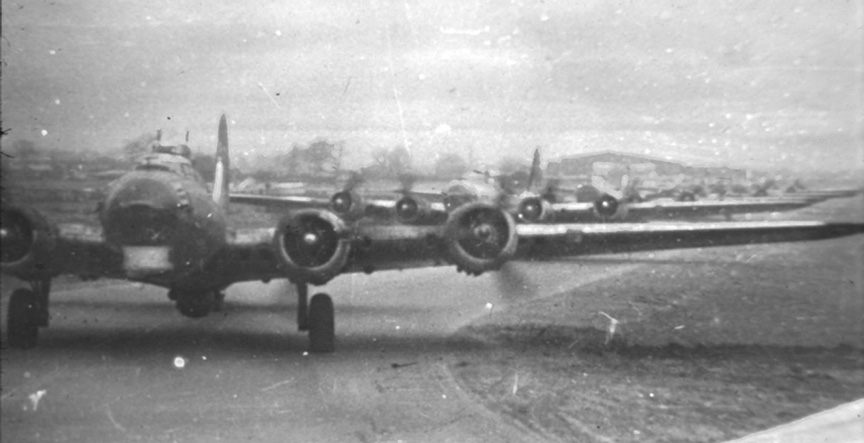
B-17’s from the 398th Bomb Group assemble for takeoff. At most any American airfield, British children were there for moments like this. Pressed agains the airfield’s perimeter fence, they’d come to wave goodbye to “their” Yanks.


A (wonderful) AGHS German teacher, Mark Kamin, was leading a group of students on a tour of Bavaria. I think they were waiting for their bus when an older German woman approached them.

“You’re Americans, aren’t you?” she asked Mark.

Yes, we are, Mark replied

Her eyes began to fill with tears. “I just wanted to thank you,” she said, “for how kind your soldiers were to me when I was a little girl.”

Candy, Berlin, May 1 1945

We are so divided now, but these photos of men long dead fill me with hope. Their generation lit a path for us to follow. It’s up to us to find it.

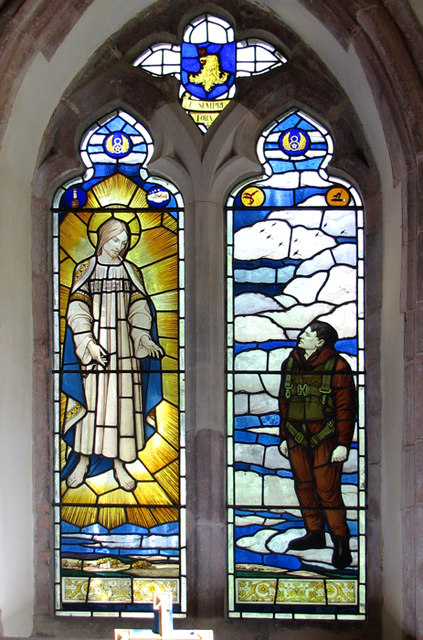
St. Andrew’s Church, England. Two Arroyo Grande B-17 fliers served at the nearby 8th Air Force Base at Snetterton Heath. One of them, Clarence “Hank” Ballagh, the AGUHS 1937 Valedictorian, was killed eighty years ago next month. Here, an American airman looks up to the Risen Christ. The English have not forgotten Yanks like Hank Ballagh.

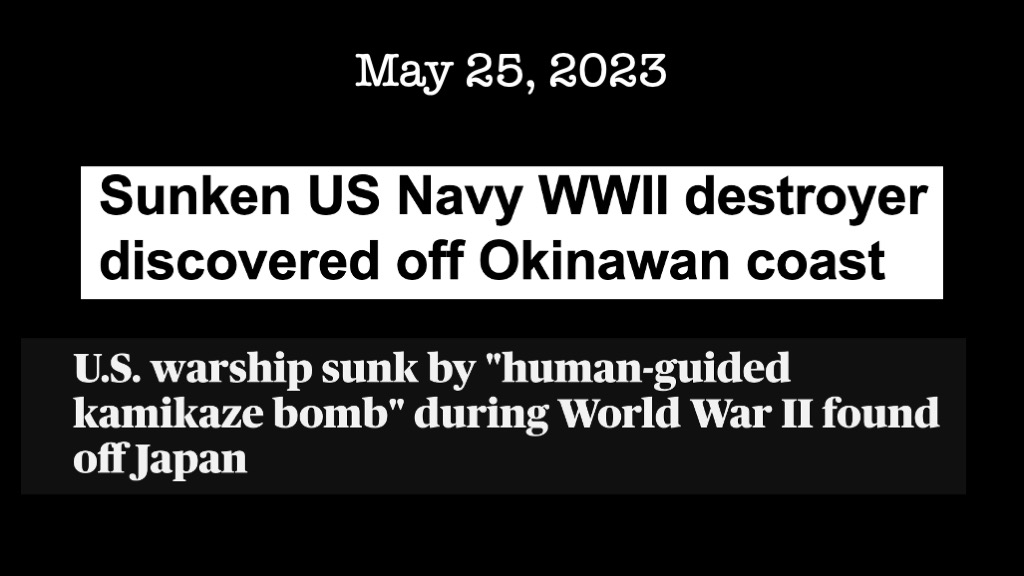
A ship discovered; a man remembered

28 Sunday May 2023

Posted by ag1970 in Arroyo Grande, Uncategorized, World War II

≈ Leave a comment

What Inky brought home

02 Tuesday May 2023

Posted by ag1970 in Family history, Uncategorized, World War II

≈ Leave a comment


Inky is the black dog in the photo with my aunt and father. They had to give him up for “bothering sheep” and found him a new home in Rolla, Missouri.

Inky ran away.

This photo was taken outside my grandparents’ farmhouse on his return to Raymondville, Missouri. Raymondville is forty miles south of Rolla, but Inky found the people he loved.

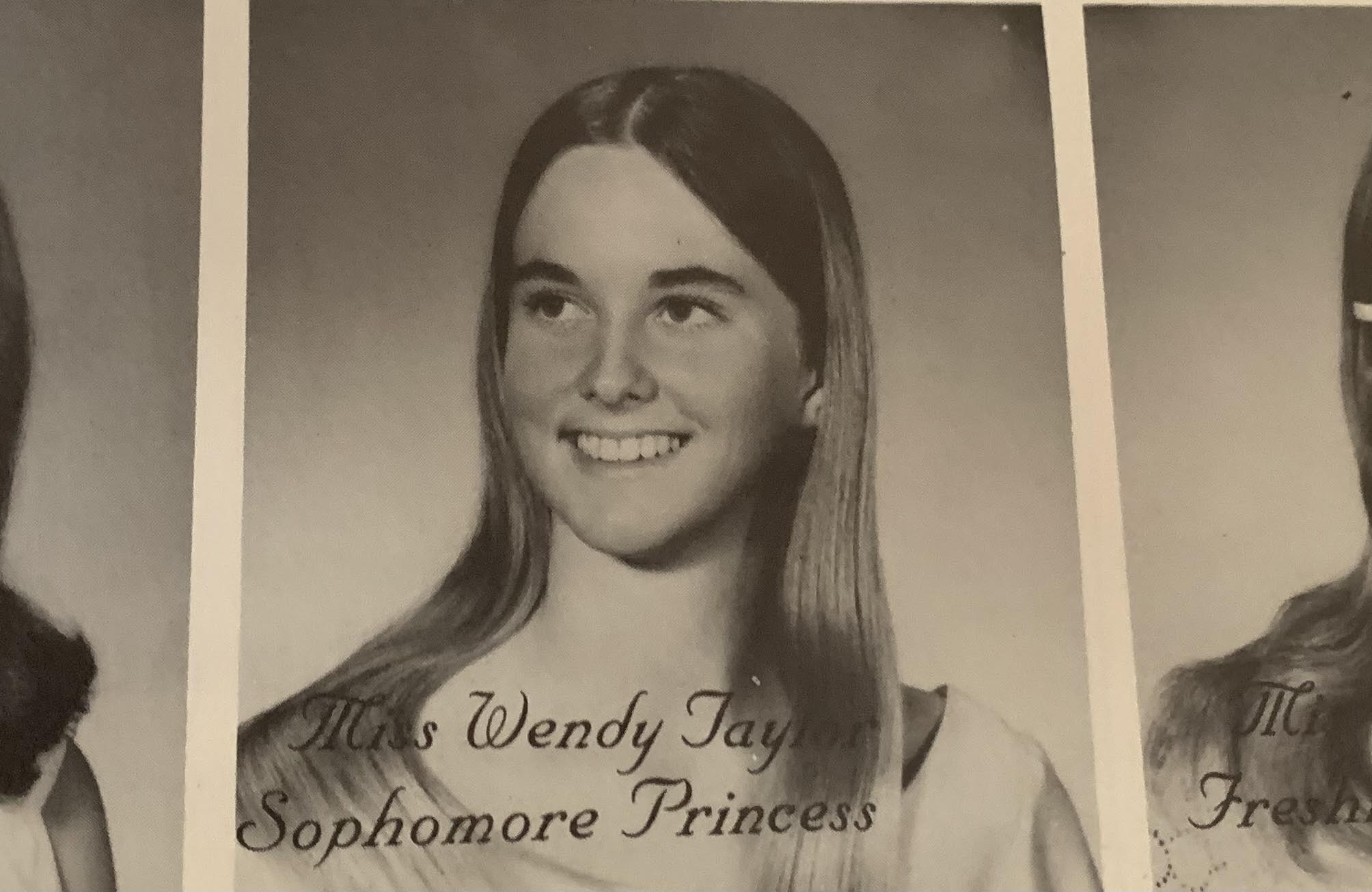
My friend Wendy Taylor read the Inky story on Facebook. We went to AGHS together. She told me that her father’s family was living in Raymondville in the 1930s. The odds are staggering because I think the YOU ARE NOW ENTERING and YOU ARE NOW LEAVING signs are on the same signpost in tiny Raymondville.

Wendy the Arroyo Grande High School Homecoming Princess, from my senior yearbook. Her career—her calling—was that of a nurse, so she’s one of my heroes, too.


And, sure enough, my Aunt Aggie married Mr. Charles A. Taylor in Raymondville in 1912. They were both 19.

I don’t know that this Taylor is related to my friend Wendy, but I found something else out about my family.

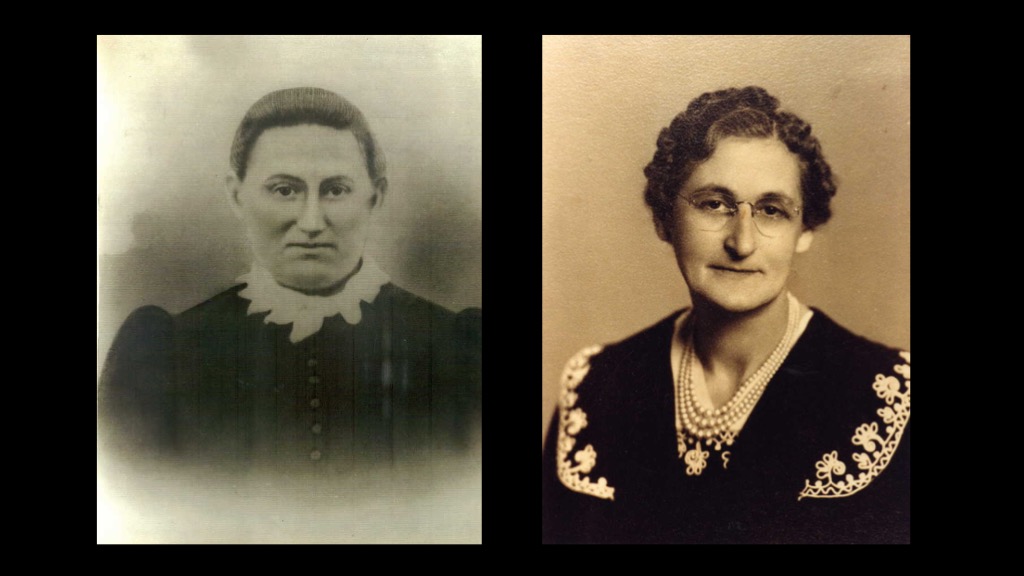
This is Aunt Aggie, on the right, later in life. That’s her mother, the scary lady, my step-grandmother, Dorriska Rose Trail. (She died and my grandfather John, widower, married my grandmother, Dora, widow.) The noses give their connection away—DNA does not lie much—but Aggie’s a softer person and she loves her pearls. Me, too.


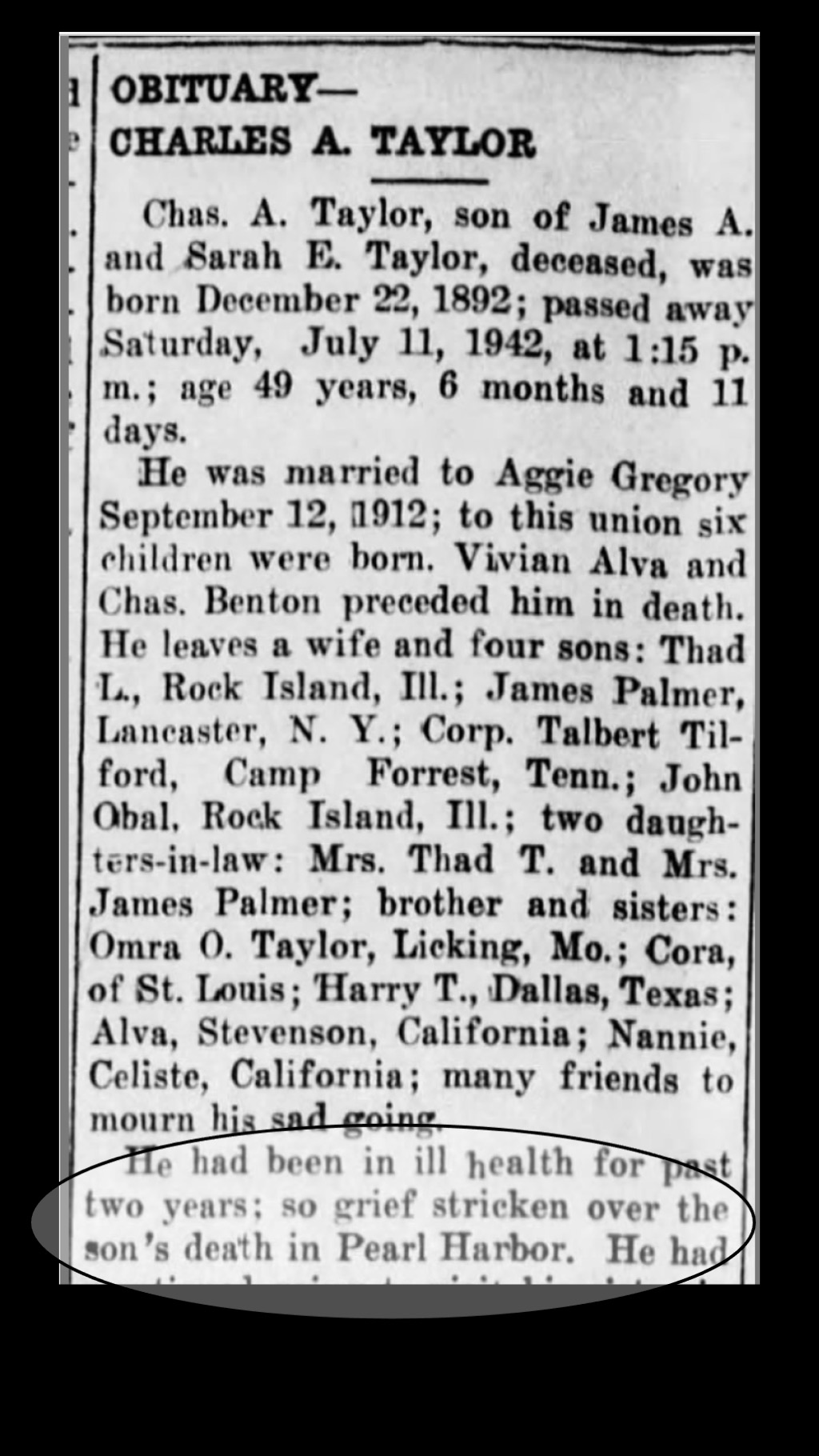
Charles and Aggie were living in Illinois when, sadly, he passed away at 49. Aggie would live another 38 years. I found his obituary in a Houston, Missouri, Herald from July 1942, and it contained this poignant detail:


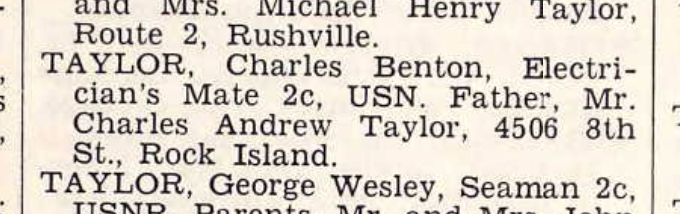
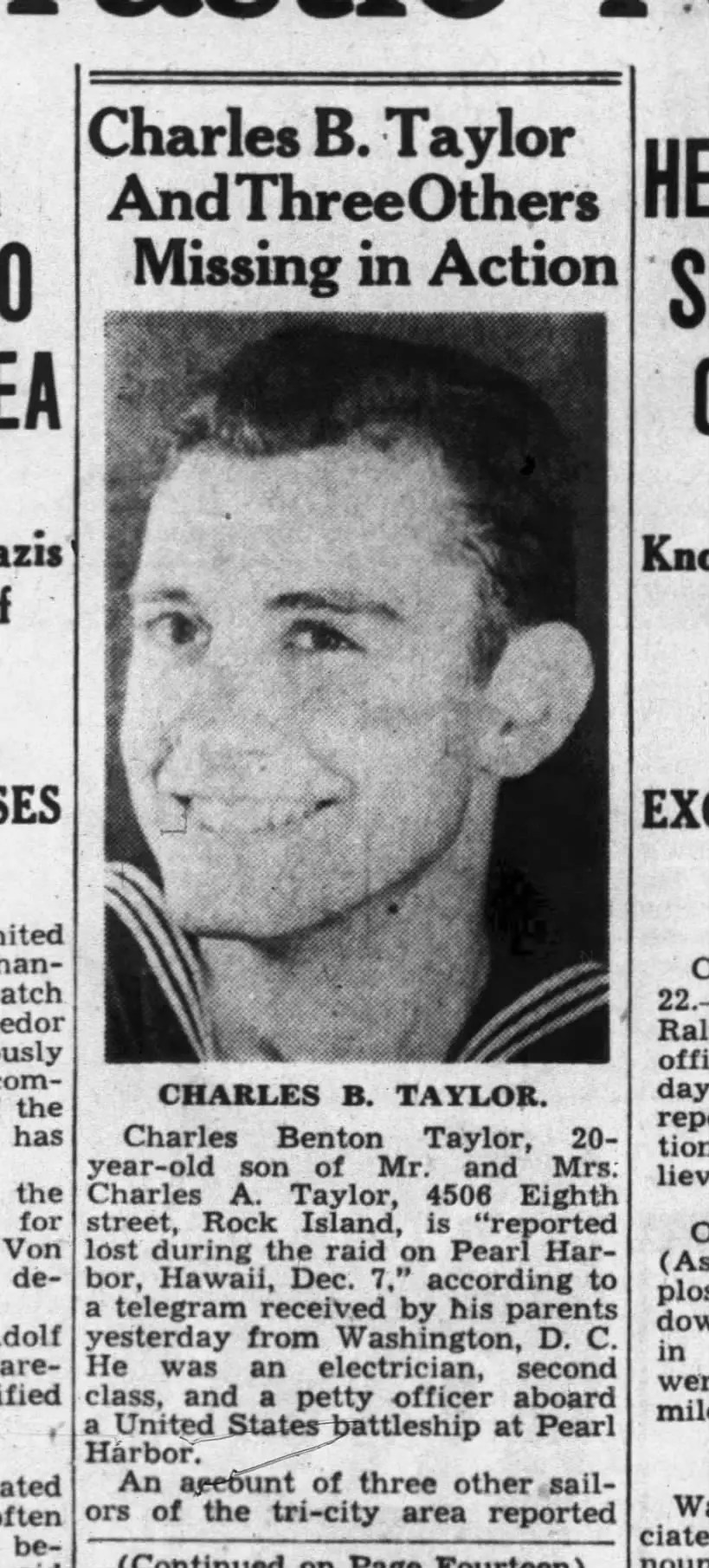
And then I found their son in the World War II casualty books:


And then I found their son.

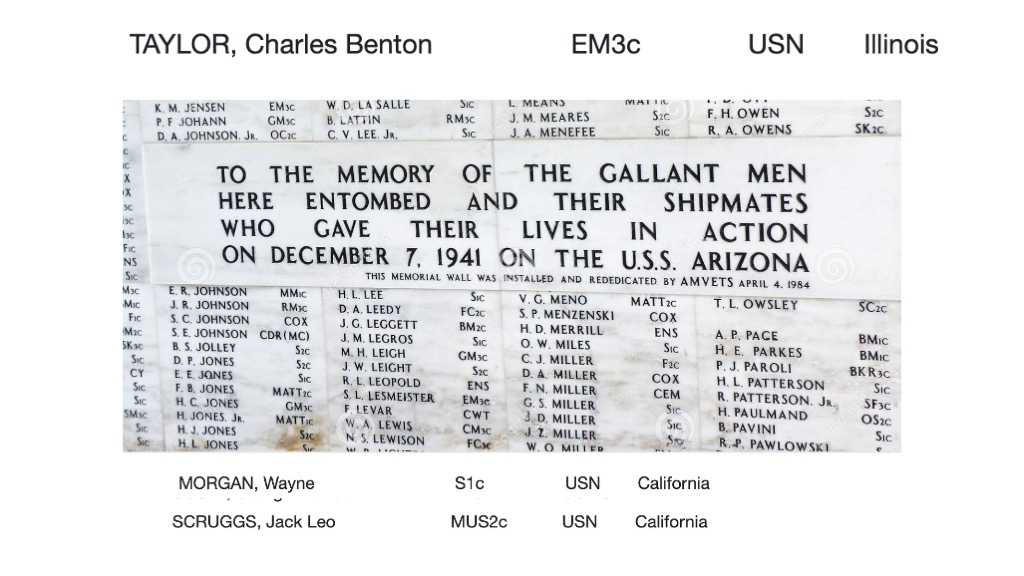
He’s a nice-looking boy, isn’t he? He’s remembered on this particular marble wall, along with two sailors, just two years older, who grew up in Arroyo Grande:


I didn’t remember the whole story, but Dad used to talk about a cousin who was killed on Arizona. It was Wendy Taylor’s comment that set me to thinking. I had no idea that a morning spent researching my aunt, Aggie Caroline Gregory Taylor, would take me back, once again, to Pearl Harbor and December 7, back to a war that took my Dad, an Army lieutenant, from Raymondville and Taft, California, to London and Paris.

I think it was Inky who led me to this young sailor, so his sense of direction remains unerring. What a good dog.

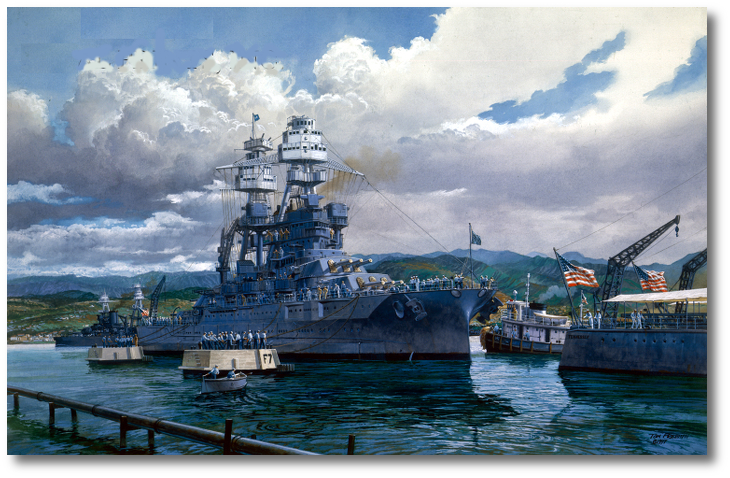
Last Mooring, by artist Tom Freeman. Arizona ties up at her quay on Battleship Row on the morning of December 5, 1941.


USS Nevada’s SLO County Connection

29 Saturday Apr 2023

Posted by ag1970 in American History, Arroyo Grande, Uncategorized, World War II

≈ Leave a comment

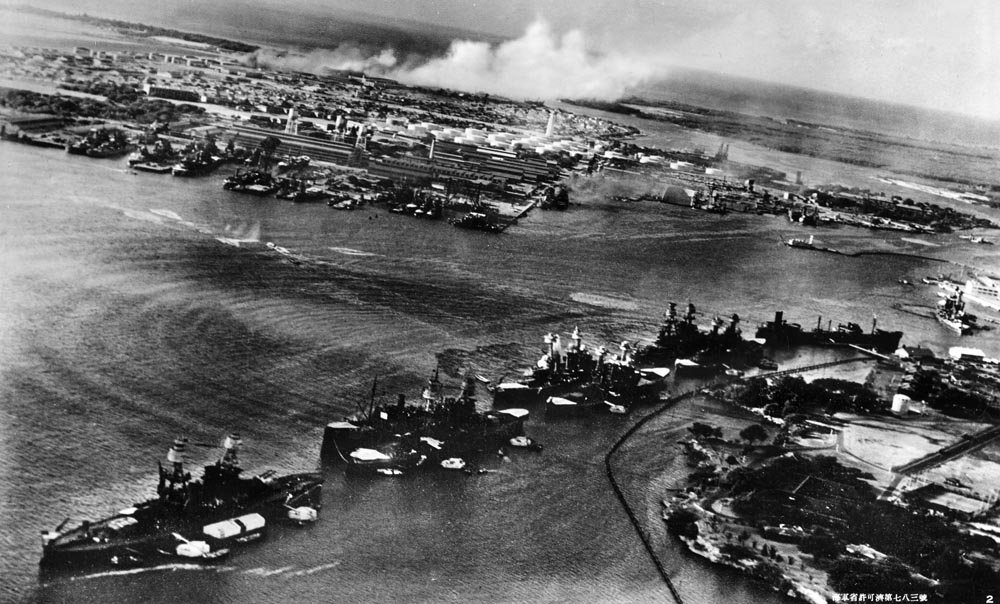
It’s one of the great stories of American naval history. At Pearl Harbor, here is the aging USS Nevada at the end of Battleship Row, at bottom left, just astern of Arizona, which is anchored inboard of the repair ship Vestal. You can see the concussions from torpedo hits on the outboard battleships ahead of Arizona. That ship has about twelve minutes to live.

The attack came during the morning Colors Ceremony, when bands played the National Anthem as each battleship hoisted its colors. The trombonist on Arizona’s band, Jack Scruggs, killed just after this photograph was taken, grew up in Arroyo Grande.

The Officer of the Watch on Nevada was Ens. Joseph Taussig, about Scruggs’s age, twenty-one or twenty-two. He was standing his very first watch while most of the ship’s senior officers were ashore. He was so green that he had to send a sailor over to Arizona to ask what size flag was appropriate to hoist for the morning formalities. Then the bombs began to fall.

Nevada’s band had begun to play the Anthem. They continued to play the Anthem. When machine-gun bullets began to splinter the teak deck, they paused for a moment, somehow resumed the song in unison, finished it, and then ran like hell for their action stations. (Arizona’s band ran for their stations in the No. 2 gun turret, near the bow and near where the fatal bomb hit. None survived.)

Lieutenant Lawrence Ruff was attending Mass on the hospital ship Solace at this moment. He immediately caught a launch back to Nevada, assumed command topside with Taussig as his anti-aircraft officer. The ensign had done something right, he would find out later: he’d left two of the battleship’s four boilers lit. It normally took a ship the size of Nevada two hours to come to full power, but two boilers were sufficient to get her underway. Ruff gave the command to make a run for the channel exit. The oldest ship on Battleship Row was the only one to steam away from the flames and smoke that blanketed the anchorage off Ford Island.

Sailors cheered as she passed.

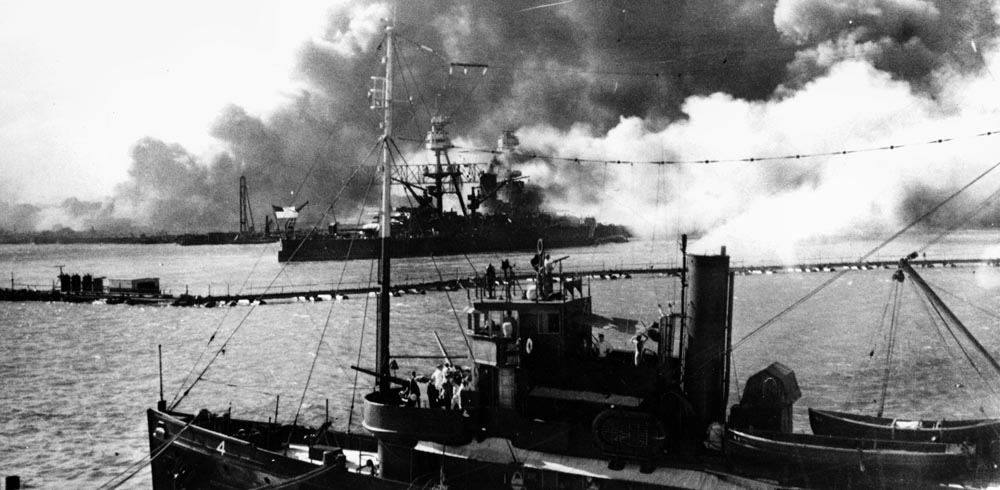
Nevada during her run for the channel.
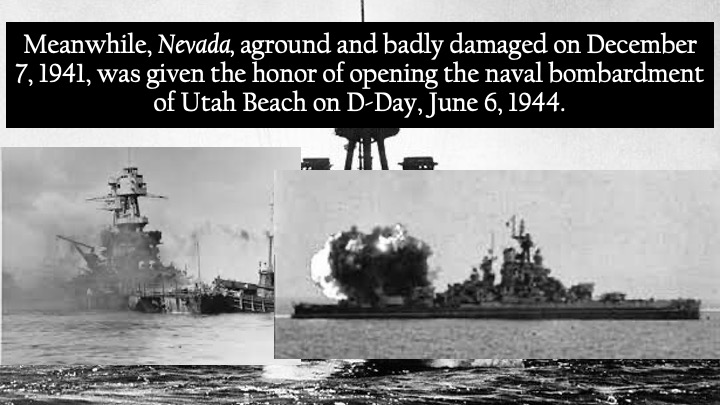
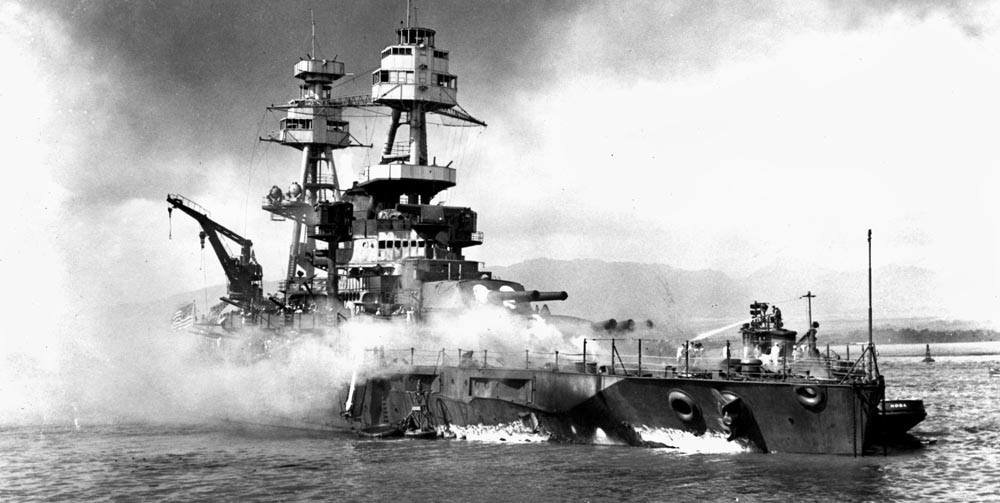
Nevada aground on Waipo Point.


Nevada didn’t make it to the open sea. Crippled by at least one torpedo and six bomb hits, she lost headway. Her run ended when Lieutenant Ruff ordered her beached on Waipo Point, leaving the narrow channel open.

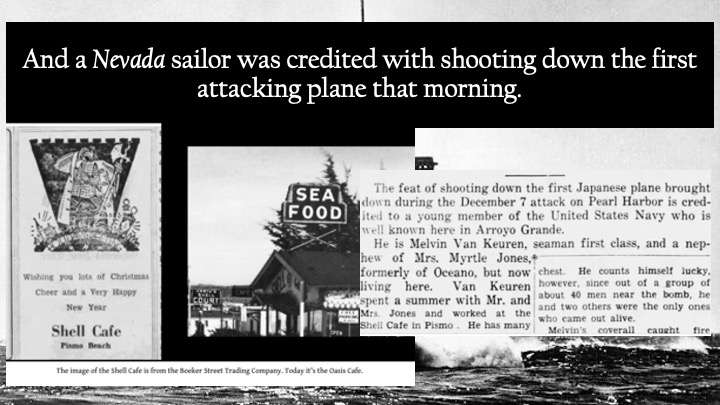
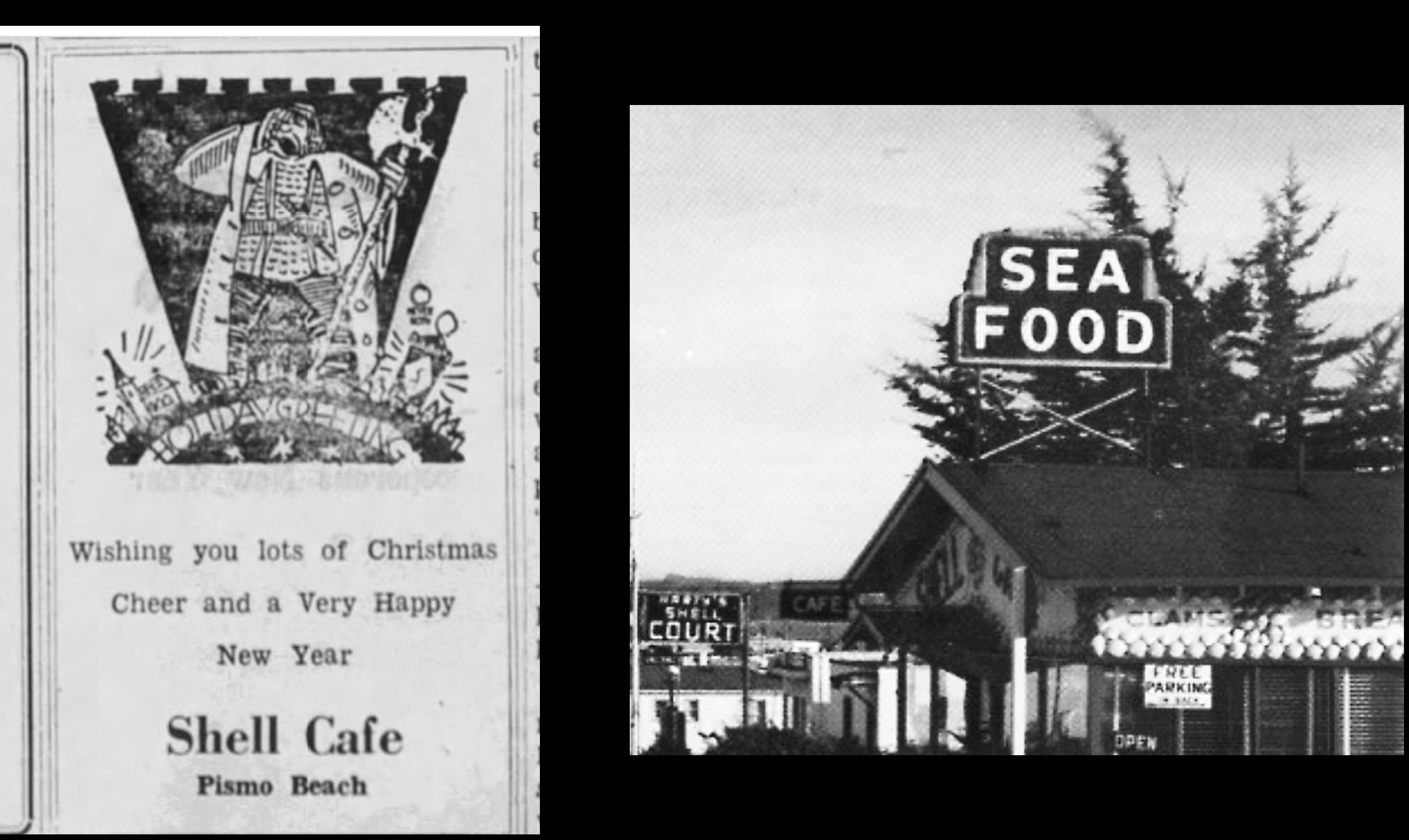
And that brings us to the Shell Cafe in Pismo Beach, at the north end of Price Street in those years. The Christmas ad is from a 1939 Arroyo Grande Herald-Recorder. (The Shell’s still around today, but in Grover Beach.)

The image of the Shell Cafe is from the Boeker Street Trading Company. Today it’s the Oasis Cafe.


It’s natural to focus on the horrific losses at Pearl Harbor, but the attackers took losses, too. Twenty-nine planes were shot down and five midget submarines sunk. Only one ship in the Pearl Harbor Striking Force, the destroyer Ushio, survived the war.

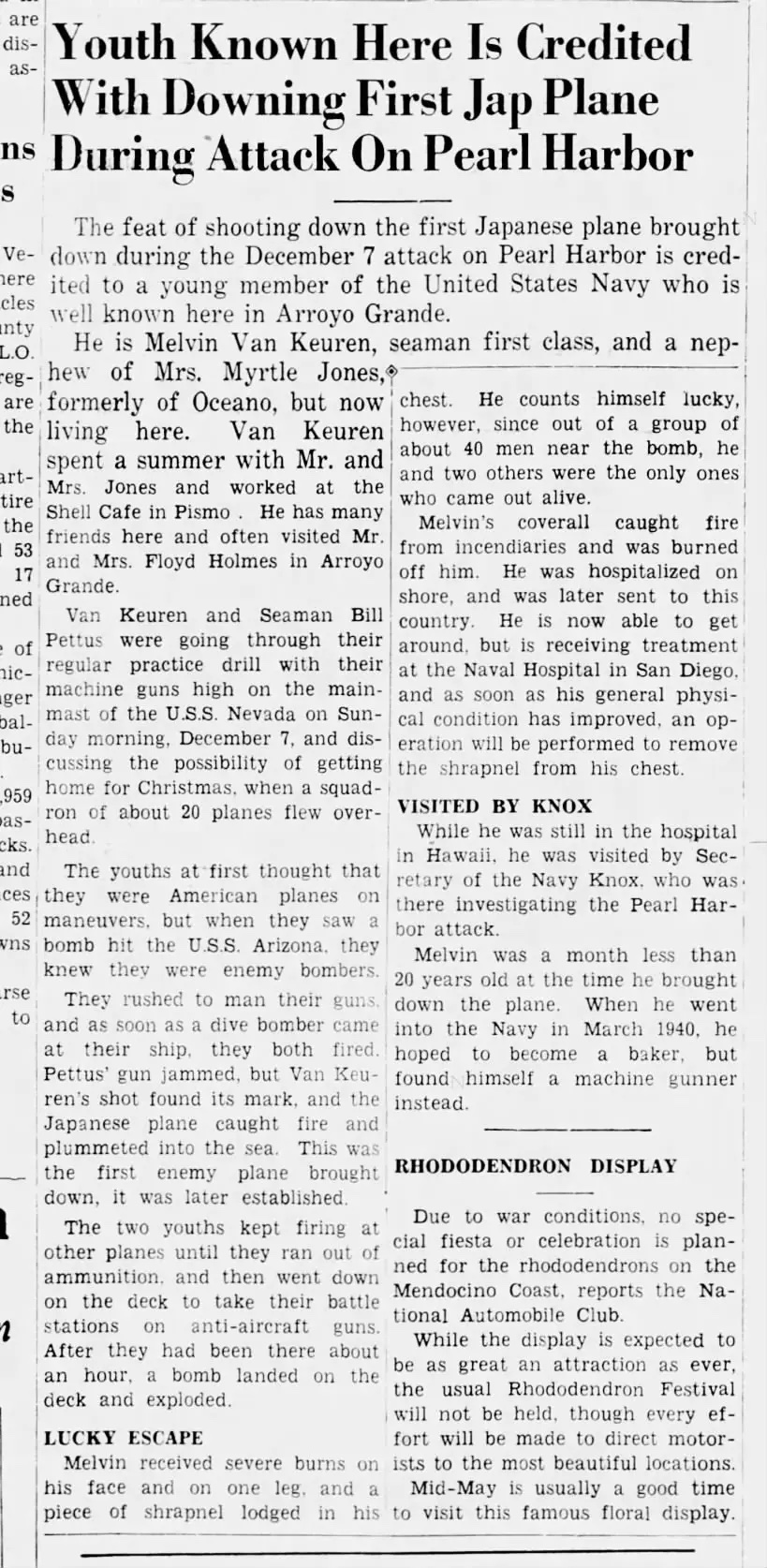
The first of the attacking planes shot down was claimed by USS Nevada. It’s better for me to let the newspaper article tell the story. From the May 8, 1942, Arroyo Grande Herald-Recorder:


“…he hoped to become a baker, but found himself a machine gunner instead.” That is a fine piece of writing.

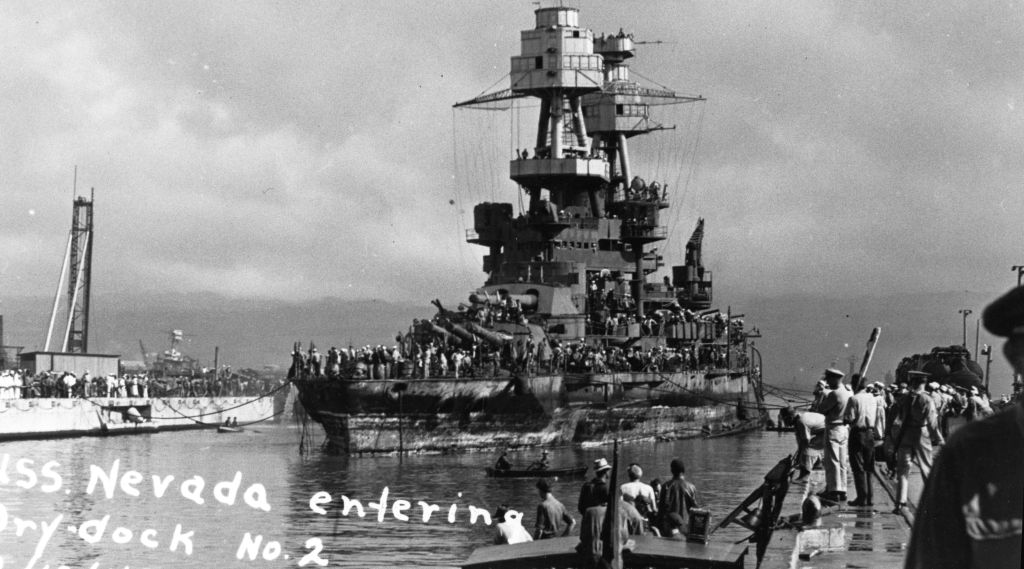
Both Melvin and his ship survived that terrible day. Here is Nevada approaching drydock after being refloated:


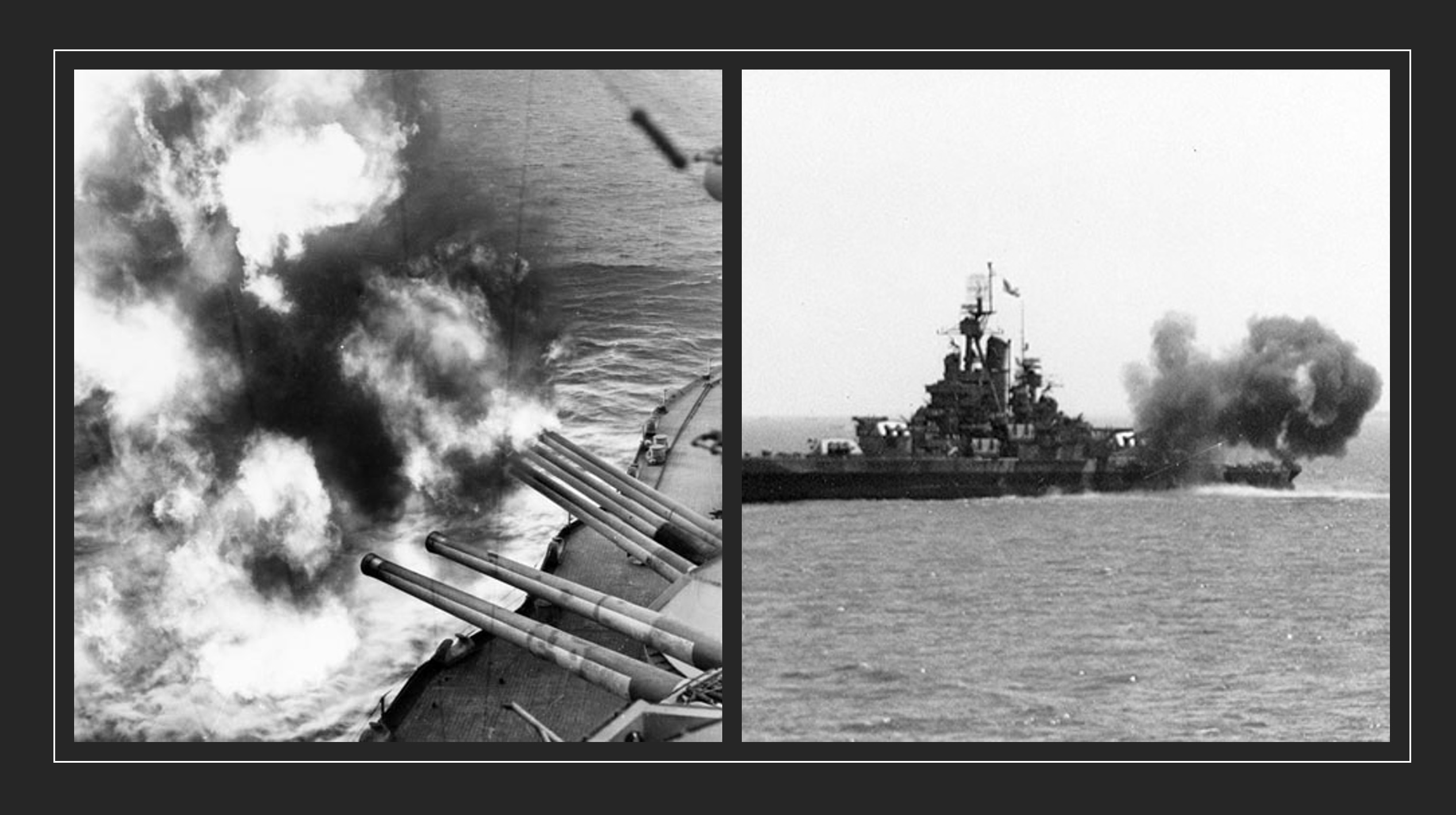
And these are her main batteries opening fire at German positions along Utah Beach on D-Day. Nevada was repaired at Pearl Harbor, overhauled and modernized at Puget Sound, and continued her war over 7,300 miles away and two and a half years removed from the place where the ship had revealed her heart in her run for the sea.

On June 6, 1944, Nevada was granted the honor of being the first ship to open fire on the invasion beaches.


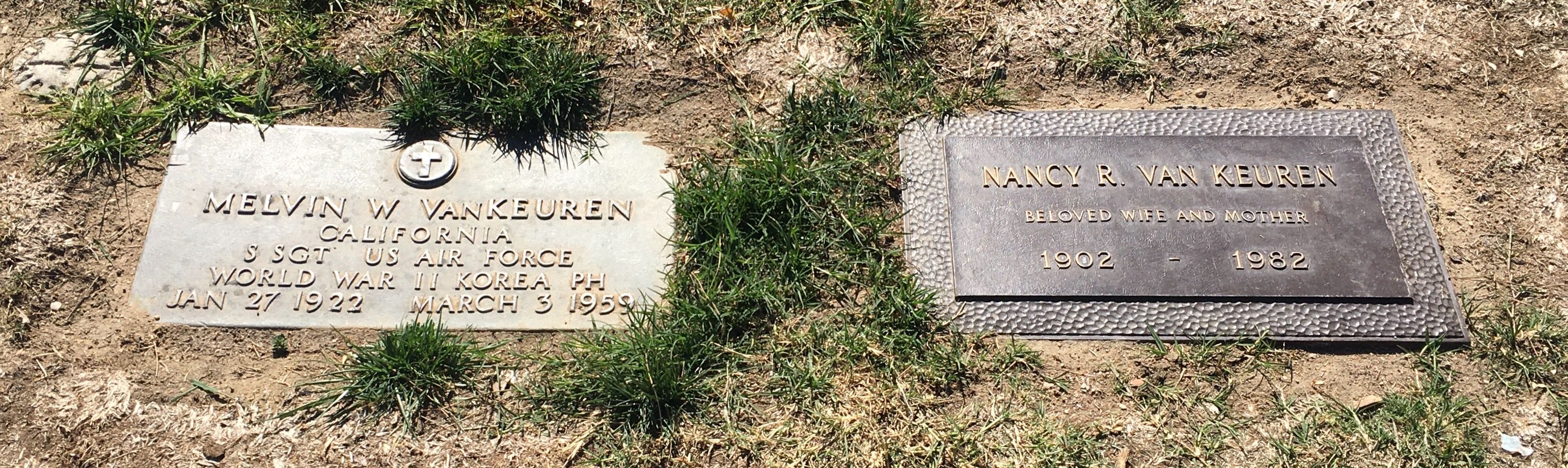
Melvin the hopeful baker survived his war, too, but his wounds sound severe. Maybe they were a factor in his premature death in 1959. He re-enlisted three times and, after the war, retired as an enlisted man in the United States Air Force. He’s buried at Forest Lawn, next to his mother.

This is his tombstone. Sadly, there’s not enough room on it to record the way he revealed his heart, too, on December 7, 1941.

← Older posts

Subscribe

  • Entries (RSS)
  • Comments (RSS)

Archives

  • January 2026
  • December 2025
  • November 2025
  • October 2025
  • September 2025
  • August 2025
  • July 2025
  • June 2025
  • May 2025
  • April 2025
  • March 2025
  • February 2025
  • January 2025
  • December 2024
  • November 2024
  • October 2024
  • September 2024
  • August 2024
  • July 2024
  • June 2024
  • May 2024
  • April 2024
  • March 2024
  • February 2024
  • January 2024
  • December 2023
  • November 2023
  • October 2023
  • September 2023
  • August 2023
  • July 2023
  • June 2023
  • May 2023
  • April 2023
  • March 2023
  • February 2023
  • January 2023
  • December 2022
  • November 2022
  • October 2022
  • September 2022
  • August 2022
  • May 2022
  • April 2022
  • March 2022
  • February 2022
  • January 2022
  • December 2021
  • November 2021
  • October 2021
  • September 2021
  • August 2021
  • July 2021
  • June 2021
  • April 2021
  • March 2021
  • February 2021
  • January 2021
  • December 2020
  • November 2020
  • August 2020
  • July 2020
  • June 2020
  • May 2020
  • April 2020
  • January 2020
  • December 2019
  • November 2019
  • October 2019
  • September 2019
  • August 2019
  • May 2019
  • April 2019
  • March 2019
  • February 2019
  • January 2019
  • December 2018
  • November 2018
  • October 2018
  • September 2018
  • July 2018
  • June 2018
  • May 2018
  • April 2018
  • March 2018
  • February 2018
  • January 2018
  • December 2017
  • November 2017
  • October 2017
  • April 2017
  • March 2017
  • December 2016
  • November 2016
  • October 2016
  • September 2016
  • August 2016
  • July 2016
  • June 2016
  • April 2016
  • March 2016
  • February 2016
  • January 2016
  • December 2015
  • November 2015
  • October 2015
  • September 2015
  • August 2015
  • July 2015
  • June 2015
  • May 2015
  • April 2015
  • March 2015
  • February 2015
  • January 2015
  • December 2014
  • November 2014
  • September 2014
  • August 2014
  • July 2014

Categories

  • American History
  • Arroyo Grande
  • California history
  • Family history
  • Film and Popular Culture
  • History
  • News
  • Personal memoirs
  • Teaching
  • The Great Depression
  • trump
  • Uncategorized
  • World War II
  • Writing

Meta

  • Create account
  • Log in

Blog at WordPress.com.

  • Subscribe Subscribed
    • A Work in Progress
    • Join 68 other subscribers
    • Already have a WordPress.com account? Log in now.
    • A Work in Progress
    • Subscribe Subscribed
    • Sign up
    • Log in
    • Report this content
    • View site in Reader
    • Manage subscriptions
    • Collapse this bar
 

Loading Comments...