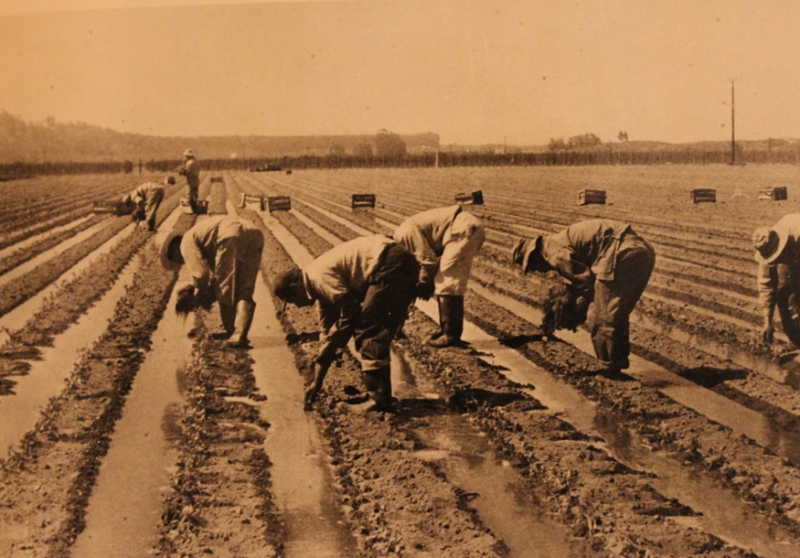
Japanese American farmworkers planting seedlings in the Lower Arroyo Grande Valley. Pismo-Oceano Vegetable Exchange.
It’s just a first draft, and it’s not Hollywood Production Quality. But this presentation draft, to be given in final form next Saturday, is still very close to my heart.
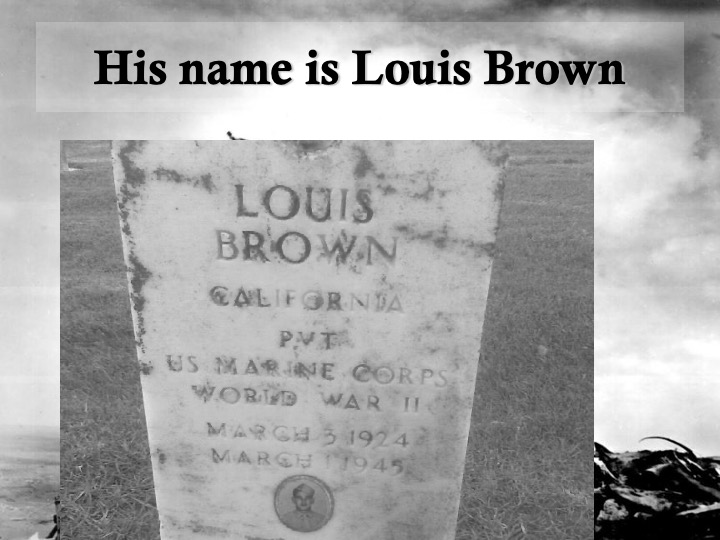
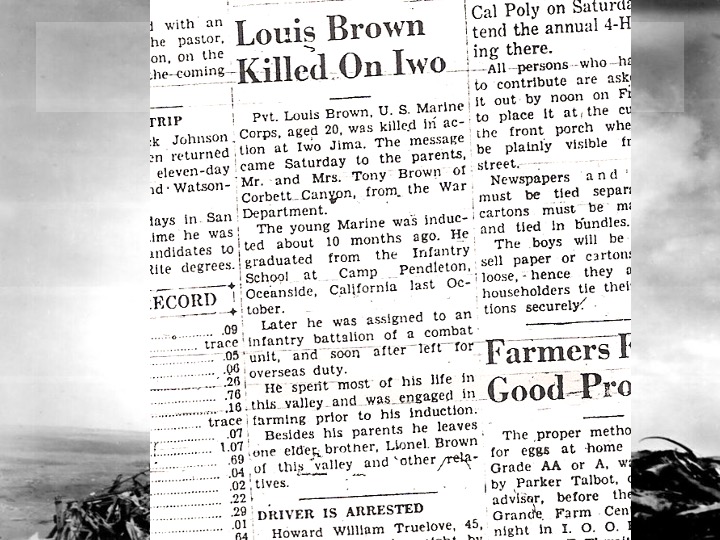
Today is February 23. On this day in 1945, a detail from the 28th Marine Regiment was immortalized in this Joe Rosenthal photograph as, still under fire, they raised a second, larger, flag atop Mt. Suribachi on Iwo Jima. The young Marine on the right had six days to live. He was a farmer’s son from Corbett Canyon, near Arroyo Grande. His parents were Azorean immigrants. And I knew, from the date on his tombstone, that he died on Iwo Jima.
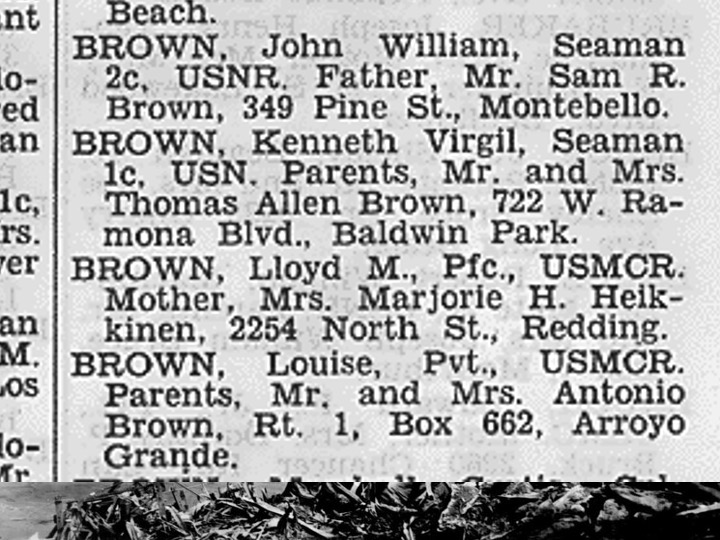
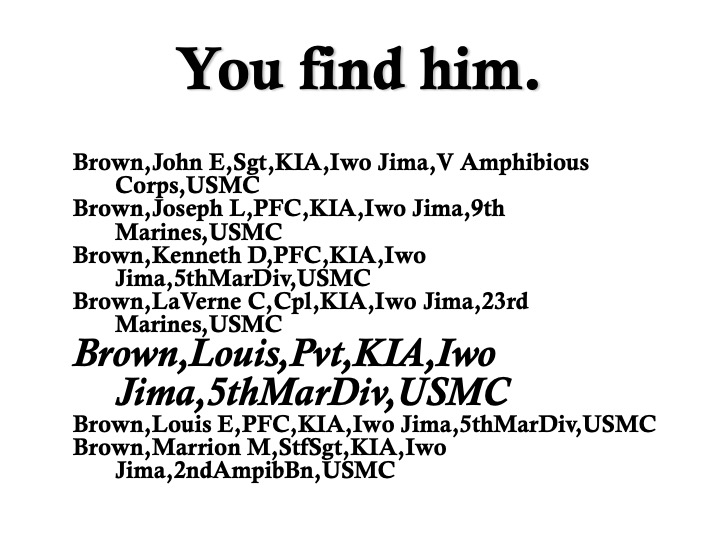
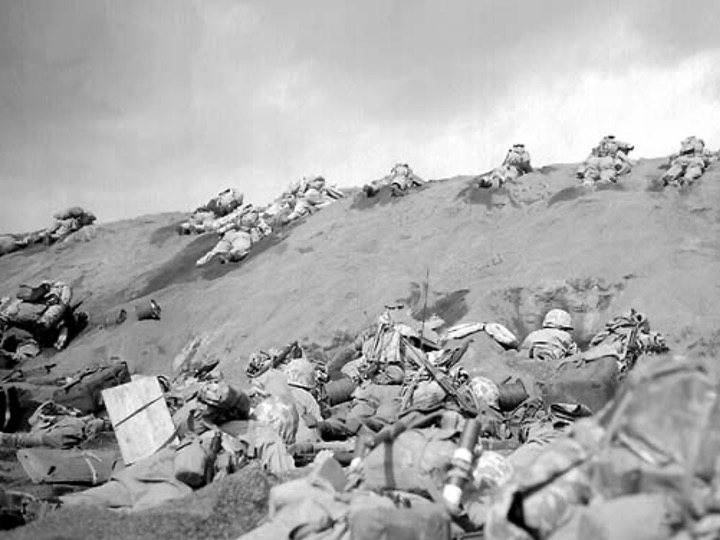
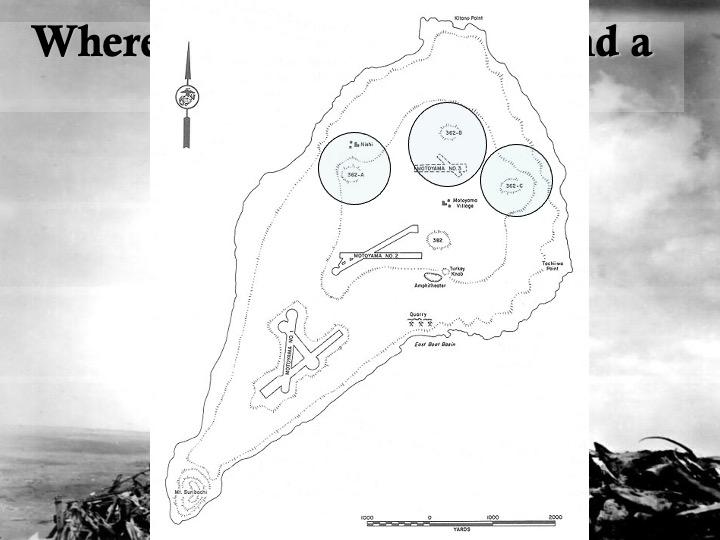
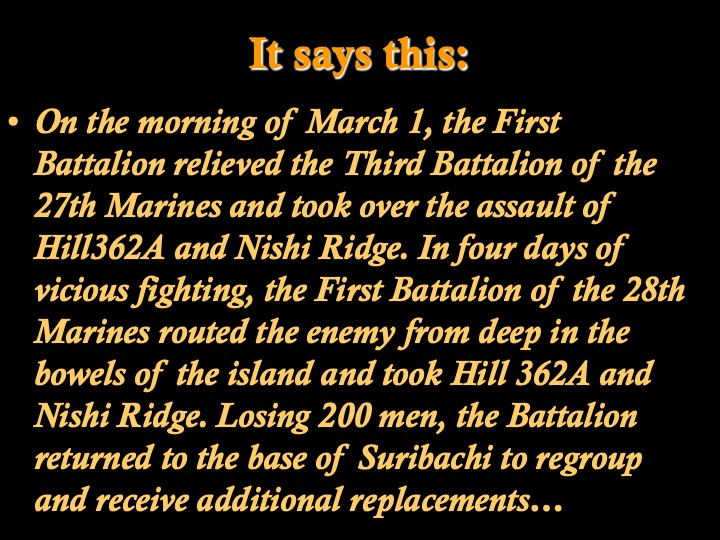
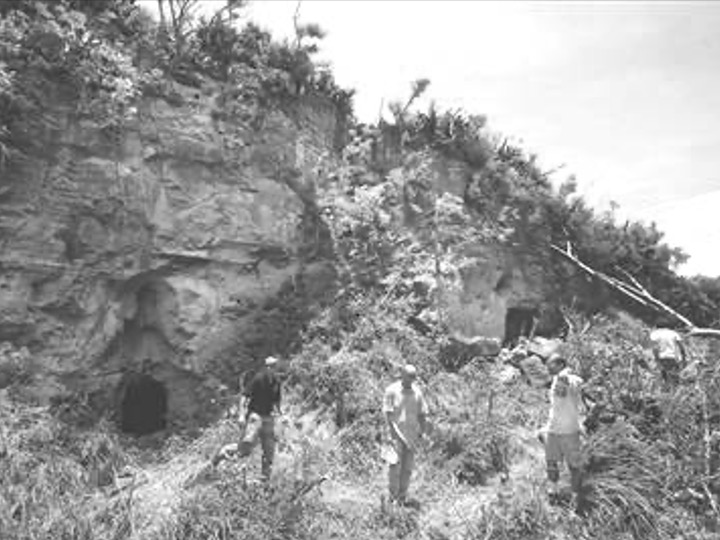
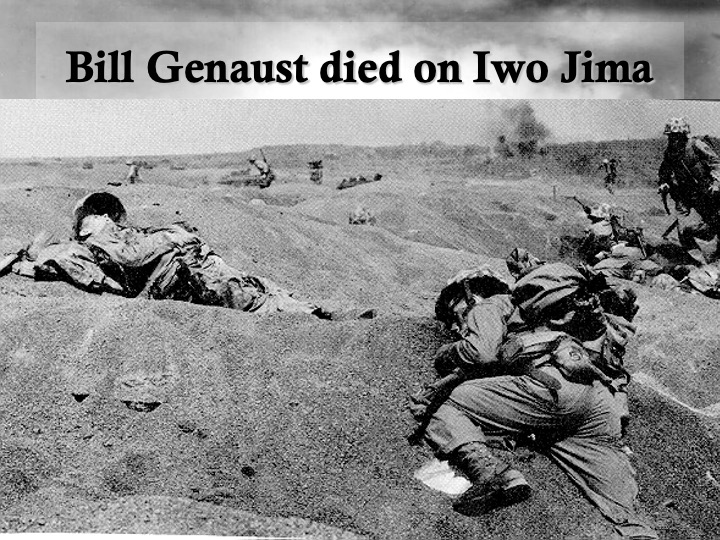
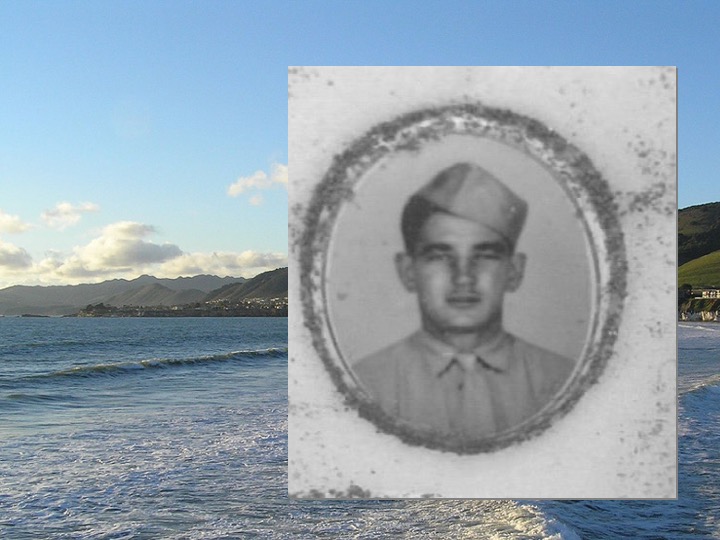
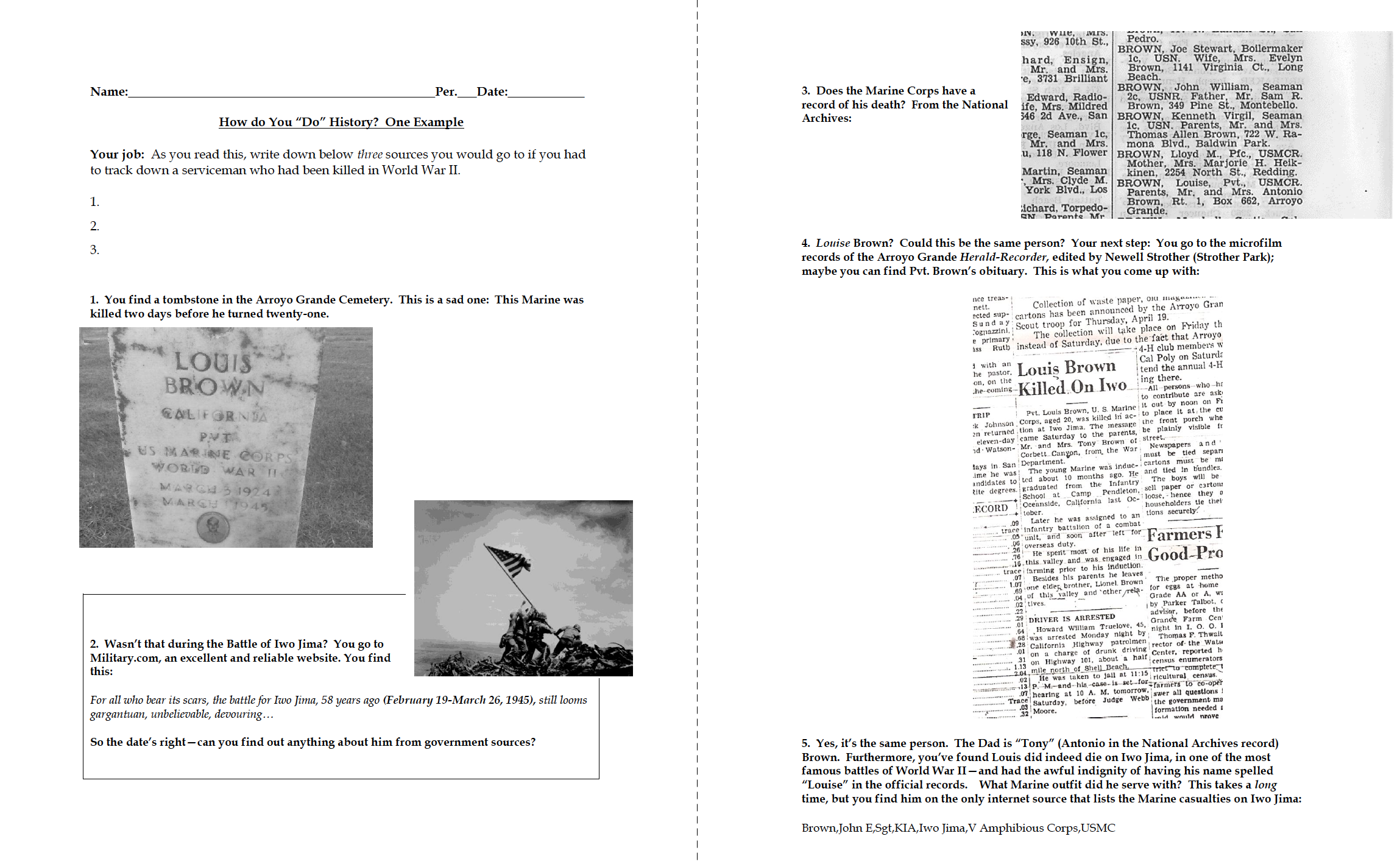
I owe Pvt. Louis Brown so much for many reasons. In my history classes, I wanted my students to learn the basics of research, including forensic study of a battlefield (The Little Bighorn) and using deductive reasoning to analyze a murder scene (the Lizzie Borden home) so that they could begin to appreciate how historians think. So the sad business of finding this young man’s tombstone inspired a lesson plan. I walked students through the steps of researching a World War II combatant—may they might research an ancestor someday—by modeling what I’d done, in a series of PowerPoint slides:
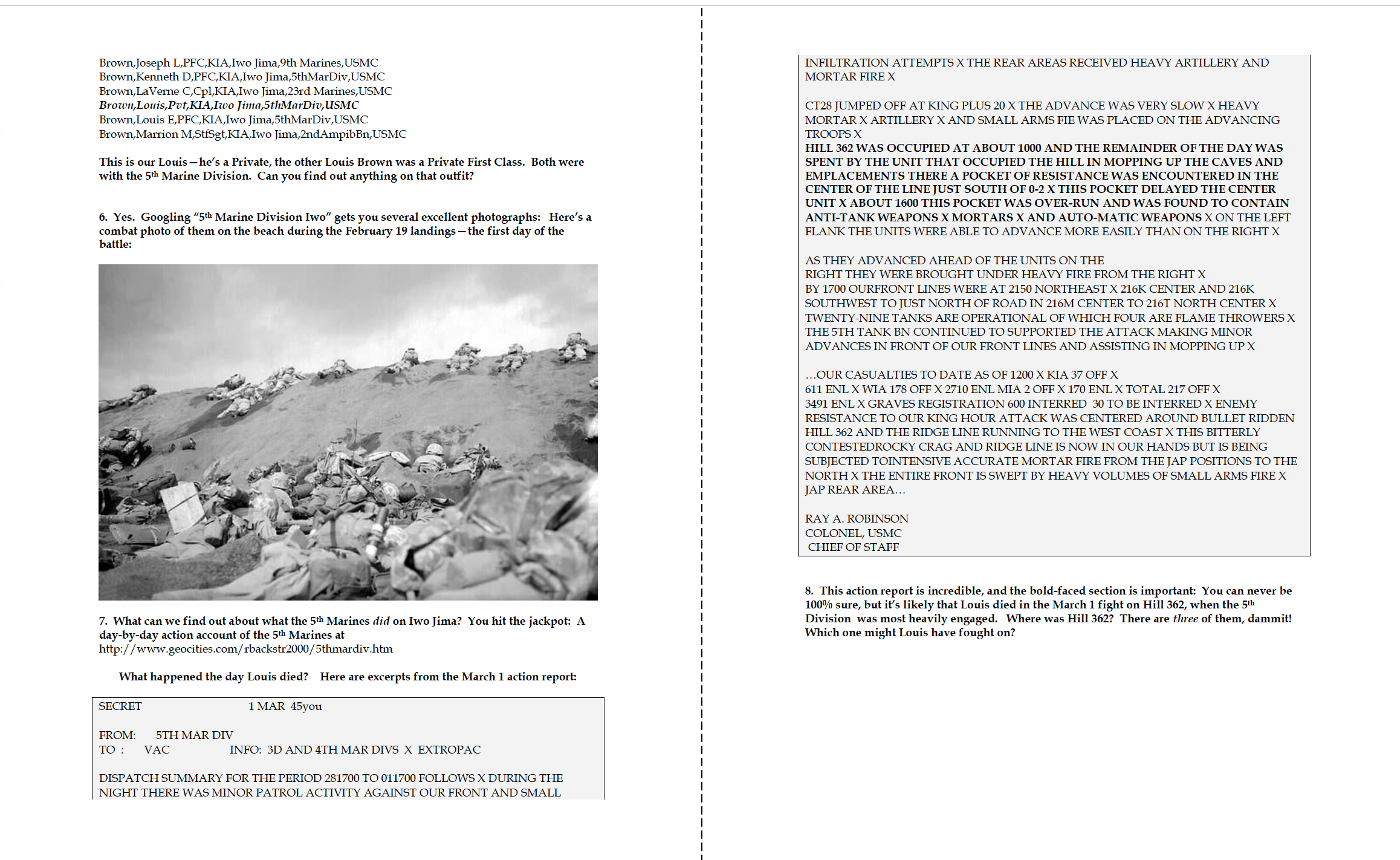
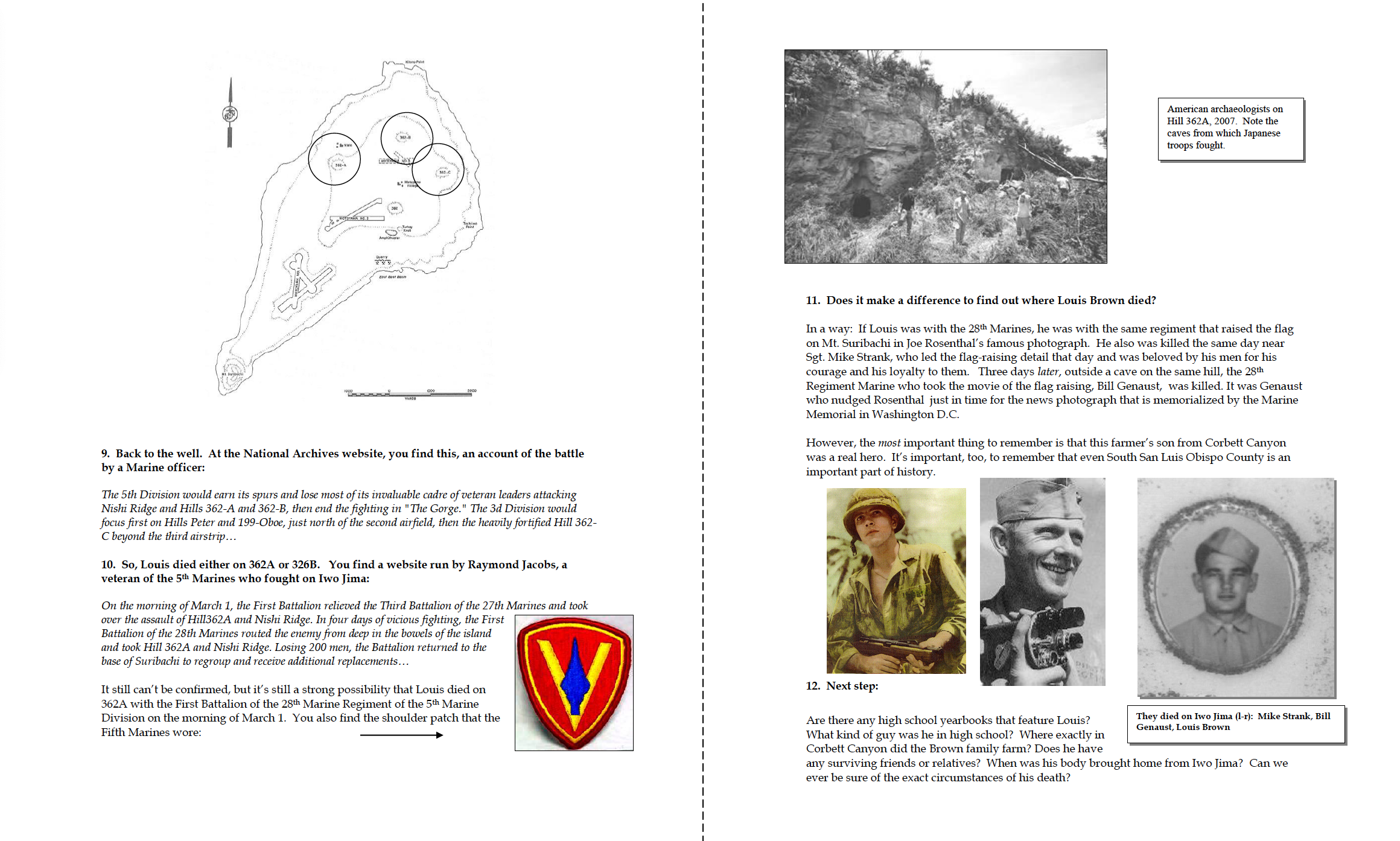
And, yes, this would be on the test, so they had a notes handout to help them follow along:
Louis Brown had by now become important to me. I wanted other people to know him, too, hence this article in the June 2009 SLO Journal Plus.
Even that wasn’t enough, so, when I began to give talks on local World War II history, Louis Brown was part of them.
By now, of course, I was hooked on doing research like this, so Brown inspired this 2016 book, my first.
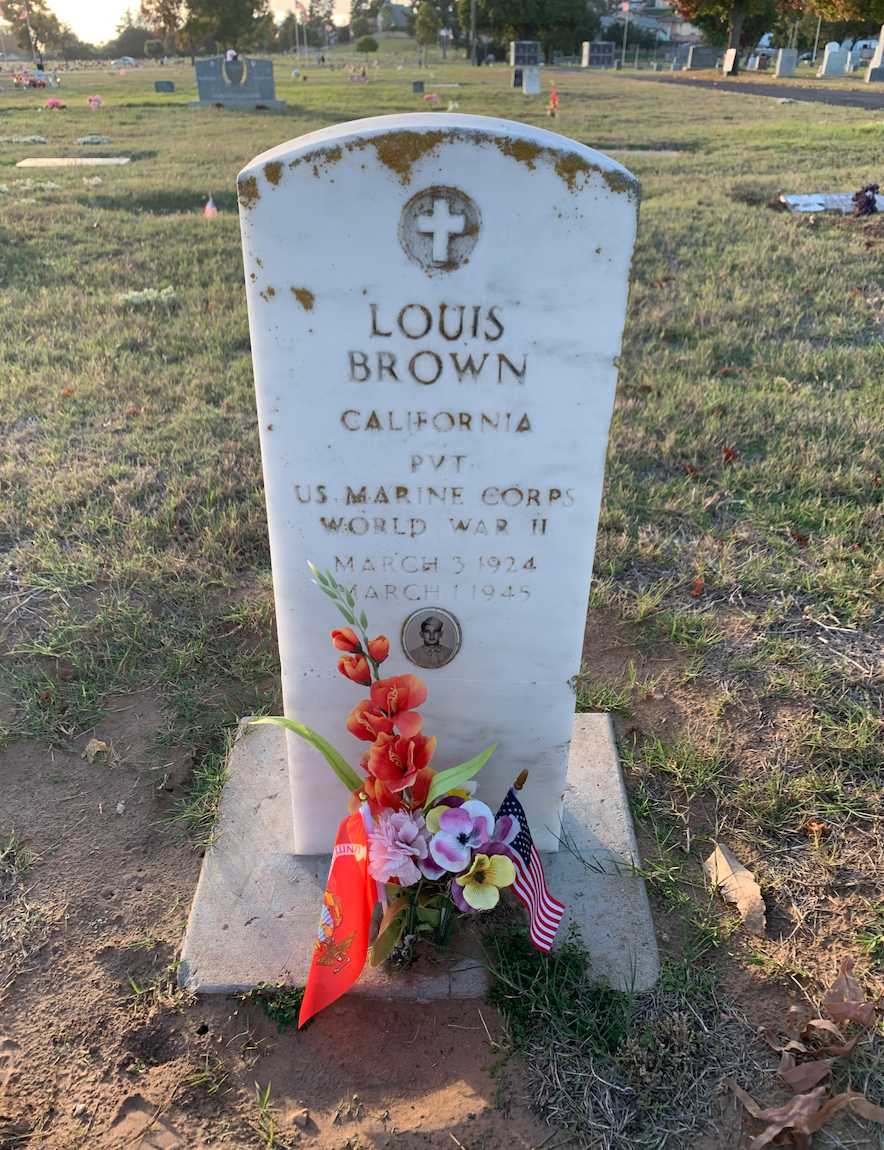
And this is why, every few months, I make sure that he has new American and Marine Corps flags. Sometimes, as this photo shows, someone else has left him flowers. That is a great kindness: Brown is their Marine, too.
























 A Work in Progress