• About
  • The Germans

A Work in Progress

A Work in Progress

Tag Archives: genealogy

MAGA, 1764

12 Sunday Oct 2025

Posted by ag1970 in trump, Uncategorized

≈ Leave a comment

Tags

ancestry, family, Family history, genealogy, History

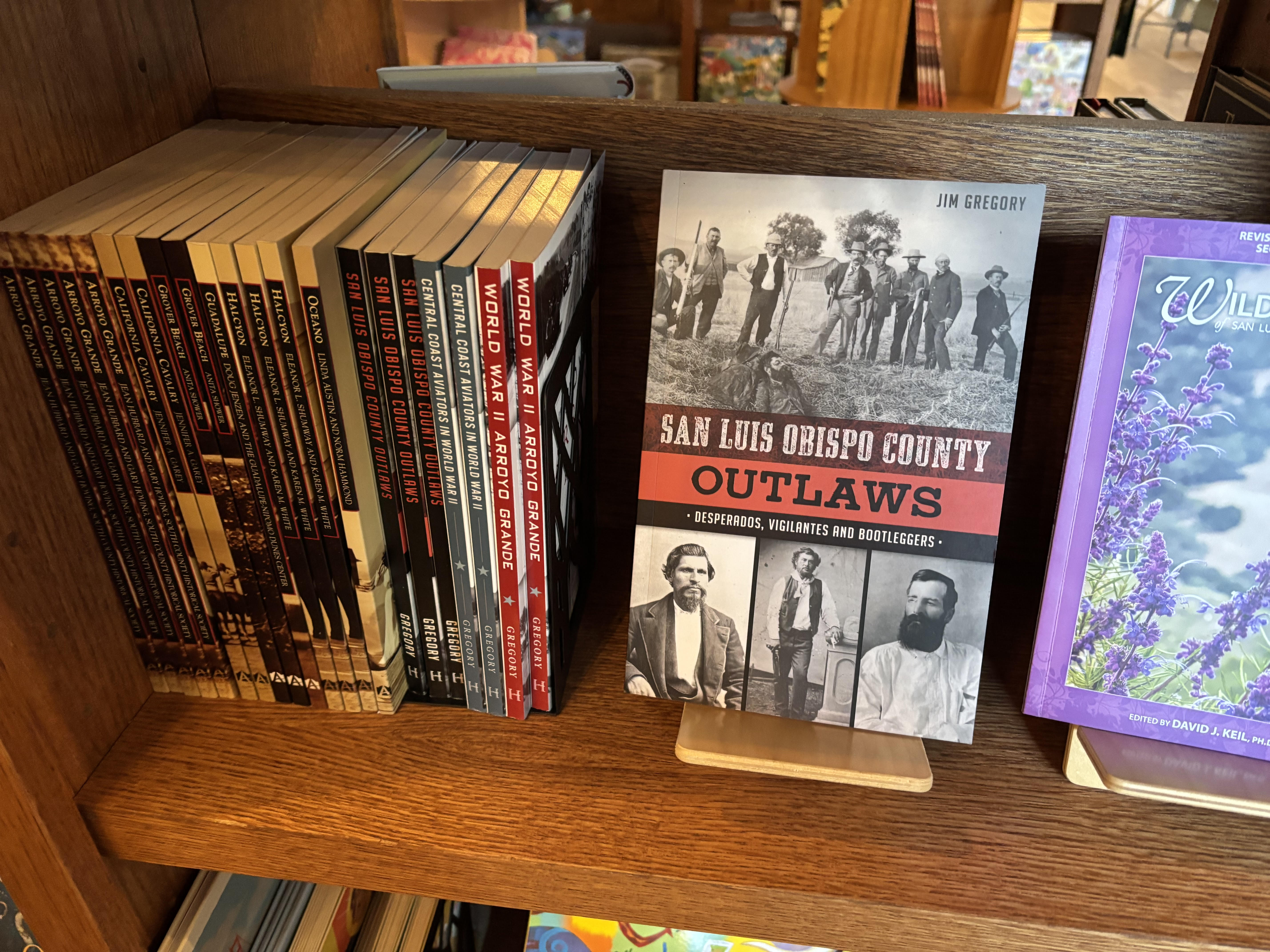
I love that Arroyo Grande—especially Branch Street Arroyo Grande—has an independent bookstore. My ego is happy because Monarch Books carries my books. We were waiting for a table to open across the street—my elder son’s and my younger sister’s birthdays—so I wandered across Branch to look for my books. I found them, but even I’m not so vain as to go into a bookstore and just looky-loo.

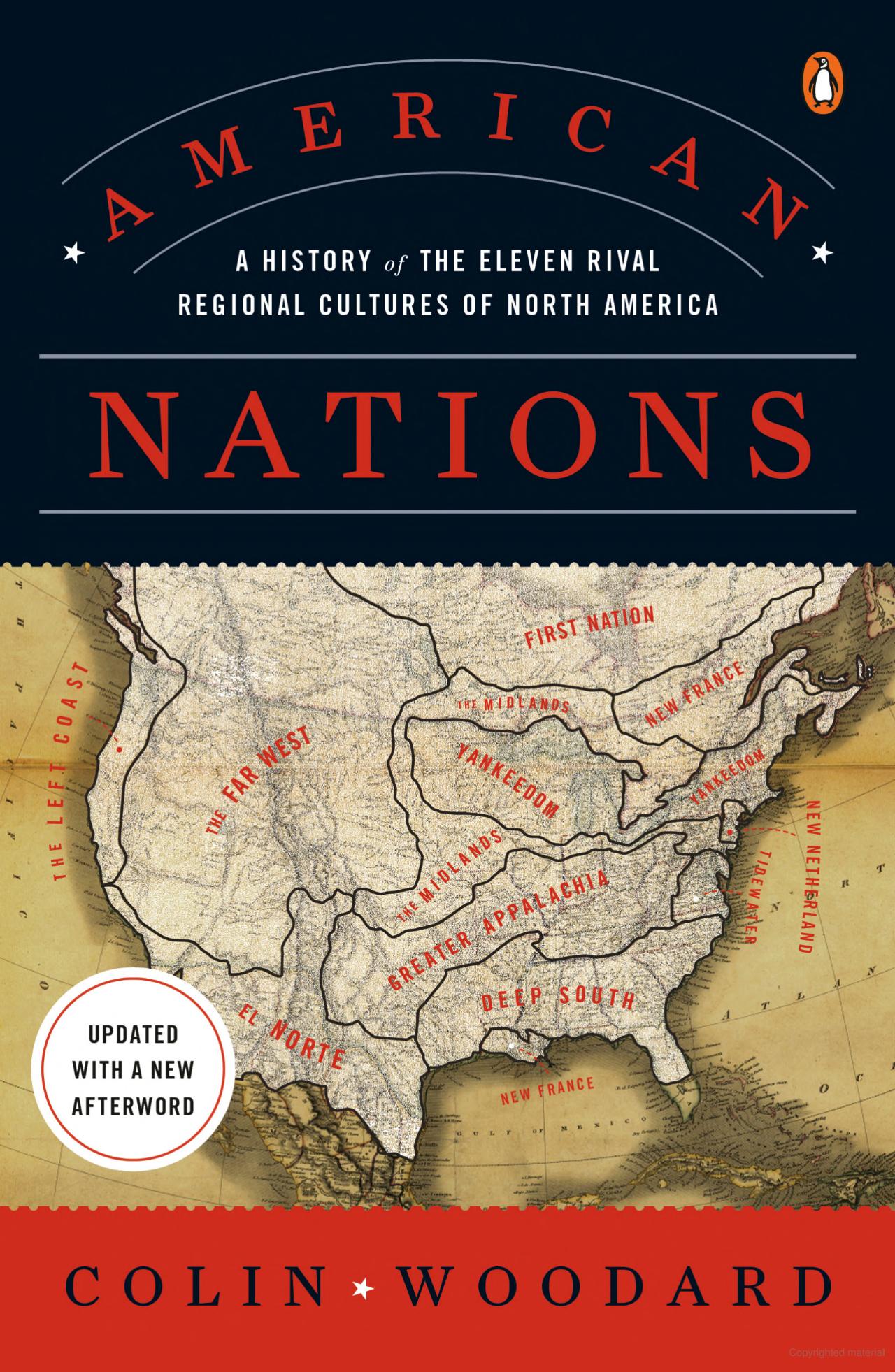
So I bought a book. This book.

I’ve only just started it, but it’s already one of the most extraordinary books I’ve read in years. I rarely start books at the beginning, so I dove into the first chapter about one of Woodard’s seven nations, “Greater Appalachia,” because my father’s family has roots there, planted firmly on Missouri’s Ozark Plateau.

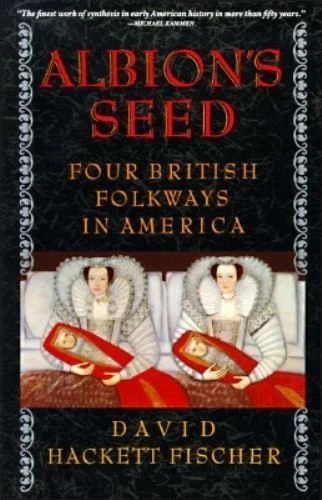
It reminded me of another extraordinary book I read years ago. I shared excerpts from Albion’s Seed with my AGHS history students, again, partly out of vanity, because another part of my family, Episcopalians all, comes from a second nation in Woodard’s book, “Tidewater.” They lived in places whose names—Fredericksburg, Spotslyvania, Petersburg—would be known as terrible battlefields a century after their arrival in America.

One of them, a collateral ancestor, Roger Gregory, married Mildred Washington, the great man’s aunt, and that homely name has persisted in my family, down to my own Aunt Mildred, who preferred to be called “Bill.”

Roger eventually sold Mt. Vernon to Washington’s father. My family is not known for its real estate acumen.

But Albion’s Seed revealed that Tidewater Virginians socialized their children by teaching them dance. That tradition carried down to my grandfather, John Smith Gregory, allegedly the sweetest waltzer in Texas County, Missouri. John could make his partner believe that the sawdust-strewn floor at a barn dance was polished glass. Even in his fifties, his partners were usually teenaged girls, waiting patiently for their turn on Mr. Gregory’s dance card.

My grandmother seethed. What can I say about my Grandmother Gregory? When she visited us kids in Arroyo Grande, we hid her dentures.

Her fried chicken, however, was sublime.
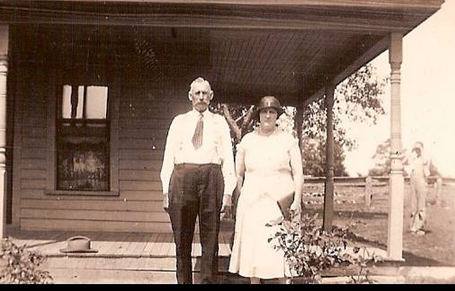
My grandparents, John and Dora Gregory, in front of the farmhouse. As you can tell, my grandmother–a delegate to the 1924 Democratic Convention in Madison Square Garden—was a hard woman to knock down in a windstorm. My dad is at right.

One day in 1933, she called my dad back to the farmhouse, which is still there, because he was barefoot. Dad was going to cross the road with Grandfather John to visit a neighbor. Grandma Gregory’s Scots-Irish pride would not permit a son of hers to visit Mr. Dixon barefoot.

So my grandfather, mostly deaf by then, never heard the speeding Ford roadster that killed him.

They let schools out the day of Mr. Gregory’s funeral.

There have been other books written about people like my ancestors, who migrated from the English Midlands to Tidewater Virginia, then Kentucky, then Missouri, until oil brought them to California. But other ancestors, like my Grandmother Gregory’s, came from Ulster or the Scots Lowlands, desperately poor, oppressed and spoiling for a fight. If they couldn’t get one in the British Isles, they’d be happy to start one in America. Woodard calls them the Borderlanders.

Former Virginia Sen. James Webb wrote Born Fighting, about the Scots-Irish military tradition in American history. Many of them, of course, marched in Stonewall Jackson’s “foot cavalry,” perhaps the finest infantry in the Victorian world, named for the rapidity of their marching. My Uncle Tilford’s middle name was “Stonewall.” So it goes.

And, of course, JD Vance’s offering was Hillbilly Elegy, a petulant book I started twice and then put down, never to return. I have started David Copperfield six times, and I will finish it because the book deserves it.

American Nations deserves a first reading and then many more.

To my shock, I discovered the echo of the January 6 people in the first chapter about “Greater Appalachia,” a region whose culture informs the Ozark Plateau.

REUTERS/Leah Millis/File Photo


Among the observations that Woodard makes about the people of Greater Appalachia, whom he calls the Borderlanders:

–They didn’t trust law courts. Justice, instead, was personal and retributive. The Hatfield-McCoy bloodletting is an example of a Borderland tradition that persisted long after their ancestors came to America.

–Within the group, Borderlanders did not tolerate dissent. Those, including kin, who violated the moral code, grounded in a cultural construct of reality, were dealt with violently.

–Borderlanders hated outsiders, most of all Native Americans, on whose land they squatted. When indigenous people resisted, the retribution visited on them was merciless, including the scalping of children.

–Because they’d been so exploited by absentee landlords in England, Scotland and Ulster, they despised city people, including those in Philadelphia, where a group took up arms, marched on the City of Brotherly Love (even Philadelphia’s Quakers took up arms) and were turned back by cannon loaded almost to the muzzle with grapeshot and by sweet Enlightenment reasoning. Negotiation with Benjamin Franklin finally persuaded the insurrectionists, known as “the Paxton Boys,” to go home.

–While Borderlanders resented the wealthy and the powerful, they followed their own leaders, who rose to the top not because of their command of policy or sweet reasoning, but by the force of their personalities, their emotional appeal and the blandishment of their personal wealth. Disparities in wealth were enormous among these people, and they were tolerated. Woodard notes that the top ten percent monopolized land in AppalachianAmerica, while the lower half had no land at all.

It struck me, in reading the passage about the march on Philadelphia, that MAGA, as far back as 1764, has been an American tradition. Today’s movement, of course, is not ethnic, but it has the trappings—a sense of injustice, of entitlement, of envy and of incipient rage— the same forces that drove the Paxton Boys’ march on the city they despised.

I found some comfort in this understanding, which I hope is accurate, because, after all, we survived 1764.

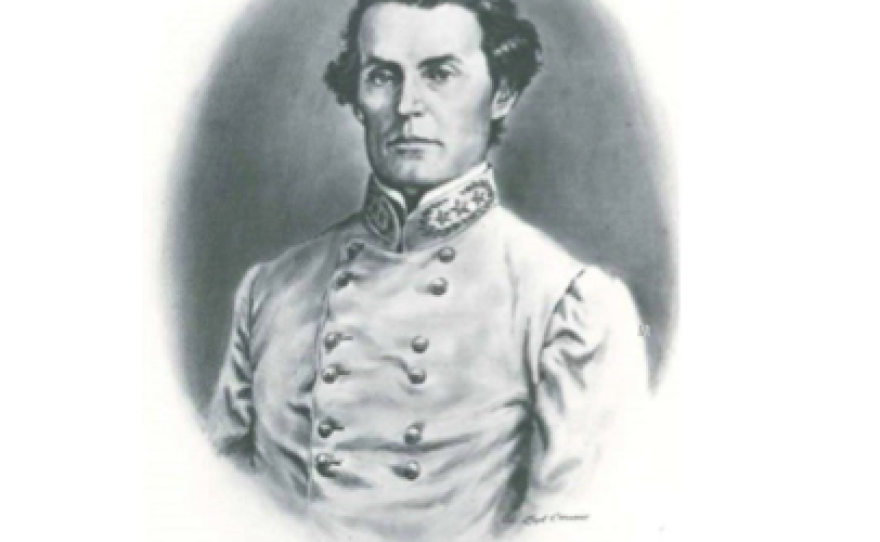
There are other inklings of hope in my Borderland ancestry. I am named for and descended from two Confederate officers, one, a brigadier general (James McBride died of illness in 1862); the other, his son, Capt. Douglass McBride (my middle name), was vaporized by a Yankee artillery shell in Arkansas the same year.

You’d think we would’ve learned, except for my Uncle Tilford Stonewall Gregory’s middle name.

One of Tilford’s sons, Roy, was my cousin. When World War II came to America, Roy, from the Missouri Ozarks, joined the Army and became a member of the Oklahoma-based 45th Infantry Division. He would fight in Italy and Western Europe and was wounded twice—both times from shell fragments from the superb German field gun, the 88— and was recovering from the second when the Germans launched Operation Nordwind in January 1945, in support of the greater offensive in the Battle of the Bulge.

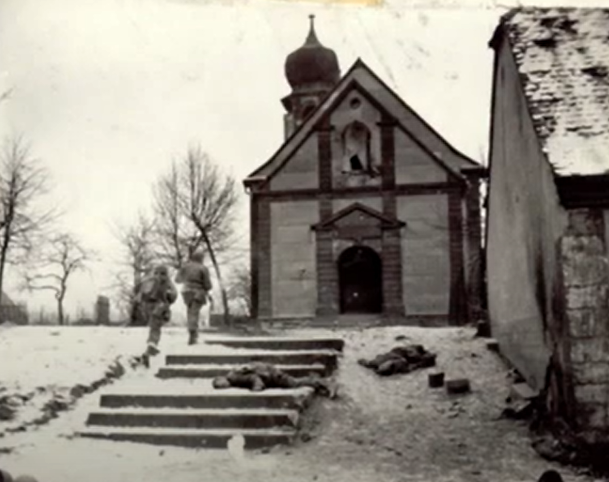
Roy, in recovery, was discharged from the hospital and sent to the front, to a French town, WIngen-sur-Moder, on the German frontier. His company was attacked by Waffen-SS mountain troops, soldiers who fought without mercy, and it was their artillery that finally claimed him. He died on the steps of the village church.

He came home to Greater Appalachia, to the Allen Cemetery in Texas County, Missouri, where his grave is not far from our Grandfather John’s, the sweetest waltzer in Texas County, Missouri.

My cousin, you see, was an Antifascist.
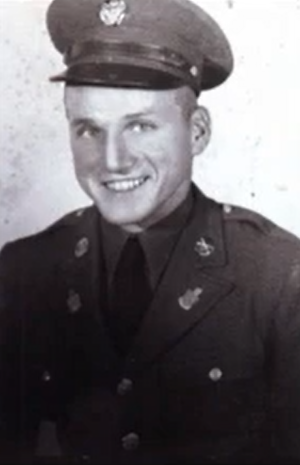
My cousin Roy; the church where he died.


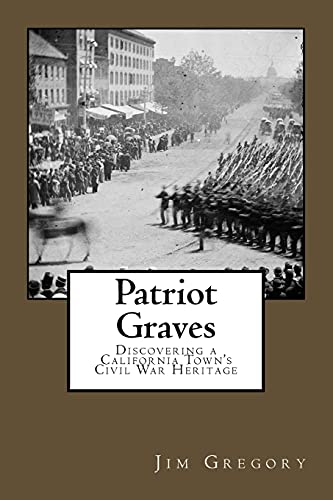
–Jim Gregory’s book Patriot Graves: Discovering a California Town’s Civil War Heritage, is about the sixty Union Civil War veterans buried in the Arroyo Grande District Cemetery.
Version 1.0.0

This lovely little girl…

02 Wednesday Apr 2025

Posted by ag1970 in Uncategorized

≈ Leave a comment

Tags

ancestry, books, Family history, genealogy, History

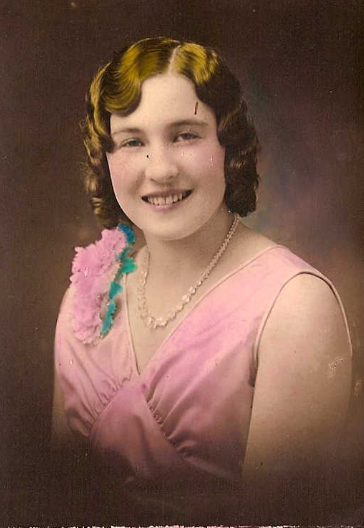
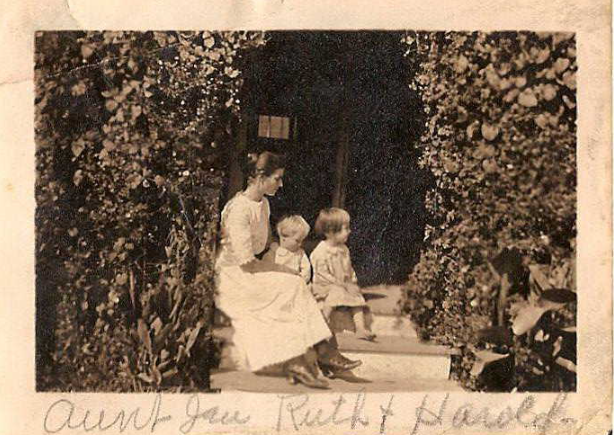
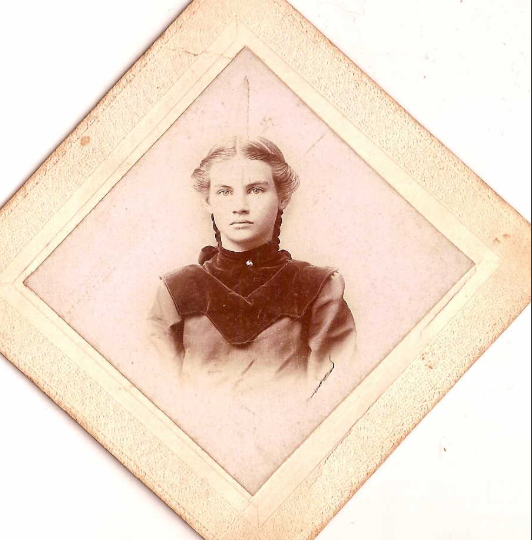
My Great Aunt Jane, or Jennie, or Mildred Jane Wilson, a name that has persisted, unfortunately ever since a collateral Gregory married the great man’s aunt, Mildred Washington. Even my Aunt Mildred Gregory preferred “Aunt Bill.” That’s Aunt Bill circa 1935.


But, you must admit, Great Aunt Jane, or Jennie, was an enchanting little girl. She was born in Licking, Missouri, in 1884 and died in Yellowstone, Montana, in 1978.

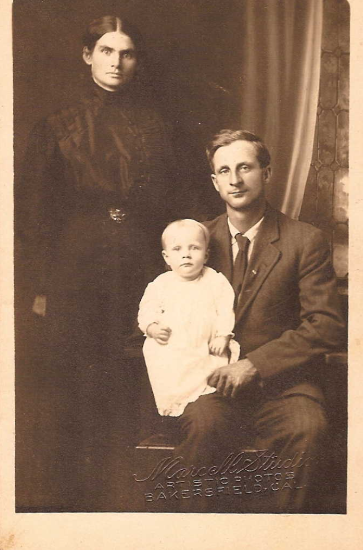
So that’s Jennie, then Jennie with my grandmother Dora (a year older), then Jennie with her husband, Mr. Kofahl, and daughter, Sally Ruth, (who died in Taft, where there are entire regiments of Kofahls.)

So that’s Jennie, then Jennie with my grandmother Dora (a year older), then Jennie with her husband, Mr. Kofahl, and daughter, Sally Ruth, (who died in Taft, where there are entire regiments of Kofahls.)

What disturbs me a little is that Jennie, such a lovely little girl, looks more and more like Rasputin.


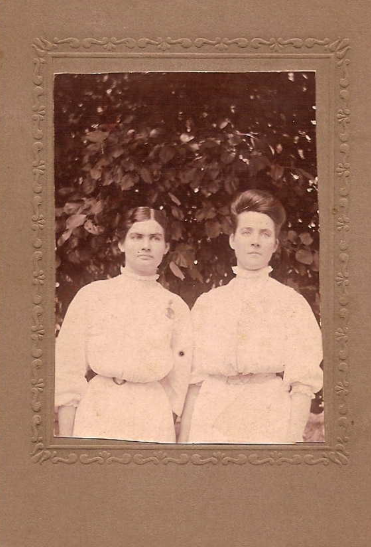
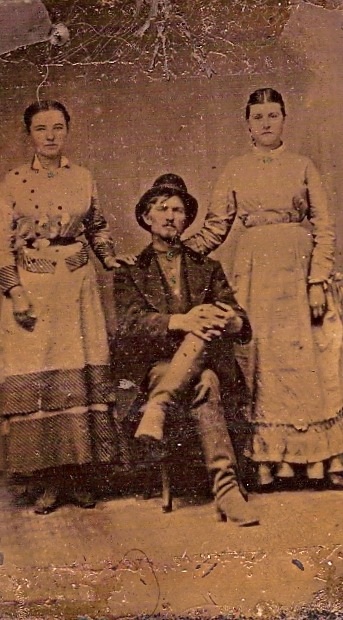
She did not get that from her mother—my great-grandmother, Sallie McBride Wilson. That’s Sallie, on the right, her sister on the left and my great-grandfather, Taylor Wilson, in the center. Sallie has such a sweet face; she died young and left Taylor the heartbreak he never got over. This photo, a tintype, was in a Texas County, Missouri root cellar for thirty-five years before it was restored to my father.

Then, good grief, I realized where Jennie’s expression came from. It wasn’t Rasputin. It was my Confederate ancestor, Gen. James McBride, for whom I am named. He was Jennie’s grandfather.

That’s the General’s look, which I always ascribed to chronic constipation.

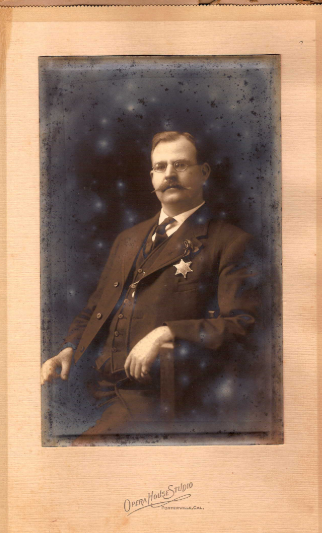
However, Jennie evidently was a wonderful mother to Sally Ruth, and her brother, Jim Ed Wilson, was the police chief of Shafter.

Missourians like two names.

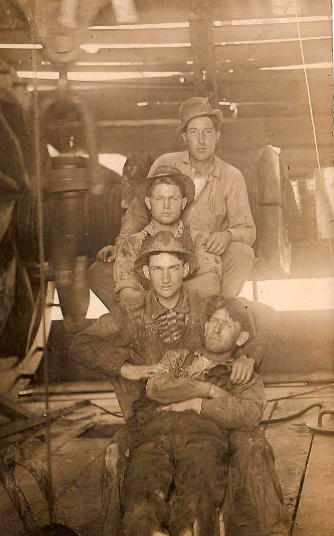
Three more Wilson brothers worked in the Taft oilfields–the top three in the photo. One of them, I think Cal, grew so frustrated with the camp cook that he threw him into a boiler. We have never ascertained whether it was lit. He must’ve been crabby, like the General.

Cal’s nephew, Robert Wilson Gregory, was stationed at Gardner Field in Taft—Chuck Yeager trained there—discovered that not only was the food terrible, but that the head cook was embezzling mess funds and serving substandard farm, when Army food was already awful, while pocketing the Army’s money. Busting the cook got Dad into Officers’ Candidate School.

Don’t mess with an accountant.

Or, I think, with Aunt Jane.


“My ancestors came here the RIGHT way.”

13 Monday Jan 2025

Posted by ag1970 in trump, Uncategorized

≈ Leave a comment

Tags

Family history, genealogy, History, immigrants

A father and daughter, “illegals,” drowned in the Rio Grande, 2019.

If you know history—worse, if you teach it, which steers you into confrontations you don’t want—your tolerance for ignorance dissipates. This quote is a favorite of ignorant people.

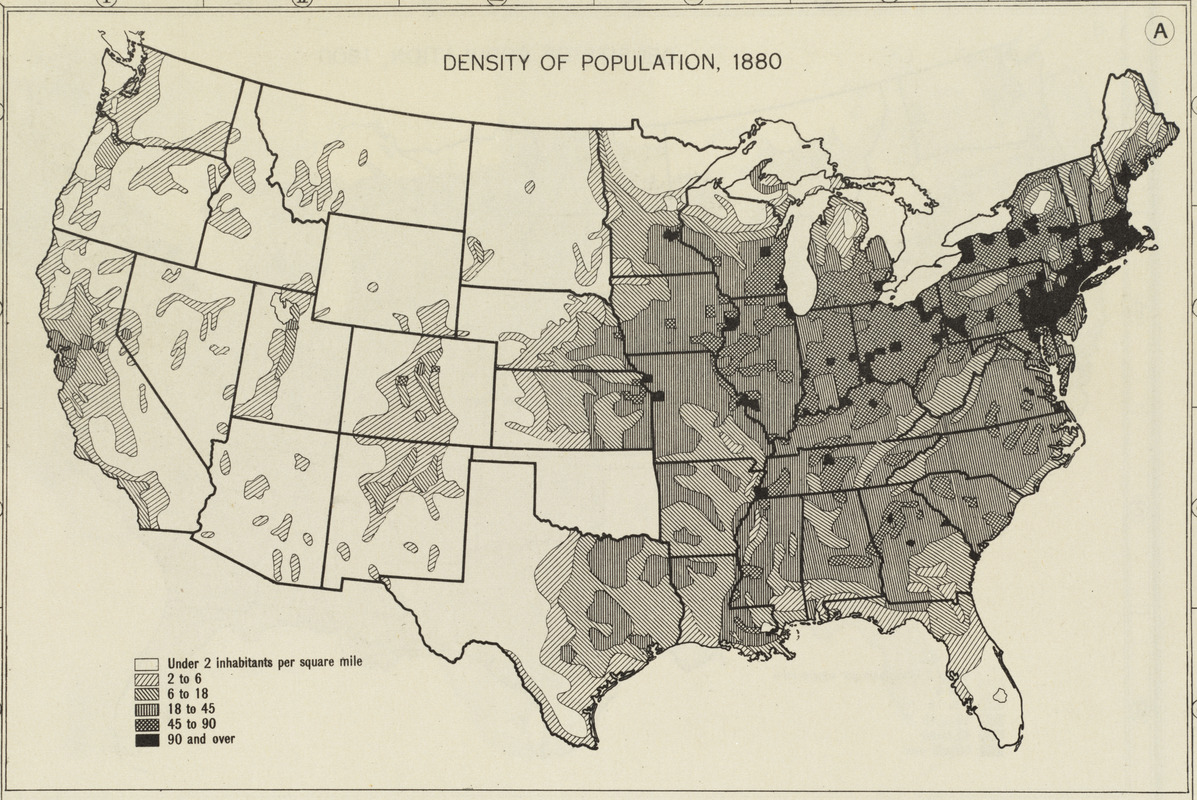
Of course your ancestors came here the “right way,” especially if they came between 1880 and 1914. We had another ten years before we would subdue the first immigrants—the Lakota people—at Wounded Knee, and we still had a vast continent to fill once we’d accomplished the extermination, or near-exterminations, that we’d always glorified, from Puritan sermons to the the pronouncements of the first governor of California to breathless newspaper dispatches from the Black Hills, and its gold deposits, in the 1870s.

So your ancestors—Italians, Poles, Russian Jews, Bohemians. Irish and the largest immirant group, Germans–were needed to fill the empty space in this map. Their influence remains: In Texas, there are many little towns where “Texas German,” is the second language. Missouri River towns have names like Versailles, Vichy, Hermann. In my hometown, Arroyo Grande, Califronia, what is now Cherry Avenue was dense with Bohemian families.

We were starved for people. Unless, of course, to use a few examples, you were Chinese (denied with the Exclusion Act), Japanese (The “Gentleman’s Agreement”) or Filipino (citizens and then, on a Congressional whim, not citizens. Filipinas were not allowed to come to America.)

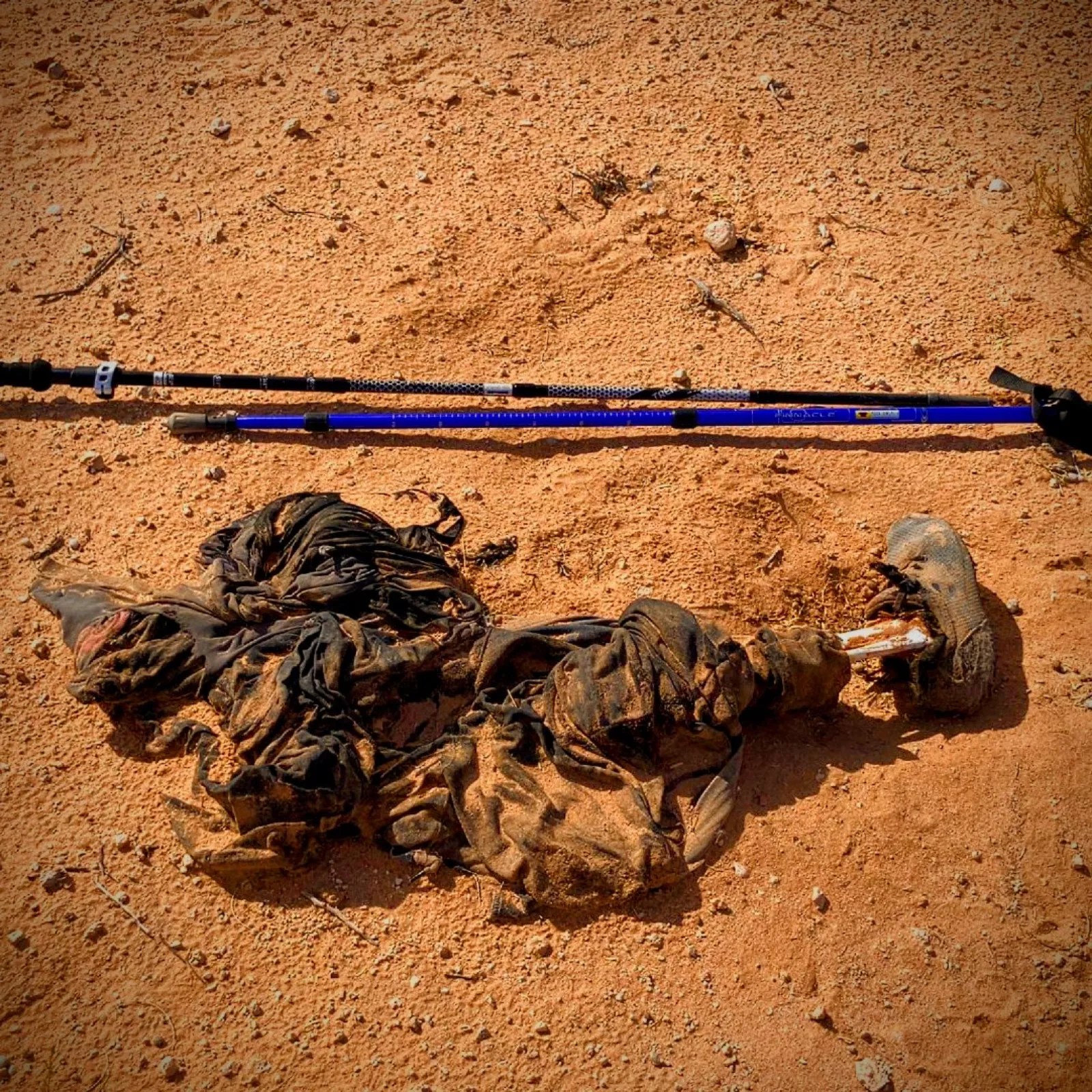
“Illegal Aliens” are driven by the same desires that motivated Italians, Russian Jews or the Irish: poverty, persecution, starvation. But not even the “coffin ships” that claimed so many Irish immigrants can compare to the agonizing deaths in our Desert Southwest today.

The great irony is that we are as starved for people now as we were in 1880. The vastness now is not calculated in land, but in the passing of Americans from my generation—the so-called” Boomers”—who, liked the migrants, leave nothing behind when they die: the American birth rate in 2023 was half that of 1957, in the midst of the Baby Boom. And the Boomers are retiring—or dying—so it’s we account who for the gap today, generational rather than geographical, that so closely resembles the emptiness between the Mississippi and the Pacific in 1880.

But these people are not welcomed, ostensibly because they came here the “wrong way.” They came here because death squads killed friends or family members, because climate change has reduced fields of corn to crisp rows resembling papyrus, because there are no jobs for young people in bifurcated economies marked by the vast divide between landowning elites and landless farmworkers.

What would you do in the same circumstances? Illuminate me.

Subscribe

  • Entries (RSS)
  • Comments (RSS)

Archives

  • January 2026
  • December 2025
  • November 2025
  • October 2025
  • September 2025
  • August 2025
  • July 2025
  • June 2025
  • May 2025
  • April 2025
  • March 2025
  • February 2025
  • January 2025
  • December 2024
  • November 2024
  • October 2024
  • September 2024
  • August 2024
  • July 2024
  • June 2024
  • May 2024
  • April 2024
  • March 2024
  • February 2024
  • January 2024
  • December 2023
  • November 2023
  • October 2023
  • September 2023
  • August 2023
  • July 2023
  • June 2023
  • May 2023
  • April 2023
  • March 2023
  • February 2023
  • January 2023
  • December 2022
  • November 2022
  • October 2022
  • September 2022
  • August 2022
  • May 2022
  • April 2022
  • March 2022
  • February 2022
  • January 2022
  • December 2021
  • November 2021
  • October 2021
  • September 2021
  • August 2021
  • July 2021
  • June 2021
  • April 2021
  • March 2021
  • February 2021
  • January 2021
  • December 2020
  • November 2020
  • August 2020
  • July 2020
  • June 2020
  • May 2020
  • April 2020
  • January 2020
  • December 2019
  • November 2019
  • October 2019
  • September 2019
  • August 2019
  • May 2019
  • April 2019
  • March 2019
  • February 2019
  • January 2019
  • December 2018
  • November 2018
  • October 2018
  • September 2018
  • July 2018
  • June 2018
  • May 2018
  • April 2018
  • March 2018
  • February 2018
  • January 2018
  • December 2017
  • November 2017
  • October 2017
  • April 2017
  • March 2017
  • December 2016
  • November 2016
  • October 2016
  • September 2016
  • August 2016
  • July 2016
  • June 2016
  • April 2016
  • March 2016
  • February 2016
  • January 2016
  • December 2015
  • November 2015
  • October 2015
  • September 2015
  • August 2015
  • July 2015
  • June 2015
  • May 2015
  • April 2015
  • March 2015
  • February 2015
  • January 2015
  • December 2014
  • November 2014
  • September 2014
  • August 2014
  • July 2014

Categories

  • American History
  • Arroyo Grande
  • California history
  • Family history
  • Film and Popular Culture
  • History
  • News
  • Personal memoirs
  • Teaching
  • The Great Depression
  • trump
  • Uncategorized
  • World War II
  • Writing

Meta

  • Create account
  • Log in

Blog at WordPress.com.

  • Subscribe Subscribed
    • A Work in Progress
    • Join 68 other subscribers
    • Already have a WordPress.com account? Log in now.
    • A Work in Progress
    • Subscribe Subscribed
    • Sign up
    • Log in
    • Report this content
    • View site in Reader
    • Manage subscriptions
    • Collapse this bar
 

Loading Comments...