• About
  • The Germans

A Work in Progress

A Work in Progress

Tag Archives: music

Using film to tour America (in progress)

21 Sunday Dec 2025

Posted by ag1970 in Uncategorized

≈ Leave a comment

Tags

film, movies, music, travel

Someone posted the opening to Breakfast at Tiffany’s this morning and I was struck, once again, by its excellence. You had Mancini, New York in the early morning, Audrey Hepburn, that dress. It was, I think a perfect homage to begin a kind of American tour.

New York City

Mike Nichols, the ferry, the incredible camera work, and this glorious Carly Simon song. The Twin Towers still live in this film, and the sight of them still breaks my heart.

The American South

Places in the Heart, set in the Great Depression, was also evocative of my Dad’s growing up on the Ozark Plateau. This lovely hymn carries this film’s equally lovely visual essay about a small Southern town in the Cotton Belt.

New England

The premonition of a fisherman’s wife, and then the boats come in safely. From A Perfect Storm.

“The March Family seemed to create its own light…” The 1994 version; I’m especially fond of Gabriel Byrne’s German Romantic, who suddenly and instantly connects with Jo, steeped in Transcendentalism. Susan Sarandon is perfect, and I think the backdrop to this winter scene would’ve been the December 1862 Battle of Fredericksburg, in which the Union suffered enormous casualties.

Oregon

Milos Forman’s use of the musical saw and the dark landscape reminds you that, for all the fun you’ll have, this is an immensely tragic film.

The Great Plains

The master of this part of America is Terence Malick, first in his fictional treatment of the Charlie Starkweather murders in the 1950s Dakotas, then in his account of the immigrant experience in Days of Heaven. Gassenhauer’s “Street Song” has stayed with me ever since this opening sequence. Martin Sheen’s cowboy boots are impudent. The marvelous homage to this film is Wes Anderson’s Moonrise Kingdom.

The Shining is terrifying on many levels, but, to me, the Montana opening, from the air, is even scarier that “All Work and No Play Will Make Jack a Dull Boy.”

West Texas

The landscape’s evocative, and who better to narrate than Tommy Lee Jones, from No Country for Old Men. (Jones’s own film, The Three Deaths of Melquiades Estrada, in a similar locale, is superb.)

L.A.

What a contrast: Billy Wilder’s in Sunset Boulevard, with the voice of William Holden, already dead, and the freeway scene from La-la Land.

San Francisco

It’s studio-shot, but you can’t escape the bridges and the bay. And the chase scene so skillfully sets up the detective Scotty’s phobia. Poor James Stewart. A film full of evocative San Francisco street scenes and some cool vintage cars, too.

Long-ago America

In The Last of the Mohicans, the foot-chase is thrilling and tragic; the prayer to the fallen stag is profound. Malick strikes again in The New Land, whose opening sequence—about innocence about to be lost— might be the finest of them all.

One cheater, because it’s near the opening.

From Baz Luhrmann. Stunning.

“In Progress” because I’ll probably think of another dozen places and another dozen films.


The Gift of Laura Nyro

01 Monday Dec 2025

Posted by ag1970 in Uncategorized

≈ Leave a comment

Tags

classic-rock, laura-nyro, music, pop, Writing

I guess it bothers me a little that most of the young people I taught don’t know about Laura Nyro. She didn’t have the staying power of, say, her contemporary, Joni Mitchell, but this was because ovarian cancer took her away, at 49, in 1997.

That’s long-ago enough, but the funky character of this videotape, from a 1969 NBC special, shows that this performance is even longer ago. It’s Nyro and her song, which means as much today as it did then.


Nyro was an amazing performer, but what made her special is how amazing her songs became in the performances by other artists. I will now be quiet and let you be the judge of Laura Nyro.

Sara Bareilles, “Stoney End,” for the induction of Nyro into the Rock Hall of Fame.

“Eli’s Coming,” a Nyro song performed by Three Dog Night. This video, made in 2025, is one of those “First Time Hearing” videos I’m fond of, where younger folks are introduced to songs from the time of us older folks. The bonus in the video is this man’s marvelous face.


In my youth, American Bandstand was the dance show based in Philadelphia, South Train, which amazed this wee Irishman, featured amazinger dancers. Nyro’s “Stoned Soul Picnic,” showed she could go mellow, to use a terrible word. Popularized by the Fifth Dimension, the song proved that an Italian/Russian Jewish songwriter from the Bronx touched L.A. Black kids, graceful and elegant.

Nyro’s songwriting crossed genres in other ways. Blood Sweat and Tears covered her “And When I Die” that is folk-jazz-Gospel, a genre I just now made up.


We need to hear Laura’s voice again, so this is her mesmerizing performance of “Poverty Train” at Monterey Pop in 1967. She was nineteen years old.

Last call for the poverty train
It looks good and dirty on shiny light strip
And if you don’t get beat you got yourself a trip You can see the walls roar, see your brains on the floor Become God, become cripple, become funky and split Why was I born
No-no-no-no
whoa-oh no-no-no-no no no no, no

Oh baby, I just saw the Devil and he’s smilin’ at me
I heard my bones cry,
Devil why’s it got to be
Devil played with my brother,
Devil drove my mother
Now the tears in the gutter are floodin’ the sea
Why was I born
No-no-no-no
whoa-oh no-no-no-no no no no, no

Oh baby, it looks good and dirty, them shiny lights glow
A million night tramps, tricks and tracks will come and go You’re starvin’ today
But who cares anyway
Baby, it feels like I’m dyin’ now

I swear there’s something better than
Getting off on sweet cocaine It feels so good
It feels so good
Gettin’ off the poverty train
Mornin’…


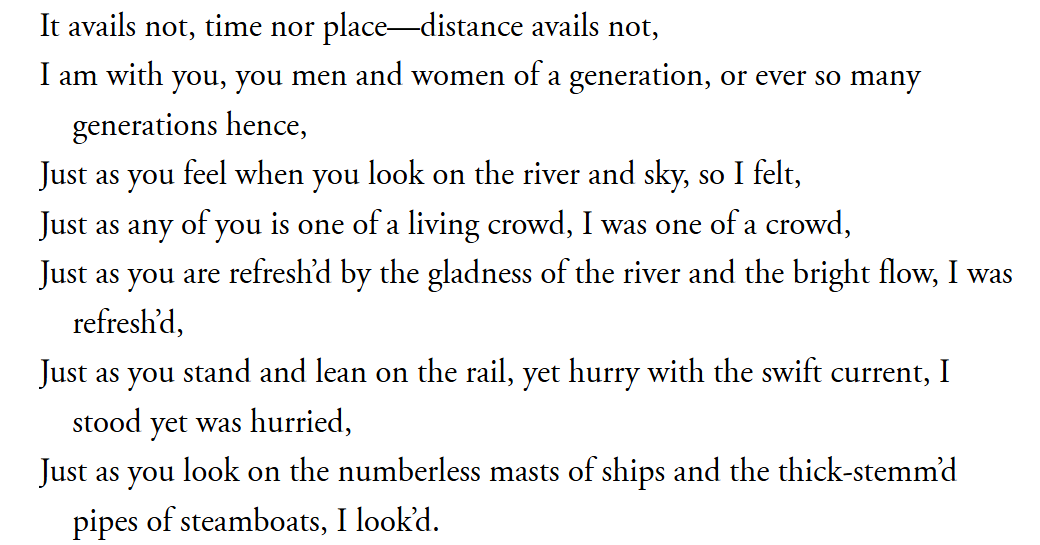
Twelve years after that performance, I heard another beautiful train song, this time by Rickie Lee Jones. I had the great good luck to teach American Literature to high school students, and my favorite unit featured the terse diamondlike verse of Emily Dickinson and the endless self-regard—and the verbosity—of Walt Whitman. I loved them both. Whitman believed, as I do in teaching history, that we are all connected. He is writing this poem, “Crossing Brooklyn Ferry,” to a reader not yet born.


Laura was East Coast, Rickie Lee L.A., but time and distance avail not. Jones acknowledged and paid explicit tribute to Nyro in her album Pirates. She performs Laura Nyro songs in concert. So here is her train song, from her 1979 debut album.


“Night Train,” by Rickie Lee Jones

Here I’m going
Walkin’ with my baby in my arms
‘Cause I am in the wrong end of the eight-ball black
And the devil, see, he’s right behind us

And this worker said she’s gonna take my little baby
My little angel back


They won’t getcha, no
‘Cause I’m right here with you
On a night train

Swing low, Saint Cadillac
Tearin’ down the alley
And I’m reachin’ so high for you

Don’t let ’em take me back
Broken like valiums and chumps in the rain
That cry and quiver

When a blue horizon is sleeping in the station
With a ticket for a train
Surely mine will deliver me there

Here she comes
I’m safe here with you
On the night train
Mama, mama, mama, mama

Concrete is wheeling by
Down at the end of a lullaby
On the night train


Neil Young on the brain…

03 Saturday May 2025

Posted by ag1970 in Film and Popular Culture

≈ Leave a comment

Tags

crazy-horse, music, music-covers, neil-young, rock-music

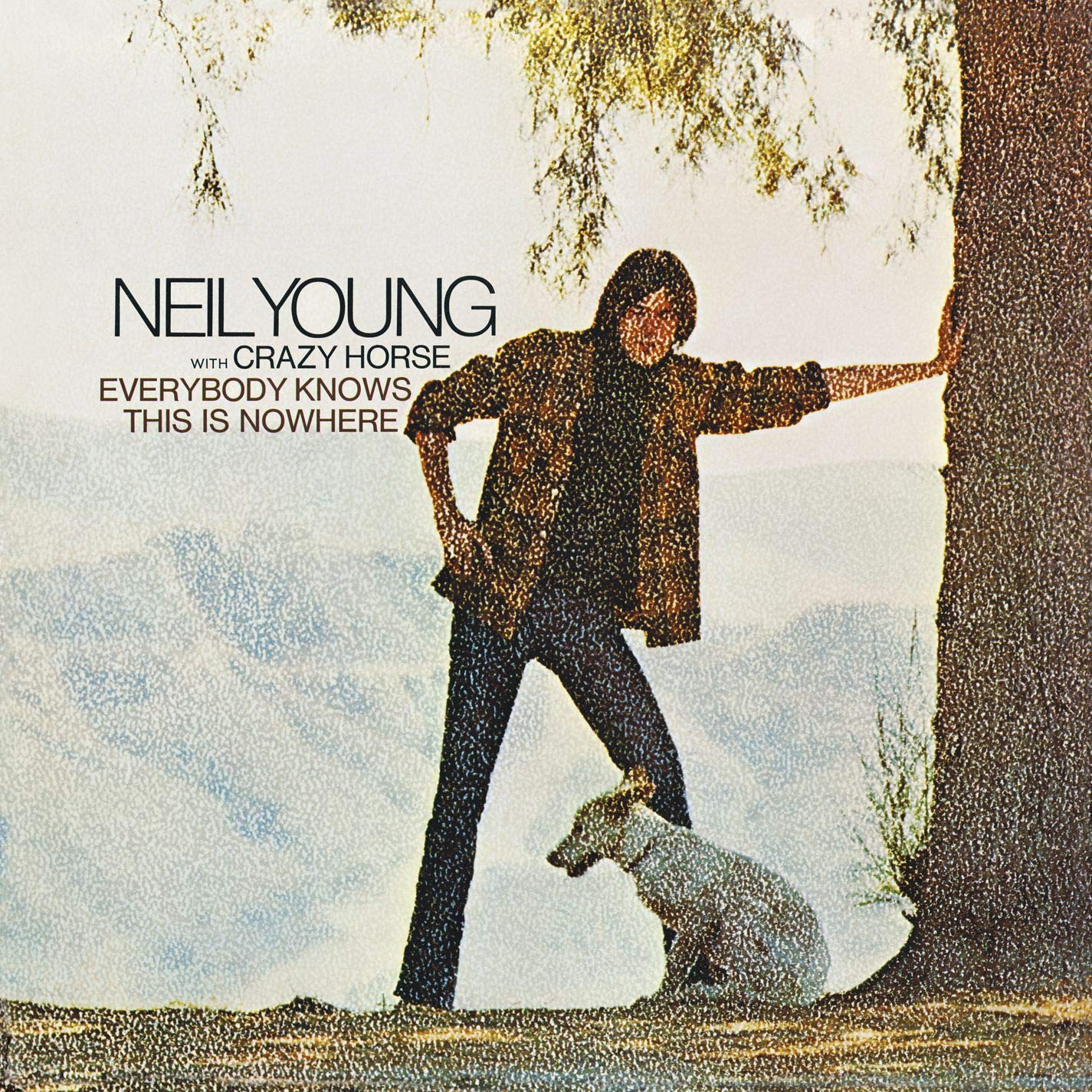
About 1972, in his apartment on Osos Street, my friend Joe Loomis played this for me. I was gobsmacked. Seven years later, my friend Greg Wilson took me to a midnight showing of the concert film Live Rust. Double gobsmacked. When Greg invited me and Elizabeth to see Coastal at the Fremont last week—Daryl Hannah’s documentary of her husband Neil’s tour—I was, well, you know.

The documentary’s music, most of it unfamiliar to me, means I have to go back and restock my Neil Young shelf. What I found out, too, is, as severe as he always looks, and always has, Neil Young is very funny, with a droll, dry sense of humor. He pokes fun at himself, which is a virtue. I found out, as well, how much he loves his family and how passionate he is about preserving the natural world.

He is an incredible man, and we even got to hear him speak, on the Fremont stage (the theater opened in 1942 with an appearance by Laurel and Hardy), and seeing him in person only affirmed the impact he’d had on me that day in Joe’s apartment.

That said, and meaning no disrespect, these are a few of my favorite Neil Young covers. I’m not the only one who’s been gobsmacked.

1. Cowboy Junkies, , “Powderfinger.” Their cover of Lou Reed’s “Sweet Jane” is epic, but here, the Junkies takes this song’s marvelous fuzzy electric guitar work, from Live Rust, back to its bluegrass roots. Since I think Young’s song references the Civil War, that makes this version—that violin!—wholly appropriate.


2. Molly Tuttle, “Helpless.” Another performer who links rock and bluegrasss, introduced to me by my friend Michael Shannon. She strikes me as immensely courageous—she also covers the Rolling Stones’ psychedelic “She’s A Rainbow,” which takes balls as big as church bells. The reference to Ontario resonates with me too, because that’s where my Irish Famine ancestors settled in the late 1840s.


3. Bryan Ferry, “Like A Hurricane.” Ferry will never sing a Mozart opera, but the beautiful young woman at the keyboard and later the sax floors me. So does the young guitarist in the yellow shirt. A little Europop vibe in this interpretations, and I dig it.


4. The Dave Matthews Band, “Cortez the Killer.” Despite its kinda sorta historical glossing-overs (the Mexica, or Aztec, ate their enemies after mock combat called “Flower Wars.” With chiles.), I do love this song, because they do get the Cortez part right. Another stellar guitar solo.


5. Bryan Machaca, “Bluebird.” In the film Coastal, this was the one throwback song that Young performed. It’s Steven Stills’s song, and Young played it on a guitar that Stills had given him. This young man gets it, and he’s a gifted guitarist.


I love Australians

05 Sunday Jan 2025

Posted by ag1970 in Uncategorized

≈ Leave a comment

Tags

dolores-oriordan, ireland, music, the-cranberries, zombie

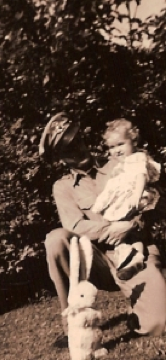
Lt. Gregory–or maybe he was still a corporal–with my sister, Roberta, 1943.

My father almost became a World War II casualty, but on a London bus. Two drunken GI’s where harassing a young British woman, who was visibly terrified. When Dad intervened, the two got out of their seats and got nose-to-nose with him.

My father, who weighed maybe 140 lbs after two Thanksgiving dinners, closed his eyes and prepared to die for his country. When a moment passed with no discernible personal destruction, he opened them again and the drunks were seated and staring intently out the window, as if bombed-out London was the most beautiful and arresting scene they’d ever encountered.

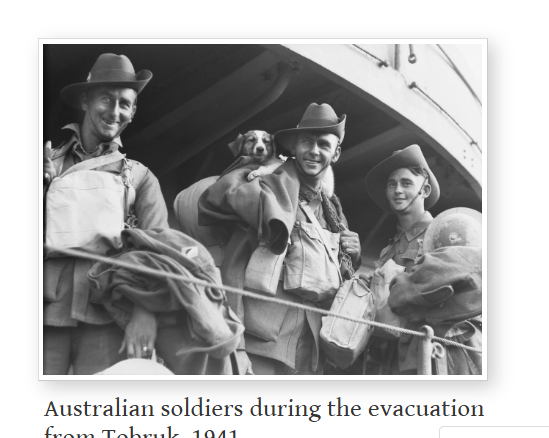
Dad turned around and there were four sunburned Aussie veterans standing behind him.

“Should you need anything else, Leftenant,” their sergeant smiled, “we’ll be right here.”

The popular orchestra leader Andre Rieu, from Holland, might be a little schmaltzy, but I love him anyway because where he goes, he pays tribute to the nation hosting his orchestra. In this case, Rieu’s emotions are heartfelt. Look at the tears in his eyes, and at the beautiful mother and daughter singing together. Chills.

Since Australia was once a penal colony, there are a lot of people whose ancestors came from Ireland. This song, by the late Dolores O’Riordan and The Cranberries, is a terrible evocation of The Troubles.

And here are Australians—some of them maybe Irish, others definitely Maori, paying tribute to O’Riordan’s song. Aussies may have saved my Dad’s life. Dolores Mary Eileen O’Riordan died in a London hotel in 2018. She still lives in Brisbane, in the voices of these Aussies.

Working-Class Songs from the Wayback

29 Monday Jul 2024

Posted by ag1970 in Film and Popular Culture, Uncategorized

≈ Leave a comment

Tags

billycobham, music, new-music, News, song-lyric-sunday

I was on the rowing machine that goes nowhere (“Louie Louie” on the earbuds made me zip a little), when this little number popped up on one of my playlists.

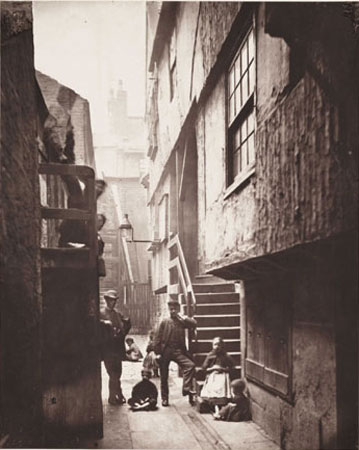
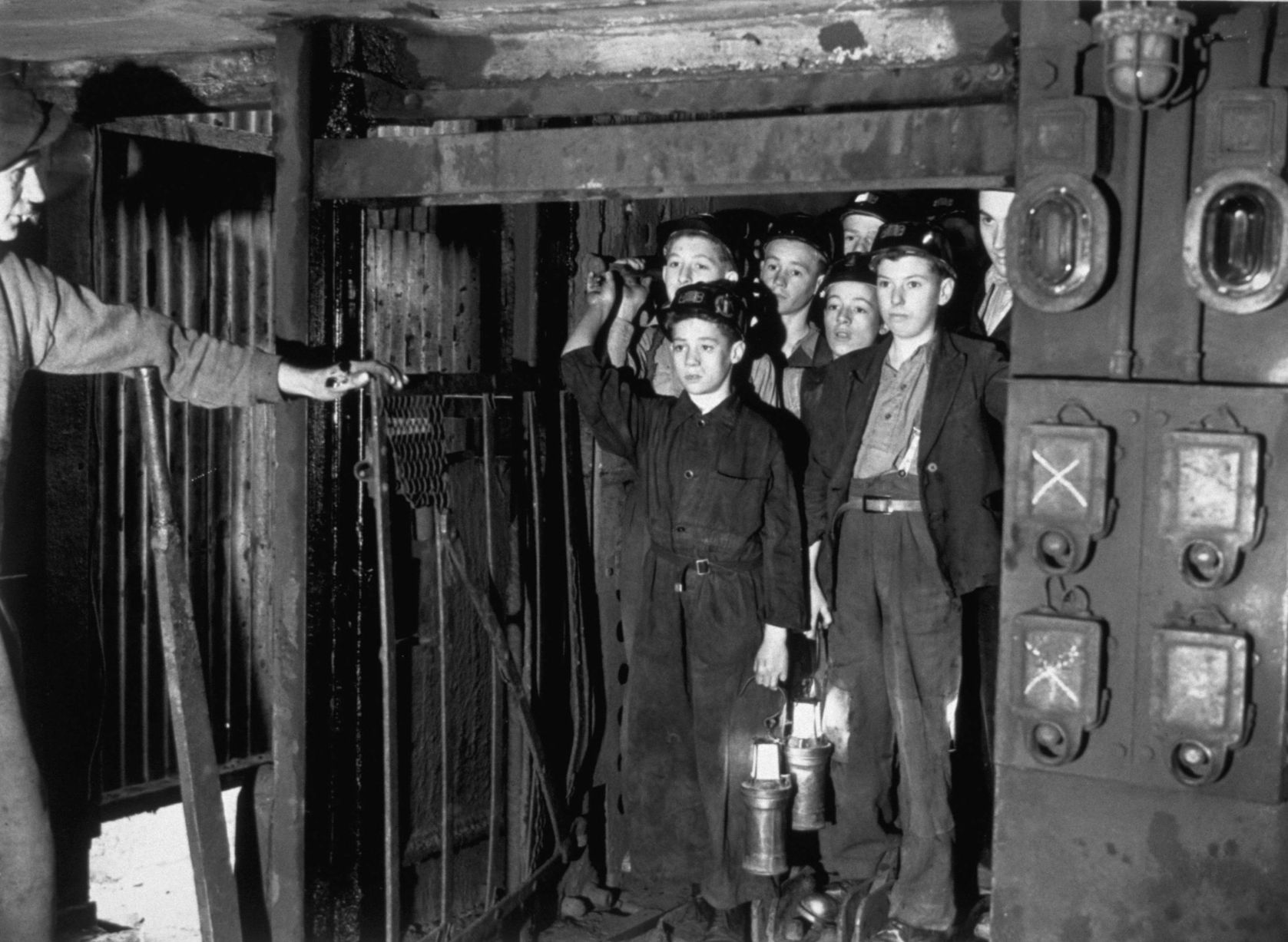
The Animals, from 1965. The lead singer, Eric Burdon, remains one of my favorites, with a surliness quotient, when he looks into the camera, that is sublime. They dress like Beatles. They don’t act like Beatles. And the lyrics, for a historian, are sublime: The sun didn’t shine in working-class tenements like this in Victorian/Edwardian London, in the photos below. Young women did die before their time was due—or, in 1965, were artlessly-smudged television models– often violently, and fathers did lie abed, worn out from factory labor or from the mines. These things lasted into the Animals’ childhoods. This is a wonderful song and a wonderful artifact, come to think of it.

Burdon was born into a working-class family, in Newcastle, which is about as working class as British history allows. “Coals to Newcastle” is an old British saying that refers to doing something useless. You didn’t need to take coals to Newcastle. They had plenty already.


In working-class London tenements, the sun might appear for only two hours a day–and not at all in wintertime.

They Tyne River, Newcastle, 2015


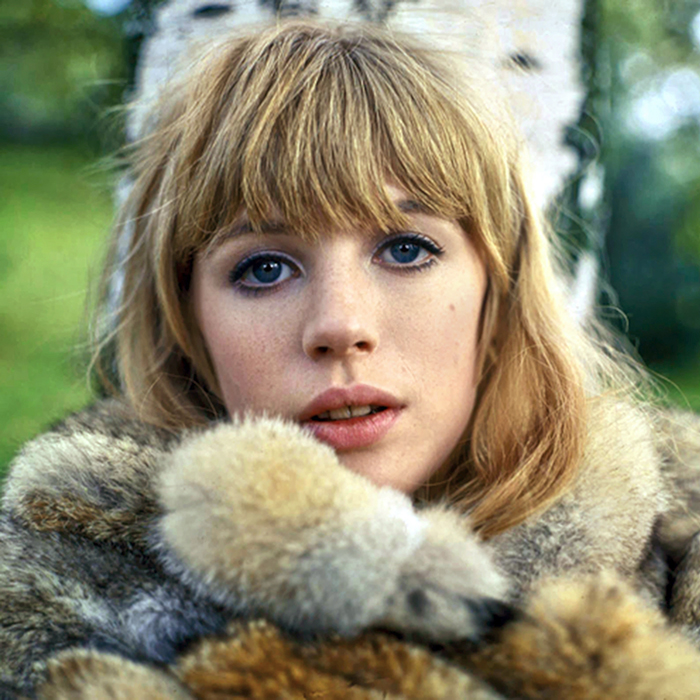
“Salt of the Earth,” from one of my favorite Stones albums, Beggars’ Banquet. This little sing-along includes Jagger’s muse, Marianne Faithfull, Moonie from The Who, and a remarkably youthful Keith Richards. This is an anthem, and it looks as if they’re all having great fun singing it. Perhaps with some psychedelic additives. They’re not industrial workers here; they appear to be farmhands out of a Thomas Hardy novel, like Far from the Madding Crowd.

Marianne Faithfull, about 1965

Thirty years later, Faithfull covered John Lennon’s “Working Class Hero.” I bought her album, Broken English, brought it home, put it on the turntable, and then paralysis set in after the this song had ended. It is enormously painful.

“Factory Girl” is from the same album, Beggars Banquet, that includes “Salt of the Earth.” . I’ll try out the lyrics video first:

The same song, from Madams Pants, a Japanese cover band. The lyrics may be a little uncertain, but that’s a fine mouth harp. And, I could be wrong—is there a Japanese version?—but another member of the group appears to playing the bohdran, the Irish hand-held drum.


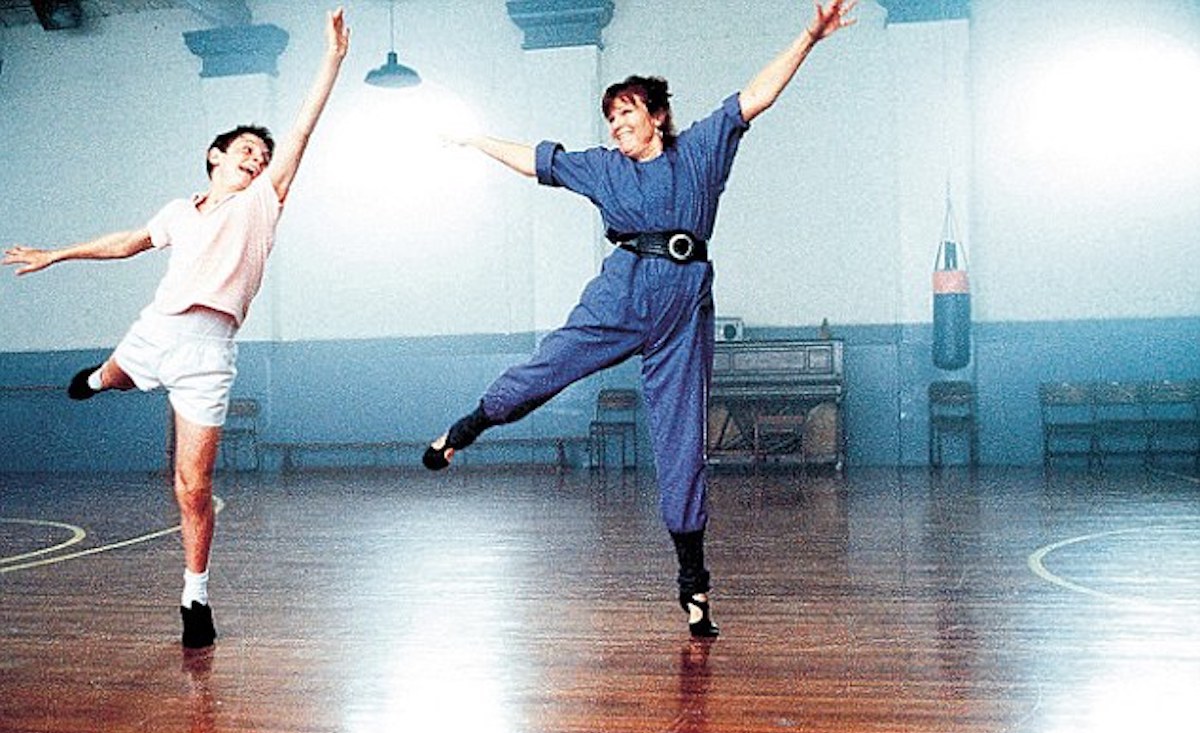
Elizabeth and I recently watched Billy Elliot, the wonderful film about a kid from a tough union town who wants to become a dancer, and it reminded me of this lesser-known working-class song from 1973, by a British group, The Strawbs. I like its anthem-like sound, too.

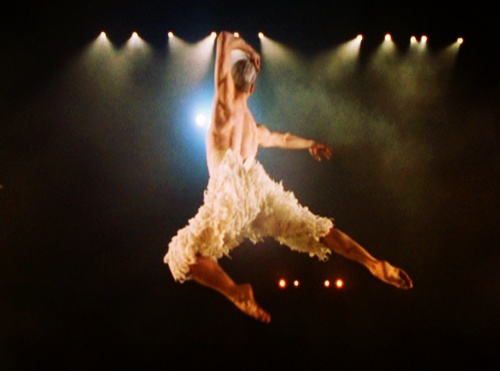
And we do love that film—that’s Billy, learning ballet from a chain-smoking dance teacher and, in the final scene, with his immensely proud Da in the audience, Billy bursts onto the stage in Swan Lake.


This song was one of my favorites when I was a working-class teen. I didn’t work all that hard, mind you, but The Easybeats expressed exactly what I felt about Fridays. And I like the pinstripes in this video. Posh.

A decade or more later, The Waterboys, a Scots band, cast their workingman’s hopes far beyond a mere Friday. The lyrics, and then a performance, of “Fisherman’s Blues,” also the marvleous opening song to the Irish comedy Waking Ned Devine.

Fisherman’s Blues

I wish I was a fisherman
Tumblin’ on the seas
Far away from dry land
And its bitter memories

Casting out my sweet line
With abandonment and love
No ceiling bearin’ down on me
Save the starry sky above

With light in my head
You in my arms

I wish I was the brakeman
On a hurtlin’ fevered train
Crashing headlong into the heartland
Like a cannon in the rain

With the beating of the sleepers
And the burnin’ of the coal
Counting the towns flashing by
In a night that’s full of soul

With light in my head
You in my arms

For I know I will be loosened
From bonds that hold me fast
That the chains all hung around me
Will fall away at last

And on that fine and fateful day
I will take thee in my hand
I will ride on the train
I will be the fisherman

With light in my head
You in my arms

Light in my head
You in my arms
Light in my head
You

Light in my head
You in my arms
Light in my head


It was Sting who reminded us of the work that gave us the Industrial Revolution in the first place. Yes, these are English coal miners.


If we cross The Waters to America, we come, finally, to this fellow. This is a wonderful working-class song, among many of his, so many written from a workingman’s perspective. The thrill of this performance, I guess, as so often happens with his concerts, is as much in the audience—Catalan, in this case— as it is in the band.

Subscribe

  • Entries (RSS)
  • Comments (RSS)

Archives

  • January 2026
  • December 2025
  • November 2025
  • October 2025
  • September 2025
  • August 2025
  • July 2025
  • June 2025
  • May 2025
  • April 2025
  • March 2025
  • February 2025
  • January 2025
  • December 2024
  • November 2024
  • October 2024
  • September 2024
  • August 2024
  • July 2024
  • June 2024
  • May 2024
  • April 2024
  • March 2024
  • February 2024
  • January 2024
  • December 2023
  • November 2023
  • October 2023
  • September 2023
  • August 2023
  • July 2023
  • June 2023
  • May 2023
  • April 2023
  • March 2023
  • February 2023
  • January 2023
  • December 2022
  • November 2022
  • October 2022
  • September 2022
  • August 2022
  • May 2022
  • April 2022
  • March 2022
  • February 2022
  • January 2022
  • December 2021
  • November 2021
  • October 2021
  • September 2021
  • August 2021
  • July 2021
  • June 2021
  • April 2021
  • March 2021
  • February 2021
  • January 2021
  • December 2020
  • November 2020
  • August 2020
  • July 2020
  • June 2020
  • May 2020
  • April 2020
  • January 2020
  • December 2019
  • November 2019
  • October 2019
  • September 2019
  • August 2019
  • May 2019
  • April 2019
  • March 2019
  • February 2019
  • January 2019
  • December 2018
  • November 2018
  • October 2018
  • September 2018
  • July 2018
  • June 2018
  • May 2018
  • April 2018
  • March 2018
  • February 2018
  • January 2018
  • December 2017
  • November 2017
  • October 2017
  • April 2017
  • March 2017
  • December 2016
  • November 2016
  • October 2016
  • September 2016
  • August 2016
  • July 2016
  • June 2016
  • April 2016
  • March 2016
  • February 2016
  • January 2016
  • December 2015
  • November 2015
  • October 2015
  • September 2015
  • August 2015
  • July 2015
  • June 2015
  • May 2015
  • April 2015
  • March 2015
  • February 2015
  • January 2015
  • December 2014
  • November 2014
  • September 2014
  • August 2014
  • July 2014

Categories

  • American History
  • Arroyo Grande
  • California history
  • Family history
  • Film and Popular Culture
  • History
  • News
  • Personal memoirs
  • Teaching
  • The Great Depression
  • trump
  • Uncategorized
  • World War II
  • Writing

Meta

  • Create account
  • Log in

Blog at WordPress.com.

  • Subscribe Subscribed
    • A Work in Progress
    • Join 68 other subscribers
    • Already have a WordPress.com account? Log in now.
    • A Work in Progress
    • Subscribe Subscribed
    • Sign up
    • Log in
    • Report this content
    • View site in Reader
    • Manage subscriptions
    • Collapse this bar
 

Loading Comments...