I am so happy that today Nelly Korda won the U.S. Women’s Open. She has one of the longest and most elegant swings I’ve ever seen—the kind of swing that can get any golfer into trouble—but she’s machine-honed it. Here’s her driver:
She’s no slouch with iron shots, either. Like this one:
The other thing that made me happy was that this year’s open was played at L.A.’s Rivera Country Club. It was a beautiful day, and every once in awhile they’d break away for a telephoto shot: Marina del Rey, where my wife, Elizabeth, rowed in college, or Venice Beach. Then they’d have to come back to the actual golf, which included a shot down the 18th fairway at the mission-style clubhouse, featured in films and TV shows.
Films and TV shows? But of course. In Pat and Mike, Katharine Hepburn takes to the Riviera driving range to deal with a snotty lady.
I wish this scene, with Cate Blanchett’s excellent Hepburn, was at the Riviera, but it was instead shot at a course in Woodland Hills. But it certainly evokes the more famous golf course. I also love, for some reason, the filter Scorsese used to make the scene kind of bluish. It’s a beautifully shot film. Howard Hughes, evidently, was a member of the Riviera Club
Both Leo and Cate’s swings look a little as if they’re chopping wood. Ben Hogan won the 1950 U.S. Open at the Riviera, and his swing came from practices so grueling that his hands bled. He knew, on the practice tee, that it was time to shift to a longer club, say from an eight iron to a seven iron, when he began repeatedly hitting his caddy in the distance.
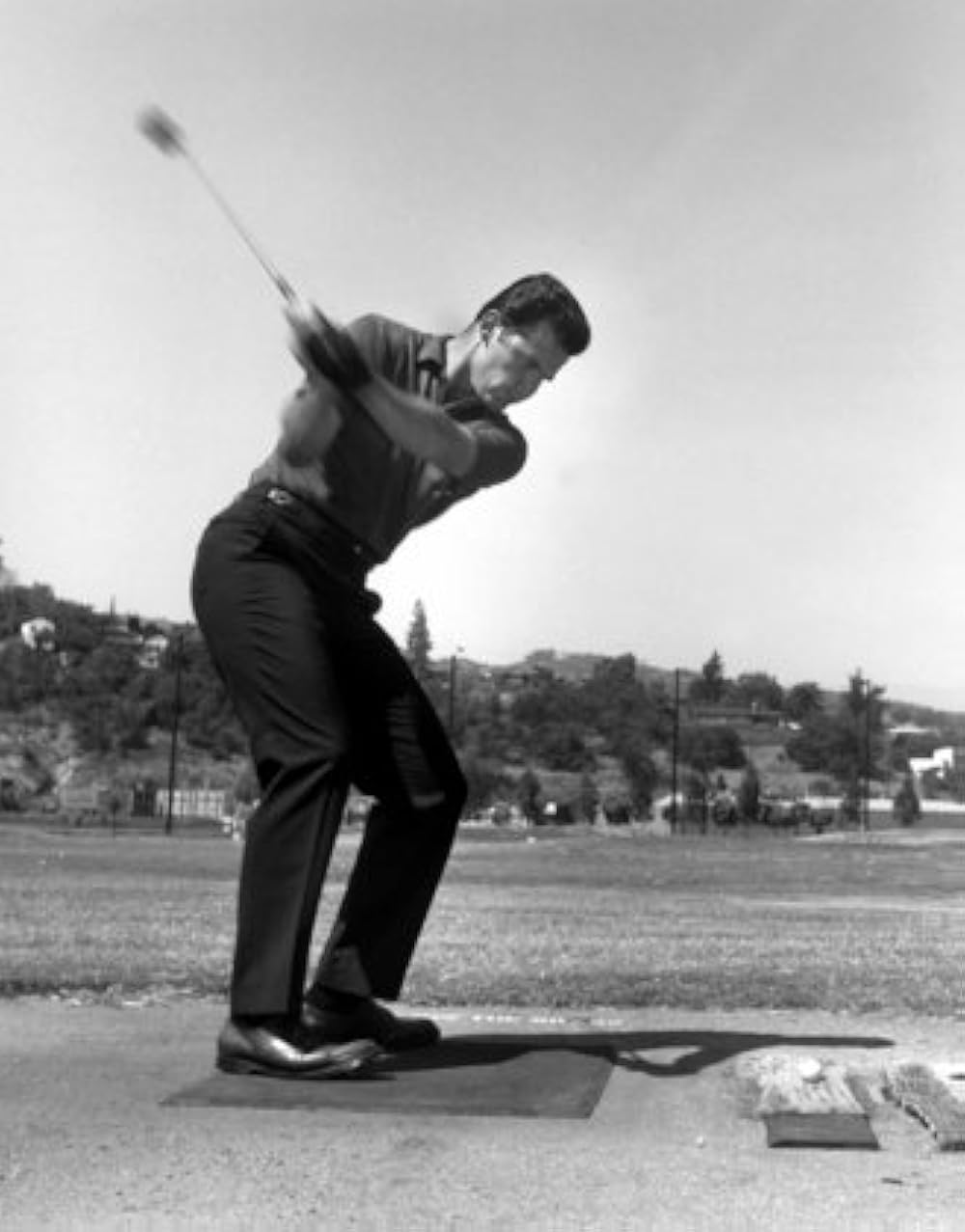
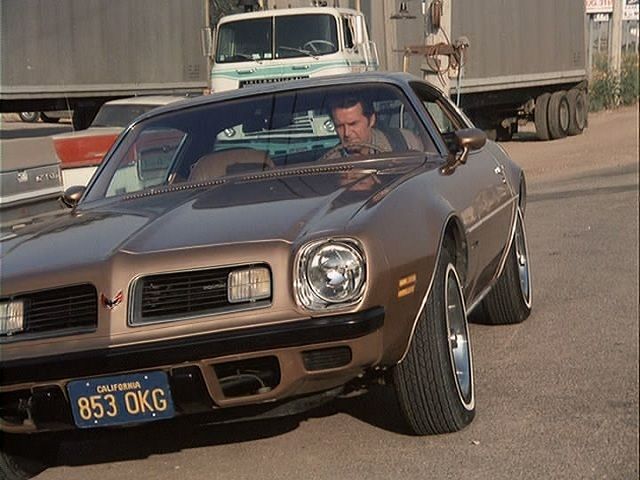
One of Riviera’s most accomplished amateurs was also one of my favorite actors–James Garner, he of film and TV (that Pontiac Firebird in The Rockford Files.) Garner’s handicap was five, which is miniscule–like an MLB pitcher with an ERA under 3.00.
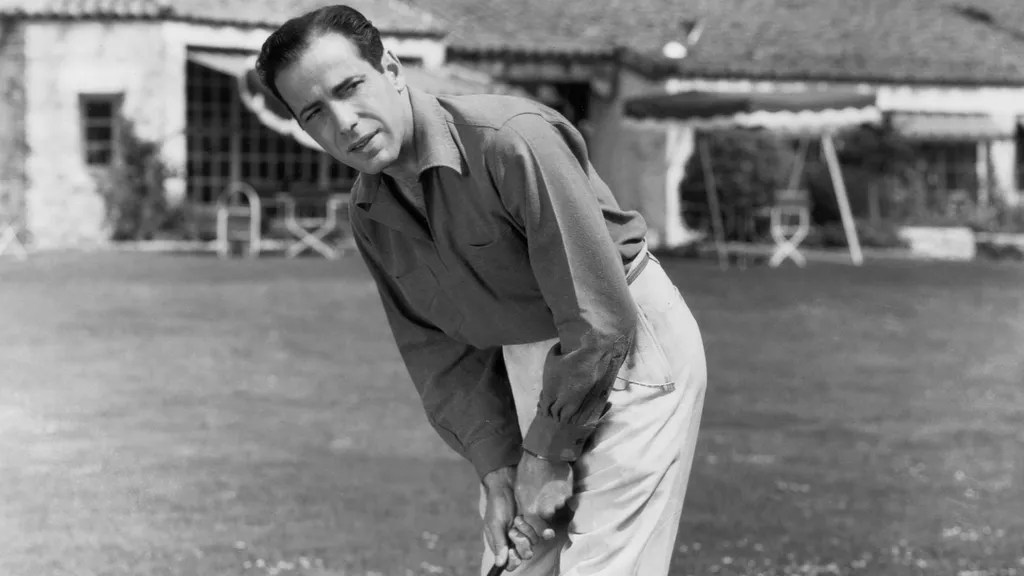
Another favorite actor was a member here and used to watch tournaments, sipping bourbon, near a tree on the twelfth hole. Today it’s called “Bogey’s Tree.”
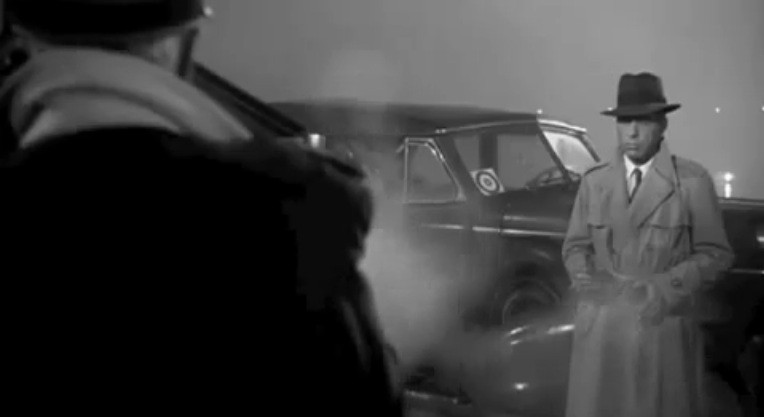
My favorite Riviera story might seem morbid until you consider the man who inspired it. This is the eighth hole at the club, a par four, made tragically famous by one of Bogart’s co-stars, whom he killed, in Casablanca, before the co-star died on the eighth.
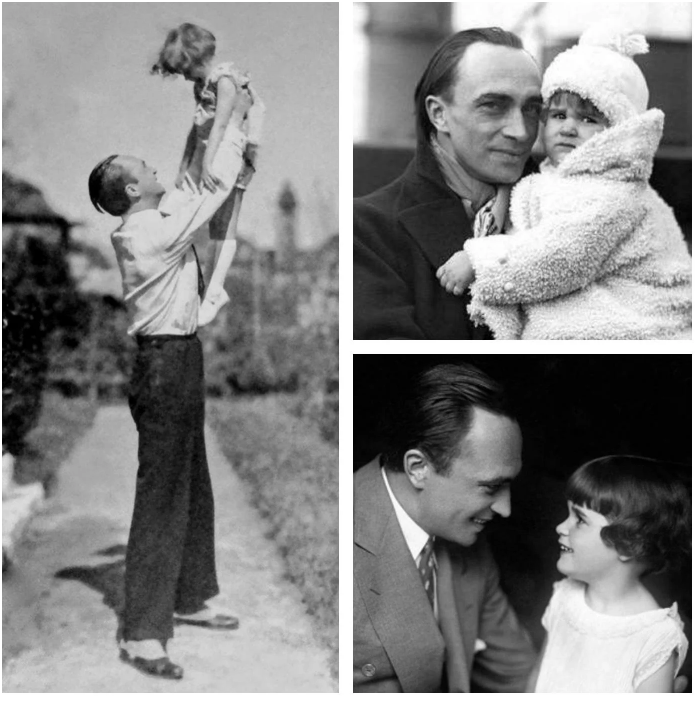
Conrad Veidt was a German expatriate, with a long and distinguished career in German Expressionist films, who came to Hollywood because he despised Hitler and the Nazi Party to his core.
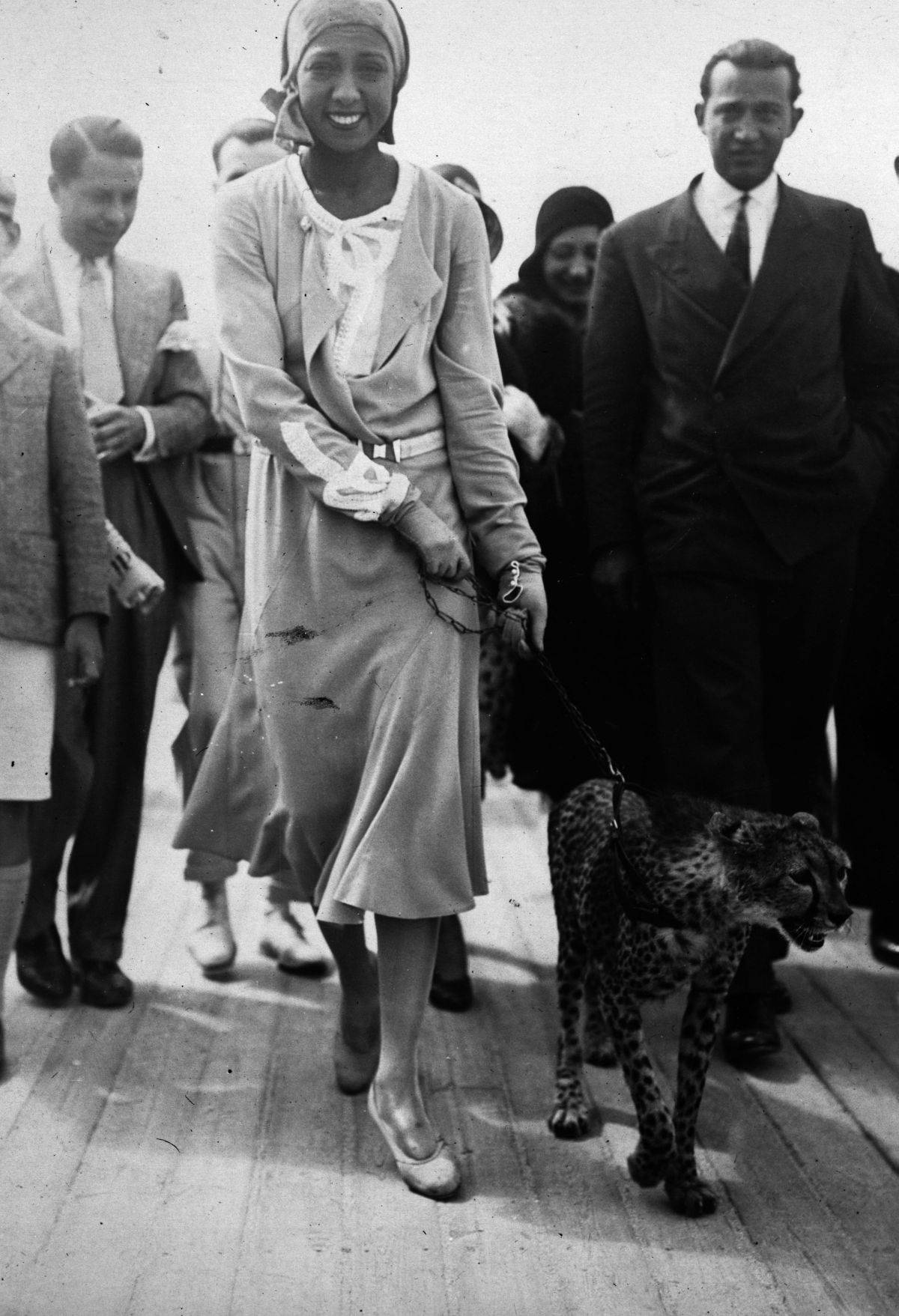
He would not have done well had he stayed. He was sexually fluid, in the heady days of the Weimar Republic, when Berlin rivaled Paris as Europe’s most avant-garde city. Writing this reminded me of a scene from the excellent Netflix series Babylon Berlin, with this stunning, very fluid and very avant-garde establishing scene, set at a Weimar-era Berlin nightclub. The song is called Zu Asche zu Staub–“Ashes to Dust.” (The young women with the bananas were borrowed from Paris’s sexiest and most-beloved American entertainer, Josephine Baker, here walking the pet cheetah she adored.)
Josephine Baker
So, ironically, Veidt escaped Berlin only to become a series of Nazi characters in his Hollywood films–a U-boat commander here, a Gestapo officer, like Casablanca’s Major Strasser, there. And he was on the losing end of one of Hollywood’s biggest put-downs: the wonderful “Marseillaise” scene from the film he made with Bogey.
And Veidt was a golfer, and the Riviera was his club. Sadly, in 1943—about a year after Casablanca was released—Veidt, playing with his doctor, suffered a massive heart attack on the eighth hole and died.
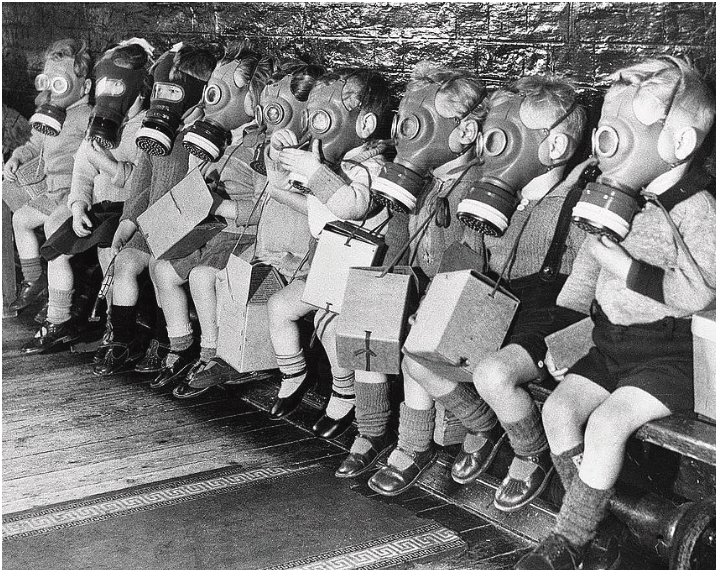
He was not buried in Hollywood, nor in Berlin. His ashes are instead in Golders Green, a London crematorium. This may be why: In 1940, Veidt became desperately worried about the suffering of British children, like those in the photo below, under Hitler’s air attacks—under the “Blitz.” He spent thousands to send London children one-pound tin boxes of hard candy, 2,000 large chocolate bars and greeting cards containing British pound notes.
Conrad Veidt, golfer, actor, was also a supreme humanitarian.
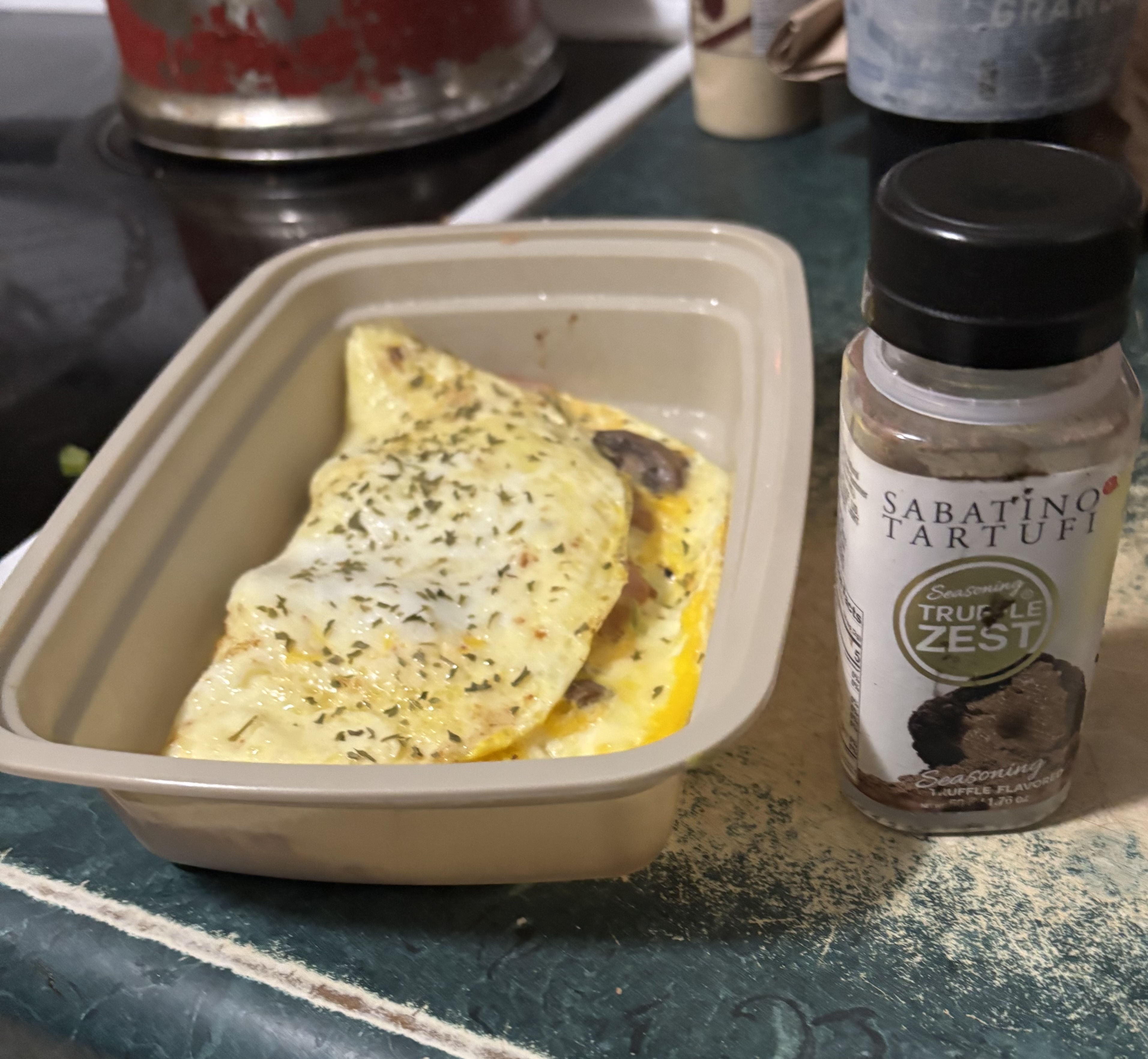
By golly, that’s not bad. A 2 1/2 egg omelet (eggs and egg whites) with cheese, sauteed bacon, peppers, mushrooms and red onions. I made three of ’em for Elizabeth and our sons. The magic ingredient is that truffle spice. It goes on the inside. Parsley flakes on the outside. Ciabatta bread with avocado spread added to the omelet.
I think I’m up because I have a meningioma, a benign tumor attached to the brain lining, and that’s a common side effect. I have at least two sleepless nights a week.
My brain.
I’m having surgery at Stanford in June to remove what I call Manny the Meningioma, so I’m sure anxiety plays a part.
But why waste a sleepless night? So I make omelets. And I watch movies on Turner Classic Movies. Tonight it was this one.
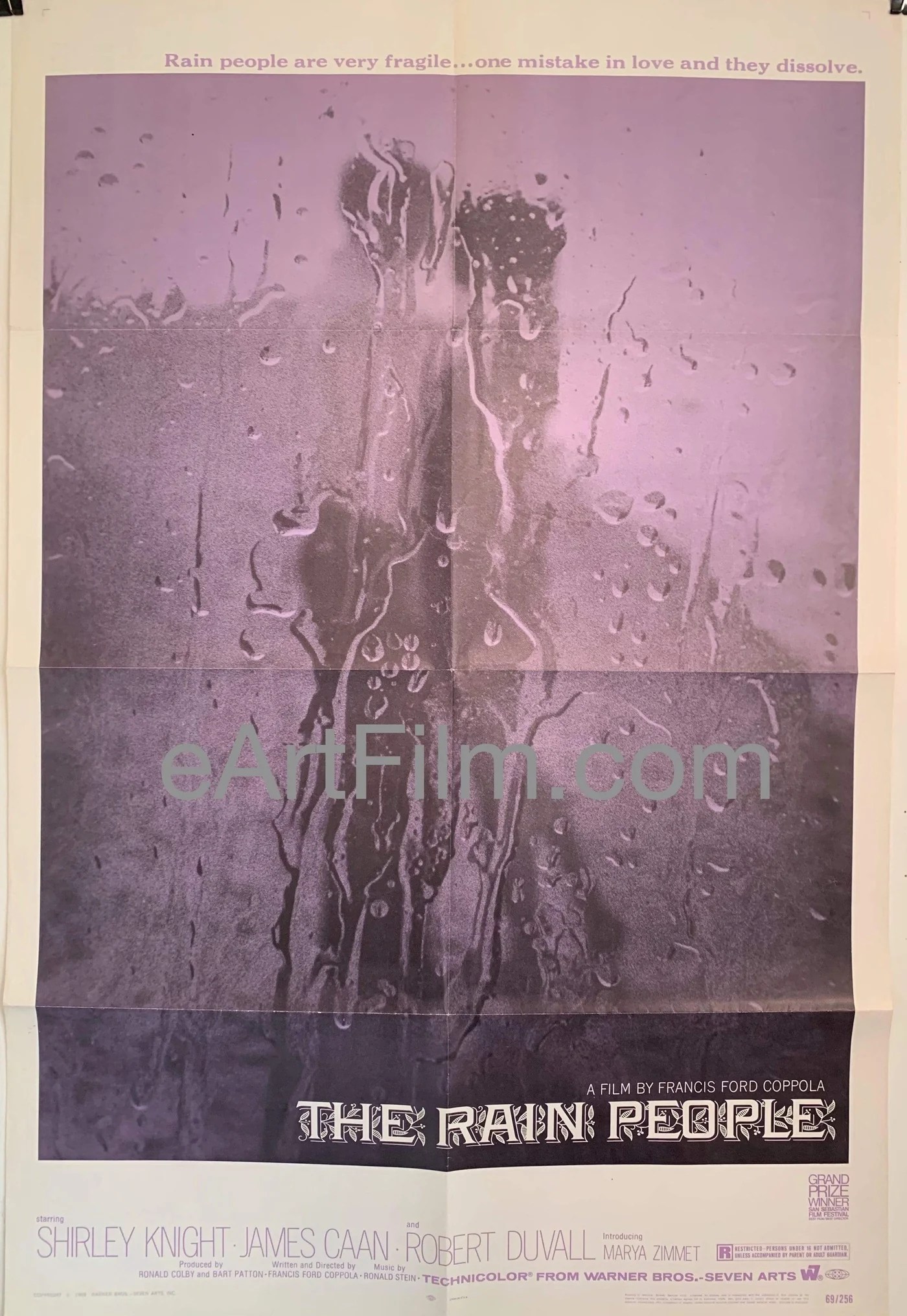
To be truthful, it wasn’t all that good. The lead, Shirley Knight, is very attractive, a woman running away from her husband in a Ford Galaxy station wagon the size of USS Nimitz, so it’s kind of a road picture like so many from the late 60s and early70s—Easy Rider, Vanishing Point, Sugarland Express, but not, say Rosemary’s Baby.
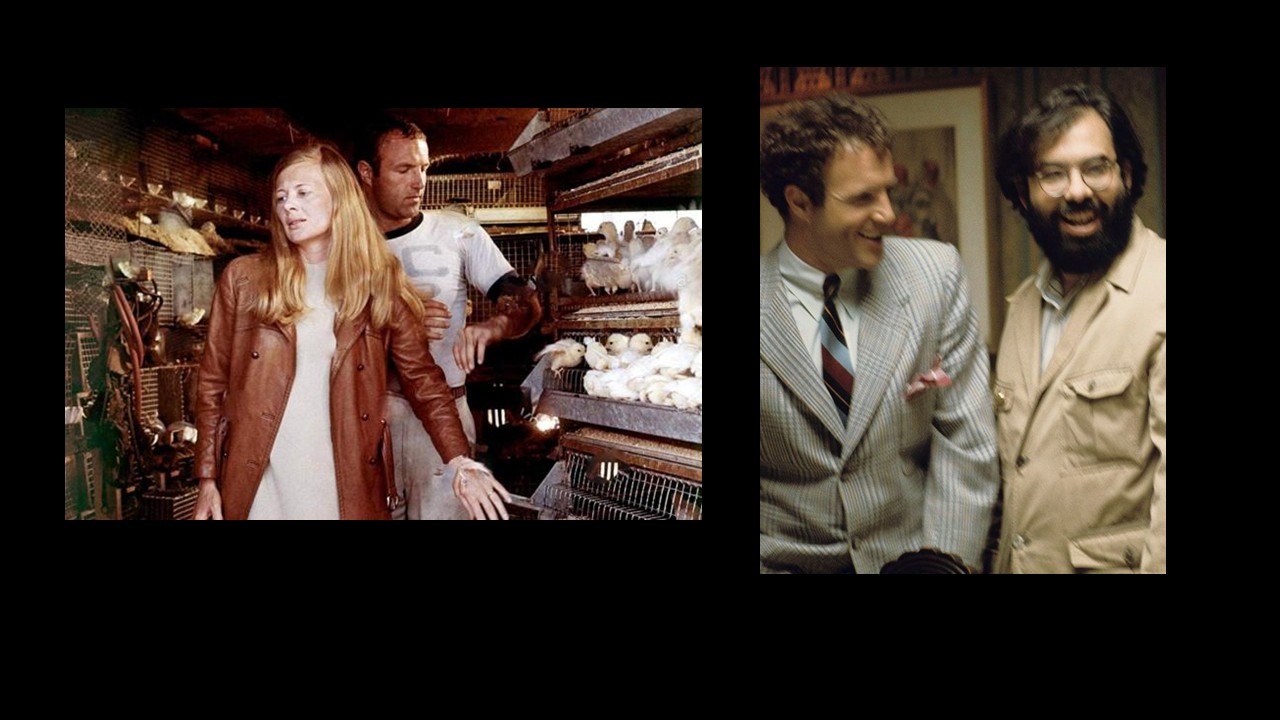
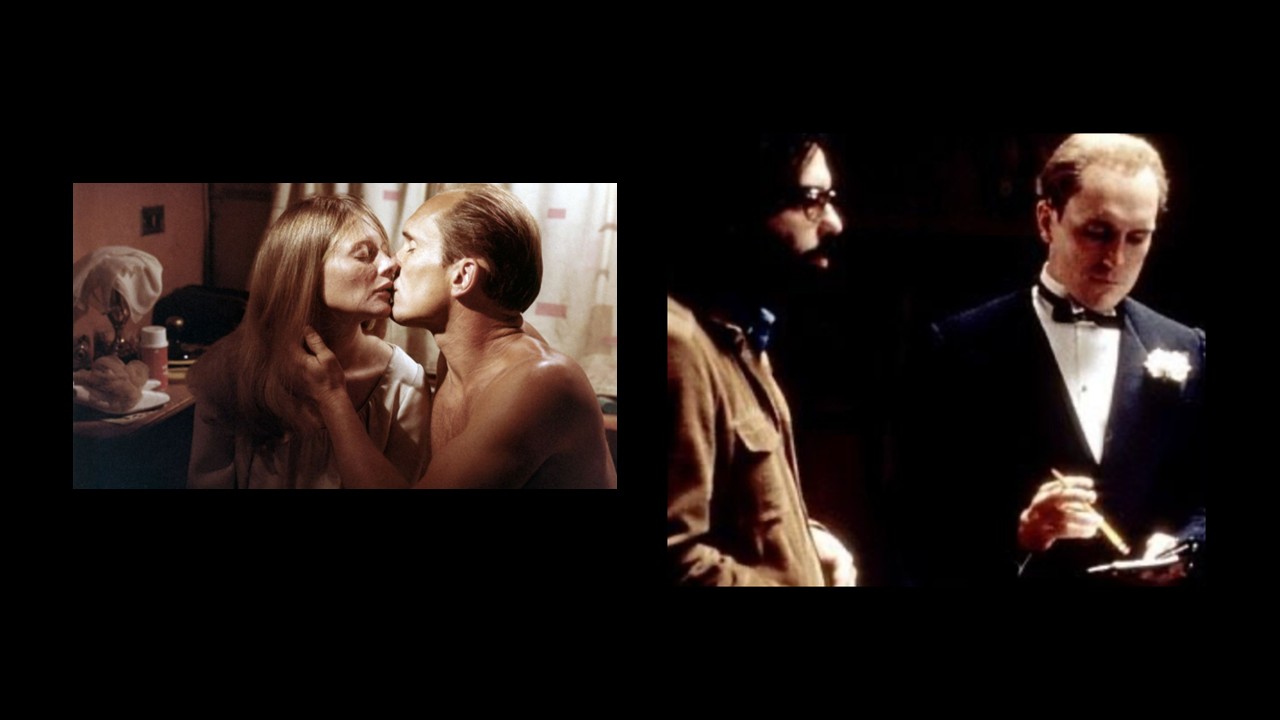
I kept watching it because she befriends James Caan, as an ex-football player with traumatic brain injury. Right up my alley. And, in mid-movie, Robert Duvall appears as a motorcycle cop who woos Knight. Not well.
It was pretty thin soup, but it kind of compelling, too. Then, at the end of the film, TCM host Ben Manciewicz informed us that the director (his fourth film) was Francis Ford Coppola.
Wowsers.
I don’t know what Wheaties Coppola ate in the next three years (maybe it was omelets?), but he gave us, with Caan and Duvall, The Godfather in 1972.
A quantum leap. Casablanca is the only film I’ve watched more than The Godfather.
And seeing Caan and Duvall, no longer with us, as young actors was an honor. I miss them.
“Patt Keefe” is as far as I can go in our lineage. The name is reconfigured in our mother/grandmother’s name, Patricia.
The Keefes were tenant farmers, working the land of Lord Fitzwilliam. This is his estate house.
And this is our ancestors’ village, Coolboy.
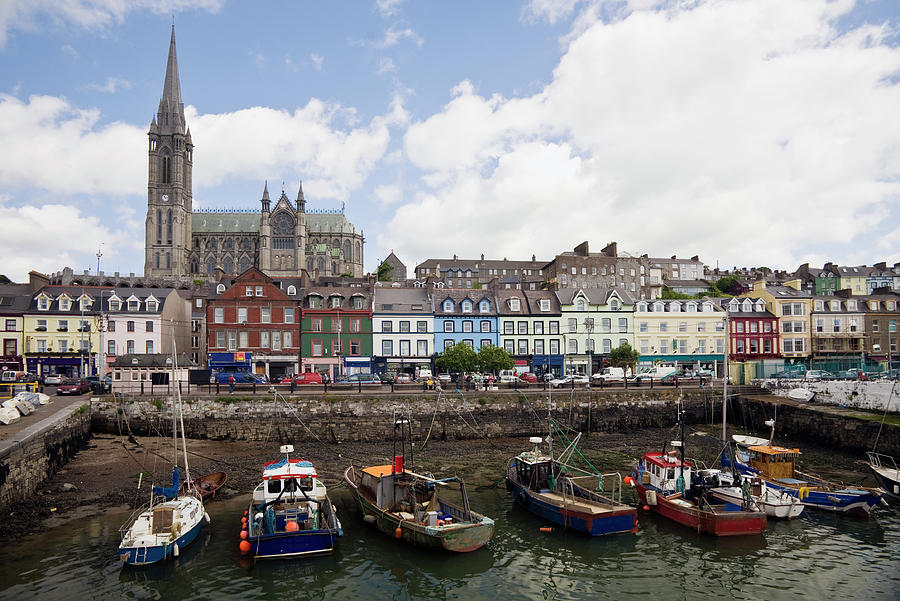
Both our ancestors and the Kennedys left Ireland during the famine from this port, in County Wexford, Cobh.
And, as figures in a nation so small, we have a kind of Kennedy connection. It’s a sad story. The Irish are not sad. Not at all.
Leaving Wicklow must’ve been hard. The place is known for the beauty of its horses. Wicklow Brave, a gelding, now 19, was the darling of the county. Watch him (the rider in the yellow helmet) humiliate the field.
And, of course, horses—and animals of all kinds— are special to all the Irish.
That welcome to the creatures of the world extends to Bray, Wicklow, on the Irish Sea.
We can even claim a rather terrifying Irish great-great aunt.
The family worked a farm in Ontario, the oilfields in Pennsylvania, where three Keefes were born, a homestead in Minnesota, and, finally, they lived among orange trees in California. As is the case in any family, especially in a family of ten, one was bound to be a black sheep. That was our grandfather/great grandfather.
Our uncle, George Kelly Jr., maintained that our grandmother never fell out of love with Edmund Keefe. Maybe that’s true. Our step-grandfather, George Kelly simply said that “he was a bad man.” That’s probably true. But, given the faith that many Irish still have, the Good Lord can grant you another generation, or two, or more, that count for redemption—even the redemption of a man like Edmund Keefe.
Today the president* revoked the findings on the impact of greenhouse gases on the environment and so opened the way for accelerated climate change.
That’s because the EPA—an agency founded by a noted Bolshevik, Richard Nixon—has been stripped of its power to regulate greenhouse gases.
And so we turn to history, and, predictable considering it’s me posting this, eventually to Ireland.
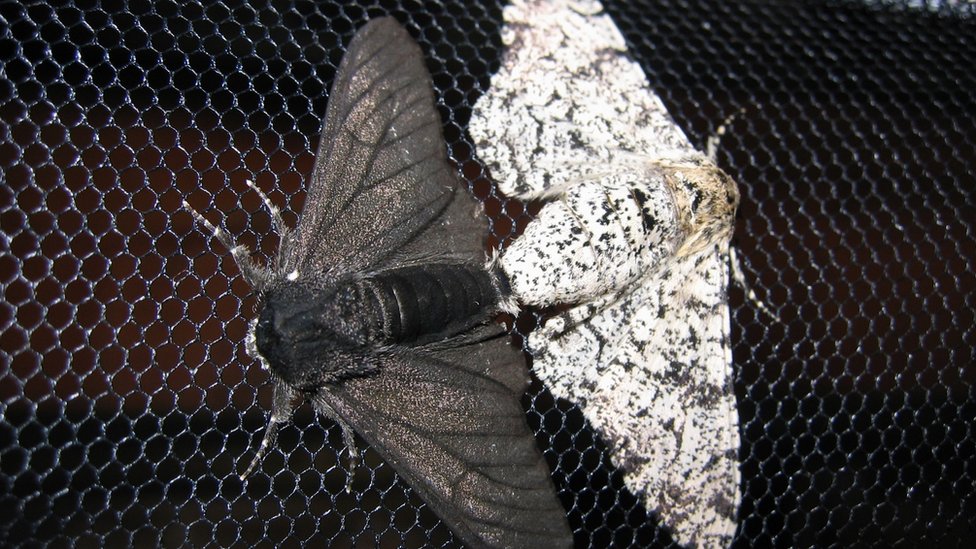
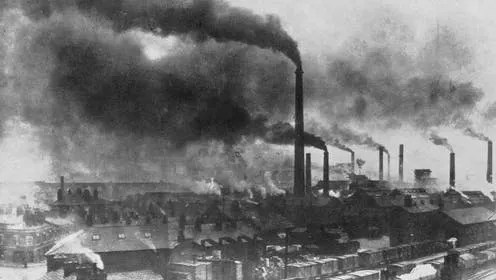
White birch trees proliferated in and around London and the white moths that made them home did, as well. That was until the industrial smoke of the Industrial Revolution made white moths easy prey for hungry birds, because the birch trees were now stained, irrevocably, gray. Black and peppered moths, less visible, survived, according to that theory propagated by a devout Anglican, Charles Darwin.
The president* is 79, and doddering at a rate uncommon even for someone his age. (He will assemble a Filet o’FIsh rogether with a Big Mac t at lunch, chase that monstrosity with a Quarter Pounder, fries, and an extra-large Diet Coke.)
So he will die soon, if not soon enough and, for a man who epitomizes Malignant Narcissism, it’s perfect opportunity, in encouraging greenhouse gases, to kill the rest of us human beings, too. We deserve it, in his eyes, and we’re not so adept at changing colors. (His is White.)
That brings us to St. Patrick’s Day, coming next month.
I’m not suggesting that the Irish have some kind of monopoly on goodness or on holiness. More Irish died at the hands of brother Irishmen during the terrible Irish Civil War of the 1920s. And even in our Civil War, at Fredericksburg, the Confederate 24th Georgia, so Irish that a gold harp was sewn into the fabric of their regimental flag, stood up from behind a stone wall and fired into the faces of the Union Irish Brigade, immigrant soldiers from New York, Massachusetts and Pennsylvania. The slaughter they inflicted was terrible.
But the Irish, despite those exceptions, have a reverence for life—exemplified by desperate Irish mothers, during the Famine, who gathered nettles in church burying grounds to make soup. That reverence extends to the sea, to thorn trees, where the fairies live, to animals, to the Earth.
You can even see this in the original version of the Cranberries’ “Dreams,” where Irish mourners dislodge a tree whose spirit is revealed when washed with water.
No Irish immigrant—to South County San Luis Obispo, where I grew up—exemplified that reverence more for the natural world than did the poet Ella Young. The only thing remotely like her that I’ve encountered comes from the Northern Chumash—the ytt People–the First People to live where I now live—who breathed every breath along with the Earth’s.
I have no power as monstrous as the president’s*, but I do have Ella Young’s power as part of my faith, a faith that grows from my own roots in County Wicklow, where dolphins dance in the air just offshore.
The image below is a young man named Patrick, who loves whales.
So this St. Patrick’s Day, there a creature of God asleep below the surface of God’s waters, rising in sunlight like this blue whale off the California coast.
If you are at all Irish, this makes perfect sense: this is my mother’s daughter. This whale is my sister. She comes to surface in the hope of someday seeing my son Thomas as he casts his line into the sea from the Pismo Beach pier.
One Hundred Years Ago (with additional commentary from me)
February 6
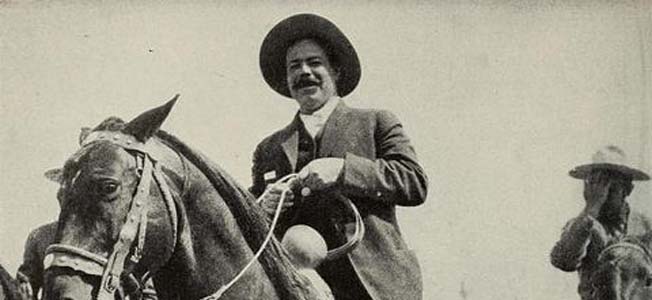
The skull of Mexican revolutionary Pancho Villa is stolen from his grave in Chihuahua. Its whereabouts are unknown to this day. (His widow, Luz, keeps the touring car in which Villa was shot, in 1923, in the front yard of their hacienda. It becomes a planter.)
March 4
A writer in in Budapest commits suicide and leaves behind a note containing a crossword puzzle. The puzzle is yet to be solved.
May 9: Explorer Richard E. Byrd and his Navy Chief Aviation pilot Floyd Bennett claim to be the first people to fly over the North Pole, in their plane named “Josephine Ford,” which, if you ask me, looks far to small to make such a demanding trip.
May 12: Norwegian Roald Amundsen and his fifteen-strong crew fly over the North Pole in their “Norge” airship, becoming the first verified explorers to accomplish the feat. Seventy years later, it’s revealed that “Josephine Ford” had sprung an oil leak and the Americans had to turn back before they reached the Pole.
Damn.
June 23
The first Scholastic Aptitude Test (now commonly referred to as SAT) is administered to 8,000 high school students. The test, based on a World War I aptitude test administered to immigrants, is aimed at keeping Jewish students, disturbingly bright and hard-working, out of Ivy League colleges. I am not making this up.
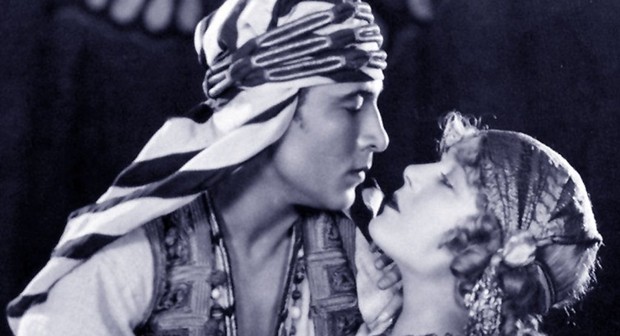
“The Latin Lover” Rudolph Valentino, Hollywood silent movie star, dies suddenly of perforated ulcers, aged 31. His condition is named after him as “Valentino’s syndrome”. The following day, 60,000 mourners cause a riot in New York trying to reach Valentino’s body. (Part of Valentino’s 1921 film The Sheik was filmed in the Guadalupe Dunes.)
September 20
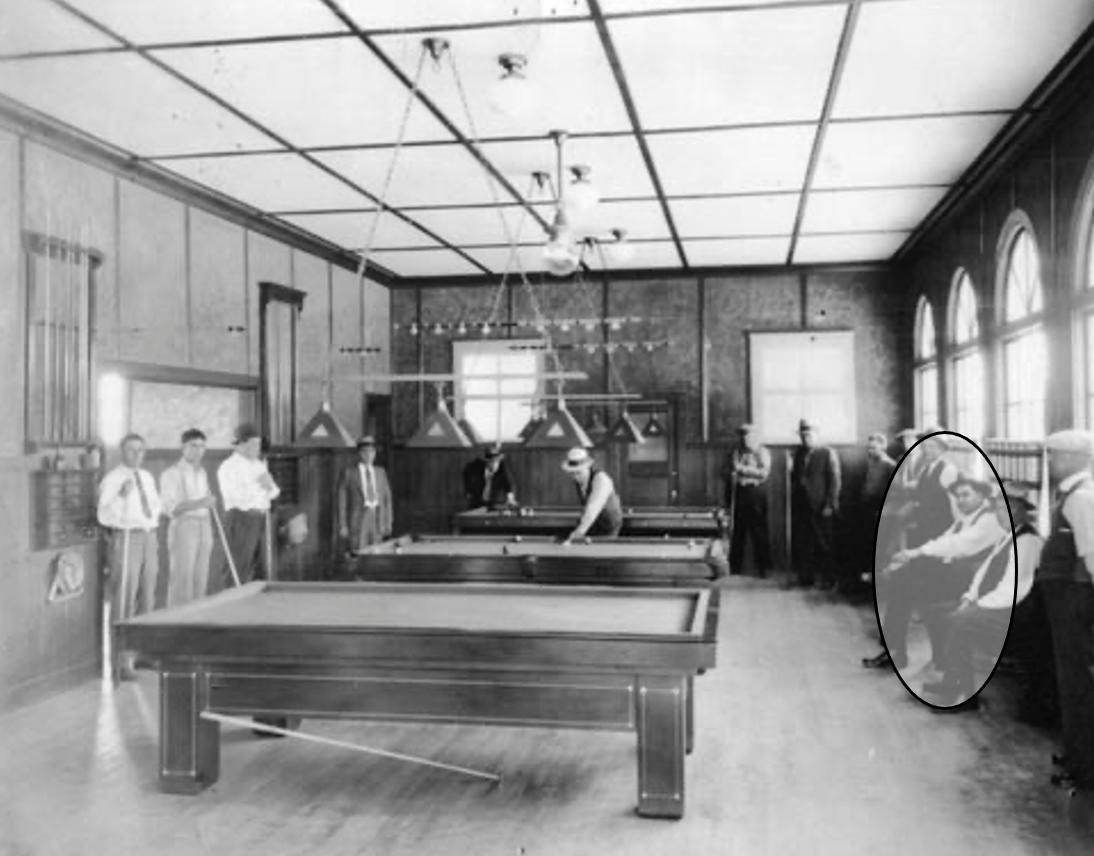
The North Side Gang attempts to assassinate powerful mob boss and rival Al Capone at the Hawthorne Hotel in Cicero, Illinois. Despite over a thousand rounds of submachine gun ammunition being fired, Capone escapes unharmed. (Capone favored the Central Coast as prime territory for bootlegging. By tradition, the photo below shows Capone shooting pool at what is today the Cool Cat Cafe in Pismo Beach. Those windows remain.)
October
6. Against the St. Louis Cardinals, The Yankees’ Babe Ruth hits three home runs in a World Series game, the first player ever to do so.
14. A.A. Milne’s children’s book Winnie-the-Pooh published by Methuen & Co. in London. (Eeyore fan here.)
22. Ernest Hemingway’s debut novel The Sun Also Rises is published. (About bulls but not balls.)
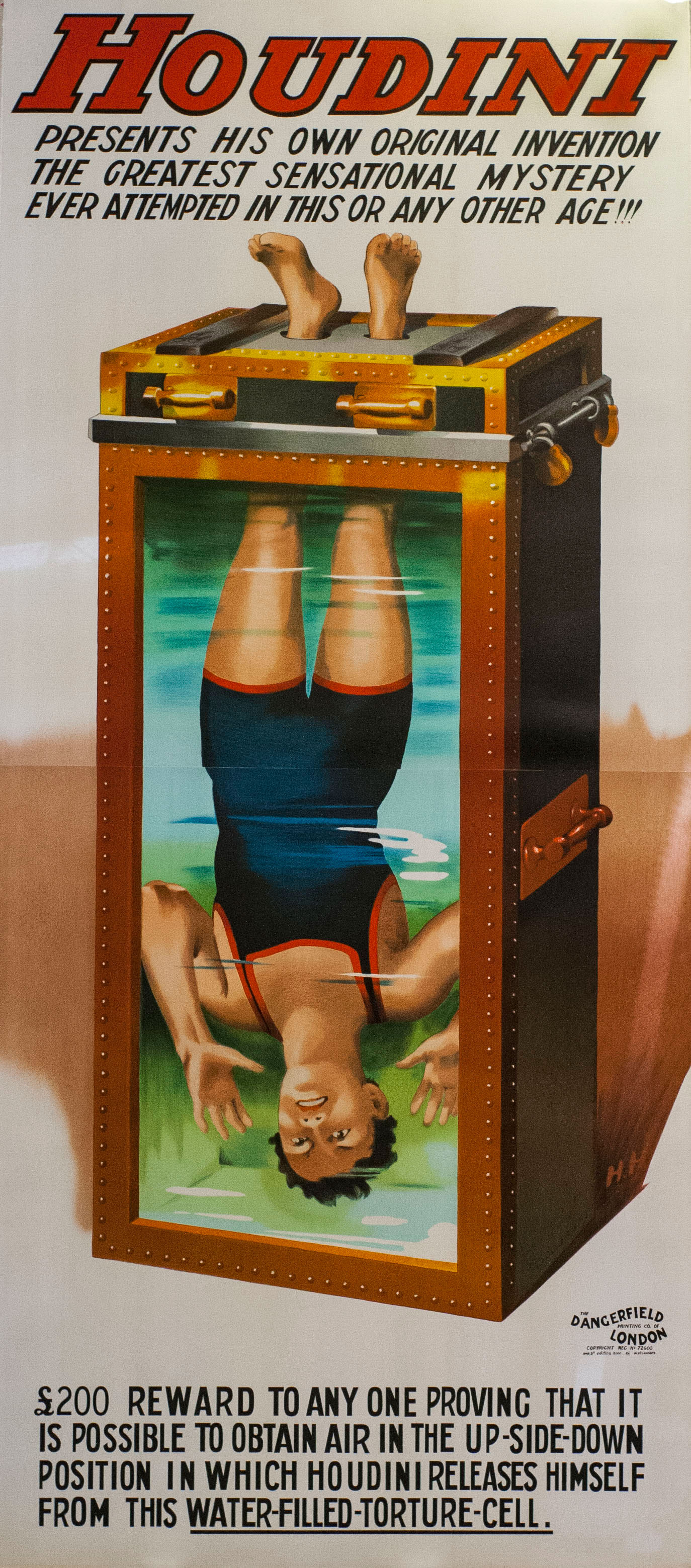
31. On Hallowe’en, escapologist and illusionist Harry Houdini dies from sepsis after suffering a ruptured appendix during a dangerous escape attempt from a water tank.
November
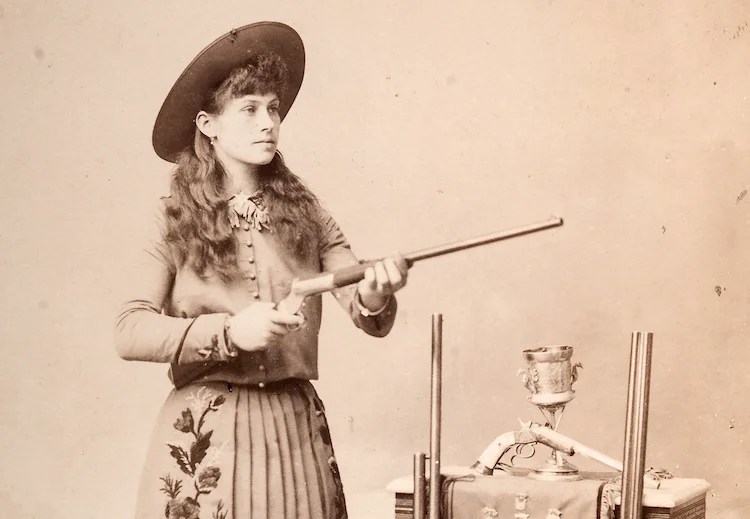
3. Sharpshooter Annie Oakley, star of Buffalo Bill’s Wild West show and later the subject of the musical Annie Get Your Gun, dies in Greenville, Ohio aged 66. (Sitting Bull, who befriended her, called her “Little Miss Sure Shot; the Wild West Show visited San Luis Obispo twice in the early 1900s.)
13. P. L. Travers’ short story “Mary Poppins and the Match Man” appears in The Christchurch Sun in New Zealand, marking the first published appearance of the eponymous character. (Mary’s a Kiwi!)
December
3. Mystery and thriller writer Agatha Christie disappears from her home in Surrey, England. She would be found 11 days later at a spa in Harrogate, purportedly suffering from amnesia.
5. Soviet silent film Battleship Potemkin is released in America, being shown in New York. (The stairway shootout in Kevin Costner’s The Untouchables is an homage to a similar scene in Potemkin.)
11. Adolf Hitler, leader of the Nazi Party, publishes Volume 2 of his manifesto Mein Kampf. (It is the safest place for Germans to hide their money, in that no one has ever read Volume 2.)
31. Buster Keaton’s brilliant film The General–his unlikely hero, a Southerner, steals a locomotive during the Civil War—debuts in Tokyo.
At the end of this post, you’ll see the opening credits to “Ben Casey,” a popular 1960s medical show about handsome Dr. Ben, a neurosurgeon, played by Vincent Edwards.
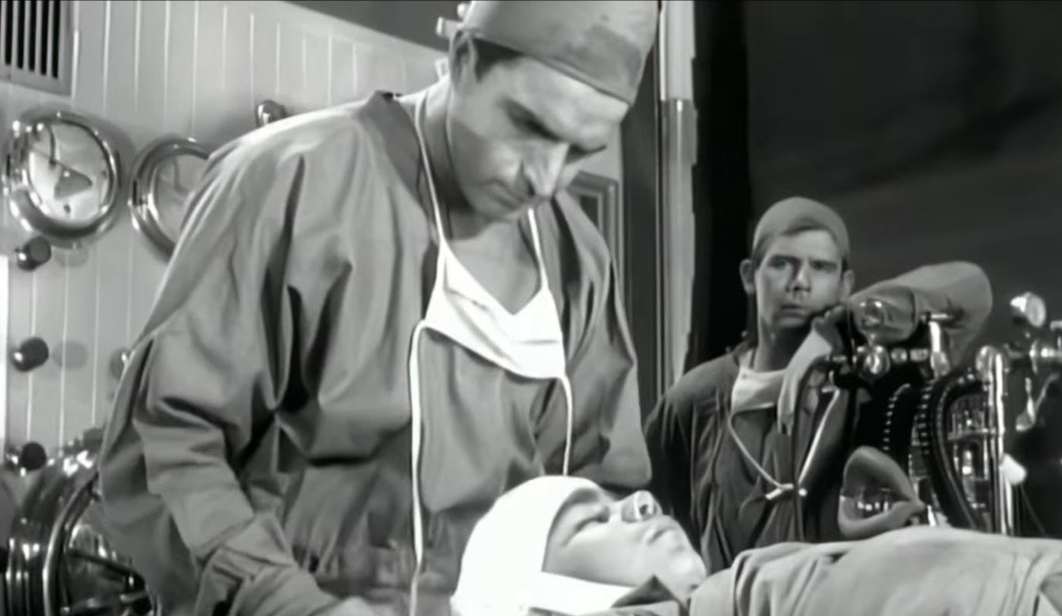
Dr. Ben deftly picked up the brain he’d dropped earlier in this little boy’s surgery.
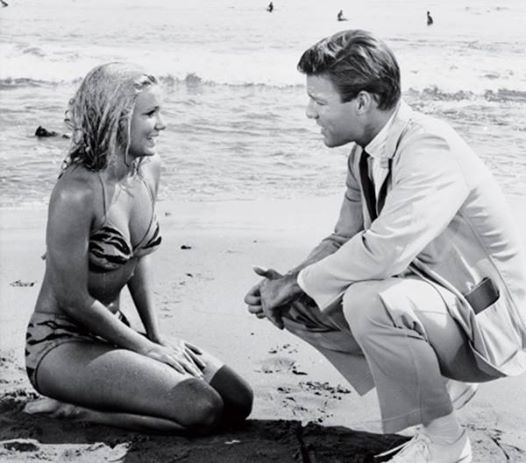
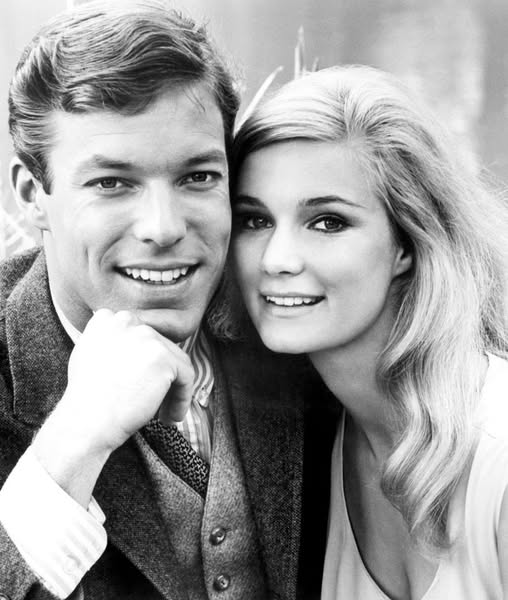
His competition was handsome Richard Chamberlain, on another network, as Dr. Kildare, whose love interests included the actress Yvette Mimieux. She was beautiful, and that didn’t prevent her from getting excellent reviews for her performance. (Okay, maybe the bikini helped a little.)
(Her character died, like every last ONE of the young women who set foot on the Ponderosa in “Bonanza.” Those Cartwrights were hell on women.)
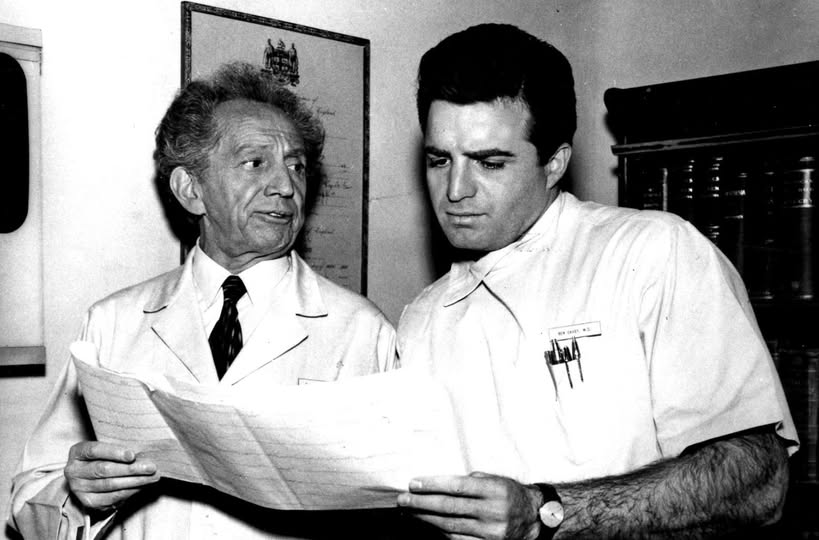
Ben Casey’s boss, writing on the blackboard in the video below, was Sam Jaffe, featured in 1939’s “Gunga Din.”
Jaffe as Gunga Din, with Cary Grant, about to swash and buckle.Jaffe, as Dr. Zorba, with Edwards, as Dr. Casey.
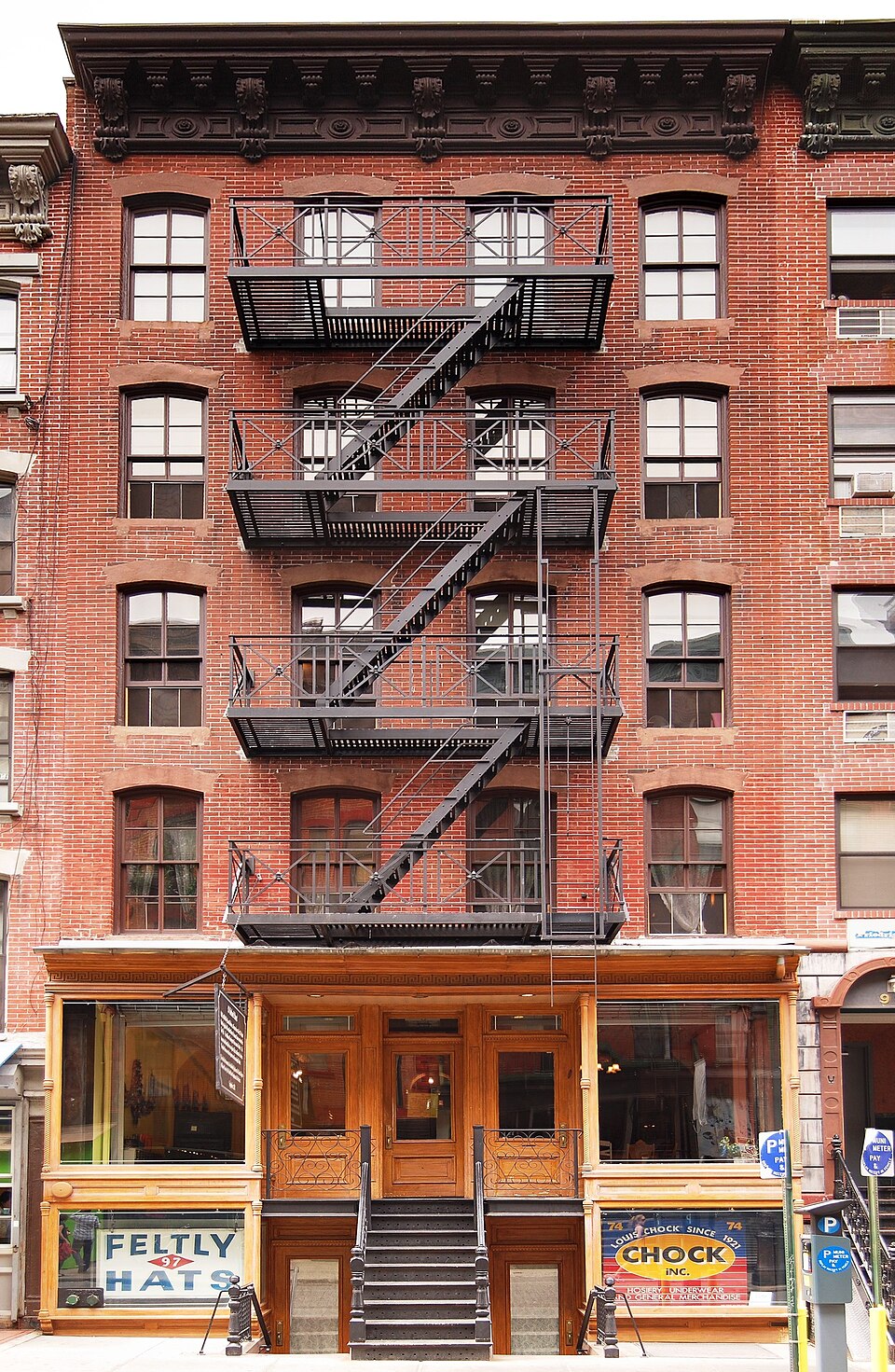
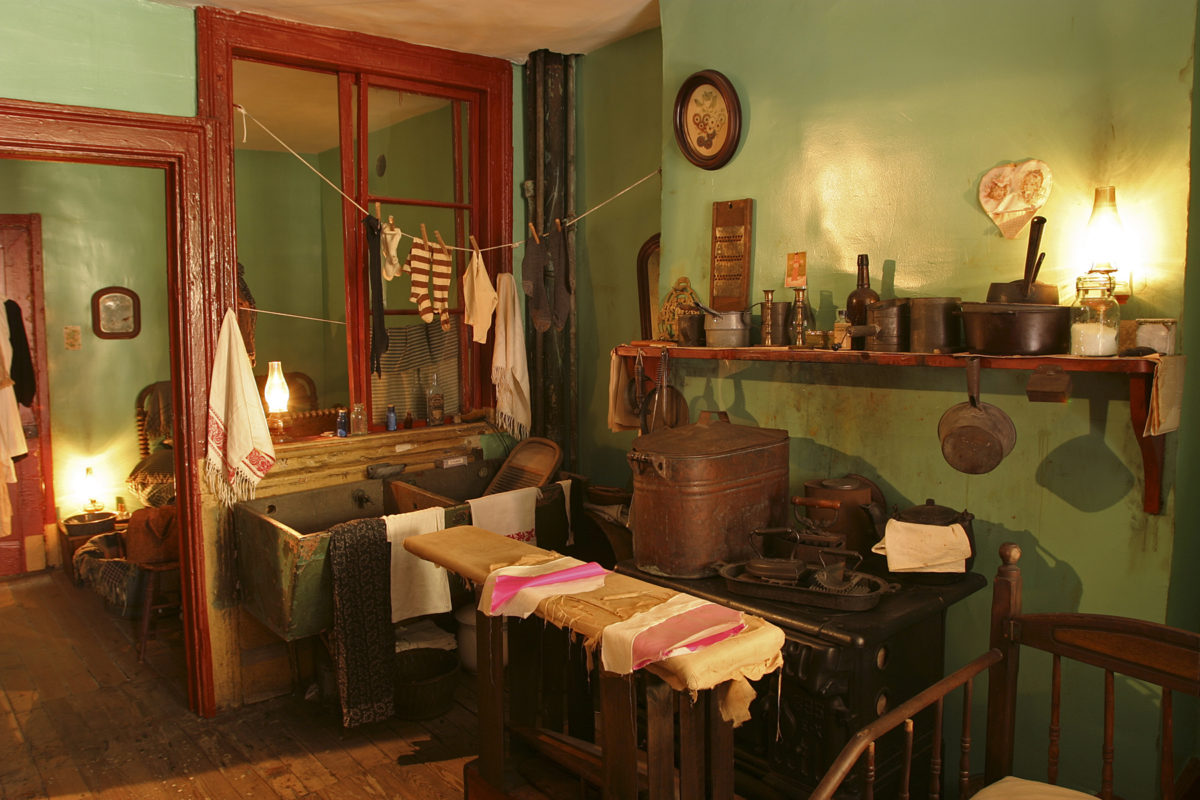
Jaffe, born in New York City of Ukrainian Jewish parents–his childhood tenement is today a museum*– was of course a natural choice to play Gunga, essentially an Indian collaborator with the Raj, but, hey, his buddies were Cary Grant, Victor McLaglen and Douglas Faibanks, Jr., so it’s all good.
*(The Tenement House Museum, on the Lower East Side. Pardon Mr. History Guy for finding Jaffe’s connection amazing.)
Anyway, I was thinking of Ben today because I’ve decided I will contact Stanford and go up there for a wee bit of brain surgery. First, the caveats:
1. I have a tumor, but it’s benign. Nonetheless, it can cause you to fall down, develop blurred vision, and it messes with your memory, like forgetting the name of the actor in the movie you just saw on TV (Robert Ryan) or the name of General Grant’s horse (Cincinnati).
2. It is not actually a “brain tumor.” It’s arises instead in the meninges, which lines the brain. Since “Meninges” sounded to me like an island group, like “Azores,” I have named my tumor Manny.
Immigrants from the Meninges.
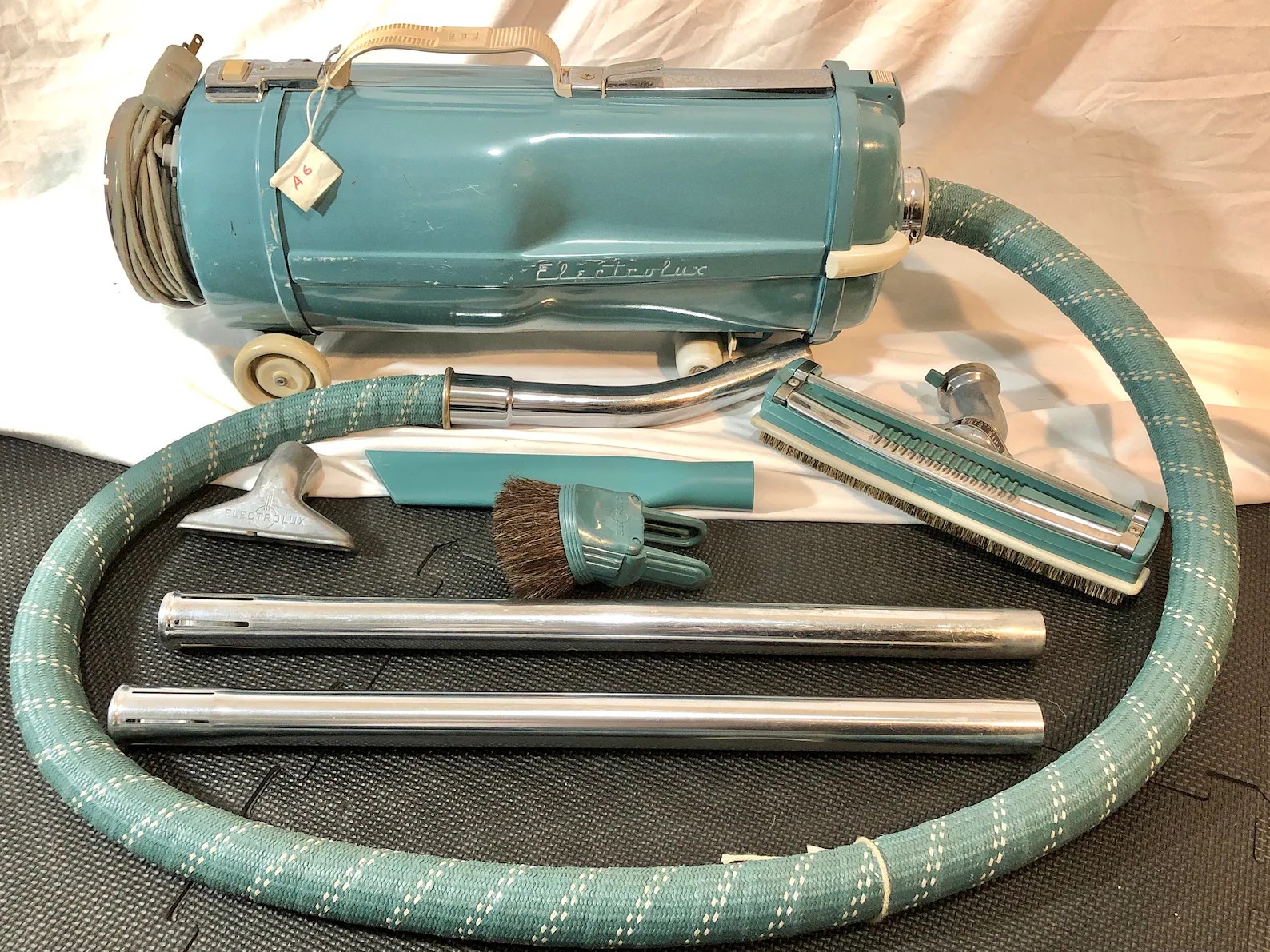
3. It’s a relatively simple procedure, requiring only a corkscrew and a 1960 Electrolux vacuum cleaner with an upholstery cleaner attachment.
4. Very high success rate, but recovery can be tough. It may involve people bringing me chiles rellenos or cheese enchiladas, sushi, Thai noodles with peanut sauce or ravioli for 60 days after the procedure. And maybe red velvet cake with cream cheese frosting.
5. Since it’s at Stanford, unless the surgeon loses the corkscrew inside, I’m sure there’s a chance that my IQ will go up, all the way to 100. I attended a week of classes at Stanford in 2004, on the Great Depression and World War II, and got to hold this X-ray of Hitler’s skull, from the Hoover Institution, so all of this is very symmetrical.
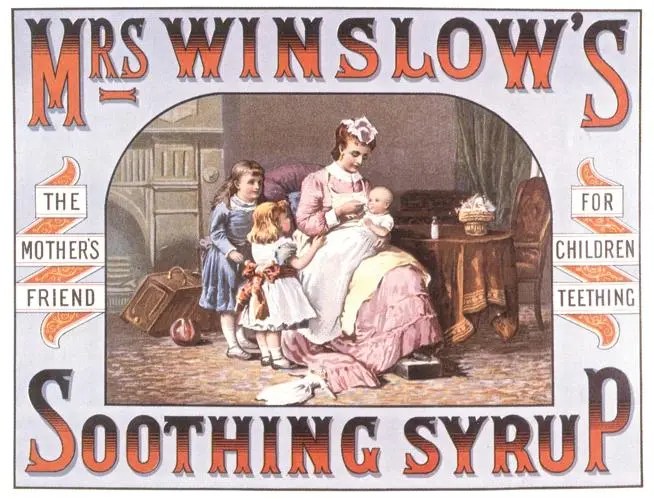
6. I get to have morphine, once a dandy additive to children’s medicine.
I’m still working up the courage, being a devout coward, to start the process that will lead to the surgery. It’s been two days now. I will try again tomorrow. I am posting this in part as an incentive for me to get off my rear end and get going.
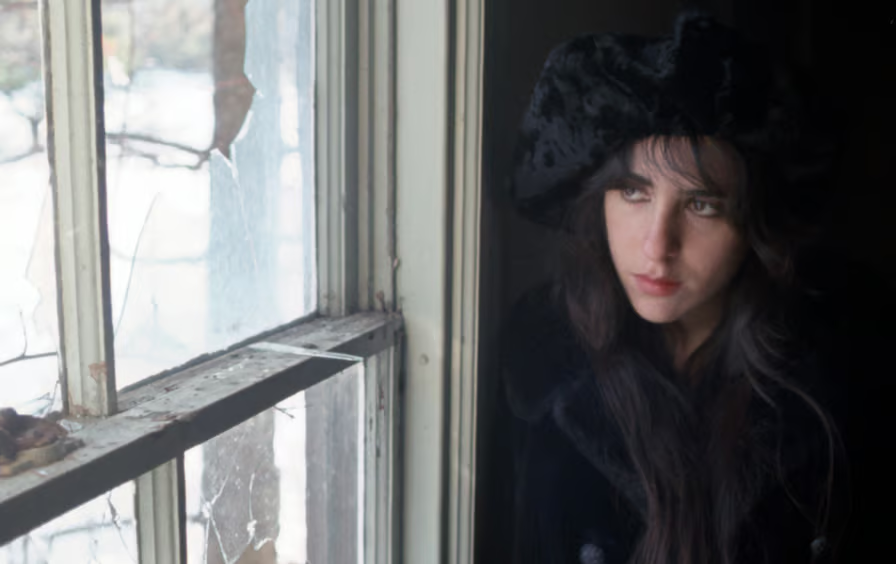
I guess it bothers me a little that most of the young people I taught don’t know about Laura Nyro. She didn’t have the staying power of, say, her contemporary, Joni Mitchell, but this was because ovarian cancer took her away, at 49, in 1997.
That’s long-ago enough, but the funky character of this videotape, from a 1969 NBC special, shows that this performance is even longer ago. It’s Nyro and her song, which means as much today as it did then.
Nyro was an amazing performer, but what made her special is how amazing her songs became in the performances by other artists. I will now be quiet and let you be the judge of Laura Nyro.
Sara Bareilles, “Stoney End,” for the induction of Nyro into the Rock Hall of Fame.
“Eli’s Coming,” a Nyro song performed by Three Dog Night. This video, made in 2025, is one of those “First Time Hearing” videos I’m fond of, where younger folks are introduced to songs from the time of us older folks. The bonus in the video is this man’s marvelous face.
In my youth, American Bandstand was the dance show based in Philadelphia, South Train, which amazed this wee Irishman, featured amazinger dancers. Nyro’s “Stoned Soul Picnic,” showed she could go mellow, to use a terrible word. Popularized by the Fifth Dimension, the song proved that an Italian/Russian Jewish songwriter from the Bronx touched L.A. Black kids, graceful and elegant.
Nyro’s songwriting crossed genres in other ways. Blood Sweat and Tears covered her “And When I Die” that is folk-jazz-Gospel, a genre I just now made up.
We need to hear Laura’s voice again, so this is her mesmerizing performance of “Poverty Train” at Monterey Pop in 1967. She was nineteen years old.
Last call for the poverty train Last call for the poverty train It looks good and dirty on shiny light strip And if you don’t get beat you got yourself a trip You can see the walls roar, see your brains on the floor Become God, become cripple, become funky and split Why was I born No-no-no-no whoa-oh no-no-no-no no no no, no
Oh baby, I just saw the Devil and he’s smilin’ at me I heard my bones cry, Devil why’s it got to be Devil played with my brother, Devil drove my mother Now the tears in the gutter are floodin’ the sea Why was I born No-no-no-no whoa-oh no-no-no-no no no no, no
Oh baby, it looks good and dirty, them shiny lights glow A million night tramps, tricks and tracks will come and go You’re starvin’ today But who cares anyway Baby, it feels like I’m dyin’ now
I swear there’s something better than Getting off on sweet cocaine It feels so good It feels so good Gettin’ off the poverty train Mornin’…
Twelve years after that performance, I heard another beautiful train song, this time by Rickie Lee Jones. I had the great good luck to teach American Literature to high school students, and my favorite unit featured the terse diamondlike verse of Emily Dickinson and the endless self-regard—and the verbosity—of Walt Whitman. I loved them both. Whitman believed, as I do in teaching history, that we are all connected. He is writing this poem, “Crossing Brooklyn Ferry,” to a reader not yet born.
Laura was East Coast, Rickie Lee L.A., but time and distance avail not. Jones acknowledged and paid explicit tribute to Nyro in her album Pirates. She performs Laura Nyro songs in concert. So here is her train song, from her 1979 debut album.
“Night Train,” by Rickie Lee Jones
Here I’m going Walkin’ with my baby in my arms ‘Cause I am in the wrong end of the eight-ball black And the devil, see, he’s right behind us
And this worker said she’s gonna take my little baby My little angel back
They won’t getcha, no ‘Cause I’m right here with you On a night train
Swing low, Saint Cadillac Tearin’ down the alley And I’m reachin’ so high for you
Don’t let ’em take me back Broken like valiums and chumps in the rain That cry and quiver
When a blue horizon is sleeping in the station With a ticket for a train Surely mine will deliver me there
Here she comes I’m safe here with you On the night train Mama, mama, mama, mama
Concrete is wheeling by Down at the end of a lullaby On the night train
You don’t have to believe me, not one damn bit. I don’t need your sympathy, but, many years ago, I could’ve used a Corona Familiar. I was stranded two miles northwest of Loma Enjuta, California, with the radiator steaming the way Mt. St. Helens would steam a year later. It was a miserable moment in what turned out to be the most satisfying case of my time as an L.A. private detective.
I was giving a lift to the little boy I’d found by the side of the road next to his dead horse. He regarded the Buick’s breakdown and me gravely. So did the buzzard with the head shaped like your grandfather’s Adam’s Apple. The buzzard was not in the Express Line at Taco Bell. He was content, instead, with his dark sepulchral wings spread in the sun, to wait for his dinner—that would be us–to be properly cooked.
I smiled bravely at the little boy. We’d spoken enough, in Spanglish, for me to understand that his horse, old enough to be a mount in Pancho Villa’s dorados in 1916, had decided that in this heat, it was better for him just to lie down. So, he did.
The little boy lived in Loma Enjuta, and he probably would catch hell for coming home alone, so our conversation grew a little stilted. But at least he smiled faintly back.
I’d come to this place, so bare that it makes the nearby Salton Sea look like Lake Tahoe, to look for a missing old man, Patrick O’Connell Jimenez, a sugar beet farmer, who’d gotten off the Union Station Greyhound stop in Los Angeles and then vanished.
The Jimenez family came into my office smelling like sugar beets. I’ve smelled worse smells. I once passed an Amarillo stockyard at noon.
But they were Irish Mexicans, like the actor Anthony Quinn, and so maybe my favorite kind—although, to be truthful, I like Mexicans and Mexican Americans of any variety, and, even better, like them if they have a little sugar beet money.
I came south two weeks after that interview, when the Buick overheated. I hadn’t found much up in L.A. and hadn’t gotten much help from LAPD Detective Sgt. Lopez, who’d looked at me dubiously and asked
You want my help in finding WHAT?
A lost Mexican.
A lost Mexican? In L.A.?
He was old.
That helps immensely.
And he would have smelled.
So does my abuela.
So now I needed information about Patrick O’Connell Jimenez. I needed to interview again his family, maybe, but not likely, the local priest, maybe, but even less likely, the Loma Enjuta Police.
The buzzard ruffled his wings. He was hungrier now and we weren’t dead enough yet.
“Ha!” I cried for the little boy.
The steam coming from the Buick’s radiator had subsided to the point where I could unscrew the cap without getting my arm blown off. I refilled the radiator from the Joad Family Model Waterbag, checked for potential leaks to be plugged from the bucket of Bazooka bubble gum in the back seat, and started the car.
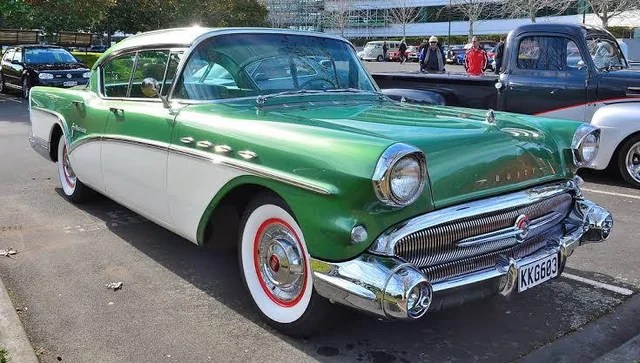
It was a grand car, a 1957 Roadmaster, emerald over cream, with the classic bullet holes alongside the hood. I loved the steering wheel, too, big enough for a World War II fleet carrier.
The Buick
The little boy and I got back in and back on the road. I managed to scrape together enough Spanish, free of conjugated verbs, and I pulled a fifty out of my wallet, asking my passenger if he’d care to translate for me. He agreed. Happily. He began to blow Bazooka bubbles. His name was Carlos.
You know you’re getting close to a town like his from all the white plastic Ralph’s shopping bags entangled in the sagebrush. This is civilization in California.
Carlos got me to pull over the parking lot of a tamale house from the shoebox school of architecture. He opened the screen door and held it for me gingerly. Once I was through, he dashed inside and the door imploded, smacking us both in the ass.
It was his mom’s place. He was relieved because he wasn’t in trouble. The old horse was an old horse. His mother’s eyes liquified a little when, I think, Carlos told her how nice I had been. She made me sit down and prepared a big plate of chiles rellenos surrounded by rice and liquidy refried beans, the way I like them. The meal came with some one-shade-short-of-thermonuclear salsa, the way I like it, and a stack of fresh corn tortillas for the scooping.
Fresh corn tortillas, unlike sugar beets, have the most the most beautiful smell on this here Planet Earth.
I was happy in my scooping and, to the buzzard’s regret, could have died right then and there a happy man.
But Carlos was on the payroll now, and his mom knew the Jimenez family. My Spanish was still alive enough to capture about every fifth word, but the one that stuck was “Doyers.”
“Dodgers?” I asked Carlos.
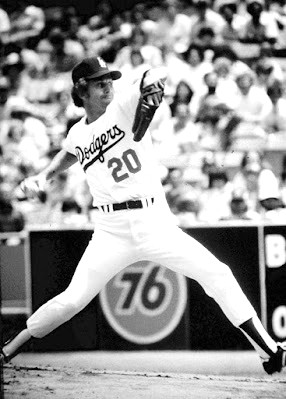
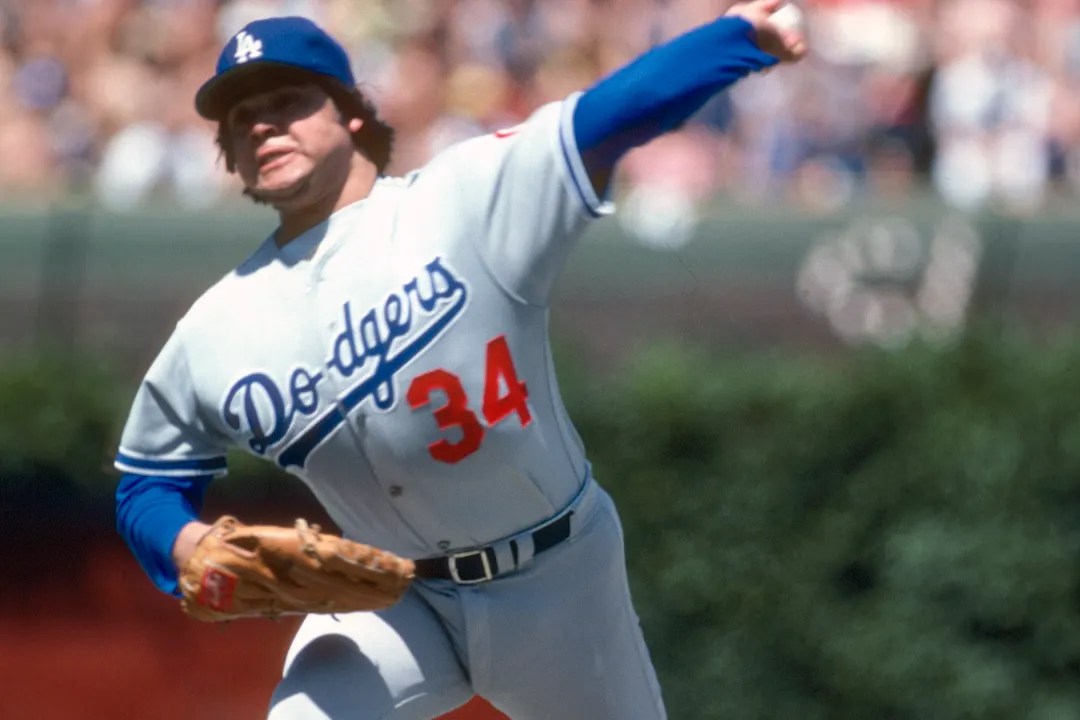
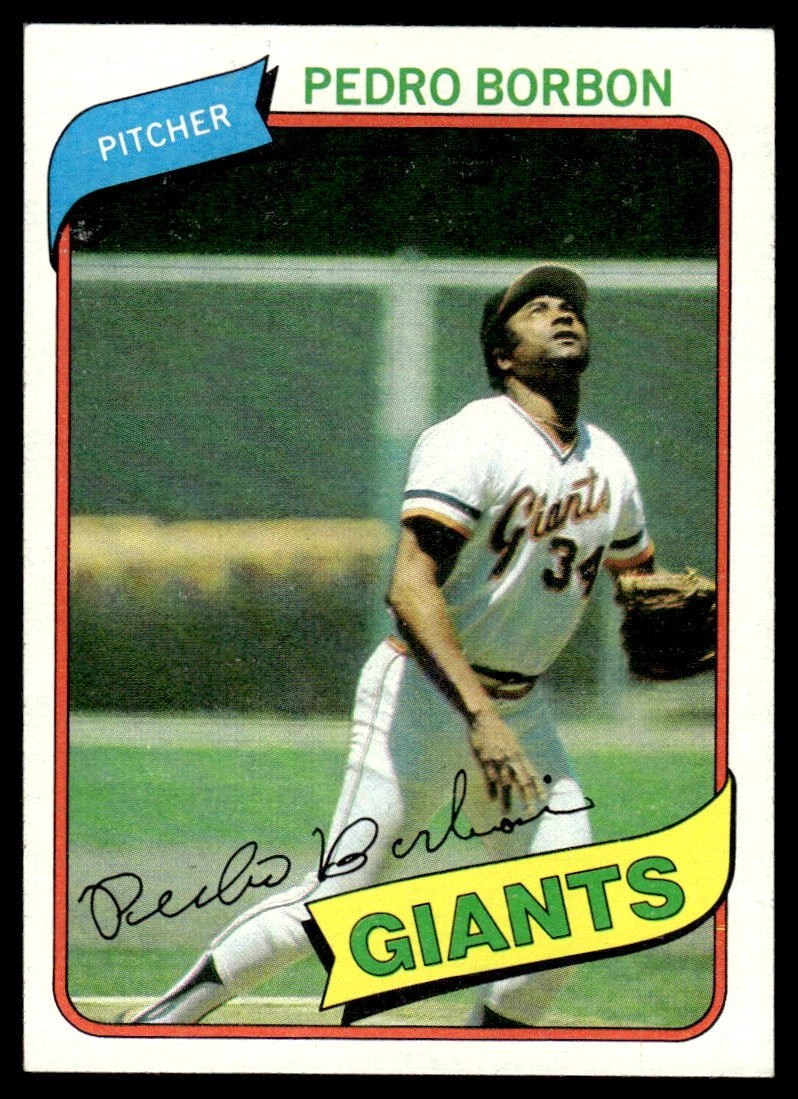
That was it. The old man had gotten a wild hair and announced it here while scooping his his frijoles.. He’d decided to take the bus taken the bus north for a three-night homestand between the Dodgers and the Gigantes of San Francisco. Don Sutton was one of the L.A. pitchers, and Patrick O’Hara Jimenez loved him. Pedro Borbon, whom the old man liked no better than a scorpion in his work boot, was one of the Giants’ pitchers. His hatred for Borbon was inexplicable and visceral.
Don Sutton.
Now, I had discovered purpose for his visit north. Carlos and I then drove to the police, who were Oklahomans and thinly pleasant, with thin blond mustaches in need of Miracle-Gro. They were stumped, too, and not terribly bright. We tried the Santa Ines de Bohemia parish house, where the young priest, Father Herman, was asleep after some vigilant taste-testing of communion wine.
No help there. Carlos took me for one more stop, the Jimenez home. Sugar beets will not get you Mt. Vernon, but the Jimenez home was large and kind of upscale Bakersfield.
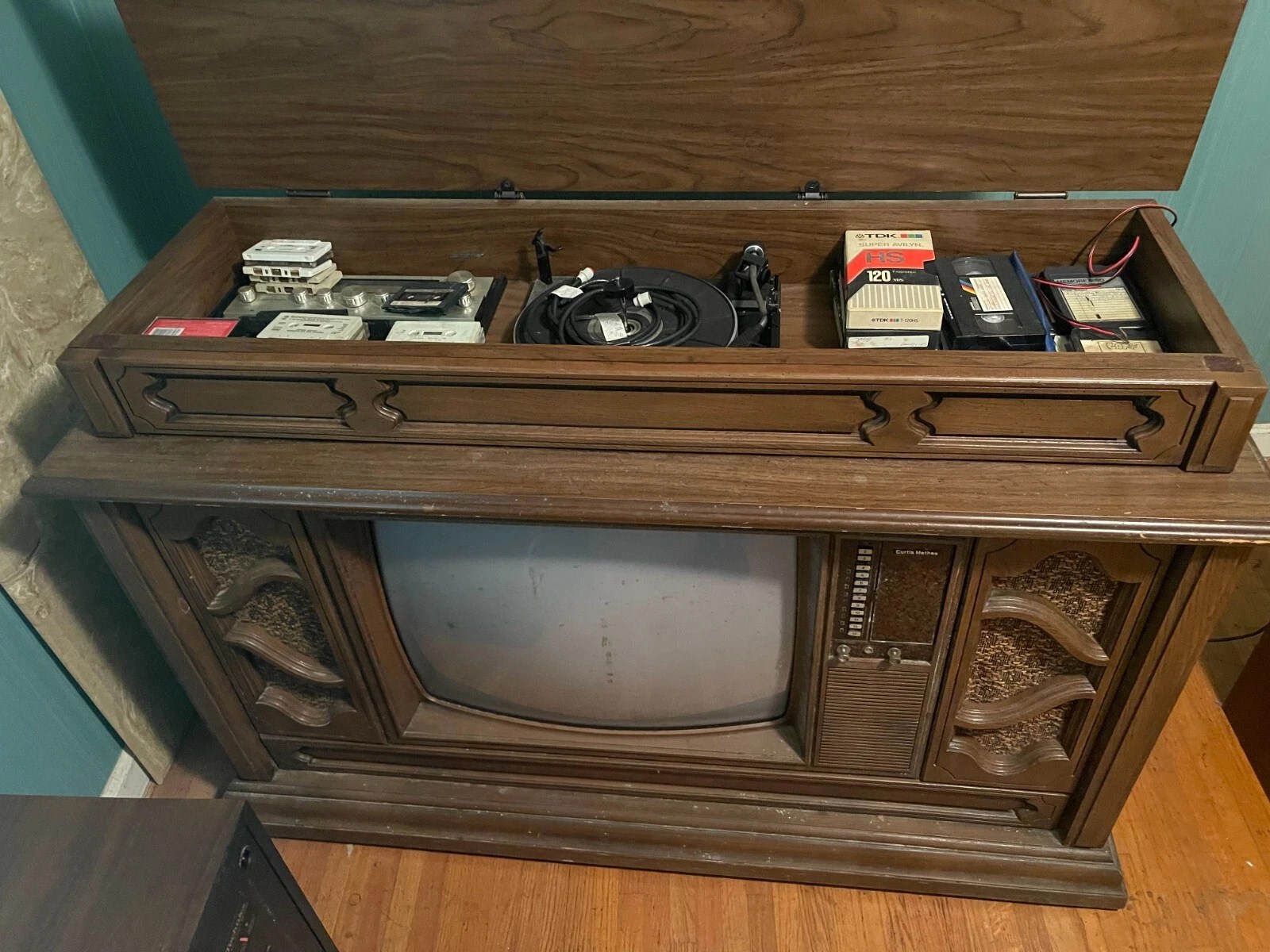
Patrick’s daughter, Scarlett Dolores, and his son-in-law, Alvino, sat me down and brought me that Corona and Carlos a lemonade. I’d liked them in my office and that didn’t let up now in their living room. We were parked on the sofa in front of the family’s massive Curtis-Mathes console television, the size of a coffin, big enough to contain a man the size of, say, Don Drysdale.
Scarlett said her dad loved watching the Dodgers on the big color screen and, when Borbon pitched for the Giants, the usually dignified old farmer hurled thick and vile Spanish insults at the Dominican starter.
A well-worn 1970s Curtis-Mathes console. The only feature it lacked was a defibrillator.
“Go home and chop sugar!” Patrick would shout and would add verbiage that the couple could not repeat in front of Carlos. Patrick hated cane sugar, too.
But they had not much more to offer. Fr When the old man decided to vanish, he did a thorough job—-but they thought a sudden and impulsive trip to Chavez Ravine, where he could yell at Borbon in person, was at least plausible.
I got home to L.A. about one in the morning.
At four in the morning, I woke up in my apartment, in many ways a duplicate of Fred MacMuray’s in Double Indemnity. I was in a MacMurrayesque cold sweat.
I’d covered the old man’s origin point. What about his destination?
I needed to go to Chavez Ravine.
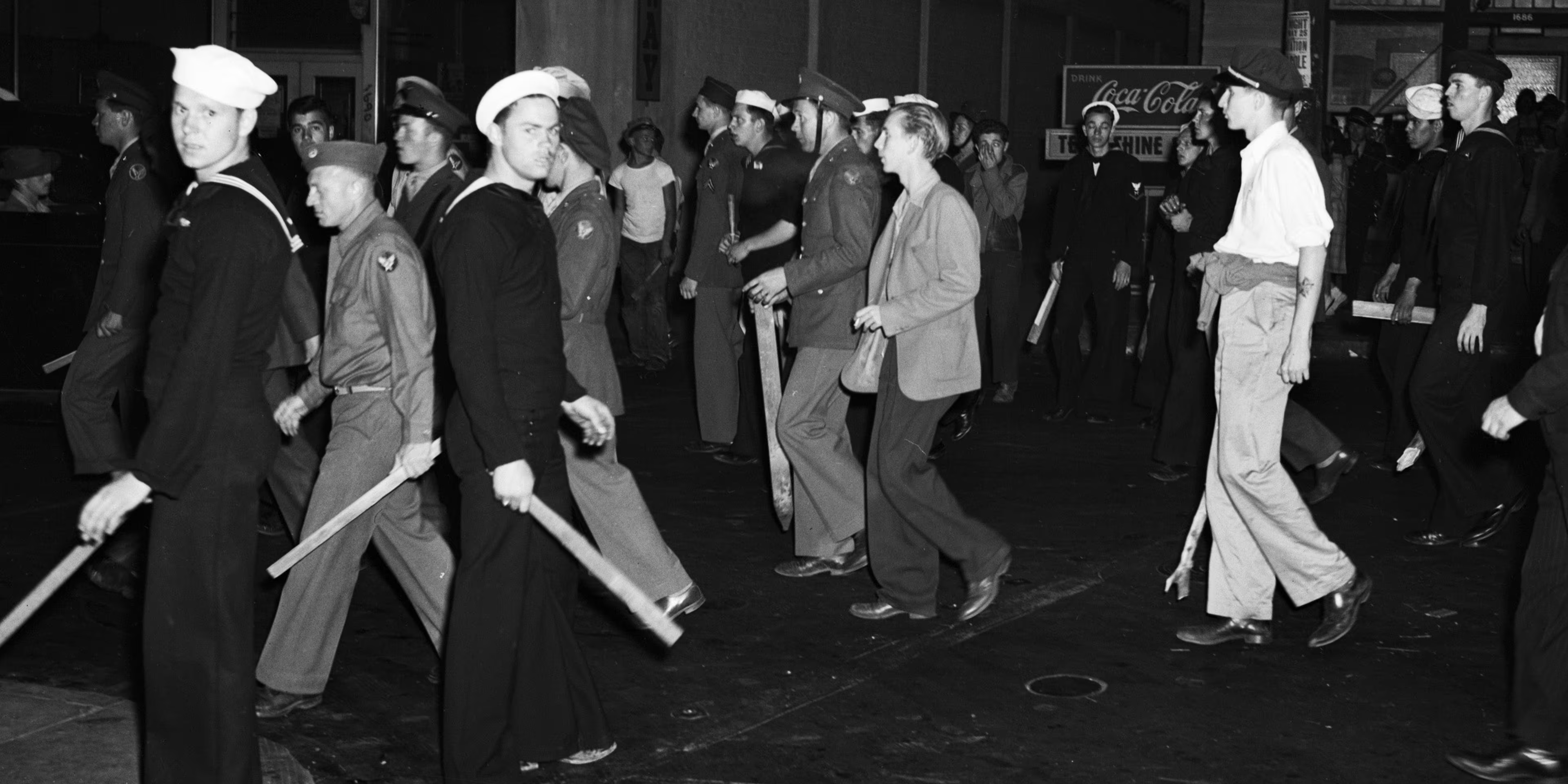
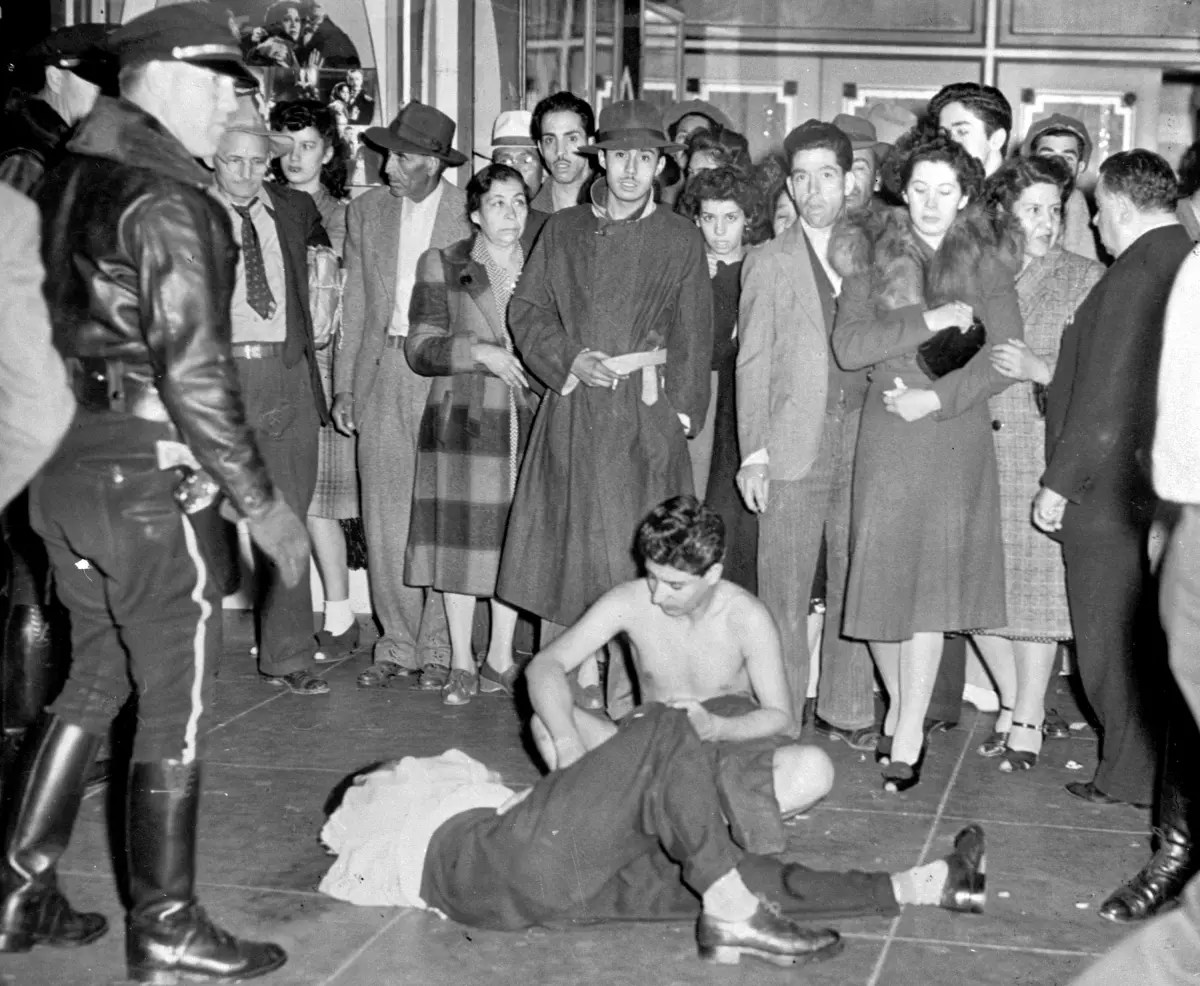
The Ravine once upon a time was the lively barrio where, in1943, Midwestern sailors wolf-whistling at lovely chicanas precipitated the Zoot Suit Riots. The LAPD intervened in the customary way: they waited until the sailors, using axe-handles, had beaten the Zoot Suiters senseless.
Then they arrested the Mexican kids.
Two decades later, the City of Los Angeles flattened the Ravine with battalions of bulldozers to make way for Walter O’Malley’s Dodger Stadium. The only thing that remains of the barrio is its name, sometimes used to refer to the stadium that replaced it.
I had a friend at Chavez Ravine, and in the Dodger organization. He sold frozen lemonades, in big conical containers, in the stands during games, so he had enough pull to get me in as they were preparing the field for a night game.
I’d asked about my eleventh employee about any old Mexicans they’d seen in the last three weeks and got the Detective Sgt. Lopez treatment from all of them. The twelfth was chalking baselines and his eyes widened.
“You mean like the old guy who was nailed during batting practice?”
Well, yes, I replied, trying to be even-voiced, that might be the one.
He asked for a moment and walked into the groundskeeper’s.
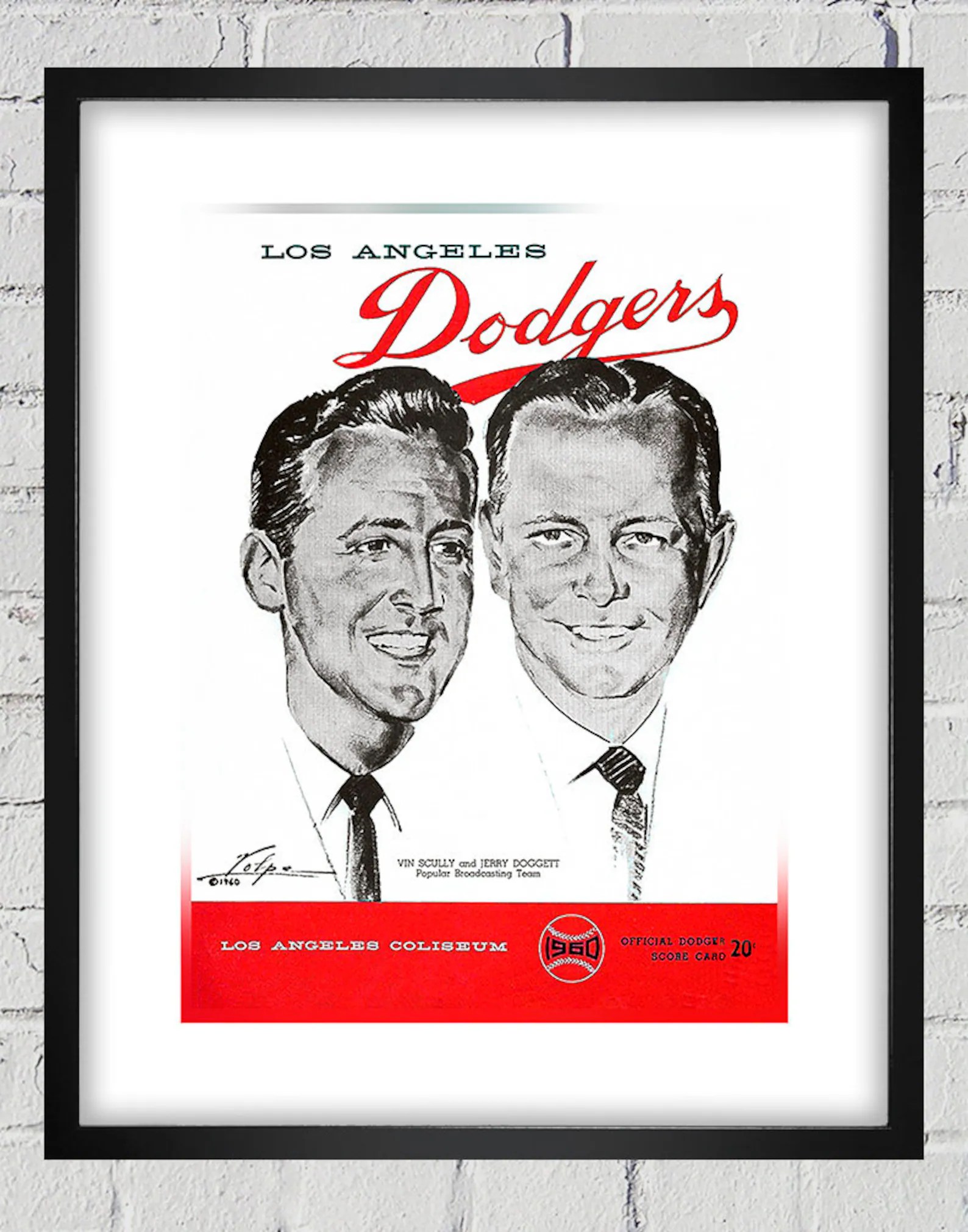
He never came back out, but two security officers did. They airlifted me, my toes never quite touching the ground, to the Dodger Stadium Corporate Offices, which even the likes of Vin Scully entered maybe two or three times a year. (Jerry Doggett Scully’s co-broadcaster, was made to wait outside.)
Broadcasters Scully and Doggett, from a 1960 program.Scully was a masterful storyteller and game-caller. Doggett, who got a few middle innings, was stolid but occasionally confused.
I was reamed by a junior executive, a young, good-looking man with a German-Jewish surname, who threatened me with arrest for trespassing.
Sure. Arrest me. But what happened to the old man?
Security was summoned.
One floor up, I got the same treatment by another executive, this one Italian American.
This is why I was a Dodger fan, too. They’d carried that whole immigrant ethic from Brooklyn to the West Coast. And after they’d bulldozed Chavez Ravine for the stadium, they’d even pay a little back with the kid pitcher from a town smaller than Loma Enjuta–Etchohuaquila, Sonora—the birthplace of Fernando Valenzuela.
The next-floor-up executive soon grew tired of me. He called Security. They were getting a workout that day.
They glided me up, not unpleasantly, to the sanctum sanctorum of Dodger Baseball, the O’Malley family office. They let me sweat awhile in a big leather sofa and then Himself walked in.
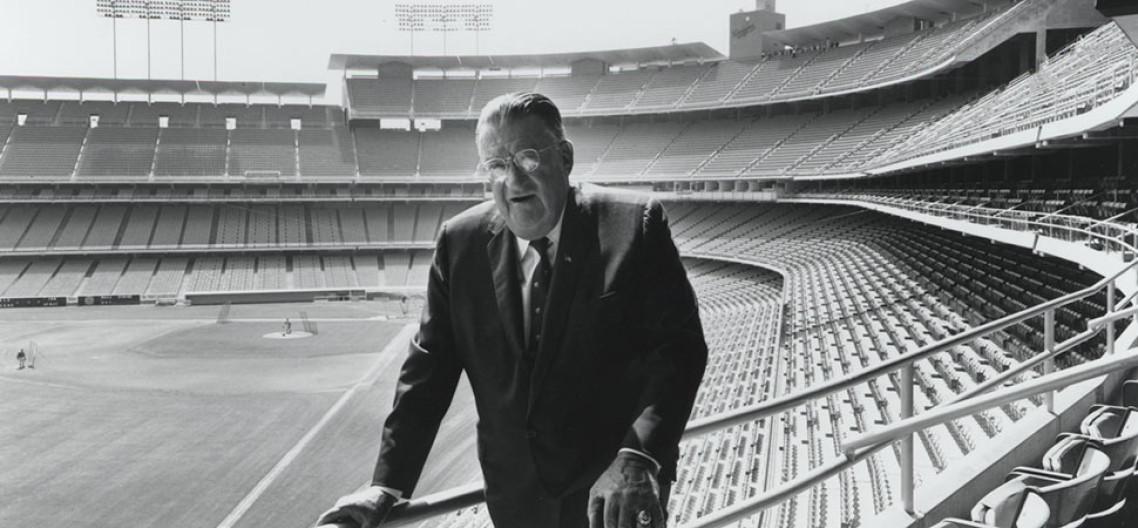
Walter O’Malley and his kingdom.
It was the Old Man, Walter O’Malley, preceded into the office, for several seconds, by his cigar. He sat in an office chair big enough for Pharaoh and looked at me a long time in silence.
What do you want? he snarled. Finally.
I want to find out about an elderly man a Mr. Jimenez, who has disappeared. I was retained by his family. Dodger Stadium was the last place he was seen alive.
And what in Christ’s Pajamas do you think we have to do with him disappearing?
Word has it he was hit here by a line drive during BP. He wasn’t seen after that.
Damned lie,O’Malley replied from behind a cumulus cloud of cigar smoke. Jesus Christ and Sandy Koufax!
Your best pinch-hitter of all time, Manny Mota, killed a kid in the stands with a line drive back in 1970.
I’d done my homework.
Silence. For a long time.
He’s still here, O’Malley finally whispered.
Manny Mota?
No. Your old man.
What?
Look, O’Malley said. I am a businessman, and I am an old man, too. It’s time for me to turn the team over to my son and, when his time comes, the team may pass into another family—maybe even a foreign family, like those Frenchies, the Rothschilds, or those Murdochs from Australia.
So?
So our brand—the Dodgers—has an immaculate reputation, and an old man getting killed during BP could do us irreparable harm. But, being an old man myself, we treated the one you’re looking for with complete dignity.
How?
He’s underneath the pitcher’s mound.
Beg pardon?
The next away series, we excavated the pitcher’s mound, wrapped him in Mexican and American flags, covered him in roses, put the mound back together. After that, we invited mariachis to play at the mound. Told them it was some kind of welcome for a kid pitcher who’d soon be coming up from Mexico.
Fernando.In his first start–Opening Day, 1981–he shut out the Astros 2-0.
You got most of the flags right. This Mexican was half Irish. His full name was Patrick O’Connell Jimenez. The name was starting to roll off my tongue now.
Ỏ, cac, O’Malley said. Oh, shit.
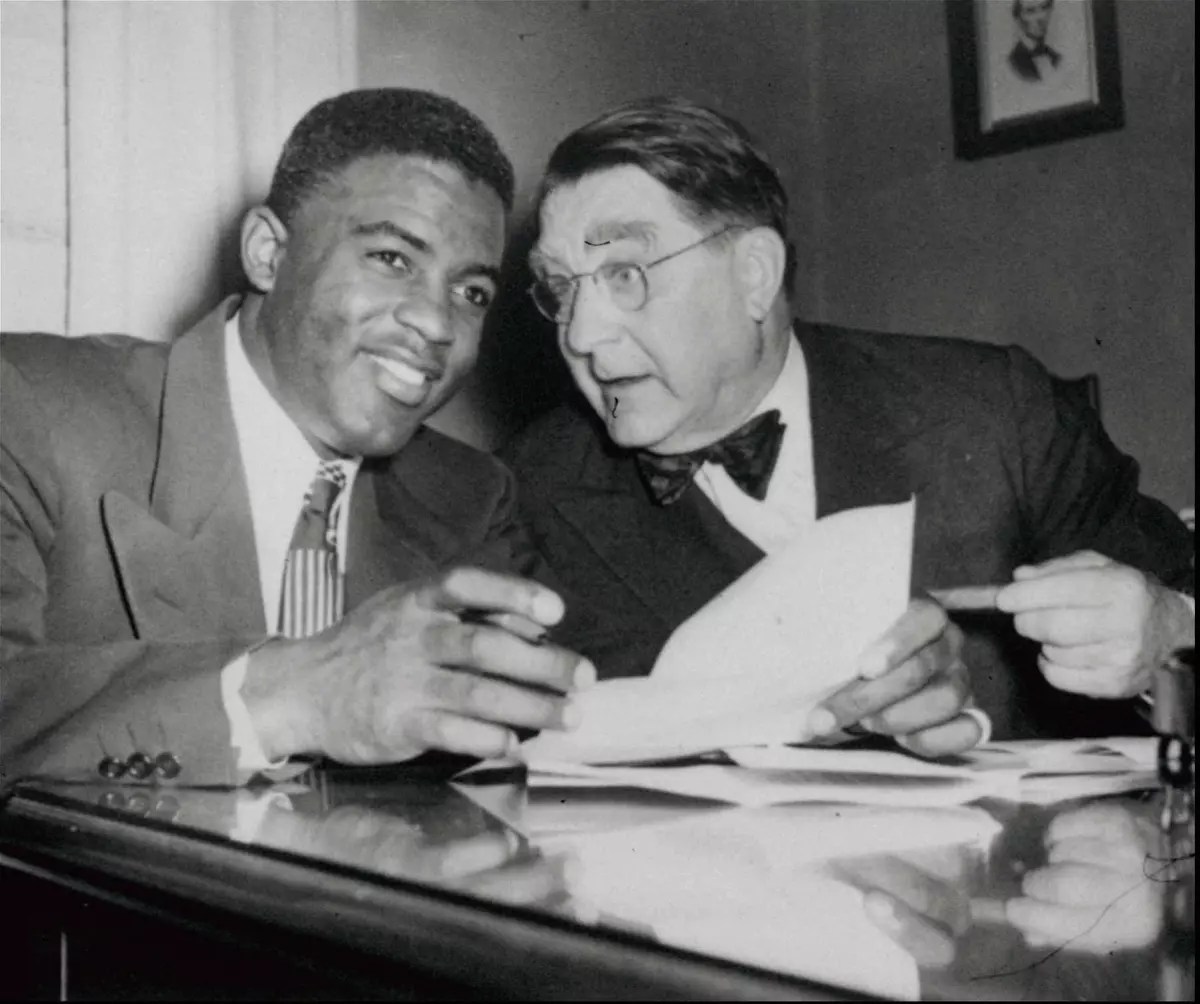
His face had softened a little, transforming into that of Jackie Robinson’s surrogate father. Surrogate uncle. Robinson’s surrogate father was Brooklyn GM Branch Rickey, Protestant Irish, who’d signed Robinson to a minor league contract in 1945.
Robinson and O’Malley; #42 and Branch Rickey.
Well, then. What is it that you want?
The family has a right to know, I said.
O’Malley’s silences were masterful.
Three days later, I drove back to Loma Enjuta. I presented Carlos with a Don Sutton autographed baseball. I presented Scarlett and Alvino with a non-disclosure agreement. They signed it because of the big color Curtis-Mathes television and, as they say in MLB trades, for a cash consideration.
For the rest of his MLB career, they believed that Borbon, who would pitch for many clubs, could never be comfortable atop that Dodger Stadium mound. They would think, while watching Dodger games on his TV, of Patrick O’Connell Jimenez, just below Borbon, and that made their secret a proud one.
Twenty years after his father’s time, Pedro Borbon, Jr., became a Dodger pitcher.In 1996, the team was sold to the Murdoch family’s Newscorp. They, in turn, sold the team in 2004.
Today it was time to eradicate all those little precancers that we of Anglo-Irish descent tend to accumulate, so I went to the dermatologist for the Blue Light Treatment.
I forgot that the Blue Light Treatment lasts an hour and a half. First they put a substance on you that smells like an exploded still on the Ozark Plateau. Then they leave you in a darkened room to fidget for an hour. Then they sit you in a chair and wheel you inside the Blue Light Machine, which looks amazingly like Robocop’s mask.
Then they go away. The machine goes hmmmmmmmmmmmmmmmmmmm, only softer. Most of the light is yellow but there’s definitely blue bars above you and to your sides.
Hmmmmmmmmmmmmmmmmmmmmm.
It starts to get warm. They give you a little fan but, being a he-man type male, I only used it once. The rest of the time I was counting “One Mississippi, Two Mississippi…”
For seventeen minutes and forty seconds.
Sometimes the nurse comes in to tell you how much time you have left, kind of like Leslie Nielsen:
ONLY ELEVEN MORE MINUTES!
Hmmmmmmmmm.
Three hundred twelve Mississippi, three hundred thirteen Mississippi…
Panic begins to set in. The machine’s supposed to shut off automatically. What if it doesn’t? What if the nurse’s boyfriend is breaking up with her over the phone and she forgets about me?
Then, thank the Good Lord, the machine goes dark. They give you lots of post burning tips: Don’t go out in the sun, refrigerate Vaseline for pain relief, use sunscreen, don’t stand under a napalm strike. They give you two prescriptions for an ointment and a steroid for pain.
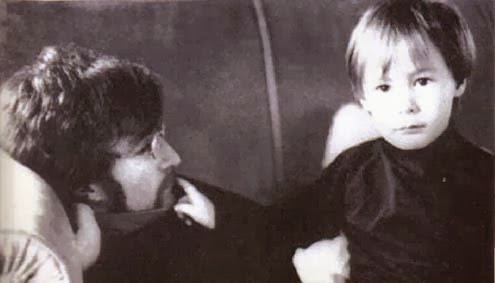
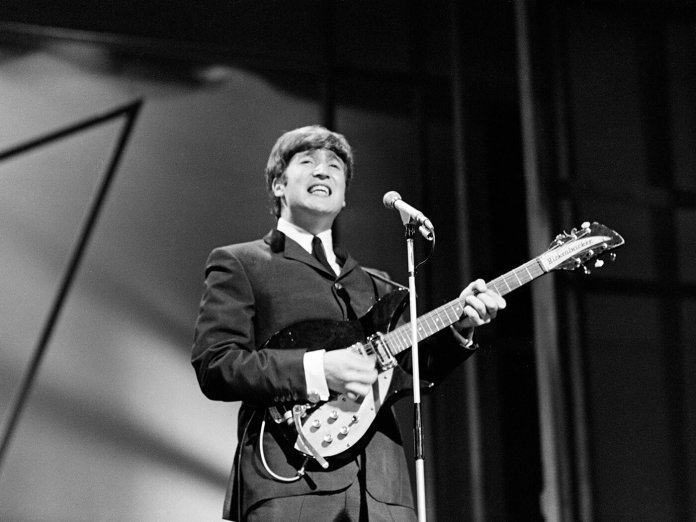
John Lennon was born on October 9, 1940, in Liverpool. The following month, the first round of raids from The Blitz, the Nazis’ attempt to pulverize England from the air, began. In an often merciful phenonmenon that neuroscientist call “infantile amnesia,” Lennon’s earliest memories, as he tried to sleep in the arms of his mother, would’ve been the detonations of Luftwaffe bombs, both muffled and instant, the fetid stink of human waste in the network of shelters designed to protect the port city’s workers and stevedores and their families, and, when the raid was over, he would’ve felt cold air and smelled the stink of burning buildings, burned Liverpudlians, and air made dense and moist by firehoses.
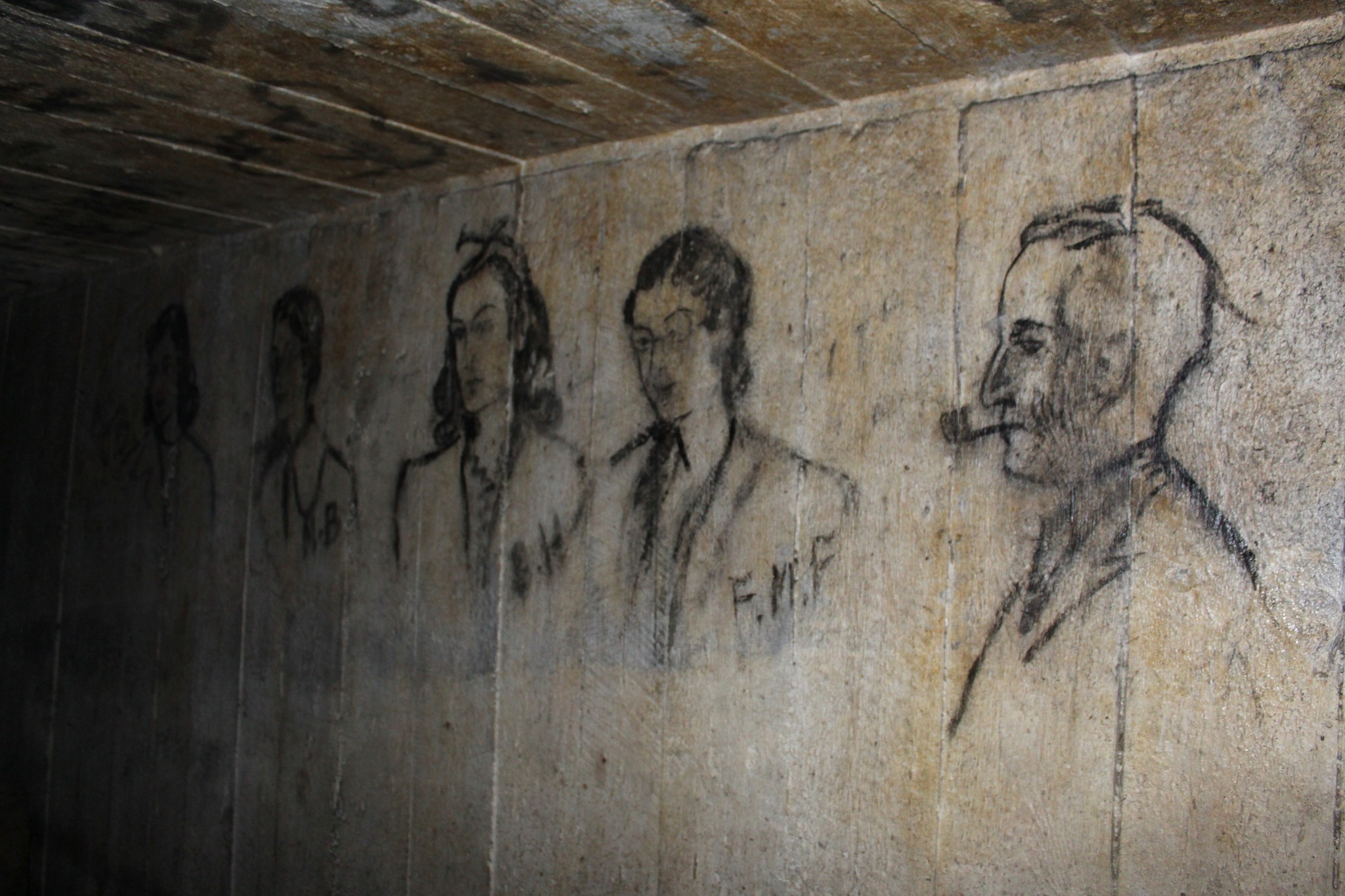
An artist of a different kind left his or her mark in this Liverpool air-raid shelter.
So that’s how Lennon’s life began.
John and Cynthia Lennon
His father, Alfred, was a merchant seaman; and the month John was born, U-boats sent 350,000 tons of Allied shipping to the bottom. The u-boats’ goal was to starve Great Britain, and, in 1940, they were winning. Alfred, also known as “Freddie,” wasn’t. He went AWOL in 1943, allegedly fleeing for stealing a bottle of beer, and the checks he sent to his little family stopped coming.
Freddie in the 1970s.
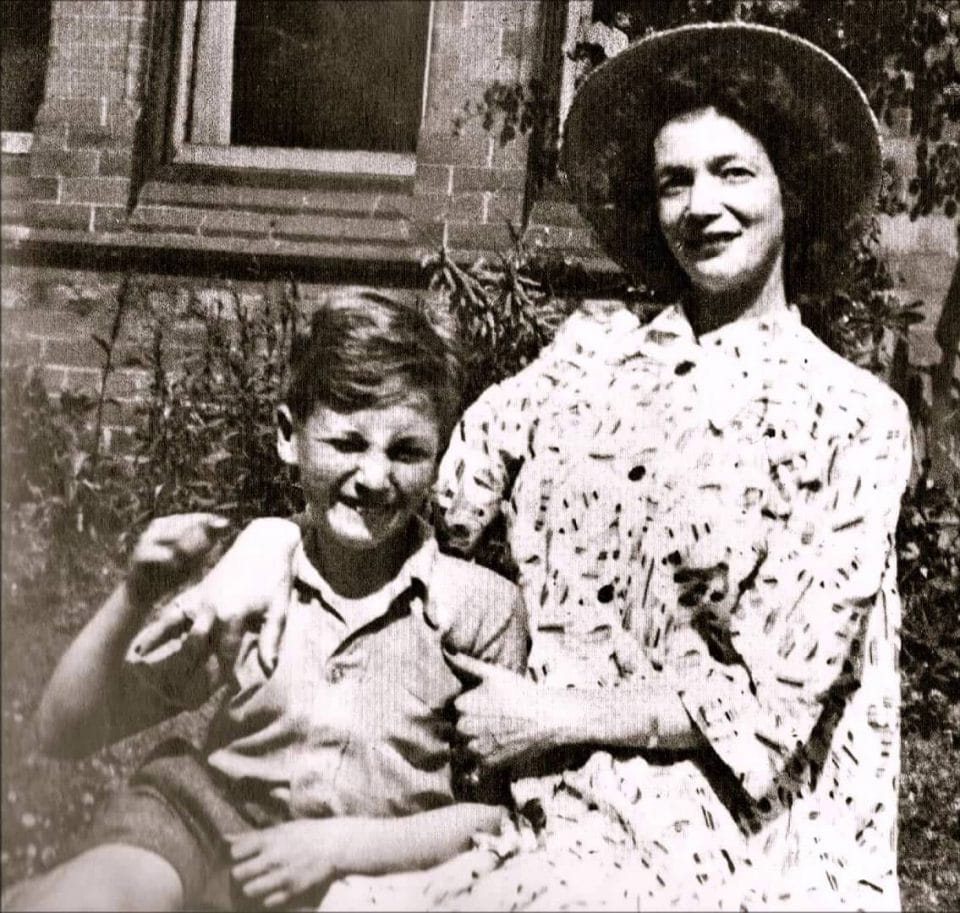
This means that John’s childhood would’ve been a meager one, and that included the love any little boy would’ve wanted from his parents. He adored him Mum, Julia, but she was more of a playmate—musical, as was Freddie, high-spirited, funny—than a real Mum. It was her sister, Mimi, who did the mothering when Lennon was five.
Julia was walking near Mimi’s house in 1958 when she was killed. She was run down by a car driven by an off-duty policeman. John succumbed to what he called a “blind rage” for the next two years, fighting and drinking.
But what Julia left behind for her son the guitar she bought for him. It was his first.