I thought this YouTube video was stunning, and not just for Margot Robbie, who is exactly that.
What struck me even more was how much I loved the song, how much I loved The Mamas and The Papas. My first records weren’t LPs, but 45s, and I played “Monday Monday” and “California Dreamin'” on the same little record player on which I’d once played “Little Toot” and “Tubby the Tuba” as a very little boy.
I was enchanted with harmony—and, of course, I had a huge crush on Michelle Phillips—but beyond that, the Beach Boys, the Beatles, the Byrds and Crosby Stills and Nash always drew me because of the sublime harmonies. They carried me away to places I’d never known but had always wanted to visit, which explains why I played those old 45s until you could practically see through them.
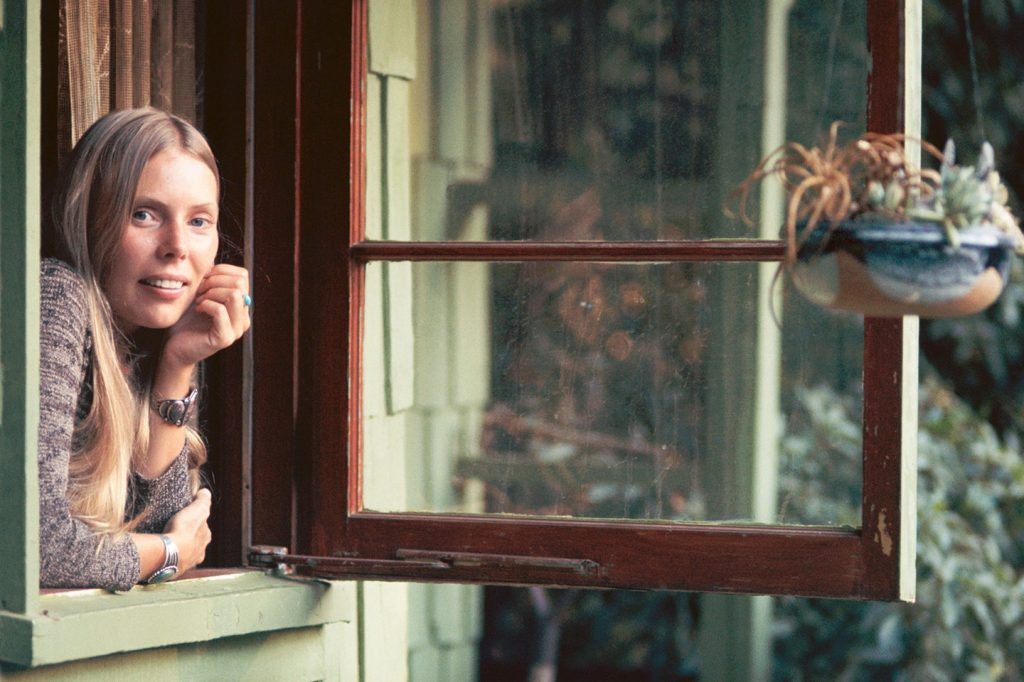
What saddens me is the subtext of this song–the Laurel Canyon of Joni Mitchell, David Crosby, Judy Collins, Neil Young, and, a little later, the Eagles and Linda Ronstadt and Jackson Browne–was so debased by the Tate-LaBianca murders.
I remember reading the first thirty pages of Vincent Bugliosis’s Helter-Skelter and not sleeping for two nights after.
It’s not that my generation deserved Charles Manson–he’s an aberration, not a logical product of historical forces—but I thoroughly get Quentin Tarantino’s thesis: If we had it to do over again, wouldn’t we have relished the chance to destroy Manson, to be heroes?
If we had the chance to do that part of history over again, I think we would embrace it.
But, since history is impassive and indiscriminate in the way it inflicts cruelty, the road my generation took led to a different kind of monster. We voted for him in droves.
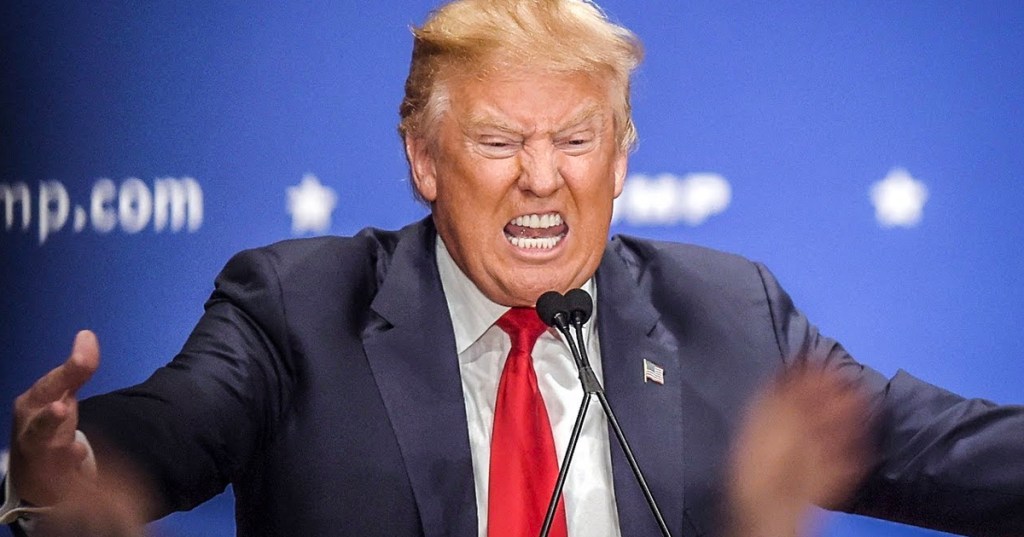
And so we’ve empowered leaders, like this one and many more, who laugh at us even as they systematically destroy all the stubborn and self-assured idealism that so maddened our parents.
And then, to make matters worse, we—my generation— refuse to get out of the way. I’m cynical enough to think, if only in halves, that the Coronavirus is Darwinian and so salutary in its selection of victims.
It doesn’t end there. I find myself wishing aloud—embracing the kind of sinfulness that my Irish Catholic background would require consignment to hell, postage paid—that the virus would embrace a president who is much more promiscuous–even moreso than the Manson Family was—in the destruction of his victims.
He kills stupidly and without regret. If he lacks Manson’s premeditation—and only because he lacks the imagination to think beyond the moment he inhabits— he stays behind the way Charlie did to let others, or other forces, do the killing for him.
This is because is a coward.
So he kills indirectly, but, unlike Charlie, he kills the powerless. They will never have movies made about them.
I am not sure how we go to the point where we are today and, of course, the Manson murders weren’t some profound historic tipping point.
Maybe what’s more historically authentic– and so much more painful to confront–is the possibility that all those gifts under Boomer Christmas trees spoiled us and there’s nothing we fear quite so much as having our presents taken away from us. And so we seek the terrible protection of someone who seems a caricature of every Disney villain we hated when we still had the wisdom of children.
When we met the Disney villains we emerged, blinking in the sunlight coming out of the movie theater, sure in the comfort that we would never be like them—or, even more, that we would never be so foolish and weak as to taste the sweet apples that they offered us. They were poisoned, after all.
No. We would be instead like Cinderella—our strength and our beauty and our nobility would defeat any number of wicked stepsisters. Or we would be like Zorro, manly and generous, righting injustices and humiliating the unjust, all the time hidden in the anonymity and the humility of our disguise.
We were, in fact, graced by our intolerance for injustice. We took that to the streets, and we should, I think, be proud of that. But the humiliation didn’t fall on the unjust, did it?
It’s fallen on us instead. So it might be time for us to get out of the way—imagine the absurdity of two septuagenarians running for president when our president was the youngest elected in American history—when, a little later, we said we would never trust anyone over thirty.
But we said that in the comfort of youth, when the young girls coming into the Canyon were strong and beautiful and noble, and when I, if I remember it right, was not quite old enough to have left my belief in heroism behind.
What’s damnable is that I’m still not old enough, not even at sixty-eight.
I taught young people, and I learned, to my delight, that the heroism I once cherished still lives in them. I learned to recognize it in my classrooms over thirty years of teaching, and in those moments when I saw it, their heroism was incandescent and unforgettable.
Maybe it’s the meaning of my generation’s music that’s now forgettable. It’s now so distant and long-ago, even if the harmonies, no matter how faint, are still unmistakeable to me.
But
The music reminds me there’s still a chance to take the road that will make all the difference. If we can find it, we might walk, with our young people–I am just beginning to enter the fragility of age, so that I would need them to hold my hand over the rough spots and mind for me the loose shale on the steeper downslopes—until we would find together a narrow hardpan road that leads into a sunlit California canyon.
This is the road, we would understand, all of us, instantly and without words, when would turn to each other and let smiles suffice, that belongs to us.
The road ends where a window opens, and then, for the first time, we will see a little yard flush with wildflowers–lupine and blood-orange poppies and shooting stars–and smelling of sage and just-turned soil. Through the window we will see the warm light of a welcome house and smell the sweetness of fresh-baked bread and, most of all, we will hear again the music we loved so much.
And then we will be home, in a place where’s there is room for everything except for fear.