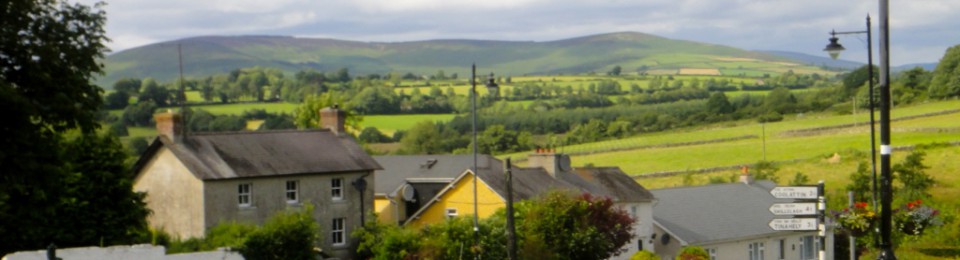
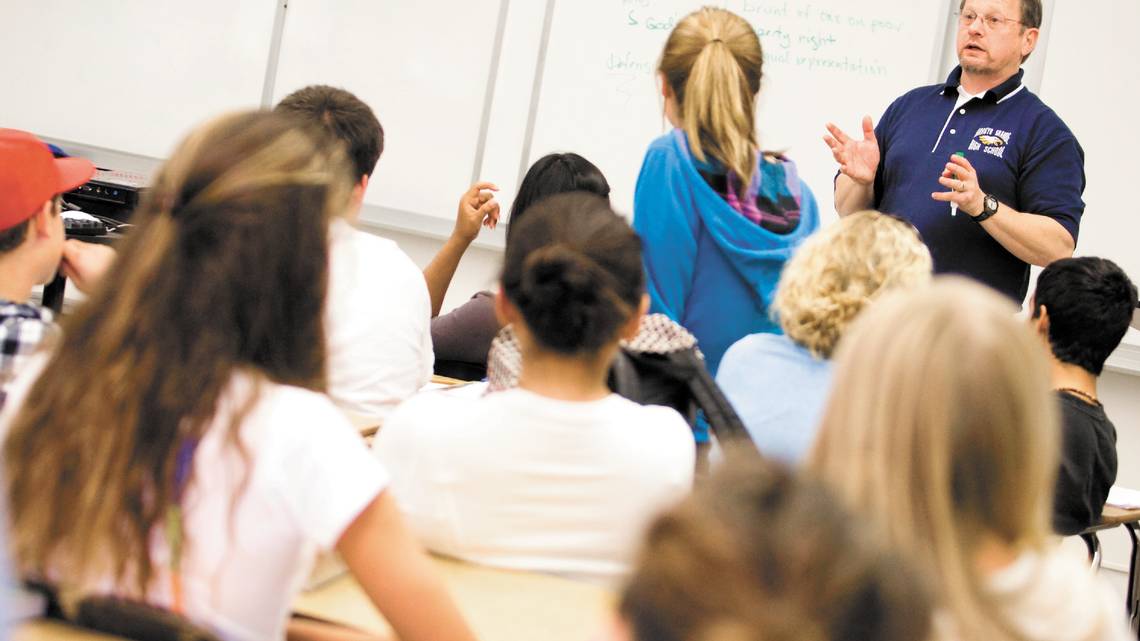
Above: French Senegalese soldiers, World War I; me teaching my “troops” ninety years later.
Forgive me for going all History Teacher on you.
May 22, tomorrow’s date, in History:
German forces launch a counterattack during the months-long Battle of Verdun, aimed at recapturing Fort Douamont, a strongpoint in the French defenses.
In 2010, my teaching partner, Amber Derbidge, and I took a group of AGHS students to Northern France and the trip included a visit to the Verdun battlefield, including Fort Douaumont.
Over 300,000 French and German soldiers were killed in this battle. 100,000 were killed or wounded in the struggle for this fort.
We were touring the battlefield museum when a French docent took me aside.
“Are these YOUR students?” she hissed. My crests fell.
“Yes,” I admitted.
“They are so RESPECTFUL!”
I once said that the year I quit getting angry over teaching the First World War was the year I should quit teaching.
One year, I asked one of my students what her favorite unit was in AP European History.
Her answer was almost immediate.
“The First World War,” she said.
I was flabbergasted. WHY?
“Because now I understand the value of human life.”
This is why, as quaint and impractical as the courses may seem, we still teach history and literature to high school students.
Tomorrow is my big brother Bruce’s birthday. He has many distinctions and we have more than a few similarities.
Distinctions:
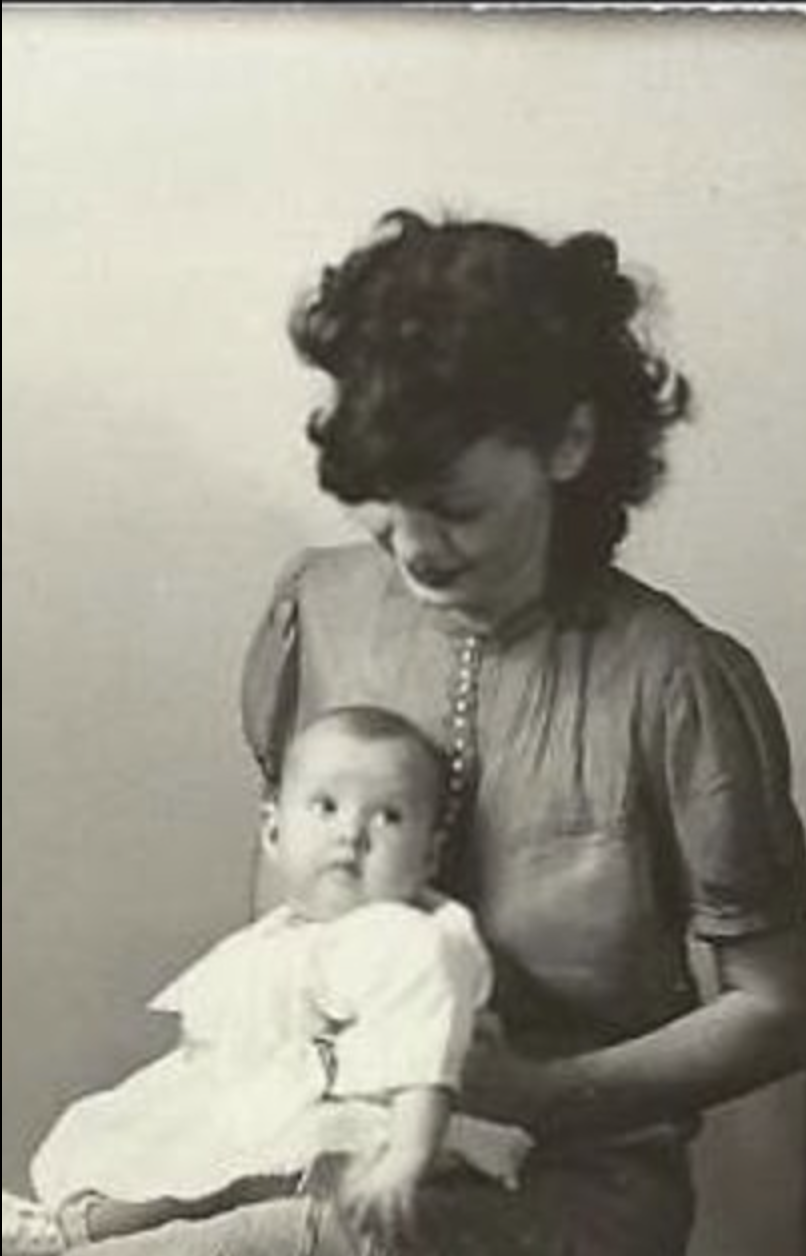
1. He was the only one of the four Gregory kids to inherit Mom’s brown hair and eyes. His middle name is “Keefe,” Mom’s maiden name, and traceable back to her ancestors in County Wicklow, on the Irish Sea. The first photo shows him with our beautiful Mom.
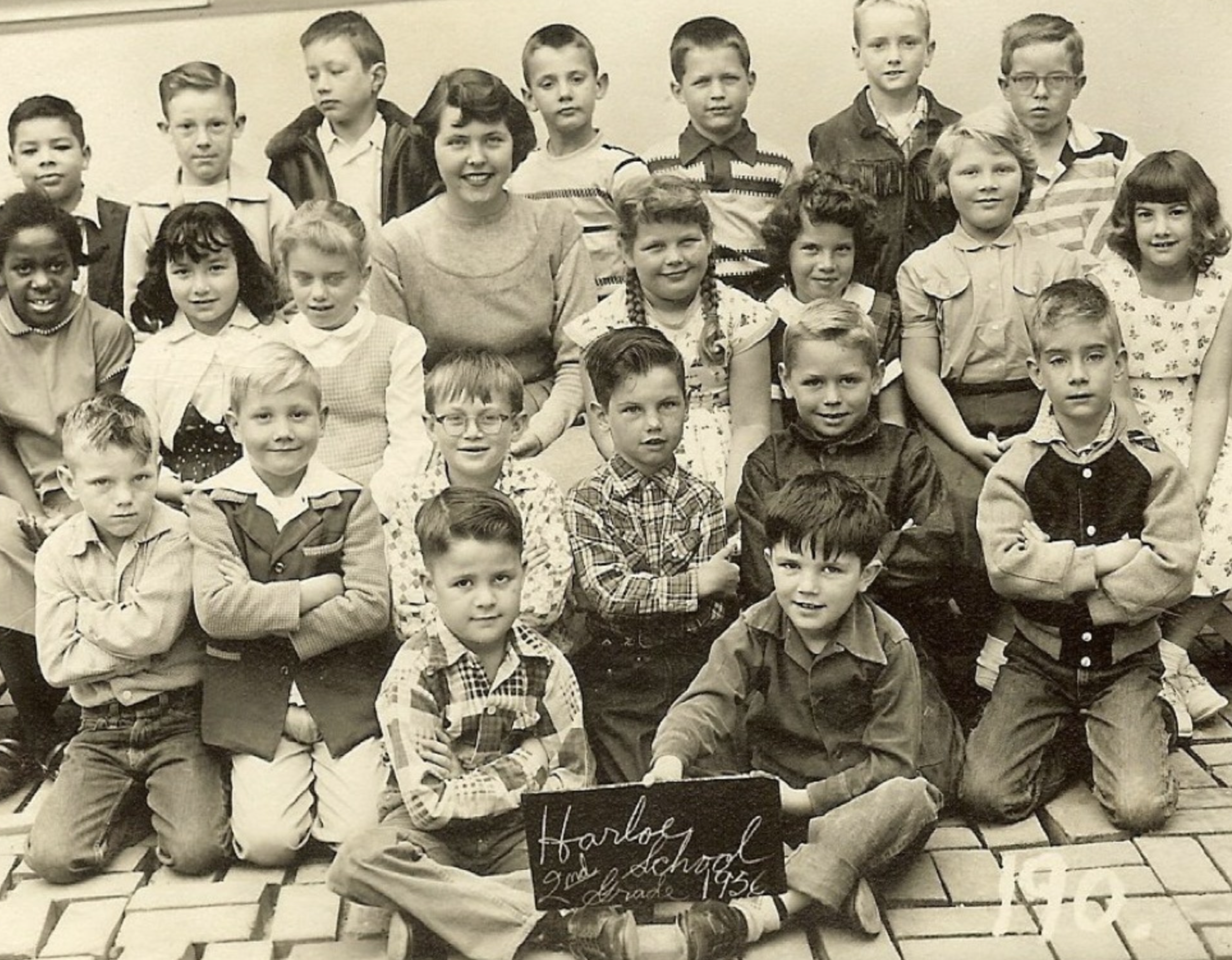
2. Family legend has it that he was so reluctant to start school at Margaret Harloe Elementary that he climbed the school flagpole and hung there awhile. They were sensible. He got hungry.
Bruce, front row to the left of the chalkboard.
3. We both later attended Branch, but because he was four years older, he got to hear aged, aged Fred Jones speak about the 1886 double lynching from the PCRR trestle at the base of Crown Hill. Fred saw it happen.
4. His AG(U)HS teachers adored him. Room 301 (I taught in 306) had glass soundproof booths for Sara Steigerwalt’s speech class (we both loved Sara, who was scary). Six years after he’d explained the Battle of Gettysburg to his classmates, his battlefield map of July 2 was still in one of those booths.
Our other scary/much adored teacher was English and Journalism teacher Carol Hirons. I was teaching at AGHS the year of Carol’s retirement, and on her last day, she walked up to me with an 11th Grade American Lit anthology that I recognized immediately.
She had tears in her eyes. “Jim, I wanted you to have this.” I got tears in my eyes as Carol walked away toward the parking lot, and then I opened the book.
It was Bruce’s.
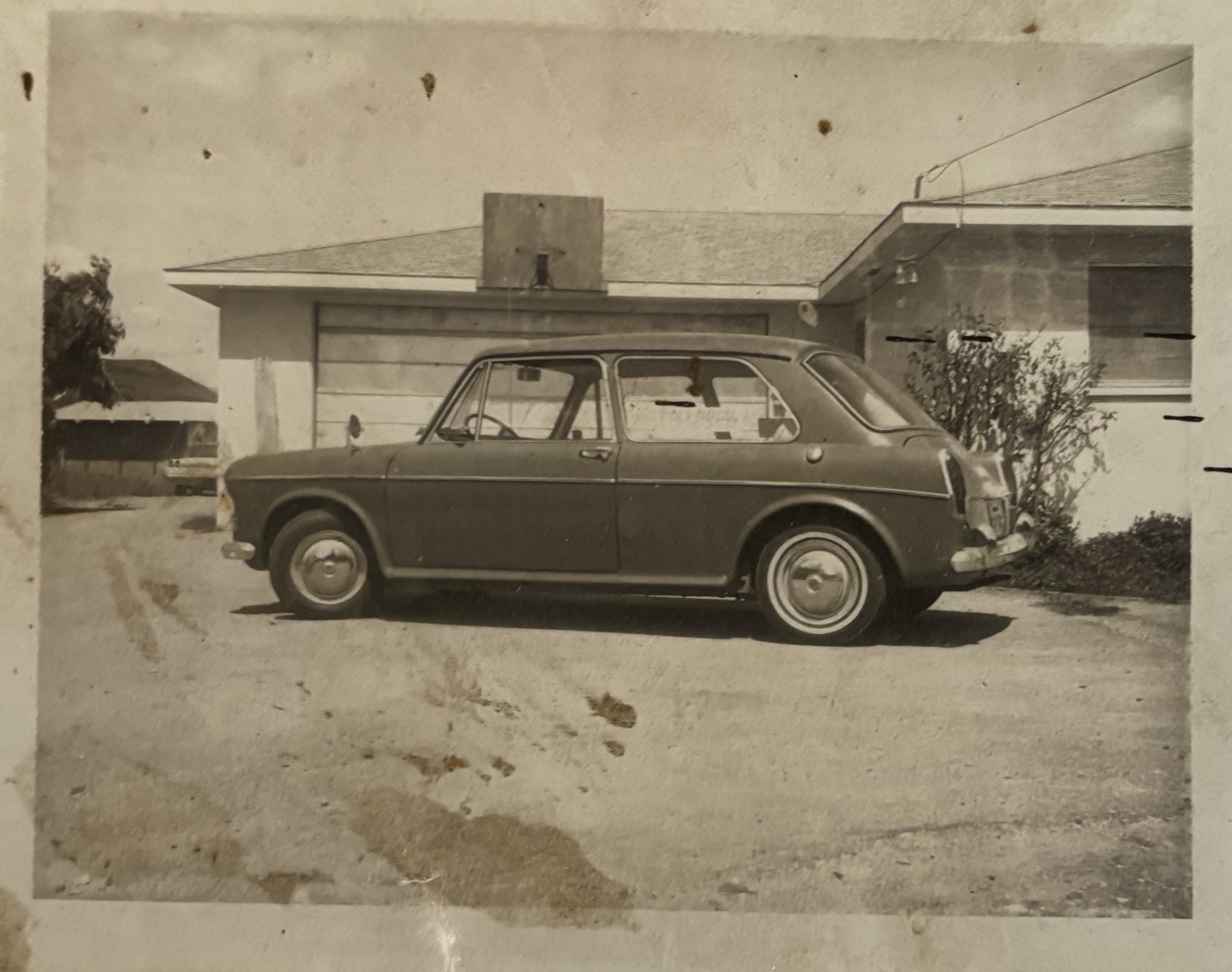
5. Learning to drive a stick eluded me, until Bruce taught me on his little MG sedan. I hope we didn’t run over too many of Mr. Shannon’s Brussels Sprouts.
The MG
6. He is gifted mechanically. I have a hard time clearing out the vacuum cleaner of debris. His airplane and car and ship models were meticulous. Mine looked like the mashed potatoes in “Close Encounters of the Third Kind.” Bruce was a finish carpenter.
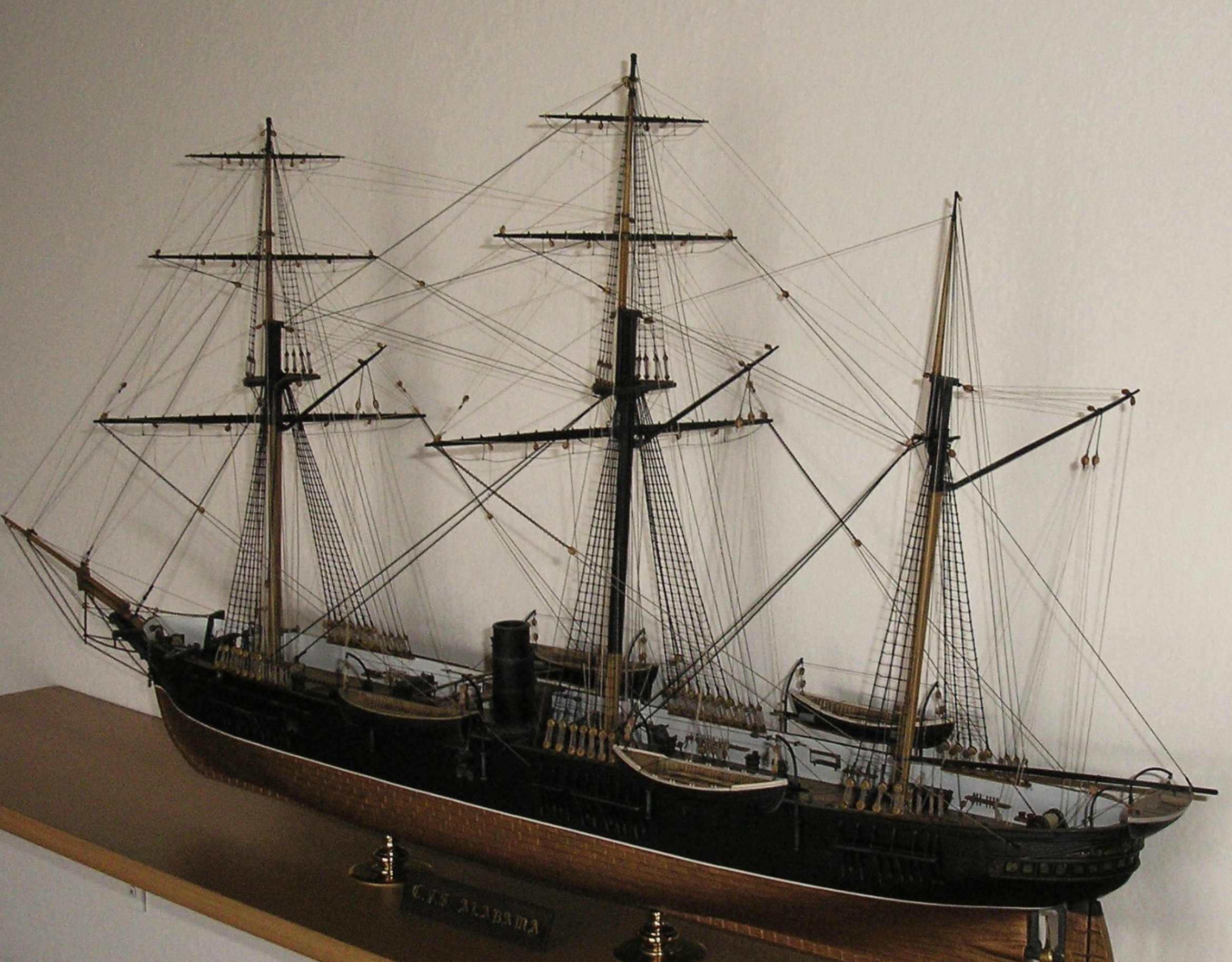
Bruce made this Revell model of the Confederate commerce raider, Alabama, but his was under full sail. It was marvelous.I got a little bit even many years later when, at Mission Prep, I taught Travis Semmes, a direct descendant of Alabama’s captain, Raphel Semmes.
7, He is meticulous. We had a drawer full of “Mad” magazines, his, and they were arranged in some fashion I did not understand–either by date, theme or the redness of Alfred E. Neuman’s hair.
It never failed. “Been in my ‘Mads’ again, haven’t you?”
He was a pain in the ass until he turned nineteen. He took great joy in picking on me.
More on this at the end.
Similarities:
1. It is almost impossible to tell us apart on the telephone.
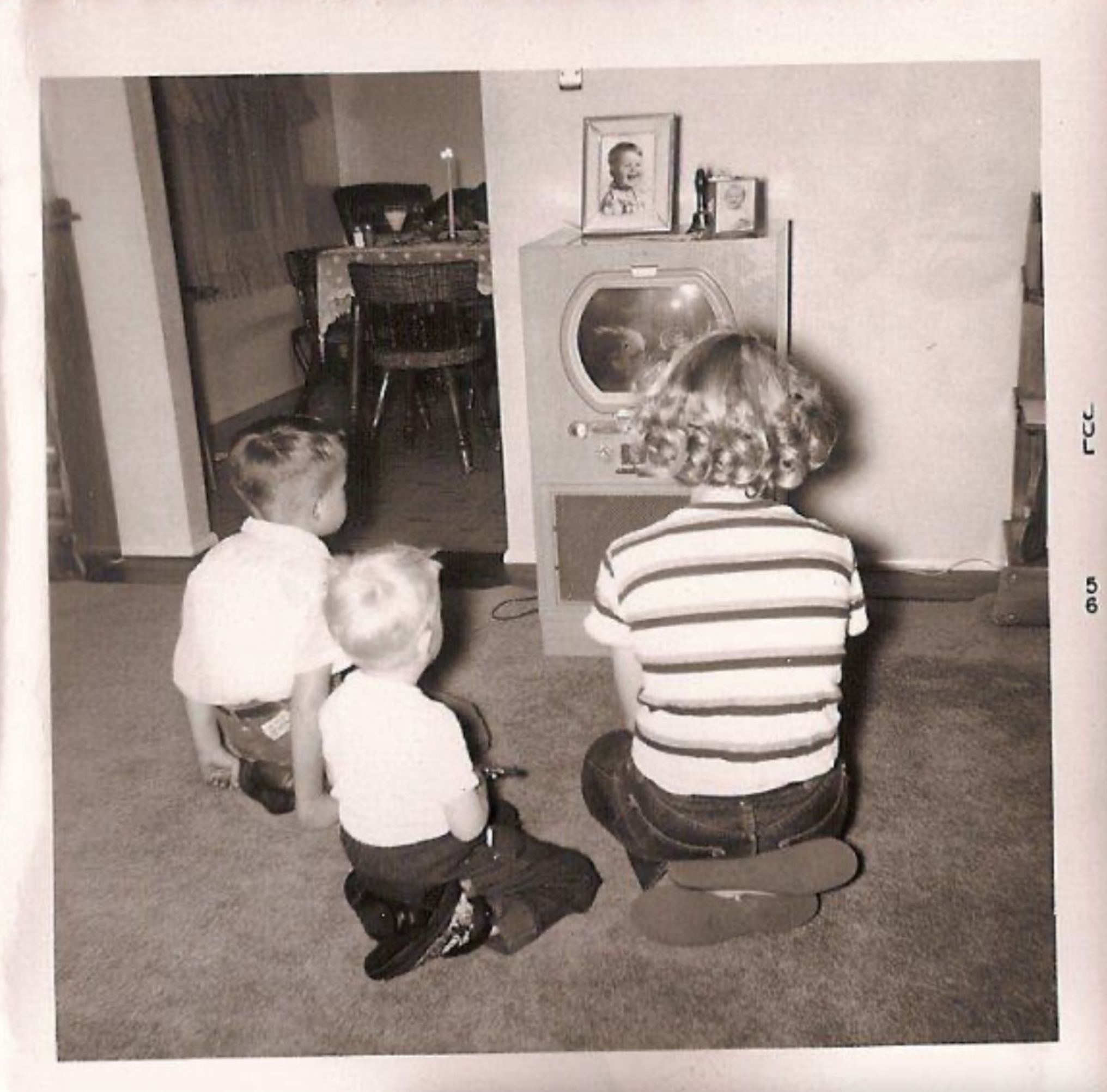
2. We are both TV Boomer Generation types. Here are Roberta, Bruce and I watching the TV when we lived on Sunset Drive. Yes, that is a TV.
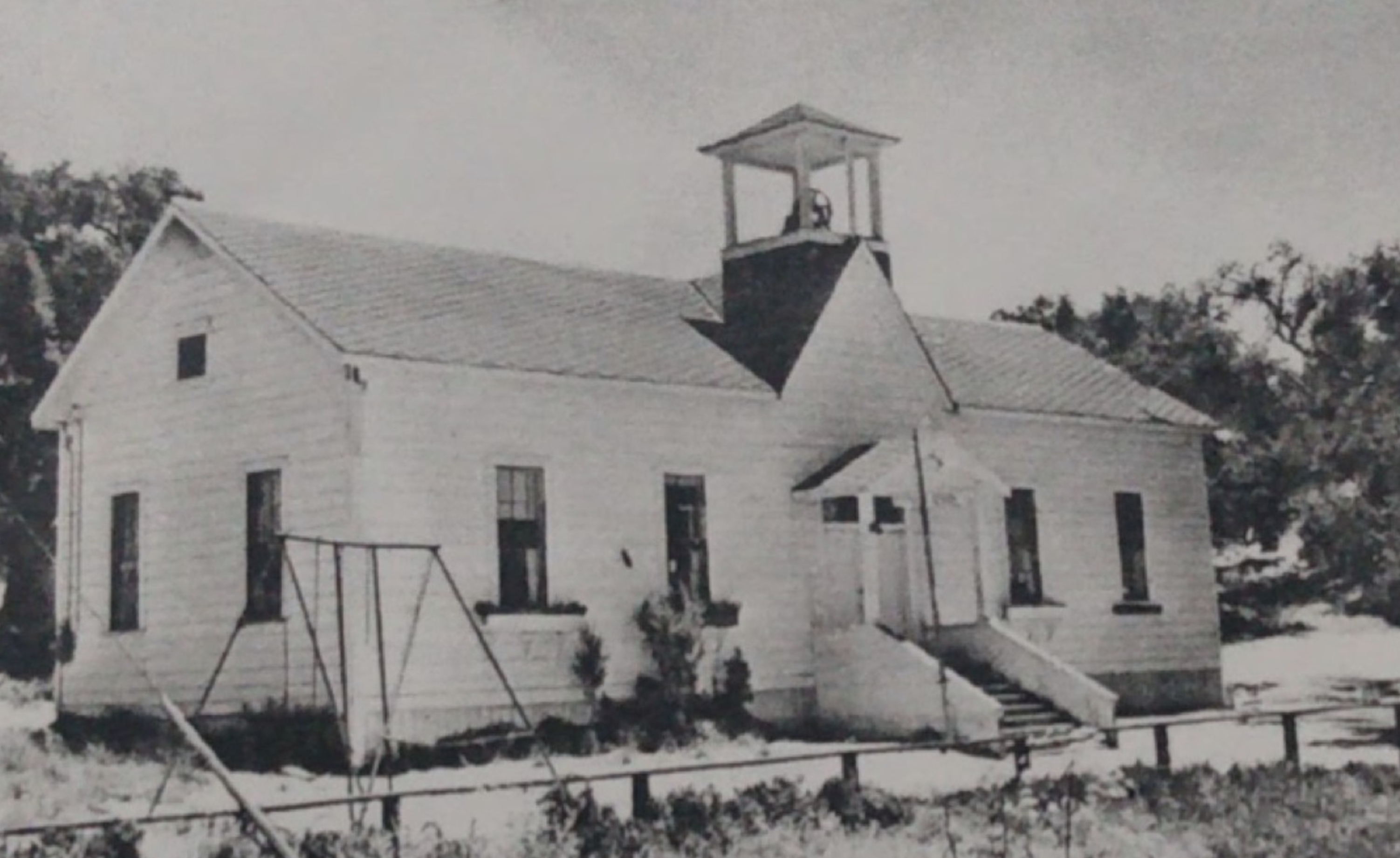
3. We are both Branch School products, including several grades spent in the 1888 schoolhouse that still stands in the Upper Arroyo Grande Valley. (Photo above, although we lacked the belltower. Termites.)
4. Bruce was the emcee for the 1966 Senior Class play at AGUHS. I was the emcee for the 1970 AGHS Senior Class play.
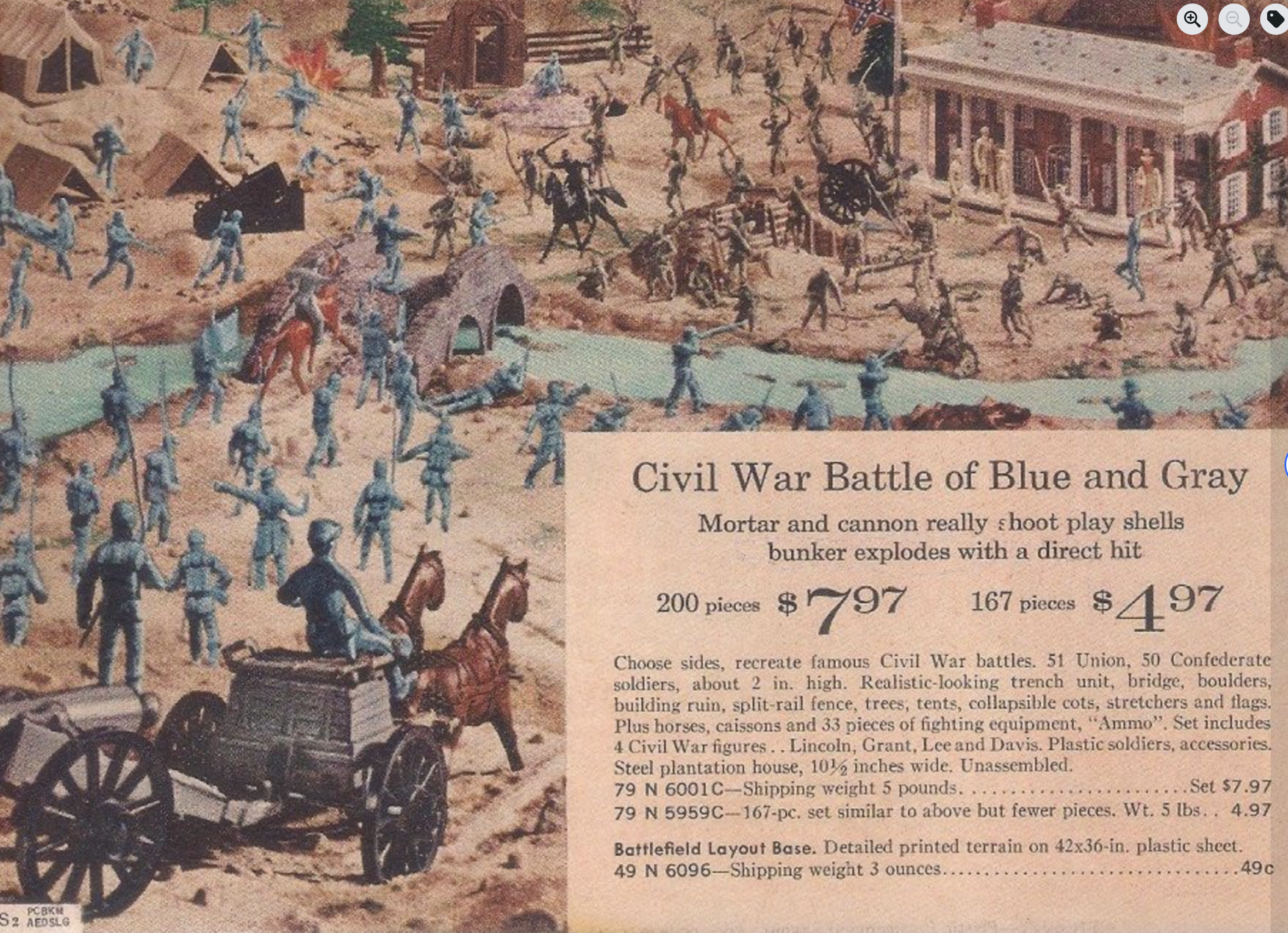
5. We both enjoyed setting up toy soldiers and them utterly destroying them with industrial-strength rubber bands that our Dad brought home from the Madonna Construction Co. offices, where he was comptroller.
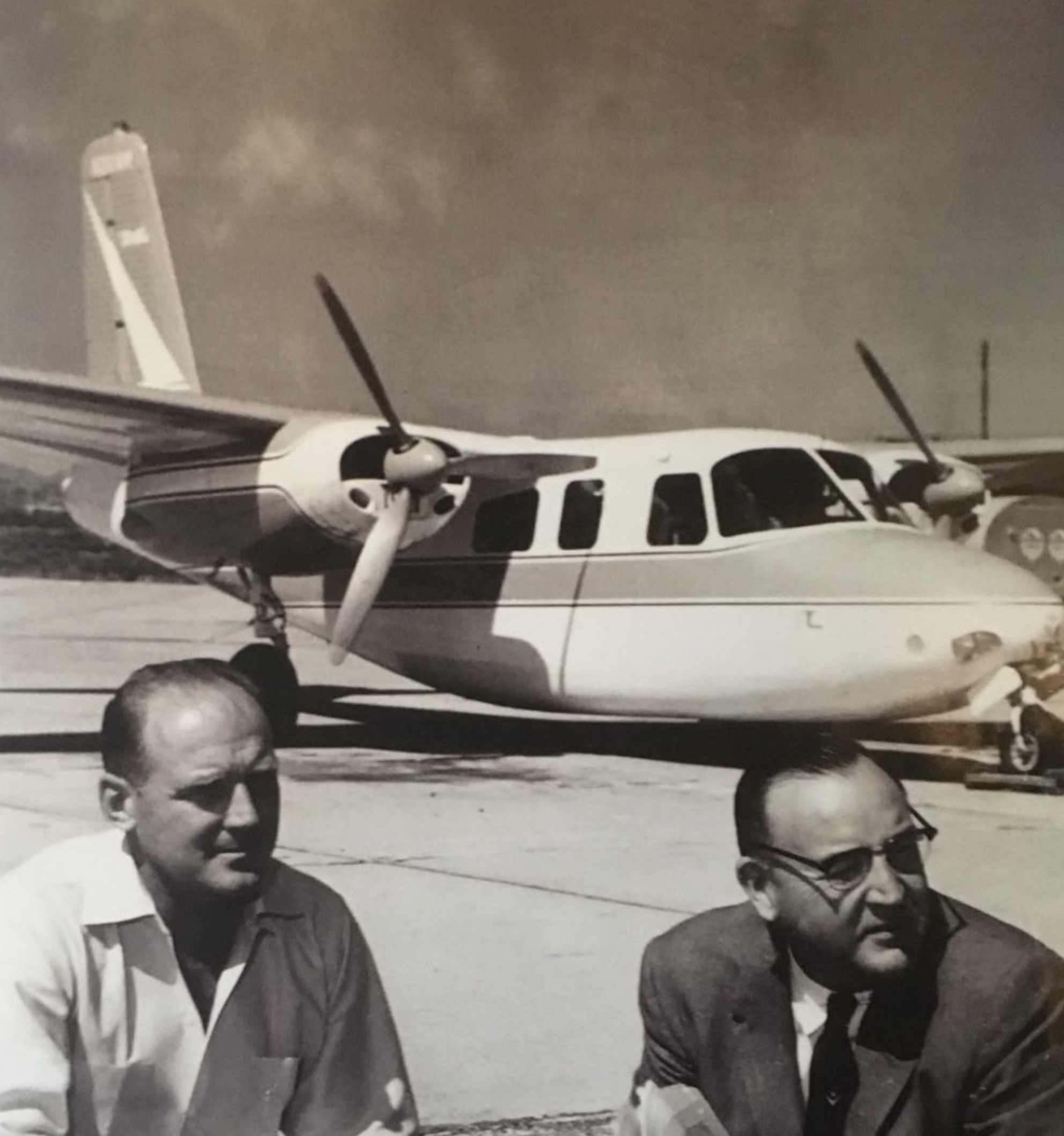
6, Both of us took our first airplane ride, to Marysville, where Dad was bidding a job, in Madonna Construction’s Aerocommander, piloted by Earl Thomson, one of the founders, in 1939, of today’s airport. In the photo, that’s Madonna and the first Gov. Brown in front of that airplane. (That trip led to me writing a book about local World War II combat fliers sixty-two years later.)
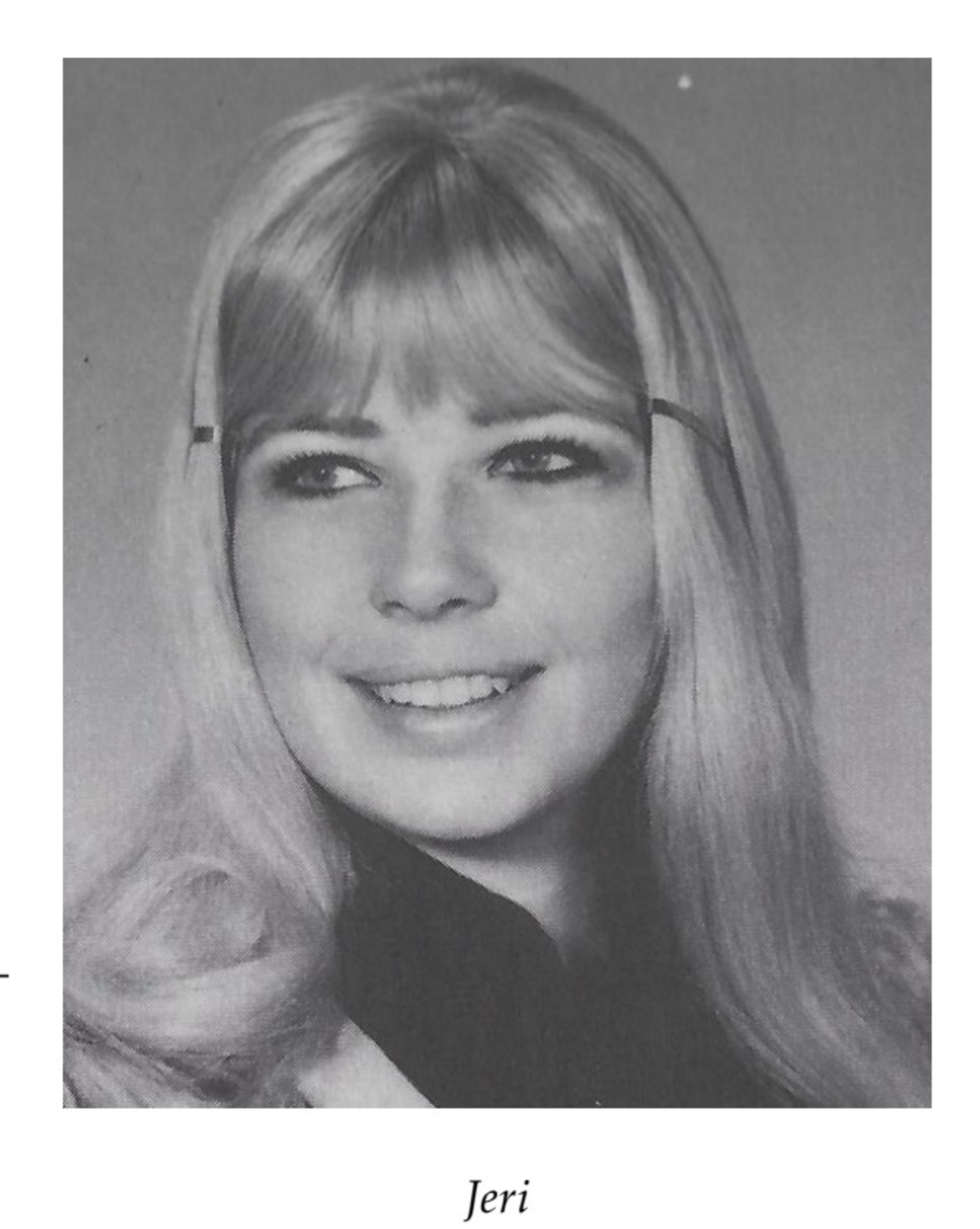
Bruce was later a busboy at the Madonna Inn, where I took Jeri Tomson, my 1969 AGHS Christmas Formal date, for two prime rib dinners which set me back $13.84.
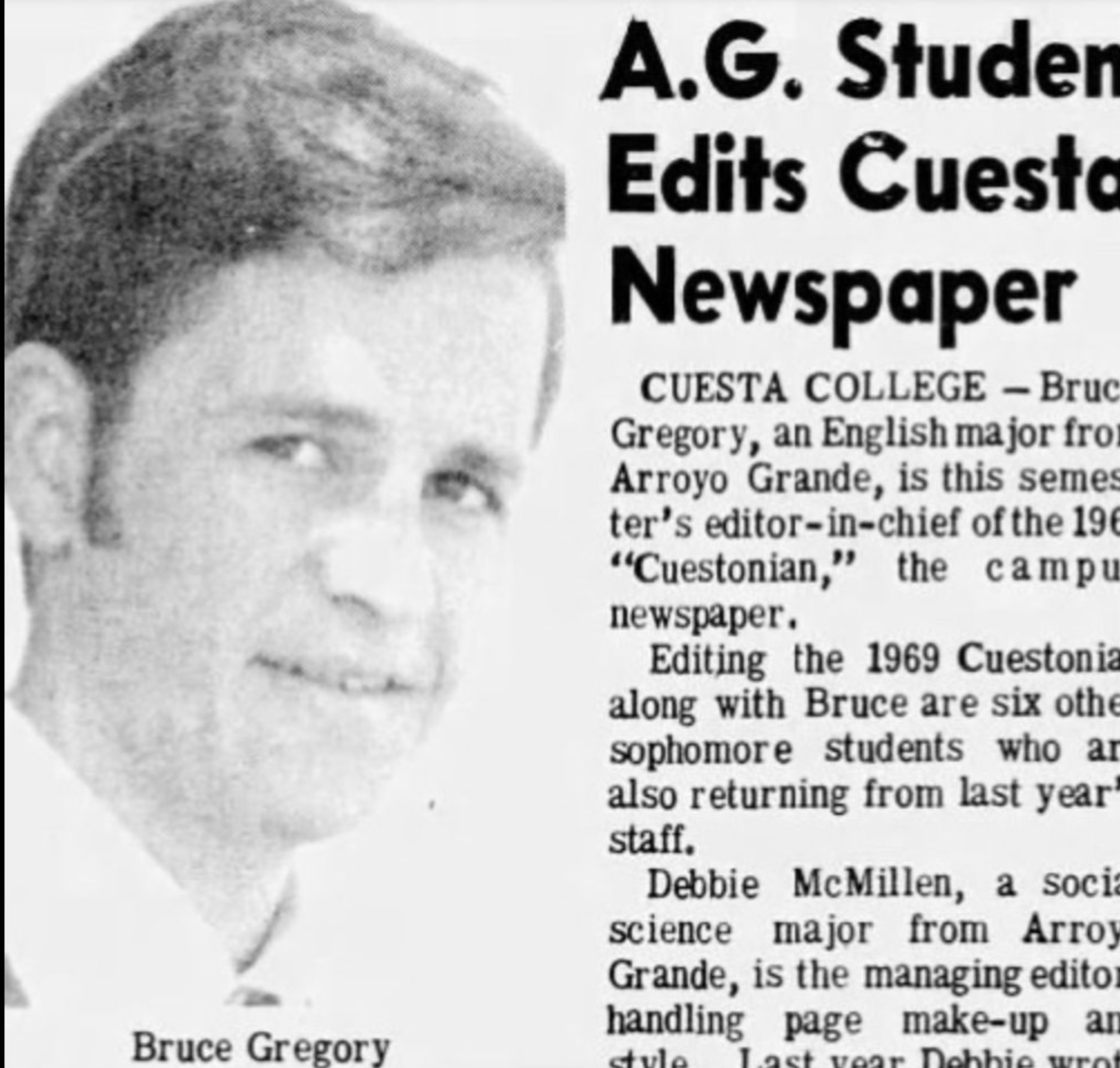
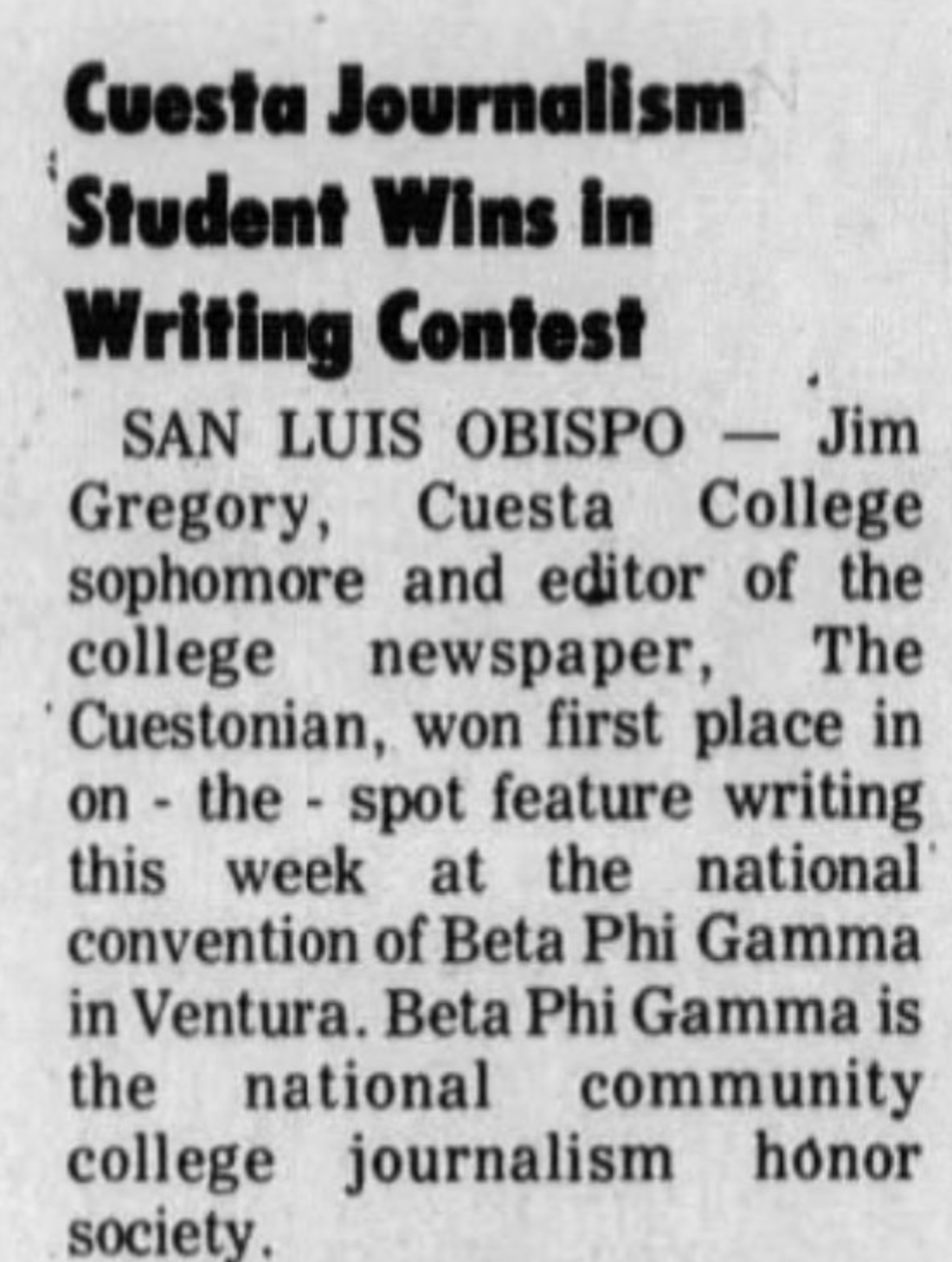
7. Bruce was the editor of the Cuesta College newspaper, “The Cuestonian.” Four years later, so was I.
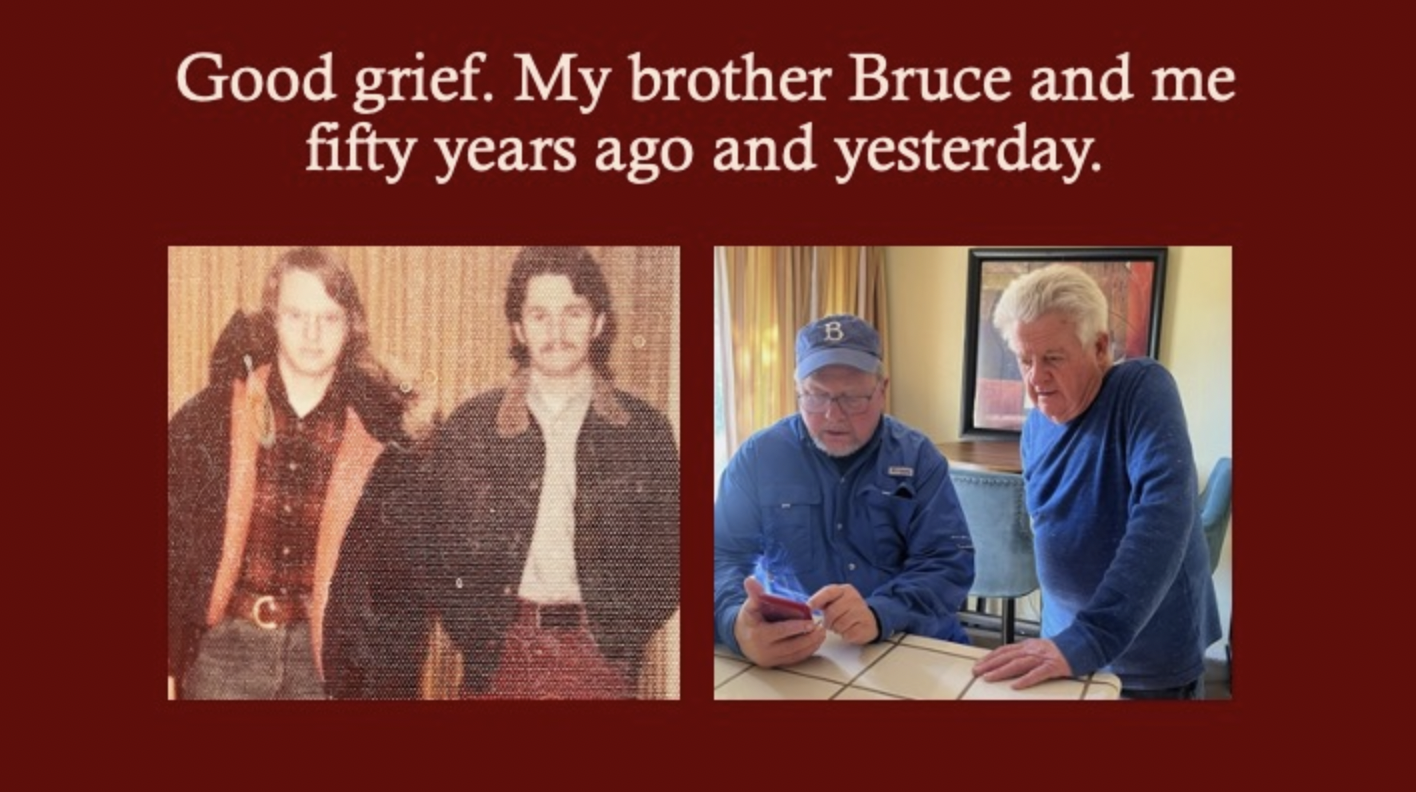
When he turned nineteen, (I was ADHD and so a much BIGGER pain in the ass than he ever was), I’d become slightly less annoying, at fifteen. That’s when he turned into the best big brother anyone could hope for.
Tomorrow he turns 77. I am 73.
He’s still the best big brother anyone could hope for.
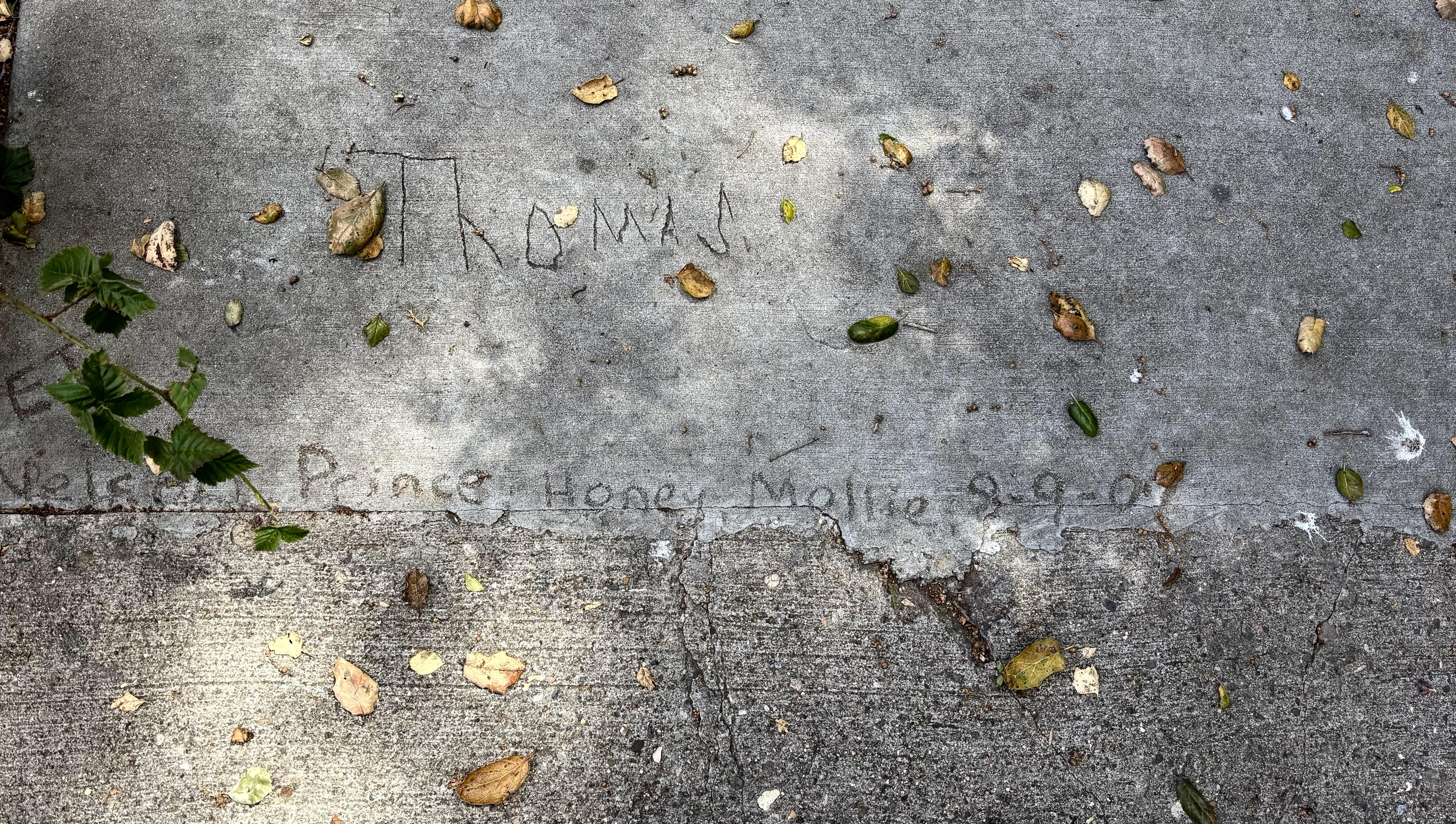
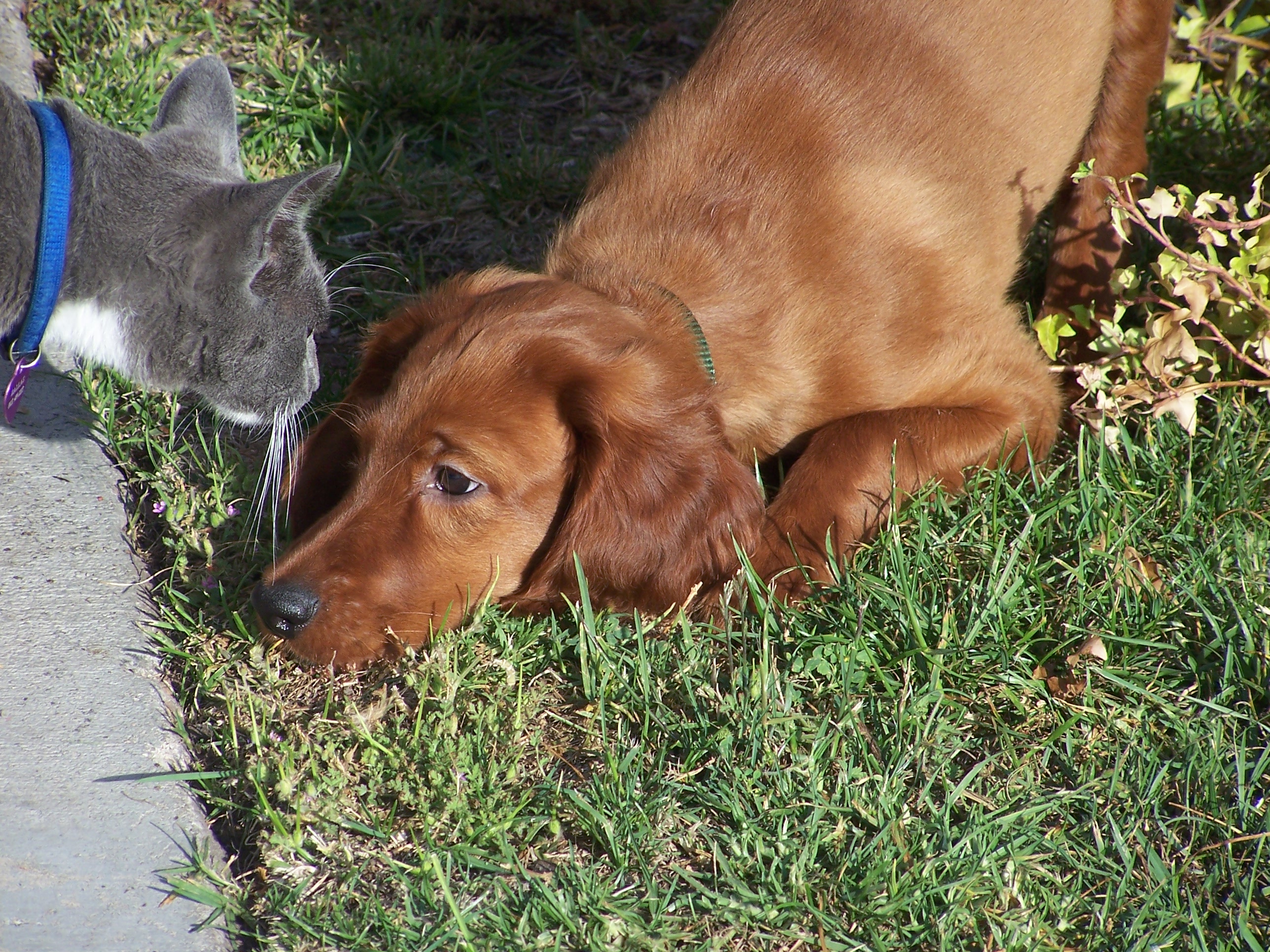
Four names, from 2007, when we had to have the back yard dug up (new pipe to attach to the city’s sewer line), Elizabeth left these names in the wet concrete of a new sidewalk. Thomas, of course, is my son, and he added his name. The other four are much-beloved doggies, all of them gone now, but loved to this day.
By way of introduction:
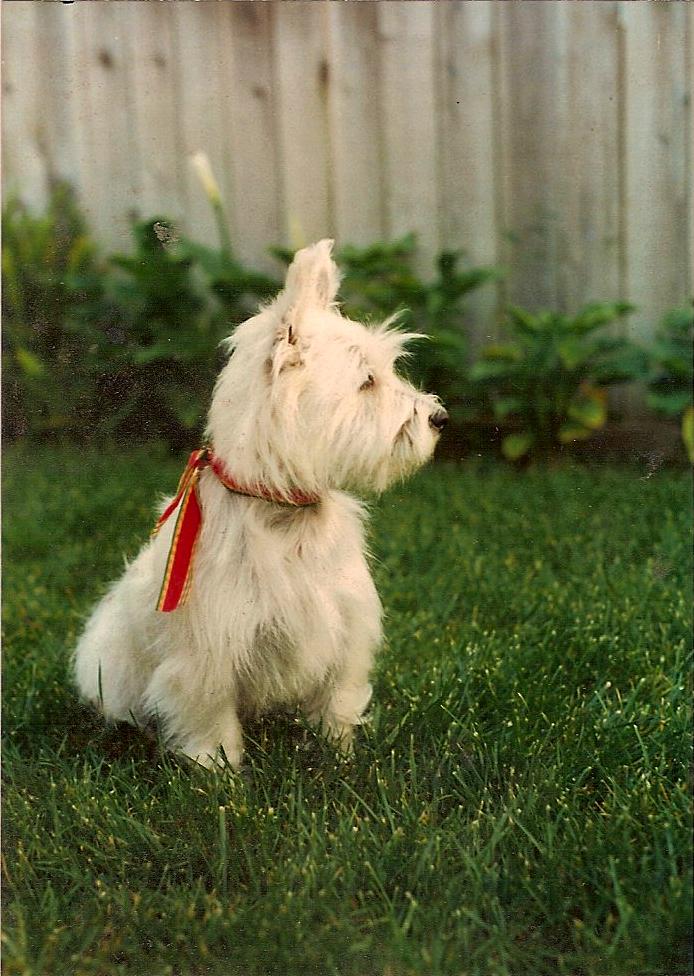
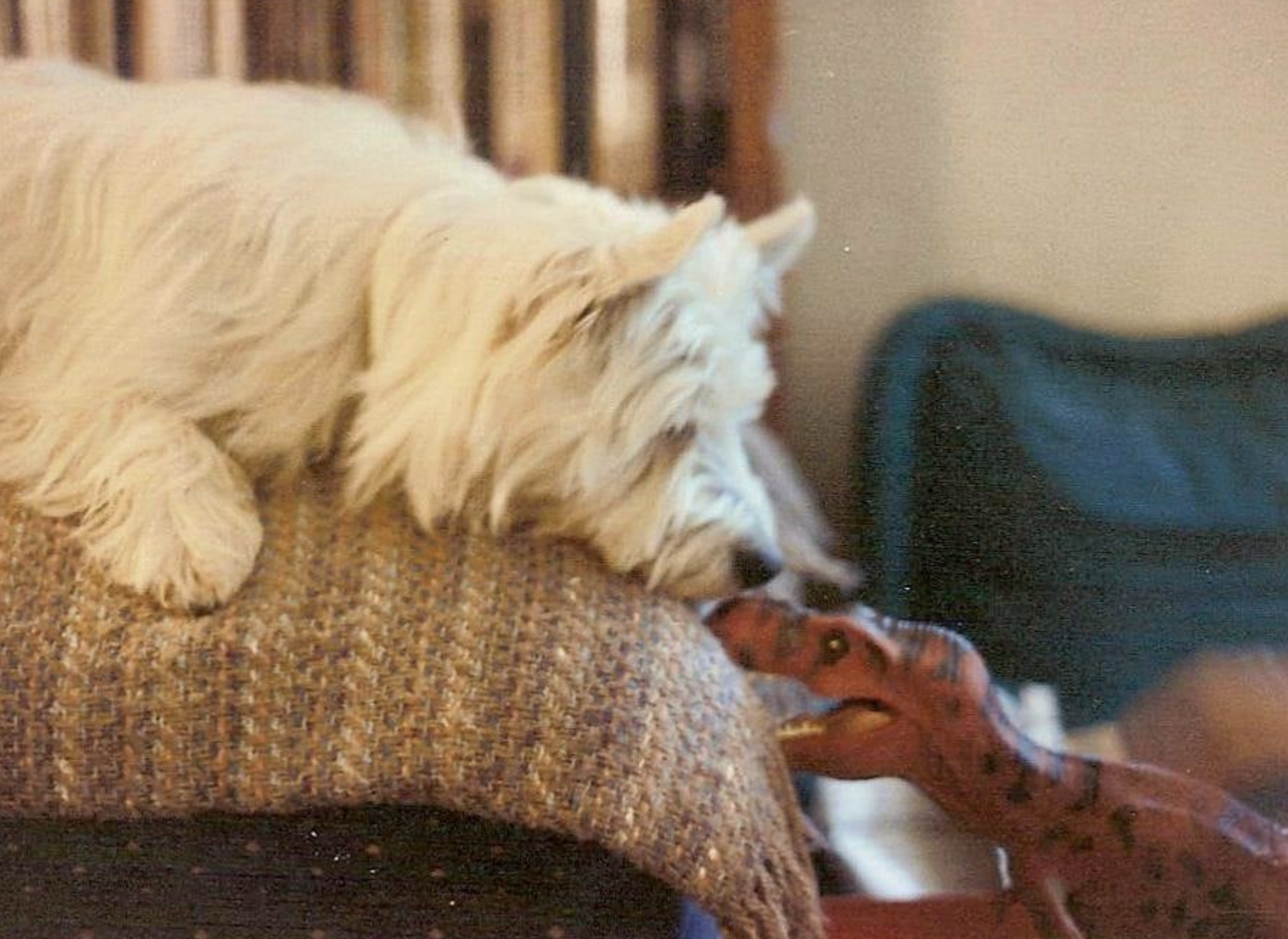
Nelson. My 40th birthday present, a wee Scots dog, a West Highland White Terrier. He was presented to me, thanks to my sisters, at our friends Ricky and Jane Monroe’s house in SLO. We’d had on on Huasna Road when I was in my teens–Winnie, a little girl, and I loved her. Nelson, handsome when groomed (the first photo) has a legacy in the Bruce family, my wife’s, (he loved another in-law, Rick Jackoway, Sally’s husband) because they’ve had at least three and maybe more Westies. My friend Linda Ortali loves them, too, as did her husband, Tunny. Nelson’s favorite toy was a bouncing basketball, even the ones that sometimes knocked him over when he caught them.
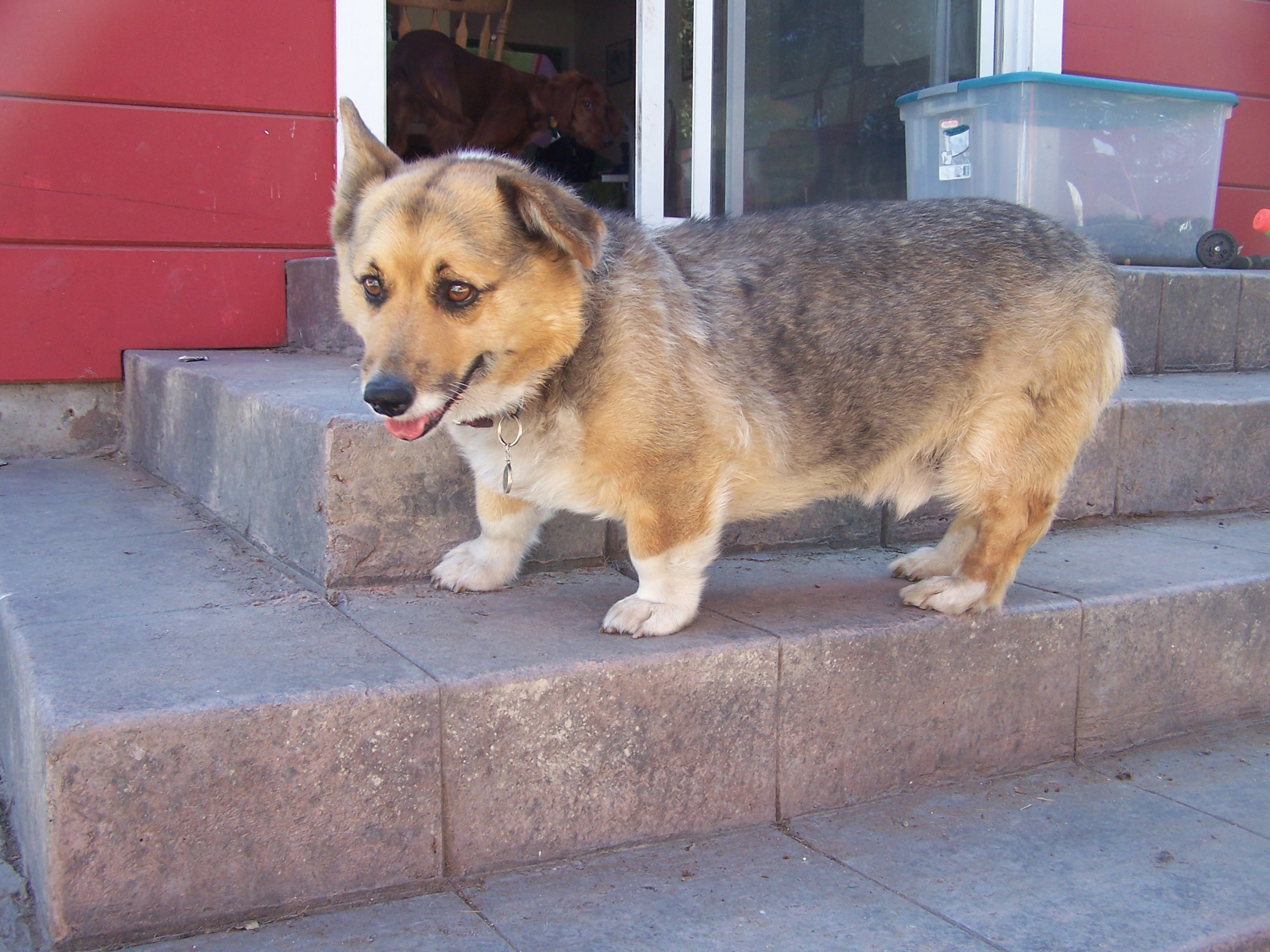
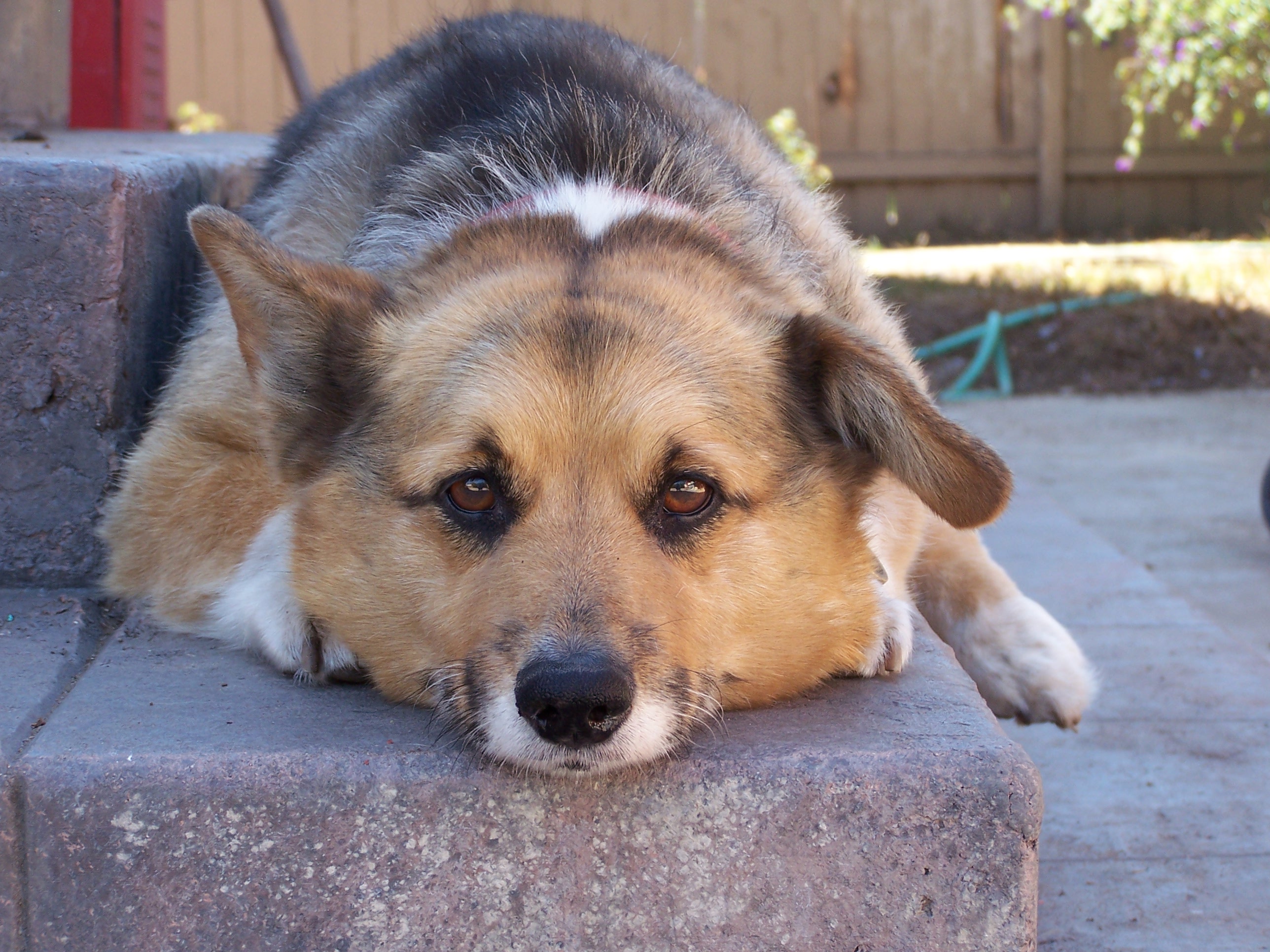
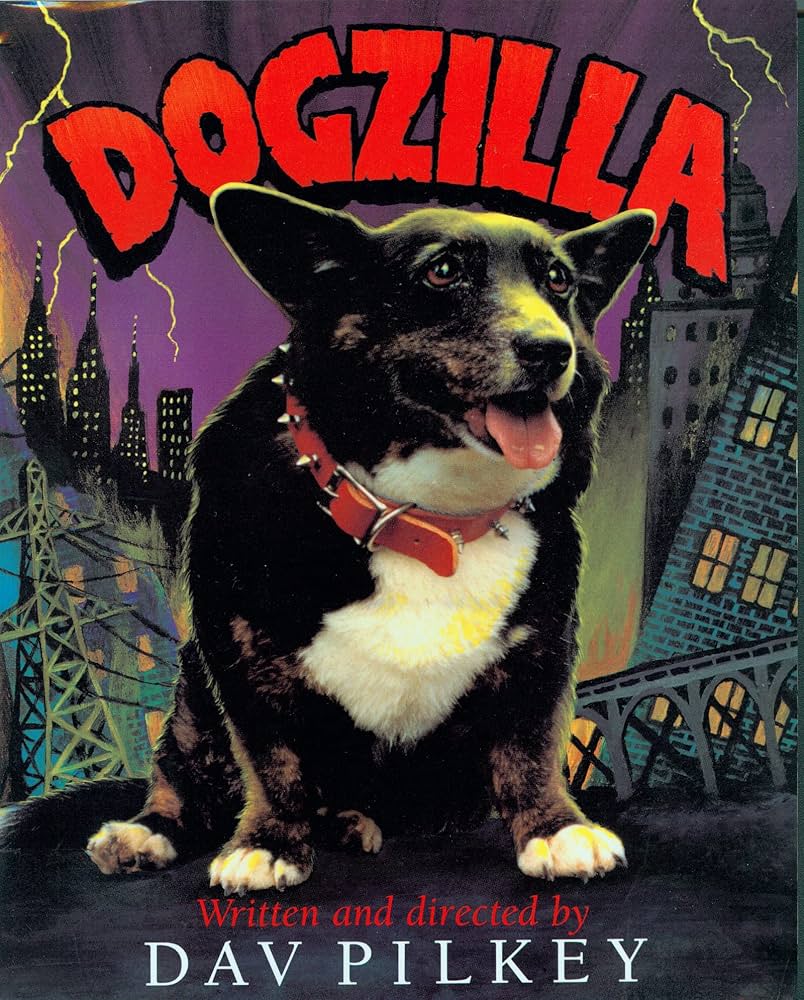
Prince was an amiable Welsh Corgi we got from the Harts, on Huasna Road (Bill Hart lived across from us in the Sixties and I later got to teach his children, wonderful and very bright young people, at AGHS.) There is a children’s book out there, called Dogzilla, about an immense Welsh Corgi that terrorizes a major American city. Prince was about that size. I am constantly amazed at how small all other Corgis are when compared to him.
We discovered, when walking him that he preferred walking behind us. That’s because Corgis are herding dogs, nipping at the heels of even cattle to keep them moving. They can leap onto a cow’s back to get her attention.
DNA is so amazing; Brigid, our Irish Setter, a pet but by breeding a bird dog, invariably picks up a doggie toy and holds it in her mouth, sitting at the front door when Elizabeth comes home from work.
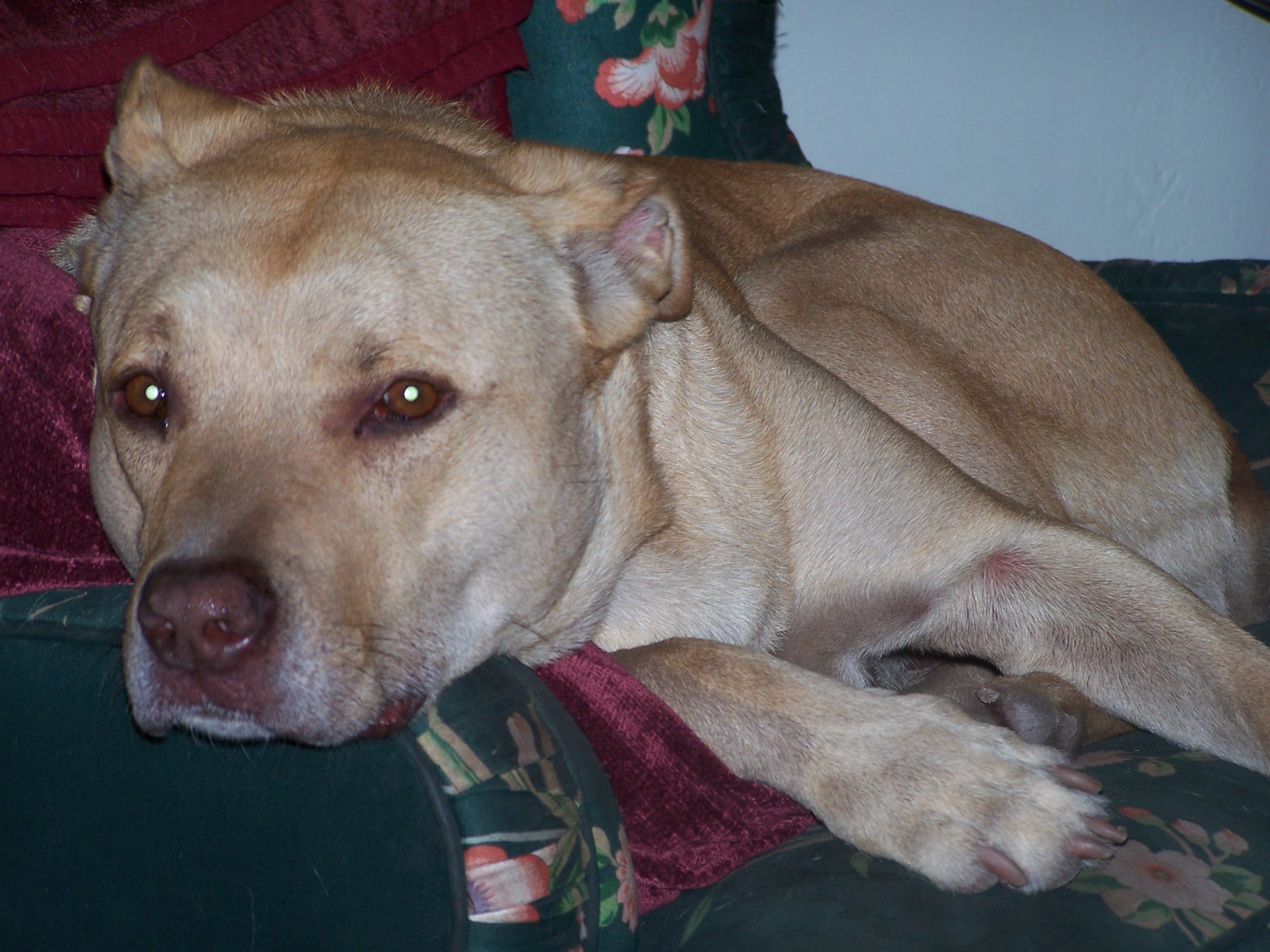
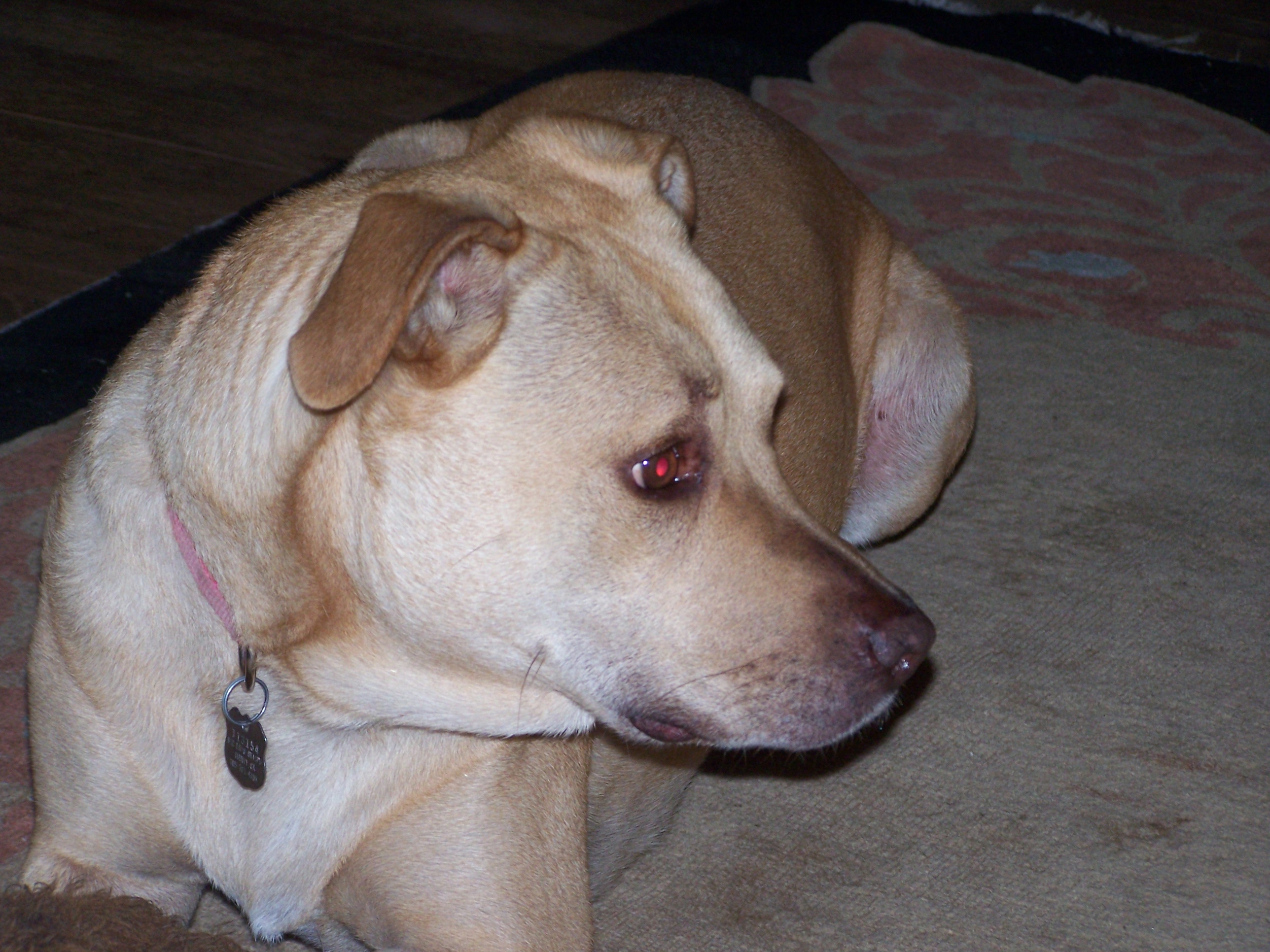
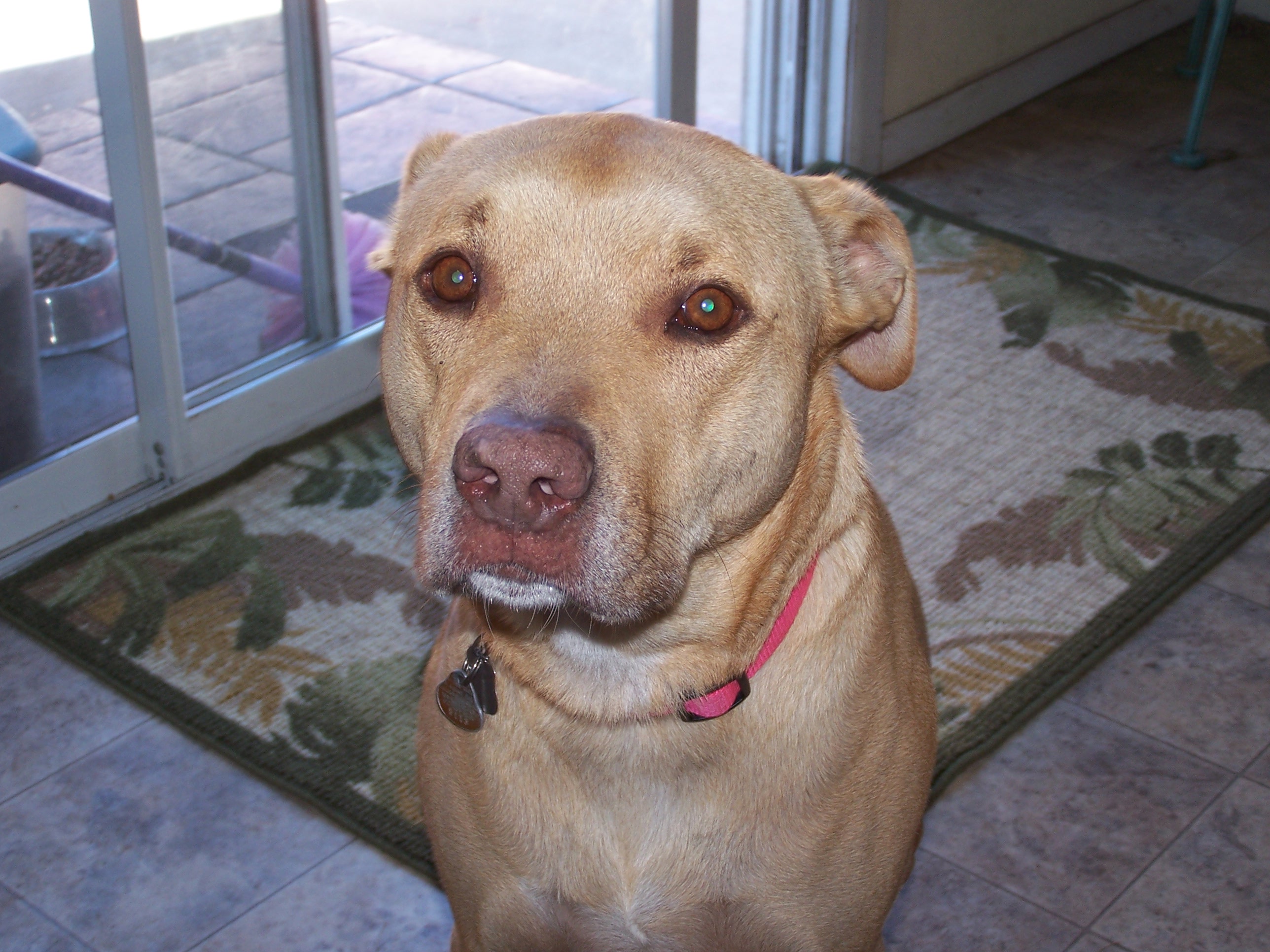
Honey was acquired from an exclusive breeder, if by “breeder” you mean a family with a boxful of free puppies in the old K-Mart parking lot in Arroyo Grande. After I got over my scowl when Elizabeth brought her home, without warning, we decided she was a Shar-pei. We were in error. She kept growing and growing and GROWING and turned into a Lab/Pit Bull mix. Her name fit both her color and her personality, although she ate our seatbelts and tried to eat the massive oak tree in our back yard. She left marks in the trunk that would make you think that one of our pets was a grizzly bear. Like a grizzly, Honey had a massive, beautiful head. I imagined that she had several rows of teeth, like a Great White Shark.
She was also graceful, powerful athlete. Elizabeth was taking her for a run behind AGHS one day and lost Honey for a moment. Then Elizabeth heard coyotes yipping. Then she saw Honey at full speed, like a Thoroughbred at Santa Anita, sprinting back to Mom. Elizabeth was happy she was safe–Honey dived into the family car–but gobsmacked at Honey’s run from the coyotes. We don’t take our animals up there anymore.
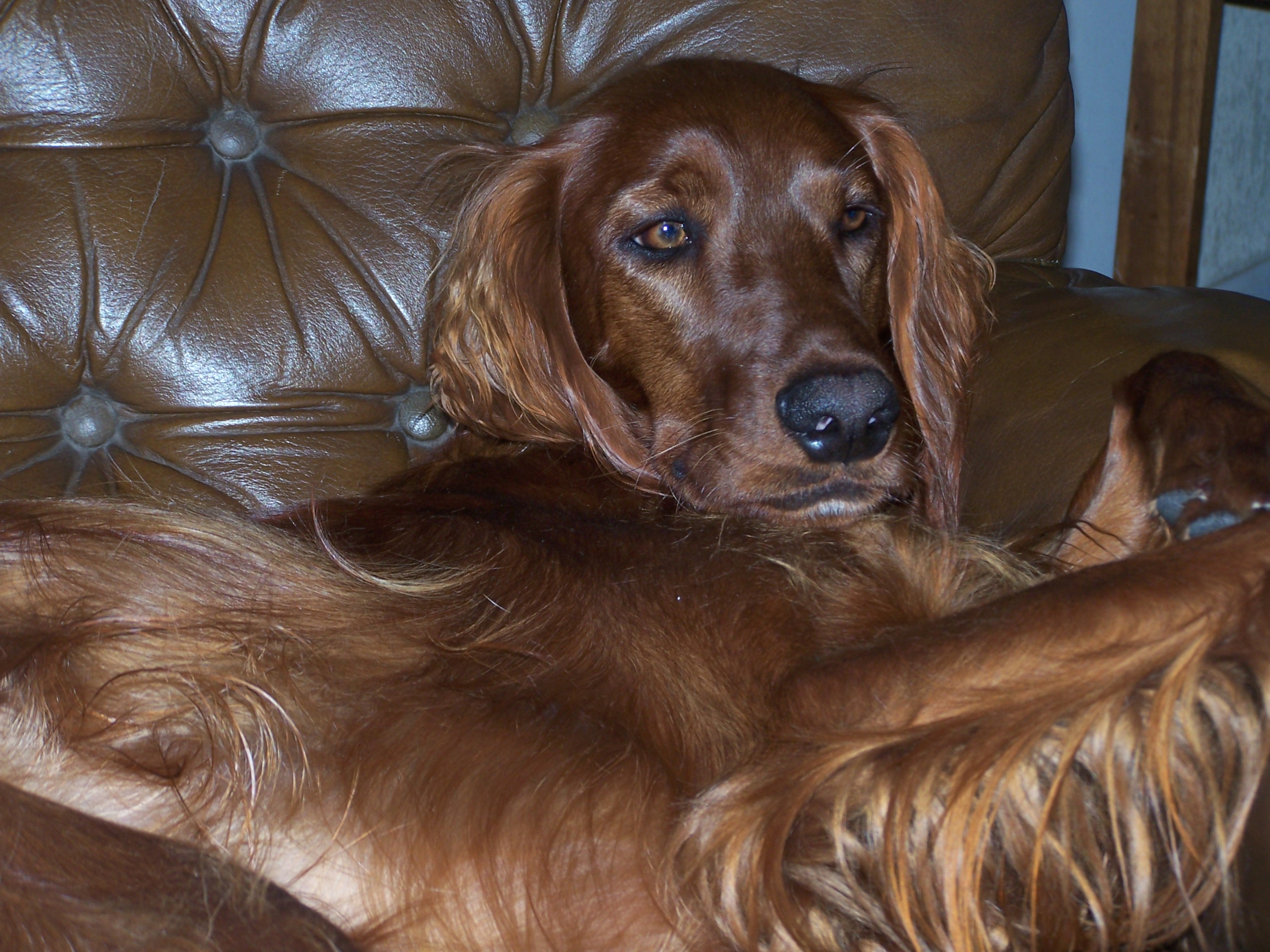
Mollie was my problem, because she was the only dog I’ve ever bought at a pet store. So this time I ambushed my wife. Elizabeth’s dearest dog when she was a teen was an Irish Setter, so I must argue that Fate, with me finding this one (probably from a puppy mill in Arkansas or Missouri, probably the runt of her litter), the first Setter I’d ever had in my family. They are very funny, exuberant most of the time and so seldom sad and, of course, they are beautiful. The only time Mollie ever made me sad was the day we had to put her down and her head fell, heavy, into my hands. (It was a sad moment, but it was also powerful. See below.)
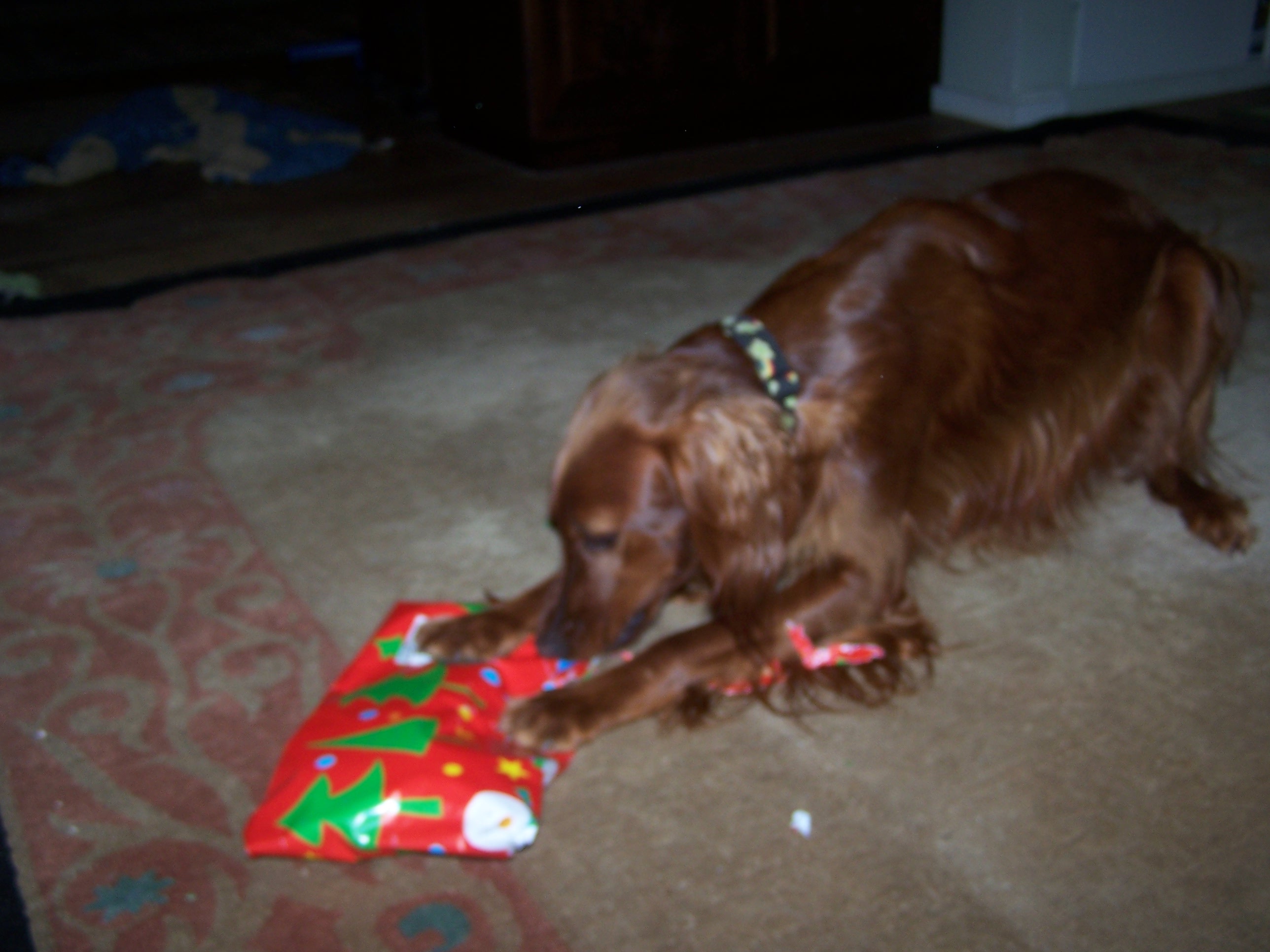
Mollie was also a kleptomaniac. Our neighbor across the street had a dog, and if she left the front door open, Mollie would sprint across the street, sneak inside, and come trotting back with the doggie toy she’d swiped in her mouth. She was enormously satisfied. As you can see, she loved Christmas presents, too.
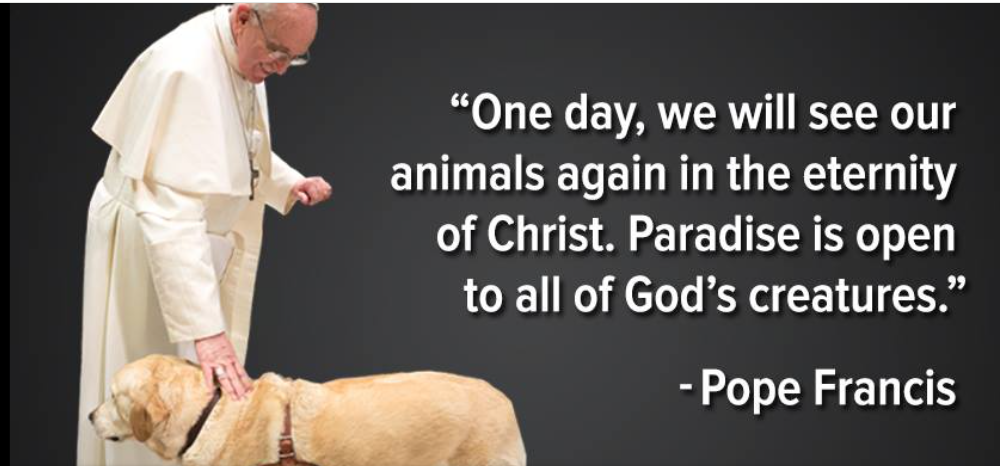
The names in the sidewalk represent such grand companions and such good friends. And so, I believe, they will be again someday. They’ll all of them be waiting at the door.
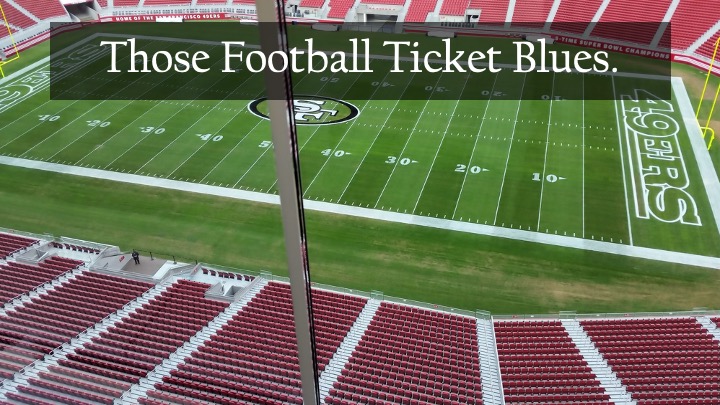
Hey! Here’s a great Dad idea! John’s birthday is in October! Let’s go to a Niners game as a family! It’s a tradition!
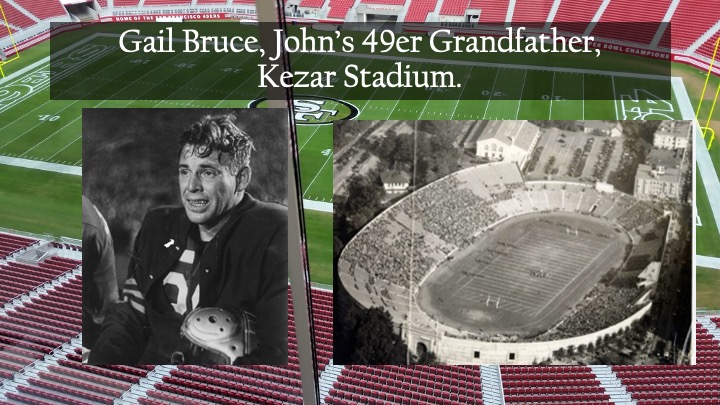
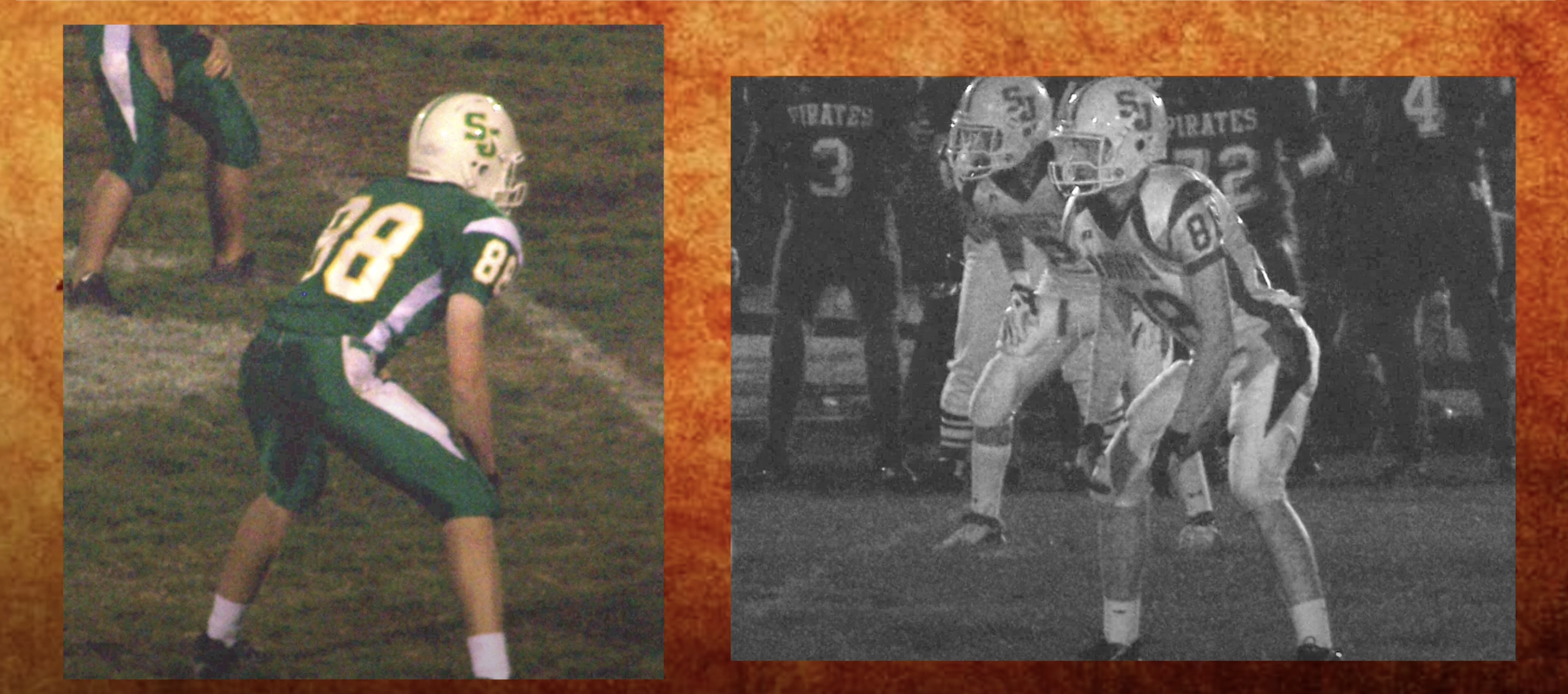
Gail had two numbers as a Niners, 54 and later 88. John, a tight end at St. Joe’s, chose the latter.
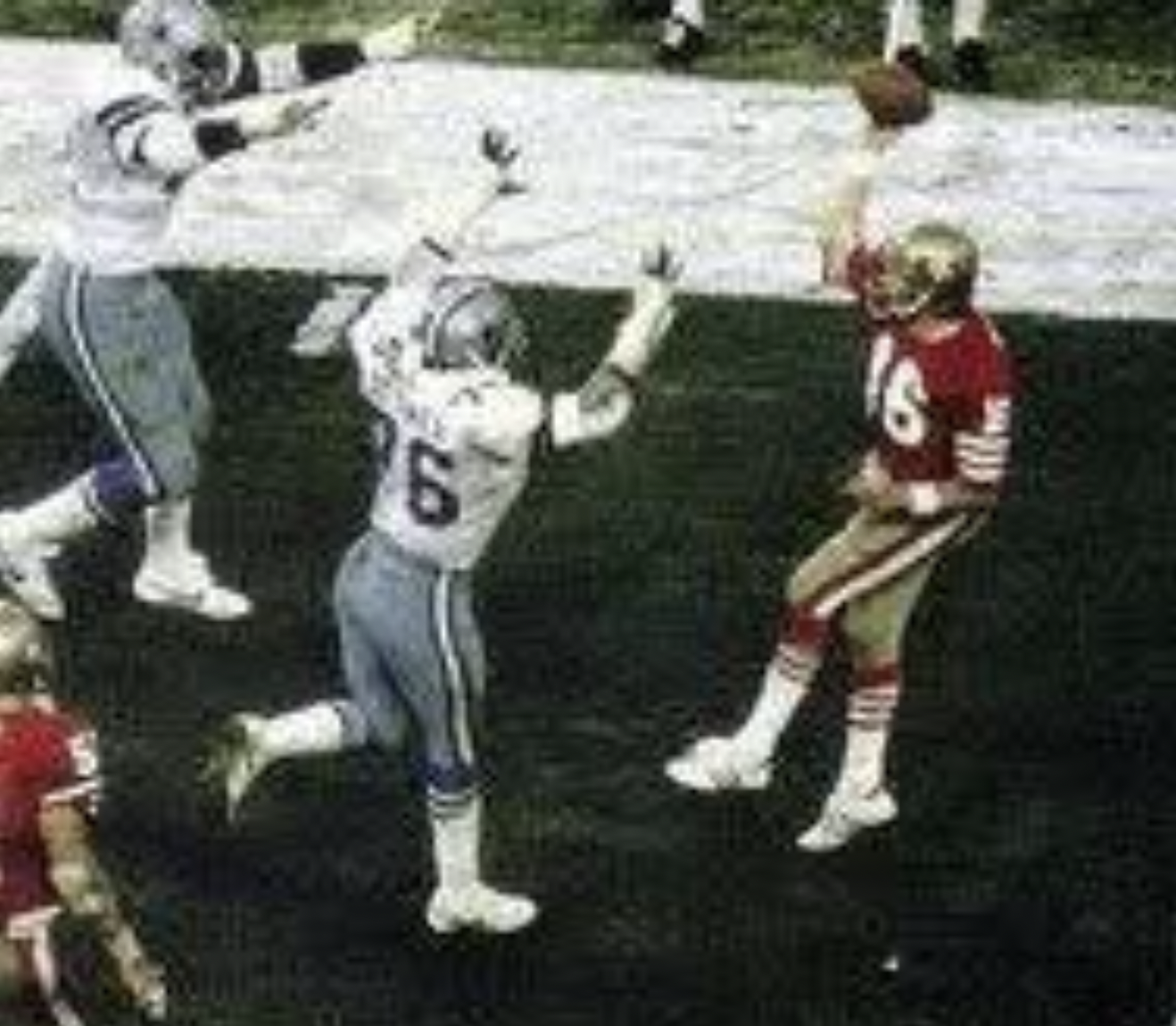
And when the boys were little, we went to TWO Niners games. One was an Old Timers’ Day, and when they paraded down to the field, EVERY LAST ONE OF THEM WAS LIMPING. Check that. One wasn’t. It was this guy. You know, the one who threw the pass to the late, great Dwight Clark.
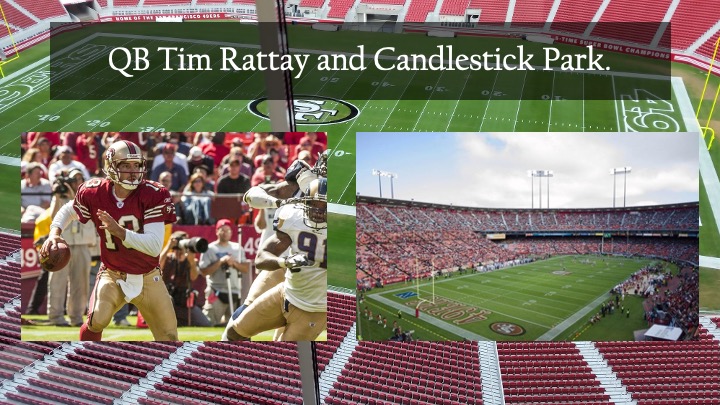
The Glory Days were long gone in 2004, when we saw soon-to-be-forgotten QB Tim Rattay take on the Arizona Cardinals. The Niners that year won only two games. *Gloom.* They were down 28-12 at the half, but Rattay, playing in Candlestick, started completing passes, among 400 yards of them, that would begin to shift the tide.
(By the way, here were the approximate directions for leaving Candlestick: “If you’re traveling south, take the US 101 North to the Oregon border, take the first exit and enter the US 101 South.) I loved this stadium, the one with the conveniently placed signs that read “VOMITORIUM.”
Anyway, Rattay led the Niners back and they won on a last-second field goal, 31-28. It was glorious. Two extremely made-up young ladies hugged Thomas. Mom hugged John, then Thomas. I hugged a jubilant Black lady next to me and we hopped up and down together for several seconds. Oh, then I hugged my family, by then all of us burnt beet red because we were in the end zone seats, directly in the sun.
P.S. The only other game the 49ers won that year? Also against the Cardinals.
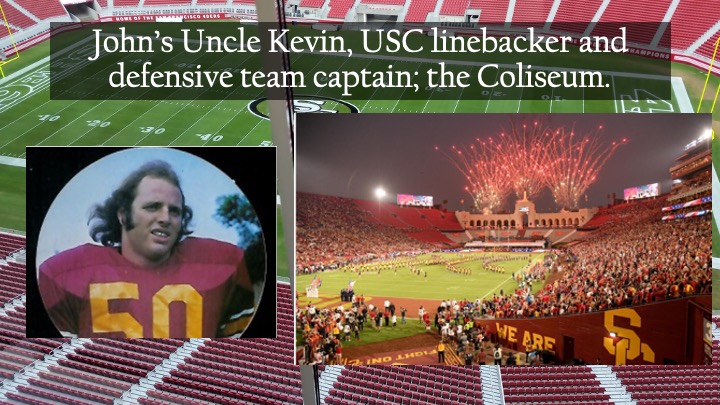
We’ve also done a college football game. John’s late Uncle, Kevin Bruce, was a runty longhair linebacker who played for three Rose Bowl teams in the 1970s, for John McKay. He hit opposing players so hard that his helmet left a permanent dent in the bridge of his nose. This, and I suppose his frequent bleeding, impressed the hell out of his teammates, and he became a defensive team captain.
So for another birthday, we decided on a USC game–Stanford vs. the Trojans in the Coliseum. I don’t know that it still is, but O.J.’s number was still displayed in the stands. We found a nice place to park the car—I think it was in Marina del Rey—in exchange for large sums of money. We got to the Coliseum and rooted for the Trojans until about midway through the second quarter, when the Trojan fans, drunken louts, became so obnoxious that we secretly rooted for The Cardinal, to no avail. They lost. But USC does NOT have the Hoover Institution, where I got to hold the X-Ray of Hitler’s skull taken after the July 1944 Bomb Plot. (COOL!)
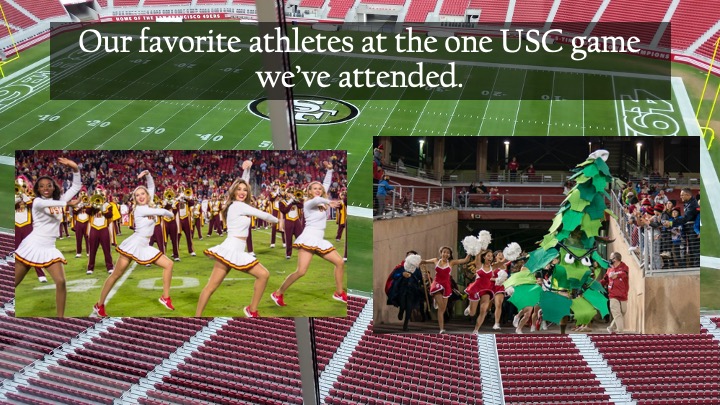
But we came away impressed with athletes who were NOT football players. The Stanford Dancing Redwood Tree was manic but kind of endearing. He/she never stopped moving.Neither did the USC Songleaders. They were INCREDIBLE!
So I thought it would be a grand idea to get those tickets for John’s birthday. The Niners? The lousier the team, the cheaper the tickets, so I picked the Jacksonville Jaguars game. (John admired Jaguars QB Mark Brunell, who played for St. Joe’s, and he was our next-door neighbor when I was a college student in SLO. Brunell was about two and a little blondie, like his Mom, then.)
Four tickets just below the landing gear of the jets coming into the San Jose airport (DUCK!), and on the visitors’ side, where the Niners look like little red Mexican jumping beans? $500.
Not to be dismayed, I tried the Rams whatever their stadium is called. It should be called the Roman Gabriel Coliseum, in my opinion. The Rammies tickets were a little higher.
Well, maybe a Los Angeles/Still Should be San Diego Chargers game? Still 500-dollarish.
Doesn’t have to be pro football. How about those Trojans? Closer to $600.
I know this sound self-pitying, but that’s not exactly my point. Football tickets have always been expensive, and rightfully so, because football seasons are so much shorter than baseball or basketball seasons and football teams, with equipment, weight rooms, uniforms, medical staffs and team doctors and those enormous servings of Ribeye steak and grilled shrimp drive those team owners’ costs up. They’re just living on the edge, anyway,*
*Sarcasm intended.
All of this online ticket-hunting took about two hours, but that’s not my point, either.
There actually was a time when a family of four, every few years, could splurge on football tickets. “Splurge,” in these times, is a word this family doesn’t use much anymore.
True, baseball remains my favorite sport. But I’d like to see a pro football game again, if only to remind me of a player—neither a 49er nor a Trojan—who remains one of my favorite athletes of all time. (Never mind what the NFL says below. Click on the link.)
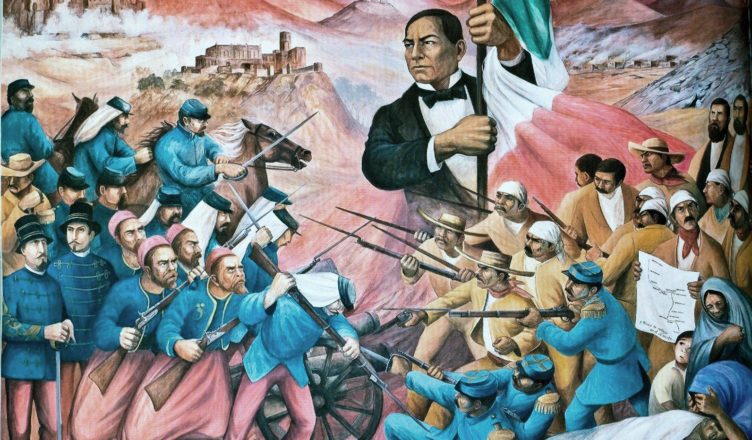
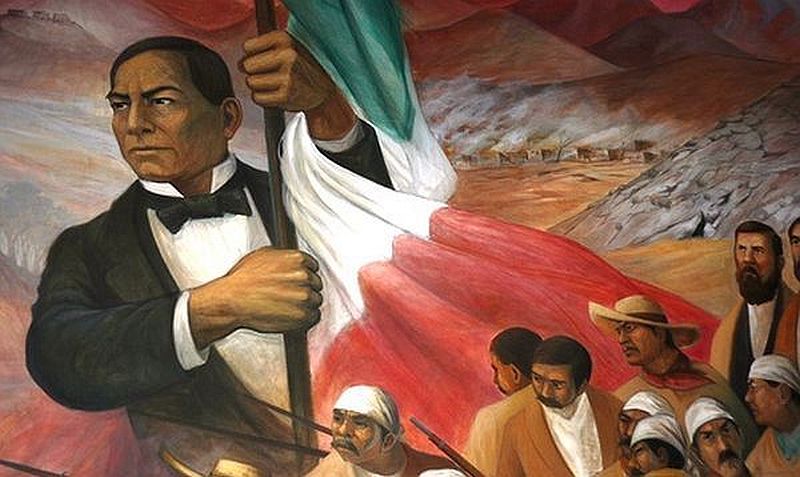
It’s not Mexican Independence Day, but it’s almost as important. On May 5, 1862, Mexican troops loyal to President Benito Juarez defeated a superior French army, sent to Mexico by French Emperor Napoleon III to subjugate the nation. This was so he could keep some unemployed royals (Prince Harry might be a modern analogy), the Austrian Maximilien I Hapsbug and his wife, Carlota, on the throne as the emperor and empress of Mexico.
That didn’t work out. Puebla was a kind of turning point and Napoleon III’s forces eventually were driven out.
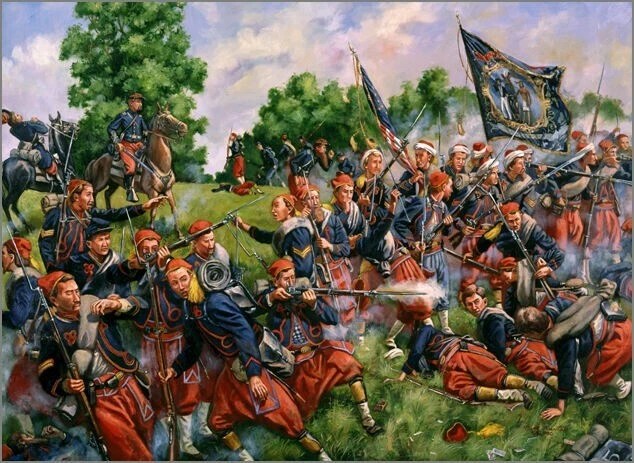
If the French lost the Battle of Puebla, but they at least made a fashion statement. You can see their zouaves, with the baggy pants characteristic of French North African colonial troops, on the left (that’s triumphant Juarez in the center.) The style would be adopted by both Union and Confederate troops–for the latter, the Louisiana Tigers-in our Civil War. The second illustration shows Union Zouaves at the Second Battle of Manassas, also in 1862.
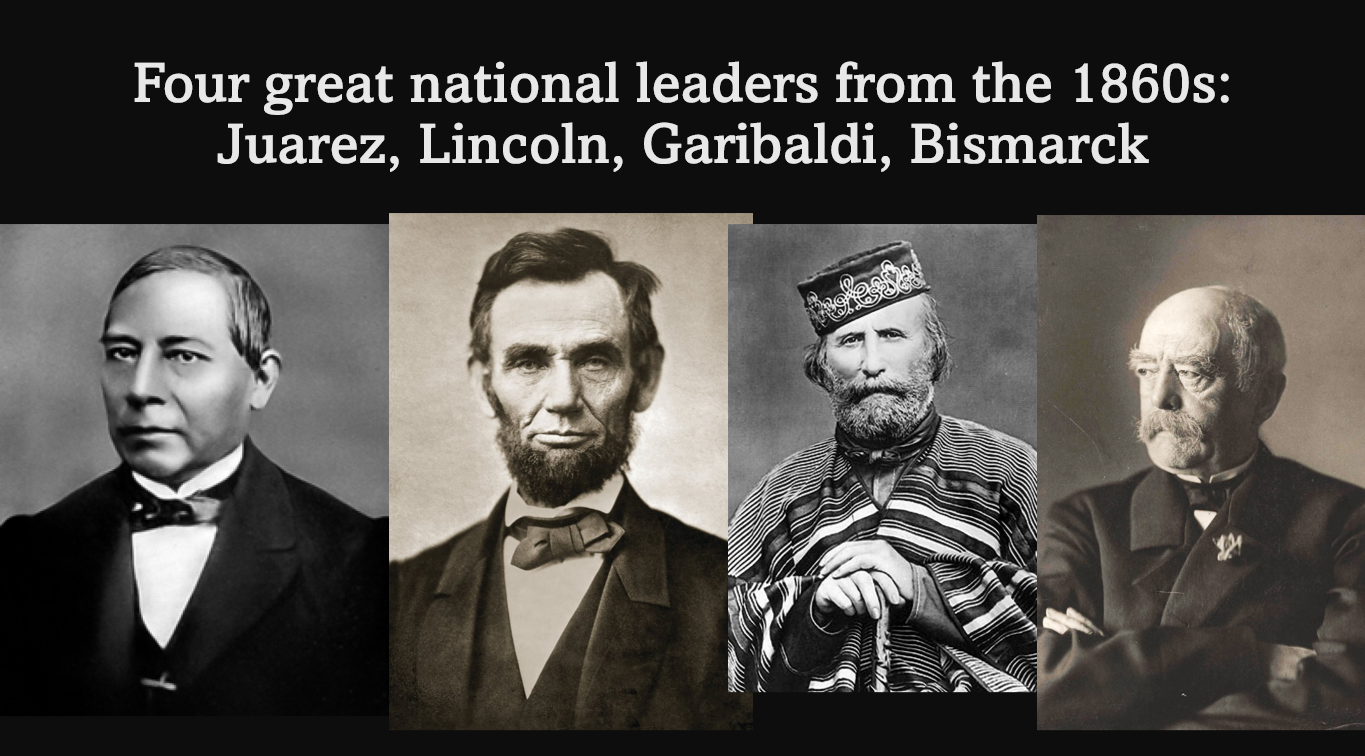
The 1860s, then, were a time of intense and fratricidal struggles toward nationalism, and these were a few of that decade’s incredible leaders.
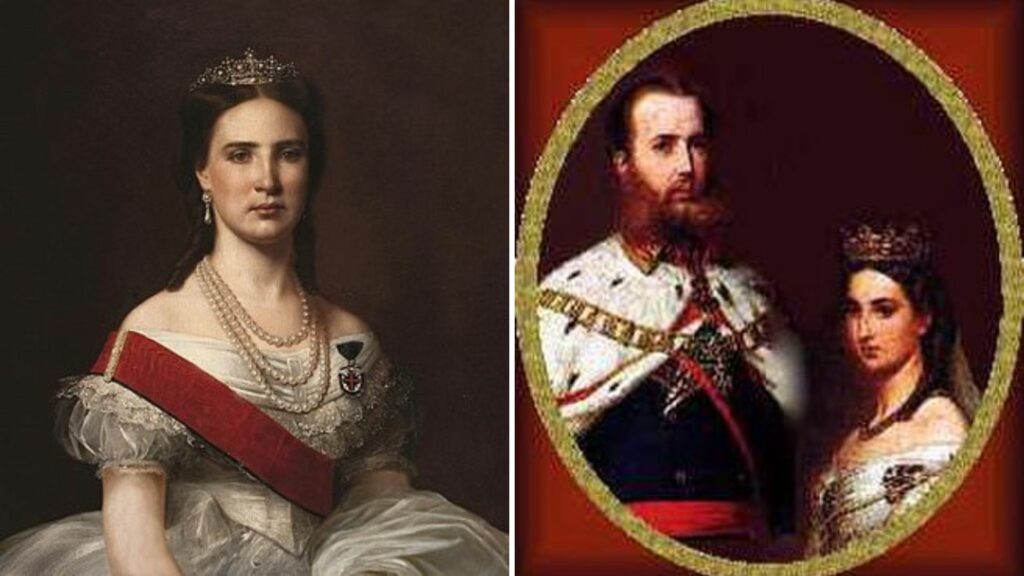
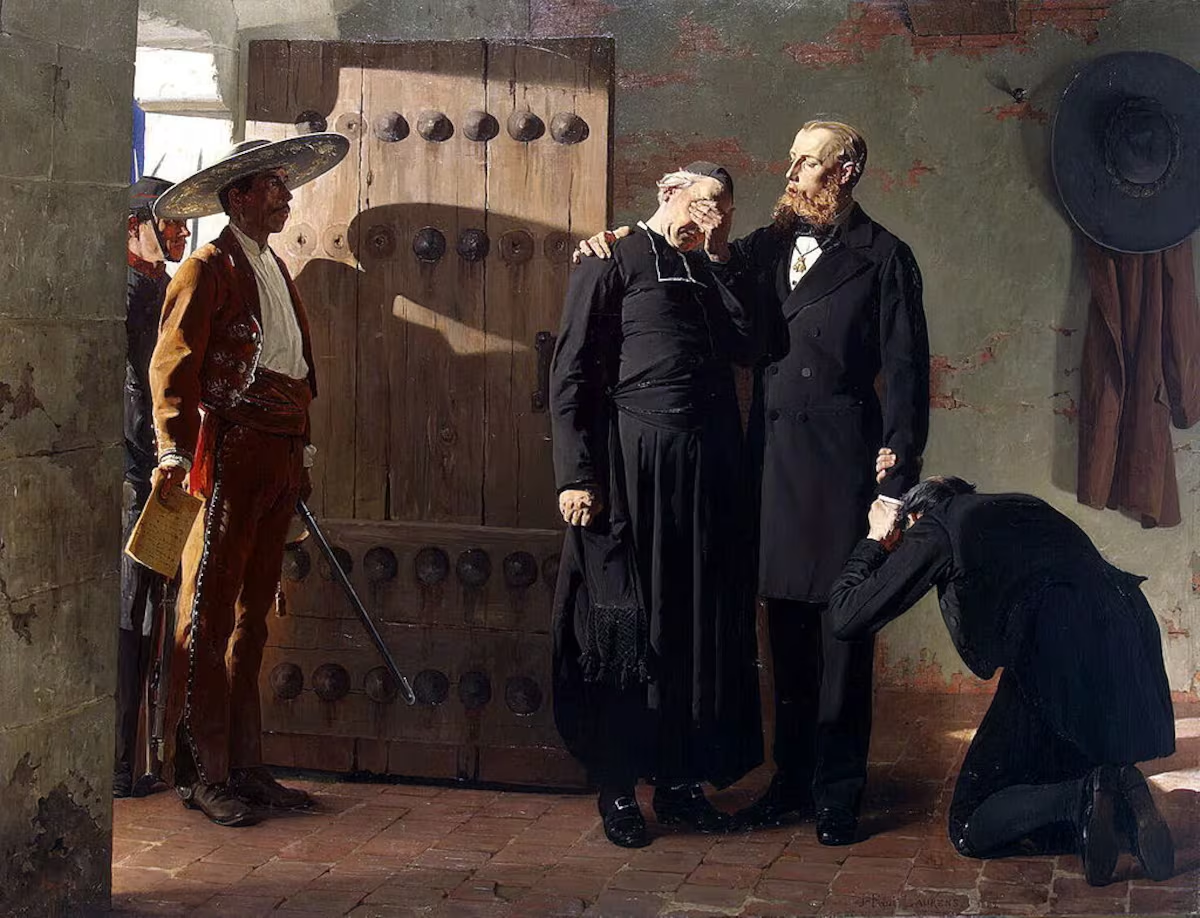
Maximilien and Carlota were not among them. Here are the two of them—she was lovely—then there’s Maximilien, in the painting, just informed of his imminent execution by Mexican Republican soldiers, in 1867, and finally, there’s elderly Carlota, confined to a Belgian palace where she went loony. Sometimes she’d prance out to a fountain in the front of the palace, jump in, and announce boldly that she was sailing back to Mexico.
So it goes.
Here’s the palace where the imperial couple lived, above Mexico City. It’s also marked by its defense, in the Mexican War, by teenaged military cadets as they fought the United States Marines (“The Halls of Montezuma…”). One of them, to avoid the shame of losing it to the gringos, wrapped the Mexican national flag around his body and leaped to his death over Chapultepec’s cliffs.
One of the things that makes me mark this battle and Juarez himself is the fact that his ancestry was indigenous, from the Zapotec people of Oaxaca. In the last decade or so, the Oaxacan presence on the Central Coast of California, where I live, has grown significantly. And, while this is a grand statement—these are beautiful people—Vogue magazine appears to agree with me.
And then there’s the food. This young man, a Londoner, gets it.
OAXACA CITY EATS Oaxaca will completely change how you view food and let me show you why. Now if you didn’t know, Oaxaca is widely known as the food capital of Mexico and for GOOD reason, the food here is on another level, this place is a non negotiable if you ever visit this wonderful country! My full list, including recommendations, advice and locations of each spot will be on my weekly newsletter soon… Go subscribe, link in my bio. #oaxaca#mexicanfood#mexico#food#fyp
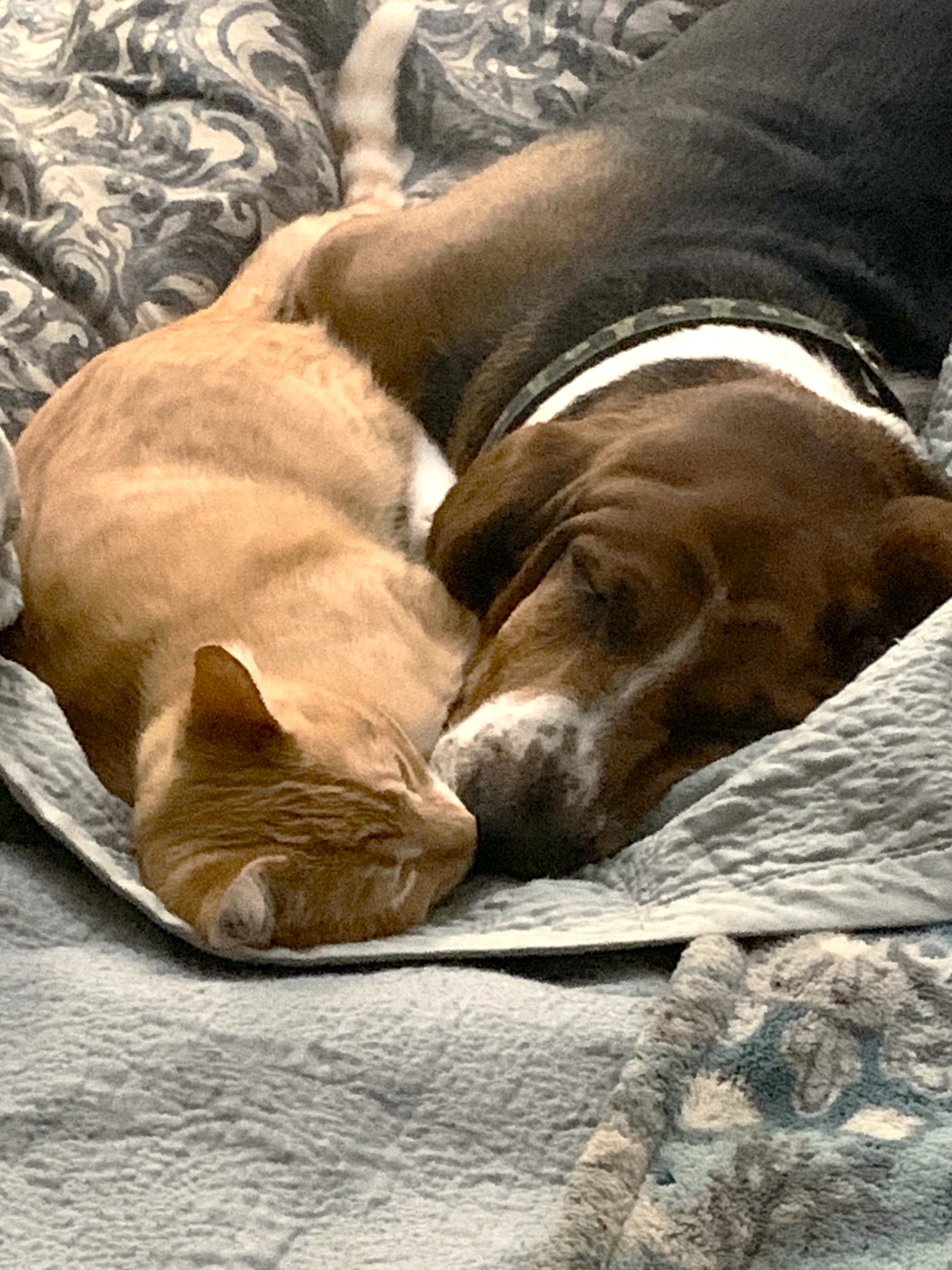
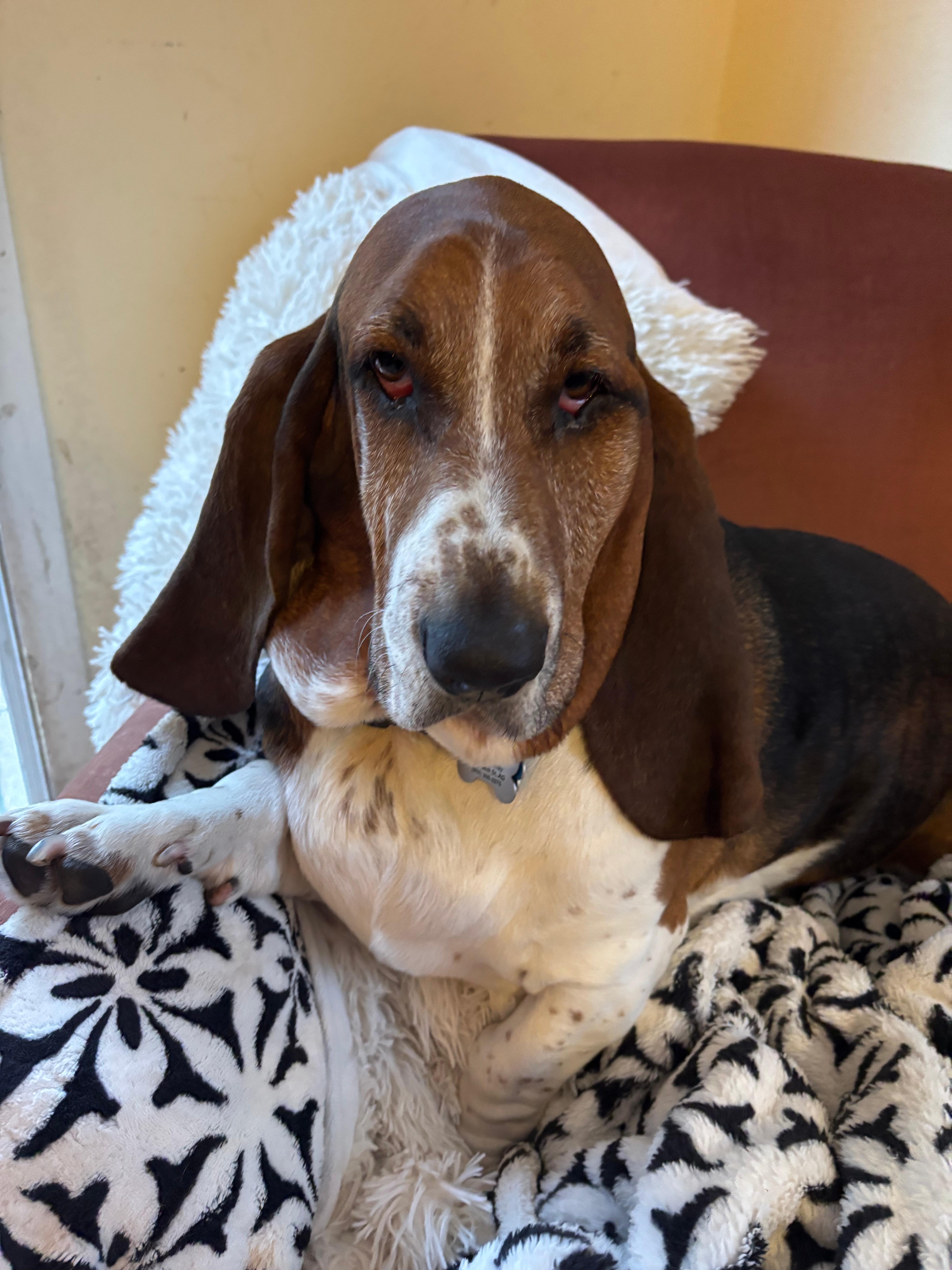
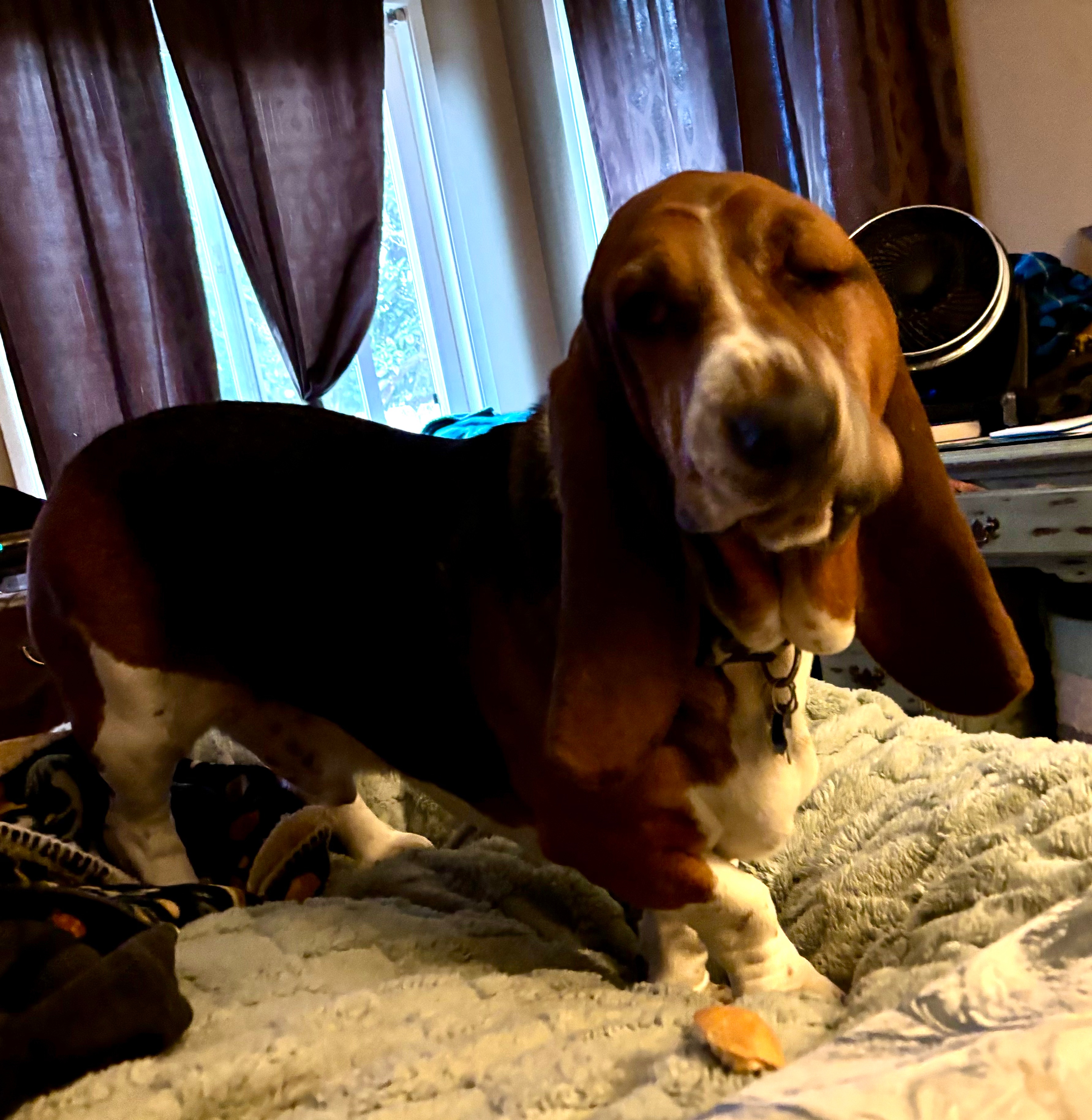
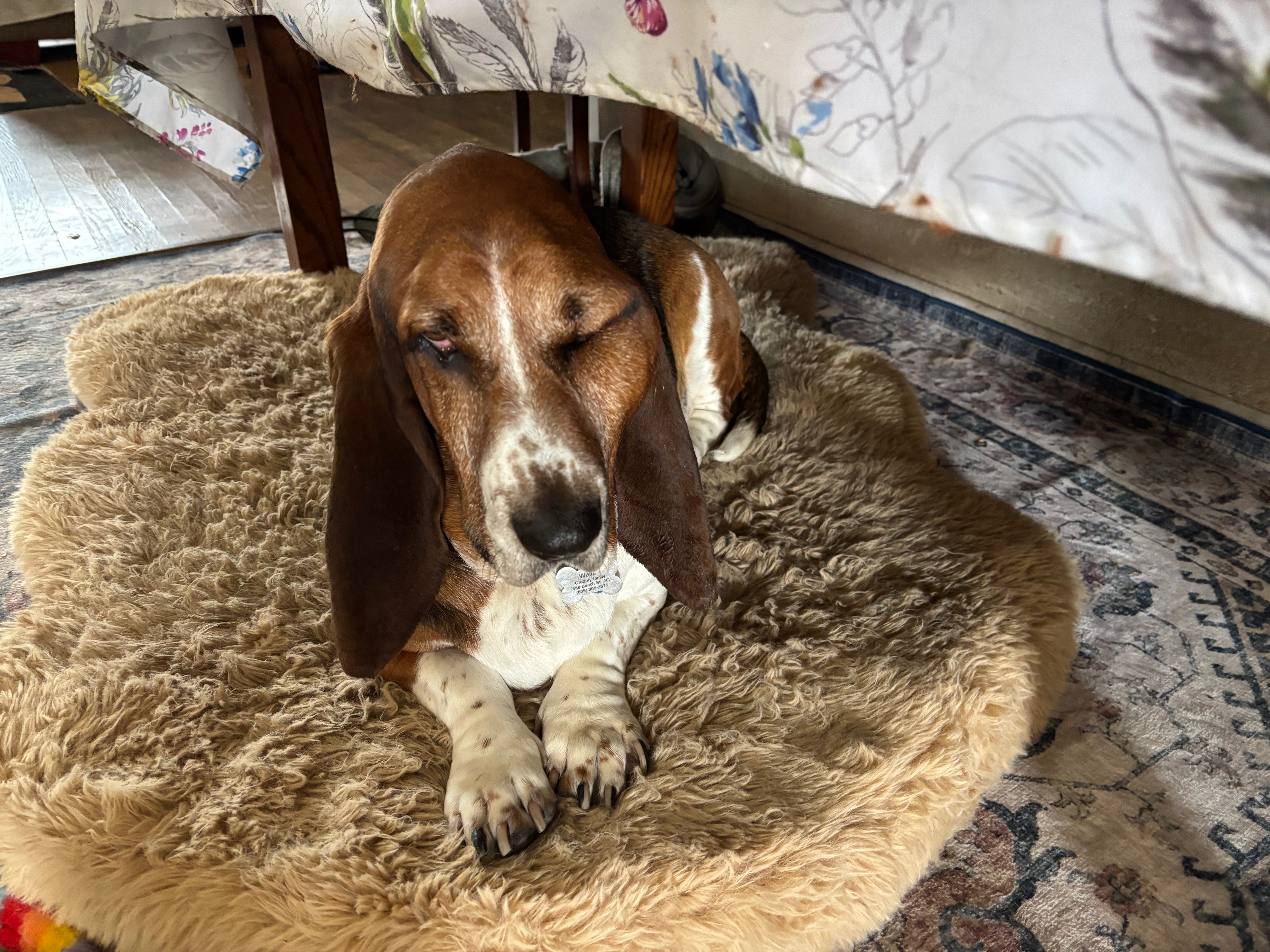
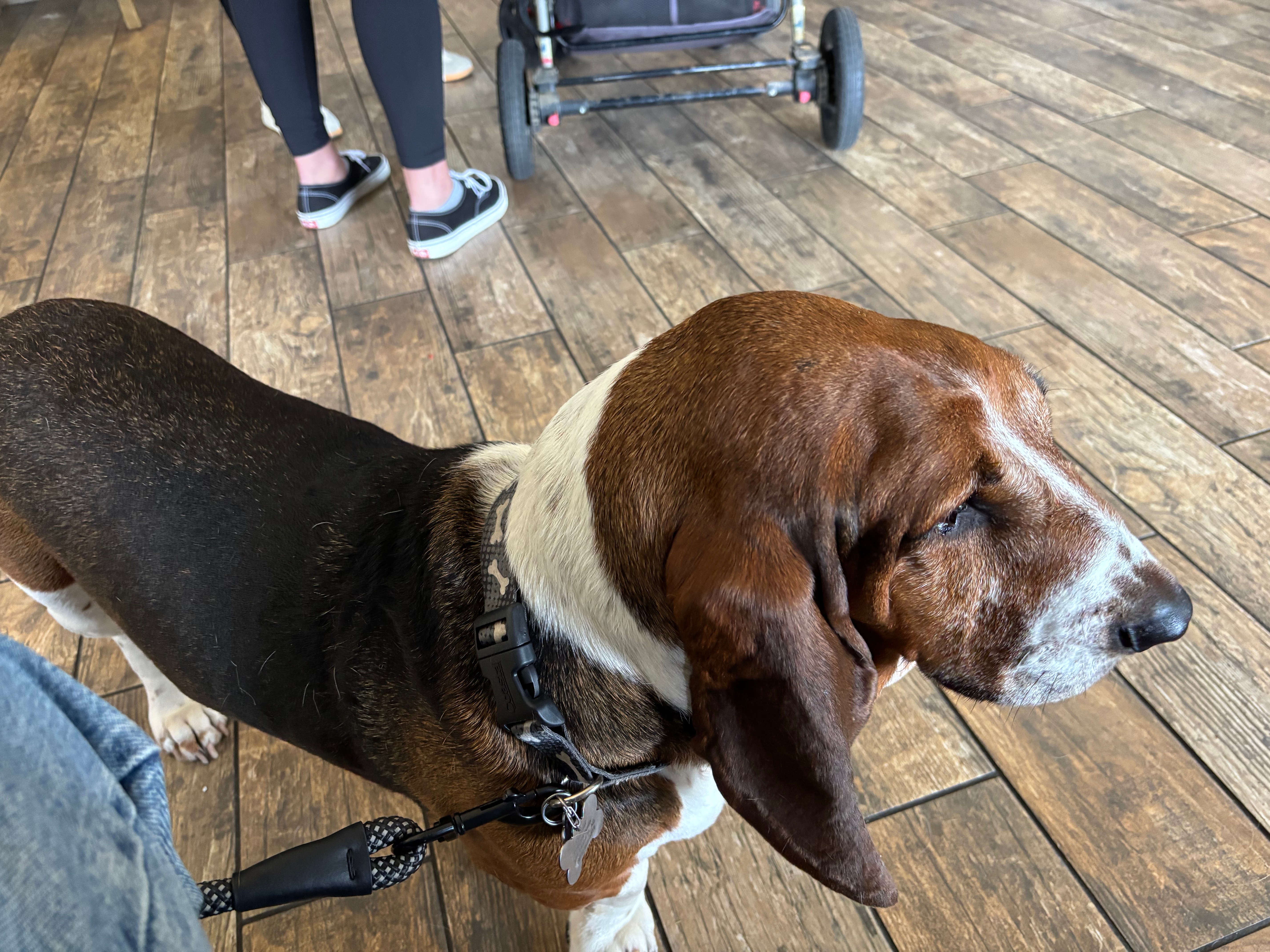
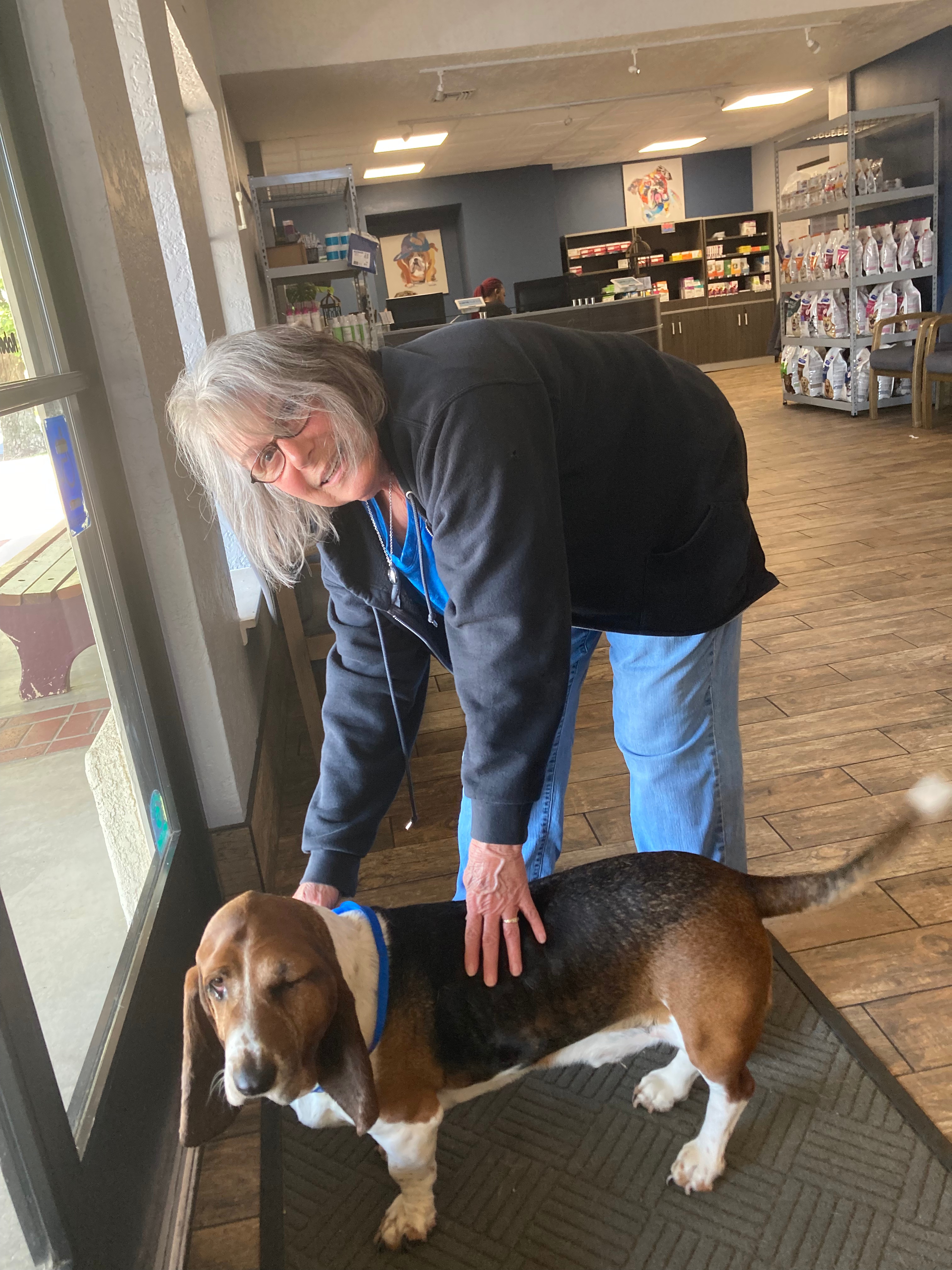
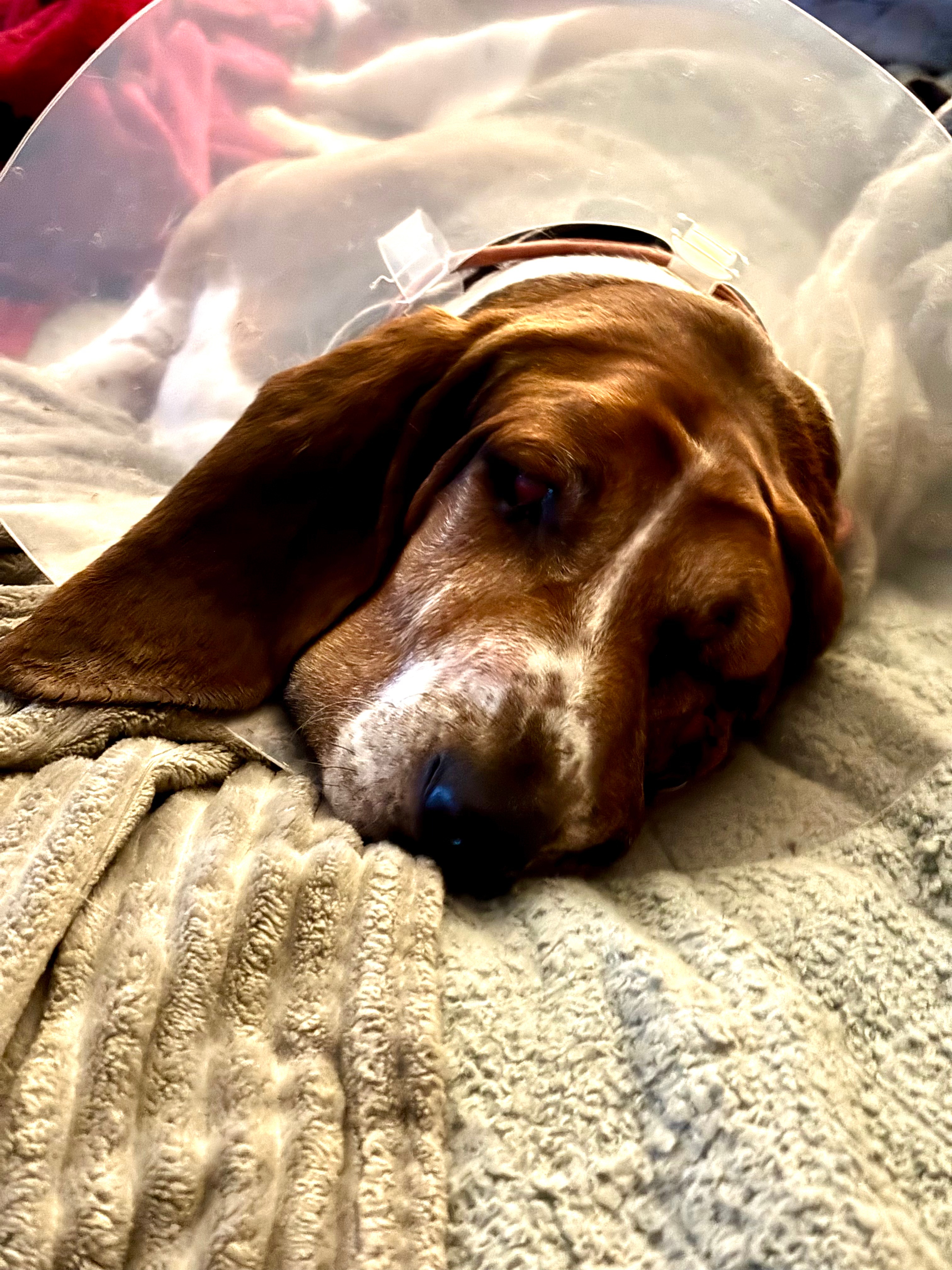
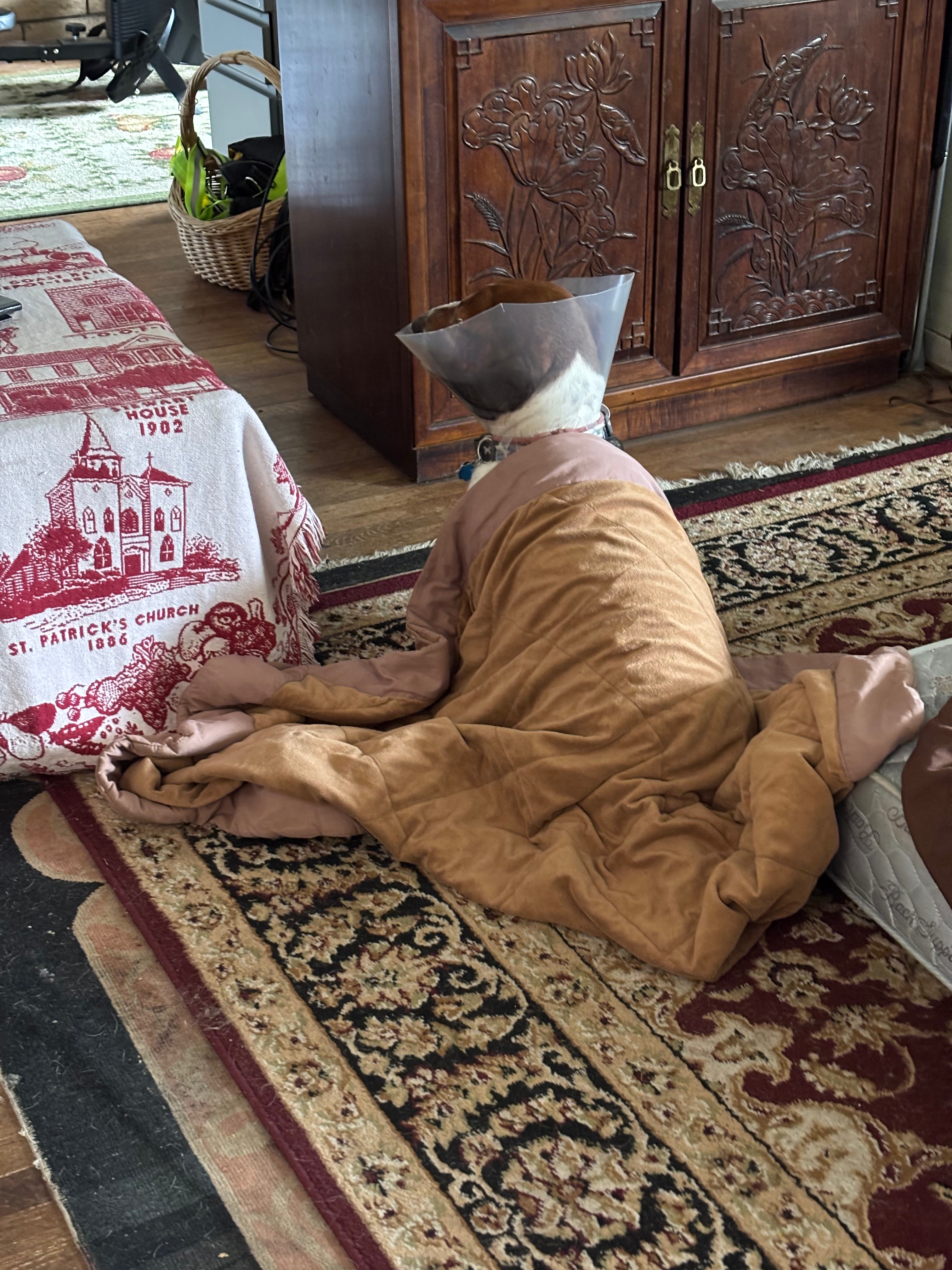
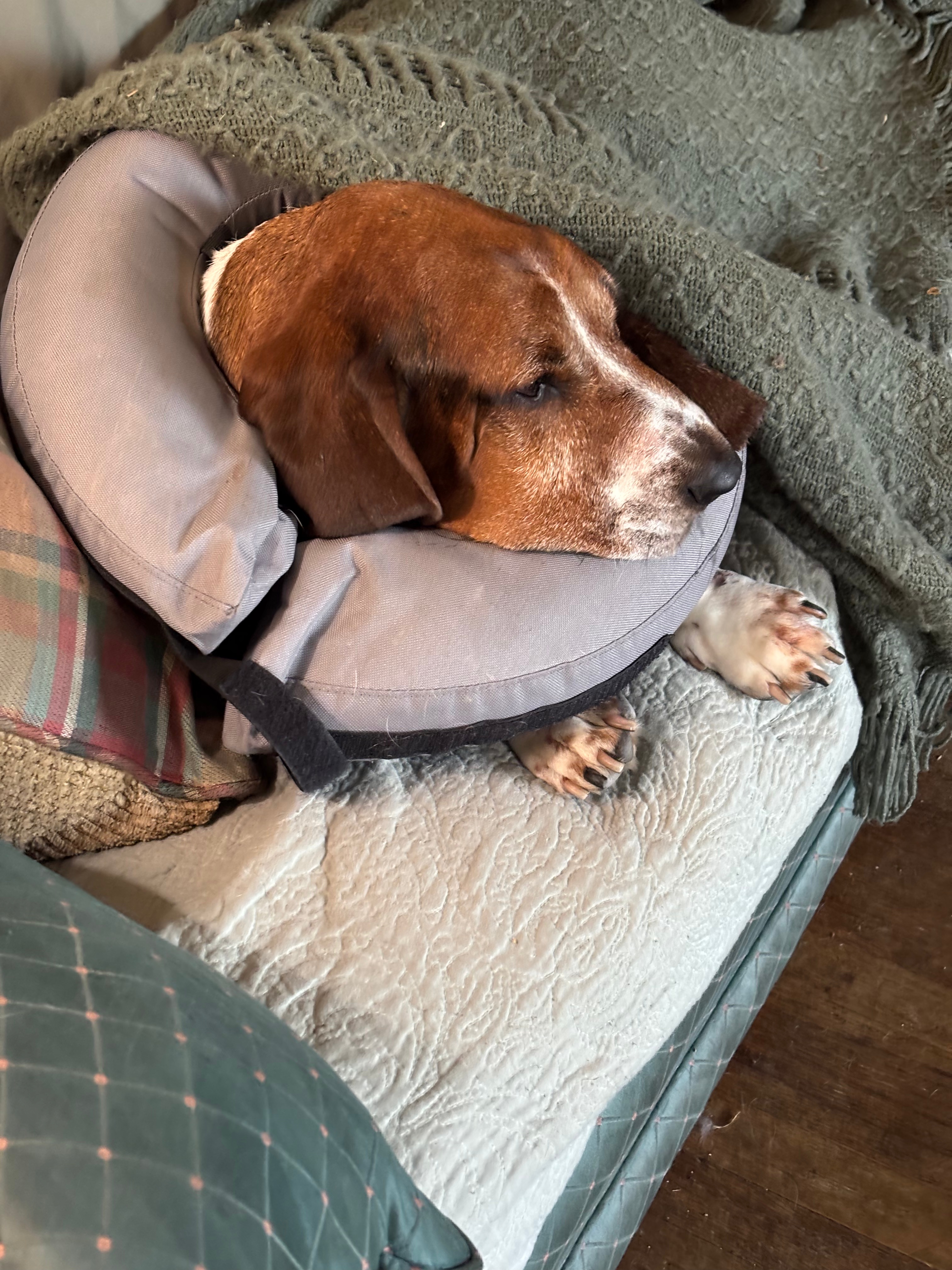
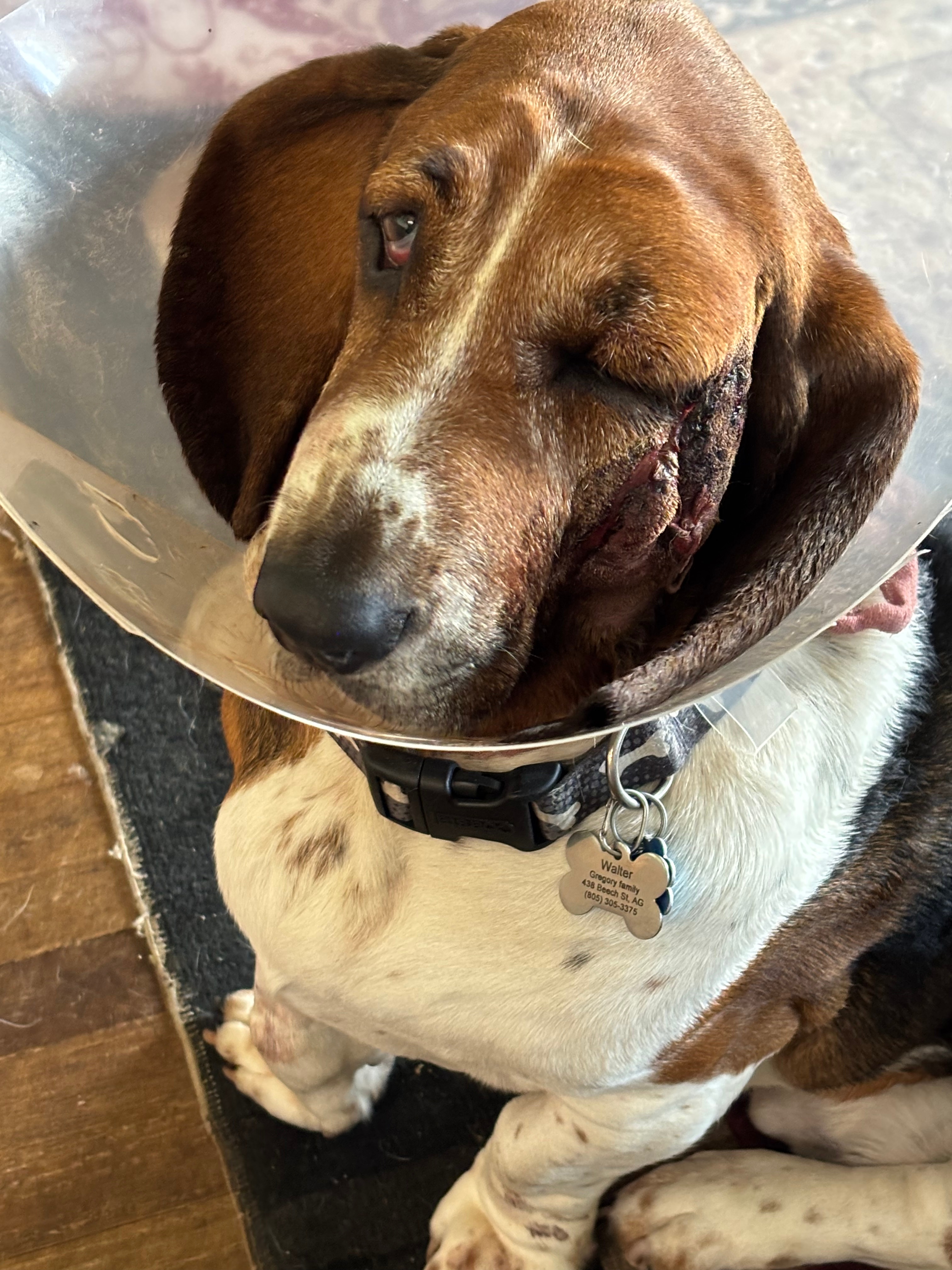
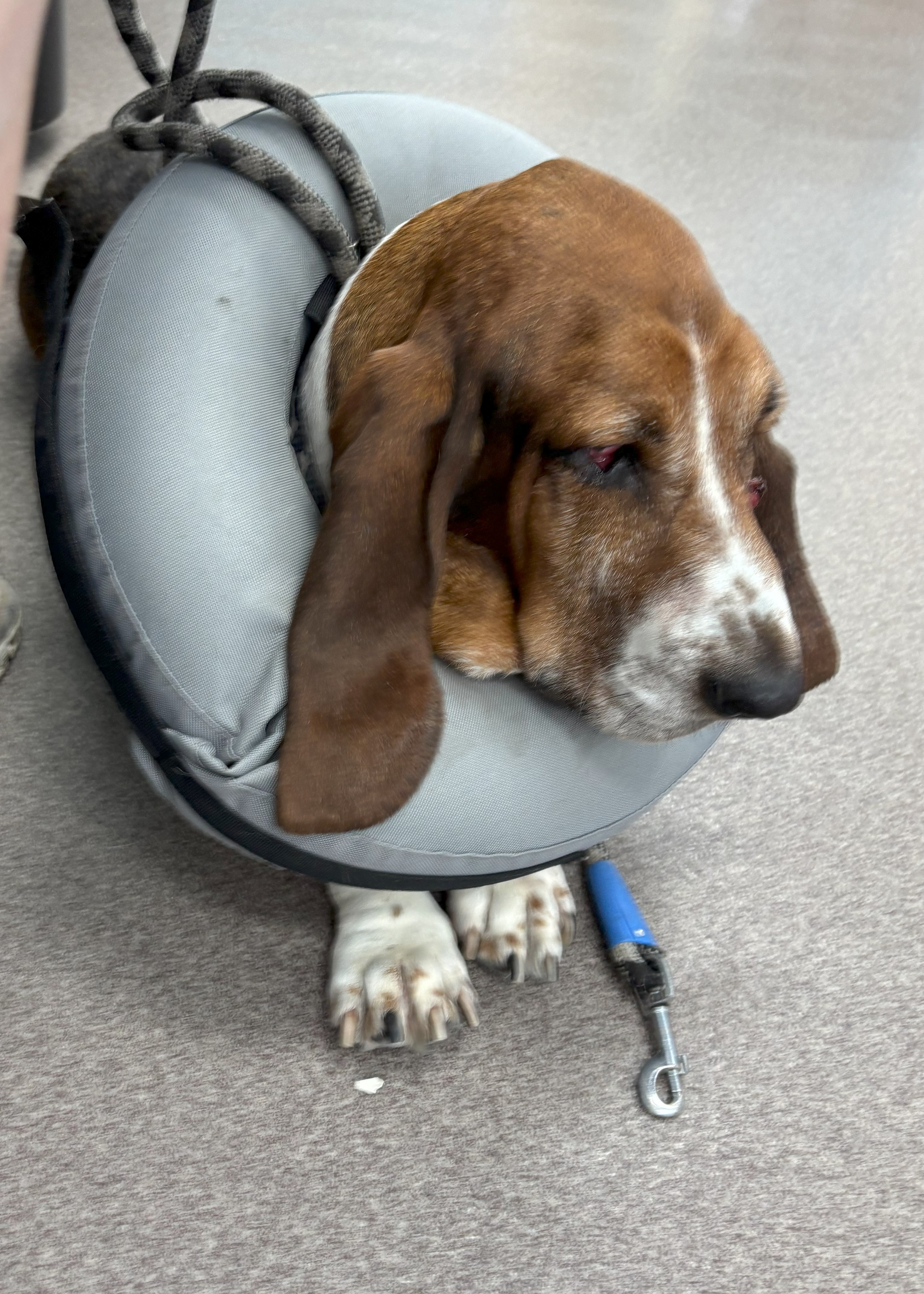
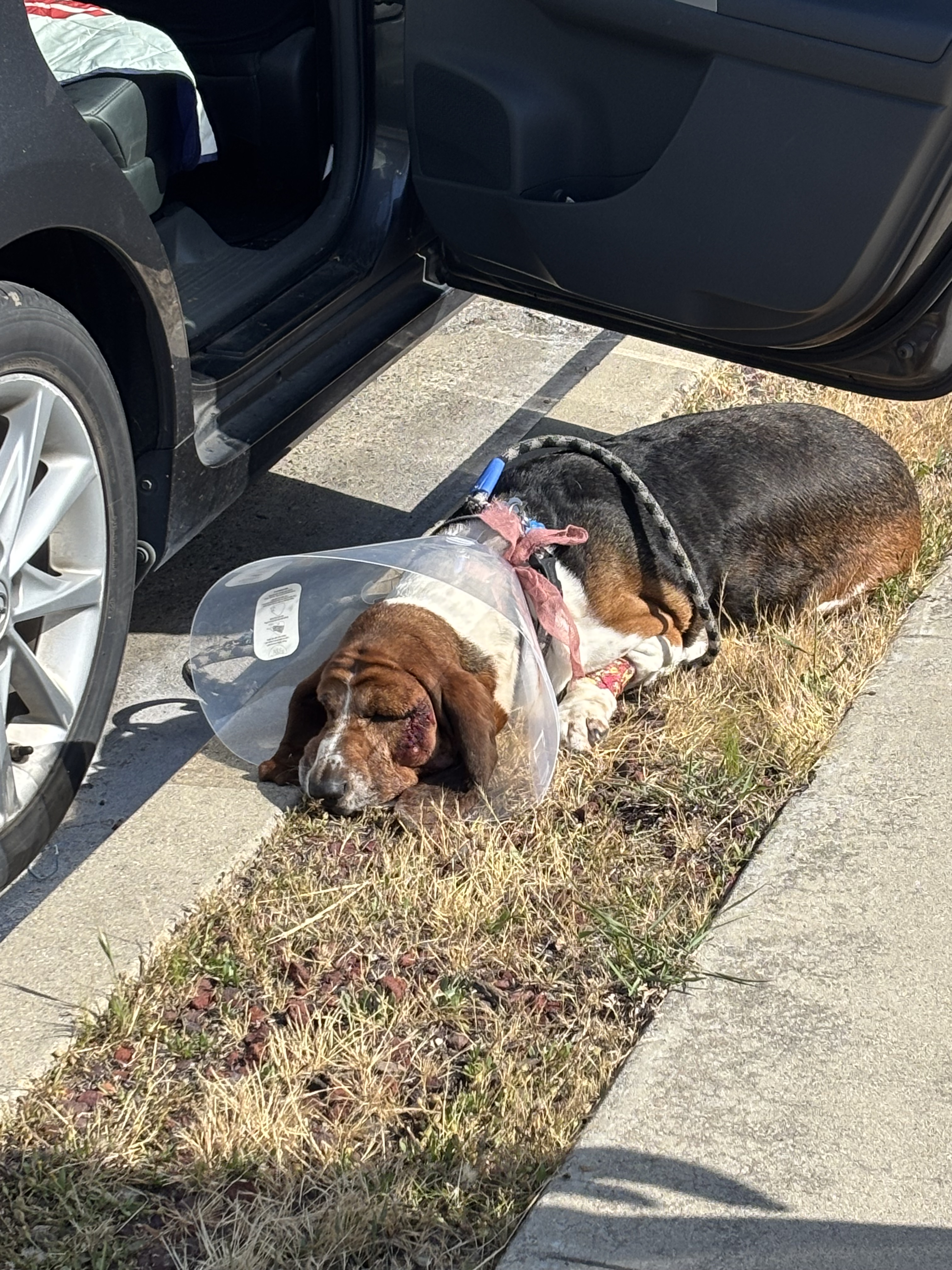
This is Walter, our four-year-old Basset Hound, having a snooze with his good buddy Winston the Cat. It’s been tough Walter week. It began on Sunday (in the first picture) and gradually got worse. One week and three vet trips later, what turned out to be an abscess is now an ordeal. Walter is very brave. Elizabeth and I are wrecks.
Sunday
\
Monday
Tuesday. Vet trip #1.
Thursday, after a long telephone vet consultation.
Friday, at the Atascadero Pet Hospital. Vet trip #2.
Aunt Evie’s morale-restoring visit, Friday.
Friday night. He whimpered a lot.
Saturday.
Saturday, on the bed we made for him on the floor.
Sunday morning: The drainage site came open.
Sunday, at the Arroyo Grande emergency vet. He’s there now; they’re going to have to sedate him, clean out the wound and hope to find any foreign object–a foxtail, a chicken-bone fragment–that might still be there. Vet trip #3.
Home from the vet, Sunday evening.
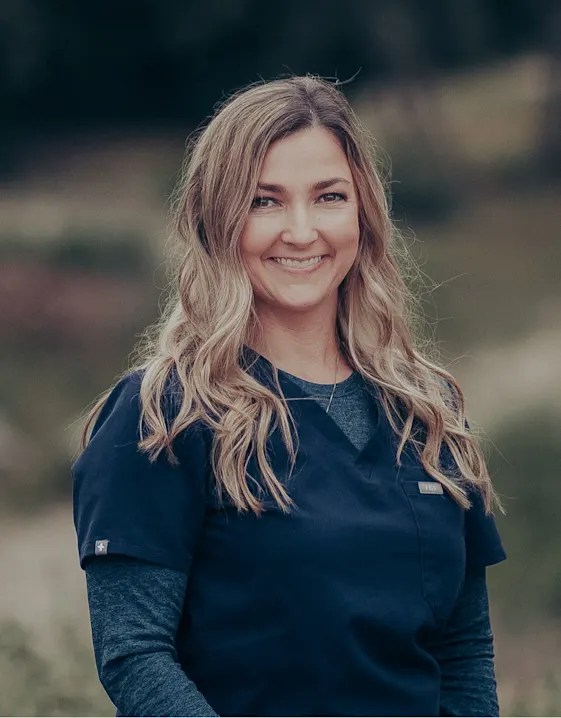
Fortunately, the emergency vet is Dr. Elizabeth Adam, one of Elizabeth Gregory’s students at St. Joe. She saved Winston the Cat’s life. She also found the foxtail, near Walter’s eye, that caused the infection.
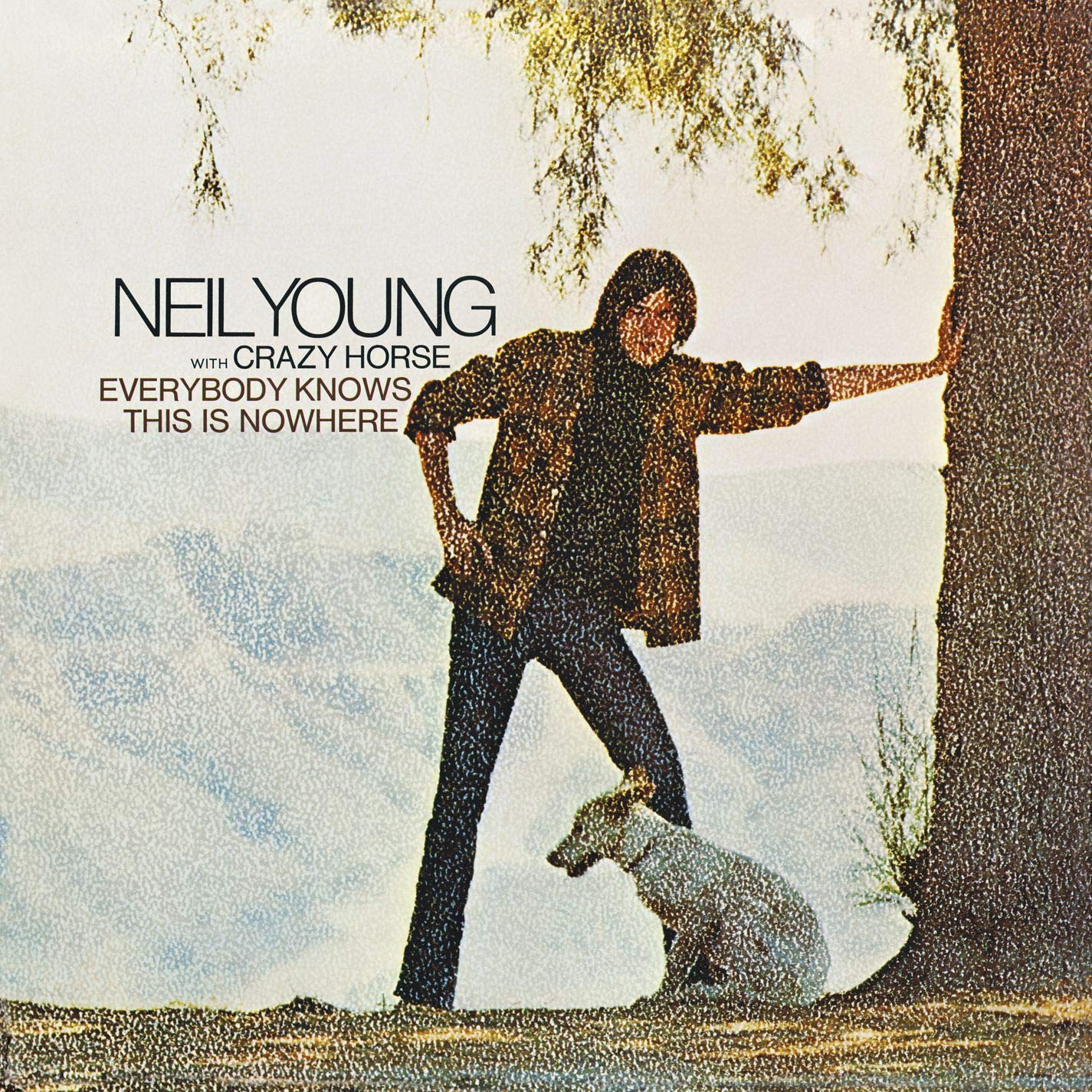
About 1972, in his apartment on Osos Street, my friend Joe Loomis played this for me. I was gobsmacked. Seven years later, my friend Greg Wilson took me to a midnight showing of the concert film Live Rust. Double gobsmacked. When Greg invited me and Elizabeth to see Coastal at the Fremont last week—Daryl Hannah’s documentary of her husband Neil’s tour—I was, well, you know.
The documentary’s music, most of it unfamiliar to me, means I have to go back and restock my Neil Young shelf. What I found out, too, is, as severe as he always looks, and always has, Neil Young is very funny, with a droll, dry sense of humor. He pokes fun at himself, which is a virtue. I found out, as well, how much he loves his family and how passionate he is about preserving the natural world.
He is an incredible man, and we even got to hear him speak, on the Fremont stage (the theater opened in 1942 with an appearance by Laurel and Hardy), and seeing him in person only affirmed the impact he’d had on me that day in Joe’s apartment.
That said, and meaning no disrespect, these are a few of my favorite Neil Young covers. I’m not the only one who’s been gobsmacked.
1. Cowboy Junkies, , “Powderfinger.” Their cover of Lou Reed’s “Sweet Jane” is epic, but here, the Junkies takes this song’s marvelous fuzzy electric guitar work, from Live Rust, back to its bluegrass roots. Since I think Young’s song references the Civil War, that makes this version—that violin!—wholly appropriate.
2. Molly Tuttle, “Helpless.” Another performer who links rock and bluegrasss, introduced to me by my friend Michael Shannon. She strikes me as immensely courageous—she also covers the Rolling Stones’ psychedelic “She’s A Rainbow,” which takes balls as big as church bells. The reference to Ontario resonates with me too, because that’s where my Irish Famine ancestors settled in the late 1840s.
3. Bryan Ferry, “Like A Hurricane.” Ferry will never sing a Mozart opera, but the beautiful young woman at the keyboard and later the sax floors me. So does the young guitarist in the yellow shirt. A little Europop vibe in this interpretations, and I dig it.
4. The Dave Matthews Band, “Cortez the Killer.” Despite its kinda sorta historical glossing-overs (the Mexica, or Aztec, ate their enemies after mock combat called “Flower Wars.” With chiles.), I do love this song, because they do get the Cortez part right. Another stellar guitar solo.
5. Bryan Machaca, “Bluebird.” In the film Coastal, this was the one throwback song that Young performed. It’s Steven Stills’s song, and Young played it on a guitar that Stills had given him. This young man gets it, and he’s a gifted guitarist.
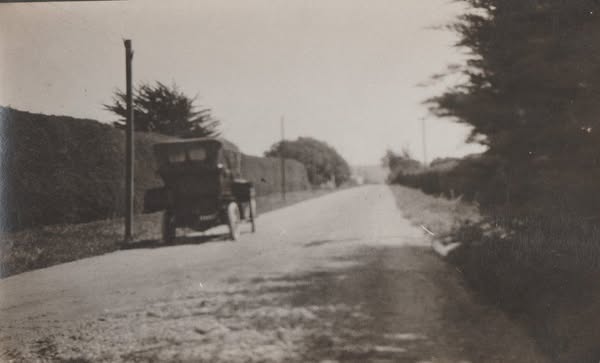
My Facebook friend Jason Blanco posted this photo and leave it to my historian friends Shirley Gibson and Michael Shannon, all of us are now pretty sure that this is Halcyon Road, somewhere between the mobile home park and the Halcyon store today.
Jason’s photo is from about 1908.
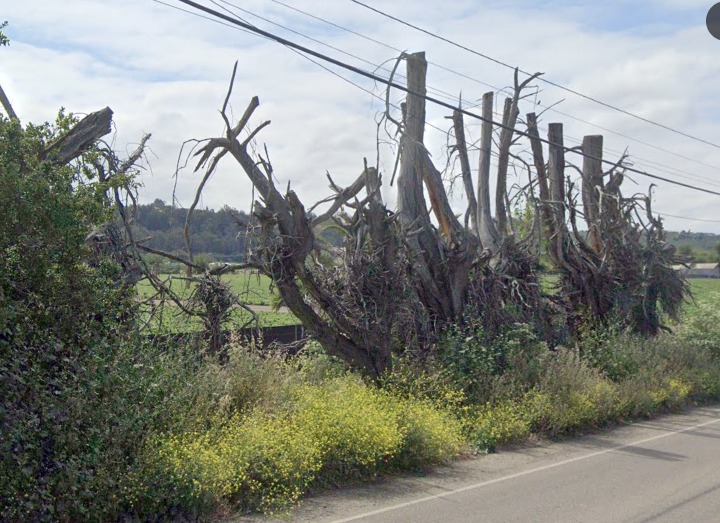
Those cypress trees are nearly all dead now, and ghastly-looking, but more than 100 years ago, they were dense. Halcyon Road was like a funnel, bounded by thick and dense green cypress, until you hit the County Highway, today’s Highway 1, to Oceano.
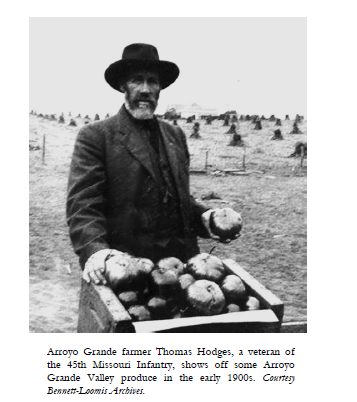
Shirley and Michael pinpointed the man who planted the cypress. He was Thomas Hodges, a Civil War veteran (45th Missouri Volunteer Infantry), who planted them as a windbreak to protect his fruit trees. He made a guest appearance in my Civil War book.
Arroyo Grande has always been famous for its row crops. You can read about them in old newspapers as far away as Kansas and South Carolina. Our pumpkins were astonishing.
But tree crops were important too—some of you may remember dense walnut groves that surrounded AGHS, until they were decimated by the husk fly larvae.
Arroyo Grande High School at the bottom of the photo with the vast walnut orchards beyond.
But even on the “farmette” (3 acres) where I grew up, on Huasna Road, there were fruit trees that preceded our house, built in 1956. So I grew up with:
–Plums
–Apricots
–Peaches
–Apples
–Oranges
–Lemons
–Avocados.
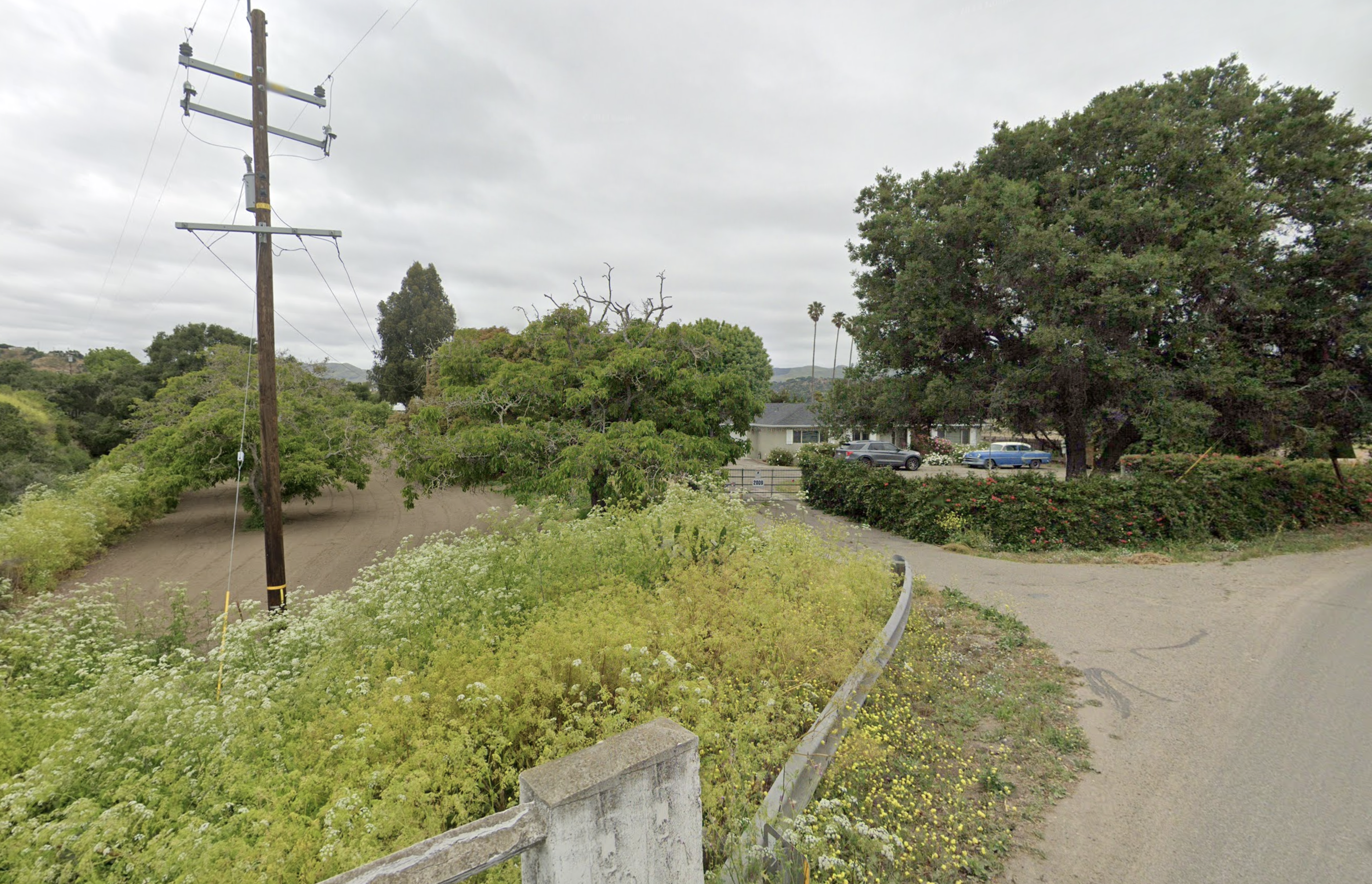
The house where I grew up, Lopez Drive and Huasna Road. Two walnut trees remain at left, in the lower pasture. The big fella out front is a loquat tree. The Queen Anne’s Lace in the foreground was always there. Arroyo Grande Creek is just beyond the left edge of this photo.
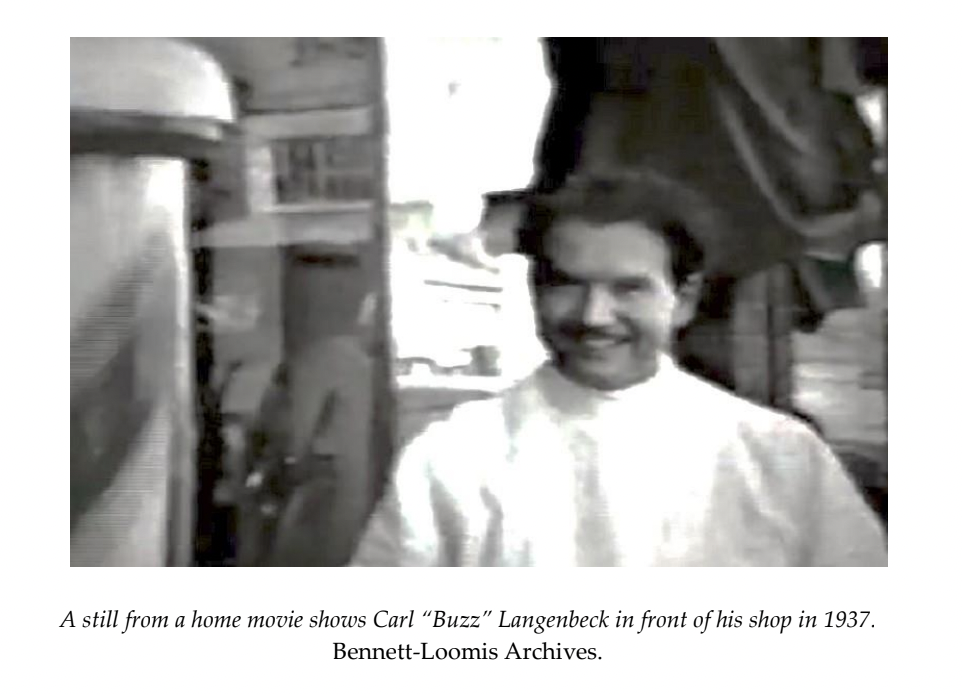
We had nine avocado trees. They were nowhere near the best. The best avocados were grown by barber “Buzz” Langenbeck, whose barbershop is today’s Heritage Salon on Branch Street. Sadly, I did not appreciate avocados until the day I discovered guacamole, probably when I was in my twenties.
And you can find, if you look for them, at least two more generations of Hodges at AGUHS, playing sports, starring in school plays, elected to class office, graduating–the venues varied–at the movie theater in Pismo or the one in Arroyo Grande, today’s Posies in the Village.
Like any other living thing, cypress trees get old, turn brittle, and die. I don’t think that my hometown’s ties to history, even to the Civil War, ever die.
Adapted from The Heritage Press, South County Historical Society





 A Work in Progress