
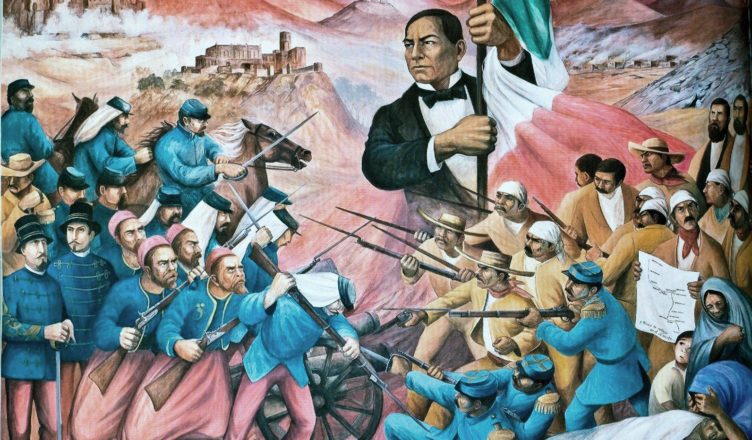
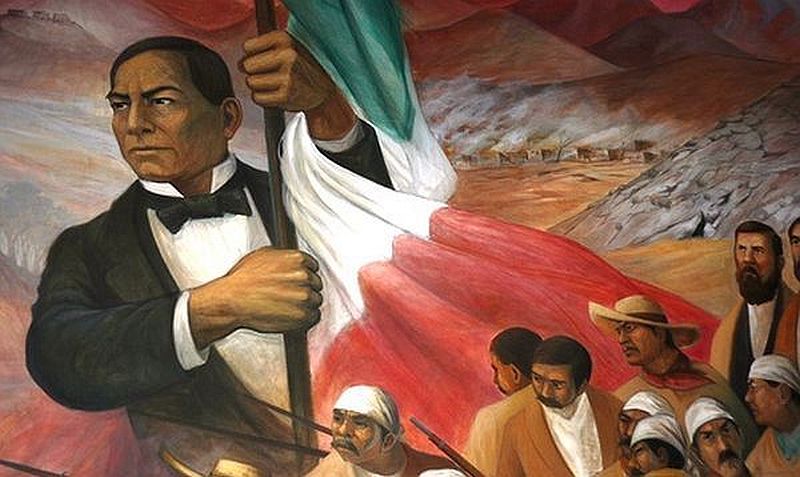
It’s not Mexican Independence Day, but it’s almost as important. On May 5, 1862, Mexican troops loyal to President Benito Juarez defeated a superior French army, sent to Mexico by French Emperor Napoleon III to subjugate the nation. This was so he could keep some unemployed royals (Prince Harry might be a modern analogy), the Austrian Maximilien I Hapsbug and his wife, Carlota, on the throne as the emperor and empress of Mexico.
That didn’t work out. Puebla was a kind of turning point and Napoleon III’s forces eventually were driven out.
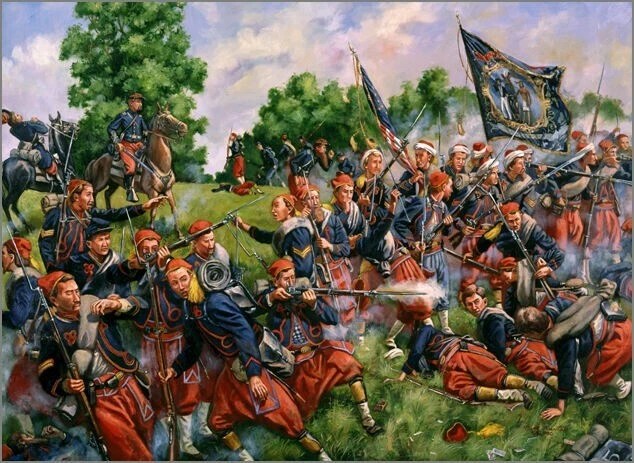
If the French lost the Battle of Puebla, but they at least made a fashion statement. You can see their zouaves, with the baggy pants characteristic of French North African colonial troops, on the left (that’s triumphant Juarez in the center.) The style would be adopted by both Union and Confederate troops–for the latter, the Louisiana Tigers-in our Civil War. The second illustration shows Union Zouaves at the Second Battle of Manassas, also in 1862.
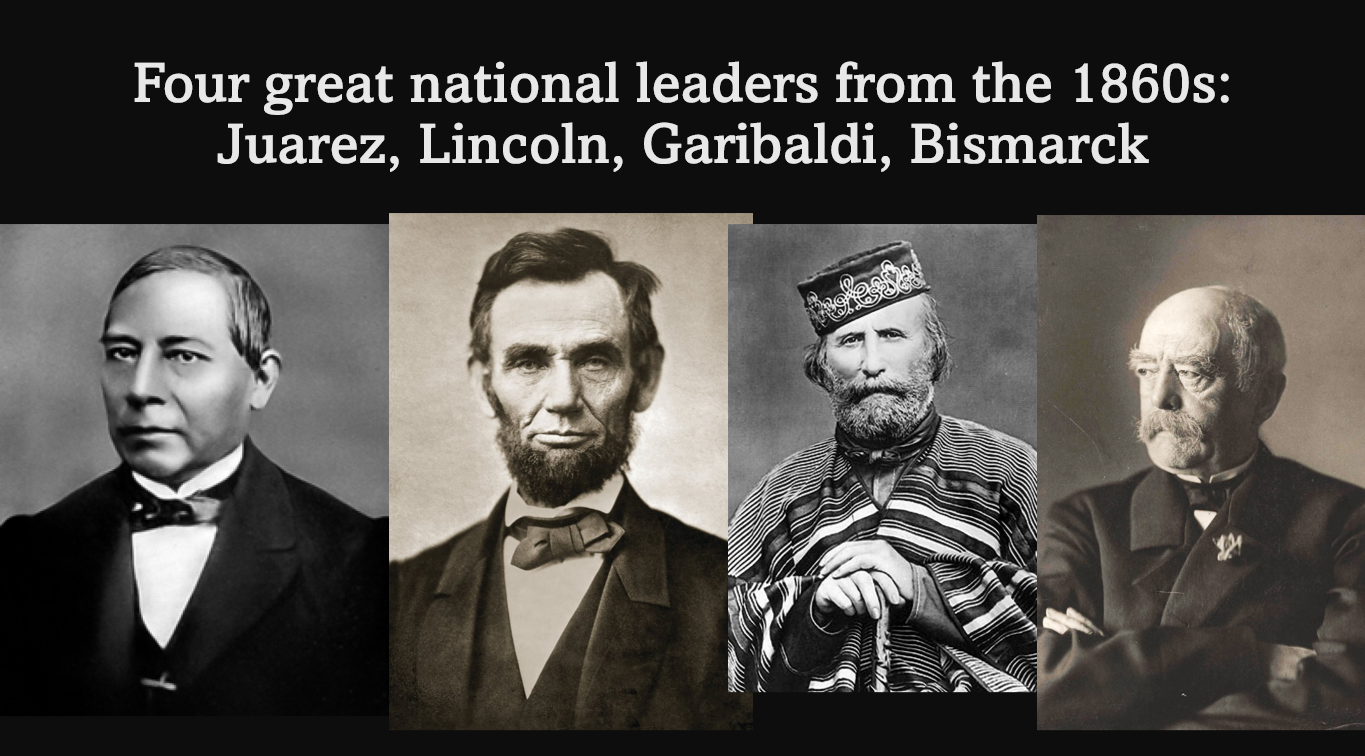
The 1860s, then, were a time of intense and fratricidal struggles toward nationalism, and these were a few of that decade’s incredible leaders.
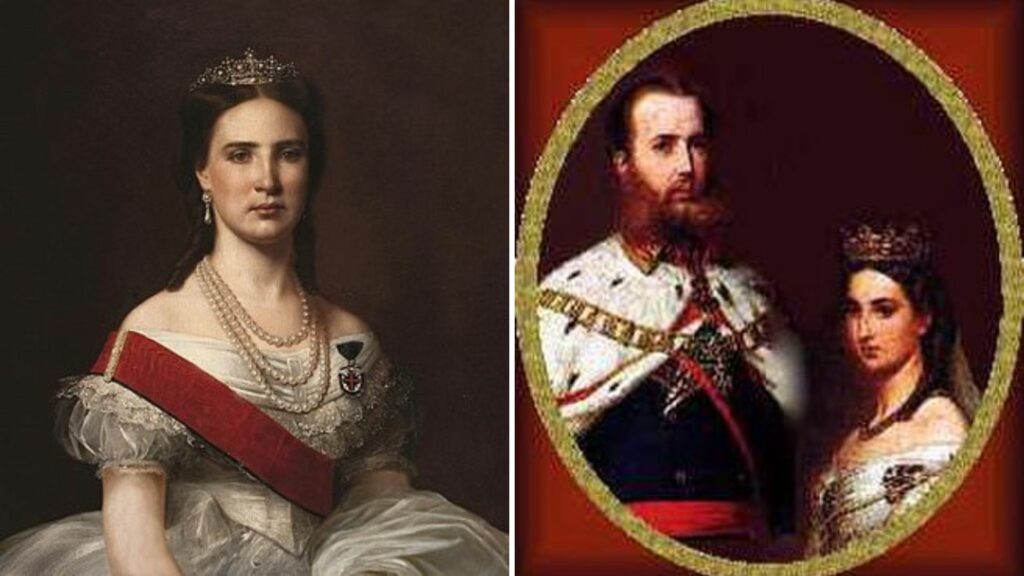
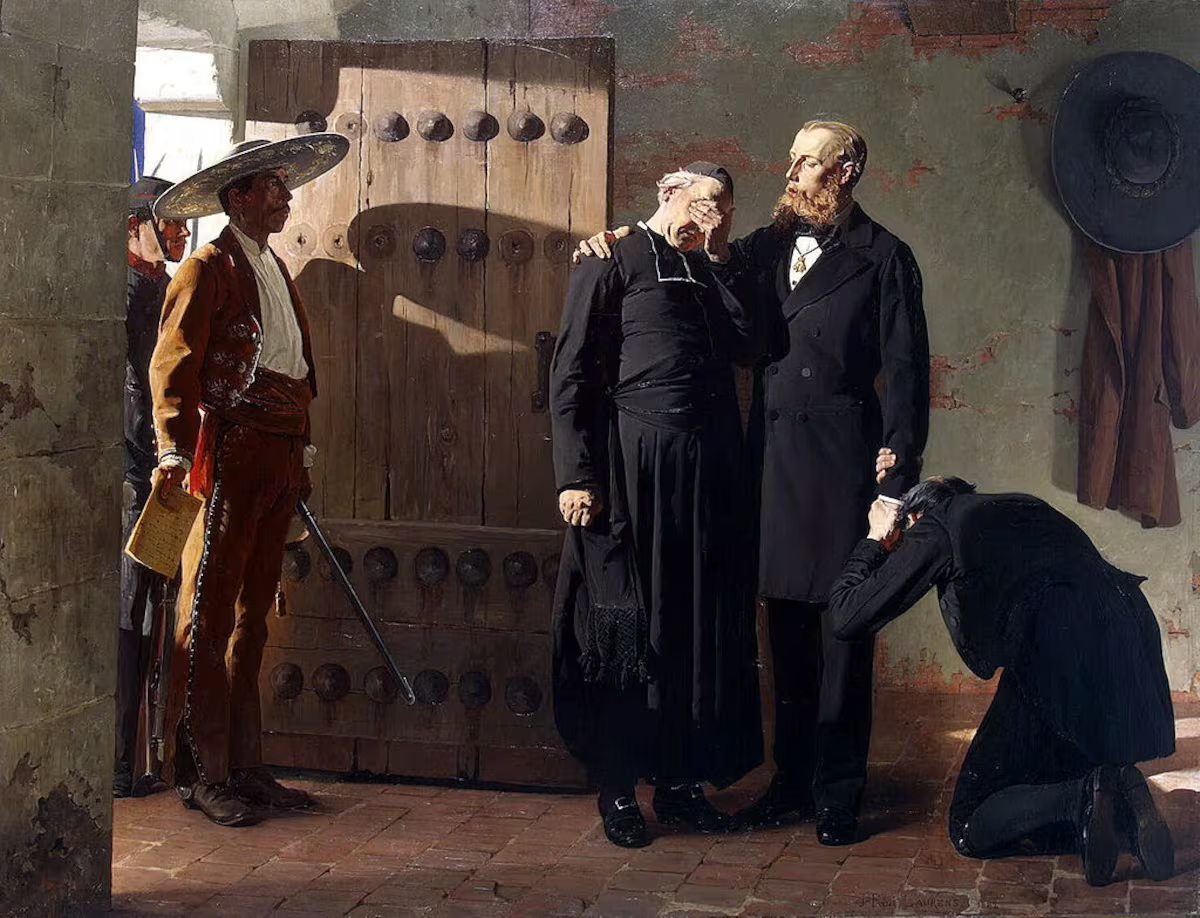
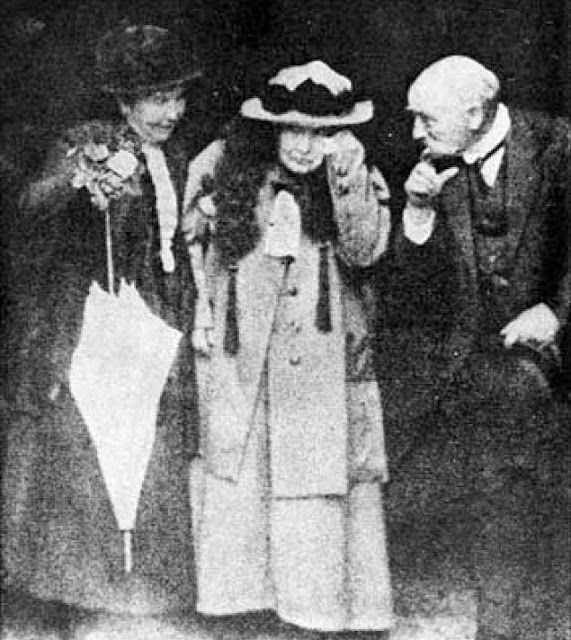
Maximilien and Carlota were not among them. Here are the two of them—she was lovely—then there’s Maximilien, in the painting, just informed of his imminent execution by Mexican Republican soldiers, in 1867, and finally, there’s elderly Carlota, confined to a Belgian palace where she went loony. Sometimes she’d prance out to a fountain in the front of the palace, jump in, and announce boldly that she was sailing back to Mexico.
So it goes.
Here’s the palace where the imperial couple lived, above Mexico City. It’s also marked by its defense, in the Mexican War, by teenaged military cadets as they fought the United States Marines (“The Halls of Montezuma…”). One of them, to avoid the shame of losing it to the gringos, wrapped the Mexican national flag around his body and leaped to his death over Chapultepec’s cliffs.
One of the things that makes me mark this battle and Juarez himself is the fact that his ancestry was indigenous, from the Zapotec people of Oaxaca. In the last decade or so, the Oaxacan presence on the Central Coast of California, where I live, has grown significantly. And, while this is a grand statement—these are beautiful people—Vogue magazine appears to agree with me.
And then there’s the food. This young man, a Londoner, gets it.
So, Viva Benito Juarez y Feliz Cinco de Mayo!
 A Work in Progress