
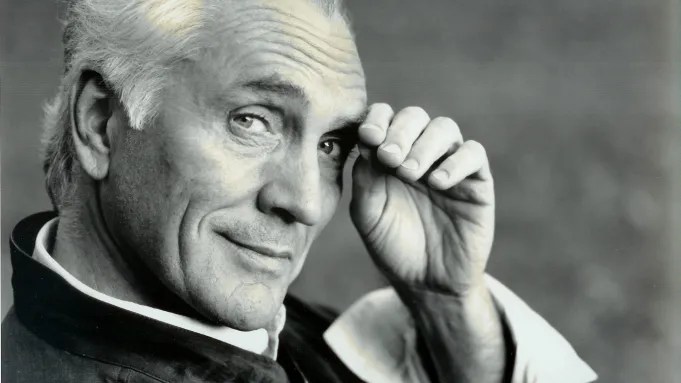
His Da was a merchant seaman and so rarely home. Home was London and, as a toddler, he survived The Blitz. Two decades later he even survived Peter O’Toole, his friend. O’Toole, common to British actors, wasn’t just a drinker. He was a carouser. Maybe this man, Terence Stamp, was among the crowd who went bar-hopping all night Friday and decided to stop into a West End theater for the Saturday matinee. They were there to hoot at the actors from their seats in the dark.
Just before the curtain, though, O’Toole leaped from his seat.
“Good GOD!” he cried. “I’m IN this!”
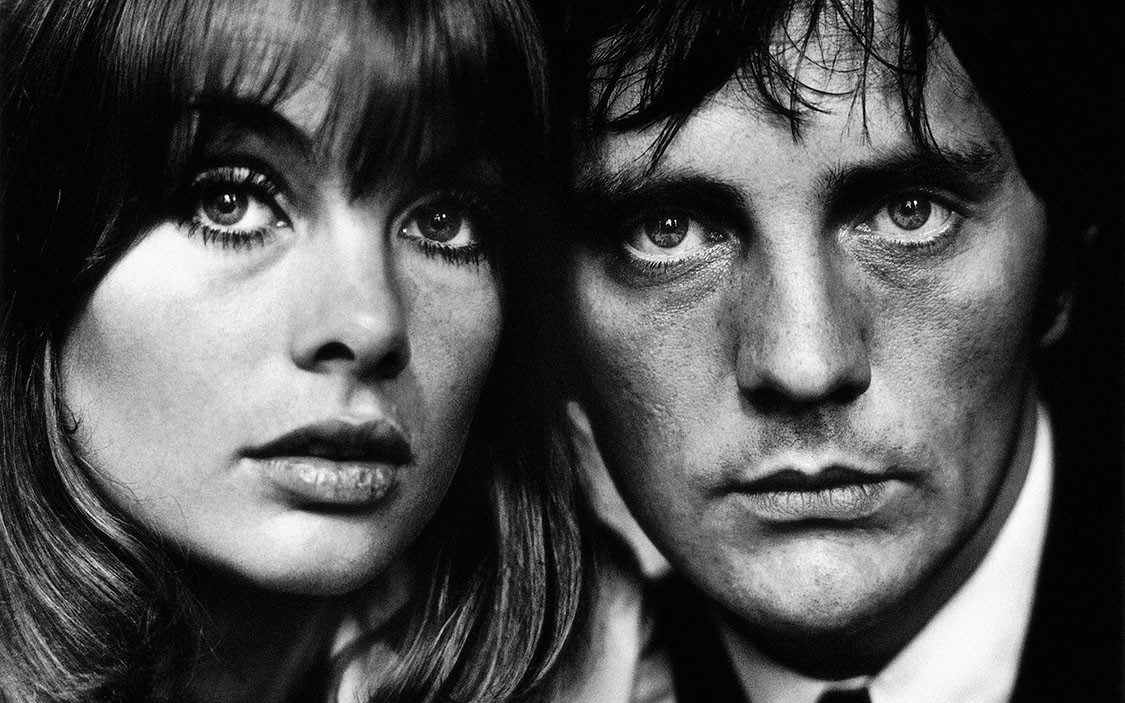
This story is, of course, apocryphal, but carousing, and booze, was a kind of second Blitz that Stamp survived. He even survived a relationship with the woman, Jean Shrimpton, whom many consider the first modern Supermodel, she who paved the way for Cindy Crawford, Gigi Hadid, Tyra Banks, and even Shrimpton’s contemporary, Twiggy. (Shrimpton is now eighty-two.)

We Yanks take some credit in the creation of this marvelous actor. He was smitten by Gary Cooper when his Mum took him to see Beau Geste when he was a little boy; when he was a teen, James Dean cemented his decision to become an actor.
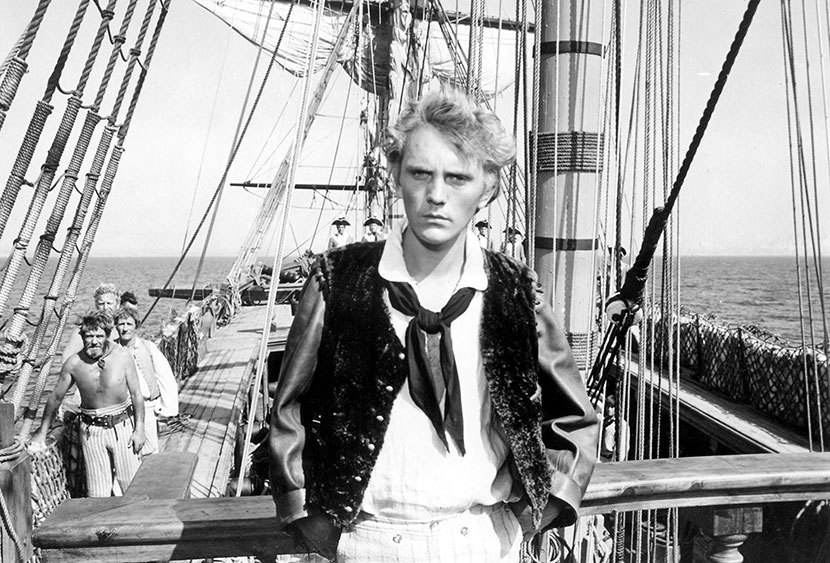
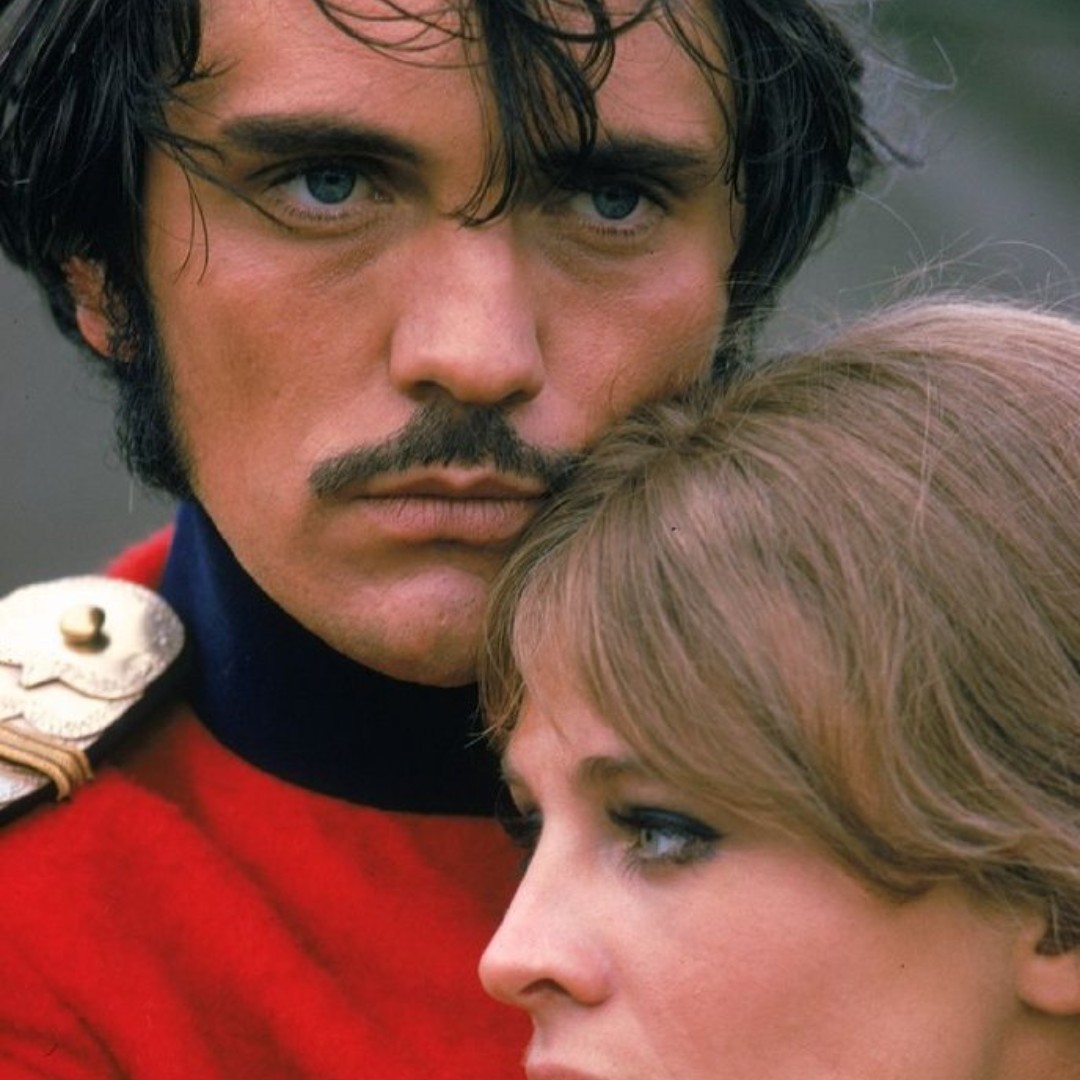
It was a sound choice. At the very beginning of his film career, Stamp’s range was already extraordinary: He was the guileless and doomed young sailor in Billy Budd, and a few years later was the brooding and paranoid soldier, the flame to Bathsheba’s moth in the first film production of Thomas Hardy’s Far from the Madding Crowd. (I enjoyed both that version, with Julie Christie, and the later one, with Carey Mulligan. The earlier version led me to Thomas Hardy novels, and that was a good choice on my part. For one thing, I learned as much about dairying from Hardy’s Tess of the d’Urbervilles as I had about whales from Moby-Dick, and the former learning was far less painful.)
For purely gratuitous reasons, Carey Mulligan’s horseback ride from the second film version. (The video link should work if you click on it.)
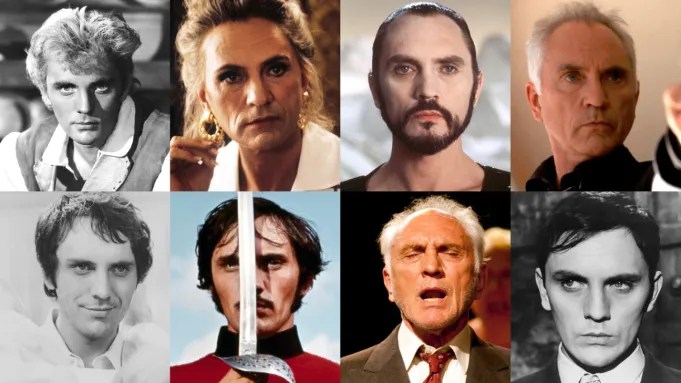
Thankfully, the news services put together a composite of some of Stamp’s roles. He made an indelible impression as General Zod in the first Superman films with Christopher Reeve. He was a superb supervillain, and those were films that he was very proud of.
Because I am a hopeless Romantic, it’s one of his supporting roles that I remember best. The film was called The Adjustment Bureau, and it’s based on a story by the brilliant American science fiction writer Philip K. Dick.
The premise is simple, and similar to The Matrix. We are not in control of our lives. They are foreordained, every moment planned from birth to death, and if someone or something threatens to violate The Plan, the Adjustment Bureau intervenes for course correction. They’re easy to spot, because all of them were slim-lined early 1960s suits. And all of them wear hats.
In the film, Matt Damon, as David, is an earnest young United States Senator who falls head-over-heels with a dancer, Elise, played by Emily Blunt. She falls in love with him. He is a button-downed traditionalist. She’s a free spirit. Can’t blame either one.
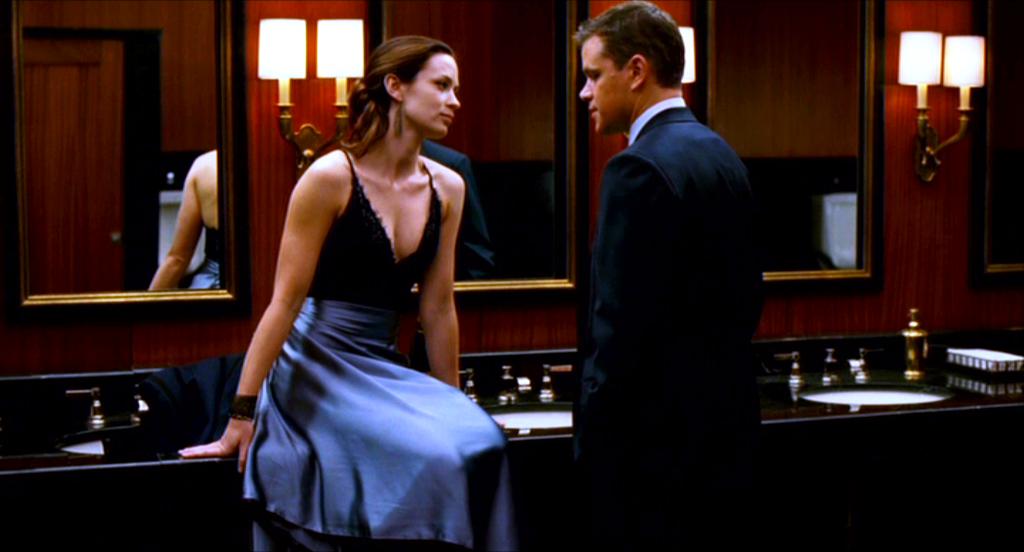
But this love is NOT in the young senator’s Plan. So, the Adjustment Bureau agents, led by Stamp, intervene to separate the young couple forever. Stamp’s gravitas is expertly played in this scene, and it allows Damon’s line, at the end, the weight that it deserves. Sometimes there would be cheers from the film’s audiences at this point.
Stamp, an inherently generous actor, made those cheers happen.
 A Work in Progress