
My knowledge of Japanese cinema pretty much begins with “Seven Samurai” and ends with “Rashomon.”
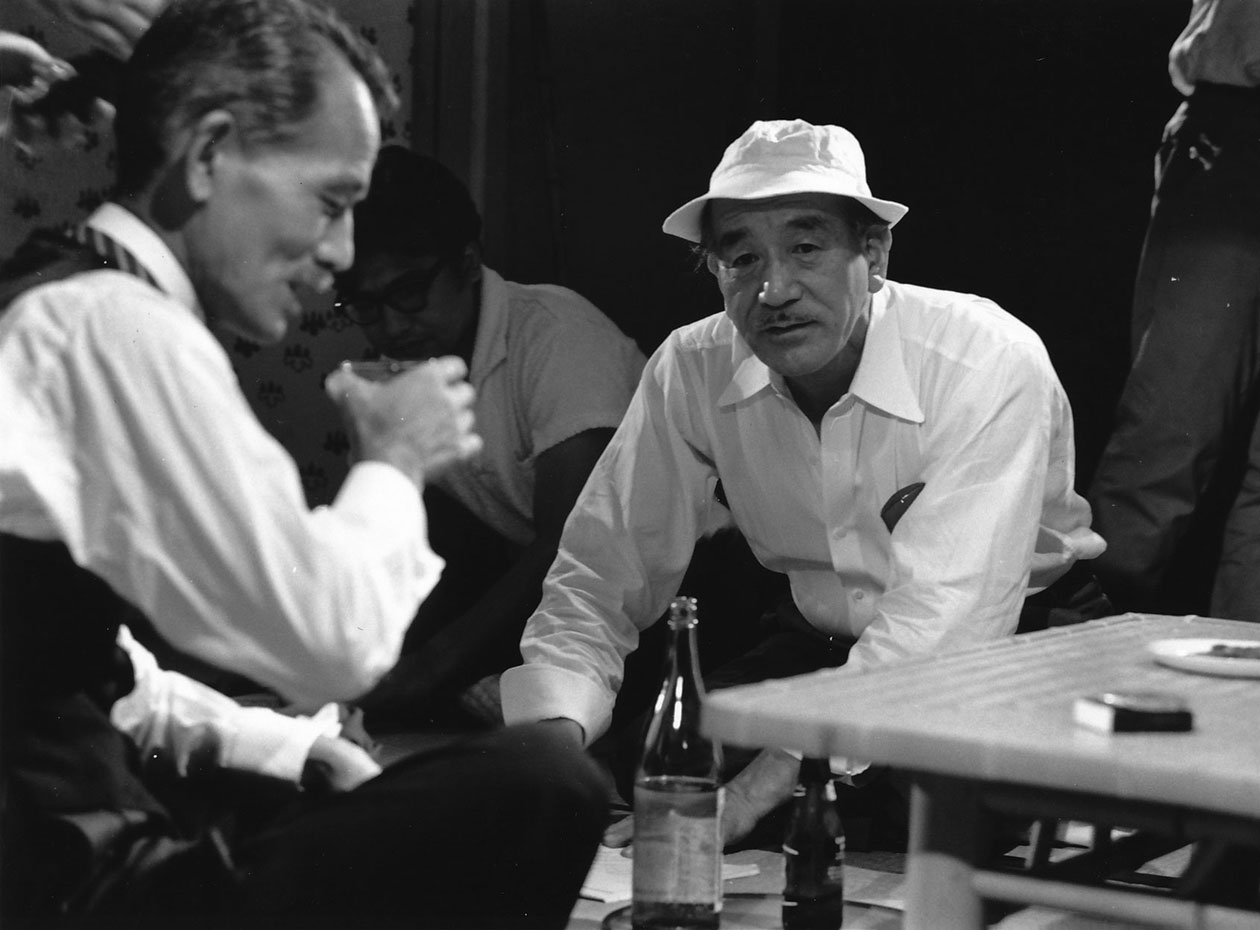
Director Yasujirō Ozu knew–directing, in the hat, above, knew to compose a frame, as John Ford did. Ozu’s, framed by Japanese interior screens, are particularly intimate. And, unlike Ford, he was much more understanding of women–his women were lovely, and they register emotion, including deep anger–and he worked particularly well with children. With children, he liked to include fart jokes in their scenes. I am okay with that.
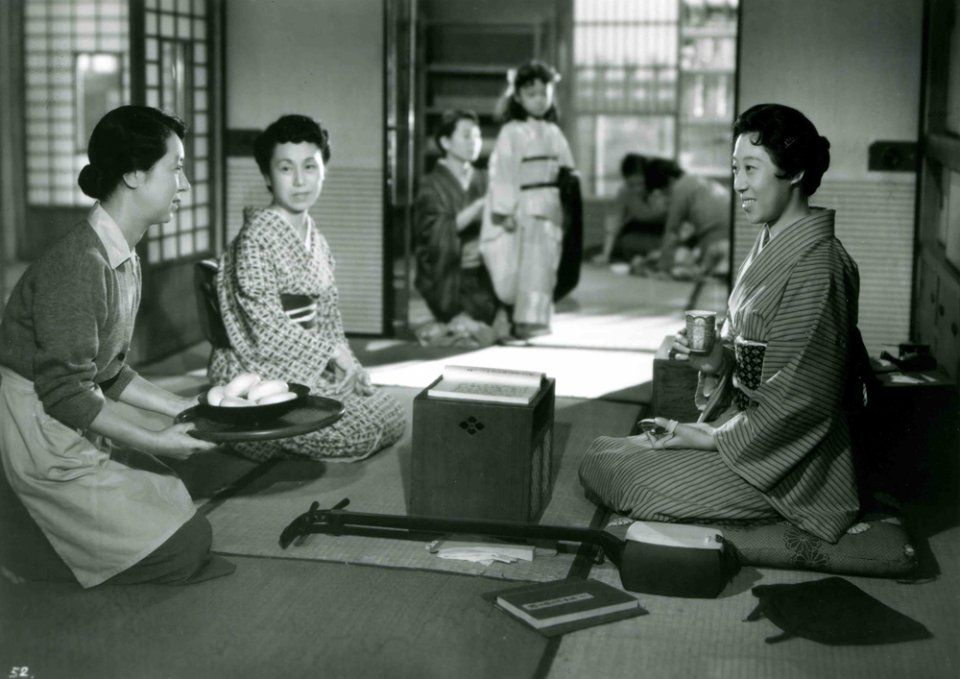
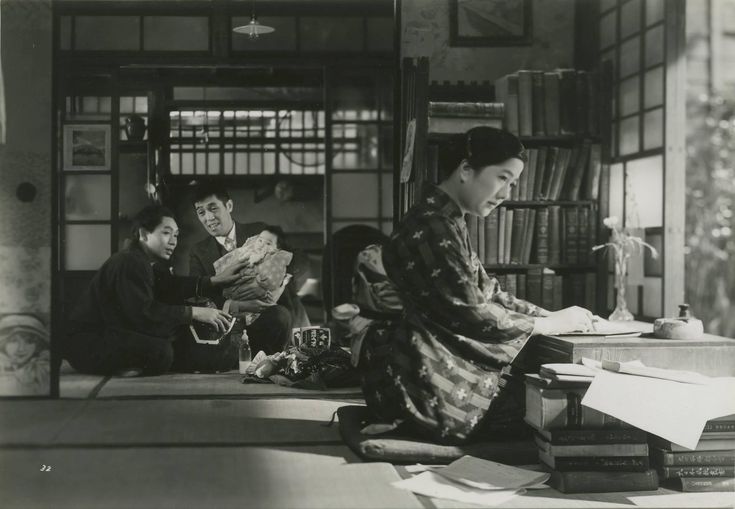
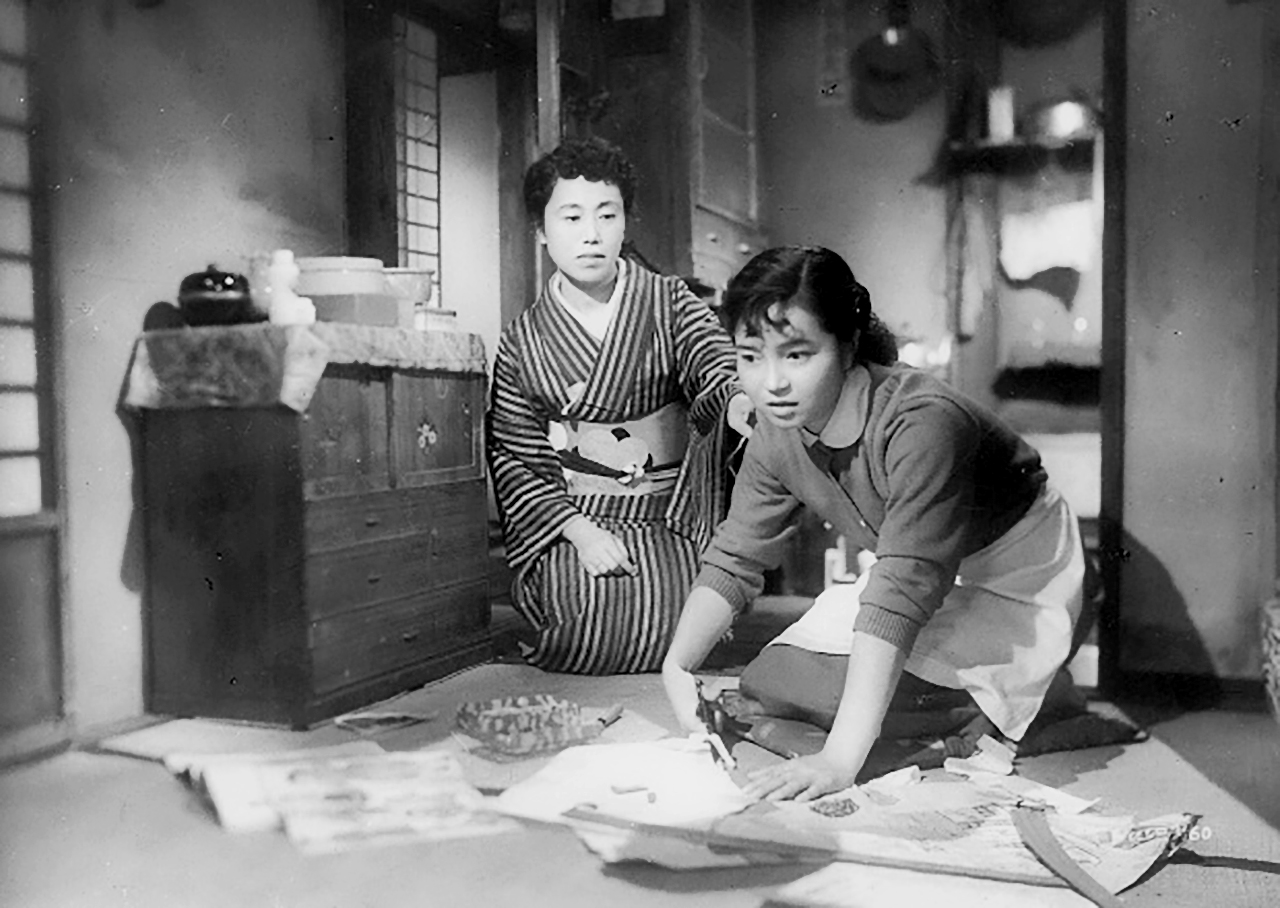
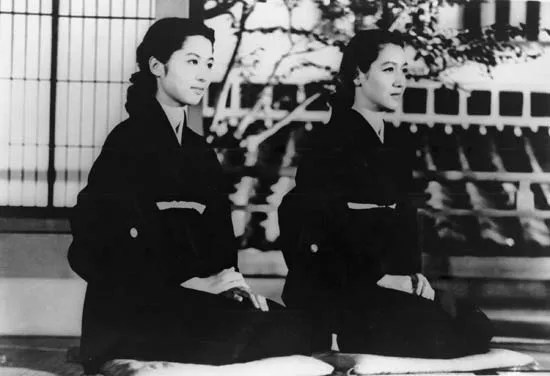
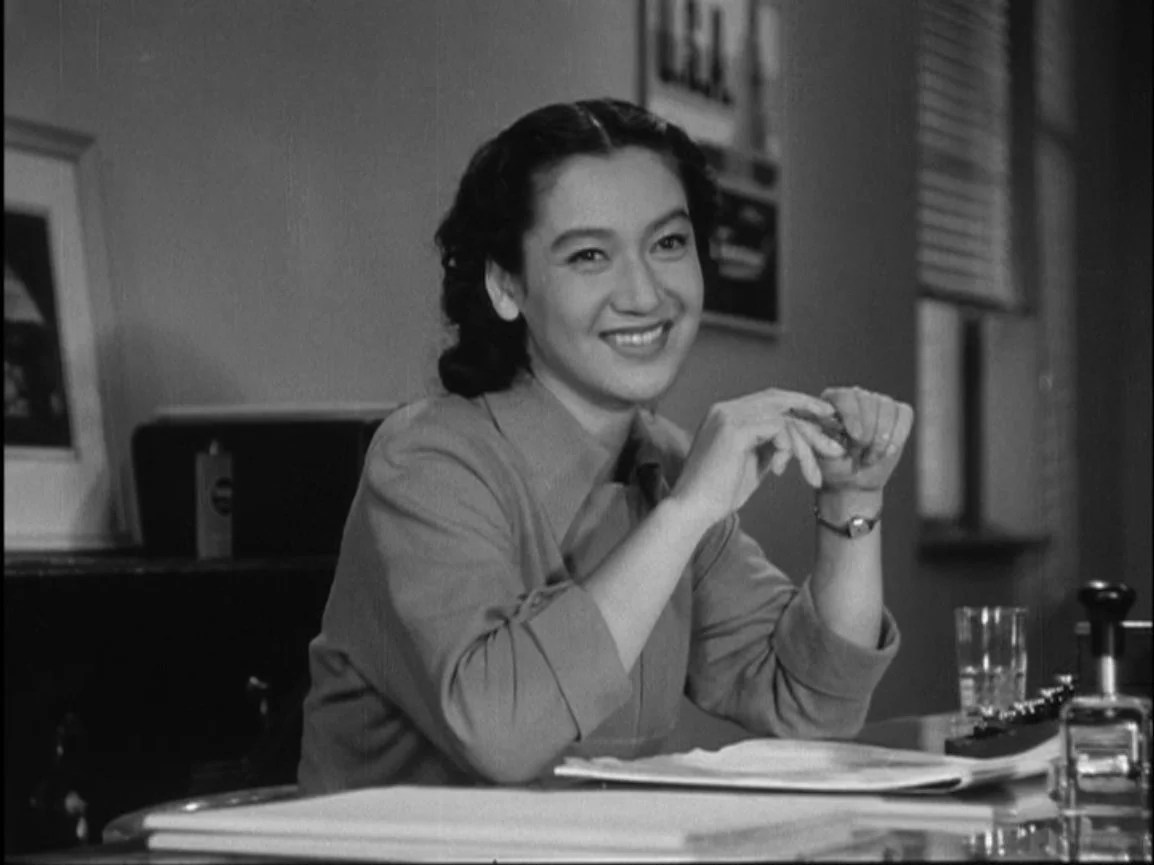
That’s a good thing, because much of his work–he died in 1963–was focused on postwar Japanese families, bewildered and drifting apart in a sea of social change.
It reminded me of a song that played a lot on KSLY, our San Luis Obispo County, California, AM station in 1963, with the Americanized title “Sukiyaki.”
But it’s a song about the kind of loss that Ozu addressed. The lyrics follow the excerpt from his performance.
The singer, Kyo Sakomoto, born three days after Pearl Harbor, was killed in the 1985 crash of Japan Airlines Flight 123. It was the worst single-airplane accident in history; claiming the lives of 520 passengers and crew.

