

09 Sunday Jun 2024
Posted in Uncategorized
05 Wednesday Jun 2024
Posted in Uncategorized
I think I mentioned that at the Camp Arroyo Grande Jamboree, I was deeply touched because a young teen, Caleb, bought one of my World War II Aviators books. I inscribed it especially for him.
(It especially made up for the guy who passed my books and snorted derisively, “Outlaws in San Luis County?” Snort. That book took a year to research and write. So have the others.)
It also made up for the book, on World War II aviators, that I accidentally gave away to an older gent–by that, I mean older than ME–who’d worked at Edwards AFB and remembered the X-15 program. WOWSERS!
I got so excited that he walked away from the South County Historical Society table without paying. It wasn’t felonious, by the way. It’s just that both of us are hard of hearing.
But Boy Howdy, young people lightning struck twice! A nice Mom from Templeton emailed me asking if Cuesta offers a World War II class for credit.
They don’t, but since I’ve found ANOTHER teenager interested in history, I was, as we said back in the day, stoked.
So on the off-chance that anybody else is interested in this part of our history–of local history–here’s my reply to that very kind woman from Templeton.
I tend to be enthusiastic. Sorry.
Anyway, here’s my reply.
Well, this email made my day. I am so happy to hear of your son’s interest!
Cuesta College does not even offer an onsite class on World War II, but you might try this link to the National World War II Museum in New Orleans. That might be worth a try for distance learning credit courses:
Distance Learning | The National WWII Museum | New Orleans (nationalww2museum.org)
Your son might have already seen these, but in appreciation for his interest, here are a few videos based on my books. I am sorry there are so many, but summer break’s coming up!
Best,
Jim
The American Cemetery above Omaha Beach:
https://youtu.be/i4ILEWNzaXc
A local paratrooper in Easy Company:
https://youtu.be/wq3AQV0ip6g
Louis Brown, USMC, and Iwo Jima:
Lady Moe, the Donkey, and the airmen who adopted her:
https://youtu.be/Lvm1HBByeLQ
Inspired by a Santa Maria airshow. World War II airmen and their planes:
https://youtu.be/6sGdI3AYIJk
Arroyo Grande and USS Arizona:
Al Spierling’s thirteenth mission:
https://youtu.be/wmG2o2dhIVY
Camp San Luis Obispo during World War II:
https://youtu.be/UQ8sxwnuYqA
A B-17 pilot and POW from Morro Bay:
https://youtu.be/h0hRoTCA03U
My Dad was in the Army and I’m kind of nutty about piston-driven airplanes, so sometimes I slight the Navy. Here are some blog posts to make up for that:
American Twilight: The Golden Gate Exposition of 1939 | A Work in Progress (wordpress.com)
The wreck at 20,000 feet | A Work in Progress (wordpress.com)
USS Nevada’s SLO County Connection | A Work in Progress (wordpress.com)
Devotion | A Work in Progress (wordpress.com)
The Lost Boy | A Work in Progress (wordpress.com)
25 Saturday May 2024
Posted in American History, Film and Popular Culture, History, Uncategorized
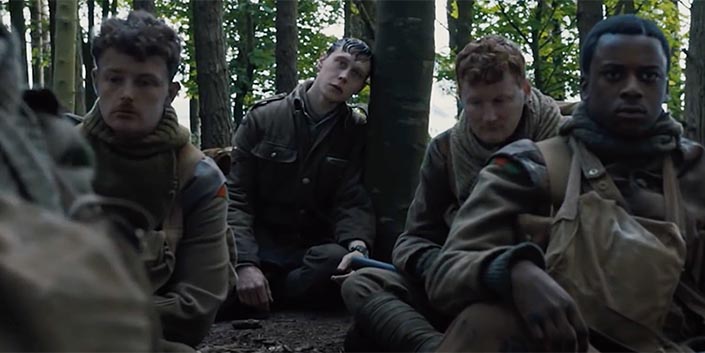
In Sam Mendes’ 1917, Lance Corp. Scholfield has survived a harrowing journey when a voice calls him into a woods. A soldier is singing an old song, “(I Am a Poor) Wayfaring Stranger,” as his regiment prepares to go into an assault that will doom most of them. It’s Schofield’s task to stop them, but he needs to regather his strength first.
It’s a mesmerizing moment. Here is the song, performed by Joe Slovick and recorded at Abbey Road:
And here are the lyrics:
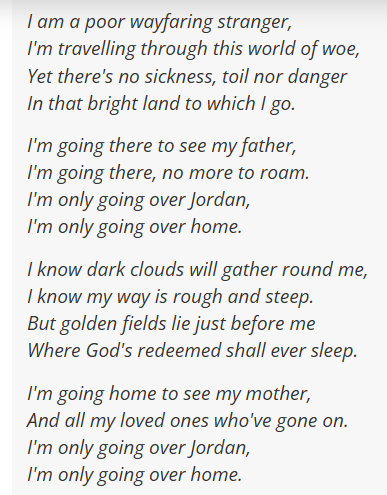
The irony, according to an excellent website, Counting Stars, is that the song has its origins in 1816 as a German hymn. But it gained new life recast as an American song in 1858 and became popular among other soldiers in another war–our Civil War. In the 20th and 21st centuries, it became a bluegrass staple, performed by Johnny Cash, Emmylou Harris and Jack Black in the Civil War film Cold Mountain.
This borrowed German song—it must’ve come here with the “Forty-Eighters,” the wave of German immigrants fleeing a failed revolution as their Irish contemporaries were fleeing hunger—is now completely American.
I am fond of this version, quite different from Slovick’s stunning solo but valuable because it restores the song to its bluegrass roots. The beauty of American music? This is a Norwegian band.
10 Friday May 2024
Posted in Family history, Uncategorized

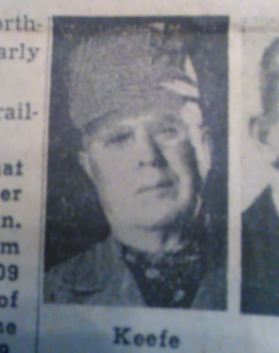
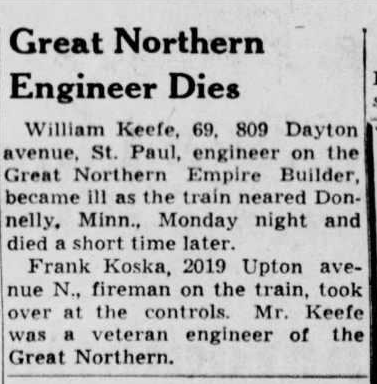
I’m not arguing here in favor of death. But on this day in 1948, my mother’s uncle, Willie Keefe, died at the controls of this engine, the Great Northern’s Empire Builder. (Three days later, my big brother, Bruce Keefe Gregory, was born. He inherited the Keefes’ brown eyes, the only one of the four of us.)
Willie got to see some beautiful country between Minneapolis and Seattle, but a heart attack felled him early on that day’s route. Uncle Willie grew to manhood in Minnesota, but his life began in Clarion, Pennsylvania, which looked like this:

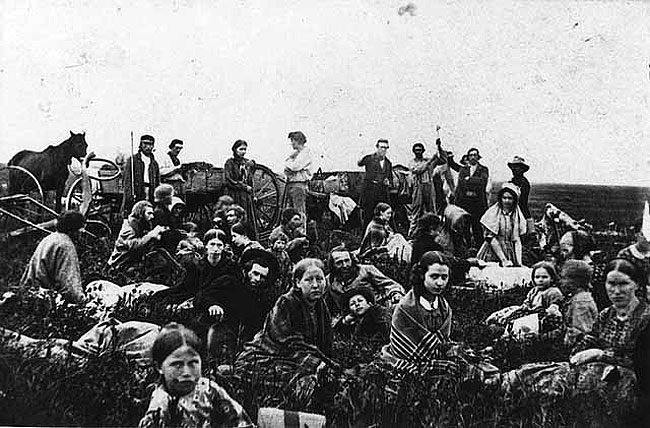
William was the eldest of ten children born to my great-grandparents. His younger brother was born in the same kind of place, Pennsylvania oil country, two years later, in 1879. The last of the bunch o’Keefes—there were ten—was my ne’er-do-well Grandfather Edmund, born, like the rest, in Minnesota. Their parents were Famine refugees from County Wicklow, farmed in Ontario, worked in the oilfields (it’s no coincidence that I was born in Taft), homesteaded in Meeker County, the site of the Great Sioux Uprising in 1862, grew oranges in Southern California and then, when they were in their seventies, got divorced.
Go figure.
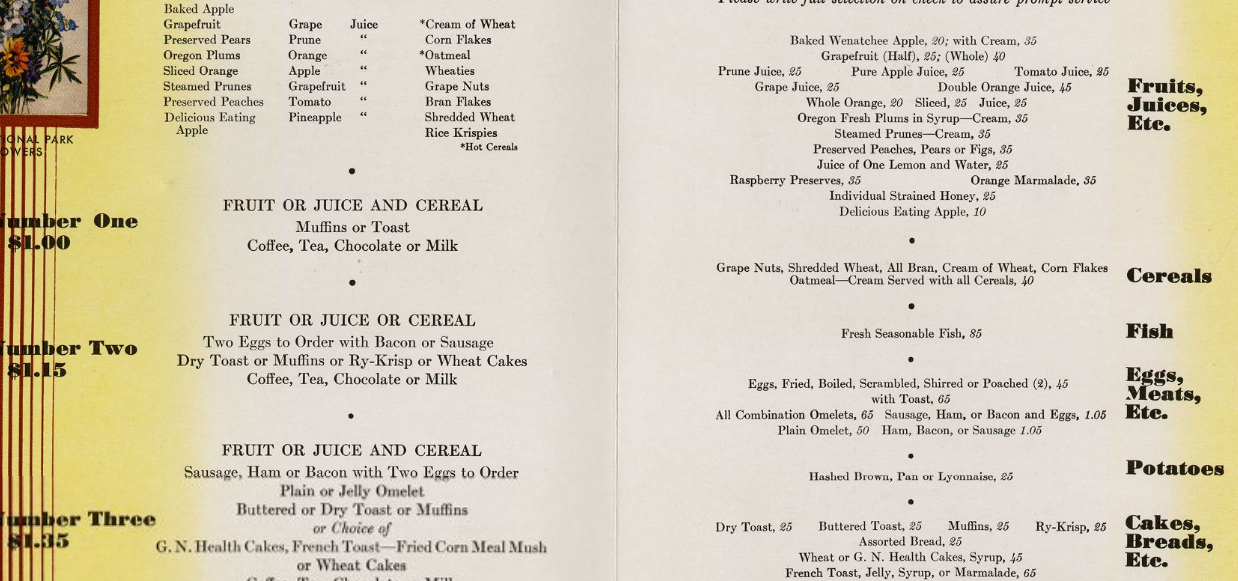
Uncle Willie’s train was the equivalent, in railroad terms, of the Queen Mary. The guides that came with the trip honored the kind of people Minnesotans killed in great numbers—thirty-eight were hanged in Mankato—in 1862. These are menus from the 1940s, Uncle Willie’s time.

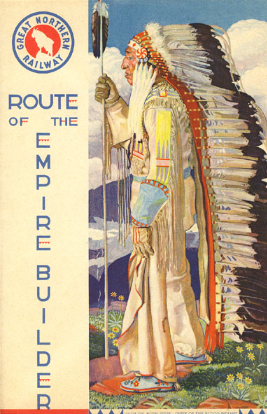
And oh, what a menu it was. Especially the breakfasts. As passengers headed all the way to Seattle (the route actually began in Chicago, so it was a forty-five hour trip that covered over 2,000 miles.) they needed a Breakfast of Substance.
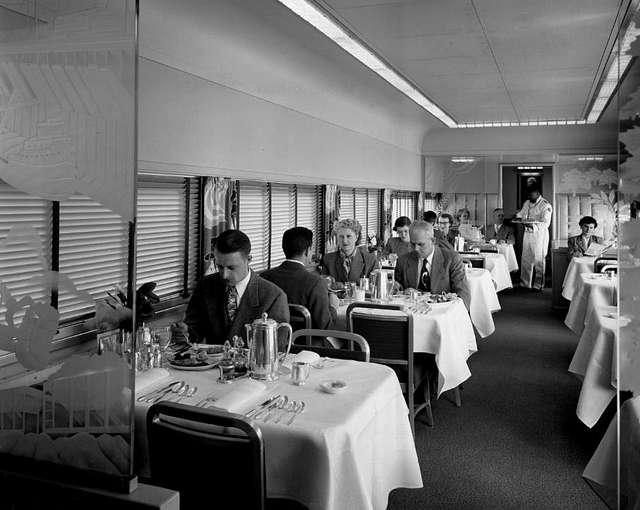
And here’s the dining car, outside and in:

Other than the food, the Builder’s great selling point was the observation car, where one might precede breakfast with a coffee or a Bloody Mary and look out upon the occasional formation of buffalo, mothers with calves or a puzzled Grizzly. It had to be, along with the Coast Starlight (I’m prejudiced), one of the most beautiful routes in America.
And you could buy this observation car at Macy’s.

Maybe it was too many of those Great Northern breakfasts that did my great-uncle in. Every death is a loss, but Willie died that day early in the route as his engine was accelerating. He would have felt the engine’s power throughout his body before his body failed him. In those last few moments, his journey was just beginning. He had to be happy as he drove the Empire Builder westward, toward the sunset at the end of his shift.
09 Thursday May 2024
Posted in Uncategorized

09 Thursday May 2024
Posted in Film and Popular Culture, Uncategorized



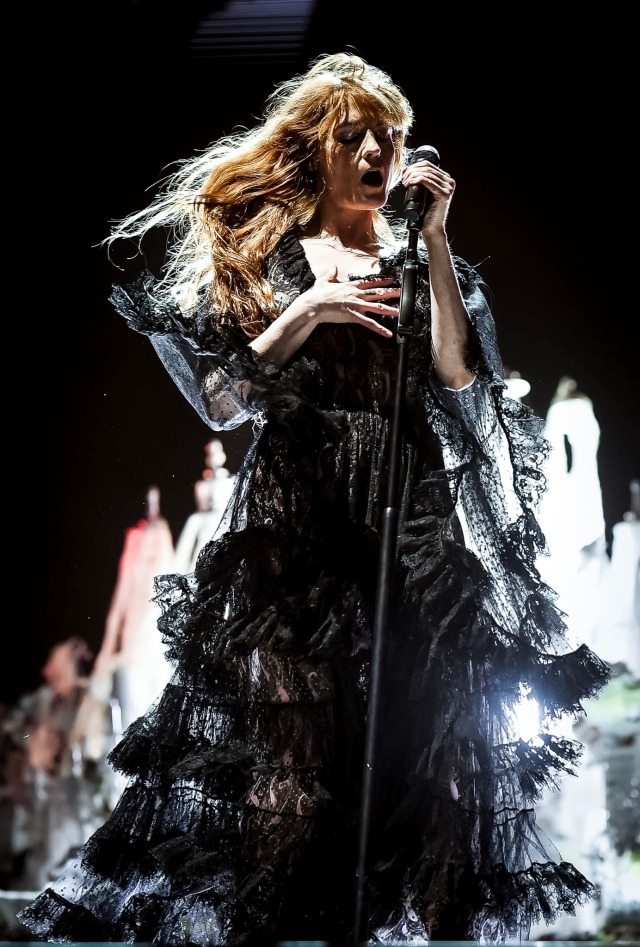
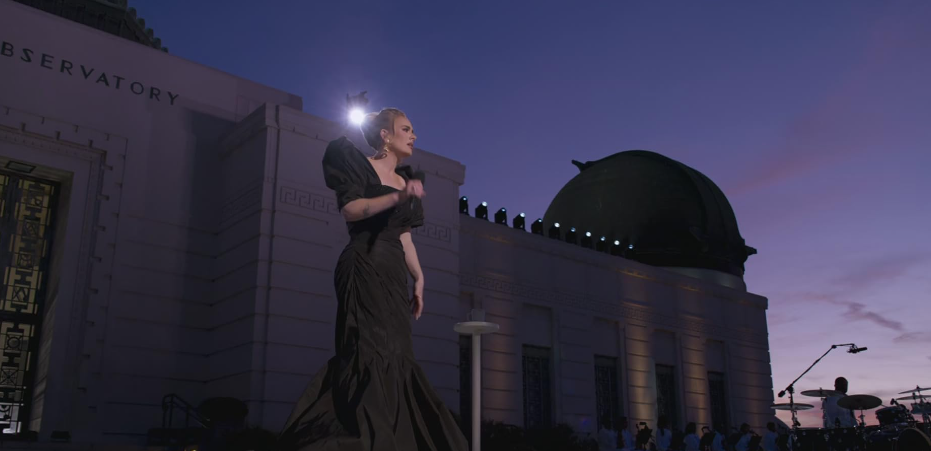

This NOT rocket science, and I know full well I’ve left out forty or fifty. But here, in no particular order, are ten.
2. Maybe a one-hit wonder, but Duffy’s performance of this song is gritty. Not “more cowbell,” but more cigarette smoke? And I love the dancers.
3. This is not a “music video,” because it was filmed, not videotaped, and thankfully preserved for us nearly sixty years later. Shirley Bassey has pipes. I think she did two more Bond themes, as well. Check them out.
4. I had to post Emelie Sands’ photo above–she’s Scots–because she doesn’t appear in this video. Somehow, even though this is Britain’ Got Talent, I saw this performance. The song is incredibly moving. The shadow dancers are divine
5. Given the setting, I would have spent several thousand dollars I don’t have to see Adele that day, and at that place, two years ago.
6. Des’Ree’s song is, to me, a threat to the antidepressant industry. Just the song will do, thank you.
7. Marianne Faithfull, 1965. Her much-later album, Broken English, was bitter, raunchy and glorious–pre Amy Winehouse. But this Stones song stands on its own when her voice was still very young and very sweet.
8. Cilla Black, 1965. She masters this Bacharach song–they’re notoriously difficult to sing, hence Dionne Warwick and Aretha Franklin and Cilla Black They mastered the Master.
9. Florence Welch fourteen years ago, This is a bewitching performance, if you’ll forgive me, because at one point, she does a little hip movement that comes straight from Diana Ross and “Stop! In the Name of Love.” Watch for it.
10. There’s not much I can add about my admiration for Amy Winehouse, and how much I miss her. Let her do the talking instead.
06 Monday May 2024
Posted in Uncategorized
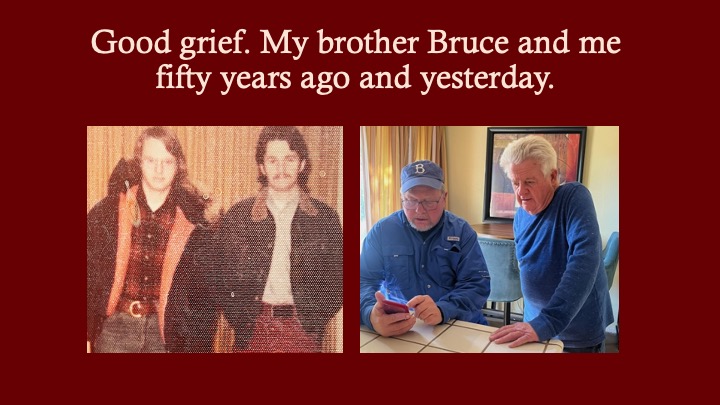
There used to be records called “45’s,” young people, that you popped onto what was called a “turntable” inside the listening booth at Brown’s Music in San Luis Obispo. Since my big brother, Bruce, had four years and a driver’s license on me, he would bring 45’s home and play them in the back bedroom–the back back back bedroom—of our house in rural Arroyo Grande.
I was into, even then, in sixth or seventh grade at Branch School, the Beach Boys and then the Beatles. Not Bruce. He didn’t have time for that kind of nonsense. Bruce was into The Rolling Stones. If I could think of a classic film comparison, the Stones would be Humphrey Bogart, with his .45, as Duke Mantee in The Painted Desert, dropping into the middle of jubilant singing Munchkins in The Wizard of Oz.
The Stones, you must understand, were hard-edged,, a bit scruffy—they’d rejected the matching Edwardian suits that the Beatles and all their imitators favored—and they were, in 1965 terms, salacious: “Let’s Spend the Night Together” did NOT imply reading the Book of Proverbs aloud with your girlfriend with a plate of ginger snaps and some steaming hot chocolate.
Nossirreebob.
So imagine our Extremely Beautiful Dear Sainted Irish Catholic Auburn-Haired mother finding this 45 record cover sleeve (not “album” sleeve. With a 45, you got a song. With the bonus “B” side, you got one more song. That was it). in Bruce’s bedroom. This was for the song “Have You Seen Your Mother, Baby, Standing in the Shadows?”

We would get used to this kind of thing with Monty Python, but we weren’t there yet, not on Huasna Road. (I am pleased that two of the lads are in uniform, one, Bill Wyman, as a World War II U.S. Army WAC, a top sergeant, and Brian Jones, very blonde, as a female RAF member.) That wouldn’t have impressed Mom.
I can almost hear a little shriek from the back back back bedroom punctuating the bucolic quiet of our three acres near the Harris Bridge.
Oh, here’s the song, reflective, as the Stones often were, of the way postwar middle-class life could suffocate young people. This is, quote, “The Official Music Video.”
Of course, that wasn’t the end of it. Another shriek must’ve escaped my mother when she found this full-length poster on Bruce’s bedroom door.
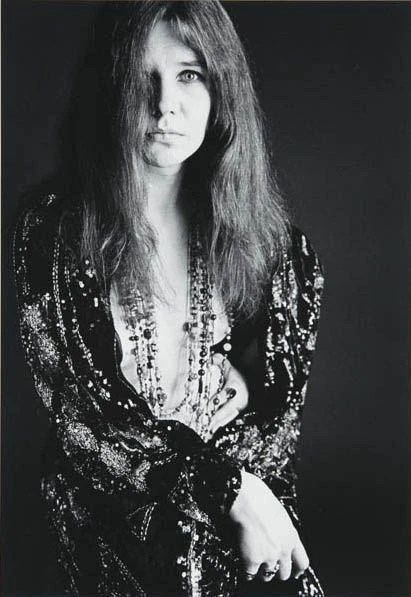
Yes, that’s Janis Joplin. And her left nipple. It took me a few more years, thanks to my friend David Cherry, to discover Janis and this album, which remains one of my all-time favorites.

It would be many more years after that when I first saw her perform Big Mama Thornton’s “Ball and Chain,” filmed at Monterey Pops. This video still flattens me, in the best way. The performance amazed Mama Cass, too—you can see her in the audience.
Luckily for our Mom, this was the next poster Bruce put up. Considerably more wholesome, I think.
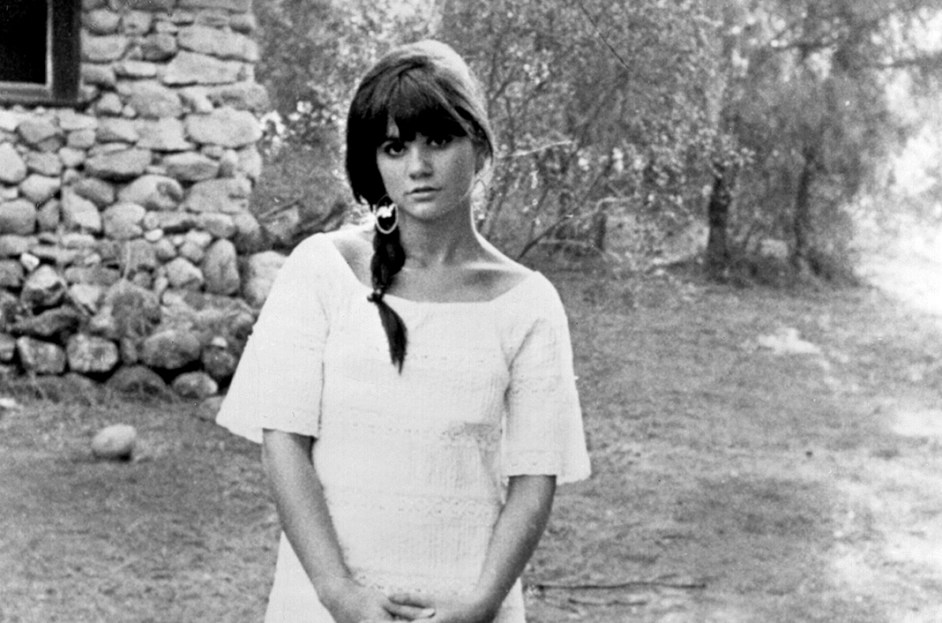
By then, I was beginning to catch up to Bruce. Maybe his hard edges were softening. Maybe my tastes were maturing. By my early teens, I loved any music—the Byrds, the Doors, Joni Mitchell, Buffalo Springfield, Judy Collins—that came from Laurel Canyon in Los Angeles. The other half of my palette was British Blues, thanks to my friend Paul Hibbard—Cream, John Mayall and the Bluesbreakers, the Yardbirds. And, thanks to my Dad’s 1965 Chrysler car radio, which picked up Wolfman Jack and XERB, all things Motown.
But that poster—and that young woman, another drifter in Laurel Canyon—is where Bruce and I found rich common ground. I’ve written a lot about LInda Ronstadt—along with Aretha Franklin, the greatest voice of our generation, Bruce’s and mine. But this seemingly innocuous little pop song, written by the Monkees’ MIchael Nesmith, made my big brother and I fall in love with the same woman.
Sadly, there is not one damned decent video I can find of Ronstadt performing the song, “Different Drum,” from 1967. But I did find this touching cover:
And I wouldn’t want you La Ronstadt fans out there to go away mad, so I do have this performance. Her range was amazing, and the last note might just be as close to Heaven as the Good Lord will ever permit me.
But that’s not the big news. Nope. And I know I will lose some of you here, but you can go listen to your Tony Orlando and Dawn.
Bruce texted Elizabeth, my wife, yesterday morning: “Have you heard Taylor Swift’s new album yet?”
She had not. Neither have I.
Maybe I should’ve read the tea leaves. Ronstadt indicates that, even by 1967, my Stonesy big brother was already edging into what we would eventually call “country rock.” And now, at 75, he’s gone plumb over the edge.
My big brother is a Swiftie.
Damn!
I am not in the league of one of my all-time favorite AGHS students, Robert Kobara, who is a confirmed, devoted, memorize-the-lyrics kind of Taylor Swift fan, but I am pretty darned close, and I’d love Robert even if he were a devotee of polka music.
Bu there are, in great part hanks to Robert, are at least forty Swift songs on my mp3 player (along with Of Monsters and Men, The Chicks, Imagine Dragons, Bikini Kill, Lykke Lei and oldies like The Velvet Underground and Quicksilver Messenger Serice and The Supremes).
Swift wins, on sheer volume and disk space.
The girl writes a mean hook, her arrangements are stunning, her backup musicians are sublime. Yeah, I could probably do without the Stadium Exploding Special Effects
Stadium Exploding Special Effects are okay for this song, my favorite Fleetwood Mac songs, and that’s a mighty tasty Keith Urban guitar solo. His wife, Nicole Kidman—sigh!—is in the audience.
Also rocking out, for a brief instant, is bigolly Taylor Swift, about 35 seconds into the video posted below.
She had another moment, a little longer, when she was captured on video in the audience at the Grammy Awards. She was swaying along to Tracey Chapman and Luke Combs in their incandescent performance of “Fast Car.” Swift was singing along, standing, eyes closed, enraptured. It was a touching moment of respect. She had recorded this song, and it was fine. It was not in Tracey Chapman’s league, and I think Swift understood that.

But. by the way, here’s Urban, being mighty fine but with far too many explosives, a development that bothers me about Swift.
Urban’s guitar solo is terrific, but you wonder how much dry ice had to die for this performance and whether the lighting bursts provoked seizures in the audience that lasted for months afterward.
I need to check with Bruce, but I don’t need the stadium explosives to love Swift. Maybe he yearns, as I do, for more intimate days, like this performance on The Letterman Show. This is one of earliest songs, and it’s still simple. That’s what attracts me about it.
I’d guess you could say she’s “working” the audience in this video. Then she kisses the little girl, so I don’t think that’s the case, not at all. I am not saying I’d want to be one of her ex-boyfriends, but you get the sense that she loves touching people. Then this morning I found one of those fluffy news articles about “Celebrities Who Are Either a Dream or Nightmare to Meet.”
She was a “Dream.” Despite the possibility that she’s gotten far too big for us—the music equivalent of WalMart, the biggest conglomerate on this here planet Earth—she is genuinely kind.
I don’t get it, either, Maybe my big bro and I can figure this girl out together. Maybe we’ll find out we were right about her all along.
Just one more. Red remains my favorite album, and this is one of my favorite songs, and not at all like the version on my mp3 player. From the BBC, without pyrotechnics. Delicious.
30 Tuesday Apr 2024
Posted in Uncategorized
Apologies to Eric Clapton

28 Sunday Apr 2024
Posted in Film and Popular Culture, Uncategorized
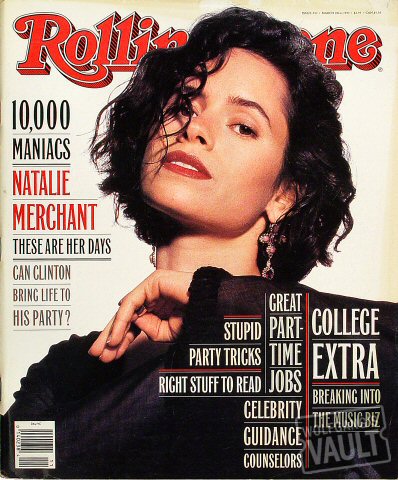

She left The 10,000 Maniacs thirty years ago, but nearly every song from The Maniacs’ “MTV Unplugged” is still on my playlist thirty years later. It was an enchanting performance, and it still is. Since he lived for a short time in San Luis, I’m especially fond of this song.
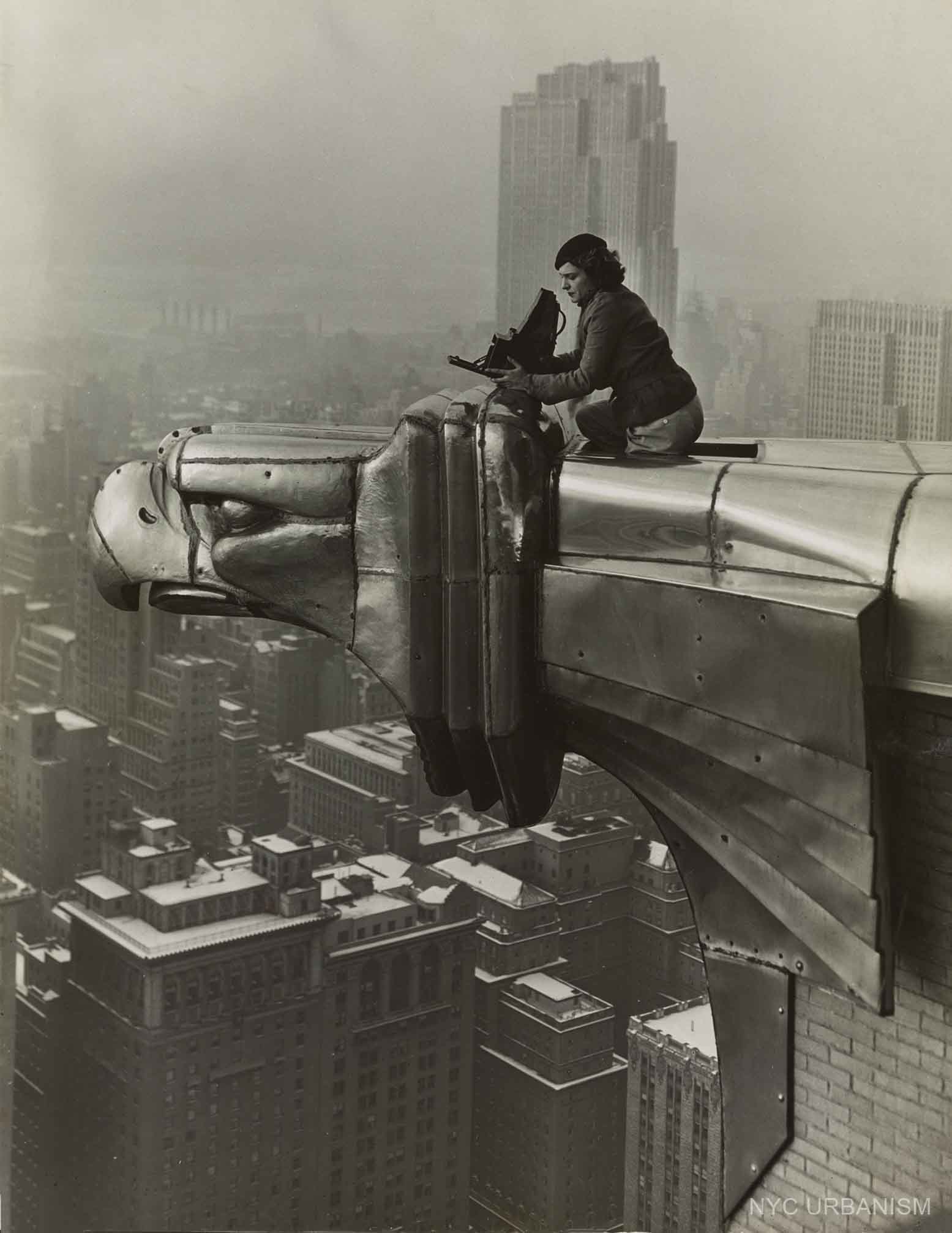
But in her green years with the Maniacs, she made this video, which I just discovered. The Chrysler building is my favorite building in the world outside of the Florence Cathedral, and when we saw our niece Emmy graduate from NYU, we stayed at a hotel where, once you opened the curtains, there it was. It was glorious. Yeah, this an old-timey video, but both Merchant and, in my opinion, the Chrysler Building, and its gargoyles, are glorious, too.




But another reason I like her is that she comes down to earth to be among us. Her songs are almost documentarian, and here she is, at street level. Walt Whitman would have liked this video.
Merchant is now sixty, maybe gong on sixty-one. She still dances like Natalie. She still sings like Natalie. Don’t let her appearance bother you. She’s still young.
23 Tuesday Apr 2024
Posted in Uncategorized


When we took our high school students to Ireland many years ago, we of course visited the General Post Office, the GPO, the headquarters and last stand of the Easter Rising in 1916. And, yes, you can still the gouges and chips left by British Lee-Enfield rifles (the same weapon that killed American civil rights leader James Meredith) in the columns and the face of the graceful Neoclassic building on O’Connell Street. That attempt to free Ireland from British rule was a disaster: poorly conceived, poorly equipped, a grand vision of noble Romantics. When they surrendered, they were vilified by Dubliners as they were led off to gaol.
This clip, from MIchaell Collins, captures the end of the Rising (Alan Rickman is Eamon de Valeara, the future president of the Irish Republic.)
The Rising didn’t work. It was the executions that did. Sixteen rebel leaders were shot (one hanged) at Kilmainham Gaol. One of the rebels, James Connolly, had been so badly wounded in the assault on the GPO that he had to be propped up in a chair for his firing squad. Another, Joseph Plunkett, was given the brief mercy of marriage to his sweetheart, Grace Gifford, on May 3, 1916. The couple were allowed ten minutes together. Plunkett was shot the next morning..
Grace kept his eyeglasses, and they are now on exhibit at the Kilmainham museum. She was later a prisoner there, where she painted the image of Our Lady on one wall of her cell.
The British made a mistake in executing the sixteen men. The prisoners whom Dubliners had hissed in April had become martrys by May.
We had an uncommonly wise bus driver on that student tour to Ireland. “JIm,” he said to me, “the winners write the history. The losers write the music.”
And so that is what the Irish did.
This song, with Sinead O’Connor and the Chieftains, memorializes The Rising. (The Middle Eastern place–names refer to distant battlefields where irish soldiers were giving their lives for the British Empire; the “LIffey” is the river that bisects Dublin and connects to the Irish Sea.)
It’s the same old theme/Since 1916 …
As Faulkner famously—and accurately—proclaimed—“The past isn’t dead. It isn’t even past.” That snatch of lyric above comes from eighty years after the Rising, in a song that led to one the most extraordinary music videos ever made. From Dolores O’Riordan and The Cranberries:
So history has a habit, life the cottony contrails of an overhead jet, of leaving a trail behind it. The problem with Irish history—or, in my experience, wtith Mexican history or Civil War history—is that the vapor trails far above us, unlike those of airliners, never quite go away.
And this is “Zombie,” as performed by Australians. Some of them have Maori ancestry, some had parents from Singapore or Indonesia, and maybe some are descended from the Irish banished to Australia when it was a penal colony. The losers write the music, Ken said. There’s not a loser in this video. For a few minutes, they are, instead, Irish. Every last one of them.

