I am exhausted from The Donald. We are called to be better. History, if we bother, is within our reach.

25 Thursday Jun 2026
Posted in Uncategorized
I am exhausted from The Donald. We are called to be better. History, if we bother, is within our reach.
24 Wednesday Jun 2026
Posted in Uncategorized
I’m from a small California town, but I took high school history students to Paris twice. On the second trip, I went
Oh!
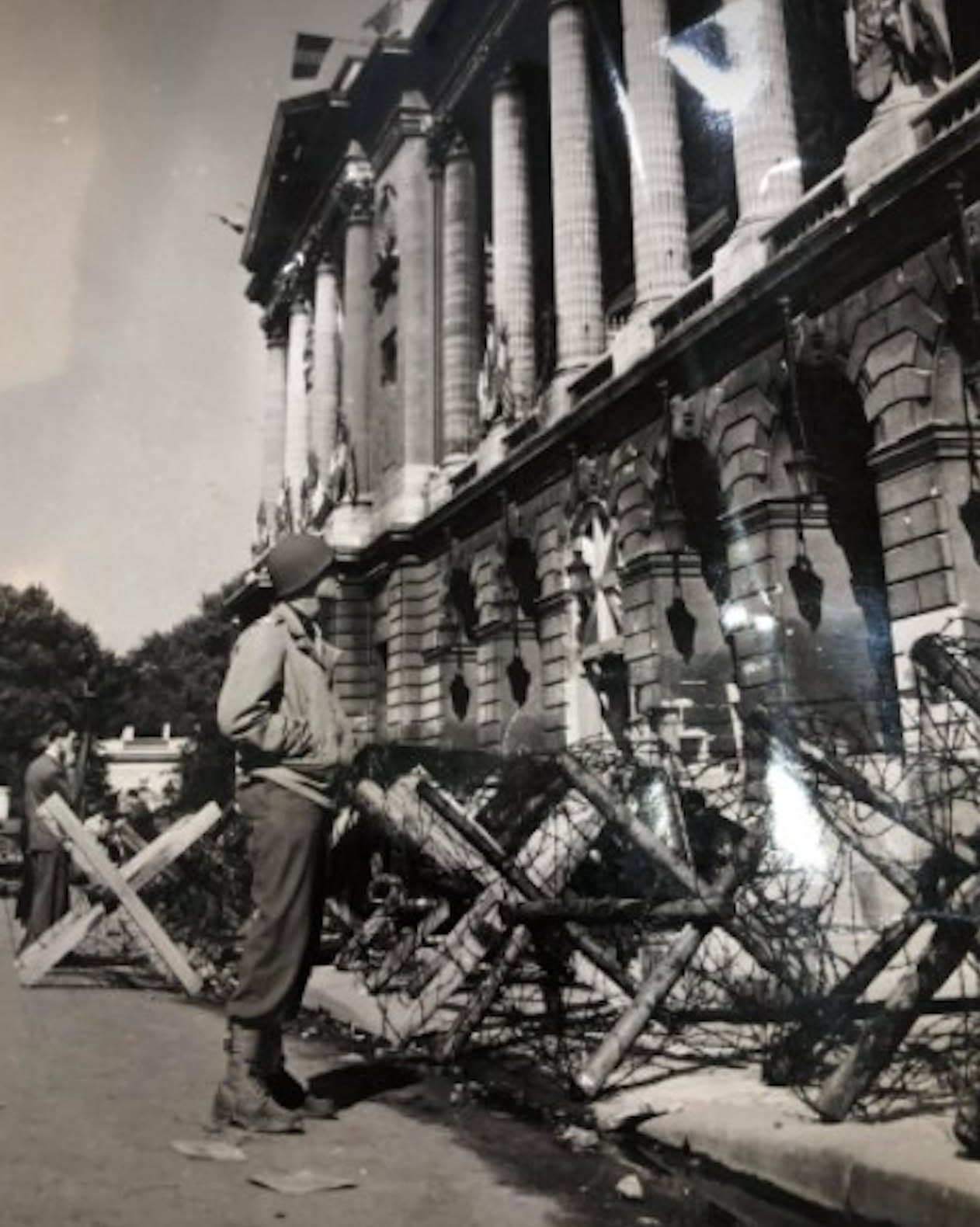
I showed my AP Euro history students when we studied 19th century Paris, in a unit on urban social history.
Or this one.
This one was more for me.
This one was harder to show, and to understand, when we visited.
As was this one.
But the city kind of comes back to delight you. Like this:
Or this:
Or this.
Or even this:
I’m from a small town in California, so I may never dance in Paris. But it’s not a bad idea.
22 Monday Jun 2026
Posted in Uncategorized
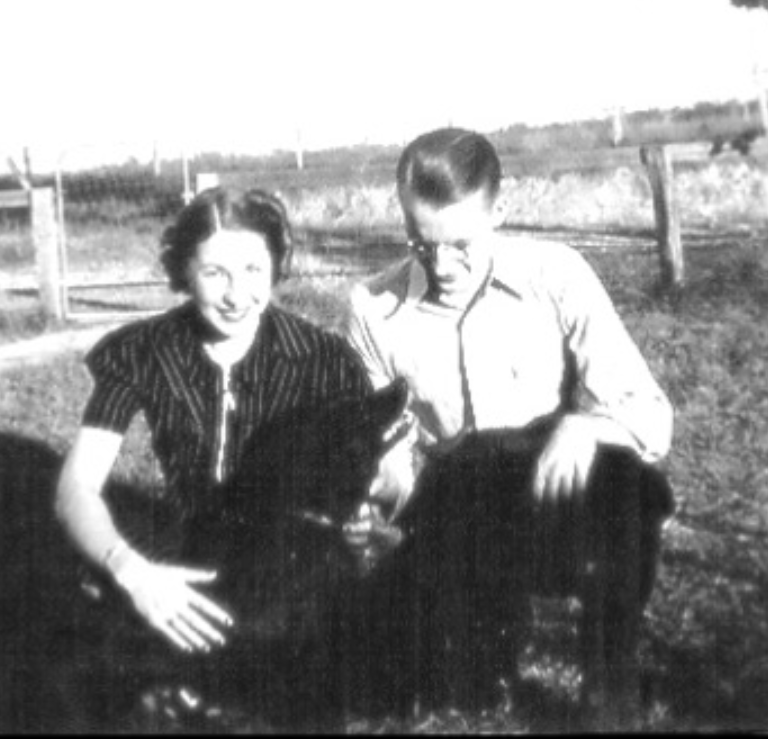
As many of you know, I’m recovering from both brain surgery and alcoholism. Tomorrow I will be sober two weeks.
But my recovery assignment for the next week, ugly to think about on Father’s Day, will be to deconstruct my dad.
I’ve spent the last twenty years mythologizing him, writing about him frequently in my blog. He has assumed heroic stature. And he was such a big influence on my life. He was a masterful storyteller, and in many ways he taught me how to teach. He was brilliant, capable, very funny and charming. An accountant, he was, as was his father, in supreme command of dense columns of numbers, arranged like parade-ground soldiers. His adding machine emitted machine-gun bursts from the den of our home on Huasna Road.
The part I’ve been concealing for twenty years is the other side. He, like me, was an alcoholic; It finally killed him in 1985, when he was only 67, and now I’m a bewildered 74.
You might say that I‘ve outlived him. No, I haven’t.
You might say “he did his best.” No, he didn’t.
My father was terrifying. He had an explosive temper and was sometimes violent, attacking our mother. He was inexplicably cruel toward my big brother. There was always an undercurrent of violence in our home. I might go to bed wondering if I would die.
After one of his explosions, he would open the bedroom door and plaintively apologize. It was confusing.
After our mom died, he locked her Basset hound in his kennel, and when the dog bayed, begging our company, he beat it with his belt. Now you know why I have Basset hounds.
He drove drunk with us in the car down the Kern River Canyon. I still have nightmares about going over a cliff into the water. Once on Branch Street, he left Bruce and I in the car for three hours while he got drunk at Bill’s Place. He came out staggering and squinting in the sunlight and some stranger—an angel?—intervened, took his keys and got us home safely.
He did income taxes in addition to his work at Madonna Construction. The Outrigger, a Shell Beach bar, was his favorite place to do taxes. He’d show up late for open houses at school or my Boy Scout meetings. Or he wouldn’t show up at all.
On weekends he would get drunk twice. He’d start with Coors in the morning, start to slide, and take a nap. Then when he started the barbecue he’d transition to Ten High whiskey.
It was my job late at night when he was passed out at the kitchen table to make sure his cigarette would not burn the house down. Just before he passed out he demanded ice cream. I want my ice cream! he would shout.
Later, if I didn’t have to carefully remove the burning cigarette from his fingers, I might find it stubbed out in the ice cream
There are a lot of other things I need to talk about in this recovery business. But on Father’s Day I wanted to put this down because I know that some of you had had a similar experience with your father.
It’s okay for you to love your father. It’s okay for me to love my father. But now I have to make a break with him so that, unlike him, I can be free.
08 Monday Jun 2026
Posted in Uncategorized
From the Sports Desk:
I am so happy that today Nelly Korda won the U.S. Women’s Open. She has one of the longest and most elegant swings I’ve ever seen—the kind of swing that can get any golfer into trouble—but she’s machine-honed it. Here’s her driver:
She’s no slouch with iron shots, either. Like this one:
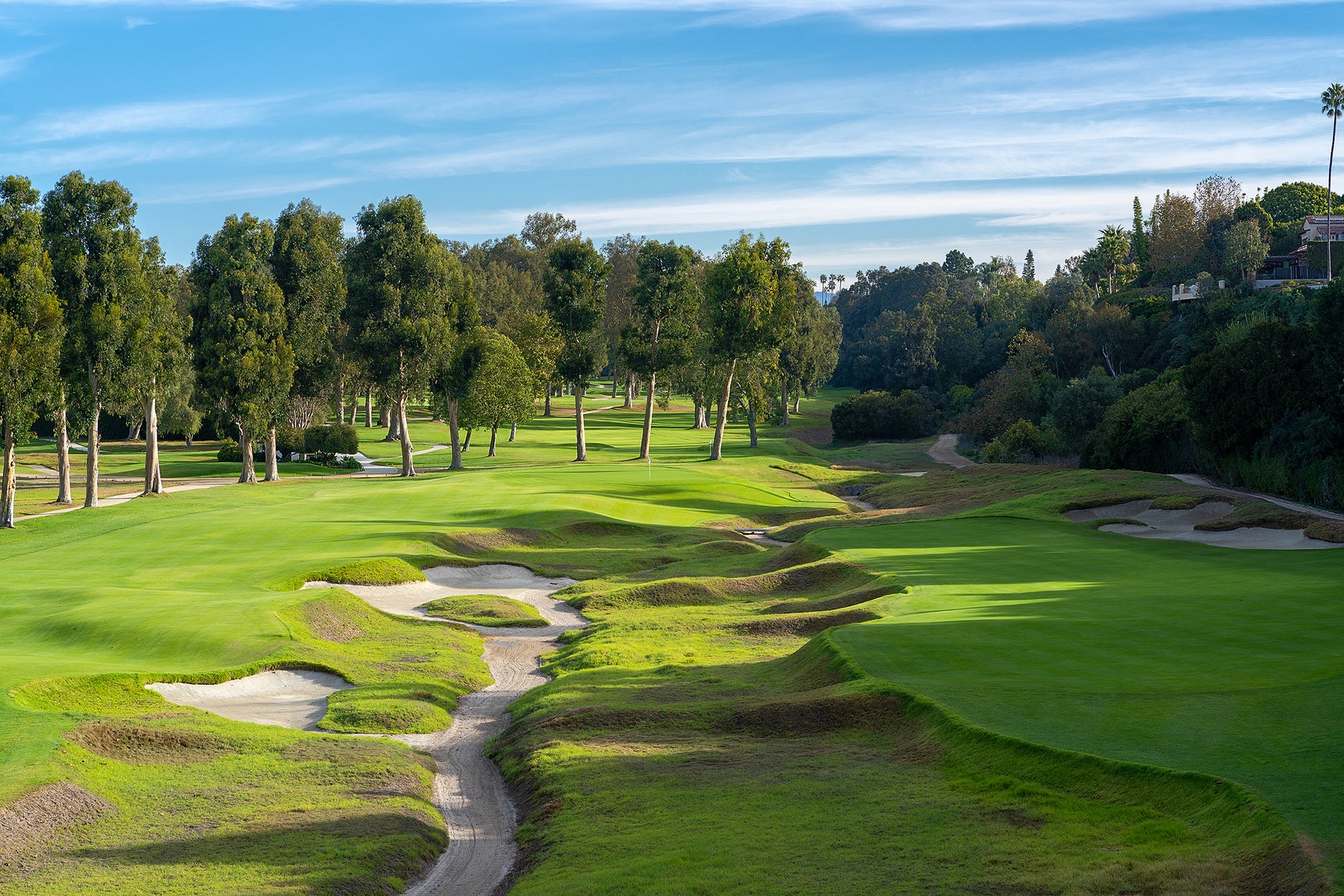
The other thing that made me happy was that this year’s open was played at L.A.’s Rivera Country Club. It was a beautiful day, and every once in awhile they’d break away for a telephoto shot: Marina del Rey, where my wife, Elizabeth, rowed in college, or Venice Beach. Then they’d have to come back to the actual golf, which included a shot down the 18th fairway at the mission-style clubhouse, featured in films and TV shows.

Films and TV shows? But of course. In Pat and Mike, Katharine Hepburn takes to the Riviera driving range to deal with a snotty lady.
I wish this scene, with Cate Blanchett’s excellent Hepburn, was at the Riviera, but it was instead shot at a course in Woodland Hills. But it certainly evokes the more famous golf course. I also love, for some reason, the filter Scorsese used to make the scene kind of bluish. It’s a beautifully shot film. Howard Hughes, evidently, was a member of the Riviera Club
Both Leo and Cate’s swings look a little as if they’re chopping wood. Ben Hogan won the 1950 U.S. Open at the Riviera, and his swing came from practices so grueling that his hands bled. He knew, on the practice tee, that it was time to shift to a longer club, say from an eight iron to a seven iron, when he began repeatedly hitting his caddy in the distance.
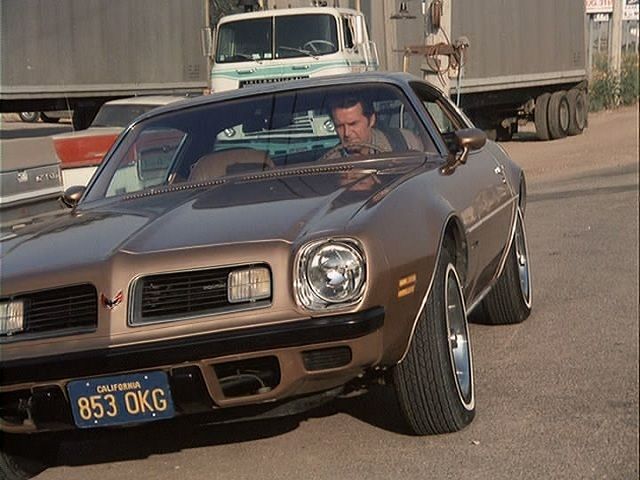
One of Riviera’s most accomplished amateurs was also one of my favorite actors–James Garner, he of film and TV (that Pontiac Firebird in The Rockford Files.) Garner’s handicap was five, which is miniscule–like an MLB pitcher with an ERA under 3.00.
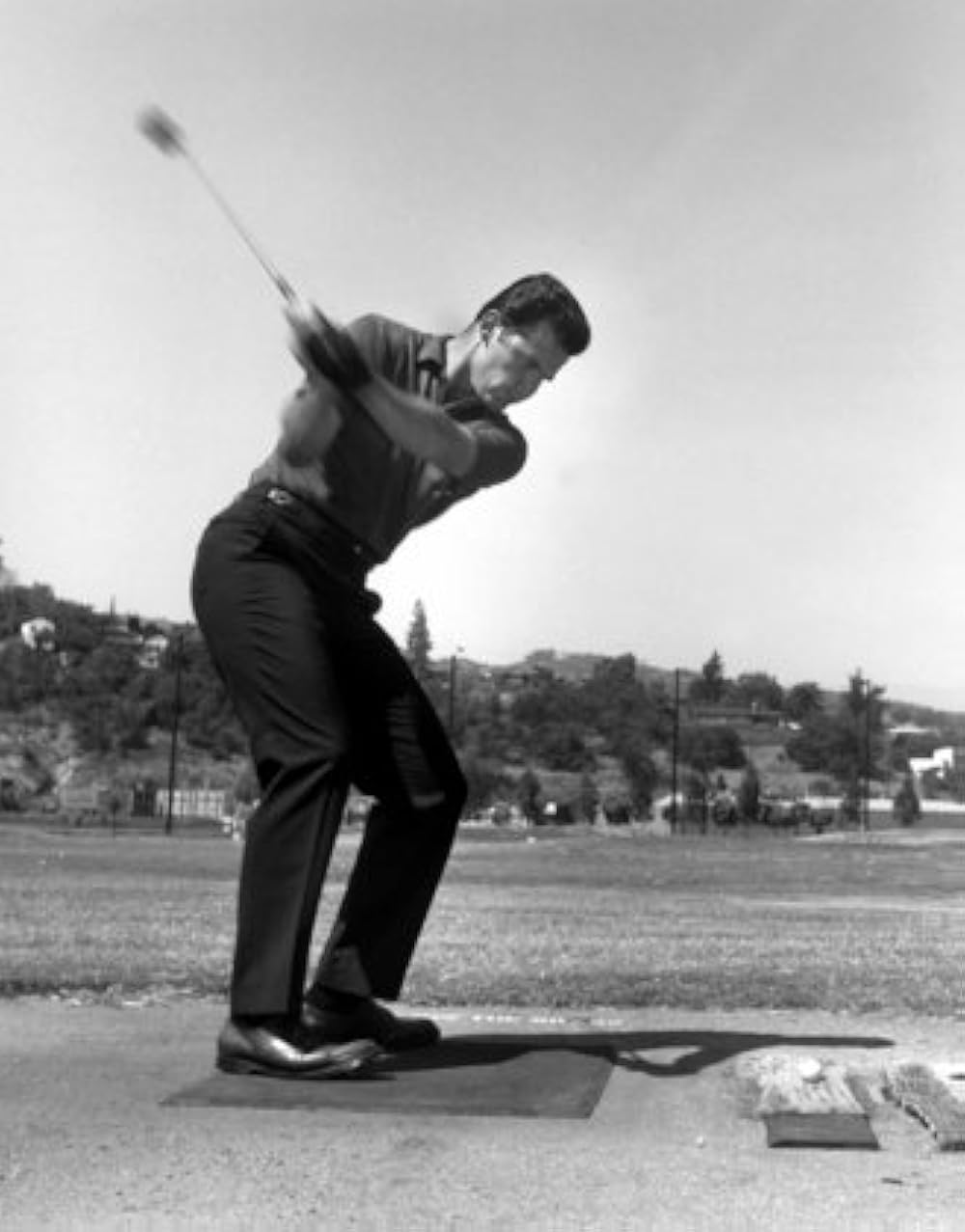
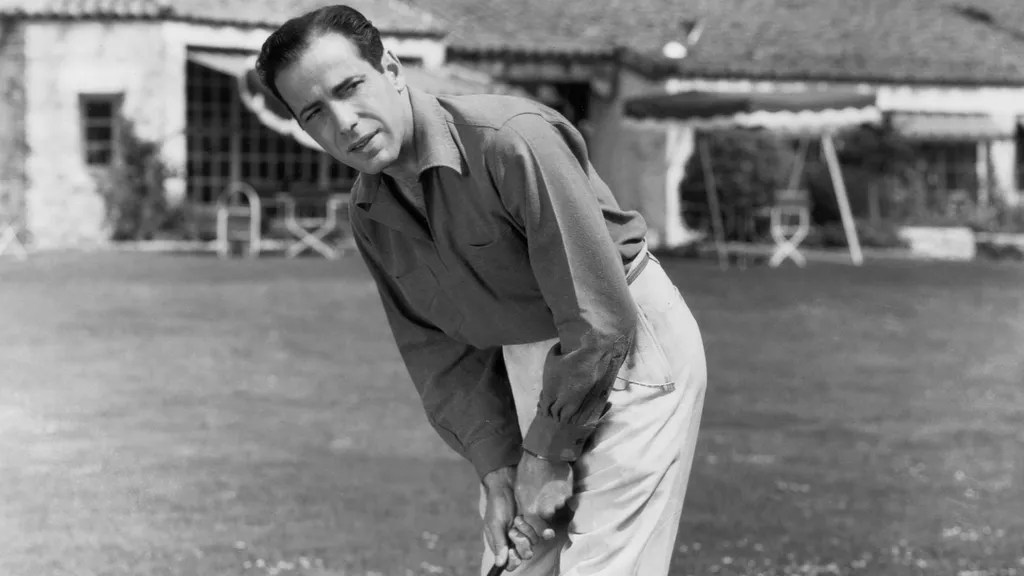
Another favorite actor was a member here and used to watch tournaments, sipping bourbon, near a tree on the twelfth hole. Today it’s called “Bogey’s Tree.”
My favorite Riviera story might seem morbid until you consider the man who inspired it. This is the eighth hole at the club, a par four, made tragically famous by one of Bogart’s co-stars, whom he killed, in Casablanca, before the co-star died on the eighth.
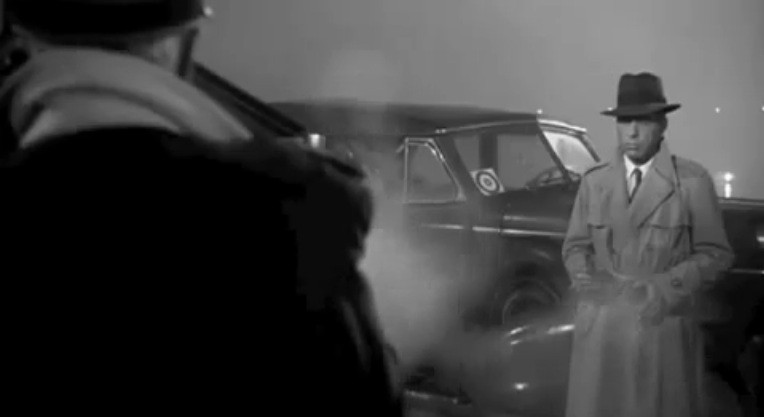
Conrad Veidt was a German expatriate, with a long and distinguished career in German Expressionist films, who came to Hollywood because he despised Hitler and the Nazi Party to his core.
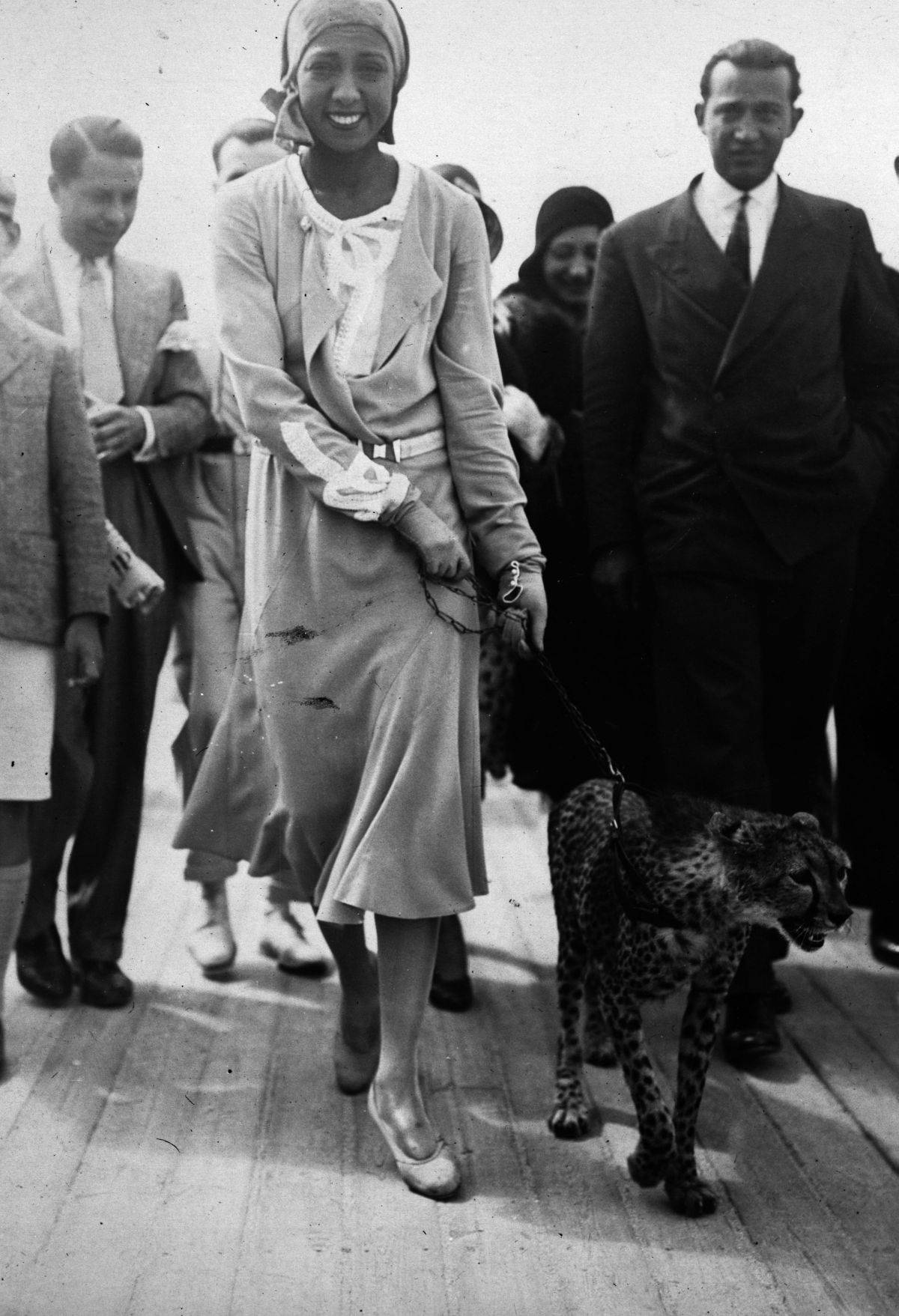
He would not have done well had he stayed. He was sexually fluid, in the heady days of the Weimar Republic, when Berlin rivaled Paris as Europe’s most avant-garde city. Writing this reminded me of a scene from the excellent Netflix series Babylon Berlin, with this stunning, very fluid and very avant-garde establishing scene, set at a Weimar-era Berlin nightclub. The song is called Zu Asche zu Staub–“Ashes to Dust.” (The young women with the bananas were borrowed from Paris’s sexiest and most-beloved American entertainer, Josephine Baker, here walking the pet cheetah she adored.)
So, ironically, Veidt escaped Berlin only to become a series of Nazi characters in his Hollywood films–a U-boat commander here, a Gestapo officer, like Casablanca’s Major Strasser, there. And he was on the losing end of one of Hollywood’s biggest put-downs: the wonderful “Marseillaise” scene from the film he made with Bogey.
And Veidt was a golfer, and the Riviera was his club. Sadly, in 1943—about a year after Casablanca was released—Veidt, playing with his doctor, suffered a massive heart attack on the eighth hole and died.
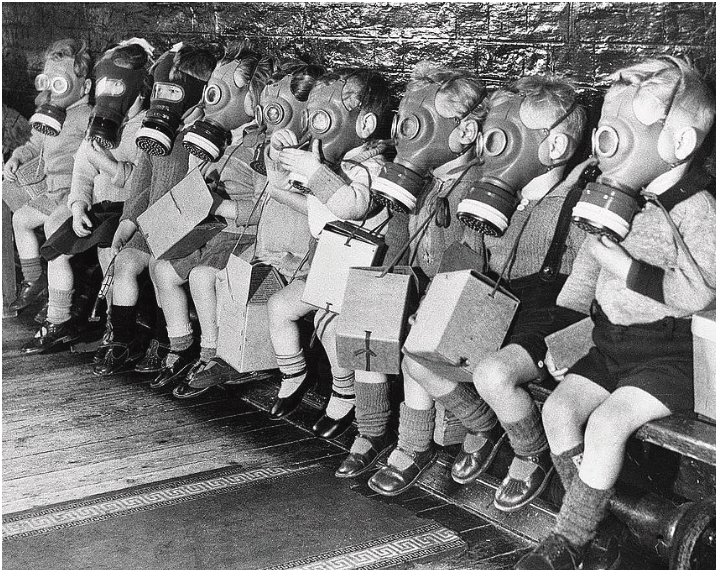
He was not buried in Hollywood, nor in Berlin. His ashes are instead in Golders Green, a London crematorium. This may be why: In 1940, Veidt became desperately worried about the suffering of British children, like those in the photo below, under Hitler’s air attacks—under the “Blitz.” He spent thousands to send London children one-pound tin boxes of hard candy, 2,000 large chocolate bars and greeting cards containing British pound notes.
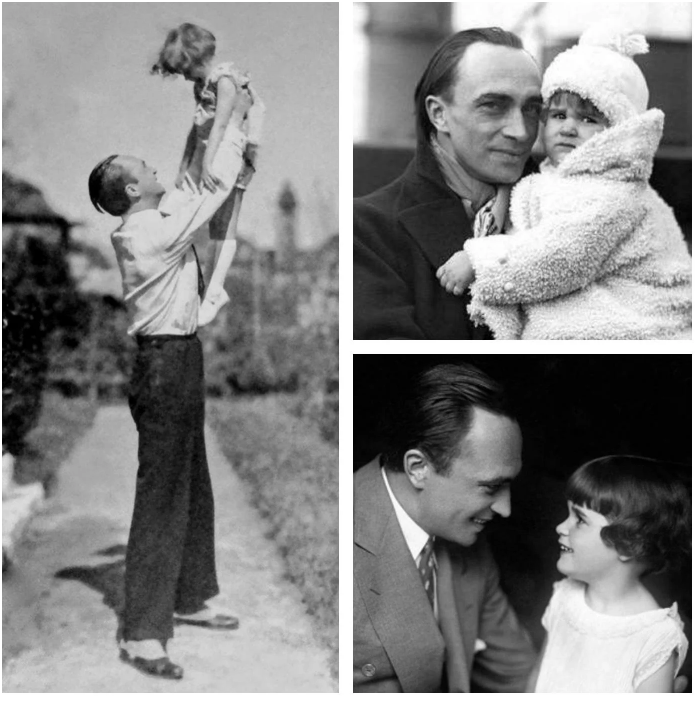
Conrad Veidt, golfer, actor, was also a supreme humanitarian.
05 Friday Jun 2026
Posted in Uncategorized

