First, a little about my hometown. There’s a connection between it and the Powder River Expedition of 1865.
The leader of that expedition, Patrick Connor, was also a member of the California Rangers, an ad hoc police force that hunted down and killed Joaquin Murieta, a noted Gold-Rush era criminal, in 1853. If you ask me, Connor’s comrades look scarier than most outlaws. Capt. Harry Love, center, was the Rangers’ leader.
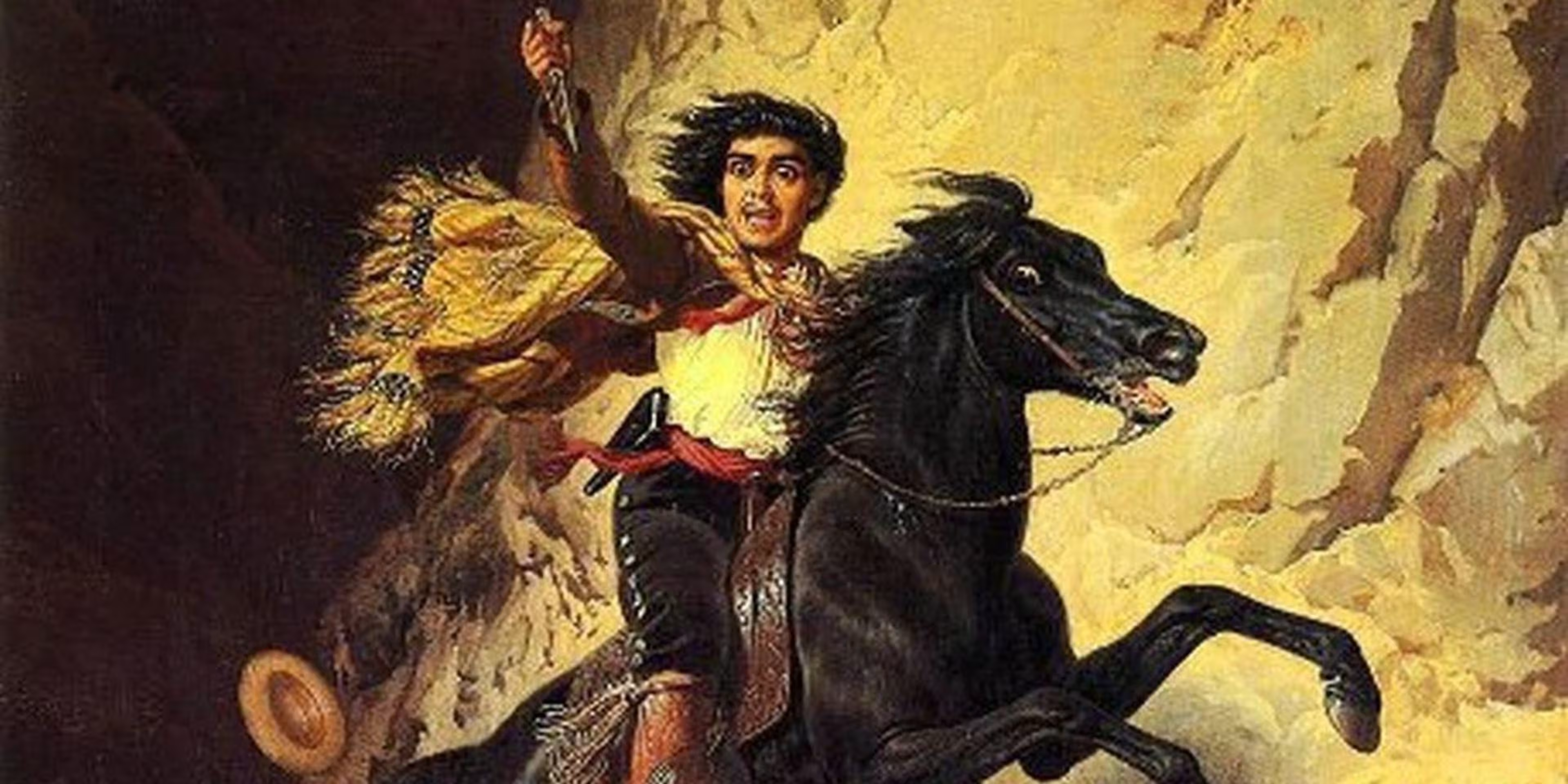
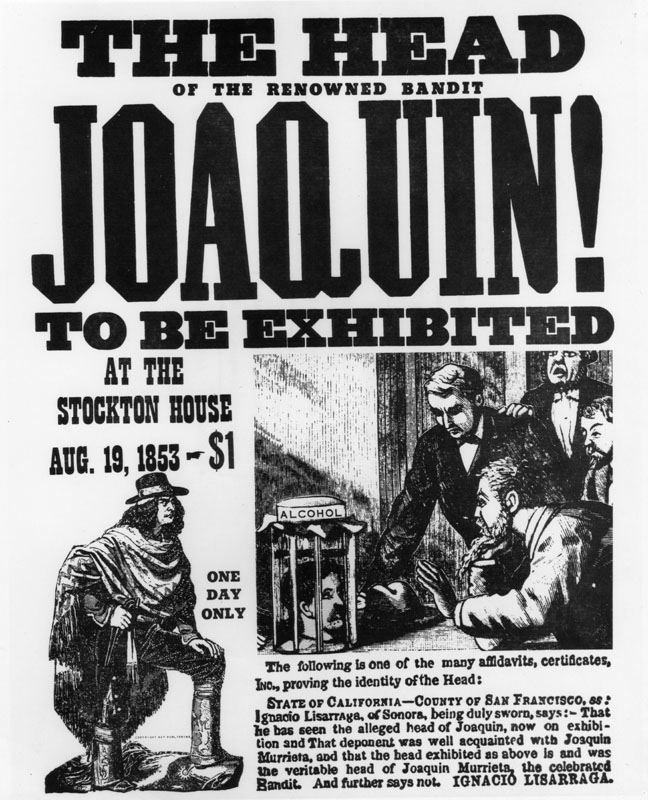
It is hot in the Central Valley, where the Rangers caught up with the man (alleged to be) Murieta and shot him dead. Since the state government offered a $5,000 reward, the bandit’s head was preserved in alcohol in a large jar as evidence. The Rangers got their reward. Joaquin got to tour California until, mercifully, his head vanished in the 1906 San Francisco earthquake and fire.
It’s probably apocryphal, but Joaquin’s mother is said to have lived on Chorro Street in the county seat, nearby San Luis Obispo, and one story has him buying drinks for all present, unless they were gringos.
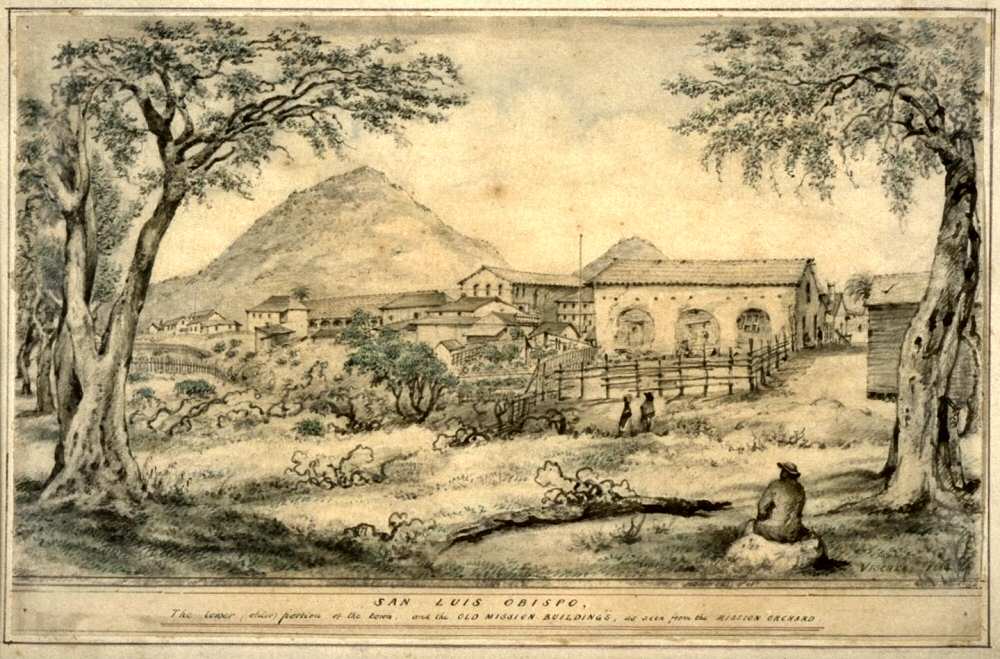
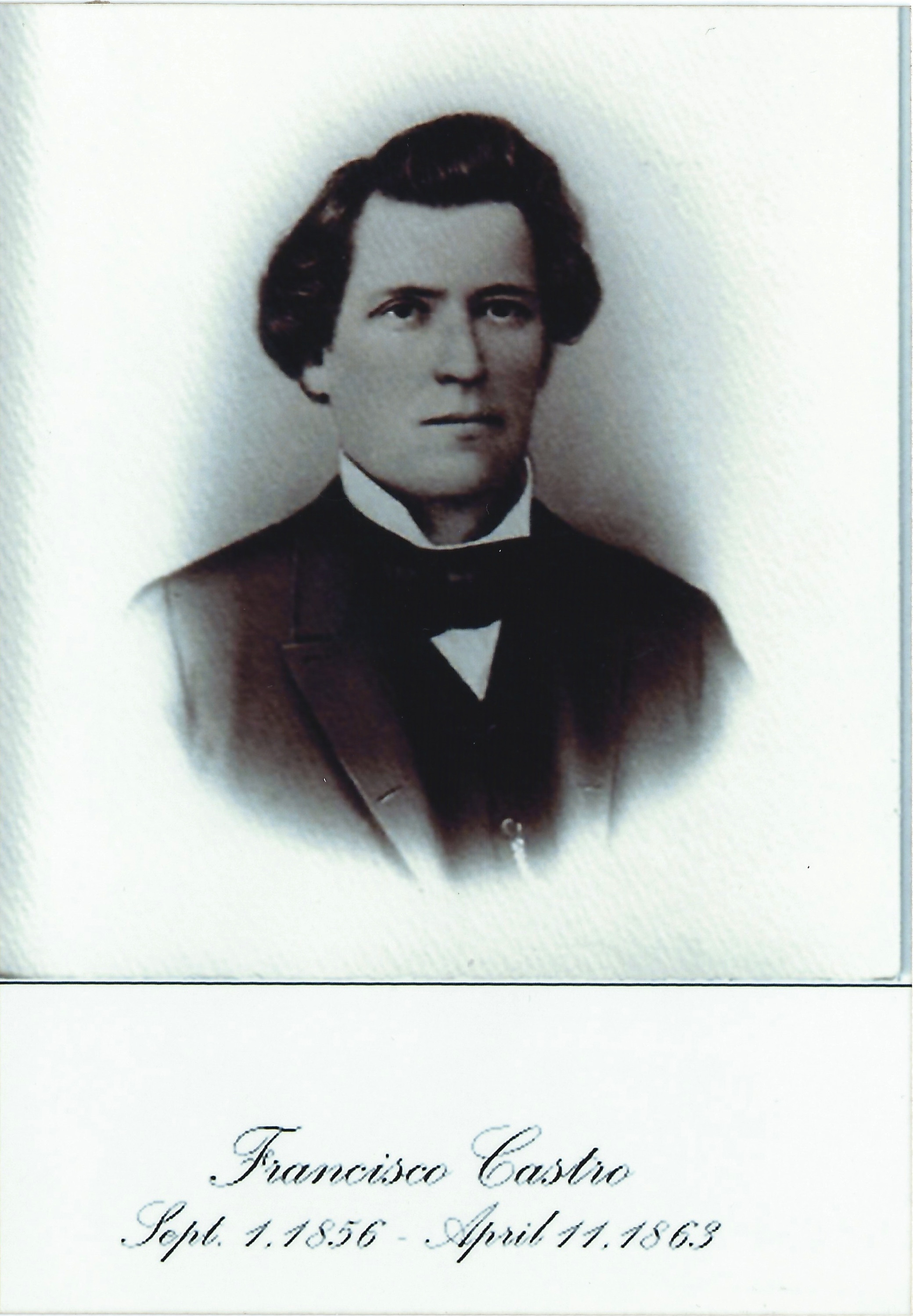
San Luis Obispo in Joaquin’s time. His gang is said to have camped overnight behind the Mission (founded 1772), the building at the distance, center, with three archways for its bells. In the 1850s, San Luis Obispo went through five sheriffs in four years because the job was simply too dangerous. Finally, Francisco Castro (at right) took over, was sheriff for seven years, conducted the only hanging in county history in the same place where Joaquin had camped, and died twenty years later from a pistol wound. Castro’s revolver wouldn’t fire, so he used the butt to beat the man who’d shot him.
By the 1880s, things had calmed down considerably in our county, except for the 1886 double lynching of two accused killers, a father and his fifteen-year-old son, and the occasional bank robbery or saloon killing, so in Arroyo Grande, my hometown, and there was an influx of Civil War veterans. Nearly all of them were farmers: Arroyo Grande was known then as it is today for the richness of its soil, and 1881 brought, with the completion of a narrow-gauge railway, connections to markets in San Francisco and (much smaller) Los Angeles.
That led to at least fifty—it’s now approaching sixty or more— Civil War veterans settling here. They were restless men—at least a third of them had moved twice from their home states to Arroyo Grande. And that fact, once I’d discovred it, led to a book.
Version 1.0.0Version 1.0.0
And among them were two cavalrymen who’d served (and somehow survived) the Powder River expedtion.
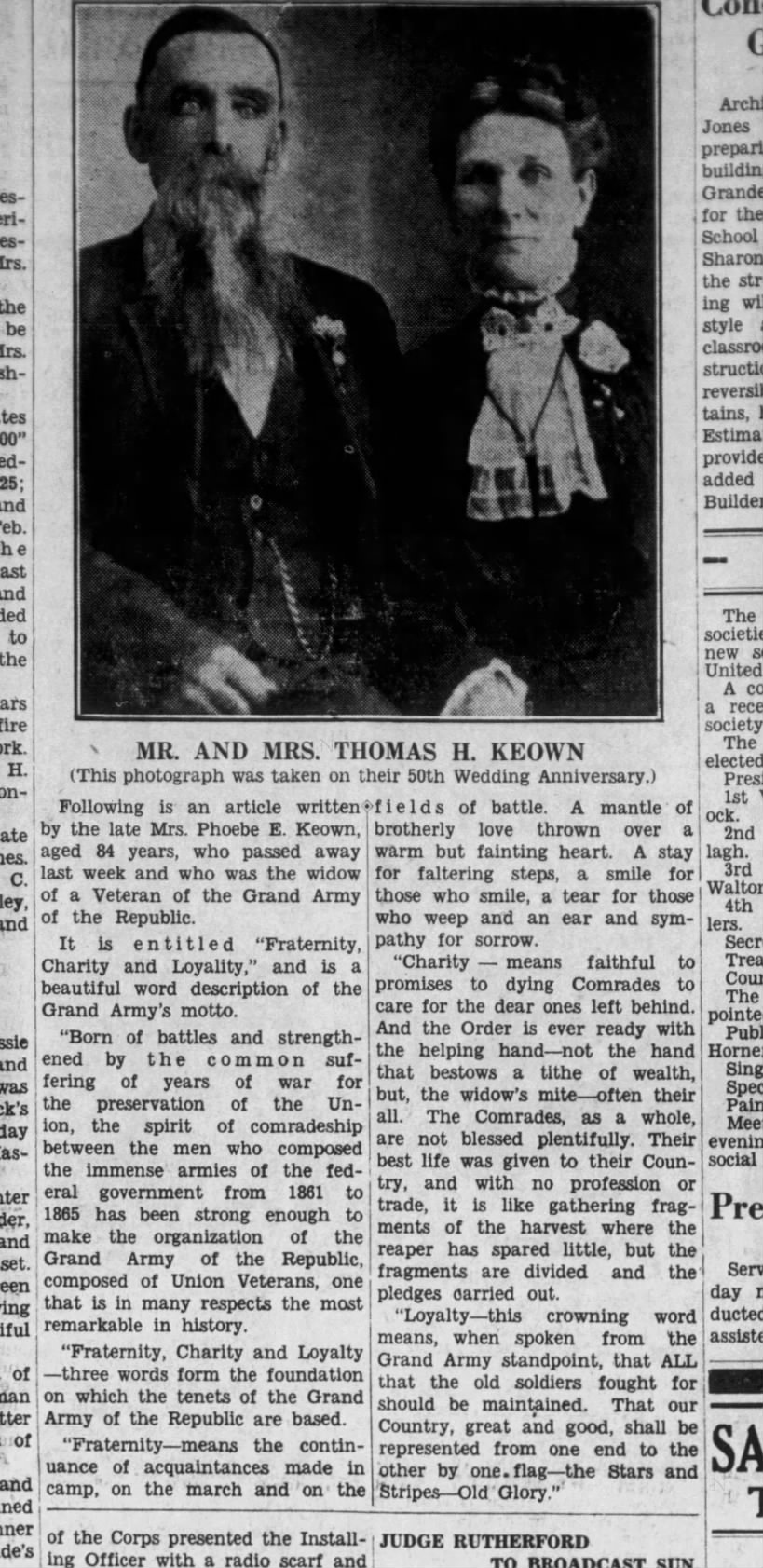
Thomas Keown is one of them. Here’s a little about him and his wife, Phoebe, from a 1935 Arroyo Grande Herald-Recorder.
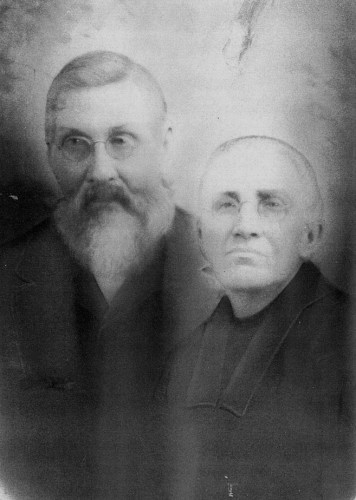
One of Keown’s comrades in the expedition was James Anias Dowell, and there are still Dowells in our area; as a high-school history teacher, I taught one of them, Joanna. Here are James and his wife, Louisa, late in life. Allegedly, one local resident descended from a Union soldier who fought at Gettysburg has Dowell’s kepi; their families were friends.
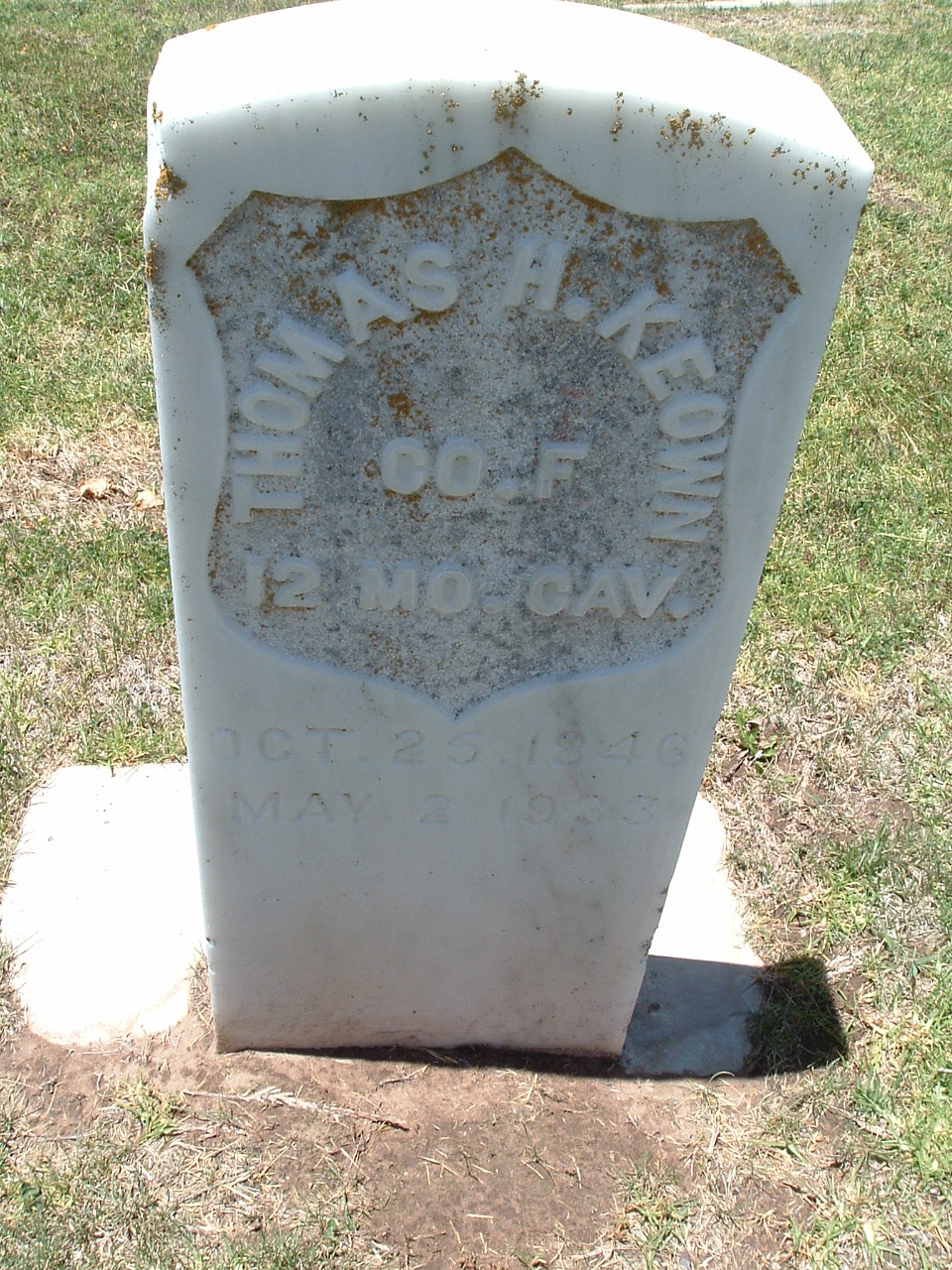
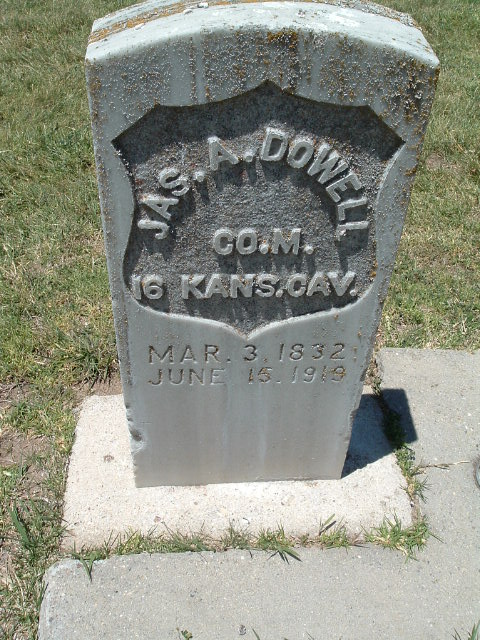
And here are the two old soldiers at rest, and not far from each other, in the Arroyo Grande District Cemetery.
The Expedition, of course, was a betrayal of the Fort Laramie Treaty. Gold negates honor. While I’m thankful that Gen. Connor never got his wish—to kill every Indian male over the age of twelve—the fact that your state shares a history with my hometown is gratifying. These are fraught times and, after nearly 250 years as a nation, we have far, far more in common than we might realize. We are Americans, all of us.
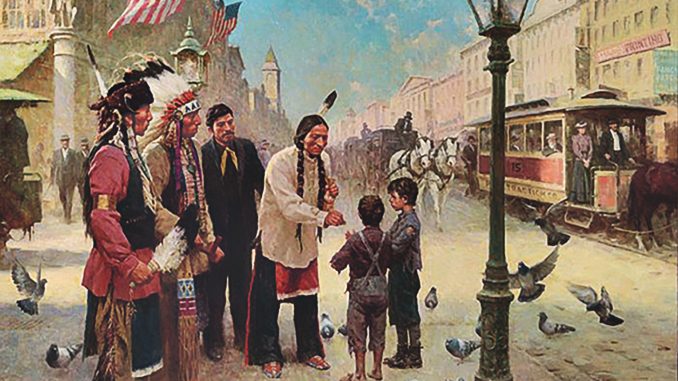
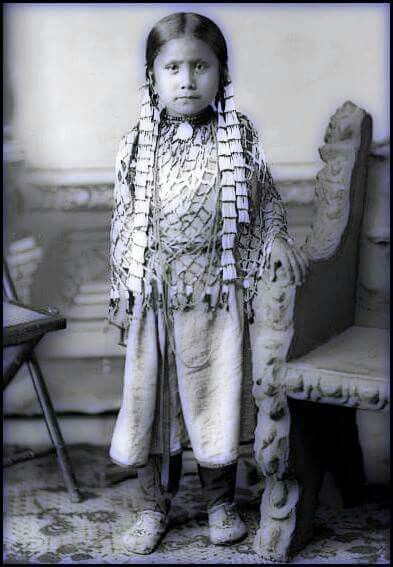
(Above): Buffalo Bill’s Wild West Show visited San Luis Obispo twice, but that was long after one of his stars, Sitting Bull, was shot dead at the Standing Rock Reservation. When he toured, he was appalled at the poverty of urban children; he’s shown giving away money to Philadelphia children. At right is White Dove, one of his daughters.
I may have more than enough Irish melancholy in my personality, but there’s a flip side: The Irish can be stubbornly optimistic and many have a faith deeper than the Irish Sea.
Which is where my mother’s grandparents and great-grandparents came from: County Wicklow, on the Irish Sea.
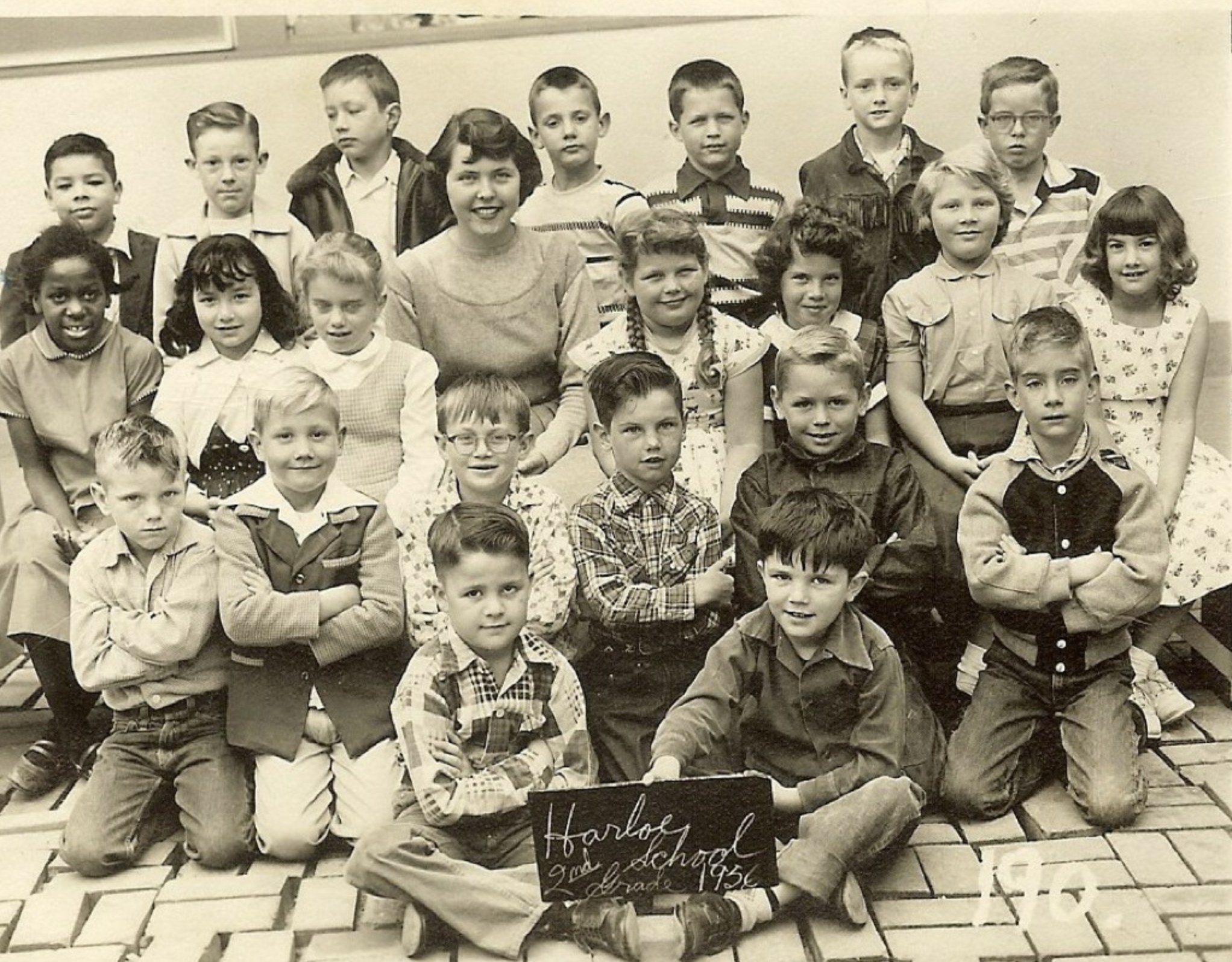
That’s Mom with my big brother Bruce in 1948, and that’s Bruce, front row left, during his first year at Harloe, not long after we’d moved to Sunset Drive from Taft.
I just saw a Harloe mother walking down our street, bringing her towheaded little kindergarten boy home. She was wearing his backpack and had her towheaded daughter on her hip.
She was lovely. She reminded me of one of my favorite AGHS history students, Siena, here with her little girl. (Siena and Dylan now have a little boy, too.)
This young mother brought out the stubborn optimist and the deeply faithful in me. It’s a humid day, and she was starting to struggle just a little.
Her little boy was just behind her. He had to stop and touch EVERY PICKET in every picket fence. Sometimes he absently did small u-turns. I watched them go right at the corner when he—much like a Basset Hound—decided he’d had enough walking.
He sat in the shade on the curb.
If this young woman is a good mother, and I think she is, she’ll let drop that there are oreos and milk waiting for him at home.
I just enjoyed watching them. It did my heart good. In the last decade, we’ve been subjected to fear, cruelty, crudeness and supreme selfishness.
If just for five minutes, the sight of this good mother, like Siena, like Patricia Margaret Keefe Gregory, my mother, filled me with hope. The last decade, if just for five minutes, was a vague and unimportant blur.
Siena and her little girl. Siena and Dylan now have a little boy named Lincoln, a name which I heartily endorse.
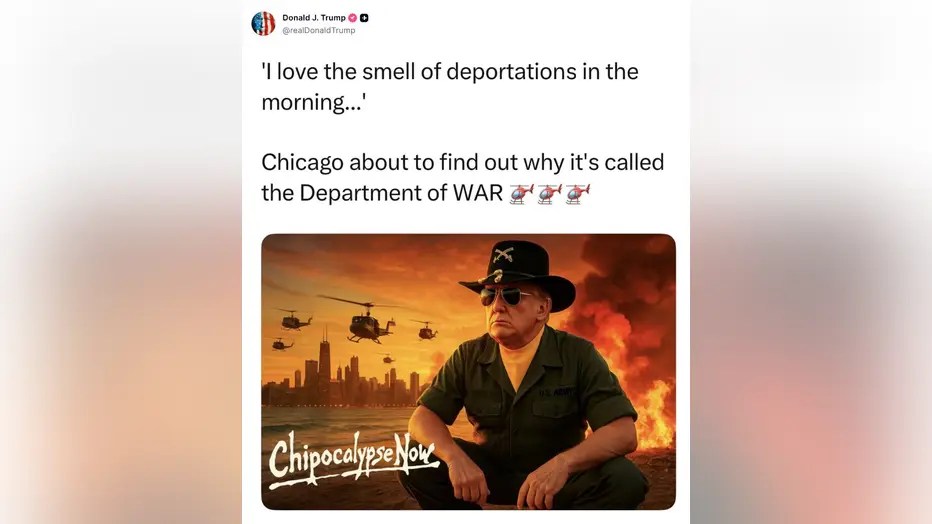
This was Saturday. He’s half-heartedly apologized today: “We’re not going to war with Chicago.” I’m sure, with the bellicose re-naming of the Department of Defense, that Chicago is overwhelmed with gratitude.
War would overwhelm this president* because, like all bullies, he is a coward. It takes so much air to fill him, but he has a kind of army—his sycophants—who stand ready to provide it.
The president* visits London
This is a re-creation of the 1918 Battle of Belleau Wood (the re-enactors are real Marines), but the men who actually fought that battle were called by the first-term Trump, the milder version, “losers” and “suckers.” He was to honor them on the 100th anniversary of the assault, but it was raining in France.
And this is what war was like for local men who endured it.
The 607th Tank Destroyer Battalion, 1944.
The Americans’ breakout from Normandy, after claustrophobic weeks in the death traps of the hedgerows, must have been a jubilant one, but the 607th would encounter another death trap whose brutality sobered them. The Americans, under Omar Bradley, and the British and Canadians, under Bernard Law Montgomery, had the chance to encircle the entire German Army in Normandy. They would fail, and thousands of Germans would escape, battle-weary, some of them now barefoot, running for their lives along narrow roads and cattle trails through what became known as the Falaise Gap.
But American artillery units still found many of them there–artillery spotters were nearly incoherent because there were so many targets to call in on their field radios–and the slaughter they inflicted was horrific.19 Seventy years later, one of the 607th’s soldiers, Frank Kunz, remembered the results in an interview with his hometown newspaper: “ Christ help me. There were 6 to 8 inches of bodies and horses ground up on the road. There was nothing you could do. You had to drive through it.” People, Kunz added, don’t understand what war is.20
In the photos: Frank and Sally Gularte at a family barbecue in Arroyo Grande before he shipped out as a member of the 607th Tank Destroyer Battalion, seen crossing a river into Germany. A German sniper claimed Frank’s life in November 1944. Sally gave birth to Frank Jr. five days later.From the book World War II Arroyo Grande.
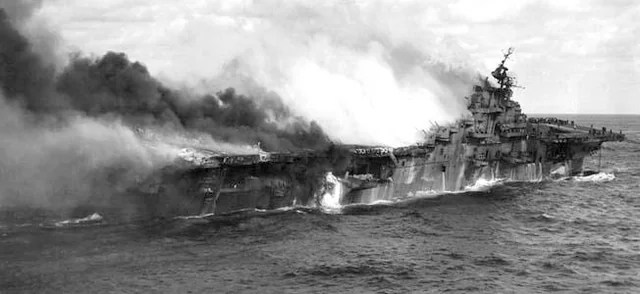
The aircraft carrier Ben Franklin, 1945
The bomb’s detonation [one of two that his the aircraft carrier Franklin off Japan in 1945] flipped a 32-ton deck elevator like a flapjack, leaving it canted at a 45-degree angle in its well. The shaft below it and the decks adjacent were an inferno: crewmen were incinerated instantly; aircraft on the hangar deck melted and plummeted to decks farther below. Twelve of the 13 pilots in the famed Marine Corps “Black Sheep” Squadron, based, since the beginning of the year, at a naval air station near Goleta, died in their ready room.19
Ships below the horizon felt the explosions. Camilo Alarcio clambered up to the flight deck only to realize that he was freezing: he made his way back to his quarters to fetch a jacket, flak jacket and flashlight and bolted topside again with his shipmates. Those emerging from below would have seen sailors running for their lives as the fires spread. In the black, heavy smoke, some ran into the turning propellers of aircraft, their engines still running for their next combat mission.
Alarcio’s deliverance, and that of many others, began when he saw the cruiser Santa Re move alongside. That ship’s crew began to throw lines across to Franklin as the flames threatened to engulf the entire flight deck. He grabbed one of the lines and made his way across–other sailors fell and drowned, some so badly burned that they couldn’t save themselves, while others were pulled under by the turning of Franklin’s screws. Alarcio survived.2020
Franklin’s survival was in doubt. The initial explosion was just the beginning. As fires reached twenty more aircraft, fueled and ready for flight on the hangar deck, and ignited a chain reaction that, throughout the day, set off stores of bombs, rockets, anti-aircraft ammunition and aviation gasoline. At one point, the violence inside Franklin made the 32,000–ton ship shudder and spun her, like the needle on a compass, hard to starboard, where she lay dead in the water.
Photos: South County sailor Camilo Alarcio; his ship, the carrier Ben Franklin, afire. Somehow Franklin, with Alarcio aboard, made it back to her birthplace, the Brooklyn Navy Yard.
The 91st Bomb Group, 1945
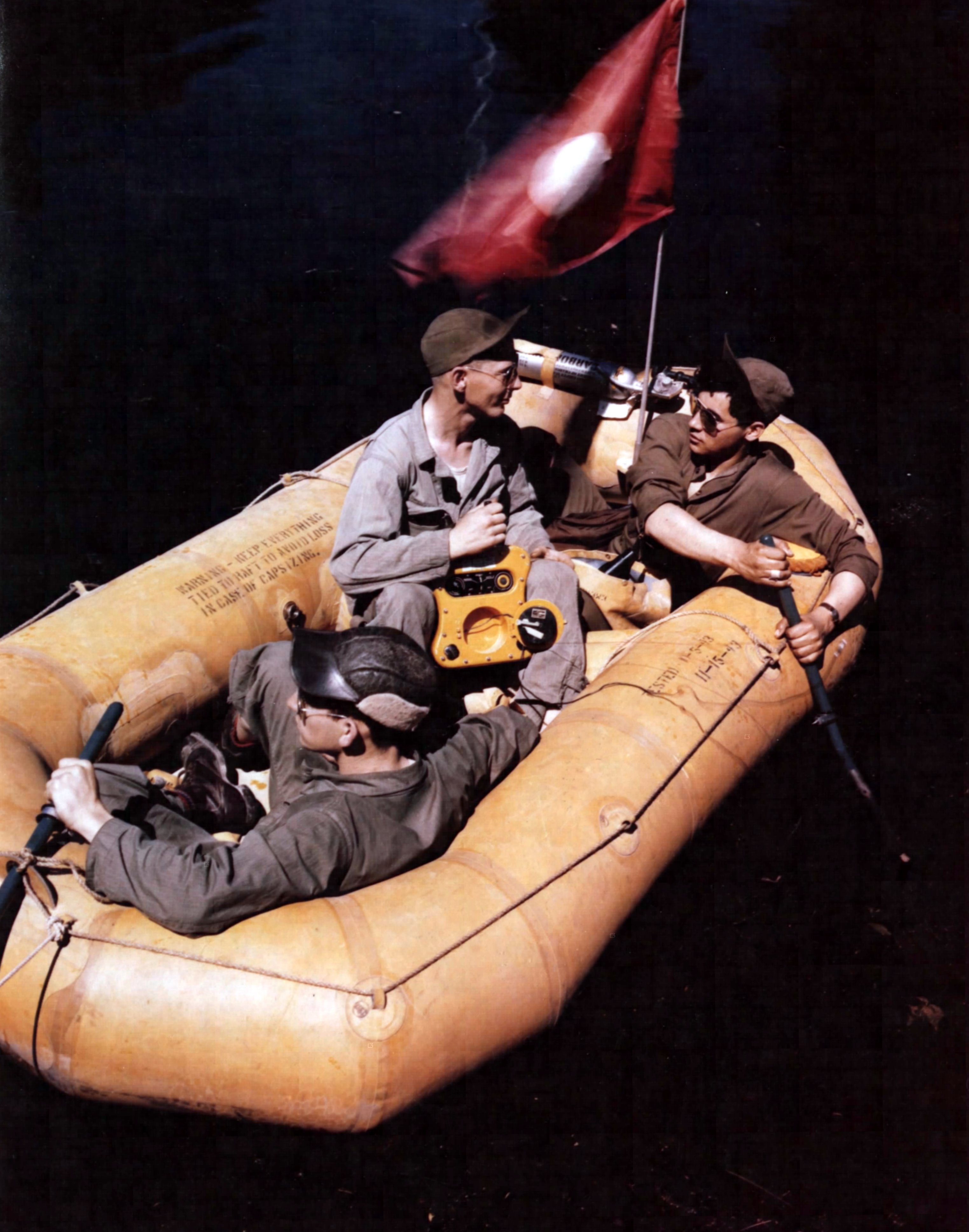
Henry Hall now lives in Cayucos; he was a Kansan transplanted to Bakersfield before the war and then to San Luis Obispo County afterward to become a gunner in the Ninety-First Bomb Group, the “Ragged Irregulars.”
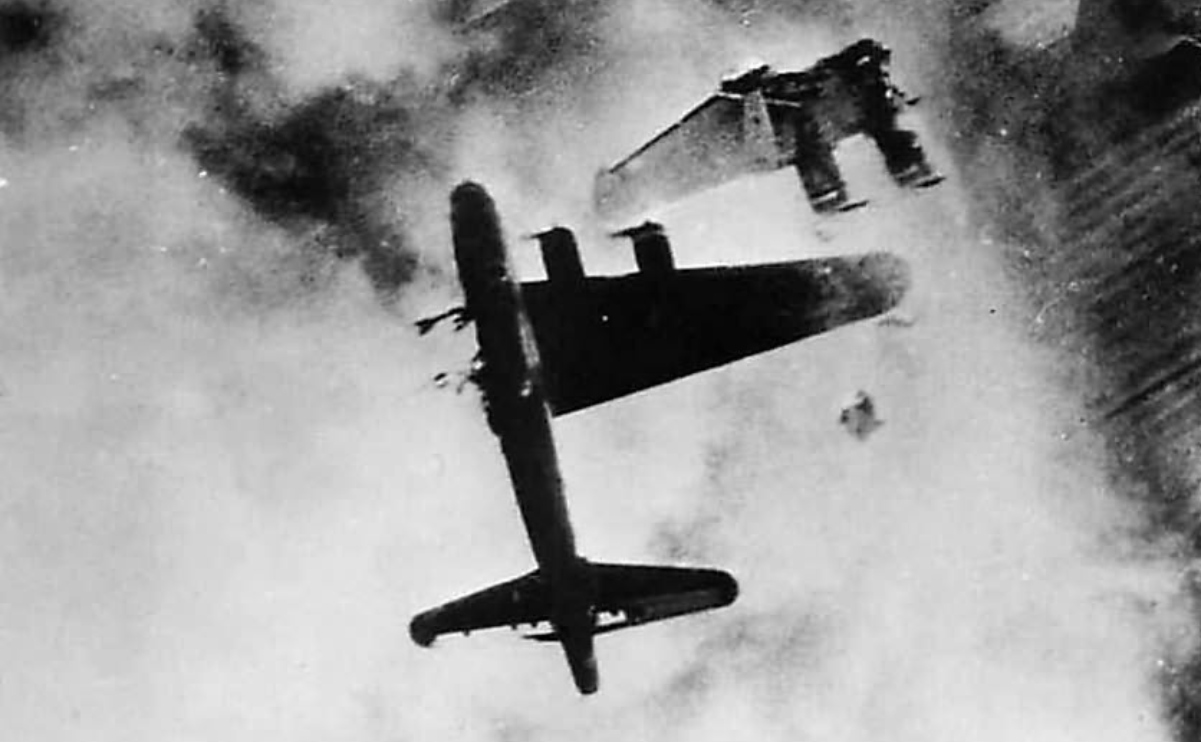
Hall witnessed a horrific chain reaction over Holland: a swarm of German fighters singled out a B-17 ahead, and the multiple hits on the bomber registered for him when he saw the right- side landing gear listlessly drop and an engine on the right wing catch fire. When the out-of-control bomber began its final plunge, it clipped two more B-17s in the formation—both of them went down as well.
It was the hardest of days for Hall’s bomb group: they lost six B-17s on a mission that gained nothing: their primary target, a ball-bearing factory near Berlin, was obscured by clouds, so the Ninety-First dropped their payloads on “targets of opportunity”—on this day, Hall remembered, on a little crossroads town that probably contributed little to the Nazi war effort.55
That was Hall’s first mission. He was twenty years old when he saw the three Ragged Irregular bombers plummet to earth together. Many members of his bomb group were even younger. Some of them, thanks to crafty misdirection aimed at recruiting sergeants pressured to meet their quotas, were as young as sixteen.
Far below them, in German cities like Hamburg and Dresden—or in relatively obscure Japanese cities like Toyama, the size of Chattanooga, or Kagoshima (the seat of the prefecture from which most San Luis Obispo County Japanese had emigrated), the size of Richmond, Virginia—the ashen bodies of schoolchildren stained sidewalks and streets.
Photos: Henry Hall, with his back turned, practicing water survival with his comrades. The B-17 “Wee Willie,” from Hall’s 91st Bomb Group, on its way down. There was one survivor.From the book Central Coast Aviators in World War II.
The 60th Ohio Volunteer Infantry, 1864
So under [Union Gen. Ambrose] Burnside, the 60th Ohio, on the afternoon of May 5, crossed the Rapidan River at the Germanna Ford. From a rise, they could see dust clouds raised by Lee’s army on the move and began to march into The Wilderness, a vast tangle of forest and scrub so dense that it shut out the sun. Adam Bair was a corporal and therefore, like Richard Merrill had been at Antietam, a file closer. Bair must have been tired after the river crossing. His role was like that of a border collie, striving constantly to keep his company together and moving forward, cajoling potential stragglers, barking, like a collie, at men who’d packed too heavily when they had been warned to travel light.
The wake of the 60th would have been a Civil War treasure-collector’s dream, strewn as it would have been with all manner of equipment: rubber blankets, coffeepots, needless overcoats and extra clothing, books that would never be read. Eventually, as the sounds of battle began to become more distinct, the 60th would leave behind what many Civil War soldiers left: playing cards, dice, flasks of brandy or whiskey, packets of what were euphemistically called “French postcards” with their leering plump models. These are not the items a man would want on his person if he “fell,” to use another euphemism common to describing the indescribable violence of a Civil War soldier’s death in combat.
Union soldiers would begin to see, as they crunched through the carpet of leaves in the closeness of the woods, dead soldiers grinning at them in their passage. These were the skulls of the men who’d fought the year before at Hooker’s debacle, Chancellorsville, either disinterred from their shallow graves by hungry animals, perhaps by a hardscrabble Virginia farmer’s hogs, or simply lost and left where they’d fallen in the days when Lee and Jackson had played hammer and anvil with the Army of the Potomac.
The woods themselves would become the enemy in this new battle, in 1864, because the dark wasteland made a mockery of combat drill; its density cut up infantry formations into little knots of soldiers who became separated from one another as they struggled forward, whipped by branches, tripping over roots, cursing in the close humidity and heat already descending on northern Virginia. For many Union soldiers, the dark was suddenly illuminated by the muzzle flashes of Confederate infantry with their bullets amputating tree branches, vaporizing leaves, buzzing like hornets past men’s ears. Some of them, with a dull thud, a sound familiar to Civil War soldiers but now as lost as the sound of the rebel yell, found their targets in the bodies of young men. The flash of powder did something else: firefights sparked fires that would rage in the tangle of trees and scrub and the fires burned wounded men alive as they shrieked for help. No battle in the Civil War was more grotesque than the one fought in this forbidding place.
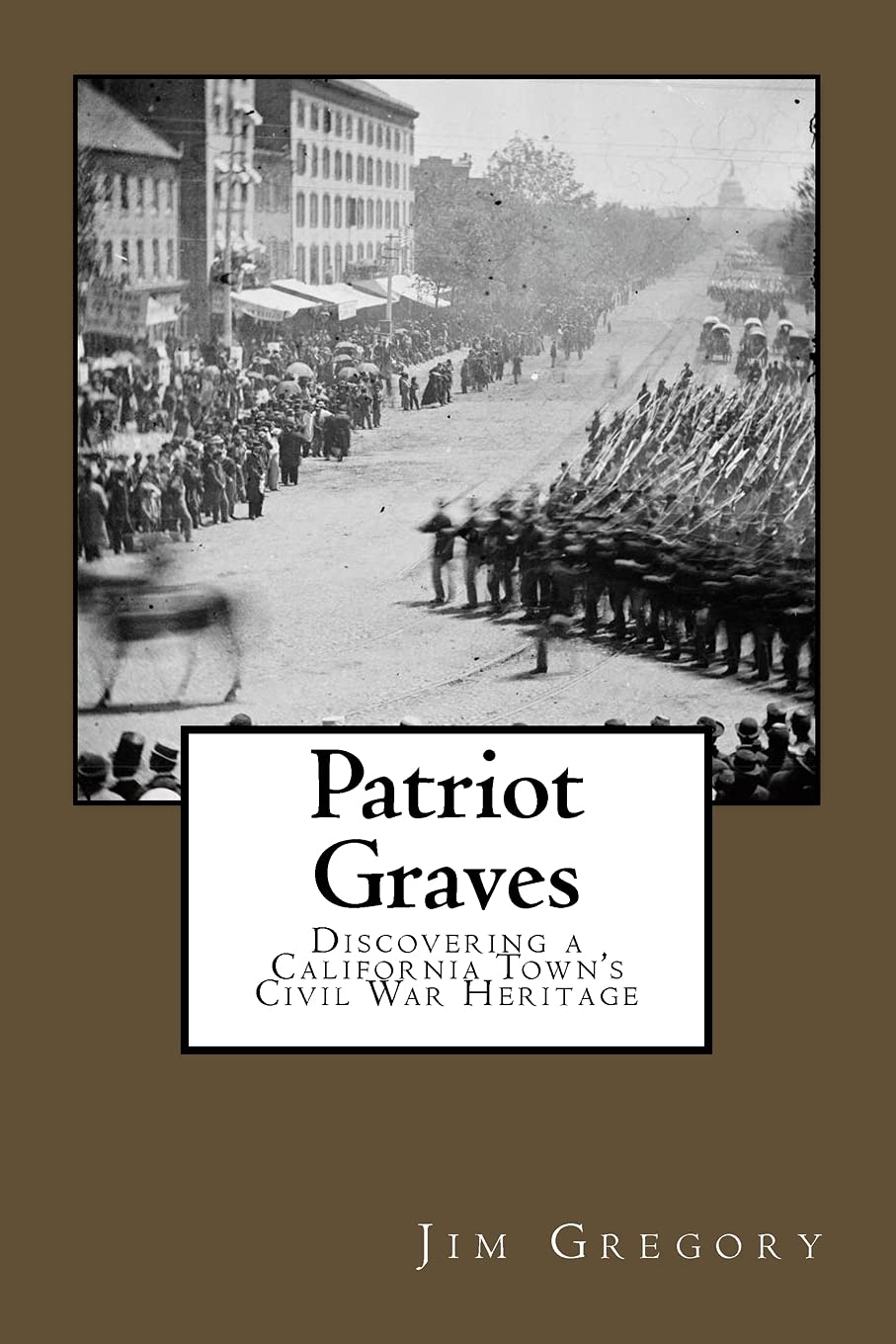
Photos: 60th Ohio soldier Adam Bair became a Huasna Valley farmer after the war. Combat artist Alfred Waud depicts the fires that swept The Wilderness in May 1864. From the book Patriot Graves: Discovering a California Town’s Civil War Heritage.
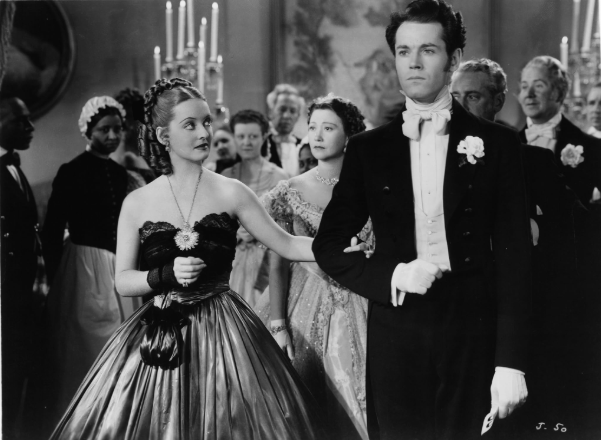
Davis’s Julie has a spat with her betrothed, banker Henry Fonda, who is graced with impossibly poofy hair. So her vengeance is showing up at a New Orleans ball, where young women traditonally wear white, in a red dress. She is disgraced. Fonda is humiliated by her upstagery, so heads north on Banking Business. When word comes that he is coming back to New Orleans, Julie, in a fever primp, is ecstatic over his return. He returns with a wife. Damn damn damn. Fortunately for both, yellow fever strike New Orleans, Fonda comes down with it, and the rest has Julie channeling Sydney Carton in A Tale of Two Cities. Davis is deceitful, scheming, amoral, enormously flirty and quite mad. She is delightful.
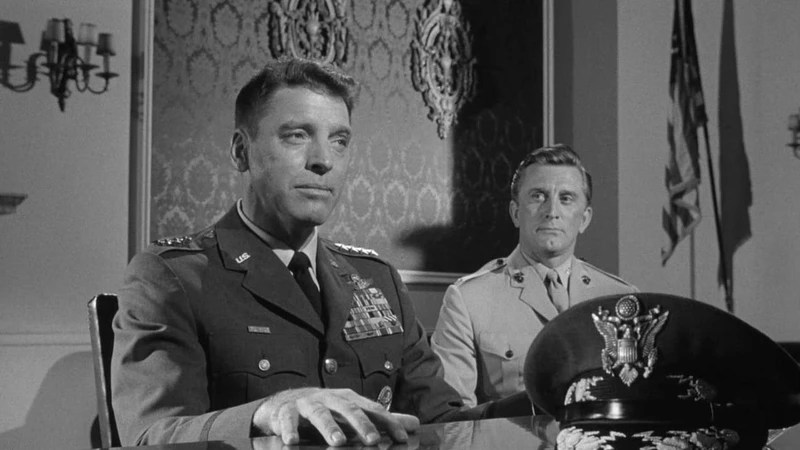
Burt Lancaster, Seven Days in May (1964)
Lancaster is a four-star Air Force General, Chief of the Joint Chiefs, Medal of Honor awardee with enough “scrambled eggs” (braid) on the vistor of his dress cap for two Denver Omelets. And, by comparison, he makes Julie’s madness seem tame. He is paranoid and a megalomaniac who is planning a coup against the President so he can become America’s dictator. Darn, those old movie themes never quite go away, do they? Lancaster’s intense, coil-springed and impulsive villain is balanced by his aide, Kirk Douglas, a Marine colonel, who is still Kirk Douglasy intense but is also intuitive, thoughful and honorable. Gradually, Douglas unravels the plot and the rest of the cast attempts to stop the coup. Lancaster’s character reminds me also of Gen. Jack D. Ripper, immortalized by Sterling Hayden in a contemporary film, Dr. Strangelove. The film is also notable for old cars, most notably Douglas’s 1963 Thunderbird.
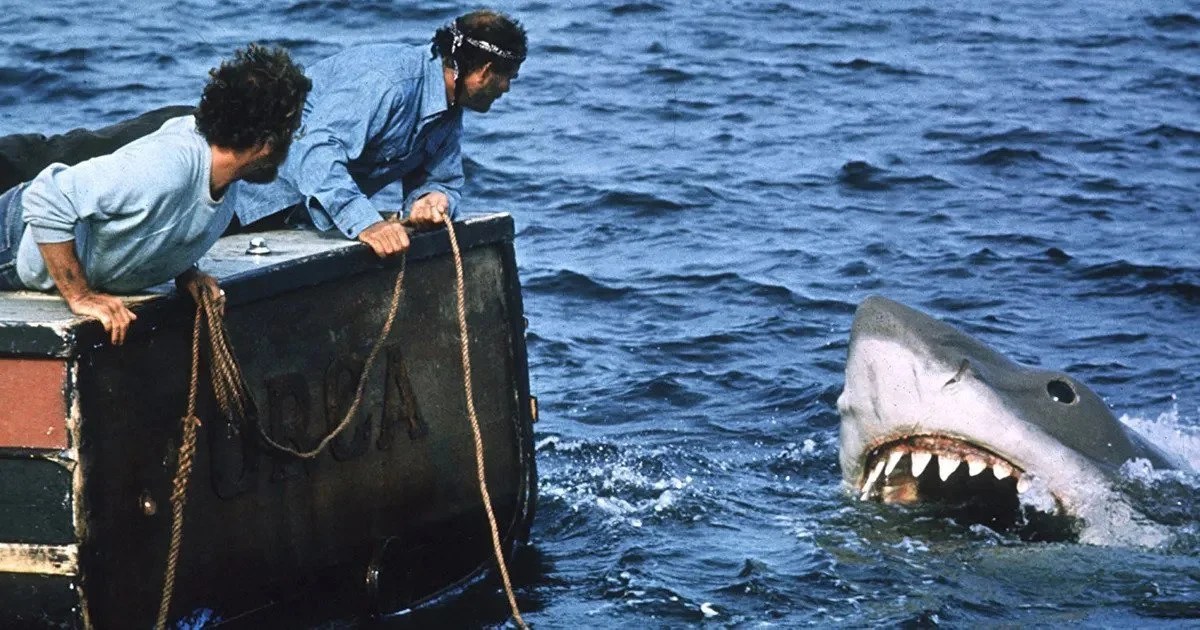
Bruce the Shark, Jaws (1975)
Unlike Lancaster, who chews up the scenery and several hundred yards of film in Seven Days in May, Bruce might be his scariest when he’s unseen, which prepares you for the Boogah Boogah! moments when he appears. And, granted they are both boogah and boogah. Part of that might be because the mechanized shark was so difficult to work with and broke down so often, but I re-watched the last 40 minutes a few nights ago—I stopped before Quint becomes the main course for Bruce—and the final chase sequence, when all you see of the shark are the racing yellow barrels, is brilliant. Spielberg scores it with what might be called happy pirate music, and the film’s mood, after Quint describing the Indianapolis horror, is actually exuberant. Even if you’d read the book, the chase sequence is such a skillful bit of misdirection that it makes the grisly scenes hit that much harder. I still remember, when I first saw Jaws, that the crowd groaned in unison and then grew very quiet. When Roy Scheider blows Bruce the Shark up, there were cheers. It was a grand communal moment.
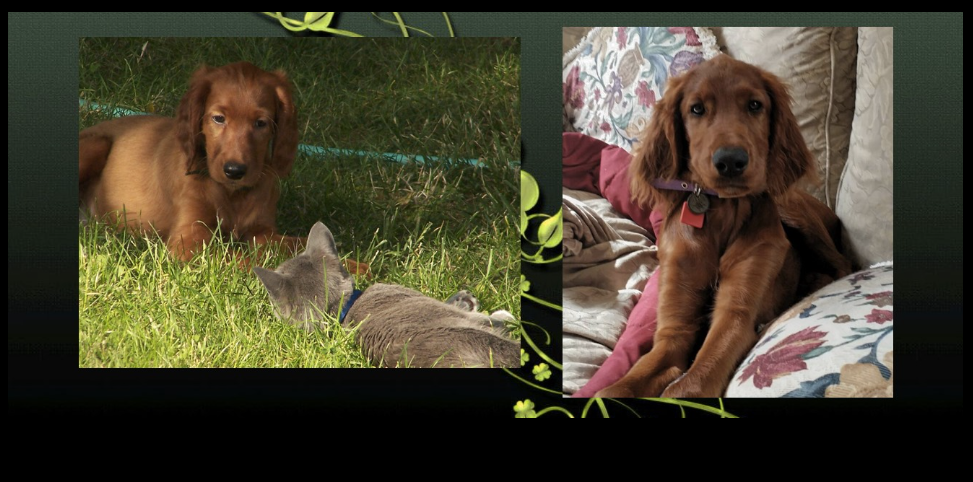
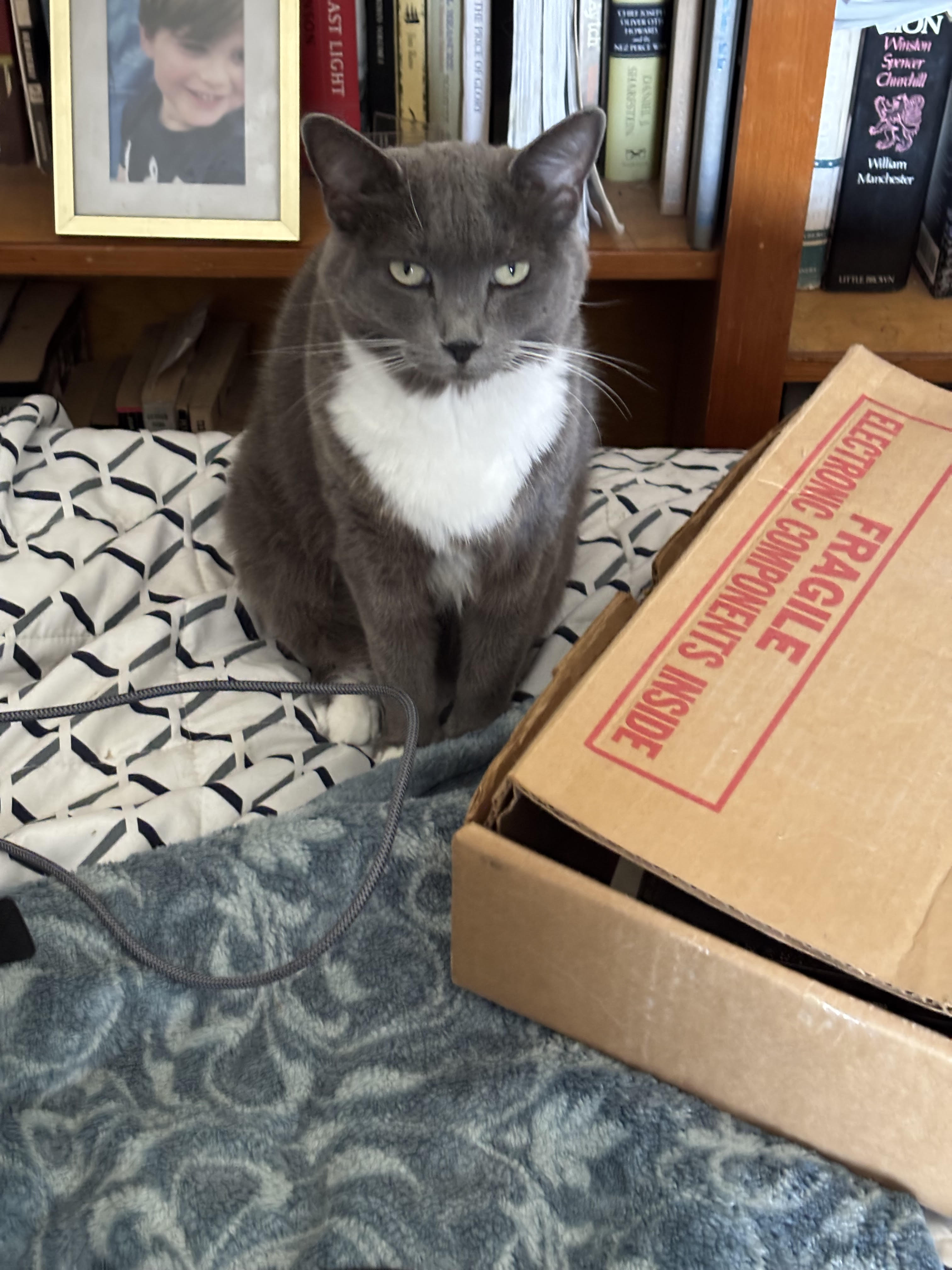
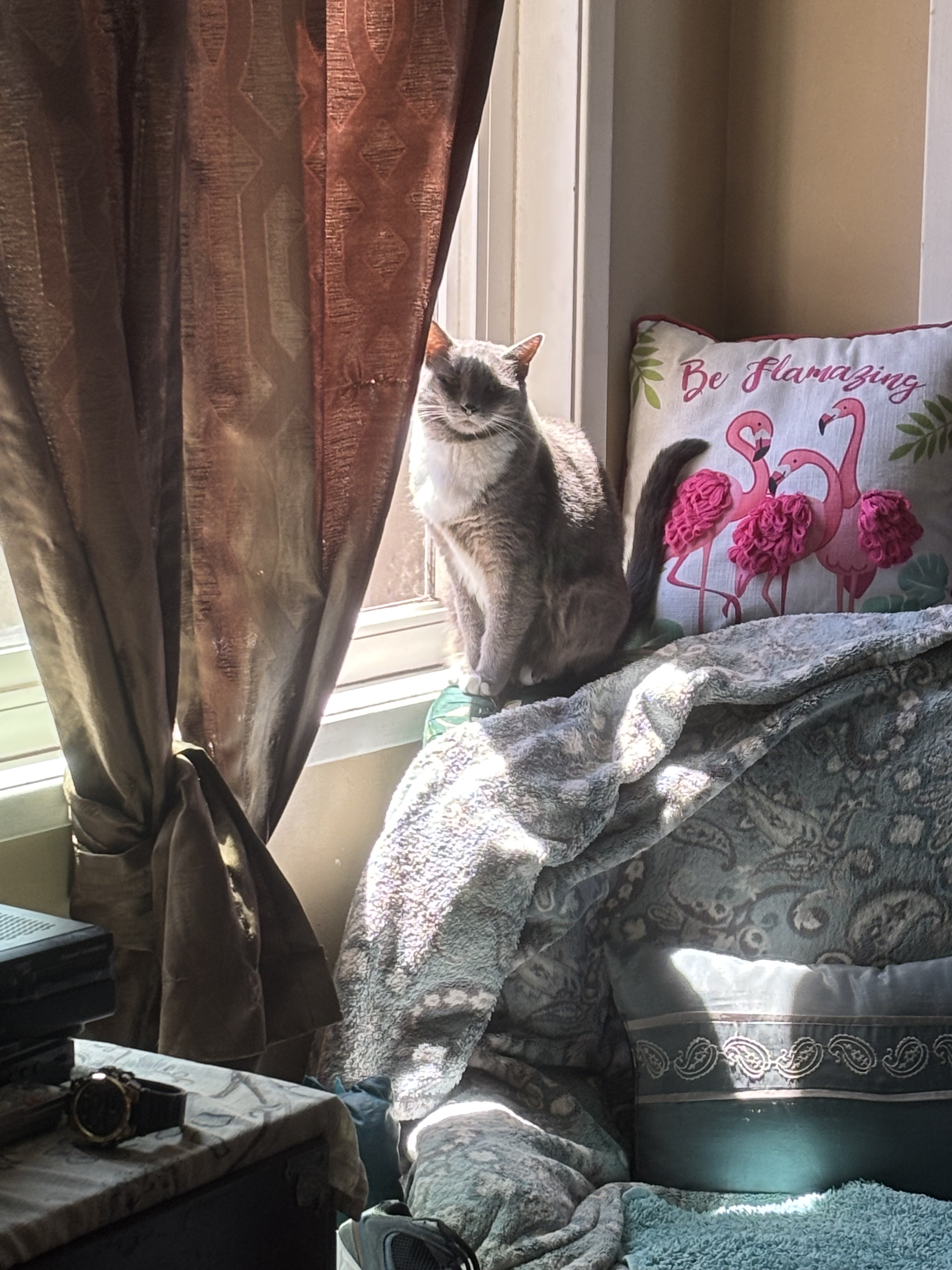
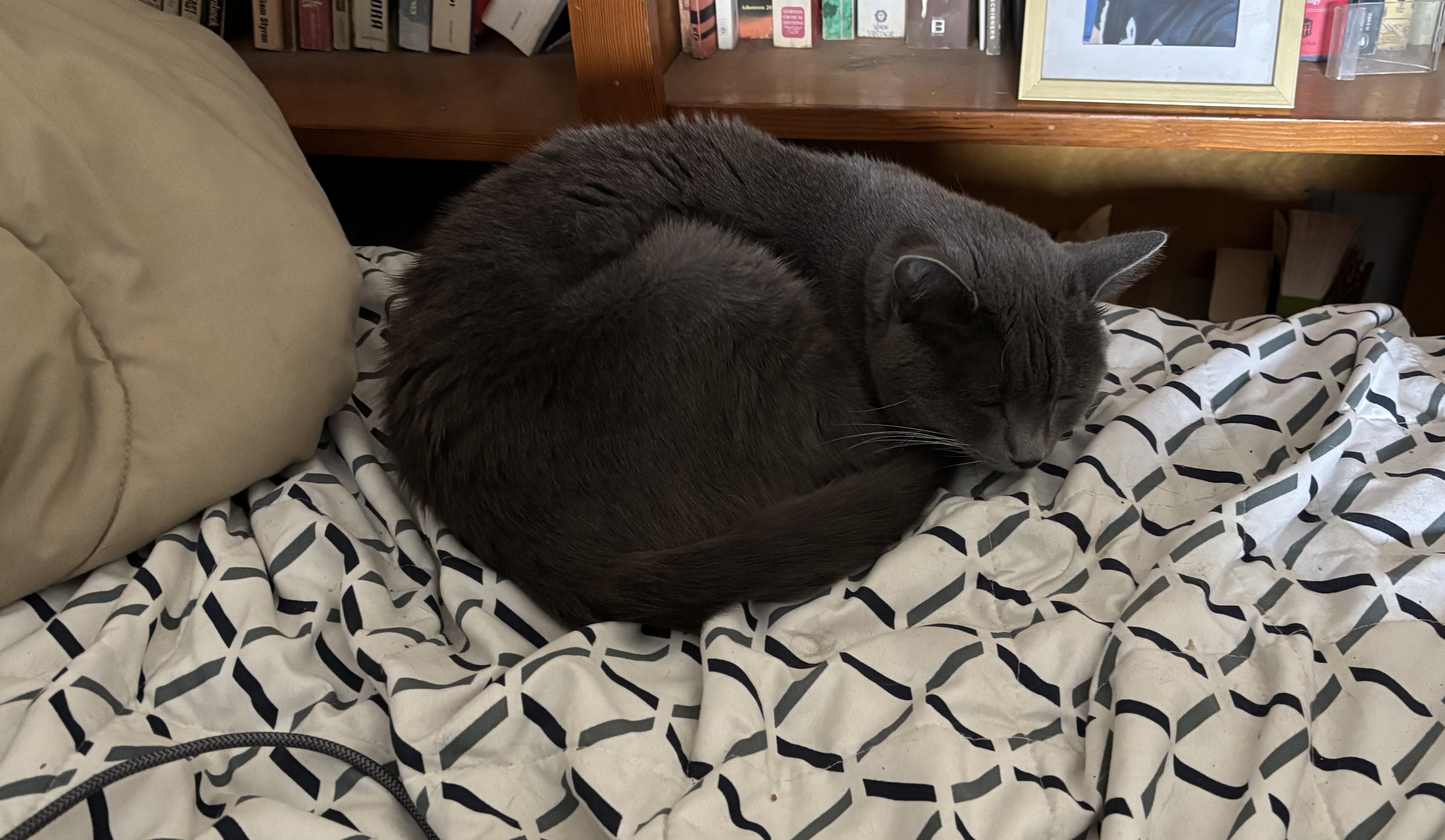
Fiona has been with us a week now, and it’s only today when I was able to articulate why I adopted her a week ago today, Saturday.
She was abandoned in her carrier that Friday in the airport terminal at San Luis Obispo, this big steel-and-glass place where the people are always in a hurry. So was the man who left her inside. The backstory was that Fiona belonged to his longtime significant other. She died. He drinks, so he’s on his way to dying. That Saturday, he was on his way out of town. He called a relative of the woman he’d lived with to tell her couldn’t take care of the cat anymore and told her, too, where he would leave her.
Then he flew away.
Fiona’s experience is mirrored in my family’s history.
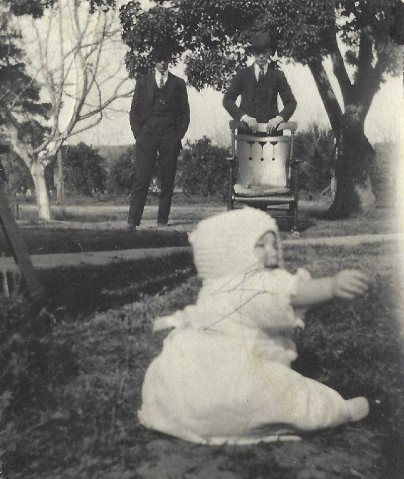
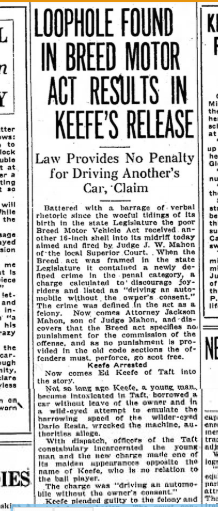
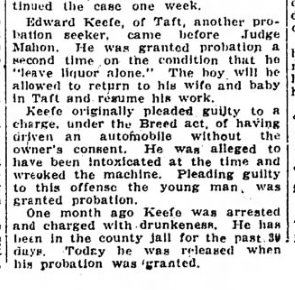
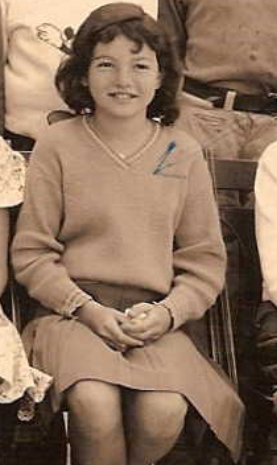
The little girl in the photo below is my mother. We think, but are not sure, that the snappily-dressed fellow with his hands on the chair is her father, Edmund Keefe, the son of County Wicklow Famine immigrants. We think he was handsome and charming. We know that he was a drunk. He also had a tendency during benders to “borrow” cars, in Taft, California, where I would be born in 1952, that didn’t belong to him. The articles are from April 1925.
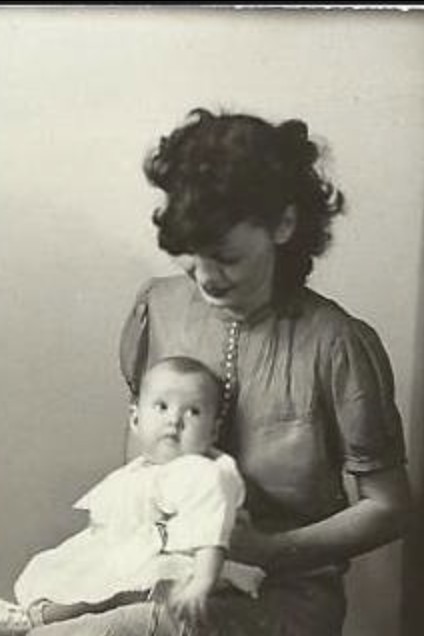
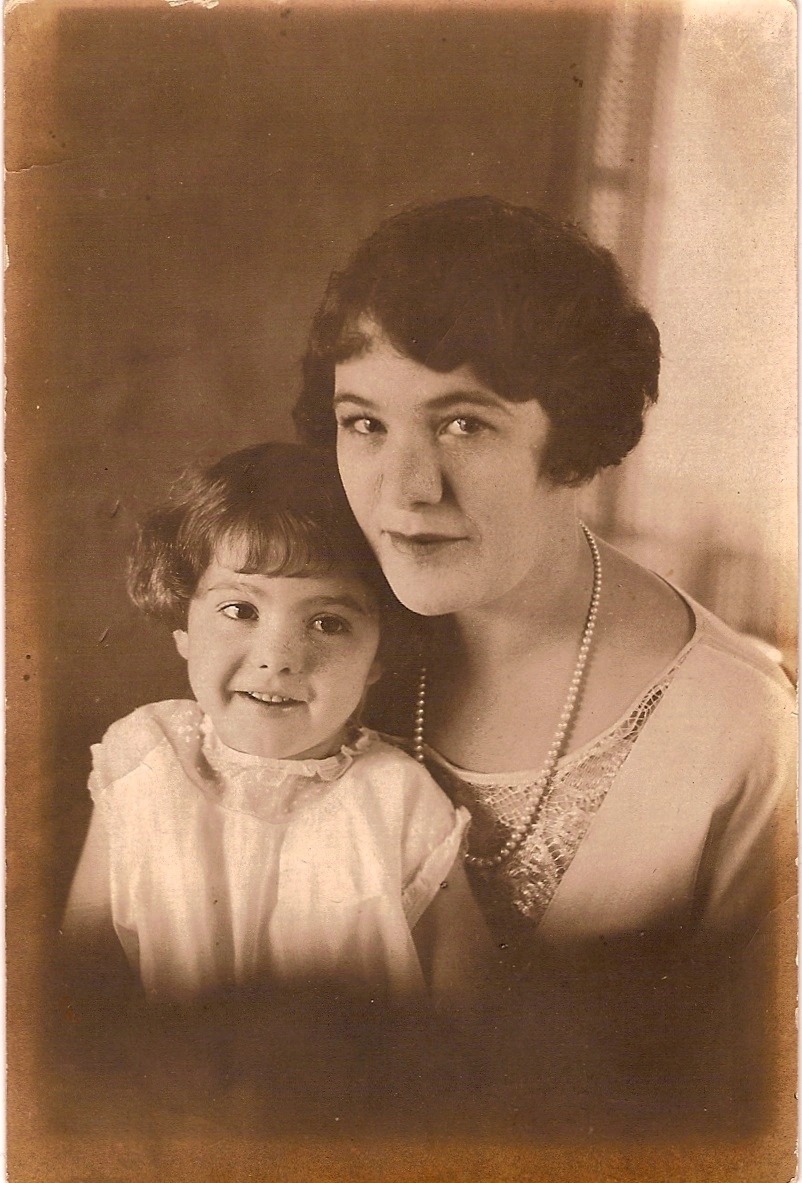
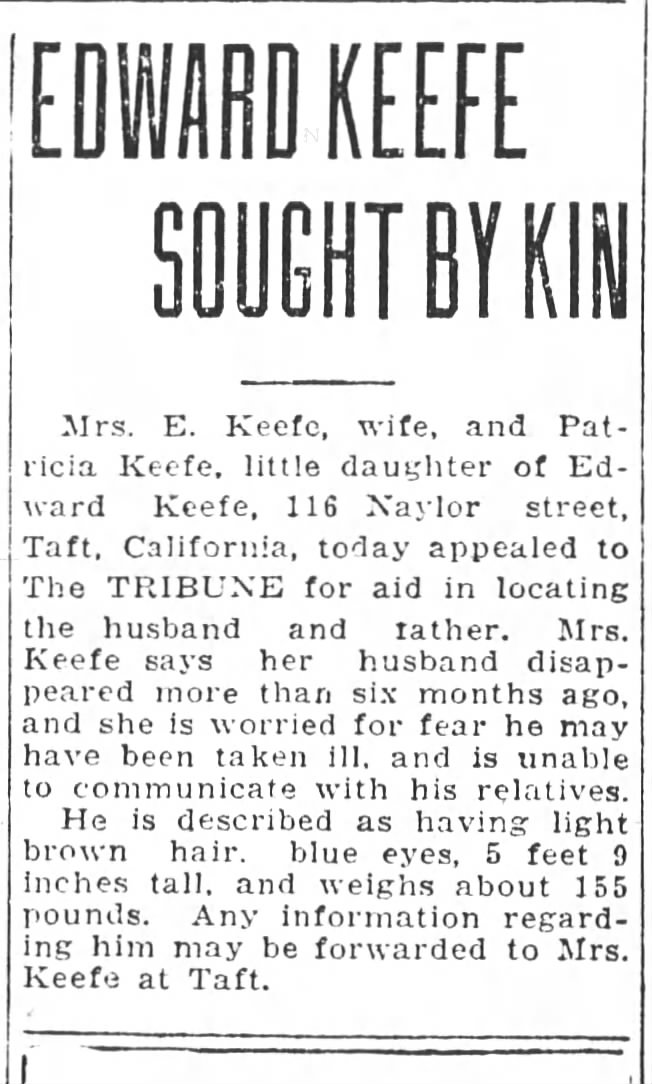
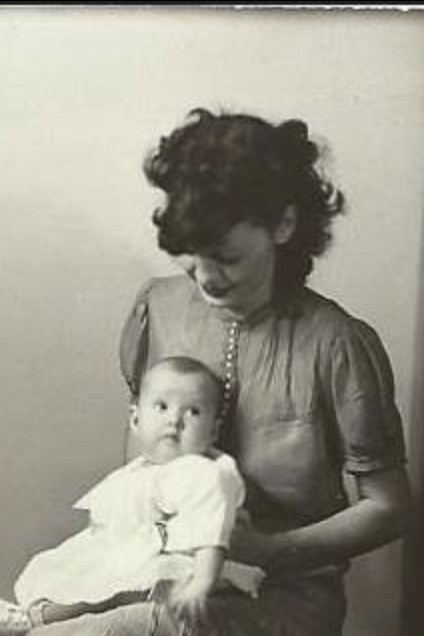
Then, sometime in 1925, he disappeared, never to be heard from again. This is my grandmother and my mom at about that time. My niece, Emily, found this 1925 clipping from the Oakland Tribune. (His first name varies in the old papers: “Edmund” or “Edward”).
My mother never knew what happened to him, but the melancholy he left behind stalked her for her entire life. She died at 48. What she left behind—-I can’t quite find the right word—was imperfect but loving and brilliant momsmanship. (Below: as a third grader; with my big brother Bruce, with my big sister Roberta.)
So adopting this abandoned cat was natural to me. She needed a place where she would be safe, where she would never go hungry, and where she would always feel loved. She needs what was taken away from my mother, the very woman who taught me how to give gifts like these.
Since I am emotionally about fourteen years old, I enjoy the Jason Bourne spy movies.
Bourne is an American intelligence assassin so thoroughly trained by his handlers that he can’t remember his real name.
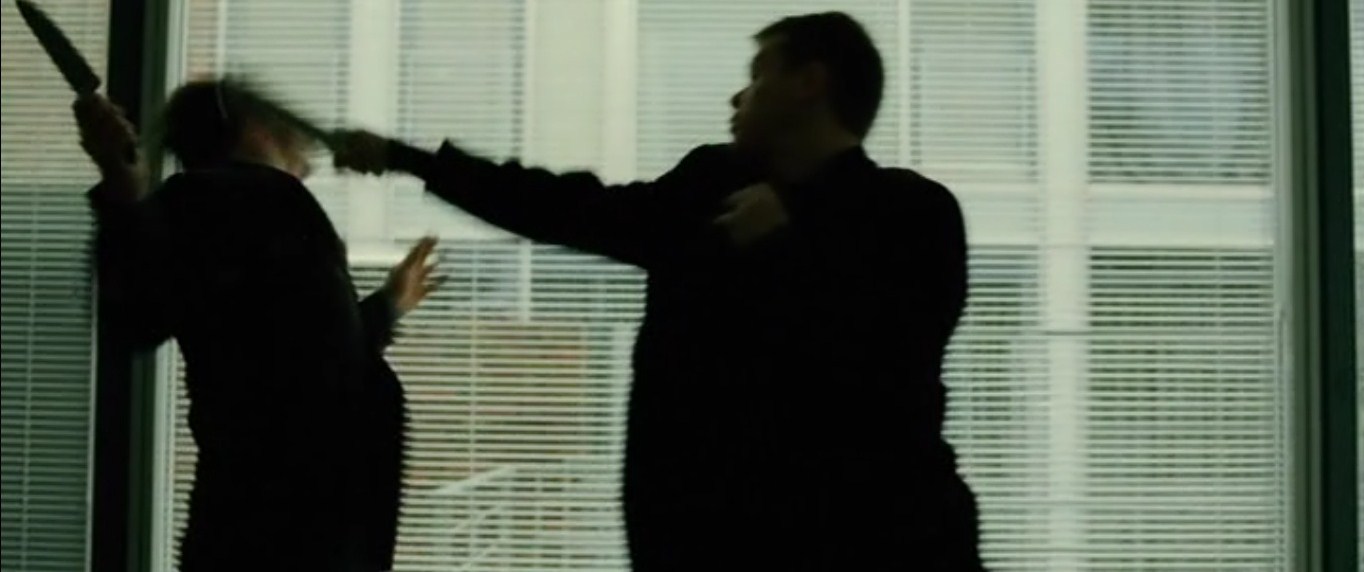
I love the Jason Bourne car chases, the motorcylce chases, the moped chases, the snipers and hitmen he foils, the locales in Europe and New York City, the deft leaps from rooftop to rooftop or from high suspension bridges into any river you’d care to name. I also enjoy, to be honest, the fight scenes, especially the one where Damon’s Bourne subdues his would-be killer with a rolled-up newspaper.
AND Bourne can speak at least five languages effortlessly, has a secret Swiss bank account—no one has ever offered me a secret Swiss bank account, and wherever he is—Istanbul, Moscow, Amsterdam, Madrid, Paris, Berlin, London, New York City—you want to be there, too. Without the killers, of course.
Damon is a wonderful actor (Yes, I’ll grant you Good Will Hunting, but that’s because of Robin Williams, too) but his turn as a stranded astronaut in The Martian is my favorite. It includes the immortal line I’m gonna have to science the shit out of this, when Damon realizes how chancy his survival is. It helps that he uses his own poop to fertilize the potatoes that sustain him.
Having acknowledged what a fine actor Damon is, I think that this young woman, Oksana Akinshina, is even better. The emotions that cross her face are kaleidoscopic—terror, disbelief, shock, grief.
There is also a fleeting moment, when she smiles, that shows she is sympathetic. That’s indelible.
Our niece Emily, lives in Brooklyn and works the usual three-plus jobs so that she can earn food and rent money between auditions.
Emily can act like this. She is brilliant and brave, and I am so proud of her..
Slave shackles from the Smithsonian’s Museum of African American History and Culture
The Oval Office has been ambushed by gold furnishings, some of them imported from exotic places as far away as Mar-a-Lago, in Florida. Now, it seems, the President wants his history golden, as well. His attack on the Smithsonian’s African American Museum—“too much emphasis on slavery”–was echoed by this young woman, charged with dispatching a study team to cleanse the place of Wokeness.
It was obvious that Ms. Halligan could muster, at most, about 150 words about the history of American slavery. Her boss’s leash is a short one. If you’d pressed her, she would’ve been a perfect example of what Hannah Arendt called “the banality of evil.”
“When did slaves come to America?” you might ask her. “Who was Nat Turner?” “Why did some slaves about to be sold South mutilate themselves—with one mother using a hatchet to chop off her foot?” “Why was the spiritual ‘Steal Away to Jesus’ a significant signal to enslaved people?”
There would’ve been silence. The photo depicts Halligan desperately searching her own ear for answers.
I’m cheating, of course, because I took a year of the history of the American South in college. I was amazed both at how little I knew and at how rich the history of Black Americans is, including the history of their enslavement (which includes the ingenious ways in which they resisted slavery), the topic that so ruffles the President’s wispy golden hairs.
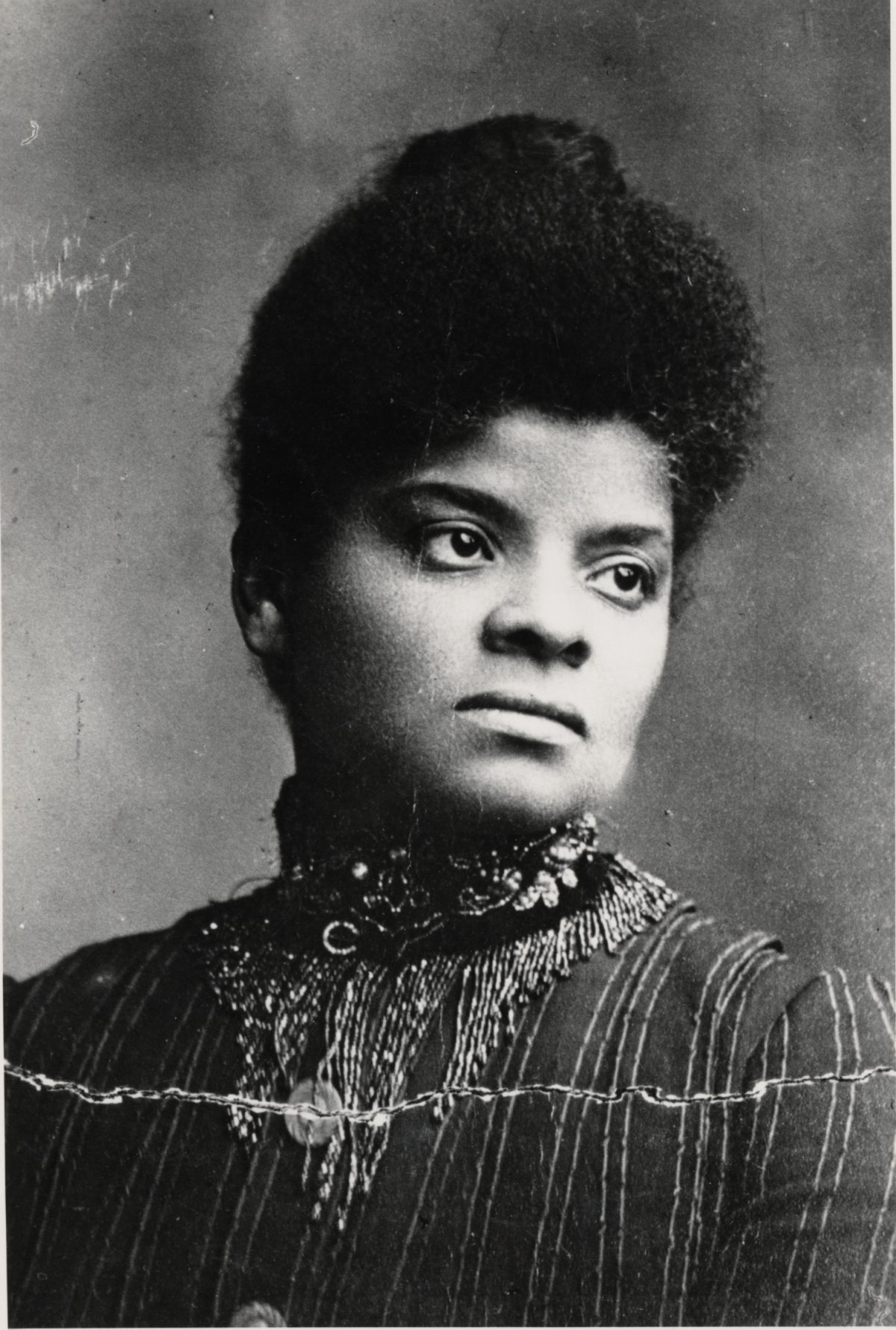
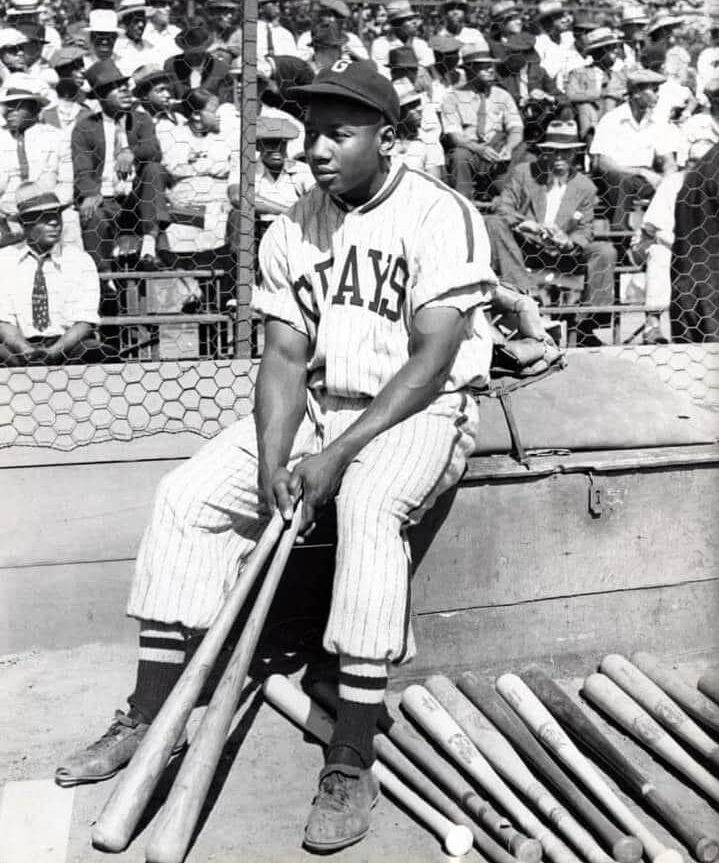
In truth, the Pulitzer-Prize winning columnist Eugene Robinson notes that the history of slavery is housed in the museum’s lower floors. As visitors ascend, the exhibits’ emphasis shifts to Black men and women of accomplishment: poets, musicians, scholars, soldiers, scientists, athletes, activists. (Below: Robinson, activist Ida B. Wells, professional baseball slugger Josh Gibson, poet Maya Angelou.) In a very subtle way, museumgoers ascend to freedom, too.
And, Ms. Halligan, let’s do some math. Slavery was an American institution for 246 years, from 1619 until 1865, when the Thirteenth Amendment, the centerpiece for Spielberg’s film Lincoln, was finally adopted.
Then things got worse. After the brief interlude when troops occupied the South, during Reconstruction, what followed was nearly 100 years of segregation, of Jim Crow.
How could that be worse than slavery?
Possibly the only positive attribute of American slavery is that enslaved Americans and White Americans lived in close proximity. White children played with Black children, except when a Master’s son once asked if the could join the enslaved children, who were playing “Auction.”
He was turned down, apologetically. One of the Black kids pointed out that he couldn’t possibly play Auction. He was White and therefore worth nothing.
Most slaveowners were the masters of five or fewer human beings, and so their waking and working lives were within sight and sound and smell of each other. It wouldn’t be accurate to call them “friends,” but they were certainly intimate.
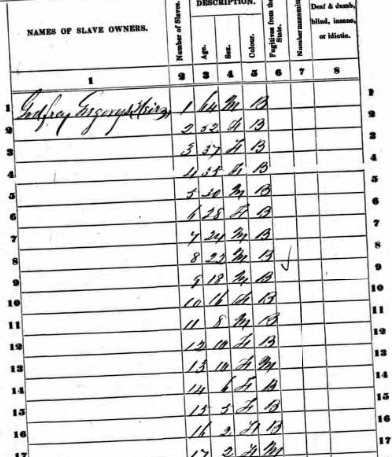
My third great-grandfather, Godfrey Gregory, claimed to be the owner of seventeen human beings, listed, without names, in the 1850 Kentucky Census. I am named for two ancestors, Confederate officers, who did not survive the Civil War.
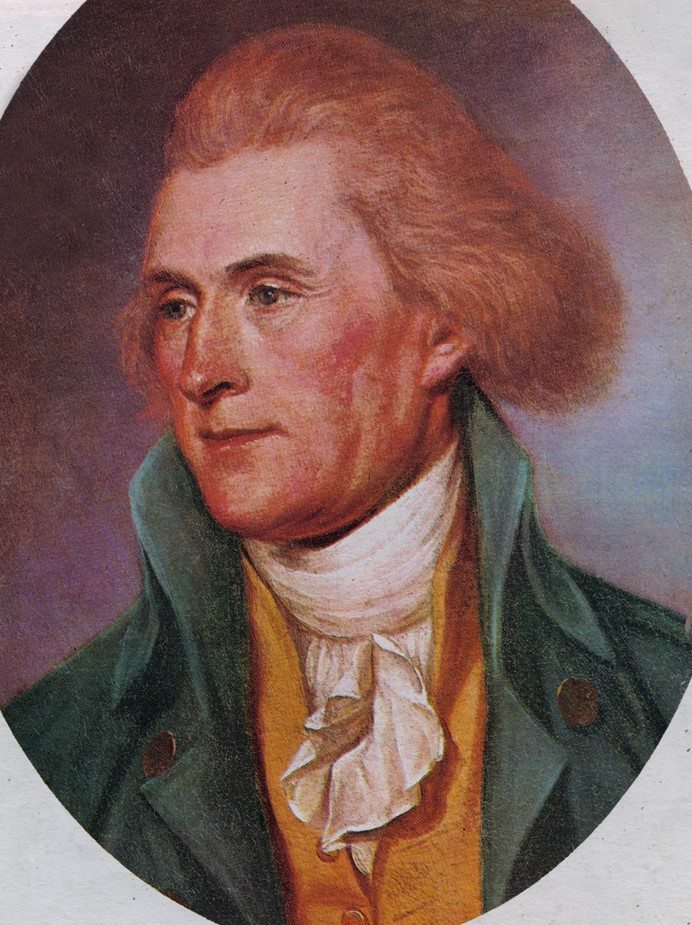
That intimacy, of course, extended to enslaved women, chattel and therefore subject to the wooing—or, more accurately, the rape–on the part of White masters or overseers. Jefferson’s hostess at Monticello, Sally Hemings, mothered Black children with red hair. (Below: Jefferson, Monticello, Sally Hemings’s quarters, discovered only in the last decade. This room would’ve been the space where she birthed Jefferson’s children.)
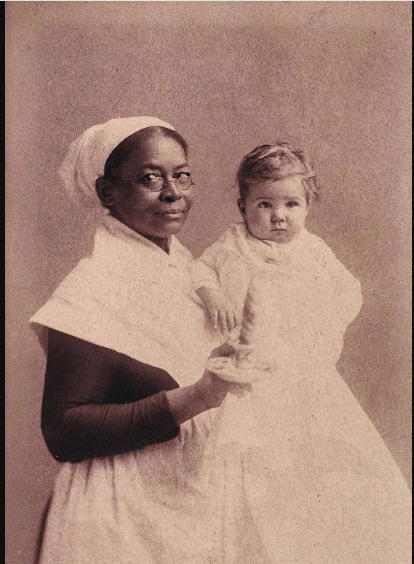
On larger plantations, enslaved women became surrogate mothers—more often, mothers in everything but DNA—to White children. Black women nursed Master’s babies. Nannies kept them seen but not heard so that Master and Mistress could cultivate the kind of social lives that the Cotton Aristocracy required.
So nannies were disciplinarians, confidantes, nurses and the driers of tears.
And then, when the time came and the family will was read, these women, these surrogate mothers, became the property of the little boy they’d raised.
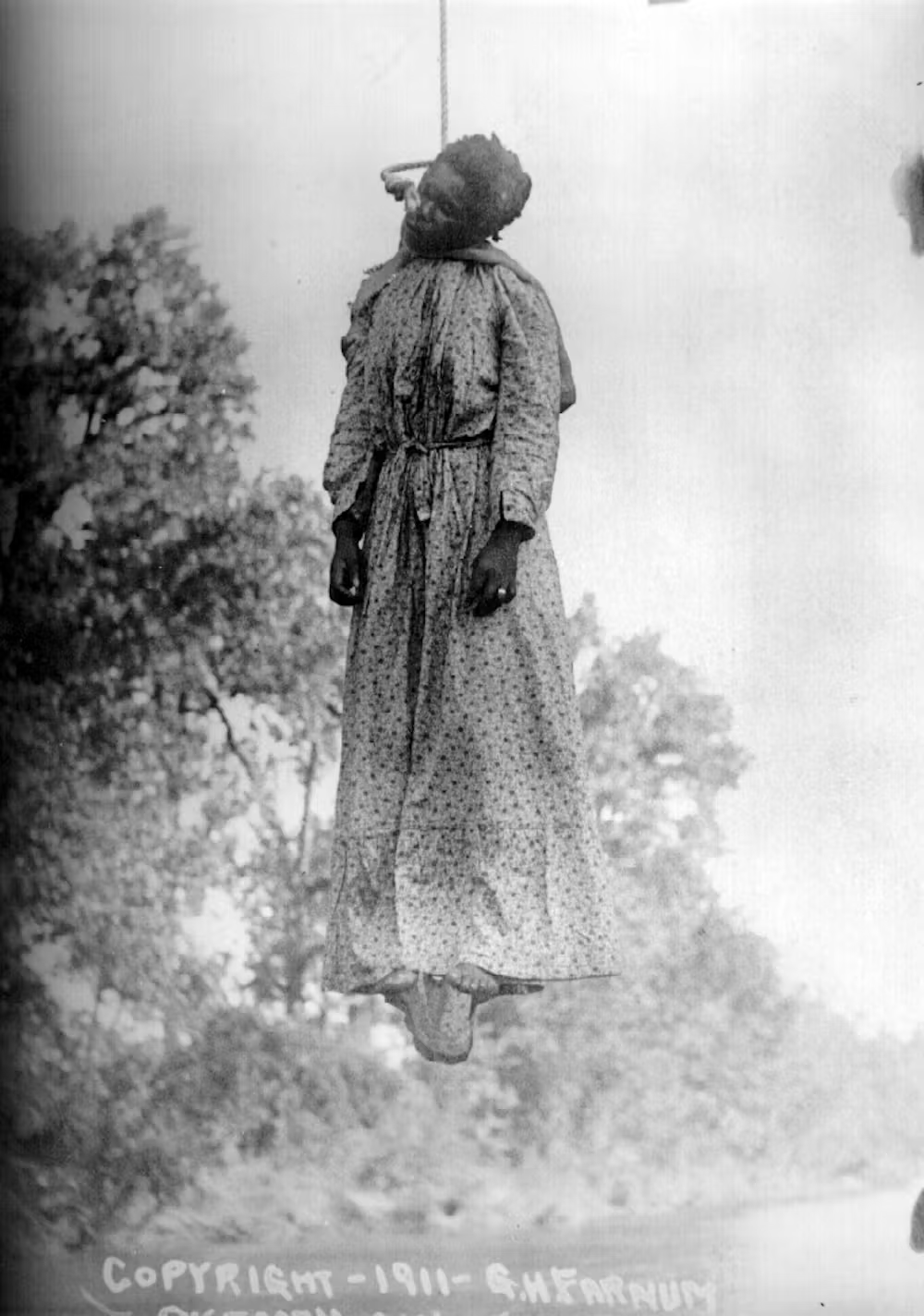
When chattel slavery ended, at the cost of 750,000 American lives, Jim Crow emerged as the device to keep Black Americans subservient and obedient. Enforcement included whipping, a staple of slavery, but it also included a century of lynchings—a kind of spectator sport—because now, with the races rigidly separated and unknowable to each other, it was much easier for Whites to murder people who’d become objects.
There were over 4,000 lynchings in the South in the Jim Crow years.
(Below: A nanny and her charge; Laura Nelson and her fourteen-year-old son were lynched in 1911 Oklahoma)
Southerners were not alone in objectifying Black Americans. A less violent cruelty was cultivated by Hollywood, including this scene from the 1943 musical This Is the Army, which incorporated both Blackface and cross-dressing in Blackface.
So, Ms. Halligan, we didn’t come very far after slavery, not with 100 additional years of segregation and of terror. And of mockery. That makes roughly 350 years of institutionalized cruelty visited on a people who’d been stolen from their homes for profit. It’s been about 450 years since Africans were first brought to America. The math alone begs for a museum that emphasizes the history of slavery.
What the President wants is simply a revival of a kind of history—gilt-edged, victimless history—that never really existed, except in Cold War fourth-grade classrooms or in the Technicolor mythology of the O’Hara family’s Tara.
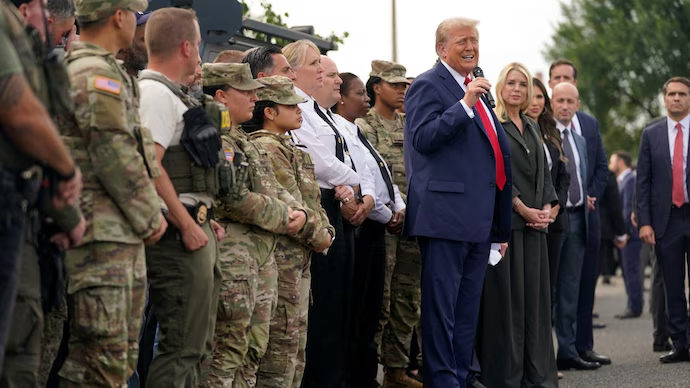
I think that the young Black woman, the Guardsman, just behind the President, belies his painfully childish grip on American history. I think she knows him. Her face reveals that she knows, in a way, that she’s been sold.
The truth’s being sold away, too. The President’s servants, smiling benignly to his left, are enjoying this version of the game “Auction.”
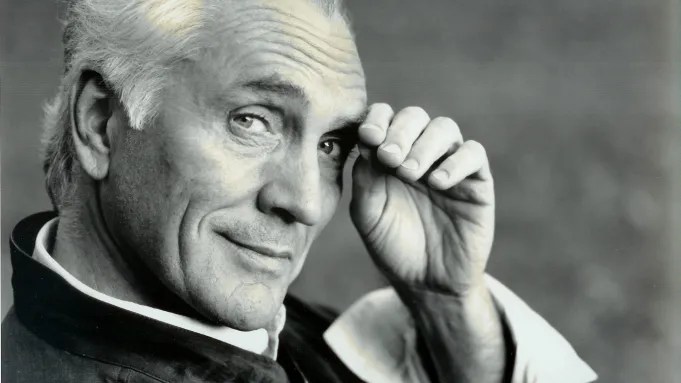
His Da was a merchant seaman and so rarely home. Home was London and, as a toddler, he survived The Blitz. Two decades later he even survived Peter O’Toole, his friend. O’Toole, common to British actors, wasn’t just a drinker. He was a carouser. Maybe this man, Terence Stamp, was among the crowd who went bar-hopping all night Friday and decided to stop into a West End theater for the Saturday matinee. They were there to hoot at the actors from their seats in the dark.
Just before the curtain, though, O’Toole leaped from his seat.
“Good GOD!” he cried. “I’m IN this!”
This story is, of course, apocryphal, but carousing, and booze, was a kind of second Blitz that Stamp survived. He even survived a relationship with the woman, Jean Shrimpton, whom many consider the first modern Supermodel, she who paved the way for Cindy Crawford, Gigi Hadid, Tyra Banks, and even Shrimpton’s contemporary, Twiggy. (Shrimpton is now eighty-two.)
An older O’Toole outside a Soho watering hole.Shrimpton and Stamp, about 1965.
We Yanks take some credit in the creation of this marvelous actor. He was smitten by Gary Cooper when his Mum took him to see Beau Geste when he was a little boy; when he was a teen, James Dean cemented his decision to become an actor.
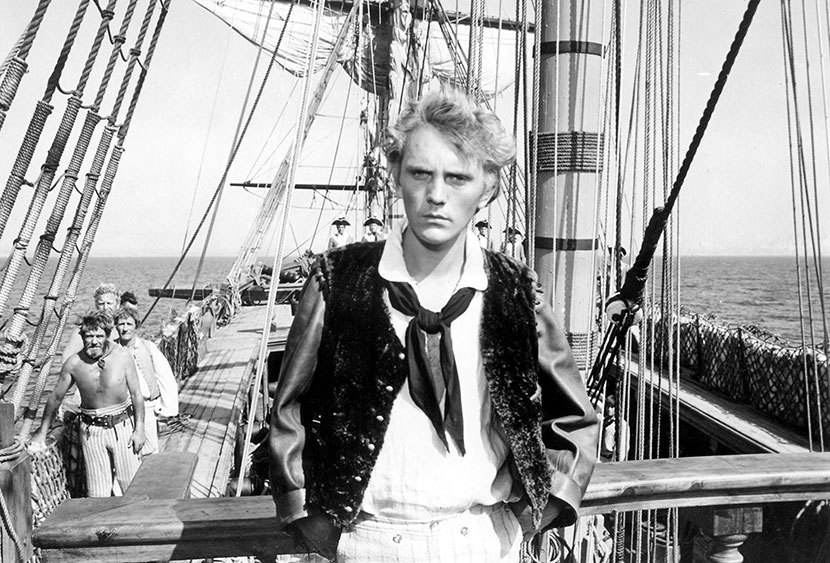
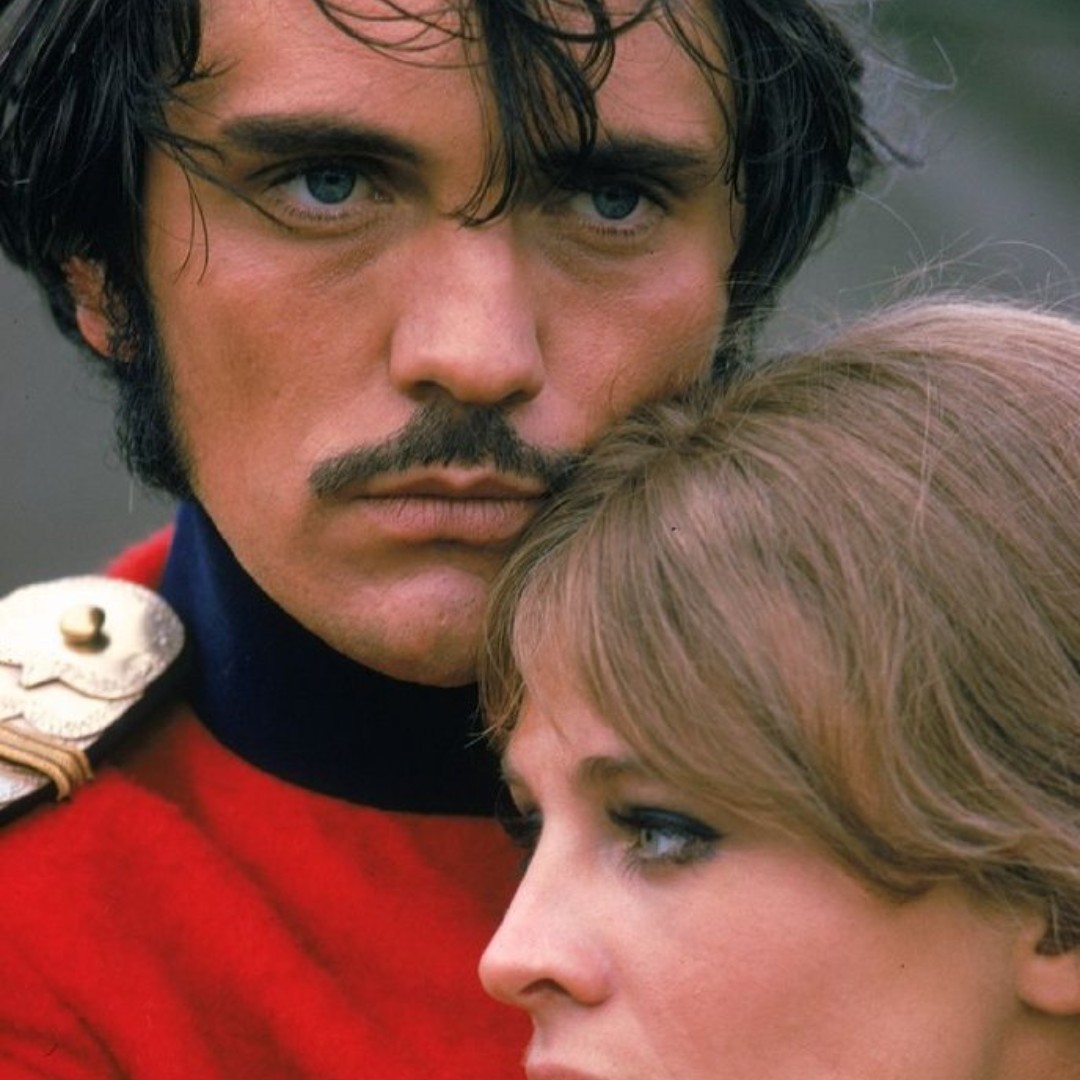
It was a sound choice. At the very beginning of his film career, Stamp’s range was already extraordinary: He was the guileless and doomed young sailor in Billy Budd, and a few years later was the brooding and paranoid soldier, the flame to Bathsheba’s moth in the first film production of Thomas Hardy’s Far from the Madding Crowd. (I enjoyed both that version, with Julie Christie, and the later one, with Carey Mulligan. The earlier version led me to Thomas Hardy novels, and that was a good choice on my part. For one thing, I learned as much about dairying from Hardy’s Tess of the d’Urbervilles as I had about whales from Moby-Dick, and the former learning was far less painful.)
For purely gratuitous reasons, Carey Mulligan’s horseback ride from the second film version. (The video link should work if you click on it.)
Thankfully, the news services put together a composite of some of Stamp’s roles. He made an indelible impression as General Zod in the first Superman films with Christopher Reeve. He was a superb supervillain, and those were films that he was very proud of.
Because I am a hopeless Romantic, it’s one of his supporting roles that I remember best. The film was called The Adjustment Bureau, and it’s based on a story by the brilliant American science fiction writer Philip K. Dick.
The premise is simple, and similar to The Matrix. We are not in control of our lives. They are foreordained, every moment planned from birth to death, and if someone or something threatens to violate The Plan, the Adjustment Bureau intervenes for course correction. They’re easy to spot, because all of them were slim-lined early 1960s suits. And all of them wear hats.
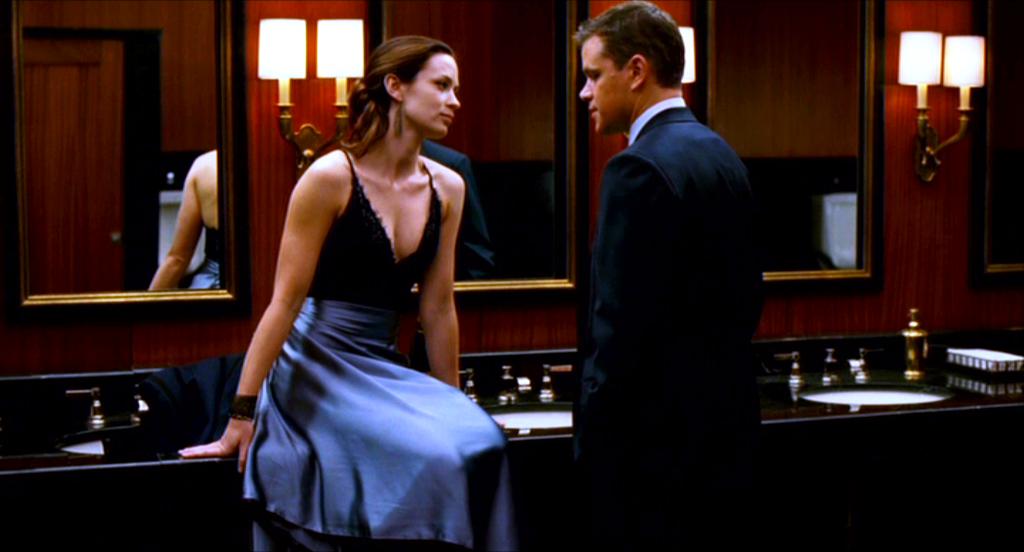
In the film, Matt Damon, as David, is an earnest young United States Senator who falls head-over-heels with a dancer, Elise, played by Emily Blunt. She falls in love with him. He is a button-downed traditionalist. She’s a free spirit. Can’t blame either one.
In The Adjustment Bureau, Blunt and Damon first meet in the men’s room at the Waldorf, where he’s trying to gather himself after a defeated run for office; she’s hiding in there because she’d crashed a wedding party.
But this love is NOT in the young senator’s Plan. So, the Adjustment Bureau agents, led by Stamp, intervene to separate the young couple forever. Stamp’s gravitas is expertly played in this scene, and it allows Damon’s line, at the end, the weight that it deserves. Sometimes there would be cheers from the film’s audiences at this point.
Stamp, an inherently generous actor, made those cheers happen.





















 A Work in Progress